
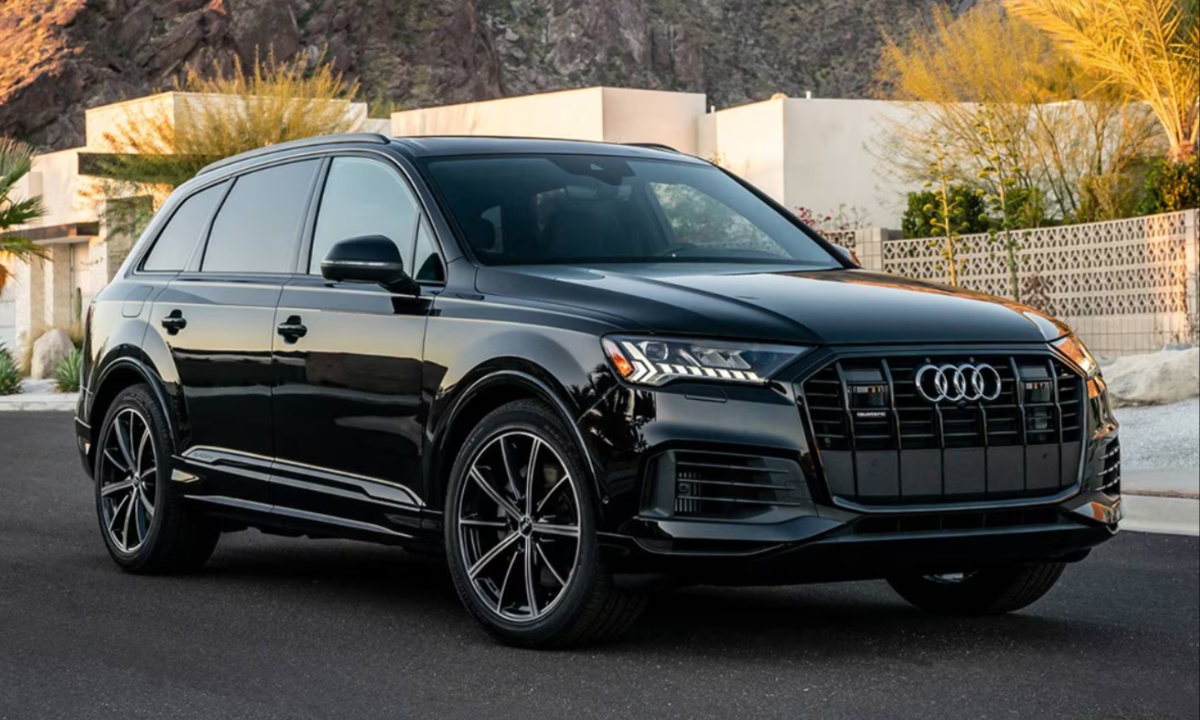
The Audi Q7 has long been a benchmark in the luxury three-row SUV segment, combining German engineering, sophisticated design, and versatile performance. With multiple generations and updates over the years, the Q7 offers a range of options that cater to families, tech enthusiasts, and driving purists alike.
However, not all model years are created equal; some deliver exceptional refinement, reliability, and features, while others are prone to mechanical or electronic issues that can be costly to repair.
Whether you’re considering a brand-new model or a certified pre-owned option, understanding which Q7 years stand out for quality and longevity is crucial.
This guide highlights five Audi Q7 model years that are worth buying, showcasing their performance, comfort, safety, and technology, as well as five years to approach with caution due to recurring problems. Armed with this insight, buyers can make informed decisions and enjoy the luxury and capability that the Q7 promises.
5 Audi Q7 Years Worth Buying
1. 2023 Audi Q7
The 2023 Audi Q7 stands out as one of the premier three-row luxury SUVs on the market. It combines a refined interior, advanced technology, and smooth driving dynamics, making it an appealing choice for families and enthusiasts alike.
The Q7 is offered in three trims: Premium, Premium Plus, and Prestige, with prices ranging from about $60,000 to $75,000. Buyers can choose between a turbocharged 2.0-liter four-cylinder 45 TFSI engine producing 261 horsepower, or a turbocharged 3.0-liter V6 55 TFSI engine generating 335 horsepower.
The V6 comes standard on the Prestige trim and is optional for the other trims, while the four-cylinder powers the lower and mid-level versions.
The Premium Plus trim is particularly noteworthy for value, offering features like a Bang & Olufsen sound system, adaptive cruise control, and a surround-view camera system. Ratings reflect its strong appeal, including 3.6/5 from Edmunds, 4.4/5 from Kelley Blue Book, and 72/100 from JD Power.
The 2023 Q7 delivers refined performance and confident handling. The V6-powered model accelerates from 0 to 60 mph in 5.6 seconds, placing it among the quicker non-performance SUVs in its class.
Acceleration is smooth, with minimal drama, though Comfort mode can make throttle response feel slightly muted unless the accelerator is pressed firmly. The SUV handles corners with composure, thanks to minimal body roll, smooth braking, and nearly imperceptible gear shifts, even if its turning circle is wider than ideal.
Reviewers praise the Q7 for driving more like a smaller vehicle, providing a composed and controlled experience at high speeds. The combination of power and poise gives drivers confidence in a variety of conditions.
The Q7 emphasizes comfort and luxury throughout its cabin. Road and wind noise are minimal, while the four-zone climate control system effectively distributes air to the first two rows. Third-row passengers share airflow with the second row, which works best for children or shorter trips.
Front seats are supportive and cushioned for long drives, though their eight-way adjustment feels limited for a top-tier luxury SUV. The standard suspension delivers a smooth, balanced ride, while the optional air suspension can feel slightly firmer.
Interior space is generous in the first two rows, and despite the third row being compact, entry is manageable thanks to wide doors. Audi’s high-quality materials and attention to detail contribute to a sophisticated and premium cabin environment.
The 2023 Q7 comes with a comprehensive suite of technology features, though its dual touchscreen infotainment system can challenge new users. Once configured, it is responsive and precise, with features such as handwriting recognition, multiple USB ports, wireless Apple CarPlay, and wired Android Auto.
Safety and driver-assistance technologies, including adaptive cruise control and collision mitigation features, are standard across trims. Cargo space ranges from 14.2 cubic feet behind the third row to 69.6 cubic feet with all seats folded.
The power-folding third row increases versatility, while towing capacity reaches 7,700 pounds for the V6 model. Multiple child-seat anchors enhance family-friendliness.
The Q7 offers a compelling mix of luxury, performance, and practicality at a competitive price point among German rivals. Fuel efficiency is modest, with the V6 model rated at 20 mpg combined and real-world results averaging about 21 mpg.
While the Prestige trim carries a premium price, lower trims deliver strong value with numerous features. Warranty coverage is solid, with four years/50,000 miles for both basic and powertrain protection, and four years of roadside assistance.
With a refined cabin, smooth driving dynamics, and a rich technology suite, the 2023 Q7 presents an attractive option for buyers seeking a versatile and luxurious three-row SUV.
2. 2022 Audi Q7
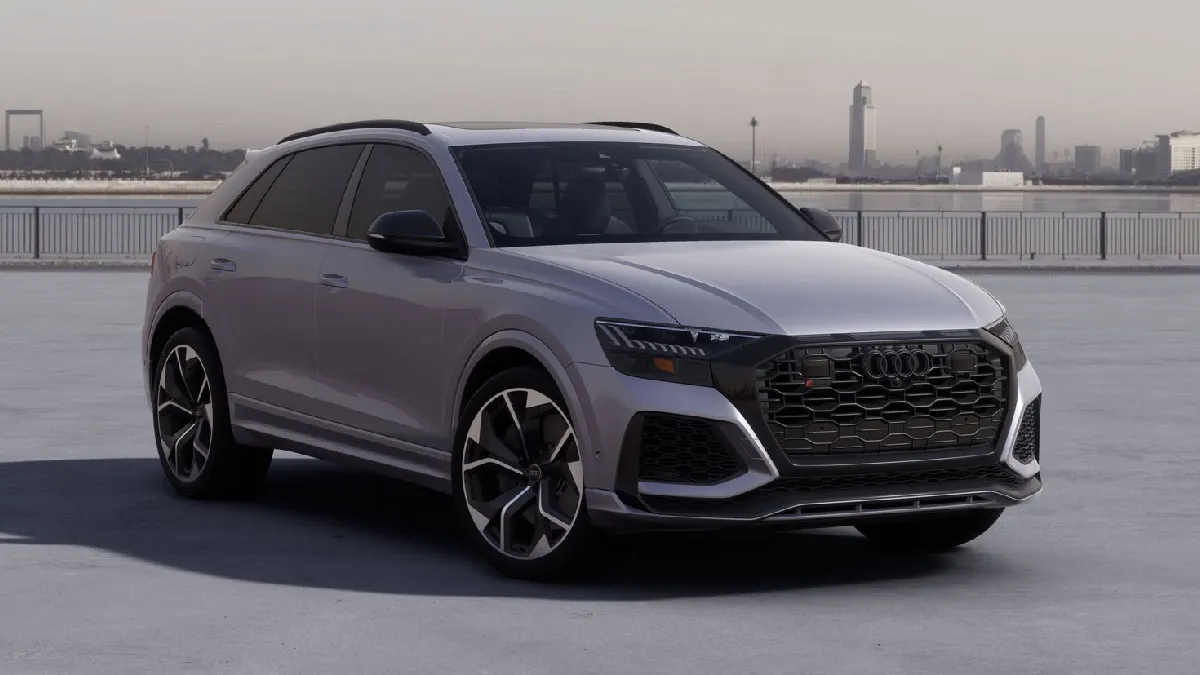
The 2022 Audi Q7 remains one of the top contenders in the three-row luxury SUV segment, celebrated for its build quality, iconic design, and strong engine performance. Every trim comes standard with three-row seating and Audi’s Quattro all-wheel-drive system, emphasizing versatility and capability.
Buyers can choose between two engines: the turbocharged 2.0-liter four-cylinder 45 TFSI producing 248 horsepower, and the turbocharged 3.0-liter V6 55 TFSI generating 335 horsepower. Standard features are plentiful, including advanced safety systems like Audi Side Assist, Audi Pre Sense, and Audi Active Lane Assist.
Optional packages enhance luxury and convenience, with the Executive Package adding ambient interior lighting, four-zone climate control, and heated rear seats.
While the Premium trim provides strong performance and safety features, midrange and higher trims offer enhanced amenities, giving buyers flexibility depending on their budget and preferences.
The Q7 delivers smooth and confident driving dynamics, especially with the V6-powered model, which accelerates from 0 to 60 mph in 5.6 seconds. Acceleration is rapid yet composed, and freeway merging or passing maneuvers feel effortless.
Comfort mode can slightly soften throttle response, but the driving experience stays smooth and refined. The SUV handles corners well, with minimal body roll, smooth braking, and near-invisible gear shifts, although the turning circle is somewhat wide.
Reviewers note that the Q7 drives more like a smaller, sporty vehicle than its size suggests, giving drivers a sense of control and poise in a variety of driving conditions.
The 2022 Q7 emphasizes passenger comfort and a premium cabin experience. Road and wind noise are minimal, and the available four-zone climate control system efficiently distributes air to the first two rows. The third row lacks dedicated vents, so airflow depends on the second row.
Front seats are supportive and comfortable for long drives, although they adjust only eight ways, even on the Prestige trim. The standard suspension delivers a smooth, balanced ride, while the optional air suspension can feel firmer.
Interior space is generous in the first two rows, with the third row suitable for children. Audi’s high-quality materials, expansive seating view, and refined craftsmanship contribute to a sophisticated cabin atmosphere.
The Q7 features an advanced technology suite, including a dual touchscreen infotainment system with handwriting recognition, four USB ports, a 12-volt outlet, and wireless Apple CarPlay alongside wired Android Auto.
While the interface has a learning curve, it is sharp, responsive, and complemented by driver-assistance systems like adaptive cruise control and lane-keeping assist. Cargo capacity ranges from 14.2 cubic feet behind the third row to 69.6 cubic feet with all seats folded.
Power-folding third-row seats and optional air suspension aid loading and unloading. Towing capacity reaches 7,700 pounds for the V6 model, and multiple child-seat anchors make the Q7 a practical option for families.
The Q7 offers a solid combination of luxury, performance, and practicality at a competitive price point. Fuel economy is rated at 20 mpg combined for the V6, achieving close to 21 mpg in real-world driving, which is comparable to class rivals.
Pricing starts just under $60,000, making the entry-level Premium trim an appealing value, while the fully loaded Prestige trim can reach over $74,000. Audi’s interior materials and design remain among the best in the segment.
Warranties include four years/50,000 miles for both basic and powertrain coverage, with four years of unlimited-mile roadside assistance. With its refined interior, smooth driving dynamics, and comprehensive technology, the 2022 Q7 continues to be a leading choice in the luxury three-row SUV category.
3. 2020 Audi Q7
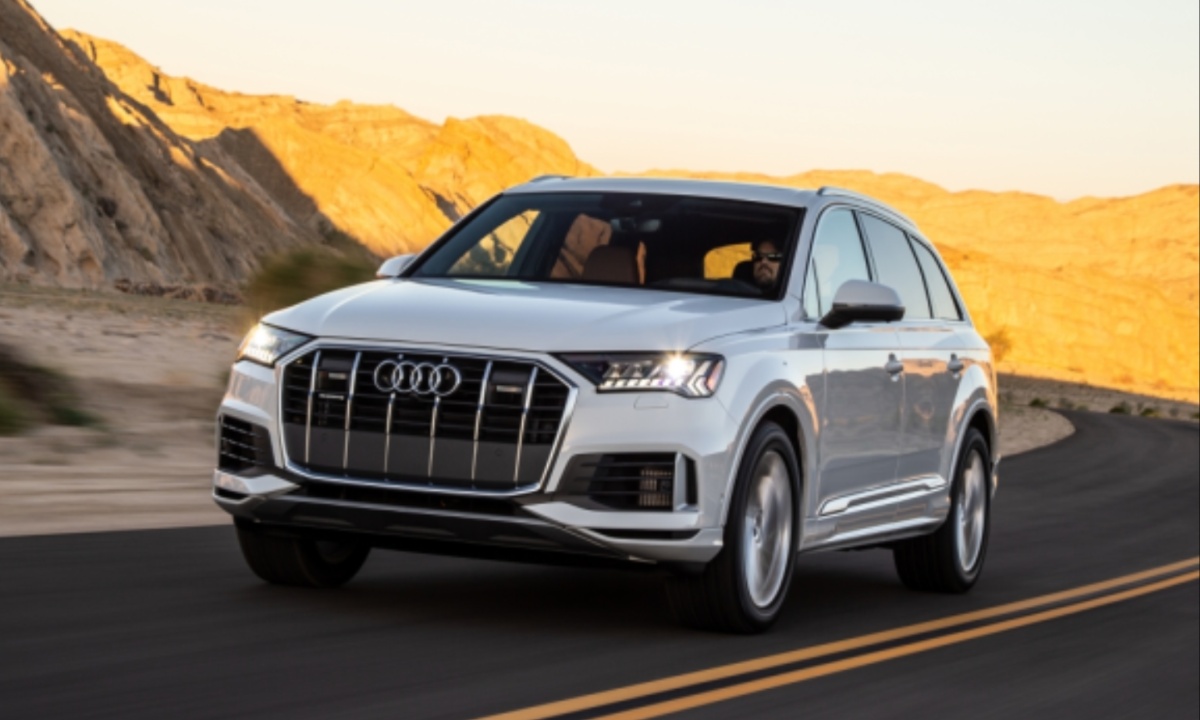
The 2020 Audi Q7 received a significant mid-cycle refresh, improving its exterior styling, technology, and standard safety features. Available in three trims, Premium, Premium Plus, and Prestige, the Q7 offers a range of amenities for different budgets and preferences.
The entry-level Premium trim comes well-equipped with leather upholstery, three-zone automatic climate control, a panoramic sunroof, and a power liftgate. The midrange Premium Plus adds a virtual cockpit digital instrument panel, a 10.1-inch touchscreen infotainment display, and a high-quality Bang & Olufsen audio system.
At the top, the Prestige trim incorporates all the features of the lower trims and adds luxury touches like a heads-up display, adaptive cruise control with traffic jam assist, and enhanced leather upholstery.
The 2020 Q7’s performance benefits from the upgraded turbocharged V6 engine, which replaces the previous supercharged V6. This new powertrain delivers stronger acceleration and a more responsive feel, making city and highway driving effortless.
While fuel economy has declined slightly by about 3 mpg combined compared to the older engine, the driving experience remains smooth, quiet, and refined.
Reviewers note that the SUV handles well for its size, offering confident performance with minimal body roll and steady braking. The combination of power and composure makes the Q7 a strong contender in the three-row luxury SUV segment.
The cabin of the 2020 Q7 emphasizes luxury and comfort, with seating for seven and top-quality materials throughout. Front and second-row seats are spacious and supportive for long drives, while the third row is best suited for children or shorter trips.
Audi’s new dual touchscreen infotainment system modernizes the interior, although some users may find it distracting while driving. The updated dashboard and center console integrate the system seamlessly, offering a clean, contemporary aesthetic.
The Premium Plus trim offers features such as wireless phone charging and blind-spot monitoring, making it an appealing mid-tier option for families seeking extra convenience.
Audi equipped the 2020 Q7 with a comprehensive suite of tech and safety features. The dual touchscreen infotainment system, virtual cockpit digital instrument panel, and Bang & Olufsen sound system provide advanced connectivity and entertainment.
LED matrix headlights available on select trims improve road illumination while reducing glare for oncoming drivers, pending regulatory approval. Safety features, including multiple driver-assist systems and additional standard items like rear side airbags, further enhance the Q7’s appeal.
The combination of advanced tech, driver aids, and intuitive design strengthens the SUV’s reputation as a family-friendly luxury vehicle.
The 2020 Audi Q7 maintains its status as a top choice in the luxury three-row SUV market. Its refreshed design, upgraded engine, and modern interior features make it a strong option for buyers seeking a blend of style, performance, and practicality.
Ratings from Edmunds (4.1/5) and Kelley Blue Book (4.4/5) reflect its high quality and desirability. While fuel economy is slightly lower than previous models, the Q7 delivers a smooth, comfortable ride with a wealth of amenities and standard features.
With its versatile cabin, refined driving dynamics, and premium materials, the 2020 Q7 remains one of the most compelling three-row luxury SUVs available.
4. 2019 Audi Q7
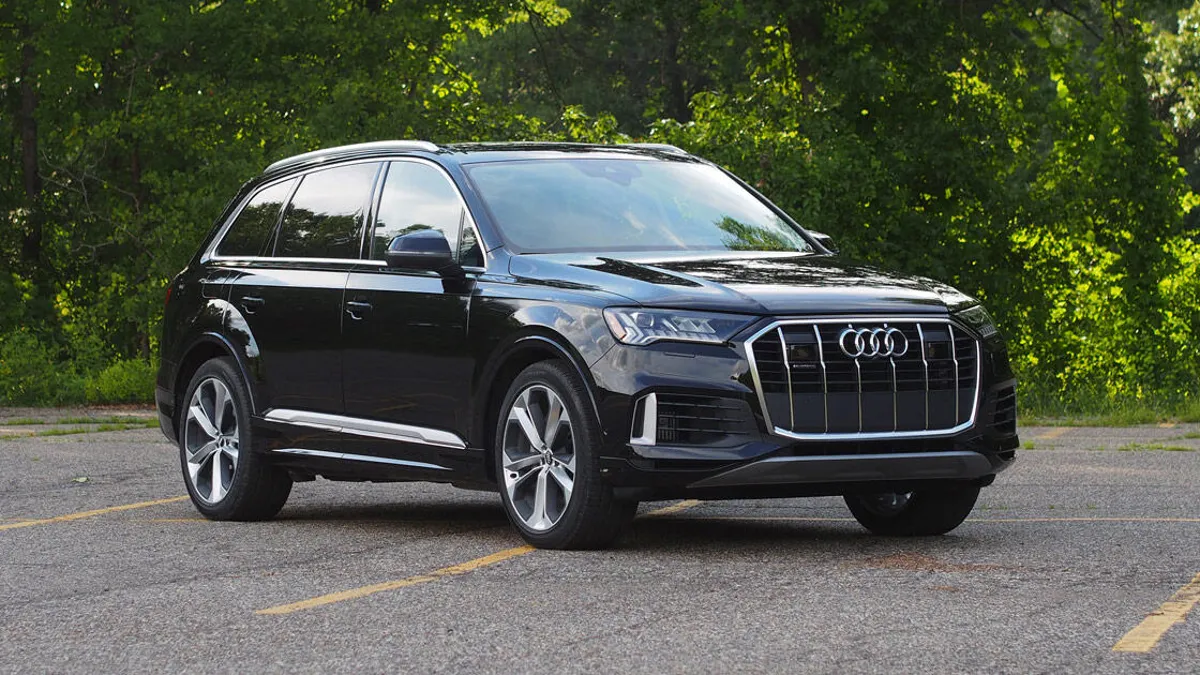
The 2019 Audi Q7, the third installment of the second-generation Q7, continues to offer a compelling choice in the luxury three-row SUV segment. Available in Premium, Premium Plus, and Prestige trims, the 2019 Q7 comes with a host of standard features that enhance comfort, convenience, and safety.
Integrated navigation is now standard across all trims, while Audi Virtual Cockpit, wireless charging, and LED headlights are included with the Premium Plus and Prestige trims. Optional packages, such as the Convenience Package, add blind-spot monitoring and rear cross-traffic alert.
The Q7’s strong safety credentials are highlighted by a perfect 5-star NHTSA rating, with systems like Audi Side Assist, Audi Pre Sense City, and Audi Active Lane Assist delivering enhanced protection for occupants.
The 2019 Q7 delivers strong performance for a midsize luxury SUV, thanks to its supercharged 3.0-liter V6 engine and eight-speed automatic transmission. In testing, the Q7 accelerated from 0 to 60 mph in just 5.9 seconds, placing it among the quicker three-row SUVs in its class.
Handling is confident, with precise steering, smooth braking, and minimal body roll. Even with all-season tires, the vehicle feels composed through corners, while everyday driving is effortless due to smooth, jerk-free shifts.
EPA estimates rate fuel economy at 19 mpg city, 25 mpg highway, and 21 mpg combined, which is respectable for a vehicle of its size and power. The Q7’s combination of power, refinement, and smooth ride quality makes it a standout option for families and luxury SUV enthusiasts.
Inside, the 2019 Q7 prioritizes passenger comfort and a refined cabin experience. Front seats are eight-way adjustable and provide support for long drives, while sliding and reclining second-row seats are comfortable for adults. The third row is best suited for children or occasional use, as space is somewhat limited.
The standard suspension expertly balances ride comfort with composure at higher speeds, and road and wind noise are minimal, creating a serene driving environment. The Q7’s cabin is stylish and functional, with excellent natural visibility and ergonomically placed controls.
Even with the slightly compact interior compared to some competitors, the cabin feels premium and well-crafted, with quality materials throughout.
The 2019 Q7 features Audi’s previous-generation MMI infotainment system, which is straightforward and intuitive, with easy-to-use knobs and controls. Navigation integrates Google Earth maps and appears on both the driver’s configurable gauge cluster and center display.
Apple CarPlay and Android Auto are standard, and wireless charging is included with higher trims. Cargo capacity ranges from 14.8 cubic feet behind the third row to 71.6 cubic feet with all seats folded, while power-folding third-row seats enhance versatility.
LATCH anchors across both rear rows support child-seat placement, and towing capacity reaches 7,700 pounds with the V6 and optional tow package, making the Q7 practical for families and recreation.
The 2019 Audi Q7 delivers a strong blend of luxury, performance, and technology, making it a top contender in the three-row SUV segment. Its 5-star NHTSA rating and standard safety features like Audi Side Assist and Pre Sense City provide peace of mind, while optional packages allow buyers to customize the vehicle to their needs.
Ratings from Edmunds (4.0/5), Kelley Blue Book (4.4/5), and JD Power (76/100) reflect its high quality and desirability. With a serene driving experience, premium interior, and capable utility, the 2019 Q7 remains a sensible and family-friendly choice for those seeking a luxury SUV without sacrificing performance or comfort.
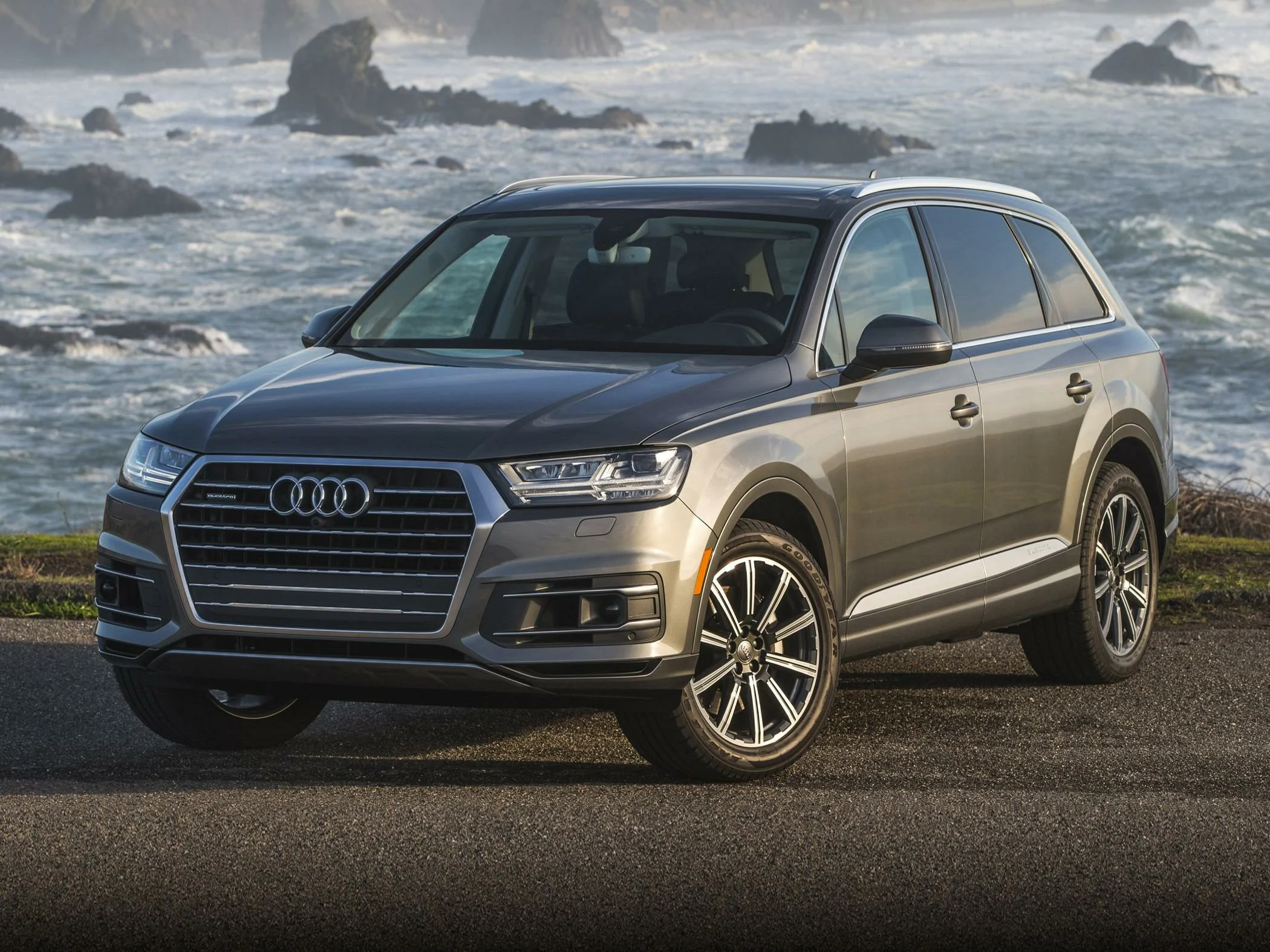
5. 2011 Audi Q7
The 2011 Audi Q7, part of the first generation, presents an affordable entry point for buyers seeking a luxury SUV with long-distance comfort and strong build quality. This model year replaced the previous V6 and V8 engines with supercharged 3.0-liter V6 options, available in the 3.0T and 3.0T S Line trims.
There is also a diesel-powered TDI variant for those prioritizing fuel efficiency. All trims come standard with Audi’s Quattro all-wheel-drive system and an eight-speed shiftable automatic transmission. Buyers can choose from three main variants: 3.0T Premium Quattro, TDI Premium Quattro, and 3.0T S Line Prestige Quattro.
Optional packages, including the Towing Package, S Line Package, Cold Weather Package, and Warm Weather Package, allow further customization for comfort, performance, or appearance.
The 2011 Q7 delivers capable performance, especially considering its size and weight of roughly 5,500 pounds. The 3.0T Premium and Premium Plus trims produce 272 horsepower and 295 lb-ft of torque, while the 3.0T S Line Prestige increases output to 333 hp and 325 lb-ft.
The diesel TDI variant generates 225 hp with 405 lb-ft of torque, favoring torque over speed. Acceleration to 60 mph is around 8.6 seconds for the TDI, while the V6 trims are quicker. Fuel economy varies by engine: the 3.0T V6 achieves 16 mpg city and 22 mpg highway, the S Line is similar, and the TDI manages 17/25/20 mpg.
The Q7’s supercharged V6s are smoother and more responsive than the older V6 and V8 engines, improving drivability for daily commuting and long-distance travel.
The 2011 Q7’s full-time all-wheel drive and optional air suspension enhance stability and comfort, especially in adverse weather conditions.
While the SUV is heavy and large, steering and braking are generally predictable, and the optional air suspension allows drivers to toggle between a comfortable cruiser and a more dynamic setup for curves and hills.
Parking in tight spaces can be challenging due to the vehicle’s length of 16.7 feet, but the available backup camera and parking sensors help mitigate this. The Q7’s handling is better suited for highways and paved roads rather than off-road adventures, making it ideal as a family cruiser rather than a rugged SUV.
Inside, the 2011 Q7 offers a well-crafted cabin with driver-focused controls and Audi’s MMI interface. The dashboard and layout are intuitive once familiarized, and materials throughout feel premium. The second row provides generous space for adults, while the third row is limited, suitable mainly for children or smaller passengers.
Cargo capacity reaches 72.5 cubic feet with the second and third rows folded, which is modest compared to some competitors. The interior excels in comfort for long drives, but the rear-most seating and limited cargo space slightly diminish its practicality as a full-size SUV for larger families.
Safety is a strong suit for the 2011 Q7. Standard features include antilock brakes, stability and traction control, front and side airbags, and side curtain airbags. Rear parking sensors are included, with a blind-spot warning system standard on the Prestige trim.
The Q7 earned five stars in government crash testing, with the Insurance Institute for Highway Safety rating it “Good” in frontal and side crash tests. Ratings from Edmunds (4.4/5), Kelley Blue Book (4.3/5), and JD Power (73/100) reflect its high quality and reliability.
While its third-row space and cargo volume are limited, the 2011 Q7 remains an attractive choice for families seeking a luxurious, smooth-riding, long-distance cruiser with solid performance and strong safety credentials.
Also Read: 5 Cars With Anti-Glare Cockpits vs 5 With Reflective Surfaces
5 Audi Q7 Years To Skip
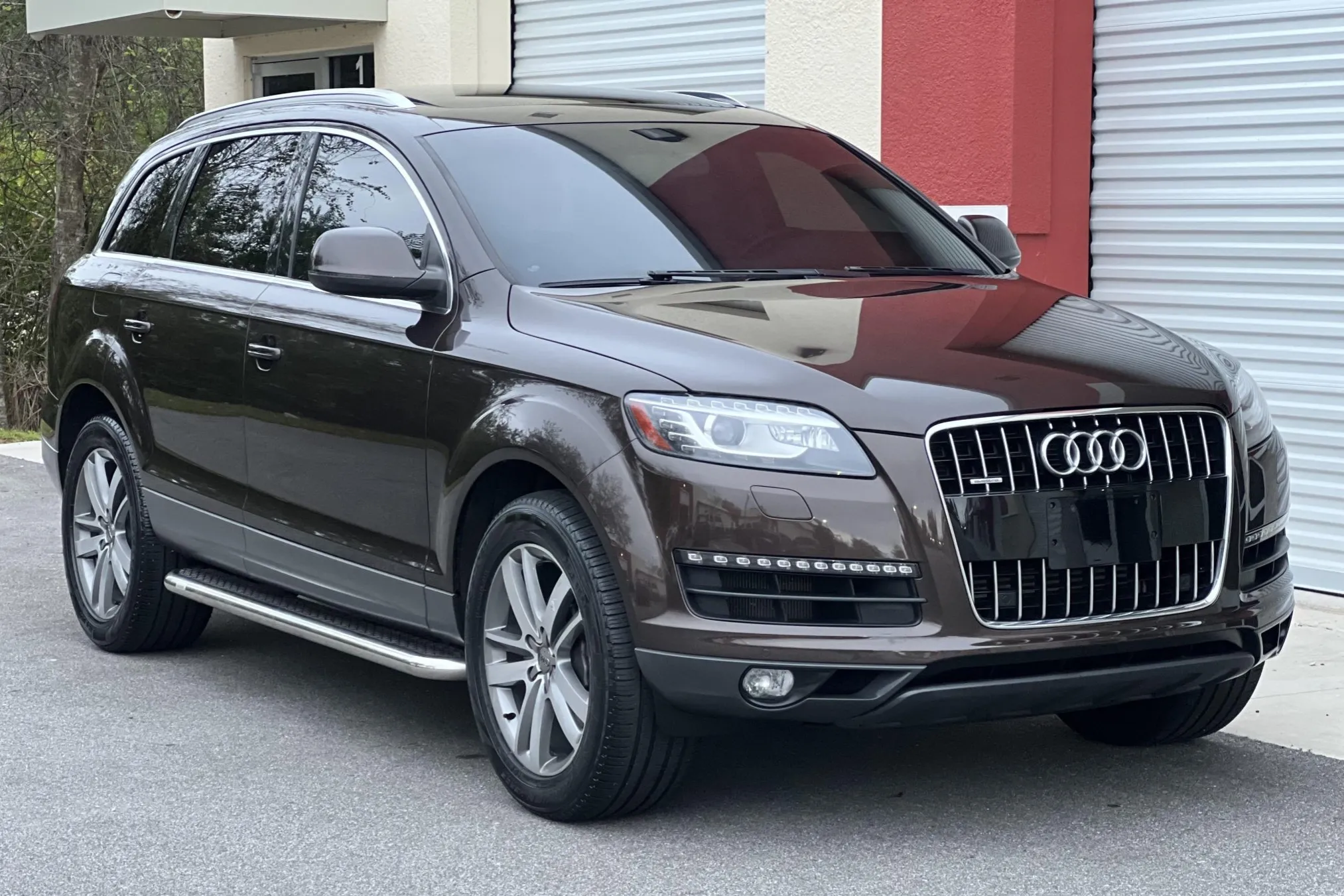
1. 2017 Audi Q7: Engine and Coolant Issues
The 2017 Audi Q7 stands out as one of the most problematic model years based on NHTSA data and consumer reports. The most severe and frequently reported issue involved engine coolant leaking, primarily caused by a failed water pump.
This defect could lead to engine overheating, potentially damaging critical components such as the head gasket, cylinder head, and engine block. Owners who caught the issue early faced repair costs around $1,500, but continued driving could result in complete engine failure, making it a major concern.
Other notable problems included squealing brakes, vehicle stalling in traffic, and defective side marker lights, some of which were not covered by recalls. The 2017 Q7 received 15 complaints on CarComplaints.com and 154 reported problems on CarProblemZoo.com. The combination of severe engine issues and high repair costs makes this year particularly risky for prospective buyers seeking long-term reliability.
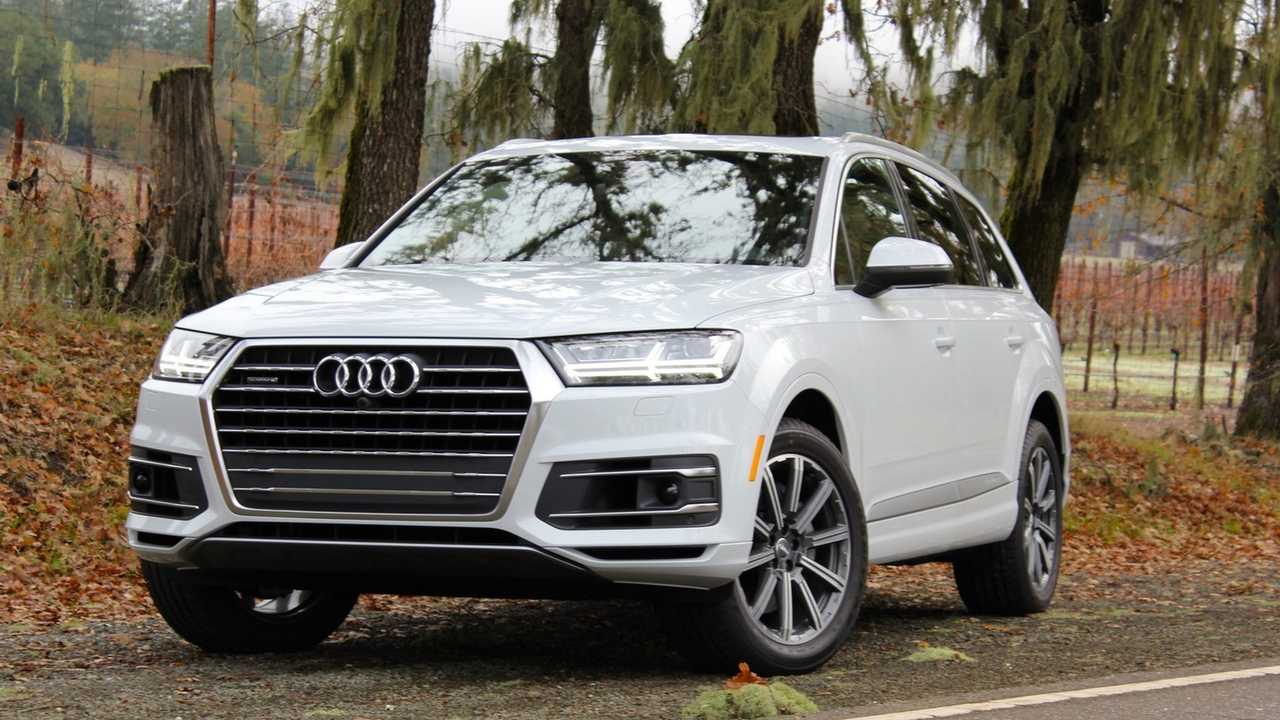
2. 2007 Audi Q7: Debut Model Challenges
The 2007 Audi Q7, the debut model, ranks as the second most problematic Q7 year in industry data. Many owners reported water leaks from the sunroof seals, which often led to electrical faults in the vehicle.
These issues persisted even after repairs, creating costly challenges for owners, with some reporting roof repair bills as high as $4,500. Additionally, a recall addressed fuel leakages in the engine compartment, as some owners experienced the smell of gasoline inside the cabin.
Common problems also included engine starting failures, brake issues, and malfunctioning of the Electronic Stability Program (ESP). Despite its attractive features as Audi’s first Q7, these mechanical and electrical flaws highlight significant design oversights.
The 2007 model recorded 10 complaints on CarComplaints.com and 120 problems on CarProblemZoo.com, showing a high incidence of issues even in its early production years.
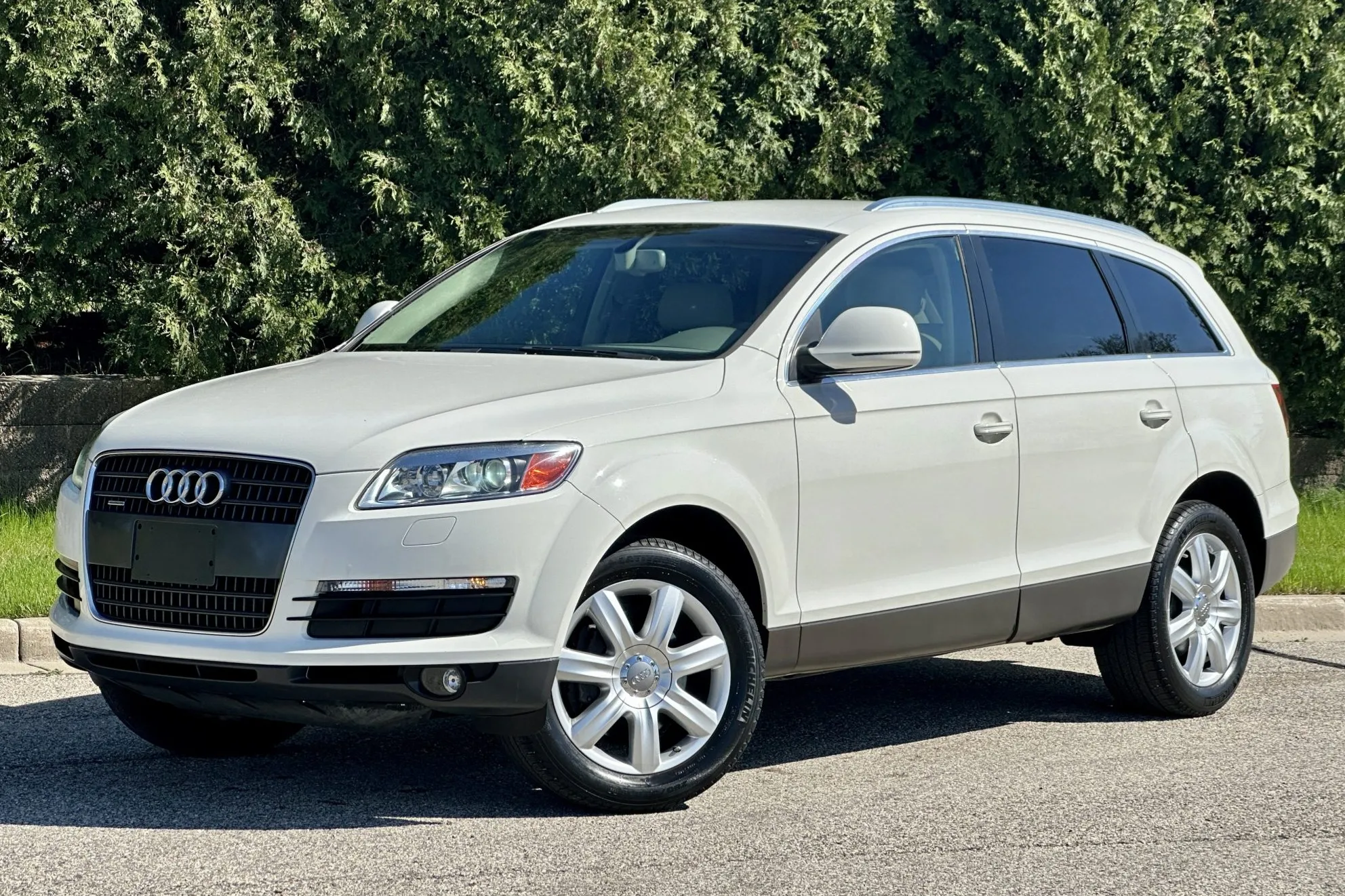
3. 2018 Audi Q7: Sunroof and Tire Concerns
The 2018 Audi Q7 continued to see some recurring issues, but on a slightly smaller scale than the 2017 model. Coolant leakage due to failed water pumps persisted, though fewer owners reported this problem.
A highly unusual and alarming concern involved sunroofs exploding spontaneously while driving, leading to shattered glass on the highway. Owners expressed significant frustration, emphasizing safety risks from these sudden failures.
There were also reports regarding unpredictable behavior of the camera system, with random display changes and erratic operation. Tire problems emerged as another area of concern, including tread shredding and peeling on the outside edges.
The 2018 model had a total of six complaints on CarComplaints.com and 75 reported problems on CarProblemZoo.com. While not as severe as the 2017 engine issues, these defects highlight persistent mechanical and safety vulnerabilities across consecutive Q7 model years.
4. 2014 Audi Q7: Stalling and Water Pump Failures
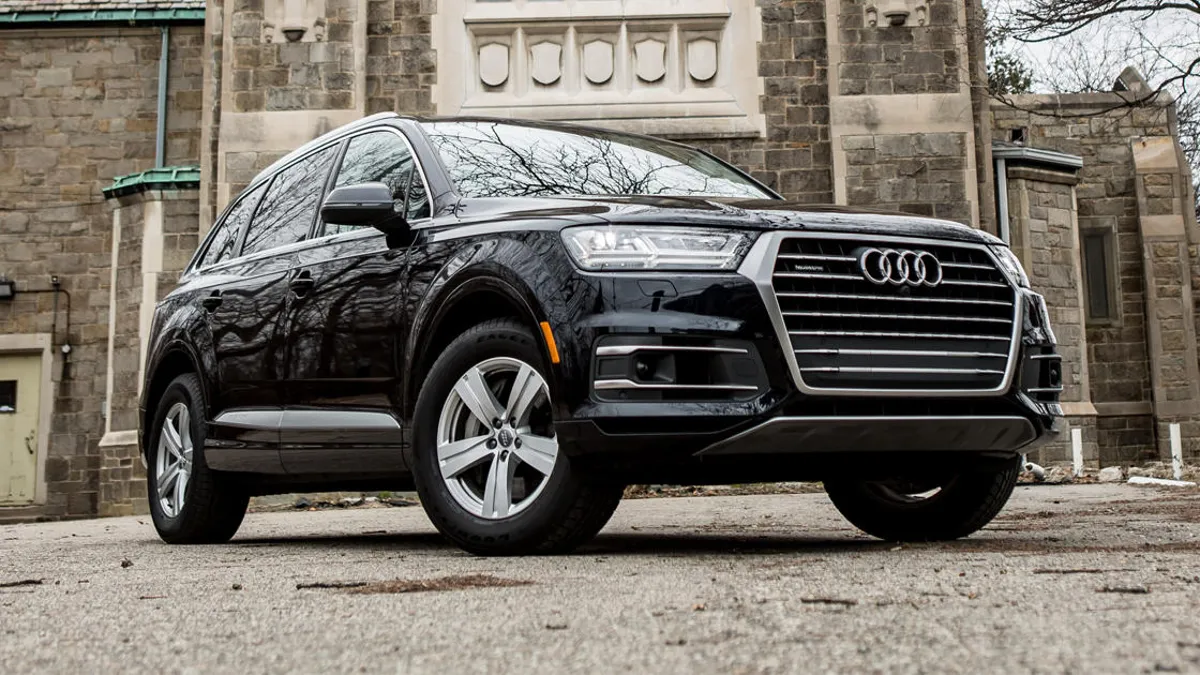
The 2014 Audi Q7 experienced stalling problems that affected vehicle safety, particularly during acceleration from a stop. Owners reported sudden power loss at speeds of 10–15 mph, often requiring full-throttle input to resume normal movement. These issues could occur unexpectedly at intersections, creating hazardous conditions.
Additionally, several owners noted water pump failures and premature brake wear. Despite repeated dealership visits, many Q7 owners found these problems unresolved, leading to significant frustration and safety concerns.
CarComplaints.com documented five complaints for the 2014 Q7, while CarProblemZoo.com listed 48 reported problems. These persistent issues illustrate that even relatively recent Q7 model years were prone to mechanical failures, emphasizing the need for careful inspection and maintenance when purchasing used vehicles from this period.
5. 2015 Audi Q7: Power Loss and Mechanical Concerns
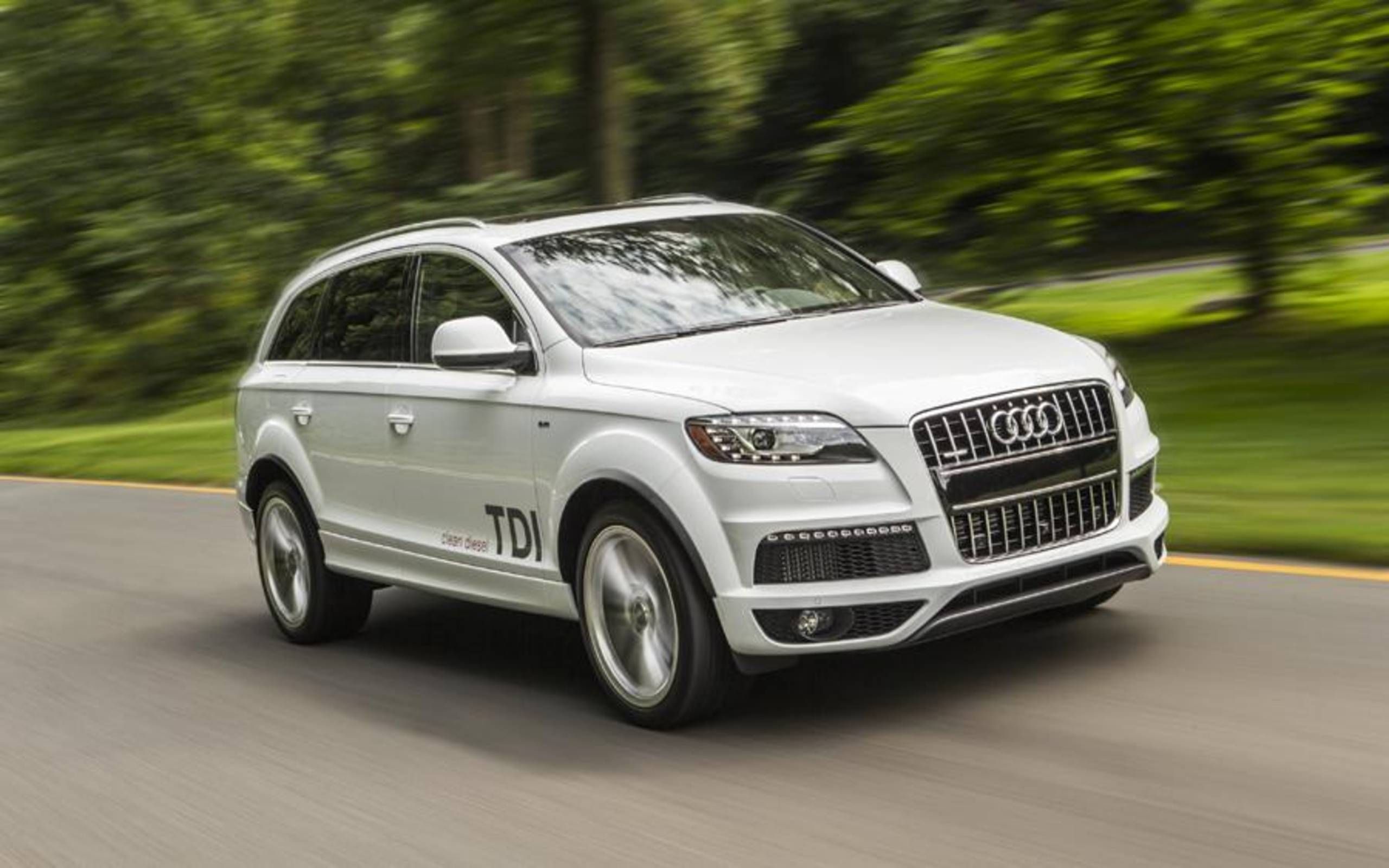
The 2015 Audi Q7 shared many issues with the 2014 model, including power loss during acceleration and occasional activation of the vehicle’s limp mode, which limits performance to prevent damage. Owners also reported premature brake wear and water pump replacements as frequent maintenance needs.
These issues affected the vehicle’s reliability and created safety concerns, particularly during city driving and highway merges. The 2015 model year recorded seven complaints on CarComplaints.com and 47 problems on CarProblemZoo.com, reflecting a consistent pattern of mechanical and drivetrain concerns for mid-2010s Q7s.
While still a luxury SUV with strong features and driving appeal, these model years require careful evaluation to avoid unexpected repair costs and safety hazards, particularly related to the powertrain and braking system.
Choosing the right Audi Q7 requires balancing luxury, performance, and reliability. The model years highlighted as “worth buying” deliver strong engines, refined handling, premium interiors, and advanced technology, making them excellent options for families or anyone seeking a high-end SUV experience.
Conversely, the model years flagged for recurring mechanical or electronic issues serve as cautionary tales, reminding buyers to prioritize thorough inspections and research before purchasing.
Ultimately, selecting a Q7 that aligns with your priorities, whether it’s fuel efficiency, towing capacity, cabin comfort, or safety features, can make a significant difference in ownership satisfaction.
By focusing on the most dependable and well-equipped model years, buyers can enjoy the Q7’s combination of sophistication, practicality, and driving confidence without the stress of frequent repairs. With careful selection, the Audi Q7 continues to represent one of the most compelling choices in the luxury SUV market.
Also Read: 10 Cars That Survive Stop-and-Go Traffic Without Complaints
