The Dodge Durango has long been a bold presence in the SUV market, blending rugged strength with family-friendly versatility. Over the years, Dodge has refined the model, producing some standout versions that deliver impressive power, towing capability, and reliability.
Yet, as with any long-running vehicle line, not every year has been a success. Certain models have earned strong reputations for their dependable engines and durability, while others have fallen short, plagued by recalls, mechanical failures, or costly repairs.
For buyers and enthusiasts alike, knowing which Durango years shine and which to avoid can make all the difference between enjoying a powerhouse SUV and dealing with constant frustrations.
In this guide, we highlight five Dodge Durango years that stand out for their strong engines and solid performance, as well as five years that are best left behind due to engine troubles and reliability concerns.
5 Dodge Durango Years With Strong Engines
1. 2008 Dodge Durango
The 2008 Dodge Durango marked a significant refinement in the second generation of Dodge’s midsize SUV, standing out as one of the most reliable model years of its era. Earlier second-generation Durangos faced criticism for mechanical and build-quality issues, but Dodge addressed many of those concerns by 2008.
This particular model year recorded relatively few complaints and only two recalls, both related to airbag components rather than critical performance issues. For buyers seeking dependability in a rugged SUV, this year’s Durango remains a strong candidate.
Dodge also bolstered consumer confidence with the addition of a limited lifetime powertrain warranty, a move aimed at reinforcing the model’s long-term value.
Updates for 2008 were notable, with Dodge debuting a heavily revised 4.7-liter V8 engine that offered a 29 percent power increase, now producing 303 horsepower and 330 pound-feet of torque.
A new single-speed transfer case allowed select trims to function more like all-wheel drive systems, while infotainment options improved with Chrysler’s MyGIG multimedia system, CD/MP3 compatibility, and an optional rear backup camera. Limited trims also received upgraded styling elements, including bright exterior accents.
The combination of increased performance, new technology, and improved features highlighted Dodge’s attempt to keep the Durango competitive in an increasingly crowded SUV market.
From a performance standpoint, the 2008 Durango offered three powertrain options. The base engine was a 3.7-liter V6 with 210 horsepower, adequate for light use but underpowered for such a large SUV.
The recommended options were the 4.7-liter V8 or the 5.7-liter Hemi V8, with the latter delivering 330 horsepower and 375 pound-feet of torque. Both V8s provided superior towing capabilities and driving confidence, though fuel economy remained modest across the lineup, with ratings hovering between 13 and 19 mpg depending on configuration.
Available four-wheel-drive systems, including a two-speed transfer case with shift-on-the-fly capability, ensured off-road readiness for drivers needing more than just a suburban hauler.
On the road, the 2008 Durango struck a balance between comfort and utility. While its truck-based, body-on-frame design made it less refined than emerging crossovers, it provided impressive strength, durability, and off-road capability.
With the Hemi engine, the Durango ranked among the quicker SUVs in its class, and even with its size, handling remained composed.
Safety was also a priority, as the SUV came standard with stability control, four-wheel antilock disc brakes, and side curtain airbags, helping it earn a five-star government crash rating for frontal occupant protection. This made the Durango appealing to families seeking both space and peace of mind.
Inside, the Durango emphasized versatility and practicality. Depending on configuration, it seated up to eight passengers, although second-row legroom was tight and the third row was best suited for children. Cargo flexibility was a highlight, offering 68 cubic feet with the third row folded and expanding to 102 cubic feet with all rear seats down.
While the cabin’s materials and finish lagged behind rivals like the Chevrolet Tahoe and Toyota Sequoia, it remained functional and family-friendly.
Ultimately, the 2008 Dodge Durango represented a durable, capable SUV with strong towing and hauling performance, making it an excellent choice for buyers prioritizing utility and strength over luxury refinement.

2. 2017 Dodge Durango
The 2017 Dodge Durango stands out as one of the strongest years for Dodge’s third-generation SUV, earning praise for reliability, capability, and versatility. With only two recalls and a few owner complaints, this model has proven to be one of the most dependable versions of the Durango.
Reported issues, such as faulty door locks and minor electrical glitches, were relatively small compared to serious mechanical concerns and are common in vehicles nearing a decade old.
Reinforcing this reputation, J.D. Power awarded the 2017 Durango an impressive 83 out of 100 for quality and reliability, making it one of the best choices in its segment that year.
For 2017, Dodge introduced the GT trim, which replaced the Limited and featured a sportier, monochromatic exterior. The base SXT could now be ordered with two rows instead of three, offering buyers greater flexibility.
Higher trims benefited from new luxury packages like the Anodized Platinum edition for the Citadel, which added two-tone leather seating. Although this generation originally debuted in 2011, Dodge kept it competitive through steady refinements, including a significant 2014 refresh that added an eight-speed automatic transmission and Chrysler’s excellent 8.4-inch Uconnect touchscreen.
These updates, paired with strong fundamentals such as best-in-class towing capacity, available V8 power, and genuine adult-sized seating in all three rows, helped the Durango remain highly competitive against newer rivals.
Performance continued to define the 2017 Durango’s appeal. The base V6 engine provided adequate power but occasionally felt strained due to the SUV’s heavy curb weight, which exceeded many competitors by over 800 pounds.
This made the available Hemi V8 a desirable option, delivering robust acceleration, confident towing ability, and the classic rumble of American muscle. While the Durango’s heft reduced fuel efficiency and nimbleness, it also contributed to a commanding, stable ride, even when equipped with large 20-inch wheels.
Handling was reasonably composed for its size, and when paired with all-wheel drive, the Durango delivered both security in poor weather and capable towing performance, making it a versatile family workhorse.
Inside, the 2017 Durango showcased strengths tailored for families and road-trip enthusiasts. With generous space across all three rows, even adults could ride comfortably in the back, something rarely offered in midsize SUVs.
Wide rear doors and available flip-and-fold second-row seating made access easier, further enhancing practicality. Cargo space was competitive, offering up to 84.5 cubic feet in total and nearly 48 cubic feet behind the second row.
Though the cabin design leaned conservative compared to flashier rivals, it included high-quality materials and soft-touch surfaces that gave it a refined yet durable feel.
The standout feature remained the Uconnect system, with its intuitive touchscreen, responsive menus, and physical controls, earning praise as one of the best infotainment setups in the industry.
Safety was another area where the 2017 Durango held its ground. Standard features included stability and traction control, antilock disc brakes, multiple airbags, and a rearview camera on most trims.
It earned a four-star safety rating from the NHTSA and performed well in IIHS crash tests, although it received a “Marginal” score in the small-overlap front impact test.
Despite this, its mix of safety equipment, reliability, towing strength, and everyday usability made the 2017 Dodge Durango one of the most balanced three-row crossovers available. For families wanting a bold, capable SUV that blends muscle with practicality, the 2017 model remains a standout choice in its class.
3. 2020 Dodge Durango
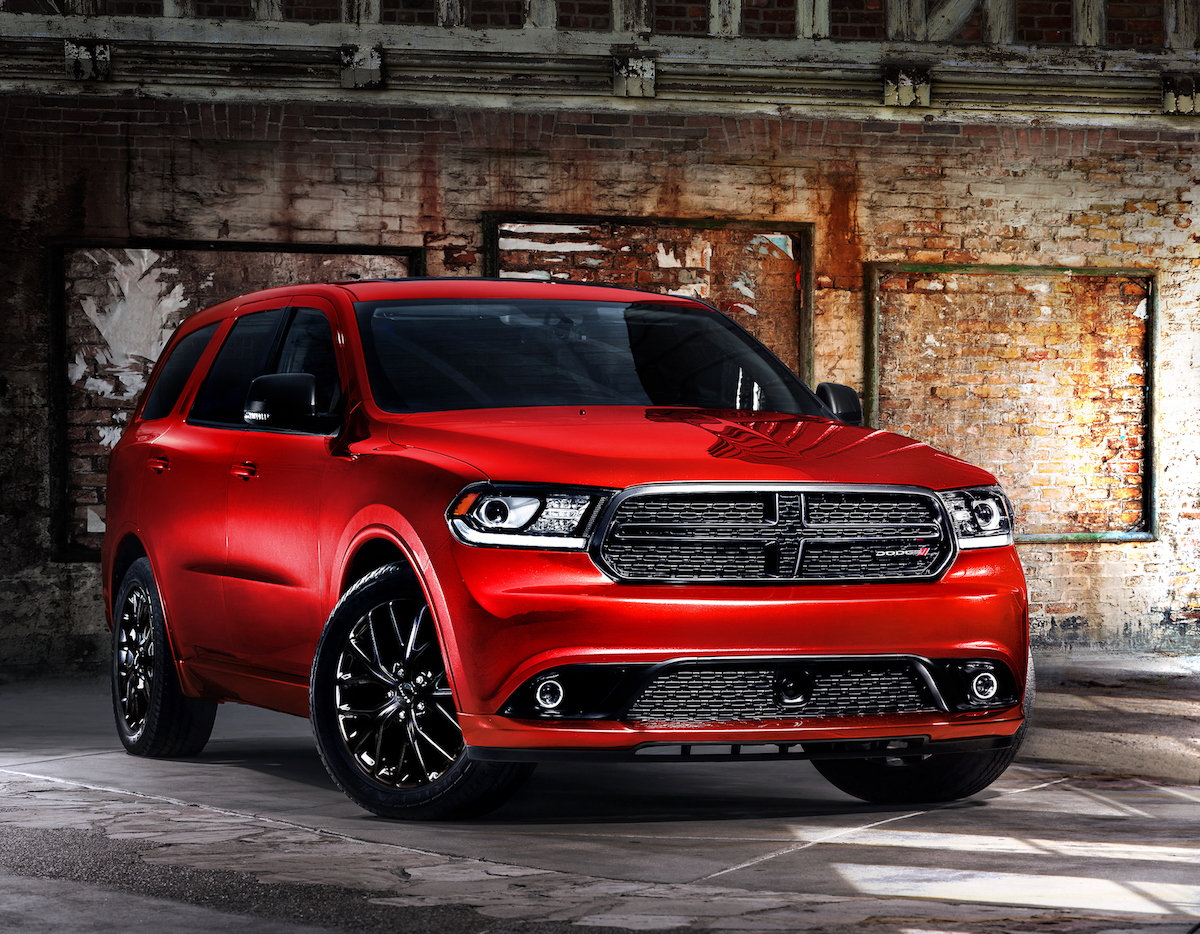
The 2020 Dodge Durango ranks among the best years for this three-row SUV, joining the reliable 2008 and 2017 models with only two official recalls. These recalls addressed a loose or missing side curtain airbag fastener and a rearview camera image that could remain on display.
Importantly, the high-performance Durango SRT had no recalls at all, making it unique among pre-2020 Durangos. Reliability confidence was further strengthened by just two logged consumer complaints and a solid 80/100 quality and dependability score from J.D. Power.
For buyers prioritizing peace of mind, the 2020 Durango offers both strong reliability and proven build quality, with the SRT variant standing out as a particularly trouble-free choice.
True to Dodge’s muscle-car heritage, the Durango distinguishes itself from other family-oriented crossovers with an emphasis on power. Instead of catering to efficiency with smaller engines or hybrid technology, Dodge equips the Durango with a standard V6 and offers two optional V8 engines, including the 6.4-liter Hemi in the SRT.
This focus on displacement translates into class-leading towing capacity, robust acceleration, and the availability of a low-range gearbox on four-wheel-drive models for added off-road utility.
While many rivals lean toward efficiency and refinement, the Durango doubles down on strength, making it the “muscle car of three-row SUVs” in both character and capability.
At the same time, Dodge ensured the Durango didn’t sacrifice practicality for performance. The SUV’s large footprint allows for seating up to seven passengers, making it a versatile option for families.
Its strong V8 engines also provide unmatched pulling power for trailers, boats, or campers, while consistent updates to its infotainment system and in-car technology have helped keep the Durango competitive in a crowded market.
These strengths highlight Dodge’s ability to balance family-oriented features with serious capability, appealing to drivers who want both everyday practicality and performance pedigree.
However, the 2020 Durango isn’t without drawbacks. Its aging and heavy platform affects maneuverability, fuel efficiency, and driving refinement. While the V8 engines mask this weight with their sheer power, the base V6 struggles under the Durango’s bulk, resulting in slower acceleration compared to rivals.
Additionally, the interior, though spacious, lacks the clever packaging and premium feel offered by competitors like the Toyota Highlander or Mazda CX-9. As a result, the Durango may feel like a blunt instrument in a segment filled with more well-rounded options.
Still, for buyers who value raw strength, towing capability, and Dodge’s unmistakable muscle-car spirit in a family-friendly package, the 2020 Durango remains a standout choice.
4. 2019 Dodge Durango
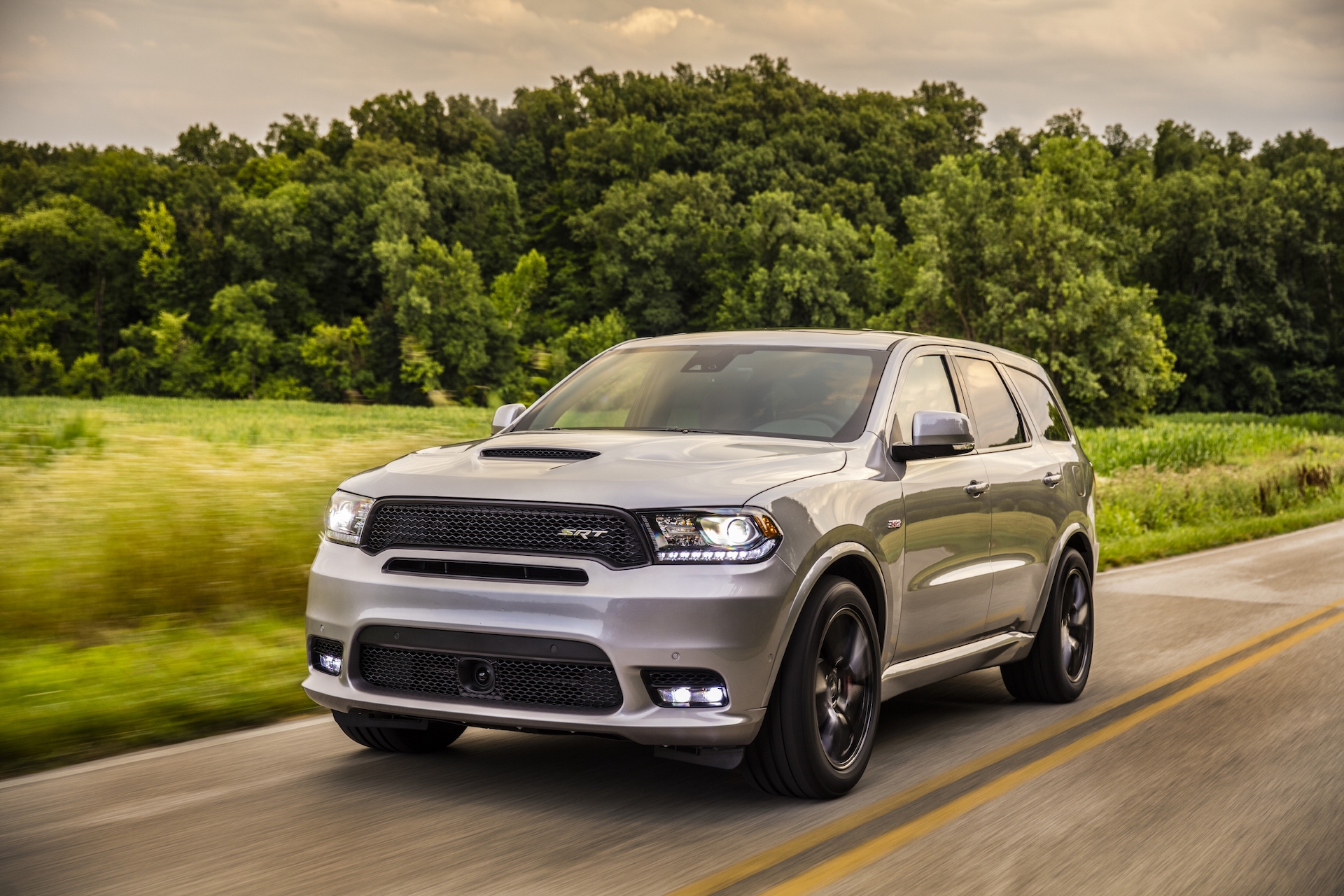
Among Dodge Durango model years, the 2019 version stands out as one of the best. Unlike some previous years plagued with reliability concerns, this SUV gained recognition for its strong safety ratings, generous feature set, and increasing affordability due to depreciation.
For families seeking a capable and versatile three-row SUV without the premium price tag of newer models, the 2019 Durango presents an appealing option.
It combined Dodge’s muscle-car character with family-friendly practicality, offering everything from standard V6 efficiency to fire-breathing V8 power, while maintaining its status as one of the most powerful vehicles in its class.
Safety played a central role in the 2019 Durango’s appeal. Where earlier models, such as the 2018, received criticism from safety authorities, the 2019 rebounded with favorable evaluations and more comprehensive standard equipment.
Every model included a rearview camera, while trims like the GT offered advanced driver-assistance systems such as adaptive cruise control and blind-spot monitoring. Optional packages added even more technology, with features like lane departure warning and forward collision mitigation.
Combined with its spacious interior and solid build, the Durango provided peace of mind for families who required both capacity and safety without sacrificing performance.
While Dodge made no dramatic structural changes in 2019, it did introduce meaningful refinements. The GT trim received refreshed exterior styling, and buyers could upgrade to a premium 19-speaker Harman Kardon sound system.
For those interested in towing, a new integrated trailer brake came with the Trailer Tow package, reinforcing the Durango’s reputation as one of the strongest utility vehicles in its segment.
These updates, alongside its available V8 engines, ensured the Durango continued to appeal to those who wanted muscle and practicality in one package. Its towing capacity remained best-in-class, while the third-row seating offered adult-sized comfort rarely seen in midsize SUVs.
Driving impressions highlighted the Durango’s trucklike character. The standard 3.6-liter V6 engine produced 293 horsepower and reached 60 mph in 8.1 seconds, adequate but slower than rivals.
However, Dodge’s eight-speed automatic transmission optimized power delivery, and buyers seeking more performance could choose between two muscular V8s. Braking and handling were average for the class, and steering felt heavy and slow, underscoring its size and weight.
While less agile than car-based crossovers like the Honda Pilot or Mazda CX-9, the Durango excelled in ride comfort and highway stability. With its composed suspension, quiet cabin, and supportive seating, it proved especially well-suited for long family road trips.
Inside, the 2019 Durango offered a spacious, versatile, and technology-rich environment. Its roomy third row comfortably accommodated adults, while wide-opening doors and a flip-and-fold second row simplified entry. Cargo space was competitive, with fold-flat seating adding flexibility for larger loads.
The Uconnect infotainment system, widely praised as one of the best in the industry, came with standard Apple CarPlay and Android Auto, and higher trims included navigation and premium audio options.
Though interior materials were only average compared to rivals like the Toyota Highlander, its practicality, user-friendly tech, and towing capability set it apart.
Ultimately, the 2019 Dodge Durango struck a rare balance: combining rugged SUV strength with modern conveniences, it remained one of the most capable and well-rounded three-row SUVs available.
5. 2002 Dodge Durango
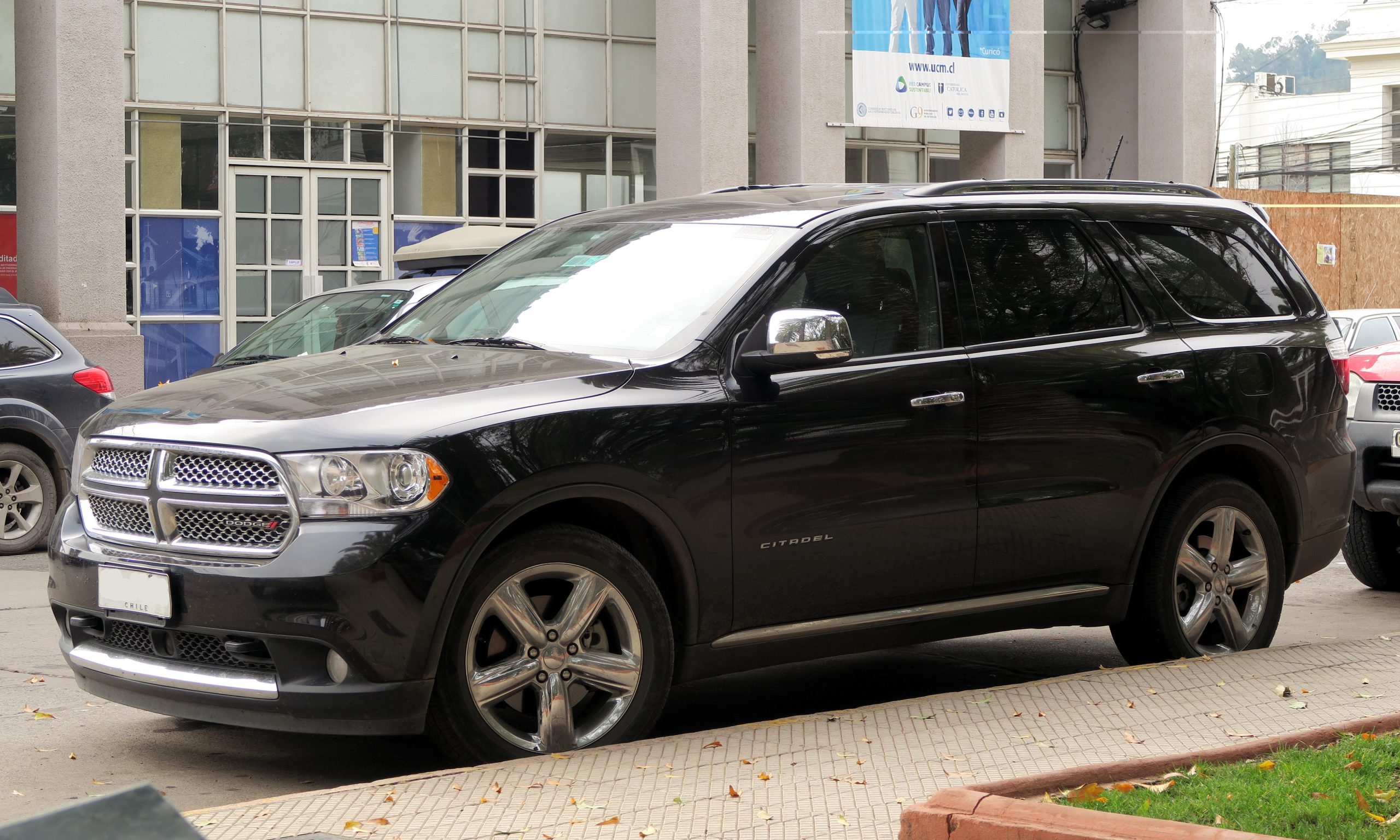
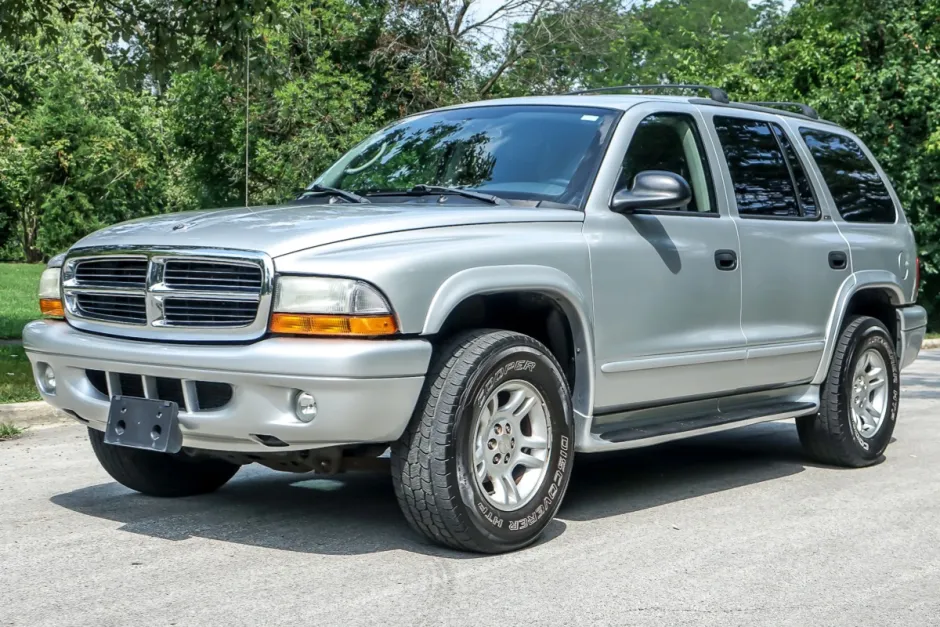
The 2002 Dodge Durango continued to build on its reputation as a practical, rugged SUV while adding new features to stay competitive in the growing midsize segment.
A new entry-level trim, the SXT, joined the lineup, offering buyers a well-equipped but affordable option with standard 16-inch alloy wheels, bucket seats, a CD player, and a graphite-themed appearance package.
Safety and convenience also improved, with available side-curtain airbags and an optional DVD entertainment system for rear passengers.
These updates allowed the Durango to hold its own against rivals such as the redesigned Ford Explorer and GM’s TrailBlazer, Envoy, and Bravada, which had all begun offering third-row seating to match one of the Durango’s original selling points.
Inside, the Durango provided generous passenger space and comfort, with seating for up to seven occupants. The plush seats made it road-trip friendly, though some cabin shortcomings remained. Shiny plastic trim, thick A-pillars that compromised visibility, and undersized stereo controls detracted from the driving experience.
Still, the Durango’s practicality outweighed these flaws for many buyers, particularly those who valued space and versatility over luxury finishes. Families benefited from its roomy third-row option and entertainment add-ons, making the 2002 model more appealing as a well-rounded midsize SUV.
Under the hood, Dodge equipped the 2002 Durango with capable powertrains designed for utility. The standard 4.7-liter V8 delivered 235 horsepower with smooth throttle response across a wide rev range. A new five-speed automatic transmission replaced the old four-speed, improving drivability and efficiency.
For heavier-duty needs, buyers could opt for a 5.9-liter V8 producing 245 horsepower, enabling the Durango to tow up to 7,600 pounds.
This made it one of the strongest performers in its class, appealing to drivers who needed serious hauling capability in addition to passenger space. Both two- and four-wheel-drive configurations were available, with full-time all-wheel drive enhancing confidence on slippery or winding roads.
Driving dynamics reflected the Durango’s truck-based roots, but with more refinement than some competitors. Body roll was well controlled, and the suspension managed seven-passenger payloads with ease.
Responsive steering and all-wheel-drive stability gave the Durango a surefooted feel on twisting roads, avoiding the top-heavy, unsettled sensation common in other SUVs of the era. While the ride was stiffer compared to car-based rivals, it reinforced the vehicle’s rugged personality and utility-first philosophy.
Though its design dated back to 1998, Dodge’s careful updates kept the 2002 Durango competitive and appealing to buyers who wanted a midsize SUV with genuine towing strength, ample seating, and durability.
Also Read: 5 Cars with Backup Cameras You Can Trust vs 5 That Are Blurry and Useless
5 Dodge Durango Years With Failing Engines
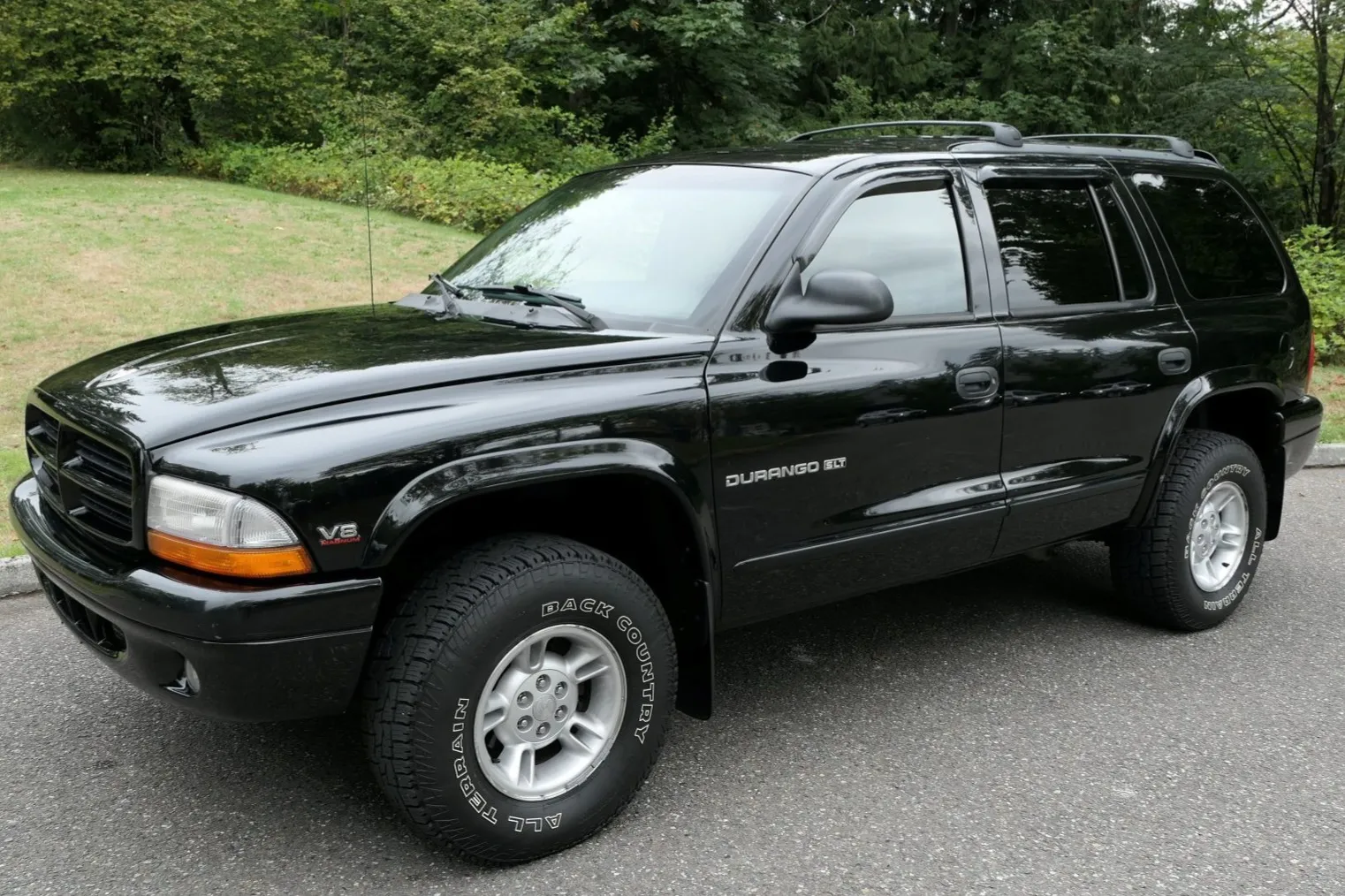
1. 1999 Dodge Durango: Suspension Woes and Dangerous Failures
The 1999 Dodge Durango holds the unfortunate title of being one of the most complained-about models in the lineup, with over 2,000 complaints logged by the NHTSA as of 2025. More than half of these involve suspension-related issues, which proved to be not only inconvenient but also hazardous for drivers.
Problems ranged from broken ball joints and worn bushings to malfunctioning tie rods, faulty wheel bearings, and excessive noise. These suspension failures often spread their effects to other areas, such as steering and tires. Premature tire wear was a frequent frustration, forcing owners to replace all four tires sooner than expected.
In extreme cases, wheels nearly detached from the vehicle, posing severe safety risks. Steering troubles were also rampant, with some reporting stiff handling, while others completely lost steering control. Beyond the suspension, the 1999 Durango also faced recurring engine failures.
Stalling without warning was common, often resulting in the simultaneous loss of power steering and braking functions. Owners were frequently forced to replace key components like the crank sensor, PCM, ECM, or fuel pump, yet problems persisted.
Altogether, the 1999 Durango earned a reputation for being one of the most unreliable and unsafe early entries in the model’s history.
2. 2000 Dodge Durango: Recalls and Transmission Failures
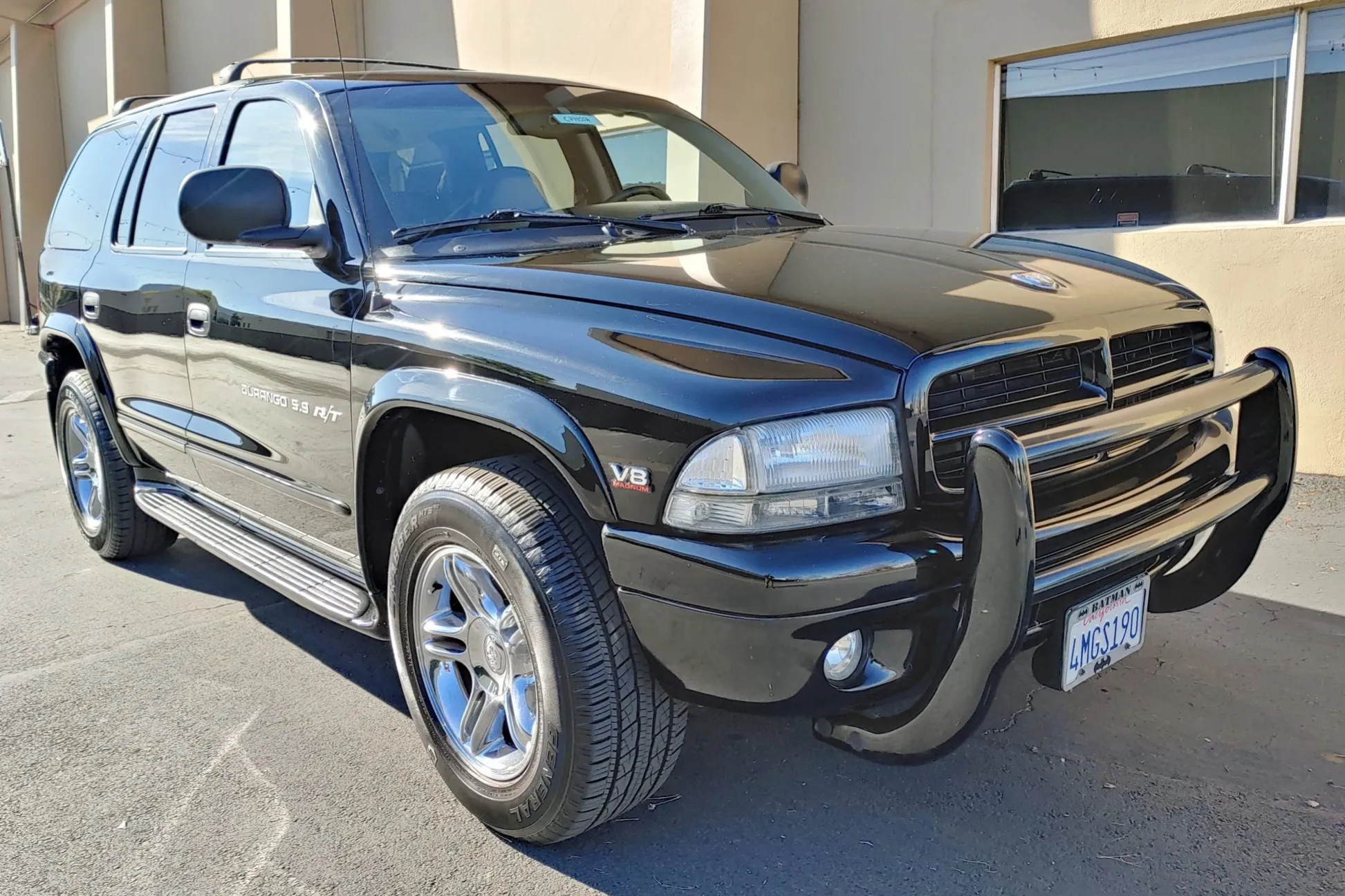
The 2000 Dodge Durango carried forward many of the problems that plagued its predecessor, though Dodge attempted to address some with recalls. By 2025, the model had amassed more than 1,100 complaints and four recalls.
Suspension failure remained the chief concern, with Dodge recalling nearly 592,000 vehicles due to severely worn upper ball joints that could cause clunking noises, steering issues, or even complete wheel detachment.
Another recall focused on defective wheel hub assemblies that caused brake rotor noise, vibration, and, in worst cases, wheel separation. Transmission issues also haunted this model, with many owners reporting difficulty shifting gears or complete transmission breakdowns.
Engine troubles compounded the frustration, as the vehicle frequently stalled or accelerated unintentionally. Some drivers were able to restart the SUV after a pause, while others found themselves stranded after complete engine failure.
Despite these recalls, the 2000 Durango continued to suffer from significant reliability challenges that undermined driver confidence.
Although Dodge’s efforts to patch suspension issues through recalls were a step forward, the persistent transmission and engine problems cemented the 2000 model as another low point in the first generation’s history.
3. 2004 Dodge Durango: Airbag and Electrical Nightmares
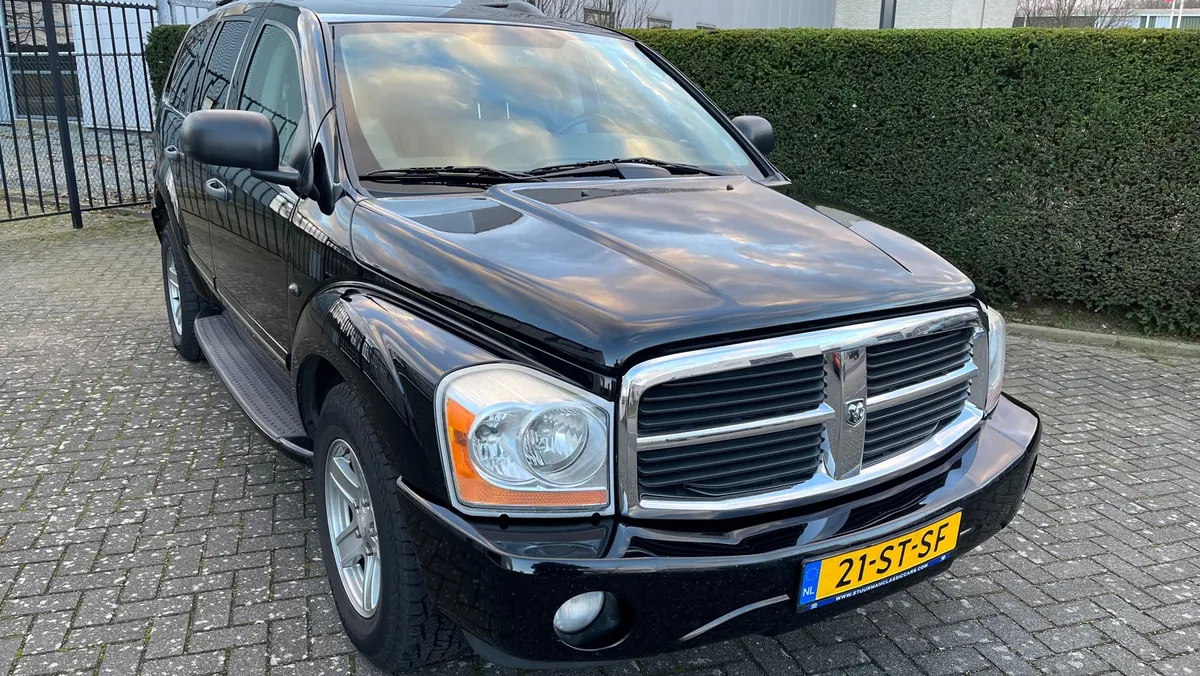
By the time the second generation arrived, the 2004 Dodge Durango unfortunately did little to restore the SUV’s reputation for dependability. With 1,114 complaints and nine recalls, this model year is widely regarded as one of the worst offenders.
While Dodge had made strides in addressing suspension and engine issues, new problems emerged in critical safety systems, particularly airbags and electrical components.
Some drivers reported their airbag warning lights coming on without cause, while others faced total failure of airbags to deploy during collisions. The problem proved widespread enough that Dodge recalled nearly nine million vehicles due to defective inflators that could explode and injure occupants.
On the electrical side, the 2004 Durango faced a laundry list of issues: malfunctioning windshield wipers, faulty alternators, premature battery failures, flashing dashboard lights, and even defective transfer case actuators.
These symptoms often left drivers dealing with unpredictable functionality and potential breakdowns. To make matters worse, engine stalling remained an issue, with vehicles shutting down unexpectedly or suffering from persistent misfires.
For many owners, the 2004 Durango became synonymous with costly repairs and unpredictable reliability, making it a notorious year in the SUV’s timeline.
4. 2005 Dodge Durango: Fuel System Hazards and Powertrain Issues
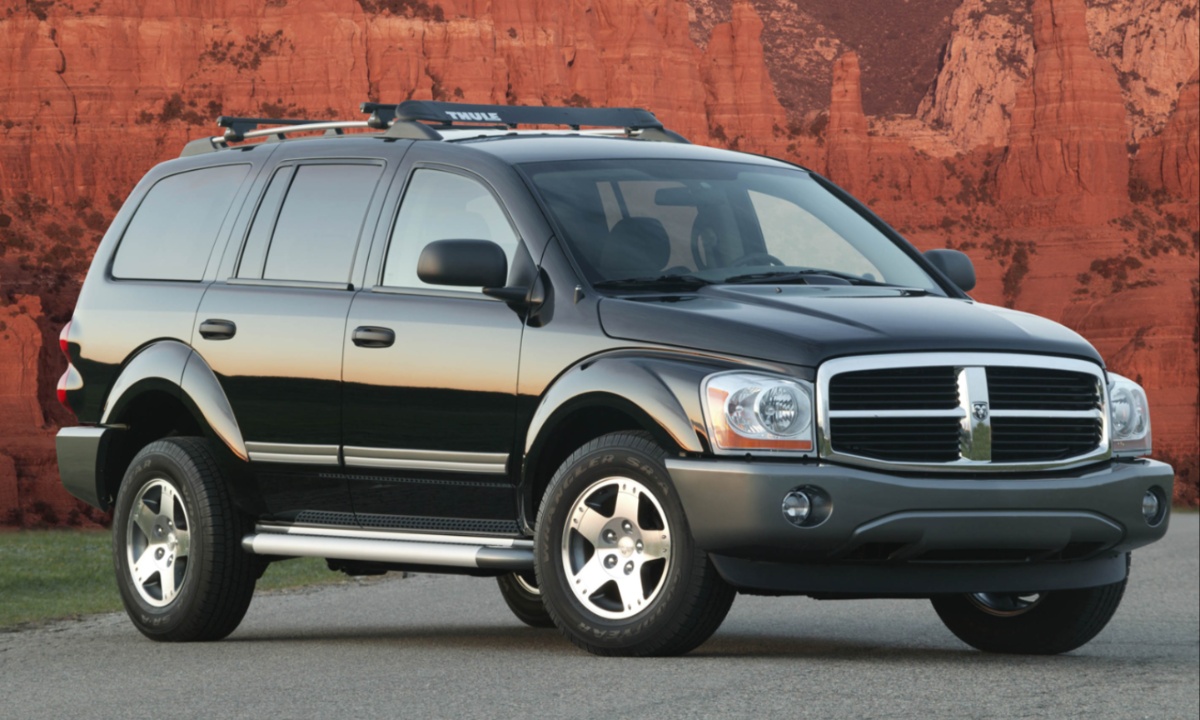
The 2005 Dodge Durango brought no relief, adding more safety concerns to the already troubled second generation. This model year racked up over 1,500 complaints and nine recalls, with a particularly alarming focus on the fuel system.
Many owners experienced gasoline splashing out of the filler neck after refueling, with fuel spilling onto the ground or onto drivers themselves. Dodge traced the issue to a faulty fuel tank filler tube inlet check valve, which failed to close properly, creating a fire hazard.
Despite two recalls attempting to fix the defect, the problem persisted, leading to frustration and safety fears among drivers. Beyond fuel system flaws, the 2005 Durango also suffered from ongoing engine, electrical, and airbag issues similar to the 2004 model.
Compounding matters, the powertrain introduced new problems. Some drivers reported that the SUV would unexpectedly shift from AWD to 4WD, causing sudden drops in speed.
This dangerous behavior posed serious risks, especially on highways or crowded roads. Between the lingering defects from earlier years and new safety hazards, the 2005 Durango reinforced the SUV’s reputation for unreliability, making it another year that owners often warn others to avoid.
5. 2011 Dodge Durango: Electrical Failures in a New Generation
When Dodge introduced the third-generation Durango in 2011, hopes were high that the SUV would finally turn the page on its troubled past. Unfortunately, reliability remained elusive, as this model accumulated nearly 800 complaints and eight recalls by 2025.
While fuel system issues carried over in some cases, electrical system failures became the dominant problem. Drivers reported a wide range of symptoms, from illuminated dashboard warning lights and dead batteries to melted alternators and even fires under the hood.
In response, Dodge issued six recalls specifically targeting electrical defects, underscoring the severity of the issue. Engine problems also made an unwelcome return, with many owners experiencing sudden stalling at low speeds, such as when waiting at traffic lights, cornering, or pulling into parking spaces.
Rough idling and jerky acceleration were common, and in some cases, vehicles shut down completely mid-drive. These issues not only inconvenienced drivers but also raised significant safety concerns.
While the 2011 Durango marked the beginning of a new design era, it also revealed how persistent quality-control problems continued to tarnish Dodge’s SUV. For many, this model proved that despite modernization, the Durango still struggled to shed its reputation for unreliability.

The Dodge Durango’s history reflects both triumphs and setbacks, with Dodge continually working to strike the right balance between muscle, capability, and everyday practicality.
Some model years stand out for their dependable engines, strong towing power, and solid reliability, making them excellent choices for families and drivers who demand strength and durability.
Others, however, have been plagued with mechanical issues, recalls, and costly repairs, serving as a reminder that not every version hits the mark. For used buyers, the key is knowing which models deliver the best long-term value and which ones are better avoided.
With the right choice, the Durango remains one of the most compelling options for those who want the bold character of American muscle combined with the versatility of a three-row SUV.