
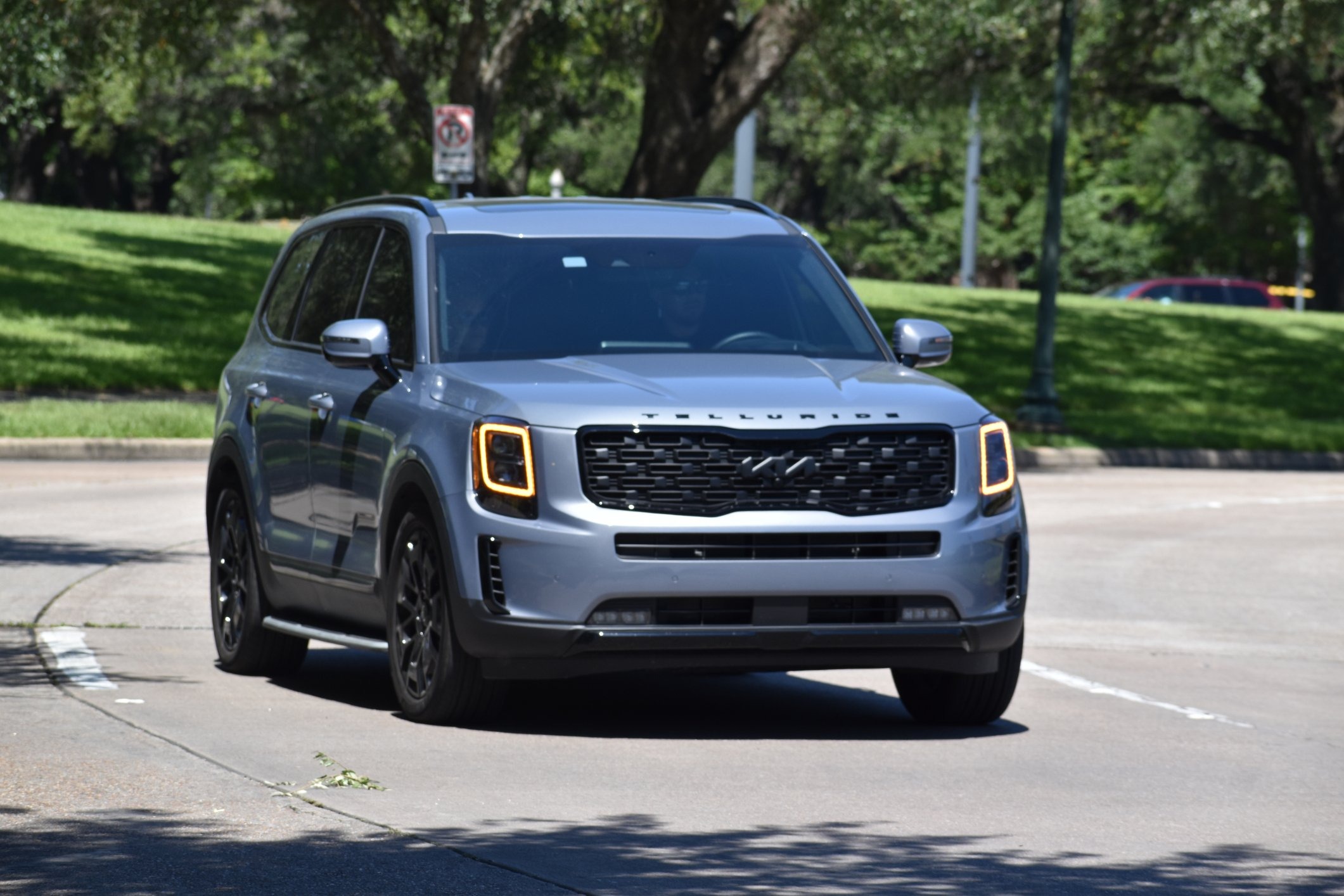
Every vehicle owner wants a ride that feels stable, comfortable, and durable. When someone spends money on an SUV, the expectation is not only to get strong performance and road presence, but also to have an interior that stays quiet and firm after years of driving.
Rattles and squeaks inside a cabin can be frustrating because they reduce the comfort level and often make the vehicle feel older than it actually is. While some SUVs are built with strong engineering and quality materials that keep noise to the barest level, others begin to sound loose and worn out after just a few years of use.
For many buyers in the United States, an SUV represents more than transportation. It is seen as a family vehicle, a travel partner for long road trips, and sometimes a daily commuter that should stay reliable in every season.
If the cabin starts producing constant squeaks and vibrations, it spoils the driving experience and also reduces the resale value of the car. That is why paying attention to interior durability is just as important as engine reliability when making a purchase decision.
On this page, we will look at five SUVs that hold up well against rattles, keeping their cabins steady and peaceful even after thousands of miles, and we will also mention five that have developed a reputation for interior noises earlier than expected.
The SUVs that perform better in this area tend to use better insulation, improved build quality, and tighter fittings inside. Meanwhile, the ones that perform poorly often cut corners with cheaper plastics, weaker design, or rushed assembly.
5 SUVs That Rarely Rattle Inside
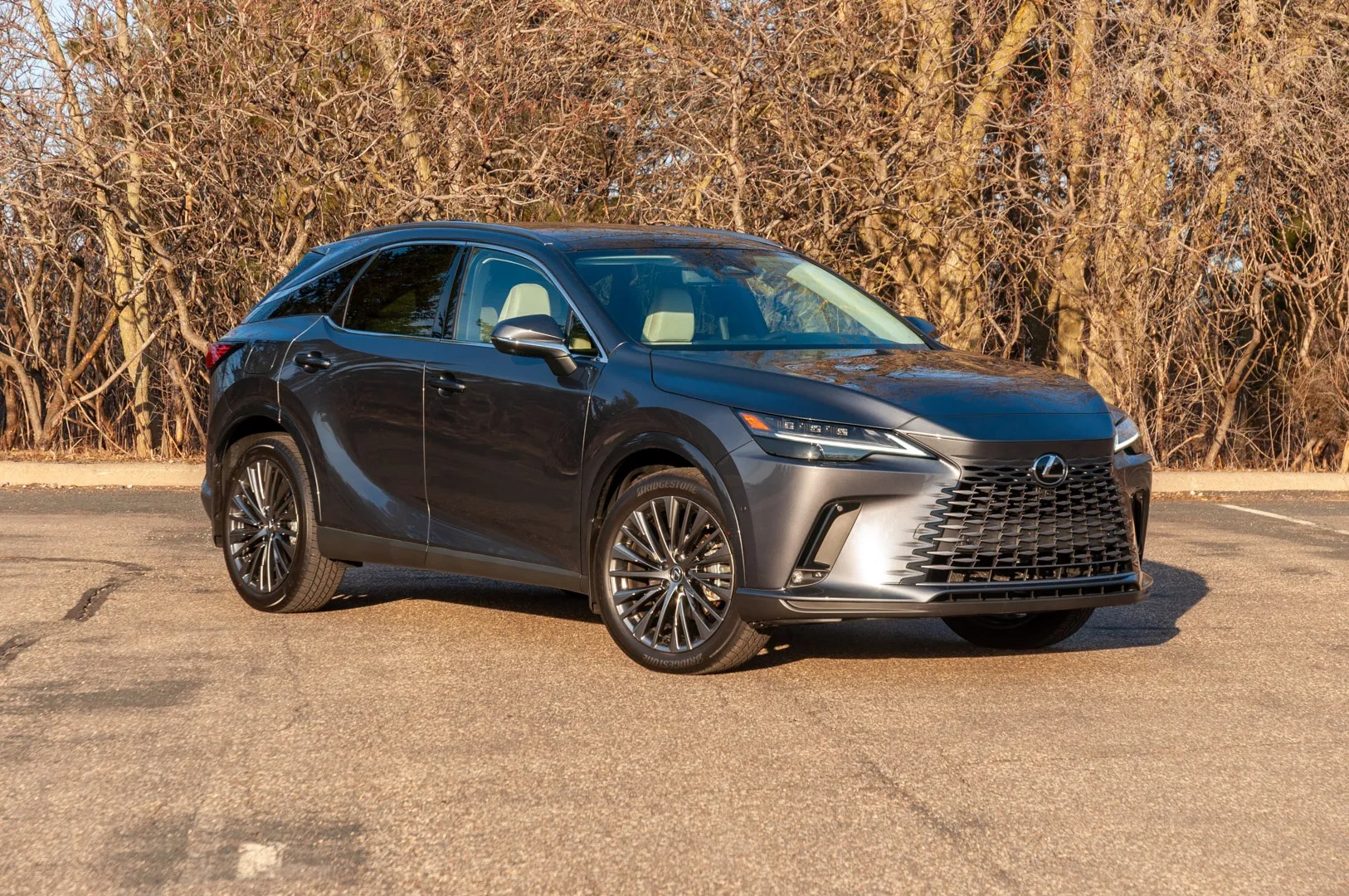
1. Lexus RX
The Lexus RX has maintained its place among luxury SUVs because of how carefully it is built. Many owners often speak about how quiet the cabin remains even after driving the vehicle for many years. This reputation is not by accident, since Lexus as a brand has always focused on refinement and long-term reliability.
The RX interior is put together with precision, and the materials used are usually soft-touch plastics, leather, and wood trims that do not start loosening quickly. One of the strongest qualities of the RX is the way it isolates road noise.
The suspension is designed to absorb bumps smoothly, and the cabin insulation prevents external noise from disturbing passengers. This design also helps to reduce vibrations that can lead to rattles as time goes on. Even when driven on rougher surfaces, the RX usually feels composed without producing disturbing interior sounds.
The seats in this SUV are supportive and well-padded, which adds to the general sense of stability. Unlike some competitors that use cheaper seat components that begin to squeak when weight is applied repeatedly, Lexus ensures its seat mechanisms are sturdy. This choice contributes to keeping the cabin quiet for longer. Many drivers who have owned the RX for more than a decade often share that the vehicle continues to feel like new inside.
The careful assembly is another reason the RX remains dependable in this regard. Lexus has strict quality checks that ensure each part is fitted tightly during production. When a vehicle leaves the factory with fewer gaps and misalignments, the chance of hearing rattles is reduced. While no vehicle is completely free from wear as it ages, the RX proves to hold its ground better than many rivals.
In terms of resale, this SUV also benefits because buyers know they are getting a vehicle that does not develop irritating interior noises quickly. The strong reputation of the RX as a quiet and dependable SUV has helped it stay among the most trusted choices for those who prioritize comfort.
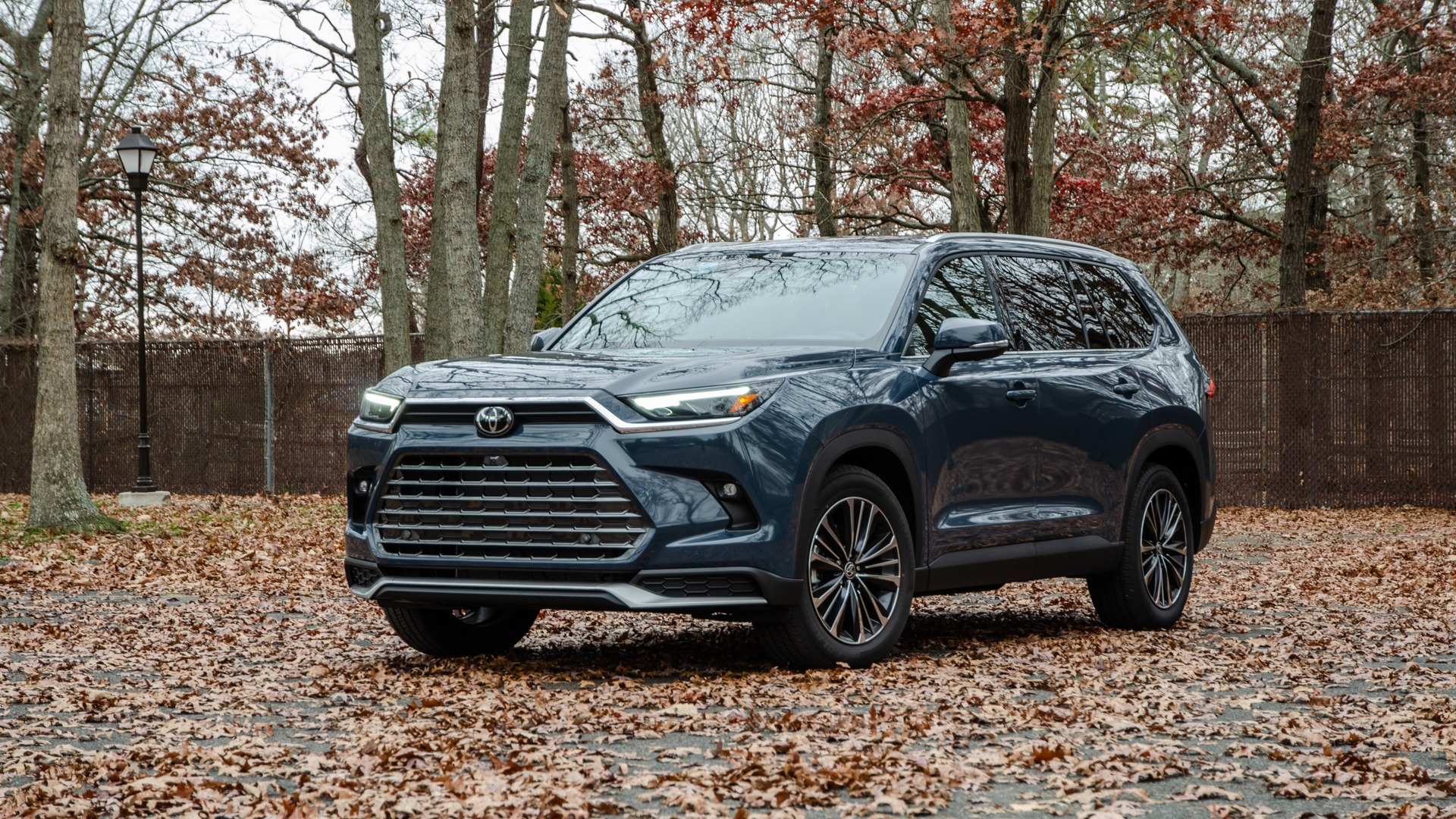
2. Toyota Highlander
The Toyota Highlander is another SUV that rarely rattles inside, especially when compared to many of its competitors. This midsize SUV is popular among families in the United States, and part of the reason is that it maintains a calm driving environment even after years of use. Toyota has placed emphasis on cabin comfort, making sure the vehicle is put together with durability in mind.
One of the features that helps the Highlander stand out is its excellent build consistency. The dashboard, door panels, and interior fittings usually hold firmly in place even when the vehicle covers high mileage. Many owners often report that even after seven to ten years, the Highlander does not develop constant squeaks, which is uncommon for many SUVs in the same segment.
The materials used inside the Highlander may not feel as luxurious as those in the Lexus RX, but they are chosen to last long. Toyota understands that families often use SUVs in demanding ways, with children climbing in and out, seats being folded frequently, and cargo areas being loaded heavily. For that reason, the company has made sure the materials are tough enough to handle stress without becoming loose and noisy.
Another reason the Highlander remains free of rattles is its suspension and body structure. The SUV is designed to feel stable on highways and suburban roads, with fewer vibrations entering the cabin. Even when driven on uneven streets, the vehicle does not start producing strange sounds quickly. The soundproofing materials in the doors and under the floor also help reduce vibrations that might otherwise cause loosened parts.
For resale value, the Highlander benefits greatly because used buyers know it will still feel comfortable after many years. Families looking for a practical SUV that combines dependability with quiet operation often find themselves attracted to this model. The long-standing reputation of Toyota for quality assembly and dependable engineering is reflected strongly in the Highlander, making it one of the SUVs that rarely give drivers the headache of interior rattles.
Also Read: 5 Family SUVs That Stay Comfortable and 5 That Don’t Age Well
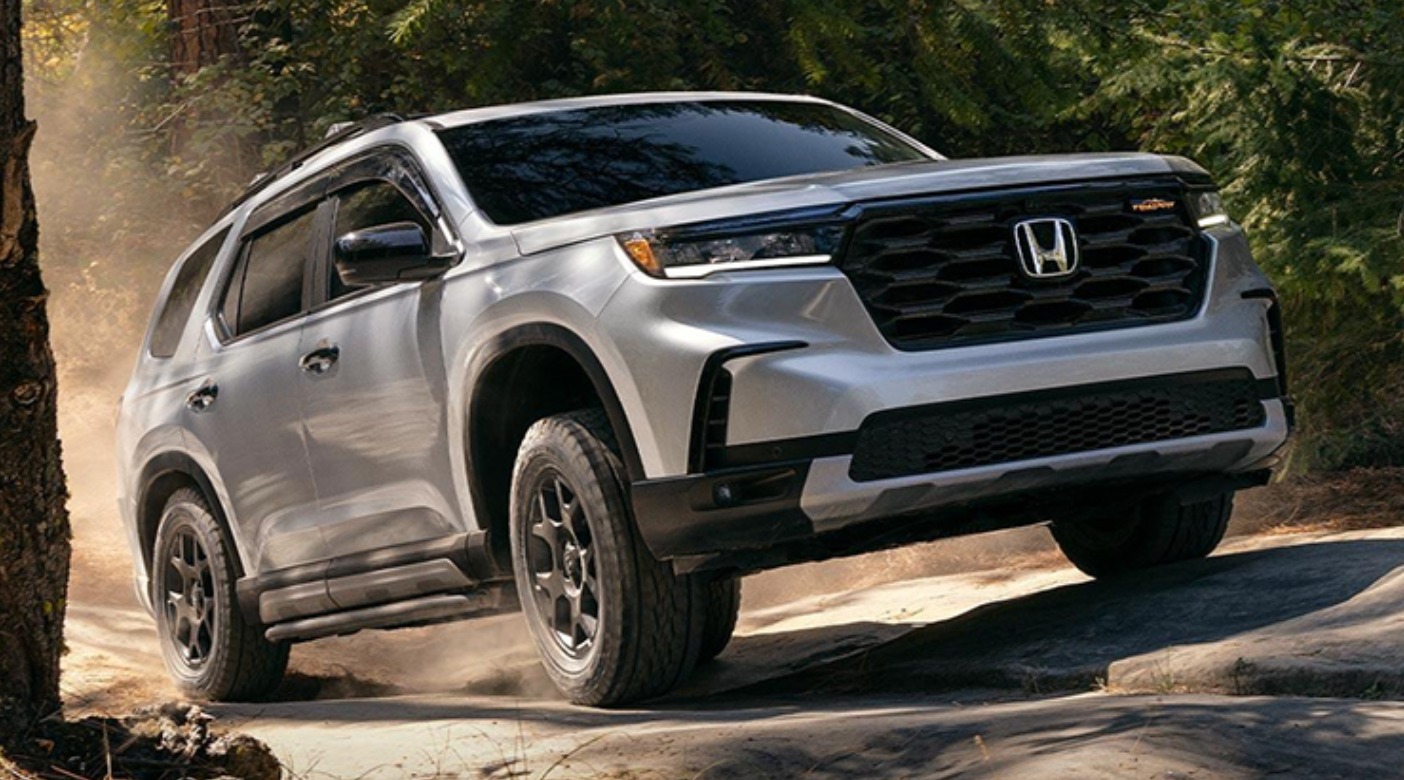
3. Honda Pilot
The Honda Pilot has earned its place as one of the strongest family SUVs because it combines space, comfort, and long-term dependability. One of its underrated qualities is how well the interior holds together as the years go by. Many SUVs in the midsize segment begin to sound loose and shaky after constant family use, but the Pilot often remains solid.
One reason the Pilot stays quiet is the way Honda designs the cabin with practicality in mind. The seats, dashboard, and panels are made to handle frequent use without weakening quickly. Families with children who constantly enter and exit the vehicle, fold seats for cargo, and adjust interior parts can be tough on a car. Despite this, the Pilot is known to handle such demands without filling the cabin with rattles.
The suspension system of the Pilot also helps maintain a calm ride. Vibrations that usually cause parts to loosen are well controlled in this SUV. The noise insulation around the doors and windows keeps outside sound at a minimum, allowing the interior to feel calm and collected even after many years. This attention to detail reduces the chances of squeaks developing from loosened trim pieces.
Another area where Honda shows strength is in the assembly quality of the Pilot. Panels are tightly fitted, and the design leaves less room for parts to change with age. When a vehicle is produced with such precision, it does not start producing unnecessary noises quickly. Even on rougher roads, the Pilot maintains its reputation for staying quiet.
For families that value reliability and comfort, the Pilot has remained a dependable choice. It does not just offer space and practicality but also delivers long-lasting comfort by avoiding the annoying rattles that spoil many other SUVs. Buyers who want a calm ride even after years of use can count on the Pilot as a steady option.
4. BMW X5
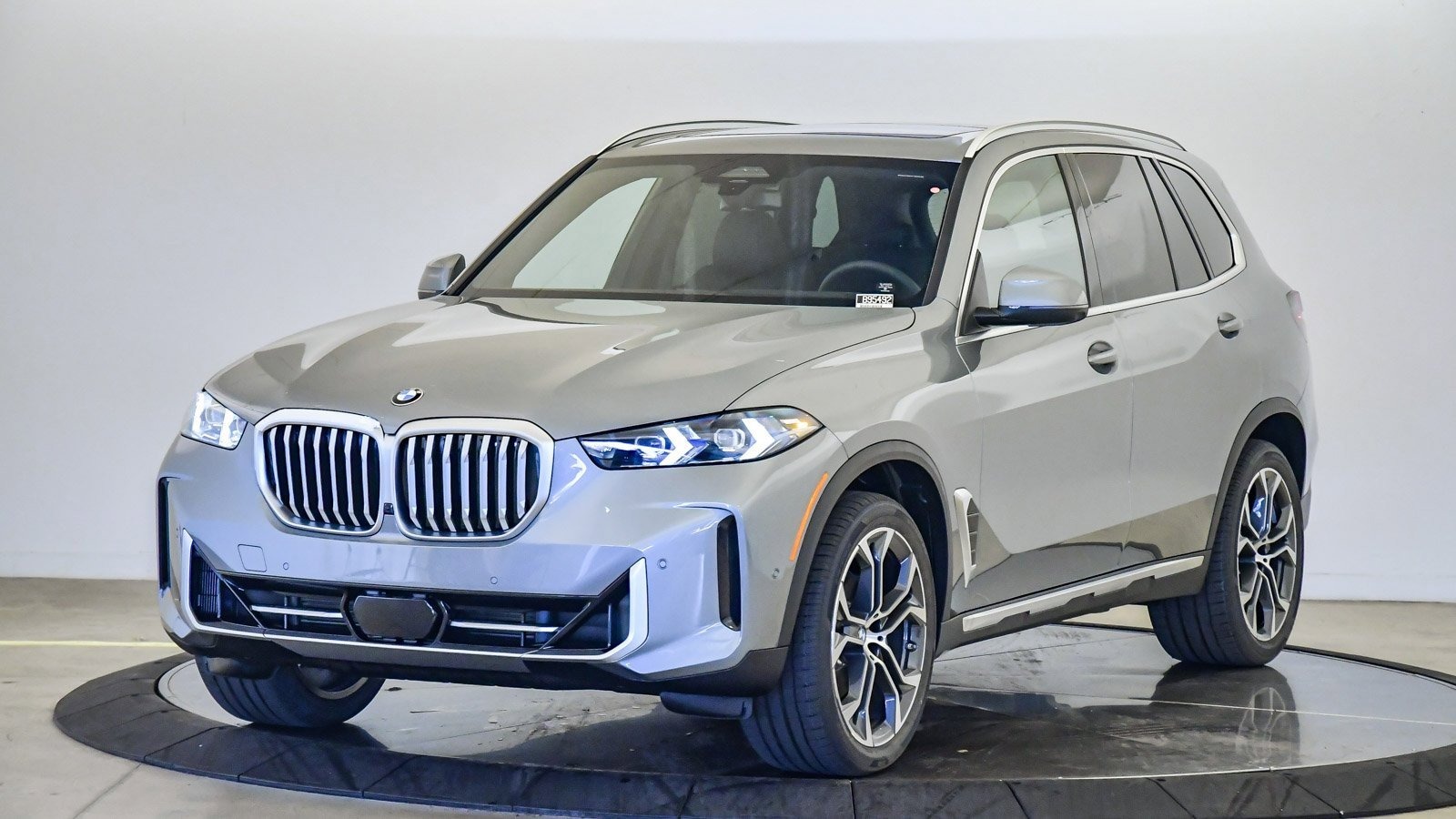
The BMW X5 represents German engineering at a high level, and one of the aspects where it stands out is how well the interior holds up against noise. Luxury SUVs are expected to provide a sense of calm, and the X5 usually delivers by staying free of rattles for many years.
BMW ensures the interior of the X5 is filled with premium materials that do not loosen easily. Leather seats, well-crafted dashboard panels, and strong fittings give the cabin a feeling of stability. Unlike some other luxury SUVs that begin to produce unwanted sounds as they age, the X5 often maintains its sense of calmness.
The body structure of the X5 is solid, and the suspension is tuned not only for performance but also for comfort. By reducing the amount of vibration that reaches the cabin, BMW makes it less likely that trim pieces will start making noises. Even when driving at high speeds or on less smooth roads, the cabin usually remains steady.
BMW also pays attention to quality control during production. Vehicles go through checks that ensure everything is fitted properly before they reach customers. This level of detail reduces the chance of loose components, which are often the reason for rattles in many SUVs.
Owners of the X5 also enjoy strong resale value, partly because the vehicle feels refined even after years of driving. When buyers experience an SUV that does not sound worn out, they are more willing to pay a higher price for it. The X5, therefore, continues to be trusted by those who want luxury mixed with durability.
5. Acura MDX
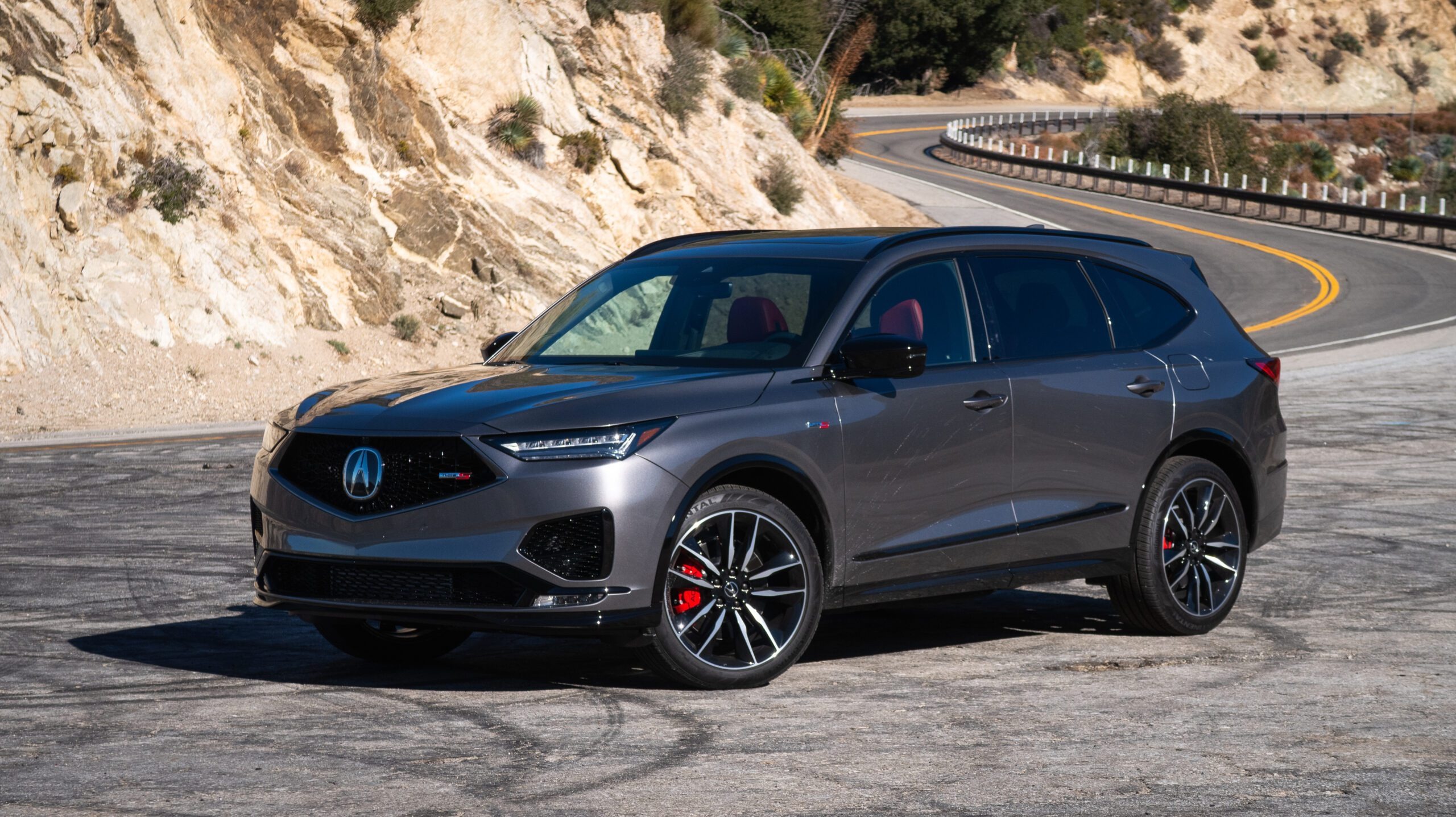
The Acura MDX has long been appreciated for offering premium quality at a price lower than many luxury rivals. One reason it earns loyal customers is the way its cabin stays quiet and firm even after years of use. Acura, as Honda’s luxury division, places strong focus on reliability and comfort, and this can be seen in how well the MDX handles long-term use.
Inside the MDX, the cabin design is sleek but also durable. The dashboard and panels are crafted from materials that do not become loose easily. Families often use the MDX heavily, but even with years of climbing, folding, and loading, the interior tends to remain solid without producing disturbing squeaks.
The suspension design also contributes to the quiet experience. By absorbing vibrations effectively, the MDX prevents much of the stress that can cause panels and fittings to rattle. The insulation across the cabin ensures that passengers enjoy peace while driving, and it also helps to maintain the strong feel of the vehicle.
Another reason the MDX performs well in this area is the build quality. Acura ensures tight fittings during production, which leaves little room for misalignment. When parts are properly aligned, they do not rub against each other or vibrate enough to create unwanted sounds.
For long-term owners, the MDX offers peace of mind because it combines luxury features with dependable engineering. Buyers who value a quiet and lasting cabin often find this SUV to be one of the more reliable options in its category.
5 SUVs That Often Sound Like Junk Early
1. Jeep Cherokee
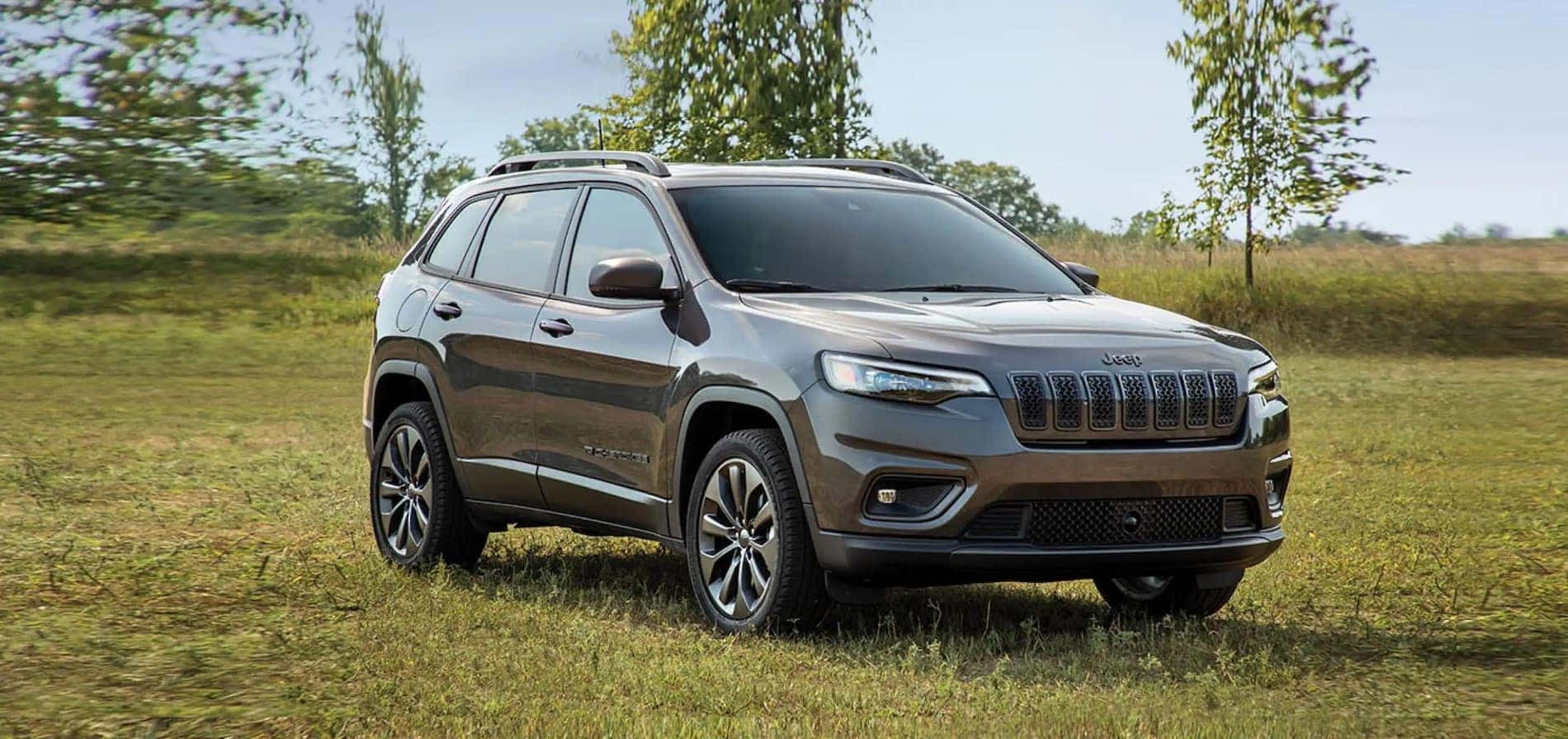
The Jeep Cherokee has strong brand recognition in the United States because it is tied to ruggedness and off-road ability. However, when we look at cabin quality and long-term comfort, many owners have voiced concerns about how quickly this SUV begins to rattle. Unlike some rivals that maintain a quiet interior for years, the Cherokee often starts producing noises earlier than drivers expect.
One of the main issues comes from the dashboard and interior panels. Owners have shared experiences of creaks and squeaks developing after only a few years of use. This can be traced to the quality of plastics used inside the vehicle.
While the Cherokee delivers decent styling, the materials are not always the most durable. When heat, cold, and frequent use stress these panels, they tend to loosen and create rattles. The suspension design also contributes to the problem. Since the Cherokee is built with off-road ability in mind, its ride on paved roads can feel stiffer than many competitors.
This stiffness allows vibrations to pass into the cabin, which makes weak points in the interior more likely to produce sounds. For drivers who use the Cherokee as a daily commuter, the rattling can become annoying as time goes on.
Another issue that often comes up is with the seat frames. Some owners have reported squeaks from seats after years of repeated use. This reduces comfort, especially during long trips, where the constant noise can be distracting. Because of these concerns, the Cherokee struggles with resale value compared to SUVs like the Toyota Highlander or Honda Pilot.
Buyers who test used Cherokees sometimes walk away because the cabin already sounds worn, even when the vehicle is not very old. While the Jeep brand continues to appeal to those who want a strong off-road identity, the Cherokee is one of the SUVs that develops cabin noises earlier than many buyers expect.
2. Ford Explorer
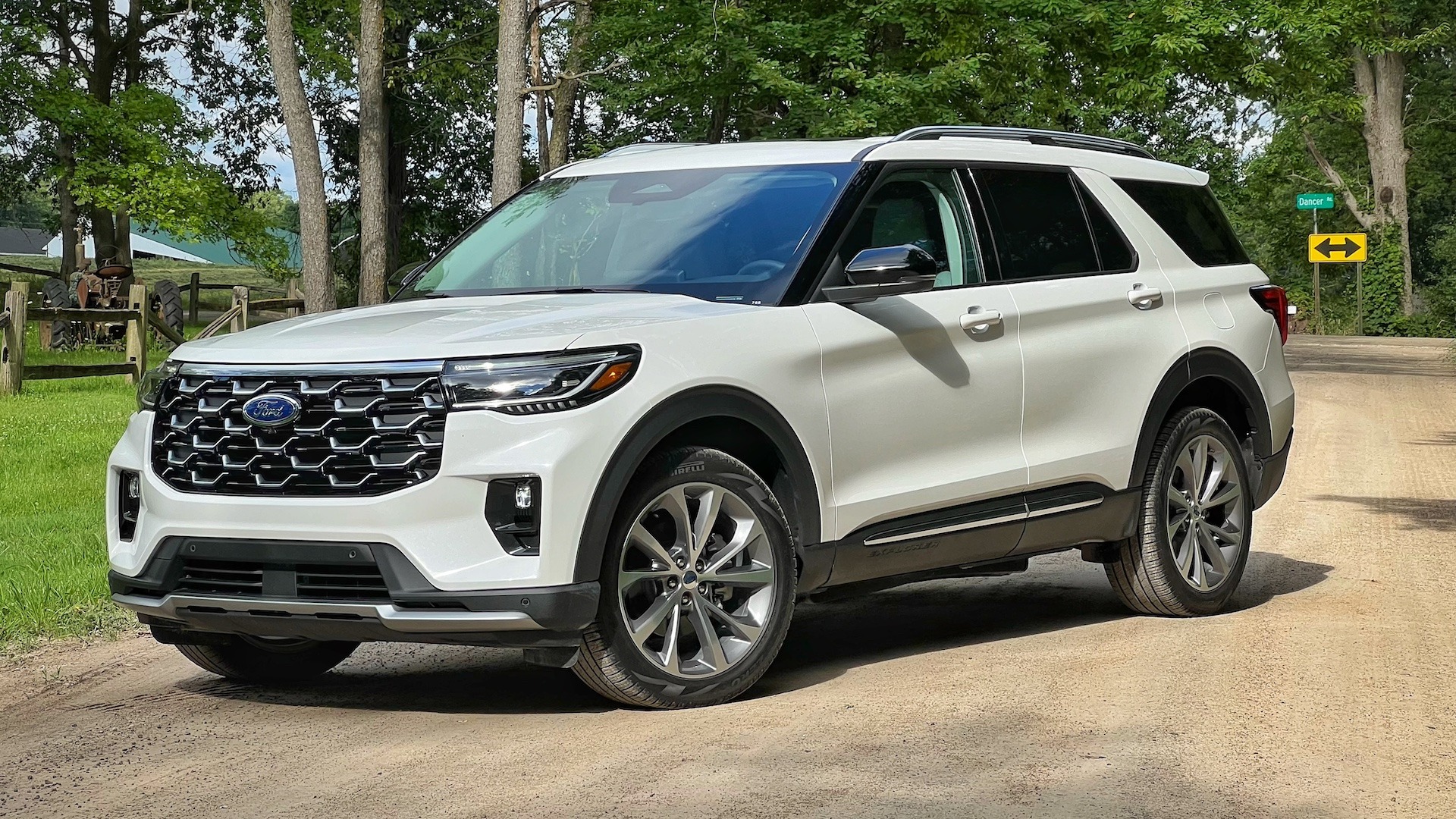
The Ford Explorer has been one of the best-selling SUVs in America for decades, but its reputation for interior durability has not always been strong. Many owners enjoy the space and power the Explorer offers, yet a common complaint is how quickly the cabin begins to rattle.
One of the biggest sources of frustration comes from the dashboard and door trims. Reports from long-term users often mention that creaks and buzzing noises appear earlier than they should. This is partly due to the large size of the cabin, where more parts are fitted together, increasing the chance of misalignment as the SUV ages.
The ride quality of the Explorer also plays a role. While it is built to handle highways and suburban roads well, its suspension does not always absorb vibrations as smoothly as Toyota or Honda models. These vibrations travel through the structure and cause parts to move slightly, which then produces noises in the interior.
Another weak point is the third-row seating. Since the Explorer is marketed as a three-row family SUV, these seats are frequently folded and adjusted. With heavy use, the mechanisms sometimes wear out quickly, and this leads to squeaks and rattles. Families who load cargo in the back and use the third row often experience these noises sooner.
The center console and storage areas also contribute to the problem. Small plastic parts in these sections are known to loosen, making sounds when the vehicle goes over bumps. Owners sometimes attempt repairs themselves by tightening screws or adding padding, but the noises tend to return.
Because of these challenges, the Explorer does not hold resale value as strongly as competitors that remain quiet longer. While it continues to be popular due to its size, power, and family-friendly design, many buyers feel the interior quality could be better. For those who value long-term peace inside the cabin, the Explorer often disappoints.
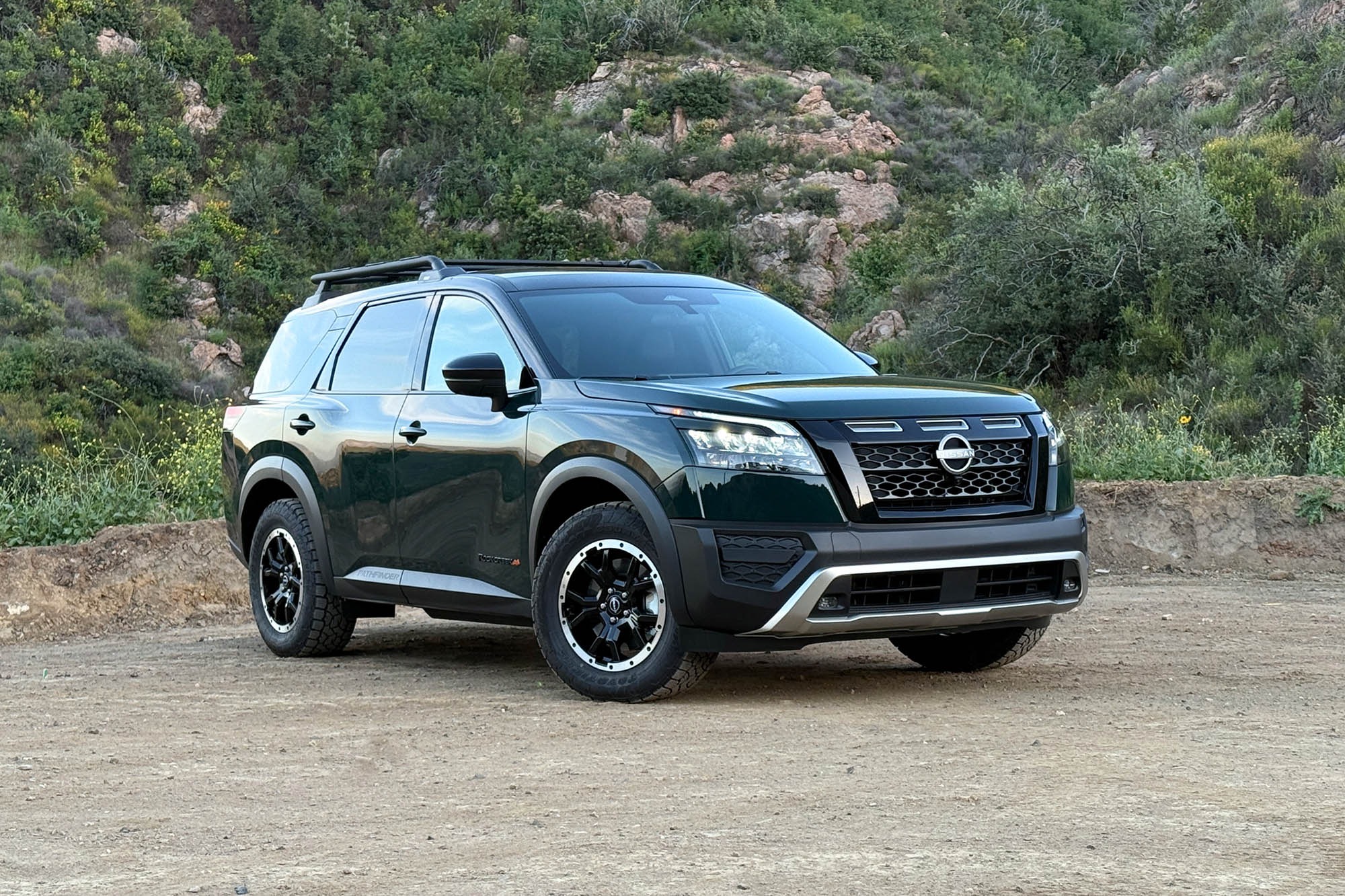
3. Nissan Pathfinder
The Nissan Pathfinder once stood as a strong competitor in the midsize SUV segment, but in recent years, it has faced criticism for cabin quality. Owners who purchased the Pathfinder expecting a smooth and quiet family ride often discovered that rattles developed earlier than they imagined.
The dashboard is one of the most common problem areas. Many owners have reported vibrations and squeaks coming from the front interior after only a few years. This weakens the sense of comfort, especially during highway driving, where such noises become more noticeable. The materials used in the cabin do not always hold up well against constant temperature changes, which cause expansion and contraction, leading to loose fittings.
The Pathfinder also struggles with its suspension tuning. While it offers decent ride comfort at first, the system does not always filter out road impacts well as the vehicle ages. These impacts shake the cabin more, which increases the chances of rattles. Families who use the SUV daily often notice the noises growing worse as mileage increases.
Another area that frustrates owners is the roof area and sunroof assembly in certain trims. When driving on uneven roads, squeaks sometimes appear from these sections. While these might sound like small issues, they reduce the sense of quality in what should be a family-friendly vehicle.
The rear seats and cargo fittings also contribute to rattling. Since families frequently fold and adjust these sections, the fittings weaken with time, producing noises when cargo changes or when the vehicle moves over bumps.
These issues have affected how the Pathfinder is viewed in the used market. While it provides strong engine performance and space, the noisy interior hurts its desirability. Buyers who value a cabin that stays quiet often look elsewhere, leaving the Pathfinder struggling against rivals like the Highlander and Pilot.
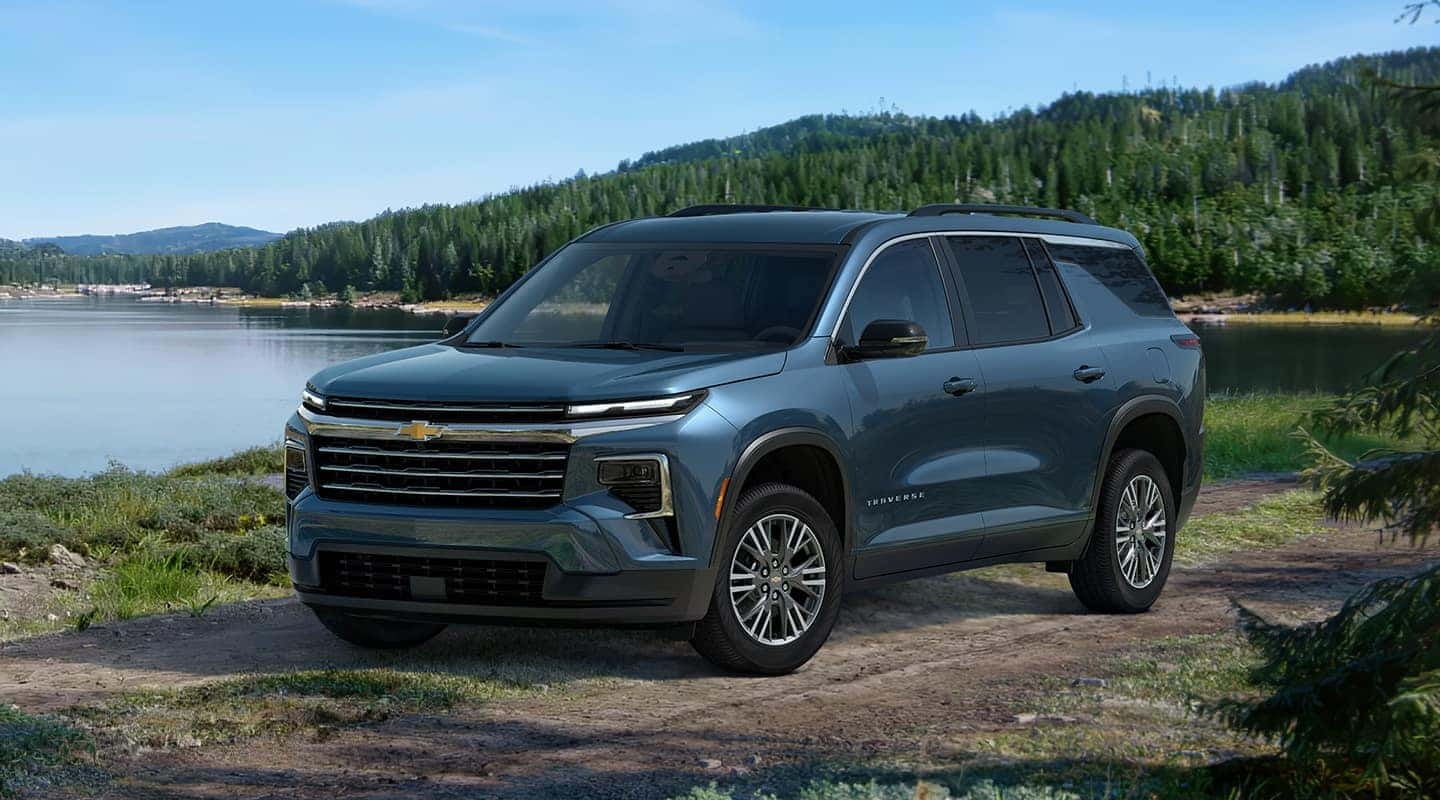
4. Chevrolet Traverse
The Chevrolet Traverse is praised for offering plenty of space and practicality, but its cabin quality has often been criticized. Many owners feel that the interior begins to sound worn sooner than it should, with rattles and squeaks appearing earlier compared to Japanese competitors.
The dashboard and center console are common sources of noise in the Traverse. Plastic fittings in these sections are prone to loosening after years of use. When driving on uneven roads, these parts can produce buzzing sounds that reduce comfort.
Another concern comes from the suspension design. While the Traverse is built to provide a soft ride, it does not always prevent vibrations from reaching the interior. As these vibrations build up as time goes on, they cause weak points in the cabin to start rattling. Families who use the SUV heavily for travel and cargo often notice the noises increasing.
The third-row seats are another weak spot. Since they are folded and adjusted regularly, the mechanisms can wear out faster, leading to squeaks and rattles during trips. Cargo area fittings also develop noises as the SUV ages, particularly when carrying heavier loads.
Even the door panels have been reported to produce noises as they loosen slightly with age. These issues reduce the premium feel of the Traverse, especially since buyers expect a family SUV of this size to maintain comfort.
Resale value is also affected because many used buyers quickly notice the rattles during test drives. While the Traverse delivers on space and practicality, it often fails to keep a quiet and composed cabin for as long as its rivals, which limits its appeal for buyers who value comfort.
Also Read: 5 SUVs That Feel Solid Forever and 5 That Fall Apart Fast
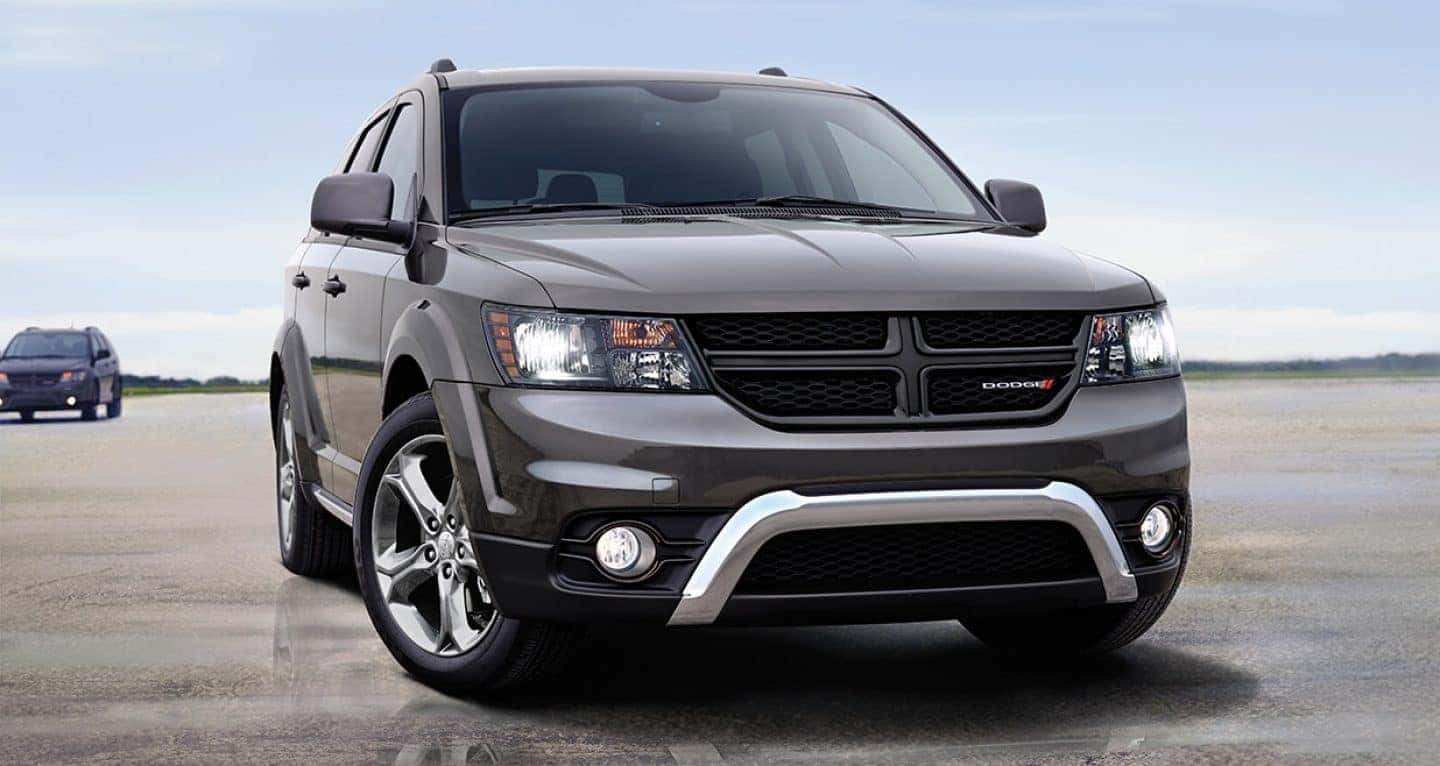
5. Dodge Journey
The Dodge Journey has been on the market for years, often sold at a lower price than many of its competitors. While it attracted buyers with affordability and size, its cabin quality has been a constant weakness. Many owners discovered that rattles and squeaks appear very early in the life of the vehicle.
The dashboard and trim materials are among the weakest areas. They are often made of hard plastics that loosen quickly. Drivers have reported noises starting after only a few years, giving the vehicle an old and worn feel long before its engine shows similar age.
The suspension does not help the situation. The Journey is not as refined as many rivals, and vibrations easily reach the cabin. Once inside, these vibrations cause the panels and fittings to change, leading to rattling sounds.
The seats and storage compartments are also frequent trouble spots. Seat frames squeak when weight is applied, and the storage bins develop buzzing noises as time goes on. For families using the SUV daily, these issues become a constant irritation.
Because of these problems, the Journey has one of the weakest reputations for interior quality among midsize SUVs. Resale value is poor, as buyers often avoid it due to the perception that it feels old too quickly. While it may serve as a budget option, those who want a cabin that stays quiet usually choose another model.
