
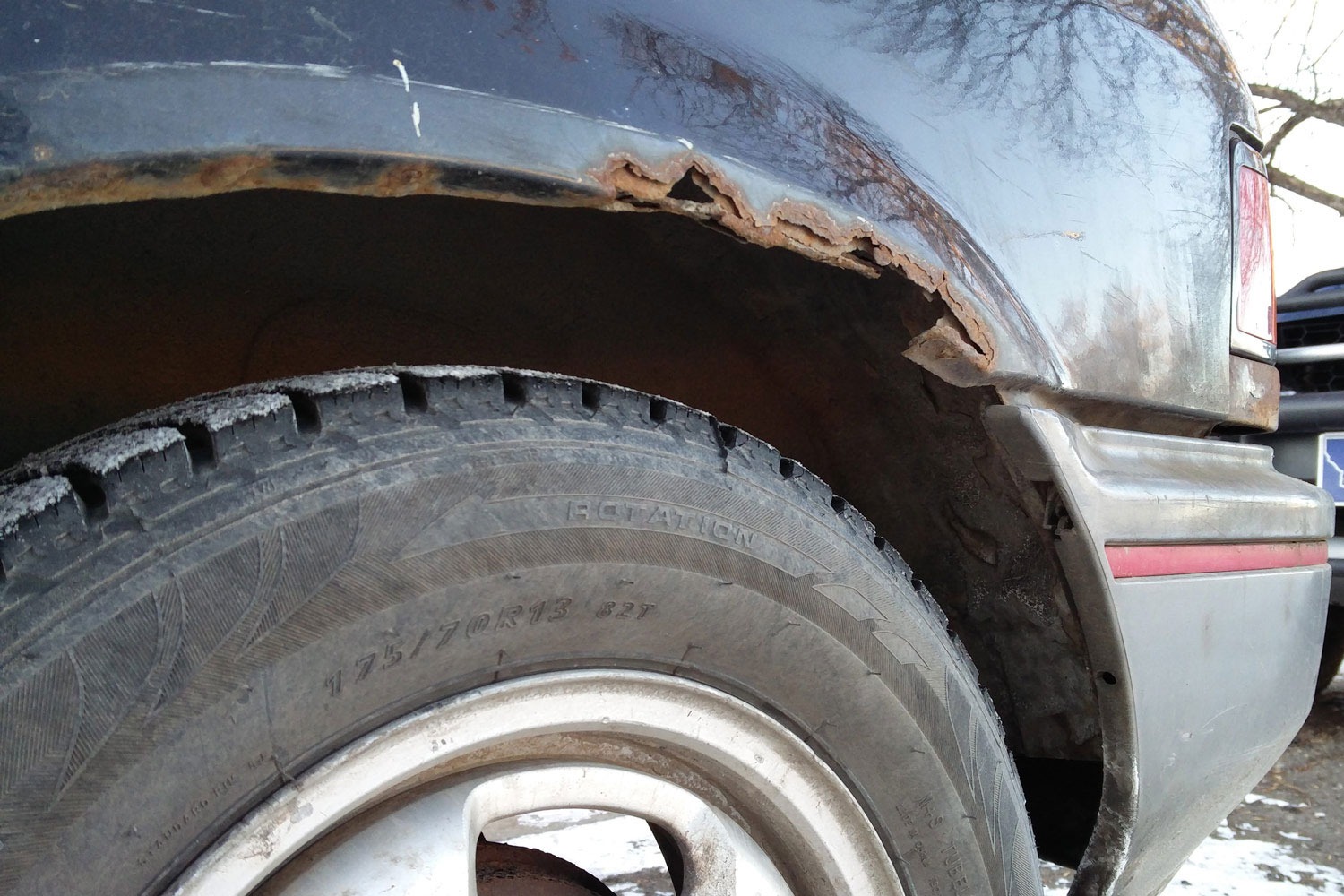
Rust is one of the most troubling problems that vehicle owners face, no matter the brand or region. It creeps into the body panels, eats through frames, and weakens parts that are meant to last for decades. Many drivers worry about rust because it not only spoils the look of a car but also cuts down its strength and durability.
For people living in states that experience heavy snow or where roads are covered with salt during winter, rust becomes even more of a concern. Salt holds moisture against metal surfaces, and once corrosion starts, it spreads faster than most people imagine. While some cars fight against rust better due to better design and protection, others seem to give in to it faster than expected.
Some manufacturers put in extra effort by using high-quality coatings, advanced metal treatments, and smart engineering that keep rust away for a long time. These vehicles tend to remain solid after many years and are trusted by owners who value long-term use.
However, few models get rust issues very early, sometimes within the first few years of ownership. These cars often cost their owners plenty of money in repairs, body work, or replacement parts. We will carefully look at five vehicles that rarely see rust and maintain their body strength for years, and then five that constantly battle with rust and end up disappointing their owners.
5 Vehicles That Rarely See Rust
1. Toyota Tacoma
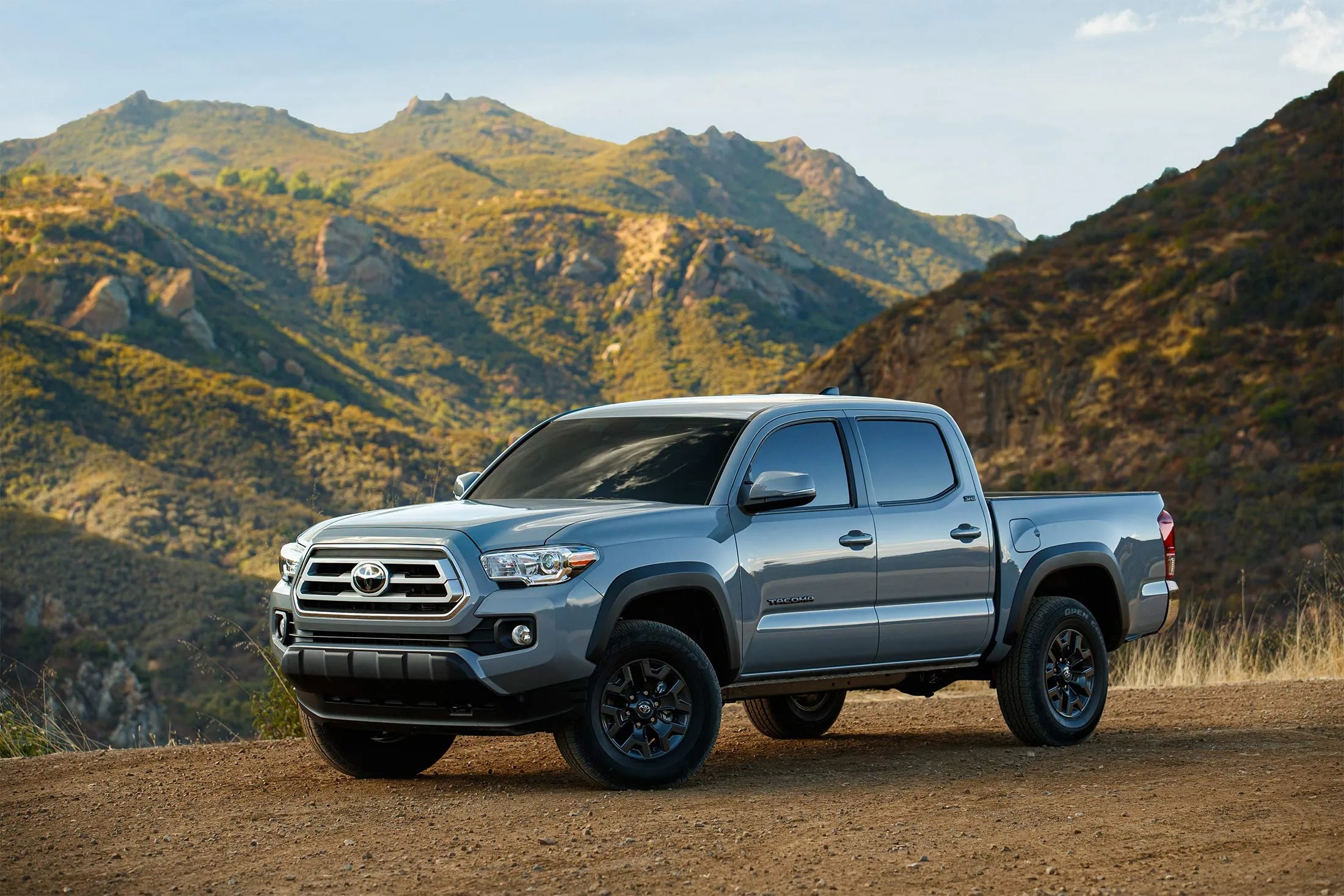
The Toyota Tacoma has earned a reputation as a truck that holds up under tough conditions, and rust protection is one of the areas where it performs very well. Owners often praise how long the frames and body panels last, even after years of heavy use in places with snow, rain, and road salt. Toyota made changes in the way it protects the underbody and frame after earlier models of its trucks faced complaints, and the Tacoma has become a strong example of progress.
One of the reasons the Tacoma does better against rust is the design of its frame and the coatings applied to it. Toyota has invested in advanced rust-proofing methods, including thicker corrosion-resistant materials and treatments that help keep moisture away from metal parts.
The underbody is often given a stronger layer of protection than many other trucks in its category. Because of this, the Tacoma remains solid and reliable even when exposed to rough terrains or wet environments for long periods. Another point is the use of high-quality steel. While no truck is completely safe from rust if neglected, the Tacoma’s materials provide better endurance.
Many drivers who use these trucks for work in farming, construction, or off-road activities often report that the body still holds its strength long after the paint has faded. The paint job itself is usually thick and properly sealed, preventing small scratches from turning into rust spots quickly.
The Tacoma is also designed with fewer places where water can sit and cause hidden damage. Vehicles that trap moisture inside wheel wells or along seams often rust faster, but Toyota engineers worked to reduce such weak points. Proper drainage points are also part of the design, which helps prevent water from collecting in areas that are hard to see.
This is one of the reasons why resale value for the Tacoma stays high. Buyers know they are likely getting a truck that will not be eaten up by rust within a few years. People in northern states or coastal regions often look for Tacomas because of their proven durability against corrosion. Rust is a silent enemy, but Toyota managed to give the Tacoma strong defenses, making it one of the trucks that rarely suffers badly from rust.
2. Honda Civic
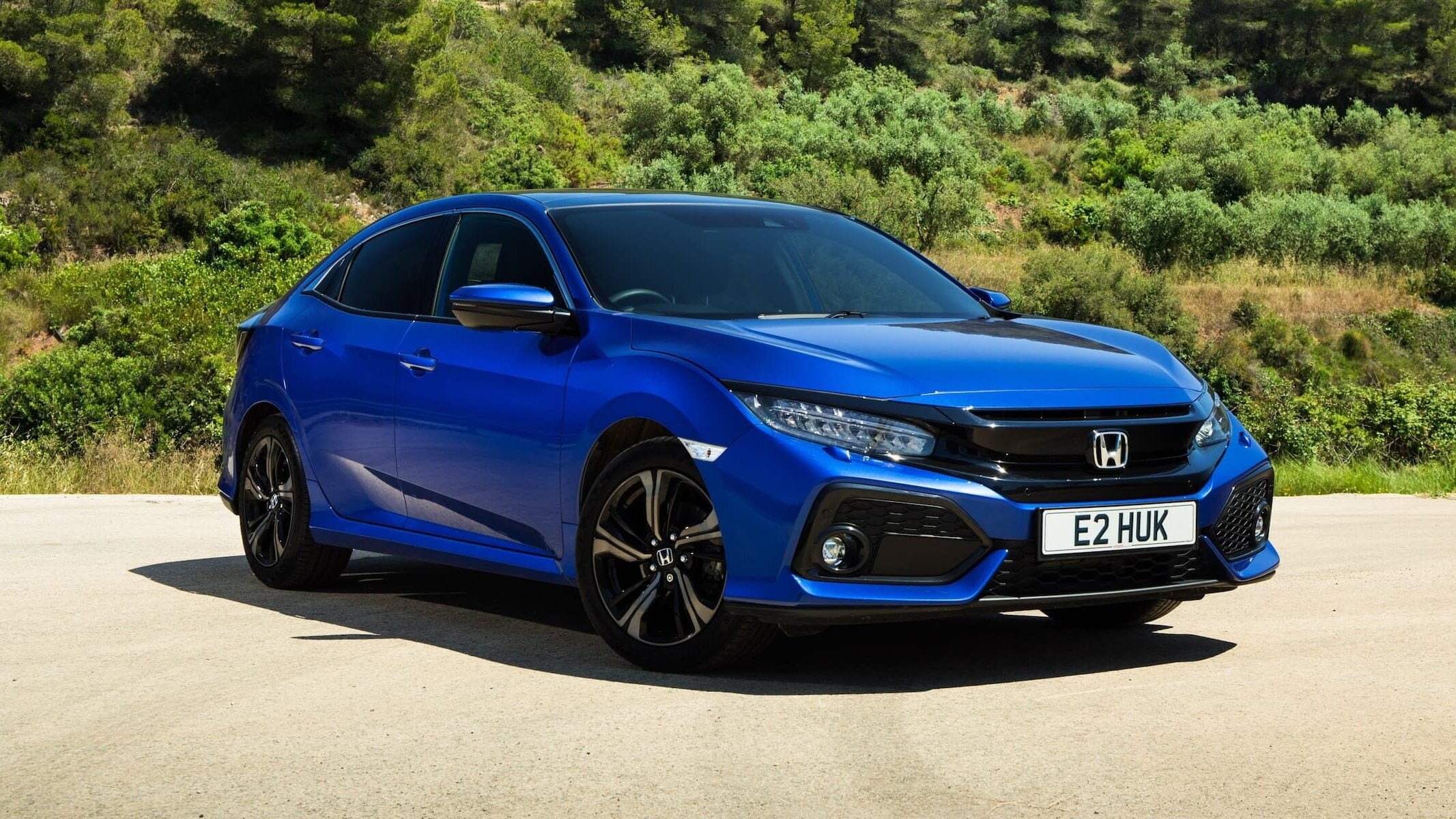
The Honda Civic has long been respected for its reliability and fuel efficiency, but another area where it stands strong is its ability to resist rust compared to many other small cars. Honda has worked hard over the decades to improve the durability of the Civic, and while older models sometimes faced rust in rear fenders, more recent generations have done a great job of fighting against corrosion.
One of the ways Honda improved the Civic’s ability to resist rust is by using high-grade galvanised steel for main parts of the body. This process coats the steel with zinc, which slows down rust formation when moisture is present.
This makes the Civic more dependable for people who drive in wet regions or in places where road salt is heavy during winter. Many compact cars do not get the same level of protection, which is why the Civic stands out. The paint quality on the Civic also plays a role.
Honda uses multiple layers of paint and clear coat that act as an extra shield. Even when small scratches occur, the body is less likely to start rusting quickly. In addition, the design of the wheel wells and drainage areas was improved over the years so that water does not sit inside hidden sections. These little engineering decisions go a long way in keeping rust away.
Another factor that helps the Civic is the strong community of owners who maintain their vehicles well. Because Civics are popular, there are plenty of resources for regular cleaning, underbody washes, and rust prevention care. Owners often take pride in keeping their Civics clean, which also adds to their long-lasting nature.
Compared to other compact cars, the Civic tends to hold its structure longer without rusting badly. Many older Civics from the late 1990s and early 2000s can still be seen on the road with minimal rust, which is proof that the improvements Honda made were effective. For buyers who want a smaller vehicle that will not give rust problems too early, the Honda Civic remains a wise choice.
Also Read: 5 Vehicles That Rarely Need Air Conditioning Repairs vs 5 That Do
3. Jeep Wrangler
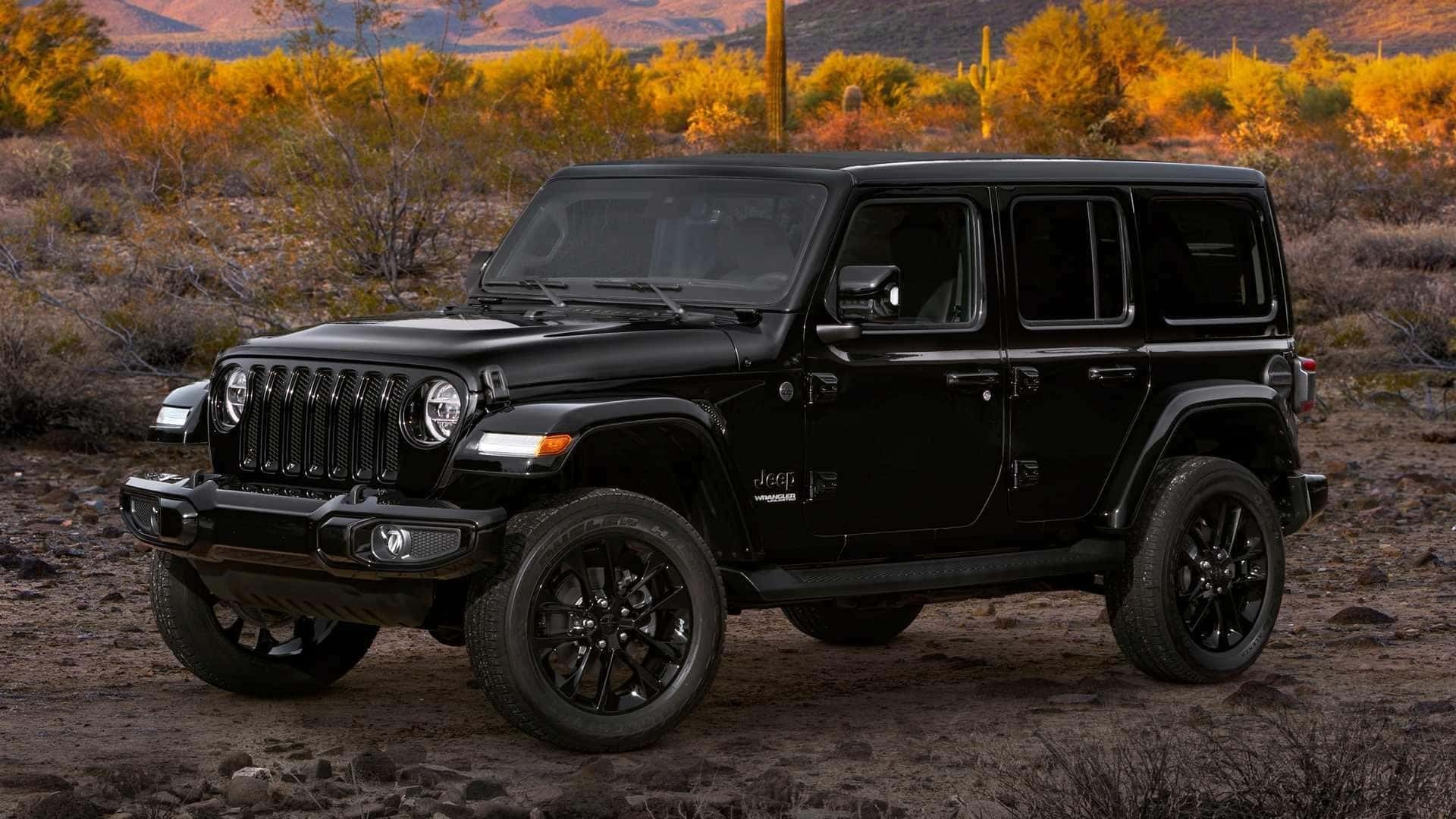
The Jeep Wrangler is often associated with rugged use, off-road driving, and exposure to harsh environments. One would think such a vehicle would be prone to rust due to constant mud, water, and dirt exposure, but Jeep has strengthened the Wrangler after a while to deal with these issues. The design of the Wrangler allows it to withstand tough outdoor conditions without quickly giving in to corrosion.
One of the reasons the Wrangler is less likely to rust fast is its strong undercoating and durable body structure. The vehicle is made with the idea that it will be driven through rivers, mud, and snow, so Jeep engineers gave it protection in areas most vehicles ignore. The frame is treated to resist corrosion, and many of the exposed parts are made with metals that can handle repeated wet and dry cycles without rusting as quickly.
The Wrangler also has an advantage because of the way it is built. Many of its panels and parts can be removed or replaced more easily compared to traditional vehicles. This allows owners to clean and treat areas that would normally remain hidden in other vehicles. By making it easier to reach these sections, Jeep helps prevent rust from growing in unnoticed places.
Another reason the Wrangler does better is the strong paint and coating layers that resist scratching. Off-road driving often leads to contact with branches, rocks, and other rough surfaces, but the Wrangler is designed to take this without quickly breaking down to bare metal. By protecting the surface, Jeep reduces the chance of rust forming from small damage.
Many long-time Wrangler owners also invest in extra protection like undercoating sprays and regular washes after off-road trips. This habit, combined with the vehicle’s solid build, helps it stay strong against rust.
While no vehicle is fully safe from corrosion if neglected, the Wrangler’s design and intended use mean it is better prepared than most. This is why many Wranglers from the early 2000s are still in good condition today.
4. Lexus GX
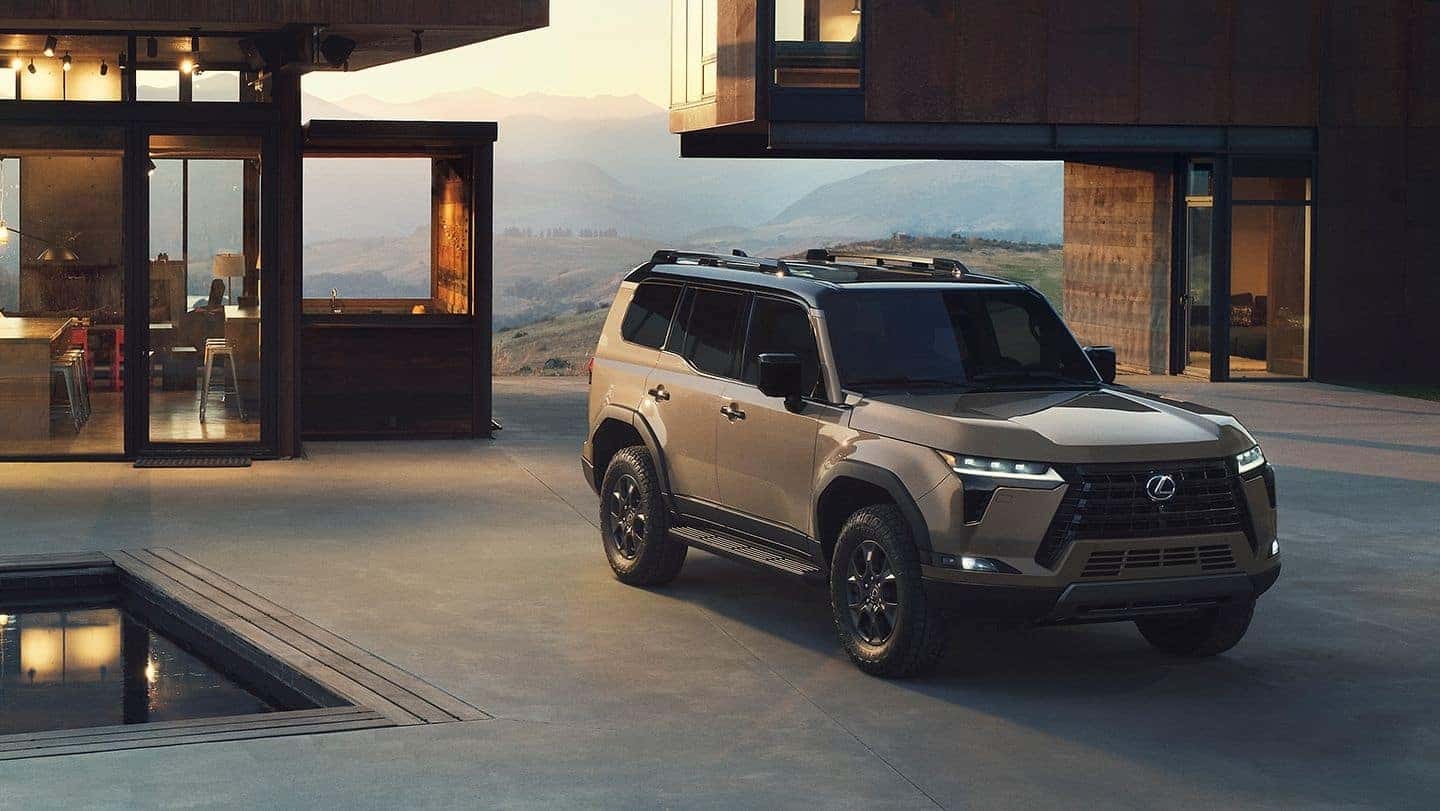
The Lexus GX is a luxury SUV that has gained respect not only for comfort and performance but also for its ability to stay solid against rust. Built on a body-on-frame design similar to Toyota’s Land Cruiser, the GX benefits from engineering aimed at long-term durability. Many owners who keep this SUV for years often praise how little rust it develops compared to other vehicles in its class.
One major reason the GX resists rust is the level of coatings applied to the underbody and frame. Lexus, being a premium brand, puts extra effort into ensuring that its vehicles last longer without suffering corrosion issues. The materials used are high-grade, and the body is sealed tightly to prevent moisture from seeping into small gaps.
Another point is that Lexus often designs its vehicles with international markets in mind, including regions where rust can become a big problem. Because of this, they take extra steps to make sure their SUVs can handle harsh conditions such as salted roads, humid climates, and heavy rainfall. The GX benefits from these global standards, making it one of the most rust-resistant SUVs in the luxury segment.
The paint and finish on the GX also help to resist rust. Lexus uses several layers of protective coating, which keep scratches from reaching the bare metal quickly. Even when the vehicle ages, the body tends to hold up well, with fewer cases of bubbling paint or rust streaks.
For drivers who use the GX as both a family vehicle and an off-road capable SUV, this rust resistance provides peace of mind. It allows the vehicle to maintain both its look and strength over many years. Resale value is also higher because buyers trust that the GX will not have hidden rust issues. When compared to many other luxury SUVs that start developing rust problems earlier, the Lexus GX stands out as one of the better options.
5. Mazda CX-5
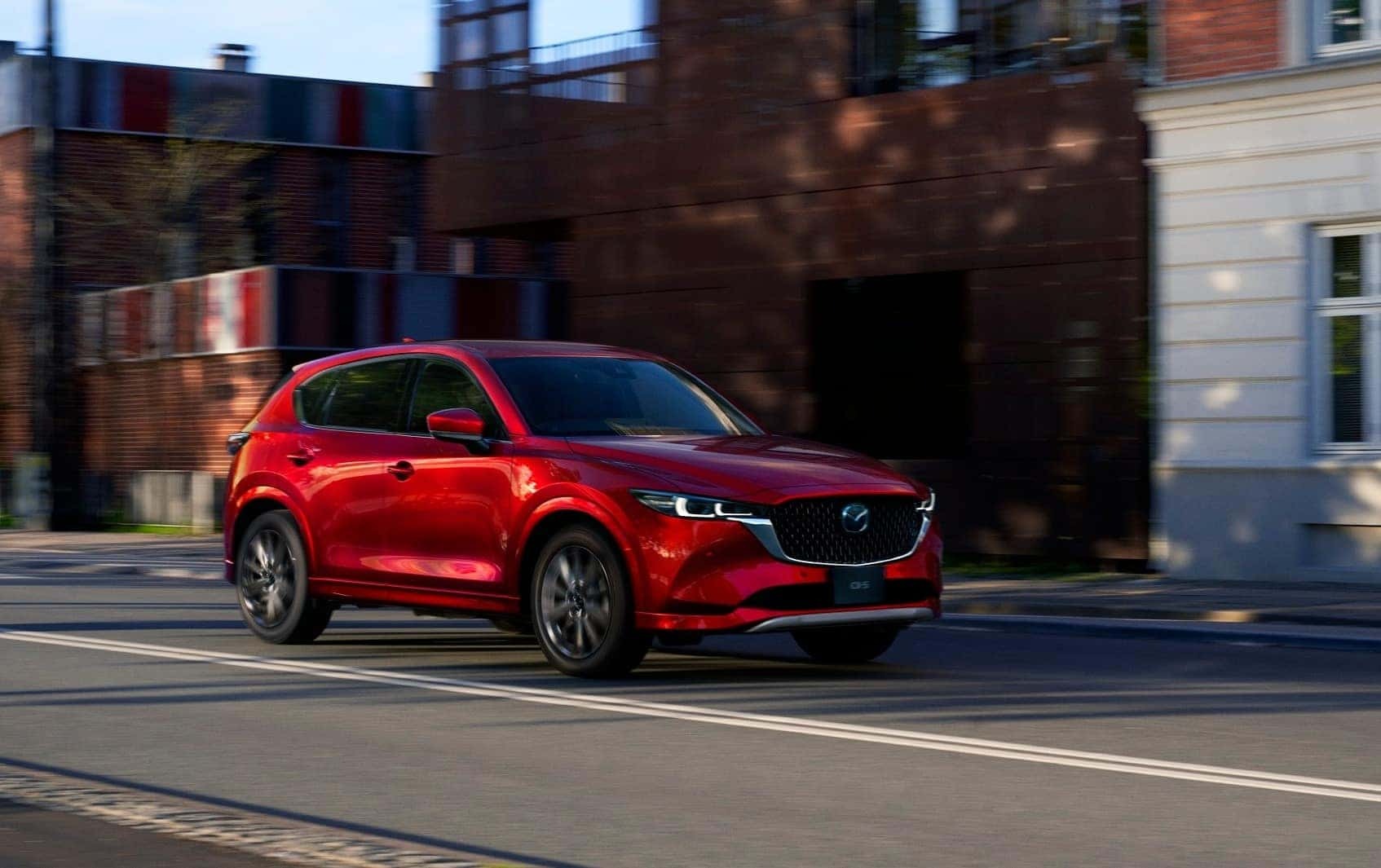
Mazda faced criticism in the past for vehicles that developed rust earlier than expected, especially in older models from the 1990s and early 2000s. However, the brand has since made strong improvements, and the Mazda CX-5 is a great example of how they fixed those issues. The CX-5 stands out in the compact SUV category as one that rarely shows rust problems when maintained properly.
The CX-5 benefits from an advanced body design that reduces places where water and dirt can collect. Mazda engineers worked to seal wheel wells, improve drainage, and reduce gaps where salt or mud could hide. This careful design prevents corrosion from starting in hidden sections that are usually trouble spots in many SUVs.
Mazda also began using higher-quality galvanised steel and better paint protection on the CX-5. The thicker coatings, combined with multiple paint layers, protect the metal from quick rusting. Even when small scratches happen, the protective coatings slow down rust development.
Another improvement is the stronger underbody protection. In regions where road salt is used, the underbody often becomes the first area to rust. Mazda’s engineers gave the CX-5 an underbody that is more resistant to this problem. Owners who regularly wash their vehicles during winter notice that the CX-5 holds up much better compared to older Mazda SUVs.
The CX-5’s reputation for being stylish and reliable is matched by its improved durability against rust. Buyers who were once hesitant to choose Mazda because of past rust issues have grown more confident in the CX-5. Many owners report that even after several winters, rust is minimal or nonexistent.
For people seeking a compact SUV that looks good, drives well, and does not quickly fall apart from rust, the Mazda CX-5 has become a strong and trusted choice. Mazda’s efforts to rebuild trust paid off, and the CX-5 proves that vehicles from the brand can stay rust-free for a long time.
5 Vehicles That Constantly Rust
1. Ford Explorer
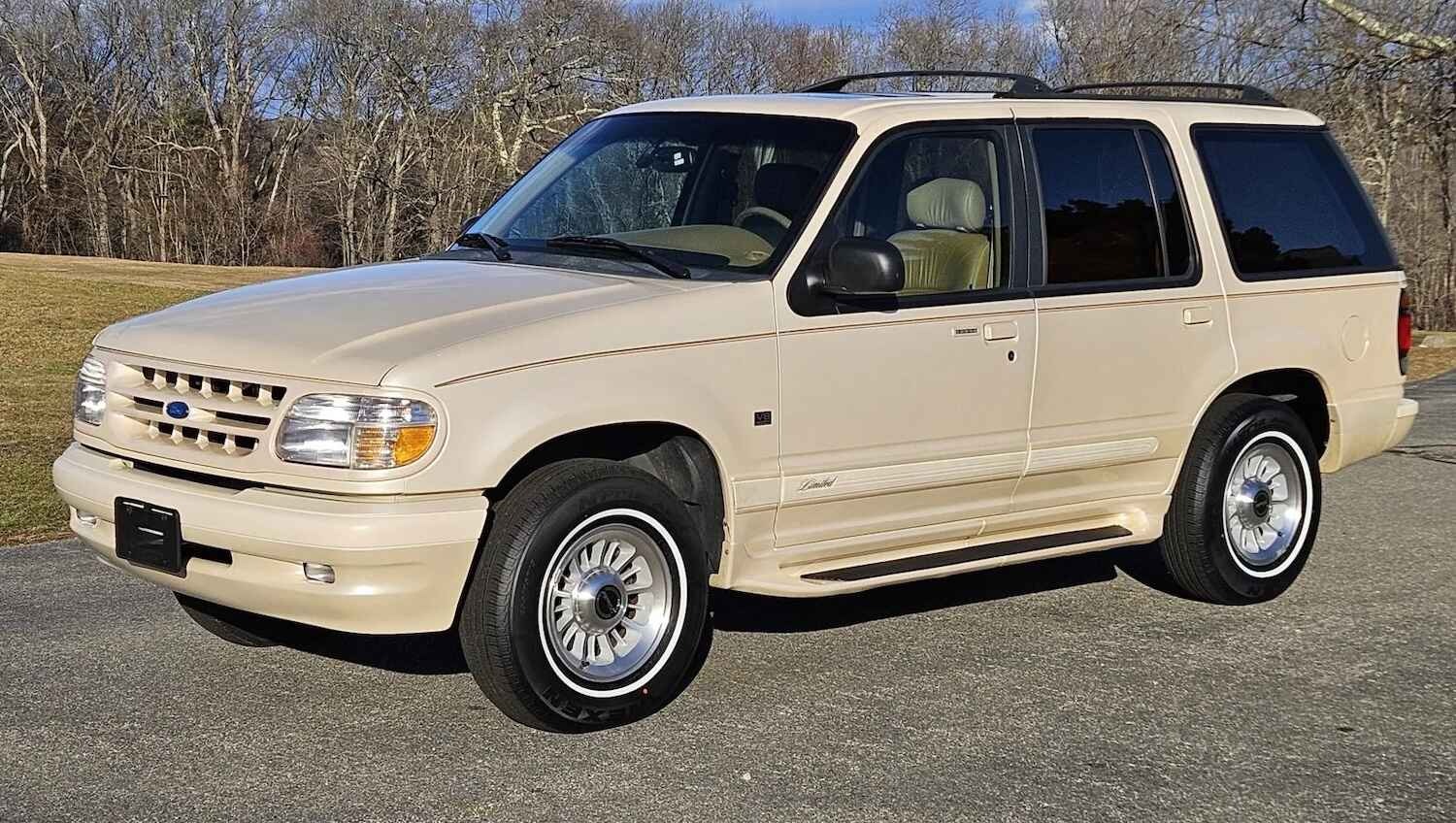
The Ford Explorer has been one of the most popular SUVs in the United States for decades, but when it comes to rust, many owners of older models have voiced their disappointment. Rust issues have been common in different parts of the body, particularly around the wheel wells, rocker panels, and the tailgate. These weak areas have caused many Explorers to lose their look and value faster than expected.
One of the biggest reasons the Explorer struggles with rust is the way its body seams and panels are designed. Water often collects in the lower areas of the vehicle, and once salt or dirt mixes in, corrosion starts quickly. The rear liftgate is one of the most common places where rust begins, with bubbling paint and holes showing after just a few years in rust-prone states.
Many owners report that this issue is so frequent that it has become a known problem in the used car market. Another trouble spot for the Explorer is its underbody. The frames and suspension parts on older models do not hold up well in areas with heavy snow or road salt.
When compared to other SUVs, the Explorer tends to develop rust faster underneath, which then spreads to other parts of the vehicle. Without regular underbody washes and protective coatings, the damage grows quickly. Paint quality also played a role in the Explorer’s struggles.
Some models had thin paint layers that chipped easily, exposing bare metal that corroded fast. Once the paint failed, rust spread from small scratches to larger sections of the body. This left many vehicles looking worn out, even if the engines still had plenty of life left.
While newer Explorers have seen some improvements, the older ones have already built a reputation for being rust-prone. Buyers searching for used SUVs often inspect the Ford Explorer carefully, especially around the tailgate and frame. These long-standing rust problems mean the Explorer often costs more in repairs and loses resale value faster than rivals.
2. Chevrolet Silverado
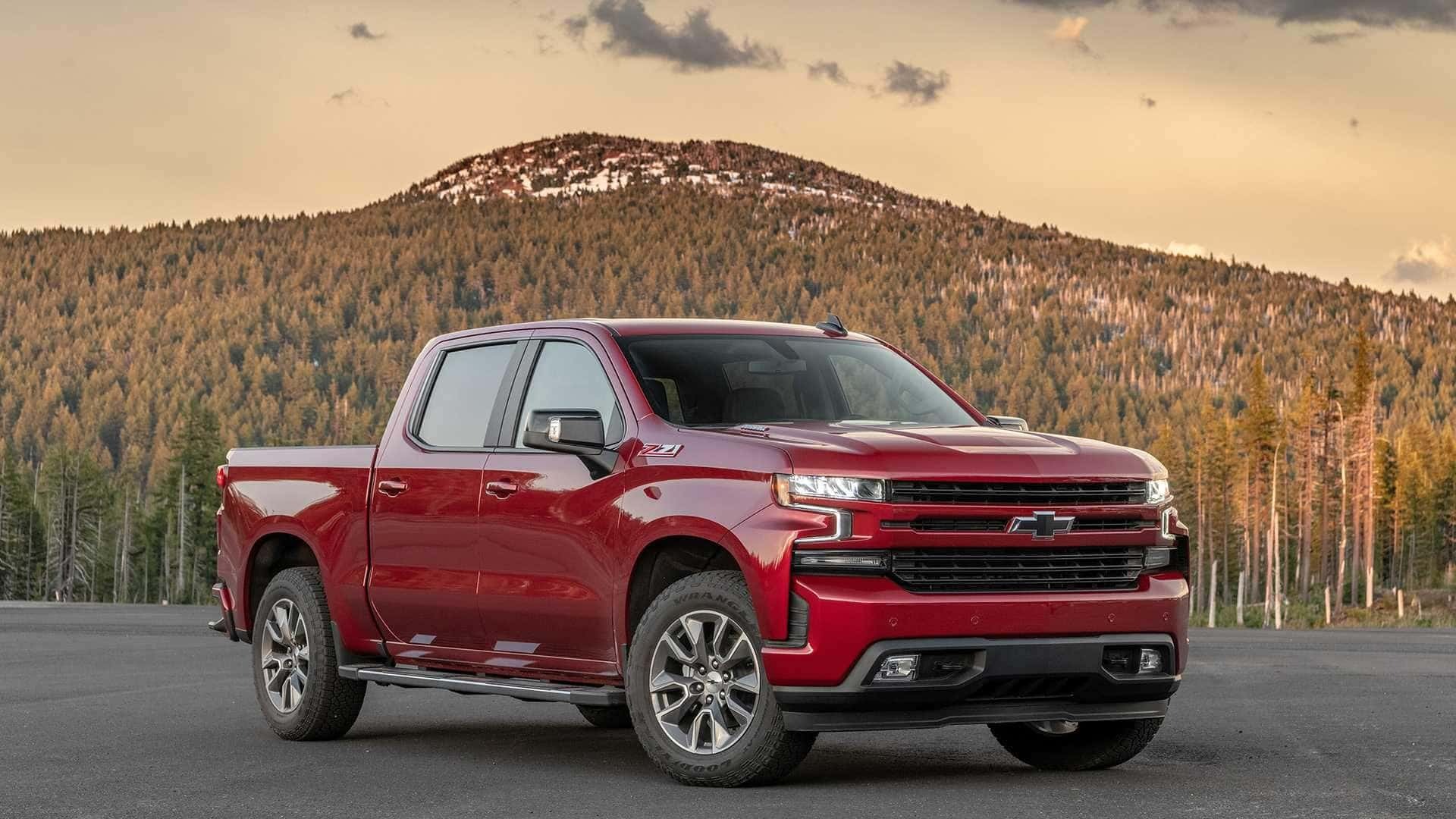
The Chevrolet Silverado is one of the best-selling trucks in the United States, but it is also known for rust issues that have affected many owners through the years. The most common complaints involve rusted rocker panels, cab corners, and frames. For people living in northern states where winter road salt is common, the Silverado can become a headache if rust protection is not done early.
One of the major reasons the Silverado rusts so much is because of how its rocker panels and cab corners are designed. These areas trap moisture and dirt, which then stay hidden for months or even years. By the time an owner notices, the panels are often filled with rust holes that require costly repairs.
Many body shops across the country have made a business out of replacing Silverado rocker panels because of how widespread the problem is. The frame on the Silverado is another area where rust shows up quickly. Owners who use their trucks for work often expose them to mud, snow, and salt, which accelerates corrosion.
Some drivers reported that the frame started to weaken only a few years after purchase. This problem not only reduces the truck’s appearance but also raises safety concerns, as a weakened frame affects towing and hauling capacity. Paint issues have also been part of the Silverado’s rust history.
Thin coatings and poor sealing in certain years allowed chips to form easily, exposing bare metal. Once exposed, road salt worked its way into the panels and spread corrosion. Even when repaired, these areas often rusted again, frustrating owners who wanted a long-lasting truck.
Chevrolet has worked on improvements in newer models, but the reputation remains. Many buyers now check used Silverados closely before buying, and aftermarket companies even sell full replacement panels made just for this problem. The Silverado’s combination of rust-prone panels, weak paint protection, and frame problems has placed it among the vehicles that constantly deal with rust.
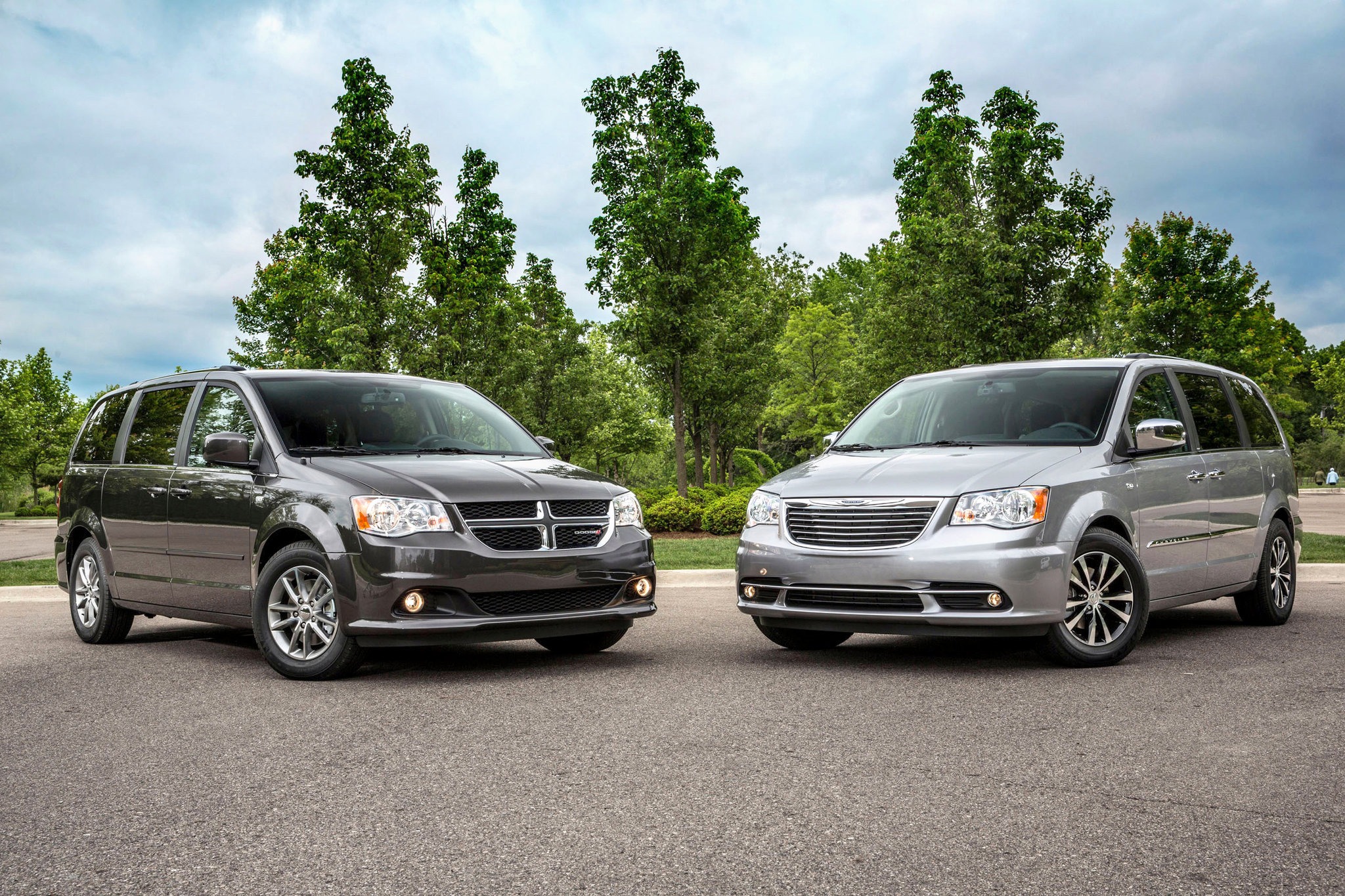
3. Dodge Caravan/Chrysler Town & Country
Minivans such as the Dodge Caravan and Chrysler Town & Country have been family favorites for decades, but they have also been linked with frequent rust problems. Owners often complain about rust around the wheel wells, sliding door tracks, and the underbody. These issues are especially common in areas where winter road salt is heavy, leaving many vans looking worn long before their engines give up.
One of the weak spots on these vans is the sliding door area. Water tends to sit in the tracks, and once salt mixes in, corrosion starts. After a while, this not only affects the look of the van but also the smooth operation of the sliding doors. Families who bought these vans for convenience often found themselves facing repair bills just to keep the doors working properly.
The wheel wells are another trouble spot. Paint tends to chip around these areas, exposing bare metal. Because the wheel wells face constant spray from the tires, rust spreads quickly. Once it starts, it is difficult to stop without cutting out and replacing the affected metal. Many owners noticed bubbling paint within only a few winters.
Underbody rust is also a serious issue. The frames and floorboards on these vans often corrode faster than expected, sometimes leading to safety concerns. Some drivers even reported holes forming in the floor of older models, which shows just how aggressive the rust can become.
Another reason rust spreads quickly in these vans is that families often use them in all weather conditions. With constant exposure to snow, mud, and road salt, the vans suffer more wear and tear than smaller cars that may be used less often. Combined with average paint quality, this meant rust became a common complaint in many regions.
Because of these frequent issues, used Dodge Caravan and Chrysler Town & Country vans often sell at lower prices. Buyers know they may be facing rust repairs sooner or later. While these vans offered comfort and space, their history with rust makes them a common example of vehicles that struggle to resist corrosion.
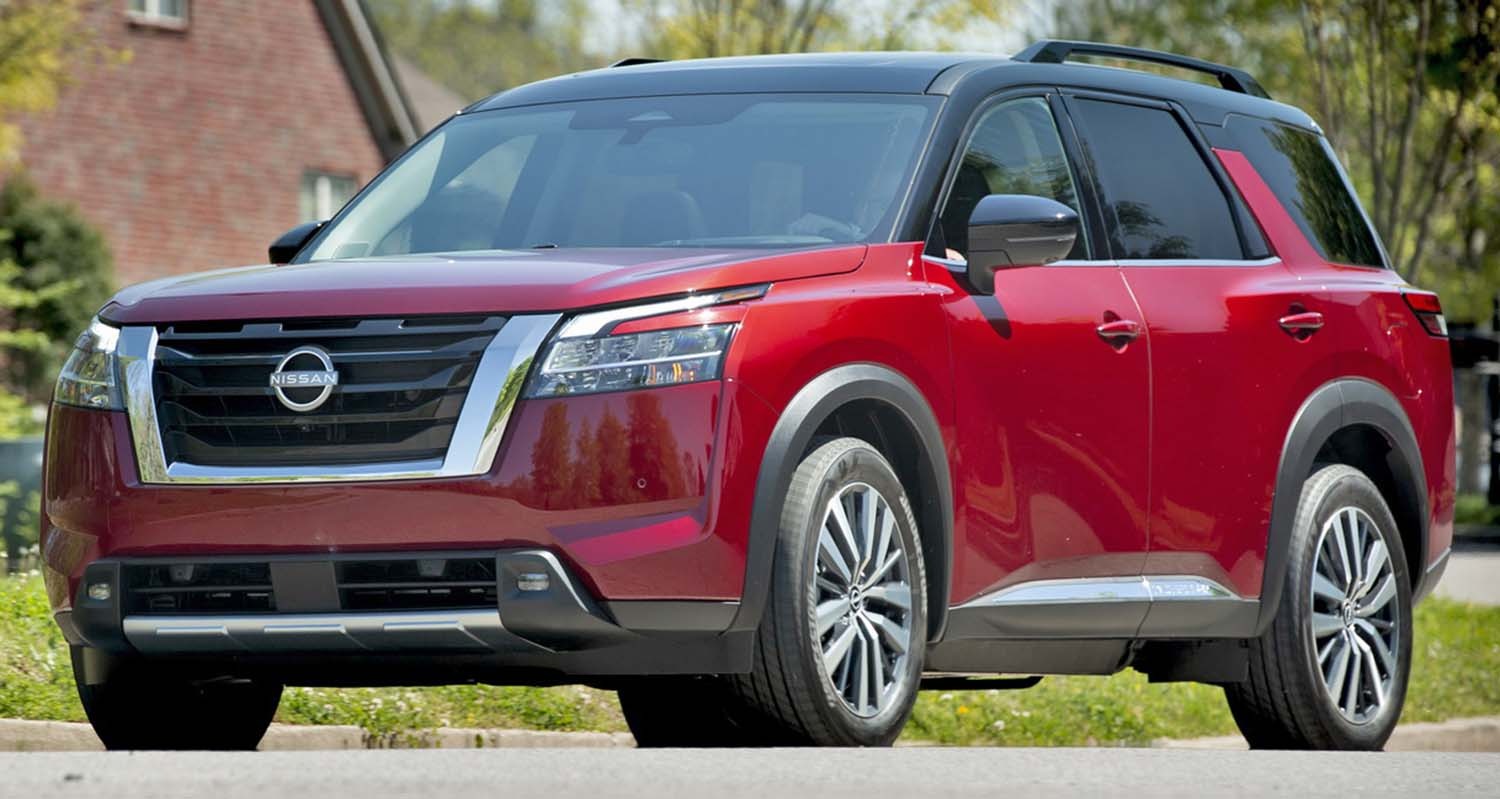
4. Nissan Pathfinder
The Nissan Pathfinder, especially models from the early and mid-2000s, developed a strong reputation for frame rust problems. Many owners faced serious corrosion issues that affected the structural safety of the SUV. Rust was so widespread in certain model years that it even became the subject of recalls and service programs.
One of the biggest problems was the frame. In regions where salt is heavily used, Pathfinders often developed severe rust underneath. The corrosion sometimes became so advanced that frames had holes or cracks, making the vehicle unsafe to drive. Owners were shocked to see rust this severe in vehicles that were less than ten years old.
Wheel wells and rear suspension areas were also common trouble spots. Rust tended to spread quickly from these sections, sometimes damaging the suspension mounts. Once these mounts became weak, the SUV could no longer carry weight safely, leading to expensive repairs.
Another factor that made the Pathfinder prone to rust was poor drainage design. Water often collected in hidden sections, especially inside the frame, and this moisture accelerated rust from the inside out. By the time visible rust appeared, the damage underneath was often far worse.
Paint protection on the Pathfinder was also weaker than competitors. Many owners reported chips and scratches that turned into rust patches quickly. Combined with the frame problems, this gave the Pathfinder one of the worst reputations for rust among mid-size SUVs.
Because of these problems, the Pathfinder’s resale value dropped in certain markets. Buyers became cautious, and many avoided used Pathfinders unless they came from regions without heavy snow. While newer Pathfinders have improved, the reputation of older models still affects how people view the SUV. Rust became a defining weakness that has followed the Pathfinder for years.
Also Read: 5 Vehicles That Survive Poor Maintenance vs 5 That Don’t
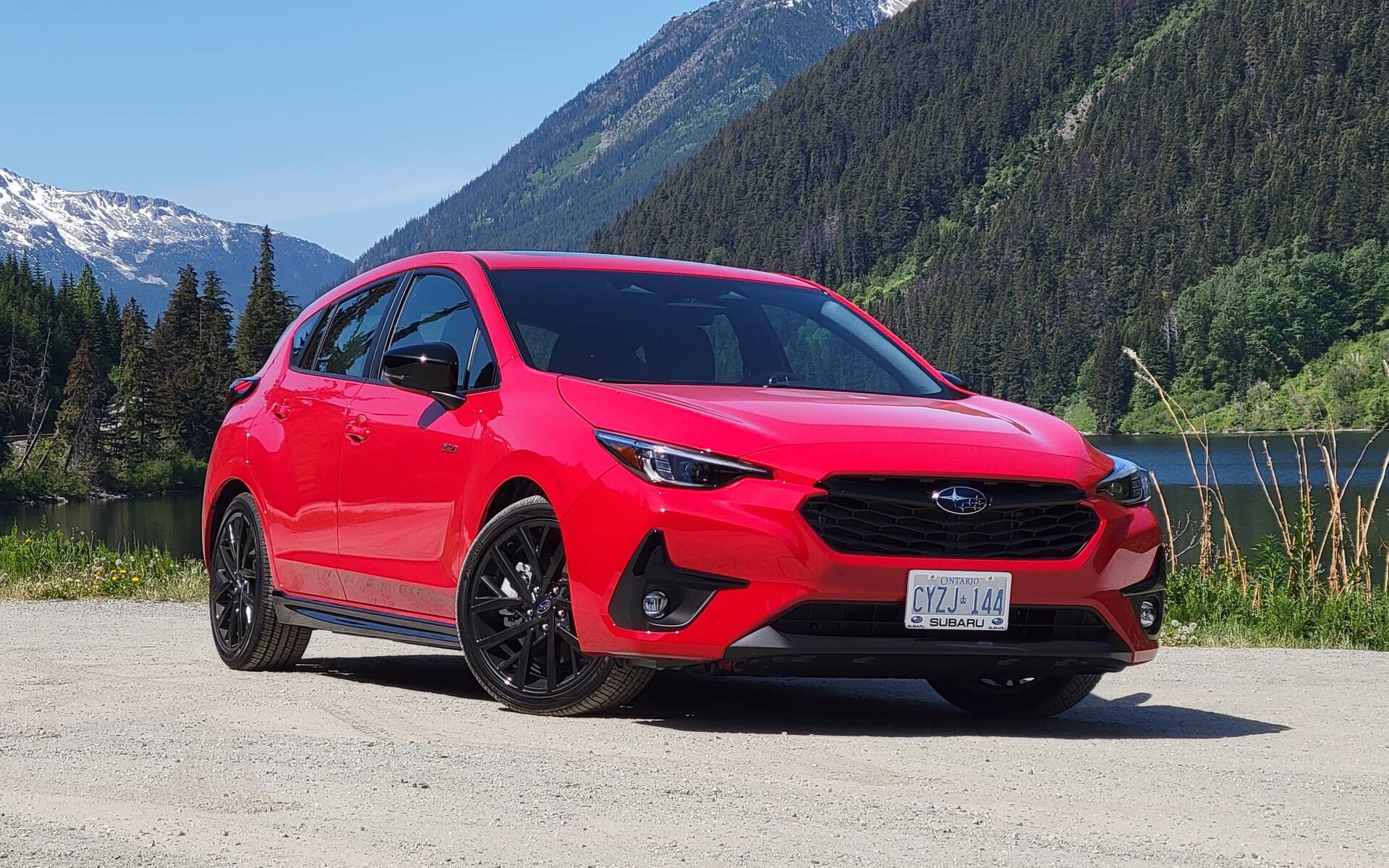
5. Subaru Impreza
Subaru has built its reputation on All Wheel Drive vehicles made for snowy conditions, but the Impreza is one model that has often faced rust issues. Owners in northern states and Canada have long reported that their Imprezas develop rust faster than many rivals, particularly in the wheel arches, rear quarters, and underbody.
One of the main problems is that the Impreza is frequently used in regions with heavy winter salt. Because the vehicle is designed for snow driving, it is constantly exposed to road spray filled with salt. Without extra protection, rust builds up quickly in hidden sections. The rear wheel arches are especially vulnerable, with bubbling paint showing up within a few years.
The underbody also struggles against rust. Even though Subaru markets its cars for tough conditions, the Impreza’s frame and suspension parts corrode faster than expected. Owners often spend money on undercoating or frequent washes to slow down the damage, but without these steps, the rust spreads.
Paint thickness and sealing have also been issues. Some Imprezas had thinner coatings that chipped easily, leading to exposed metal. Once this happened, salt and moisture caused visible rust spots. Unlike some competitors that used stronger galvanised steel, the Impreza’s body did not always hold up as well.
Because many Imprezas are owned by drivers in cold regions, the rust issue has been widely noticed. Used car buyers often check these vehicles carefully, especially around the rear wheel wells and underbody. Even when engines and drivetrains are still strong, the body can be badly damaged by rust, lowering the car’s value.
The Impreza remains popular for its performance and winter ability, but its weakness against rust is a long-standing concern. Without regular maintenance and rust proofing, the Impreza often becomes another example of a vehicle that constantly battles corrosion.
