
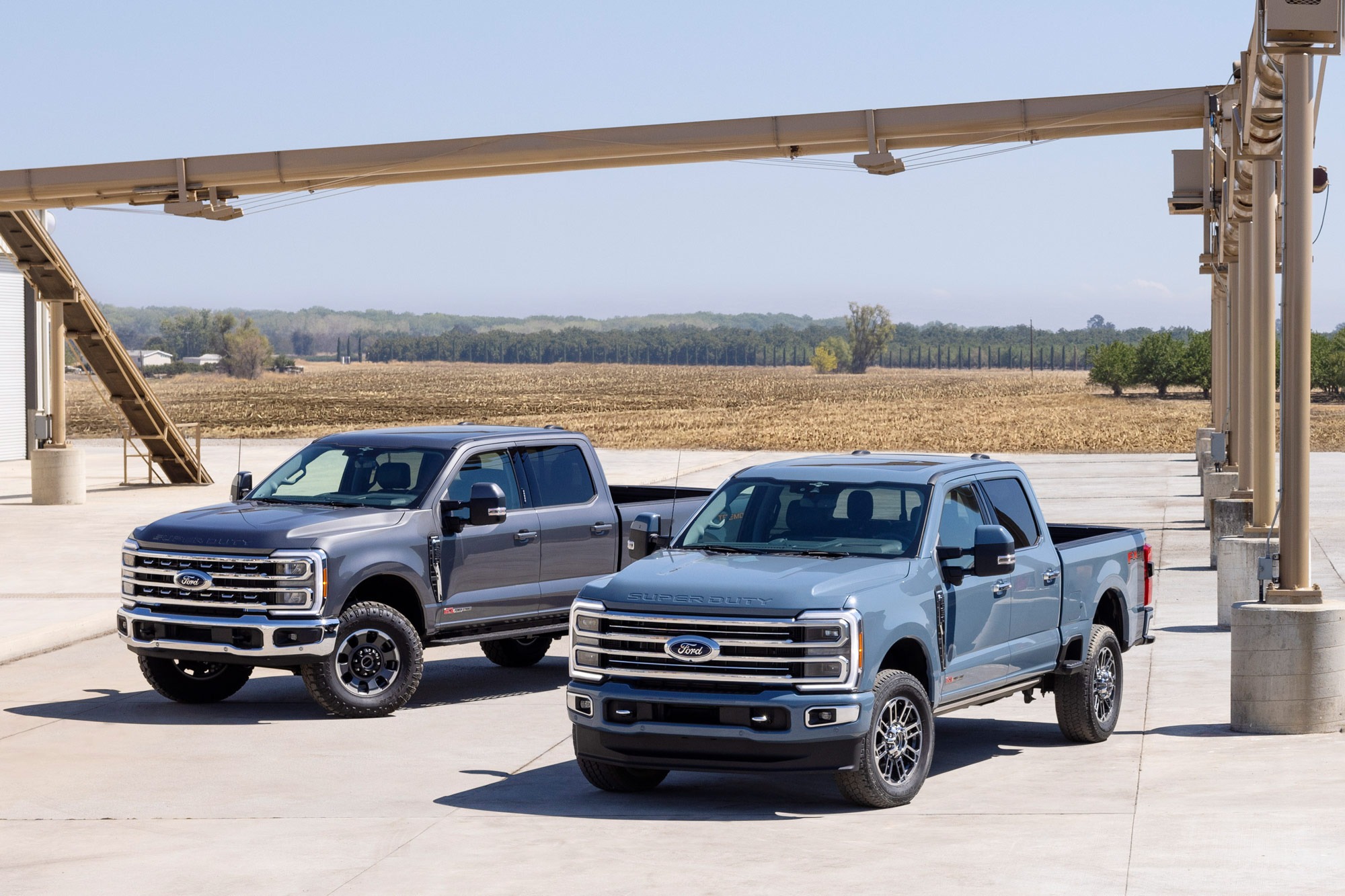
Pickup trucks have earned a strong reputation in the United States because they combine power, durability, and practicality in ways that many other vehicles cannot. While buyers often pay attention to the engine, transmission, towing strength, or even fuel efficiency, an often overlooked part of truck reliability lies in the axle.
The axle is the backbone of a pickup. It carries the load, transmits power to the wheels, and handles the stress of towing or off-road driving. When an axle is strong, the truck becomes dependable for years, even under tough usage. When it is weak, repairs and replacements start early, making ownership frustrating and expensive.
Many truck owners have learned through experience that not all pickups are built with the same quality of axles. Some models are known for rugged axles that can last hundreds of thousands of miles with little trouble, while others show weakness too quickly. For people who depend on their trucks for work, farming, construction, or hauling, a reliable axle is not just an advantage but a necessity.
We will carefully go through ten popular pickups, dividing them into two groups. The first group includes five trucks with long-lasting axles that are known to hold up under pressure for many years. The second group looks at five trucks whose axles often give problems much earlier than expected.
Each section will give a clear explanation of what makes the axles strong or weak, how they affect ownership, and what buyers should keep in mind before making a decision.
5 Pickups With Long-Lasting Axles
1. Ford F-250 Super Duty
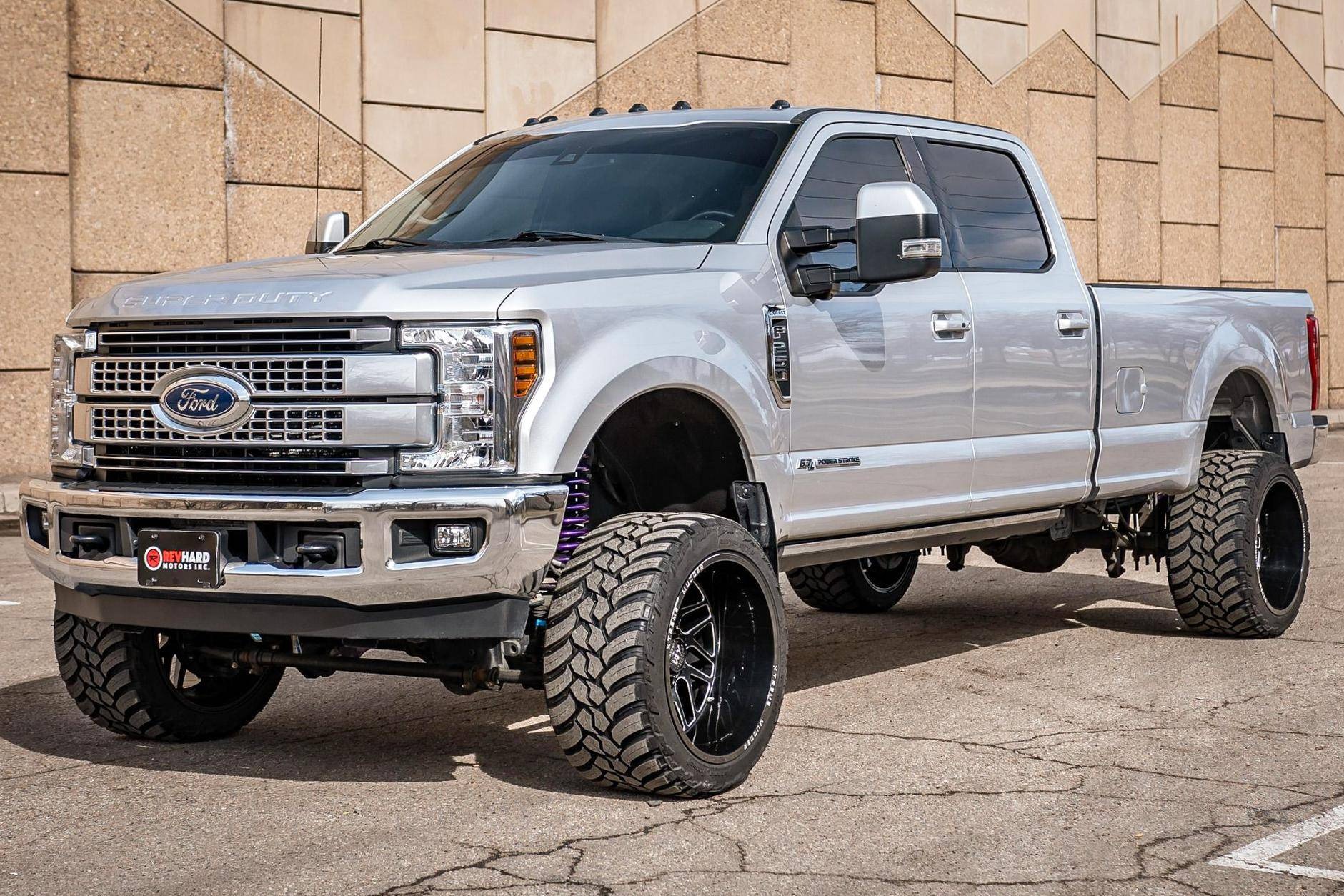
The Ford F-250 Super Duty has established itself as one of the strongest heavy-duty trucks in America, and much of that strength comes from its axle design. Ford equipped the F-250 with solid axles that are made to handle the heavy demands of towing trailers, hauling construction equipment, or powering through rough job sites.
The Dana axles used in many F-250 models are trusted because they resist bending or breaking, even when exposed to extreme loads. Drivers often point out that the F-250 feels stable and confident when carrying weight, and this stability is linked directly to the reliability of its axles.
A weak axle can flex or fail when a trailer puts pressure on the rear end, but Ford designed the Super Duty with components strong enough to stay firm. Because of this, many owners drive their F-250s for over 200,000 miles without needing major axle repairs.
Another reason the axles last long in the F-250 is the engineering behind the suspension and drivetrain. The truck’s setup spreads the weight across the axles evenly, reducing stress on any single point. This balance allows the axles to carry the truck’s weight without unnecessary strain.
It also means the truck can take on tough off-road challenges, such as mud, gravel, or steep inclines, without axle damage being a common issue. Maintenance also plays a part in why these axles last so long. Many owners find that with regular lubrication and inspections, the axles continue to perform reliably year after year.
For people who work in industries that require dependable towing or hauling, the F-250’s axle strength gives them confidence that the truck will not let them down. Ford’s decision to invest in durable axle construction is one of the reasons this truck is so widely respected in heavy-duty use.
2. Toyota Tundra
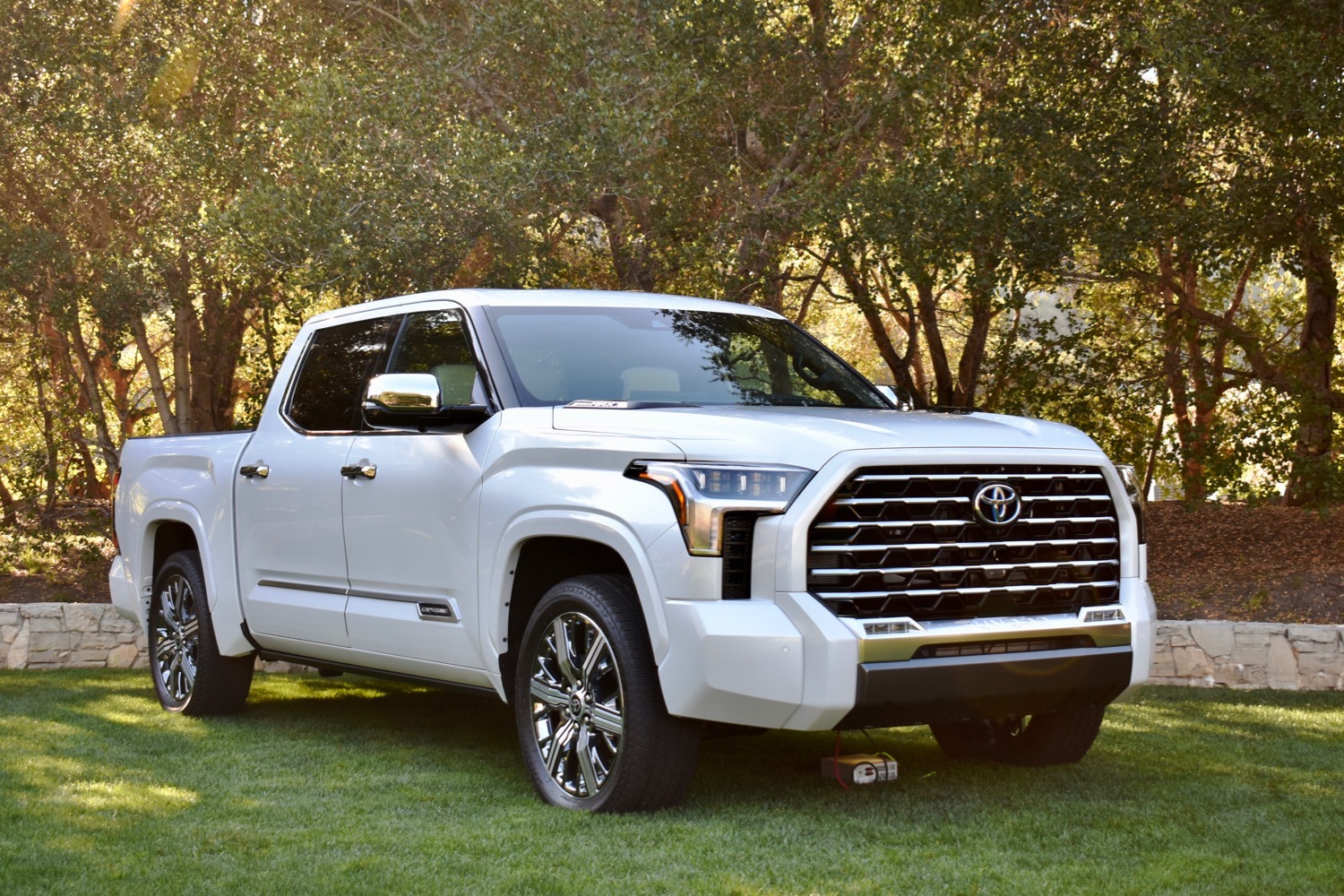
Toyota has built a strong reputation for reliability, and the Tundra is a clear example of that philosophy. One of the most impressive things about the Toyota Tundra is the durability of its axle design. Owners regularly report that their trucks continue to perform well even after years of heavy use, and the axles rarely give trouble.
The axles on the Tundra are designed to handle both work duties and recreational use. Whether pulling a boat to the lake, carrying construction materials, or going off-road, the Tundra’s axle setup stays dependable. The rear solid axle is especially known for its strength. Unlike lighter axles that may fail early under strain, the Tundra’s axle housing and gears are reinforced to handle long-term stress.
Toyota also built the Tundra with careful attention to balance between suspension and axle design. This balance ensures that while the truck provides comfort for daily driving, it does not sacrifice the strength of its mechanical parts.
The axles benefit from this balance by receiving less unnecessary shock during normal driving conditions. As a result, even people who use the Tundra mostly as a family vehicle experience fewer problems with axle life.
Owners also appreciate how few repairs are needed for the axle system across long periods of ownership. Many Tundras reach 250,000 miles with the original axles still functioning well, which adds to the value of the truck. This is one reason why resale prices for the Tundra often remain strong. Buyers know that even with higher mileage, the axles have a track record of lasting far longer than many competitors.
When compared with trucks that show axle failures early, the Tundra demonstrates why Toyota reliability is trusted. The strong rear axle, paired with reliable components, makes it a smart choice for those who want long ownership without frequent repairs.
Also Read: 5 Affordable Pickups That Run Strong and 5 That Just Don’t Last
3. Ram 2500
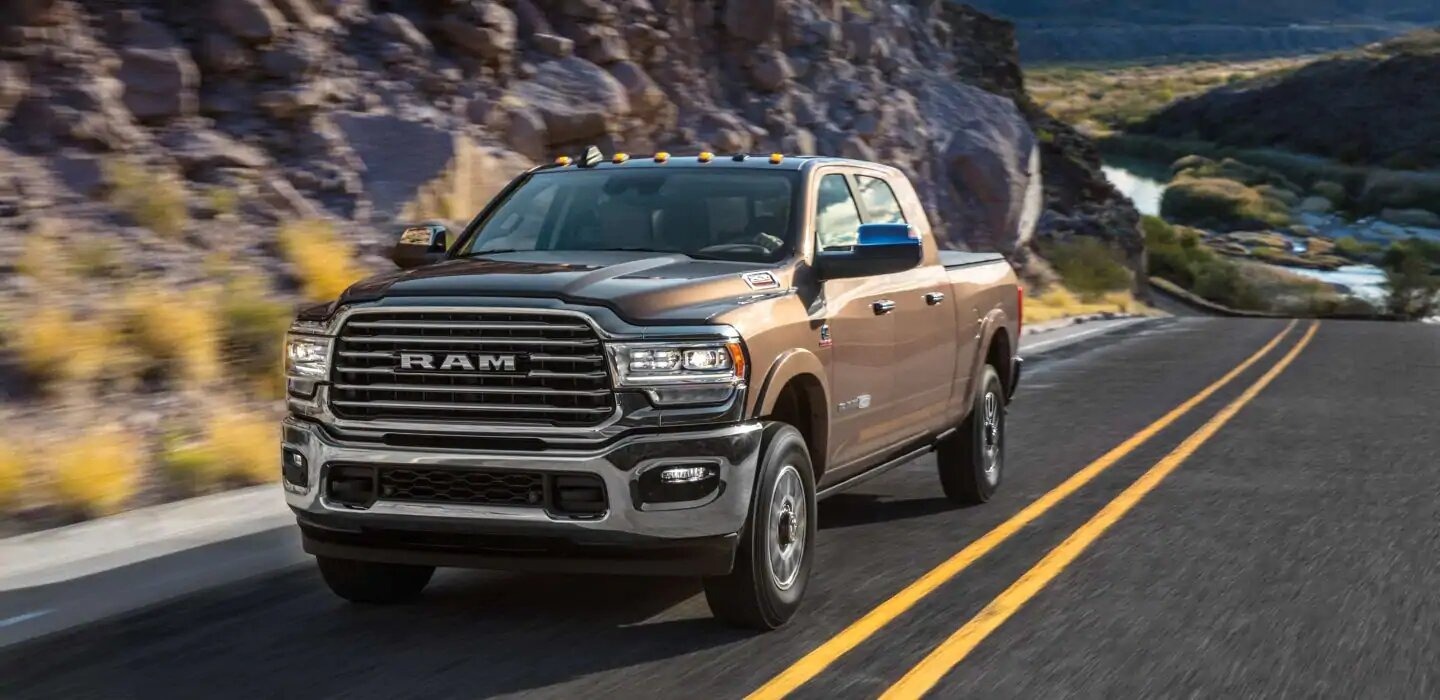
The Ram 2500 has earned respect among truck buyers for its ability to take on heavy-duty tasks, and a large part of that comes from its axle construction. Ram often equips its 2500 models with Dana 60 or Dana 80 axles, which are recognized in the industry for their toughness. These axles are designed to hold up when trucks are used for commercial work, towing, or off-road driving.
Owners who use the Ram 2500 for towing trailers, RVs, or farm equipment consistently find that the axles remain strong even after years of service. This is important because axle failure under load can cause major breakdowns. Ram’s axle engineering helps prevent such problems by using high-quality materials and precise assembly.
Another factor that contributes to the strength of the Ram 2500’s axles is the suspension pairing. The suspension works closely with the axle design to distribute force evenly, which reduces unnecessary stress. This careful design allows the axles to carry extreme weight without bending or cracking.
Truck owners also note that Ram 2500 models equipped with four-wheel drive deliver excellent axle life when off-road. Whether climbing rocky trails, moving through mud, or crossing uneven ground, the axles are built to resist damage. This level of durability is essential for owners who depend on their trucks not just for work but also for outdoor recreation.
Because the axles last long, many Ram 2500 trucks maintain strong performance beyond 200,000 miles. This gives owners peace of mind when buying used models as well, since the axles are less likely to fail early. The combination of strong axle parts and dependable engineering is why the Ram 2500 continues to be chosen by people who want strength and long service life.
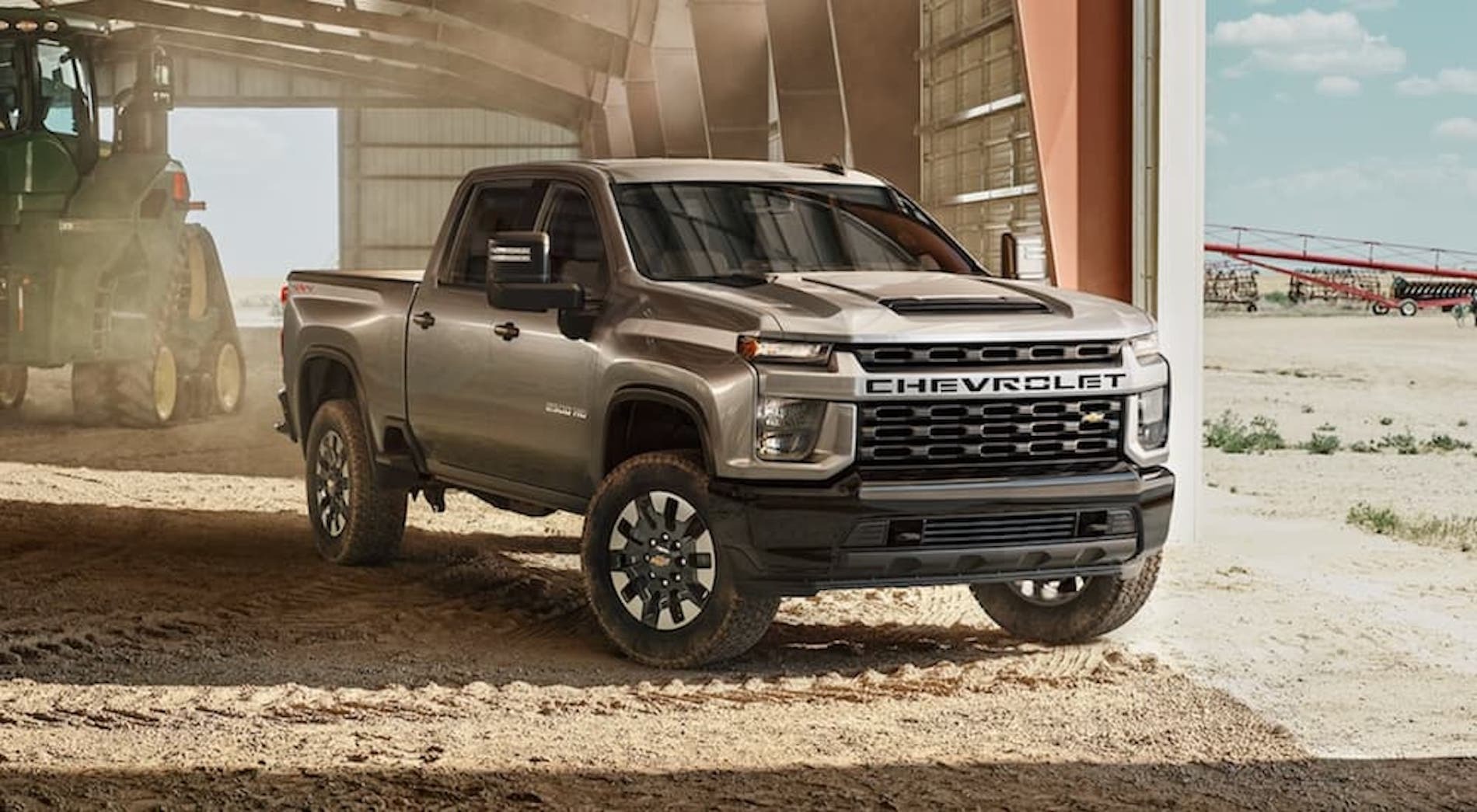
4. Chevrolet Silverado 2500HD
The Chevrolet Silverado 2500HD has long been one of the most trusted names in heavy-duty pickups, and its axle performance is part of what makes it dependable.
Chevrolet equips the Silverado 2500HD with robust axles designed to handle the constant stress that comes with towing heavy trailers or carrying construction materials. Many models are fitted with AAM (American Axle Manufacturing) units that are known for their solid build and ability to last under pressure.
One reason the Silverado 2500HD earns respect for axle life is the way its drivetrain is engineered. The axles are paired with strong suspension systems that spread weight effectively, ensuring the axle housing and internal gears do not face unnecessary stress.
This careful balance gives the truck stability even when it is carrying the maximum load. Truck owners often describe the Silverado 2500HD as steady under towing conditions, which shows how well the axles handle force.
Many owners also note that their Silverado 2500HD trucks continue to run on original axles for more than 200,000 miles, especially when routine maintenance is done. The combination of durable steel components and well-designed lubrication channels inside the axle housing reduces wear. This allows the axle to perform smoothly for years without grinding or overheating.
Another factor that supports long axle life is Chevrolet’s attention to work environments. The Silverado 2500HD is frequently used by contractors, farmers, and people in industries that push trucks to the limit daily. Because Chevrolet built the axles with these users in mind, the trucks are ready to handle rough roads, uneven terrain, and repeated heavy hauling without the axles giving out.
When compared with trucks that show weakness in axle life, the Silverado 2500HD consistently proves reliable. Buyers often place their trust in it because they know the axles are built for endurance. For people who do not want downtime due to axle repairs, this truck remains one of the safer choices in the heavy-duty category.
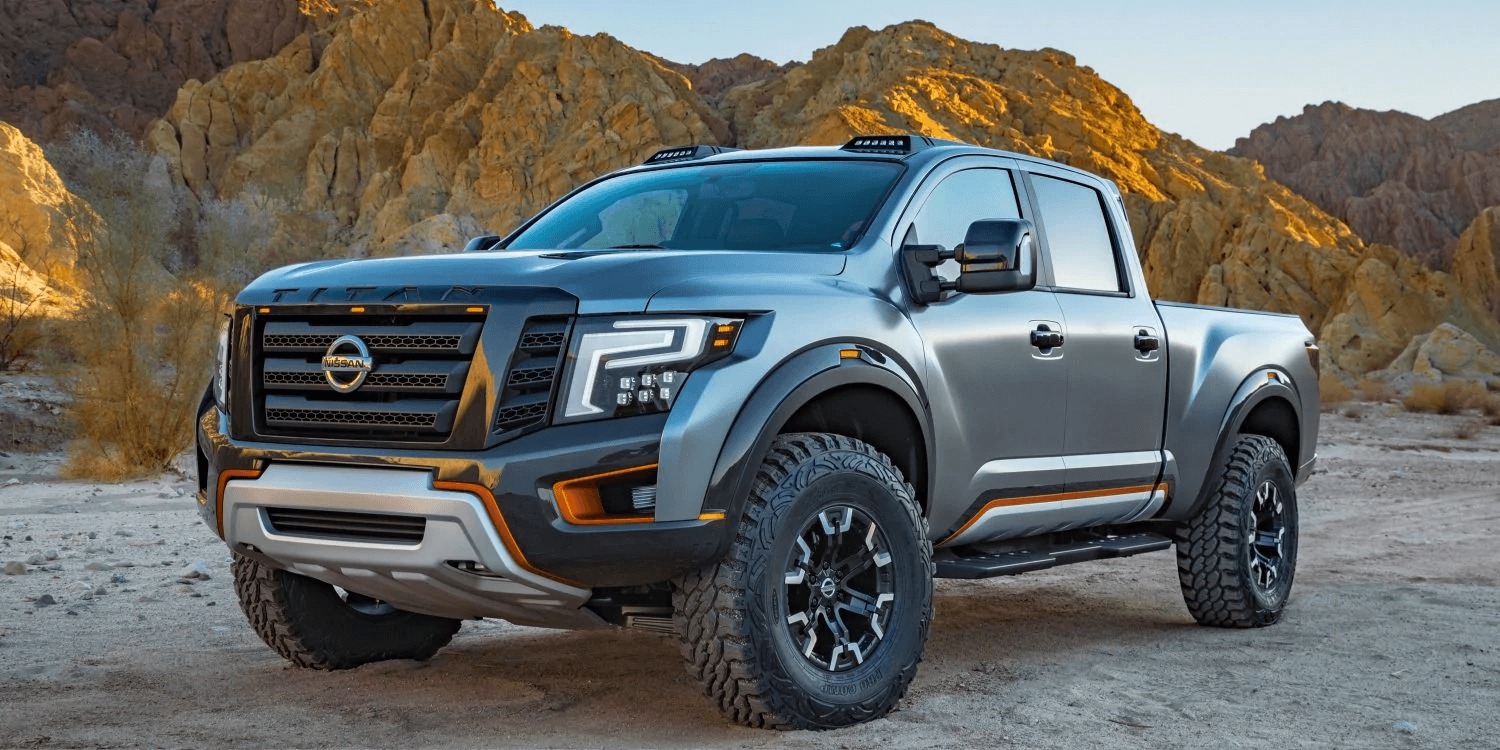
5. Nissan Titan XD
The Nissan Titan XD holds a unique position in the pickup market, standing between light-duty and heavy-duty categories. One of the strongest parts of its design is its axle construction.
The Titan XD comes with axles provided by American Axle Manufacturing, which are well-regarded in the truck industry for their toughness. These axles allow the Titan XD to handle heavier loads than the standard Titan without showing early wear.
Owners who use the Titan XD for a mix of personal and work duties find that the axles provide steady service for many years. Whether pulling a medium-sized trailer, transporting equipment, or simply serving as a daily driver, the axles can keep up without frequent repairs. This reliability is partly due to the solid axle housing and gears that are designed to carry more stress than typical light-duty pickups.
The suspension and axle pairing also contribute to why the Titan XD axles last long. By spreading out the weight and reducing direct pressure on the axle shafts, the truck maintains balance and durability. Drivers who take their Titan XD on uneven ground or light off-road conditions notice that the axles continue to perform without cracking or bending.
What makes the Titan XD especially interesting is that it combines heavy-duty axle strength with more comfort than many bigger trucks. While it can tow and haul respectably, it is also easy to use as a family vehicle. Because of this balance, the axles are not pushed to their limits daily, which helps extend their life.
Many Titan XD owners report driving past 150,000 to 200,000 miles with original axles still working fine. This shows that the design is dependable even for long-term ownership. For buyers who want something stronger than a half-ton truck but do not need the size of a full heavy-duty pickup, the Titan XD provides an axle setup that is built to last.
5 Pickups That Often Face Axle Issues
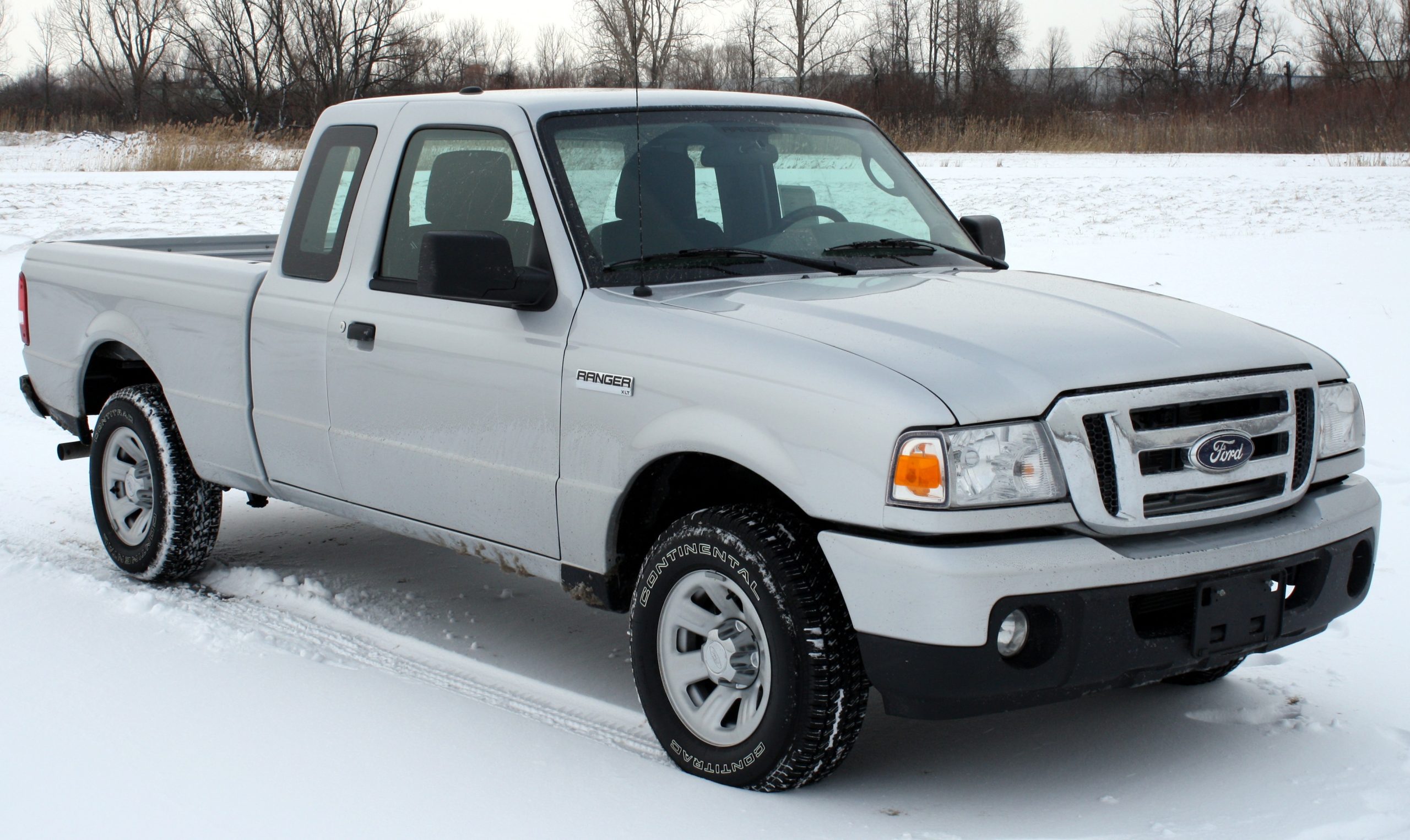
1. Ford Ranger (Older Models)
The Ford Ranger has been a popular choice for people who want a smaller pickup, but older versions of this truck have shown consistent axle troubles. While the Ranger can handle light-duty work, many owners have experienced axle issues much earlier than with larger trucks. Problems such as differential leaks, axle bearing wear, and even shaft damage are not uncommon.
One of the reasons the Ranger’s axles wear out quickly is that they were not built with the same heavy-duty intention as larger pickups. Many drivers use the Ranger for towing or hauling loads beyond its intended capacity, which puts too much stress on the axles. As a result, components inside the axle housing wear down faster, causing noise, vibration, or even failure.
The axle design in older Rangers also does not spread weight as effectively as modern trucks. This means that when carrying a heavy load in the bed, the rear axle takes a large portion of the stress. As time goes on, the pressure leads to axle seal leaks and bearing damage. Drivers then face expensive repairs or replacements long before they expected such issues.
Even when used mainly as a daily driver, some Ranger models develop axle noise after 80,000 to 100,000 miles, which is earlier than expected compared to stronger trucks. Owners who take the Ranger off-road also face higher risks of axle damage, since the components are not built to handle rough terrain consistently.
While newer Ranger models are being built with improved axle quality, the history of early failures in older versions has left many buyers cautious. For people considering used pickups, it is important to inspect the axle condition closely before choosing an older Ranger.
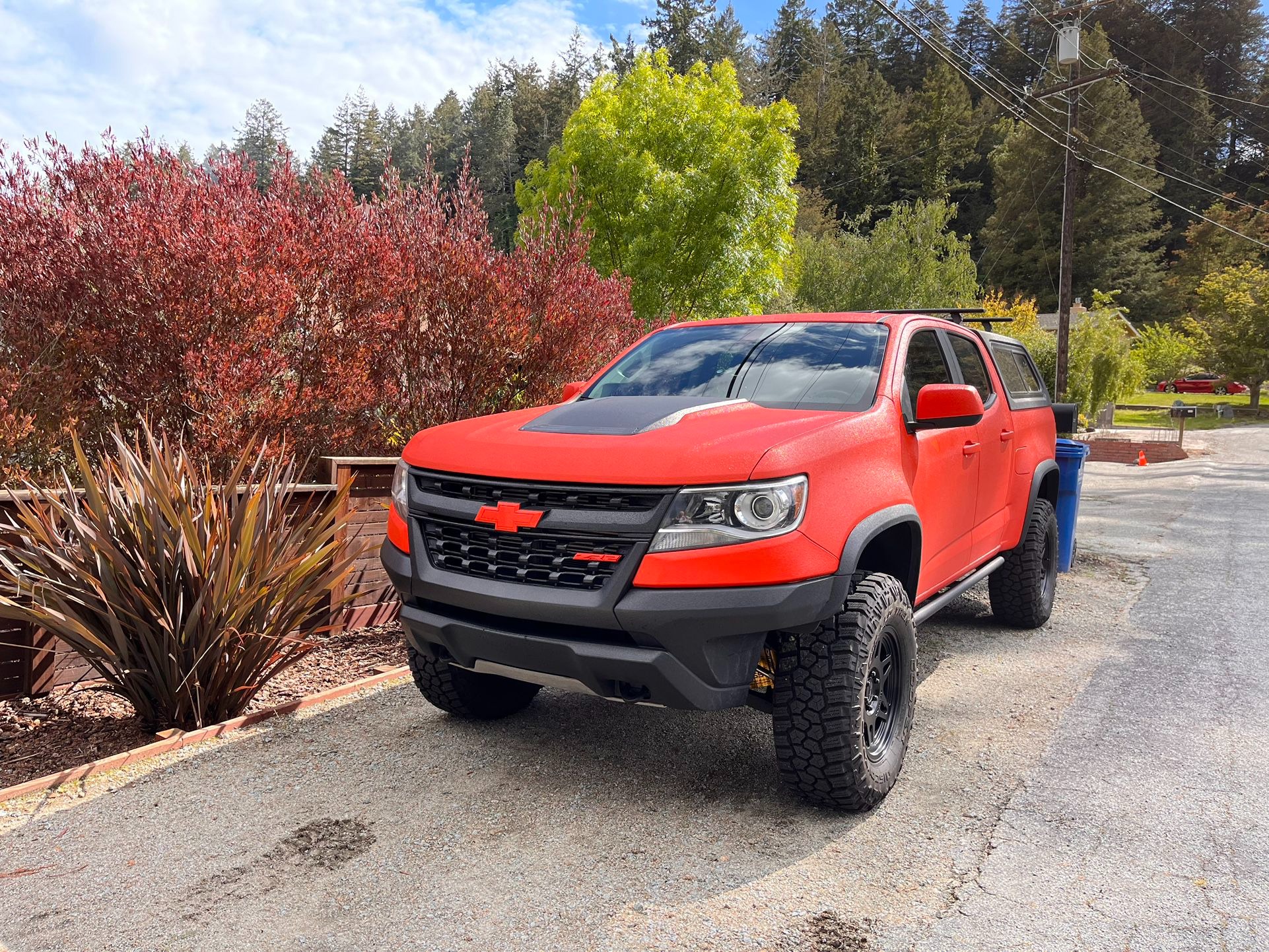
2. Chevrolet Colorado
The Chevrolet Colorado is designed as a midsize pickup, appealing to people who want a smaller truck that is easier to drive than a full-size heavy-duty model. While the Colorado offers good comfort and decent towing ability for its class, its axle design has often been a weak point.
Many owners have reported problems with rear differential leaks, axle shaft wear, and noisy operation long before reaching the mileage expected from a durable pickup. One reason for this issue is that Colorado’s axles are lighter compared with the heavy-duty units found in larger Chevrolet trucks.
When owners push the truck beyond its recommended towing or hauling capacity, the axles experience more strain than they can handle. This can lead to seal failures, gear wear, and vibration that affects driving comfort.
Even under moderate use, some Colorado trucks show axle noise or leaks earlier than expected, which can frustrate buyers who assumed the truck would provide many years of trouble-free service. Another factor that contributes to axle weakness in the Colorado is its suspension setup.
While tuned for comfort and daily driving, it does not distribute weight as efficiently as needed when the truck is under load. This means the axles take on more direct force during heavy use, which speeds up wear. Drivers who regularly carry tools, equipment, or trailers may notice axle issues by the time the odometer reaches 80,000 to 100,000 miles.
Off-road use also highlights the limitations of the Colorado’s axle system. Rocks, uneven ground, and sudden shocks can expose the axle shafts to more pressure than they were designed for. Owners who use the Colorado as an off-road vehicle often face higher repair costs linked to axle or differential failures.
Although newer versions of the Colorado are improving in strength, the record of early axle issues has affected how buyers view its long-term durability. For someone seeking a midsize truck mainly for city or light suburban use, the Colorado may perform well. But for people expecting long-lasting axle reliability, the truck often does not meet expectations.
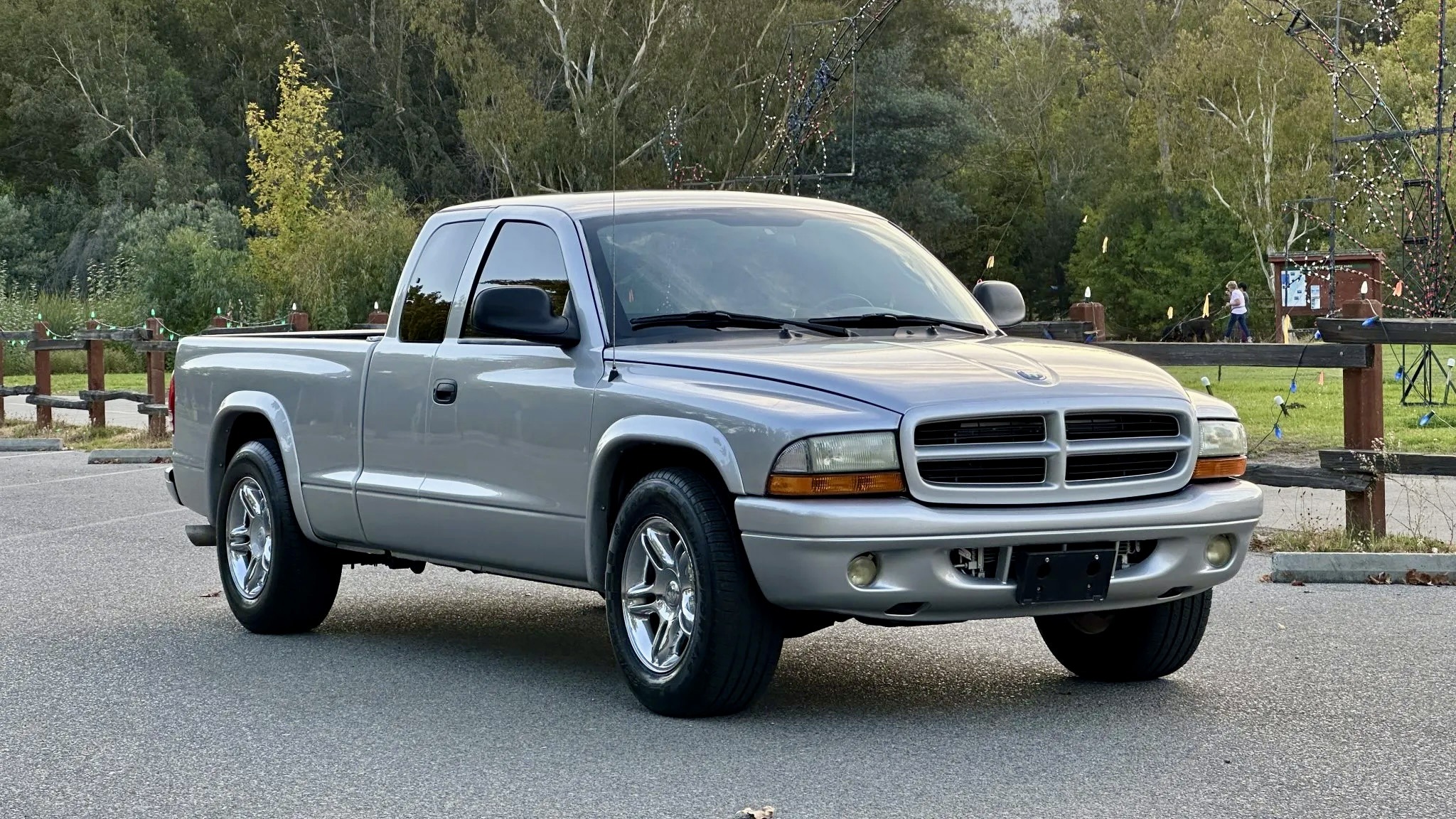
3. Dodge Dakota
The Dodge Dakota once filled a unique position in the pickup market as a midsize truck with more capability than compact models. While it offered good performance in areas like towing and engine power, its axles often became a weak spot that reduced long-term dependability. Many Dakota owners experienced axle seal leaks, differential noise, and bearing wear well before the trucks reached high mileage.
One of the reasons for axle problems in the Dakota is that its design did not fully balance strength with usage demands. Many drivers purchased the Dakota expecting it to serve like a full-size truck, using it for heavy towing or carrying loads beyond its design.
This placed extra stress on the axles, leading to quicker wear and frequent repairs. In some cases, owners reported axle noise as early as 70,000 miles, which is far earlier than heavy-duty trucks that often last more than twice that mileage before major repairs.
The rear axle in particular, has a reputation for seal failures. Once the seals leak, gear oil escapes, leaving the axle dry and prone to grinding damage. Drivers often notice whining or clunking sounds from the rear end, a sign that the gears are wearing out. Repair costs can be high, and some owners face multiple axle repairs during the truck’s life.
Off-road driving also exposed the Dakota’s axle weaknesses. Unlike trucks with more rugged setups, the Dakotas’ axles often showed stress from rocky paths, mud, or steep inclines. Shafts could bend under extreme pressure, and differentials sometimes failed earlier than expected.
Because of these problems, the Dakotas’ reputation for long-term strength suffered. While it had many strong qualities, its axle issues made it less dependable for people who expected long-lasting durability. This history is one reason the Dakota was eventually discontinued, as buyers turned to trucks with stronger axle reliability.
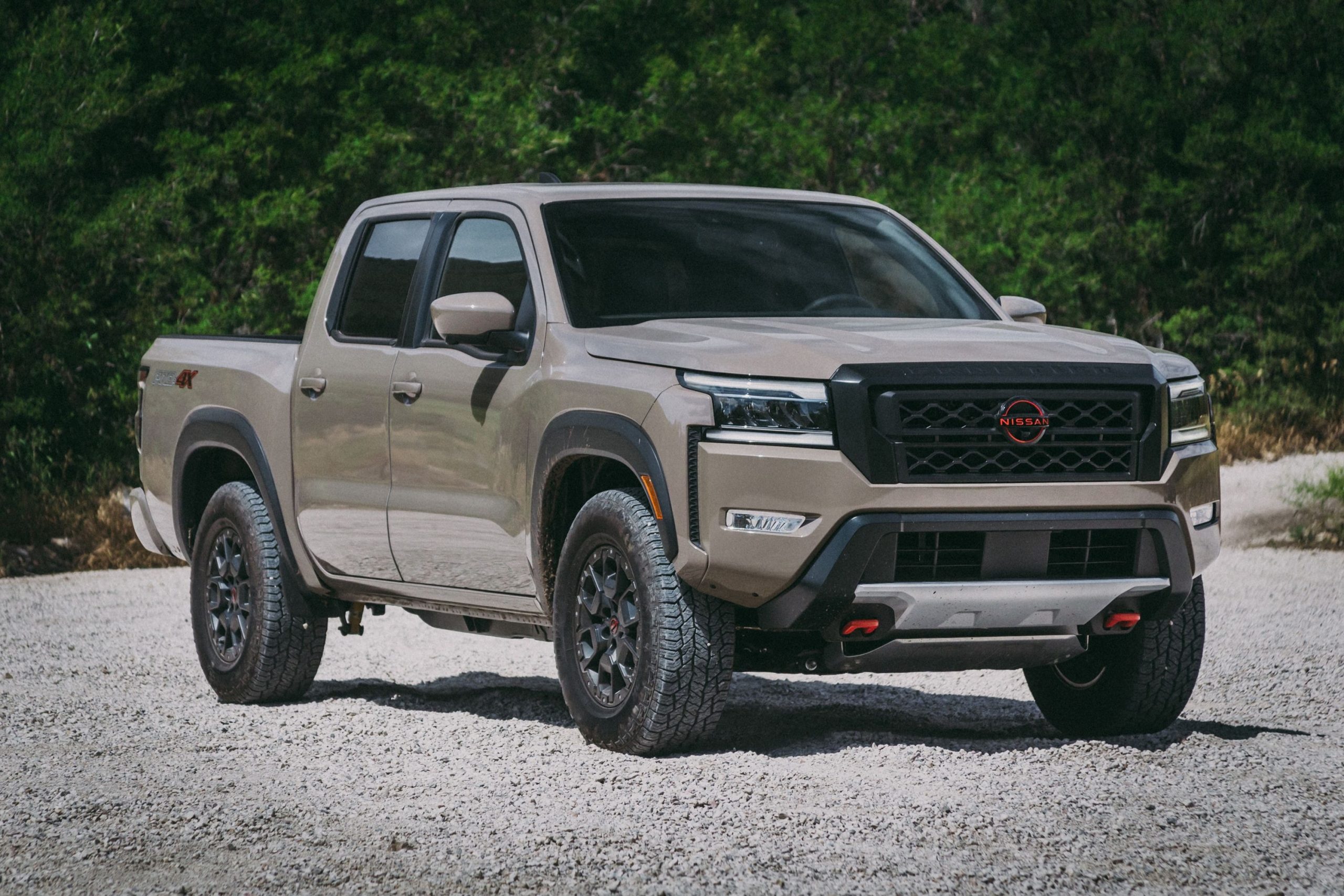
4. Nissan Frontier
The Nissan Frontier has been a popular midsize pickup for years, offering a balance between affordability and practical use. However, one area where the Frontier has struggled is axle reliability.
Many owners of older Frontier models have experienced axle seal leaks, gear noise, and bearing failures at lower mileage than expected. These issues reduce confidence in the truck’s ability to last without frequent repairs.
One cause of axle weakness in the Frontier is that it was built with lighter-duty components compared with full-size pickups. While this makes the truck easier to drive and more fuel efficient, it also limits the axle’s ability to handle heavy stress. Owners who use the Frontier for hauling or towing near its maximum capacity often see axle wear much earlier than they anticipated.
The rear axle in particular has been a common complaint. Seal leaks are widespread, and once oil escapes, the gears and bearings quickly wear down. Many drivers first notice a whining or grinding noise from the rear end, which then leads to costly repairs if not fixed quickly. Some owners have had to replace the rear differential before hitting 100,000 miles, which is disappointing compared to the long service life of axles in stronger pickups.
Off-road usage also shows the limits of the Frontier’s axle system. While the truck is marketed as capable of outdoor adventure, the axles do not always hold up when exposed to repeated rough terrain. Owners who frequently drive on rocky or muddy paths may face early axle wear or even shaft bending under pressure.
Although newer models of the Frontier are built with better materials, the record of early axle trouble in older trucks has left a lasting impression. Buyers who want a truck with dependable axle life often look toward other brands with stronger reputations. For those who only use the Frontier for light driving, it may perform well, but anyone who expects long-lasting durability from the axles may be disappointed.
Also Read: 5 Pickups with Tailgates That Last Forever and 5 That Break in a Year
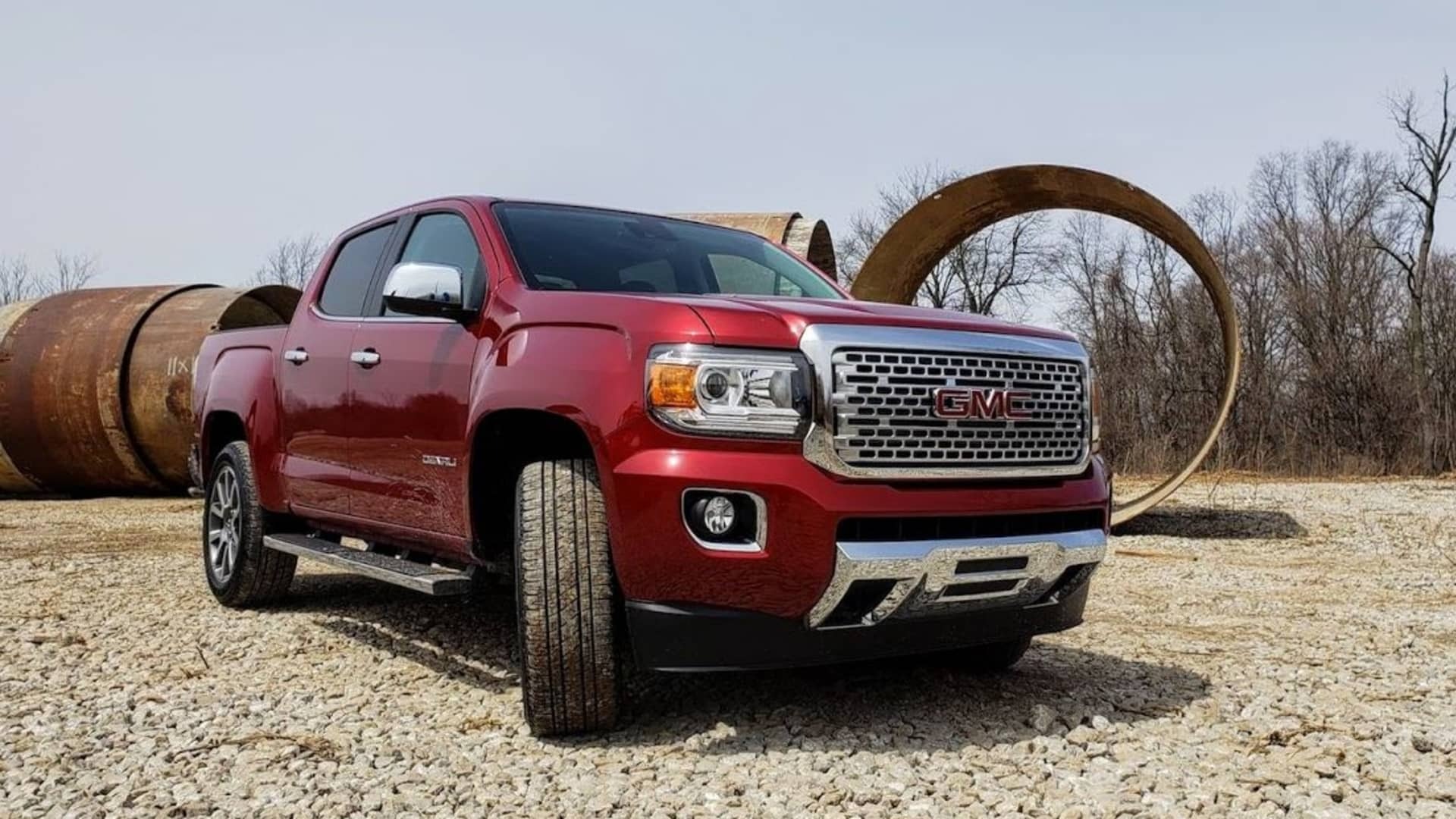
5. GMC Canyon
The GMC Canyon, closely related to the Chevrolet Colorado, shares many of the same axle weaknesses. While it provides good comfort, style, and fuel economy for a midsize pickup, its axle design has proven less reliable than many competitors. Drivers often report axle seal leaks, vibration, and gear noise earlier than they would expect, especially when the truck is used for heavier work.
One of the main reasons for early axle issues in the Canyon is that it was built more for light utility than for heavy-duty tasks. The axles are smaller and lighter, which works fine for casual driving but becomes a problem when owners try to tow larger trailers or carry heavy loads. This mismatch between buyer expectations and axle capacity often leads to early failures.
Another issue is the axle’s response to off-road conditions. While some Canyon trims are marketed with off-road features, the axles do not always perform well under repeated rough terrain use. Shafts and seals are prone to wear, and once oil leaks from the differential, internal parts quickly grind down. This reduces the service life of the axles compared with trucks built with stronger heavy-duty parts.
Many Canyon owners report axle issues between 80,000 and 100,000 miles, which is earlier than they hoped for in a pickup truck. The cost of repairs can be high, especially if a full axle replacement is required. Because of these recurring issues, some buyers avoid the Canyon when looking for a truck with proven long-term reliability.
The GMC Canyon remains a good choice for light-duty users who mainly want a midsize truck for daily driving or small jobs. But for people who expect their axles to last through years of towing, hauling, and rough terrain, the Canyon often falls short.
