When American families shop for a car, reliability usually sits at the top of the checklist. Parents want peace of mind knowing their daily driver won’t leave them stranded during school drop-offs, long commutes, or road trips.
Beyond features like cargo space, safety ratings, and fuel efficiency, the hidden cost of ownership often boils down to maintenance and repairs.
Some family-friendly vehicles are built with durability in mind, offering years of smooth driving with minimal trips to the shop. Others, however, earn reputations for constant breakdowns, frustrating owners and straining family budgets.
Below, we’ll explore five family cars that are famously dependable and five that tend to disappoint when it comes to longevity and maintenance. This breakdown will give US buyers a clearer picture of what to expect before making their next big purchase.
5 Family Cars That Rarely Need Work
When it comes to choosing a family car, reliability tops the list of must-haves. After all, the last thing any parent wants is to juggle soccer practice, grocery runs, and commutes around unexpected repair bills.
Some vehicles are built with durability and low maintenance in mind, giving families peace of mind on the road and fewer trips to the mechanic. In this article, we’ll take a look at five family cars that rarely need work, models known for their dependability, practicality, and ability to keep your family moving without the hassle of constant repairs.
1. Toyota Highlander
The Toyota Highlander has been one of America’s most trusted family SUVs for two decades, and for good reason. Toyota engineered it to deliver a balance of space, fuel efficiency, and above all, long-term reliability.
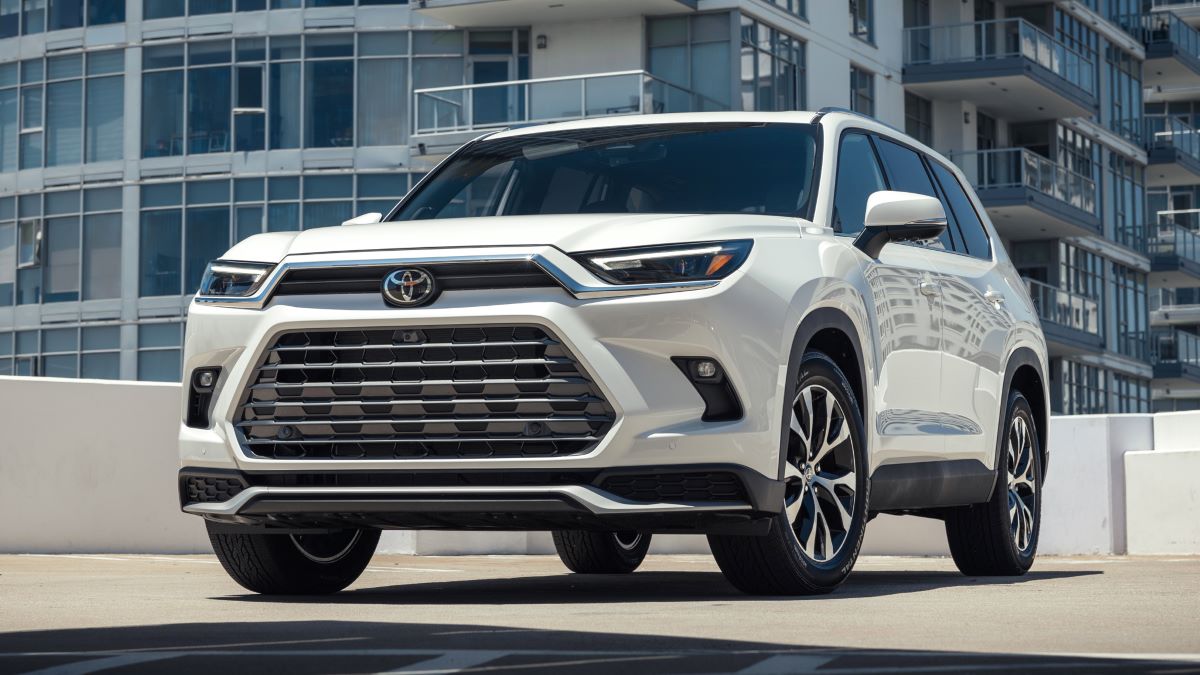
Many Highlanders are still on the road well past 200,000 miles with little more than routine maintenance. Its V6 engine, in particular, has proven remarkably resilient, requiring far fewer major repairs compared to rivals.
Families also appreciate Toyota’s consistently high safety ratings, making the Highlander a well-rounded and low-stress choice for busy households.
2. Honda Odyssey
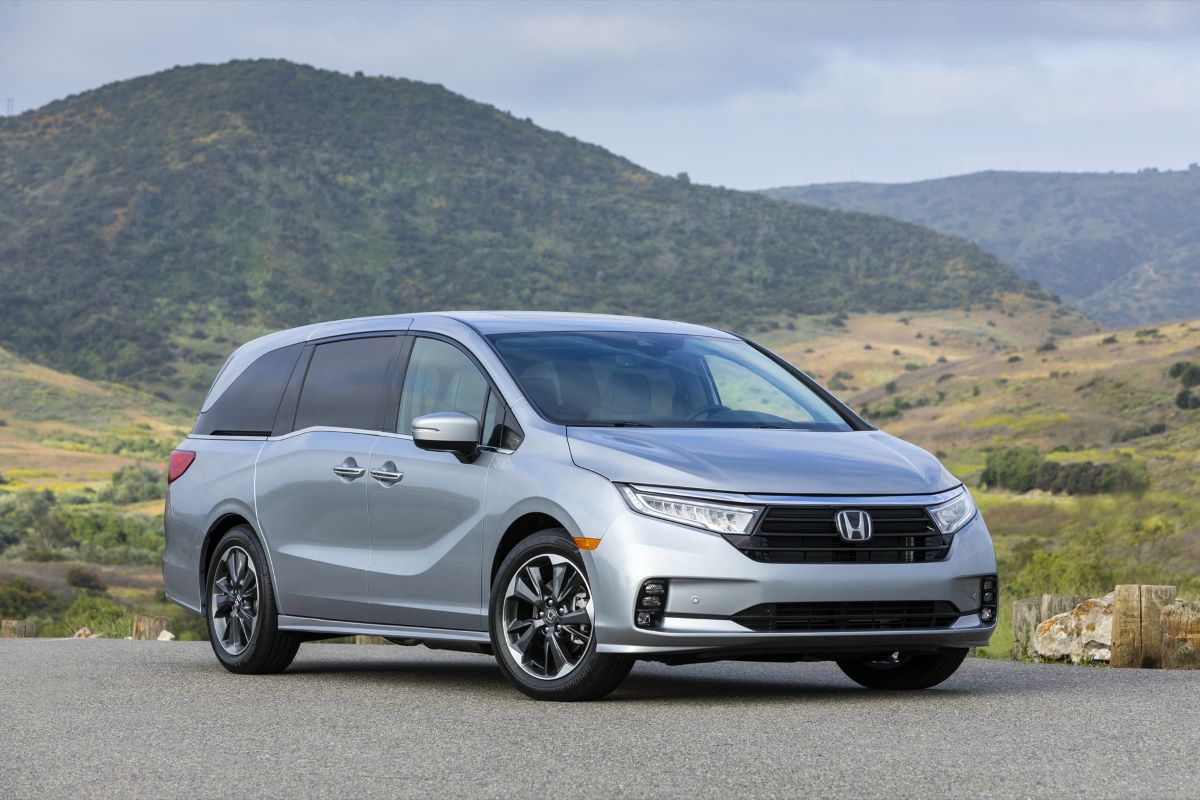
Minivans may not be as trendy as SUVs, but for families, the Honda Odyssey remains a gold standard. Beyond its clever interior design and family-focused features, the Odyssey is widely praised for being one of the most reliable minivans on the market.
Unlike some competitors, its transmission and engine hold up over time without the frequent failures that plague other vans.
Parents who drive an Odyssey often say they only see the inside of a repair shop for oil changes, brake pads, or tires rarely for unexpected breakdowns. For large families, that kind of dependability is invaluable.
The Honda Odyssey is showing its age. Don’t be misled by the 2025 refresh, it’s still the same fifth-generation Odyssey that’s been around since 2017. In that time, competitors like the Chrysler Pacifica and Toyota Sienna have undergone significant updates, while Kia went as far as replacing the Sedona with the all-new Carnival in 2020.
By comparison, the Odyssey’s 2025 tweaks are subtle: revised bumpers, updated wheel designs, and upgraded digital displays inside. Unless you’re deeply invested in the minivan market, these changes might go unnoticed, assuming there are even passionate minivan enthusiasts keeping track of such details in the first place.
Fortunately for you, we happen to be among those who pay close attention to the minutiae of vans, from cupholder placements to screen sizes.
While many Americans dismiss minivans as uninspiring vehicles for parents resigned to practicality, or empty nesters hauling home garden supplies, those who truly appreciate them know that small updates can make a huge difference. Which brings us to the Odyssey.
Those “new” displays are actually familiar units from other Hondas like the Accord and Civic. The 9.0-inch touchscreen may be making its debut in the Odyssey, but it’s hardly new for anyone who’s driven a recent Honda.
The same goes for the 7.0-inch digital display, which replaces half of the gauge cluster. This unit mimics an analog tachometer on the left while retaining a physical speedometer on the right, and it can be customized to show trip details, audio information, and safety alerts, all managed via a scrolling button on the steering wheel.
Compared to the outdated setup in the 2024 Odyssey, with its fuzzy, sci-fi-inspired gauge graphics and sluggish, low-resolution touchscreen, the new system feels like a clear improvement, even if it isn’t groundbreaking.
The inclusion of Honda’s latest steering wheel controls is also a welcome change, lending the Odyssey the same refined feel found in the Civic, Accord, and HR-V. Wireless Apple CarPlay and Android Auto round out the upgrades, adding modern convenience.
While it doesn’t match the dual-screen setups found in the Kia Carnival or Chrysler Pacifica, Honda’s single display is practical, it folds neatly out of the way and can be viewed by all rear passengers except the third-row center seat when the second-row middle seat is in use.
Of course, with most families traveling with tablets these days, built-in entertainment screens are becoming less essential. Thankfully, Honda provides multiple USB ports throughout the cabin, though oddly only on the passenger side in the third row.
On Touring and Elite trims, the CabinWatch system continues to be a standout feature, allowing parents to keep an eye on rear-seat passengers through the front touchscreen. It’s a clever solution that competes directly with Chrysler’s FamCam.
Also Read: 10 Pro Tips That Keep a Toyota Corolla iM Reliable Forever
3. Toyota Sienna
The Toyota Sienna is another minivan that shines in terms of durability. Toyota equipped the Sienna with a reputation for being practically bulletproof, often running well beyond 250,000 miles with standard maintenance.
One big perk is that the Sienna has been the only minivan offering all-wheel drive for years, making it an excellent option for families in snowy regions.
The newer hybrid versions also add fuel savings without sacrificing Toyota’s famed reliability. Families that choose the Sienna often keep it for over a decade, thanks to its ability to stay out of the shop and on the road.
The Toyota Sienna sees a refreshed interior for 2025, bringing in upgraded materials and several new features. One standout addition is the Advanced Rear Seat Reminder, which uses millimeter-wave radar to detect if someone has been left inside. If the in-car alert is missed, the system can send a text message or place a phone call to ensure the situation isn’t overlooked.
The Sienna also adopts Toyota’s latest infotainment system, offering an 8.0-inch touchscreen on LE trims and a larger 12.3-inch display on all others. A stronger wireless smartphone charger and standard USB-C ports add to the convenience, while the Limited trim gains access to a refrigerator and built-in vacuum, features that come standard on the Platinum model.
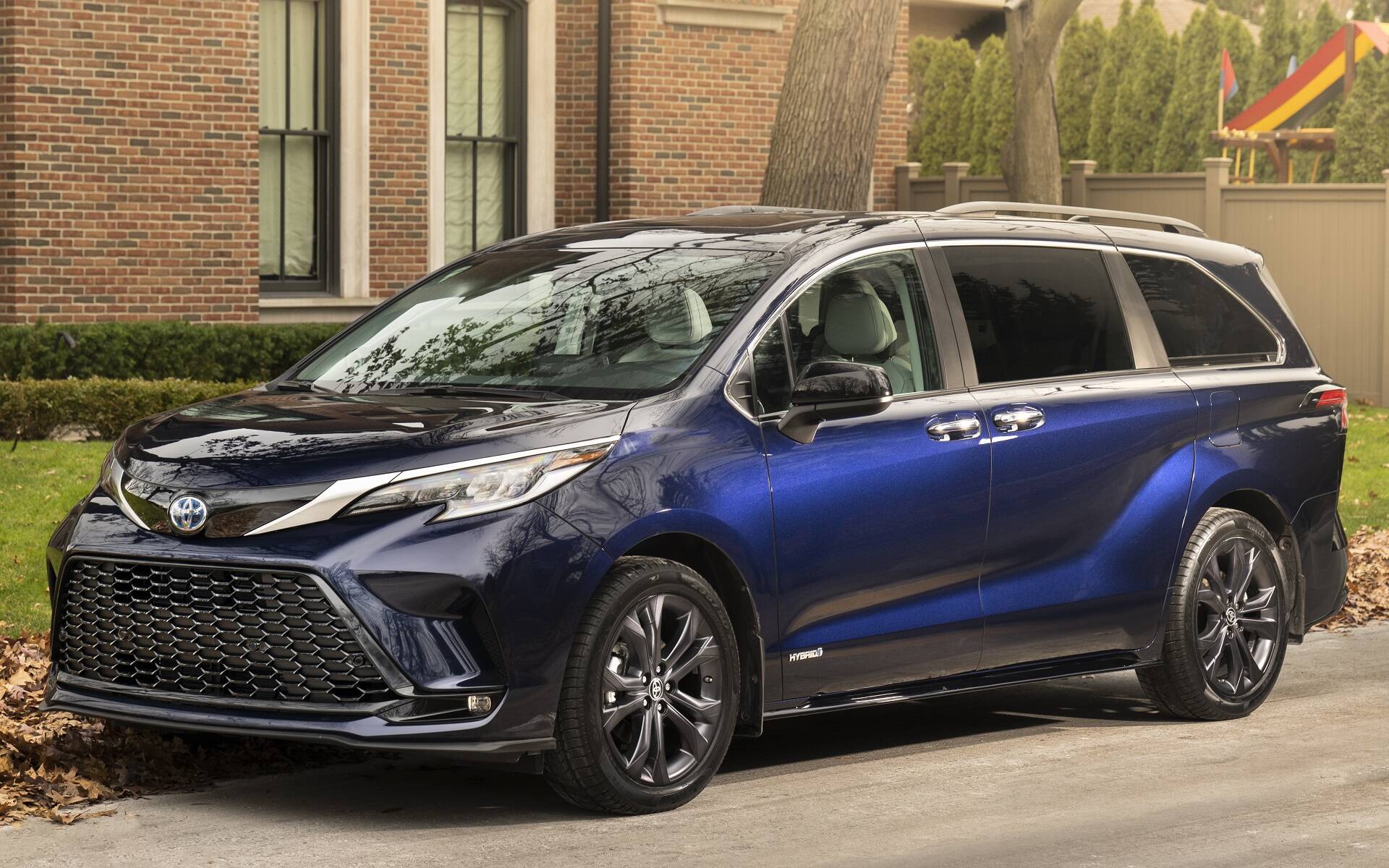
Our pick would be the XSE trim, which leans into a sportier vibe. It includes sport seats, the 12.3-inch infotainment display, second-row captain’s chairs, and Toyota’s “one-motion-stow” third row.
On the outside, the XSE stands apart with 20-inch wheels, bolder front and rear bumpers, and a firmer suspension setup. Like every Sienna trim, front-wheel drive is standard, but the all-wheel-drive upgrade costs under $1000, making it a smart option for most buyers.
If you want to see how the 2025 Toyota Sienna stacks up against other models, our compare tool lets you line up as many as five vehicles side by side for a clear, detailed comparison.
Since its 2021 redesign, the Sienna has been offered solely as a hybrid. Its setup pairs a 2.5-liter four-cylinder engine with two electric motors for a combined 245 horsepower.
All-wheel drive is available on every trim, made possible by a third electric motor powering the rear wheels, though total output remains unchanged. While the Sienna doesn’t deliver an especially engaging driving experience, it excels where it counts most, ride comfort. The suspension strikes a solid balance, ensuring smoothness without feeling overly soft.
4. Subaru Outback
For families who need something versatile but don’t want a bulky SUV, the Subaru Outback is a proven choice. Known for its standard all-wheel drive, rugged capability, and wagon-like practicality, the Outback is also one of Subaru’s most reliable models.
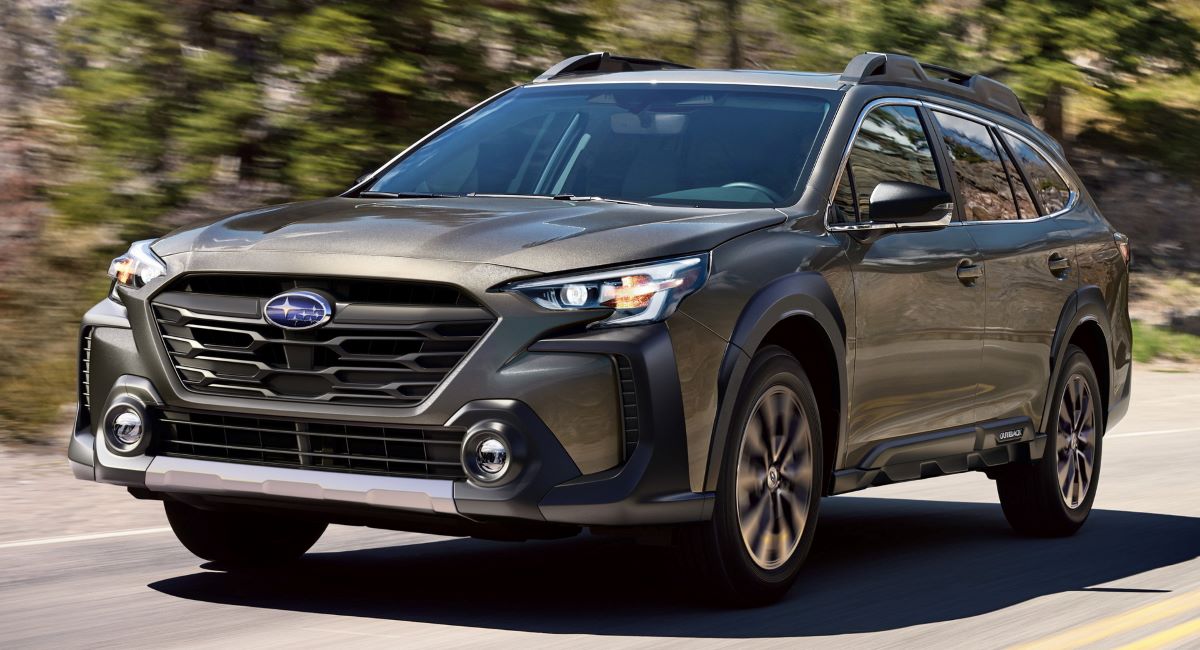
Owners frequently report that the Outback requires fewer major repairs compared to other family crossovers, particularly when it comes to engine and transmission issues.
With proper care, these vehicles often last more than 200,000 miles. For families that value safety, Subaru’s EyeSight driver-assist technology adds another layer of confidence, complementing its dependability.
5. Honda CR-V
The Honda CR-V consistently ranks as one of the most reliable compact SUVs for families. It’s smaller than some of the others on this list but makes up for it with excellent fuel economy, comfort, and longevity.
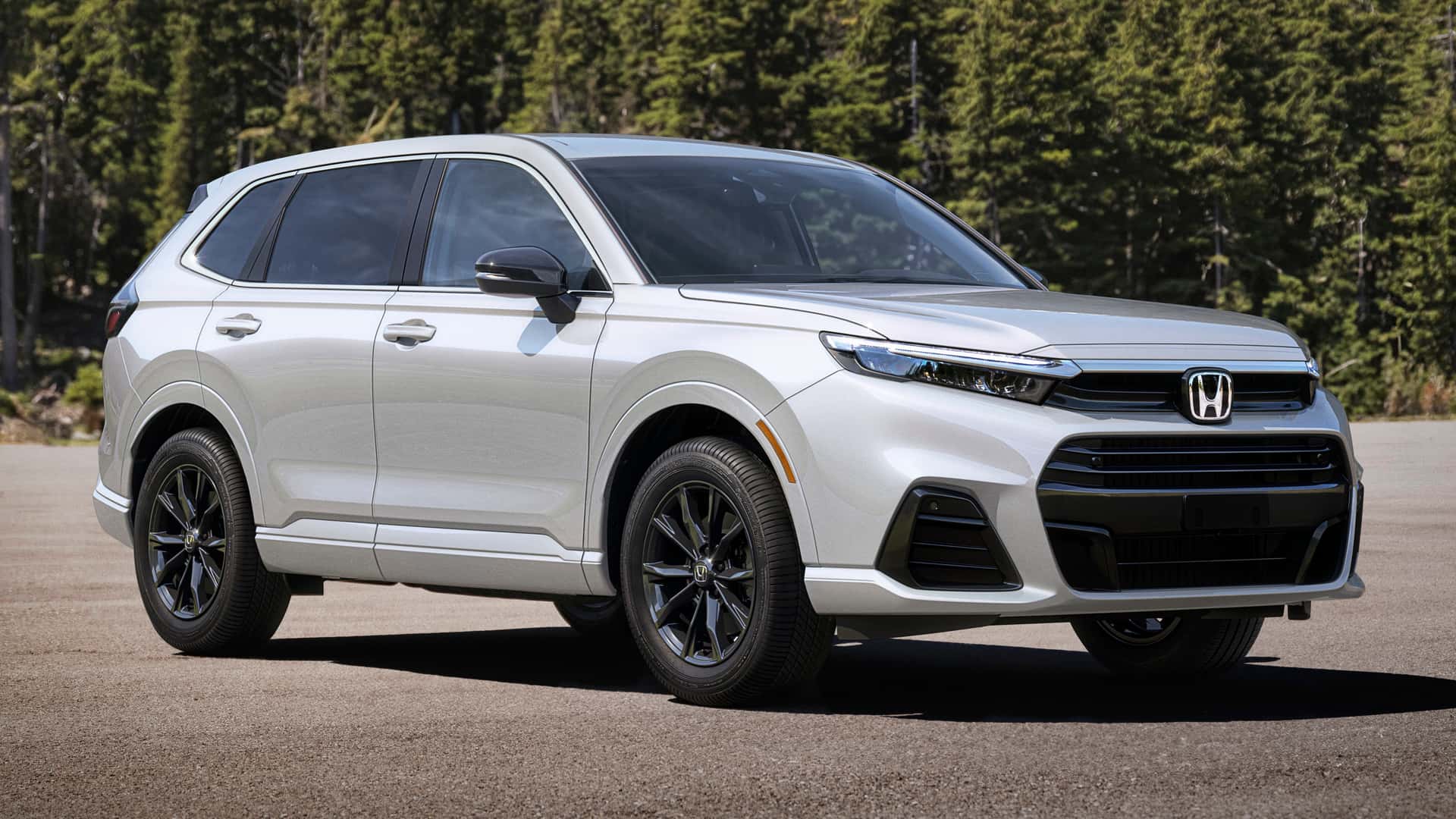
CR-Vs are known to run trouble-free for years, with fewer complaints about costly repairs compared to rivals like the Ford Escape or Jeep Cherokee.
The CR-V’s reliability has helped make it one of the best-selling SUVs in the United States, and many parents trust it as their go-to family commuter.
Also Read: 8 Daily Habits That Are Harmful For Jeep Renegade Sport
5 Family Cars That Break Constantly
Not all family cars are created equal. While some are known for their reliability, others quickly earn a reputation for constant breakdowns, costly repairs, and endless frustration.
If you’re shopping for a family vehicle, knowing which models to avoid is just as important as knowing which ones to buy. In this article, we’ll highlight five family cars that break constantly, so you can steer clear of the headaches and keep your family on the road with fewer surprises.
1. Dodge Grand Caravan
The Dodge Grand Caravan was once one of the most popular minivans in the US, but it also became infamous for its reliability problems.
Frequent transmission failures, electrical issues, and brake problems have plagued many models, leaving families frustrated with mounting repair bills.
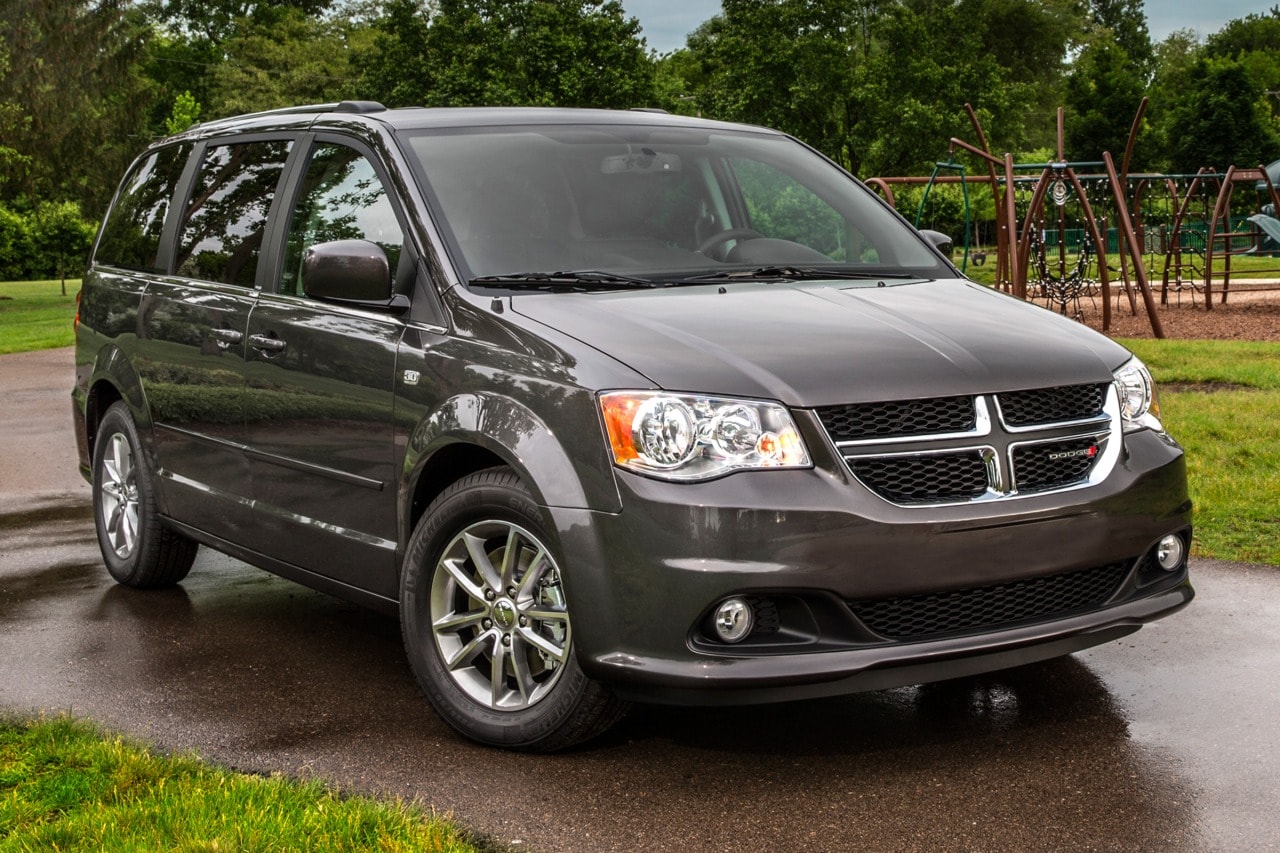
While it offered great interior space and affordability, the long-term ownership costs often outweighed its upfront savings. With Dodge discontinuing the model in 2020, many families are looking elsewhere for more dependable options.
Despite frequent rumors of its discontinuation, the Dodge Grand Caravan continues on for the 2020 model year. It remains the cheapest way to buy a brand-new minivan, but before jumping in, potential buyers should seriously consider whether it’s the right option.
The Grand Caravan is very much a product of a past era, lacking the modern driver-assistance features that are standard in nearly all of its competitors. Its infotainment system is similarly outdated, with clunky hardware and an interface that lags behind the competition. What it does offer, however, is a practical and straightforward interior.
Standard Stow ’n Go second-row seats provide excellent versatility, the cabin’s durable yet plasticky materials are built to withstand years of use, and its low price remains one of the van’s strongest selling points.
Its affordability helps it compete in a segment dominated by far more modern alternatives, and shoppers can use comparison tools to see how it stacks up against these rivals.
For 2020, Dodge has made only minor changes. The SE Plus trim now comes standard with second-row captain’s chairs, an eight-way power driver’s seat, and contrasting red stitching to brighten up the otherwise plain black upholstery.
A Blacktop Appearance package is now optional on the SE Plus and SXT models, but beyond that, the Grand Caravan is virtually unchanged. Dodge has also confirmed that this will be the final model year for the long-running van, marking the end of its decades-long run.
Pricing for the 2020 Grand Caravan starts at $29,025 for the base SE model and climbs to $34,490 for the top-tier SXT.
The SE Plus, priced at $31,825, represents the best balance of value and equipment. While it remains fairly basic compared to rivals, it does add practical touches such as automatic headlights, Bluetooth connectivity, and the signature Stow ’n Go second-row seating.
Every Grand Caravan is powered by the same 3.6-liter V-6 engine producing 283 horsepower, paired with a six-speed automatic transmission. It’s a familiar and proven powertrain that emphasizes reliability over innovation.
Under heavy throttle, the V-6 produces a surprisingly deep and throaty exhaust note, though its sound doesn’t translate into thrilling performance. In fact, the Grand Caravan has delivered the slowest zero-to-60-mph acceleration time of all the minivans recently tested. Still, it provides enough power for everyday driving needs.
The six-speed automatic transmission feels somewhat behind the times compared to the eight-, nine-, or 10-speed gearboxes found in competitors, but it shifts smoothly and generally goes about its business without issue, aside from occasional reluctance to downshift when passing.
The van’s ride quality is comfortable enough for most situations, though larger road imperfections can jolt the chassis more harshly than expected.
Handling is competent, with body roll kept in check better than one might expect from a tall, boxy vehicle. The Grand Caravan feels stable when cruising on the highway and composed through corners, even if it lacks the polish of its newer rivals.
2. Ford Explorer (Early 2010s Models)
The Ford Explorer has a long history in American households, but certain model years particularly from the early 2010s earned a bad reputation. Many owners complained about transmission breakdowns, electrical failures, and costly timing chain issues.
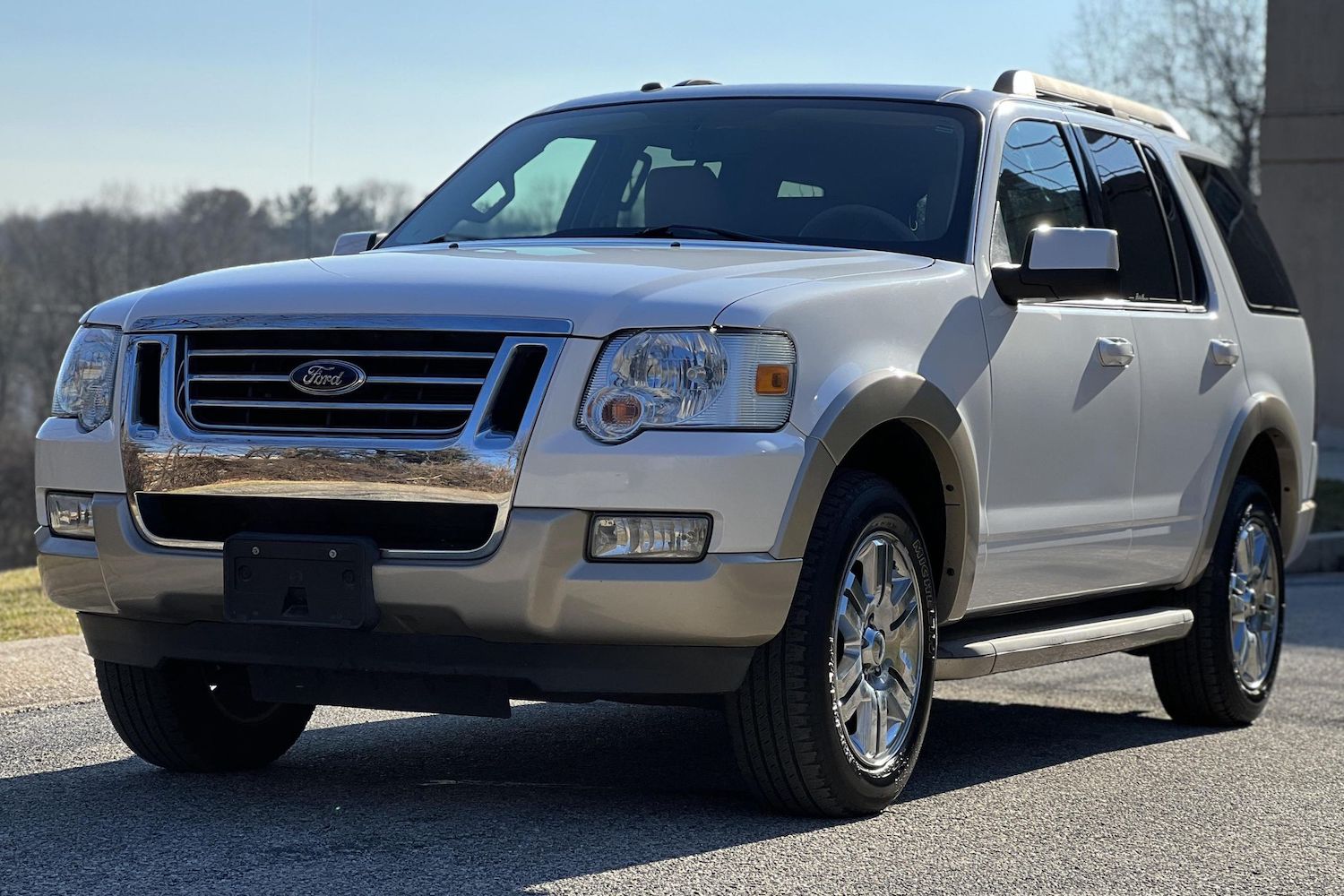
While newer models have improved, the Explorer’s reliability ratings lag behind rivals like the Toyota Highlander or Honda Pilot. Families buying a used Explorer from this period often find themselves spending far more on repairs than they anticipated.
3. Chrysler Pacifica (Early Years)
When the Chrysler Pacifica first launched as a replacement for the Town & Country minivan, it was praised for its sleek design and modern features.
Unfortunately, early model years (2017–2018) suffered from significant reliability concerns, particularly with electrical systems, sliding doors, and transmission glitches.
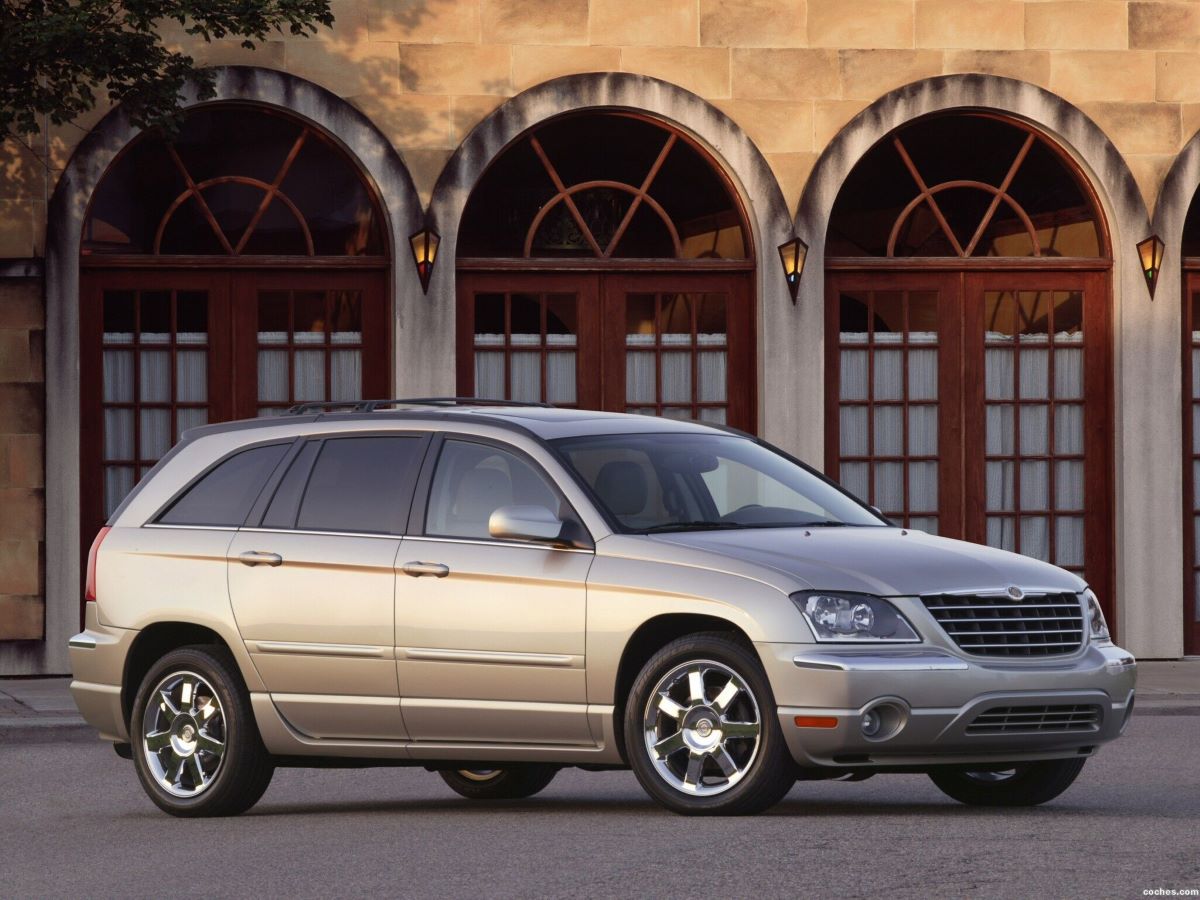
While Chrysler has worked to iron out these issues in later versions, the Pacifica’s rocky start hurt its reputation. Families who bought one of the early models often dealt with multiple recalls and repeat visits to the dealer for repairs.
The 2017 Chrysler Pacifica arrived as the replacement for the long-running Chrysler Town & Country, though the Pacifica name itself wasn’t new—it had previously been used during the DaimlerChrysler alliance for an SUV.
The minivan market in the U.S. is both competitive and significant, a segment where European brands are largely absent and Japanese manufacturers continue to face challenges. For Chrysler, this provided the perfect opportunity to launch a new vehicle backed by years of expertise.
From the outside, the Pacifica featured a far more fluid design compared to the angular Town & Country it replaced. Flowing lines stretched from the grille and headlights down the sides and around to the rear, creating a modern and sleek appearance. Standard sliding doors enhanced convenience, while wide windows offered passengers an open and exclusive view of the road.
It was the interior, however, where the 2017 Pacifica truly stood out. With Chrysler’s Stow ’n Go seating system in the middle row and removable rear seats, the Pacifica could transform from a family-oriented minivan into a light utility vehicle in less than a minute. Depending on trim level, the cabin could accommodate up to seven passengers.
The hybrid version, however, did not include the Stow ’n Go feature due to batteries being housed beneath the floor. Among its unique offerings, Chrysler even included an integrated vacuum cleaner, conveniently placed in the C-pillar trim.
Beneath the surface, the Pacifica rode on a fully independent suspension system designed to prioritize comfort. Power came from a single engine choice: a 3.6-liter V6. Buyers could select it as a traditional gasoline engine or opt for the plug-in hybrid version, which paired the V6 with a 16-kWh lithium-ion battery, delivering up to 53 kilometers (33 miles) of all-electric driving range.
4. Chevrolet Traverse (2009–2015 Models)
Chevy designed the Traverse to be a spacious, family-friendly SUV, but earlier models were plagued by mechanical problems. Common complaints include transmission failures, steering issues, and water pump breakdowns, all of which add up to expensive repairs.
Families relying on the Traverse for daily commutes or long trips often found it left them stranded more than they’d like. Newer models have improved, but anyone shopping for a used family SUV should be cautious with the earlier versions.
The 2016 Chevrolet Traverse starts with a base MSRP of $28,700 and offers a practical mix of space, performance, and everyday usability. This model comes standard with front-wheel drive and is powered by a 3.6-liter V6 gas engine paired with a six-speed automatic transmission.
The powertrain produces 281 horsepower and 266 lb-ft of torque at 3400 rpm, providing capable performance for both city and highway driving.
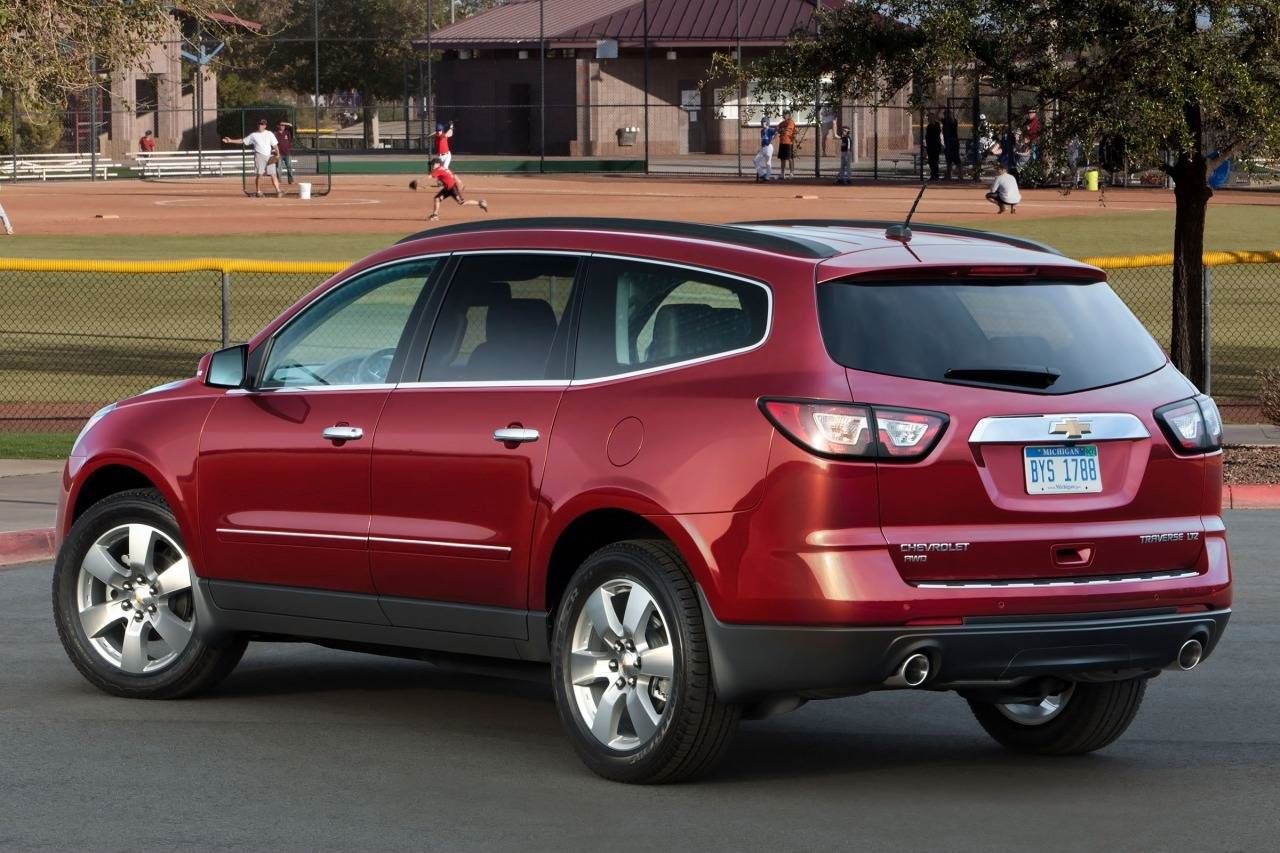
In terms of fuel economy, the Traverse delivers 15 miles per gallon in the city, 22 miles per gallon on the highway, and an overall combined rating of 18 miles per gallon.
With a 22-gallon fuel tank, the SUV offers a cruising range of approximately 330 miles in city conditions and up to 484 miles on the highway, making it a solid choice for longer trips without frequent refueling stops.
The steering system is a power rack-and-pinion setup that allows for confident handling, with a turning diameter of 40.4 feet, which is manageable for a vehicle of this size. Suspension components include a coil-over strut system at the front and a linked H-arm configuration at the rear, working together to provide a balance of comfort and control on the road.
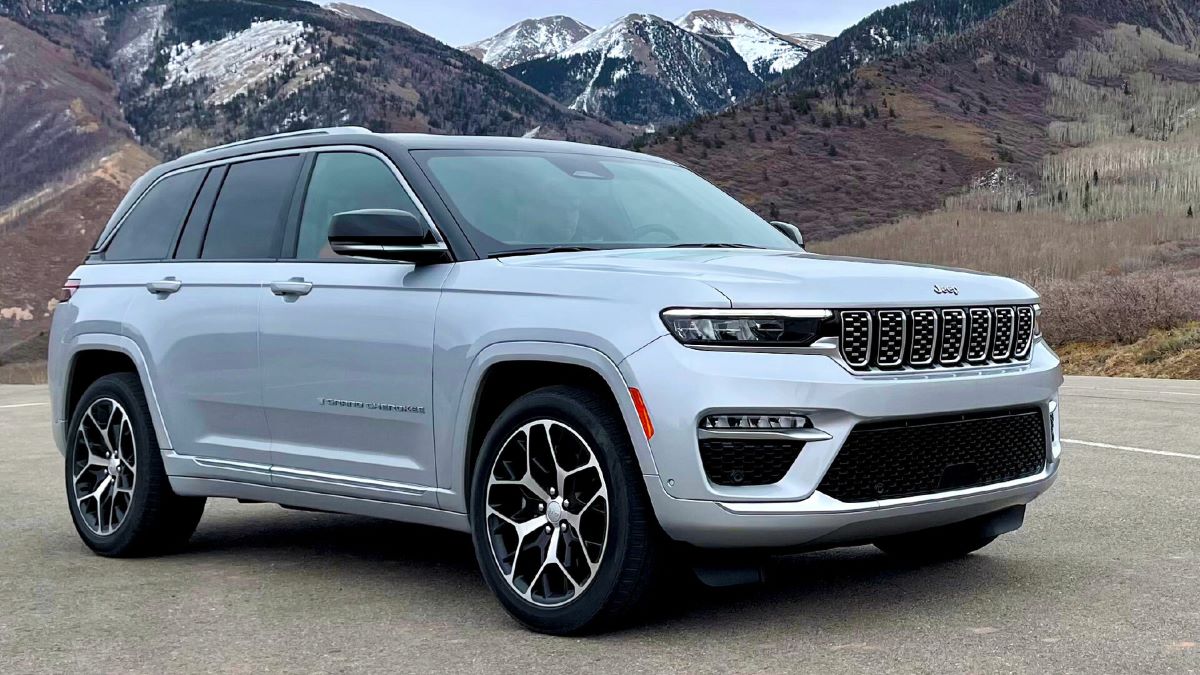
5. Jeep Cherokee
The Jeep Cherokee may appeal to adventurous families with its off-road capability, but it often falls short in long-term reliability. Owners have reported a wide range of issues, from problematic transmissions to persistent electrical glitches.
The 9-speed automatic transmission, in particular, has caused headaches for many drivers, leading to jerky shifts and costly repairs. While Jeep markets the Cherokee as a rugged family option, its track record suggests that it spends more time in the repair shop than many rivals.
For American families, a car is more than just transportation it’s a lifeline for daily routines, road trips, and emergencies. Choosing the right vehicle can mean years of hassle-free driving, while the wrong choice can drain time, money, and patience.
Reliable standouts like the Toyota Highlander, Honda Odyssey, and Subaru Outback prove that it’s possible to get both family-friendly features and long-term dependability.
On the other hand, models like the Dodge Grand Caravan and Jeep Cherokee highlight the risks of prioritizing low purchase prices or flashy features over proven durability.
At the end of the day, investing in a car with a strong reliability record not only protects your wallet but also ensures peace of mind something every family deserves when they hit the road.