When it comes to buying a Chevrolet SUV, reliability and longevity are often top priorities for American drivers. Chevy has long been known for building versatile, rugged vehicles that can serve families, off-road enthusiasts, and daily commuters alike.
However, not all Chevy SUVs are created equal when it comes to long-term durability. Some models are famed for lasting decades with minimal issues, while others are prone to recurring problems that can drain your wallet over time.
Understanding which models tend to stand the test of time and which ones may struggle is crucial for buyers who want to make a smart investment in a vehicle that will last.
Chevy SUVs That Last Forever
When it comes to reliability and longevity, few vehicles earn a reputation quite like Chevrolet SUVs. Built with durable engineering, robust powertrains, and family-friendly designs, these SUVs are known to withstand the test of time, often delivering hundreds of thousands of miles with minimal trouble.
In this article, we’ll explore the Chevy SUVs that consistently prove their durability, offering peace of mind to drivers who want a dependable ride that lasts for years.
1. Chevrolet Tahoe
The Tahoe is a full-size SUV that has earned a reputation for longevity and dependability. Known for its rugged body-on-frame construction, the Tahoe handles both family duties and heavy towing with ease.
Many owners report hitting well over 200,000 miles with only routine maintenance. The V8 engines are particularly durable, and parts availability across the U.S. makes repairs less stressful.
Whether it’s used for road trips, hauling trailers, or daily commuting, the Tahoe’s blend of power and reliability keeps it on the road for years.
The 2021 Chevrolet Tahoe debuts as a fully redesigned model, showcasing major updates such as a refreshed exterior and interior, an extended three-row cabin, and increased cargo capacity.
One of the most significant upgrades is the introduction of an independent rear suspension, a feature already adopted by competitors like the Ford Expedition and Nissan Armada. Alongside these mechanical improvements, the Tahoe incorporates advanced technology features and introduces a diesel engine option for the first time.
Pricing for the 2021 Tahoe spans from $51,195 for the base LS trim up to $71,220 for the premium High Country model. Among the lineup, the mid-tier RST and Z71 trims offer the best combination of value and functionality.
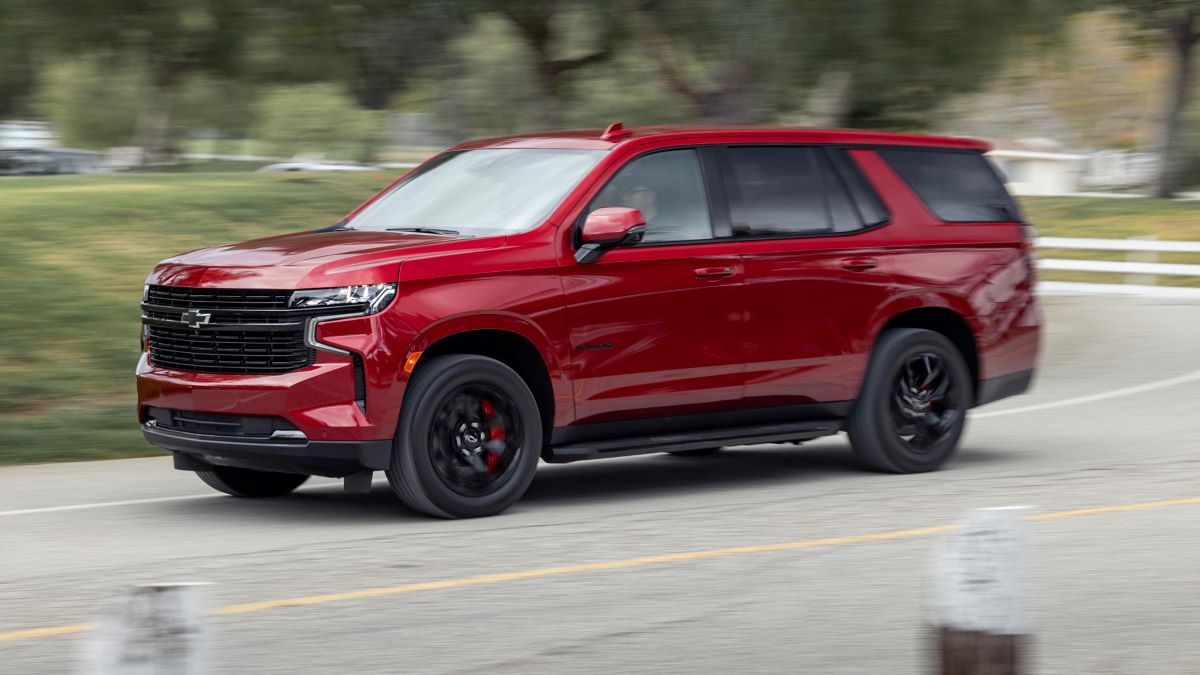
The RST trim emphasizes a sporty, stylish design, while the Z71 caters to more adventurous drivers with standard four-wheel drive, rugged styling, and enhanced off-road equipment.
Opting for the Z71 Signature package adds a host of desirable features, including blind-spot monitoring, lane-keeping assist, a heated steering wheel, heated second-row seats, memory settings, a panoramic sunroof, a power-folding third row, and upgraded towing capabilities.
Powering the Tahoe remains a selection of V-8 engines, with a standard 355-hp 5.3-liter and an available 420-hp 6.2-liter.
The lineup now also includes a 3.0-liter diesel six-cylinder engine producing 460 lb-ft of torque. All 2021 Tahoes are equipped with a 10-speed automatic transmission and are available with either rear-wheel or all-wheel drive.
The off-road-focused Z71 trim adds a two-speed transfer case, 20-inch wheels fitted with all-terrain tires, and underbody protection. Testing demonstrates that the Z71 delivers sufficient acceleration, a responsive brake pedal, and a quiet cabin at highway speeds.
Higher trims such as the Premier and High Country, along with the RST, feature air springs, adaptive dampers, and larger 22-inch wheels, enhancing ride quality, handling, and overall appearance.
2. Chevrolet Suburban
Closely related to the Tahoe, the Suburban offers more space, making it a favorite among large families and fleet operators. Its robust drivetrain, paired with a history of solid performance, has allowed many Suburbans to surpass 250,000 miles.
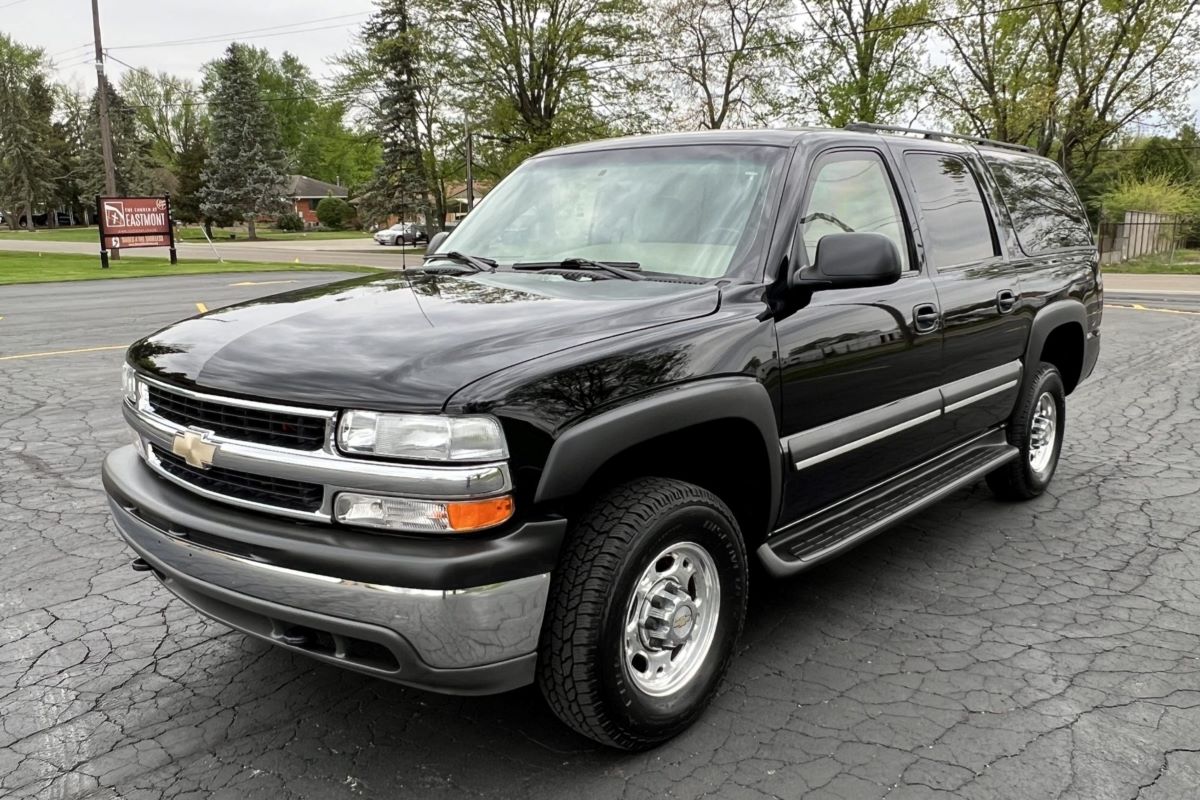
Regular maintenance, such as timely oil changes, brake checks, and suspension upkeep, is key to its long life. The Suburban’s longevity is also supported by its popularity in the U.S., ensuring that parts are plentiful and mechanics are familiar with the platform.
Also Read: 9 Common Mistakes That Kill a Chevy Avalanche Fast
3. Chevrolet Blazer (2019-Present)
The modern Chevrolet Blazer, reintroduced in 2019, has proven to be a reliable midsize SUV. While it’s more of a crossover than a traditional SUV, it benefits from Chevrolet’s improved engineering and build quality.
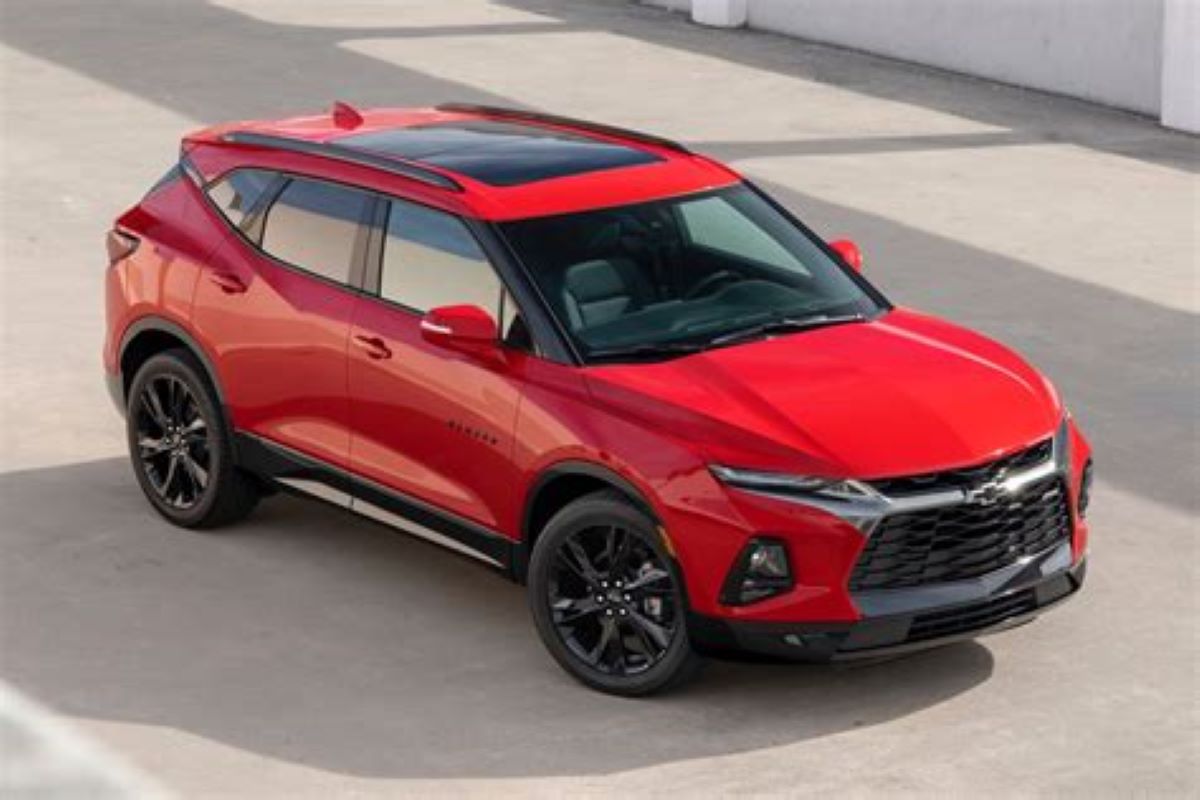
Owners appreciate its smooth ride, responsive handling, and durable turbocharged four-cylinder and V6 engines.
Properly maintained, these Blazers have the potential to last well beyond 150,000 miles, making them a sensible choice for families seeking a stylish yet reliable vehicle.
The all-new 2019 Chevrolet Blazer makes a bold return, prioritizing striking style over off-road ruggedness. Positioned as a mid-size, two-row crossover between the compact Equinox and the three-row Traverse, the Blazer aims to capture a larger slice of the increasingly popular segment.
While high-tech driver-assist features and premium options are available, they come at a steep cost. The base 2.5-liter four-cylinder engine cannot be paired with all-wheel drive, which requires upgrading to the more powerful 3.6-liter V-6.
This V-6 not only delivers brisk acceleration but also enhances towing capability. For those who value distinctive styling and a spirited driving experience, the Blazer offers a spacious back seat and an intuitive infotainment system that make it a practical yet exciting choice.
Chevrolet revives the Blazer nameplate in 2019 with a stylish, all-new model. Sharing its platform with the three-row GMC Acadia and the compact-luxury Cadillac XT5, the Blazer adopts wider proportions and sportier aesthetics. Its interior takes cues from the iconic Chevy Camaro, but with significantly more passenger space and a layout optimized for comfort and usability.
Pricing for the 2019 Blazer ranges from $29,995 for the base L trim to $43,895 for the top-tier Premier. While the RS trim boasts enhanced handling and aggressive styling, it carries a premium that makes it less practical for most buyers.
A more balanced choice is the 3.6-liter version with cloth seats, which unlocks the optional all-wheel-drive system for $2,700 and allows towing of up to 4,500 pounds, 3,000 pounds more than the four-cylinder variant.
Adding the Convenience and Driver Confidence package further improves the experience with features such as heated front seats, remote start, power liftgate, and driver-assistance technology including blind-spot monitoring, rear cross-traffic alert, and rear parking sensors.
Under the hood, the Blazer offers a standard 193-hp 2.5-liter four-cylinder engine or an optional 308-hp 3.6-liter V-6, both paired with a nine-speed automatic transmission. Only the V-6 supports all-wheel drive. While the four-cylinder provides sufficient power for daily driving, the V-6 offers brisk acceleration and extra confidence on the highway.
Our Blazer RS test achieved 0–60 mph in 6.3 seconds and bridged 50–70 mph in 4.6 seconds, though the automatic transmission was somewhat slow to downshift. Towing capacity varies by drivetrain, with front-wheel-drive models handling up to 1,500 pounds and all-wheel-drive versions managing up to 4,500 pounds.
On the road, the Blazer delivers composed handling and precise steering, making it arguably the best-driving Chevrolet crossover. The RS model benefits from exclusive suspension and steering tuning, while even the four-cylinder version proves more engaging than many rivals.
The 18-inch wheels on the base trims provide a smoother, quieter ride compared to the RS’s larger 21-inch wheels, which can be thumpy over rough surfaces. Both models, however, remain quiet at highway speeds.
Steering feedback is responsive during spirited driving yet fluid at lower speeds, while the firm brake pedal delivers confidence and allowed our Blazer RS to stop from 70 mph in just 165 feet.
4. Chevrolet TrailBlazer (2021-Present)
The newest TrailBlazer revival has quickly earned a reputation for reliability in the compact SUV segment. It combines fuel efficiency with a surprisingly sturdy build for a smaller vehicle.
Chevrolet’s commitment to engineering quality into the TrailBlazer’s turbocharged engines and well-constructed chassis has made it a long-term contender in its class.
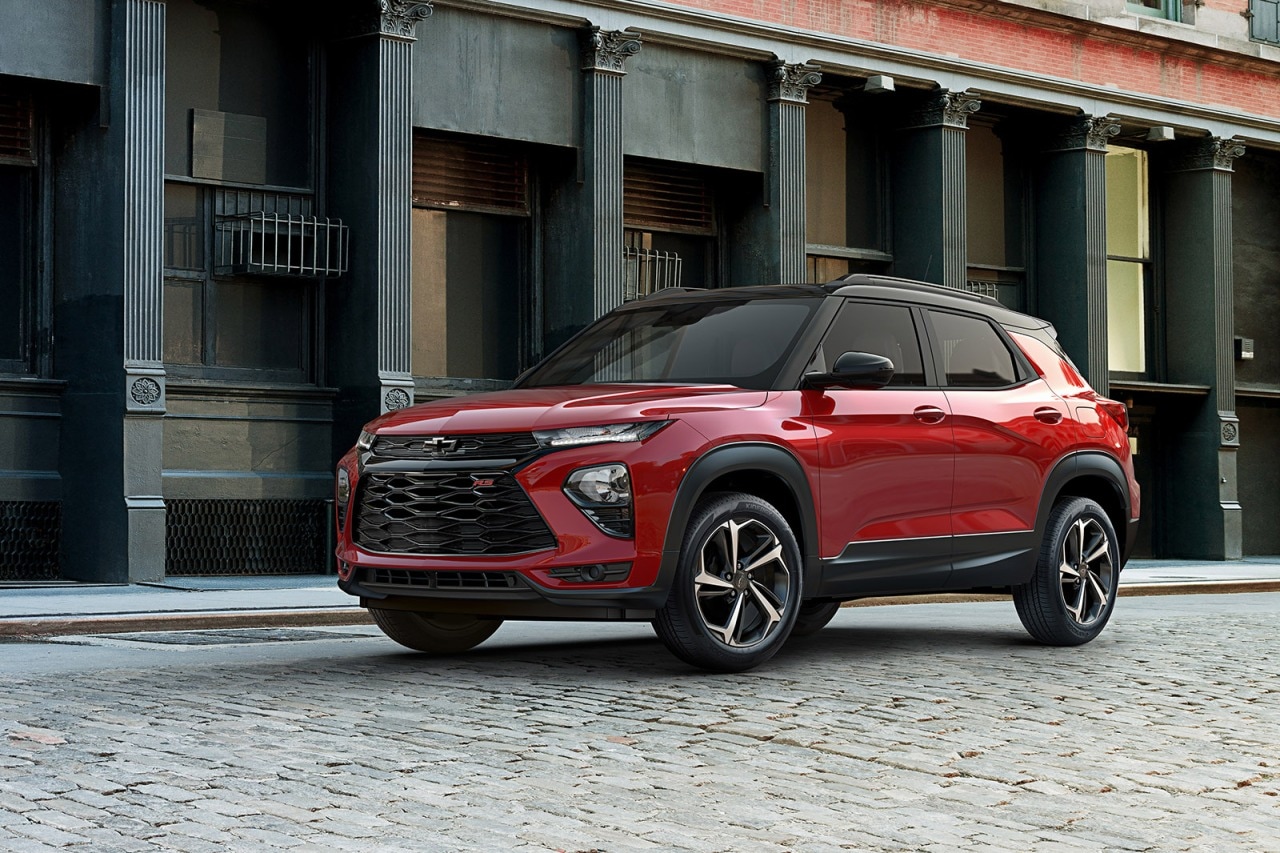
While it’s still relatively new, early reports indicate owners are experiencing minimal mechanical issues when adhering to recommended maintenance schedules.
Also Read: 8 Checks That Stop a Chevy Colorado From Breaking Down Early
5. Chevrolet Equinox (2018-Present)
The Chevrolet Equinox has long been a popular compact SUV, and the latest generation continues the trend of reliability. The choice between a four-cylinder or turbocharged engine allows buyers to balance performance and fuel economy.
Consistent maintenance and timely replacement of wear-and-tear items like brakes, tires, and fluids can easily keep an Equinox on the road for over 200,000 miles. Its wide availability in the U.S. ensures parts and service are never hard to find, a major factor in long-term durability.
The compact crossover SUV segment is among the most fiercely contested in the automotive world, with manufacturers striving to offer vehicles that stand out through style, value, advanced technology, off-road capability, or exceptional ride comfort. In this arena, the Chevrolet Equinox struggles to make a mark.
Even before the cancellation of its turbocharged 2.0-liter engine, the Equinox was already lacking in standout qualities, and this year’s model feels more like a C-student among a sea of compelling alternatives.
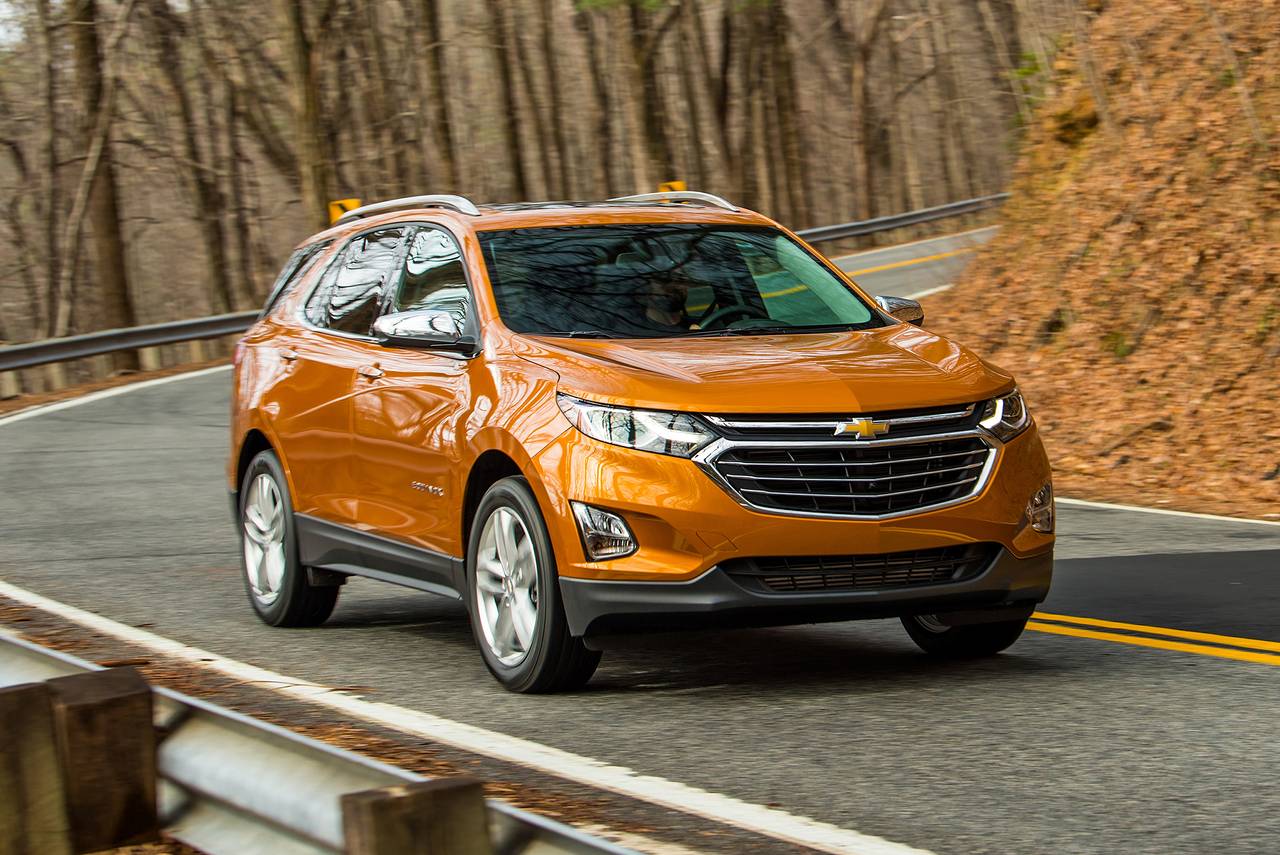
While the Equinox delivers respectable ride comfort and a functional infotainment system, its uninspiring interior, wallowy handling, and lackluster acceleration leave it far behind competitors. Chevrolet’s piecemeal approach to features further underscores its shortcomings.
Originally slated for a refresh, the 2021 Equinox was delayed due to COVID-related disruptions, pushing updates to the 2022 model year.
For buyers in need of a compact SUV now, options like the Honda CR-V, Mazda CX-5, or Ford Escape offer superior performance, comfort, and features. Those determined to drive a Chevy may want to hold out for the restyled 2022 Equinox, expected in the first half of 2021.
For 2021, the Equinox is offered in four trim levels, though the base L trim is available only by special order. Most shoppers will encounter the LS, LT, and Premier trims at dealerships.
The lineup is powered solely by a turbocharged 1.5-liter four-cylinder engine producing 170 horsepower and 203 lb-ft of torque, paired with a six-speed automatic transmission. Front-wheel drive comes standard, while all-wheel drive is available on all trims except the L.
Chevy SUVs That Don’t Last as Long
Not every vehicle lives up to the hype of longevity, and some Chevy SUVs are more prone to wear and mechanical issues over time. While they may offer style, comfort, or features, these models have shown a tendency to require more frequent repairs or experience premature component failures.
In this article, we’ll highlight the Chevy SUVs that tend to fall short on durability, helping buyers make more informed choices before hitting the road.
1. Chevrolet Captiva (Pre-2015 U.S. Imports)
The Captiva, a small SUV imported to the U.S. before 2015, has been plagued with reliability concerns. Common issues include transmission failures, electrical problems, and persistent engine trouble.
While it was an affordable option, the cost of repairs often outweighed its initial purchase price. Drivers looking for longevity tend to avoid these models, as hitting high mileage without significant problems is rare.
Chevrolet has firmly established itself as a major player in the global SUV market, with popular models like the Blazer, Equinox, and the iconic Suburban. Among its midsize offerings, one vehicle has developed a particularly devoted following in the U.S. over the past decade: the Chevy Captiva.
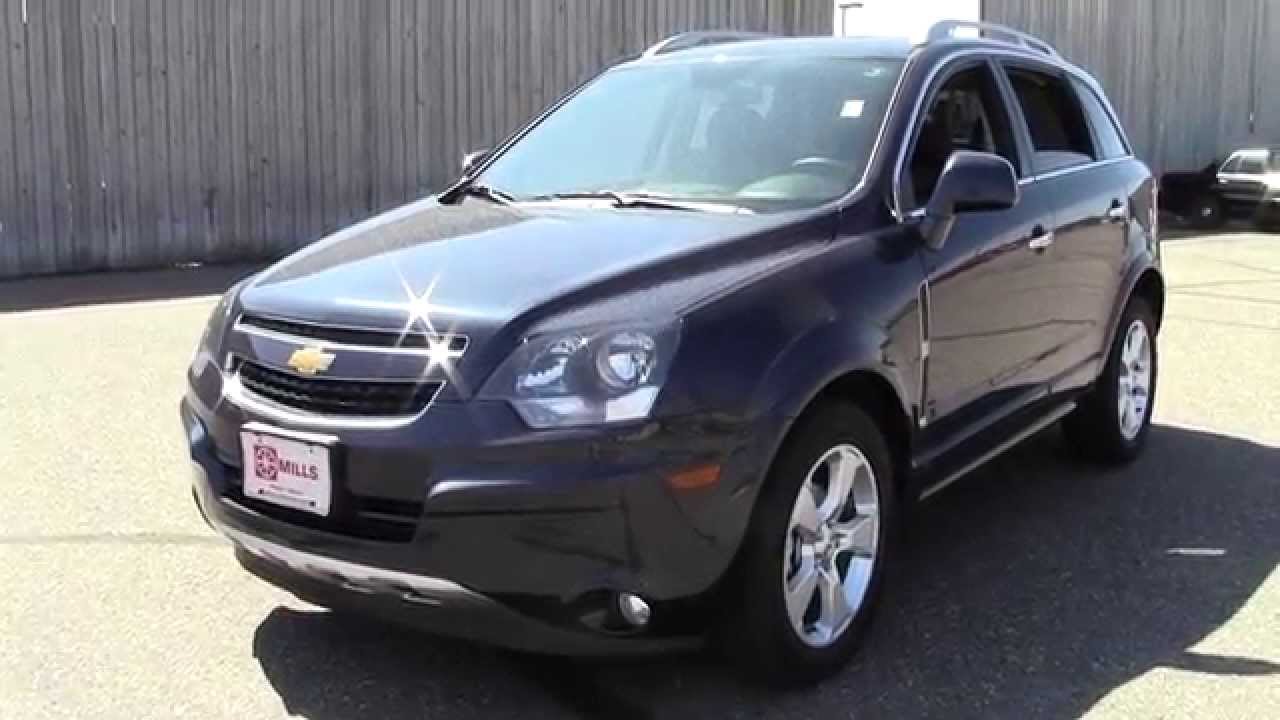
First introduced internationally in 2006, the Captiva initially carved out a unique niche in the U.S. market. Interestingly, it was never sold directly to individual consumers under the Captiva name.
Instead, it was initially offered as the Saturn Vue, with Chevrolet later rebranding it as the Captiva Sport after GM discontinued the Saturn division.
The 2011 Captiva Sport became a favorite among U.S. rental fleets, as GM opted to market it exclusively as a fleet-only vehicle. Consumers could not purchase it individually, making it a rare sight outside rental lots.
Despite its popularity, Chevrolet maintained this fleet-only strategy until the Captiva Sport was discontinued in the U.S. in 2014. According to GM spokesman Jim Cain, the decision to retire the model was simply because it had “come to the end of its natural product cycle.”
2. Chevrolet Tracker (Older Models, 1998-2004)
The original Tracker was Chevrolet’s entry-level SUV, offering compact dimensions and off-road capability. However, these models were prone to rust, transmission issues, and suspension failures.
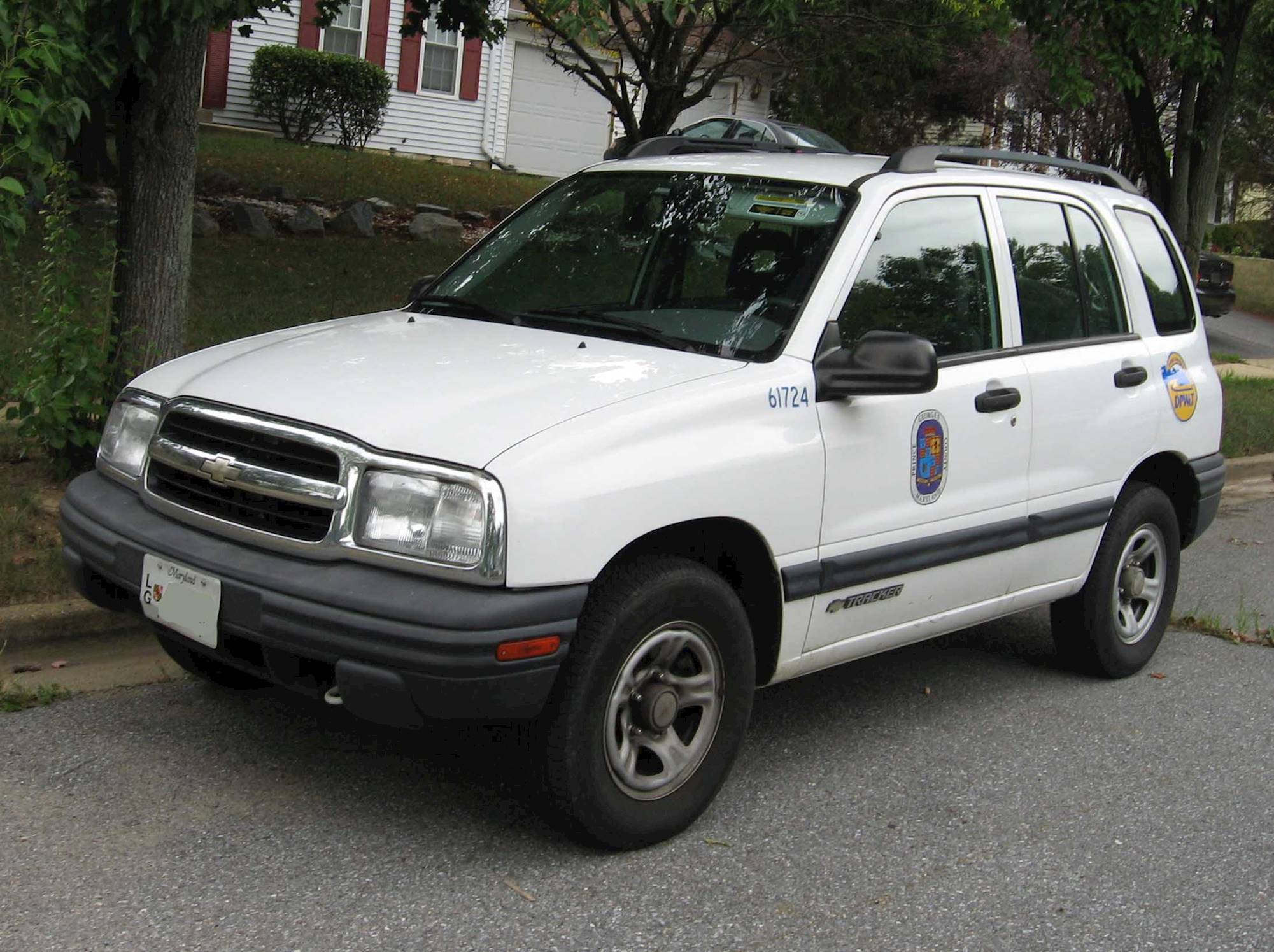
Many owners reported that by the time the vehicle reached 150,000 miles, costly repairs became unavoidable. Though they are inexpensive on the used market, the Tracker’s long-term reliability is questionable compared to other Chevy SUVs.
The Chevrolet Tracker faced a slight delay in its redesign, forcing dealers to carry over the 1997 model until a fully updated version arrives early next year.
The upcoming Tracker is expected to be slightly larger and more powerful, though it won’t receive the V6 engine available in its Suzuki Sidekick counterpart—a drawback for those who found the Tracker, especially the four-door version, underpowered.
For 1998, changes are minimal due to the carryover status. With the discontinuation of the import-focused Geo brand, the Tracker now proudly displays a Chevy bowtie on its hood. The previous LSi trim has been dropped, but most of its features remain accessible on base Trackers.
The color lineup gains Purple Graphite and California Gold, and pricing has been kept close to 1997 levels to better compete with popular compact SUVs like the Kia Sportage, Toyota RAV4, and Honda CR-V.
The Tracker convertible offers a fun, sun-filled driving experience, whether it’s powering two wheels or all four. Every Tracker comes with a 16-valve engine producing 95 horsepower, though the optional automatic transmission diminishes some of that output.
Compact and stubby, these vehicles maneuver easily, but their light, sometimes twitchy handling can be noticeable on highways and off-road trails.
Despite their petite appearance, Trackers feel solid and substantial, particularly when compared to their Suzuki Sidekick twin. Off-road, the four-door models allow a fine dusting of silt into the interior via slight door-frame movement.
Front seats are firm with decent upholstery, though leg support is limited, while the rear seats comfortably accommodate two adults. Dual cupholders and a center console tray add convenience.
The Tracker convertible features an “easy opening” top that can either fold back like a sunroof or be fully stowed for open-air motoring, though operating it isn’t lightning-fast.
Optional “Expressions packages” provide color-matched tops and wheels, and the Tracker can tow up to 1,000 pounds. For those switching frequently between two- and four-wheel drive, automatic-locking hubs are also available, adding practical versatility.
3. Chevrolet Trax (Early Models, 2015-2017)
The Trax is Chevrolet’s compact crossover aimed at urban drivers, but early models suffered from engine and transmission glitches.
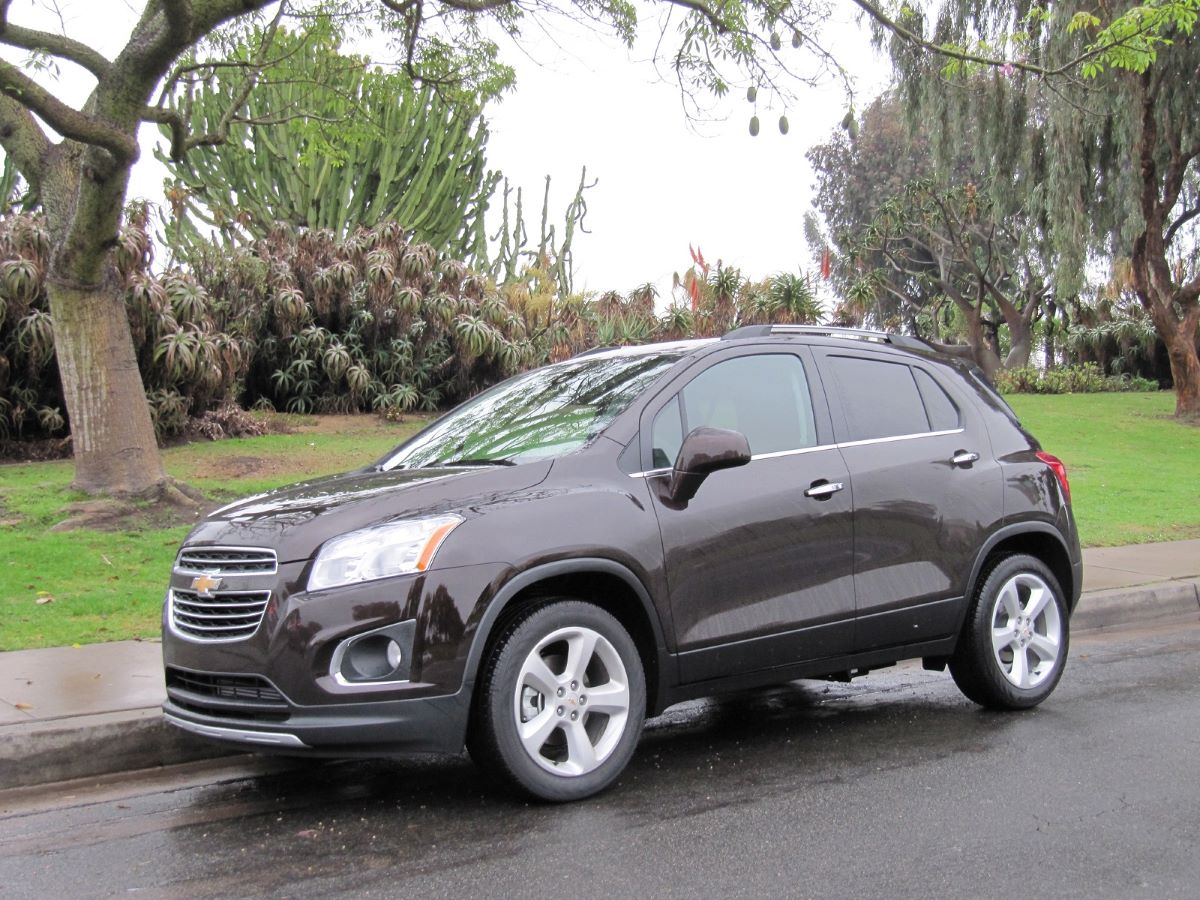
Some owners experienced turbocharger failures, overheating, and electrical malfunctions within the first 50,000 miles. While later models saw improvements, these early versions are not known for lasting beyond 100,000 miles without major repairs.
4. Chevrolet SSR (2003-2006)
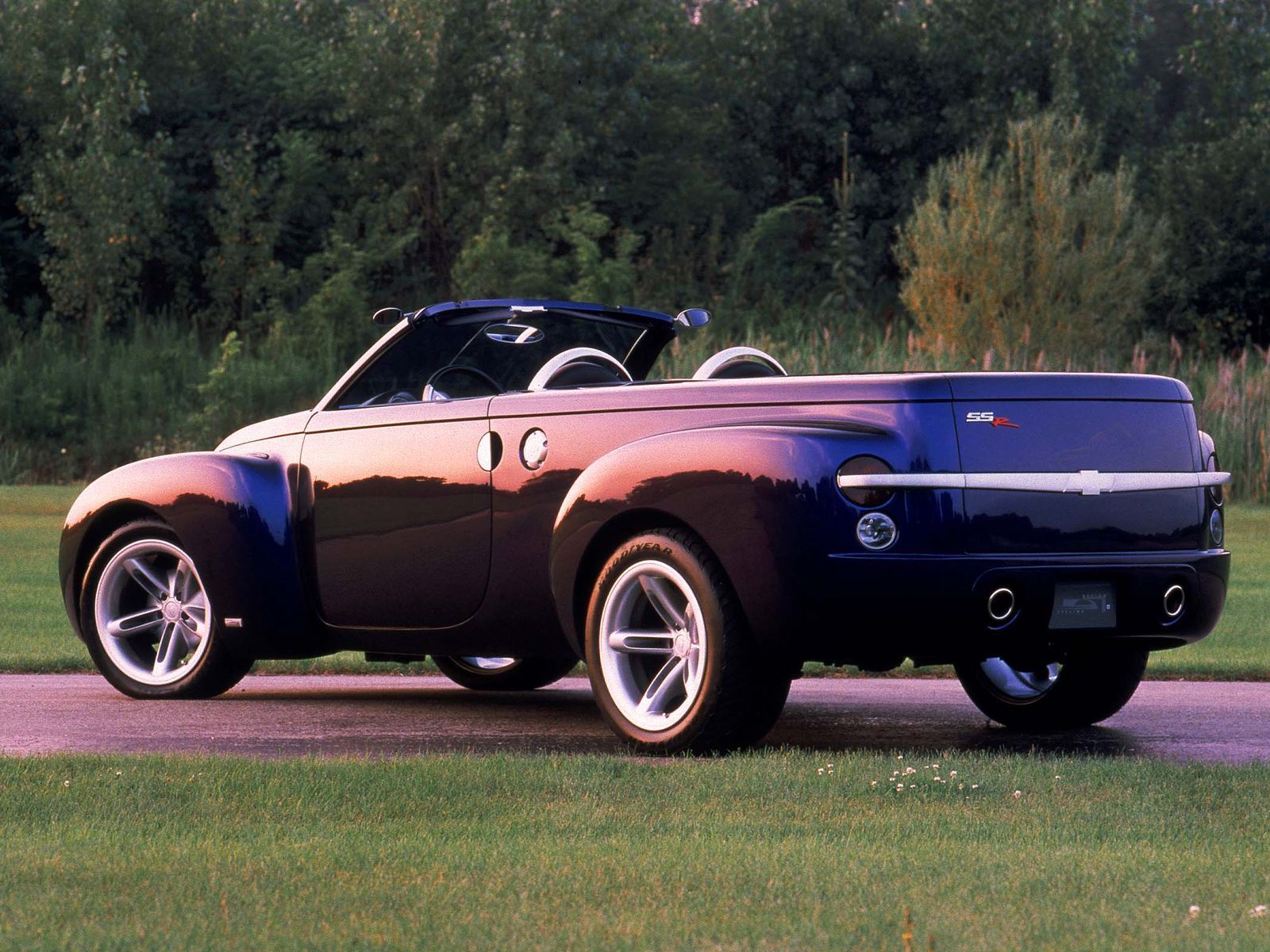
While technically a pickup/convertible hybrid, the SSR is often classified alongside Chevy SUVs for its utility and style. Its retro design appealed to enthusiasts, but reliability was a major concern.
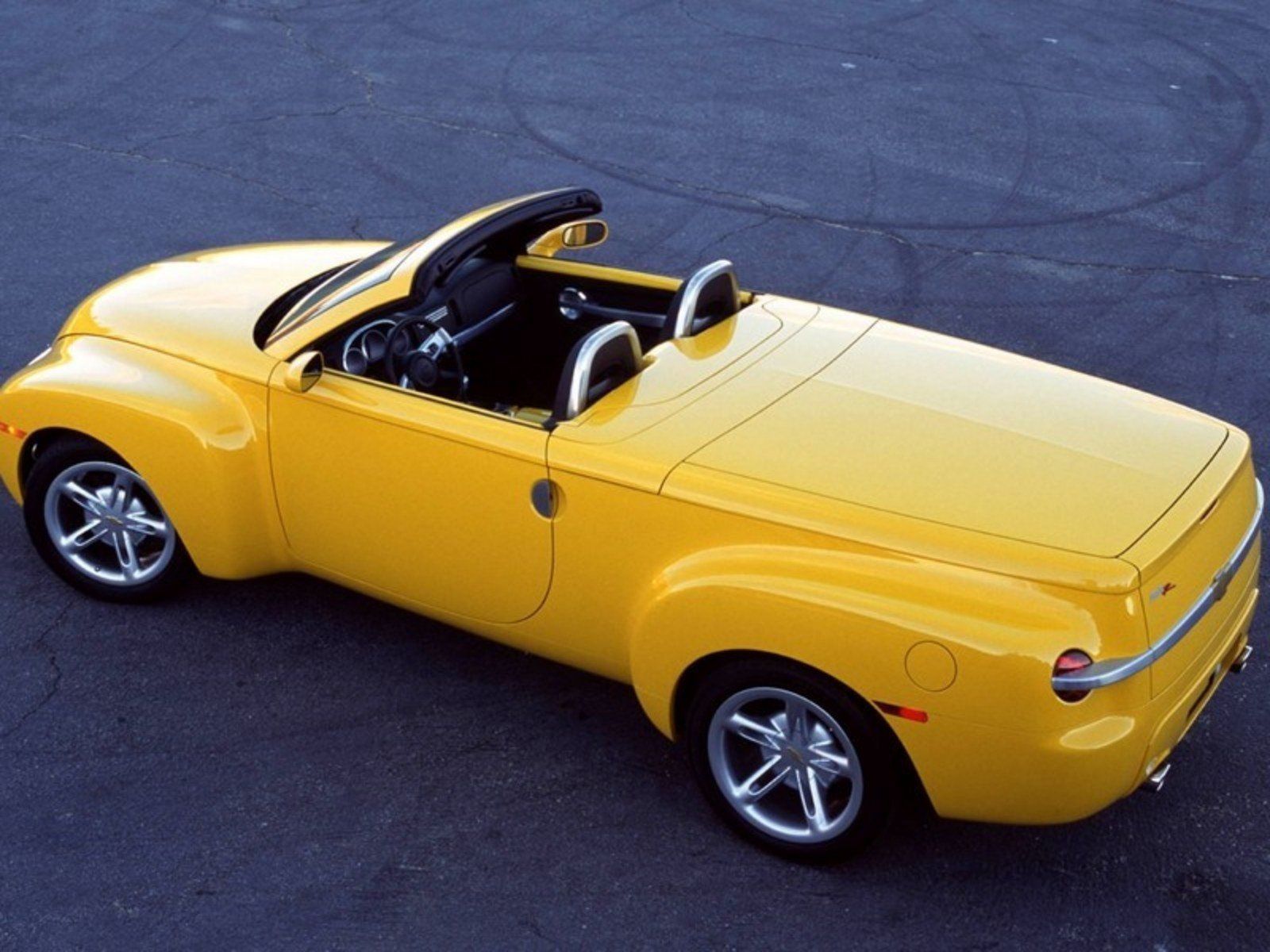
The retractable hardtop, specialized parts, and unique drivetrain often required expensive repairs. Longevity was not its strong suit, and many owners found keeping it on the road long-term to be a challenge.
Drawing inspiration from Chevrolet pickups of the 1940s, the SSR fused the muscular, aggressive styling of a classic truck with the open-air thrill of a roadster, resulting in a unique retro-modern vehicle.
Built on the hydroformed-steel platform of the Chevrolet TrailBlazer, the SSR utilized a body-on-frame architecture that was shortened by 13 inches, while maintaining other key dimensions.
Powering the vehicle was an all-aluminum 5.3-liter V8 engine producing 300 horsepower, paired with a 4-speed automatic transmission that drove the rear wheels. The sporty driving experience was further enhanced by thick anti-roll bars, oversized brakes, and responsive shock absorbers.
The SSR retained the practical utility of a true pickup, featuring a fully functional cargo bed and a retractable hardtop.
Production was limited, which meant the cabin materials were not the most premium as Chevrolet worked to manage costs. However, the leather-wrapped sport seats were firm, supportive, and widely regarded as the highlight of the interior.
The retractable hardtop took about 20 seconds to lower and roughly 24 seconds to close, and with the roof down, the cabin remained quieter than most convertibles of its era, providing a surprisingly refined open-air driving experience.
5. Chevrolet Blazer (1995-2005 Models)
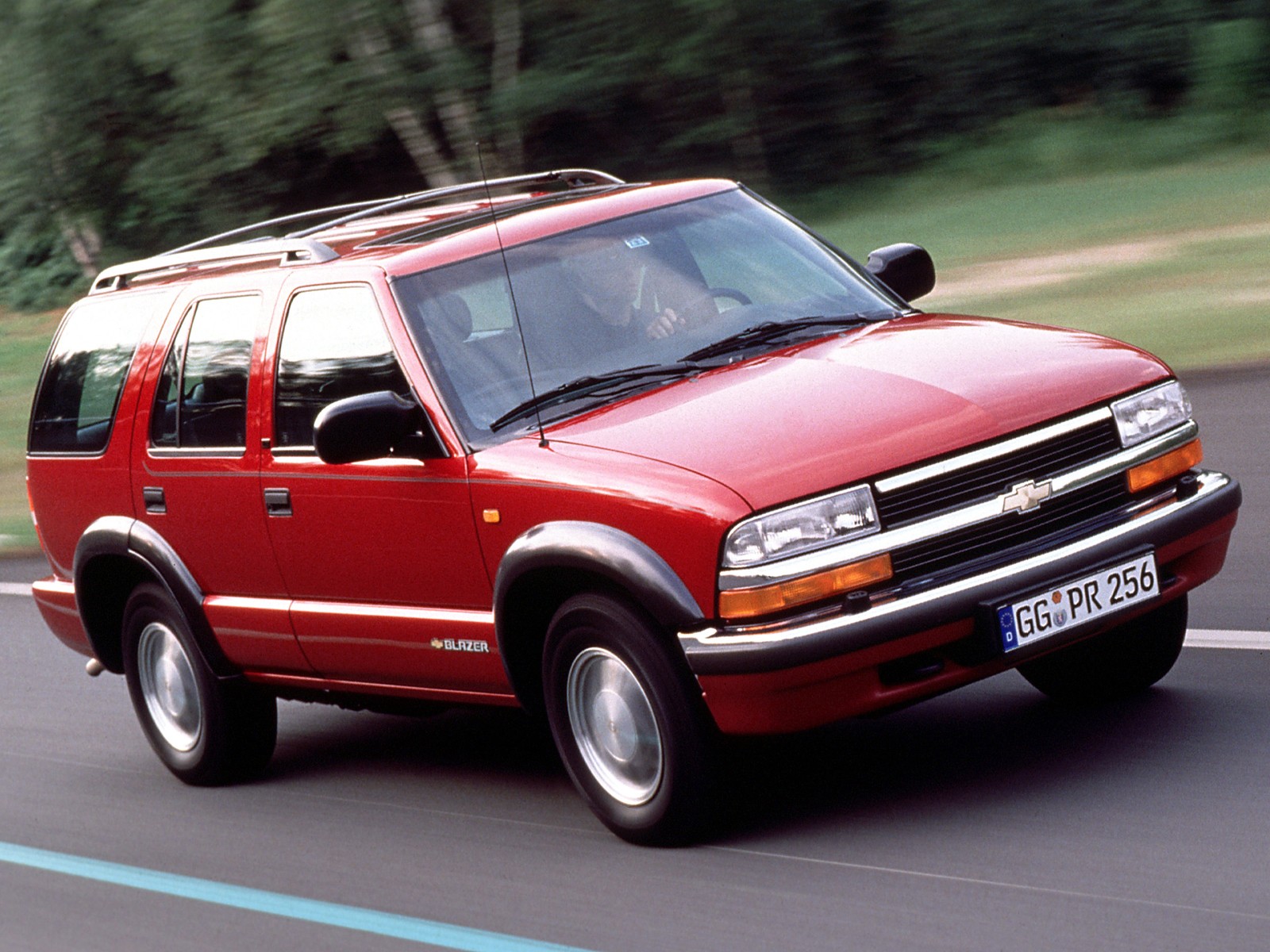
The older generation Blazer, particularly the full-size models from the late ’90s and early 2000s, had a reputation for rust issues, transmission problems, and interior wear.
While they were capable off-road and offered decent towing capacity, durability over decades was hit-or-miss. Without extensive care and restoration, these models often fell short of the high-mileage milestones seen in Tahoe or Suburban owners’ experiences.
When evaluating Chevrolet SUVs, longevity often comes down to a combination of build quality, drivetrain durability, and maintenance habits.
Larger body-on-frame SUVs like the Tahoe and Suburban naturally outperform smaller, unibody crossovers in terms of sheer long-term reliability.
Chevrolet launched the Blazer in 1995 as a versatile SUV designed to handle both off-road excursions and everyday on-road driving. With its rounded styling and front independent suspension, the 1995 Blazer was positioned more as a family-friendly vehicle than a rugged off-roader.
GM aimed to attract those who had fond memories of the K5 Blazer, offering comfort and practicality in both three-door and five-door configurations.
The five-door model, in particular, excelled as a family vehicle, ideal for school runs or weekend getaways with the entire family aboard. Its sporty yet functional design featured a front fascia with headlights separated by turn signals across a wide, horizontal chrome slat, giving it road-focused appeal without sacrificing off-road capability.
The rear tailgate included an opening glass panel, allowing access to the cargo area without fully raising the liftgate.
Inside, the Blazer came with cloth seats, with velour available as an option. Controls included a steering-column-mounted gear selector and a 4×4 system knob offering 2WD, 4WD auto, and 4×4 lock modes. Models with manual transmissions featured a floor-mounted gear stick and a transfer-case selector.
Under the hood, Chevrolet equipped the Blazer with a 4.3-liter V6 engine, paired with either a four-speed automatic or a five-speed manual transmission.
Depending on the market, buyers could choose between rear-wheel drive or a 4×4 setup, with the latter featuring a transfer case with both high- and low-range gearing for more challenging terrain.
Modern engineering improvements have also boosted the lifespan of midsize and compact SUVs like the Blazer and Equinox. Conversely, older, imported, or niche models tend to face higher maintenance costs and lower overall durability.
For U.S. buyers, choosing a Chevy SUV that lasts isn’t just about picking a popular model it’s about selecting one with a proven track record, ample parts availability, and a reputation for durable engines and transmissions.
By understanding which vehicles have stood the test of time and which have historically struggled, drivers can make an informed decision that ensures their SUV remains reliable for years to come.