
When car buyers are thinking of going for a vehicle that will serve them for many years, one of the first things they ask about is how well it manages high mileage. Subaru, as a car brand, has earned respect in the United States because of its practical design, dependable engines, and standard All Wheel Drive system.
Even with that strong reputation, it is important to know that not every Subaru model delivers the same level of endurance when the mileage starts rising. Some Subaru cars can easily cross the 200,000-mile mark when handled properly, while others begin to face challenges once the numbers on the odometer keep climbing.
Drivers often want to put their money on a car that can give them value for many years without constant expensive repairs. Subaru cars are usually popular in areas with harsh weather conditions because of their traction system, yet how long they last depends on the specific model and the year it was made.
While certain models have gained a strong reputation for durability, others have been linked to engine problems, transmission troubles, or higher maintenance costs as mileage increases. This detailed review separates the Subaru models that handle mileage better from those that are known to give problems after a certain point.
After reading through this page, you will see five Subaru cars that have proven to keep going strong even after many years of use, and five that drivers often complain about when the miles add up. Understanding this difference helps buyers decide whether to keep their Subaru longer or sell it before maintenance costs start rising beyond control.
5 Subaru Models That Handle Mileage Well
1. Subaru Outback
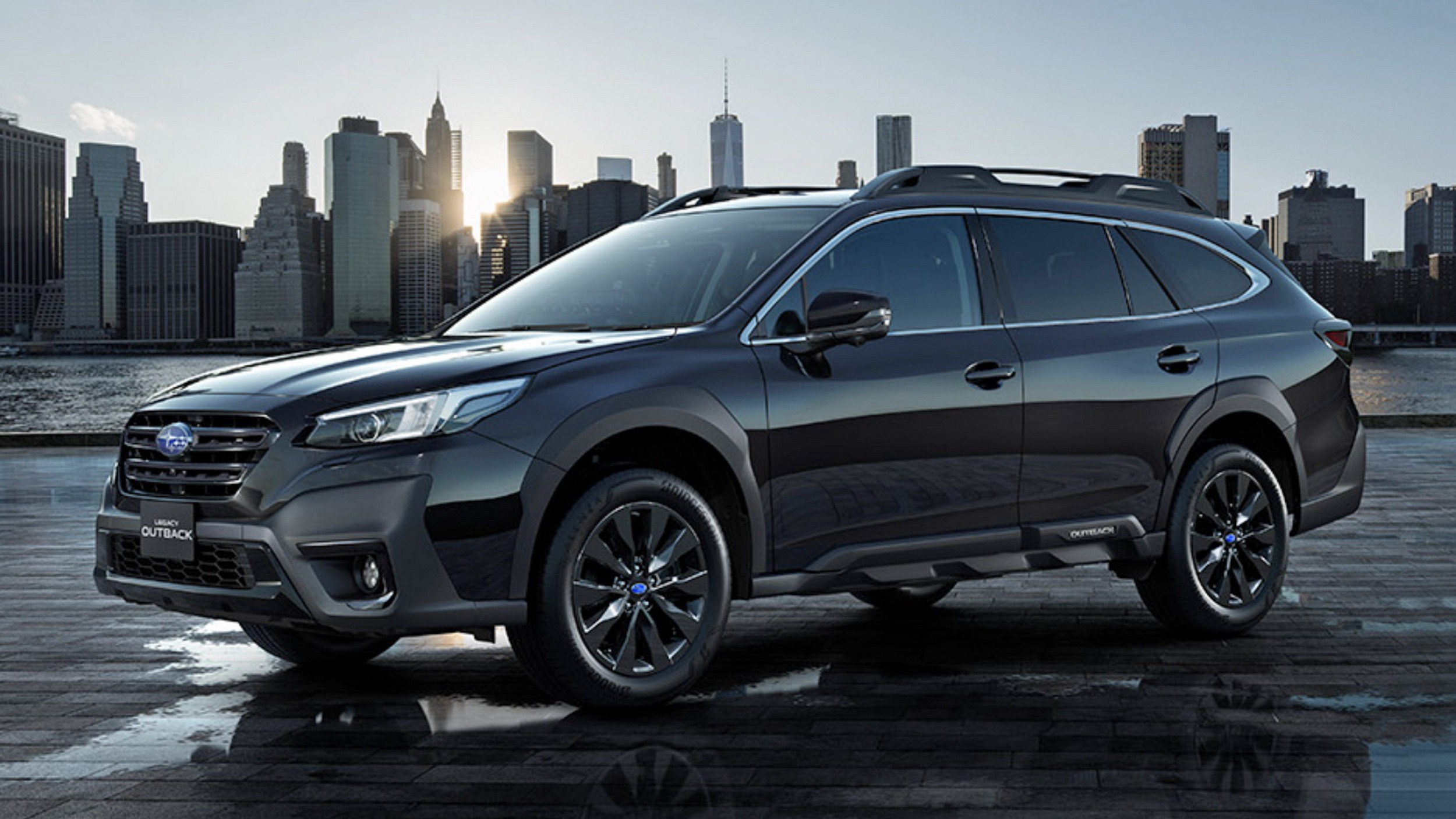
The Subaru Outback is one of the most respected models in the Subaru lineup when it comes to long-term dependability. Many American drivers choose it because of its strong build, roomy interior, and ability to handle different road conditions with ease.
What makes the Outback a strong candidate for high mileage is its balance between comfort and ruggedness. Owners often report that with regular servicing, the Outback can reach 250,000 miles without major engine replacement.
One of the strengths of the Outback lies in its four-cylinder engines, which are built to handle stress for long periods. While Subaru’s boxer engines have sometimes been criticised for head gasket issues in older models, the more recent versions in the Outback show improved reliability.
Drivers who keep up with oil changes and follow the recommended service schedules often enjoy a smooth driving experience even when the car has covered hundreds of thousands of miles. Another reason why the Outback handles mileage well is the focus on practicality.
It is not overburdened with unnecessary technology that may easily fail after long usage. Instead, Subaru made it simple and functional, which makes it easier for mechanics to maintain without heavy costs. Many families also choose the Outback as a dependable travel car because it has a reputation for managing fuel economy well, even when older.
Beyond mechanical strength, the Outback’s ability to retain comfort and stability as it ages adds to its value. Suspension parts are not overly expensive, and drivers can replace worn components without feeling financially drained.
This makes it a vehicle that grows old gracefully while remaining useful for both city driving and long-distance travel. It is no surprise that many used car buyers actively search for Outback models with high mileage because they know that the car still has years of service to offer.
2. Subaru Forester
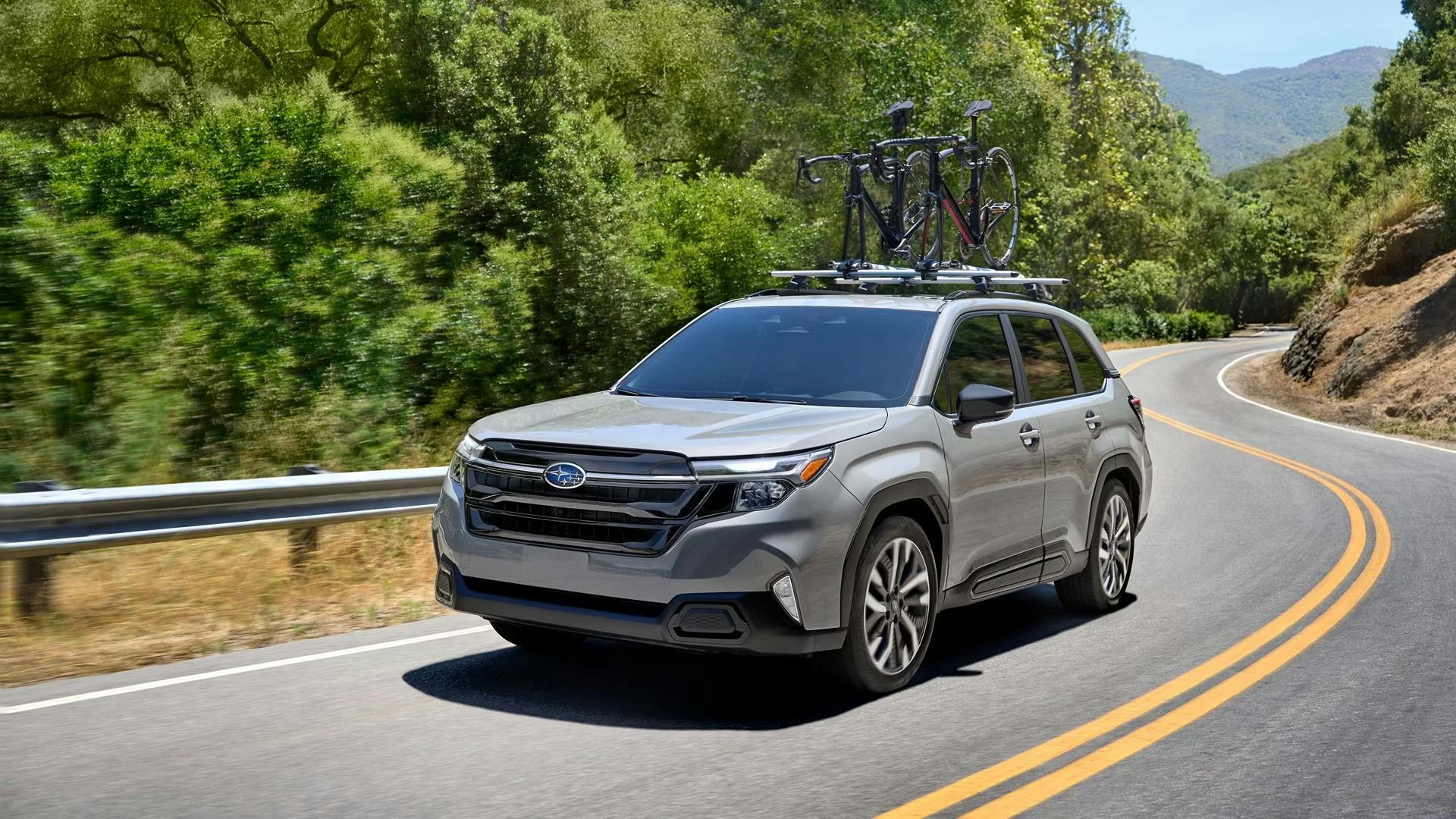
The Subaru Forester is another car that has shown consistent reliability when mileage increases. Many drivers in the United States keep their Forester for more than a decade because it combines simple design with durable performance.
One of the strengths of this vehicle is its straightforward engineering, which allows owners to maintain it without facing heavy repair bills. Reports from drivers often show that the Forester comfortably handles 200,000 miles and beyond with proper care.
The Forester’s compact SUV design makes it popular among small families and individuals who want a reliable car without high maintenance demands. Its engine options, particularly the four-cylinder versions, are known to be fuel-efficient while still being strong enough for daily driving.
Older Forester models sometimes faced head gasket concerns, but improvements in newer editions have reduced these complaints. This shows Subaru’s effort to correct past weaknesses and give owners a longer-lasting vehicle. One quality that helps the Forester handle mileage well is its simple interior and minimal electronic complications.
Unlike luxury brands that often fail due to delicate technology, the Forester keeps things practical. This makes it easier for owners to manage repairs even when the car gets older. Many mechanics are also very familiar with the Forester, meaning that replacement parts are easy to find across the country.
Drivers who use the Forester for both city movement and outdoor activities value its balance of reliability and comfort. Even when the odometer records high numbers, the vehicle maintains its stability and fuel efficiency.
Owners often claim that the Forester is one of the Subaru models they trust most for long journeys because it rarely develops sudden issues when maintained properly. With this record of dependability, the Forester continues to be a wise choice for drivers who want a Subaru that can handle high mileage with little stress.
Also Read: 5 Subaru Impreza Years Worth Keeping vs 5 With Bad Reliability
3. Subaru Legacy
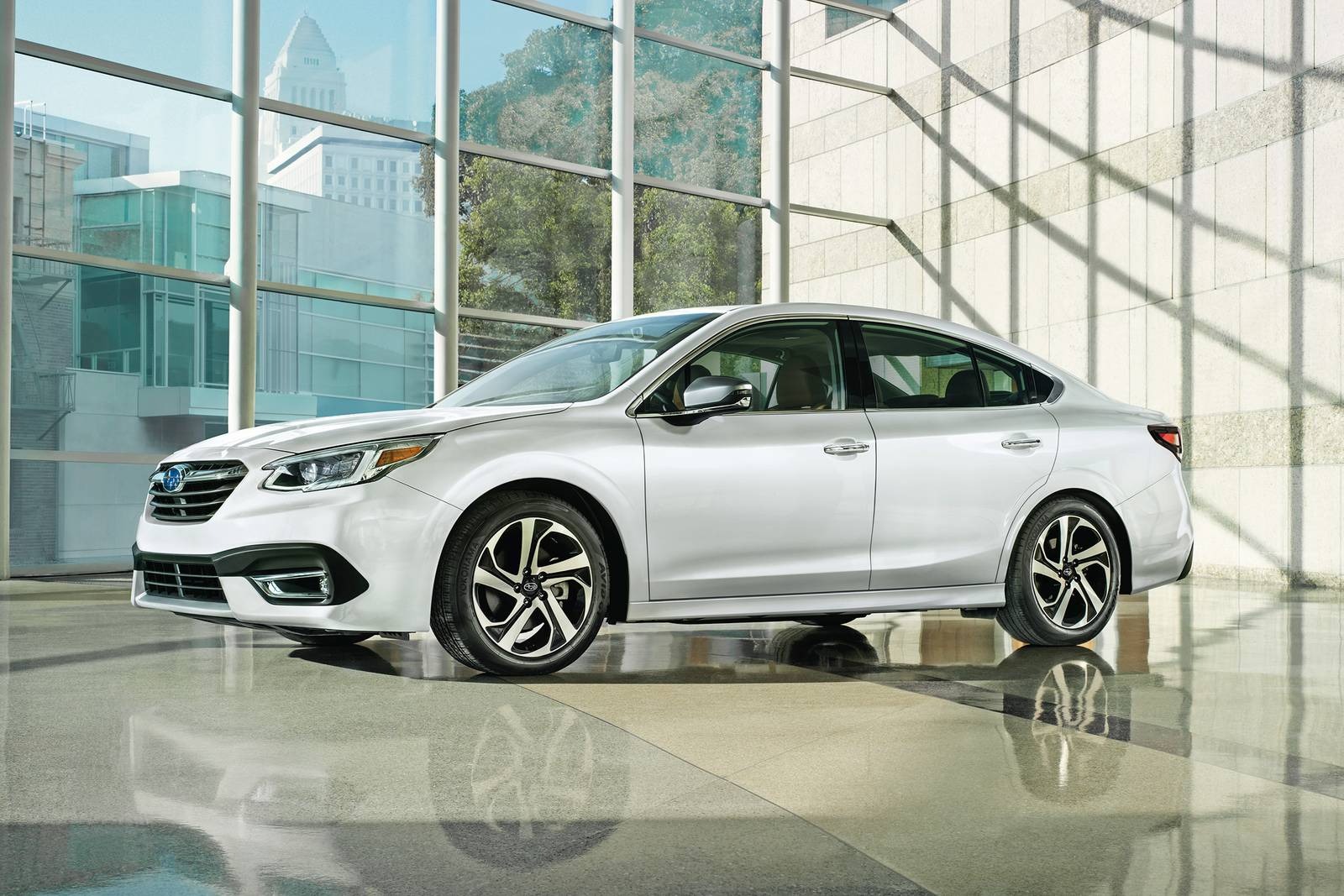
The Subaru Legacy is a sedan that has maintained a strong reputation among American drivers for being dependable and long-lasting. While many people associate Subaru mainly with crossovers and SUVs, the Legacy stands out as one of the most consistent cars when it comes to handling high mileage.
Owners who have taken proper care of this car often report seeing mileage levels of 200,000 miles and more without facing constant mechanical failures. One of the reasons the Legacy performs well in this area is because of the simple but durable engine choices. Subaru made sure to keep the Legacy practical instead of overloading it with complicated systems that break easily with time.
The boxer engine design gives it balance and stability, which reduces stress on the vehicle as the years go by. Although some older models faced the familiar Subaru head gasket concern, this has been reduced in more recent generations.
The Legacy also manages to remain comfortable even after many years of usage. The seats and cabin are built with materials that do not wear out quickly, making it a car that still feels enjoyable to drive even with a high odometer reading. Drivers who commute daily and cover long distances tend to appreciate this sedan because it balances reliability with comfort.
Maintenance costs for the Legacy are also relatively friendly. Parts are widely available in the United States, and mechanics are experienced in handling it. When owners keep up with regular oil changes and timing belt replacements, the vehicle shows remarkable strength as the miles pile up.
Many used car buyers are often interested in the Legacy because they know that even at higher mileage levels, it can still deliver steady performance. It might not have the same rugged image as the Outback or Forester, but it holds its own as a dependable Subaru that handles long-term usage effectively.
4. Subaru Crosstrek
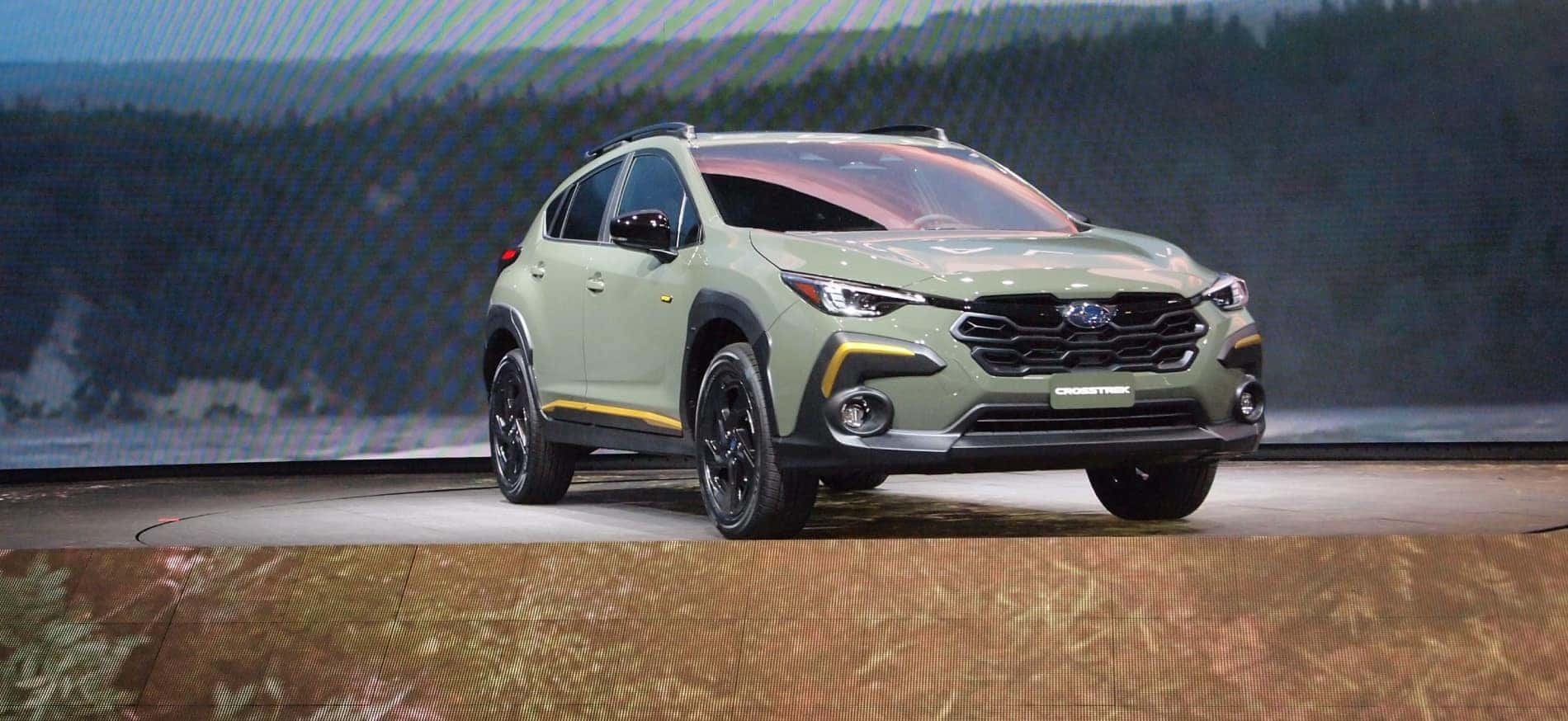
The Subaru Crosstrek has quickly built a reputation as a small crossover that combines efficiency with durability. Although it is a newer model compared to the Outback and Forester, it has already proven that it can manage high mileage well. Many drivers in the US buy the Crosstrek for its compact size and fuel economy, but they later discover that it is also dependable as the miles increase.
One of the main reasons the Crosstrek performs well is its simple four-cylinder engine, which is designed for long-term use. Subaru focused on practicality rather than chasing high power numbers, and this choice has helped the Crosstrek remain reliable. Owners who keep up with basic servicing often enjoy driving the Crosstrek past 200,000 miles without major breakdowns.
The Crosstrek’s design also helps it remain stable as it ages. Its suspension and ground clearance make it suitable for both city driving and light off-road use, and this durability carries into its high mileage years. Drivers report that even when the vehicle is older, it still maintains fuel economy and smooth driving, which makes it a cost-effective option.
Another strength of the Crosstrek is its minimal electronic complications. Unlike larger SUVs that sometimes come with systems that wear out quickly, the Crosstrek is kept relatively simple. This makes repairs straightforward and affordable. Mechanics across the country also find it easy to maintain, meaning that drivers do not struggle with expensive service bills.
The Crosstrek also retains its value well, which shows that used car buyers trust it even when the mileage is high. For people who want a small Subaru that can serve them reliably for many years, the Crosstrek is one of the models that has shown it can handle the task without failing quickly.
5. Subaru Impreza
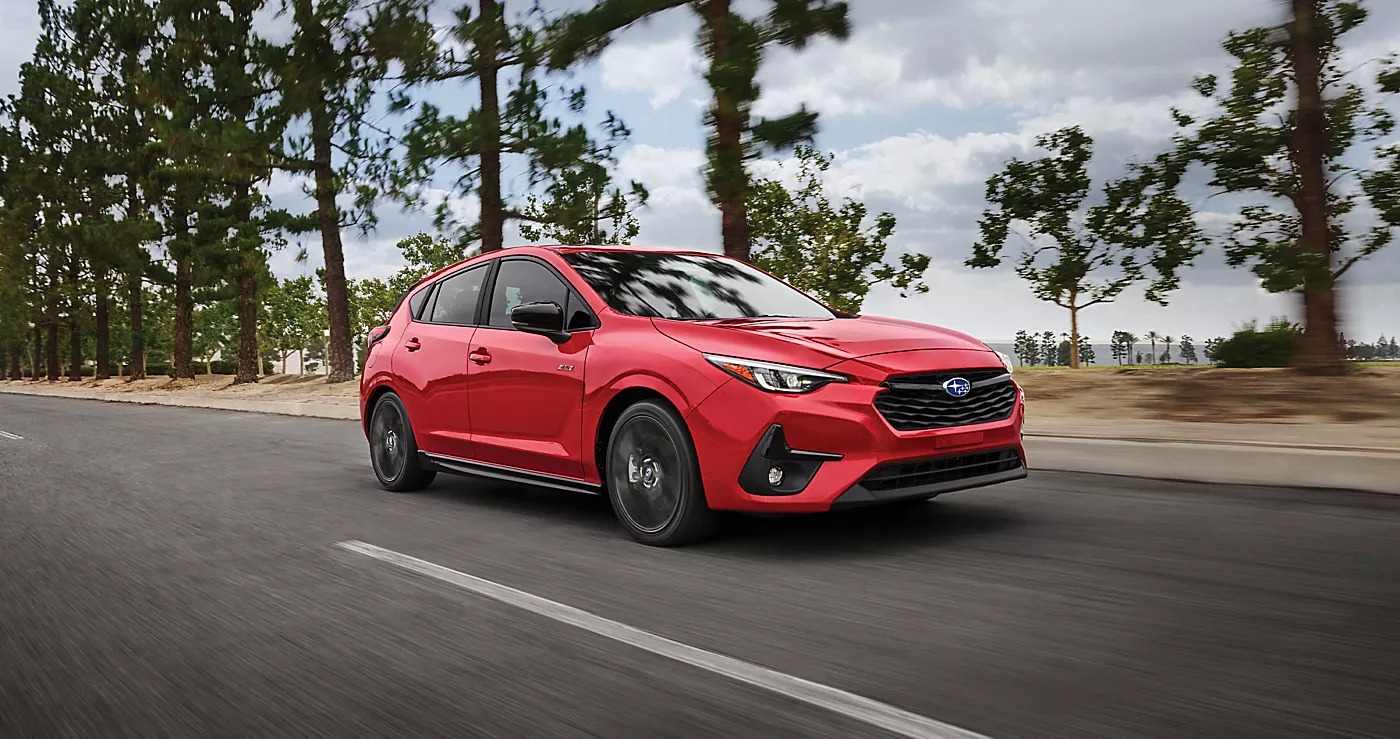
The Subaru Impreza is another car that often surprises drivers with how well it manages high mileage. It comes in both sedan and hatchback versions, and both are known for being durable when maintained properly. The Impreza is one of the most affordable Subarus to buy, yet it often delivers long-term service that matches more expensive models.
A major reason why the Impreza performs well is its simple engine design. Like other Subaru models, it benefits from the boxer layout, which gives stability and long-lasting performance. Owners who keep up with oil changes and avoid overheating usually see their Impreza cross the 200,000-mile mark without needing a complete engine replacement.
The Impreza is also popular among students and young professionals who need a dependable car on a budget. Even after years of heavy use, the vehicle does not easily give up. This is partly because Subaru kept the design straightforward, avoiding unnecessary systems that could become weak points as mileage rises.
Another advantage of the Impreza is that it is widely supported in terms of spare parts and mechanical knowledge. Because it is one of Subaru’s best-selling models, finding affordable parts and servicing is rarely a problem. Drivers who have owned their Impreza for over a decade often report that it still runs smoothly and is reliable for daily commuting.
The Impreza might not be as spacious as the Outback or Forester, but when it comes to handling mileage, it stands out as one of the better Subaru choices. It is dependable, affordable to maintain, and built to remain functional for many years, which makes it one of the trusted Subaru models for long-term ownership.
5 Subaru Models That Do Not Handle Mileage Well
1. Subaru Baja
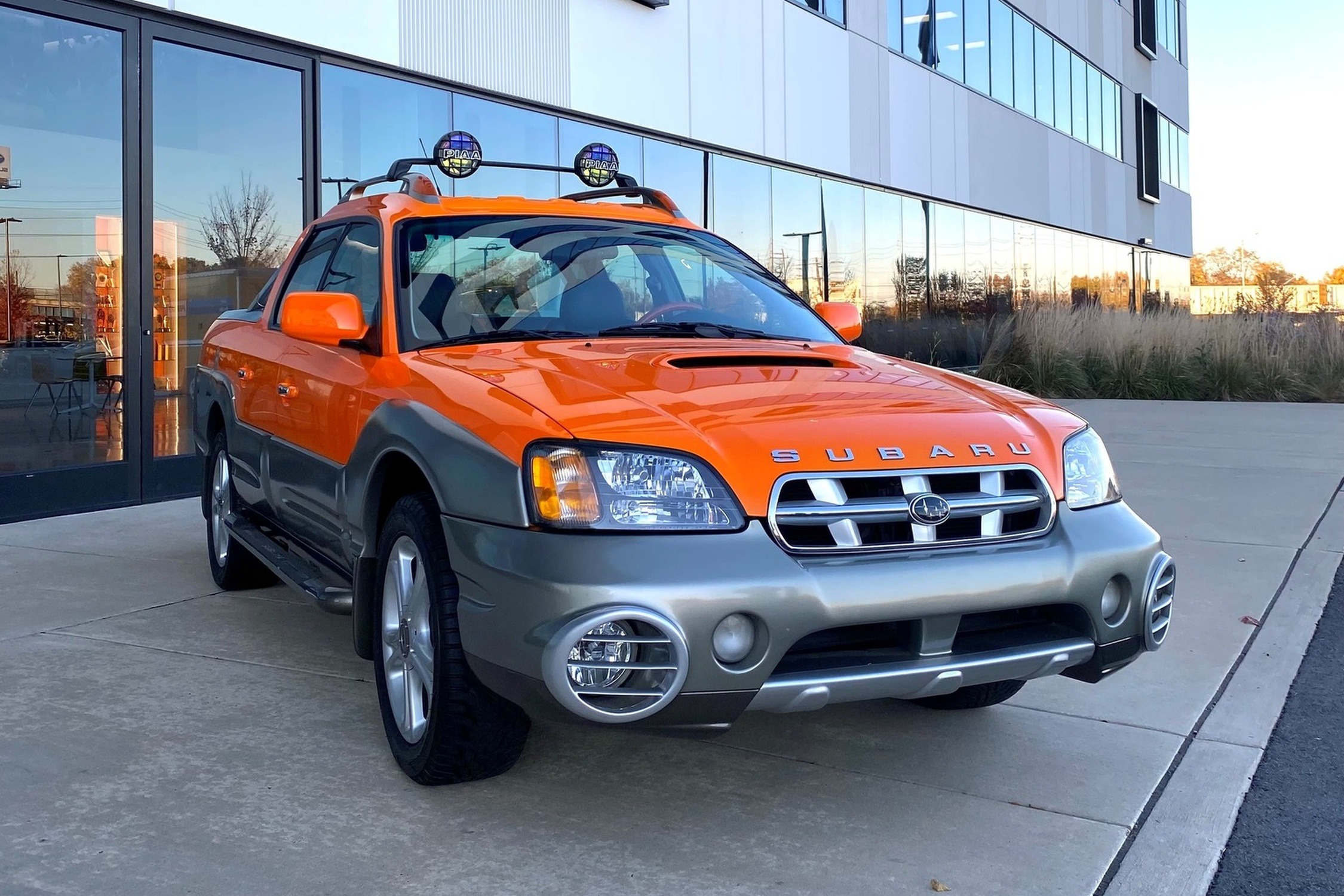
The Subaru Baja was an interesting experiment when it came out, combining features of a car and a small pickup truck. While the idea was creative, the reality is that the Baja has not been the strongest performer when mileage begins to climb.
Many owners have reported that once this model passes around 120,000 miles, different problems start appearing frequently. One of the biggest challenges with the Baja is its engine reliability. Like other older Subaru models, the Baja was affected by head gasket problems, which often led to expensive repairs.
Drivers who did not handle this issue early usually found themselves dealing with overheating and potential engine damage. This made it difficult for the Baja to maintain long-term value compared to other Subaru vehicles.
Another issue is the limited availability of parts. Since the Baja was not produced in high numbers and did not enjoy the same level of popularity as the Outback or Forester, finding specific components can be stressful. This makes maintenance more costly, especially when the car is older and has covered many miles.
Drivers also complained that the Baja did not age as gracefully as other Subaru models in terms of comfort and handling. The suspension and interior materials tended to wear faster, which made high-mileage versions less enjoyable to use. While it has its loyal group of owners who like the design, the reality is that the Baja does not have the long-lasting reputation that many other Subarus are known for.
For buyers who are looking for a Subaru that will still be dependable at high mileage levels, the Baja is not usually recommended. It is more likely to become a financial burden after a certain point, which explains why it is rarely mentioned among Subaru models known for long service life.
2. Subaru Tribeca
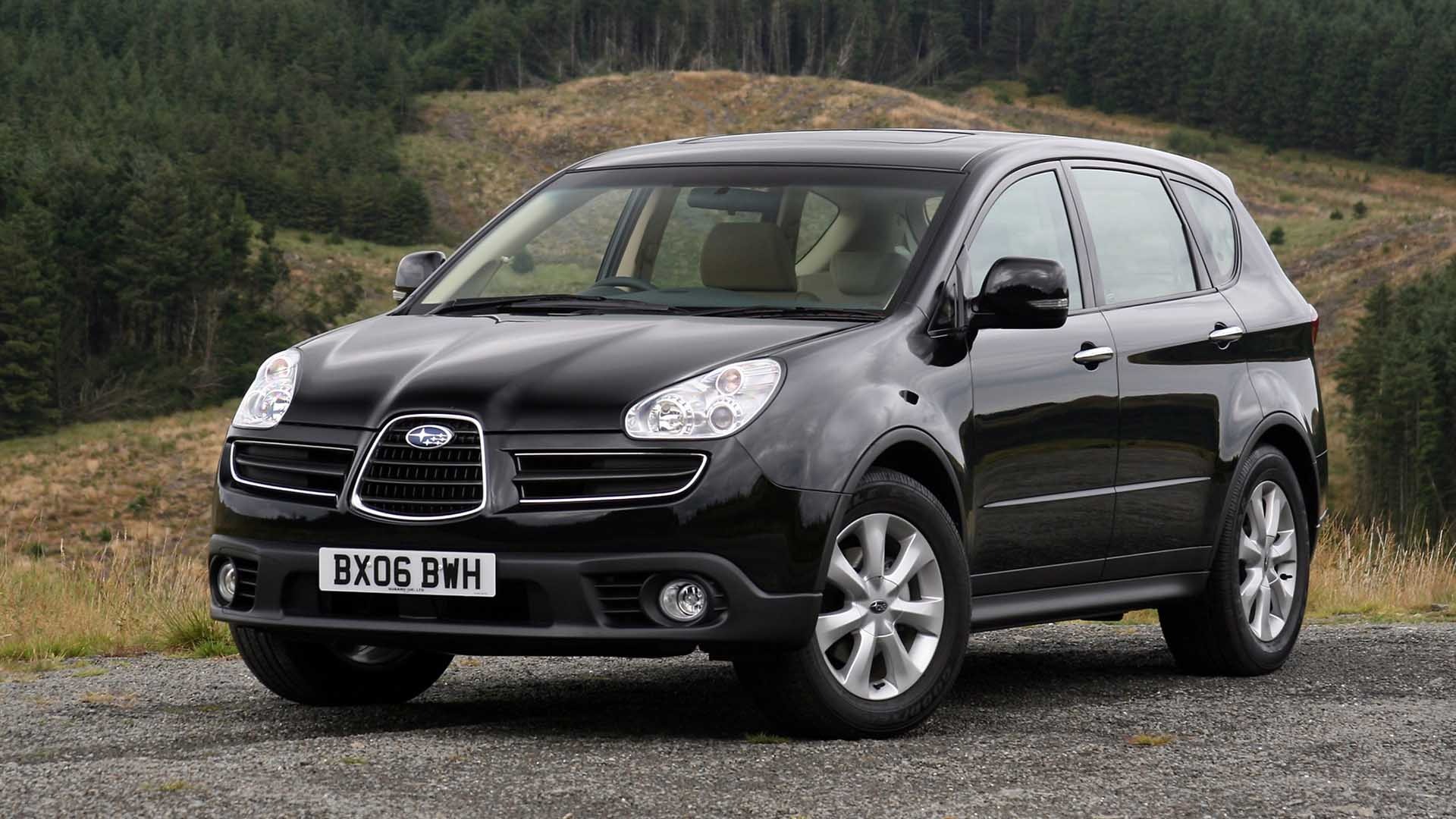
The Subaru Tribeca was Subaru’s attempt to enter the mid-size SUV market with a larger, family-focused vehicle. While the idea seemed promising, the Tribeca ended up struggling with long-term reliability. Owners often report that once mileage passes 100,000 miles, the vehicle begins to develop costly issues.
The biggest problem with the Tribeca is its engine design. The six-cylinder engine was intended to give it more power than smaller Subaru models, but it also came with higher repair costs. Timing chain problems and oil leaks became common as the miles increased, leaving owners with expensive service bills.
Unlike four-cylinder Subaru engines that can last much longer with proper care, the Tribeca’s six-cylinder design seemed less dependable. Another weakness of the Tribeca is its transmission. Drivers often reported that the automatic transmission started giving issues after the car had been used for many years.
Rebuilding or replacing the transmission is not cheap, and this made the Tribeca unattractive to keep once it had already recorded high mileage. Beyond the mechanical problems, the Tribeca also suffered from poor resale value. Since it was not very popular in the US, finding buyers for high-mileage units proved difficult.
Owners often ended up selling them for far less than expected, which added to the frustration of owning this SUV. While the Tribeca might serve well in its first few years, it does not manage aging as smoothly as other Subaru vehicles. For this reason, it is not a car that people usually recommend when looking for a Subaru that can handle very high mileage.
3. Subaru Ascent (Early Models)
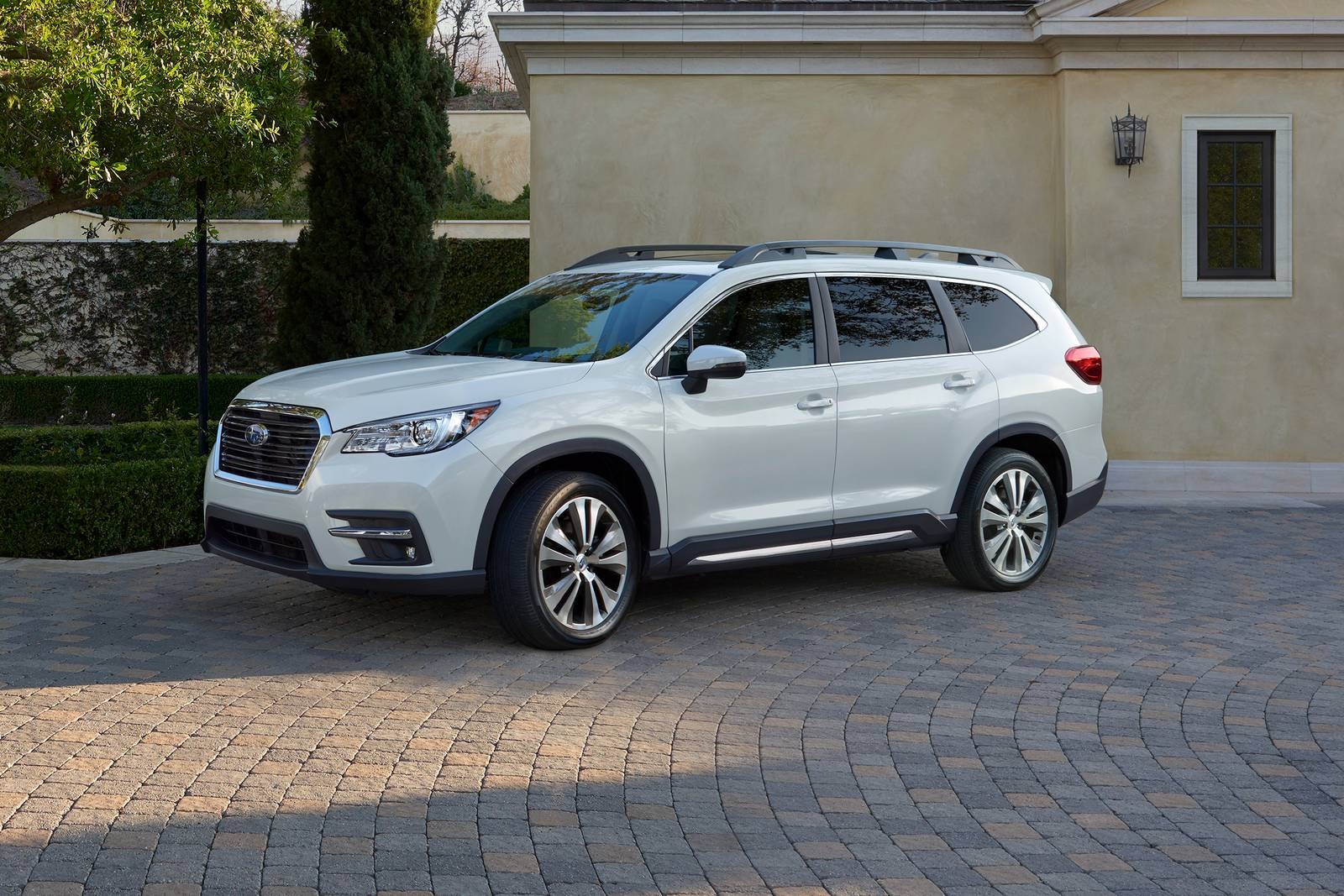
The Subaru Ascent was introduced as a larger SUV to replace the Tribeca, giving Subaru a new chance in the mid-size SUV category. While the newer versions of the Ascent have shown improvements, the early models had some issues that made them less reliable when mileage increased.
Owners of the first-generation Ascents often reported problems with the continuously variable transmission (CVT). The CVT was supposed to provide smooth driving and better fuel economy, but in reality, it sometimes developed failures after extended use. Transmission replacements or repairs are very expensive, making the Ascent less attractive for long-term ownership in its early years.
Another complaint with the Ascent is that it sometimes suffers from engine troubles related to oil consumption. Some drivers noticed that their vehicles were burning more oil than expected, especially as mileage increased. If not closely monitored, this could lead to engine wear and costly repairs.
The larger size of the Ascent also added to its maintenance expenses. Suspension parts and brake systems often wore faster because of the vehicle’s weight, which meant owners had to replace them more frequently. While this might be expected in bigger SUVs, it added extra cost for families who thought they were getting a long-lasting car.
Later versions of the Ascent have improved, but the early models still carry a reputation for struggling when the miles add up. For buyers considering a used Subaru Ascent, it is important to carefully check the production year and look into its maintenance history before committing to ownership.
4. Subaru WRX
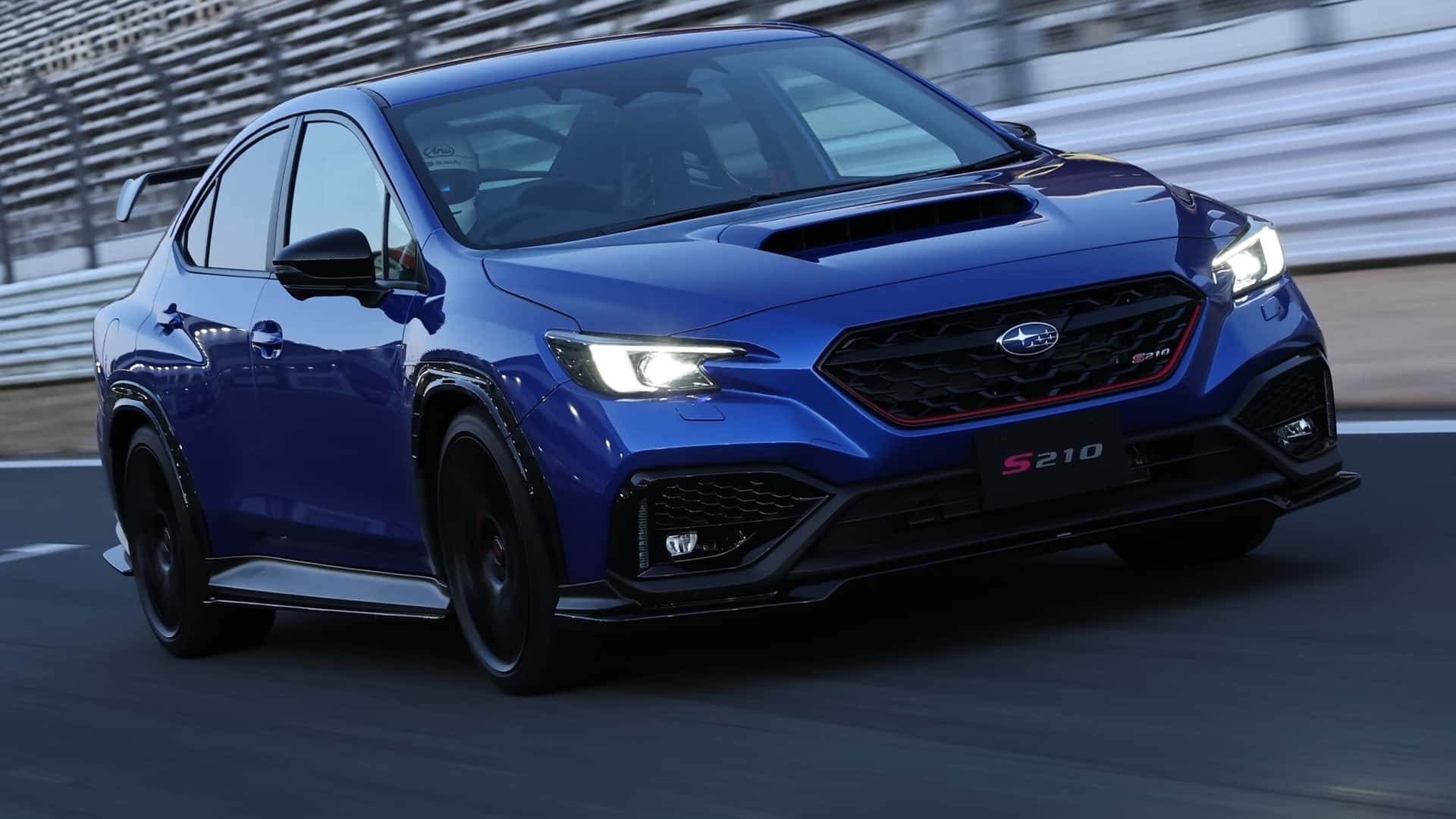
The Subaru WRX is loved for its sporty performance and rally car heritage. However, while it is fun to drive, it is not the strongest choice when it comes to handling very high mileage. Many owners buy the WRX for its speed and handling, but this often means the car is driven hard, which shortens its lifespan.
One major issue with the WRX is the strain on its turbocharged engine. While the turbo delivers impressive power, it also increases stress on engine components. As the miles build up, turbochargers, gaskets, and other parts often begin to fail, leading to expensive repairs. Unlike naturally aspirated Subaru engines that can last longer with basic care, the WRX tends to need more attention and money to keep it running well.
The transmission on the WRX is another weak point at high mileage. Owners who push the car aggressively often wear out the gearbox faster. Repairs or replacements can be costly, especially for older models that already have many miles on them.
Insurance and maintenance costs for the WRX are also higher compared to regular Subaru cars. Even when owners keep the car well-maintained, it rarely reaches the same high mileage levels as vehicles like the Outback or Forester. This makes it a less dependable choice for people who want a Subaru to last them many years.
While the WRX has a loyal following among driving enthusiasts, it is not the best pick for those who want a Subaru that can comfortably manage high mileage. Its sporty nature makes it fun for a while, but as it grows older, the maintenance burden often outweighs the excitement.
Also Read: 5 Subaru Legacy Years Worth Buying vs 5 With Bad Reliability
5. Subaru SVX
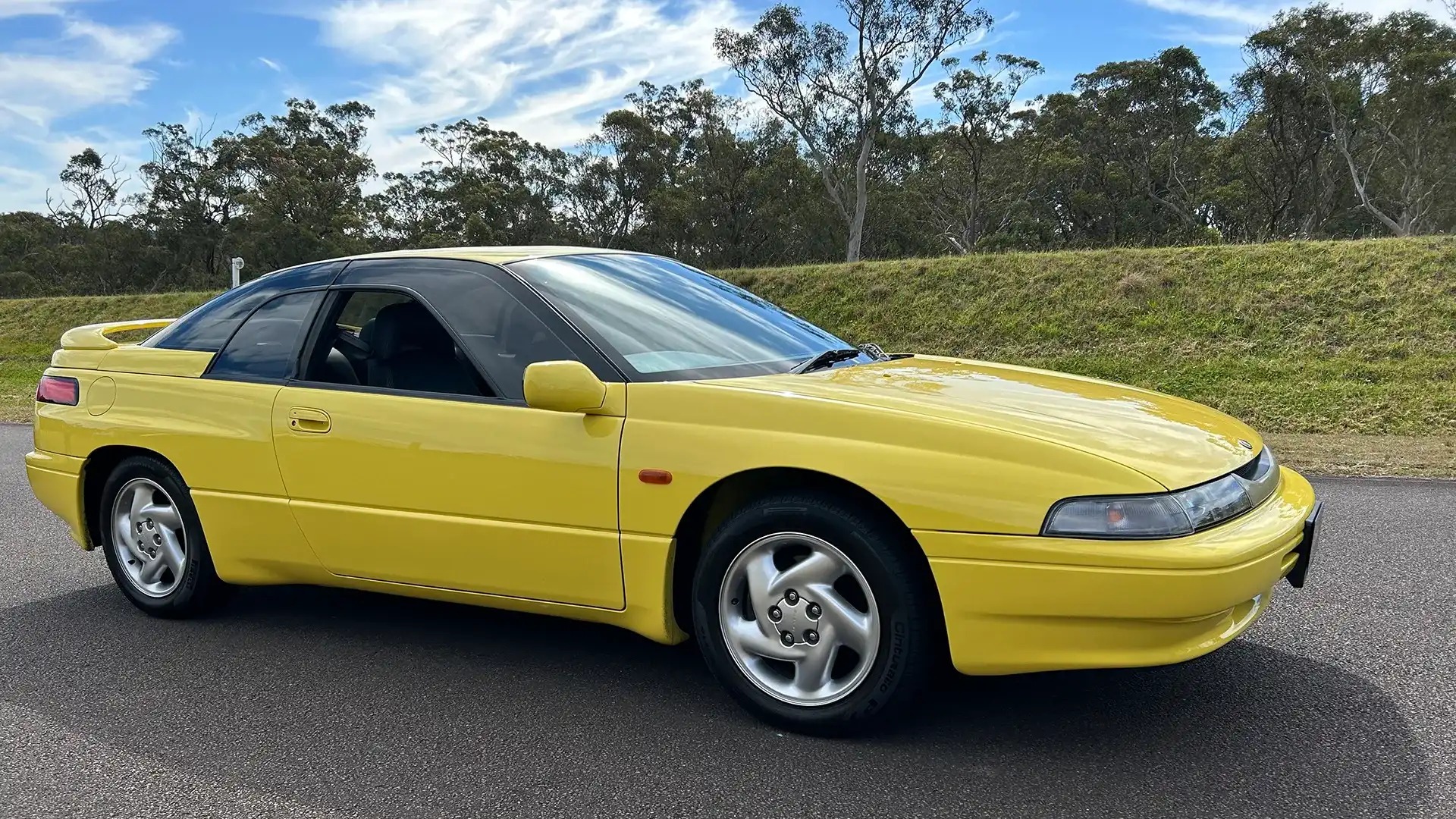
The Subaru SVX was a unique sports coupe produced in the 1990s. While it had an interesting design and strong performance for its time, it was not a vehicle that aged well. Owners who kept their SVX often found that as mileage increased, so did the number of mechanical problems.
The biggest weakness of the SVX is its automatic transmission. Many units developed transmission failures even before crossing very high mileage levels. Replacing the transmission was expensive, and because the car was not very common, finding parts was also a challenge. This made the SVX frustrating to own as it aged.
Engine problems were also reported in high-mileage SVX models. Oil leaks, cooling system failures, and timing chain wear often appeared as the car got older. Since the car was designed more as a specialty model, repairs were not as straightforward as other Subarus.
Another issue with the SVX is that it never had strong aftermarket support. Because of its limited production, owners of high-mileage units struggled to find affordable parts. This made long-term ownership unattractive compared to mainstream Subaru cars like the Legacy or Forester.
While the SVX has its group of collectors who value it for its uniqueness, it is not a car that can be recommended for someone who wants to manage high mileage easily. It demands too much maintenance and too many costly repairs once it gets older, making it one of the Subaru models that do not handle mileage well.
