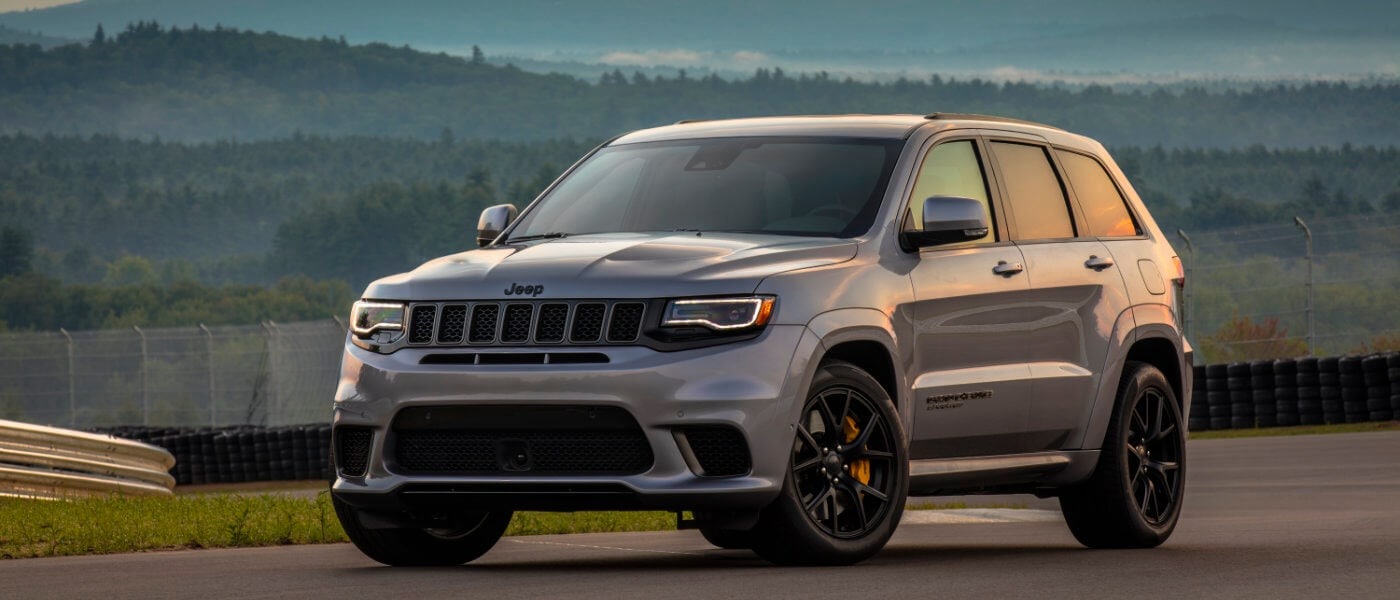
The Jeep Grand Cherokee has earned its reputation as one of the most versatile SUVs on the market. Unlike many vehicles that lean only toward city convenience or rugged adventure, the Grand Cherokee comfortably bridges both worlds.
Drivers value it for its comfort, luxury, and ability to take on dirt trails, rocky inclines, or sandy paths without hesitation. At the heart of its popularity is its rugged build combined with a dependable engine and advanced off-road features.
From adjustable terrain systems to powerful four-wheel drive options, the Grand Cherokee is designed to thrive in challenging environments where ordinary vehicles might struggle to survive.
Braking systems are another often-overlooked area. Safe off-road driving requires strong, responsive brakes, especially when descending steep slopes.
Thin pads or worn rotors can lengthen stopping distance dramatically, putting the driver and passengers at risk. Replacing worn components early is both affordable and essential.
Fluids and seals matter too. Oil, coolant, and brake fluid are the lifeblood of any vehicle. Even small leaks can cause big problems when driving far from service stations. A quick check before hitting the trail prevents costly and dangerous breakdowns.
Simple maintenance tasks, such as tightening suspension bolts, greasing moving joints, or replacing old hoses, are not glamorous.
Yet, these small actions often make the difference between a smooth adventure and being stranded in difficult conditions. Preventive care is a driver’s best tool.
The reassuring part is that most of these fixes are neither time-consuming nor expensive. They don’t require heavy modifications or advanced mechanical knowledge. With regular attention to details, anyone can keep their Grand Cherokee adventure-ready without draining their wallet.
Ultimately, small preventive fixes deliver peace of mind. By staying ahead of potential problems, drivers can focus on enjoying the journey rather than worrying about failures. The Jeep Grand Cherokee is built for adventure, but smart maintenance ensures it stays safe everywhere you go.
Also read: 12 Cars That Went From Unpopular to Everyday Sight
1) Check Tire Pressure and Condition
Tires are the most important connection between your Jeep Grand Cherokee and the ground beneath it. On off-road terrain, their role becomes even more critical. Good tires ensure stability, traction, and safety, while neglected tires increase risks of accidents, blowouts, and poor handling.
Proper tire pressure is one of the simplest yet most overlooked aspects of vehicle maintenance. Underinflated tires flex too much, build excessive heat, and wear unevenly.
Overinflated tires, on the other hand, reduce grip, especially on rocky or sandy trails, making control more difficult. Regular tire rotation helps distribute wear evenly across all four tires.
Off-road terrain can accelerate wear patterns, so rotating them at the recommended intervals maximizes tire lifespan. Balanced wear also ensures stable handling and braking performance, both of which are critical for safety.
Checking for embedded objects like nails, glass, or stones should be routine. Small punctures that remain unnoticed may cause slow leaks, leaving you stranded in remote areas. Catching these early allows for repair or replacement before they create bigger problems.
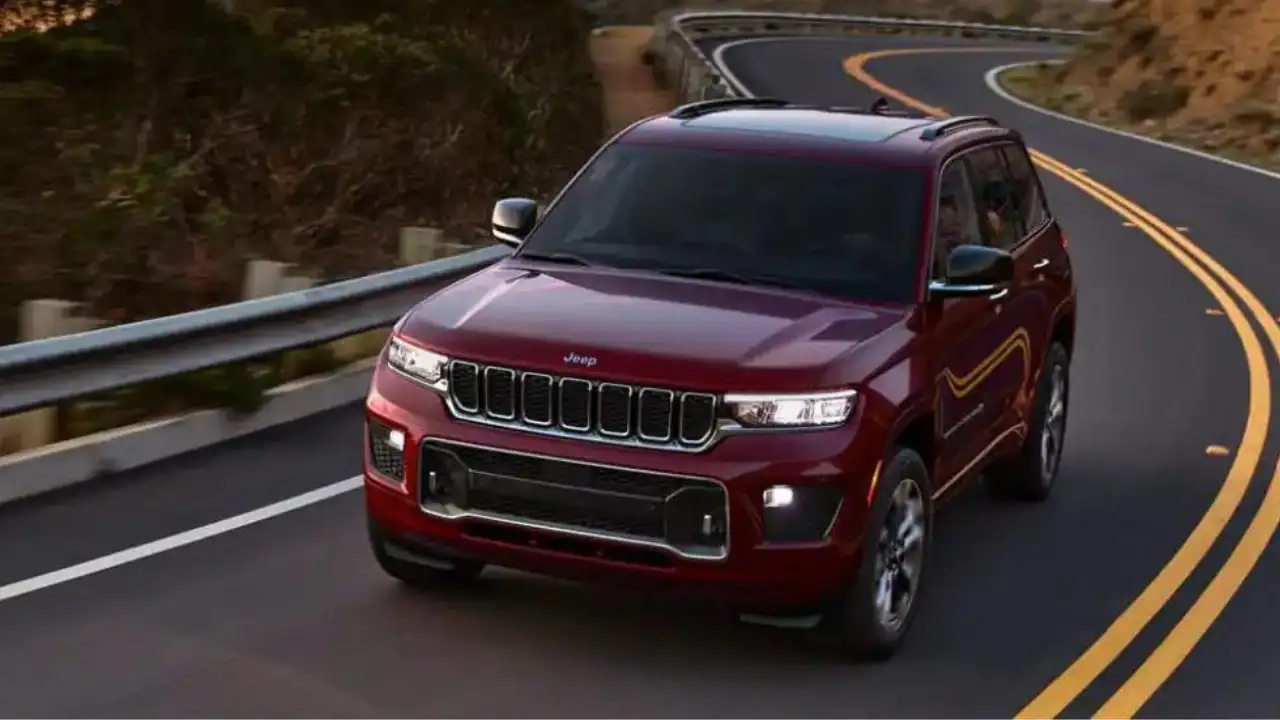
Carrying a portable tire inflator and pressure gauge is a smart move for off-road enthusiasts. Trails rarely offer convenient service stations, so having tools on hand to adjust pressure or reinflate after obstacles adds a valuable layer of safety.
Equally important is keeping a reliable spare tire in good condition. Many drivers overlook the spare until it is needed, only to discover it is underinflated or damaged. Ensuring the spare is ready can make the difference between continuing or getting stuck.
Ultimately, maintaining proper tire pressure and condition is not just about performance, but about safety. Tires are your Jeep’s foundation, and their health determines how well your SUV handles the challenges of off-road environments. Attention to this small fix ensures big peace of mind.
2) Tighten Suspension Components
The suspension system is the backbone of your Jeep Grand Cherokee’s off-road performance. It absorbs shocks, maintains stability, and ensures comfort over uneven terrain. If neglected, worn or loose suspension parts can compromise safety, making your SUV harder to control on rough trails.
Off-road conditions are unforgiving on suspension components. Every bump, rock, and rut adds stress to bolts, bushings, and shocks.
Unlike smooth highways, trails expose your Jeep to vibrations and impacts that gradually loosen parts. Regularly checking and tightening them keeps your ride safe.
Loose suspension bolts may not sound like a big issue, but they can lead to serious problems. A single loose connection reduces handling precision and stability. On steep climbs or sudden turns, this could be the difference between control and disaster.

Bushings, which cushion joints and reduce vibrations, also wear faster during off-road driving. Cracked or deteriorated bushings allow excess movement, creating knocking sounds and uneven handling. Replacing them when worn is inexpensive and prevents long-term damage to other suspension components.
Lubrication is another simple but powerful maintenance step. Joints, ball bearings, and pivot points that lack proper lubrication wear out faster under off-road strain.
Applying grease regularly reduces friction, improves suspension life, and keeps movement smooth even over the roughest terrain.
Drivers should also listen carefully for warning signs. Squeaks, rattles, or clunks when going over bumps indicate suspension trouble. Ignoring these early signals risks larger repairs later. Paying attention to these noises can save both money and prevent trail breakdowns.
In the end, tightening suspension components may seem like a small fix, but it plays a massive role in safety. With every part secure and properly maintained, your Jeep Grand Cherokee handles better, responds faster, and keeps you confident on rugged adventures.
3) Replace Worn Brake Pads
Brakes are the single most important safety feature of any vehicle, and for the Jeep Grand Cherokee, their importance is amplified off-road.
Steep slopes, rocky trails, and sudden obstacles demand responsive braking power. Worn pads can quickly turn an adventure into a dangerous situation.
Brake pads wear down gradually, making it easy for drivers to ignore the early warning signs. However, squealing noises, longer stopping distances, or a soft brake pedal indicate the need for replacement. Ignoring these signals increases both repair costs and safety risks.
Off-road drivers especially need strong, reliable brakes for uneven terrain. A worn pad reduces friction against the rotor, forcing the system to work harder. On steep inclines or during sudden stops, this lack of grip can result in dangerous loss of control.
Replacing brake pads before they are fully worn prevents damage to the rotors. Once the pads wear too thin, the metal begins grinding against the metal, causing deep rotor grooves. Rotor replacement is significantly more expensive than simply replacing pads at the right time.
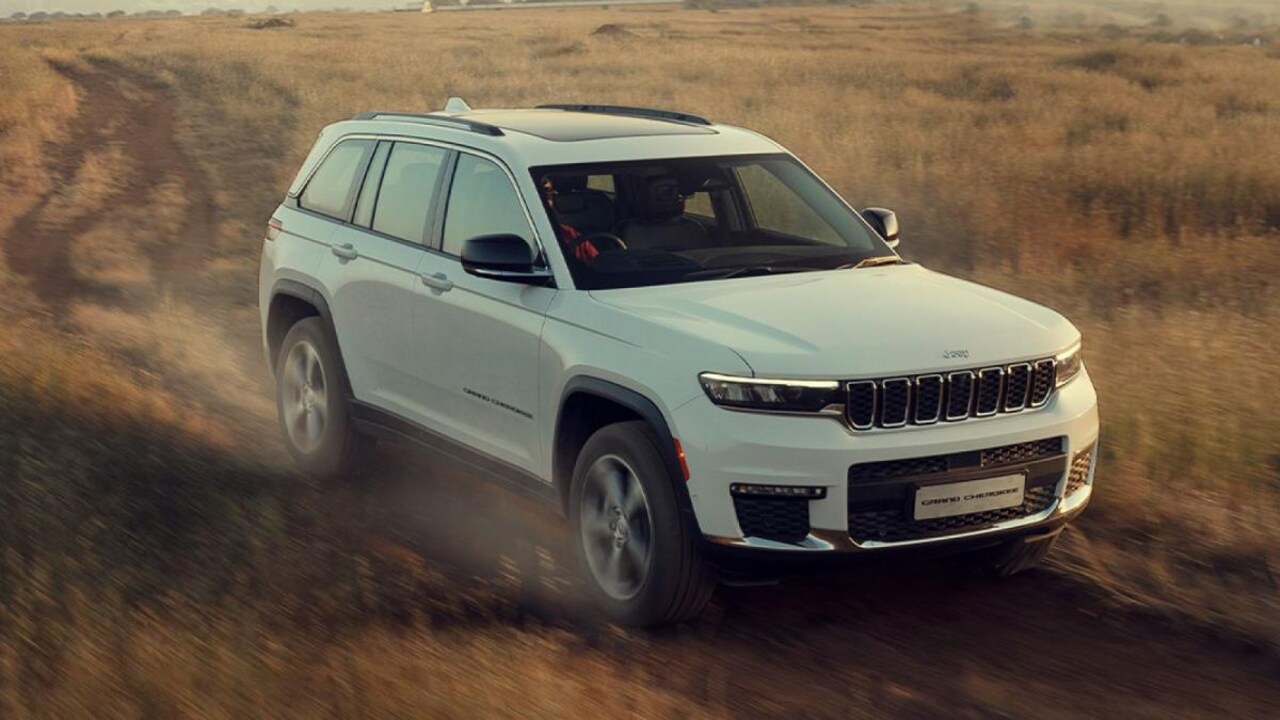
When choosing new pads, quality matters. Off-road driving benefits from heavy-duty or ceramic brake pads, which handle heat and wear better than standard options. While they may cost slightly more, their durability and performance make them a smart investment for adventurous drivers.
Drivers should also avoid riding the brakes unnecessarily, especially during long descents. Continuous pressure overheats pads, causing brake fade, where performance drops sharply.
Instead, applying short, firm braking intervals combined with engine braking keeps pads cooler and more effective.
Replacing worn brake pads is a small maintenance task that carries enormous importance. Safe braking means safe driving, particularly when trails demand precision. By staying proactive with this fix, you ensure your Jeep Grand Cherokee is always ready for the challenge.
4) Inspect Steering Linkages
The steering linkage connects your steering wheel to the wheels themselves, allowing precise maneuvering. Components such as tie rods, pitman arms, and ball joints work together.
If even one part becomes loose or worn, the entire steering system can feel sloppy or unresponsive. Off-road conditions are especially punishing on steering linkages.
Rocks, uneven ruts, and constant vibrations strain these components more than daily highway driving ever could. Small amounts of wear can quickly escalate into steering play, reducing your ability to handle sudden obstacles.
One of the clearest signs of steering trouble is excess play in the wheel. If your steering feels loose, delayed, or requires frequent corrections, a linkage component likely needs attention. Addressing this early ensures safer handling in unpredictable terrain.
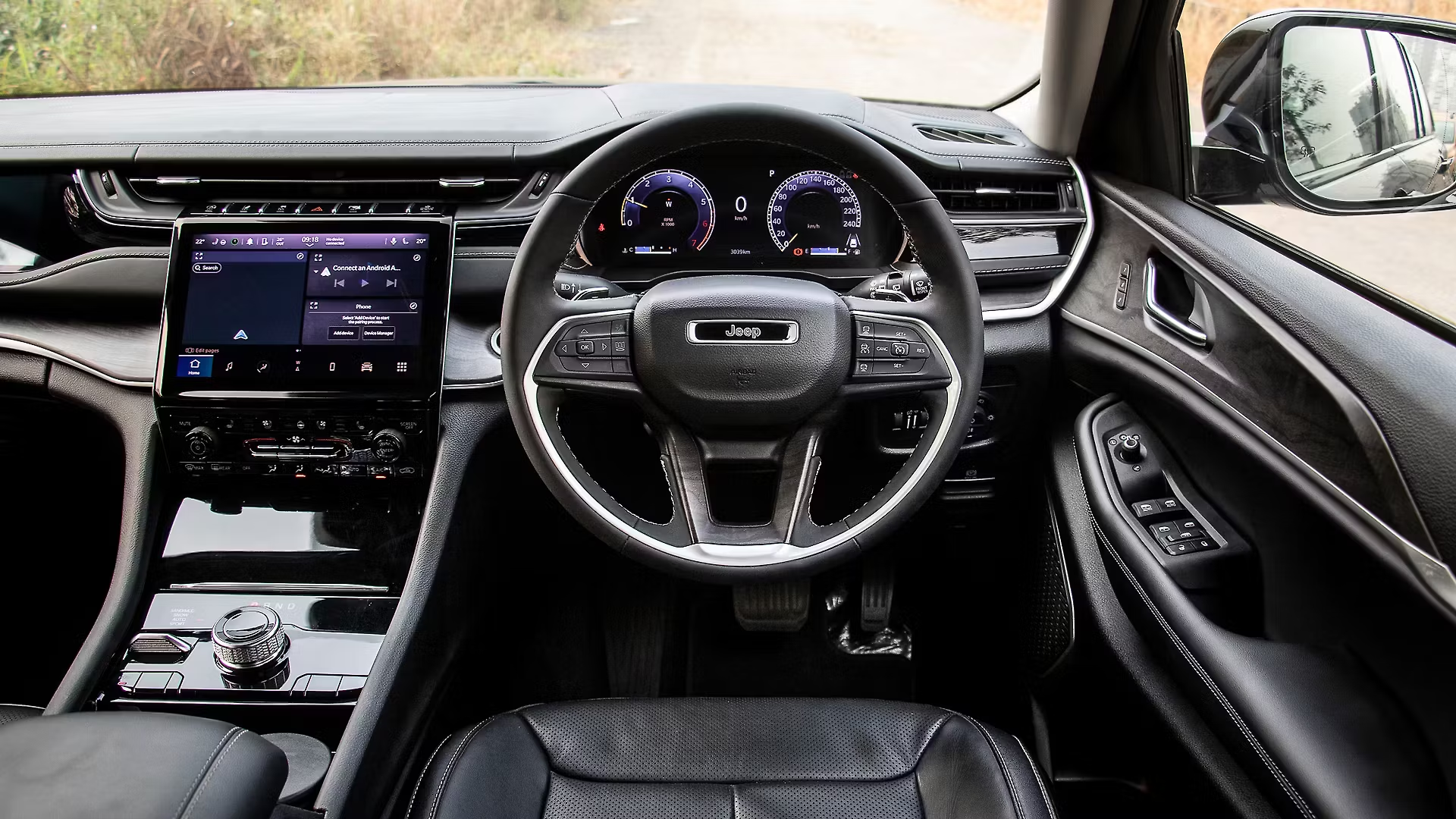
Tie rods are particularly vulnerable during off-road driving. They absorb a lot of the force from steering and can bend or wear prematurely. A damaged tie rod may cause uneven tire wear or misalignment, reducing both safety and vehicle performance.
Neglecting steering maintenance doesn’t just affect handling; it increases the risk of dangerous situations. Poorly maintained steering can cause uneven responses during tight turns or sudden evasive maneuvers, which are common off-road. This puts unnecessary stress on tires and other suspension components.
Ultimately, inspecting steering linkages is a simple but powerful way to maintain safety. Ensuring tie rods, ball joints, and connections remain secure keeps your Jeep Grand Cherokee responsive, stable, and ready for challenges. Control is everything, and strong steering guarantees it off-road.
5) Check and Seal Fluid Leaks
Fluids are the lifeblood of your Jeep Grand Cherokee, keeping everything from the engine to the brakes running smoothly. Off-road driving places heavy demands on these systems, meaning even small leaks can quickly turn into serious breakdowns far from help.
Engine oil is one of the most important fluids to monitor. It lubricates internal components, reducing heat and friction. A slow oil leak may seem minor on city streets, but on trails, low oil levels can quickly cause engine overheating or failure.
Brake fluid is another critical fluid that demands regular attention. Even a small leak in brake lines or connections compromises hydraulic pressure, reducing braking performance. On steep inclines or rough terrain, this could lead to a complete inability to stop safely.
Transmission fluid leaks also deserve close inspection. This fluid not only lubricates gears but also allows smooth power transfer. If transmission levels drop, gear shifting becomes rough or unresponsive. On rocky terrain, a slipping transmission can quickly put you in a dangerous situation.
Power steering fluid, often overlooked, is vital for responsive handling. Without it, the steering wheel becomes stiff and unmanageable.
Imagine trying to turn sharply on a narrow trail with little power assist. It’s both exhausting and dangerous without proper fluid levels.
Identifying leaks early starts with regular visual inspections. Checking beneath your Jeep for puddles or spots after parking reveals potential problems. Oil often leaves brown or black stains, coolant leaves green or orange puddles, while transmission fluid usually appears red.
Carrying extra fluids on off-road trips is a smart practice. Oil, coolant, and brake fluid take little space but provide peace of mind. If a minor leak occurs on the trail, topping up temporarily allows you to return safely for proper repairs.
Checking and sealing fluid leaks is a simple but vital fix. Each fluid plays a critical role, and neglecting one can jeopardize the entire system. By staying ahead of leaks, your Jeep Grand Cherokee remains safe, reliable, and trail-ready.
Also Read: 5 Pickups That Rarely Have Brake Failures vs 5 That Constantly Do
6) Upgrade to Stronger Skid Plates
The underside of your Jeep Grand Cherokee faces constant threats when traveling off-road. Rocks, stumps, and uneven terrain can strike vulnerable parts like the oil pan, transmission, or fuel tank. Skid plates act as armor, protecting these components from costly or dangerous damage.
Factory skid plates provide some protection, but they are often designed for light off-road use. For drivers tackling rocky trails or challenging routes, upgrading to stronger aftermarket skid plates is a small but smart fix that greatly improves safety.
The fuel tank is another vulnerable area. A damaged tank not only risks leaks but also poses a fire hazard. Reinforced skid plates shield the tank from sharp rocks or logs, preventing dangerous accidents and keeping your Jeep running without interruption.
Exhaust systems also benefit from protection. Trails often have obstacles that can dent or crush exposed piping. Once damaged, exhaust leaks reduce performance and efficiency. Skid plates prevent such impacts, keeping the system intact and extending its lifespan under rough use.
Aftermarket skid plates are typically made from steel or aluminum. Steel provides maximum strength but adds weight, while aluminum offers lighter protection with rust resistance. Choosing the right material depends on the type of terrain you most frequently encounter.
Installation is relatively simple and often requires basic tools. Many aftermarket options are designed specifically for the Grand Cherokee, making them easy to fit without modifications. This small upgrade adds lasting protection with little hassle for owners who enjoy trail driving.
Drivers should also remember that skid plates are preventive, not invincible. While they shield components from most impacts, aggressive driving or extreme terrain can still cause damage. Using caution and combining protection with smart driving habits delivers the best safety results.
Ultimately, upgrading to stronger skid plates is an investment in peace of mind. This small fix shields vital parts, prevents costly repairs, and allows you to focus on the adventure rather than worrying about underbody damage. Off-road confidence begins with protection.
Also read: 5 Pickups That Hold Resale Value vs 5 That Plummet
7)Replace Old Belts and Hoses
Belts and hoses are often overlooked during maintenance, yet they play critical roles in your Jeep Grand Cherokee’s performance. These small components keep essential systems running smoothly.
When they fail, the results can be sudden and severe, especially during demanding off-road conditions. Hoses carry vital fluids like coolant and power steering fluid.
Over time, heat, pressure, and exposure to dirt cause hoses to weaken. Cracks, bulges, or leaks are early warning signs. A burst hose off-road can lead to overheating and breakdowns.
Rubber naturally deteriorates with age, regardless of mileage. Even if your Jeep isn’t driven daily, time alone causes belts and hoses to harden, crack, or lose flexibility. This makes preventive replacement essential, not only based on mileage but also on vehicle age.
Off-road conditions accelerate wear on these components. Constant vibrations, temperature changes, and exposure to mud or water increase stress. A belt that might last years in city driving can fail much sooner when regularly exposed to trail conditions and rough environments.
Regular inspection is the first line of defense. Squealing noises, visible cracks, or frayed edges on belts signal replacement time. Similarly, soft, spongy, or brittle hoses should never be ignored. These warning signs are clear indicators of imminent failure risks.
When replacing, always use high-quality parts designed specifically for the Grand Cherokee. Aftermarket options may be cheaper but sometimes lack durability. Investing in OEM or premium-quality components provides better performance and longer life under the stress of off-road driving.
Replacing old belts and hoses is a small fix with big benefits. These simple components keep critical systems functioning, and maintaining them prevents unexpected failures. Off-road adventures are safest when every belt and hose is ready for the challenge.
8)Secure Battery Connections
Your Jeep Grand Cherokee relies heavily on its battery for power, not just for starting the engine but also for running essential systems like lights, electronics, and accessories. Off-road conditions expose battery connections to extra stress, making secure connections absolutely critical.
Bumpy trails and rocky terrain create constant vibrations that can loosen battery terminals. A loose connection may cause sudden power loss, leaving you unable to restart the engine. In remote locations, this could mean being stranded far from assistance or safety.
Regular inspection is the simplest way to prevent trouble. By checking for looseness, frayed cables, or buildup on terminals, you can catch problems early. Cleaning and tightening connections takes only minutes yet prevents potential breakdowns during demanding off-road adventures.
A wire brush and a simple baking soda solution effectively clean corrosion. After cleaning, applying a protective terminal grease reduces future buildup.
This small step ensures reliable current flow, keeping your Grand Cherokee’s electrical systems functioning properly in all conditions.
Battery hold-down brackets are equally important. Off-road vibrations can cause the battery to shift if not properly secured. A moving battery risks damaging cables or even tipping, which may cause dangerous electrical shorts. Ensuring the battery is stable prevents such hazards.
Drivers should remember that a failing battery often shows early signs, such as slow engine cranking or dim headlights.
If these symptoms persist despite secure connections, it may indicate the battery itself needs replacement, rather than just cable maintenance.
Securing battery connections is a simple fix that ensures peace of mind. A strong, clean, and stable electrical link keeps your Jeep Grand Cherokee starting reliably and powering essentials. In off-road adventures, dependable battery performance is non-negotiable for safety.
9) Keep Lights in Top Shape
Visibility is one of the most important aspects of safe off-road driving. Trails often take you into remote areas with little to no lighting. Your Jeep Grand Cherokee’s lights are essential for spotting obstacles and ensuring other drivers can see you.
Headlights are the most obvious component, but they require more than just functionality. Off-road environments expose lights to mud, dust, and water.
Cloudy lenses or weak bulbs significantly reduce visibility, especially at night. Regular cleaning and timely bulb replacement are vital for safety.
Brake lights and turn signals shouldn’t be overlooked. On narrow trails or group rides, clear signals help others follow your movements.
If brake lights fail, trailing vehicles may not stop in time, creating avoidable accidents. Small bulbs make a huge safety difference.
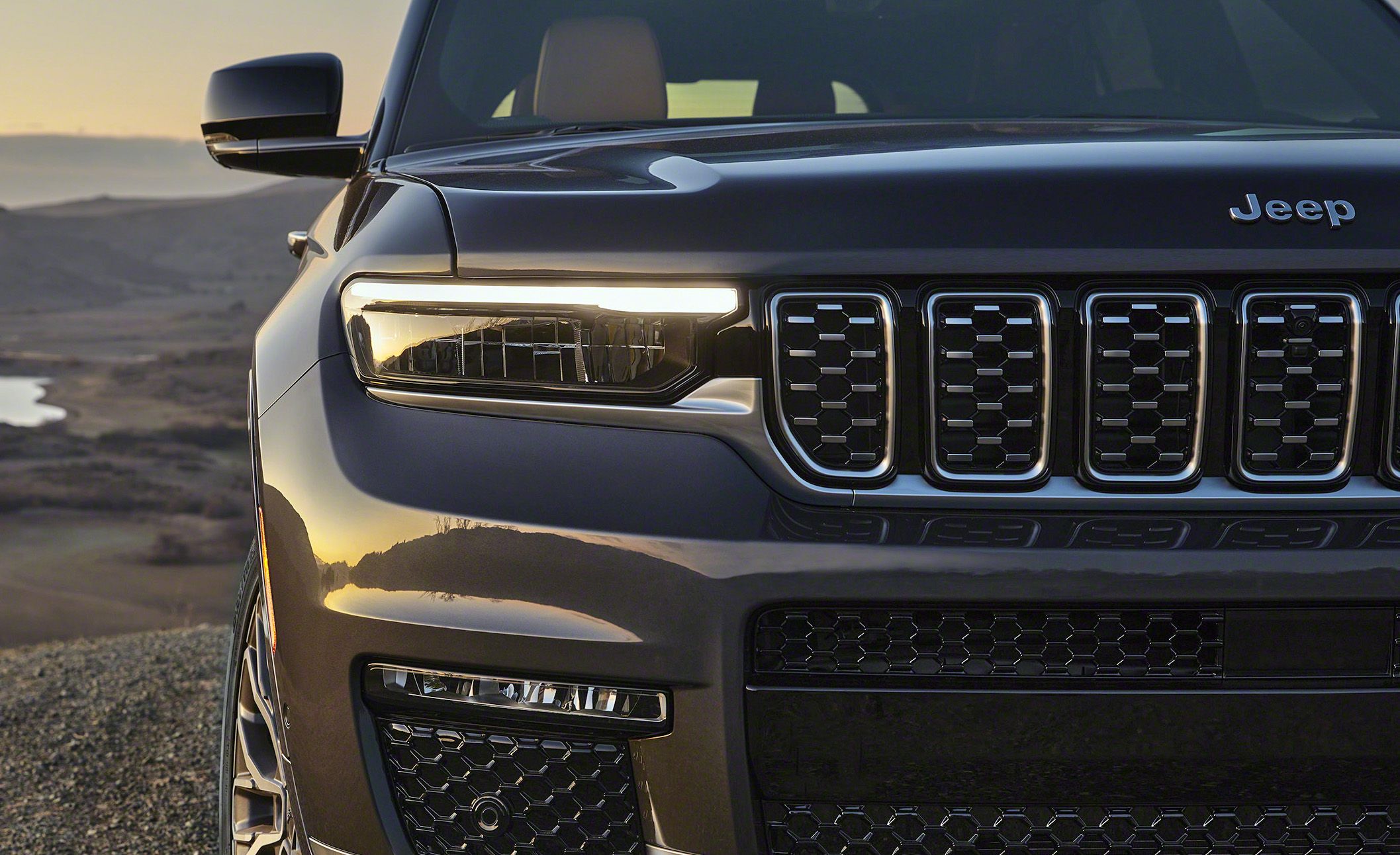
Wiring issues are another potential problem. Off-road vibrations can loosen connections or expose wires.
Damaged wiring can cause flickering lights or complete failure. Regular inspection ensures wires remain intact, protected, and securely connected to maintain dependable lighting performance.
Upgrading to LED lights is a popular and practical fix. LEDs last longer, shine brighter, and use less energy compared to traditional halogen bulbs. For adventurous drivers, adding auxiliary LED light bars provides wider coverage on dark, open trails.
Routine testing before heading out ensures all lights function properly. Asking a friend to check brake lights or signals while you operate controls takes only moments. Identifying failures before hitting the trail prevents accidents and unnecessary risks during the drive.
Keeping lights in top shape is about much more than convenience, it’s about safety and control. Bright, reliable lighting gives you confidence when tackling darkness, fog, or dust, ensuring your Jeep Grand Cherokee remains visible, responsive, and safe off-road.
10)Grease Joints and Moving Parts
Your Jeep Grand Cherokee relies on multiple moving parts to perform smoothly, and many of these parts experience heavy stress during off-road driving. Without proper lubrication, components like U-joints, CV joints, and hinges wear prematurely, increasing risks of failure and costly repairs.
Grease reduces friction between metal parts that constantly move against one another. When lubrication is lacking, these parts generate heat, grind together, and wear down quickly. Off-road terrain multiplies stress, making lubrication even more critical for long-term durability and performance.
U-joints are particularly vulnerable because they handle the transfer of power between the transmission and driveshaft. On rugged trails, U-joints endure twisting forces at extreme angles. Keeping them greased ensures smoother power transfer and prevents sudden failure, which can immobilize your Jeep.
CV joints, found in the axles, also require attention. They allow flexibility for suspension movement and steering. If grease leaks out due to damaged boots, dirt and moisture enter, accelerating wear. Regularly greasing and inspecting these joints extends lifespan and avoids costly replacements.
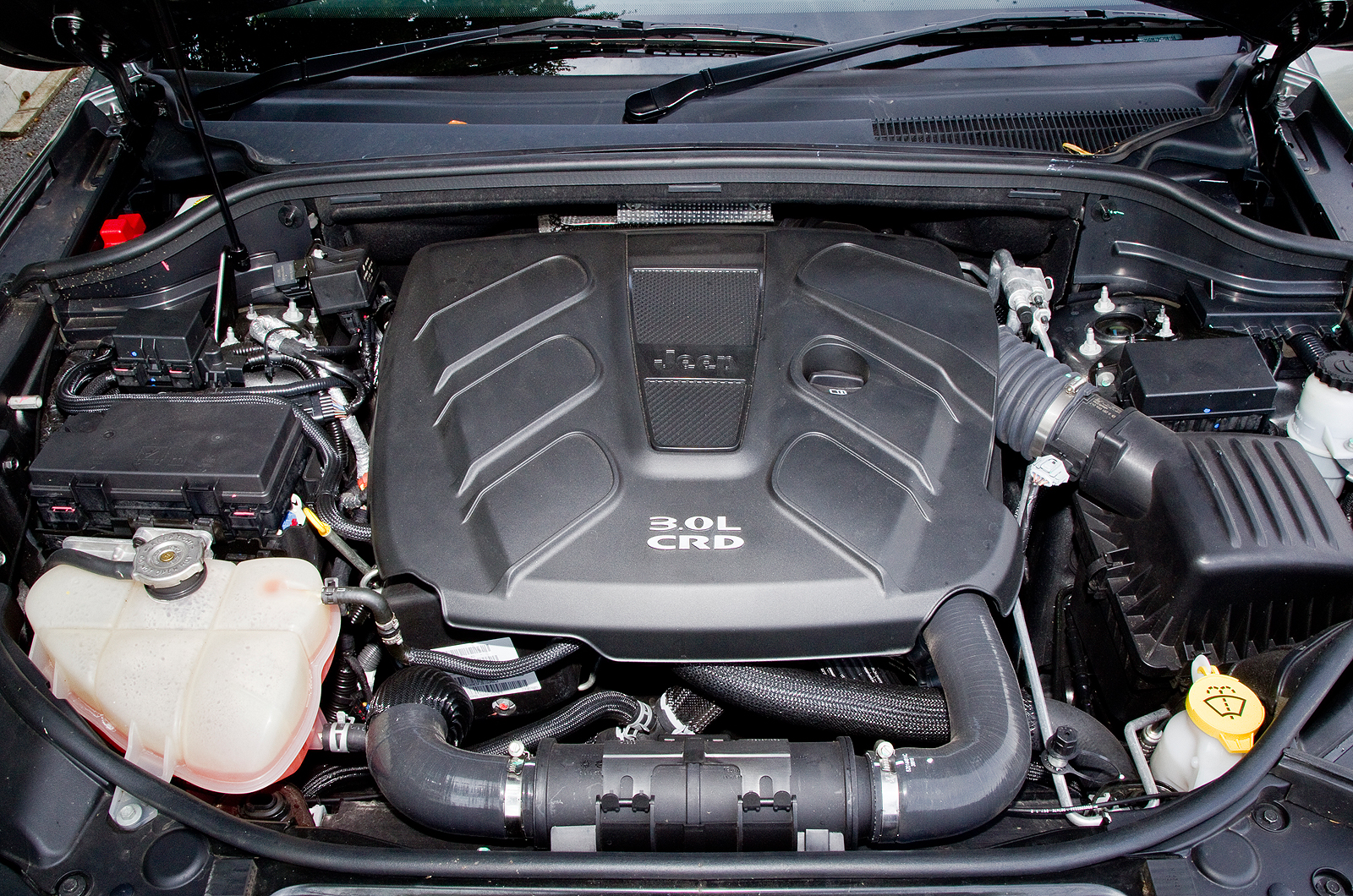
Door hinges, hood hinges, and tailgate latches are often forgotten, yet they too, need lubrication. Off-road exposure to mud, dust, and water causes rust buildup, making them stiff or squeaky. A little grease keeps them moving freely and prevents corrosion.
Suspension components, such as ball joints and control arm bushings, also benefit from greasing. Proper lubrication helps absorb shocks more effectively, improving comfort and handling. Without grease, these parts grind against each other, creating noise and eventually leading to dangerous mechanical failures.
Listening for squeaks, clunks, or grinding noises is another way to identify lubrication problems. These sounds are often early signs of dry joints or failing components. Addressing them quickly with proper grease keeps your vehicle running smoothly and safely.
Greasing joints and moving parts may seem like a small, routine task, but it plays a huge role in off-road safety and reliability. By reducing friction and preventing wear, this fix keeps your Jeep Grand Cherokee trail-ready for years.
Also read: 5 Hybrids That Run Cheap Forever vs 5 That Cost Too Much to Fix