
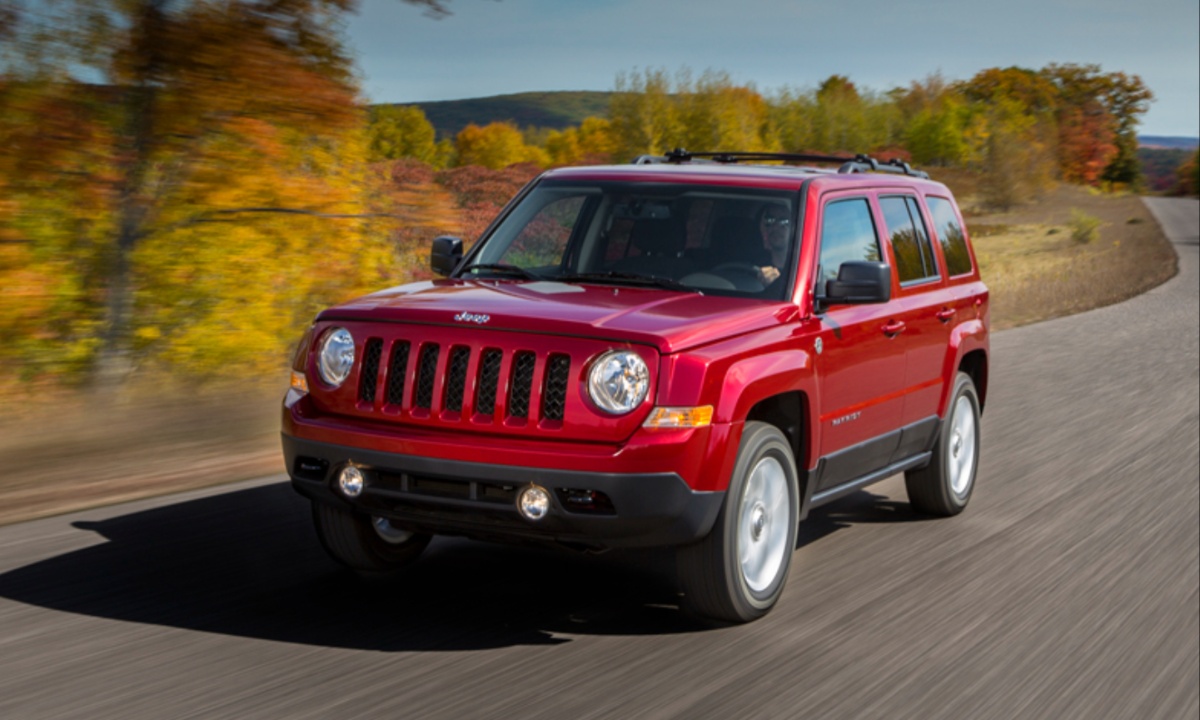
The Jeep Patriot has long been one of the most affordable ways to own a vehicle wearing the iconic seven-slot grille. Positioned as a compact SUV with rugged styling and optional off-road ability, it appealed to budget-minded buyers who wanted Jeep character without the higher costs of a Wrangler or Grand Cherokee.
However, its mixed reputation means not every model year is worth considering. Some versions proved surprisingly reliable, offering solid safety scores, decent equipment, and strong value for money, while others were plagued with transmission failures, water leaks, and frustrating electrical issues.
For used car shoppers, knowing which years deliver dependable performance and which ones to avoid can make the difference between a smart investment and an expensive headache. In this guide, we break down five of the best Jeep Patriot years to buy, along with five years you’re better off skipping, helping you shop with confidence.
5 Jeep Patriot Years Worth Buying
1. 2014 Jeep Patriot
The 2014 Jeep Patriot is considered one of the strongest years for this model, thanks to improvements introduced after the 2011 facelift. Reliability ratings are respectable, with J.D. Power awarding a score of 75/100 and RepairPal giving it a 4.0 out of 5.
Owner complaints remain relatively modest, and the National Highway Traffic Safety Administration reported only two recalls. Safety features were strengthened, as front-side airbags became standard across all trims, along with full-length curtain airbags.
In crash testing, the Patriot earned four out of five stars from government regulators, with a particularly strong performance in side-impact testing, though it scored just three stars in frontal crashes.
The Insurance Institute for Highway Safety rated it “Good” in several categories but “Poor” in the small overlap frontal test. These ratings make the 2014 Patriot a reasonably dependable and adequately safe option in its class.
Two engines are available for the 2014 Jeep Patriot. The base 2.0-liter four-cylinder generates 158 horsepower, while a 2.4-liter engine producing 172 horsepower is offered on higher trims and all-wheel-drive models.
Buyers can choose among three transmissions: a five-speed manual, a newly added six-speed automatic, and a continuously variable transmission (CVT).
The six-speed automatic is a notable improvement, providing better drivability than the CVT, though performance remains modest, with 0–60 mph times ranging between 9.4 and 10.3 seconds. Fuel economy is competitive but not class-leading, with estimates from 21 to 26 mpg combined depending on engine and drivetrain.
Jeep also offers the Freedom-Drive II system with low-range gearing and hill descent control, enhancing off-road ability but limiting efficiency due to its mandatory pairing with the CVT.
The driving dynamics of the 2014 Patriot reveal both strengths and limitations. Acceleration is sluggish, particularly with the CVT, while the six-speed automatic provides only a slight improvement, often hampered by slow gear changes during passing or climbing grades.
Ride quality is stiff, with the suspension struggling over uneven pavement, and the cabin suffers from intrusive wind, tire, and engine noise. Handling is steady but uninspiring, emphasizing utility rather than driver engagement.
While the Patriot maintains the rugged appearance and spirit of a traditional Jeep, its road manners are less refined than many small SUVs in the same category.
Inside, the 2014 Patriot emphasizes durability but lacks the refinement found in rival crossovers. Hard plastics dominate the cabin, especially in the base Sport trim, which omits conveniences like air-conditioning and power windows.
On the positive side, the front seats offer decent support for longer trips, and higher trims add reclining rear seats for better comfort. Technology trails competitors, with an outdated touchscreen interface and limited smartphone connectivity.
Cargo capacity is one of the vehicle’s weakest points: just 23 cubic feet behind the rear seats and 53.5 cubic feet with seats folded. This falls well short of competitors such as the Honda CR-V and Ford Escape, which provide substantially greater storage.
While features like a flashlight, cargo lamp, and optional tailgate speakers add character, they cannot fully compensate for the limited practicality.
The 2014 Patriot’s appeal rests on its affordable starting price, classic Jeep styling, and available off-road systems. However, once desirable features are added, pricing becomes similar to stronger rivals.
The Ford Escape and Kia Sportage deliver better interiors, stronger engines, and greater cargo space, while the Subaru XV Crosstrek and Jeep Cherokee offer more serious off-road ability at higher costs. For budget-minded shoppers, the Nissan Rogue Select presents a more balanced alternative at nearly the same price.
The Patriot delivers the essentials of compact SUV ownership with Jeep character, but buyers who prioritize refinement, interior space, or engaging performance may find competing models more satisfying.
2. 2009 Jeep Patriot
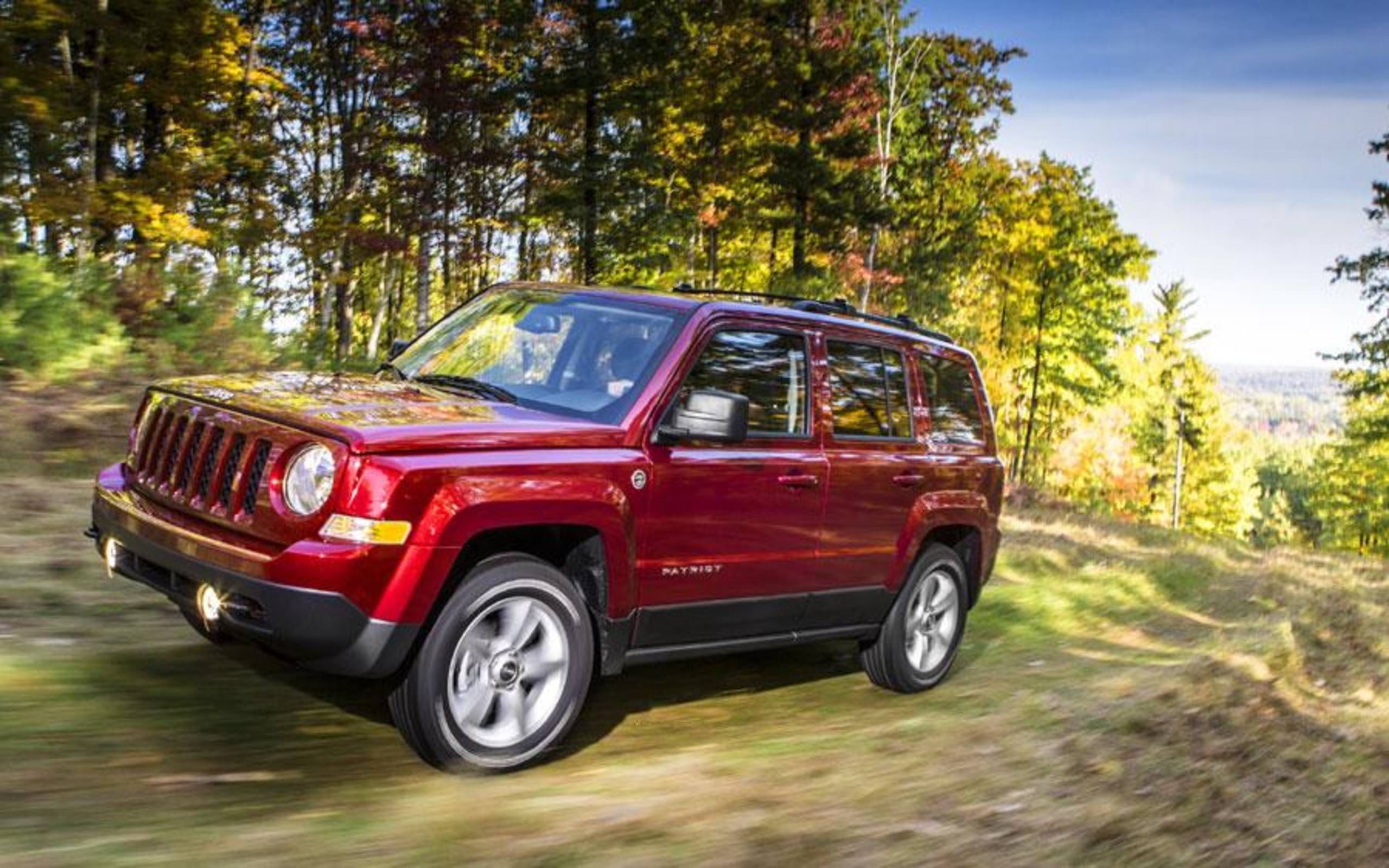
For secondhand buyers seeking value, the 2009 Jeep Patriot is one of the more appealing pre-facelift models. With a J.D. Power reliability score of 78/100 and a RepairPal rating of 4.0 out of 5, this version offers above-average dependability.
NHTSA recorded only one recall and 273 complaints, which is relatively modest for the segment. Jeep also improved noise insulation and suspension tuning for a more comfortable ride compared to earlier models.
Standard safety features include antilock brakes, traction and stability control, rollover mitigation, and side curtain airbags. Optional front-seat side airbags further improve protection.
Crash tests were mixed: government testing gave it four stars for driver protection and five stars for passengers, while the IIHS awarded top “Good” ratings in frontal offset and side tests (with side airbags installed). Buyers should confirm recall repairs, particularly for potential airbag issues and powertrain control module concerns.
The 2009 Patriot offers two engine choices: a 2.4-liter inline-four producing 172 horsepower and 165 pound-feet of torque, or a 2.0-liter four-cylinder with 158 horsepower available only on front-wheel-drive Sport models with the CVT.
Transmission options include a five-speed manual or a continuously variable transmission (CVT). Front-wheel drive is standard, with two four-wheel-drive systems available: the light-duty Freedom Drive I and the off-road-ready Freedom Drive II, which requires the CVT.
Fuel economy varies depending on configuration, with the 2.0-liter engine rated at 23 mpg city/27 mpg highway, while the 2.4-liter engine averages 21–23 mpg combined depending on drivetrain. The Freedom Drive II package reduces efficiency to 21 mpg combined but increases off-road capability significantly.
On the road, the 2009 Patriot offers a mixed driving experience. The 2.4-liter engine provides adequate power on paper, but real-world acceleration feels sluggish, especially with the CVT, which is slow to respond and holds the engine at high RPMs during heavy throttle, creating an unpleasant noise.
The smaller 2.0-liter engine delivers even less satisfaction. Handling is acceptable for the class, though steering feedback is vague and uninspiring. Ride quality, however, is reasonably composed over bumps, thanks to the suspension refinements introduced this year.
The Patriot shines brightest when equipped with the Freedom Drive II off-road package, which includes 9 inches of ground clearance and low-range gearing, making it one of the most capable off-roaders in the compact SUV segment.
The cabin of the 2009 Patriot received upgrades to improve comfort and usability. Jeep added padded armrests, a revised dashboard layout, and an optional Uconnect multimedia system with Bluetooth, music storage, and even movie playback on the dash-mounted screen.
Despite these efforts, the interior still suffers from cheap hard plastics, rattling panels, and unimpressive fit and finish. The front seats are supportive, but visibility is limited by a high beltline, and the steering wheel lacks telescoping adjustment.
Cargo space is also underwhelming, maxing out at just over 54 cubic feet with the rear seats folded, a figure smaller than some subcompact cars. On the positive side, unique features such as the liftgate-mounted Boston Acoustics speakers and a removable, easy-to-clean cargo floor add some practicality and fun.
The 2009 Jeep Patriot remains attractive to buyers because of its low entry price, Jeep-inspired styling, and genuine off-road capability with the right package. However, in versions without the off-road upgrades, its appeal quickly fades due to lackluster performance, limited cargo space, and cheap interior quality.
Rivals such as the Honda CR-V, Subaru Forester, and Toyota RAV4 deliver stronger engines, higher-quality cabins, and far more practicality for daily driving.
For shoppers prioritizing rugged looks and real trail capability at a budget price, the Patriot still holds some merit. Yet for those seeking refinement and utility, other compact SUVs from the same era provide a more rewarding ownership experience.
3. 2013 Jeep Patriot
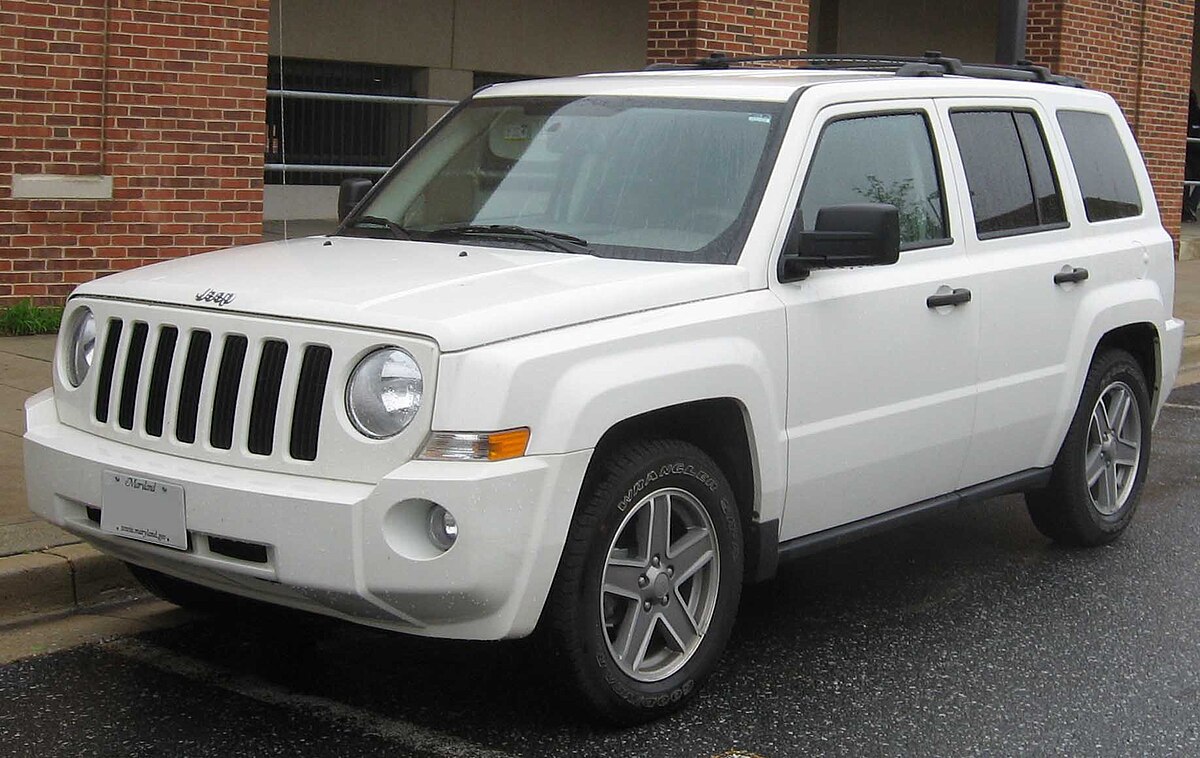
The 2013 Jeep Patriot is one of the more affordable compact SUVs on the market, with pricing that undercuts most competitors. According to Kelley Blue Book, 73% of owners recommend it, praising ergonomic comfort and general reliability.
There was only one recall affecting this model year, tied to airbags and seatbelts across several Chrysler and Dodge vehicles, and reported complaints were relatively few. While the Patriot remains an inexpensive choice, the low price is largely the result of missing features in the base Sport trim.
Items such as air-conditioning, power windows, and power locks are not included, forcing buyers to upgrade and quickly diminishing the price advantage. Still, with a RepairPal reliability rating of 4.0 out of 5, the Patriot provides dependable service for those prioritizing budget over refinement.
The 2013 Patriot offers two engine options: a 2.0-liter four-cylinder with 158 horsepower and a larger 2.4-liter engine delivering 172 horsepower. Transmission choices include a five-speed manual and a continuously variable transmission (CVT), though the CVT is widely criticized for poor responsiveness and noisy operation.
In Edmunds testing, the 2.4-liter Patriot equipped with the Freedom-Drive II package took 10.3 seconds to reach 60 mph, making it one of the slowest compact crossovers in its class.
Fuel efficiency is also unremarkable, with the 2.0-liter front-wheel-drive version rated up to 23/30/26 mpg, while the more capable Freedom-Drive II setup lowers efficiency to just 20/23/21 mpg. These figures trail behind rivals that offer stronger engines and superior mileage.
Driving dynamics are one of the Patriot’s weakest areas. Neither engine provides satisfying highway power, and the CVT amplifies this problem with excessive droning under acceleration. The manual transmission adds some liveliness but does little to offset the lack of speed.
Handling is uninspired, with vague steering and limited refinement compared to competitors. Ride comfort is compromised further when equipped with the Freedom-Drive II off-road system, as the added capability reduces both fuel economy and daily usability.
Still, this package remains one of the few advantages for the Patriot, giving it genuine off-road potential uncommon in this segment. For buyers who prioritize light trail use, this Jeep has merit, but it struggles to satisfy in everyday city or highway driving.
Inside, the 2013 Patriot looks utilitarian and falls short of the refinement seen in most rivals. Hard plastics dominate the cabin, and the base trim feels especially bare without standard power accessories. The front seats are reasonably comfortable, but rear legroom is limited, particularly in the cramped center seat.
Technology also lags behind, with an outdated touchscreen interface and minimal smartphone integration. Some clever features stand out, such as a removable cargo lamp that doubles as a flashlight and optional Boston Acoustics speakers that flip down from the liftgate for tailgate parties.
However, cargo capacity is limited, with only 23 cubic feet behind the rear seats and 53.5 cubic feet when folded, considerably smaller than competitors like the Honda CR-V and Subaru Forester, which offer 20 cubic feet more space.
When measured against rivals, the 2013 Jeep Patriot struggles to compete in most categories. While it boasts low pricing and Jeep-inspired styling, its lack of standard features, unimpressive fuel economy, and weak acceleration place it behind stronger alternatives.
The Kia Sportage, Hyundai Tucson, and Nissan Juke offer more refinement and better value once the Patriot’s options are factored in. For off-road enthusiasts on a strict budget, the Freedom-Drive II package provides trail capability at a lower cost than vehicles like the Wrangler or Nissan Xterra.
Still, these models are far more capable off-road and more enjoyable on-road. For most buyers seeking a practical, family-friendly compact SUV, the Patriot fails to meet expectations, leaving competitors as more appealing choices.
4. 2017 Jeep Patriot
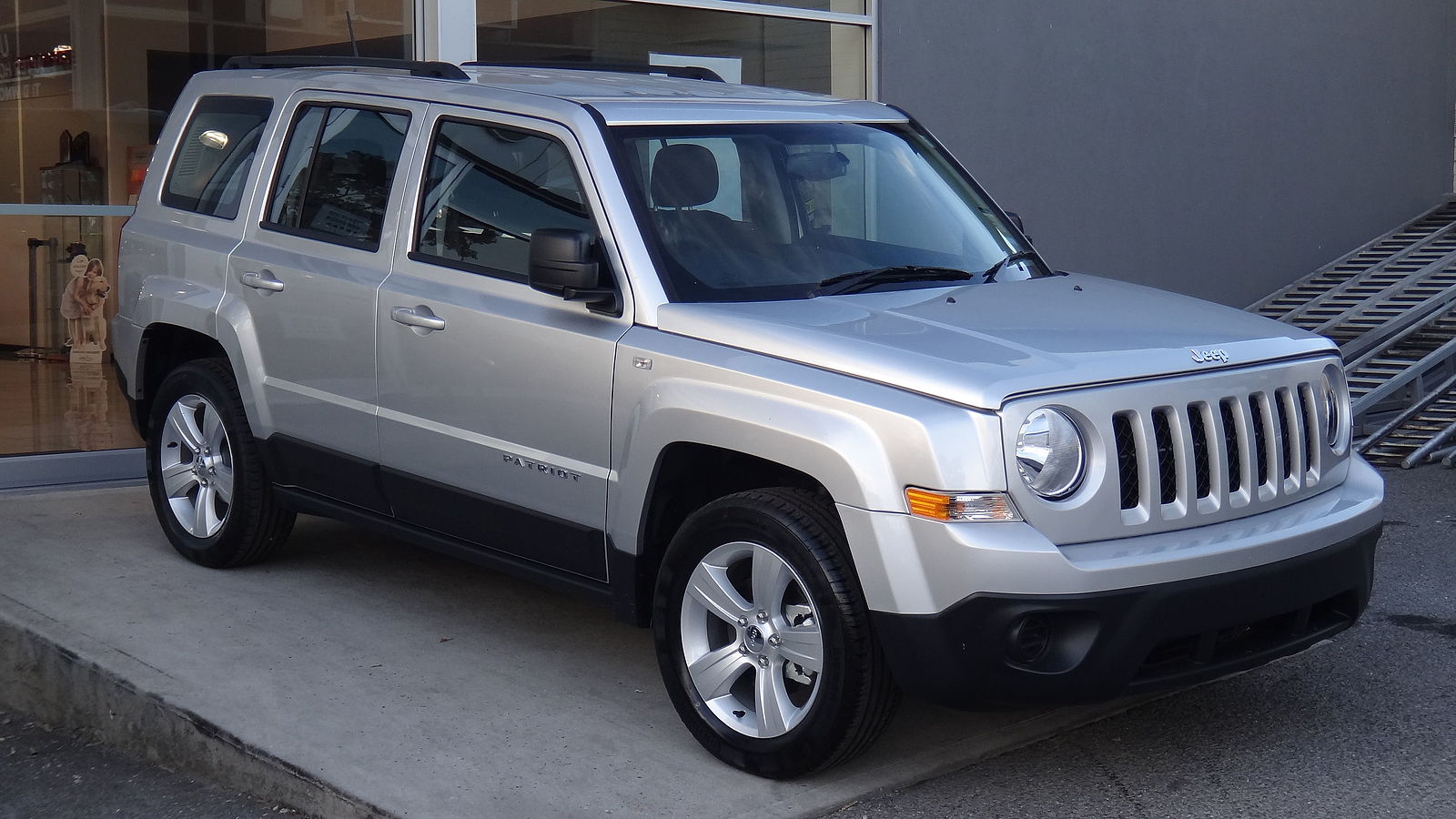
The 2017 Jeep Patriot represents the final production year for this compact SUV, and buyers targeting this model benefit from the most up-to-date factory changes. Reliability is a strong point compared to earlier years, with a J.D. Power score of 78/100, a RepairPal rating of 4.0/5, and no official recalls reported by the NHTSA.
Complaints are relatively few at just 53, making the 2017 Patriot the least troublesome version of the nameplate. Carfax estimates the annual likelihood of repairs at 18%, which is competitive within its class. Pricing remained one of its primary selling points, as the Patriot undercut many rivals by thousands of dollars when new.
However, once buyers added basic features absent in the entry-level Sport trim, such as power windows and air-conditioning, the cost advantage narrowed quickly.
The 2017 Patriot offered two engines: a 2.0-liter four-cylinder with 158 horsepower and a 2.4-liter with 172 horsepower. Transmission choices included a five-speed manual, a six-speed automatic, and a Jatco-sourced CVT that is best avoided due to its long-term reliability risks and sluggish response.
With Freedom Drive II, the Patriot could handle mild off-road situations, but acceleration suffered badly, with both engines feeling underpowered. Edmunds testing showed the Patriot to be painfully slow compared to rivals, even with the larger engine.
Fuel efficiency is another weak spot, with EPA combined ratings as low as 21 mpg when paired with Freedom Drive II. Competitors like the Honda HR-V and Mazda CX-3 achieve closer to 30 mpg, leaving the Patriot at a disadvantage for buyers prioritizing efficiency.
On the road, the 2017 Patriot delivers an outdated driving feel that lags behind more modern crossovers. The smaller 2.0-liter engine suffers most from noise, vibration, and harshness, while the 2.4-liter improves somewhat when paired with the six-speed automatic.
Unfortunately, the CVT amplifies the lack of refinement, producing droning noises and sluggish acceleration. Ride quality is stiff, with the suspension struggling over broken pavement and city streets. Wind and tire noise intrude heavily into the cabin at highway speeds, making long drives tiring.
Handling is only adequate, with noticeable body roll in corners, though the compact size helps with maneuverability. The Freedom Drive II system remains one of the Patriot’s few highlights, providing light off-road ability that is rare in this class, albeit at the cost of efficiency and speed.
Inside, the 2017 Patriot continues to reveal its decade-old design. Hard plastics dominate the cabin, and the tilt-only steering wheel can compromise comfort. The base Sport trim is particularly sparse, lacking basic power accessories and air-conditioning, while higher trims remain simple compared to competitors.
Front seats are reasonably comfortable, but rear passengers face tight legroom and a low seat cushion that reduces comfort on longer trips. The optional 6.5-inch Uconnect system provides Bluetooth, SiriusXM, and other modern features, but it feels outdated compared to the 8.4-inch version in other Jeep models.
Cargo space is modest at 23 cubic feet behind the rear seats and 53.5 cubic feet with them folded, adequate for subcompacts but trailing larger rivals like the Honda CR-V. Some unique features, such as optional flip-down tailgate speakers, add a touch of personality.
By its final year, the Jeep Patriot struggled to remain competitive in the growing small SUV segment. Its outdated interior, unimpressive ride quality, and weak acceleration made it less appealing than rivals.
The Patriot does hold appeal for budget-conscious buyers seeking Jeep styling and light off-road ability at a low cost, but the drawbacks are hard to overlook. Competitors such as the 2017 Honda HR-V, Mazda CX-3, and Jeep’s own Renegade offer more refinement, better fuel economy, and more modern interiors.
Safety ratings were mixed, with the NHTSA awarding four stars in total but only three stars for frontal impacts, which is concerning. For those prioritizing reliability and affordability, the 2017 Patriot is the best choice of its run. Still, most shoppers will find greater long-term satisfaction in newer and more advanced small crossovers.
5. 2007 Jeep Patriot
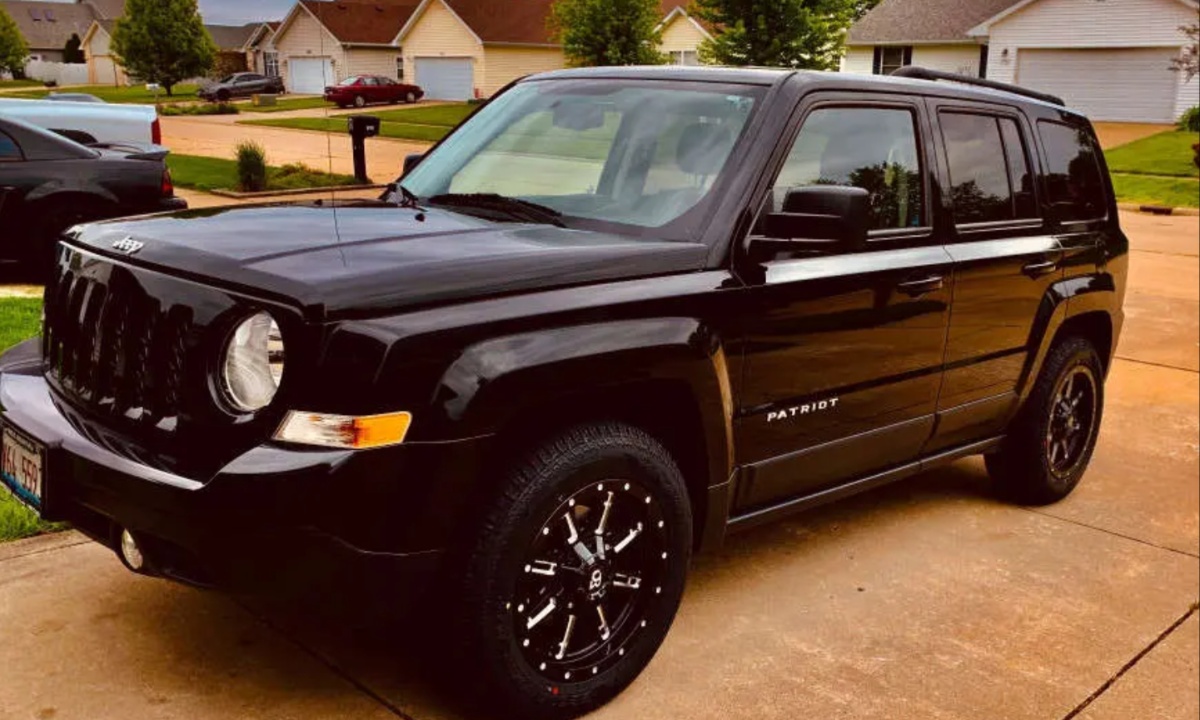
The 2007 Jeep Patriot marked the debut year for this compact SUV, launching with a starting MSRP of just $14,550 for the base 2WD Sport trim. This made it one of the most affordable ways to get into a Jeep, undercutting the Jeep Liberty ($21,600) and Wrangler X ($18,610) by a wide margin.
Jeep positioned the Patriot as a more rugged alternative to the Jeep Compass, though it shared the same platform. With styling that resembled a scaled-down Commander or Cherokee, complete with Jeep’s seven-slot grille and squared-off proportions, the Patriot aimed to appeal to younger buyers seeking SUV styling at an economy-car price.
While some reviewers criticized its barebones nature and limited refinement, consumers appreciated its value and rated it positively, with a 77% recommendation rate on Cars.com and 4.1 out of 5 on Edmunds.
Two engines were available at launch: a 158-horsepower 2.0-liter four-cylinder for the base model and a stronger 172-horsepower 2.4-liter inline-four for higher trims. Transmission choices included a five-speed manual or a continuously variable transmission (CVT), though the latter was widely considered to dull performance.
With the 2.4-liter engine and CVT, 0–60 mph took about 10 seconds, making the Patriot average to slow in its class. Properly equipped, it could tow up to 2,000 pounds.
Jeep differentiated the Patriot from the Compass by offering the Freedom Drive II off-road package, which added a low-range gear, skid plates, and higher ground clearance. This earned the Patriot Jeep’s “Trail Rated” badge, giving it genuine light off-road ability that its platform mates lacked.
On pavement, the Patriot impressed reviewers with its quiet ride and relatively sharp handling for a compact SUV, thanks to stiffer suspension tuning compared to the Compass and Dodge Caliber. The ride was firm but controlled, delivering decent cornering confidence with some body roll typical of SUVs.
The CVT-equipped models felt sluggish, but the manual transmission provided a more engaging driving experience. With Freedom Drive II, the Patriot showed surprising trail capability for its size, with aggressive approach and departure angles and up to 9 inches of ground clearance. That said, buyers seeking serious off-road performance were still better served by the Jeep Wrangler, Nissan Xterra, or Toyota FJ Cruiser.
Inside, the Patriot delivered a simple but functional cabin with large gauges and straightforward controls. Base Sport models were Spartan, while Limited trims offered upgrades like two-tone leather seats and faux aluminum accents that elevated the look slightly.
Build quality was solid for the price, though details like exposed bolts in the cargo area revealed cost-cutting. Cargo space was limited, with 54.2 cubic feet of maximum capacity below average for the class.
Available features included a nine-speaker premium sound system with liftgate-mounted speakers, a feature aimed at outdoor and tailgate enthusiasts. While practical, the Patriot’s cabin was still considered less refined than rivals like the Honda CR-V and Toyota RAV4, which offered better interior materials and more space.
Safety equipment was competitive for the segment, with standard stability control, roll mitigation, antilock brakes, and side curtain airbags. Optional front-seat side airbags and a tire-pressure monitoring system were available on higher trims.
The Patriot had only one recall in its debut year and relatively few complaints compared to later models, making it one of the more dependable versions. For budget-conscious buyers, the Patriot offered rugged styling and light off-road ability unmatched at its price point.
However, for those who could stretch their budget, more refined competitors like the Honda CR-V, Toyota RAV4, and Hyundai Tucson offered superior comfort, larger interiors, and smoother drivetrains. Ultimately, the 2007 Jeep Patriot succeeded as an affordable entry point into Jeep ownership, but it came with notable trade-offs in refinement and interior space.
Also Read: 5 Cars with the Quietest Cabins on the Highway and 5 That Roar Inside
5 Jeep Patriot Years To Avoid
1. 2008 Jeep Patriot – A Year Plagued by Leaks and Transmission Issues
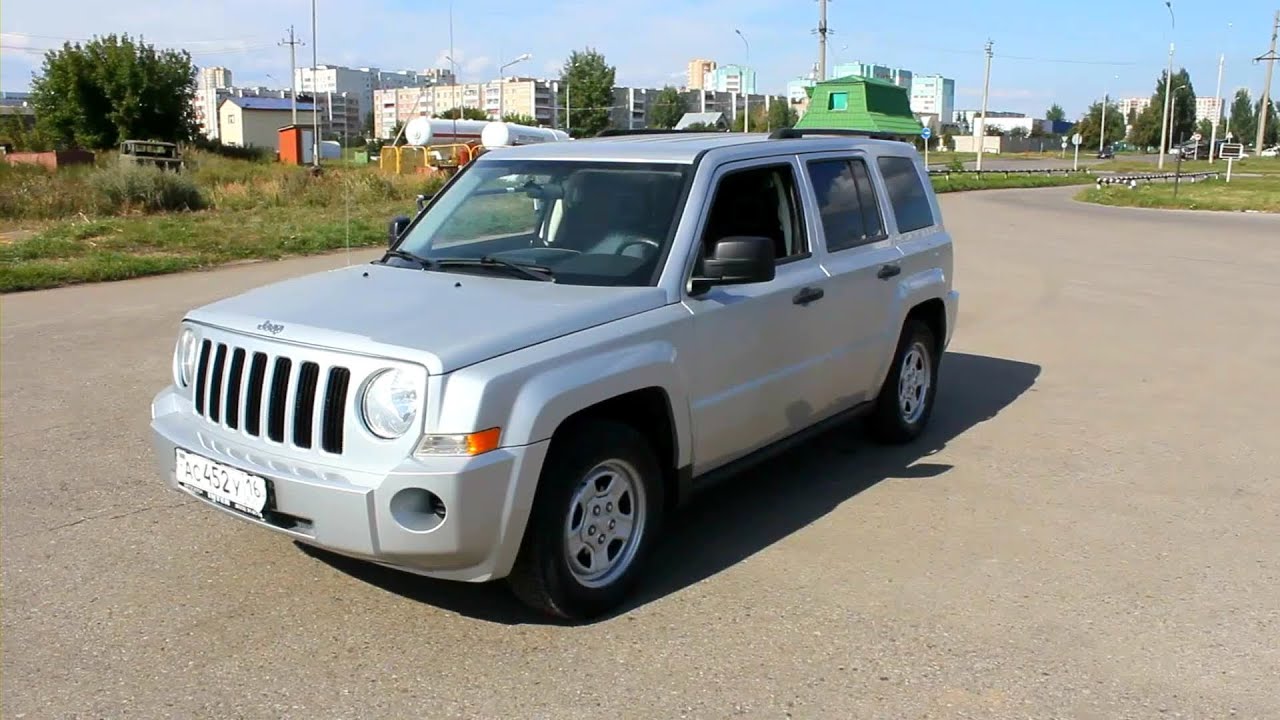
The 2008 Jeep Patriot is one of the more problematic model years, racking up 436 NHTSA complaints. The most common and frustrating issue involves severe sunroof leaks. Owners reported water seeping through the sunroof, dripping into the dashboard and radio, and in some cases shorting out headlights.
For some, the leaks were so bad that driving in the rain became nearly impossible. Beyond water intrusion, transmission failures also surfaced as a major concern.
Many owners experienced sudden breakdowns around the 100,000-mile mark, often requiring costly replacements. These recurring problems severely impact the Patriot’s reliability, making the 2008 model a risky choice for used SUV buyers despite its affordable price tag.
2. 2011 Jeep Patriot – Overheating Transmission and Leaks
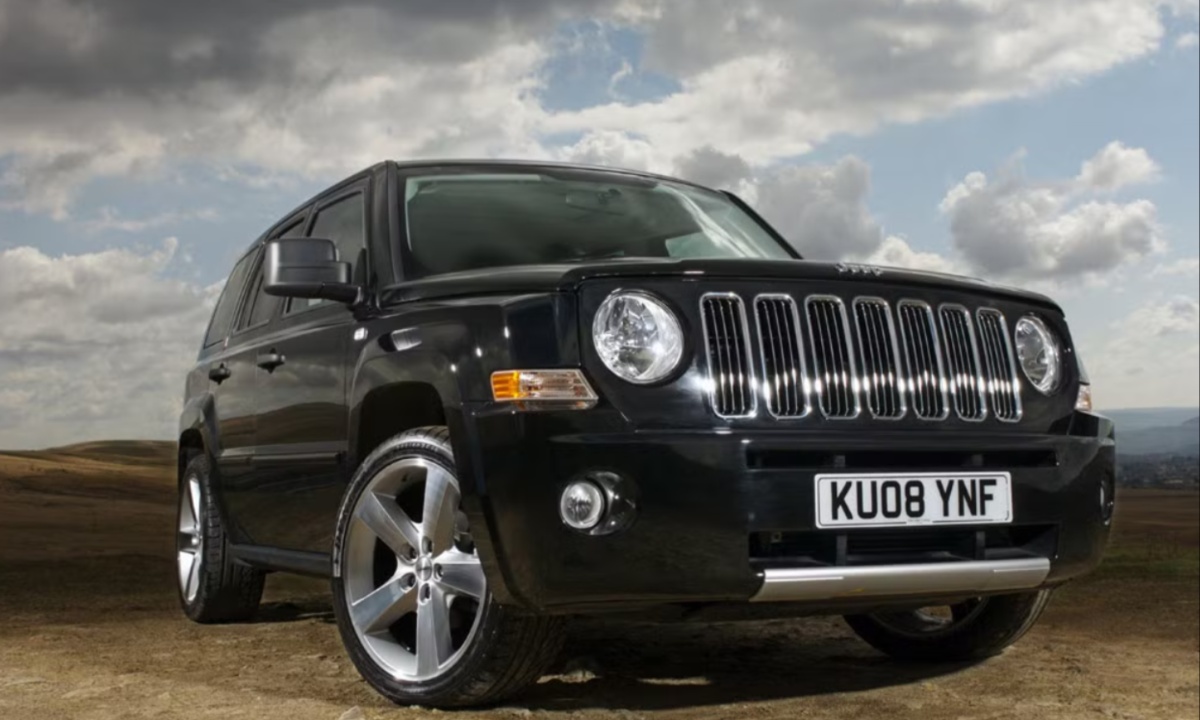
The 2011 Jeep Patriot stands out as another year to avoid, thanks to recurring and new issues. Chief among them was the CVT transmission overheating, which often surfaced around 70,000 miles. Owners described a whining engine noise before the transmission warning light appeared, signaling impending trouble.
This overheating problem was widespread across CVT-equipped Jeeps, adding to the brand’s tarnished reputation for reliability. On top of drivetrain troubles, the infamous sunroof leak returned, again allowing water into the cabin and damaging interior electronics like dome lights and radios.
For many, the Patriot’s affordable price point was negated by the high costs of repairs and the inconvenience of constant issues.
By this point, the pattern of water leaks and CVT failures had become a defining weakness of the Patriot lineup, with the 2011 model year representing a low point in customer satisfaction and long-term ownership confidence.
3. 2012 Jeep Patriot – CVT Failures and TIPM Issues
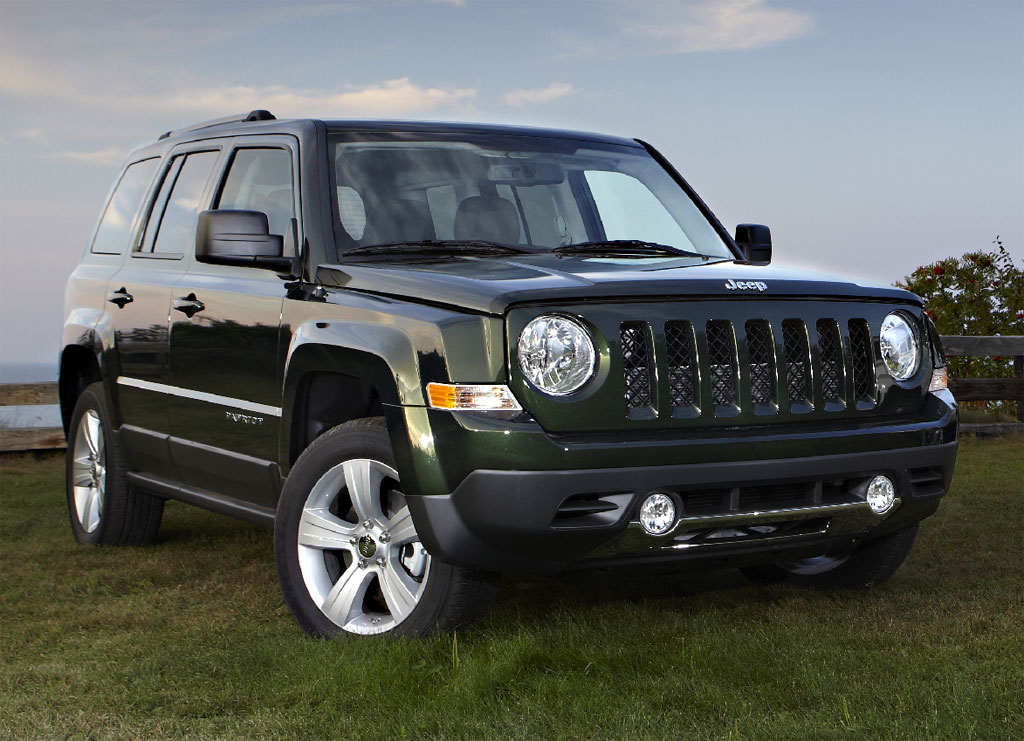
The 2012 Jeep Patriot improved slightly compared to prior years but still presented notable reliability concerns. The most common problem remained the CVT transmission, which continued to suffer from overheating, whining noises, and sluggish acceleration.
Owners frequently reported difficulty maintaining highway speeds or sudden loss of power, with repair bills averaging $3,940 for transmission replacement. Beyond drivetrain woes, the 2012 model introduced another costly failure point: the Totally Integrated Power Module (TIPM).
A faulty TIPM could cause erratic behavior in electrical systems, from malfunctioning headlights and power windows to non-functioning blinkers. Replacement costs averaged $900, adding to ownership frustration.
Although the 2012 Patriot was less problematic than the 2009 or 2011 versions, these recurring issues still placed it firmly on the list of years to avoid. Buyers drawn to its rugged styling and affordability often found themselves battling both mechanical and electrical gremlins that undermined long-term dependability.
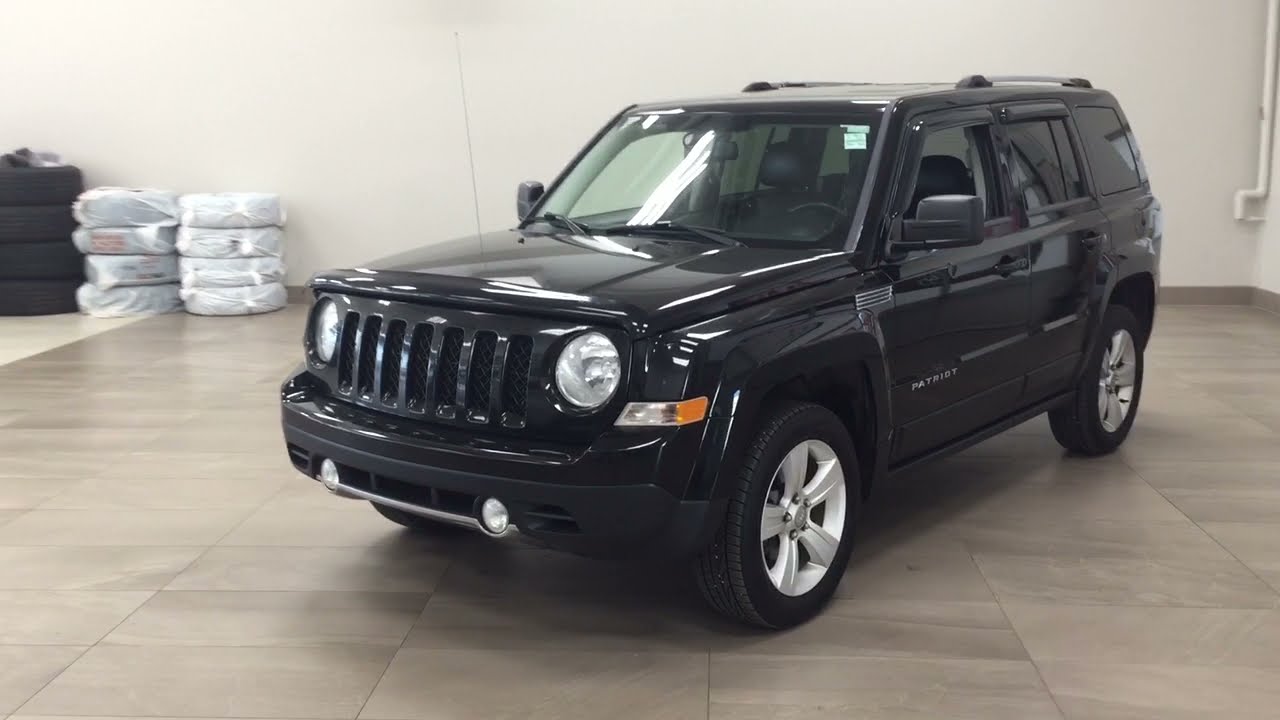
4. 2015 Jeep Patriot – Stalling Engine and Major Defects
The 2015 Jeep Patriot is widely regarded as the worst model year in the lineup, plagued by severe mechanical and electrical failures. The most concerning issue was random engine stalling, often occurring while driving without warning or dashboard alerts.
This defect created dangerous situations on highways and city roads, raising significant safety concerns for owners. Alongside the stalling problem, the TIPM failures and water leaks persisted, making the 2015 Patriot a nightmare in terms of maintenance. Many owners reported that leaking water damaged critical electronics, suggesting a possible design flaw that was never officially recalled.
With recurring electrical malfunctions, unpredictable engine shutdowns, and consistently poor reliability, the 2015 Patriot became the poster child for why certain model years of this SUV should be avoided. For prospective buyers, this model year represents one of the riskiest investments due to its combination of safety hazards and expensive repairs.
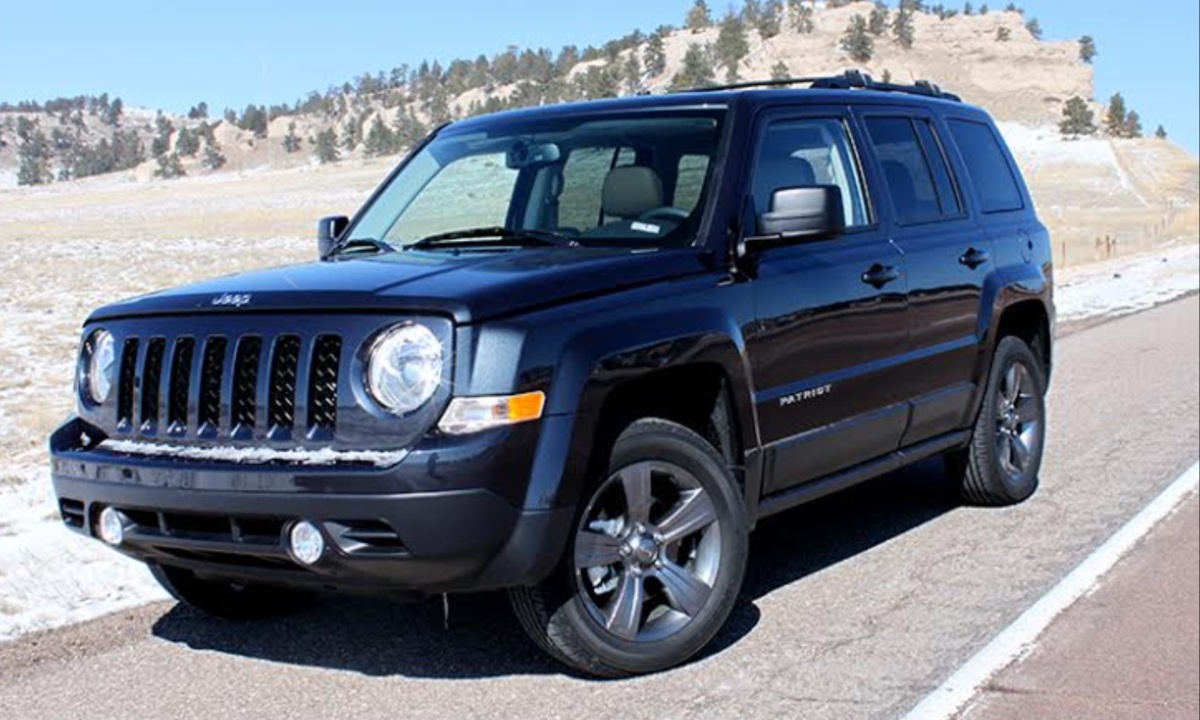
5. 2016 Jeep Patriot – Annoying but Manageable Issues
The final years of the Jeep Patriot saw slight improvements, though the 2016 model still presented enough issues to earn a spot on reliability watchlists. Car Complaints highlighted three main grievances: water leaks into the cabin, failure to accelerate while driving, and squeaking brakes.
While less severe than the engine stalls of 2015, these issues remained frustrating for owners. Transmission troubles also persisted, particularly for models equipped with the optional CVT as part of the Freedom Drive II off-road package.
Drivers reported whining noises, overheating warnings, and power loss, consistent with earlier Patriot years. Fortunately, many trims used a standard five-speed manual transmission, which was more reliable.
Although the 2016 Jeep Patriot wasn’t the disaster that previous years had been, it still carried the burden of recurring problems that defined the model line. Buyers seeking durability and peace of mind were better served by rival compact SUVs.
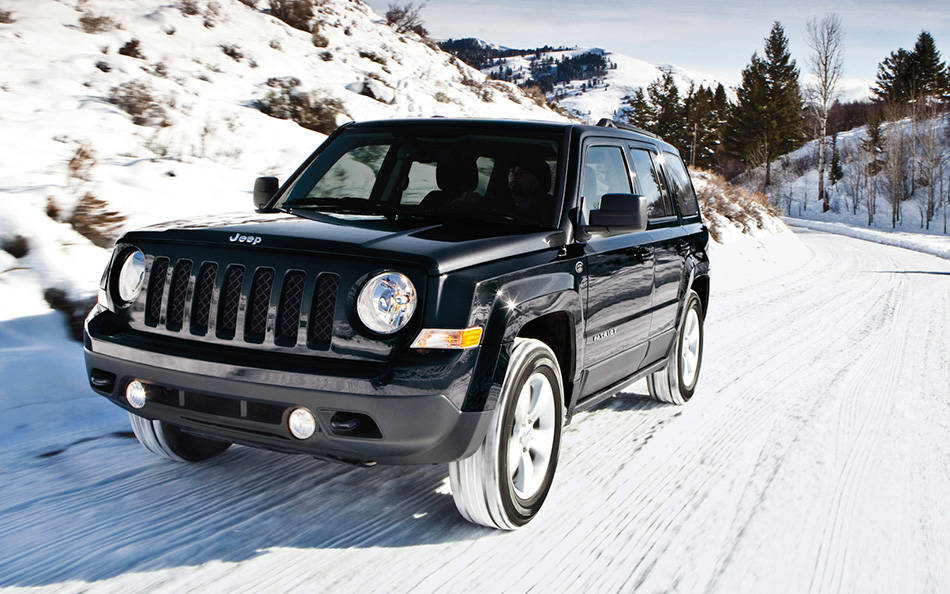
The Jeep Patriot may not have been the most refined or powerful compact SUV in its class, but for the right buyer, it offered a blend of affordability, Jeep styling, and modest off-road potential.
As we’ve seen, certain years like the 2014 and 2017 models stand out for their improved reliability, updated safety features, and respectable owner satisfaction. Others, such as the 2015 Patriot, became notorious for stalling engines, transmission failures, and costly repairs.
For used SUV buyers, the key is balancing expectations: the Patriot works best as a budget-friendly utility vehicle with light trail capability, but it struggles when stacked against more modern and polished competitors.
By choosing one of the better-rated model years, you can enjoy dependable transportation at a fair price. But if you’re looking for a smoother ride, more interior space, or long-term refinement, rivals like the Honda CR-V, Toyota RAV4, or Subaru Forester may be better alternatives.
Also Read: 5 Cars That Rarely Need Suspension Work vs 5 That Constantly Do
