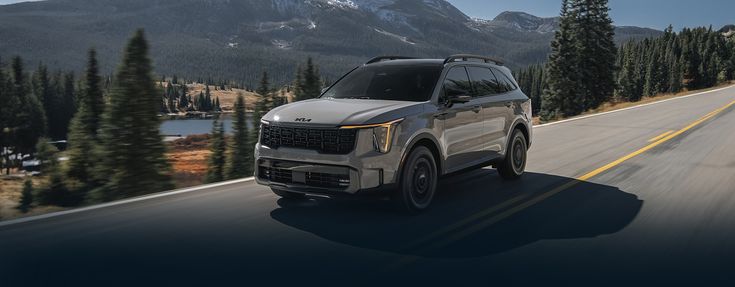
A decade is the truth serum for any SUV. Shiny brochures, launch hype, and short-term road tests can only tell part of the story. What really matters is how an SUV ages once the miles pile up, features go out of fashion, and maintenance bills become a regular line item.
Ten years captures the full arc. You see which drivetrains stay tight, which frames resist corrosion, which electronics keep cooperating, and which cabins shrug off family life. You also see which models still have buyers lining up on classifieds because the reputation has hardened into trust. Strong resale after ten years is about far more than popularity.
It reflects consistent engineering, conservative powertrains that avoid fads, robust parts supply, and an ownership community that keeps knowledge and demand alive. On the flip side, the SUVs that slide fast in value usually do so for predictable reasons.
They mix complex technology with spotty reliability, or they debut with premium pricing that users avoid in year eight or ten. They may drive wonderfully new but carry repair risks that spook second and third owners. This guide puts both groups in the same spotlight so you can see the pattern. If you plan to keep or buy an SUV with a long horizon in mind, these examples show what holds value and what does not, and why.
5 SUVs That Keep Value After 10 Years
These five are the long-game winners. They blend simple, proven hardware with reputations built over decades. Parts are widely available, DIY and independent shop support is strong, and there is steady demand from buyers who value durability over the latest touchscreen size.
None of them relies on novelty to attract interest. Instead, they lean on overbuilt frames, trusted engines, and conservative styling that does not age badly. Even at ten years old, clean examples command healthy prices because shoppers know what they are getting. If you want to play it safe with your money, start here and shop patiently for the best history you can find.
ALSO READ: 10 Weekend Projects That Keep a Dodge Durango Running Strong
1. Toyota Land Cruiser
The Toyota Land Cruiser has earned its reputation as one of the toughest, longest-lasting SUVs in the world. For decades, it’s been a go-to vehicle for people who need reliability in harsh conditions, whether that’s deserts, mountains, or city roads with potholes. After 10 years, a Land Cruiser doesn’t just keep running it still holds significant resale value.
One reason is Toyota’s build philosophy. The Land Cruiser uses a strong body-on-frame construction, durable engines, and simple but effective mechanical systems.
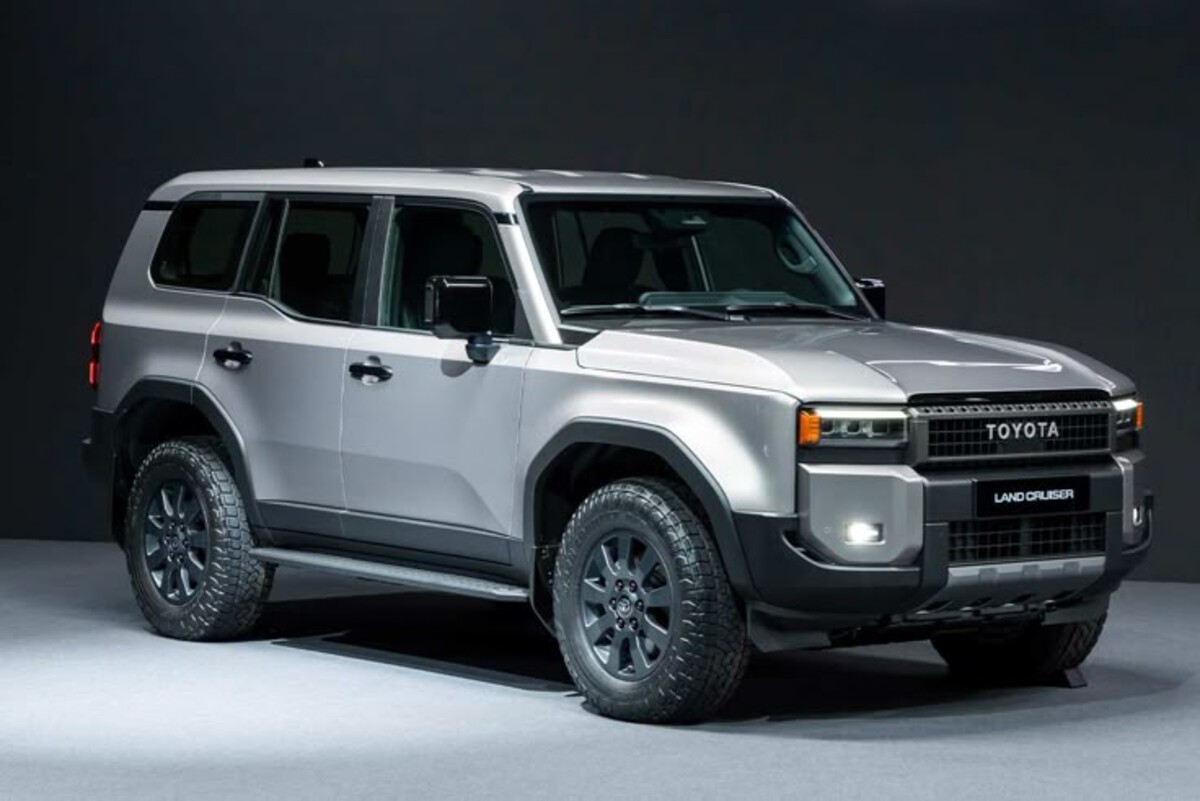
This makes it expensive upfront but worth it long-term. Buyers in the used market know they’re not just getting an old SUV; they’re getting one that could easily go another 100,000 miles without serious issues.
Another factor is global demand. Even older Land Cruisers are exported to markets in Africa, the Middle East, and Asia where rugged, reliable vehicles are in constant demand. That international resale network keeps prices high even for 10-year-old models.
While fuel economy isn’t its strength, and maintenance can be pricier than smaller SUVs, buyers overlook these drawbacks because of the Land Cruiser’s legendary reliability. For families, adventurers, or collectors, it’s almost bulletproof as an investment.
Simply put, the Toyota Land Cruiser doesn’t just keep value after 10 years, it often surprises owners with how much people are willing to pay for it.
2. Toyota 4Runner
If the Land Cruiser feels a bit too premium, its sibling the Toyota 4Runner offers the same reliability and resale reputation in a slightly more affordable package. The 4Runner has been around for decades, sticking to a tried-and-true formula: rugged construction, off-road ability, and Toyota dependability.
A 10-year-old 4Runner is still in high demand because it bridges two markets: families who want a dependable SUV and off-road enthusiasts who want a capable machine without buying new.
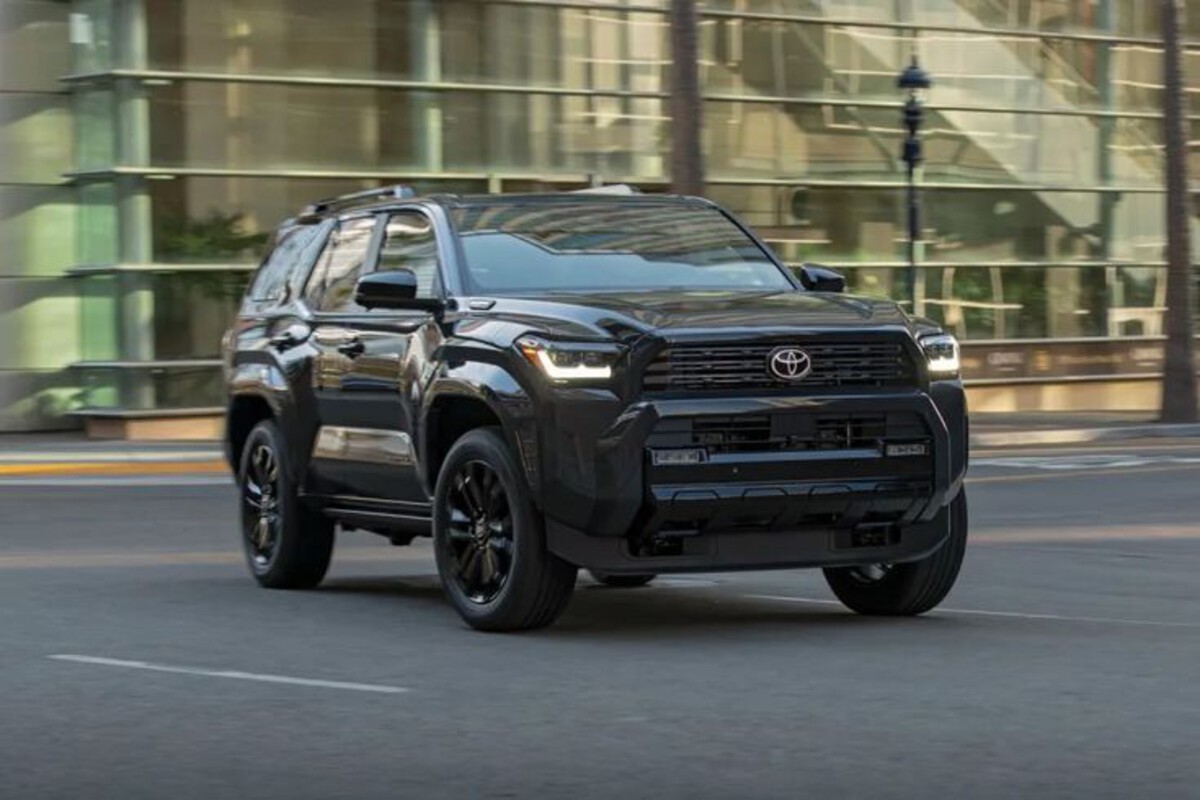
Even when the odometer hits high numbers, these SUVs keep attracting buyers, which pushes resale prices up.
Toyota doesn’t redesign the 4Runner every few years; it evolves slowly, which is an advantage. Parts are easy to find, and the vehicle doesn’t age quickly in terms of looks or function. Plus, with body-on-frame durability, it outlasts many competitors that switched to softer, car-like platforms.
Another big factor is trust. When people shop for used SUVs, Toyota is usually the first brand they search for. A 10-year-old 4Runner might cost more than some brand-new SUVs from other manufacturers, which says a lot about its staying power.
Owners who buy a new 4Runner know that even after a decade of use, they can resell it for a strong return. That kind of consistency is rare in today’s car market.
3. Jeep Wrangler
Few vehicles hold their value like the Jeep Wrangler. It’s not just a vehicle; it’s a lifestyle. That’s what keeps it valuable after 10 years. While most SUVs depreciate steadily, Wranglers buck the trend because they have a cult following.
Part of this is design continuity. A 10-year-old Wrangler doesn’t look drastically different from a newer one.
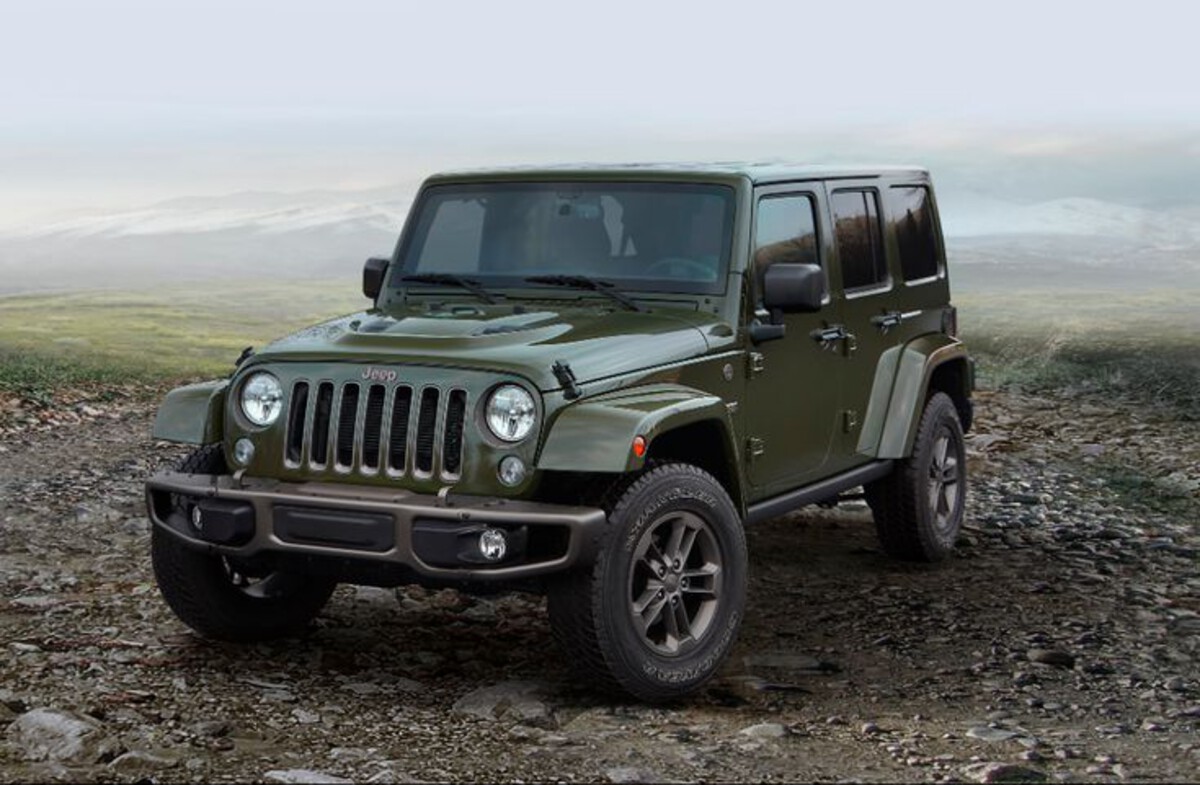
That makes older models feel just as desirable to buyers who want the Jeep image but don’t want to pay for a brand-new one.
Wranglers also have serious off-road credibility. Enthusiasts love modifying them, which adds to their resale appeal. Even with high mileage, a Wrangler can fetch strong prices because buyers know they can customize, rebuild, and keep it running for years.
Reliability isn’t perfect. Wranglers can have quirks, but the demand outweighs those concerns. People shopping for Wranglers aren’t just buying transportation; they’re buying into the Jeep lifestyle, which holds value better than most mainstream SUVs.
4. Lexus GX
Luxury SUVs usually tank in value after a few years. But the Lexus GX is different. It’s built on a Toyota platform (closely related to the Land Cruiser Prado), which means it has the reliability of a Toyota but the comfort and status of a Lexus.
After 10 years, the GX still commands high resale prices. Buyers know that even though it’s technically a luxury SUV, it doesn’t come with the usual reliability headaches that plague German luxury brands.
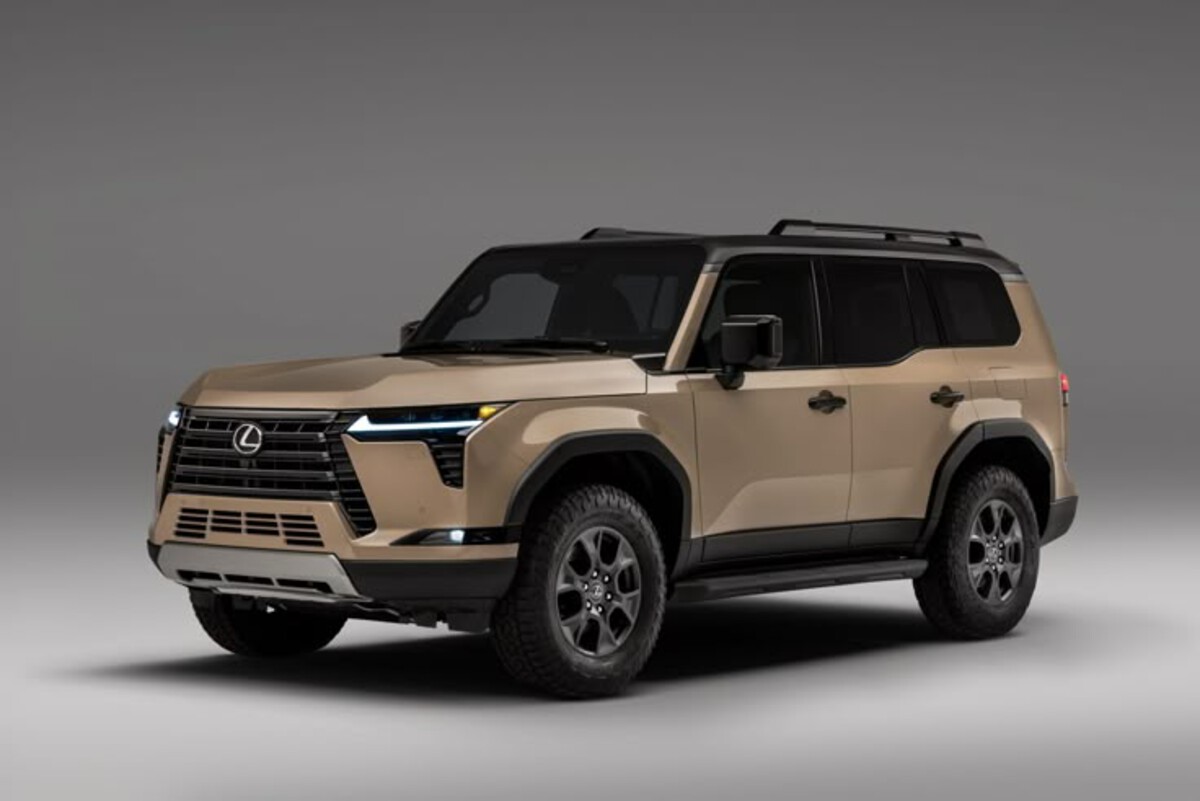
In fact, the GX is known for its durability and ability to keep running well beyond the 200,000-mile mark.
Because it’s a Lexus, it also offers upscale features and a comfortable interior. That combination of reliability and luxury creates a sweet spot in the used market. Families, off-road enthusiasts, and even collectors look for 10-year-old GX models because they know they’re still dependable and stylish.
This is one of the rare cases where a luxury SUV can be considered a safe investment. If you want long-term value retention in the luxury space, the GX is one of the best bets.
5. Honda CR-V
While not a rugged off-roader like the Land Cruiser or Wrangler, the Honda CR-V has carved out a spot as one of the best value-holding compact SUVs. Its reputation is built on reliability, efficiency, and practicality.
Ten years down the line, a CR-V is still appealing to families, commuters, and budget-conscious buyers. The used market for compact SUVs is strong, and the CR-V is consistently one of the most in-demand models. That keeps its prices high even when newer generations come out.
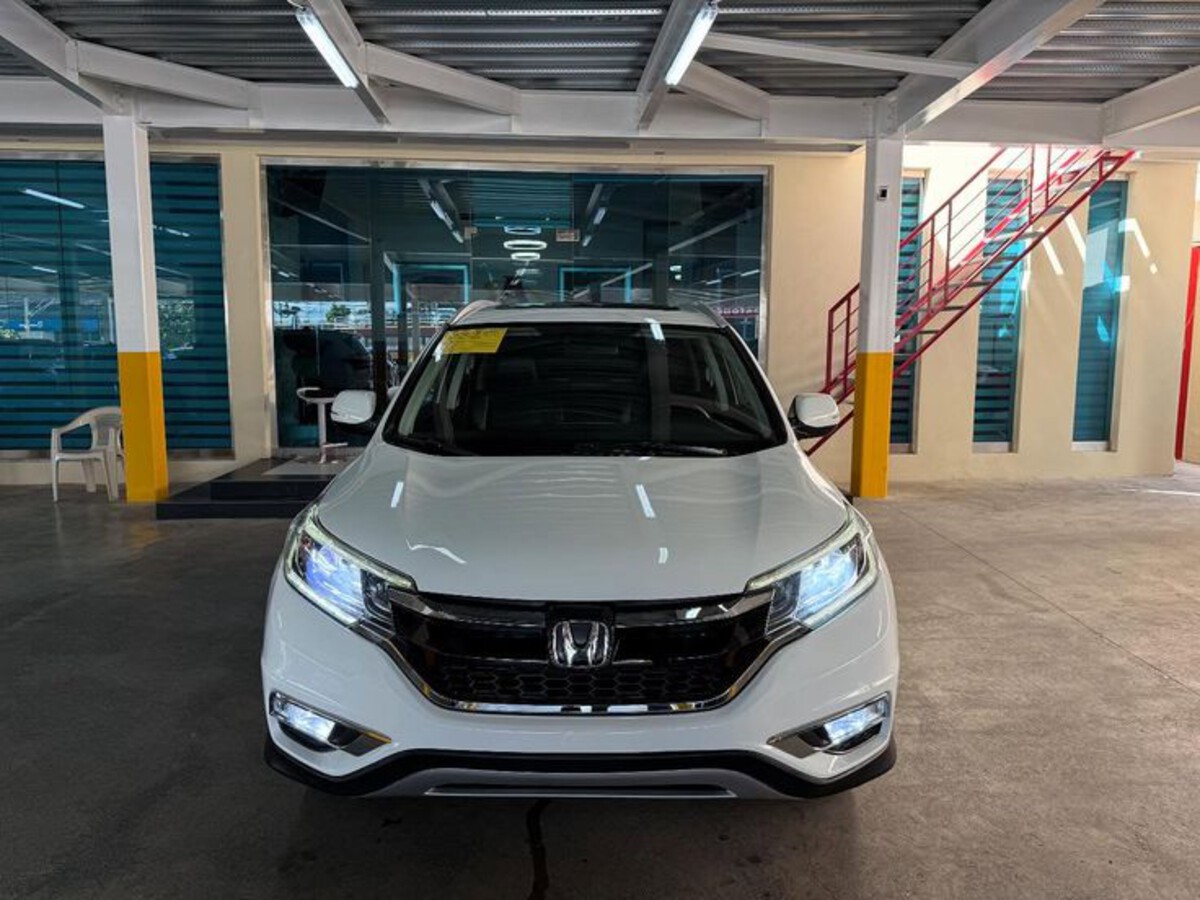
Honda has a reputation similar to Toyota when it comes to durability. Engines are long-lasting, maintenance costs are reasonable, and parts are widely available. Buyers trust that a 10-year-old CR-V isn’t a risky purchase.
It’s not flashy, but it doesn’t need to be. The CR-V’s strength lies in doing everything well without major weaknesses. That balance is exactly why it holds its value after a decade.
5 SUVs That Don’t Keep Value After 10 Years
These five look irresistible when new. Power, features, and badges are all on point, and the test drive sells the dream. Ten years later, the story changes. Complexity catches up, maintenance budgets swell, and reputations for electrical gremlins or costly components scare off second owners.
Luxury nameplates are common in this group because high initial pricing means a long fall if reliability or running costs disappoint. That does not make them bad to own if you accept the risks and budget wisely. It simply means resale demand is thinner at the ten-year mark, and prices tend to reflect that reality.
ALSO READ: 9 Things to Avoid If You Want a Honda Pilot to Last 250,000 Miles
1. BMW X5
The BMW X5 is attractive when new, but after 10 years, its resale value takes a dive. Luxury German SUVs often face this issue because repair costs skyrocket as they age. Buyers shy away from them in the used market because they know maintenance can be a nightmare.
Even though the X5 offers excellent performance and high-end features when new, its reliability ratings haven’t been as solid as Toyota or Honda.
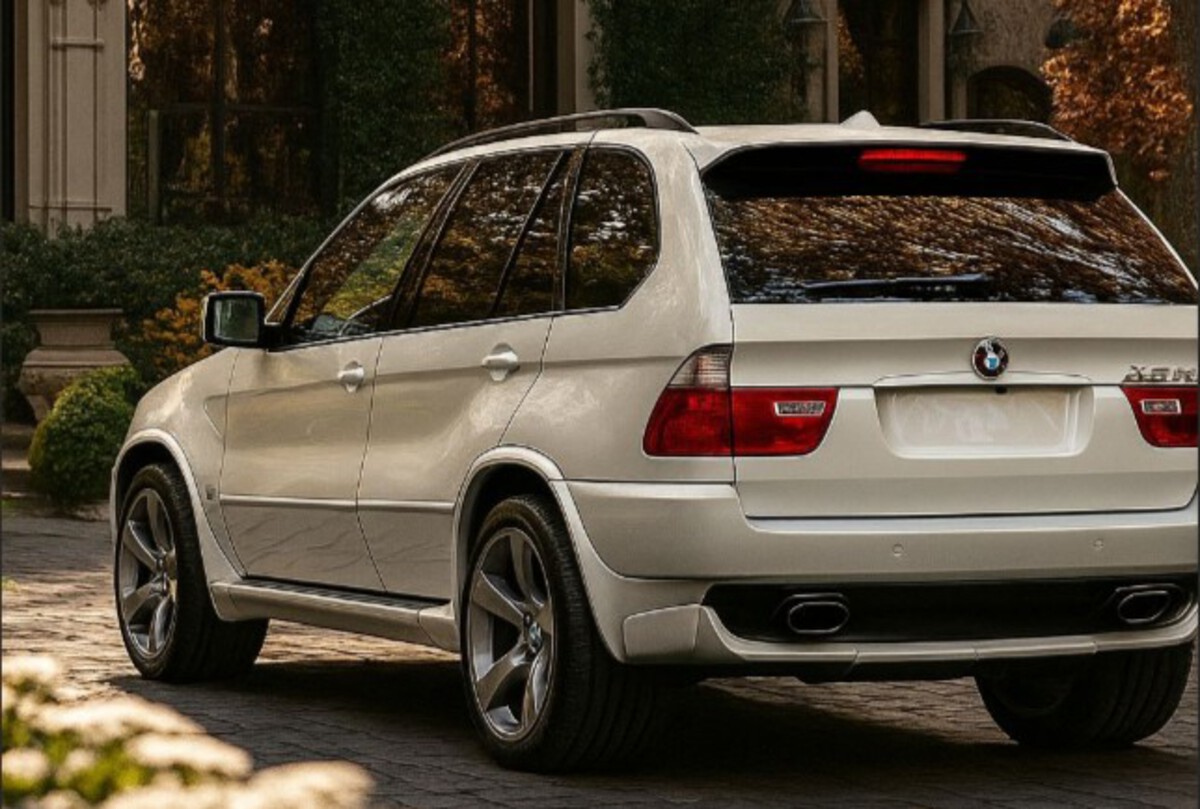
Electronics, suspension components, and turbocharged engines often develop issues that cost thousands to fix.
Because of this, depreciation hits hard. A 10-year-old X5 might have sold for $70,000 new, but could be worth less than $10,000 after a decade. That’s a steep fall compared to SUVs like the Toyota Land Cruiser or Lexus GX, which still fetch strong resale numbers.
Unless you’re buying one cheaply and don’t mind repair bills, the X5 is not a value keeper after 10 years.
2. Land Rover Discovery
Land Rover has a reputation for luxury and off-road ability, but it also carries a well-known downside: poor reliability. The Discovery is a prime example.
When new, it’s appealing with its upscale design and capability. But as the years pass, owners face electrical issues, engine problems, and expensive repairs. After 10 years, many buyers avoid used Discoveries because they know what they’re getting into: high costs and low reliability.
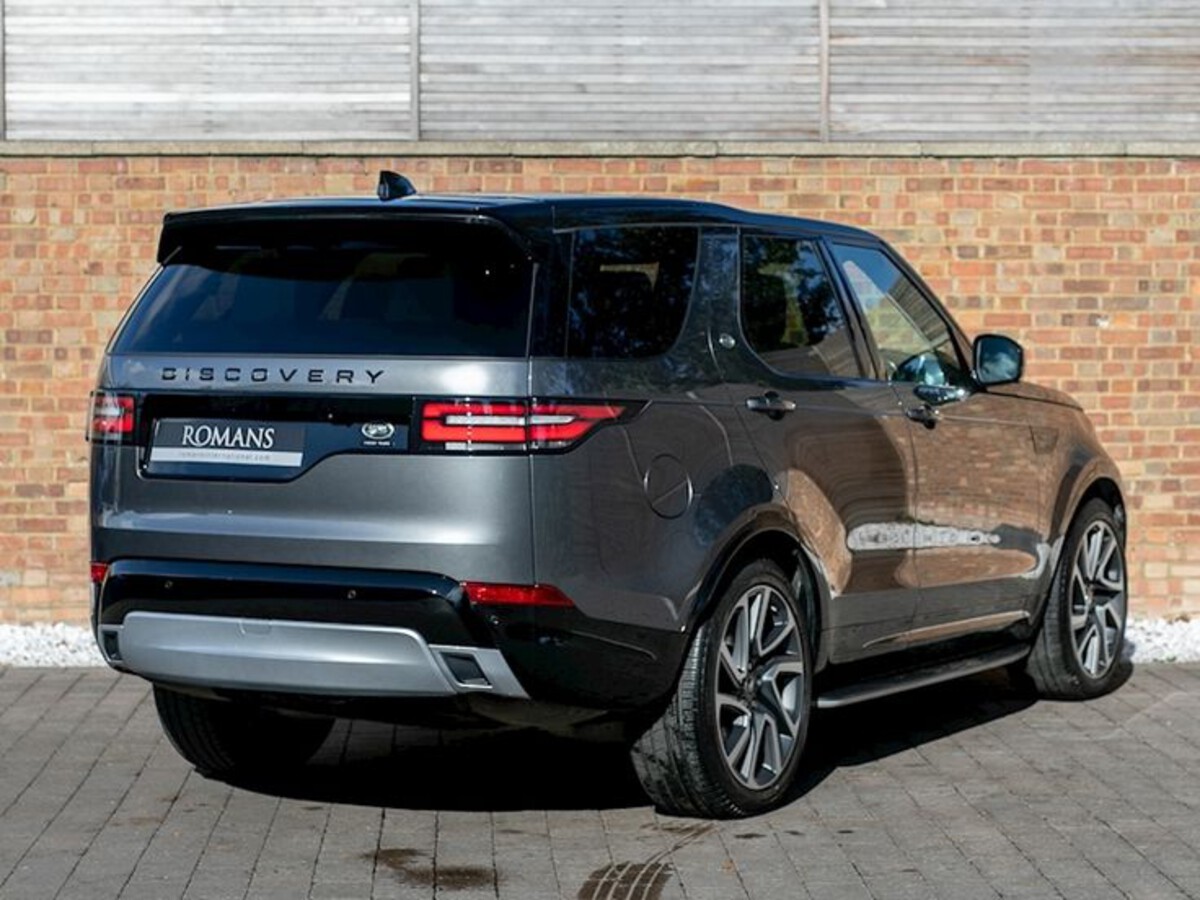
Depreciation reflects this reputation. Used Discoveries can be shockingly cheap compared to their original sticker prices. That might sound like a bargain, but in reality, it’s a warning sign. Even at a low price, ongoing repairs can drain an owner’s wallet.
This is why the Discovery is one of the worst SUVs for resale value after a decade. It looks good on paper, but doesn’t hold up in practice.
3. Cadillac Escalade
The Cadillac Escalade is bold, flashy, and commands attention. But when it comes to long-term value retention, it falls flat.
One issue is oversupply. Escalades are popular when new, especially in the U.S., but the used market is saturated. That means prices drop faster. Another issue is reliability large luxury SUVs with complex electronics and heavy usage don’t age well.
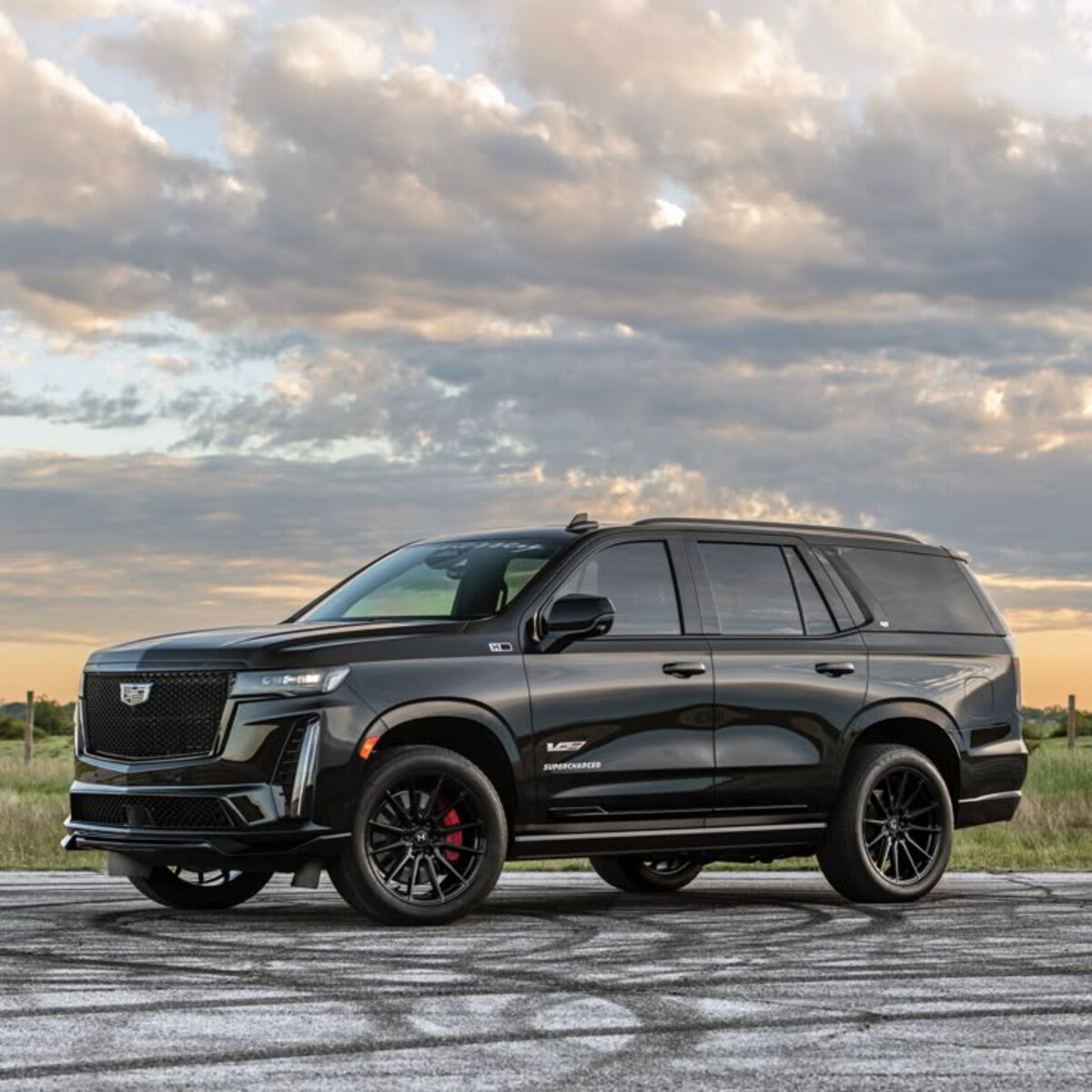
Fuel economy is another factor. A decade-old Escalade with poor mileage becomes less desirable when buyers can find more efficient options. Plus, maintenance costs on a luxury SUV add up quickly.
The result? After 10 years, Escalades lose a large portion of their value. While some buyers may want them for the “big SUV” appeal, they aren’t willing to pay much, which leaves owners disappointed at resale.
4. Volvo XC90
The Volvo XC90 is stylish and safe, but it doesn’t hold value well after 10 years. One reason is that luxury European SUVs tend to suffer from depreciation, and Volvo isn’t an exception.
Early models of the XC90 had reliability issues, particularly with transmissions and electronics. Even though safety ratings were high, mechanical headaches kept resale values low.
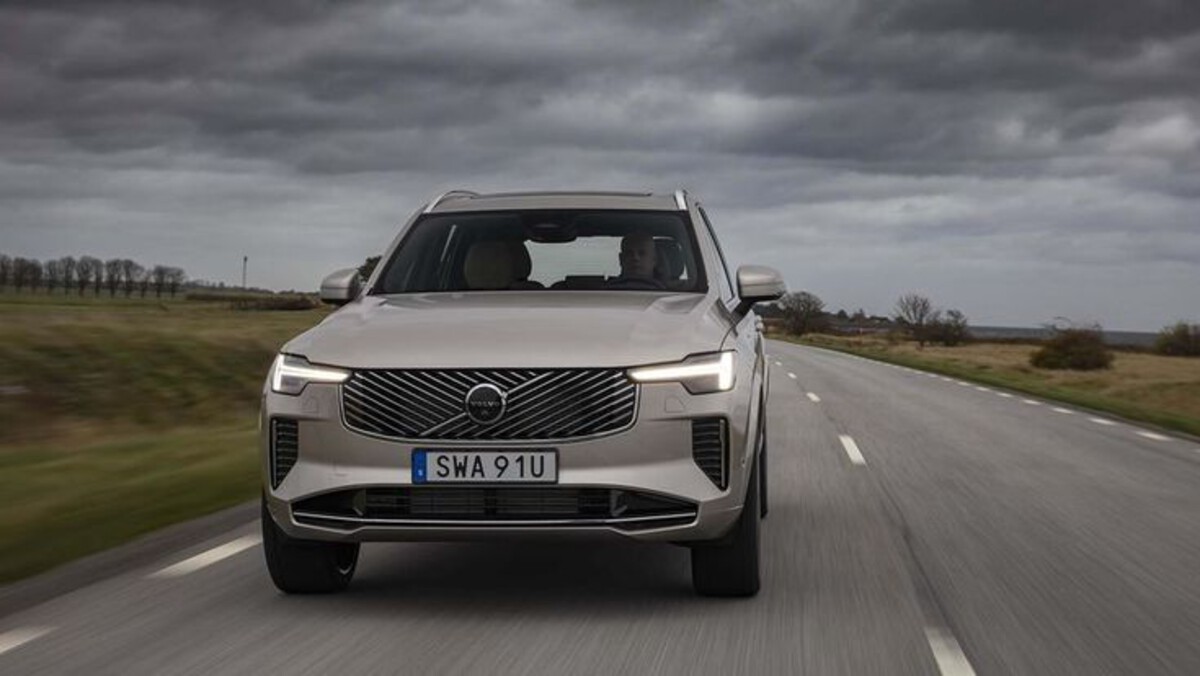
Another issue is brand perception. While Volvo has loyal fans, it doesn’t have the same resale pull as Toyota, Honda, or Jeep. In the used market, fewer people are searching specifically for 10-year-old XC90s. That lack of demand drives prices down.
Even newer generations, while improved, haven’t completely changed this trend. The XC90 is an attractive choice when new, but by the time it’s 10 years old, it’s one of the weaker SUVs in terms of value retention.
5. Nissan Armada
The Nissan Armada is big, powerful, and roomy, but it doesn’t hold value well after 10 years.
One of the main reasons is brand positioning. Nissan SUVs don’t have the same reputation for long-term reliability as Toyota. Buyers in the used market often lean toward the Toyota Sequoia or Land Cruiser instead of the Armada. That difference in brand trust translates into weaker resale numbers.
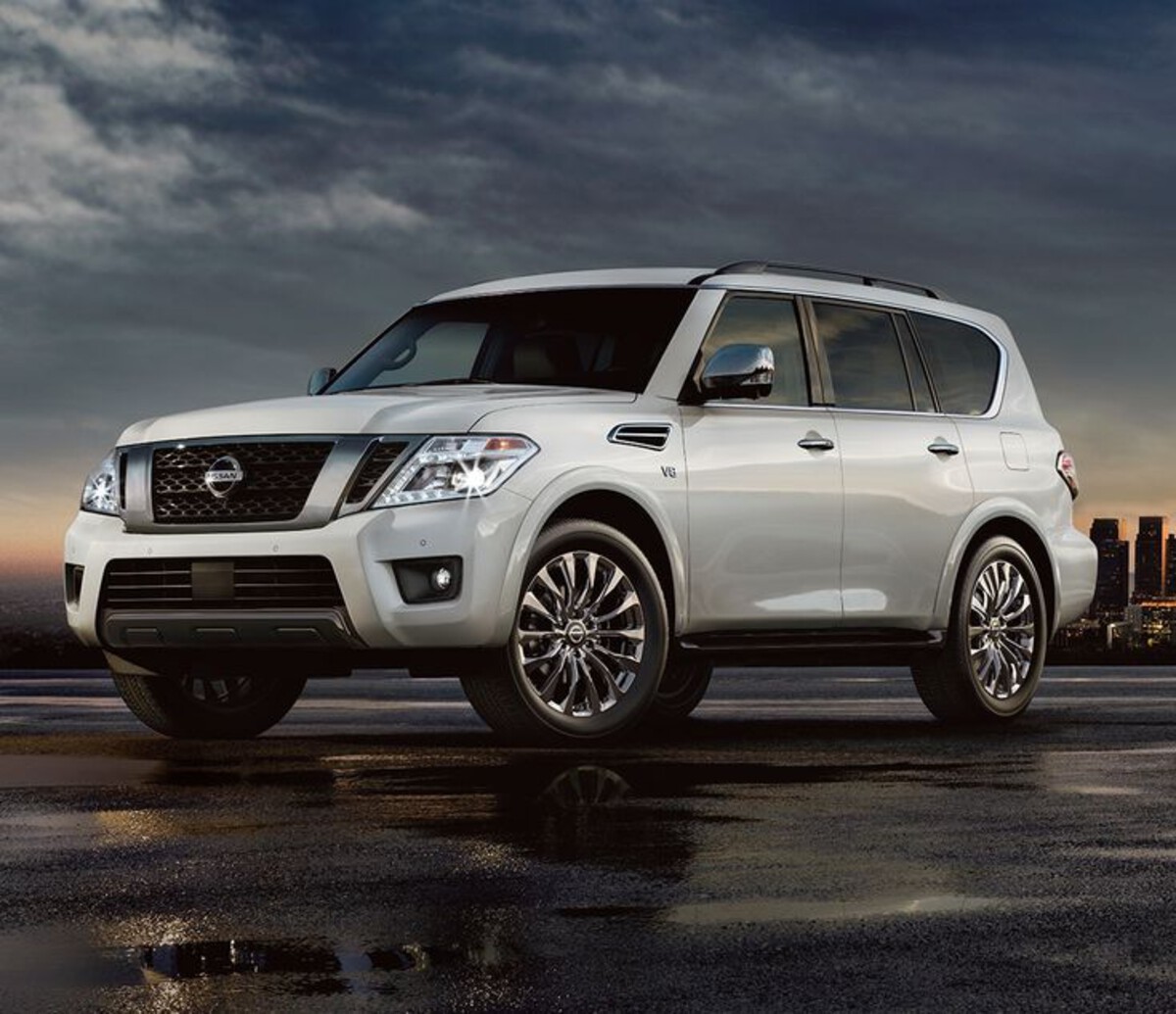
Fuel economy also hurts the Armada. As a large V8-powered SUV, it guzzles gas, which makes it less desirable as it ages. With rising fuel costs, demand for older, less-efficient SUVs falls, driving values down.
While the Armada can be reliable in some cases, it doesn’t have the same consistent track record as its Toyota rivals. That’s why, after 10 years, it’s one of the SUVs most likely to disappoint owners at resale.
Resale value isn’t just about luck; it’s about reputation, demand, and reliability. Looking at SUVs after 10 years, we see two very different stories. Models like the Toyota Land Cruiser, Toyota 4Runner, Jeep Wrangler, Lexus GX, and Honda CR-V continue to command respect (and dollars) long after their original sale. These SUVs prove that smart engineering, brand trust, and consistent demand can turn a vehicle into a long-term asset.
On the flip side, SUVs like the BMW X5, Land Rover Discovery, Cadillac Escalade, Volvo XC90, and Nissan Armada show how depreciation and reliability issues can drag down even the most stylish or powerful models. They may look good when new, but buyers quickly learn that flashy doesn’t always mean durable.
For buyers, the lesson is clear: think beyond the showroom. Consider how an SUV will perform not just for you, but for the next owner 10 years later. Reliability, cost of ownership, and brand perception are key to predicting whether your SUV will keep its value or sink fast.
If you’re looking for a long-term investment, Toyota and Honda consistently shine, while Jeep and Lexus have carved out strong niches. But if you’re tempted by luxury brands or big gas-guzzlers, be prepared for heavy depreciation down the road.
In the end, the best SUV isn’t just the one that feels exciting when new, it’s the one that still feels like a smart decision when it’s time to sell a decade later.