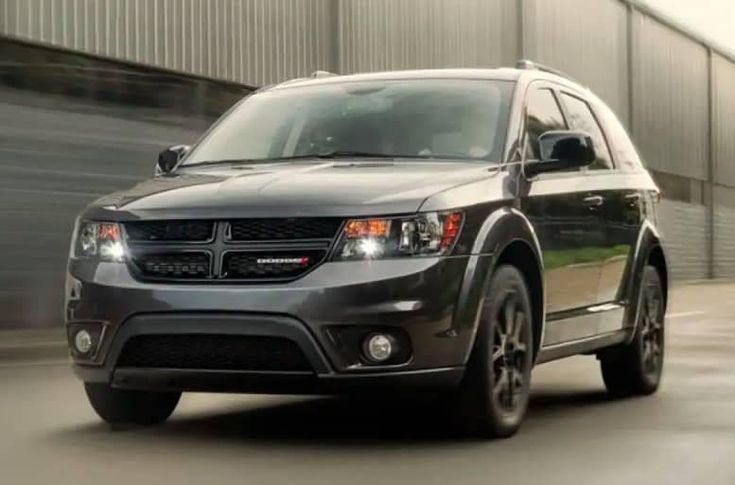
The Dodge Journey is one of those SUVs that earned a loyal following because it blended affordability with family practicality. It wasn’t built to compete with luxury crossovers or high-end European SUVs.
Instead, it offered buyers a budget-friendly option with decent space, an available third row, and just enough features to make it a solid family hauler.
For years, the Journey was a go-to vehicle for families who wanted the utility of an SUV without breaking the bank. But here’s the catch: while the Dodge Journey can serve you well, it also has a reputation for problems when it’s not cared for properly.
Ask any mechanic who’s worked on one, and you’ll hear the same story too many Journeys get sent to the junkyard long before their time, not because they’re inherently bad vehicles, but because of avoidable mistakes made by their owners.
Whether it’s neglecting maintenance, ignoring warning lights, or driving habits that accelerate wear, these mistakes take a serious toll.
The truth is, the Dodge Journey isn’t the most durable SUV on the market. It doesn’t have the bulletproof engines of a Toyota Highlander or the rock-solid transmissions of a Honda Pilot. But that doesn’t mean it can’t last.
With the right care, a Journey can reach well over 150,000 miles and still serve as a reliable daily driver. The difference between one that fails at 80,000 miles and one that pushes past 200,000 often comes down to the owner’s choices.
In this article, we’ll break down the seven biggest mistakes that destroy a Dodge Journey too early. Think of it as a survival guide for your SUV.
If you’ve recently bought a Journey or already own one, avoiding these mistakes could save you thousands in repairs and keep your vehicle on the road years longer than the horror stories suggest.
7 Mistakes That Destroy a Dodge Journey Too Early
Every vehicle has its weak spots, and the Dodge Journey is no exception. While it was designed as an affordable SUV, certain shortcuts in engineering and quality control made it more sensitive to neglect than competitors.
Owners often assume that since it’s a Dodge, it can handle rough use without issue. Unfortunately, this mindset is exactly what shortens its life.
The most common mistakes fall into two categories: maintenance neglect and driver behavior. On the maintenance side, ignoring routine oil changes, skipping transmission service, or failing to replace coolant can lead to catastrophic failures.
The Journey is especially vulnerable in these areas because its engines and transmissions aren’t as forgiving as those in more durable brands. Once problems start, repairs can be so costly that many owners end up scrapping the vehicle.
On the driver’s side, habits like towing beyond the SUV’s limits, riding the brakes, or driving aggressively can wear out components much faster than expected.
The Journey wasn’t built to be a powerhouse or a rugged off-roader. It’s a family SUV, and pushing it beyond its design limits almost guarantees an early breakdown.
In the sections ahead, we’ll dive into the seven most damaging mistakes Dodge Journey owners make. Each one has been proven by real-world experience to reduce the lifespan of the vehicle.
By understanding them and making adjustments you can avoid the fate of so many frustrated owners who gave up on their Journeys long before the odometer had a chance to climb.
ALSO READ: 10 Weekend Maintenance Steps That Extend a Subaru BRZ’s Life
Mistake 1: Neglecting Regular Oil Changes
One of the most common and deadliest mistakes Dodge Journey owners make is neglecting oil changes. The Journey’s 2.4L four-cylinder and 3.6L V6 engines aren’t particularly forgiving when it comes to lubrication issues.
These engines rely on clean oil to keep internal components cool and reduce friction. When owners stretch oil changes too far, the result is sludge buildup, clogged oil passages, and accelerated wear on the timing components.
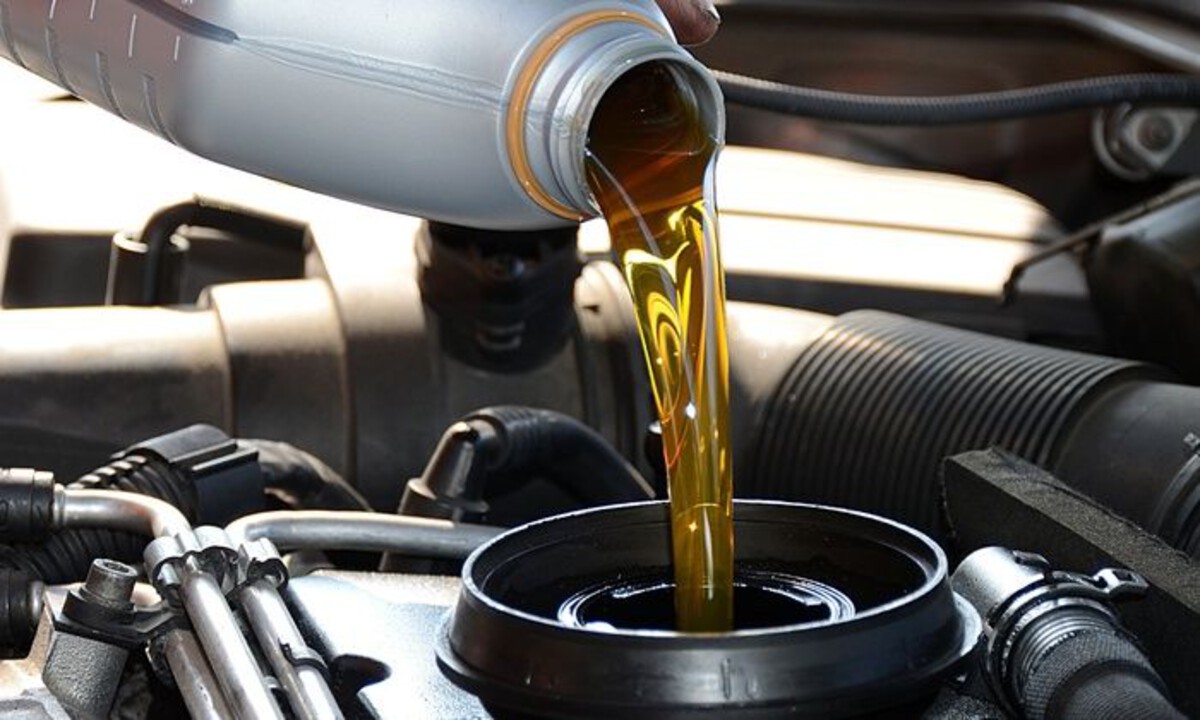
Many Journey owners assume they can push oil changes to 7,500 miles or more, but the reality is that the engine performs best with changes every 5,000 miles (or sooner if you drive in heavy traffic, short trips, or extreme weather).
Failure to do this can lead to oil starvation, which is one of the main reasons these engines develop knocking noises or even seize prematurely.
The 3.6L Pentastar V6 in particular is known for timing chain tensioner problems when oil maintenance is ignored.
Once the timing chain stretches or fails, you’re looking at a repair bill that could easily exceed $2,000 or worse, a ruined engine. For many budget-conscious owners, that’s a death sentence for the SUV.
Using cheap oil or ignoring the correct viscosity only makes matters worse. Dodge recommends specific grades of synthetic oil for the Journey, and skimping here can cut engine life in half.
The bottom line: treat oil changes as non-negotiable. If you want your Dodge Journey to survive beyond 100,000 miles, commit to consistent oil maintenance. Skipping or delaying this service is a fast-track to the scrapyard.
Mistake 2: Ignoring Transmission Service
If there’s one system that defines the Dodge Journey’s reputation for unreliability, it’s the transmission. Owners frequently complain about harsh shifting, slipping, or complete transmission failure and most of these problems stem from neglect. Unlike some vehicles that tolerate long intervals without transmission service, the Journey’s gearbox requires careful attention.
Many drivers mistakenly believe transmissions are “sealed for life” because Dodge didn’t always make service intervals clear in the owner’s manual.
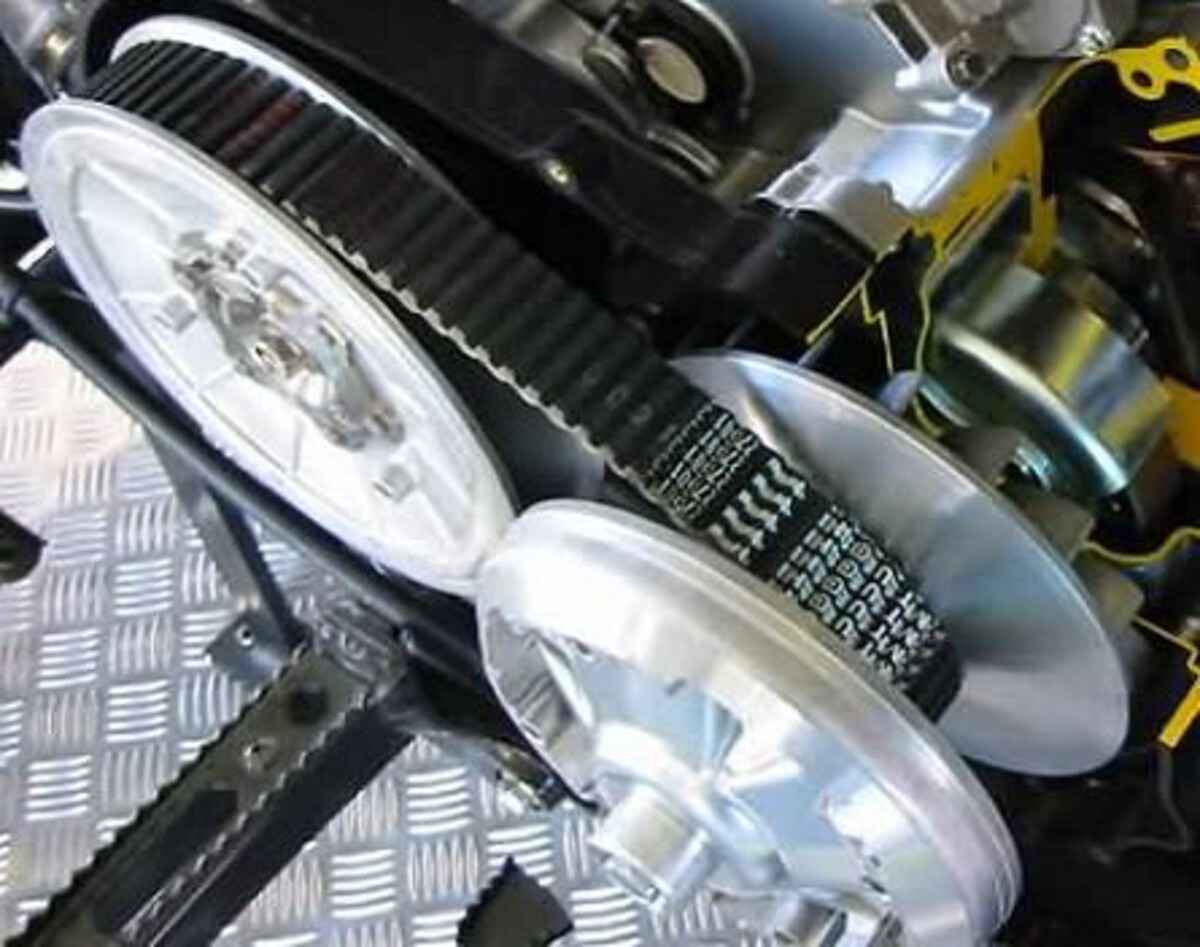
This has led countless owners to skip fluid and filter changes entirely, sometimes for the entire lifespan of the SUV. The result? Burnt fluid, worn clutches, and catastrophic failures.
The Journey’s six-speed automatic transmission is particularly sensitive to fluid quality. Old fluid breaks down under heat, losing its ability to lubricate and cool internal parts.
Without proper service every 50,000–60,000 miles, the transmission begins to slip or shudder. Once internal damage sets in, repairs can cost anywhere from $3,000 to $5,000 often more than the SUV is worth.
Adding to the issue is the fact that many owners use the wrong transmission fluid. The Dodge Journey requires ATF+4, a specific formulation designed for Chrysler transmissions. Using generic or “universal” fluids can destroy the gearbox in short order.
For long-term reliability, transmission fluid and filter changes should be part of your regular maintenance schedule. Ignoring them is one of the fastest ways to cut your Dodge Journey’s lifespan in half.
Mistake 3: Overheating Due to Poor Cooling System Maintenance
Cooling issues are another Achilles’ heel for the Dodge Journey. Many owners underestimate how critical proper cooling system maintenance is, only to find themselves stranded on the side of the road with an overheated engine.
The Journey’s cooling system relies on fresh coolant to keep engine temperatures in check, but many owners never flush the system or replace coolant.
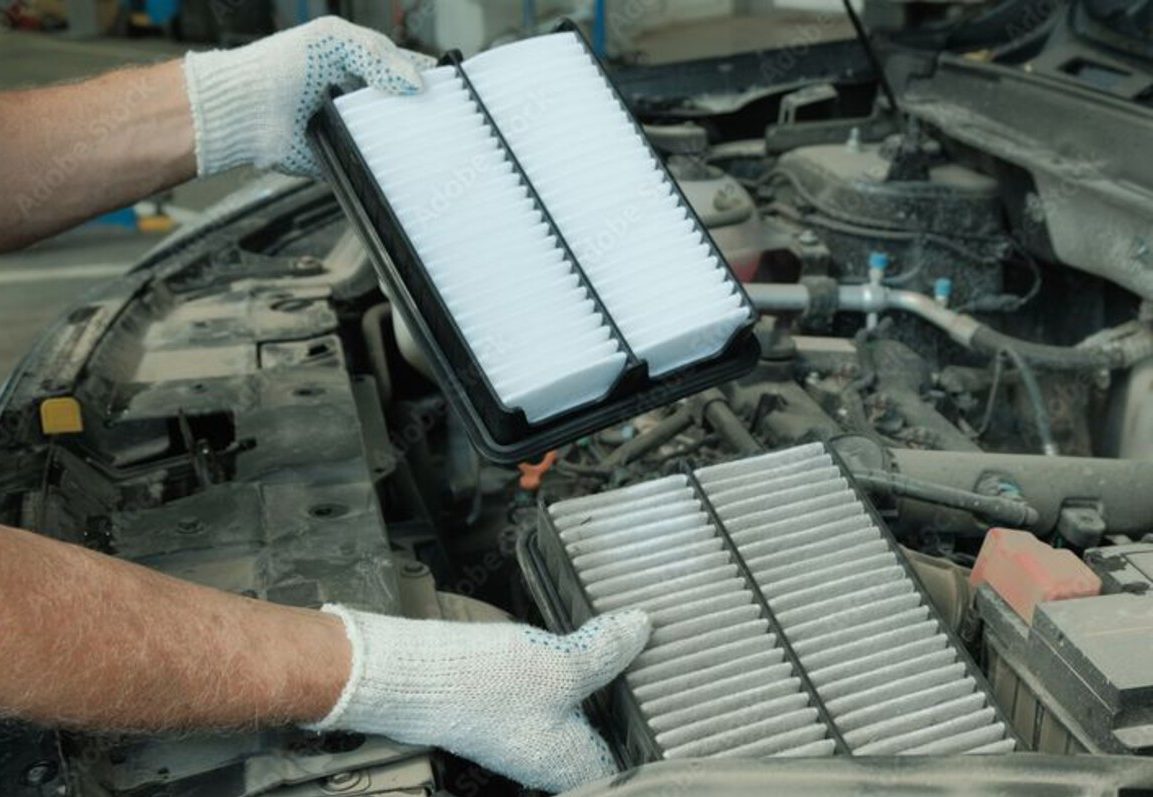
Over time, old coolant loses its ability to prevent corrosion, leading to clogged radiators, damaged water pumps, and failing thermostats. This not only causes overheating but can also crack the cylinder head or warp the head gasket. Repairs at that stage are extremely costly.
Another common problem is ignoring small leaks. A slight drip from a hose, radiator, or water pump may seem harmless, but coolant levels can drop quickly. Even a brief episode of overheating can permanently damage the 2.4L or 3.6L engine.
The Journey also suffers from weak factory components in the cooling system. Water pumps, in particular, are known to fail prematurely. If owners don’t catch the issue early, the result is a chain reaction of engine overheating and failure.
To avoid these disasters, owners should replace coolant every 5 years or 100,000 miles and inspect hoses, clamps, and the radiator regularly. Replacing parts like the thermostat and water pump proactively is a smart move once the vehicle hits higher mileage.
Failing to maintain the cooling system is one of the quickest ways to put your Dodge Journey in the graveyard.
Mistake 4: Using Cheap or Incorrect Fluids
One mistake that often flies under the radar is using cheap or incorrect fluids. The Dodge Journey may not be a luxury SUV, but it is picky about what goes into its engine, transmission, and brakes. Many owners try to save money by choosing budget fluids, but this often costs them far more in repairs.
Engine oil, transmission fluid, power steering fluid, brake fluid, and coolant all have specific formulations for the Journey.
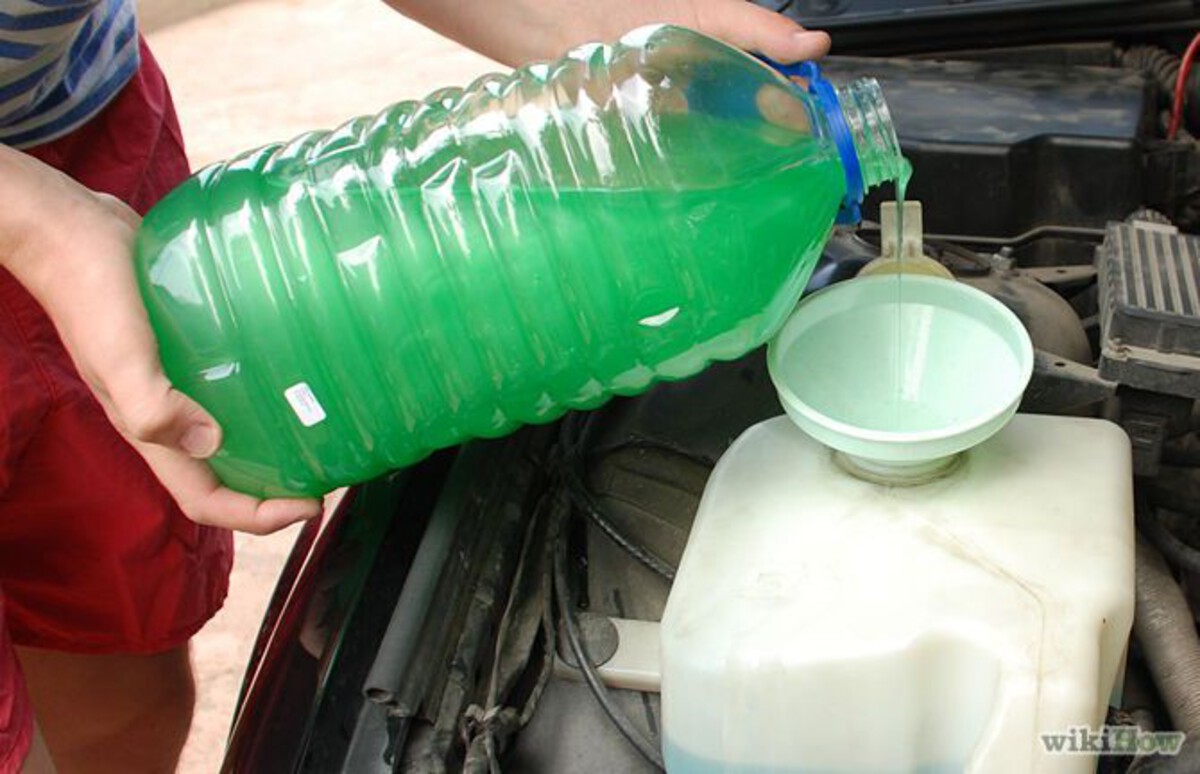
Using the wrong type even if it seems “close enough” can lead to premature wear. For example, the transmission requires ATF+4 fluid only, and substituting a universal fluid often causes failure. Similarly, coolant must be the correct HOAT (Hybrid Organic Acid Technology) type; using generic green coolant can corrode the system from the inside.
Brake fluid is another overlooked item. Cheap, low-quality brake fluid absorbs moisture quickly, reducing braking performance and corroding lines. On a heavy SUV like the Journey, brake reliability is non-negotiable.
Many owners also skimp on synthetic engine oil, opting for cheaper conventional blends. While this may work in the short term, the Journey’s engines were designed with synthetic oil in mind. Without it, sludge buildup and wear occur much faster.
The takeaway? Always use OEM-recommended fluids. A few dollars saved at the store isn’t worth thousands in repairs later. The Dodge Journey may be affordable to buy, but cutting corners on fluids is one of the biggest mistakes that destroy it too early.
ALSO READ: 9 Best Tricks That Keep a Ford Flex From Breaking Down
Mistake 5: Overloading and Towing Beyond Capacity
The Dodge Journey looks like a capable SUV, but its towing and hauling abilities are limited. Many owners treat it like a midsize SUV built for heavy loads, only to discover the hard way that pushing it beyond its limits leads to serious damage.
The Journey’s towing capacity maxes out at around 2,500 pounds when properly equipped. That means it can handle small trailers, light boats, or a compact camper but nothing heavier.

Unfortunately, many owners hitch up loads far beyond this rating, stressing the engine, transmission, and suspension. The result? Overheating, premature transmission failure, and worn-out brakes.
Even without towing, overloading the vehicle with passengers and cargo takes a toll. The suspension and braking systems were never designed to handle excessive weight. Constantly driving with the SUV packed to the roof accelerates wear on shocks, struts, and wheel bearings.
The problem is made worse by owners who don’t realize that every extra pound strains multiple systems at once. For example, towing a heavy trailer not only works the transmission harder but also stresses the cooling system, brakes, and tires.
The solution is simple: respect the Journey’s limits. Stick to its rated towing capacity, avoid constant overloading, and use a proper transmission cooler if you tow frequently. Treating it like a heavy-duty SUV is one of the surest ways to destroy it prematurely.
Mistake 6: Ignoring Warning Lights and Small Problems
Another common mistake is ignoring warning lights and minor issues until they become major ones. The Dodge Journey, like many modern vehicles, relies on sensors and alerts to warn the driver of developing problems. Unfortunately, many owners dismiss these warnings, assuming the SUV will keep running fine.
A check engine light might mean something as simple as a loose gas cap, but it could also signal misfires, failing sensors, or catalytic converter issues. Ignoring these warnings allows small problems to snowball into expensive repairs.
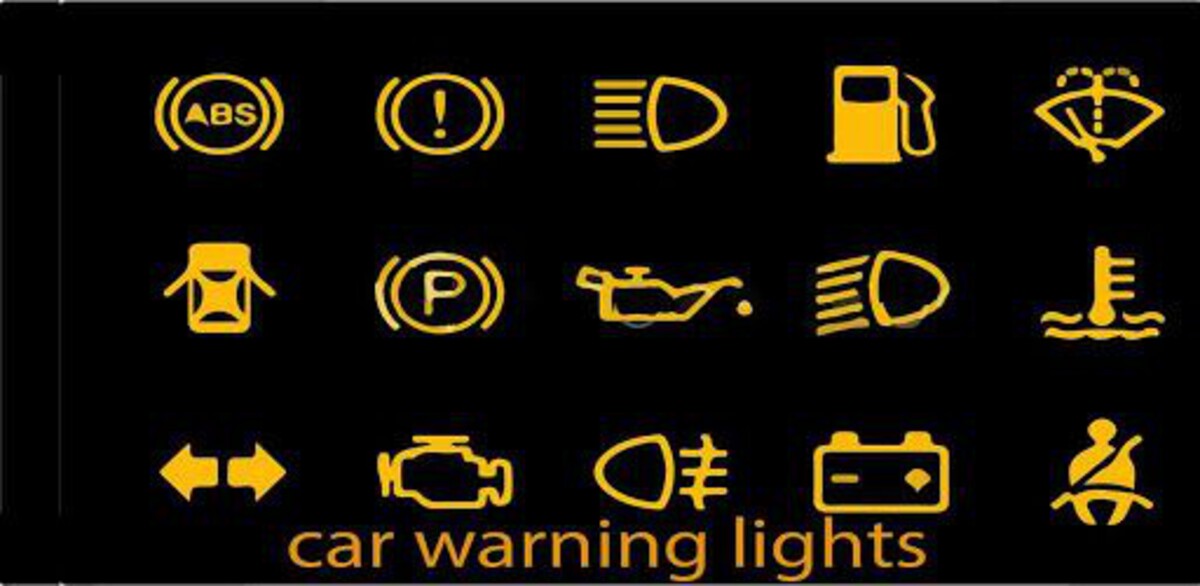
For example, a misfire caused by a bad ignition coil might cost less than $150 to fix early on. Left untreated, it can destroy the catalytic converter a $1,200+ repair.
The same applies to brake warnings, ABS lights, or overheating indicators. Too many Journey owners continue driving despite obvious signs of trouble, hoping the issue will go away on its own. Instead, the problem worsens until the SUV breaks down completely.
The Dodge Journey is not known for its durability, which means small issues can quickly escalate. Owners who respond promptly to warning lights often save thousands in repairs and extend the SUV’s lifespan significantly.
Bottom line: listen to your Journey. When it tells you something is wrong, don’t ignore it. Fixing small issues early is one of the smartest ways to keep this SUV alive.
Mistake 7: Aggressive Driving and Harsh Braking
The Dodge Journey was designed as a comfortable family hauler, not a performance SUV. Unfortunately, many owners drive it aggressively rapid acceleration, hard braking, and sharp cornering all of which put unnecessary stress on the vehicle.
The transmission and engine aren’t built to handle constant abuse. Repeated hard launches or flooring the accelerator shortens the life of internal components.

The brakes, already a weak point on the Journey, wear out quickly under aggressive driving. Rotors warp, pads wear thin, and the SUV develops vibration issues.
Harsh driving also kills suspension components prematurely. The Journey’s suspension wasn’t designed for sporty driving; pushing it through corners too aggressively wears out ball joints, control arms, and bushings. The result is clunks, rattles, and expensive repair bills.
Even fuel economy takes a hit. Aggressive driving wastes gas, forcing the engine and transmission to work harder. Over time, this abuse compounds with other neglected maintenance to shorten the SUV’s lifespan.
Driving style matters more than many owners realize. Treating the Journey like a muscle car is a recipe for disaster. Gentle acceleration, smooth braking, and responsible driving not only improve safety but also drastically extend the life of the vehicle.
If you want your Dodge Journey to survive past 150,000 miles, adjust your driving habits. It may not be exciting advice, but it’s the difference between a reliable daily driver and a money pit.
The Dodge Journey may not have the reputation of a Toyota or Honda, but it doesn’t deserve the horror stories of dying too young, at least not if it’s cared for properly.
The truth is, most Journeys that end up in the scrapyard prematurely didn’t fail because of poor engineering alone. They failed because of avoidable owner mistakes.
Neglecting oil changes, skipping transmission service, and ignoring the cooling system are by far the most damaging errors.
Add in bad habits like towing beyond capacity, ignoring warning lights, or driving aggressively, and you’ve got a recipe for an SUV that burns out before it even hits its stride. The Journey is affordable upfront, but keeping it alive requires discipline and respect for its limitations.
If you already own one, the good news is it’s not too late. Start by catching up on maintenance oil, transmission fluid, coolant, and brakes. Use only OEM-recommended fluids, and take warning lights seriously.
Adjust your driving style to be smoother and more deliberate. Most importantly, stop treating the Journey like something it’s not. It’s a practical family SUV, not a powerhouse or tow rig.
Do these things, and your Dodge Journey can easily surpass 150,000 miles, giving you years of service without draining your wallet. Ignore them, and you’ll likely join the many frustrated owners who gave up too soon.
In the end, the Dodge Journey rewards careful ownership. By avoiding the seven mistakes outlined in this guide, you’ll not only save thousands in repair bills but also prove that this underrated SUV can last much longer than its critics claim.