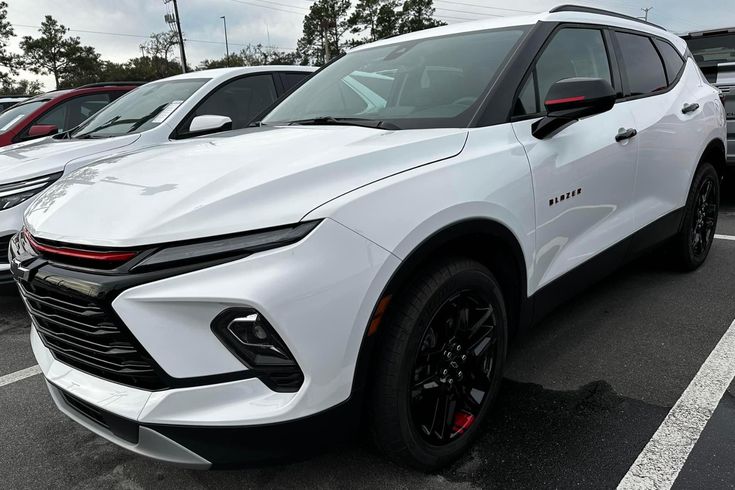
When you buy a Chevy Blazer, you’re investing in a vehicle that blends rugged utility with everyday practicality. Known for its solid build, decent powertrains, and comfortable ride, the Blazer can easily become a long-term companion if treated properly.
However, like any vehicle, hitting the 250,000-mile mark requires more than just luck it demands consistent care, smart driving habits, and an awareness of what not to do.
Too often, Blazer owners make small mistakes that seem harmless at first but gradually cut the life of their SUV short. By the time these issues surface, the damage is often expensive, sometimes irreversible.
The truth is, the Chevy Blazer is capable of lasting well beyond 250,000 miles if it’s properly maintained. Many owners have proudly reported pushing their Blazers past this milestone without major rebuilds.
Yet, these success stories don’t happen by chance. They’re the result of disciplined upkeep, attention to detail, and knowing exactly what to avoid along the way.
This article isn’t just another generic car-care checklist. It’s specifically crafted for Blazer owners who want practical, real-world guidance to maximize longevity.
Whether you own a newer Blazer or an older model, the principles remain the same: avoid neglect, pay attention to warning signs, and make preventative care your best habit.
We’ll walk through nine critical mistakes that shorten the life of your Chevy Blazer. Some of them involve bad maintenance habits, while others deal with driving styles or ignoring early symptoms of problems.
By steering clear of these pitfalls, you give your SUV the best shot at reaching and even surpassing that 250,000-mile goal.
Think of this guide as a roadmap to longevity. If you want to keep your Blazer reliable for decades, avoid the nine mistakes below. Doing so will save you from costly repairs, extend your vehicle’s usefulness, and give you peace of mind knowing your Blazer can go the distance.
9 Things to Avoid If You Want a Chevy Blazer Past 250,000 Miles
The road to 250,000 miles isn’t paved with shortcuts, it’s built on discipline and care. When it comes to keeping a Chevy Blazer running strong, the most common cause of failure isn’t poor engineering; it’s owner neglect.
These vehicles are engineered to last, but only if you avoid the habits that slowly eat away at their reliability.
Skipping oil changes, neglecting fluid flushes, or ignoring basic service intervals will wear down your Blazer faster than anything else.
Then there’s the issue of overheating, one of the biggest silent killers of engines. Allowing cooling system issues to persist can easily destroy a Blazer’s V6 or four-cylinder engine.
Other mistakes often come from how the SUV is driven. Aggressive driving, heavy towing without proper precautions, or treating the Blazer like a sports car rather than an SUV will drastically shorten its lifespan.
Similarly, ignoring suspension or transmission warning signs often leads to failures that could’ve been prevented with early action.
Lastly, rust and electrical neglect are two issues many Blazer owners overlook. Rust can creep into the frame and body, while small electrical problems can snowball into bigger failures if ignored.
In the sections that follow, we’ll break down each of these nine things in detail. Avoid them, and you’ll give your Chevy Blazer the best shot at crossing the 250,000-mile mark with confidence.
ALSO READ: 9 Oversights That Degrade a Honda Accord Hybrid Battery Fast
Thing 1: Skipping Regular Oil Changes
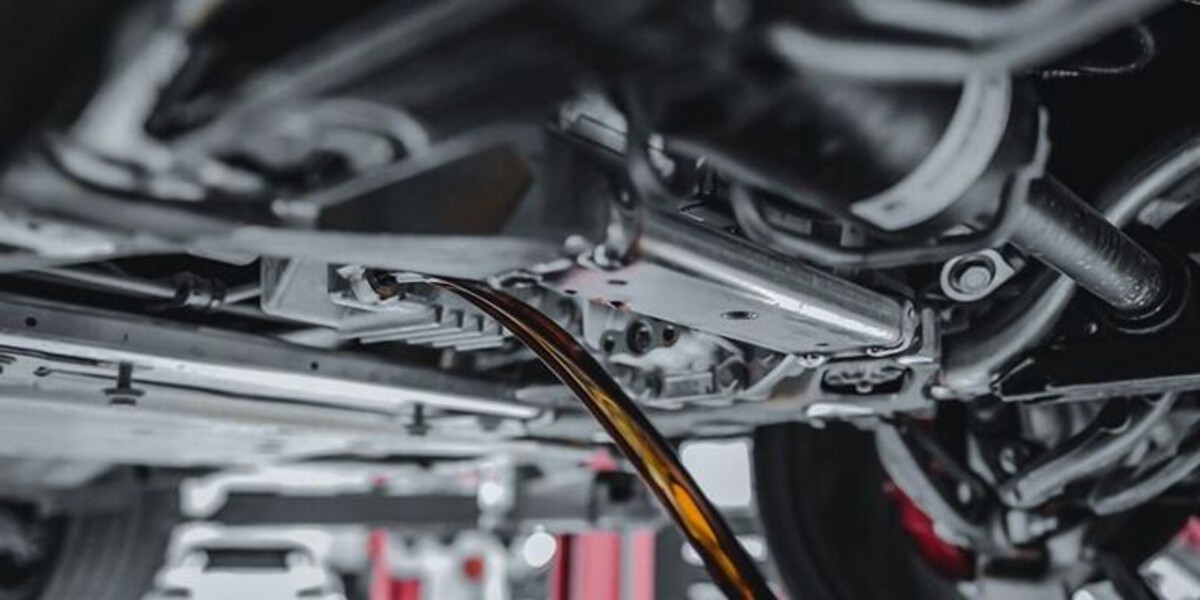
If there’s one maintenance step that matters most for the longevity of your Chevy Blazer, it’s oil changes. The Blazer’s engine, whether it’s the classic 4.3L V6 in older models or the modern turbocharged four-cylinder in newer ones, depends on clean oil to lubricate moving parts, reduce friction, and carry away heat.
When you skip or delay oil changes, sludge begins to form, starving the engine of lubrication and increasing wear on bearings, pistons, and valves.
Many Blazer owners fall into the trap of thinking synthetic oil means extended intervals without worry. While synthetic oil does last longer, it doesn’t make your engine invincible.
Dirt, fuel residue, and microscopic metal shavings still contaminate the oil over time. Waiting 10,000 miles or more between changes may seem convenient, but it’s slowly shaving years off your engine’s life.
Regular oil changes, typically every 5,000 to 7,500 miles depending on usage, are like cheap insurance for your Blazer.
If you drive in severe conditions like city stop-and-go traffic, dusty environments, or frequent towing, you should shorten that interval to around 4,000–5,000 miles. Using high-quality oil filters is equally important, since a clogged or low-grade filter won’t properly trap contaminants.
Engines that don’t get timely oil changes often face catastrophic issues: blown head gaskets, failed piston rings, or even complete engine seizure. These repairs can easily cost thousands, far more than the price of routine oil changes.
If you want your Blazer to last past 250,000 miles, don’t gamble with oil changes. Stick to a consistent schedule, use the right oil for your engine, and keep records. It’s the simplest way to add hundreds of thousands of miles to your SUV without major rebuilds.
Thing 2: Ignoring Cooling System Issues
Few things will kill a Chevy Blazer faster than an overheating engine. The cooling system, composed of the radiator, water pump, thermostat, hoses, and coolant, works to maintain an optimal temperature. When this system is neglected, overheating occurs, and overheating is often the beginning of the end for an engine.
A common mistake Blazer owners make is ignoring small leaks or topping off coolant instead of fixing the root problem.
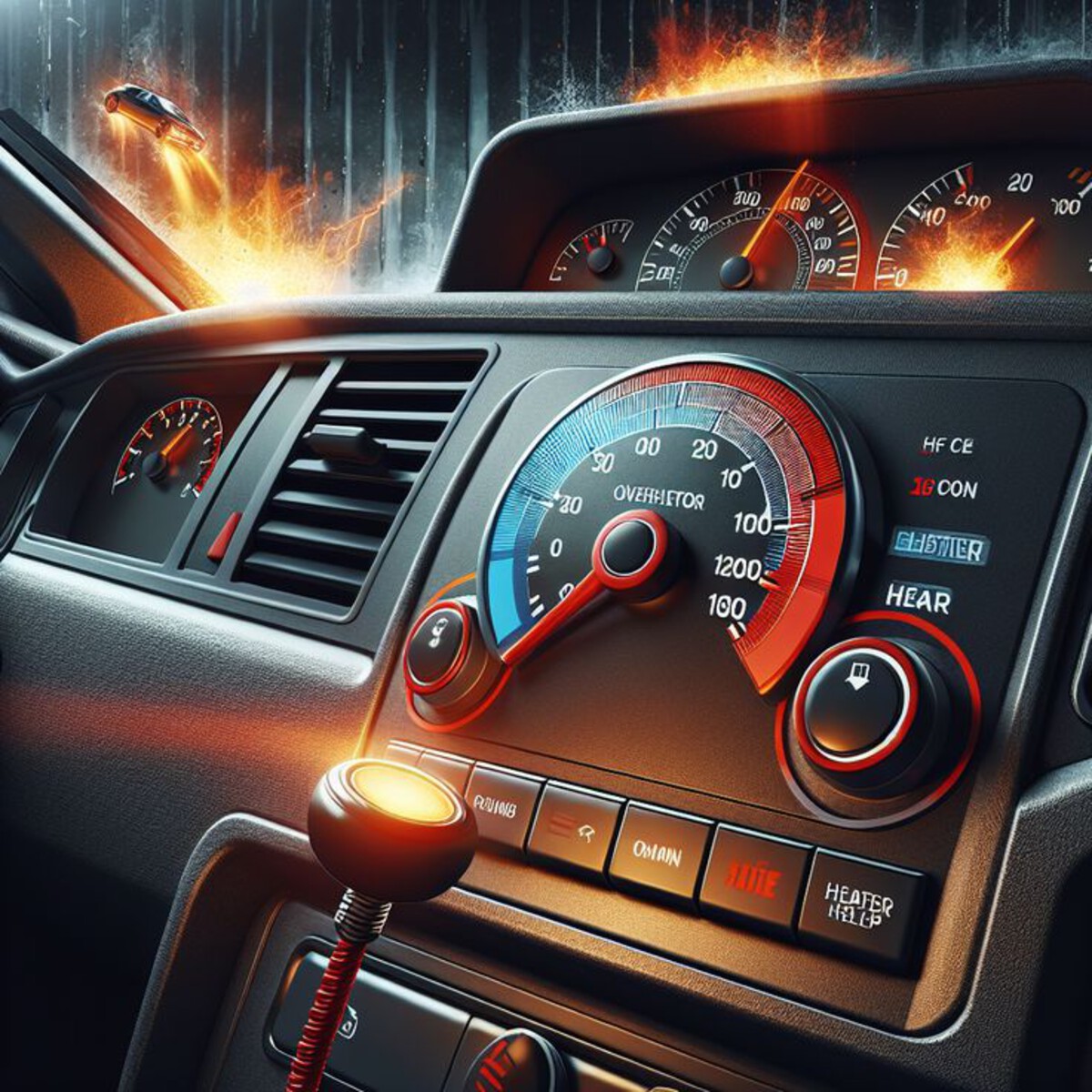
Even a slow coolant leak can eventually lead to low levels, overheating, and warped cylinder heads.
Another frequent oversight is failing to replace the thermostat or water pump on schedule. Both are wear-and-tear parts, and when they fail, the results are immediate and damaging.
Coolant itself is also a major factor. Old coolant loses its anti-corrosion properties, allowing rust and scale to form inside the system.
This not only clogs passages but also eats away at components like the radiator and heater core. For most Blazers, coolant should be flushed and replaced every 5 years or 100,000 miles, whichever comes first.
The temperature gauge is your early warning system, but too many drivers ignore it until steam pours from under the hood. Even a single severe overheating episode can ruin an engine permanently. Repair costs from a cracked block or warped head easily run into the thousands.
If you want your Blazer to survive past 250,000 miles, treat the cooling system as a high-priority maintenance item.
Regularly inspect hoses for cracks, watch for leaks, flush coolant on time, and replace the thermostat and water pump before they fail. Preventative attention here is far cheaper than rebuilding or replacing your engine after overheating damage.
Thing 3: Driving Aggressively or Overloading
The Chevy Blazer was designed as a versatile SUV, not a race car or heavy-duty workhorse. Yet many owners treat it like one, driving aggressively or overloading it beyond its intended limits. Both habits dramatically reduce the lifespan of key components and make hitting 250,000 miles nearly impossible.
Aggressive driving, hard acceleration, frequent high-speed runs, and slamming on brakes put immense strain on the engine, transmission, and suspension.

Engines wear faster under constant high RPMs, transmissions heat up more, and brakes wear prematurely. Over time, this type of driving leads to early failures that could’ve been avoided with smoother habits.
Overloading is another silent killer. Whether it’s towing beyond rated capacity or stuffing the Blazer with more weight than it was built to handle, the results are costly.
The transmission struggles under heavy loads, suspension parts wear out faster, and the cooling system works harder to prevent overheating. Even the frame and body can suffer from excessive stress, especially in older models that are more prone to rust and fatigue.
Driving habits also affect fuel economy. Aggressive or overloaded driving burns more fuel and accelerates wear, meaning you’ll spend more at the pump while shortening your SUV’s lifespan.
If you’re serious about reaching 250,000 miles, respect your Blazer’s design limits. Drive smoothly, avoid racing off the line, and brake gradually whenever possible. If you tow, stay within the manufacturer’s recommended capacity and use proper equipment like transmission coolers to handle the extra strain.
Treat your Blazer like a reliable SUV, not a sports car or heavy-duty truck, and it will reward you with longevity. Respect goes a long way when aiming for quarter-million-mile durability.
Thing 4: Neglecting Transmission Maintenance
Your Chevy Blazer’s transmission is one of its most expensive and critical components. Whether it’s the older 4-speed automatic or the newer 9-speed version, transmission neglect is a common reason Blazers fail before 250,000 miles.
One of the biggest mistakes owners make is assuming the transmission is “sealed for life.” While many modern automatics are marketed this way, the truth is that no transmission fluid lasts forever.
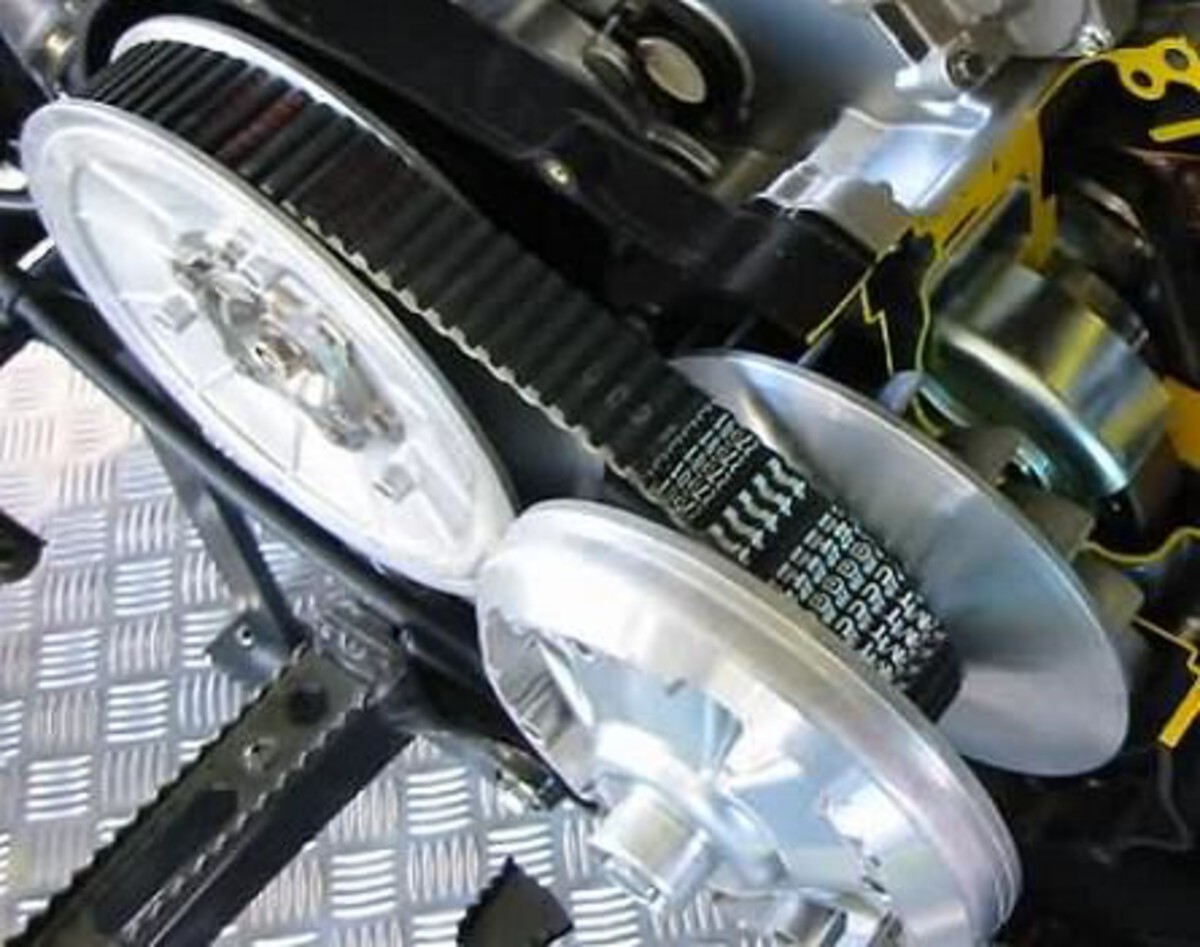
Over time, heat breaks down fluid, causing it to lose its ability to lubricate and cool. Old fluid also carries clutch material and metal particles that increase wear.
If you never service your transmission, expect problems around 100,000–150,000 miles. Symptoms like slipping gears, hard shifts, or delayed engagement are warning signs, and ignoring them only accelerates failure. A full rebuild or replacement can cost thousands, often more than the vehicle is worth.
The solution is preventative maintenance. For Blazers, transmission fluid and filter changes every 50,000–60,000 miles are ideal, especially if you tow or drive in hot climates. Even if the manufacturer doesn’t mandate it, proactive servicing greatly extends transmission life.
Another common mistake is failing to address leaks. Transmission fluid is crucial, and running low can burn up the unit in minutes. Always check your driveway for red fluid spots and act quickly if you notice them.
Driving habits matter too. Aggressive acceleration, towing in overdrive, or constant stop-and-go driving without cooling upgrades all stress the transmission.
If you want your Blazer to last 250,000 miles or more, never neglect transmission maintenance. Fresh fluid, proper driving habits, and early repairs will keep this complex system running smoothly for the long haul.
ALSO READ: 12 Common Habits That Will Ruin a Ford Escort Too Early
Thing 5: Overlooking Suspension and Steering Problems
The suspension and steering system in your Chevy Blazer doesn’t just make the ride comfortable; it keeps you safe and ensures the vehicle handles properly. Neglecting this area won’t just make your SUV unpleasant to drive; it can also shorten its lifespan and create costly repairs that could have been avoided.
Worn shocks, struts, and bushings may seem like minor inconveniences, but they affect far more than ride comfort.
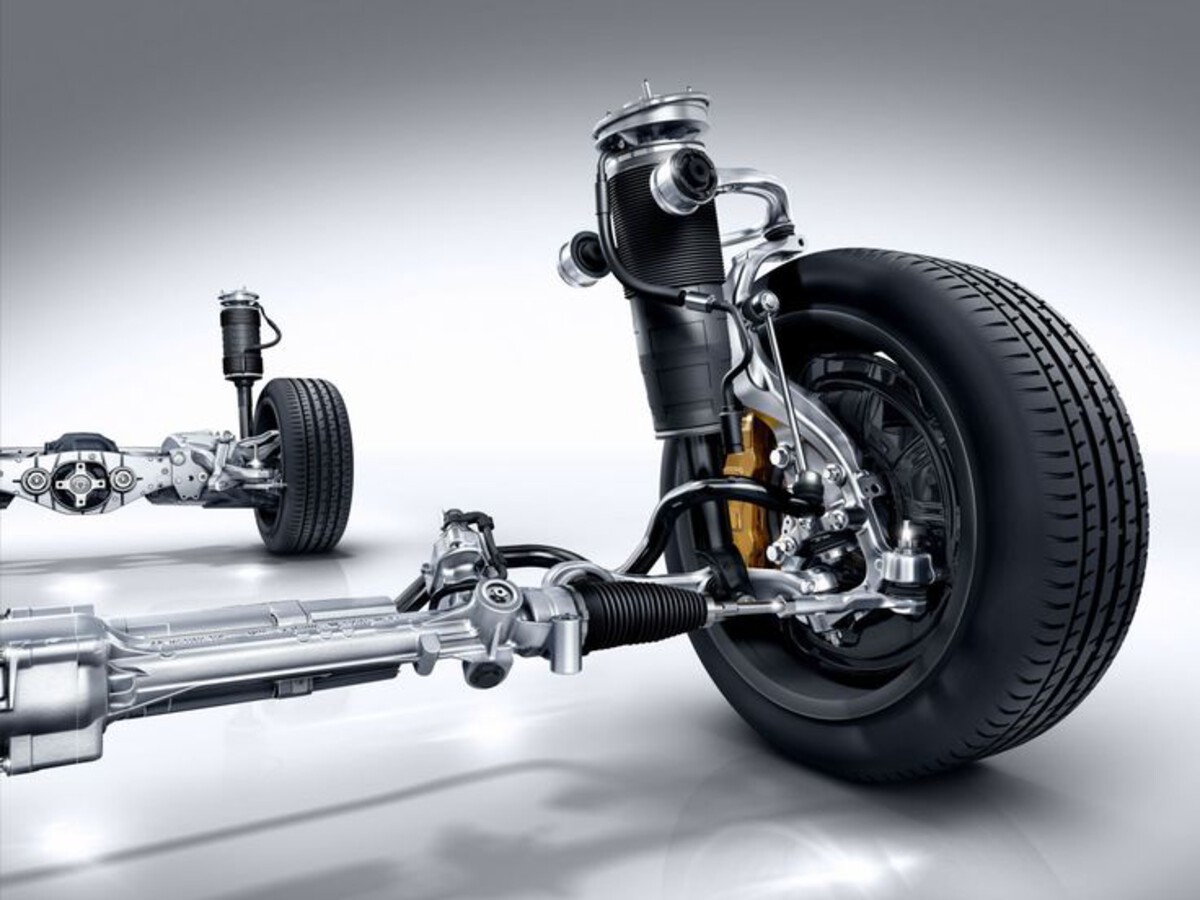
They cause uneven tire wear, put extra stress on steering components, and can even damage the frame over time. Left unchecked, suspension problems make the vehicle unstable, especially at high speeds or when towing.
The steering system is equally critical. Blazers, particularly older models, are known for developing play in the steering wheel when tie rods, ball joints, or steering gear wear out. Ignoring these symptoms not only risks safety but also allows additional components to wear prematurely. For example, a bad ball joint can lead to uneven suspension strain, which accelerates the wear of control arms and bushings.
Another issue is alignment. Many owners drive with misaligned wheels, thinking it’s only a tire problem. In reality, misalignment stresses the suspension system and kills tires quickly. Regular alignment checks should be part of your maintenance routine if you want to stretch the lifespan of both tires and suspension parts.
If you want your Blazer to make it to 250,000 miles, pay attention to suspension and steering warning signs. Fixing a loose tie rod or replacing shocks early is far cheaper than rebuilding an entire suspension system. Not only will your SUV last longer, but it will also handle safely and provide a smoother ride throughout its life.
Thing 6: Letting Rust and Corrosion Spread
Rust is often the silent killer of otherwise reliable Chevy Blazers. Even if your engine and transmission are in excellent condition, severe rust can end your SUV’s life prematurely by compromising the frame, suspension mounts, or body structure. This is especially true for older Blazer models and those driven in areas where roads are salted during winter.
Rust usually starts as small surface spots on wheel wells, underbody panels, or door sills. Many owners ignore it, assuming it’s purely cosmetic.
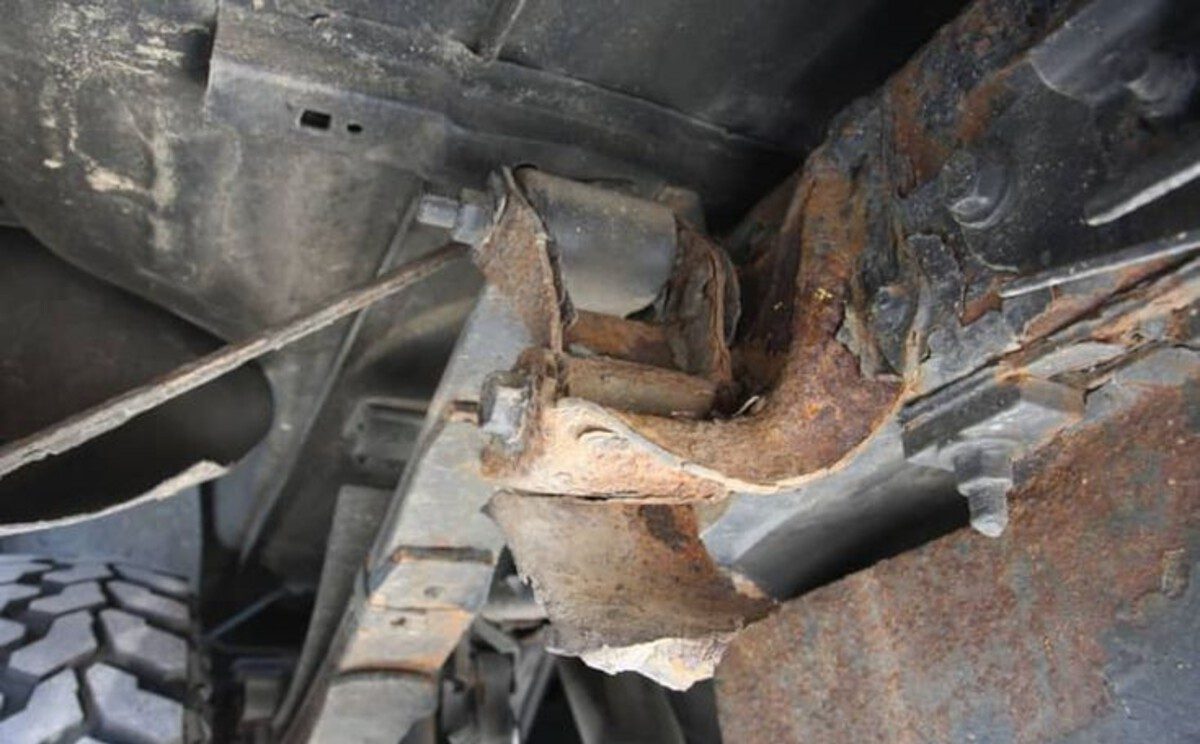
The reality is far worse: once rust penetrates the metal, it spreads quickly and weakens structural integrity. A rusted frame or suspension mount can make the vehicle unsafe and nearly impossible to repair affordably.
One common mistake Blazer owners make is neglecting undercarriage washes in winter. Salt, dirt, and moisture cling to the underside, accelerating corrosion. Without regular rinsing, rust begins attacking areas you rarely see until it’s too late.
Prevention is the best defense. Regularly washing your Blazer, especially the undercarriage, is crucial. Applying rustproofing treatments or undercoating can also help slow corrosion. For older Blazers, routine inspections of the frame and wheel wells should be a priority.
If rust has already begun, don’t ignore it. Small spots can often be sanded down, treated with a rust inhibitor, and repainted before they spread. Waiting until holes appear or panels weaken drastically increases repair costs or renders the SUV a total loss.
For Blazers to reach 250,000 miles, the body and frame must hold up as well as the drivetrain. Stay vigilant against rust, and you’ll extend not just the look but also the structural lifespan of your SUV.
Thing 7: Ignoring Warning Lights and Small Repairs
Modern Chevy Blazers are equipped with a dashboard full of warning lights designed to alert you when something’s wrong. Unfortunately, many drivers adopt the “ignore it until it breaks” mindset, which is one of the fastest ways to cut your Blazer’s lifespan short.
Check engine lights, ABS warnings, or low oil pressure alerts are not suggestions; they’re urgent calls for attention. Ignoring them can turn a minor issue into a catastrophic failure.
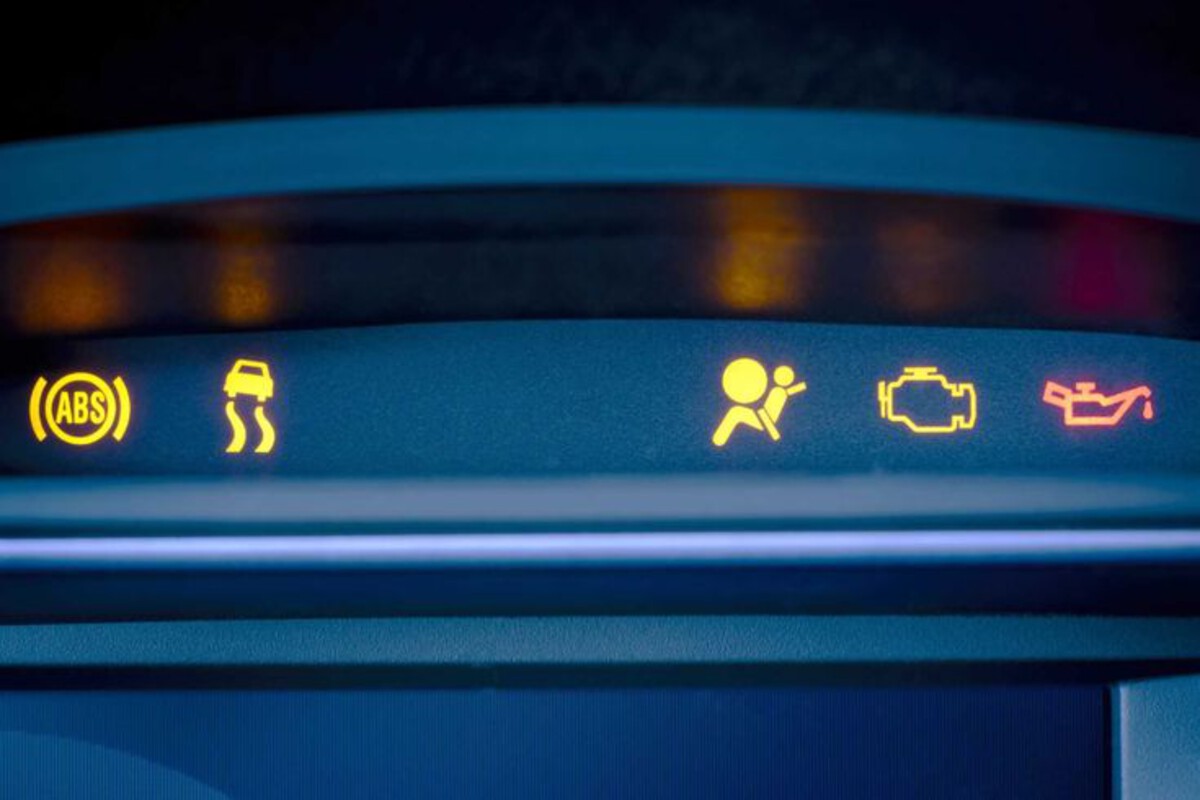
For example, a simple oxygen sensor issue that triggers the check engine light might cost less than $200 to fix. Ignore it long enough, and it can damage your catalytic converter, a repair that may exceed $1,000.
The same principle applies to small repairs outside of warning lights. A small coolant leak, a squeaky belt, or a weak battery may seem like minor inconveniences, but they often snowball into much larger problems. Neglecting a small coolant leak could eventually cause overheating and a blown head gasket. A weak battery can strain the alternator, leading to early failure.
One reason many owners ignore these issues is cost or inconvenience. But the reality is that tackling problems early almost always saves money in the long run. Regularly scanning your Blazer for codes, listening for unusual noises, and addressing small issues promptly will prevent major breakdowns.
If your goal is 250,000 miles, treat warning lights and small problems seriously. They are your vehicle’s way of telling you something needs attention. The faster you act, the longer and healthier your Blazer will remain on the road.
Thing 8: Poor Fuel Quality and Neglecting the Fuel System
Fuel quality plays a bigger role in the long-term health of your Chevy Blazer than most owners realize. Using low-grade or contaminated fuel may save you a few cents at the pump, but it can shorten your SUV’s lifespan significantly.
Poor fuel leads to carbon buildup inside the engine, clogs injectors, and reduces combustion efficiency. Over time, this can result in reduced performance, poor fuel economy, and even misfires.
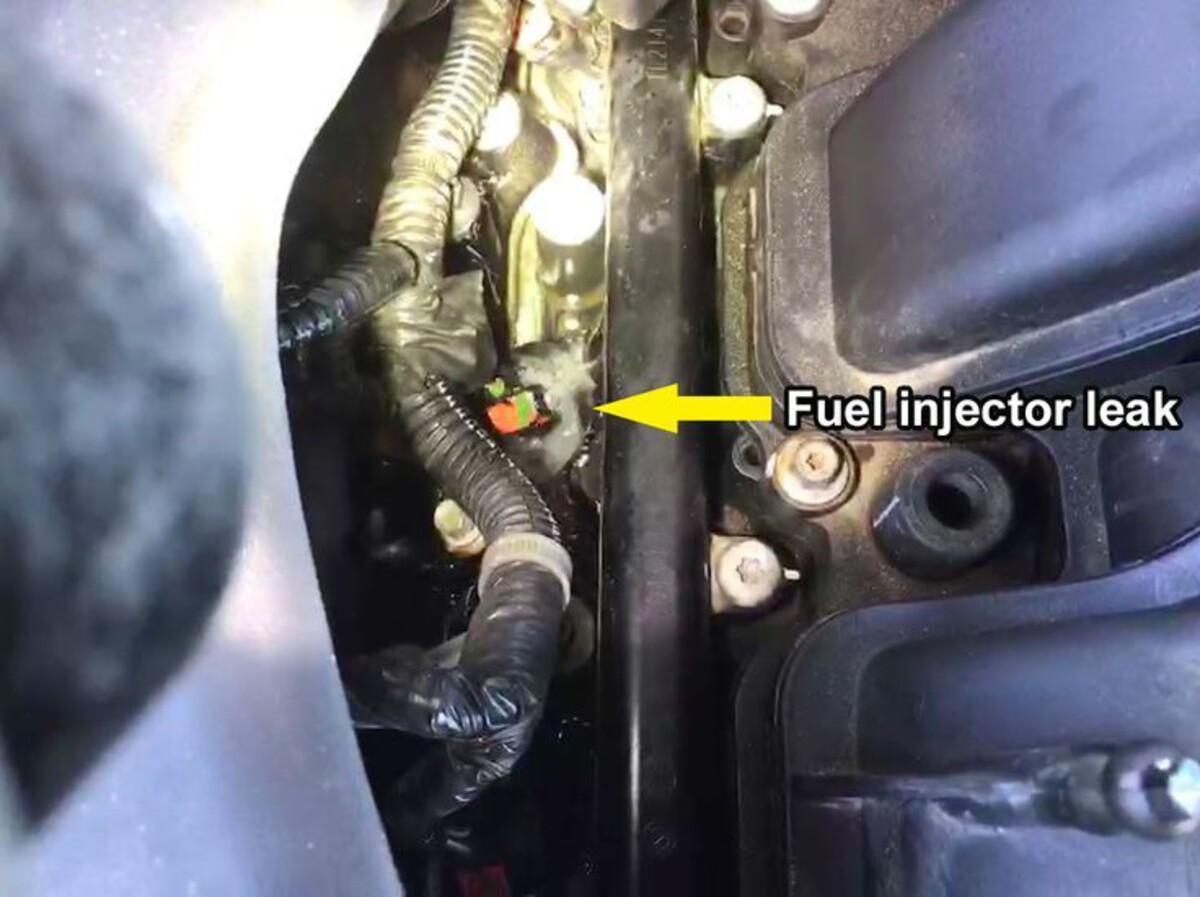
Blazers equipped with direct injection engines are especially vulnerable to carbon buildup, making fuel quality and maintenance even more critical.
Another neglected area is the fuel filter. While newer Blazers often have lifetime filters integrated into the tank, older models require replacement. A clogged filter starves the engine of fuel, straining the fuel pump and leading to premature failure. Since fuel pumps are expensive and labor-intensive to replace, prevention is always better than cure.
Additives also play a role. Using a high-quality fuel system cleaner every 10,000–15,000 miles can keep injectors clean and prevent buildup. Sticking to Top Tier gasoline brands ensures better detergents in the fuel, which helps maintain engine cleanliness.
Owners who push their Blazers past 250,000 miles almost always report consistent fuel system care as part of their maintenance strategy. Avoid cheap fuel, replace filters when needed, and don’t overlook the importance of periodic cleaning. Your engine will reward you with smoother performance and a much longer life.
Thing 9: Electrical Neglect and Battery Issues
Electrical problems are often underestimated by Blazer owners. While a dead battery or flickering headlight may not seem serious, ignoring electrical issues can trigger a domino effect of failures that shorten the SUV’s life.
The battery is the heart of the electrical system. A weak or corroded battery strains the alternator, which then overworks to compensate.
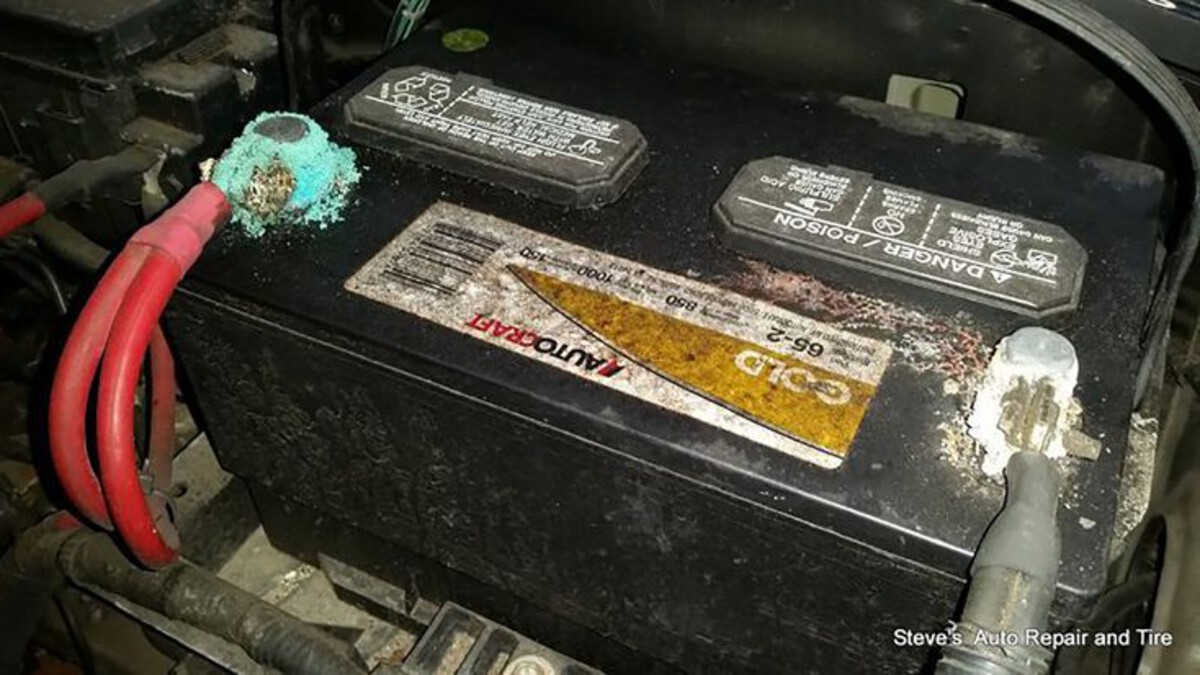
This constant stress can lead to alternator failure, leaving you stranded and facing costly repairs.
Checking battery health regularly and cleaning terminals can prevent this. Replacing a battery every 4–5 years is far cheaper than replacing an alternator or dealing with electrical system failures.
Wiring issues are another neglected area. Over time, heat, vibration, and corrosion can damage wiring insulation, leading to shorts or intermittent electrical problems.
Many Blazers develop issues with power windows, locks, or dash electronics simply because wiring is overlooked until it fails completely.
Modern Blazers rely heavily on electronics for everything from engine management to safety systems.
Ignoring warning lights related to sensors or modules can cause major drivability problems. For example, a faulty mass airflow sensor might make the engine run poorly, reducing both performance and lifespan if not fixed.
If you want your Blazer to last beyond 250,000 miles, don’t dismiss electrical issues as minor.
Keep your battery and alternator in good condition, inspect wiring, and address any sensor or module problems quickly. A strong electrical system ensures all other systems function properly, giving your Blazer the best chance of long-term survival.
Keeping Your Chevy Blazer Alive Beyond 250,000 Miles
Reaching 250,000 miles in a Chevy Blazer isn’t an unattainable dream; it’s the natural result of consistent care and avoiding bad habits. The Blazer, whether old-school or modern, has the bones to last. But like any vehicle, it can’t survive long-term neglect.
The nine pitfalls we’ve covered, skipping oil changes, ignoring cooling system issues, driving aggressively, neglecting the transmission, overlooking suspension problems, letting rust spread, dismissing warning lights, using poor fuel, and ignoring electrical systems, are the main reasons Blazers retire too early. Each of these issues starts small but grows into a mileage killer if ignored.
The owners who proudly report Blazers lasting well beyond 250,000 miles have one thing in common: they respect their vehicles.
They don’t just fix problems when they appear; they prevent them. They understand that oil changes, fluid flushes, and proactive maintenance are not expenses but investments into long-term reliability.
Driving habits also make a difference. Smooth acceleration, proper towing practices, and avoiding unnecessary stress on the drivetrain ensure the SUV isn’t overworked. Add to that vigilance against rust, small repairs, and electrical upkeep, and you’ve built the foundation for longevity.
The secret to reaching quarter-million miles is not complicated; it’s discipline. It’s about catching the little things before they become big problems and respecting the SUV’s design. In return, the Blazer will reward you with durability, reliability, and the satisfaction of owning a vehicle that outlasts expectations.
If you truly want your Chevy Blazer to cross 250,000 miles, avoid the nine mistakes outlined here. With smart maintenance, careful driving, and a little patience, your SUV won’t just meet the milestone, it may even go well beyond it, proving that the Blazer is a true long-term companion.