
There’s something magical about hitting the open road with family or friends in a Toyota Sienna. Known for its spacious interior, comfortable seating, and legendary Toyota reliability, the Sienna has been a favorite minivan for road warriors for decades.
Whether it’s a summer cross-country adventure, a weekend getaway, or simply visiting relatives across states, the Toyota Sienna is built to handle it all.
But here’s the catch: no matter how dependable the Sienna is, any long road trip puts stress on a vehicle. Skipping crucial pre-trip checks could turn an exciting journey into a roadside nightmare.
That’s why every Sienna owner planning a road trip should think of preparation as much more than packing bags or loading snacks. Ensuring your van is mechanically sound, safe, and road-ready is essential for both peace of mind and the safety of your passengers.
Routine inspections before a long trip help prevent sudden breakdowns, avoid expensive emergency repairs, and keep you focused on the fun rather than worrying about “what if something goes wrong.”
Think of your Sienna like a trusted travel partner it can only take care of you if you take care of it first. While Toyota engineering provides a solid foundation, even the most reliable machines depend on proper maintenance.
A long road trip may include hours of highway cruising, winding mountain passes, or stop-and-go traffic through busy cities, and your Sienna must be ready for every condition.
To make things easier, we’ve broken down the 10 most important checks every Toyota Sienna owner should perform before setting off on a road trip.
From the basics like oil and tires to less obvious areas like brake fluid and air conditioning, each check ensures that your minivan stays dependable no matter how far you go.
So, before you load the luggage and program the GPS, run through this essential checklist. These ten checks will keep your Toyota Sienna road-trip ready and guarantee that your journey is as smooth, safe, and enjoyable as possible.
10 Checks That Keep a Toyota Sienna Road-Trip Ready
A road trip can be one of the best experiences you’ll have with your Toyota Sienna, but preparation is key. To avoid any setbacks, every Sienna owner should go through a structured pre-trip inspection.
While regular maintenance covers most needs, long-distance driving requires extra attention to details that are often overlooked.
These 10 checks cover every critical system that can affect performance, safety, and comfort during a road trip:
-
Engine Oil and Filter – The lifeline of your engine.
-
Tires (Pressure, Tread, and Spare) – Essential for safety and fuel efficiency.
-
Brakes and Brake Fluid – Crucial for stopping power in varied driving conditions.
-
Battery and Charging System – Keeps everything from ignition to electronics running smoothly.
-
Cooling System (Coolant and Radiator) – Prevents overheating on long highway drives.
-
Transmission Fluid and Function – Ensures smooth gear shifts on long journeys.
-
Lights and Wipers – Improve visibility and safety in unexpected weather.
-
Suspension and Steering Components – Provide stability, comfort, and control.
-
Air Conditioning and Cabin Filters – Keep passengers comfortable throughout the ride.
-
Emergency Kit and Essentials – A final safeguard in case of unexpected events.
Each of these checks plays a role in keeping your Sienna prepared for extended travel. Neglecting even one can create potential issues on the road.
Performing these inspections not only gives you confidence but also maximizes the safety, comfort, and enjoyment of your journey.
ALSO READ: 11 Worst Mistakes That Are Ruining Your Ford Edge EcoBoost
Check 1: Engine Oil and Filter
When it comes to keeping your Toyota Sienna ready for a road trip, checking the engine oil and filter should always be at the top of the list. The engine is the heart of your vehicle, and oil acts as its lifeblood.
Without clean oil flowing freely, friction builds up between moving parts, leading to overheating, reduced performance, and even catastrophic engine damage. On long trips where the engine runs for hours at a time, this risk becomes even more significant.
Before hitting the road, check your Sienna’s oil level using the dipstick. Ensure the level is within the recommended range, and take note of the oil’s color and consistency. Fresh oil should be amber and smooth, while old oil may appear dark, gritty, or sludgy.
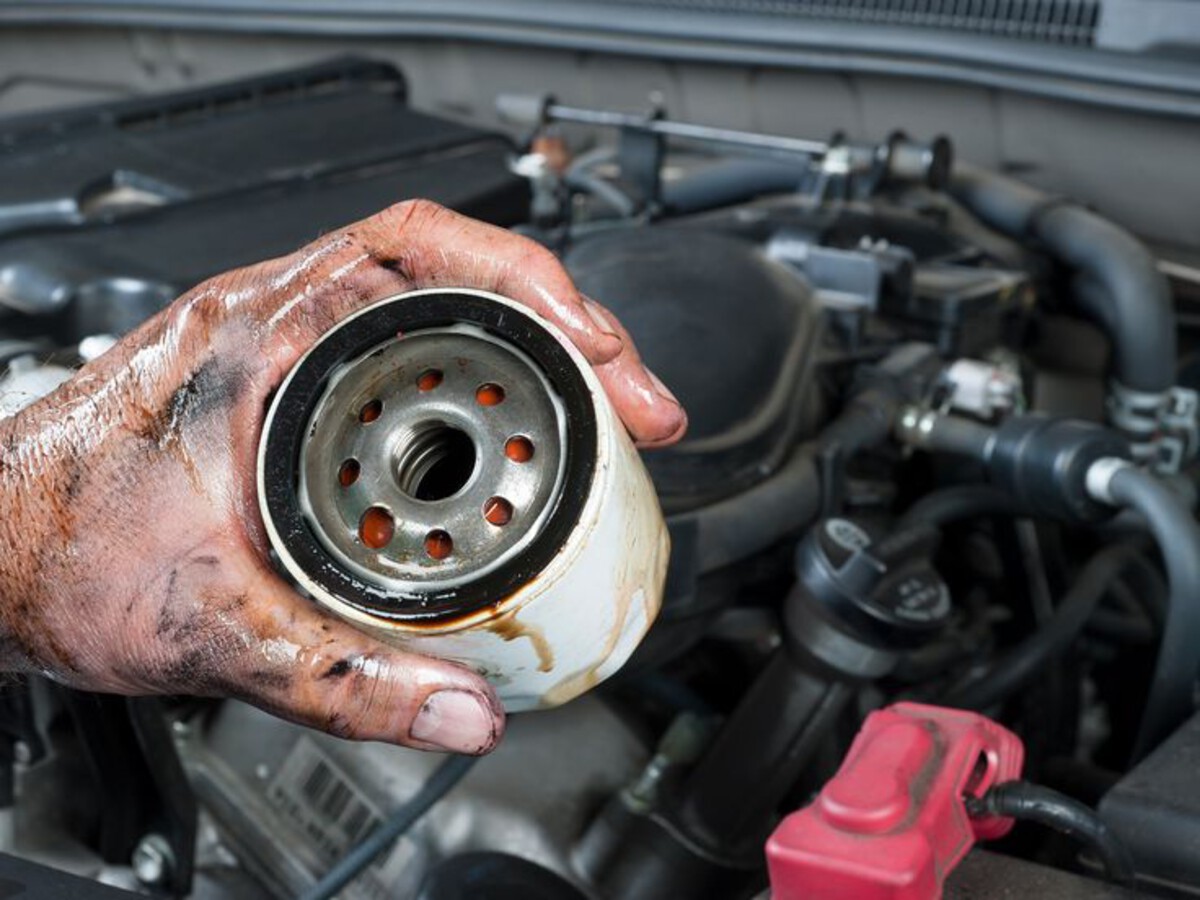
If your last oil change was more than 5,000 miles ago, it’s a smart move to get it changed before traveling. The oil filter should also be replaced regularly, as it traps dirt and contaminants that could otherwise circulate through your engine.
Toyota engines, including those in the Sienna, are generally reliable, but neglecting oil maintenance is one of the fastest ways to shorten their lifespan.
Imagine being on a cross-country trip and suddenly dealing with an oil warning light. It’s a situation no driver wants. Preventing this takes just a few minutes of preparation at home or a quick service appointment.
By ensuring fresh oil and a clean filter, your Sienna’s engine will stay cool, lubricated, and efficient, giving you peace of mind that your family road trip won’t be cut short by an avoidable mechanical issue.
Check 2: Tires (Pressure, Tread, and Spare)
Tires are the only part of your Toyota Sienna that makes direct contact with the road, making them one of the most critical safety checks before a road trip.
Poorly maintained tires can lead to blowouts, reduced handling, and decreased fuel efficiency, none of which you want on a long drive with your family on board.
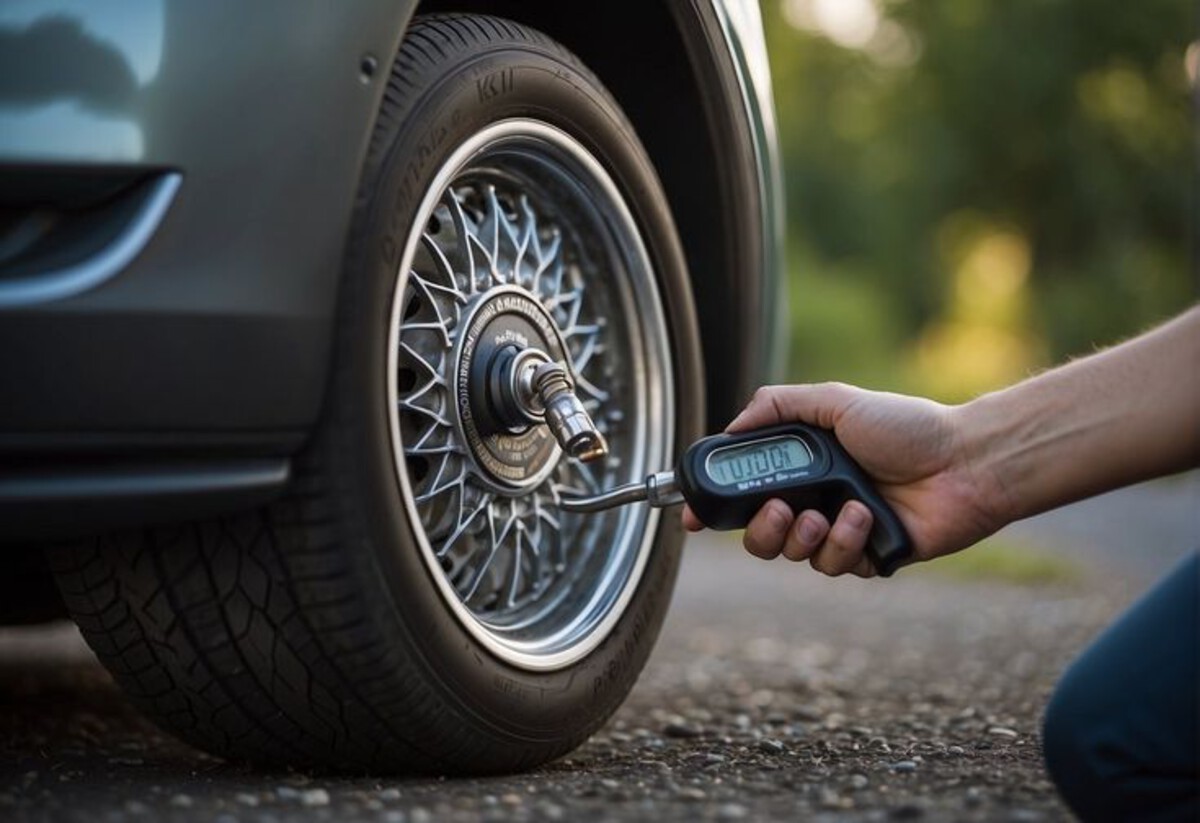
Start by inspecting tire pressure. Both overinflated and underinflated tires cause problems: overinflated tires wear unevenly and reduce traction, while underinflated ones generate heat, risking blowouts.
Use a reliable tire pressure gauge and compare readings with the recommended PSI listed on the driver’s door frame. Don’t forget to check the spare tire, which is often overlooked until it’s too late.
Next, examine tread depth. Adequate tread is essential for traction in wet or slippery conditions. The “penny test” is a quick way to measure: insert a penny into the tread groove with Lincoln’s head facing down. If you can see all of his head, your tread is dangerously low.
Finally, visually inspect for any bulges, cracks, or objects embedded in the rubber. Road hazards like nails or potholes can weaken tires without immediately causing flats, and catching these signs early can save your trip from disaster.
Since road trips often involve varied terrain from smooth highways to rougher rural roads, properly maintained tires ensure maximum grip, comfort, and efficiency.
Replacing worn-out tires before departure may feel like an extra expense, but it’s far cheaper and safer than dealing with an emergency blowout in the middle of nowhere.
Keeping your tires road-ready not only protects your passengers but also makes every mile smoother, quieter, and more fuel-efficient.
Check 3: Brakes and Brake Fluid
Few things are more important on a road trip than knowing your brakes can handle anything the road throws at you.
Whether it’s sudden traffic stops, winding downhill roads, or wet highways, your Toyota Sienna’s brakes are the difference between safe travels and dangerous situations.
Start by listening for warning signs. Squeaking, grinding, or vibration when braking indicates worn pads or warped rotors.
If your Sienna pulls to one side during braking, it may suggest uneven wear or hydraulic issues. Checking the brake pads and rotors before setting off can prevent these problems from becoming worse.
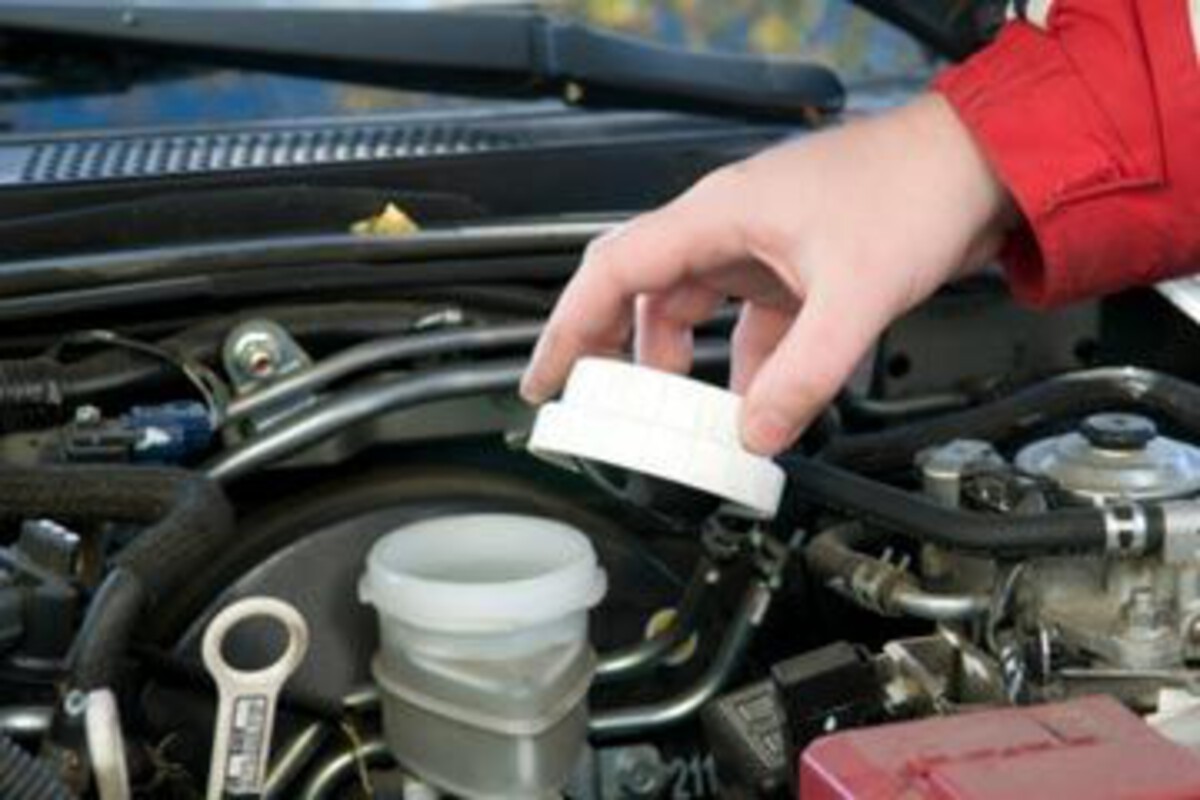
Brake fluid is just as important, but often ignored. It plays a key role in transferring force from your foot to the braking system.
Over time, brake fluid absorbs moisture, reducing its effectiveness and increasing the risk of brake fade, especially on long downhill drives where the brakes heat up. Toyota recommends flushing brake fluid every two to three years, but if your last service is a mystery, now is the time to get it inspected.
On a long road trip, especially with a fully loaded van, brakes endure more strain than usual. Imagine descending a mountain pass only to find your brakes feel soft or unresponsive, terrifying!
By ensuring your pads, rotors, and brake fluid are in top condition, you guarantee responsive stopping power and peace of mind. After all, safety should always come first, and dependable brakes are your first line of defense on any journey.
Check 4: Battery and Charging System
Few things ruin the start of a road trip faster than a dead battery. The Toyota Sienna relies heavily on its electrical system, powering not only ignition and lighting but also modern features like infotainment, navigation, and power doors.
A weak or unreliable battery can leave you stranded before you even reach your first stop. Begin by checking the battery’s age. Most car batteries last three to five years, depending on climate and usage.
If your Sienna’s battery is approaching that range, consider replacing it before the trip. Even if it’s still functioning, the last thing you want is a sudden failure miles from the nearest town.
Next, inspect the terminals for corrosion. White or greenish buildup on the battery posts can restrict electrical flow. Cleaning them with a wire brush and a mixture of baking soda and water ensures a good connection. Also, make sure the cables are tight and secure.
If you have access to a multimeter or can visit a service center, test the battery’s voltage. A healthy battery should read around 12.6 volts when the car is off and between 13.7 and 14.7 volts when the engine is running, indicating that the alternator is charging correctly.
The charging systemprimarily the alternator and serpentine belt, shouldn’t be overlooked either. If your headlights dim when idling or your Sienna struggles to start, this may signal a charging issue.
Since road trips often involve long drives with constant use of electronics, from air conditioning to charging devices, your battery and alternator must be ready to handle the load. By checking them ahead of time, you avoid delays and keep the journey stress-free.
ALSO READ: 5 Pickups That Survive Heavy Hauling vs 5 That Can’t Handle It
Check 5: Cooling System (Coolant and Radiator)
Your Toyota Sienna’s cooling system is like a silent guardian during long drives. Without it, the engine would quickly overheat, leaving you stranded on the roadside with steam billowing from under the hood.
On a road trip, especially during summer or when climbing steep hills, the cooling system works overtime to maintain a safe engine temperature.
The first step is to inspect coolant levels. Coolant (or antifreeze) prevents overheating in summer and freezing in winter.
If the reservoir is low, top it up with the correct mixture of coolant and water recommended by Toyota. Never open the radiator cap while the engine is hot, as pressurized steam can cause severe burns.
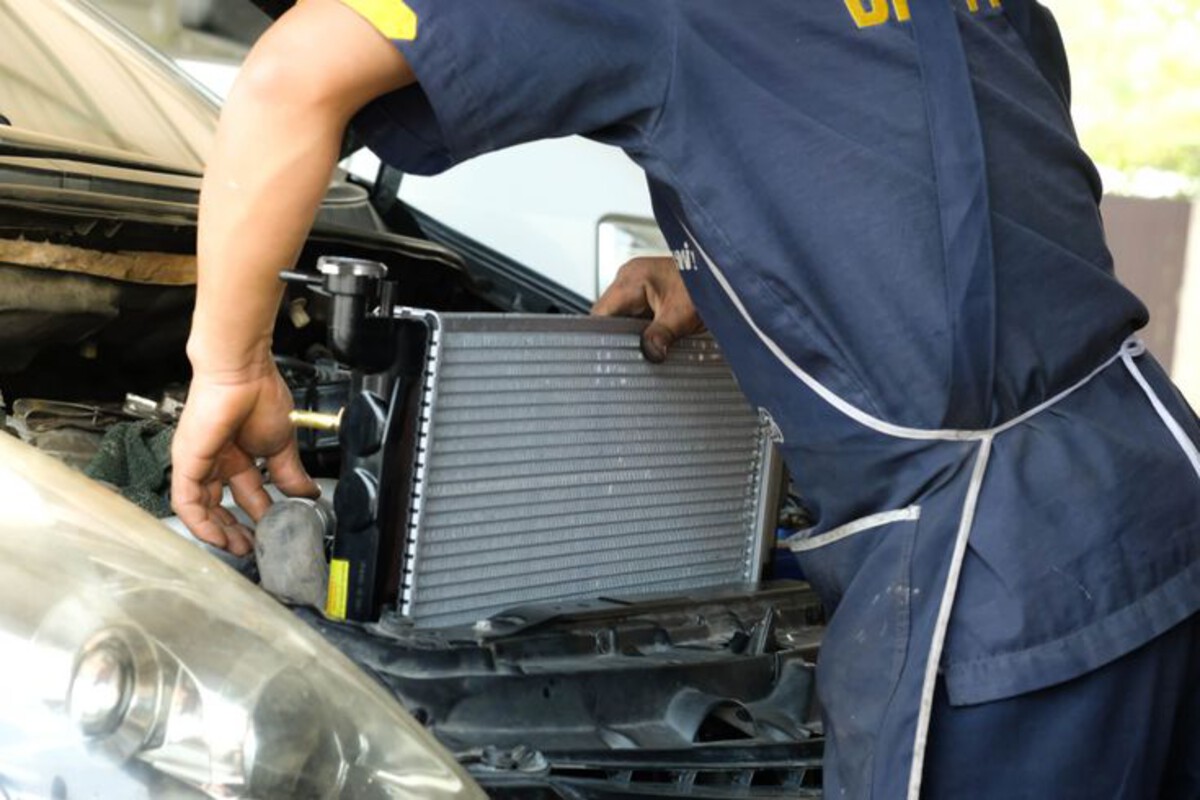
Next, check the radiator and hoses. Look for cracks, leaks, or swelling in the rubber hoses. Even small leaks can cause coolant loss over a long trip.
Also, inspect the radiator for any buildup of dirt or bugs that might restrict airflow. A quick rinse with a hose can improve cooling efficiency.
Coolant quality matters too. Over time, it becomes contaminated and loses effectiveness. If it looks rusty, brown, or murky instead of bright green, pink, or orange (depending on type), a flush is due.
Toyota typically recommends replacing coolant every 50,000 miles, but a road trip is a good time to double-check.
A well-maintained cooling system ensures consistent engine performance even under tough conditions. Nothing ruins a family vacation like being stuck on the side of the road with an overheated engine.
By giving your Sienna’s radiator, hoses, and coolant proper attention before departure, you guarantee that your van will handle long climbs, heavy loads, and hot weather without breaking a sweat.
Check 6: Transmission Fluid and Function
Smooth gear shifts are essential for a stress-free road trip, and that’s where your Toyota Sienna’s transmission comes in.
Whether you’re cruising down highways or navigating stop-and-go city traffic, a healthy transmission ensures the van delivers power efficiently and without hesitation. Neglecting it, however, can lead to jerky shifts, overheating, or even breakdowns.
Start by checking the transmission fluid. This fluid lubricates gears, prevents overheating, and allows smooth shifting. If your Sienna has a dipstick for transmission fluid, examine the level and condition. It should be at the correct mark, with a reddish tint and no burnt smell.
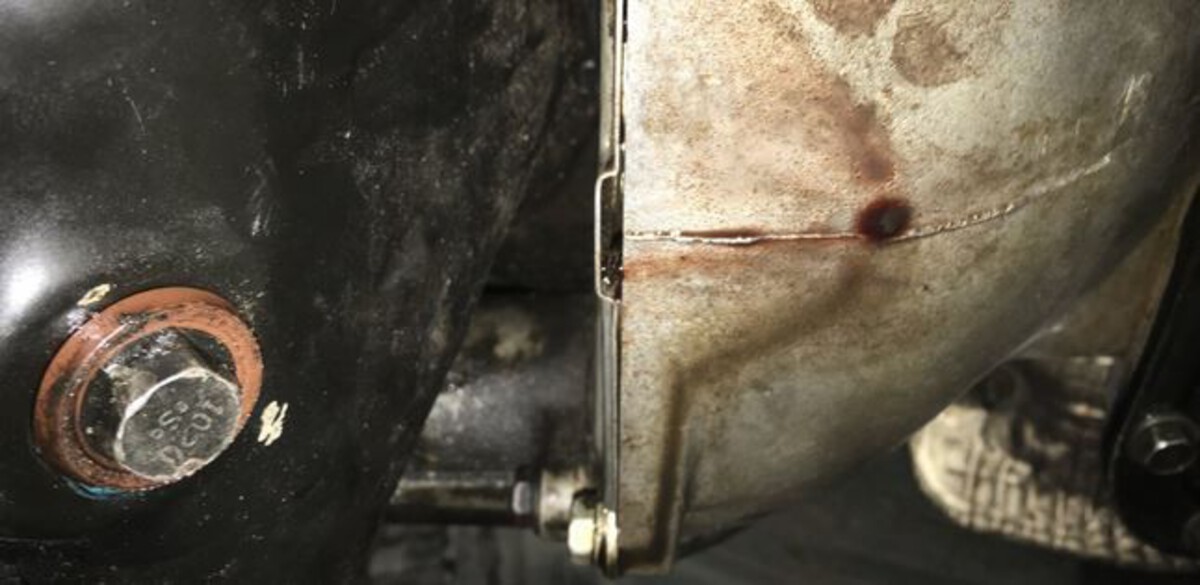
Dark, dirty, or low fluid is a red flag; it means it’s time for a change. Some newer Sienna models have sealed transmissions, meaning fluid checks are best done at a service center.
Pay attention to how your Sienna drives, too. If you notice delayed engagement when shifting from park to drive, slipping gears, or unusual noises, these are signs of transmission trouble. On long trips, where the transmission is in constant use, even minor issues can quickly escalate.
Heat is the enemy of transmissions. Carrying passengers and luggage adds extra strain, so ensuring fluid is fresh and at the right level helps prevent overheating.
Toyota generally recommends a transmission fluid service every 60,000 to 100,000 miles, depending on usage, but if your trip will add serious mileage, consider having it inspected early.
By keeping your transmission healthy, you ensure smooth, predictable shifts and better fuel economy. More importantly, you avoid the nightmare of transmission failure mid-trip, a costly and time-consuming repair.
Check 7: Lights and Wipers
Visibility is everything when driving, especially on long trips that may include nighttime hours or sudden weather changes.
Ensuring your Toyota Sienna’s lights and wipers are in top shape keeps you and your passengers safe, while also making the drive far less stressful.
Start with the headlights. Check both low and high beams for brightness and alignment. Dim or misaligned headlights reduce visibility and make it harder for other drivers to see you.
Replacing bulbs before they burn out is wise, especially if they’re older. Modern Siennas may have LED lighting, which lasts longer, but even these should be inspected.
Brake lights, turn signals, and hazard lights are just as critical. A failed brake light not only puts you at risk but could also result in traffic stops or fines. Ask a friend or family member to check the rear lights while you operate them from inside.
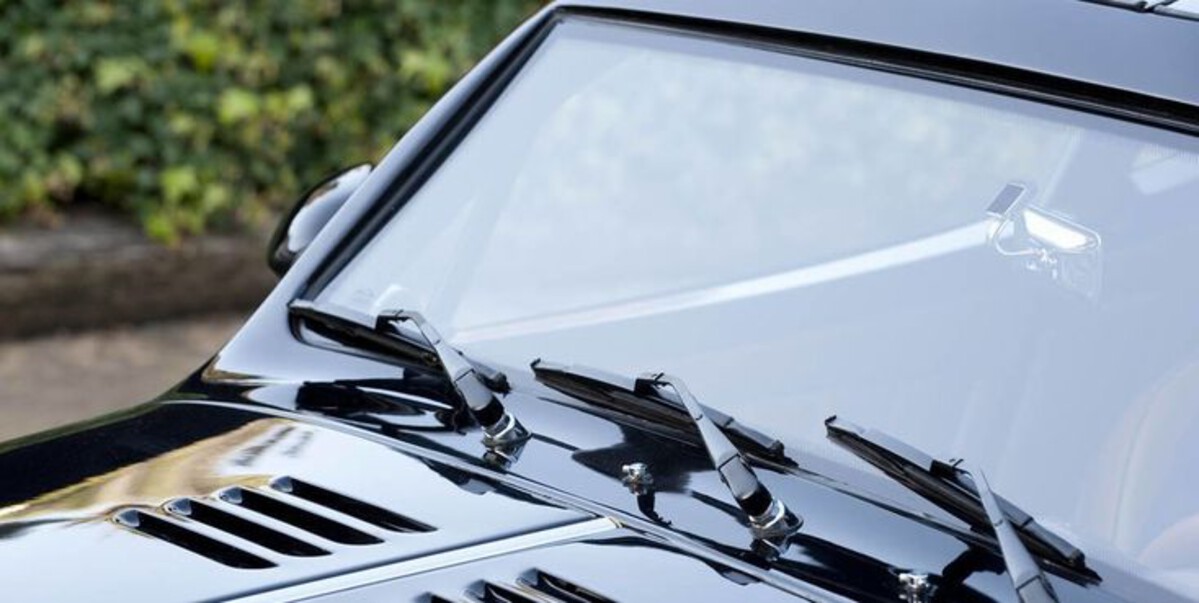
Windshield wipers are another easily overlooked safety feature. Streaky or squeaky wipers mean the rubber is worn and won’t effectively clear rain.
Since storms can happen at any time during a road trip, installing fresh wiper blades is inexpensive insurance. Don’t forget to top up the windshield washer fluid. Road grime, bugs, and dust can quickly accumulate, especially on highways.
Finally, check that your rear wiper and defroster are working properly. Rear visibility is crucial when driving a fully loaded Sienna.
Good lights and wipers keep your view of the road clear and ensure that other drivers can see you as well. It’s a small detail, but one that plays a huge role in keeping your trip safe and smooth.
Check 8: Suspension and Steering Components
Comfort and control are what make the Toyota Sienna a favorite for family trips, and much of that comes from the suspension and steering systems.
These components don’t just affect ride quality; they’re vital for handling and safety, especially when the van is loaded with passengers and luggage.
Start by listening for noises. Clunks, squeaks, or rattles over bumps may signal worn shocks, struts, or bushings. Excessive bouncing after hitting a bump is another giveaway that the suspension isn’t absorbing impacts properly.
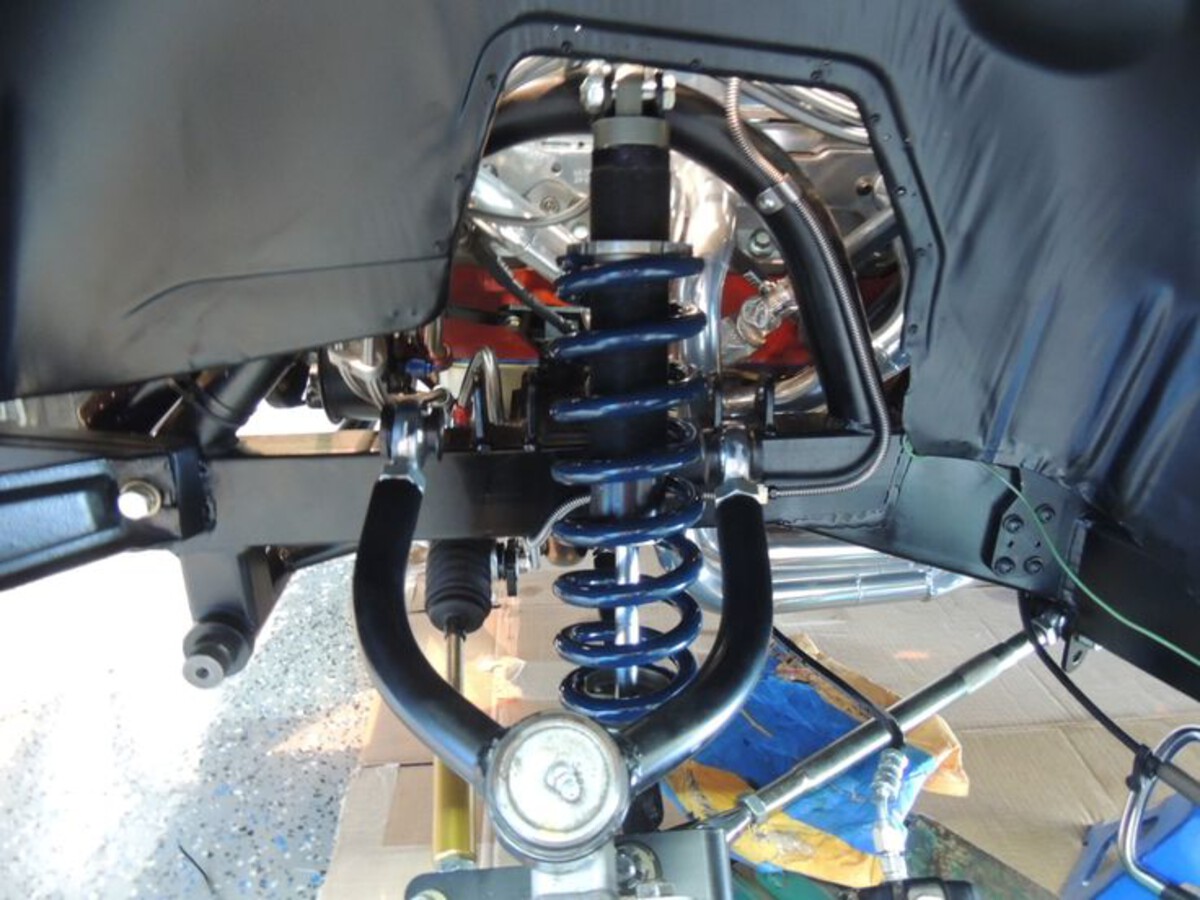
Check the steering by gently turning the wheel at low speeds. It should feel smooth and responsive without excessive play or stiffness.
Power steering fluid (if your model uses it) should also be checked for correct levels and clarity. Many newer Siennas use electric power steering, which eliminates fluid checks but should still be inspected for smooth operation.
Uneven tire wear can also point to alignment or suspension issues. A misaligned Sienna will not only reduce fuel efficiency but also cause driver fatigue on long trips as you constantly correct the steering wheel. Getting an alignment check before a road trip helps ensure the van tracks straight and steady.
Since road trips often involve highways, rougher roads, or even mountain driving, a strong suspension and precise steering provide confidence and stability. The last thing you want is shaky handling or poor cornering when carrying your loved ones.
Keeping suspension and steering components healthy guarantees a smooth, quiet ride and adds an extra layer of safety to your journey.
Check 9: Air Conditioning and Cabin Filters
Comfort is just as important as reliability on a road trip, and in a family-friendly minivan like the Toyota Sienna, climate control plays a huge role. Few things can sour a long drive faster than a broken air conditioner in the middle of summer.
First, test the air conditioning system. Turn it on at full blast and check how quickly it cools the cabin. Weak airflow or warm air could indicate low refrigerant, a clogged condenser, or issues with the compressor. Fixing these before you leave ensures your passengers stay comfortable in every climate.
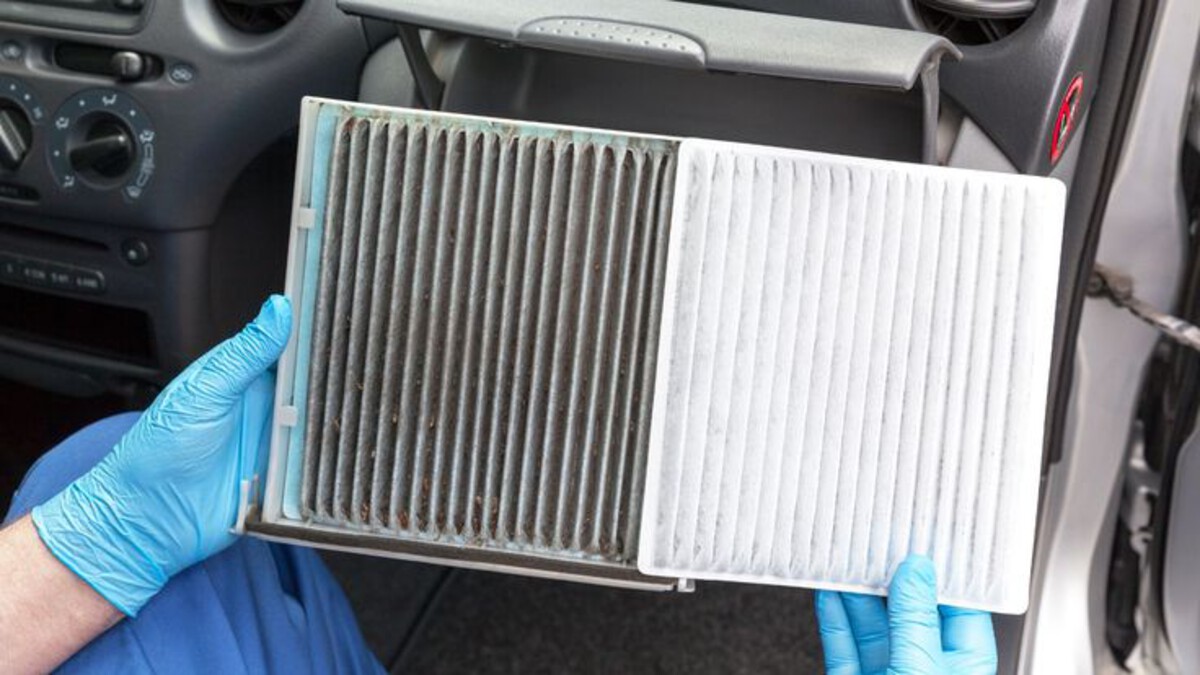
Next, check the cabin air filter. This filter keeps dust, pollen, and pollutants from circulating inside the van.
Over time, it becomes clogged, reducing airflow and putting extra strain on the A/C system. A dirty cabin filter can also cause musty odors, which no one wants on a long trip. Replacing it is usually quick and inexpensive.
Don’t forget about the heater, especially if your trip involves cooler climates. Ensuring both heating and cooling functions work well means you’re prepared for any weather surprises.
A comfortable interior goes a long way in keeping spirits high on long drives. Children sleep better, drivers stay more focused, and everyone enjoys the journey when the temperature inside the Sienna is just right.
By giving your air conditioning and cabin filters some attention before leaving, you ensure the road trip is remembered for the destinations, not the discomfort.
Check 10: Emergency Kit and Essentials
Even with the most reliable vehicle and thorough checks, unexpected events can still occur. That’s why every road-ready Toyota Sienna should carry an emergency kit. This final check isn’t about the van’s mechanics; it’s about your preparedness.
At a minimum, your kit should include a first-aid box, jumper cables, a flashlight with spare batteries, and basic tools like a wrench and screwdriver. A tire repair kit or portable inflator can save you from being stranded with a flat in areas where roadside help may take hours to arrive.
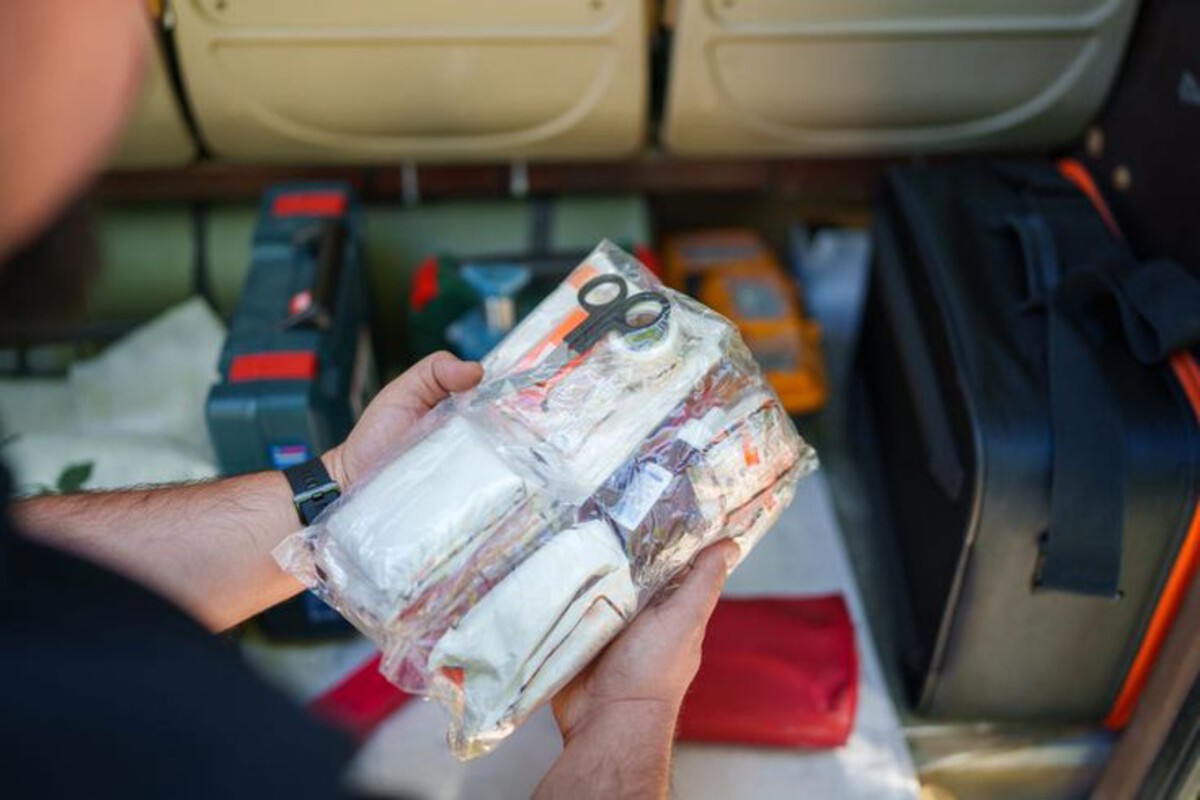
Other essentials include bottled water, snacks, and blankets. If you’re traveling in colder climates, pack an ice scraper, gloves, and extra warm clothing. For summer trips, sunscreen and extra drinking water are musts.
Don’t forget the paperwork. Carry your vehicle registration, insurance documents, and roadside assistance contact numbers in a secure but easily accessible place. A portable phone charger or power bank ensures you can always call for help.
Technology can also be part of your emergency preparedness. Download offline maps to your phone in case you lose GPS signal in remote areas.
The Toyota Sienna is designed with family road trips in mind, but being prepared for emergencies adds another layer of safety and confidence. You may never need the kit, but if you do, you’ll be grateful you packed it. Think of it as the final step in making your Sienna truly road-trip ready.
A road trip in a Toyota Sienna is more than just getting from point A to point B it’s about creating memories, exploring new places, and enjoying the journey with family or friends.
But the difference between a joyful adventure and a stressful breakdown often comes down to preparation. That’s why these ten checks are so important.
From the basics like engine oil, tires, and brakes to the often-forgotten details like cabin filters, wipers, and emergency kits, every inspection contributes to the overall safety, comfort, and reliability of your van.
Skipping one may not always lead to immediate problems, but on a long trip, even minor issues can snowball into major headaches.
The Sienna is built for endurance and dependability. Its roomy interior, strong V6 (or hybrid powertrain in newer models), and smooth ride make it one of the best road-trip vehicles on the market. But no machine is invincible.
Just as you wouldn’t set off on a long hike without the right gear, you shouldn’t start a long drive without making sure your vehicle is prepared.
These checks don’t just protect your van, they protect your loved ones. They give you peace of mind knowing your brakes will respond in an emergency, your engine won’t overheat on a mountain pass, and your passengers will stay comfortable no matter the weather.
Think of it this way: every mile you drive with a well-prepared Sienna is a mile you can enjoy without worry. Instead of being distracted by “what ifs,” you can focus on the music, the conversations, the laughter, and the sights outside your window.
So, before your next road trip, take the time to go through this checklist. It may take an afternoon, but the payoff is priceless a smooth, safe, and memorable journey in your Toyota Sienna. With these checks complete, you’re not just road-trip ready you’re road-trip confident.