The Nissan Leaf has long been a cornerstone of the electric vehicle market, offering an accessible, practical, and reliable option for drivers seeking a zero-emission car.
Since its debut in 2011 as the first widely available mass-market EV, the Leaf has evolved through multiple generations, steadily improving in range, technology, and drivability.
While early models introduced groundbreaking electric mobility, they were often hampered by limited battery capacity, brake issues, and occasional electrical quirks.
Over time, Nissan addressed these challenges, refining the vehicle’s design, driver-assistance features, comfort, and efficiency. Today’s Leaf models, particularly from 2017 onward, combine affordability with enhanced safety, modern infotainment systems, and practical driving range.
This article highlights five Nissan Leaf model years that are particularly worth considering for buyers, focusing on reliability, comfort, performance, and value, and contrasting them with older, more problematic first-generation models.
5 Nissan Leaf Years Worth Owning
1. 2023 Nissan Leaf
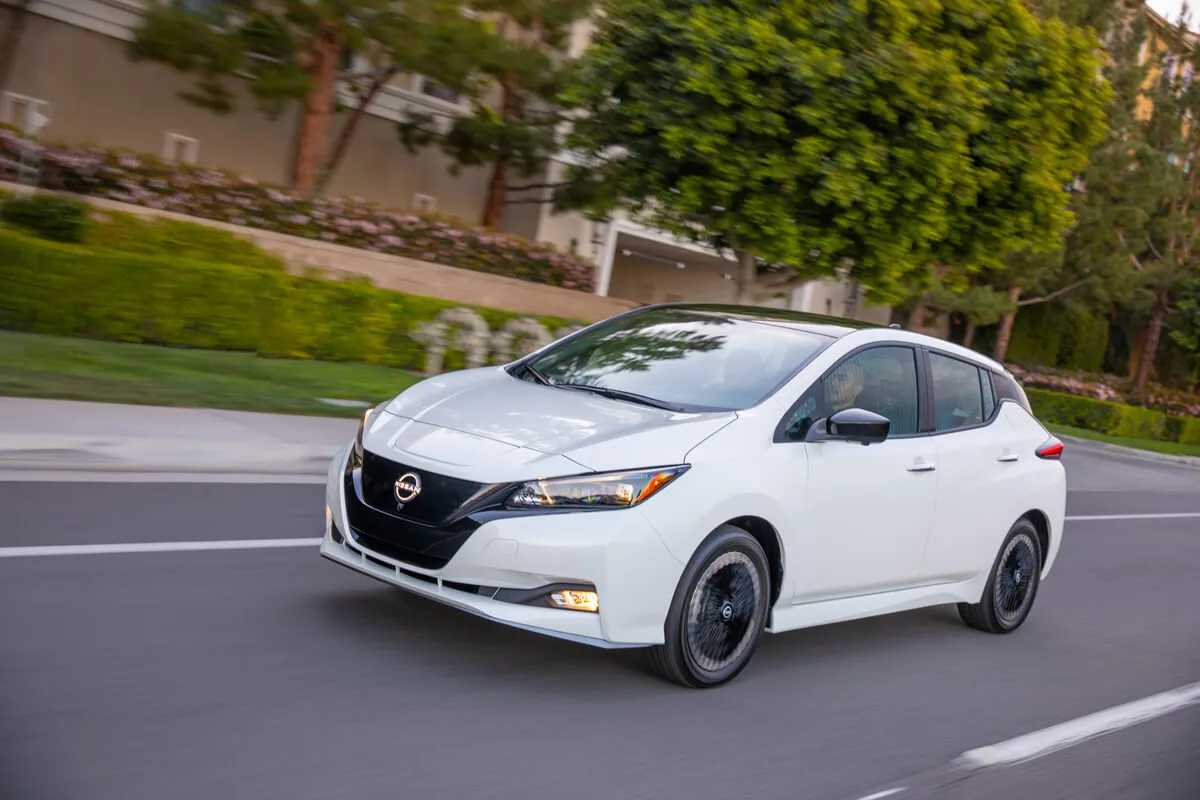
The 2023 Nissan Leaf represents a significant improvement over earlier models, making it a wiser choice for buyers seeking a reliable electric vehicle. With a quieter cabin, enhanced driving technology, and attractive pricing, the Leaf continues to provide a practical entry into the EV market.
Available in two trims, the base S trim priced around $29,135 and the top-tier SV Plus trim at approximately $37,13,5, the Leaf caters to different needs and budgets. The larger battery pack offers a driving range of 215 miles, while the smaller battery delivers 149 miles, making it suitable for daily commuting and moderate trips.
Updates for the 2023 model include refreshed front-end styling, highlighted by an illuminated Nissan badge, and a streamlined lineup reduced from five trims to just two. Review scores reflect its solid performance, with Edmunds rating it 4.1/5, Kelley Blue Book 4.5/5, and JD Power giving it 73/100.
The Leaf has matured since the second-generation redesign introduced in 2018. While it may not boast the cutting-edge tech of a Tesla, it remains one of the longest-running EVs on the market, offering a proven and affordable option for zero-emission driving.
The 2023 updates include subtle but meaningful styling tweaks, such as a redesigned grille, darker headlight housing, and the illuminated front badge. The streamlined trim structure focuses on simplicity and choice clarity, providing the S trim with a smaller battery and the SV Plus with the larger battery for longer drives.
Despite being slightly less advanced than competitors, the Leaf offers enough practicality, comfort, and range to meet most users’ everyday needs.
Performance remains a strong point for the 2023 Leaf. The standard model achieves a 0-60 mph time of 7.8 seconds, while the Leaf Plus trims the sprint to 7 seconds, placing it close to rivals like the Hyundai Kona and Kia Niro EV.
The e-Pedal system enhances control and allows for smoother braking, making city driving easier and more enjoyable. Instantaneous electric torque, a low-slung battery for stability, and responsive handling contribute to a confident driving experience.
The ride quality strikes a balance between comfort and control, managing bumps effectively while minimizing noise from the electric drivetrain. The Leaf remains an easy-to-drive, user-friendly EV.
Inside, the Leaf delivers satisfactory comfort and utility. Seats are supportive and well-shaped, the cabin offers adequate headroom and legroom, and visibility is generally good despite a slightly larger rear roof pillar creating a minor blind spot.
Technology is another highlight, particularly in the SV Plus trim, which includes ProPilot Assist with adaptive cruise control and lane-keeping features. The infotainment system supports Apple CarPlay and Android Auto, enhancing usability.
Storage is reasonable, with good cargo capacity when the seats are up, although folding seats do not create a fully flat surface. The hatchback design remains practical for families, and access to rear seats is easy for car seat installation.
From a value perspective, the Nissan Leaf remains one of the most accessible EVs on the market. The base model offers sufficient range for city driving, while the SV Plus provides extended range at a higher price. Real-world testing showed slightly better range and efficiency than EPA estimates, reinforcing its practicality.
The combination of affordability, technology, comfort, and reliability makes the 2023 Leaf a solid choice for those entering the EV segment.
While it may lack the flash and futuristic appeal of newer EVs, its proven track record, refined design, and functional capabilities ensure it remains a competitive option for budget-conscious buyers seeking a dependable, zero-emission vehicle.
2. 2022 Nissan Leaf
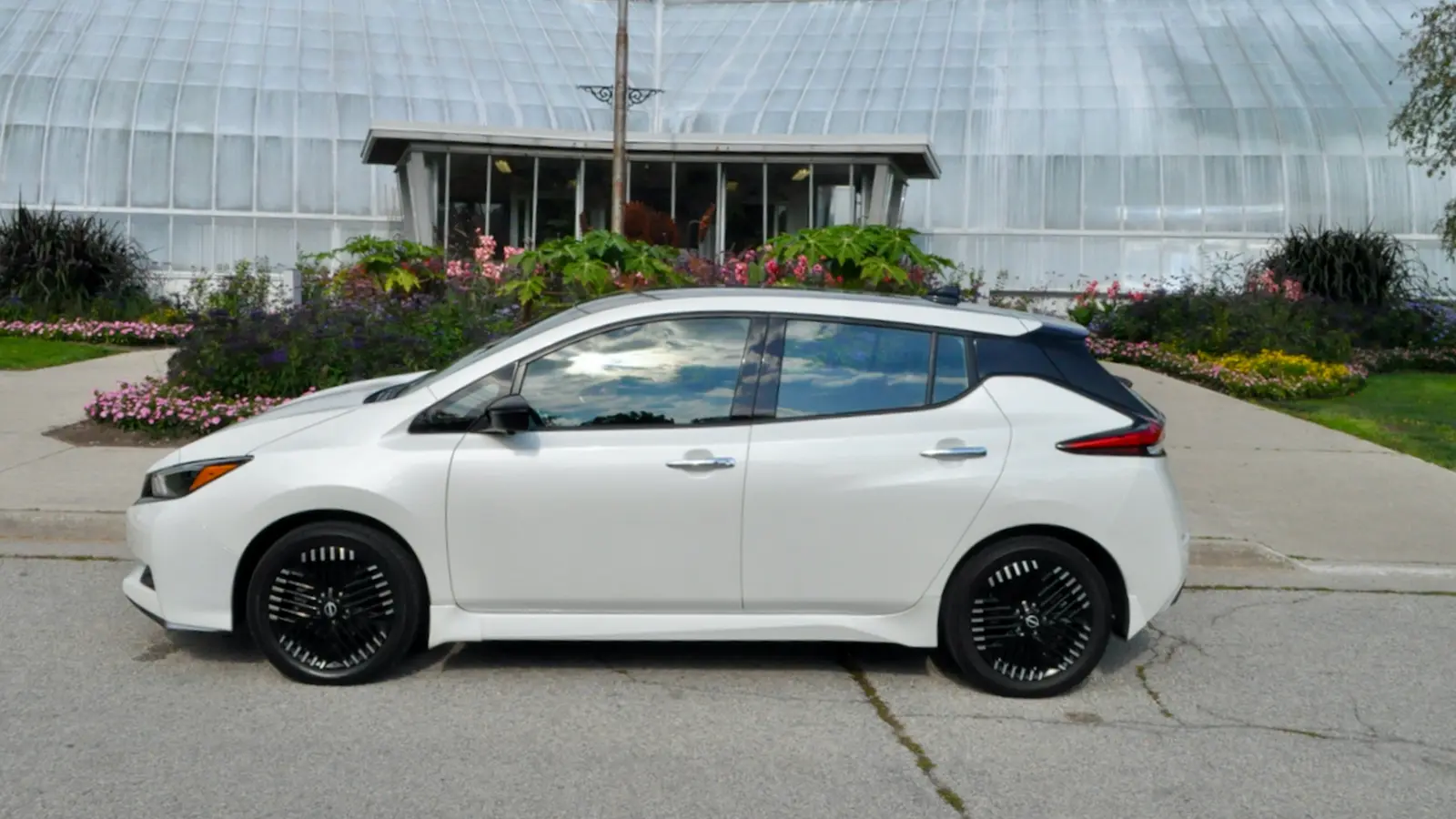
The 2022 Nissan Leaf remains an appealing choice for those seeking an affordable, city-focused electric vehicle. With a lower starting price compared to the 2021 model, the Leaf offers an attractive combination of performance, comfort, and technology without breaking the bank.
This model comes in five trims S, SV, S Plus, SV Plus, and SL Plus offering electric ranges from 149 to 226 miles. The 2022 Leaf also added a Level 3 fast-charging port as standard, making long-distance charging faster and more convenient.
Safety is a strong point, with features like ProPilot Assist, an advanced airbag system, and Automatic Emergency Braking, which helped the Leaf earn a perfect 5-star rating from the National Highway Traffic Safety Administration (NHTSA).
While the Leaf may not be as flashy as competitors like the Tesla Model 3, Ford Mustang Mach-E, or Hyundai Ioniq 5, it boasts modern styling and practical design for everyday use. The cabin offers well-shaped, supportive seats with adequate legroom and headroom for most passengers.
The ride quality strikes a balance between comfort and control, absorbing bumps effectively without feeling overly stiff or soft. Electric drive components operate silently, reducing cabin noise significantly, while wind and road noise remain minimal.
Visibility is generally good, although the slightly broader rear roof pillars create modest blind spots. The Leaf delivers a comfortable and functional environment for city commuting and small family use.
The 2022 Leaf offers strong technology features for the price. All trims come with an easy-to-use touchscreen system, with Apple CarPlay and Android Auto compatibility enhancing smartphone integration.
Upgrading to the SV Plus or SL Plus trims adds ProPilot Assist, a driver-assistance suite that combines adaptive cruise control with lane-keeping technology to ease highway driving.
Although some interior elements, such as the unique shifter design, feel unconventional, the infotainment and EV-specific menus remain straightforward and accessible. The SV Plus trim also now includes the previously optional Technology Package as standard, increasing value for mid-level buyers.
Performance is solid for daily city driving and short highway trips. The standard Leaf accelerates from 0-60 mph in 7.8 seconds, while the Leaf Plus trims it to 7 seconds, which is competitive within its class.
The e-Pedal system allows drivers to decelerate using regenerative braking, adding both convenience and fun to daily driving. The low-mounted battery enhances stability and balance around corners, while the absence of traditional gear shifts simplifies operation.
Handling, braking, and responsiveness all contribute to a confident, easy-to-drive experience suitable for both new EV owners and experienced drivers seeking a practical alternative to gasoline cars.
The 2022 Leaf offers adequate electric range and efficiency for its class. The base model provides 149 miles per charge, while the Leaf Plus extends range up to 226 miles. Real-world testing showed slightly higher performance than EPA estimates, with the Leaf Plus achieving 237 miles at an energy consumption rate of 27.1 kWh per 100 miles.
Cargo space is generous for day-to-day use, although folding seats do not create a fully flat load floor. The Leaf offers exceptional value, combining affordability, sufficient range, modern technology, and comfort. For buyers seeking a practical, cost-conscious EV, the 2022 Nissan Leaf remains a reliable and sensible option.
3. 2017 Nissan Leaf
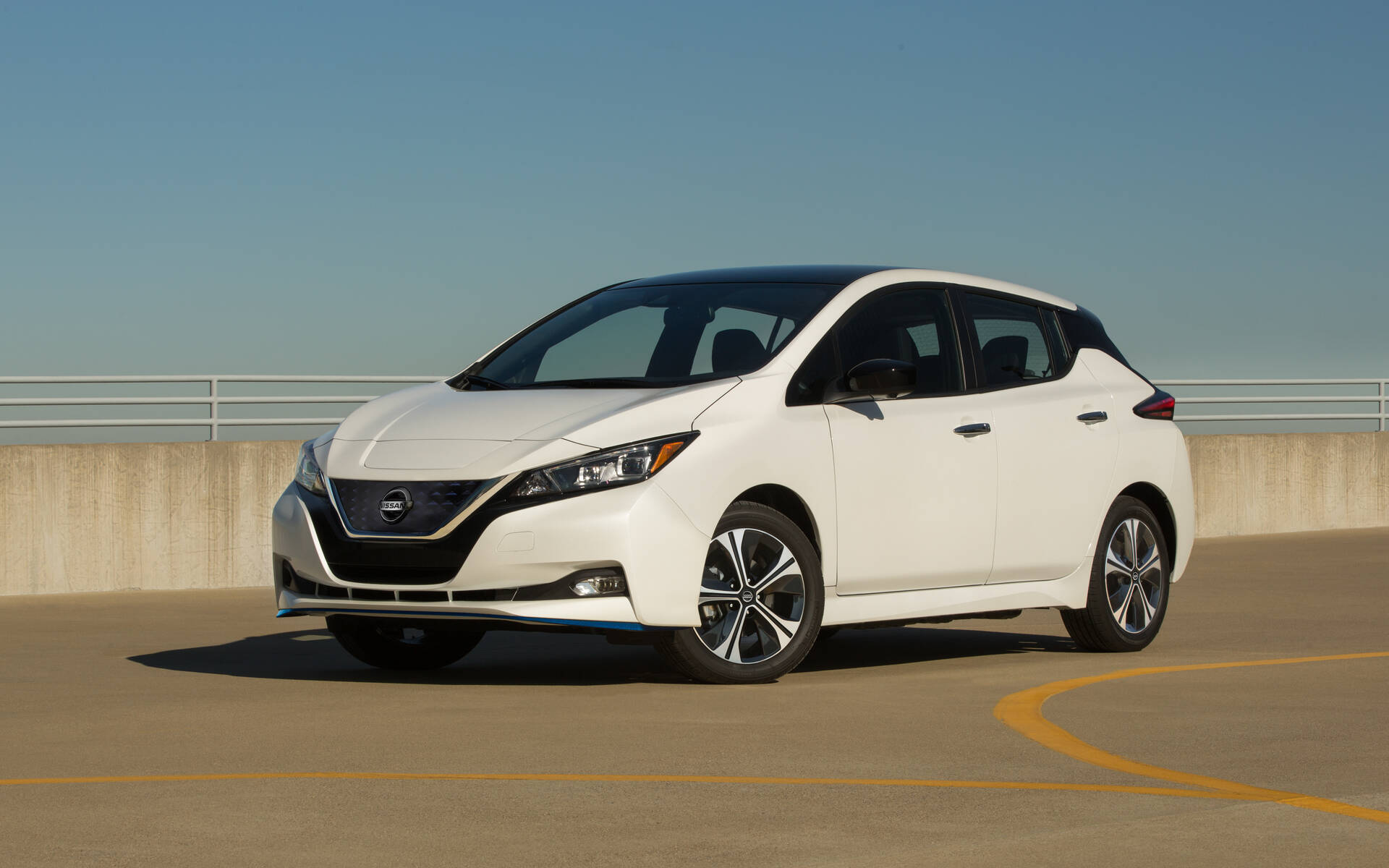
The 2017 Nissan Leaf marks the final year of the first-generation model and is widely regarded as a reliable and practical electric vehicle. With a lower price point than newer EVs, it appeals to budget-conscious buyers looking for a quiet, gasoline-free ride.
While its range of 107 miles does not match that of more modern models, it remains suitable for city commuting and short trips. Safety features include RearView and Around View Monitors, an advanced airbag system, and NissanConnect EV technology.
Ratings from major reviewers highlight its solid reliability and value, with Edmunds giving it 4.4/5, Kelley Blue Book 4.5/5, and JD Power 81/100.
The 2017 Leaf offers a comfortable and quiet cabin, with ample cargo space for a small hatchback. Leather seats in the SL trim are well-shaped and supportive, although longer drives are limited by the vehicle’s modest range.
Ride quality is balanced, absorbing most bumps without excessive stiffness or floatiness, although uneven surfaces can feel a bit busy. Electric propulsion ensures near-total silence, leaving only wind and road noise, which remain minimal.
Front and rear legroom are adequate, and the doors and roofline facilitate easy entry and exit. The Leaf is a practical small car with a smooth, low-noise ride that suits daily driving.
Performance is acceptable for city driving but less competitive on highways. The standard Leaf accelerates from 0-60 mph in 10.2 seconds, slower than most modern EVs, and its responsiveness diminishes at higher speeds.
Handling is balanced but not sporty, with noticeable body roll at the limits. The e-Pedal system allows for smooth regenerative braking, while steering offers minimal feedback but remains predictable.
Direct-drive electric propulsion delivers instant torque off the line, making the Leaf easy and effortless to drive around town. Braking distances are safe, though pedal feel is slightly nonlinear during routine stops.
The interior is functional but somewhat outdated compared to contemporary EVs. The driver’s seat sits high, limiting adjustment for taller drivers, and the steering wheel has limited tilt, affecting ergonomics.
The shifter is unconventional, requiring a diagram to operate, and the touchscreen interface for navigation, audio, and climate controls is small with many similar-looking buttons.
Visibility benefits from large windows and a low hood, though the rear blind spot is larger than ideal. Interior materials are adequate for the price, and while panel gaps are consistent, the design lacks the modern appeal found in newer EV models.
Utility is reasonable but constrained by design compromises. The rear hatch provides cargo space, but folding seats do not create a fully flat floor due to a bulkhead, limiting usability for larger items. Small-item storage in the doors and center console is minimal.
Despite these drawbacks, the 2017 Leaf remains a highly affordable entry into electric driving, providing reliable, easy-to-use, and quiet transportation for short commutes or urban use.
For buyers on a tight budget or those seeking a first EV experience, the Leaf offers a practical balance of comfort, safety, and efficiency, though newer models provide better range, features, and modern styling.
4. 2020 Nissan Leaf
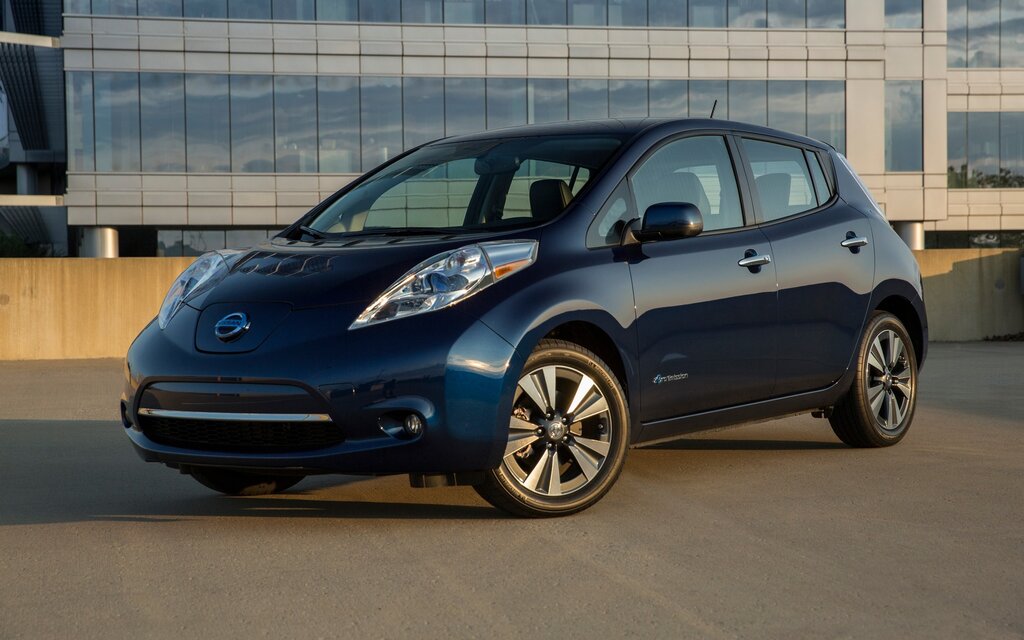
The 2020 Nissan Leaf continues the legacy of being one of the most accessible electric vehicles on the market. Now in its second generation, the Leaf comes with notable enhancements over previous models, including Nissan Safety Shield 360 standard on all trims, more airbags for front and rear passengers, a telescoping steering column, and standard Apple CarPlay and Android Auto.
These updates make the Leaf safer, more user-friendly, and better connected for modern driving needs. As an affordable EV, the base Leaf offers 150 miles of estimated range and a 147-horsepower electric motor, making it suitable for daily city commuting, while the more powerful Leaf Plus delivers 214 horsepower and up to 226 miles of range for longer trips.
The 2020 Leaf provides a quiet and comfortable ride. Its seats are well-shaped, supportive, and offer a good balance between firmness and give, while the suspension strikes a “Goldilocks” balance, not too stiff, not too soft.
Electric propulsion eliminates engine noise, leaving only minimal road and wind sounds, contributing to a serene cabin environment. The interior is functional with ample legroom and headroom, though some drivers may find the driver’s seat slightly high and the adjustment range insufficient for taller occupants.
Visibility is generally good thanks to the generous window size, although the rear roof pillars create a slightly larger blind spot. Cargo space is decent, though the rear seats do not fold completely flat, limiting maximum storage flexibility.
Performance for the 2020 Leaf is competitive within its segment. The standard Leaf accelerates from 0-60 mph in 7.8 seconds, while the Leaf Plus trims this to 7 seconds, offering smooth, instant power with no shifting required.
The e-Pedal system allows for easy regenerative braking and smooth deceleration, enhancing control and engagement. Handling is balanced, and the low-mounted battery pack helps the car stay planted around corners, inspiring driver confidence.
Braking is smooth, though routine stops require familiarization with pedal feel. The Leaf is easy to drive, maneuverable in city traffic, and comfortable on longer journeys.
Technology is a standout feature in the 2020 Leaf. The touchscreen infotainment system supports Apple CarPlay and Android Auto, making smartphone integration seamless.
Optional ProPilot Assist adds advanced driver-assistance features, including adaptive cruise control and lane-keeping functionality, which significantly ease freeway commuting.
Standard safety features such as Nissan Safety Shield 360, multiple airbags, and driver-assistance systems provide peace of mind for families and solo commuters alike. While the cabin controls and shifter layout are slightly unconventional, the tech package still provides modern conveniences and enhances the driving experience.
The 2020 Leaf offers a competitive range and efficiency for mainstream EV buyers. The base model achieves 150 miles per charge, while the Leaf Plus reaches up to 226 miles. Real-world testing revealed slightly better-than-expected performance, with the Leaf Plus traveling 237 miles and consuming 27.1 kWh per 100 miles.
Though its energy efficiency is slightly lower than some rivals, its affordability offsets this limitation. Interior materials are appropriate for the price, with higher trims offering leather seating and additional comfort features.
The 2020 Nissan Leaf remains a practical, well-equipped, and budget-friendly electric vehicle for those seeking a reliable and capable EV without the premium cost of competitors like Tesla or Hyundai.
5. 2021 Nissan Leaf
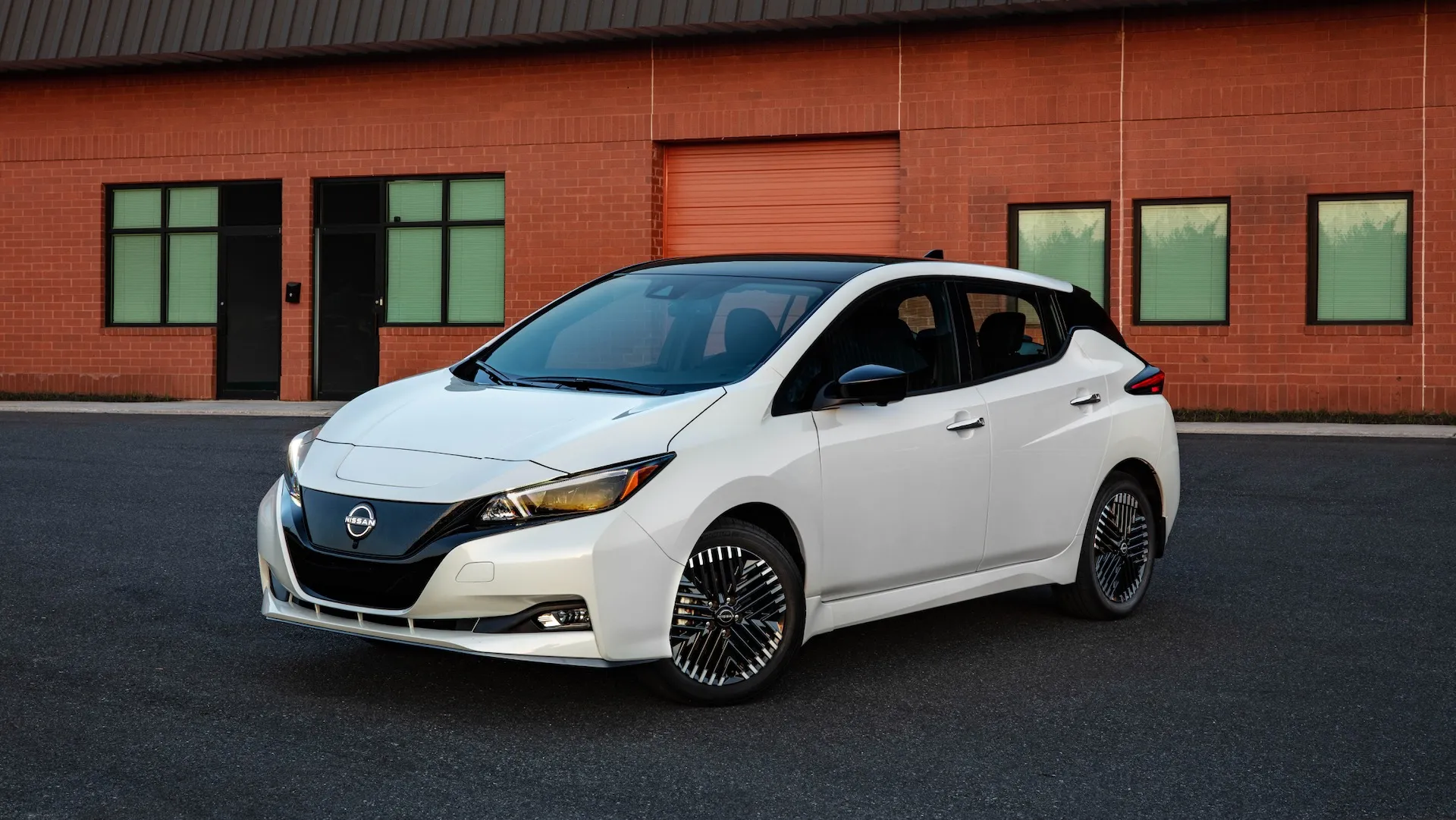
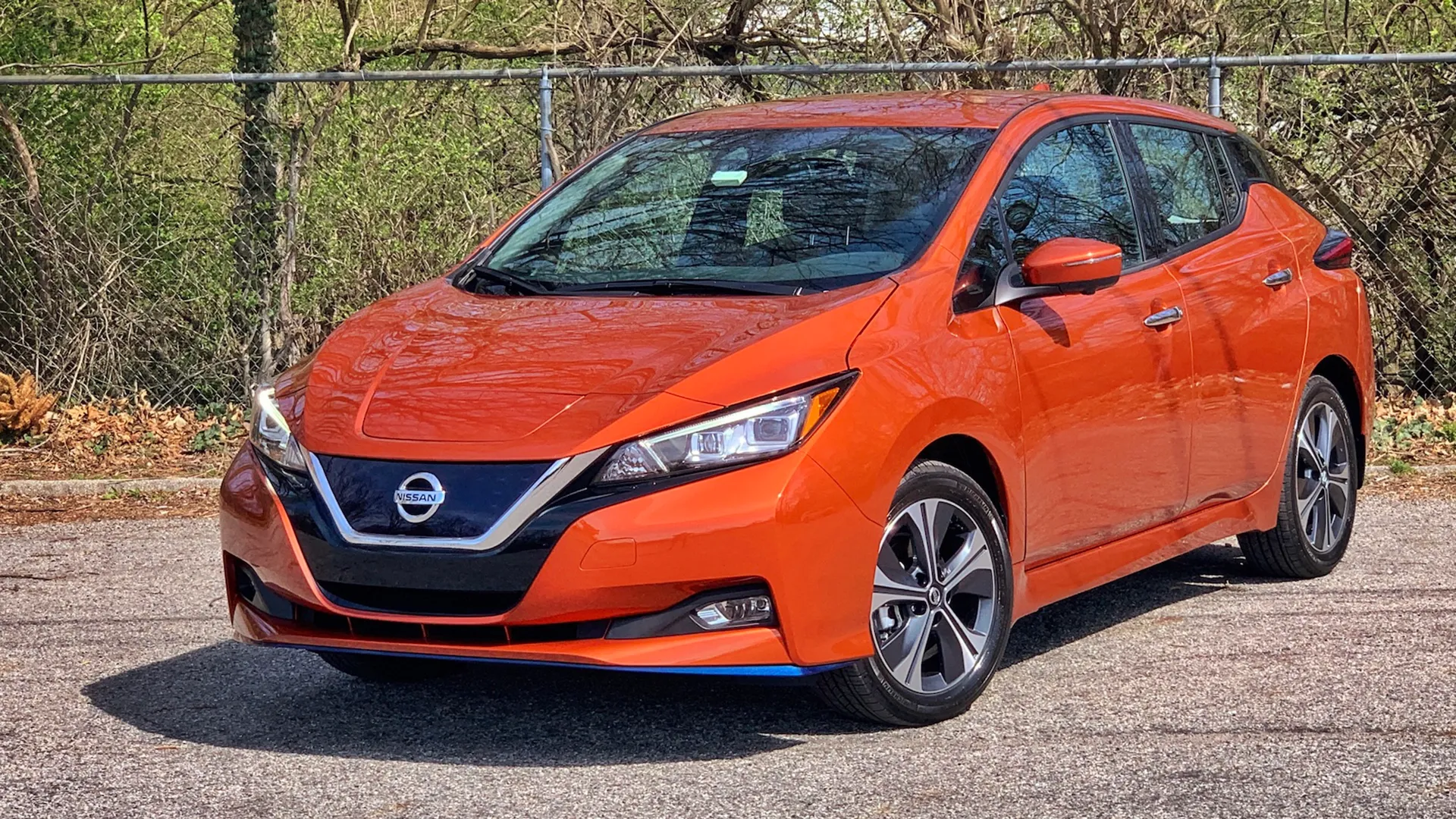
The 2021 Nissan Leaf continues the second-generation design introduced in 2018 with no major changes, offering a practical and affordable electric vehicle option. As a pioneering mass-market EV, the Leaf has evolved over the years to provide longer range, improved comfort, and a well-rounded suite of driver-assistance technologies.
Its hatchback design ensures a versatile and functional layout, making it suitable for everyday commuting and small family use.
Despite competition from newer EVs such as the Tesla Model 3, Hyundai Kona Electric, and Volkswagen ID.4, the Leaf remains relevant for buyers prioritizing reliability, affordability, and comprehensive safety features.
The Leaf delivers acceptable performance for urban and suburban driving. The standard model accelerates from 0-60 mph in 7.8 seconds, while the Leaf Plus achieves the same in 7 seconds, keeping pace with competitors like the Kona and Niro EVs.
It’s smooth, instant electric power eliminates the need for traditional gear shifts, while the low-mounted battery enhances stability and cornering control.
The e-Pedal system allows for easy regenerative braking, offering more control and a bit of engagement during daily driving. The Leaf is effortless to drive, maneuverable in tight spaces, and confident on curving roads, making it a user-friendly EV for most drivers.
Comfort remains a strong point for the 2021 Leaf. Seats are well-shaped and supportive, with a balanced level of firmness and give, while the suspension absorbs bumps efficiently without feeling overly stiff or soft.
The cabin is quiet, with minimal wind and road noise due to the silent electric motor. Interior space provides adequate legroom and headroom for all passengers, though taller drivers may find the driver’s seat adjustment slightly limiting.
Visibility benefits from large windows and a low cowl, though the rear roof pillars create modest blind spots. While the shifter is unconventional and even requires a diagram for operation, the cabin layout remains functional and straightforward.
The 2021 Leaf features modern technology, including Apple CarPlay and Android Auto integration across all trims. Optional ProPilot Assist adds adaptive cruise control and lane-keeping support, enhancing highway commuting comfort.
Cargo space is ample when the rear seats are upright, although the maximum storage capacity is limited by seats that do not fold completely flat. Front small-item storage could be improved, with the center console and glovebox offering average capacity.
For families, wide-opening doors and a near-horizontal roofline facilitate easy rear-seat access, while tether anchors simplify child seat installation.
The Leaf provides practical range and efficiency for mainstream EV buyers. The base model achieves 150 miles per charge, while the Leaf Plus reaches up to 226 miles. Real-world testing showed slightly better performance than EPA estimates, with the Leaf Plus traveling 237 miles while consuming 27.1 kWh per 100 miles.
Although its efficiency is slightly lower than some rivals, the affordable price offsets this limitation. Interior materials and available leather seats add perceived value, making the 2021 Leaf a cost-effective, reliable, and well-equipped electric vehicle option for those seeking practical daily transportation without the premium cost of newer EV competitors.
Also Read: 5 Cars That Rarely Need Door Repairs vs 5 That Constantly Break
5 Nissan Leaf Years To Avoid
1. 2011 Nissan Leaf: Pioneering Yet Problematic
The 2011 Nissan Leaf was the first mass-market electric vehicle from a mainstream automaker, marking a major milestone in EV history. Despite its pioneering status, the model faced numerous reliability issues.
Owners commonly reported battery capacity problems that often emerged as the warranty expired, reducing range and limiting usability. Airbag-related issues were another concern, with the airbag light frequently illuminating and rendering the system inoperative.
Resolving these problems often required significant component replacements, such as seat sensors or even total front seat replacement. Other common complaints included premature tire wear and occasional electrical glitches.
According to CarComplaints.com, the 2011 Leaf had 13 official complaints, and CarProblemZoo.com listed 108 reported problems. While it was an innovative vehicle for its time, early adopters faced frequent maintenance challenges and safety concerns.
The 2011 Leaf demonstrated the promise of EV technology but also highlighted the growing pains of early electric vehicle design, reminding buyers that the first-generation Leaf prioritized accessibility over long-term reliability.
2. 2012 Nissan Leaf: Brake and Charging Issues
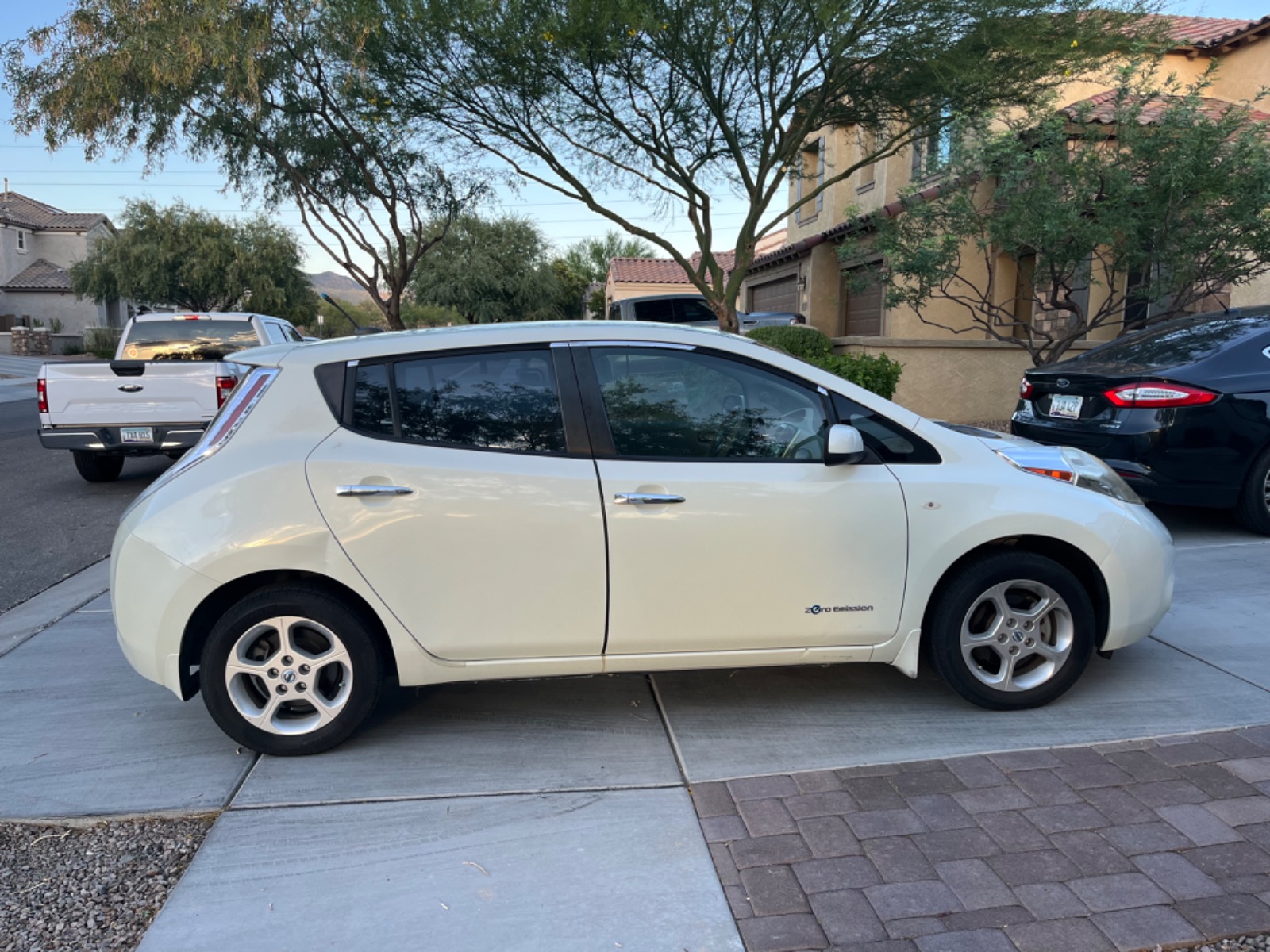
The 2012 Nissan Leaf continued to struggle with mechanical and electrical problems, particularly with the braking system. Owners frequently reported unintended braking, abrupt stops, and vehicle jerking when the brake pedal was gently applied at low speeds, creating safety hazards for passengers.
Charging problems were also prominent, occasionally rendering the car inoperable and limiting daily usability. The model experienced failures of the electric motor, power inverter, and main control chip, alongside intermittent airbag warning lights.
CarComplaints.com recorded nine complaints for this model year, while CarProblemZoo.com documented 62 issues. Despite the 2012 Leaf representing incremental improvements over its 2011 predecessor, these safety and operational concerns emphasized the challenges of early EV technology.
While still functional as a short-range city car, the 2012 Leaf’s combination of brake defects, charging difficulties, and electrical failures made it a cautious choice for potential buyers seeking a reliable first-generation EV.
3. 2013 Nissan Leaf: Expanding Reliability Concerns
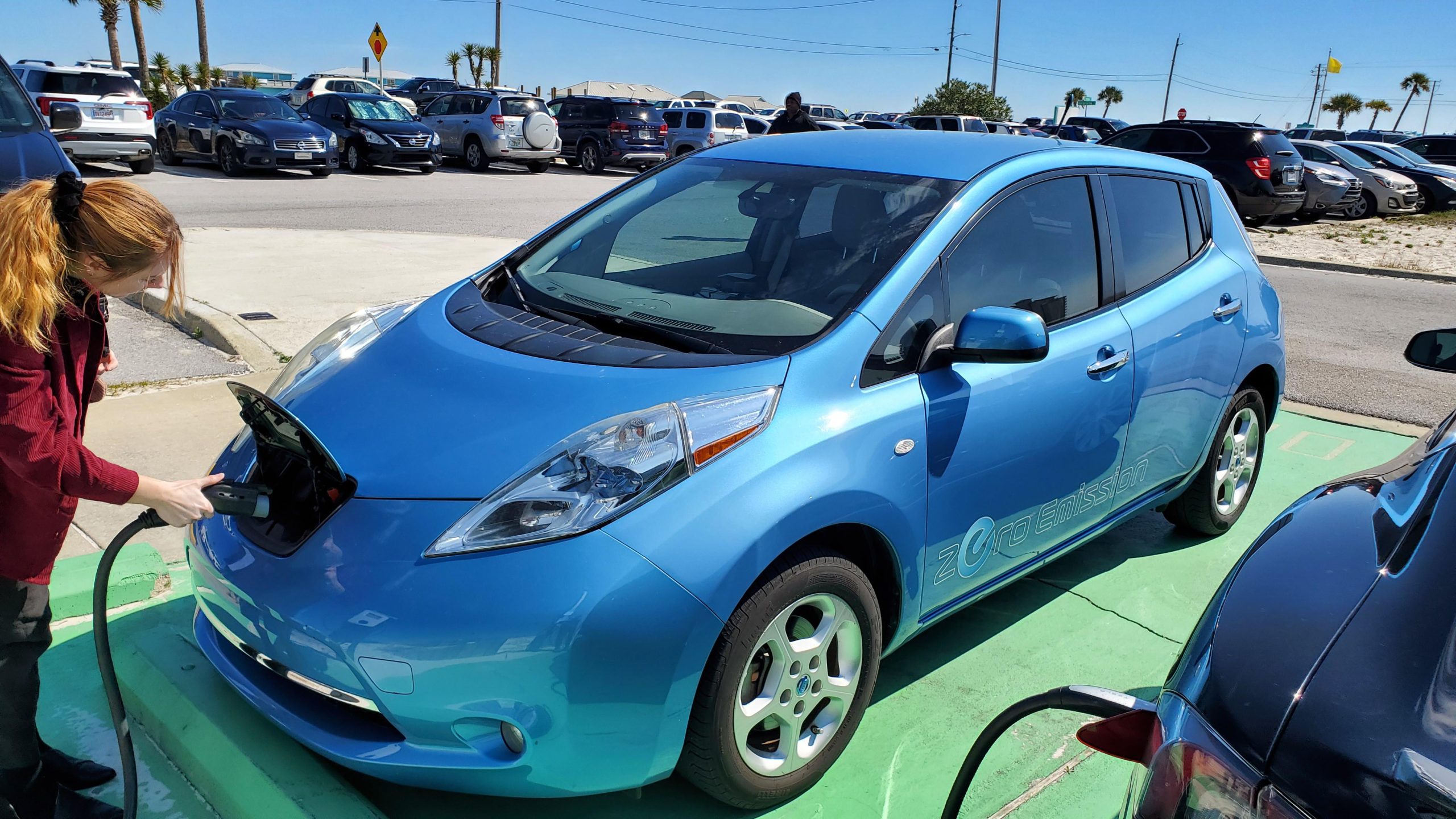
The 2013 Nissan Leaf faced a wider spectrum of issues that reflected the ongoing developmental struggles of the early Leaf models. Brake failures continued to be the most widespread problem, with some vehicles failing to stop even when the brake pedal was pressed.
Other frequently reported issues included airbag deployment failures, seatbelt and sensor malfunctions, and erroneous warning indicators responding to nearby keyfobs. Cold-weather performance was also a concern, as range could dramatically diminish in low temperatures, and the heater was prone to malfunctions.
CarComplaints.com listed nine complaints, while CarProblemZoo.com documented 107 issues for this model year. The 2013 Leaf highlighted the limitations of first-generation EV technology, including inconsistent mechanical reliability, compromised safety systems, and climate-related performance challenges.
These factors underscore the importance of evaluating early Leafs carefully, particularly for buyers in colder regions or those seeking dependable braking performance.
4. 2015 Nissan Leaf: Brake System Hazards
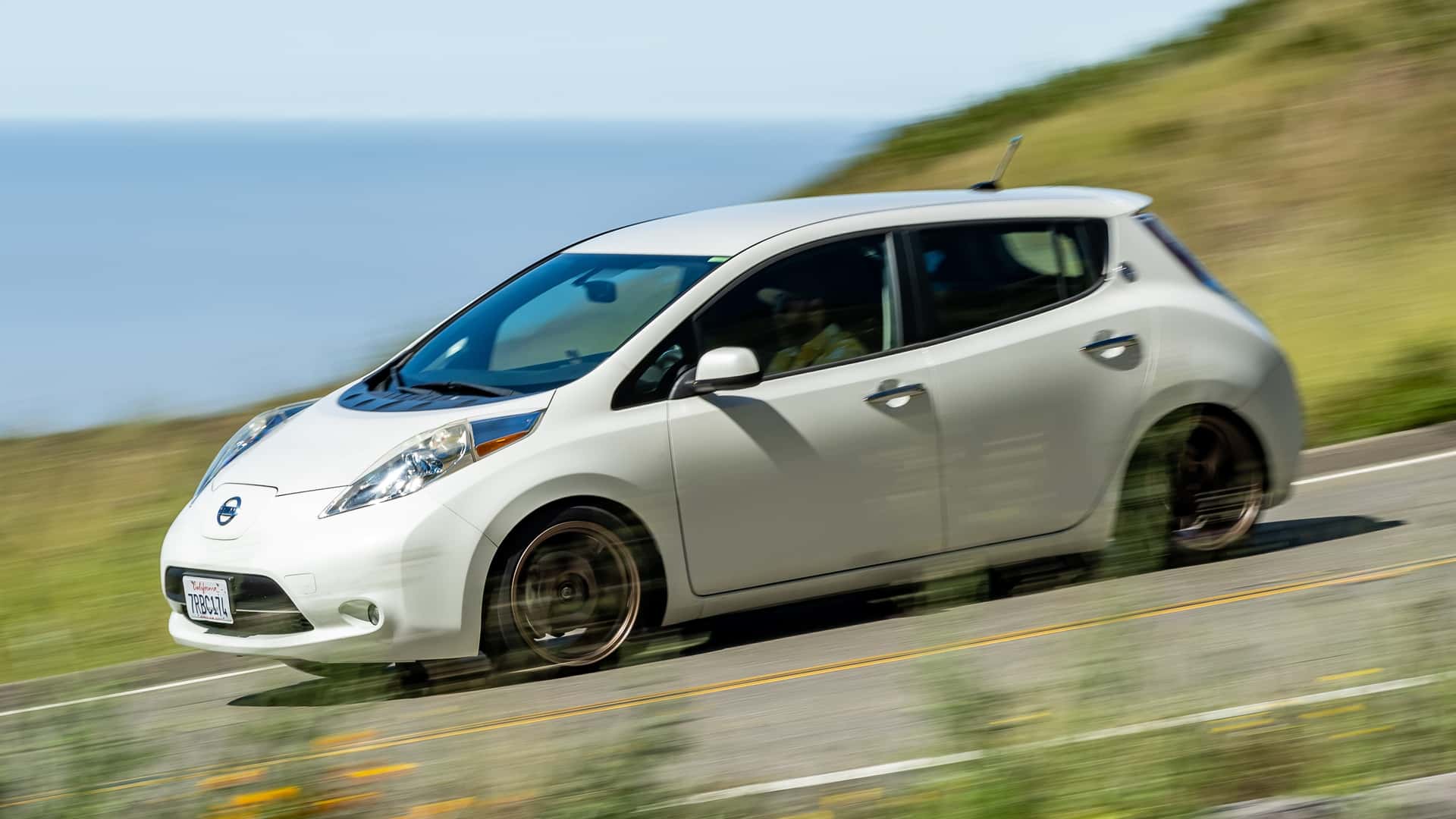
The 2015 Nissan Leaf has been identified as the most problematic Leaf year, largely due to its highly unreliable brake system. The intelligent brake unit, a driver-assistance feature designed to reduce collision impact, frequently malfunctioned, resulting in non-responsive brakes at various speeds.
Owners reported situations where pressing the brake pedal required traveling 15–20 feet before stopping, posing significant safety risks. CarComplaints.com listed five complaints for this model year, while CarProblemZoo.com recorded 109 issues.
Other recurrent problems included dashboard warning lights, clicking noises from the braking system, and the limited 84-mile driving range per charge. Despite minor improvements over earlier models, the 2015 Leaf’s severe braking concerns overshadowed other benefits, making it a risky choice for safety-conscious buyers.
Although the car remained quiet and functional for city driving, the 2015 model highlighted the persistent challenge of integrating reliable driver-assistance features in early EVs.
5. 2018 Nissan Leaf: Early Second-Generation Improvements
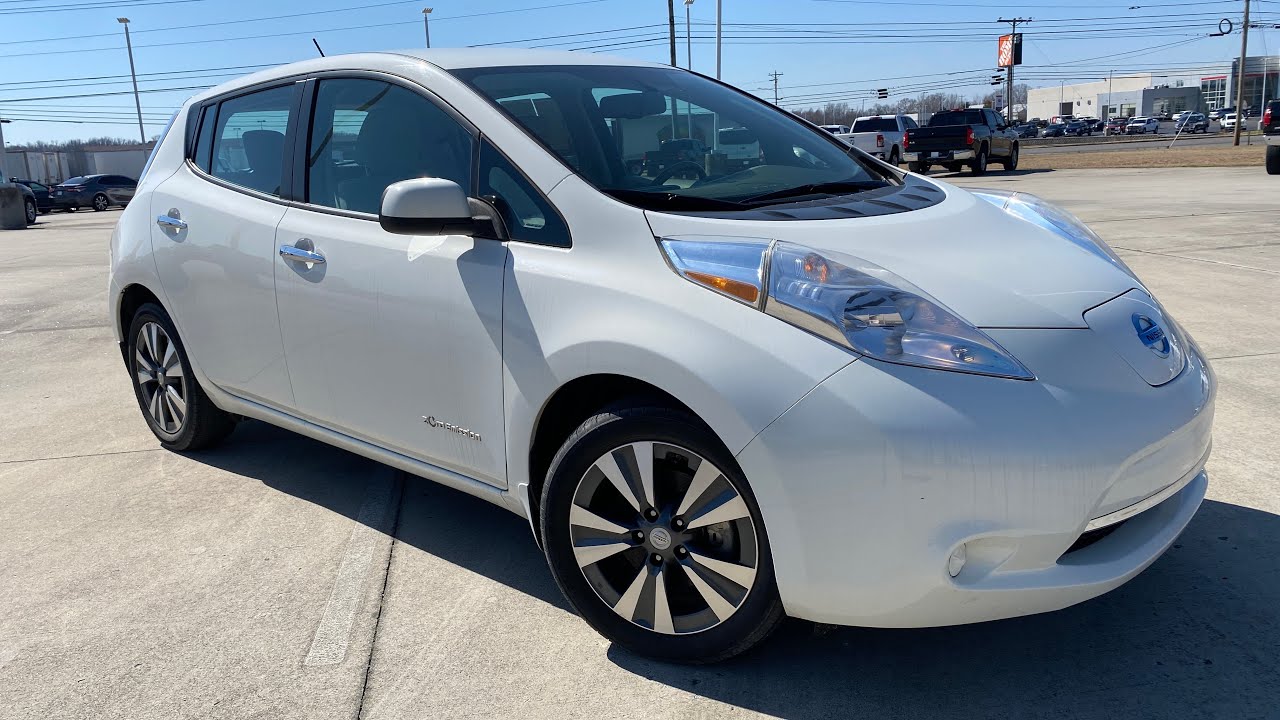
The 2018 Nissan Leaf marked the debut of the second generation, introducing a more modern design, improved mechanical reliability, and better battery performance. While the facelift enhanced aesthetics and interior quality, early second-generation models were not entirely problem-free.
Owners reported faulty brakes, electrical issues, and wheel hub concerns, though these problems were less severe than those of the first-generation Leafs.
The 2018 Leaf offered a longer driving range and greater functionality, addressing many complaints from earlier models, but it still required cautious selection for prospective buyers seeking consistent reliability.
The second-generation Leaf represented a significant step forward, balancing style, improved driving performance, and EV practicality, but early 2018 units should be examined carefully to ensure key systems are functioning optimally.
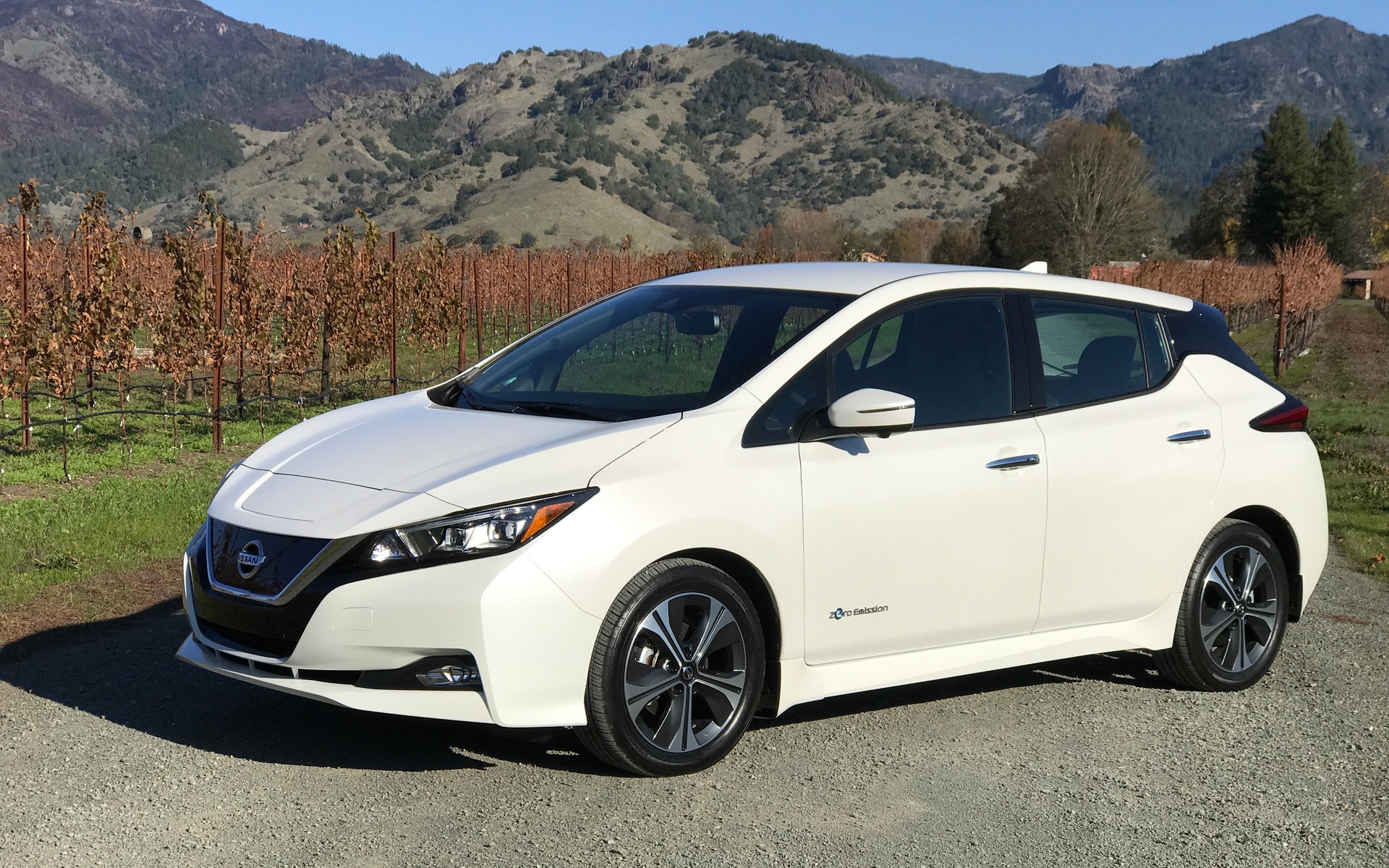
The Nissan Leaf has established itself as a dependable and practical electric vehicle, appealing to drivers who value affordability, efficiency, and everyday usability.
Over time, Nissan has refined the Leaf’s design, equipping it with quieter cabins, advanced driver-assistance technologies, improved battery performance, and modern infotainment features.
While earlier versions struggled with issues such as brake concerns and battery degradation, later models highlight the brand’s commitment to delivering a more reliable and user-friendly EV that suits both city commutes and moderate highway travel.
Choosing the right Leaf can greatly influence driver satisfaction, long-term reliability, and cost of ownership.
For buyers stepping into the electric vehicle market, the Leaf represents a balanced option that combines proven performance with comfort and practicality, making it an attractive choice for those seeking the benefits of zero-emission driving without unnecessary complications.
Also Read: 5 Cars That Never Need Electrical Repairs vs 5 That Constantly Do