
For many American families, the SUV has become the go-to vehicle choice thanks to its blend of space, comfort, and capability. From suburban commutes to road trips across the interstate, SUVs dominate highways and driveways across the United States.
But when it comes to safety, not all SUVs are created equal. While many models have proven to be lifesavers in the unfortunate event of an accident, others have left owners worried due to poor crash test ratings, rollover risks, or a lack of critical safety features.
Safety has become one of the top concerns for SUV buyers, especially in a country where road accidents remain a major issue.
According to the Insurance Institute for Highway Safety (IIHS), modern SUVs have made significant strides in protecting drivers and passengers, but history and testing still reveal clear standouts on both sides of the spectrum.
Below, we’ll explore five SUVs known for keeping occupants safe in crashes and five that have gained a reputation for scaring their owners with questionable safety records.
SUVs That Stay Safe in Accidents
When it comes to SUVs, size and power don’t mean much if the vehicle can’t protect you when it matters most. Safety is the real deal-breaker, and some models rise above the rest with strong crash-test scores, advanced driver-assist features, and smart engineering that puts passenger protection first. In this article, we’ll highlight the SUVs that prove they can take a hit, and keep you and your family safe.
1. Volvo XC90
Volvo has long been synonymous with safety, and the XC90 is the brand’s flagship SUV that carries on that reputation.
The XC90 consistently earns top marks from both the IIHS and the National Highway Traffic Safety Administration (NHTSA), offering superior crash protection in both frontal and side impacts.
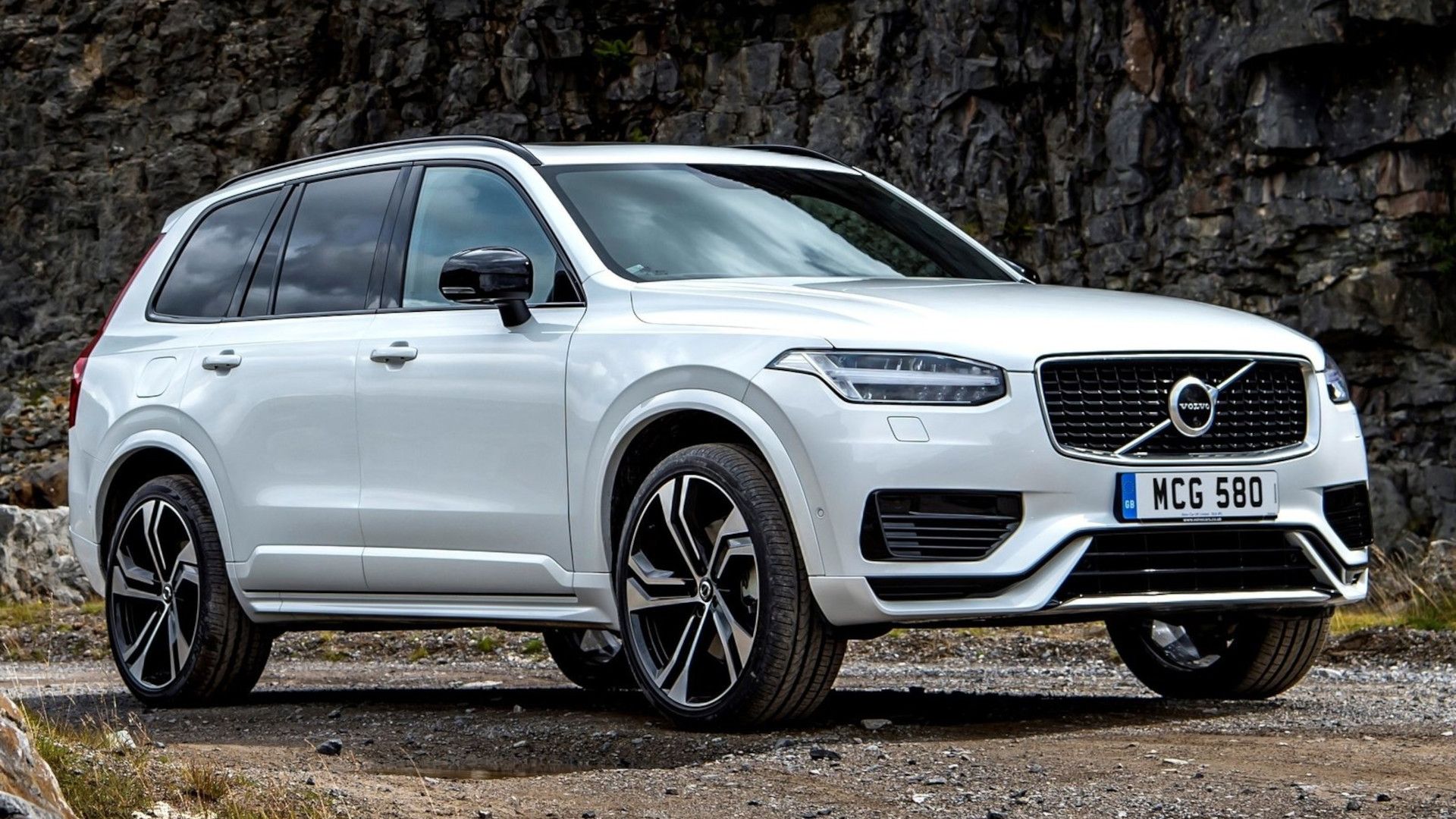
Advanced driver-assist technologies such as collision avoidance, lane-keeping assist, and automatic emergency braking come standard, making it a reliable choice for families.
In real-world accident reports, the XC90 has demonstrated an ability to protect its occupants exceptionally well, reinforcing Volvo’s commitment to engineering safety into every detail.
Also Read: 10 Checks That Stop a Chevy Impala From Becoming Unsafe
2. Subaru Ascent
Subaru has built a loyal fan base in the US by producing vehicles with symmetrical all-wheel drive and a strong emphasis on crash safety. The Subaru Ascent, the brand’s largest SUV, is no exception.
It holds a Top Safety Pick+ rating from the IIHS and provides robust occupant protection in crash tests. Subaru’s EyeSight Driver Assist Technology standard on every Ascent includes adaptive cruise control, lane departure prevention, and pre-collision braking.
Owners frequently note that the SUV feels planted and stable even in emergency maneuvers, which is vital in avoiding accidents before they happen.
First launched for the 2019 model year, the Ascent stands as Subaru’s largest vehicle to date. This three-row SUV offers generous cargo capacity, seating for seven or eight passengers depending on the configuration, and an almost comical 19 cupholders scattered throughout the cabin. Competing in the crowded midsize SUV space, the Ascent goes up against heavyweights like the Honda Pilot, Ford Explorer, and Toyota Highlander.
The Ascent makes a strong impression with its capable turbo engine and composed ride quality. Thanks to its standard AWD system, body roll is minimal, and it feels stable even when pushed. During an off-road test, the Ascent handled itself admirably, managing to trek through water crossings, a steep incline, rocky terrain, and other challenging obstacles without issue.
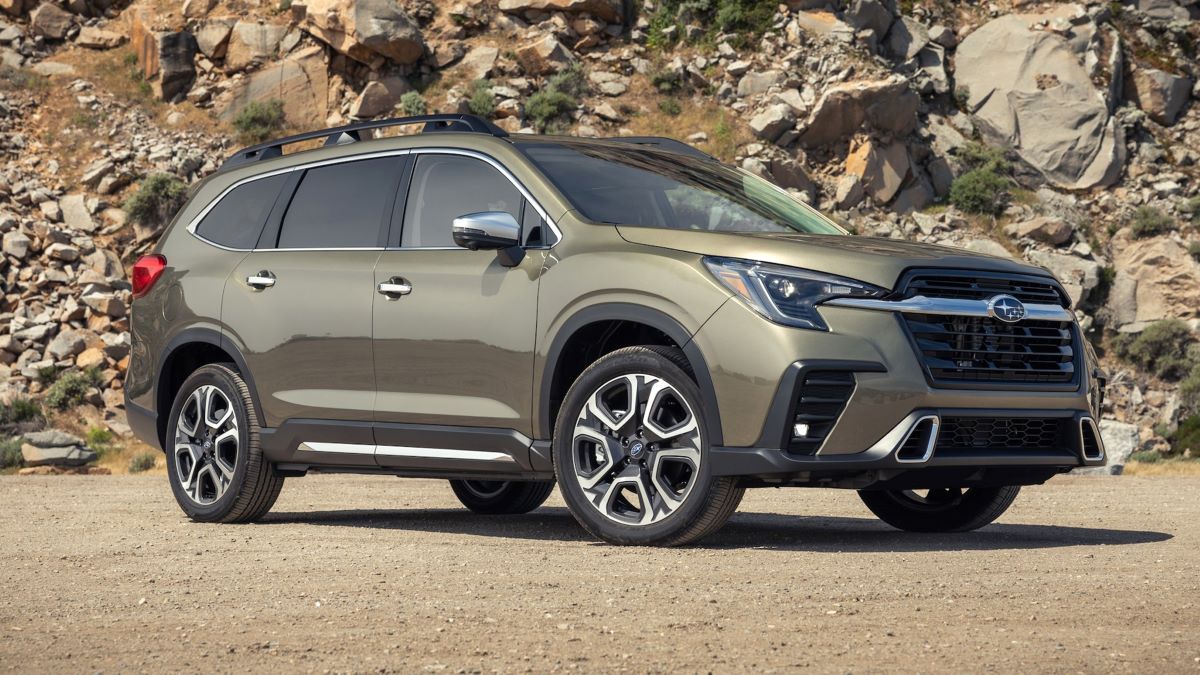
One of the SUV’s standout traits is its roomy cabin. As is common in this class, the third row is best reserved for kids or smaller adults, but the second row slides easily to adjust space as needed. Passengers will also appreciate the smartly designed storage cubbies located throughout the interior.
The Ascent also bolsters its appeal with excellent crash-test scores and a long list of standard driver-assist features. Still, during our yearlong test, our vehicle did encounter some reliability problems, though those issues are not necessarily representative of the model as a whole.
Overall, the Ascent proves itself versatile both on pavement and on trails, all while keeping passengers comfortable. It’s not without flaws, but it delivers the distinct Subaru character buyers expect.
The 2022 Subaru Ascent carries on with its 2.4-liter turbocharged boxer-four engine, producing 260 horsepower and 277 lb-ft of torque. Power is delivered to all four wheels via a continuously variable transmission. In testing, the Ascent reached 60 mph in a solid 6.9 seconds.
Fuel economy comes in at 21/27 mpg city/highway, with Limited and Touring trims rated slightly lower at 20/26 mpg.
The new Ascent Onyx Edition adds darker design details to set it apart, including blacked-out badges and 20-inch black wheels. Seating is limited to seven, but it comes loaded with features: water-repellent upholstery, a hands-free power liftgate, push-button start with keyless entry, a heated steering wheel, and reverse automatic braking. Pricing starts just over $39,000.
3. Hyundai Palisade
The Hyundai Palisade has quickly become one of the most trusted family SUVs on American roads. It blends luxury-like comfort with impressive crashworthiness.
In crash testing, it has earned five-star ratings across multiple categories, and it’s equipped with a comprehensive suite of safety technologies, including blind-spot monitoring and rear cross-traffic alert.
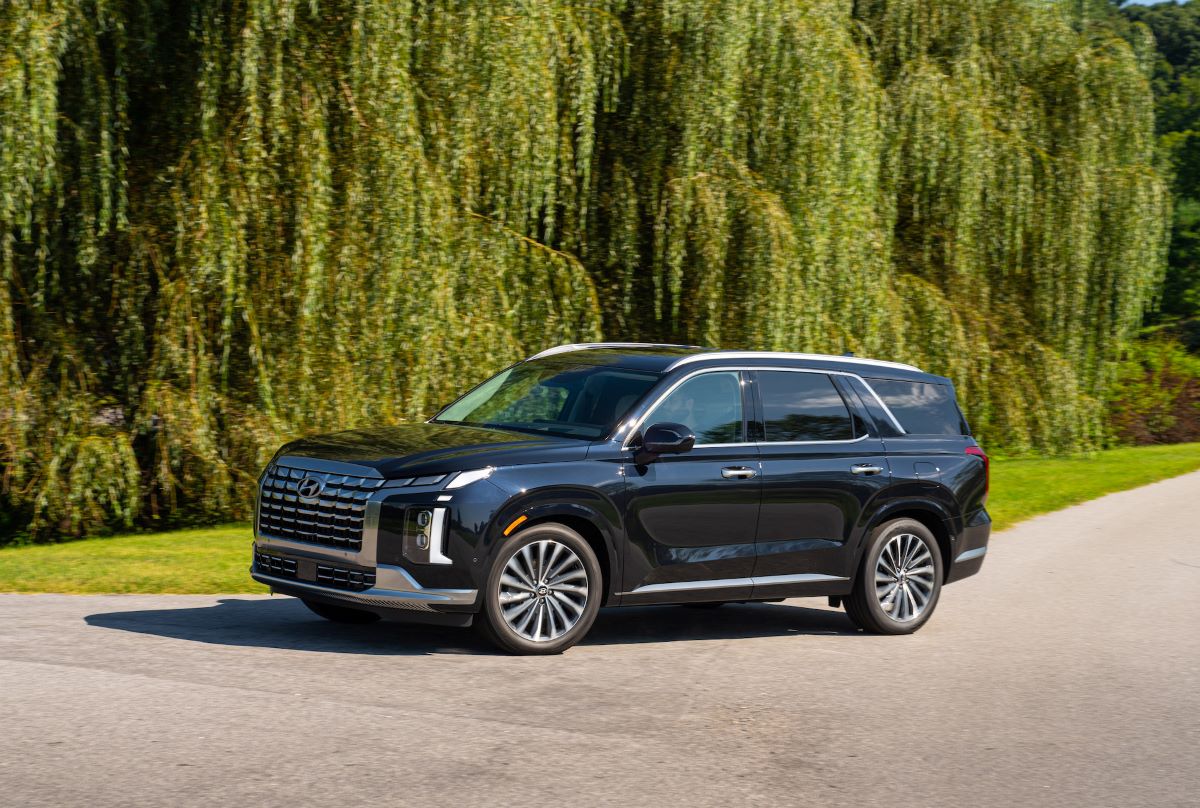
Parents particularly appreciate its rear occupant alert system, which helps prevent tragedies linked to children being left in hot cars. For families who want both peace of mind and modern amenities, the Palisade has proven itself a standout performer.
4. Toyota Highlander
Toyota’s Highlander has earned a reputation as a durable family SUV, but it also shines when it comes to protecting occupants in collisions.
With excellent scores in frontal, side, and rollover crash testing, the Highlander consistently ranks as one of the safest midsize SUVs on the road.
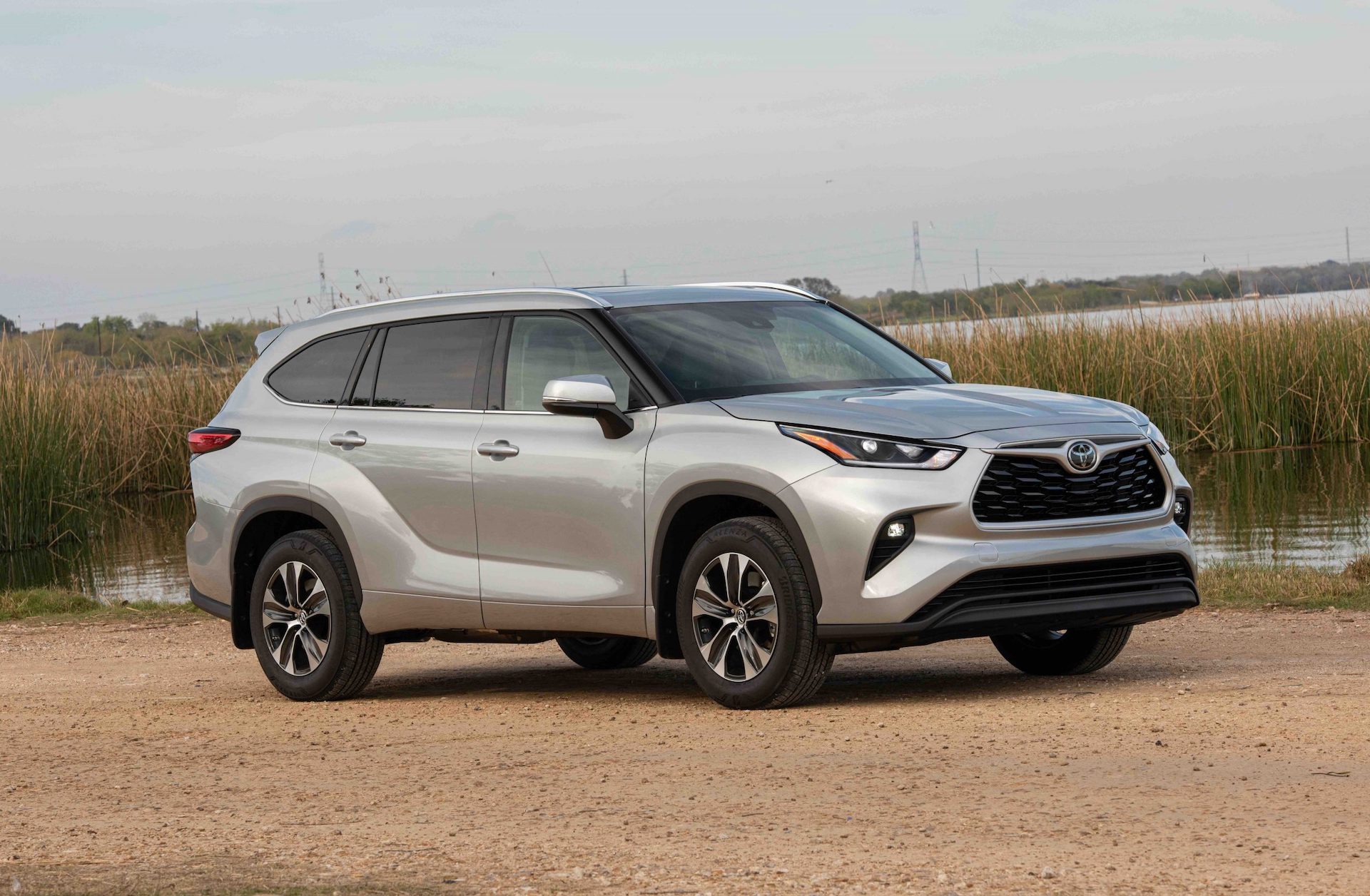
Toyota equips it with the Safety Sense suite, which includes pedestrian detection, adaptive cruise control, and automatic braking.
Beyond test results, real-world owner feedback often highlights the Highlander’s ability to maintain structural integrity during severe accidents, something that matters deeply to American buyers who prioritize safety for children and passengers.
5. Acura MDX
The Acura MDX has long been one of the best-selling luxury SUVs in the US, in large part because it strikes a balance between performance and safety. The MDX has consistently scored highly in IIHS crash tests, thanks to its strong body structure and advanced safety tech.
Acura’s Collision Mitigation Braking System and road departure mitigation come standard, while optional upgrades include a surround-view camera system for better visibility.
Many families consider the MDX a practical step up from mainstream SUVs without sacrificing peace of mind on highways or city streets.
Since its debut in 2000, the Acura MDX has become the best-selling SUV in the three-row luxury segment. As Acura’s largest model, it accommodates up to seven passengers and offers more cargo space than anything else in the brand’s lineup.
Unlike rivals that lean toward ultra-plush comfort or rugged off-road personalities, the MDX positions itself as a more driver-focused choice. Even so, with 7.3 inches of ground clearance and available all-wheel drive, it’s capable enough to handle dirt roads and light trails.
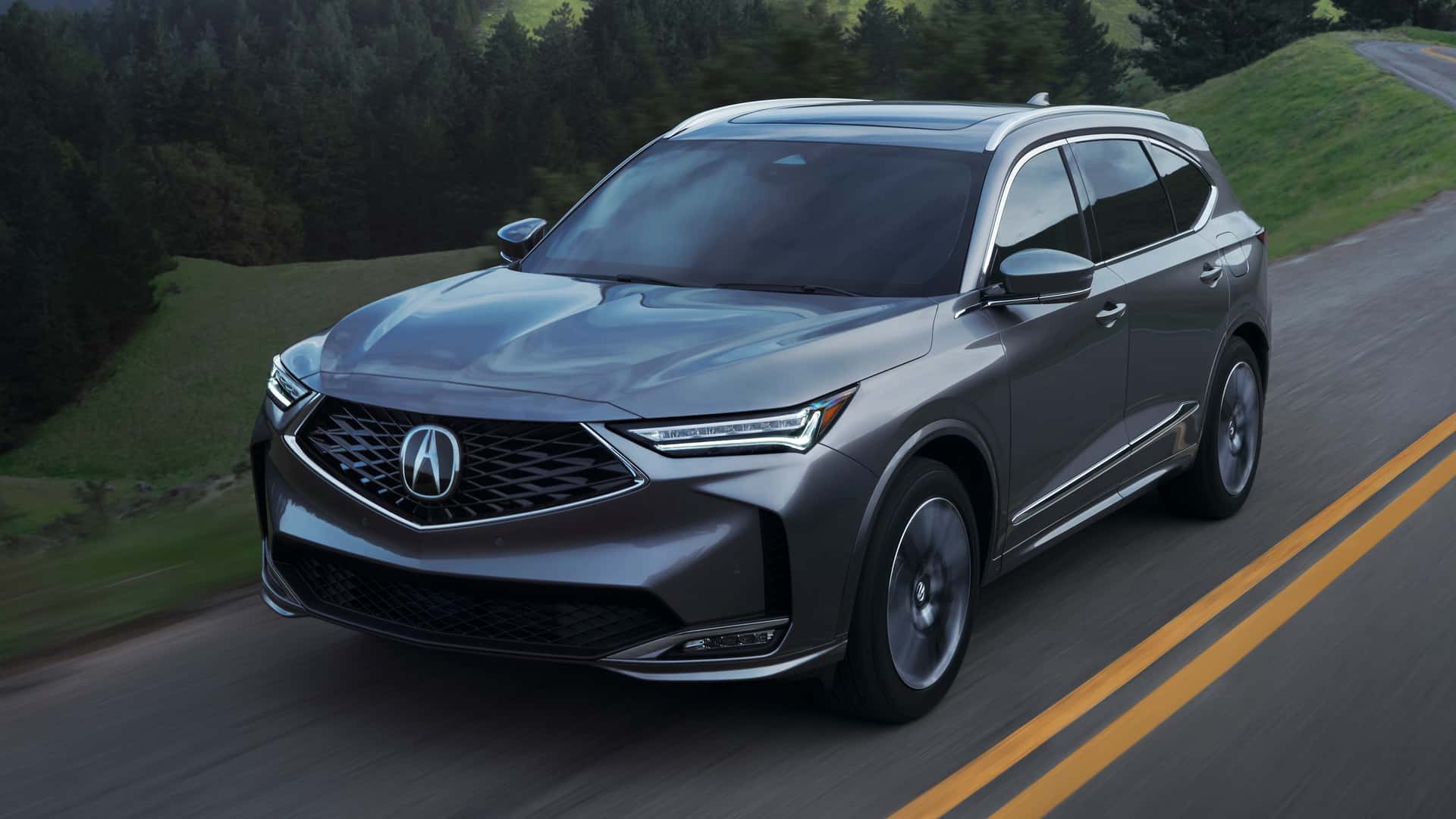
The MDX delivers engaging driving dynamics and a premium feel at a price point that’s relatively attainable for its class. Both the standard V-6 and the available hybrid powertrain supply brisk acceleration and steady handling, wrapped in a quiet and comfortable ride. Much of that agility can be credited to Acura’s SH-AWD system, which also enhances traction when conditions get loose.
Over the years, Acura has worked to keep the MDX fresh with styling updates and an expanded suite of driver-assist features. That said, the interior design is beginning to show its age, particularly in the dashboard and infotainment setup.
The steering wheel, too, has become cluttered with buttons, creating an overly complicated layout. Still, for a 2020 three-row luxury crossover, the MDX continues to offer strong value, though buyers eager for the next-generation model may want to wait just a little longer.
The 2020 Acura MDX runs on a 3.5-liter V-6 engine that produces 290 horsepower and 267 lb-ft of torque. Front-wheel drive is standard, while Acura’s SH-AWD system is optional. Both versions use a nine-speed automatic transmission.
In testing, an AWD MDX A-Spec accelerated from 0–60 mph in 6.3 seconds. EPA ratings come in at 20/27 mpg city/highway for FWD models, dropping by 1 mpg each for AWD variants. The MDX A-Spec AWD is rated at 19/25 mpg.
The MDX Sport Hybrid pairs a 3.0-liter V-6 with electric motors, producing a combined 321 horsepower and 289 lb-ft of torque. Power is sent through a seven-speed dual-clutch automatic, with all-wheel drive included as standard.
Also Read: 10 Easy Wins That Keep a Chevy Spark Reliable for Years
SUVs That Scare Owners
Not every SUV inspires confidence. Some are plagued by reliability nightmares, expensive repairs, or unnerving design flaws that make owners think twice every time they turn the key.
From unpredictable electronics to transmissions that love to quit early, these SUVs have earned a reputation for causing more stress than peace of mind. In this article, we’ll look at the SUVs that scare their owners, and not in a good way.
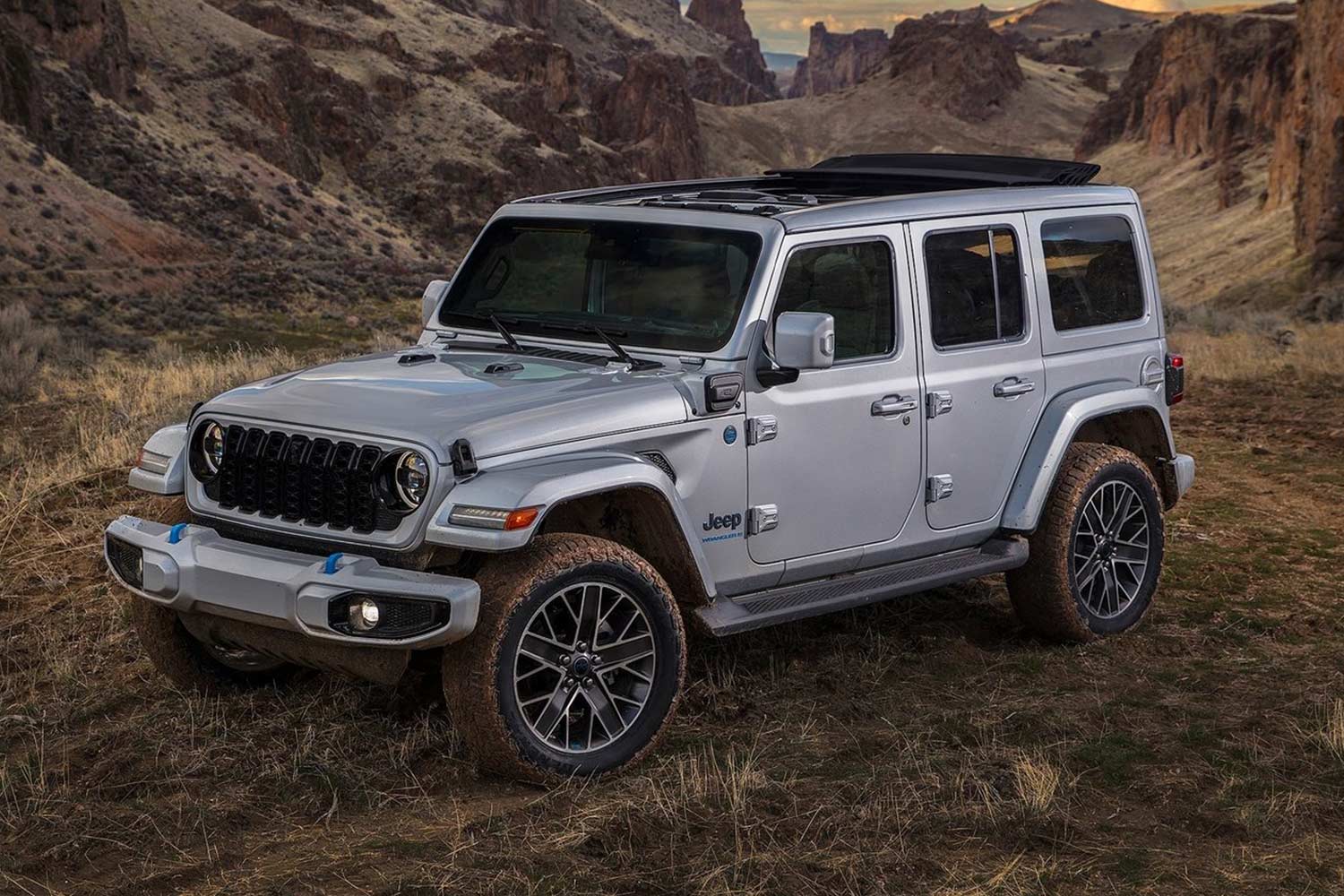
1. Jeep Wrangler
Few vehicles are as iconic as the Jeep Wrangler, beloved for its rugged off-road capabilities. But when it comes to crash safety, the Wrangler has struggled.
Both the IIHS and NHTSA have given it lower-than-average scores due to its boxy design, which doesn’t absorb crash forces as effectively as more modern SUV structures.
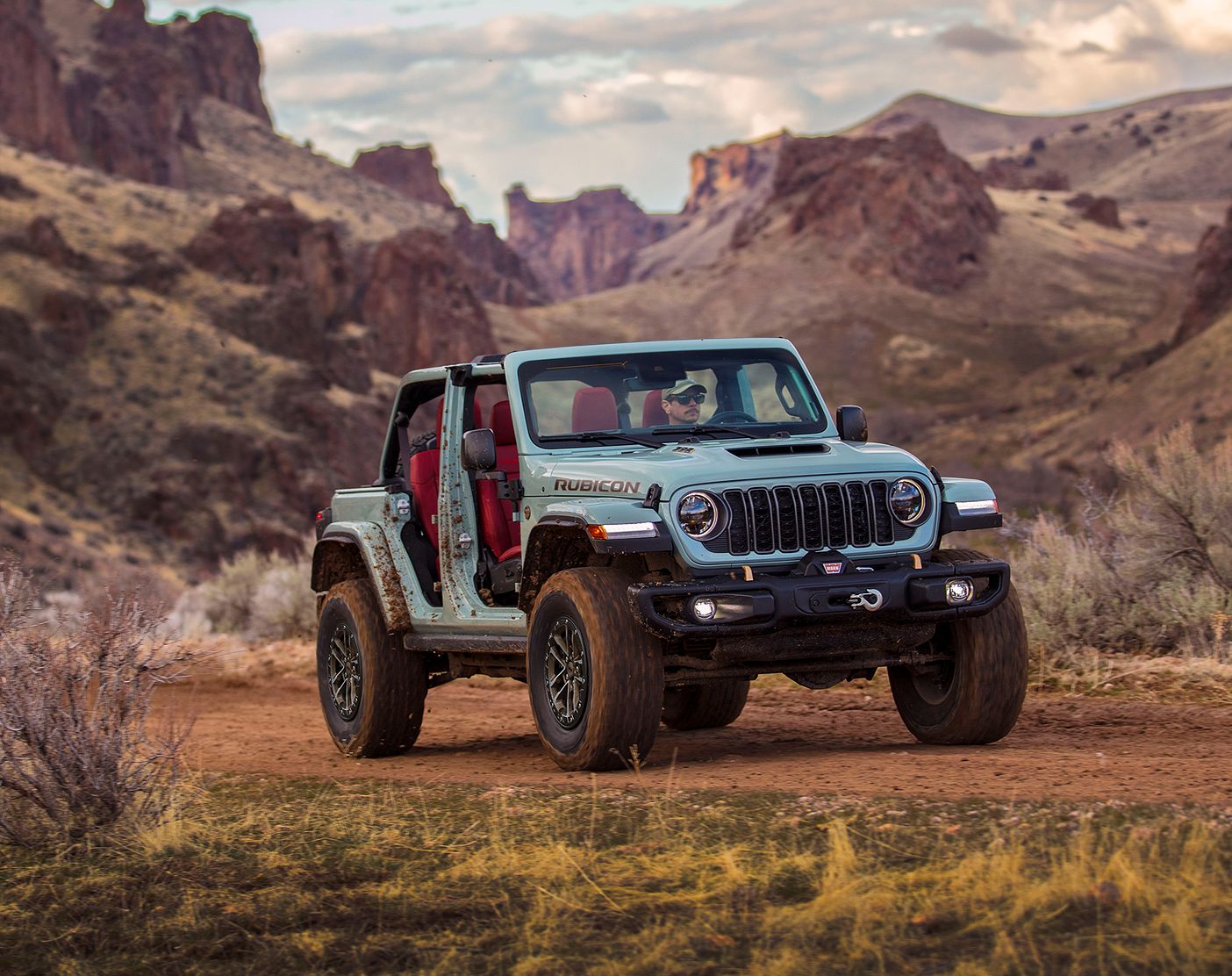
Rollover risk is also a concern, given the Wrangler’s tall, narrow stance. Owners who love off-roading still swear by it, but families looking for a safe daily driver often express hesitation due to its mixed safety record.
2. Ford Explorer (Older Models)
While the newest Ford Explorers have made significant safety improvements, older generations especially models from the early 2000s are infamous for rollover accidents and structural weaknesses.
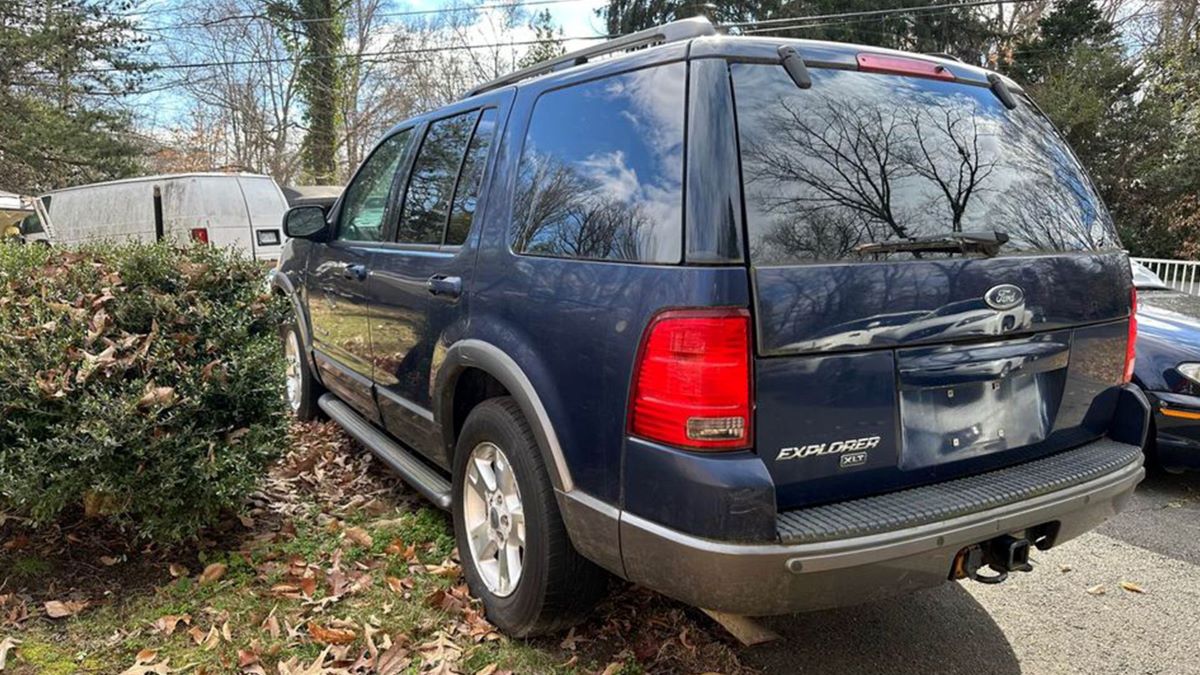
The Explorer was at the center of safety controversies involving tire blowouts and instability, leaving a long shadow over its reputation.
Even though modern Explorers fare much better in crash tests, some owners remain uneasy due to lingering perceptions and experiences with past models.
3. Mitsubishi Outlander Sport
The Mitsubishi Outlander Sport, despite being affordable, has raised eyebrows in safety circles. Its crash test ratings in small overlap front crashes have been less than reassuring compared to competitors.
While Mitsubishi includes basic safety technology, it lacks the depth of advanced driver-assist features that come standard on rivals.
Owners often report feeling less confident in the Outlander Sport during high-speed driving or heavy traffic situations, which makes it a tough sell in a safety-conscious American market.
Mitsubishi’s smallest crossover, the Outlander Sport, competes in a crowded segment but unfortunately lands near the bottom of the pack. Its driving manners are uninspiring, interior quality is subpar, and overall execution feels outdated. What it truly needs is a full redesign, yet Mitsubishi continues to push it forward with small, incremental updates each year.
The Outlander Sport’s redeeming traits are its attractive exterior styling, affordable price point, and class-leading warranty coverage. While it may be inexpensive and capable of delivering years of reliable service, it fails to offer the comfort, refinement, or driving enjoyment found in most rivals.
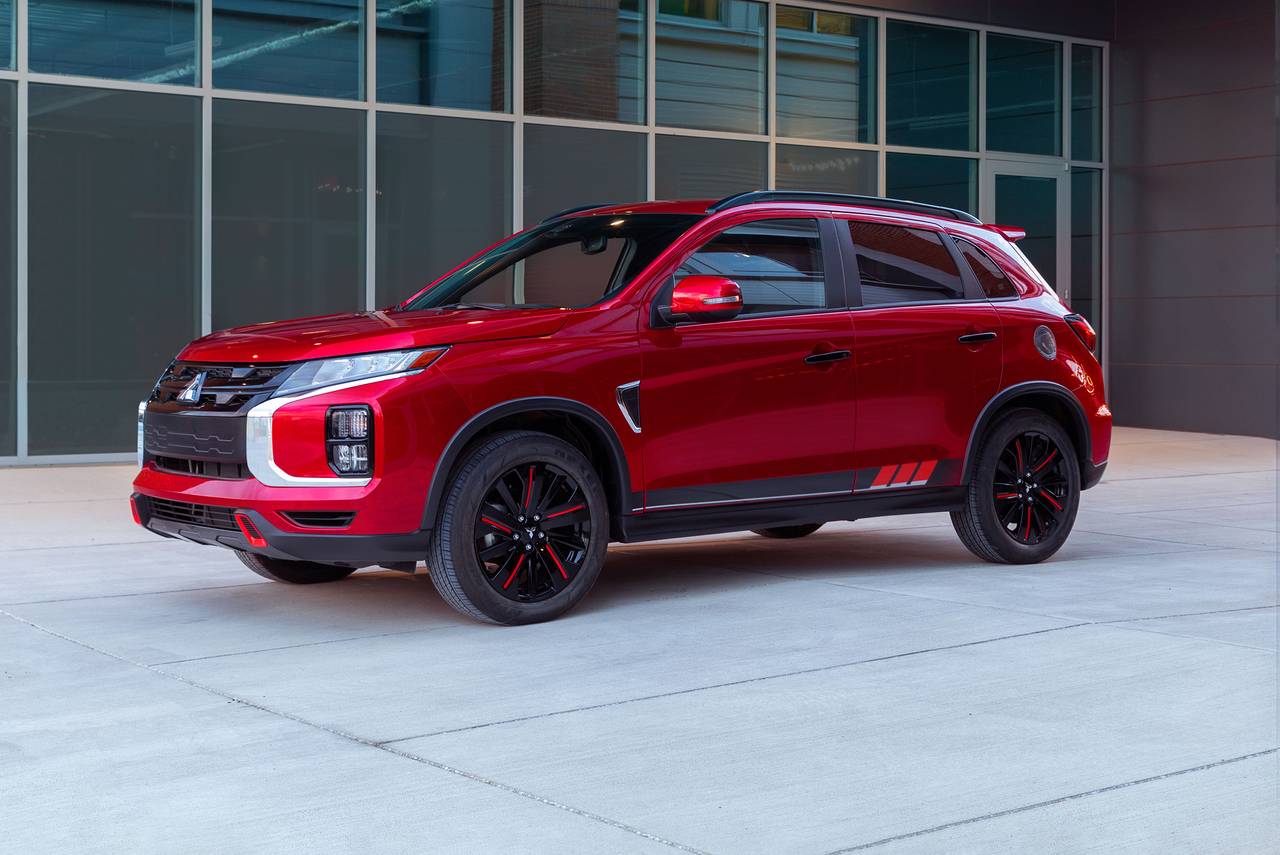
For the 2018 model year, the Outlander Sport receives refreshed styling with updated front and rear bumpers. LED running lights are now standard on LE trims and higher. The Outlander Sport’s powertrain lineup forces buyers to choose between two underwhelming options.
The base 2.0-liter four-cylinder makes 148 horsepower and delivers sluggish performance, while the available 2.4-liter engine adds only 20 horsepower at the expense of fuel efficiency. Both engines are paired with a coarse continuously variable transmission (CVT), except for the base ES model, which comes with a standard five-speed manual.
Even in a segment not known for quick acceleration, the 2.0-liter’s lethargic response feels disappointing. The engine is loud, with a droning character, and the CVT is equally frustrating, slow to react to throttle inputs and lacking refinement.
Despite wearing the “Sport” badge, the Outlander Sport doesn’t live up to its name. Handling and ride quality are merely adequate for this class. There is noticeable body roll in corners, though it never feels dangerously unstable.
The cabin of the Outlander Sport leaves much to be desired. Low-grade plastics dominate, and the outdated dashboard design only emphasizes its budget feel. Mitsubishi attempts to dress things up with red stitching in the LE trim and leather upholstery in the SEL, but no matter how much you spend, the environment remains lackluster.
Despite having a relatively large exterior footprint, interior space doesn’t impress. Rear-seat room falls short compared with rivals like the Honda HR-V and Kia Soul, and cargo capacity is similarly unimpressive. Storage solutions are limited, though the deep center console earns a small point in its favor. Overall, practicality is not a strong suit for this crossover.
Mitsubishi’s infotainment systems feel stuck in the past. The base ES trim doesn’t even include a modern infotainment screen, relying instead on a basic radio-style display, though Bluetooth and a USB port are included.
The LE trim adds a 6.5-inch screen with a backup camera and smartphone integration through Apple CarPlay and Android Auto. Higher SE and SEL trims upgrade to a 7.0-inch touchscreen, but the system runs slower than the version it replaced. Graphics remain crude and functionality limited, leaving the Outlander Sport behind competitors in tech offerings.
4. Dodge Journey
The Dodge Journey, although discontinued after the 2020 model year, still lingers on the used SUV market as an affordable option. Unfortunately, it has long been criticized for weak crash test performance and outdated safety features.
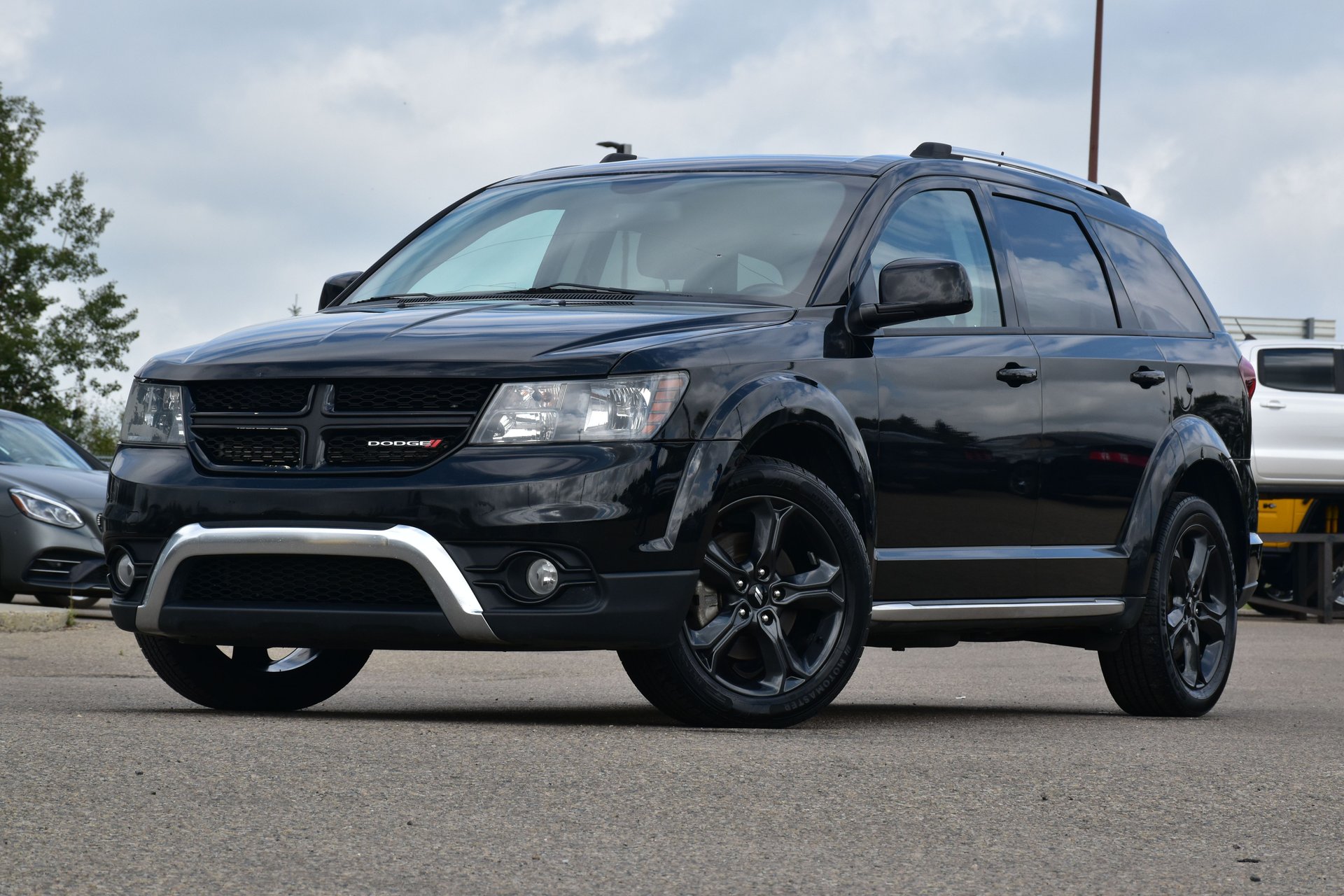
The Journey received mediocre marks in IIHS testing, and its lack of standard driver-assist technology made it feel dated in a safety-first market.
Many American families who bought the Journey for its low price tag later expressed regret, feeling uneasy about its ability to handle serious accidents compared to rivals.
At a time when the MPV segment was beginning to shrink, Dodge decided to take a different approach. Instead of a conventional minivan, it offered something bolder, a crossover MPV that could seat up to seven passengers and tackle long-distance trips with ease.
The Journey might have found greater success overseas if not for the 2007 global financial crisis, which forced Dodge to retreat from the European market. Still, it distinguished itself from traditional minivans by offering an all-wheel-drive version, giving it the ability to handle mountain roads or snowy conditions more confidently.
The front end was defined by Dodge’s signature chrome crosshair grille, flanked by large squared-off headlights. Its styling struck a balance between minivan and SUV, which was exactly the point. Wide wheel arches added visual strength, while a small roof spoiler above the forward-leaning tailgate gave the rear a sportier look.
Inside, the Journey featured a sloped dashboard that made the cabin feel more spacious for front passengers. The angular center stack and instrument cluster drew inspiration from off-road vehicles, reinforcing its crossover image.
High seating positions and individual armrests added comfort on long drives, while practicality was improved with a sliding second row and a 50/50 split-folding third row. With all seats upright, cargo space was limited, but folding the rearmost rows opened up much more usable storage capacity.
Under the hood, Dodge offered a range of gasoline engines as well as a Volkswagen-sourced 2.0-liter turbo-diesel. Transmission choices included both manual and automatic gearboxes, and buyers could opt for either front-wheel drive or all-wheel drive depending on their needs.
5. Chevrolet Trax
The Chevrolet Trax is a subcompact SUV that appeals to budget-conscious buyers, but it has fallen short in safety compared to larger competitors.
While not outright dangerous, its smaller size, limited crash energy absorption, and middling crash test results have left some owners worried.
The Trax doesn’t provide the same level of security in collisions as midsize or full-size SUVs, and many reviewers have noted its lack of advanced safety features as a drawback.
For buyers prioritizing affordability over safety, it might be acceptable, but those concerned about serious accidents often steer clear.
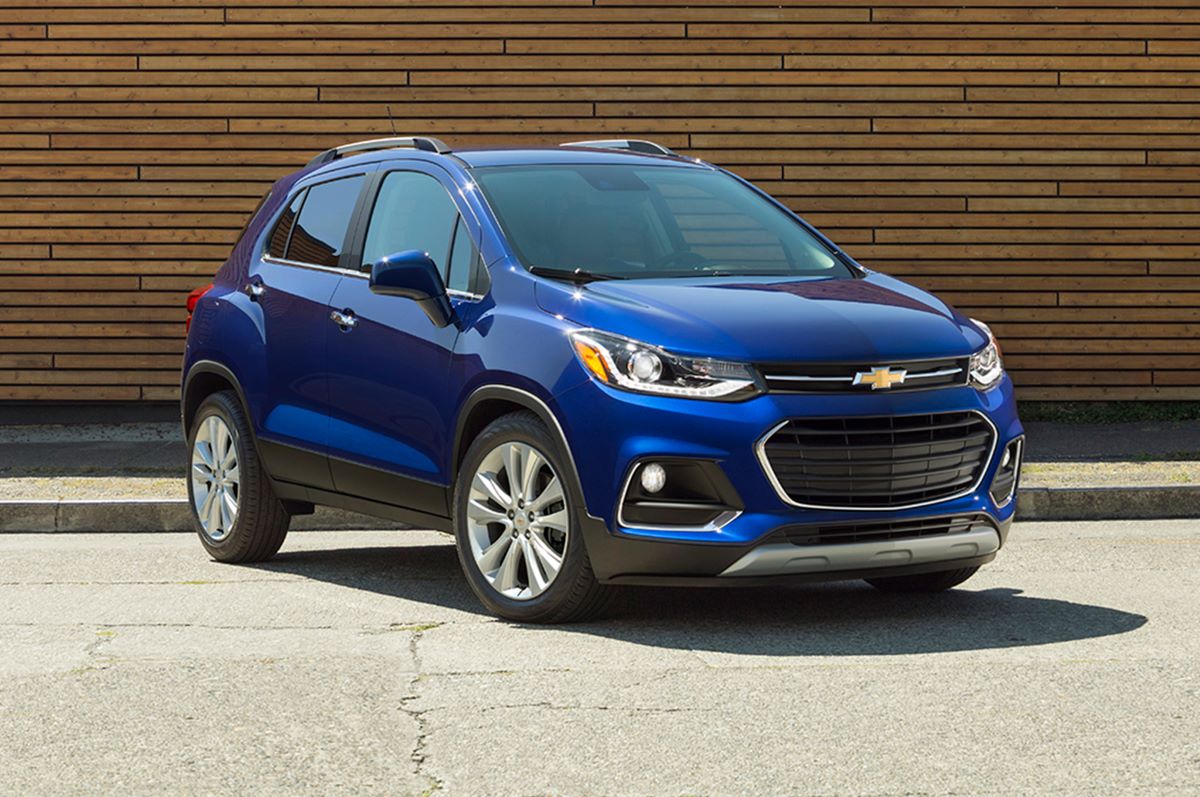
SUVs are often purchased with safety in mind, particularly by families who prioritize protecting their loved ones.
At the smaller end of Chevrolet’s lineup sits the 2021 Trax, a subcompact SUV that delivers the basics but little else. The driver enjoys a suitably high seating position, and the cabin provides reasonable comfort and space for a vehicle of its size.
Still, compared to rivals, it falls short on standard features and overall refinement. One bright spot: a touchscreen infotainment system with Apple CarPlay and Android Auto comes standard, so it’s not completely bare-bones.
Power comes from a single option, a turbocharged 1.4-liter four-cylinder engine with underwhelming performance, paired to either front- or all-wheel drive. Built on the same platform as the Buick Encore, the Trax also has to share showroom space with the slightly larger, more modern Chevy Trailblazer, making its position even more precarious.
For 2021, the Trax lineup shrinks. The range-topping Premier trim has been discontinued, leaving only the LS and LT models. Several options also vanish, including the Sun and Sound package, the optional power sunroof, the Bose stereo system, and the two-tone Jet Black and Brandy interior theme.
However, Chevrolet still offers a few bundles to dress up the Trax. The Premium Seat package adds faux-leather upholstery and heated front seats, while the Convenience package includes keyless passive entry, push-button start, a leather-wrapped steering wheel, and a six-way power driver’s seat.
Pricing ranges from $22,595 to $24,395, depending on trim and options. Unless budget is the top priority, the LT is the smarter buy, adding features that should arguably be standard. These include cruise control, rear-window tint, heated mirrors, and remote start. For just $450 more, the Convenience package makes the Trax a bit more livable.
Every Trax comes with a turbocharged 1.4-liter four-cylinder, producing 138 horsepower. That’s modest even for the class, and the engine is both buzzy and unrefined. Around town, the turbo provides adequate low-end torque, but on the highway the powertrain struggles, delivering more noise than usable speed. The six-speed automatic is smooth enough but feels sluggish, hesitant to downshift when needed.
In testing, a front-wheel-drive Trax took 9.3 seconds to hit 60 mph, a lackluster result compared to its rivals. On the road, though, it does redeem itself somewhat. The suspension provides a firm, steady ride, and handling feels solid for a tall, narrow SUV. Quick steering makes it easy to maneuver in tight urban spaces, and there’s less body lean in corners than expected.
As American roads become more crowded and driver distractions increase, having a safe SUV is more important than ever. The best models not only survive crash tests but also prevent accidents in the first place with modern driver-assist features.
For buyers, choosing wisely can make the difference between driving with confidence and constantly worrying about what might happen in an emergency.
