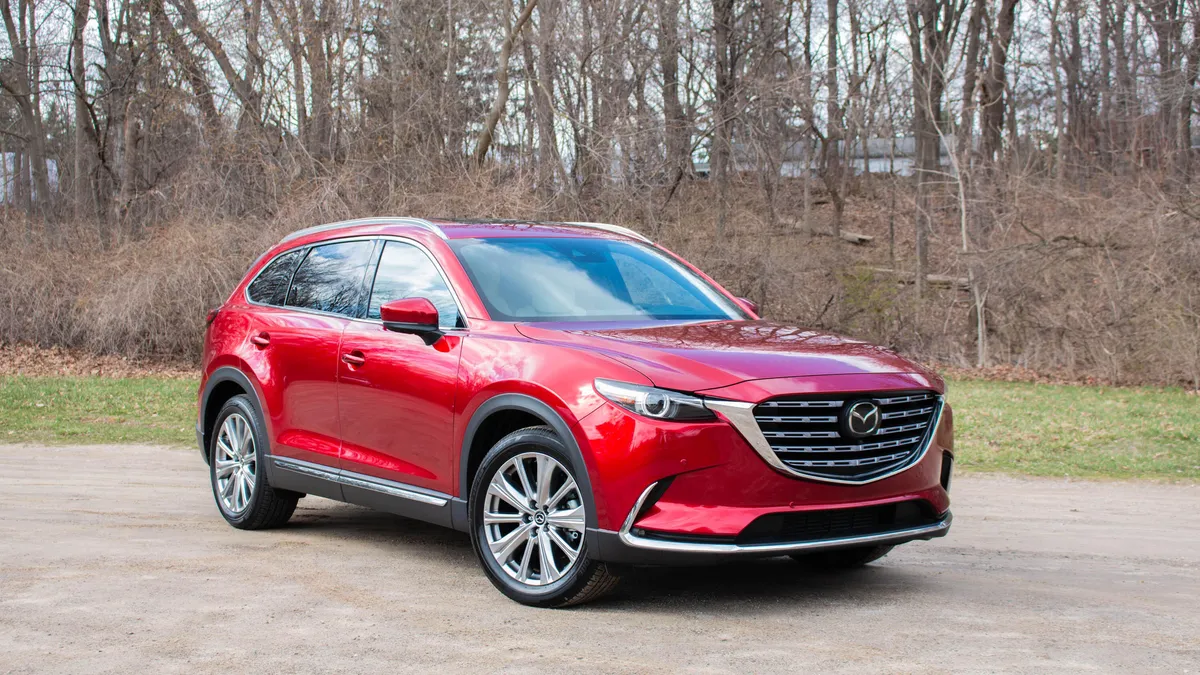
The Mazda CX-9 has long been a standout in the midsize three-row SUV category, earning a reputation for blending style, performance, and premium features with family-friendly practicality.
Since its debut, the CX-9 has positioned itself as a driver’s SUV delivering nimble handling and upscale interiors that rival luxury brands, all while keeping costs more accessible.
However, like any vehicle with a long production history, some model years shine for their reliability and refinement, while others are best avoided due to recurring issues and costly repairs.
For shoppers considering a used CX-9, understanding which years deliver the best ownership experience can save thousands in maintenance and ensure peace of mind.
In this guide, we’ll explore five of the most reliable Mazda CX-9 model years that consistently earn praise from owners and reviewers, as well as five years with significant reliability concerns that potential buyers should steer clear of.
5 Mazda CX-9 Years With Great Reliability
1. 2023 Mazda CX-9
The 2023 Mazda CX-9 stands out in the competitive three-row midsize SUV segment with its sleek styling, upscale cabin, and driving characteristics that rival some luxury brands.
As Mazda’s largest SUV, it blends comfort and athleticism, delivering a more premium driving experience than many of its mainstream competitors, such as the Honda Pilot, Kia Telluride, and Hyundai Palisade.
While the upcoming CX-90 hints at the eventual replacement of the CX-9, this model year still offers a refined choice for families who value sophistication and driver engagement alongside practicality.
Mazda streamlined the CX-9 lineup for 2023 by eliminating the base Sport trim, effectively raising the starting price above $40,000. The Touring trim now serves as the entry-level model but brings more standard features to justify its higher cost.
Upgrades include second-row captain’s chairs, a power sunroof, fog lamps, and a wireless charging pad.
All-wheel drive remains standard across the lineup, along with modern conveniences like Apple CarPlay, Android Auto, and a suite of driver-assistance technologies. While this makes the CX-9 pricier than some competitors at the base level, buyers benefit from a well-equipped SUV right from the start.
Performance has long been one of the CX-9’s strengths, and the 2023 model continues that tradition. Powered by a turbocharged four-cylinder engine, it accelerates from 0–60 mph in 7.6 seconds, a strong showing for its class.
The SUV feels agile and composed on winding roads, with precise steering, responsive braking, and a ride that balances sportiness with comfort.
Inside, the cabin impresses with quietness and supportive seating, while optional heated and ventilated front seats add extra comfort. However, the third row remains tight and less accommodating than rivals, making it better suited for children or shorter trips.
Mazda designed the CX-9’s interior to rival luxury brands, using high-quality materials, sleek styling, and intuitive controls. The 9-inch infotainment display, operated via a simple rotary dial, provides sharp visuals and easy menu navigation.
Higher trims feature a premium Bose audio system, while abundant USB ports and wireless charging keep devices powered.
Safety tech is another highlight, with adaptive cruise control, blind-spot monitoring, lane-keeping assist, and forward collision warning all included as standard. Together, these features create a refined, technology-forward interior that enhances daily usability and long-distance comfort.
Practicality is where the CX-9 shows its limitations. Cargo space falls short compared to class leaders, with just 14.4 cubic feet behind the third row and a maximum of 71.2 cubic feet with seats folded, well below the Kia Telluride’s capacity. Towing is also modest at 3,500 pounds.
On the positive side, fuel economy is above average at 23 mpg combined, and the SUV can run on regular fuel, keeping operating costs reasonable.
Although its base price is higher than some rivals, the CX-9 delivers strong value with its premium feel, build quality, and long list of standard features. It ultimately appeals most to buyers seeking refinement and driving enjoyment over maximum utility.
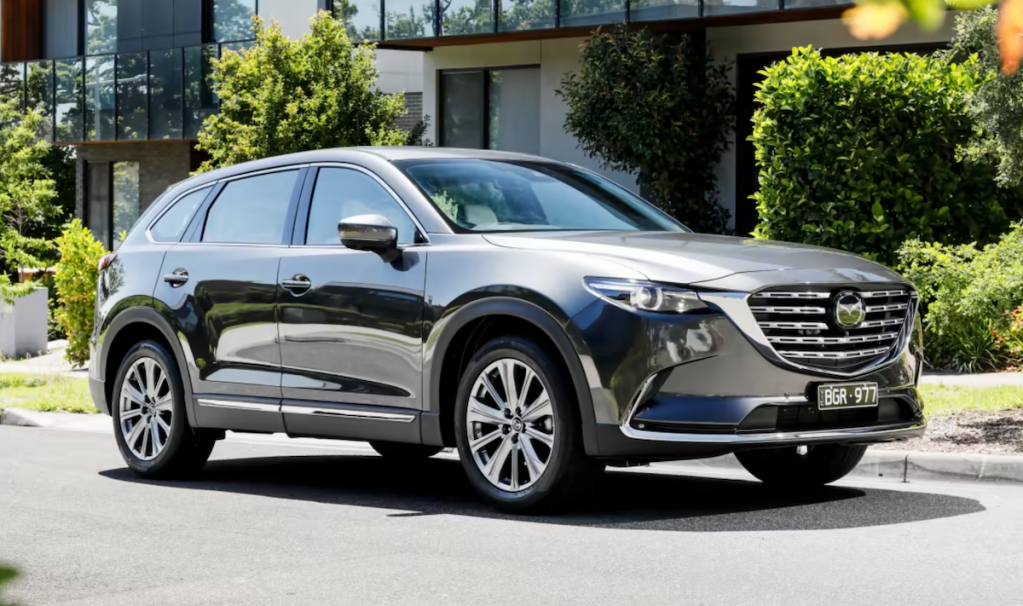
2. 2022 Mazda CX-9
The 2022 Mazda CX-9 remains one of the most stylish and fun-to-drive options in the midsize three-row SUV class. Emphasizing refinement and driver engagement, it delivers a sportier and more premium feel than rivals such as the Kia Telluride, Honda Pilot, and Hyundai Palisade.
Although it sacrifices some utility, especially in cargo space and third-row comfort, the CX-9 rewards buyers with quick acceleration, nimble handling, and a cabin that feels closer to a luxury vehicle. Its sleek design, upscale interior, and smooth performance make it an appealing choice for families who want more than just practicality from their SUV.
Mazda introduced two key updates for 2022. First, all-wheel drive became standard across the range, eliminating front-wheel-drive variants. Second, a new Touring Plus trim was added to bridge the gap between the base Touring and higher Signature trims.
This new model included premium features such as ventilated front seats, black 20-inch alloy wheels, black grille trim, power driver’s seat adjustments, aluminum roof rails, and a frameless rearview mirror.
As a result, the lineup offered more flexibility for buyers, balancing value and luxury. While the CX-9’s base price was higher than many competitors, its long list of standard features helped justify the premium.
Performance is a standout feature of the 2022 CX-9, thanks to its turbocharged 2.5-liter four-cylinder engine that produces ample torque, especially helpful in mountainous or challenging road conditions.
Acceleration is brisk for the class, reaching 60 mph in 7.6 seconds, while steering and braking remain precise and confidence-inspiring. The ride quality strikes a balance between athleticism and comfort, aided by taller tire sidewalls that absorb road imperfections.
On the inside, front and second-row passengers enjoy sculpted, supportive seating and a remarkably quiet cabin. However, the third row is noticeably cramped, limiting comfort for adults on longer trips. The CX-9 prioritizes driving enjoyment without significantly compromising ride comfort.
Inside, the CX-9 stands out with a minimalist yet elegant design, high-quality materials, and excellent fit and finish. The 9-inch infotainment display is sharp and easy to control using Mazda’s intuitive rotary dial.
Higher trims add a premium Bose audio system, while six USB ports, Apple CarPlay, and Android Auto are included for connectivity. Safety features are another strength, with standard adaptive cruise control, blind-spot monitoring, rear cross-traffic alert, forward collision warning, and lane-keeping assist.
These systems perform reliably in heavy traffic without frequent false alerts. Together, the technology and safety package enhance the CX-9’s appeal, making it feel more premium than many non-luxury rivals.
Despite its strengths, the 2022 CX-9 trails competitors in practicality. Cargo capacity measures just 14.4 cubic feet behind the third row and 71.2 cubic feet with seats folded, far less than class leaders like the Kia Telluride’s 87 cubic feet.
Towing capacity also lags behind, capped at 3,500 pounds. Still, thoughtful storage solutions, easy child seat installation, and user-friendly design make it manageable for families. Fuel economy is another plus, rated at 23 mpg combined, slightly above average for its class, with the added benefit of running on regular fuel.
In terms of value, the CX-9 delivers excellent build quality, a near-luxury cabin, and plenty of features that help justify its slightly higher price. For families prioritizing refinement and driving dynamics over sheer utility, the 2022 Mazda CX-9 remains an excellent choice.
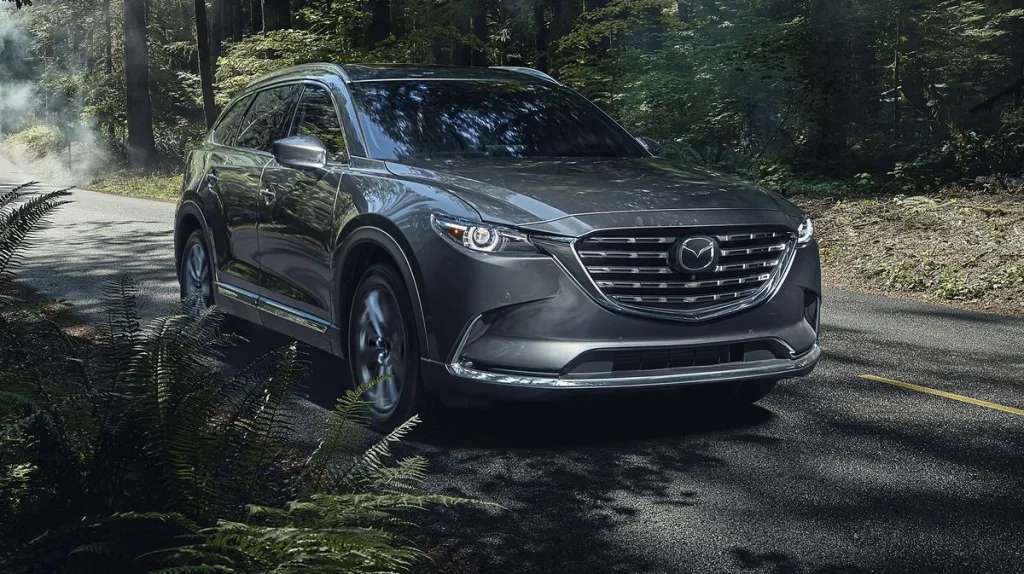
3. 2021 Mazda CX-9
The 2021 Mazda CX-9 continued to impress buyers with its stylish design, engaging driving dynamics, and an upscale cabin that elevated it above many mainstream rivals.
While it sacrificed some cargo and third-row space compared to larger competitors such as the Honda Pilot and Kia Telluride, it offered a rewarding driving experience rare in the midsize three-row SUV class.
For 2021, Mazda introduced new technology upgrades, design refinements, and an additional Carbon Edition trim to enhance its appeal. Owners consistently praised the CX-9 for its agile handling, smooth ride, and premium-level refinement, making it a popular choice for families seeking comfort and sophistication in equal measure.
Mazda brought several notable updates to the CX-9 for 2021. A larger 10.25-inch central touchscreen became standard across all trims, offering improved clarity and responsiveness.
Standard Apple CarPlay and Android Auto ensured seamless smartphone connectivity, while Touring, Grand Touring, and Signature models gained a convenient wireless charging pad. The lineup also welcomed the new Carbon Edition, which featured exclusive paint, a blacked-out exterior, and a unique red leather interior.
At the top end, the Signature trim received a fresh grille design and quilted leather seating surfaces, further emphasizing the model’s move toward luxury. These refinements strengthened the CX-9’s position as one of the more upscale options in its segment.
Performance remained a strong selling point for the 2021 CX-9. Powered by a turbocharged 2.5-liter four-cylinder engine, it produced ample low-end torque and smooth acceleration, reaching 60 mph in 7.6 seconds, competitive for its class.
The SUV handled more like a smaller vehicle, with sharp steering, confident braking, and agility that set it apart from rivals. Ride comfort was equally impressive, striking a balance between sporty responsiveness and road compliance.
The well-sculpted front seats provided strong support, while the cabin’s excellent noise insulation created a luxury-like atmosphere. That said, the third row was tight for adults, making it best suited for children or short trips.
Inside, the 2021 CX-9 delivered a cabin that blended elegance with functionality. Premium materials, excellent fit and finish, and intuitive controls made the interior feel more aligned with luxury SUVs.
The infotainment system, controlled via Mazda’s rotary dial, was easy to navigate and complemented by the optional Bose premium audio system on higher trims. Families benefited from thoughtful features such as multiple USB ports, rear climate controls, and optional ventilated seating.
Advanced safety features, including adaptive cruise control, blind-spot monitoring, rear cross-traffic alert, forward collision warning, and lane-keeping assist, came standard across the lineup. These systems were praised for their reliability and smooth operation, particularly in heavy traffic.
Where the CX-9 continued to lag was in outright utility. Cargo space measured just 14.4 cubic feet behind the third row and expanded to 71.2 cubic feet with the seats folded, significantly less than leaders like the Kia Telluride. Towing capacity was also limited to 3,500 pounds, short of many competitors.
Despite these shortcomings, the CX-9 offered thoughtful storage solutions and family-friendly features like easy child seat installation with captain’s chairs. Fuel economy was another strength, with AWD models rated at 23 mpg combined and FWD models at 24 mpg combined, slightly above average for the class.
Starting around $35,000, the CX-9 was priced competitively and delivered strong value thanks to its high build quality, premium design, and long list of standard features. For buyers prioritizing refinement and driving pleasure over maximum utility, the 2021 Mazda CX-9 proved a smart and rewarding choice.
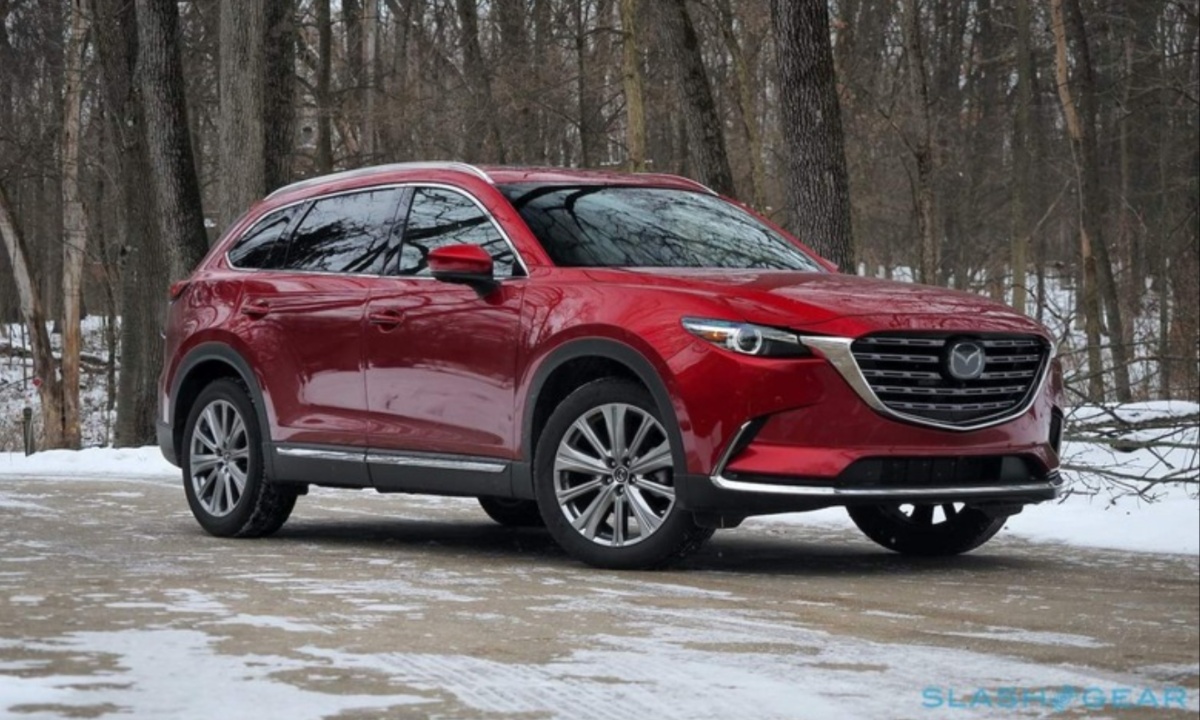
4. 2020 Mazda CX-9
The 2020 Mazda CX-9 stands out in the midsize three-row SUV segment as one of the most highly rated options, praised for its excellent reliability, engaging driving dynamics, and premium interior design.
Unlike many competitors that emphasize maximum space and utility, the CX-9 prioritizes style, comfort, and performance, giving buyers a more refined driving experience. Its sleek design and luxury-inspired interior materials, including genuine aluminum accents and high-quality leather, impressed both critics and owners.
Although it lacks some of the sheer size and cargo space of rivals such as the Kia Telluride and Honda Pilot, the CX-9 offered a more driver-focused and upscale alternative in the family SUV market.
For 2020, Mazda expanded the CX-9’s appeal by making its i-Activsense suite of driver assistance features standard across all trims. This included automated emergency braking with pedestrian detection, adaptive cruise control, blind-spot monitoring with rear cross-traffic alert, lane departure warning, and lane-keeping assist.
A new 9-inch infotainment touchscreen became available, providing sharper graphics and improved usability. In higher trims, second-row captain’s chairs were introduced for improved comfort and easier access to the third row.
Additionally, USB ports were added to the third row in Grand Touring and Signature trims, further enhancing convenience for families. These updates made the 2020 CX-9 safer, more user-friendly, and better equipped than before.
Driving enjoyment has long been a hallmark of Mazda, and the 2020 CX-9 carried this philosophy into the SUV segment. Powered by a turbocharged four-cylinder engine, it delivered strong torque and a 0–60 mph time of 7.6 seconds, competitive for its class.
The SUV felt smaller and more agile than most rivals, with precise steering, responsive brakes, and confident handling on winding roads. Ride quality struck an appealing balance between sportiness and comfort, aided by taller tire sidewalls that absorbed road imperfections.
Inside, the cabin was impressively quiet, while the sculpted front seats provided excellent support for long drives. The third row, however, remained tight and best reserved for children, reflecting one of the CX-9’s few compromises.
Mazda emphasized a luxury-like atmosphere in the 2020 CX-9’s interior, which featured elegant design, premium materials, and attention to detail rarely seen in mainstream SUVs.
The rotary dial infotainment controller remained easy to use, while the available Bose premium audio system provided rich sound quality. Higher trims included ventilated seating and multiple USB ports, ensuring comfort and convenience for all passengers.
Apple CarPlay and Android Auto compatibility were available starting with the Touring trim, while the standard suite of driver-assist features added peace of mind. Together, these upgrades created a well-rounded interior that felt modern and upscale, helping the CX-9 stand out in a crowded market.
Although the 2020 CX-9 excelled in refinement, it lagged behind rivals in outright utility. Cargo space measured 14.4 cubic feet behind the third row and a maximum of 71.2 cubic feet with all seats folded well below the Kia Telluride’s 87 cubic feet.
Towing capacity was also modest at 3,500 pounds, limiting its usefulness for those with larger trailers or boats. On the positive side, fuel economy was slightly better than average, with AWD models rated at 23 mpg combined and FWD versions at 24 mpg.
Starting around $34,000, the CX-9 was priced slightly higher than some competitors, but it justified the cost with exceptional build quality, premium features, and a cabin that rivaled luxury vehicles. For buyers prioritizing driving enjoyment and refinement over maximum space, the 2020 Mazda CX-9 was a top-tier choice.
5. 2019 Mazda CX-9
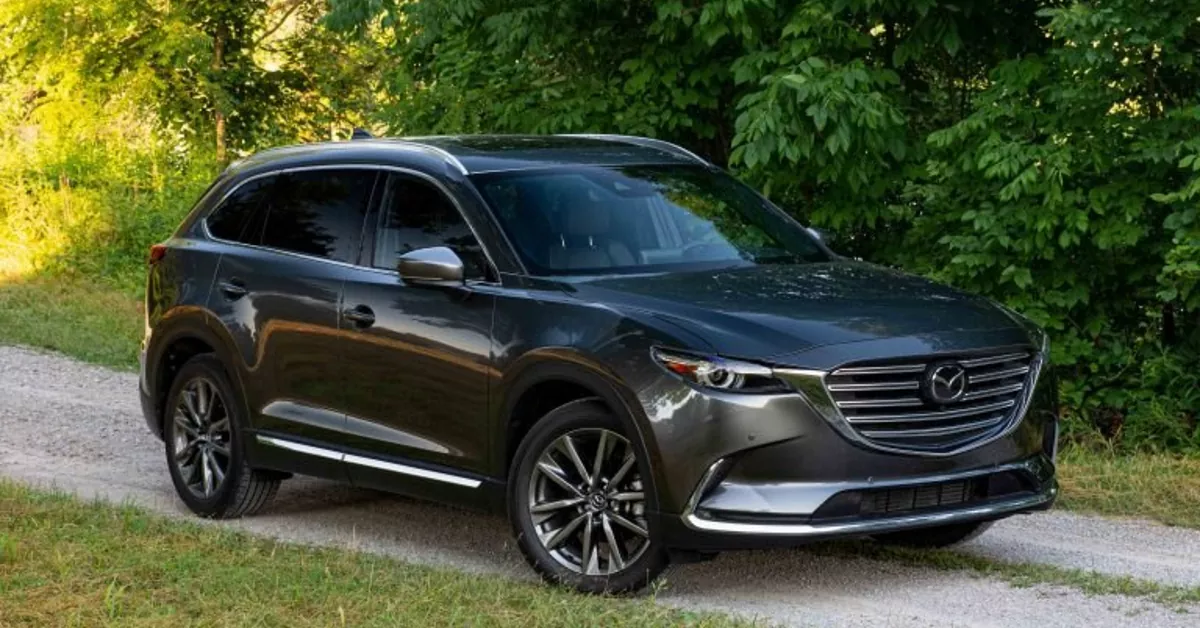
The 2019 Mazda CX-9 earned top marks from both professional reviewers and owners, cementing its reputation as one of the most appealing midsize three-row SUVs on the market. With an average rating of 4.6/5 from Edmunds, 4.7/5 from Kelley Blue Book, and an 81/100 from J.D. Power, the CX-9 ranked among the best in its class.
Critics praised its upscale design, quiet cabin, and enjoyable driving dynamics, often comparing it favorably to luxury-branded SUVs. Owners highlighted its premium interior materials and value when stacked against rivals like the Acura MDX and RDX, noting that the Mazda delivered comparable quality at a lower price.
While its third-row seating and cargo space were more limited than some competitors, the CX-9 remained big enough to satisfy most crossover buyers.
Mazda enhanced the CX-9 for 2019 with several notable updates, making it more competitive and user-friendly. Apple CarPlay and Android Auto became newly available on the Touring, Grand Touring, and Signature trims, improving smartphone integration and infotainment usability.
A surround-view camera system, ventilated front seats, SiriusXM Travel Link, and a frameless rearview mirror joined the list of available features. Power-folding exterior mirrors and a digital gauge display were also added for greater convenience.
Beyond tech upgrades, Mazda retuned the CX-9’s suspension for a smoother and more composed ride, striking a better balance between sporty handling and long-distance comfort. These refinements allowed the 2019 model to stand out as one of the most polished versions of the second-generation CX-9, first introduced in 2016.
Mazda has long emphasized driving enjoyment, and the 2019 CX-9 delivered on this promise with handling that rivaled smaller vehicles. Powered by a turbocharged 2.5-liter four-cylinder engine, the SUV accelerated from 0 to 60 mph in 7.3 seconds, which was average for its class but felt lively in daily driving.
The engine provided strong low-end torque, sharp response off the line, and smooth power delivery for highway merging and passing. Braking was firm and confident, with a stopping distance of just 115 feet from 60 mph, an excellent result for a three-row SUV.
Steering response was among the best in the segment, offering a direct connection between driver and road, while nimble handling on winding roads made the CX-9 feel more athletic than most rivals. Combined with its smooth transmission and stable ride, the CX-9 was widely regarded as one of the most enjoyable three-row SUVs to drive.
Inside, the 2019 CX-9 impressed with a cabin that felt closer to luxury than mainstream. High-quality materials, tight panel gaps, and thoughtful design elevated the experience, especially in the top Signature trim, which used premium leather and real wood accents.
Front and second-row seats offered excellent comfort and support, while the cabin remained impressively quiet at highway speeds. The third row, however, was best suited for children due to limited headroom and seat height.
Cargo space, at 14.4 cubic feet behind the third row and 71.2 cubic feet with seats folded, was adequate but below average for the class.
Technology was another strength, with Mazda’s rotary-dial infotainment system, an available Bose premium audio setup, and well-calibrated driver aids such as lane-keeping assist and forward collision warning. Usability was strong thanks to intuitive controls, multiple USB ports, and improved smartphone connectivity..
While the 2019 Mazda CX-9 fell short in areas like towing and cargo capacity, it excelled in refinement, performance, and long-term value. Towing capacity was capped at 3,500 pounds, which trailed competitors such as the Honda Pilot and Volkswagen Atlas.
Still, most buyers prioritized comfort and driving enjoyment, areas where the CX-9 truly excelled. The model struck a rare balance between style, substance, and performance, appealing to families who valued a premium experience without stepping into a luxury price bracket.
Its combination of excellent safety features, luxury-grade interior, and engaging dynamics ensured strong appeal despite practical limitations. Ultimately, the 2019 CX-9 stood out as one of the most stylish, enjoyable, and well-rounded three-row SUVs of its time, making it a highly recommended option for shoppers who valued sophistication over sheer size.
Also Read: 5 Nissan Maxima Years You Can Keep vs 5 That Won’t Last
5 Mazda CX-9 Years Without Reliability
1. 2016 Mazda CX-9
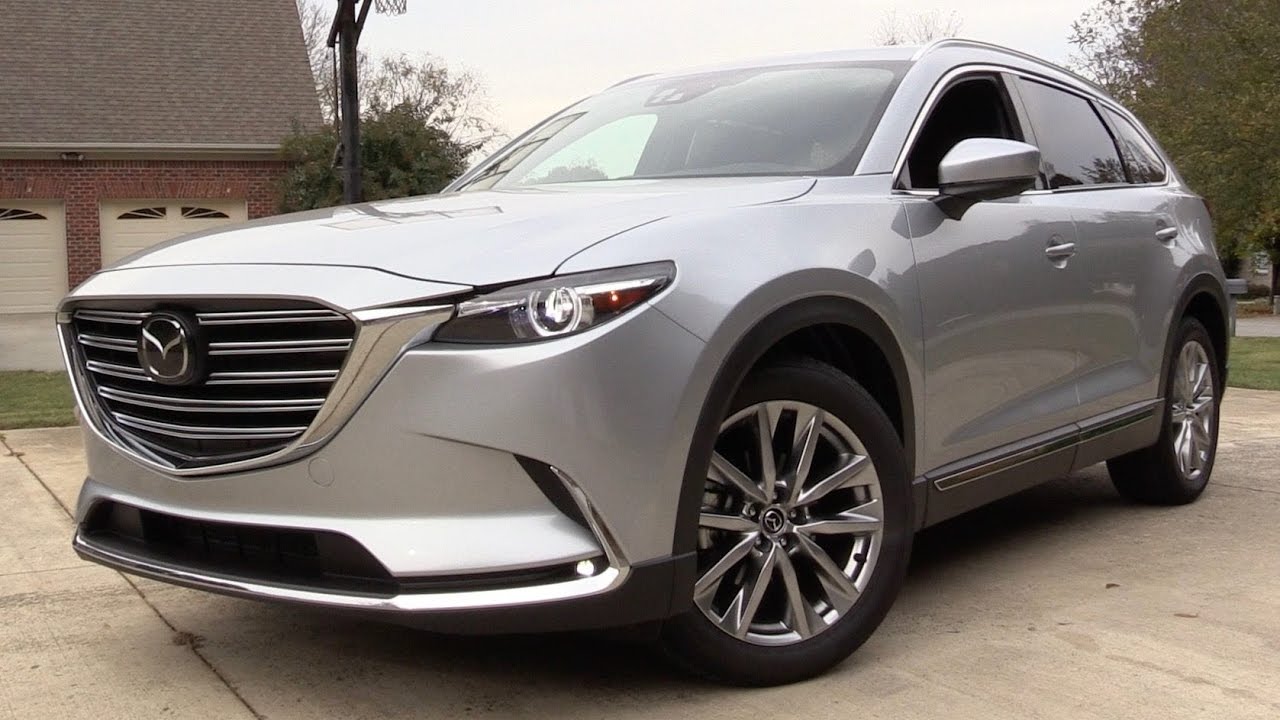
The 2016 Mazda CX-9 marked the debut of the SUV’s second generation, receiving praise for its refined design and improved performance. However, it faced notable early setbacks that left some owners frustrated. The most serious issue was coolant leakage caused by a cracked cylinder head.
This defect not only led to overheating but also created a potential fire hazard. In severe cases, coolant mixed with engine oil causes catastrophic engine failure that often requires a full replacement. Many owners reported this exact sequence of events, making it one of the most widespread complaints.
Another recurring problem involved the infotainment screen, which was prone to cracking in extreme heat or cold, leaving drivers without a functional display. The 2016 CX-9 accumulated 22 complaints on CarComplaints.com and 79 reported problems on CarProblemZoo.com.
Other grievances included premature brake wear and malfunctioning electronics. While the 2016 CX-9 represented an important leap forward for the model, these reliability concerns held it back from being a flawless launch.
Buyers considering this year are often advised to weigh its strong driving dynamics against the costly risks associated with coolant and electronic failures.
2. 2013 Mazda CX-9
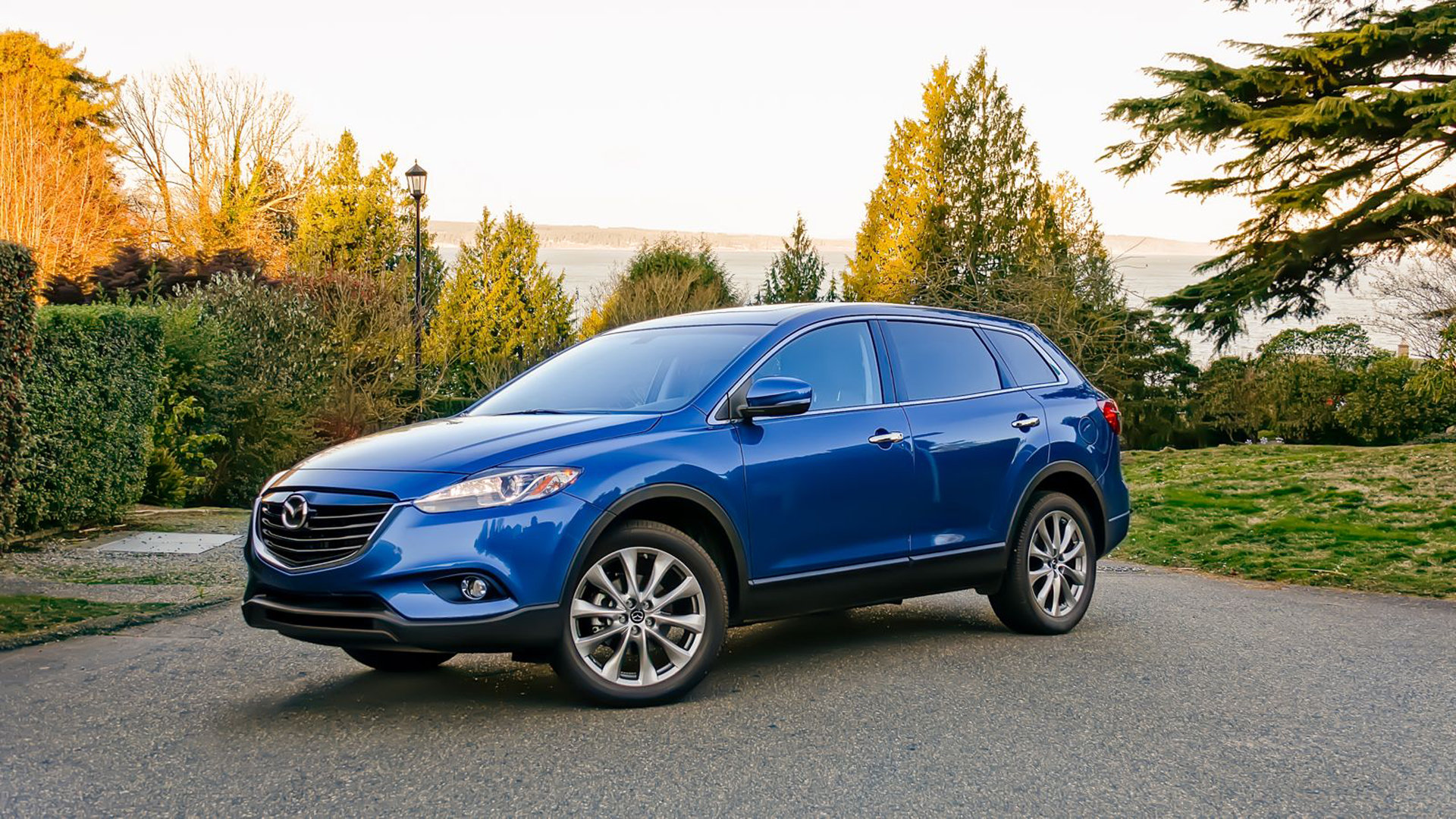
The 2013 Mazda CX-9 is widely flagged as a “Beware of the Clunker” model, largely due to persistent brake and engine issues. Owners most frequently complained about stiff and unresponsive brakes caused by brake booster failure.
Since the brake booster is designed to assist the driver by reducing braking effort, its failure created longer stopping distances and dangerous driving situations. Several accidents were reported, making this a significant safety concern. Another widespread issue involved water pump failure.
When the pump malfunctioned, antifreeze frequently leaked into the engine oil, leading to engine damage and, in some cases, complete engine failure. These costly repairs made ownership difficult for many.
According to reports, the 2013 CX-9 accumulated 27 complaints on CarComplaints.com and 72 problems on CarProblemZoo.com. While the SUV still provided Mazda’s signature sharp handling and attractive design, the mechanical flaws significantly diminished its reputation.
Owners found themselves burdened with unexpected repair costs and safety risks, cementing the 2013 CX-9 as one of the least reliable model years. Prospective buyers are often encouraged to avoid this year altogether and opt for a later, more refined second-generation version.
3. 2012 Mazda CX-9 – The Most Problematic Model Year
The 2012 Mazda CX-9 holds the unfortunate distinction of being the most problematic and widely complained-about year in the SUV’s history. CarComplaints.com explicitly warns buyers with its “Beware of the Clunker” label, and the data support the caution.
With 57 complaints on CarComplaints.com and a staggering 252 problems logged at CarProblemZoo.com, this year experienced widespread failures. The most critical issue was brake power booster failure, a problem that plagued numerous owners.
The booster, which helps drivers apply braking force with less effort, failed so frequently that many reported dangerously hard brakes that compromised stopping distances. Other recurring problems included water pump leaks that allowed coolant to seep into the engine, causing internal damage.
The 2012 model was also impacted by the Takata airbag recall, with defective airbags posing additional safety risks. Combined, these issues made the 2012 CX-9 particularly notorious.
While some drivers still appreciated Mazda’s sporty styling and road manners, the sheer volume of mechanical and safety-related defects has made this model year one to avoid. It stands as a cautionary tale about how reliability issues can overshadow design strengths in the automotive world.
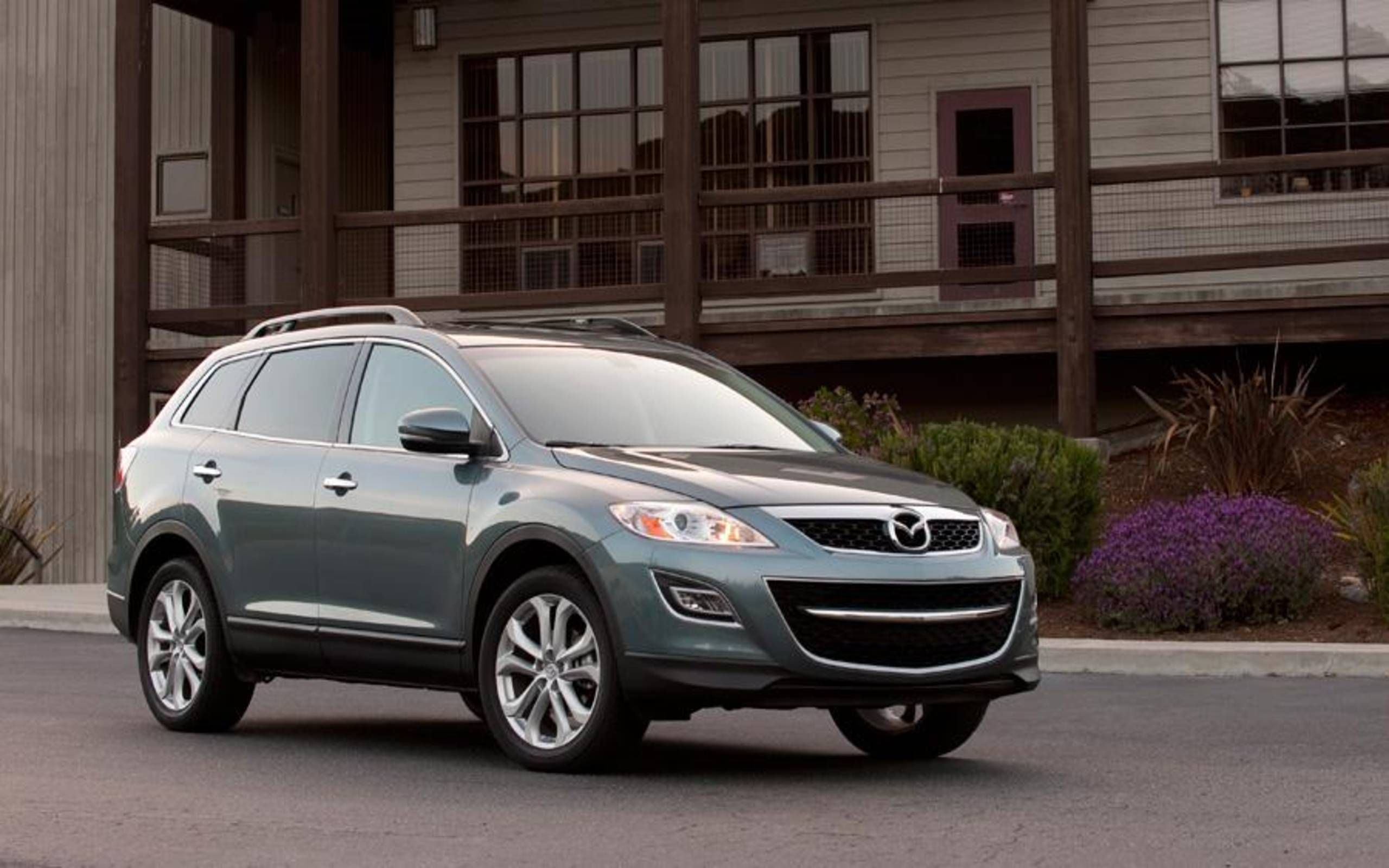
4. 2011 Mazda CX-9 – Brake and Airbag Failures
The 2011 Mazda CX-9 followed a troubling trend of brake-related problems that affected many earlier first-generation models. Owners consistently reported issues with brake booster failure, which resulted in ineffective braking despite applying normal or even heavy pedal pressure.
Some drivers experienced terrifying situations where the SUV continued rolling despite multiple attempts to stop it. Alongside the braking issues, the 2011 model was caught up in the massive Takata airbag recall.
These airbags were known to deploy without warning or without any impact, creating significant safety risks for drivers and passengers. Reports also included cases of outright engine failure, compounding the frustration for owners.
Altogether, this model year accumulated 43 complaints on CarComplaints.com and 196 problems on CarProblemZoo.com, making it another year flagged as “Beware of the Clunker.”
While the 2011 CX-9 still carried Mazda’s reputation for strong styling and driving enjoyment, these dangerous and costly issues overshadowed its appeal. The combination of brake and airbag failures left many owners with expensive repairs and reduced confidence in the vehicle’s safety, reinforcing its poor reliability track record.
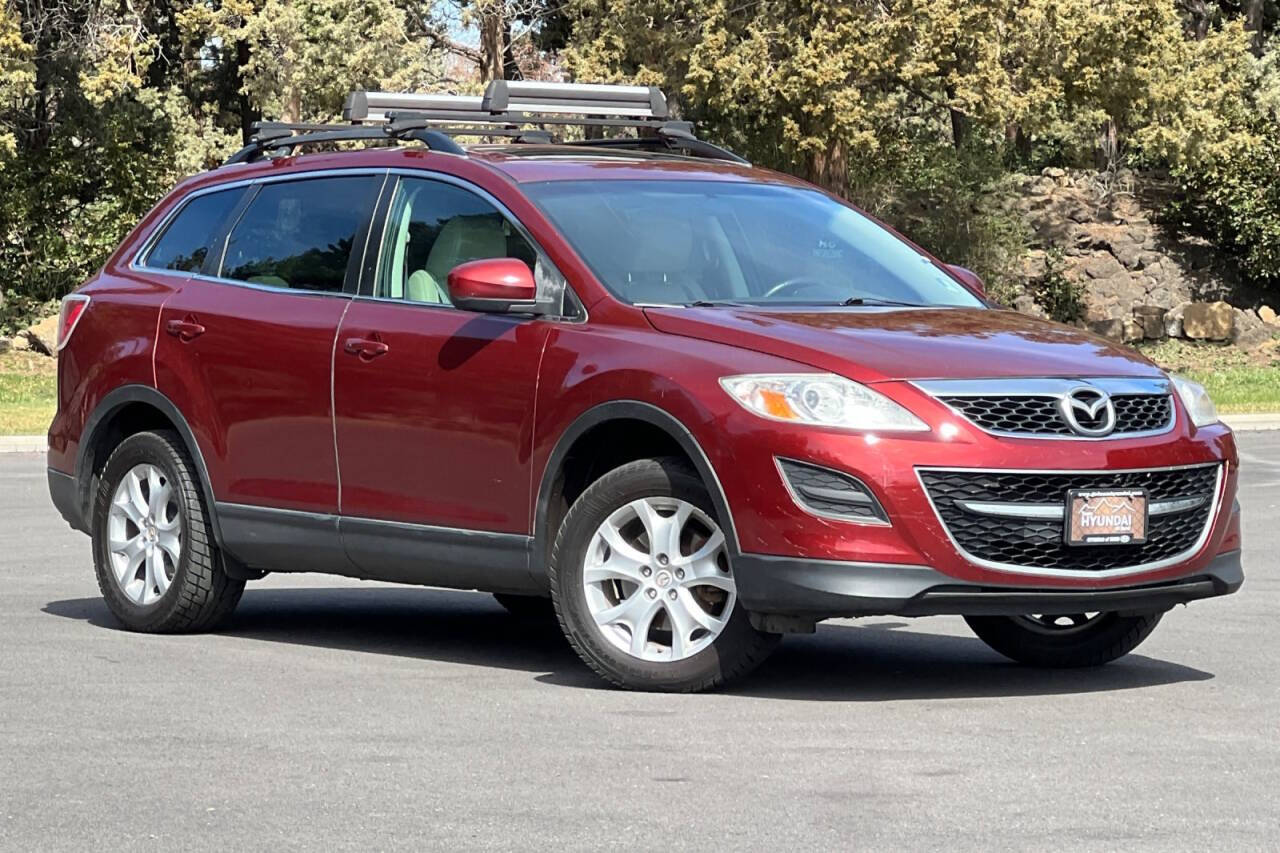
5. 2010 Mazda CX-9 – Engine and Brake System Failures
The 2010 Mazda CX-9 was yet another year plagued by critical reliability problems, particularly involving the braking system and water pump. Brake booster failure once again topped the list of complaints, with drivers experiencing stiff pedals and unresponsive brakes.
In many cases, the braking issues mirrored those in later years, creating potentially hazardous situations on the road. The 2010 model also saw widespread reports of water pump failure, which often led to severe engine damage.
In several instances, coolant leaked into the engine, causing overheating and eventual engine failure. One owner recounted their CX-9 stalling on the highway and later being diagnosed with catastrophic engine damage caused by a faulty water pump. These problems gave the SUV a reputation for being both unsafe and expensive to maintain.
In total, this model year accumulated 43 complaints on CarComplaints.com and 216 problems on CarProblemZoo.com. Despite Mazda’s efforts to make the CX-9 a stylish and dynamic option in the midsize SUV segment, the recurring brake and engine issues left the 2010 version among the least reliable.
As a result, it joins other early first-generation models in being considered a risky purchase for used car buyers.
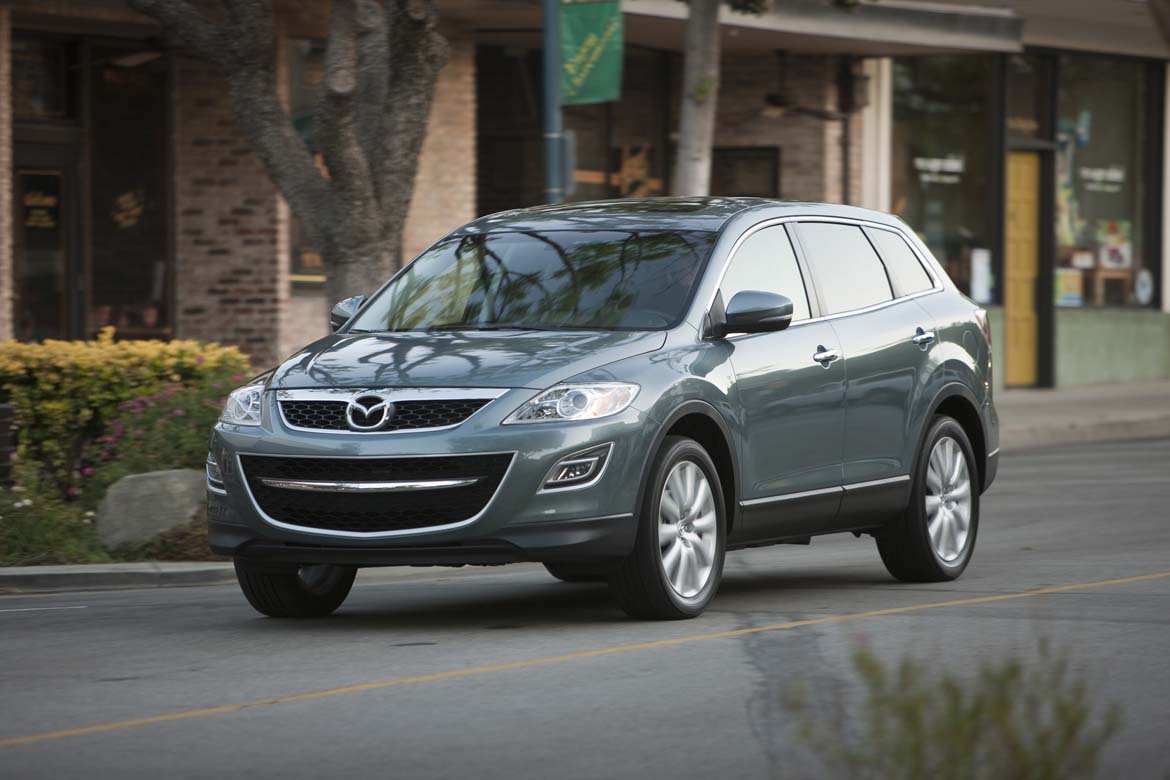
The Mazda CX-9 remains a top choice for families who want more than just practicality in their SUV. With its sleek styling, premium-level interiors, and engaging driving dynamics, the best model years like 2019 through 2023, offer excellent reliability and refinement that make ownership rewarding.
On the other hand, older first-generation models, particularly 2010 through 2013, are weighed down by recurring brake, engine, and safety issues that compromise long-term dependability. For used-car buyers, this clear distinction makes it easier to shop with confidence.
By choosing one of the more reliable CX-9 years, you’ll enjoy a vehicle that balances comfort, safety, and driving enjoyment, all while avoiding costly pitfalls. Whether you’re searching for a budget-friendly 2019 or a nearly new 2023 model, the right CX-9 can deliver years of dependable service. Ultimately, informed decisions are key, and with this breakdown, you can confidently find a CX-9 that fits your needs and lifestyle.
Also Read: 5 Honda Fit Years You Can Drive For Decades vs 5 That Won’t Last