
Engines are the heart of every vehicle, defining not only performance but also long-term reliability and ownership experience.
While some engines maintain their strength and responsiveness well beyond 200,000 miles, others start showing signs of weakness much earlier, leaving owners with costly repairs and diminished driving satisfaction.
Understanding which engines retain their power over time can guide buyers toward vehicles that promise longevity and consistency.
These engines tend to be built with superior components, precise engineering, and effective cooling and lubrication systems, ensuring that even under heavy use, they continue delivering dependable performance.
On the other hand, some engines lose their performance surprisingly quickly due to design compromises, lower-quality materials, or maintenance-sensitive setups.
Drivers of these engines may notice reduced acceleration, increased oil consumption, and higher repair bills after relatively low mileage.
By examining engines that stand the test of time and those that struggle to maintain power, readers can make more informed decisions when shopping for a vehicle or evaluating used options.
This comparison highlights the importance of engineering, regular maintenance, and overall design philosophy in determining whether an engine remains strong for hundreds of thousands of miles or begins to falter much sooner.
Also Read: 5 Pickups With Long-Lasting Frames vs 5 That Rust Apart
5 Engines That Keep Their Power After 200K
Some engines are engineered to last, delivering consistent performance long after many others have begun to show signs of wear.
These powerplants combine durability, reliable materials, and thoughtful design to ensure that drivers can enjoy both strength and efficiency even after 200,000 miles or more.
Factors such as robust internal components, effective cooling, proper oil circulation, and a forgiving maintenance schedule all contribute to an engine’s ability to maintain power over time.
Vehicles with these engines often develop a loyal following because they offer peace of mind to owners, minimizing the risk of unexpected breakdowns and costly repairs.
While no engine is completely immune to age, the ones that keep their performance typically show minimal loss in horsepower and torque, maintain smooth operation, and continue providing a satisfying driving experience.
Understanding what makes an engine resilient helps buyers choose wisely, especially in the used car market, where longevity is a major consideration.
This section highlights five engines that have proven their endurance, detailing why they continue to deliver power well past 200,000 miles.
Each example demonstrates how engineering excellence, maintenance-friendly design, and durable construction combine to create a truly long-lasting engine that rewards owners with years of reliable performance.
1. Toyota 2UZ-FE V8
The Toyota 2UZ-FE V8 engine is a benchmark for durability, widely used in vehicles such as the Toyota Land Cruiser and Sequoia. Known for its iron block and robust aluminum heads, the engine handles high mileage with remarkable resilience.
Its design includes a strong crankshaft and connecting rods, which contribute to its long life even under heavy towing or off-road conditions. Cooling is effective, and the oiling system is forgiving, allowing the engine to operate efficiently with standard maintenance routines.
Owners frequently report exceeding 300,000 miles without major internal failures, with only routine timing belt changes, valve adjustments, and oil maintenance required to keep the engine running at peak performance.
Its naturally aspirated configuration reduces stress on internal components, unlike turbocharged engines that can experience early wear if not meticulously maintained.
The 2UZ-FE’s reputation is built not just on engineering but also on reliability in real-world conditions. Its strong torque delivery remains consistent, making vehicles feel powerful even at high mileage.
For buyers looking for a used SUV or truck that will retain engine performance, this V8 represents a dependable choice. Highlighting this engine emphasizes the importance of sturdy construction and conservative design in achieving longevity.
The 2UZ-FE shows how a balance of durability, engineering precision, and manageable maintenance can keep an engine running smoothly well past 200,000 miles.
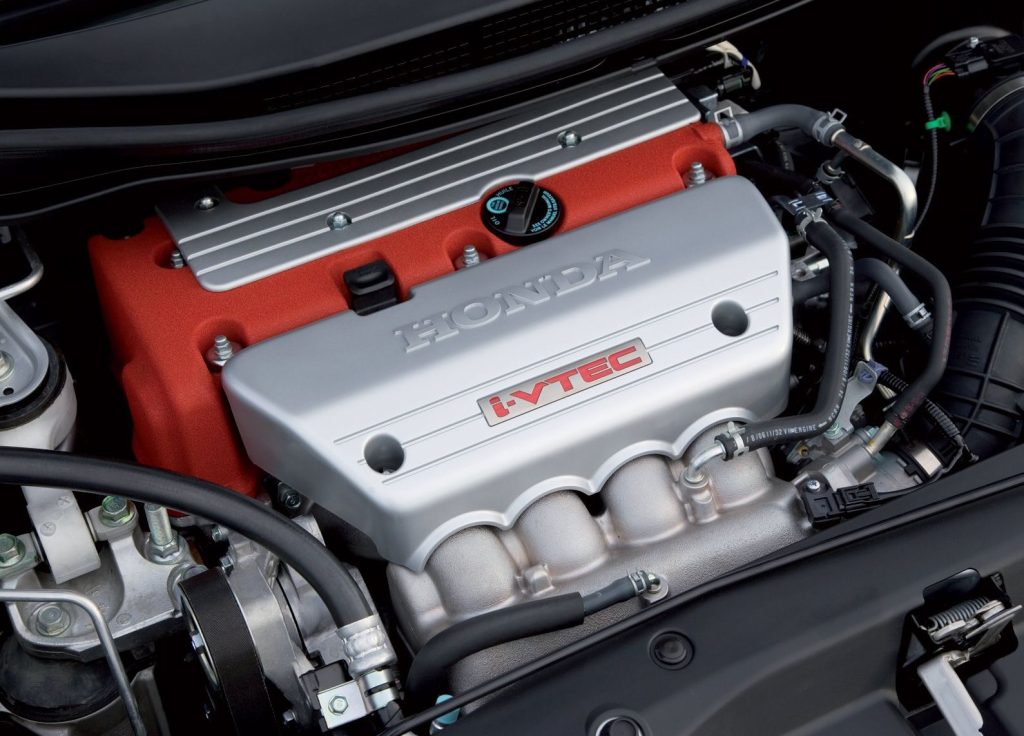
2. Honda K24 I4
Honda’s K24 inline-four engine has earned recognition for its combination of efficiency, reliability, and long-term power retention.
Found in models such as the Accord, CR-V, and Element, the K24 is designed with a robust iron or aluminum block depending on the variant and features durable pistons, rods, and timing chains that require minimal attention.
This engine continues to deliver strong horsepower and torque even after surpassing 200,000 miles when properly maintained.
Regular oil changes and adherence to timing chain inspection schedules are usually sufficient to preserve its performance. Honda’s engineering emphasizes balance, low internal friction, and efficient cooling, all contributing to reduced wear over time.
The K24 is also known for smooth operation and fuel efficiency, with many owners reporting negligible loss of power after years of commuting, highway driving, or light towing. Unlike older engines prone to oil consumption or valve problems, the K24 maintains compression, airflow, and responsiveness.
Highlighting this engine underscores the value of careful engineering, consistent maintenance, and design simplicity in achieving long-term reliability. For buyers seeking a four-cylinder that remains lively well past 200,000 miles, the K24 stands out as a trusted option.
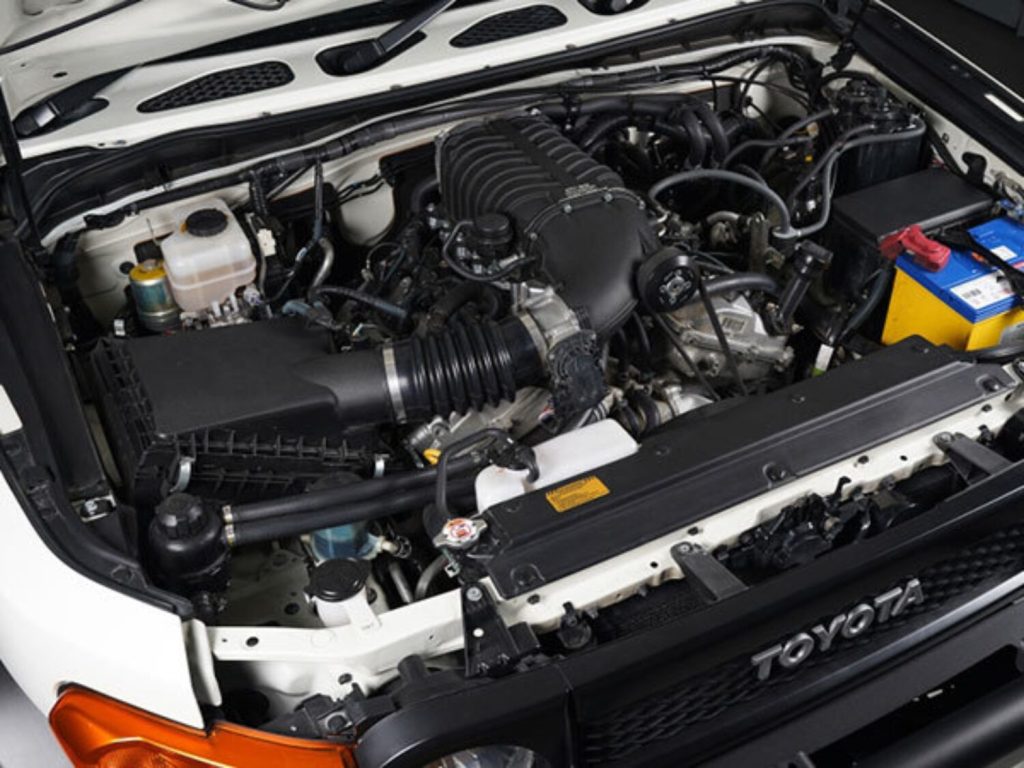
3. Toyota 1GR-FE V6
Toyota’s 1GR-FE V6 engine powers vehicles such as the Tacoma, 4Runner, and FJ Cruiser. Built with an iron block and aluminum heads, it balances durability with smooth performance.
Its strength lies in the robust internal components, including pistons, rods, and a reliable timing chain system that reduces maintenance complexity compared to belt-driven designs.
Drivers commonly report strong acceleration and consistent torque even after 250,000 miles. The engine handles heavy loads, towing, and off-road stress without showing significant power loss. Maintenance requirements are straightforward, typically limited to oil, spark plugs, and timing chain inspections.
The 1GR-FE maintains performance thanks to precise engineering, effective cooling, and low-friction materials that minimize wear on moving parts.
Its V6 configuration provides a satisfying driving experience, retaining power and responsiveness far beyond what many competitors offer.
Featuring this engine illustrates how a combination of sturdy materials, proven engineering, and serviceable design can extend the lifespan of an engine. The 1GR-FE is a prime example of Toyota’s focus on long-term reliability, offering peace of mind for drivers who intend to keep a vehicle for decades.
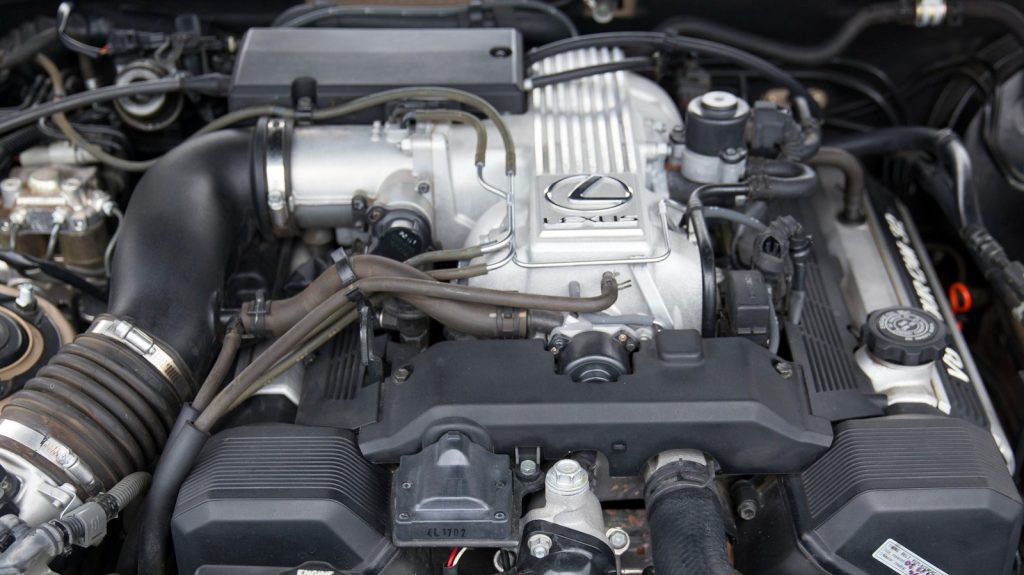
4. Lexus 1UZ-FE V8
The 1UZ-FE V8 engine, found in older Lexus LS models and some Toyota sedans, is a legendary example of longevity and performance retention.
This naturally aspirated V8 features an aluminum block, iron liners, and durable internals, making it capable of handling hundreds of thousands of miles with minimal degradation.
Owners frequently report over 300,000 miles with sustained smooth power delivery. The 1UZ-FE is low-strung, avoiding aggressive tuning that could accelerate wear.
Routine maintenance, including oil changes and timing belt replacement, is sufficient to preserve performance. Cooling and lubrication are highly effective, preventing overheating or premature internal wear.
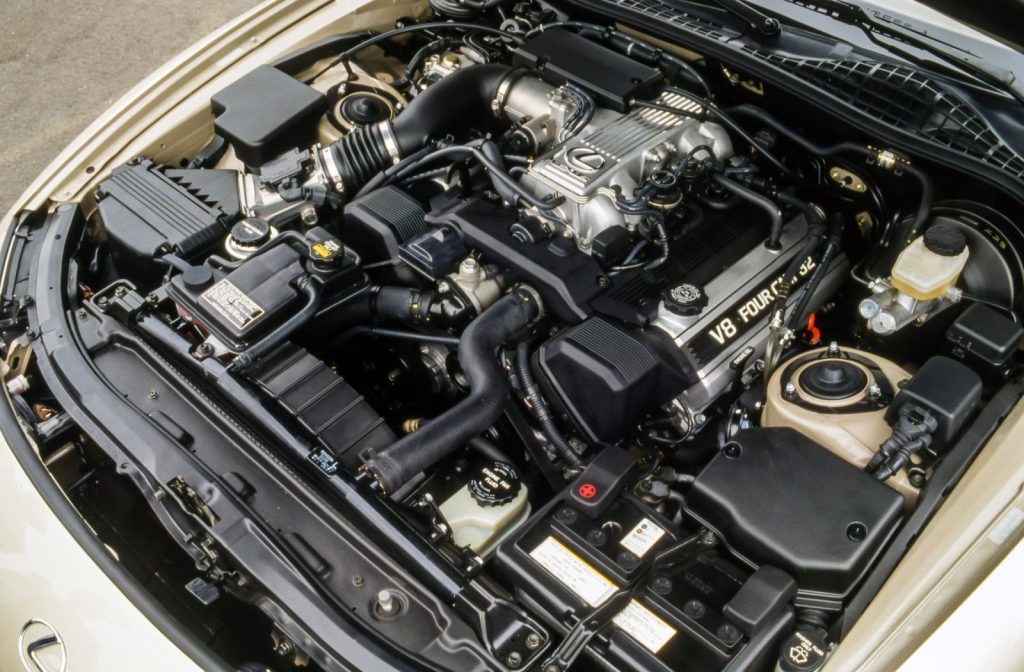
This engine’s reputation is rooted in its balance of smooth operation, robust torque, and long-lasting components.
Highlighting the 1UZ-FE demonstrates how careful engineering choices, like naturally aspirated operation and durable metallurgy, result in engines that retain both power and reliability.
For buyers considering used luxury sedans with long-term durability, the 1UZ-FE represents a model of enduring engineering.
5. Subaru EJ25 Turbo (Non-High-Output Variants)
While Subaru’s high-output EJ25 variants sometimes suffer early wear, the standard naturally aspirated and moderate turbo versions are known for retaining power over 200,000 miles.
Found in vehicles like the Forester, Outback, and Legacy, these engines combine aluminum blocks with strong internal components designed to tolerate daily driving stresses.
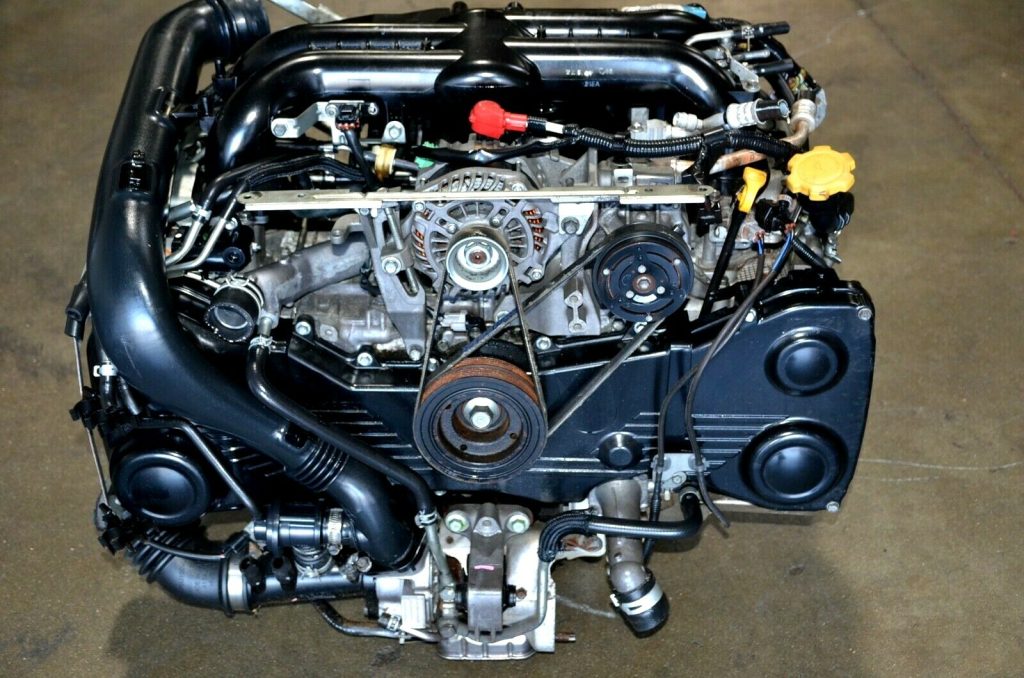
Owners who adhere to regular maintenance schedules, including timely oil changes and proper cooling system care, often report excellent performance retention. Compression levels remain strong, and the engine continues to provide smooth acceleration and consistent torque even after heavy use.
The EJ25’s design balances performance and durability, avoiding overstressed components common in high-output configurations.
Highlighting this engine emphasizes that even turbocharged designs can last if engineered conservatively and maintained correctly. It serves as an example of how reliability-focused engineering allows engines to deliver sustained power over extensive mileage.
5 Engines That Lose Power Early
Not all engines are built to last, and some begin to lose power far sooner than expected. While these engines may perform well initially, design compromises, lower-quality materials, or maintenance-sensitive components can lead to reduced performance after relatively low mileage.
Owners may notice diminished acceleration, higher oil consumption, increased noise, or rough operation, creating a less satisfying driving experience and higher repair costs.
Engines that lose power early often require more frequent maintenance or may suffer from chronic issues such as head gasket failures, turbocharger wear, or premature timing chain problems.
The consequences are not only financial but also affect reliability and overall vehicle satisfaction. Recognizing engines prone to early power loss helps buyers avoid vehicles that may not meet long-term expectations.
This section highlights five engines known for losing strength earlier than most. Each example explains the underlying reasons for power reduction, whether it’s design flaws, material fatigue, or high-stress engineering choices.
Understanding these engines emphasizes the importance of robust construction, realistic maintenance expectations, and cautious selection when purchasing a vehicle.
By examining these powerplants, readers can better identify which engines may struggle over time, allowing them to make informed decisions and potentially avoid early performance degradation.
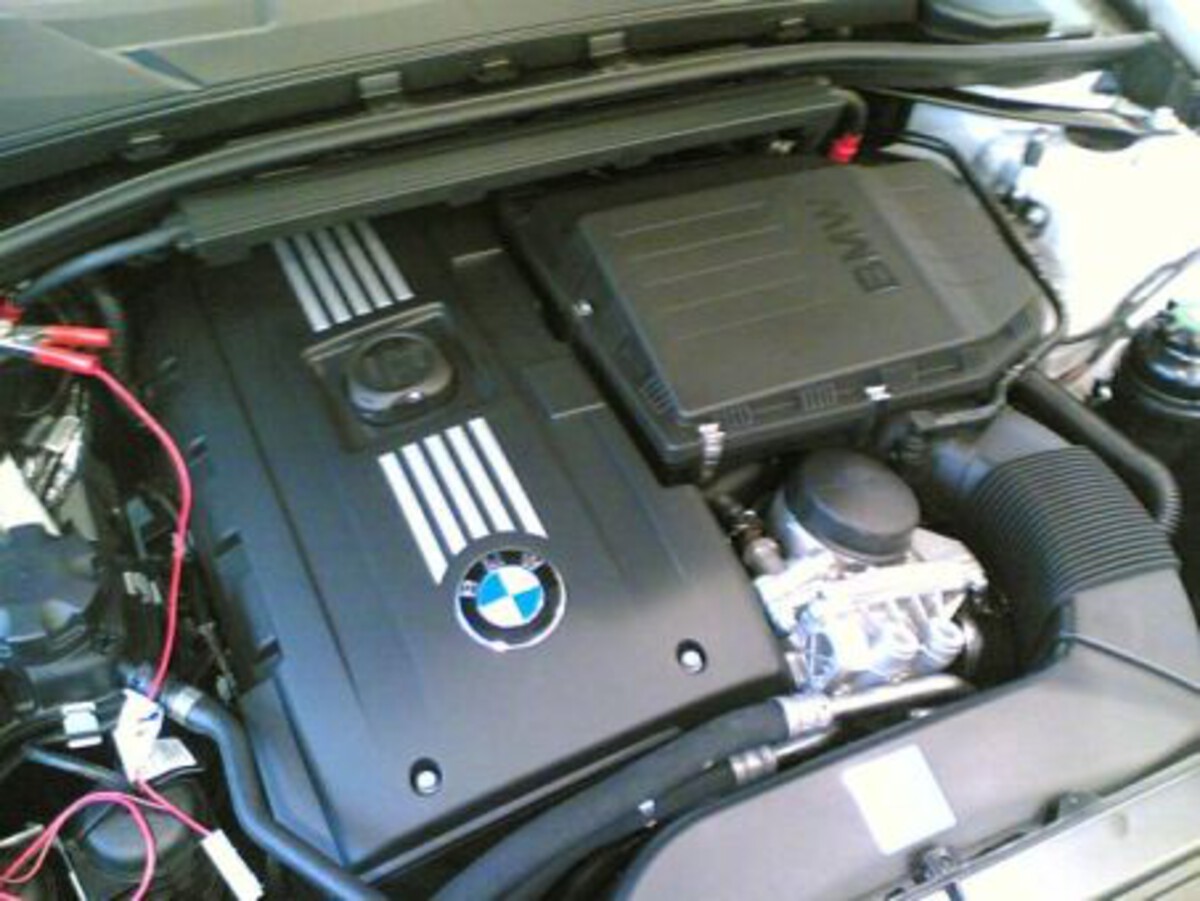
1. BMW N54 Twin-Turbo I6
The BMW N54 twin-turbo inline-six engine is often praised for its smoothness and strong performance, but it is equally notorious for losing power earlier than many drivers expect. Found in models like the 335i and 135i, the N54 delivers impressive horsepower and torque when new.
However, its engineering prioritizes performance, with less emphasis on long-term reliability under high mileage conditions. Drivers commonly notice a decline in power between 100,000 and 120,000 miles.
Several factors contribute to this early loss. The twin-turbo setup subjects internal components to intense heat cycles and increased stress, which can accelerate wear on pistons, rods, and valves.
Wastegate rattle and turbocharger bearing wear are frequent problems, causing inconsistent boost levels and reduced responsiveness.
Additionally, the direct-injection system can lead to carbon buildup on intake valves, reducing airflow and combustion efficiency over time. High-pressure fuel pumps and injectors are also known to fail or degrade, impacting performance further.
Maintenance challenges compound these issues. While oil changes and coolant monitoring are standard, many of the N54’s problems require labor-intensive repairs such as turbo replacements, valve cleaning, or fuel system servicing.
Owners often report reduced acceleration, sluggish turbo response, and misfires, making the engine feel weaker despite high mileage still being relatively moderate.
The N54 serves as a clear example of a modern performance-focused engine where output comes at the expense of longevity.
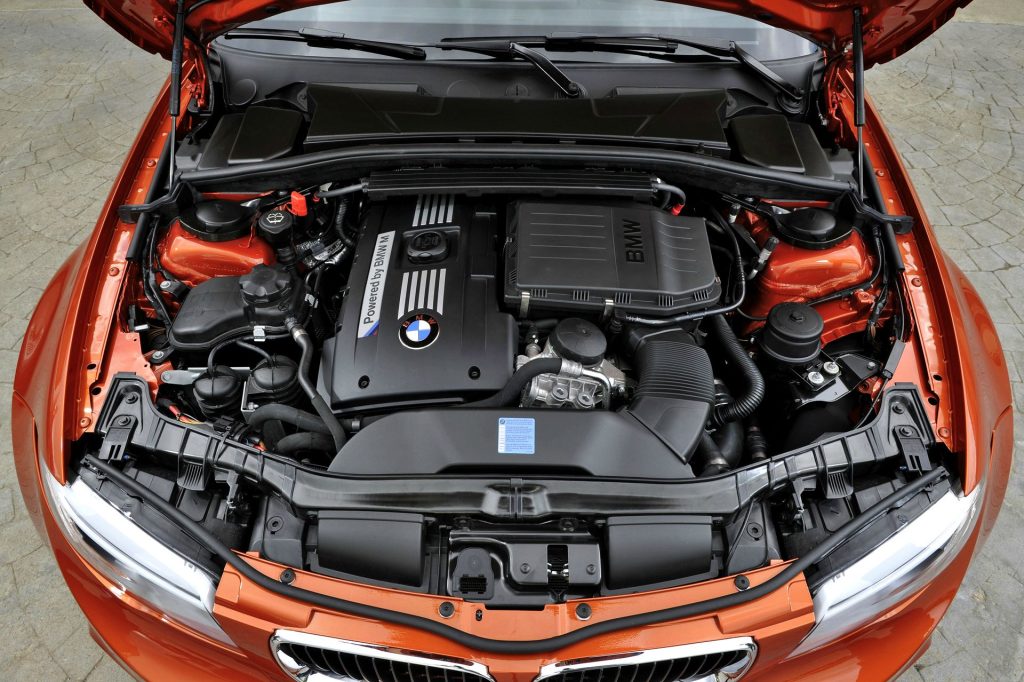
While careful maintenance and mindful driving can extend its life, most units cannot maintain peak power as reliably as naturally aspirated or lower-stressed designs.
For buyers seeking consistent long-term power, understanding these limitations is critical, emphasizing the trade-off between exhilarating performance and sustained engine durability.
2. Ford 3.5L EcoBoost V6 (Early Gen)
Ford’s early 3.5L EcoBoost V6 engines, used in the F-150, Explorer, and Flex, are powerful and efficient but often lose performance earlier than expected under real-world conditions.
These engines utilize twin turbochargers to deliver high torque and horsepower, yet this very feature contributes to early wear and power reduction. Many owners experience noticeable power loss after 100,000 miles, especially when the engines are used for heavy towing or sustained highway driving.
The combination of high boost pressures and thermal stress accelerates component wear. Carbon buildup on intake valves restricts airflow, reducing combustion efficiency and engine responsiveness.
Turbochargers, while initially delivering strong performance, can degrade over time, resulting in lower boost levels and sluggish acceleration. Other common issues include high-pressure fuel pump wear, coolant leaks, and valve timing inconsistencies, all of which diminish engine output.
Maintenance can mitigate some problems but requires vigilance. Regular oil changes with high-quality synthetic oils, turbo inspections, and fuel system cleaning are necessary to prevent severe performance degradation. However, these engines are sensitive to neglect, and even moderate delays in maintenance can accelerate power loss.
This engine highlights the trade-offs in modern turbocharged designs: exceptional initial performance versus long-term durability.
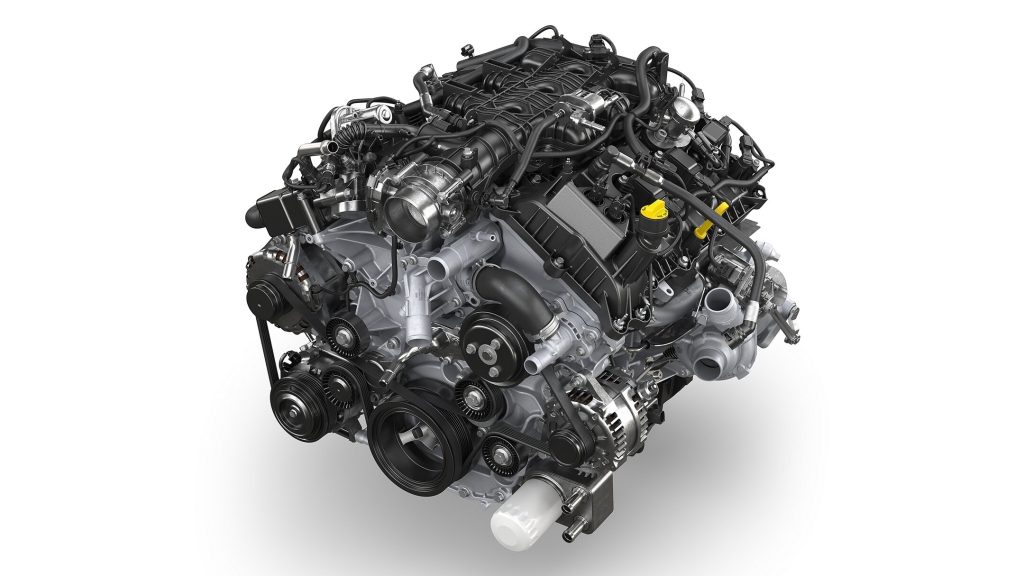
Drivers may enjoy strong acceleration and efficiency when the engine is new, but without careful upkeep, these engines often fail to maintain the same level of power after high mileage.
Understanding these weaknesses is essential for buyers or owners who rely on consistent performance for towing, commuting, or long-distance driving. The early-generation 3.5L EcoBoost demonstrates that even reputable automakers face challenges balancing power output with engine longevity.
3. Volkswagen 2.0T TSI (EA888 Early Versions)
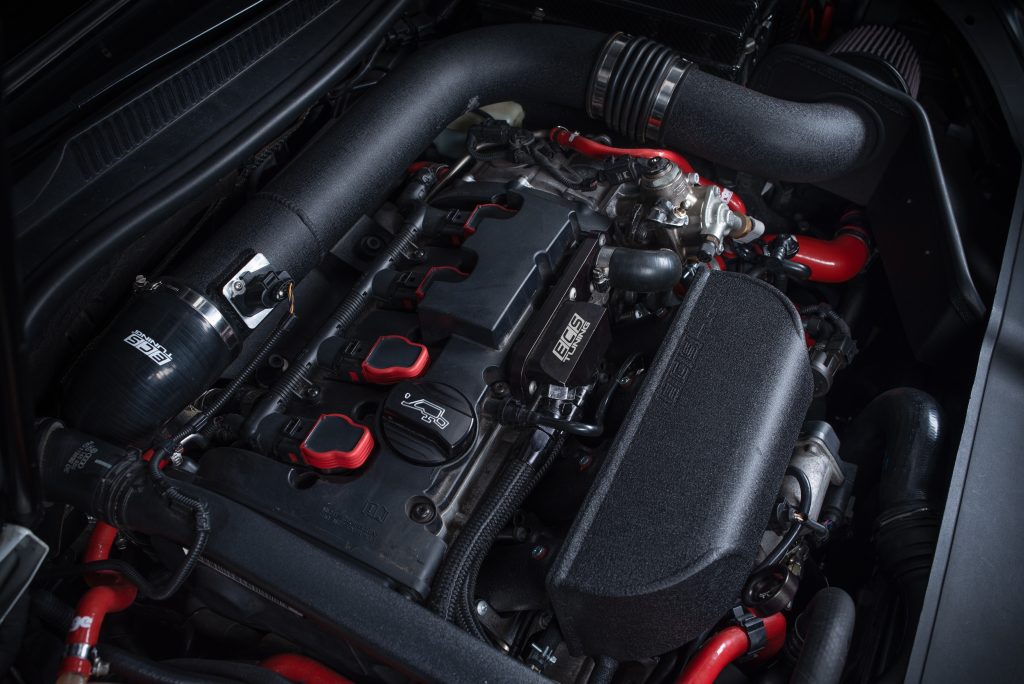
Volkswagen’s 2.0T TSI EA888 engines, used in vehicles like the Golf GTI, Jetta GLI, and Passat, are praised for efficiency and turbocharged performance but often lose power earlier than expected.
The early versions of these engines are prone to carbon buildup on intake valves due to the direct-injection system.
Over time, this restricts airflow, reducing combustion efficiency and causing noticeable drops in horsepower and torque. Drivers frequently report reduced acceleration, misfires, and declining fuel economy after roughly 80,000 to 120,000 miles.
Turbocharger stress also plays a role. While the engine’s small displacement delivers strong performance, the high output places significant heat and pressure on components such as pistons, rings, and turbo internals.
Early EA888 variants sometimes suffer from timing chain stretch or tensioner failure, which negatively impacts valve timing and further diminishes engine performance. These problems can accumulate even with diligent maintenance, especially for vehicles subjected to spirited driving.
Owners who maintain these engines with regular oil changes, valve cleaning, and careful monitoring of turbo and timing components may extend life, but power retention is often inconsistent.
The engine’s design prioritizes efficiency and peak performance rather than long-term durability, meaning many examples will lose strength sooner than naturally aspirated or less stressed turbo engines.
Highlighting this engine illustrates how the combination of turbocharging, direct injection, and sensitive internal components can reduce long-term power retention, serving as a cautionary example for buyers seeking engines that remain strong after high mileage.
4. Nissan VQ35DE (Early 2000s)
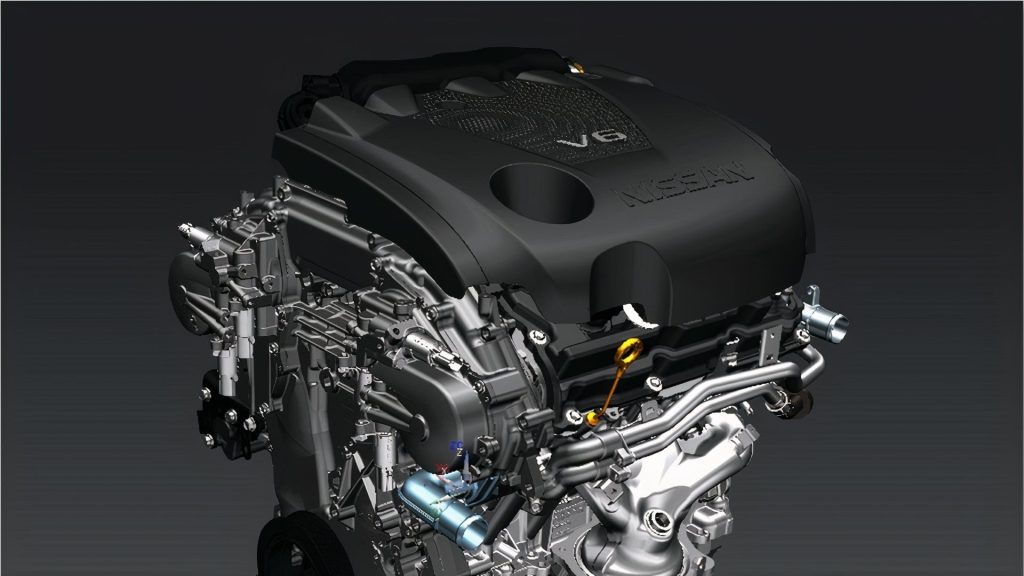
The Nissan VQ35DE, used in vehicles such as the 350Z, Altima, and Maxima, is smooth and enjoyable to drive but early 2000s variants often lose performance prematurely.
Common complaints include reduced acceleration, increased oil consumption, and rougher operation after 100,000 miles. The early VQ35DE engines are prone to camshaft wear, valve guide deterioration, and timing chain stretch, which can reduce compression and torque delivery.
High temperatures and long-term stress on internal components accelerate wear in these early variants. Oil pump efficiency can decline, and head gaskets may begin leaking, affecting overall engine performance.
While the VQ35DE was respected for its smooth operation and responsiveness when new, aggressive driving or delayed maintenance often exposes its vulnerabilities, causing early loss of power.
Regular oil changes, timely timing chain inspections, and attentive maintenance can help, but the engine design itself includes weaknesses that make long-term power retention challenging.
The VQ35DE demonstrates that even well-engineered naturally aspirated V6 engines can experience early degradation if material quality, stress management, or component design is less than ideal.
For buyers seeking consistent performance beyond 200,000 miles, understanding these limitations is essential when evaluating used vehicles with early VQ35DE engines.
5. Chevrolet 2.0L Turbo I4 (Early LTG)
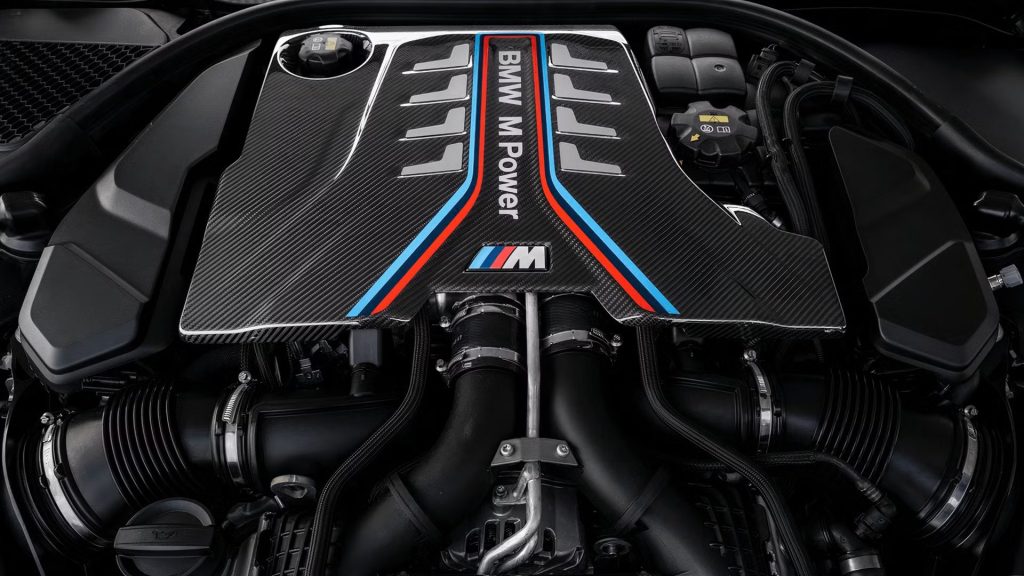
Chevrolet’s early LTG 2.0L turbocharged inline-four, used in models such as the Cruze, Camaro, and Malibu, is designed for performance and fuel efficiency but often loses power prematurely.
The engine experiences high thermal loads due to forced induction, which accelerates wear on pistons, rings, and turbocharger components. Intake valve carbon buildup is also common, reducing airflow and limiting combustion efficiency, which directly affects horsepower and torque.
Owners report declining acceleration, increased turbo lag, and misfires after approximately 80,000 to 100,000 miles. Aluminum block construction and high-stress turbo operation further contribute to early component fatigue.
Maintenance routines are more critical than in naturally aspirated engines; failure to adhere to oil change schedules, coolant checks, and turbo inspections significantly reduces the likelihood of long-term power retention.
This engine serves as an example of the trade-off between modern small-displacement turbo designs and longevity.
While the LTG delivers impressive early performance, its combination of high pressure, heat, and sensitive components makes sustained power over high mileage challenging.
Highlighting the engine emphasizes the importance of realistic expectations for performance-oriented four-cylinder turbo engines, demonstrating that without careful maintenance, power loss can occur much sooner than with conservative or naturally aspirated designs.
Engines are the core of any vehicle, and their ability to maintain power over time greatly affects reliability, performance, and ownership satisfaction.
Some engines are engineered to withstand high mileage and continue delivering strong torque and horsepower even after 200,000 miles.
Examples like Toyota’s 2UZ-FE and 1GR-FE, Honda’s K24, Lexus’s 1UZ-FE, and Subaru’s EJ25 demonstrate how durable components, effective cooling, and conservative engineering contribute to long-term performance.
These engines maintain compression, airflow, and smooth operation through simple, serviceable designs that tolerate everyday driving stress and heavy-duty use alike.
Routine maintenance such as oil changes, timing component inspections, and basic servicing ensures that they continue performing at a high level for hundreds of thousands of miles.
Conversely, some engines struggle to retain power early in their life. High-performance or forced-induction designs, like BMW’s N54, Ford’s early 3.5L EcoBoost, Volkswagen’s 2.0T TSI, Nissan’s early VQ35DE, and Chevrolet’s early LTG 2.0L turbo, are more prone to heat, stress, and component fatigue.
Carbon buildup, turbo wear, timing chain stretch, and oil system challenges can reduce horsepower and torque well before the 200,000-mile mark.
These engines often require more frequent and meticulous maintenance to prevent premature performance decline, and even with careful attention, they may not match the power retention of more durable designs.
Comparing these engines highlights the importance of design philosophy, materials, and engineering focus in long-term power retention.
For buyers and owners, understanding an engine’s strengths and weaknesses can guide vehicle selection and maintenance priorities.
Choosing a well-built, durable engine can result in a vehicle that remains powerful, smooth, and reliable for decades, while recognizing engines prone to early power loss allows drivers to anticipate maintenance needs and avoid unexpected performance issues.
Also Read: 5 EVs With Great Range After 5 Years vs 5 That Lose It Fast
