
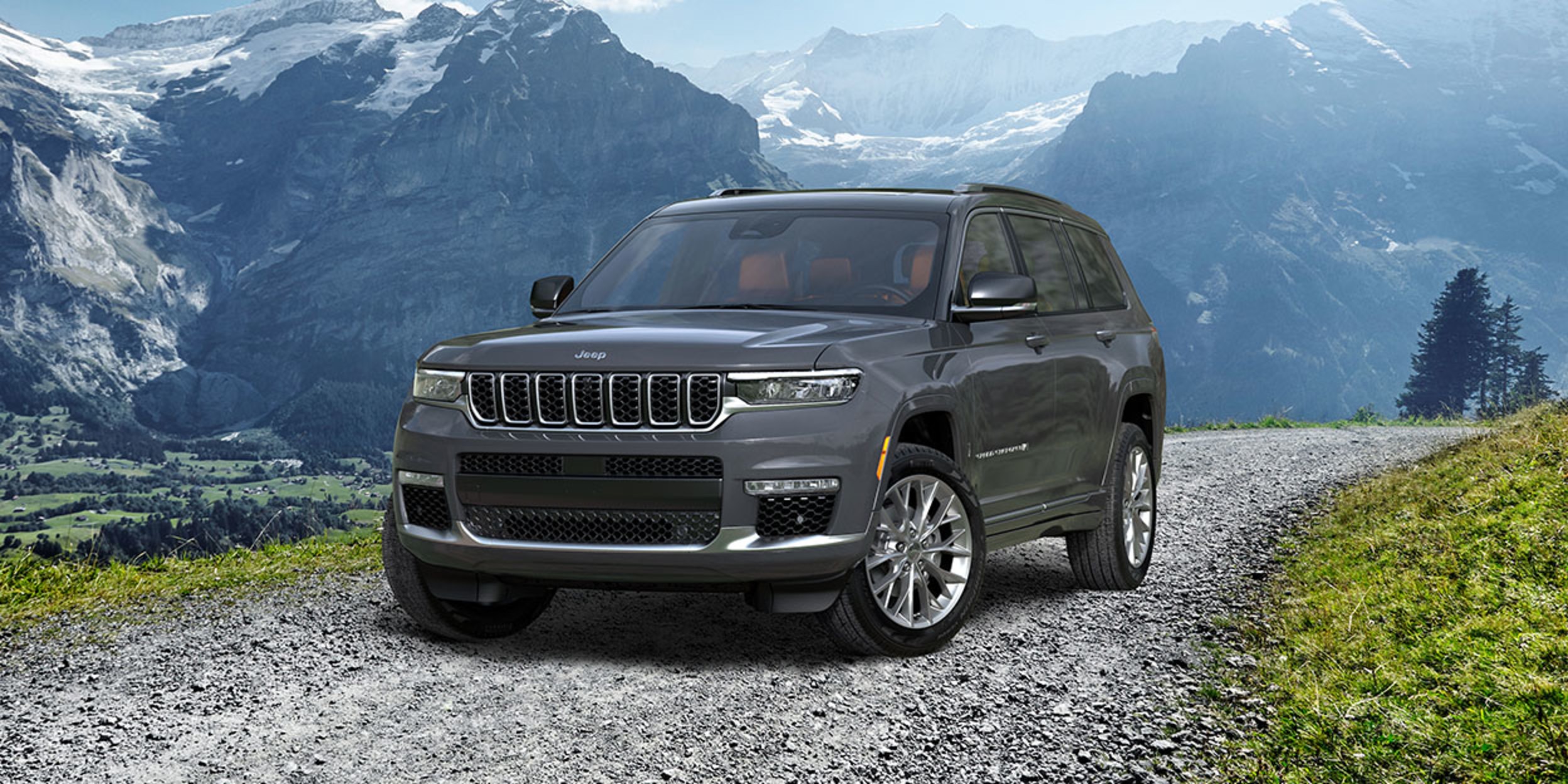
The Jeep Grand Cherokee is celebrated for its robust performance, off-road capability, and luxury features. However, its reliability varies significantly depending on the model year. Some years offer exceptional durability and longevity, often running smoothly well past 200,000 miles with relatively few issues.
These are the models that owners cherish for their dependability, minimal repair costs, and strong build quality. On the other hand, there are certain Grand Cherokee years marked by persistent mechanical, electrical, or safety problems that can lead to frequent breakdowns and costly repairs.
Understanding which model years stand the test of time and which ones do not helps potential buyers make informed decisions and current owners anticipate maintenance challenges.
This overview will first highlight five specific Grand Cherokee years widely recognized for their lasting reliability and why they continue to earn praise from owners and experts alike. Following that, it will address five model years known for their recurring faults and complications, explaining the pitfalls consumers often encounter.
By comparing the two sets, this examination offers a balanced perspective on the Grand Cherokee’s performance history, assisting anyone interested in this iconic SUV to weigh its strengths and weaknesses wisely.
Also Read: 5 Pickups That Rarely Have Brake Failures vs 5 That Constantly Do
5 Jeep Grand Cherokee Years That Run Forever
Certain Jeep Grand Cherokee model years have earned a reputation for outstanding reliability and longevity, often lasting well beyond 200,000 miles with proper care.
These models represent the best that Jeep has offered in terms of mechanical robustness, fewer reported issues, and overall driver satisfaction.
Highlighting these particular years helps prospective buyers identify Grand Cherokees that combine rugged capability with dependable performance, reducing the likelihood of expensive repairs or unexpected breakdowns.
In these years, Jeep generally provided more refined engineering, better-quality components, and improvements in design that translated to longer-lasting vehicles.
Additionally, these models tend to have fewer electrical problems and more reliable powertrains, two of the critical areas where the Grand Cherokee can sometimes struggle. Discussing these specific years also illustrates the evolution of the Grand Cherokee as a vehicle capable of maintaining its strength over time.
Whether it’s classic models from the early 2000s or well-regarded recent builds, this selection highlights which Grand Cherokees continue to earn loyalty from their owners.
This information serves as a practical guide for anyone weighing a used Grand Cherokee purchase or seeking to understand how certain models have outperformed others in terms of endurance and reliability.
1. 2010 Jeep Grand Cherokee
The 2010 Jeep Grand Cherokee is widely regarded as one of the most reliable Grand Cherokee model years. It features sturdy construction and fewer electrical and mechanical issues compared to other years, making it a preferred choice for buyers seeking long-term dependability.
Available with several engine options including a 3.7L V6, 4.7L V8, and a powerful 5.7L HEMI V8 these engines have endured praise for their robustness and longevity. Owners frequently report driving past 200,000 miles with routine maintenance and minimal major repairs, reflecting the model’s solid build quality.
Unlike some newer models, the 2010 Grand Cherokee maintained a simpler, less glitch-prone design, which contributed to fewer unexpected failures.
Many owners highlight the durability of the drivetrain and the reliability of its components, with very few reports of leaks or wiring problems.
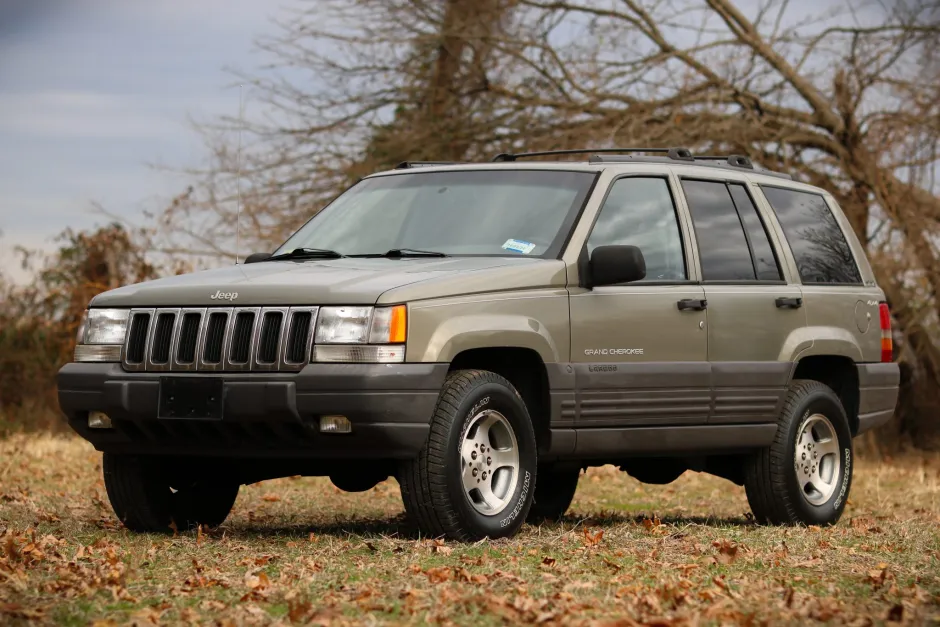
The cabin, though not the most modern, is comfortable with quiet ride quality, contributing to an overall satisfying ownership experience. Additionally, the 2010 model earned strong safety ratings, emphasizing the vehicle’s well-rounded nature.
Routine upkeep, like regular oil changes and fluid checks, plays a crucial role in keeping the 2010 Grand Cherokee running smoothly over the long haul. Its blend of rugged capability and steady dependability appeals to those seeking a no-frills SUV that lasts.
This model year is often recommended by enthusiasts and experts alike for its combination of mechanical toughness and lasting value, making it a smart pick in the used SUV market.
2. 2015 Jeep Grand Cherokee
The 2015 Jeep Grand Cherokee marks a noteworthy model year for reliability, standing out as one of the most well-regarded in the fourth generation.
With significant updates to engine technology, including the introduction of a fuel-efficient EcoDiesel V6, this model balanced power and economy effectively.
Consumers praised the 2015 edition for fewer complaints related to engine and transmission issues, which are common problem areas in SUVs of its class.
In addition to mechanical reliability, the 2015 Grand Cherokee enhanced driver comfort through ride quality improvements and refined suspension tuning. Its infotainment system saw upgrades that, while not flawless, generally added to user satisfaction.
The more modern safety features also reassured owners, although some electronics issues were reported but were less frequent than in surrounding model years.
This year’s model is favored by buyers who want a blend of traditional Jeep off-road toughness and more contemporary conveniences.
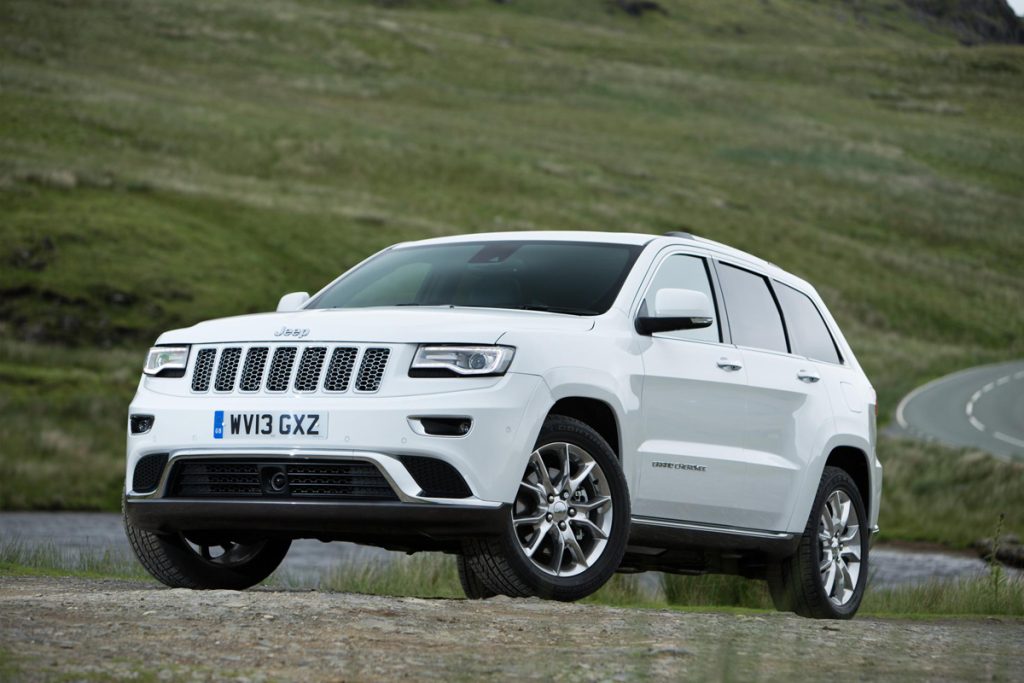
The diesel powertrain option particularly appeals to those seeking both performance and fuel savings during long drives or towing.
Owners found the 2015 Grand Cherokee relatively trouble-free compared to previous versions, and it has maintained a positive reputation in consumer surveys for its durability on and off the road.
Regular maintenance remains essential, but when properly cared for, the 2015 model proves to be a lasting and versatile SUV.
3. 2016 Jeep Grand Cherokee
The 2016 Jeep Grand Cherokee continued the positive reliability trend seen in recent years by incorporating mechanical and technological improvements.
One of the notable upgrades was the introduction of an 8-speed automatic transmission, which improved fuel economy and driving smoothness significantly. This transmission is less prone to issues than earlier versions, contributing to fewer repair costs and enhanced ownership satisfaction.
Additionally, the 2016 model offered better integrated safety systems and updated interior features, aligning with consumer expectations for a more premium SUV experience.
Many owners report that this model demonstrates strong engine performance and fewer drivetrain failures compared to older era vehicles. It also maintains Jeep’s hallmark rugged capability, suitable for both urban driving and off-roading.
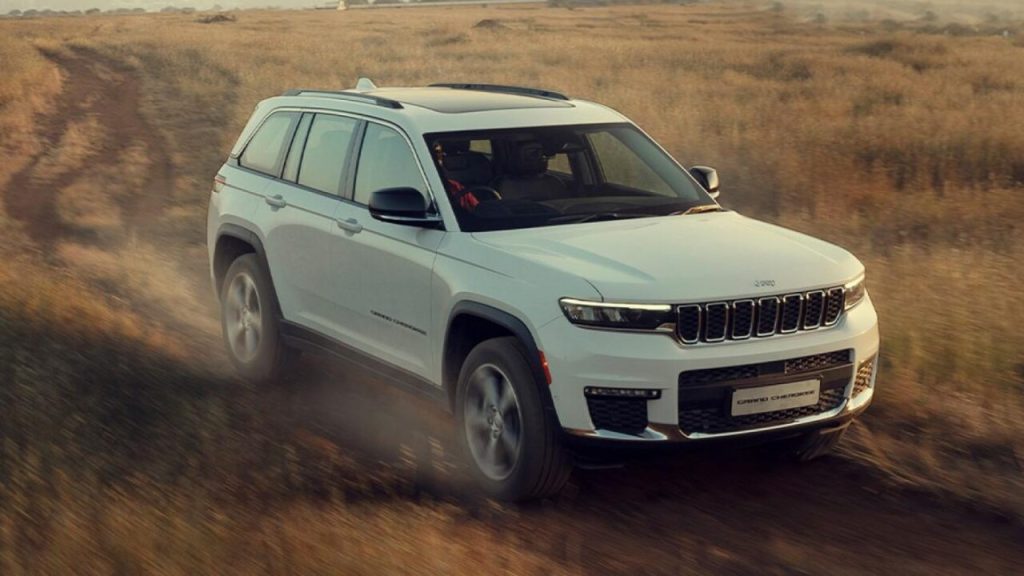
From a reliability standpoint, the 2016 Grand Cherokee performed well in owner surveys, showing resilience in areas that previously caused concern such as electronic glitches and transmission problems. This translates into fewer breakdowns and a more dependable SUV that drivers can rely on daily.
The 2016 model is often recommended to buyers seeking a used Grand Cherokee with a balanced combination of comfort, technology, and mechanical strength, offering real value for those prioritizing long-term ownership.
4. 2019 Jeep Grand Cherokee
The 2019 Jeep Grand Cherokee is considered one of the most reliable recent models, benefiting from continuous refinement in engineering and design. Owners report strong satisfaction with its performance, both in everyday driving and off-road conditions.
Reliability ratings for this year show relatively low incidences of major faults, especially when compared to some earlier fourth-generation Grand Cherokees.
This model year features a variety of engine options, including the popular V6 and V8 trims, along with a high-performance Trackhawk variant. Across trims, it delivers consistent power and smooth handling, with better efficiency than previous iterations.
Frequent praise comes from owners highlighting the robust drivetrain and absence of frequent repairs, two areas where Jeep has sometimes struggled historically.
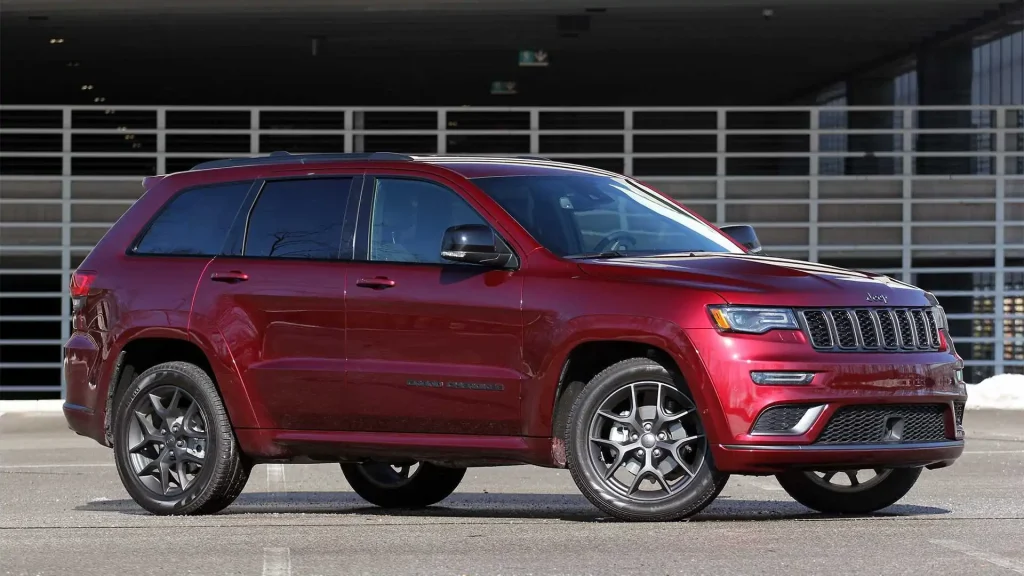
Comfort and interior technology also received upgrades in 2019, contributing to the vehicle’s overall appeal. The infotainment system is more user-friendly and reliable, and advanced safety features enhance peace of mind.
Importantly, the 2019 model resolved many of the electronics quirks reported in prior years, providing a more seamless ownership experience.
Those searching for a dependable, modern Jeep Grand Cherokee find the 2019 model to be a strong candidate. With fewer repair headaches and solid performance, it represents a sweet spot between recent innovations and long-standing Jeep reliability.
5. 2021 Jeep Grand Cherokee
The 2021 Jeep Grand Cherokee represents the latest evolution in the lineup, showcasing the brand’s commitment to quality and innovation.
This model introduced advanced features such as the Quadra-Lift air suspension, which improves ride comfort and off-road performance, enhancing versatility.
It also includes an upgraded Uconnect infotainment system, with improvements that reduce glitches and improve responsiveness, addressing concerns from previous years.
Mechanically, the 2021 Grand Cherokee features durable powertrain options with fewer reported issues, particularly in transmission and engine systems. This robust engineering results in consistent reliability and higher owner satisfaction.
The combination of luxury-oriented features and mechanical strength appeals to buyers seeking a nearly new SUV that lasts.
The 2021 model’s focus on durability is evident in its higher ratings for maintenance and fewer warranty claims. It strikes a balance between modern technology integration and maintaining Jeep’s reputation for rugged capability. Buyers benefit from a sophisticated yet reliable SUV, suitable for both daily commuting and adventurous driving.
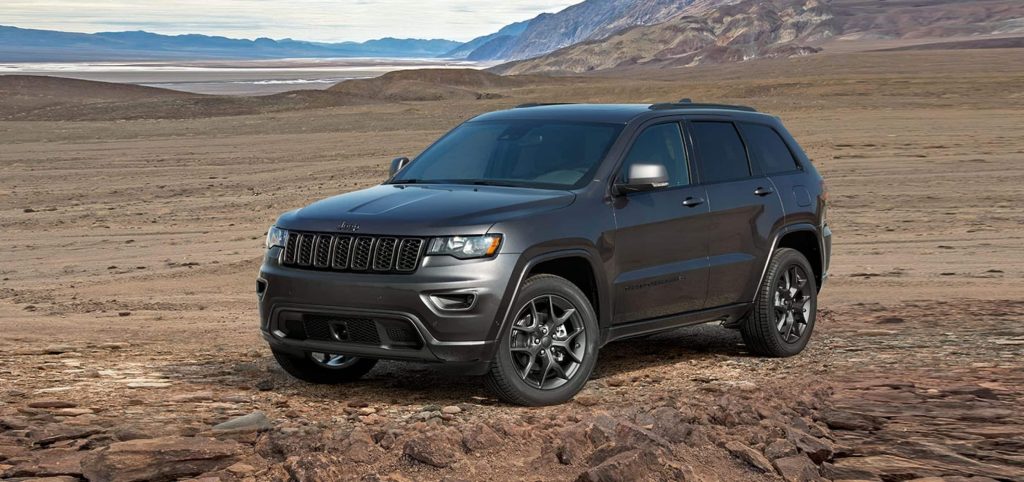
In summary, the 2021 Jeep Grand Cherokee’s blend of advanced technology, improved mechanical systems, and traditional Jeep toughness makes it an outstanding choice for those prioritizing durability alongside contemporary features. It’s poised to offer dependable performance for many years with proper care.
Each of these model years showcases why they have earned a reputation for lasting reliability and why they continue to be favored among Jeep enthusiasts and experts alike.
5 Jeep Grand Cherokee Years That Don’t Run Forever
While the Jeep Grand Cherokee is praised for durability in many model years, some versions have gained a reputation for being less reliable and prone to issues that can significantly affect longevity.
These model years often experience frequent mechanical, electrical, or transmission problems, increasing maintenance costs and reducing owner satisfaction. Understanding the years that tend to have persistent problems is crucial for buyers to avoid costly surprises and for current owners to stay alert to potential issues.
This section focuses on five specific Jeep Grand Cherokee model years often flagged for reliability concerns based on consumer complaints, warranty claims, and expert evaluations. Highlighting these years helps illustrate which builds have struggled with design or manufacturing flaws and why these problems often translate to lower overall durability.
By learning about the common faults and challenges each year presents, potential buyers can make more informed decisions and current owners can better manage maintenance expectations.
This deeper look into the less reliable Grand Cherokee models sheds light on how certain faults can impact ownership experience and vehicle longevity, contrasting with the reliable years covered earlier.
It provides valuable insight into what to watch for, what to avoid, and how to maintain a Jeep Grand Cherokee with known issues as effectively as possible.
1. 2011 Jeep Grand Cherokee
The 2011 Jeep Grand Cherokee is widely recognized as a problematic model year and often appears on lists of Grand Cherokee years to avoid. While it introduced a new generation, the first production model year suffered from a variety of issues attributed to typical first-year problems.
One of the most persistent and widely reported problems is related to the Totally Integrated Power Module (TIPM), an electrical control unit that manages many of the vehicle’s electronic functions.
Failures in the TIPM caused recurring electrical malfunctions such as stalling, inability to start, dashboard warnings, and problems with power windows and locks. These electrical troubles led to increased repair costs and frustration among owners.
In addition to electrical woes, the 2011 Grand Cherokee experienced issues with the fuel pump relay, which sometimes caused the engine to shut off unexpectedly. Transmission problems were also reported, with some drivers describing rough shifting and hesitation.
The accumulation of these flaws contributed to numerous warranty claims and even class-action lawsuits targeting Jeep. Due to these mechanical and electrical issues, the 2011 model is not recommended for buyers prioritizing reliability or minimal upkeep.
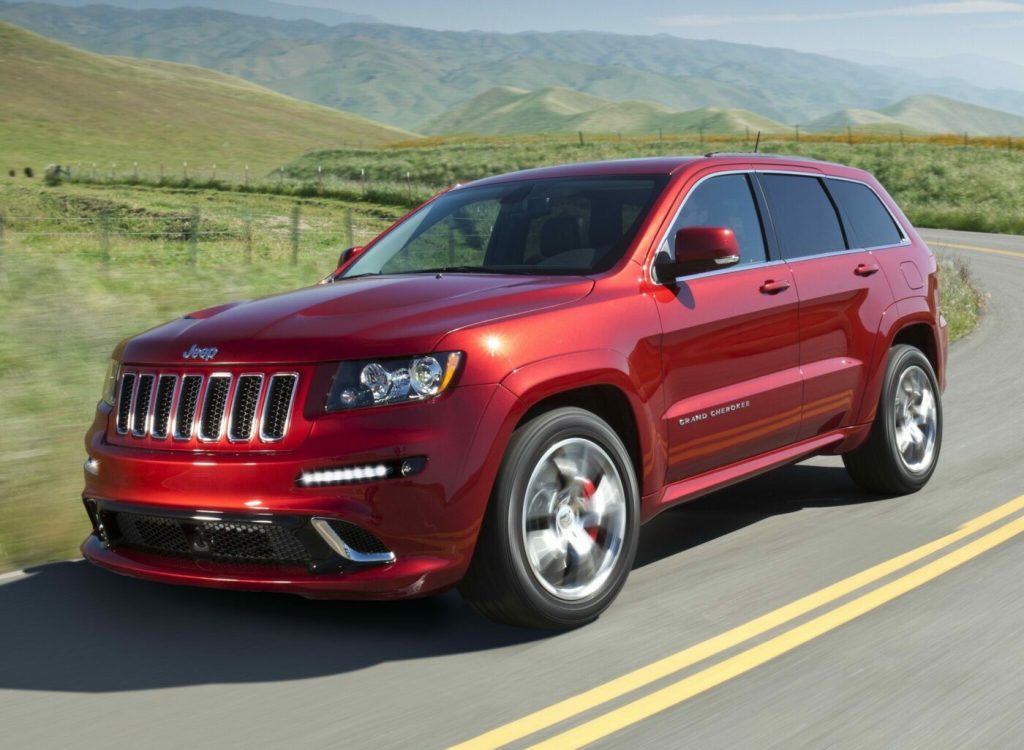
Despite its shortcomings, the 2011 Grand Cherokee introduced advancements in design and tech features making it desirable in theory. However, the durability and quality control struggles overshadowed these updates.
Anyone considering a 2011 model should be prepared for potential repairs and carefully evaluate the vehicle’s maintenance history. This model’s reputation serves as a reminder of the risks associated with early production years in any vehicle generation.
2. 2012 Jeep Grand Cherokee
The 2012 Jeep Grand Cherokee is often criticized for its array of reliability issues that have frustrated many owners. It continues to suffer from electrical problems, particularly those tied to the Power Distribution Center and TIPM, leading to frequent stalling and shutdowns at random moments, sometimes even while driving at highway speeds.
This creates serious safety concerns as power steering and brakes can suddenly fail. Multiple recalls, including one for the fuel pump relay system, attempted to address these troubles, but many users report continued failures despite fix attempts.
Engine problems are common, with the 3.6L Pentastar V6 engine prone to valve lifter failures, oil leaks from the oil filter adapter, and overheating due to thermostat malfunctions.
These issues often require costly repairs and sometimes result in complete engine replacements. The transmission has shown signs of hesitation and slipping, further adding to the vehicle’s unreliability.
Electrical malfunctions extend to the lighting system, sensors, and the infotainment system, resulting in warning lights and unpredictable behavior.
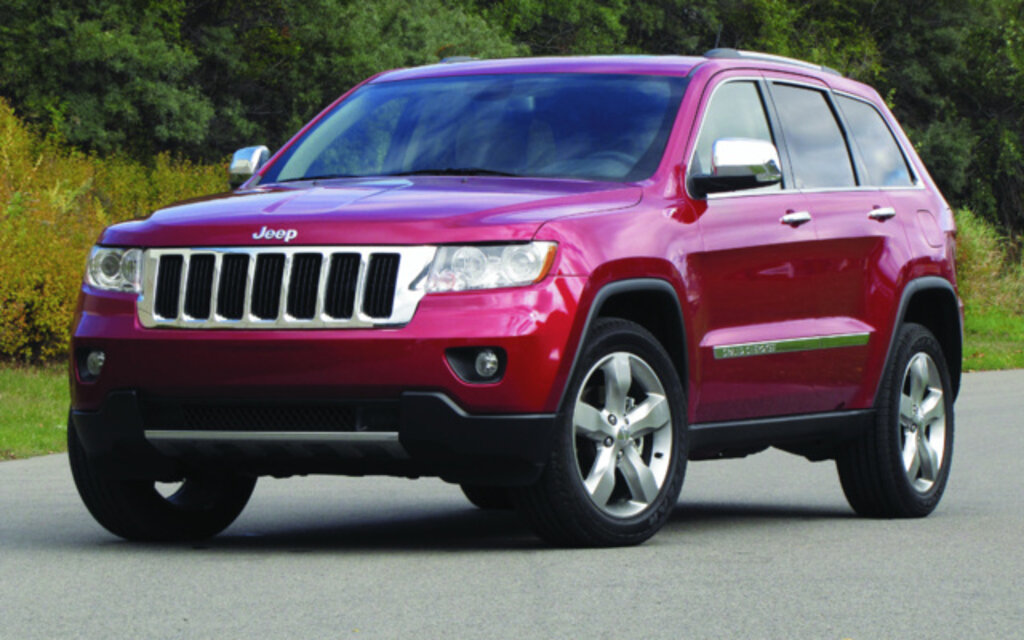
Owners also report issues like battery drain and fuse box failures requiring expensive electrical system repairs. Brake system concerns include premature wear of pads and rotors, and occasional brake booster malfunctions compounding the safety risks.
Despite these drawbacks, the 2012 model offers a spacious interior and capable off-road performance.
However, its high frequency of mechanical and electrical failures overshadows these positives. Buyers should approach the 2012 Grand Cherokee cautiously and consider maintenance history meticulously before purchase.
3. 2013 Jeep Grand Cherokee
The 2013 Jeep Grand Cherokee is another model year plagued with significant reliability challenges, largely linked to the electrical system and powertrain.
The TIPM remains a problematic component, with thousands of reports of intermittent vehicle shutdowns, no-start conditions, and complete power loss while driving. These failures reportedly caused accidents and safety hazards, affecting overall consumer confidence in this model year.
Engine issues persist, particularly with the Pentastar V6 engine experiencing camshaft and lifter failure symptoms.
The transmission sometimes exhibits erratic shifting, delayed engagement, and rough gear changes that can cause drivability problems. These faults often require diagnosis and repair from dealerships or specialized shops, leading to higher ownership costs.
Brake and safety system concerns add to its problematic reputation. Faulty brake boosters and premature ABS system failure have caused sudden loss of braking power in some instances. Electrical issues extend to faulty sensors and random airbag warnings, further undermining safety assurances.
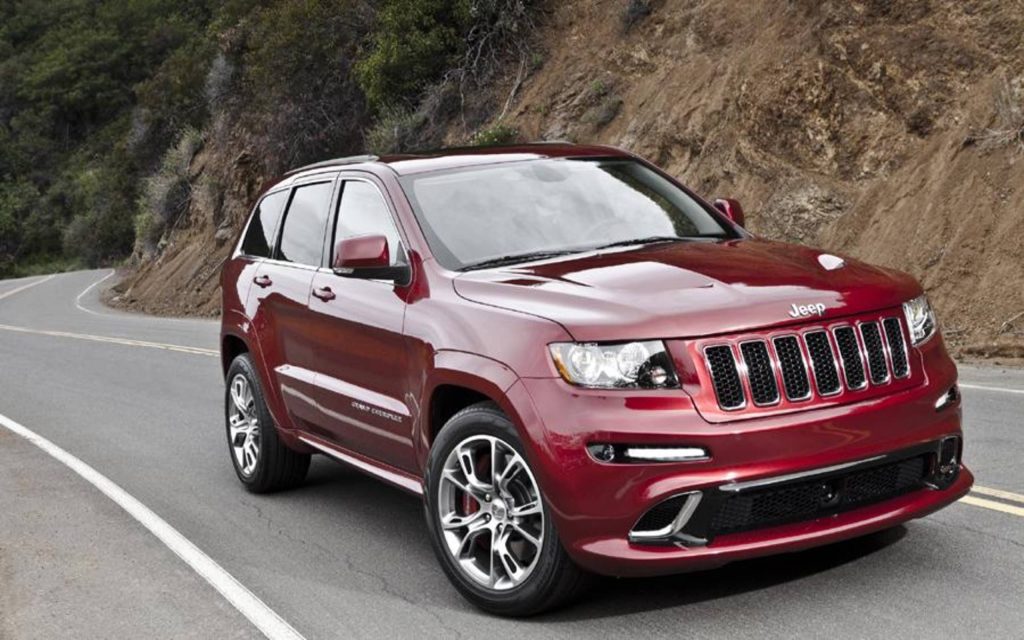
Despite numerous manufacturer recalls aimed at resolving these defects, many owners report recurring symptoms even after repairs or part replacements. Interior quality and comfort are generally praised, but the frequent technical problems detract heavily from its usability.
The 2013 Grand Cherokee serves as a cautionary tale about the risks of early production models within a vehicle generation facing complex engineering challenges.
4. 2014 Jeep Grand Cherokee
The 2014 Jeep Grand Cherokee faced widespread criticism for its drivetrain and powertrain reliability.
A common complaint involves the transmission unexpectedly shifting into neutral or failing to engage properly, which could occur while the vehicle was in motion, posing a serious safety risk. Many owners reported flashing gear indicator lights and unresponsive gear changes.
Engine cooling system issues were frequently reported. Malfunctions with thermostats, radiator leaks, and EGR coolers often led to engine overheating.
Severe cases involved mixing of coolant and oil, indicating potential head gasket failure or cracked engine blocks, sometimes resulting in complete engine replacement.
Safety concerns extended to the active headrest restraint system, which occasionally deployed spontaneously without any impact, causing injury to drivers.
The electrical system continued to manifest problems, including random liftgate opening/closing, lighting failures, and power steering loss during driving.
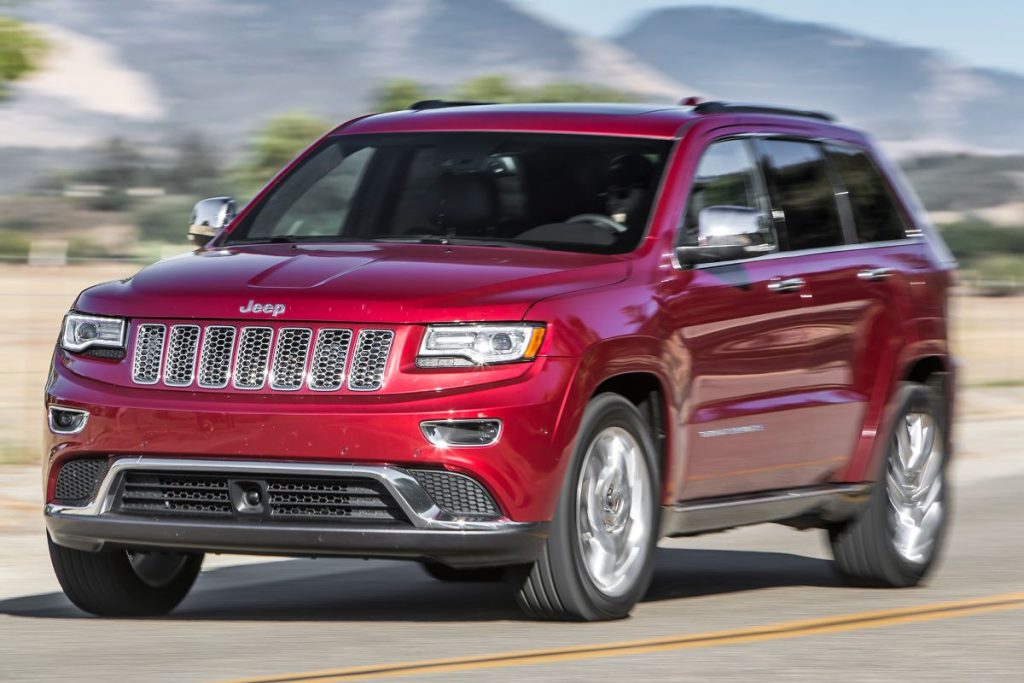
Jeep’s efforts to recall and repair some defects alleviated certain issues, but many drivers experienced recurring problems or delays due to parts shortages. Buyers faced a challenging ownership experience due to the complexity and unpredictability of these faults.
The 2014 model exemplifies the struggles Jeep encountered in enhancing reliability while updating safety features and mechanical components, resulting in detrimental impacts on the vehicle’s dependability.
5. 2017 Jeep Grand Cherokee
The 2017 Jeep Grand Cherokee is often cited among less reliable model years due to a number of mechanical and electrical concerns reported by owners.
One of the notable issues involves the 3.6L Pentastar V6 engine, which has been prone to lifter noise and premature wear on camshaft components. This engine weakness can cause ticking or tapping sounds and sometimes leads to performance degradation or costly repairs.
Another frequently reported problem relates to the transmission system. Owners have complained about erratic shifting, delayed gear engagement, and occasional transmission overheating, especially in high-mileage vehicles or those used in towing scenarios.
These transmission issues can negatively affect drivability and safety, urging owners to be cautious with transmission maintenance and fluid changes.
Electronic glitches remain a common theme, with complaints centered on the vehicle’s infotainment system, power locks, and dashboard warning lights that activate erroneously. Additionally, some drivers have experienced random stalling and no-start conditions linked to electrical system faults.
Suspension components also pose issues; sensors and bushings frequently wear out prematurely, leading to uneven ride quality and handling problems. Brake system complaints include premature wear and sporadic ABS failures.
Despite these shortcomings, the 2017 Grand Cherokee retains strong off-road capability and a comfortable interior. However, prospective buyers of this model should be prepared for higher maintenance costs and a greater likelihood of repairs.

Careful inspection and awareness of potential electronic and mechanical flaws can help manage ownership experience for this less reliable year.
The Jeep Grand Cherokee has seen a mix of reliable and problematic model years between 2011 and 2017. Certain years, such as 2011 and 2012, faced serious electrical problems stemming from the Totally Integrated Power Module (TIPM), which caused frequent stalling, no-starts, and erratic behavior, raising safety concerns.
Engine troubles like lifter failures, coolant leaks, and overheating were also common, especially in the 3.6L V6 and 5.7L V8 engines. Transmission issues appeared across these years, with delayed shifts, slipping, and occasional overheating affecting drivability.
Safety systems, including premature brake wear and faulty active headrests, added to reliability challenges. The 2013 and 2014 models continued to struggle with these faults, with recalls addressing some but not all issues.
By 2017, while improvements were made, electrical glitches and transmission problems persisted, accompanied by suspension wear and infotainment failures.
Despite its strong off-road capability and comfortable interior, maintenance and repair demands were high during this period.
Buyers are advised to carefully inspect these model years and consider the potential for significant upkeep costs due to these recurring mechanical and electronic faults. Proper maintenance and awareness remain key for managing ownership satisfaction.
