
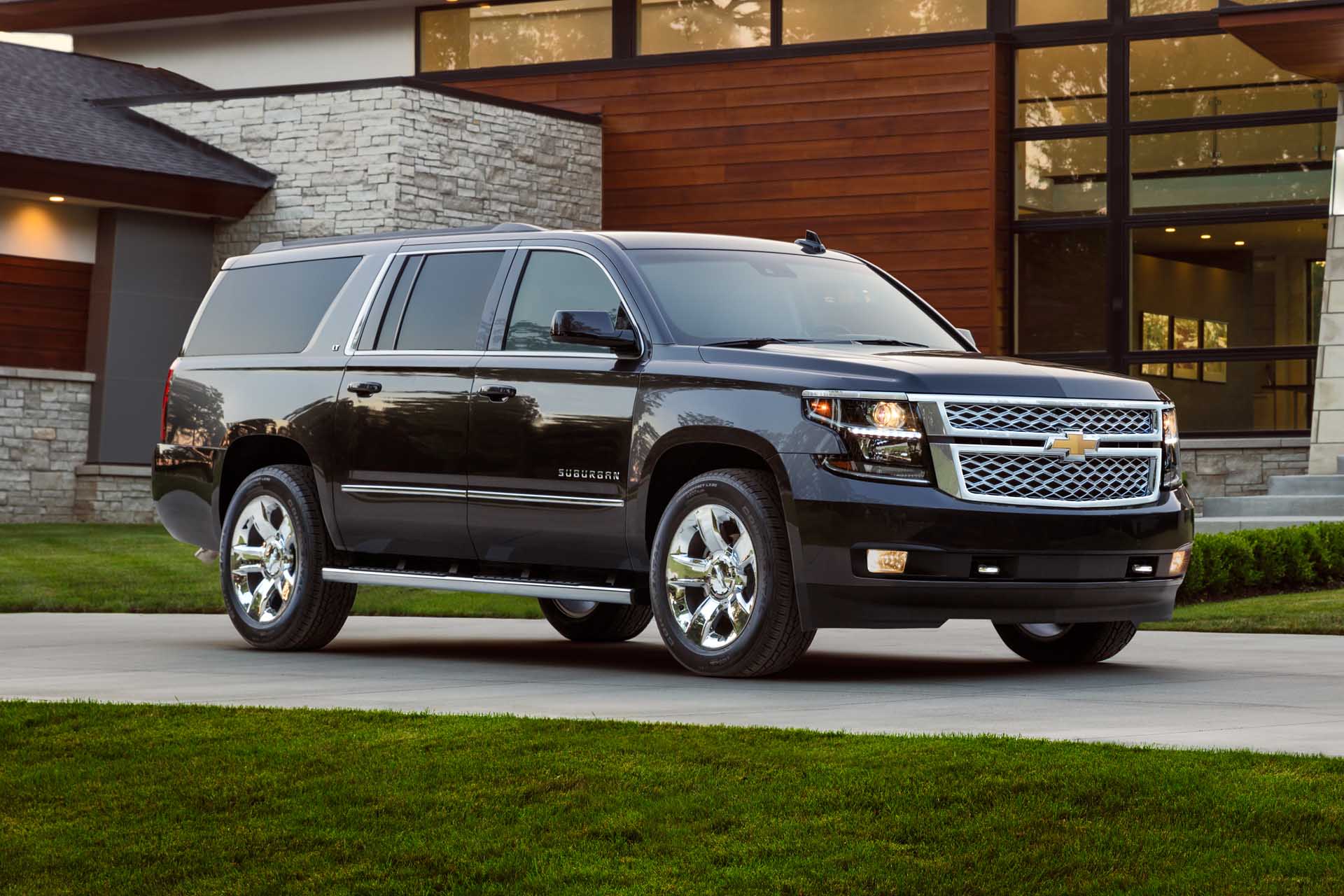
The Chevrolet Suburban has held a reputation as one of the longest-running nameplates in American automotive history, offering space, towing ability, and family-friendly comfort.
While many large SUVs fade from memory after a few model cycles, the Suburban continues to dominate highways and driveways because of its size and heritage. However, not every year of this SUV has lived up to the same expectations.
Some generations and specific model years are prized for their longevity, often going well past 200,000 miles with proper care. Others are known to cause trouble far earlier, plagued with mechanical flaws that cut their service life short.
For buyers considering a used Suburban, knowing which years stand out as long-lasting and which ones tend to fall short is essential.
Reliability varies depending on design choices, engine pairings, and how GM addressed issues with transmission, electronics, or frame durability.
This comparison helps highlight the strongest examples that have earned respect for durability and also points out the years that owners often regret.
By separating the proven performers from the problem-prone models, shoppers can make better decisions when choosing between a Suburban that will endure and one that could fail far earlier than expected.
Also Read: 5 Engines That Keep Their Power After 200K vs 5 That Lose It Early
5 Chevy Suburban Years That Outlast Rivals
When people talk about SUVs that can go the distance, the Chevrolet Suburban is often one of the first vehicles mentioned.
Among the various model years, some stand out as exceptional examples of durability, with many owners reporting hundreds of thousands of miles without major problems.
These particular years represent what buyers hope for when they purchase a Suburban: a vehicle capable of handling long road trips, family hauling, heavy towing, and daily commutes while keeping maintenance costs manageable.
The reasons behind their reliability are tied to strong engine options, solid transmission pairings, and fewer recurring electronic or mechanical faults compared to weaker years.
In addition, many of these models benefitted from GM’s adjustments to earlier issues, meaning the company corrected known problems and gave drivers more dependable SUVs.
Enthusiasts often point to these years as smart used purchases because they not only last longer than many rivals but also maintain resale value thanks to their reputation.
Highlighting these Suburbans provides insight into what makes a large SUV dependable. By looking at the best-performing model years, buyers can narrow down choices and feel more confident that their investment will return long-lasting service without leaving them stranded.
1. 2001 Chevy Suburban
The 2001 Suburban is a favorite among long-term owners for its sturdy design and dependable drivetrain. This year introduced refinements over the late 1990s models, and it carried the proven 5.3L V8 engine that balanced power with reasonable efficiency for such a large SUV.
Many drivers have reported crossing the 250,000-mile mark without major failures, provided regular maintenance was followed. Its 4L60-E transmission, while not flawless, performed better in this generation when serviced properly, giving it a reputation for being a workhorse rather than a headache.
What makes the 2001 model stand out is how it handled both family use and heavy tasks like towing boats or trailers. Rust resistance was better compared to older models, and the frame proved solid in most climates.
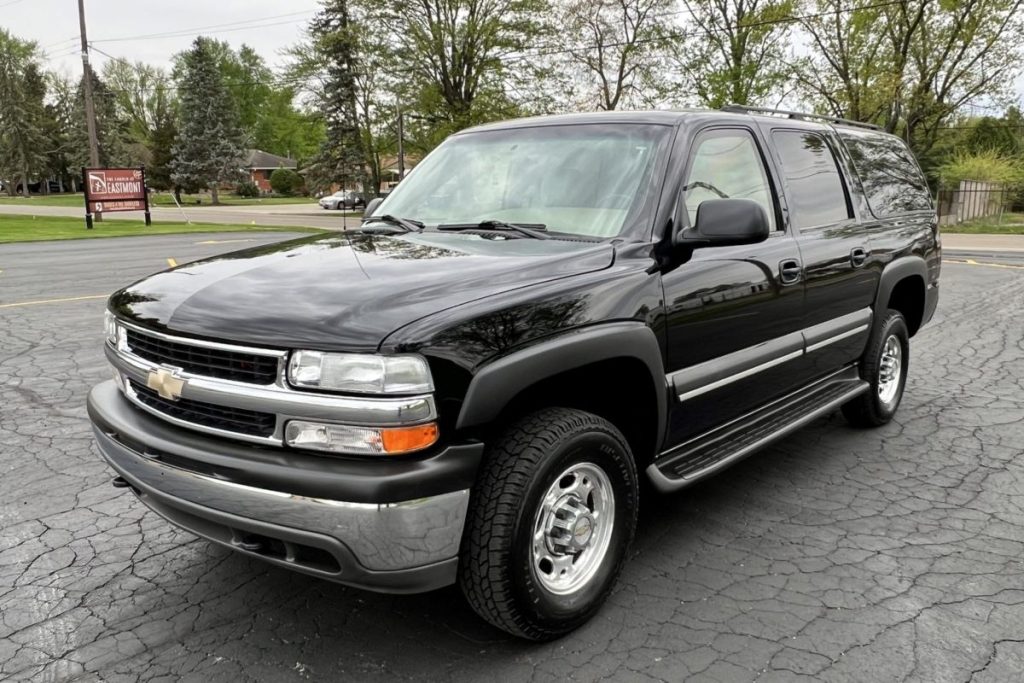
Electrical systems were simpler than later years, meaning fewer issues with failing sensors or onboard electronics. Owners also liked the comfort and interior layout, which held up well over time.
This Suburban exemplified GM’s ability to produce a vehicle that combined practicality with long-lasting strength. For anyone looking at older used SUVs, the 2001 Suburban remains a smart choice because it often outlasts rivals of its era with less hassle and more reliability.
2. 2007 Chevy Suburban
The 2007 Suburban marked the introduction of the 11th generation, bringing a fresh design and improved build quality. It gained praise for its robust engines, especially the 5.3L Vortec V8 with Active Fuel Management, which delivered both durability and improved efficiency.
Owners have consistently reported high mileage with minimal engine trouble, making this one of the standout years for reliability. The six-speed automatic transmission was stronger than its predecessor, offering smoother shifts and improved towing capability.
This model year also benefitted from GM’s effort to reduce interior rattles and enhance cabin durability. Seats, dashboard materials, and trim pieces held up far better than in older versions, which contributed to owner satisfaction over long periods of ownership.
While some vehicles of this generation had minor electrical issues, the 2007 avoided most widespread failures that plagued later years. Its suspension system was sturdy enough to endure rough roads and heavy use, making it popular for families who also needed strong hauling performance.
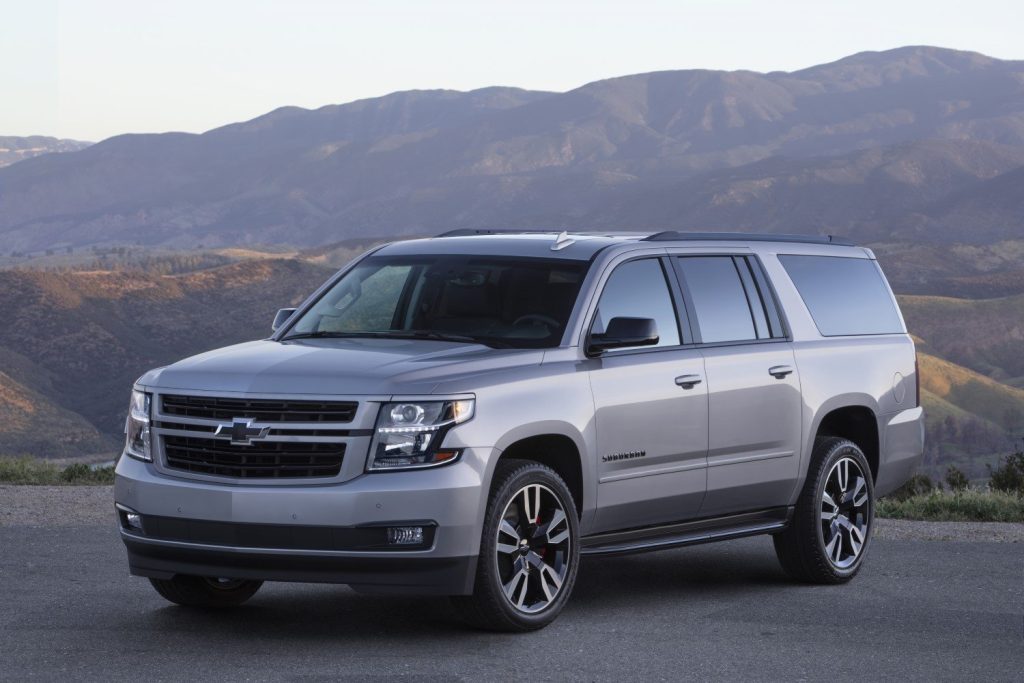
The balance of comfort, towing strength, and reliability placed the 2007 Suburban above many competitors.
Even today, high-mileage examples are common, which shows how well this SUV was built. For buyers searching for a used full-size SUV, the 2007 Suburban still represents a safe investment that can easily outlast many rivals from the same timeframe.
3. 2013 Chevy Suburban
The 2013 Suburban remains a favorite for those seeking longevity and confidence in daily use. As one of the last models of the 11th generation, it benefitted from years of refinement and GM’s effort to correct earlier shortcomings.
The 5.3L V8 was again the backbone of this SUV, providing strong performance while proving resistant to early wear. Many owners praise the engine for crossing 200,000 miles without major intervention, as long as oil changes and cooling system maintenance were handled.
Transmission reliability also improved by this year, as GM fine-tuned software and mechanical components. The suspension system provided a smoother ride and held up well against heavy use, especially for drivers who towed regularly.
Another reason the 2013 model stands out is the relative lack of costly electrical failures, which were a concern in earlier years. This made it easier and cheaper to maintain compared to competitors that relied heavily on complex electronics.
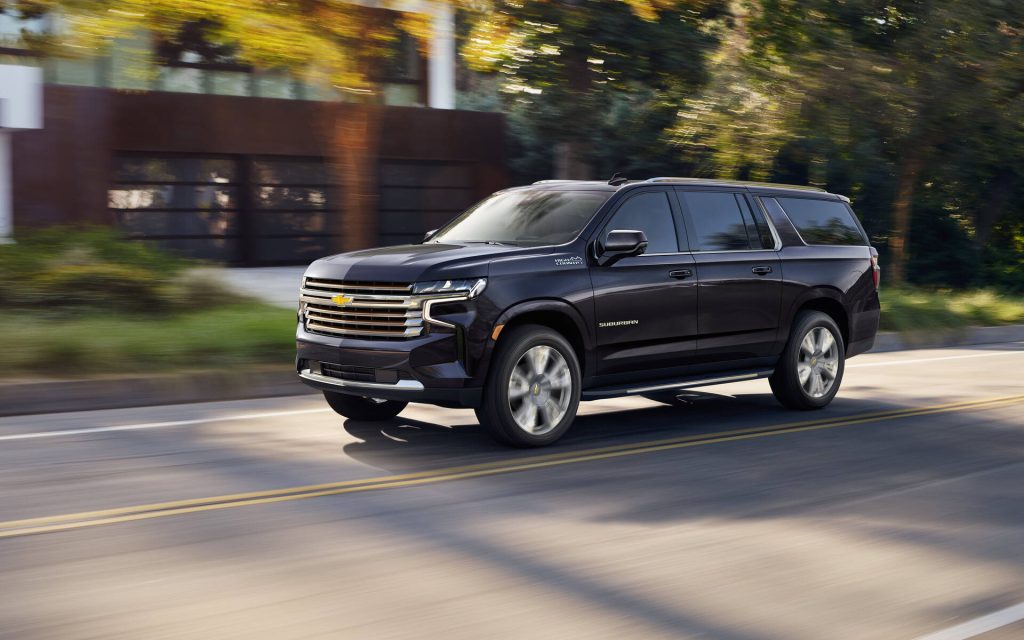
Inside, the 2013 Suburban offered family-friendly space, durable materials, and features that aged well. It blended reliability with comfort, which appealed to long-term owners.
This year consistently earns high marks from used SUV shoppers because it represents a strong balance of toughness, refinement, and lower maintenance risks.
When compared to rivals like the Ford Expedition or Nissan Armada, the 2013 Suburban often proves to be the more enduring choice.
4. 2016 Chevy Suburban
The 2016 Suburban launched as part of the 12th generation, showcasing a modern design without sacrificing the durability that longtime fans valued. It came equipped with the 5.3L EcoTec3 V8, an engine praised for both power and resilience.
This motor was built to last, with many owners reporting long-term reliability thanks to its direct injection system and sturdy internal components. With proper care, the 2016 Suburban frequently reaches beyond 200,000 miles without major issues.
One of the strengths of the 2016 model was its improved six-speed automatic transmission, which offered smooth performance and fewer failure reports compared to older gearboxes. The chassis was solid, and the suspension handled the Suburban’s size gracefully, making it dependable for family hauling and long road trips.
GM also put effort into improving corrosion resistance, which helped keep the 2016 looking and performing better in regions prone to rust.
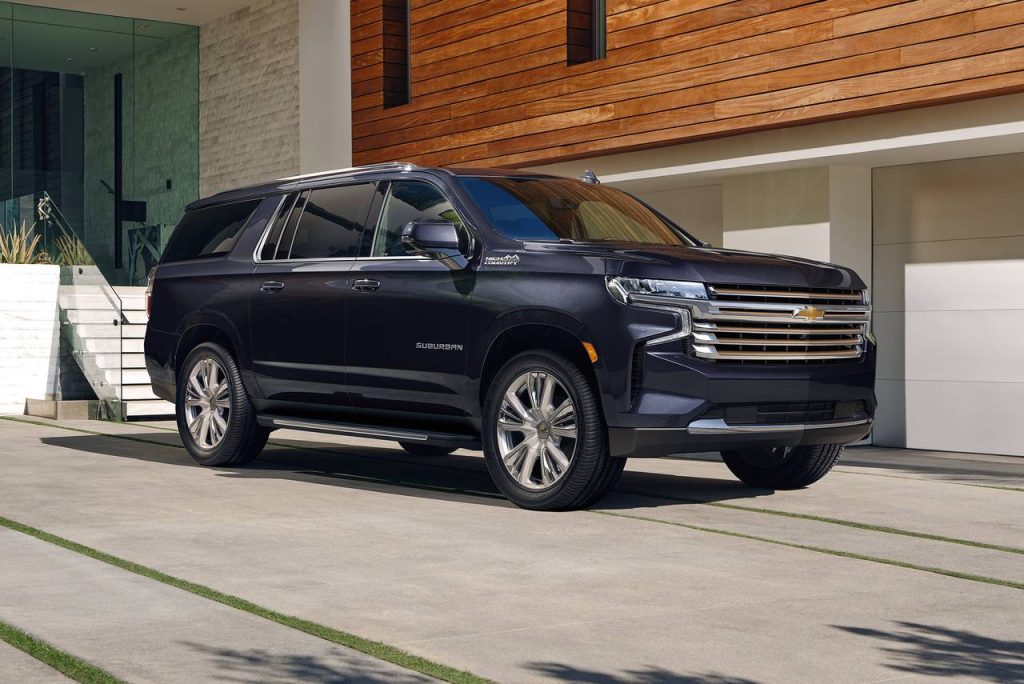
The interior gained high-quality materials and technology updates while still retaining long-lasting durability. Features like improved sound insulation and comfortable seating added to its appeal.
While newer models became even more complex, the 2016 struck a sweet spot: modern enough to feel up to date yet simple enough to avoid frequent expensive problems. For anyone seeking a dependable newer Suburban, the 2016 is one of the safest bets for longevity.
5. 2019 Chevy Suburban
The 2019 Suburban is one of the most respected recent models, offering long-term value and robust performance. By this year, GM had addressed many lingering issues, and the Suburban showcased one of its most reliable configurations.
Buyers could choose the proven 5.3L V8 or the stronger 6.2L V8 paired with a ten-speed automatic transmission. Both options delivered power and durability, with the ten-speed praised for smoother shifting and strong towing capacity.
Durability extended to the frame and suspension, which held up well under heavy use. Owners regularly report that this model handles extensive mileage with minimal complaints, often outperforming rival SUVs of the same age.
The electrical system was more stable compared to earlier years, reducing the likelihood of random failures. Safety features and technology additions made it more appealing without compromising on reliability.

Inside, the cabin was designed for comfort while still emphasizing practicality. Seats, trim, and controls showed less wear than many competitors, even after years of family use.
The 2019 Suburban earned high satisfaction ratings because it combined modern design, power, and a reputation for lasting service. For buyers who want a dependable late-model SUV, the 2019 Suburban continues to outlast rivals both in performance and ownership experience.
5 Chevy Suburban Years That Fail Early
While the Suburban has many strong years that prove dependable, not every model earned the same reputation. Some versions are remembered for frequent mechanical failures, higher maintenance costs, or frustrating ownership experiences that caused buyers to lose confidence far too early.
For an SUV that is supposed to serve as a long-haul family and work vehicle, these problem years stand out as warnings for those considering the used market.
The reasons behind their shortcomings vary. In some cases, transmissions wore out prematurely, leaving owners with expensive repairs.
Other years were troubled by faulty electronics, oil consumption issues, or weak interior components that broke down faster than expected.
Certain engines also faced design flaws that shortened their lifespan compared to the proven V8s in better years. When combined with high repair bills, these issues made some Suburbans less appealing and far more likely to fail before hitting the mileage milestones that competitors or other Suburbans could achieve.
By highlighting these problem years, buyers can avoid investing in a model that might drain their wallets and patience. While the Suburban name carries strength, it’s important to recognize that some years fall short of expectations and simply do not last as long as they should.
1. 2002 Chevy Suburban
The 2002 Suburban is often cited by owners as a model prone to early issues, despite being part of the same generation as the reliable 2001.
One of the biggest concerns with this year is the 4L60-E transmission, which was prone to slipping or overheating, especially in high-mileage examples or when towing heavy loads. Many owners reported expensive repairs within the first 100,000 miles, reducing the overall reliability compared to earlier years.
In addition to transmission problems, the 2002 Suburban experienced frequent issues with the rear differential and axle components.
Rust on frame rails was more common in certain climates, and electrical glitches, such as malfunctioning gauges or sensor failures, created headaches for owners. The interior, while spacious, suffered from wear and tear more quickly than the 2001 model, with seats and trim showing early signs of damage.
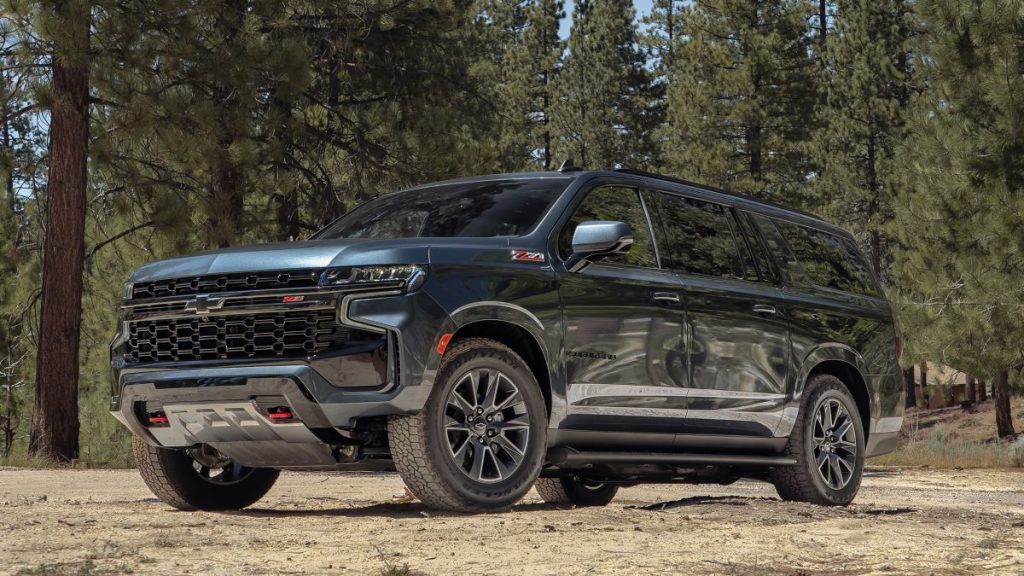
These problems made maintenance more intensive and costly, discouraging long-term ownership. Despite its strong V8 engines, the combination of mechanical and electrical failures meant the 2002 Suburban rarely achieved the mileage milestones seen in other years.
Buyers seeking longevity often pass on this model because the repairs often outweigh the benefits of a full-size SUV. For those considering a Suburban, the 2002 serves as a cautionary example that not every early 2000s model shares the same durability.
2. 2005 Chevy Suburban
The 2005 Suburban had a number of mechanical and reliability concerns that made it less desirable for long-term ownership.
The 5.3L V8 engine in this year sometimes exhibited excessive oil consumption, which could lead to premature engine wear if not monitored carefully.
The 4L60-E transmission, still in use at this time, remained prone to failure under towing conditions or with higher mileage, which increased repair costs significantly.
Owners also reported issues with the electrical system, particularly the instrument cluster and door modules. Malfunctions in these areas caused warning lights to activate unnecessarily and sometimes interfered with power locks or windows.
Suspension components were not as durable as previous or later years, leading to noisy, worn-out shocks and bushings after relatively short periods. The interior trim also showed early signs of degradation, with plastic panels cracking and seat covers wearing prematurely.
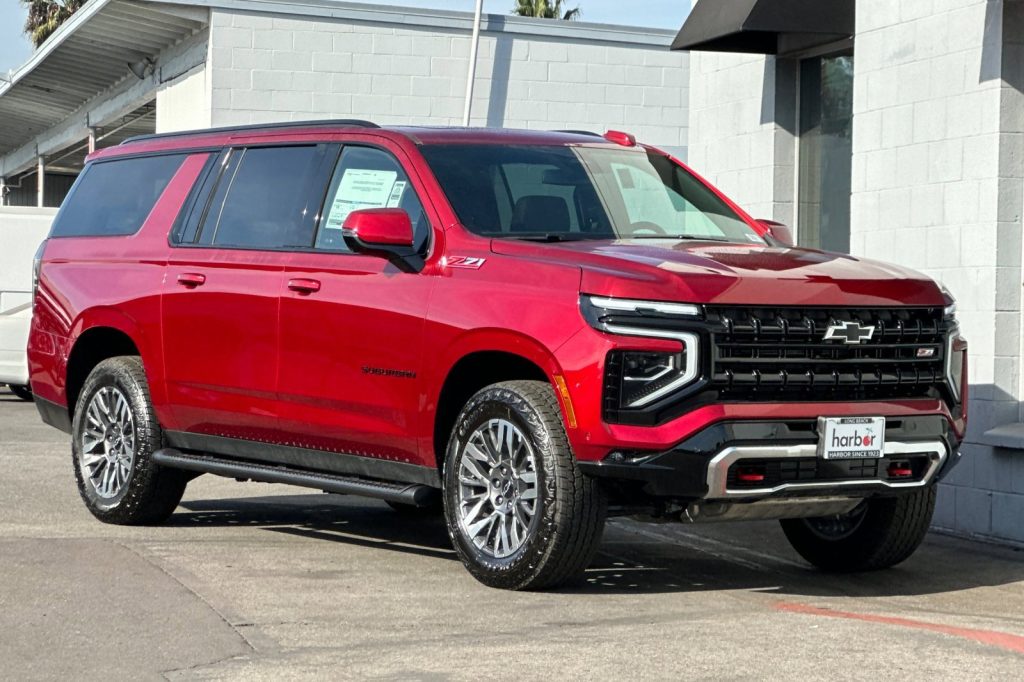
Although it offered the size and capability expected of a Suburban, the combination of engine quirks, transmission weaknesses, and electronic issues made the 2005 model less dependable than rivals.
For buyers looking for an SUV that would last beyond 200,000 miles, this year often required more attention and cost than it was worth.
The 2005 Suburban is a reminder that even large, traditionally durable SUVs can experience rough patches when design and component choices align poorly.
3. 2010 Chevy Suburban
The 2010 Suburban is another model year that frequently falls short in terms of reliability. Many owners reported transmission problems with the 6-speed automatic, including hard shifting and occasional failure under stress.
Engine issues, such as timing chain noise and premature spark plug or ignition coil failures, contributed to a reputation for higher maintenance needs compared to earlier Suburbans.
Electrical gremlins were also more common in the 2010 model. Owners experienced problems with the vehicle’s electronics, including the navigation system, rear entertainment unit, and climate controls.
Fuel system components occasionally caused check-engine lights to activate, creating frustration and added repair costs. Additionally, some examples had premature wear in the suspension system, including ball joints and control arms, which reduced ride quality and required expensive replacements.
The interior, while updated for comfort, showed early signs of wear, particularly in high-use areas like seat bolsters and door panels. Rust on the underbody and wheel wells was also more frequent in regions with road salt exposure.
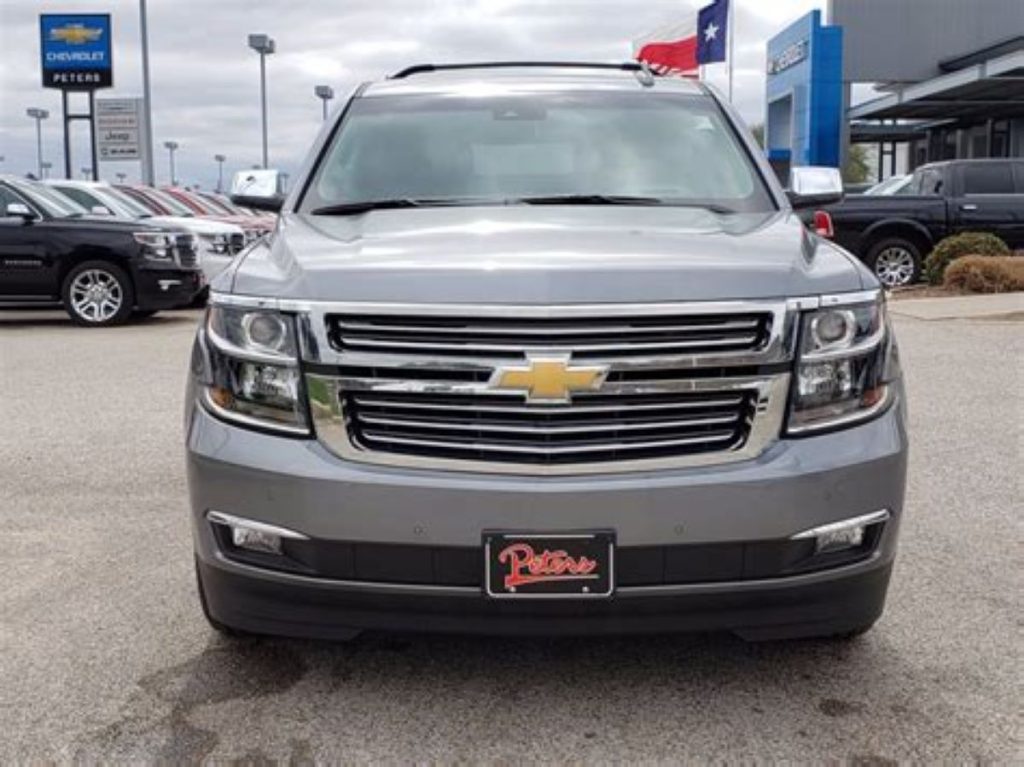
These combined factors made the 2010 Suburban less appealing to buyers seeking longevity and low maintenance costs. While it still offered the space and towing capacity expected of a full-size SUV, its durability often lagged behind both its predecessors and competitors.
4. 2012 Chevy Suburban
The 2012 Suburban faced a mix of mechanical and electronic problems that shortened its effective lifespan. Engine issues included occasional excessive oil consumption in the 5.3L V8, and spark plug failures were more frequent than in prior years.
The six-speed automatic transmission also experienced slipping or delayed engagement, particularly in high-mileage vehicles or when towing heavy trailers.
Electrical systems caused headaches for many owners, with problems in the dashboard cluster, infotainment controls, and power seats. Some models experienced premature wear in suspension components, including shocks and bushings, affecting ride comfort and requiring costly repairs.
Rust began appearing in the frame and undercarriage earlier than in previous generations, especially in climates with salted roads.
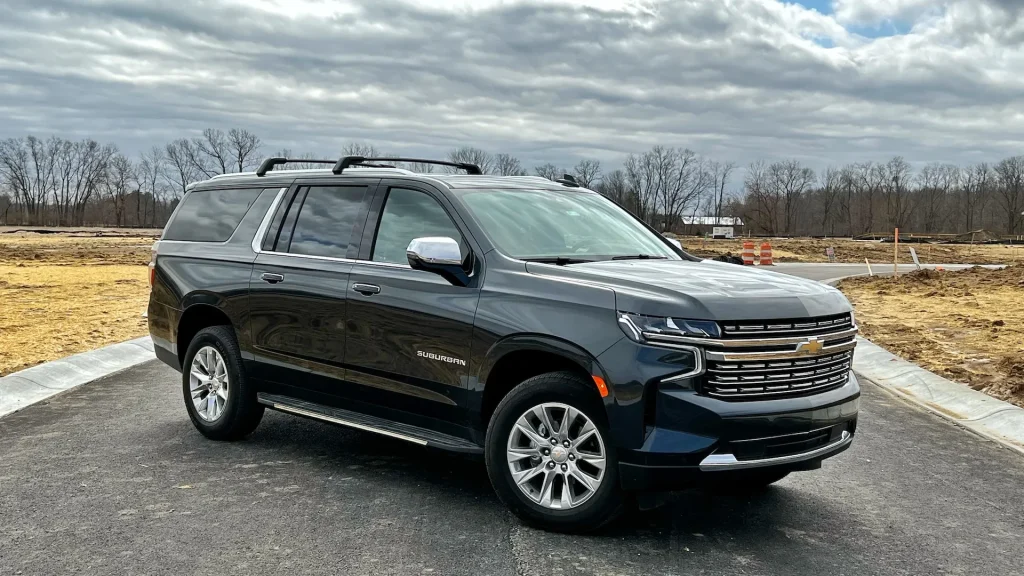
The interior durability was also a concern. Plastic panels were prone to cracking, and seat materials deteriorated faster than in previous Suburbans.
Combined, these issues meant the 2012 model often required more attention and higher maintenance costs than comparable SUVs from the same period.
While it still offered towing capacity and passenger space, buyers looking for a long-lasting Suburban often avoided this year in favor of more dependable options. The 2012 Suburban serves as a clear example that even vehicles with strong engines can suffer from recurring reliability issues that shorten their service life.
5. 2015 Chevy Suburban
The 2015 Suburban is part of the early 12th-generation models that occasionally struggled with reliability. One major concern was the 5.3L EcoTec3 V8 engine, which in some cases exhibited early spark plug and ignition coil failures.
Oil consumption was also reported in higher-mileage vehicles, making routine monitoring essential to prevent long-term engine damage.
Transmission issues were another weak point. The six-speed automatic sometimes experienced delayed or harsh shifting, particularly when the vehicle was used for towing or heavy loads.
Suspension components, including bushings and shocks, showed premature wear in some examples, which reduced ride quality and required costly replacements.
Electrical systems were prone to glitches, including malfunctioning infotainment units, rear entertainment problems, and issues with power-adjustable features.
The interior materials, while modern, did not always hold up to frequent use. Plastic panels and seat materials deteriorated faster than expected, and cabin rattles appeared sooner than in other years. Rust also became an issue in certain climates due to less-than-optimal corrosion protection.
These factors combined to give the 2015 Suburban a reputation for higher maintenance needs and a shorter lifespan compared to the most durable models.
While it still delivered size, towing capability, and comfort, this year is generally avoided by buyers seeking a long-term, trouble-free full-size SUV.
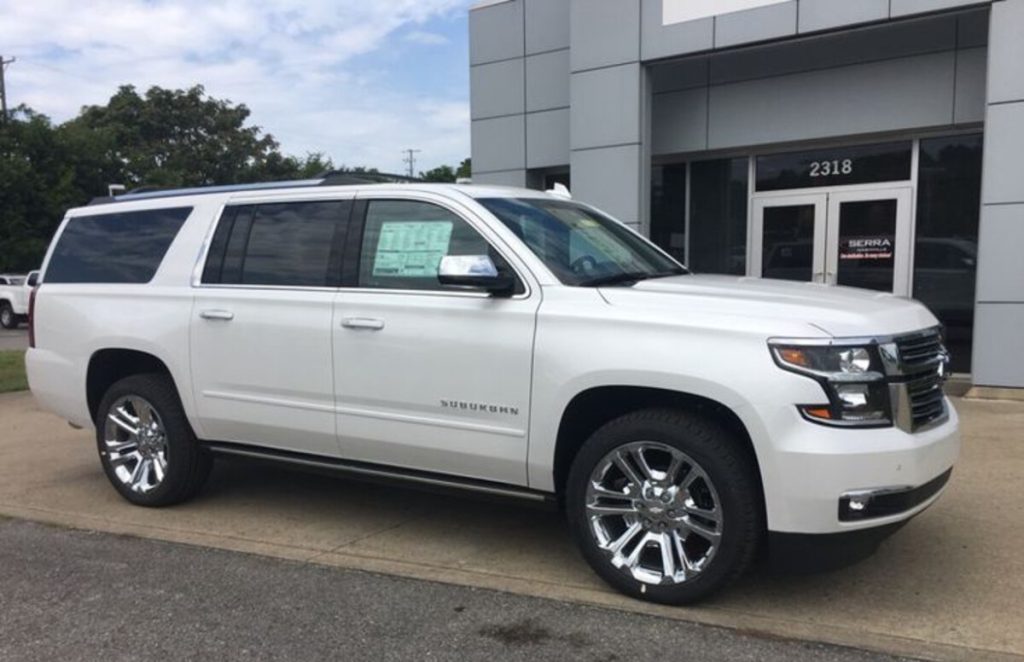
The Chevrolet Suburban has long been recognized as a large SUV capable of handling heavy loads, long road trips, and family duties, but reliability varies significantly across different model years.
Certain years, such as 2001, 2007, 2013, 2016, and 2019, have earned reputations for longevity and durability. These models typically paired strong V8 engines with reliable transmissions, durable suspensions, and simpler electrical systems, which contributed to fewer costly repairs over time.
Owners of these years report that with regular maintenance, these Suburbans can surpass 200,000 miles, maintain interior quality, and resist rust better than many rivals.
Their combination of comfort, towing capacity, and long-term dependability makes them stand out as smart choices for buyers seeking a full-size SUV that truly lasts.
On the other hand, model years like 2002, 2005, 2010, 2012, and 2015 illustrate that even a well-regarded SUV can experience significant issues.
Common problems in these years include transmission failures, excessive engine wear or oil consumption, electrical system glitches, and premature suspension or interior wear.
These challenges result in higher maintenance costs and a shorter effective lifespan, which often discourages long-term ownership.
Even though these Suburbans still provide the size and capability expected of the model, their frequent mechanical and electronic problems make them less reliable than their better-performing counterparts.
For buyers looking at used Suburbans, understanding these differences is essential. Choosing a strong year increases the likelihood of low-maintenance, long-lasting ownership, while avoiding problematic years reduces the risk of unexpected repair bills.
By comparing both the most dependable and the more failure-prone years, it becomes clear which Suburbans are best positioned to outlast rivals and which should be approached with caution.
Also Read: 5 Cars With Affordable Parts vs 5 That Cost a Fortune
