
Transmission problems can quickly turn a dependable vehicle into a costly burden. Some vehicles are engineered with robust transmissions that withstand high mileage and demanding driving conditions, allowing owners to avoid expensive replacements.
These vehicles tend to retain their performance over many years, providing peace of mind and fewer repair headaches.
On the other hand, certain models have transmissions that are more prone to wear, overheating, or mechanical failure, often resulting in costly repairs or replacements much earlier than expected. Identifying which vehicles fall into each category is crucial for buyers who prioritize long-term reliability and cost-efficiency.
In this guide, we compare five vehicles that rarely require transmission replacements with five that are more likely to experience transmission problems.
By examining each vehicle’s engineering, typical issues, and real-world performance, we aim to give a clear picture of what to expect from different models.
This information can help prospective buyers make smarter choices, whether they are shopping for a dependable daily driver, a family vehicle, or a long-haul commuter. Understanding these differences can save money, prevent frustration, and ensure that a car performs reliably over its lifespan.
Also Read: 5 Engines That Keep Their Power After 200K vs 5 That Lose It Early
5 Vehicles That Rarely Need Transmission Replacements
Some vehicles earn a reputation for long-lasting transmissions, often performing well past 200,000 miles without major service or replacement.
These models benefit from careful engineering, quality materials, and proven drivetrain designs that can handle a variety of driving conditions.
Regular maintenance, such as fluid changes and proper use, also plays a role, but these vehicles are generally more forgiving if minor mistakes occur.
Owning a vehicle with a reliable transmission reduces stress and prevents unexpected financial burdens. Drivers can enjoy smooth shifting, consistent performance, and confidence on the road without worrying about major repairs disrupting daily life.
For families, commuters, or those who frequently tow or haul, transmission durability is a significant factor in long-term ownership satisfaction.
The vehicles highlighted here have consistently received high marks from owners, repair data, and automotive reliability surveys. They showcase a combination of strong engineering, practical design, and resilience under various conditions.
This section will cover five models that stand out for their transmission longevity, explaining why each has proven to be dependable and what aspects of their design contribute to this reliability.
By understanding these examples, prospective buyers can make informed choices that minimize maintenance costs and maximize driving confidence.
1. Toyota Camry
The Toyota Camry is widely recognized for its long-term reliability, and its transmission is a key factor in this reputation. Most recent models use either a traditional automatic or a continuously variable transmission (CVT), both designed with longevity in mind.
Toyota engineers focus on durability by using high-quality components, precise tolerances, and advanced transmission fluid formulations, which help reduce wear on moving parts. The CVT, for example, utilizes reinforced belts and pulleys that distribute power efficiently, reducing the mechanical stress seen in older designs.
Many Camry owners report surpassing 200,000 miles without needing transmission replacement. This is partly due to Toyota’s conservative approach to transmission design, which avoids overly complex mechanisms that can fail under high mileage.
Another factor is the routine maintenance schedule recommended by Toyota. Regular transmission fluid changes, careful driving practices, and avoiding aggressive towing significantly extend the life of the drivetrain.
Additionally, the Camry’s electronic control system ensures smooth gear changes and monitors transmission performance, automatically adjusting pressure and timing to prevent overheating or excessive wear.

This results in consistent performance whether the car is used for city commuting, highway travel, or light towing.
Overall, the Camry’s transmission durability combines robust engineering, proven mechanical design, and routine maintenance practices.
For drivers who prioritize low maintenance costs, reliability, and long-term ownership confidence, the Toyota Camry consistently proves to be a safe choice, offering decades of dependable service without major transmission concerns.
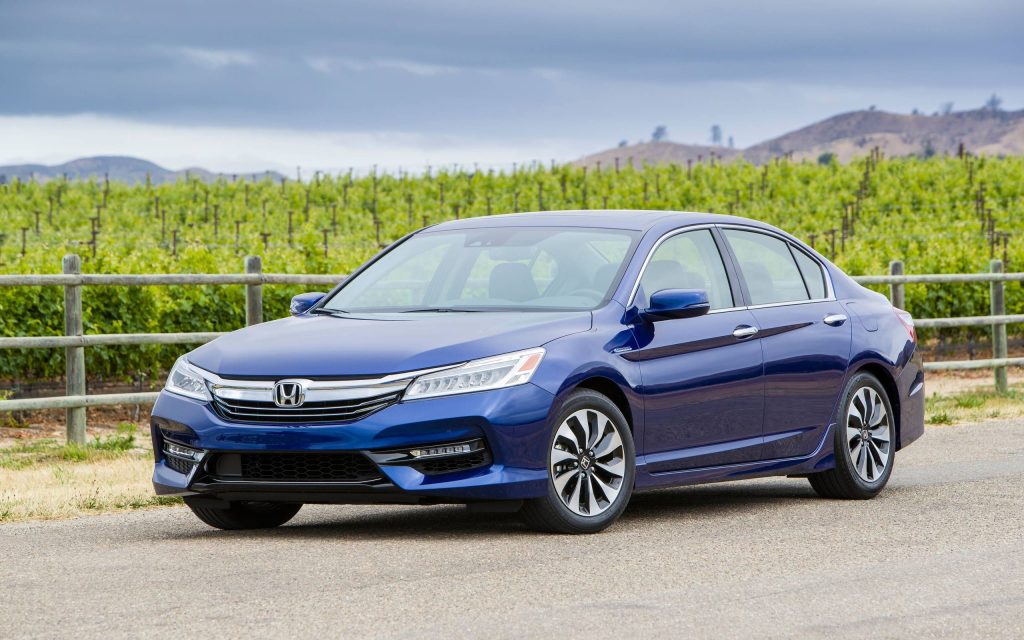
2. Honda Accord
The Honda Accord has built a reputation for being one of the most dependable sedans regarding transmission longevity. Modern models feature either a CVT or a traditional automatic transmission, both carefully engineered to handle high mileage.
Honda emphasizes reinforced internal components, high-quality materials, and advanced cooling systems in its transmissions to prevent overheating, which is a common cause of premature failure in other vehicles.
Owners of the Accord often report exceeding 200,000 miles without transmission replacement, which is a significant achievement for a family sedan. Honda’s CVT technology is designed to distribute power smoothly and reduce strain on components during heavy traffic, long commutes, or highway driving.
The transmission also benefits from intelligent software management that adjusts shift points based on driving conditions, ensuring efficient performance without unnecessary wear.
Routine maintenance plays a vital role in the Accord’s transmission longevity. Using Honda-approved transmission fluids and following recommended change intervals helps maintain smooth operation and prevents premature wear.
Drivers who tow lightly or maintain moderate driving habits find that the Accord rarely shows signs of transmission stress.
Another advantage is Honda’s focus on simplicity and reliability over complex designs. This approach reduces the likelihood of mechanical or electronic failure.
For buyers seeking a sedan that will last for years without costly transmission repairs, the Honda Accord remains a top choice, providing consistent performance, reliability, and peace of mind.
3. Lexus RX
The Lexus RX luxury crossover offers a blend of performance, comfort, and exceptional transmission reliability. Built on Toyota’s engineering platform, the RX uses automatic transmissions known for durability.
High-strength internal gears, precision hydraulic systems, and reinforced torque converters allow the RX to handle various driving conditions without significant wear.
The transmission is designed for smooth operation in city traffic, highway cruising, and light towing, making it a versatile choice for drivers seeking a reliable vehicle.
Lexus owners frequently report that their RX models surpass 200,000 miles without transmission replacement. Part of this reliability comes from Toyota’s meticulous quality control during production, which minimizes manufacturing defects.
Additionally, the transmission software optimizes shift timing and pressure, reducing stress on components and preventing premature failure.
Routine maintenance, including regular transmission fluid changes, further extends the lifespan of the RX’s drivetrain.
The luxury vehicle also benefits from conservative engineering, avoiding overly complicated gear arrangements that could increase the risk of mechanical failure. Drivers report smooth and consistent shifts across different driving environments, with minimal signs of wear even after prolonged use.

For those seeking a premium crossover that offers longevity and dependable performance, the Lexus RX stands out.
Its transmission design ensures that owners enjoy years of trouble-free driving while maintaining smooth and responsive operation, making it one of the most durable options in the luxury segment.
4. Subaru Outback
The Subaru Outback is engineered for versatility and reliability, and its transmission durability reflects this design philosophy. Most modern Outbacks feature a CVT, specifically engineered for longevity under varying conditions, from urban commuting to light off-road excursions.
Subaru uses reinforced belts and pulleys, optimized fluid flow, and robust electronic controls to prevent overheating and mechanical stress. These factors contribute to minimal transmission issues, even in vehicles with high mileage.
Subaru Outback owners consistently report that their vehicles exceed 200,000 miles without requiring a transmission replacement, particularly when routine maintenance is observed.
Transmission fluid changes at recommended intervals and careful driving habits, such as avoiding excessive towing, help maintain smooth operation.
The CVT also features software designed to adapt to driving conditions, preventing unnecessary strain on components during stop-and-go traffic or steep inclines.
The Outback’s all-wheel-drive system works in harmony with the transmission, distributing torque efficiently and reducing wear on the drivetrain.

This combination of mechanical design, intelligent software, and preventive maintenance ensures consistent performance across diverse driving environments.
For those who value a reliable, long-lasting vehicle capable of handling both city and rugged conditions, the Subaru Outback provides exceptional transmission durability.
Its engineering, combined with real-world reliability, makes it a dependable choice for drivers seeking peace of mind and long-term ownership satisfaction.
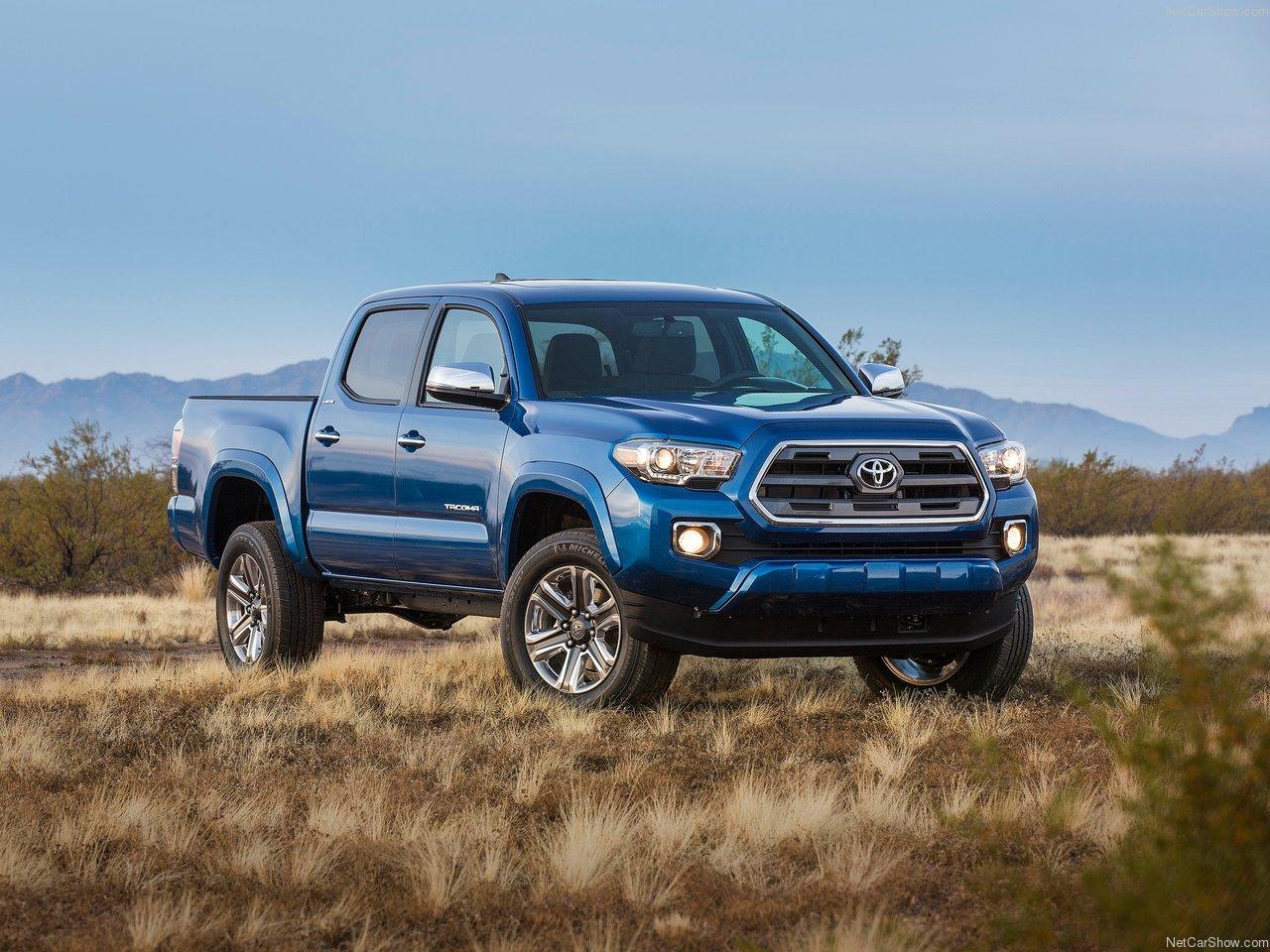
5. Toyota Tacoma
The Toyota Tacoma is widely regarded as one of the most durable compact pickups, and its transmission reliability is a major factor. Tacoma models are designed to handle heavy loads, towing, and off-road driving while minimizing mechanical failure.
Automatic transmissions in the Tacoma feature robust internal components, precision engineering, and reinforced gear systems that can withstand high mileage and strenuous use.
Owner reports indicate that Tacomas frequently exceed 200,000 miles without transmission replacement, even under demanding conditions. Regular maintenance, including fluid changes and careful operation, helps extend the transmission’s lifespan.
The design prioritizes mechanical simplicity and robustness over unnecessary complexity, reducing potential failure points.

Toyota’s attention to quality control during production ensures fewer manufacturing defects, which also contributes to long-term reliability. The transmission software adapts to load and terrain, optimizing gear shifts and preventing excessive strain.
Drivers using the Tacoma for towing, hauling, or off-road adventures find that the vehicle maintains smooth, consistent performance over time.
Overall, the Tacoma’s transmission durability reflects Toyota’s focus on engineering for real-world reliability.
It offers owners peace of mind, low long-term maintenance costs, and dependable performance, making it a top choice for anyone seeking a pickup capable of enduring years of heavy use without significant transmission issues.
5 Vehicles That Often Need Transmission Replacements
While some vehicles are built to last hundreds of thousands of miles with minimal drivetrain concerns, others are far more prone to transmission issues.
Certain designs, materials, or engineering choices can make a transmission vulnerable to overheating, premature wear, or mechanical failure, even with routine maintenance.
Understanding which vehicles are more likely to experience these problems is essential for buyers who want to avoid unexpected repair costs and downtime.
Vehicles that often require transmission replacement tend to share common characteristics. Complex designs, underpowered components handling heavy loads, or transmissions paired with engines that produce inconsistent torque can place undue stress on internal parts.
In some cases, software calibration may be overly aggressive, causing shifting problems that accelerate wear on clutches, bands, or CVT belts. Environmental factors such as frequent stop-and-go driving, towing, or hot climates can further exacerbate these weaknesses.
Even small oversights, like delayed fluid changes or aggressive driving habits, can significantly shorten the life of a sensitive transmission.
For drivers, owning a vehicle prone to transmission failure can quickly become expensive and frustrating. The cost of replacing a transmission is substantial, often reaching thousands of dollars, and can disrupt daily routines.
Identifying models with higher transmission risks allows buyers to make informed choices, either by selecting a more reliable vehicle or budgeting for potential repairs in advance.
In this section, we examine five vehicles that are known for their tendency to require transmission replacements sooner than average.
By looking at design flaws, common symptoms, and owner experiences, we can highlight the factors that make these transmissions less durable. Understanding these patterns not only informs purchasing decisions but also offers insights into what to monitor if you already own one of these models.
1. Ford Escape (2013–2019)
The Ford Escape, particularly the 2013–2019 models, has gained a reputation for frequent transmission problems. Many of these vehicles use a six-speed automatic transmission that is prone to overheating and component wear under normal driving conditions.
Owners report issues such as delayed engagement, slipping gears, and sudden jerking during acceleration, which are clear signs of early transmission failure.
One of the main reasons for these problems is the design of the transmission’s internal clutches and valve body. In the Escape, these components are sensitive to fluid quality and temperature.
If the transmission fluid is not replaced on schedule or becomes contaminated, wear accelerates, and the transmission can fail prematurely. Even when proper maintenance is followed, the factory design leaves little margin for error, making the Escape more prone to transmission replacements than competitors.
Additionally, the Escape’s turbocharged engine adds extra stress to the transmission during acceleration and towing, further exacerbating the problem.
Software updates aimed at correcting shifting issues sometimes provide only temporary relief, as the mechanical components are often already compromised.

For prospective buyers, the takeaway is that the Escape’s transmission can be a costly weak point. While it offers practical features and a comfortable ride, the likelihood of needing a replacement transmission within the first 100,000 miles is higher than many other compact SUVs, making reliability a concern for long-term ownership.
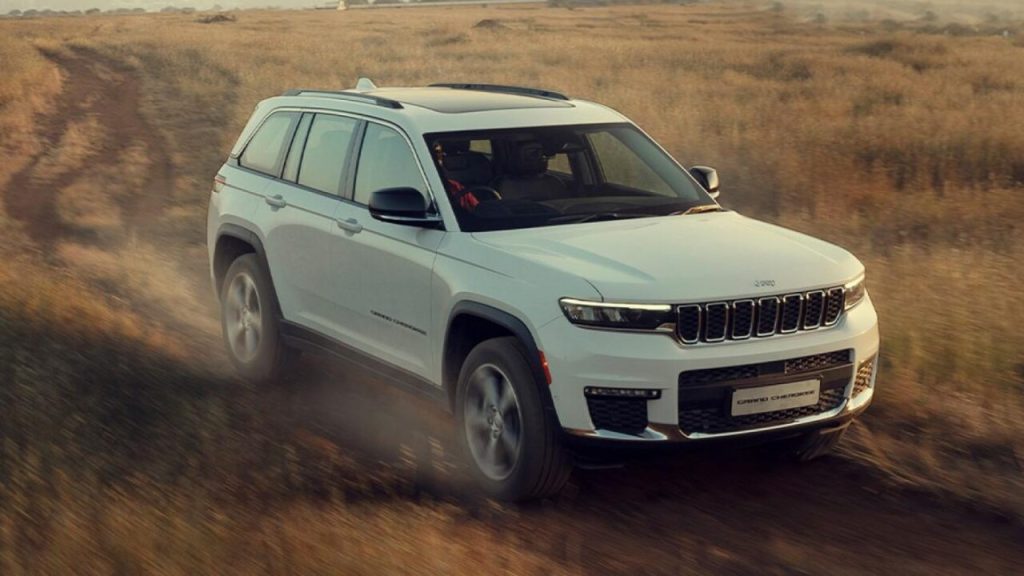
2. Jeep Cherokee (2014–2018)
The Jeep Cherokee from 2014 to 2018 is notorious for transmission problems, particularly the nine-speed automatic transmission introduced in these years.
While the nine-speed was intended to improve fuel economy and performance, it often struggles with harsh or unpredictable shifting, hesitation, and frequent error codes. Owners frequently report that the transmission fails before reaching 100,000 miles.
The complexity of the nine-speed design, combined with sensitive software, contributes to reliability issues. Many components, including the clutches and gear packs, are prone to wear when exposed to normal driving stresses.
Cooling and fluid circulation are also marginally adequate, which increases the likelihood of overheating during city driving or towing. Even minor issues with software calibration can translate into serious mechanical problems.
Routine maintenance alone often cannot prevent failures, as the design inherently struggles with torque management and load distribution. The result is costly transmission replacements or rebuilds, which are common complaints among Cherokee owners.
For those seeking a compact SUV with dependable transmission performance, the Jeep Cherokee of these years requires caution. While it offers off-road capability and a comfortable interior, the transmission reliability issues make it a vehicle where buyers should anticipate potential high repair costs.
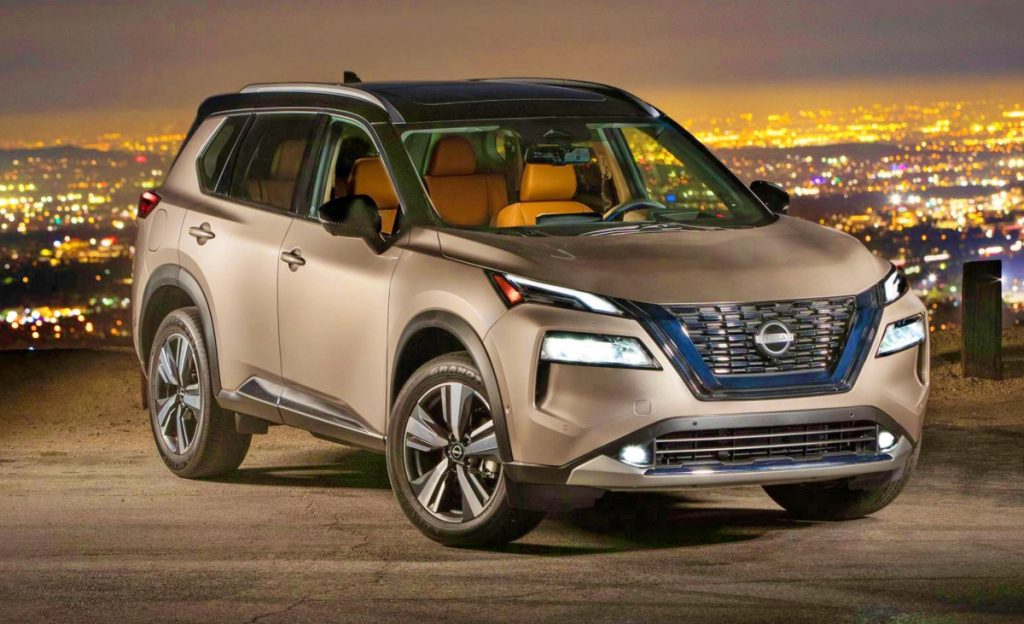
3. Nissan Rogue (2014–2020)
The Nissan Rogue, especially from 2014 through 2020, is known for transmission challenges due to its CVT. Unlike traditional automatic transmissions, the Rogue’s CVT uses a belt-and-pulley system, which can overheat and degrade over time.
Many owners report juddering, slipping, and shuddering, particularly when accelerating or climbing hills, which are warning signs of CVT failure.
Nissan’s CVT design prioritizes fuel efficiency over heavy-duty durability, which makes it prone to wear under high-stress conditions such as towing or aggressive driving.
While fluid changes and careful driving help, they cannot always prevent the CVT from eventually needing replacement. Some Rogue owners experience transmission failure well before 100,000 miles, leading to expensive repairs or complete replacements.
The software controlling the CVT also plays a role in reliability. Inconsistent torque management can cause sudden jerks or delayed engagement, putting further stress on mechanical components.
Although Nissan has issued updates and extended warranties for affected vehicles, many drivers report ongoing issues that persist even after software fixes.
For anyone looking for a compact SUV with a low likelihood of transmission issues, the Rogue is a vehicle where caution is warranted. While it is efficient and practical, the CVT’s sensitivity and high repair costs make it a less dependable choice over the long term.
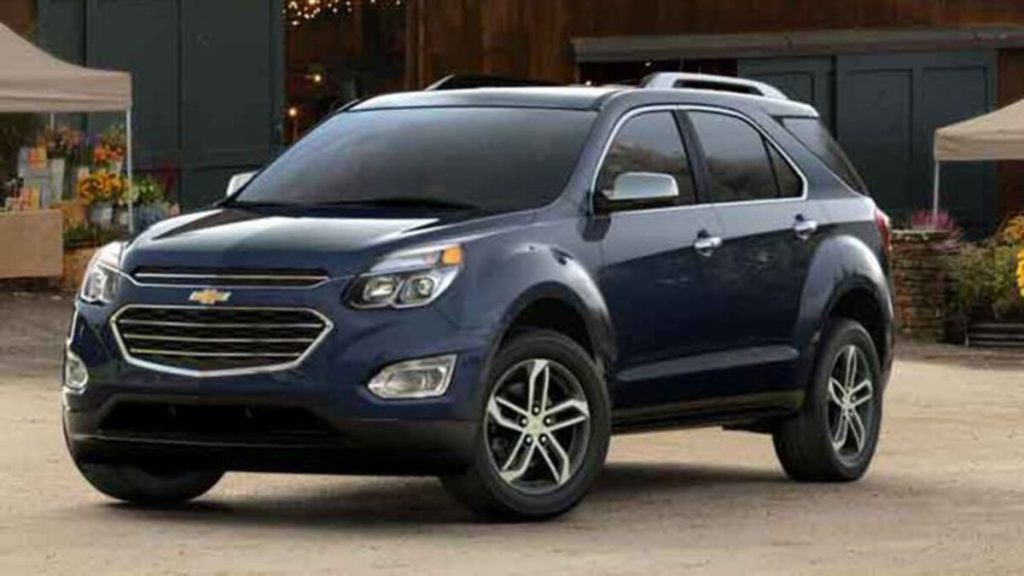
4. Chevrolet Equinox (2010–2017)
The Chevrolet Equinox models from 2010 to 2017 have been reported to suffer frequent transmission problems, particularly in four-cylinder versions. The six-speed automatic transmission is prone to slipping, delayed engagement, and harsh shifting.
Many owners report needing transmission repair or replacement before 120,000 miles, making it a common source of frustration.
Design issues in the valve body and internal clutches, combined with insufficient cooling, make the Equinox transmission more vulnerable than competitors.
Overheating can lead to permanent damage, and even regular fluid changes do not always prevent failure. Additionally, some vehicles suffer from programming issues that result in erratic shifting, further stressing the internal components.
Drivers using the Equinox for towing or heavier loads often experience accelerated wear, which increases the likelihood of premature transmission replacement.
While the Equinox offers a spacious cabin and good fuel economy, these benefits are often offset by the high probability of transmission issues, making maintenance costs unpredictable.
Prospective buyers should carefully weigh the potential for early transmission problems before purchasing this model, especially if long-term reliability is a priority.
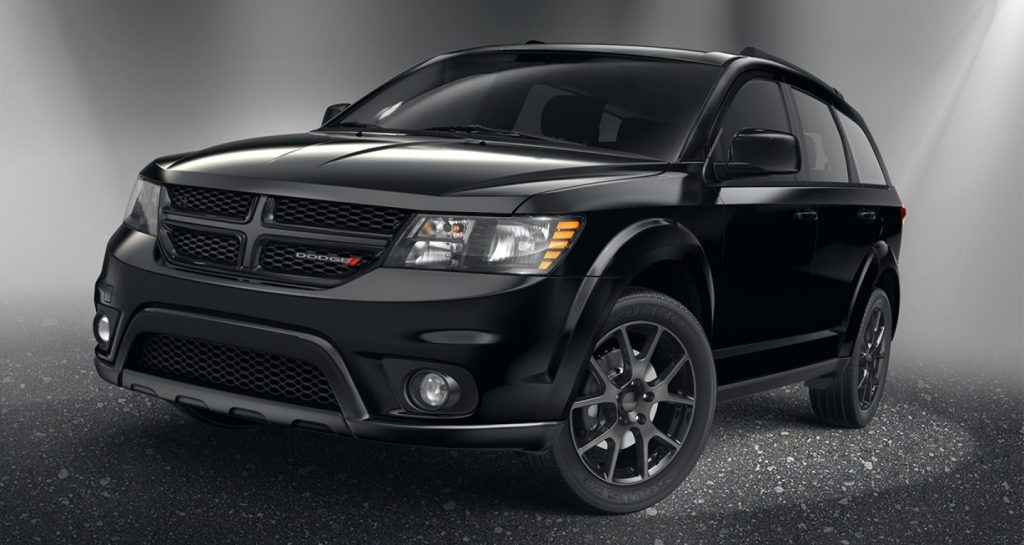
5. Dodge Journey (2009–2017)
The Dodge Journey has a history of transmission issues, especially with its four-speed and six-speed automatic transmissions.
Common problems include slipping, hesitation, and complete failure at relatively low mileage, often around 80,000–100,000 miles. The combination of a heavy vehicle and underpowered transmission design contributes to accelerated wear.
The Journey’s transmission components, including the clutches and bands, are particularly prone to overheating and fatigue under normal driving conditions.
Software updates and fluid changes provide limited relief, as the design itself is inherently vulnerable to stress. Many owners report recurring problems, making full transmission replacement a frequent occurrence.
This unreliability significantly affects ownership costs and long-term satisfaction. While the Journey offers flexible seating and decent utility, transmission problems overshadow these advantages.
Buyers seeking a vehicle with a low likelihood of expensive repairs should approach this model cautiously, given its history of frequent transmission replacements.
Transmission reliability is one of the most important factors to consider when evaluating a vehicle’s long-term durability and ownership costs.
Vehicles with robust, well-engineered transmissions tend to provide years of trouble-free driving, while others with weaker or more complex designs can lead to costly repairs and unexpected downtime.
Understanding the differences between these groups helps prospective buyers make informed decisions and plan for the long-term maintenance of their vehicles.
Vehicles that rarely require transmission replacements, such as the Toyota Camry, Honda Accord, Lexus RX, Subaru Outback, and Toyota Tacoma, share several key characteristics.
They are built with high-quality materials, precise mechanical tolerances, and thoughtfully engineered components that can handle high mileage and diverse driving conditions.
Many employ conservative designs that reduce stress on internal parts, and advanced software systems help optimize performance without overloading the transmission.
These vehicles also benefit from strong quality control and a history of real-world reliability, making them dependable choices for daily commuting, long-distance travel, or towing.
Routine maintenance, including scheduled fluid changes and mindful driving, further enhances their lifespan, often allowing owners to surpass 200,000 miles without major transmission repairs.
In contrast, vehicles that often need transmission replacements, such as the Ford Escape, Jeep Cherokee, Nissan Rogue, Chevrolet Equinox, and Dodge Journey, frequently struggle with design vulnerabilities or mechanical complexity.
Factors like overheating, sensitive CVT belts, underpowered components, and aggressive software calibration increase the likelihood of failure.
Even regular maintenance may not fully prevent issues, and many owners report costly transmission repairs well before reaching high mileage.
These vehicles often exhibit symptoms such as slipping gears, jerking, delayed engagement, or shuddering, which signal stress and wear on the transmission.
For drivers, the choice between these categories has significant implications for both cost and peace of mind. Reliable transmissions reduce the risk of expensive repairs, maintain consistent performance, and contribute to a smoother ownership experience.
Conversely, vehicles prone to transmission failure require greater vigilance, a willingness to address issues promptly, and an awareness of potential financial burdens.
By carefully considering these factors, prospective buyers can prioritize long-term dependability, avoid frustration, and select vehicles that align with their driving needs and maintenance expectations.
Also Read: 5 Cars With Affordable Parts vs 5 That Cost a Fortune
