
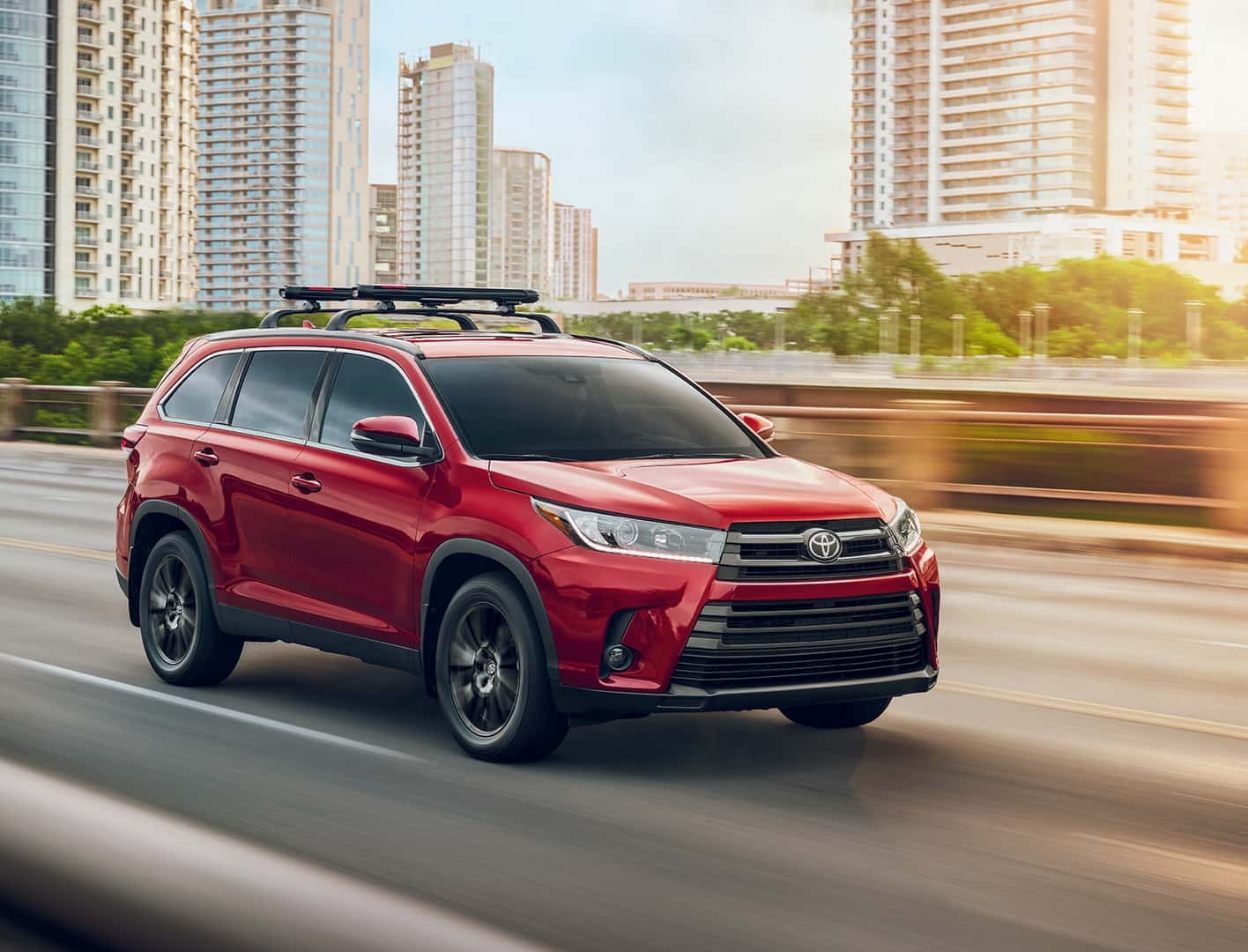
Toyota has long built its reputation on reliability, with many of its vehicles outlasting rivals and delivering consistent performance year after year.
Buyers often choose Toyota because they want an SUV that can handle family use, long commutes, and rugged trips without wearing out too soon. While Toyota’s track record is strong, not every SUV in its lineup can be considered indestructible.
Some models earn praise for crossing hundreds of thousands of miles with minimal repairs, while others have faced recurring issues that shorten their dependable life span.
This comparison highlights both ends of the spectrum. On one side are the Toyota SUVs that live up to the brand’s reputation for durability, delivering years of faithful service with simple maintenance.
These are the vehicles that owners keep for decades, often passing them down to the next generation. On the other side are the Toyota SUVs that have struggled with certain weaknesses, whether in design, performance, or long-term reliability.
They may look good on paper but have histories of problems that make them less likely to last forever. Understanding these differences helps buyers know which models stand the test of time and which ones are better approached with caution.
Also Read: 5 V6 Engines That Surprise Owners With Longevity vs 5 That Don’t Last
5 Toyota SUVs That Last Forever
Some Toyota SUVs have built legendary reputations for running reliably far beyond the mileage where most vehicles begin to fail.
These models represent Toyota’s finest engineering, blending dependable engines, solid transmissions, and build quality that resists the wear and tear of daily use.
Owners often report that these SUVs can pass 250,000 miles or more without major problems, provided that routine maintenance is taken seriously. That kind of track record makes them some of the most dependable options on the used market.
What sets these SUVs apart is not only their mechanical toughness but also their ability to remain practical and useful long after newer models arrive.
They may not always have the latest technology, but they make up for it with reliability, strong resale value, and real-world endurance. For buyers searching for long-term vehicles, these SUVs represent a safe bet, offering the peace of mind that the investment will last.
In this section, we will look at five Toyota SUVs that consistently prove themselves as vehicles that last.
Each one is highlighted not just for its name recognition but for real ownership experiences and track records that show why they stand among the most reliable SUVs on the road.
1. Toyota Land Cruiser
The Toyota Land Cruiser is the benchmark for longevity in Toyota’s SUV lineup. Built with body-on-frame construction and engineered for global markets where durability is more important than luxury.
It has become known for surviving conditions that would destroy lesser vehicles. Its 5.7-liter V8 in recent U.S. models, and reliable straight-six or V8 options in earlier generations, are widely praised for going hundreds of thousands of miles with minimal issues.
Owners frequently report their Land Cruisers reaching 300,000 to 400,000 miles, especially when basic maintenance is observed.
One reason the Land Cruiser lasts so long is Toyota’s conservative approach to design. Instead of chasing trends, the company focused on mechanical strength, dependable four-wheel-drive systems, and high-quality materials that resist wear.
Even interior components tend to hold up, meaning that an older Land Cruiser can still feel solid inside after decades of use.
Another factor is the global support network. Since the Land Cruiser has been sold in dozens of markets worldwide, parts availability remains strong, making repairs easier even for older models.
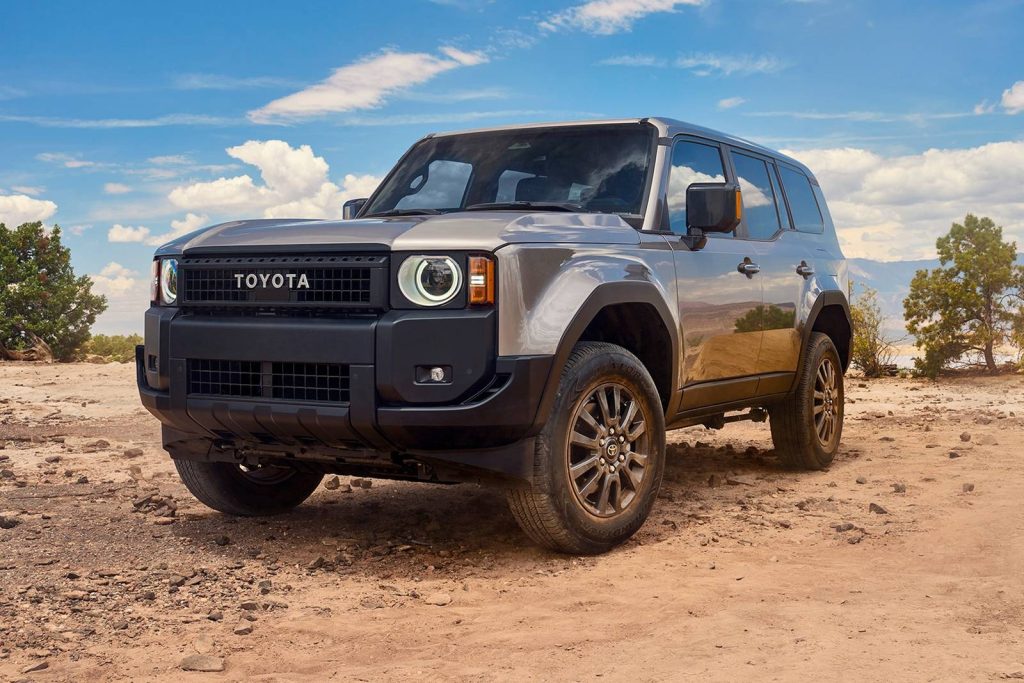
While newer Land Cruisers have added more technology, the core focus on dependability has not changed. This SUV is more than just transportation; for many owners, it becomes a trusted partner that delivers year after year without failing.
That kind of reputation explains why the Land Cruiser remains a symbol of reliability and why used examples command higher resale values than most competitors.
2. Toyota 4Runner
The Toyota 4Runner is another SUV known for going the distance, with many owners proudly reporting odometers crossing 300,000 miles. Like the Land Cruiser, the 4Runner uses a body-on-frame construction that gives it a rugged foundation.
It has long been equipped with engines such as the 4.0-liter V6, which has a reputation for being simple, strong, and relatively easy to maintain. This straightforward engineering is part of what helps the 4Runner last far longer than most modern crossovers.
Its reliability extends beyond the drivetrain. The suspension is durable enough to handle off-road use, yet not so complicated that it becomes costly to repair.
Electronics are usually less troublesome than in competitors, which means fewer unexpected failures as the vehicle ages. Owners also appreciate that Toyota tends to stick with proven components for the 4Runner rather than rushing in untested technology.
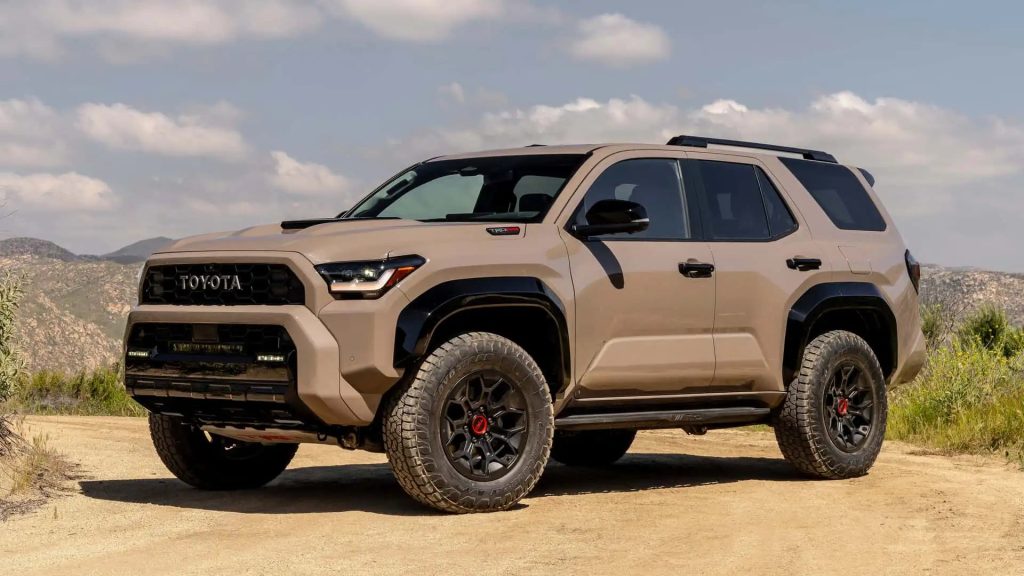
Another factor is the community of loyal 4Runner enthusiasts who maintain their vehicles meticulously. Because of the model’s reputation, aftermarket parts and resources for upkeep are widely available. This ensures that even high-mileage examples can remain in strong working order without excessive repair bills.
While it may lack the luxury feel of some rivals, the 4Runner more than makes up for it with long-term dependability. It is a favorite for drivers who want an SUV that can be counted on for decades, whether as a daily driver, weekend adventure vehicle, or long-haul family hauler.
3. Toyota Sequoia
The Toyota Sequoia shares much of its DNA with the Tundra pickup, which helps explain its strength and longevity. Designed as a full-size SUV, it uses a robust frame and reliable drivetrains that have proven themselves in heavy-duty applications.
The most common engine found in the Sequoia, the 5.7-liter V8, is known to handle high mileage with ease, often exceeding 250,000 miles with basic care.
Owners frequently point out that the Sequoia feels built for endurance. Its larger size means it was engineered to carry heavy loads and handle family duty for years without breaking down.
The transmission is similarly durable, with relatively few reports of failures compared to other large SUVs. For those who tow or haul regularly, the Sequoia delivers strength while maintaining Toyota’s trademark dependability.
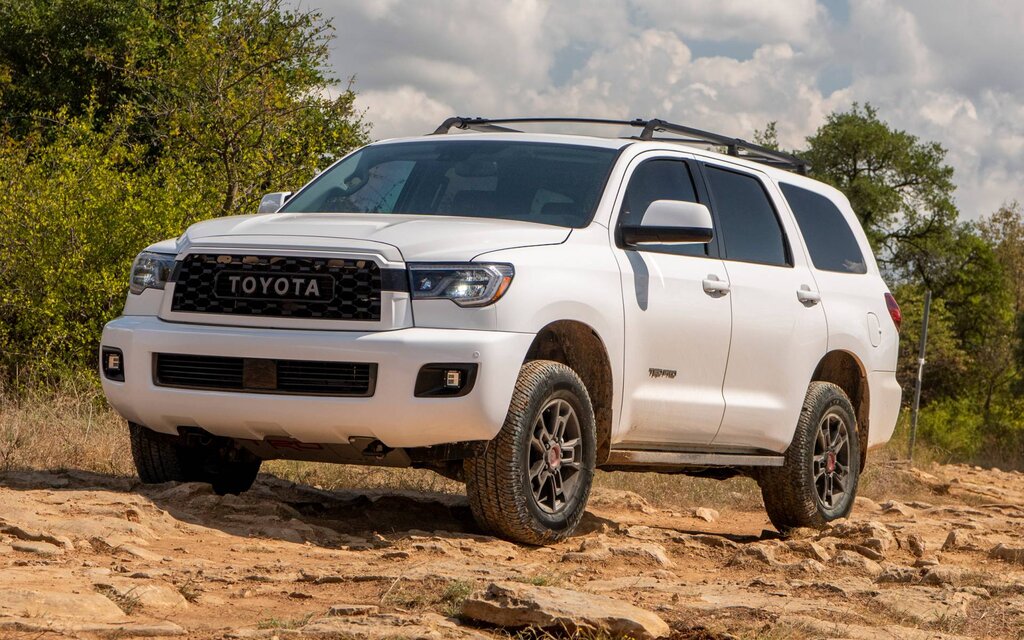
The interior also contributes to its lasting power. While not flashy, materials are generally tough enough to withstand years of family use, from kids climbing in and out to long-distance road trips. Mechanical simplicity in many components makes it easier and less costly to keep in top shape.
Although it does not sell in as high numbers as the 4Runner, those who own a Sequoia often keep it for a decade or more.
That kind of loyalty is fueled by trust, and the Sequoia has earned it by proving that a big SUV can still carry Toyota’s promise of lasting reliability. For large families wanting something dependable, the Sequoia continues to be a safe bet.
4. Toyota Highlander
The Toyota Highlander is a mid-size SUV that has become one of Toyota’s most popular family vehicles, largely because of its reliability record.
While it uses a unibody platform instead of body-on-frame construction, the Highlander still demonstrates an ability to last well beyond 200,000 miles when maintained properly. Its available V6 engines are especially well-regarded for their balance of performance and dependability.
One of the Highlander’s strengths is that it avoids overly complex systems that could create headaches down the line.
Toyota focused on creating a family-friendly vehicle with proven parts, meaning the Highlander tends to have fewer major mechanical failures than many rivals. Transmissions, for example, are known to hold up if fluid changes are done regularly.
Because it appeals to families, many Highlanders see heavy daily use. Yet owners consistently note that the SUV holds up under the pressure, whether from commuting, long trips, or years of hauling kids. Interior materials, while not luxurious, are resilient enough to survive years of wear without falling apart.
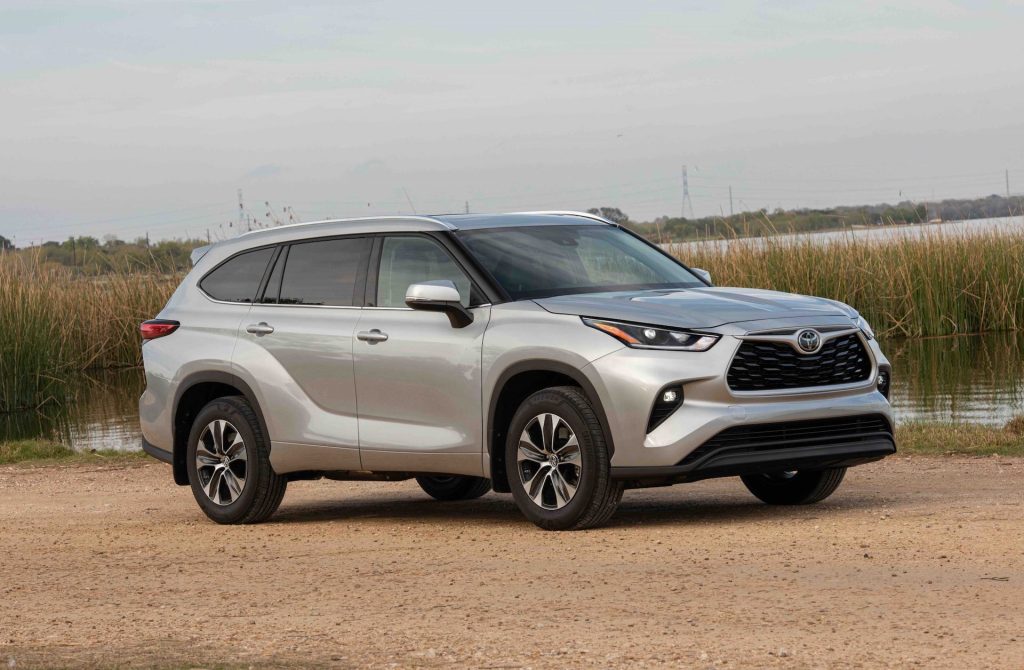
The Highlander also benefits from Toyota’s strong resale values. Even after many miles, it remains desirable because buyers trust its reputation.
That confidence is earned through real-world dependability. For drivers seeking a practical three-row SUV that will not constantly demand repairs, the Highlander remains one of the best options on the used market, living up to Toyota’s promise of lasting quality.
5. Toyota RAV4
The Toyota RAV4 may not be as rugged as the Land Cruiser or 4Runner, but it has built a strong reputation for long-lasting reliability in the compact SUV category.
Many RAV4 owners report surpassing 200,000 miles with only routine maintenance, making it one of the most dependable vehicles in its class. Its four-cylinder engines are simple, efficient, and built with Toyota’s trademark emphasis on durability.
Part of what makes the RAV4 so long-lasting is its design philosophy. Toyota kept the SUV straightforward, avoiding overly complex systems that could lead to failures.
The transmission and all-wheel-drive systems are generally reliable, with few widespread issues compared to rival compact SUVs. This makes the RAV4 a strong choice for buyers who want a practical, low-maintenance vehicle.
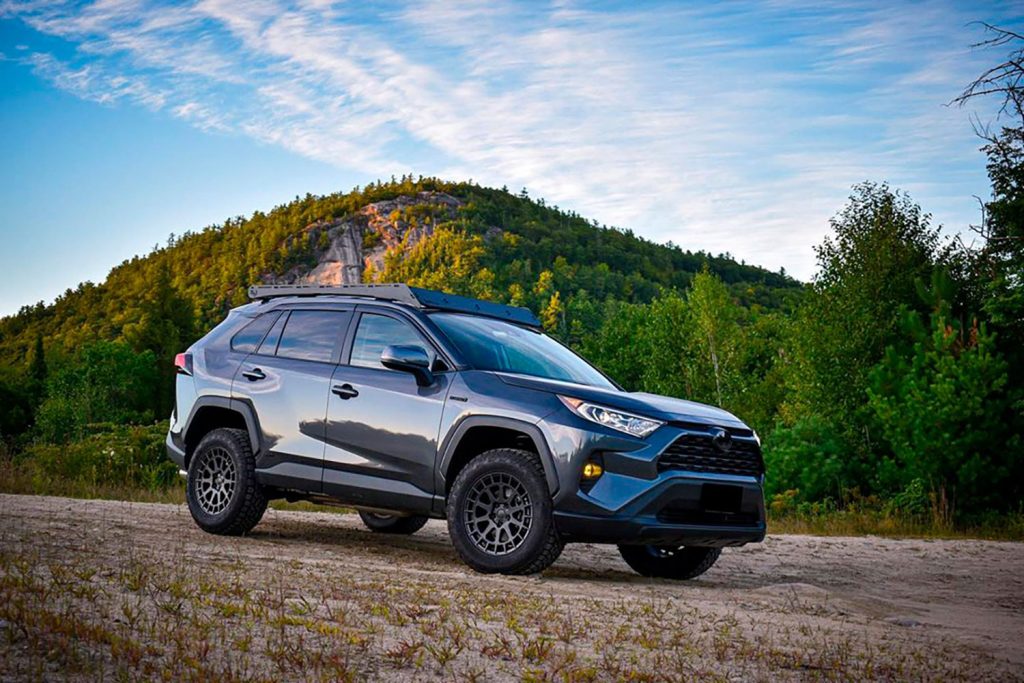
The RAV4 also benefits from widespread popularity. Because so many are on the road, replacement parts and maintenance knowledge are abundant.
This helps owners keep them running longer at a reasonable cost. Owners who stay on top of oil changes and basic servicing often find that their RAV4 just keeps going.
For commuters, small families, or anyone who wants a dependable daily driver, the RAV4 delivers peace of mind.
It may not have the brute strength of larger Toyota SUVs, but it proves that a smaller, lighter vehicle can still last a very long time when built with Toyota’s emphasis on reliability and endurance.
5 Toyota SUVs That Don’t
While Toyota has earned its reputation for reliability, not every SUV in its lineup has lived up to the same high standard. Some models have struggled with problems that limit their ability to remain dependable over the long haul.
These issues range from mechanical flaws to premature wear in vital components, leaving owners facing higher repair bills and shorter lifespans than they might expect from the Toyota name.
The disappointment is particularly sharp because buyers often assume every Toyota SUV will last forever. When one falls short, it tends to stand out more.
These weaker performers may look appealing at first with strong styling, good comfort, or useful features, but hidden weaknesses eventually reveal themselves.
Common complaints include transmission problems, oil consumption, rust issues, or electronics that fail long before they should.
This section examines five Toyota SUVs that have not maintained the same reputation for lasting endurance as their siblings. Some were discontinued due to limited success, while others remain on sale but carry concerns about long-term ownership.
By looking at their track records, buyers can better understand which Toyota SUVs require extra caution and which ones may not deliver the legendary longevity often associated with the brand.
1. Toyota C-HR
The Toyota C-HR was introduced as a small crossover aimed at younger buyers who wanted sharp styling and urban practicality. While it delivered on design and maneuverability, its long-term reliability has been less impressive compared to other Toyota SUVs.
Owners have frequently complained about issues with the continuously variable transmission (CVT), which tends to wear out faster than traditional automatics. Transmission hesitation, jerking, and premature failures have been reported, often well before the vehicle reaches high mileage.
Another drawback is the underpowered 2.0-liter four-cylinder engine. While not necessarily prone to catastrophic failure, it works harder than it should, which leads to concerns about longevity.
Many drivers also feel the C-HR struggles to handle highway driving and heavy use, meaning it wears faster under demanding conditions.
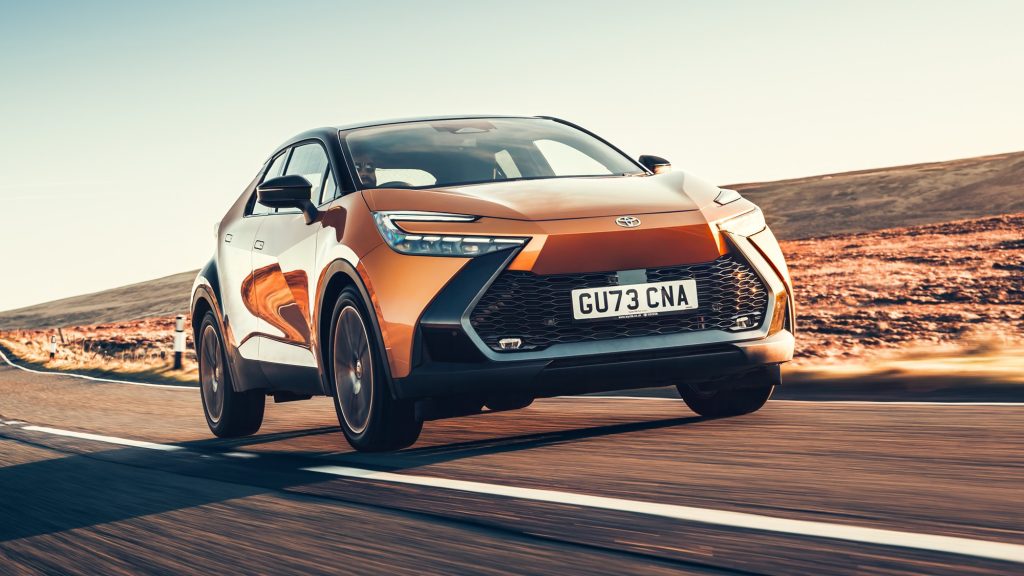
Beyond mechanical problems, the C-HR has interior quality concerns. Materials wear down quickly, and certain trim pieces rattle or loosen after only a few years. This kind of premature aging makes the SUV feel less durable compared to Toyota’s usual standards.
Because of these weaknesses, the C-HR never gained the same reputation as other Toyota SUVs. In fact, Toyota discontinued it in North America after a short run, showing that even the most dependable brands occasionally release models that fall short of lasting expectations.
2. Toyota Venza (First Generation)
The first-generation Toyota Venza, produced between 2009 and 2015, was marketed as a stylish crossover blending car-like comfort with SUV practicality.
While it looked appealing on the showroom floor, owners soon discovered that it did not hold up as well over the years compared to Toyota’s more rugged SUVs.
One of the most common complaints was transmission trouble, particularly in the earlier model years. Harsh shifting and eventual failures left some owners with costly repair bills.
Another issue was excessive oil consumption, particularly with the four-cylinder engine option. This problem became more noticeable as the miles added up, and it shortened the effective lifespan of many vehicles. Owners who failed to monitor oil levels closely often ended up facing major engine damage.
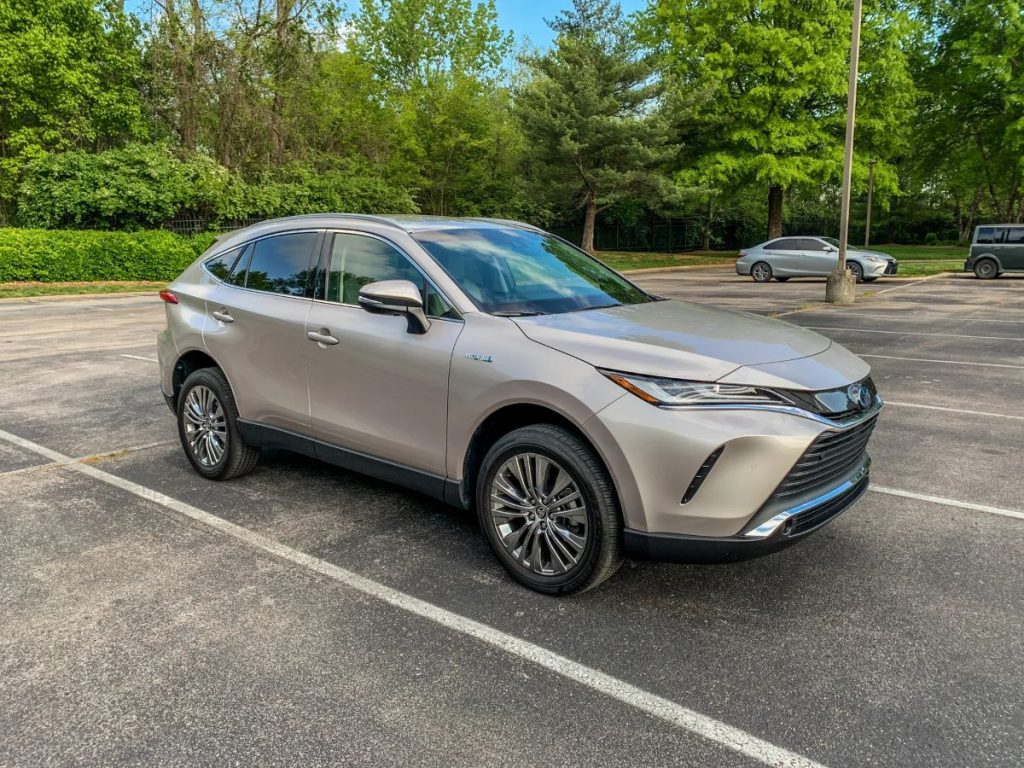
The Venza also struggled with suspension durability. Components like struts and bushings wore out faster than expected, leading to clunky rides and repeated repairs. For a family-focused vehicle, this became a frustration since it raised the cost of ownership.
Although the Venza had a comfortable ride and attractive styling, these recurring mechanical concerns meant it did not enjoy the same long-term reputation as other Toyota SUVs.
Its discontinuation after only a few years reinforced the idea that it was not built with the same durability as the company’s proven long-lasting models.
3. Toyota Matrix Crossover Variant (Pontiac Vibe/Matrix AWD)
Though not always considered a traditional SUV, the Toyota Matrix offered an all-wheel-drive variant that put it in crossover territory. Unfortunately, this version never achieved the kind of longevity Toyota fans expect.
Shared with the Pontiac Vibe in a joint venture with General Motors, the AWD Matrix suffered from weaknesses not commonly found in Toyota’s independently developed SUVs.
One major issue was premature transmission wear. The AWD system added strain, and the transmissions often failed well before high mileage. Repairs were costly, and many owners reported that the expense outweighed the value of keeping the vehicle long term.
The engines also had mixed records. While the base 1.8-liter was reasonably dependable, it lacked power and often felt overworked.
The AWD system only made things worse, stressing the drivetrain in ways it was not fully designed to handle. As the miles piled on, more owners noticed drivetrain noises, vibrations, and eventual failures.
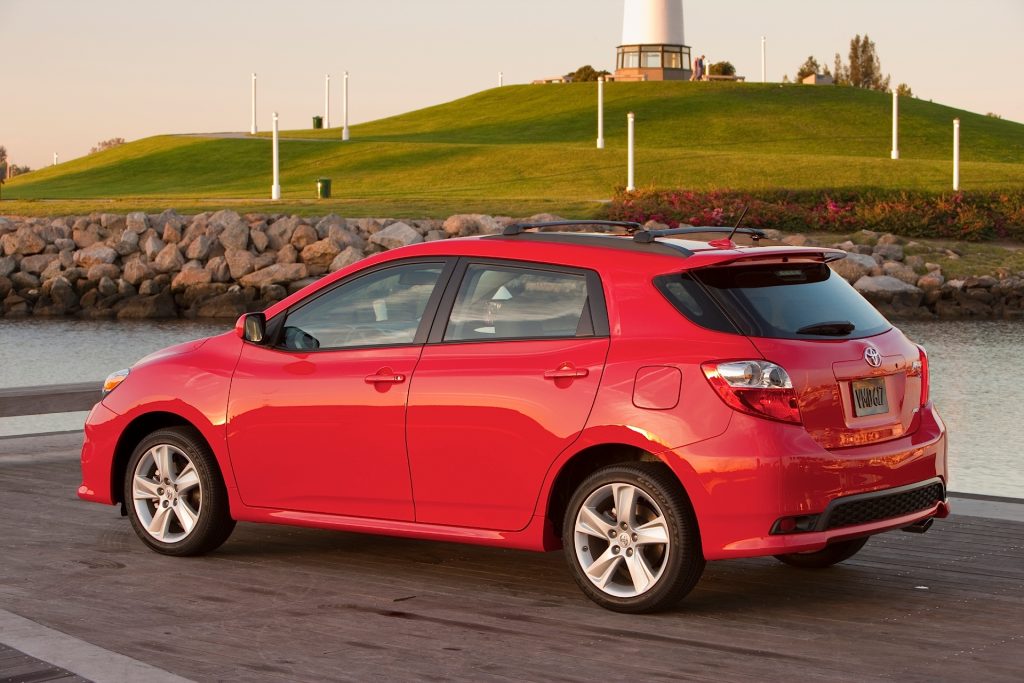
Interior quality also lagged behind Toyota’s usual standard. Cheap plastics and limited insulation led to excessive rattling as the vehicle aged, making it feel older than it was.
For those expecting a compact SUV-like Toyota that could last for decades, the Matrix AWD version was a disappointment. It served its purpose as a small, affordable crossover alternative, but it never carried the durability that Toyota’s SUV reputation is built upon.
4. Toyota RAV4 (Early Models 2001–2003)
Although the RAV4 is one of Toyota’s longest-lasting SUVs overall, early 2001–2003 models were plagued by a serious problem that damaged its reputation during those years. The issue centered on the automatic transmission control module.
A faulty ECU (engine control unit) would cause harsh shifting and, in many cases, permanent transmission damage. Owners often found themselves facing complete transmission replacements at relatively low mileage.
While Toyota did eventually extend warranties and issue service bulletins, the damage was done.
Many owners who experienced the failures reported costs that were shockingly high for a compact SUV. The problem was not universal, but it was widespread enough to mark those model years as trouble spots.
In addition to the transmission issue, these early RAV4s also suffered from interior durability concerns. Seats and trims wore down faster than later generations, and road noise was higher than expected.
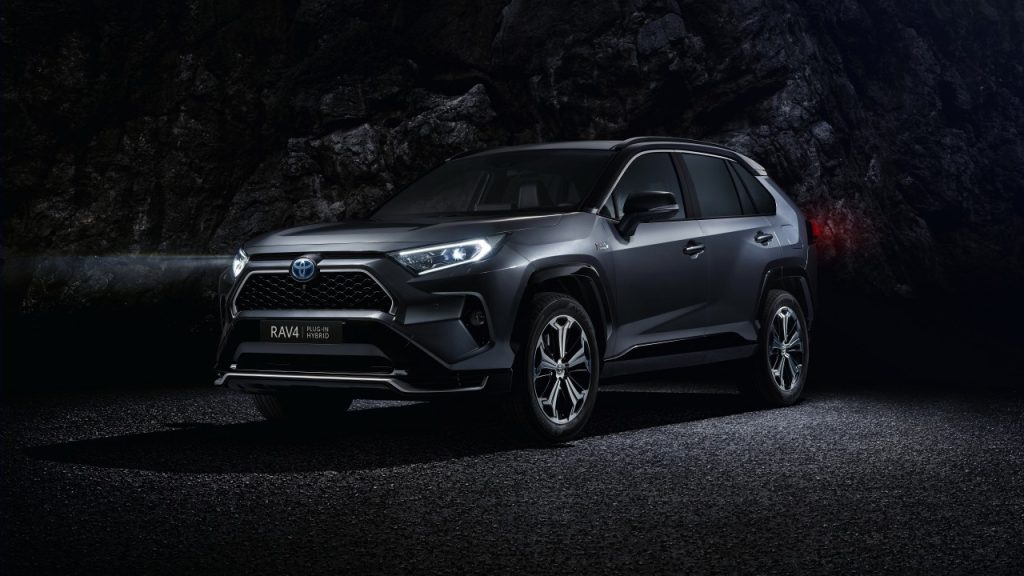
While none of these smaller problems were deal breakers on their own, combined with the major transmission flaw, they made these particular RAV4s less dependable in the long run.
The RAV4 eventually overcame these early missteps and became one of Toyota’s most reliable SUVs overall, but those 2001–2003 models remain an example of how even a strong Toyota design can have a weak stretch that fails to last.
5. Toyota FJ Cruiser
The Toyota FJ Cruiser has developed a cult following for its rugged styling and off-road ability, but when it comes to lasting dependability, it falls short compared to Toyota’s best SUVs.
One major issue is its poor visibility and unique design, which encouraged more off-road abuse than typical family SUVs. As a result, many FJ Cruisers suffered premature wear, especially in suspension components and drivetrains pushed beyond their limits.
The 4.0-liter V6 engine itself was generally solid, but other parts of the vehicle were not as durable. The transmission and transfer case often showed signs of wear earlier than expected, particularly in vehicles used heavily off-road.
Interior build quality was also less robust, with plastics and trims breaking or rattling far sooner than in a 4Runner or Land Cruiser.
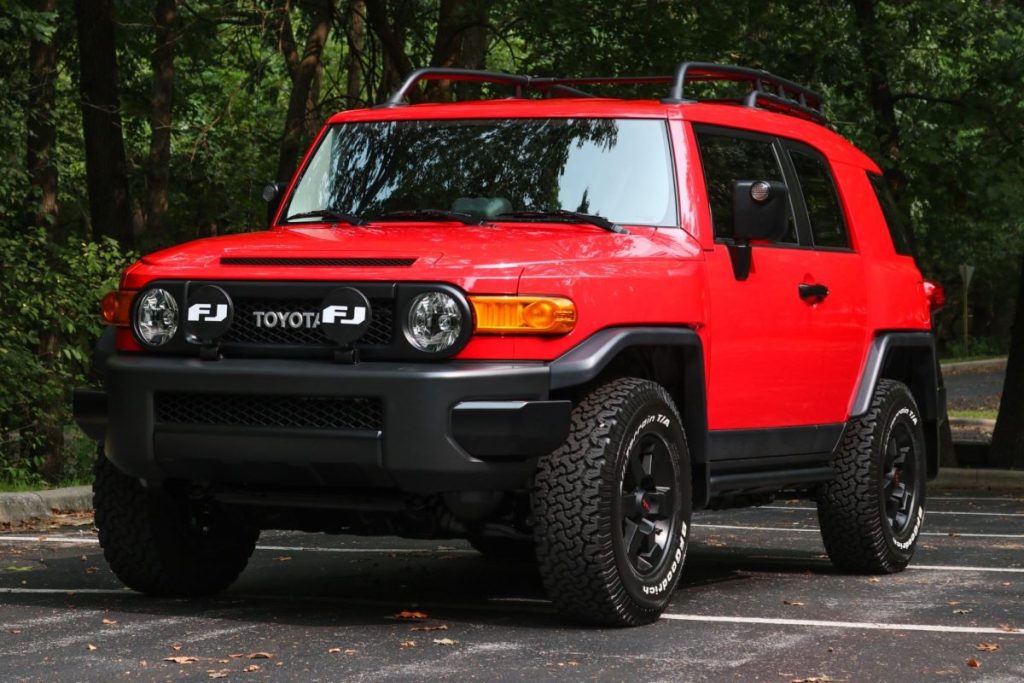
Rust has been another problem for the FJ Cruiser. In certain climates, frames and undercarriages showed corrosion earlier than comparable Toyota SUVs, raising concerns about long-term safety and durability.
Combined with limited rear passenger space and awkward access, the FJ Cruiser was not as practical for family use, leading many owners to trade them in before high mileage.
Although it has a loyal fan base, the FJ Cruiser simply does not hold up as well in the long term as Toyota’s legendary models. It looks tough but does not last forever, especially when compared side by side with Toyota’s most proven SUVs.
Toyota has earned its reputation for building long-lasting SUVs, but not every model has lived up to that image.
The Land Cruiser, 4Runner, Sequoia, Highlander, and RAV4 show how strong engineering and proven drivetrains can deliver vehicles that keep running well past 200,000 miles.
On the other side, models like the C-HR, first-generation Venza, Matrix AWD, early 2000s RAV4, and FJ Cruiser remind us that even Toyota has weak spots. Knowing which SUVs hold up and which ones falter helps buyers choose wisely and avoid costly surprises down the road.
Also Read: 5 SUVs That Stay Safe in Accidents vs 5 That Scare Owners
