
Owning a car is more than just having a mode of transport; it comes with ongoing responsibilities. One of the most significant aspects of car ownership is maintenance, which can range from routine servicing to unexpected repairs.
Some vehicles are designed to remain reliable for years while costing very little to maintain, making them ideal for budget-conscious owners. These cars often feature durable engines, widely available spare parts, and a strong reputation for longevity.
On the other hand, certain models carry a steep maintenance price. Luxury cars or high-performance vehicles can require specialized parts, premium fluids, and frequent service intervals, which adds to the long-term expense.
Choosing between a low-cost maintenance car and a high-cost one can significantly affect your finances and peace of mind. This guide compares five cars that are known for their affordable upkeep with five that demand a significant financial commitment.
The goal is to provide clarity for buyers who want practical, cost-effective choices as well as those who are willing to pay a premium for performance, prestige, or advanced technology. Understanding these differences will help make a more informed decision before committing to a vehicle.
Also Read: 15 Cars From the 2000s That Still Run Strong Today
5 Cars That Run on Cheap Maintenance
Not all cars are created equal when it comes to upkeep. Some models have earned a reputation for being affordable to maintain, meaning fewer trips to the mechanic and lower costs for parts and service.
These vehicles are often equipped with straightforward mechanical designs, reliable engines, and parts that are easy to source. They are perfect for drivers who prioritize practicality and wish to avoid frequent repairs.
Choosing a car with low maintenance costs can save thousands of rupees over the lifespan of the vehicle, making it an attractive option for families, young professionals, and long-distance commuters alike.
In addition to being economical, these cars often hold their value well due to their reliability, which is a bonus for resale. The models included in this section were selected based on real-world experiences from owners, maintenance data, and overall dependability ratings.
The focus is on cars that strike a balance between affordability, performance, and durability. Each model will be discussed individually, detailing why it is considered cost-effective and what specific features contribute to lower maintenance expenses.
Understanding these factors can make the difference between a car that drains your budget and one that provides stress-free ownership for years to come.
1. Toyota Corolla
The Toyota Corolla has long been recognized as one of the most reliable and low-maintenance cars. Its engine is durable, and the mechanical layout is straightforward, which reduces the likelihood of costly repairs.
Parts are widely available, and many independent garages can handle servicing without the need for dealership prices.
Routine maintenance such as oil changes, brake servicing, and timing belt replacements is affordable, and the car rarely suffers from complex electrical issues that could inflate repair costs.
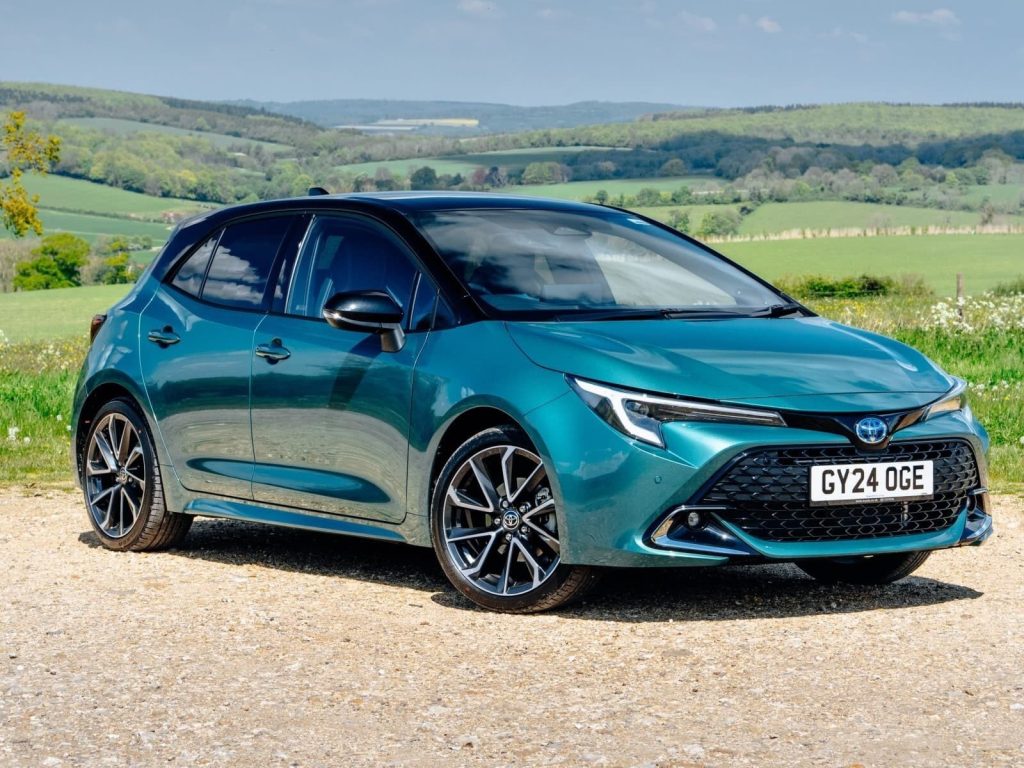
The suspension and transmission are built to last, and a well-maintained Corolla can easily exceed 200,000 miles.
Fuel efficiency is another benefit, lowering running costs over time. The combination of durability, efficiency, and low maintenance expenses makes it a practical choice for daily commuting, long drives, and family use.
Additionally, Toyota’s strong resale value reflects the model’s reputation for reliability, providing owners with added financial security.
For those looking for a car that requires minimal attention without sacrificing comfort and performance, the Corolla consistently proves to be a dependable choice. Its widespread popularity is a testament to its low-cost maintenance and long-term reliability.
2. Honda Civic
The Honda Civic is another vehicle known for its low maintenance requirements. Its engines are reliable and smooth, requiring minimal attention when regular servicing is performed.
Parts are common and affordable, meaning repairs such as brake replacements, clutches, or suspension work remain within a reasonable budget.
The Civic’s electronics are simple, reducing the chances of expensive electrical problems, and the overall build quality ensures long-term durability. Fuel efficiency is excellent, further lowering operating costs, especially for drivers with longer commutes.
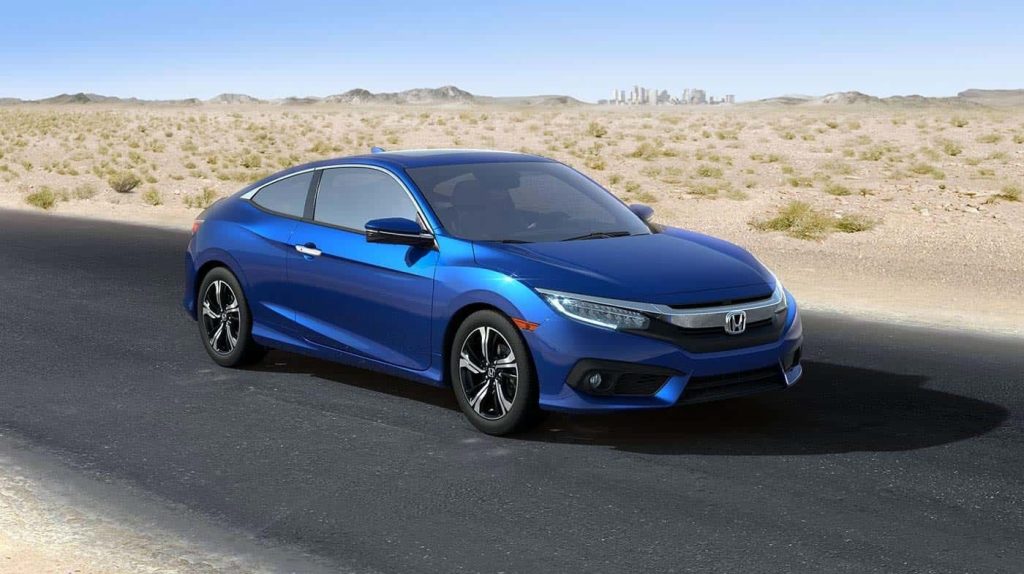
Owners frequently report driving well over 150,000 miles without major mechanical failures. The Civic also has strong resale value due to its reputation for longevity and reliability, which adds to its appeal.
From the subcompact to sedan variants, the Civic balances performance, comfort, and cost-effective ownership.
Its combination of dependable engineering, low maintenance costs, and practical design makes it one of the smartest choices for those seeking a reliable, worry-free vehicle.
3. Toyota Camry
The Toyota Camry is widely regarded as a durable mid-size sedan with low maintenance costs. Its engine and transmission are engineered for longevity, often running for hundreds of thousands of miles with only routine maintenance.
Replacement parts are plentiful and affordable, and the car’s simple mechanical systems reduce the risk of expensive repairs. Routine servicing, including oil changes, brake work, and suspension checks, is straightforward and accessible.
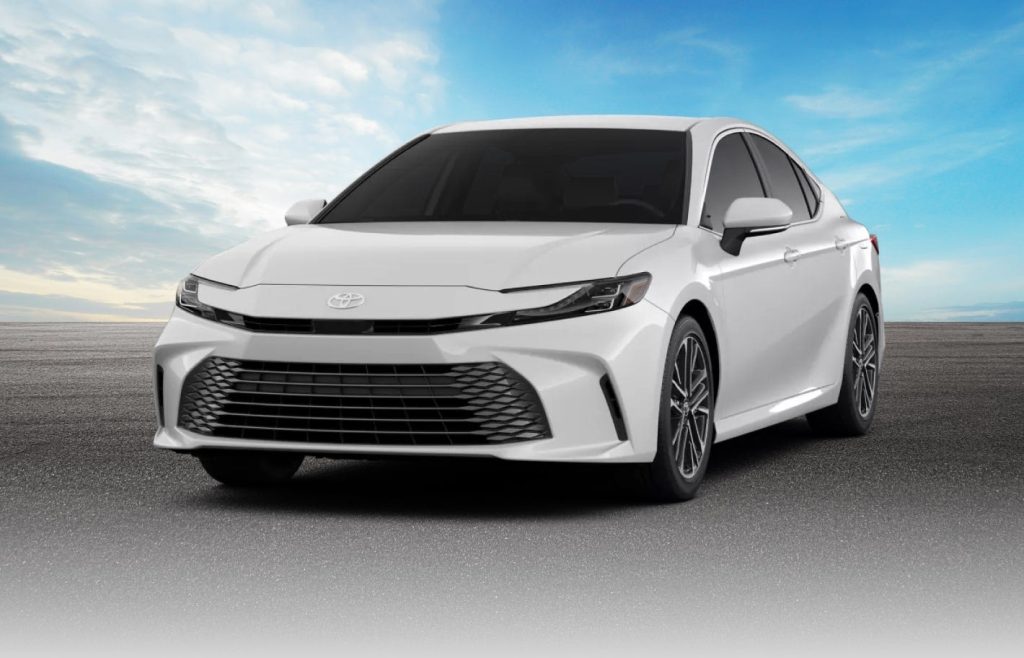
The Camry’s interior components are built to last, meaning fewer replacements of seats, electronics, or dashboard elements over time. Fuel efficiency remains competitive for a mid-size sedan, lowering overall running costs.
Owners benefit from a combination of comfort, performance, and affordability that few other cars in the segment offer. Its strong reputation for reliability has helped it maintain value over the years.
For anyone seeking a dependable, low-maintenance sedan that can handle daily driving with minimal costs, the Camry remains a top choice.
4. Hyundai Elantra
The Hyundai Elantra offers a combination of low maintenance costs and dependable performance. Its engines are designed for durability, and mechanical systems are simple, keeping repair costs manageable.
Parts are easy to find, and servicing does not require specialized tools, which lowers labor expenses.
The Elantra’s electronics are uncomplicated compared to higher-end vehicles, so issues are rare, and routine maintenance such as brake replacements, oil changes, and suspension servicing remains affordable.
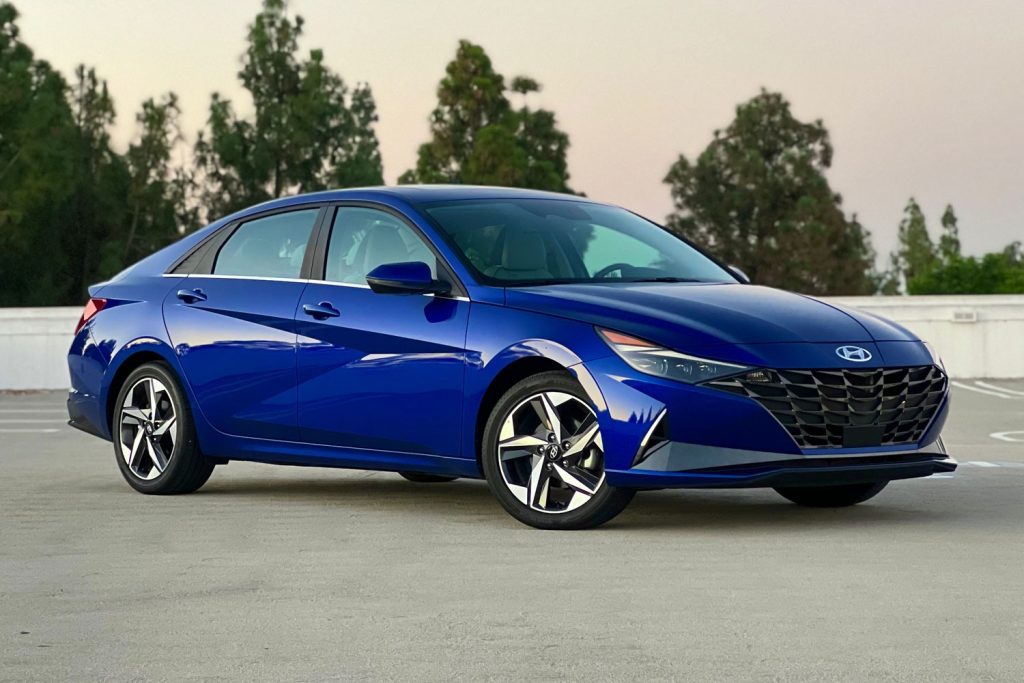
Fuel efficiency is strong, further reducing daily operating costs. The interior is durable, and long-term reliability has improved in recent generations, making it a practical choice for commuters and small families.
With consistent performance, low maintenance costs, and widespread service availability, the Elantra proves to be a vehicle that balances affordability and practicality.
5. Honda Fit
The Honda Fit is a subcompact car known for its efficiency and low upkeep. Its small yet reliable engine rarely encounters major mechanical issues, and parts are common and inexpensive.
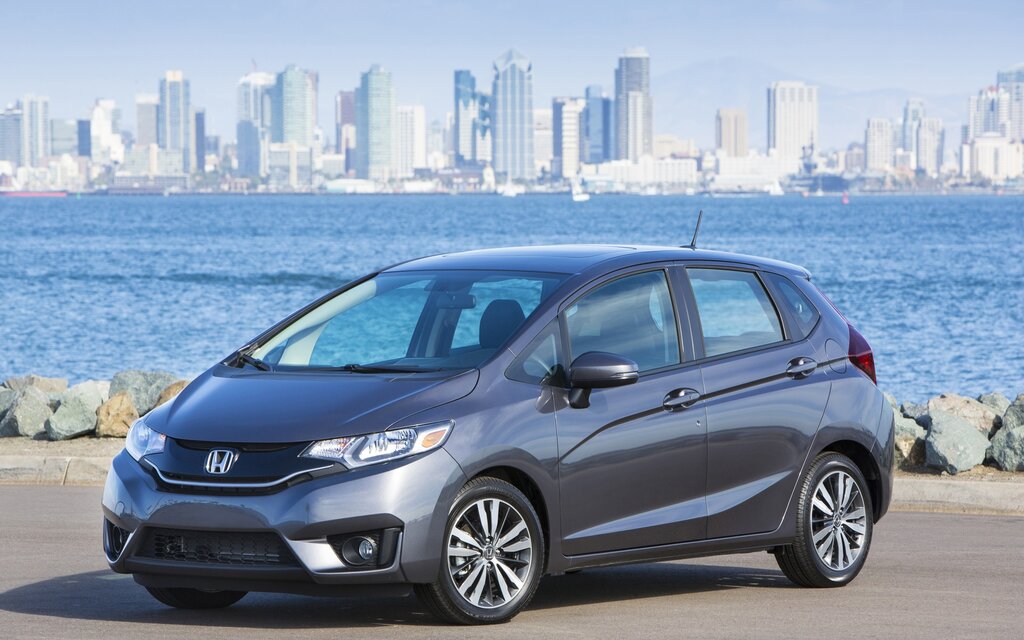
Routine services, including oil changes, brake servicing, and clutch maintenance, are straightforward and affordable. The Fit’s simple design ensures that repairs can be performed easily, and electronic issues are minimal.
Fuel efficiency is excellent, making it economical for city driving and longer trips. The interior is versatile and durable, further extending the vehicle’s lifespan.
Owners consistently report driving well beyond 150,000 miles with minimal costly repairs. Its combination of low maintenance, affordability, and practicality makes the Honda Fit an ideal option for budget-conscious buyers seeking a reliable daily driver.
5 Cars That Cost a Fortune to Maintain
Not all vehicles are easy on the wallet when it comes to maintenance. Some models, especially luxury sedans, high-performance cars, or technologically advanced vehicles, require a significant financial commitment to keep them running smoothly.
Their engines, transmissions, and suspensions are often more complex than mainstream cars, and repairs typically demand skilled technicians and specialized tools.
Replacement parts can be expensive, sometimes imported or unique to the brand, which raises both routine service and repair costs.
Even minor maintenance, such as oil changes, brake servicing, or tire replacement, can cost considerably more than on simpler vehicles.
Advanced electronics, infotainment systems, and safety features can also fail and require professional attention, adding to long-term expenses.
Choosing such a vehicle may provide superior comfort, performance, and status, but it comes with the trade-off of higher ownership costs.
This section highlights five cars known for being expensive to maintain, examining factors that contribute to their high upkeep, from parts and labor to fuel consumption and specialized servicing.
Understanding these vehicles helps buyers anticipate the financial responsibilities and plan accordingly, ensuring they make informed decisions before committing to models that may challenge their budgets over time.
1. BMW 5 Series
The BMW 5 Series is a luxury sedan known for its performance, technology, and refined driving experience, but keeping it in top condition comes at a significant cost. Its engines and transmissions are highly engineered, requiring specialized service from certified BMW technicians.
Routine maintenance such as oil changes, brake servicing, and fluid replacements can be far more expensive than comparable mid-size sedans due to the use of premium parts and high-quality materials.
Even minor issues, such as replacing sensors or performing software updates on electronic systems, can quickly add hundreds of dollars to a bill.
The car’s advanced electronics, including adaptive suspension, infotainment systems, and driver assistance technologies, require expert diagnostics when they fail. Repairs for these systems are costly, as they often need proprietary tools and parts.
Tires and brakes, designed to match the car’s performance, wear faster than standard vehicles, which increases the frequency and cost of replacements.
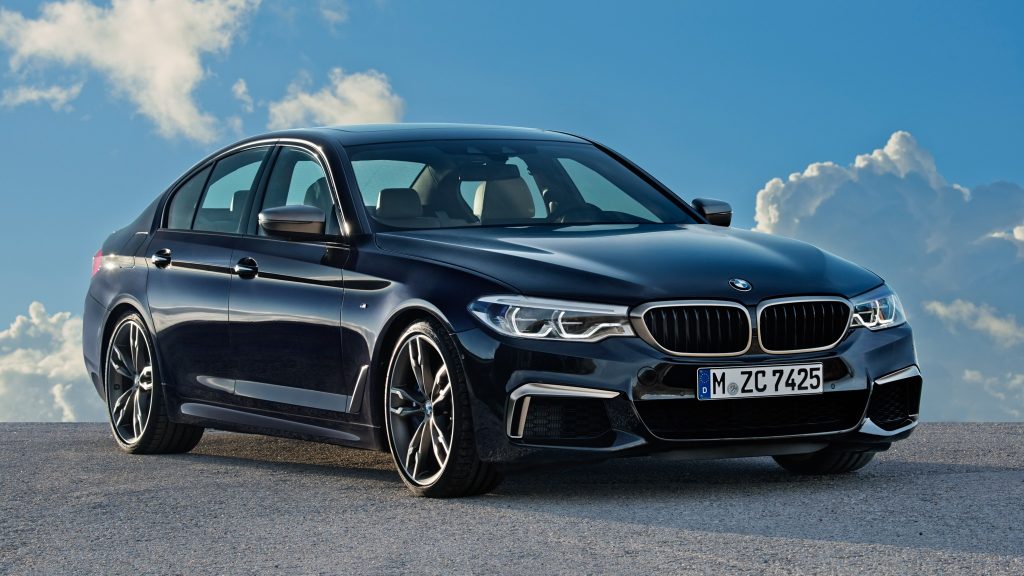
Additionally, fuel consumption is moderate to high, particularly for the larger engine options, which adds to daily operating expenses.
Owners also face higher costs for routine inspections and scheduled maintenance, as the 5 Series recommends service intervals that often include expensive procedures like transmission fluid changes and engine diagnostics.
While it offers a luxurious and engaging driving experience with precise handling and a premium interior, the 5 Series demands consistent financial commitment.
Buyers who appreciate its performance and luxury must be prepared to manage ongoing maintenance costs that far exceed mainstream cars, making it a vehicle best suited for those ready for premium ownership responsibilities.
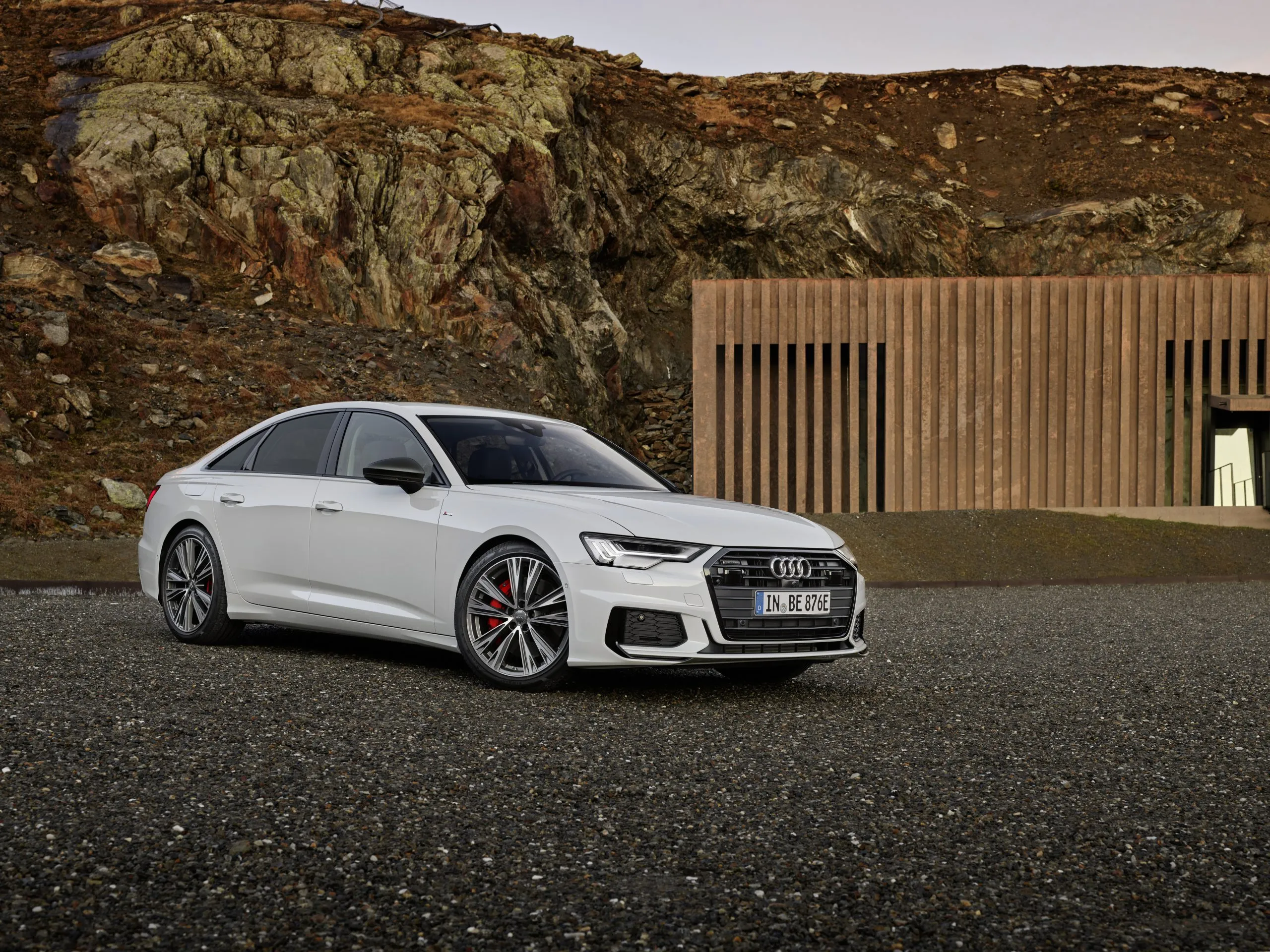
2. Audi A6
The Audi A6 offers a combination of luxury, style, and technology, but maintenance costs can be substantial.
Its turbocharged engines and quattro all-wheel-drive system provide excellent handling and performance, yet they require careful servicing by experienced technicians.
Routine maintenance, including oil changes, brake servicing, and suspension inspections, tends to be significantly more expensive than in conventional sedans because Audi parts are high-end and often imported. Even seemingly minor repairs, such as sensor replacements or electrical troubleshooting, can quickly become costly.
The A6’s advanced electronics contribute heavily to maintenance expenses. Features such as the virtual cockpit, adaptive cruise control, and advanced lighting systems often need specialized diagnostics and repair when problems occur.
These systems are highly integrated, so even minor faults may require multiple components to be serviced or replaced, increasing labor and parts costs. Tires and brakes designed for the car’s performance-oriented nature also wear faster, further elevating ongoing expenses.
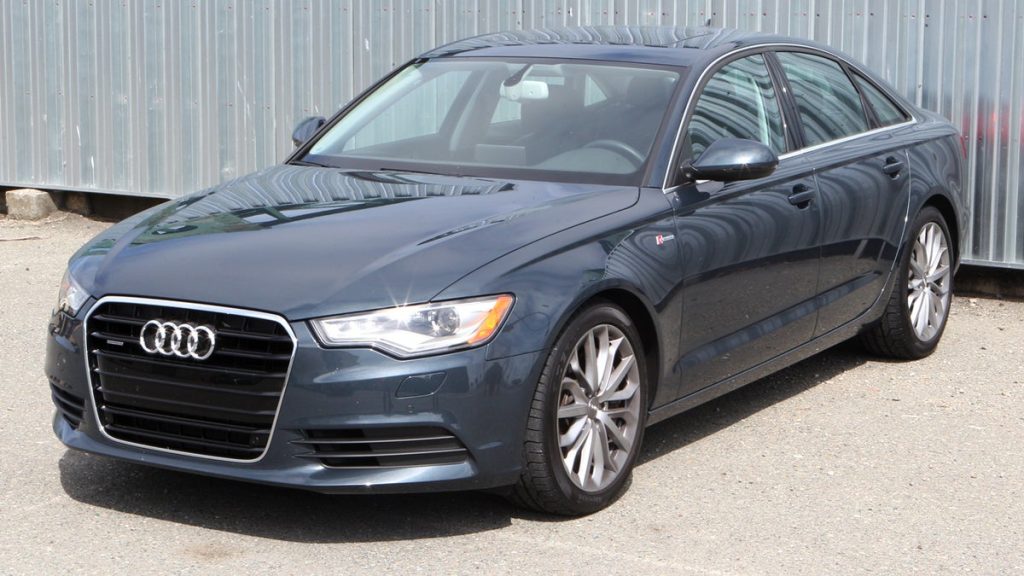
Fuel efficiency, while adequate for its class, is lower than smaller, economy-focused sedans, adding to operating costs over time.
Additionally, scheduling maintenance at dealerships is often preferred to ensure warranty compliance and proper servicing, which can further increase costs. Despite these expenses, the Audi A6 delivers a refined interior, smooth ride, and exceptional performance.
However, buyers should expect maintenance bills to be consistently high, making the A6 a vehicle that demands financial planning and a readiness to invest in premium care over its lifetime.
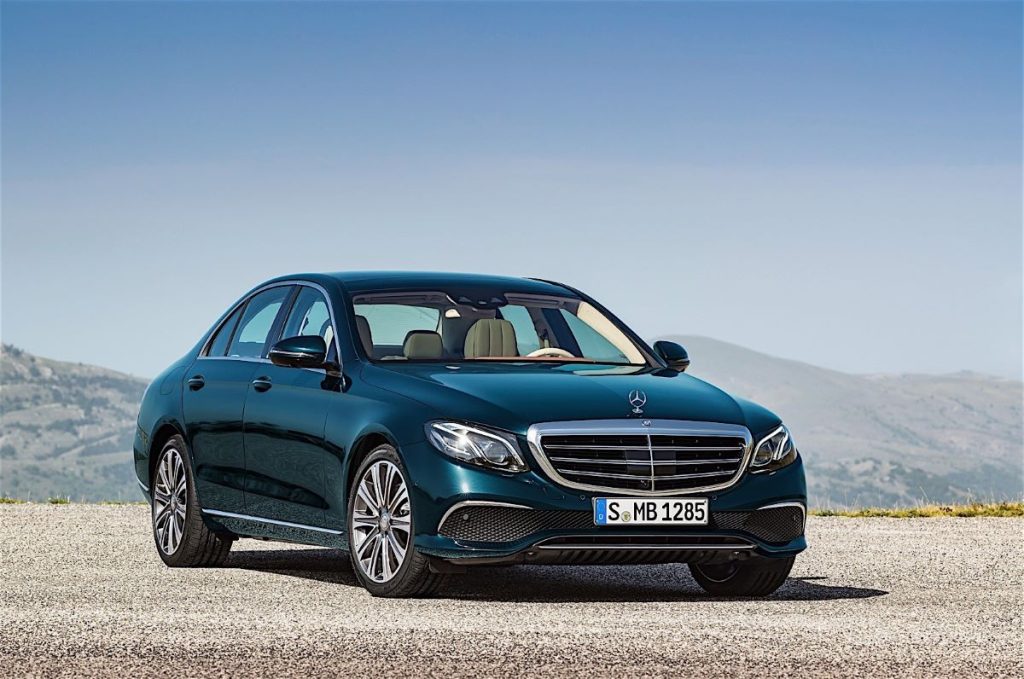
3. Mercedes-Benz E-Class
The Mercedes-Benz E-Class is widely recognized for luxury, comfort, and advanced technology, but it comes with high maintenance demands. Its engines, ranging from four-cylinder turbocharged units to V6 and V8 options, are engineered for performance but require careful attention.
Routine maintenance, such as oil changes, brake replacements, and fluid inspections, is considerably more expensive than in mainstream vehicles.
Parts are often imported and highly specialized, and labor costs are higher because servicing typically requires certified Mercedes technicians.
Electronic systems contribute to the vehicle’s high upkeep. Infotainment units, driver assistance technologies, and adaptive suspension systems may require sophisticated diagnostics when faults occur.
Even minor issues, such as replacing a sensor or recalibrating safety systems, can lead to substantial repair costs. Performance-focused brakes, tires, and suspension components wear faster and cost more to replace than average vehicles.
Fuel consumption is above average, especially for the larger engine options, adding to overall operating costs.
Owners should also consider the frequency of recommended inspections, which include detailed checks of the engine, suspension, and electrical systems.
Warranty coverage may not always cover all high-cost maintenance, especially as the car ages, meaning owners need to budget for significant expenses over time. While the E-Class delivers luxury, comfort, and prestige, these advantages come with a financial responsibility.
Owners must be prepared for ongoing high maintenance costs, making it a vehicle that requires careful planning and willingness to invest in premium servicing to maintain optimal performance and reliability.
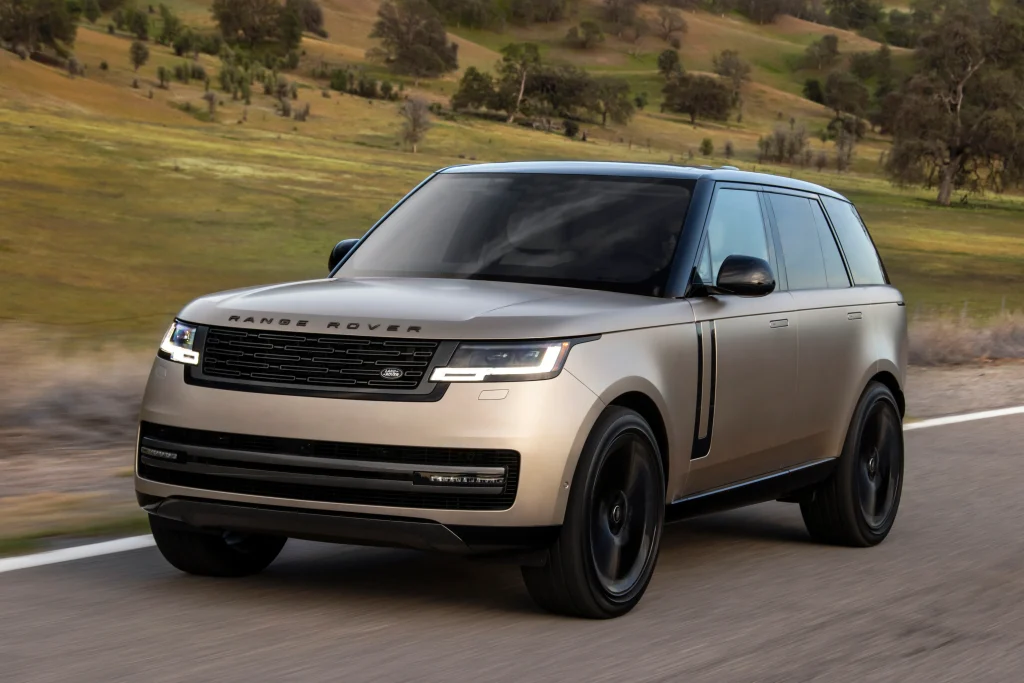
4. Land Rover Range Rover
The Land Rover Range Rover offers unmatched luxury and off-road capability, but it is among the most expensive SUVs to maintain.
Its complex suspension system, four-wheel-drive drivetrain, and powerful engines require specialized service by technicians familiar with the brand.
Parts are costly, often imported, and even routine maintenance like oil changes, brake servicing, or suspension inspections is much higher than typical SUVs. Minor repairs can quickly escalate due to the car’s intricate engineering and premium materials.
The vehicle’s electronic systems also drive up maintenance expenses. Features such as terrain response, adaptive cruise control, advanced infotainment, and safety assistance technologies require specialized diagnostics.
Failures in these systems, even minor ones, can be expensive to address because multiple components often need replacement or recalibration.
Tires, brakes, and other wear components also experience accelerated wear due to the vehicle’s weight and performance demands. Fuel consumption is higher than most standard SUVs, adding to daily operating costs.
Owners should anticipate higher service costs for both routine and unexpected repairs. Warranty coverage may not always cover complex electronic or suspension-related problems, so budgeting for long-term maintenance is crucial.
Despite its high costs, the Range Rover delivers an unparalleled driving experience, combining luxury with off-road capability.
However, these advantages come with a financial responsibility. Prospective owners should understand that ownership requires a commitment to regular, often expensive servicing to maintain the vehicle’s performance, reliability, and value.
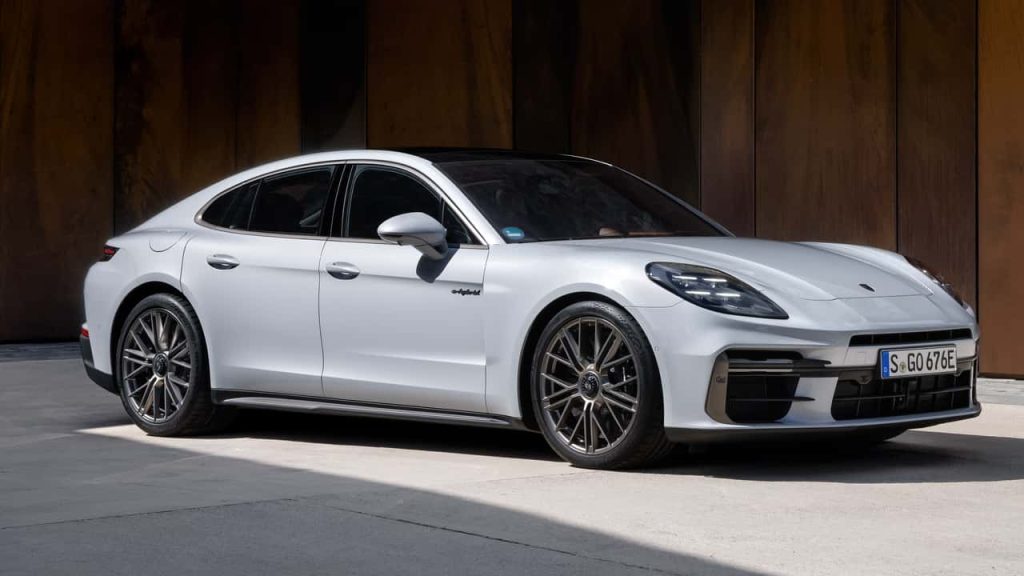
5. Porsche Panamera
The Porsche Panamera blends sports car performance with luxury, but maintaining it is costly. Its high-performance engines, advanced transmissions, and sophisticated suspension systems require specialized care.
Routine maintenance, including oil changes, brake servicing, and fluid replacements, costs significantly more than standard vehicles due to premium materials and Porsche-specific requirements.
Even minor issues, such as sensor failures or electronic recalibrations, can result in large bills because the components are specialized and often imported.
The Panamera’s electronic systems, including performance management, infotainment, and driver assistance features, demand expert diagnostics. Any malfunction can involve multiple subsystems, making repairs more expensive and time-consuming.
Tires and brakes are designed for high-speed performance and wear faster, requiring premium replacements at high costs. Fuel consumption is also high, especially for the V6 and V8 models, adding to operational expenses.
Owners also need to consider scheduled maintenance, which may include inspections of the engine, transmission, and suspension more frequently than mainstream cars. Software updates, specialized lubrication, and performance tuning may also be required to keep the vehicle running optimally.
While the Panamera offers exceptional driving dynamics, luxury, and status, these benefits come with a significant financial commitment. Owners must be prepared for ongoing maintenance costs and plan their budget accordingly.
Despite its high cost of ownership, the Panamera remains a top choice for those seeking sports car performance combined with luxury, provided they are ready for the premium maintenance requirements that come with it.
Choosing a car is not just about the initial purchase price; understanding maintenance costs is equally important for long-term ownership. Vehicles vary widely in how much they demand financially once on the road.
Some cars are engineered to minimize repairs and service costs, while others, particularly luxury and high-performance models, can require a substantial ongoing investment. Recognizing the differences between these categories helps buyers make informed decisions and avoid unexpected expenses.
Cars with low maintenance costs, such as the Toyota Corolla, Honda Civic, Toyota Camry, Hyundai Elantra, and Honda Fit, provide a combination of reliability, durability, and practicality.
These vehicles are built with engines and mechanical systems designed for longevity. Parts are widely available, affordable, and easy to replace, which keeps labor costs manageable.
Routine maintenance like oil changes, brake servicing, and filter replacements is inexpensive, and electronic systems are typically straightforward, reducing the risk of costly repairs.
Fuel efficiency in these models is generally high, further lowering daily running expenses. Additionally, many of these vehicles maintain strong resale value due to their reputation for dependability.
For drivers who prioritize practicality and want a worry-free ownership experience, these cars offer peace of mind without straining the budget. They are ideal for first-time buyers, families, or anyone who commutes frequently.
In contrast, high-maintenance vehicles, such as the BMW 5 Series, Audi A6, Mercedes-Benz E-Class, Land Rover Range Rover, and Porsche Panamera, offer superior performance, advanced technology, and luxury, but their upkeep is expensive.
These cars feature complex engines, advanced transmissions, and sophisticated suspension systems that require specialized service. Replacement parts are often imported or brand-specific, making even routine maintenance costly.
Electronic systems, infotainment units, and safety features may fail or require recalibration, further adding to the bills. Tires, brakes, and other wear components are designed for high performance, which increases replacement frequency and cost.
Fuel consumption is generally higher, and labor costs for repairs are elevated due to the need for certified technicians.
Ownership of these vehicles provides luxury, prestige, and driving enjoyment, but it comes with a continuous financial commitment. Prospective buyers must be prepared to allocate a significant portion of their budget for maintenance, parts, and specialized servicing.
Ultimately, the choice between a low-maintenance car and a high-maintenance vehicle depends on priorities.
Cars designed for affordability offer practicality, reliability, and peace of mind, whereas premium vehicles deliver luxury, performance, and advanced features at a higher financial cost.
Understanding these factors ensures that buyers can select a vehicle that fits both their lifestyle and budget, balancing enjoyment with long-term financial responsibility.
Also Read: 5 Jeep Models That Run Strong vs 5 That Constantly Break
