
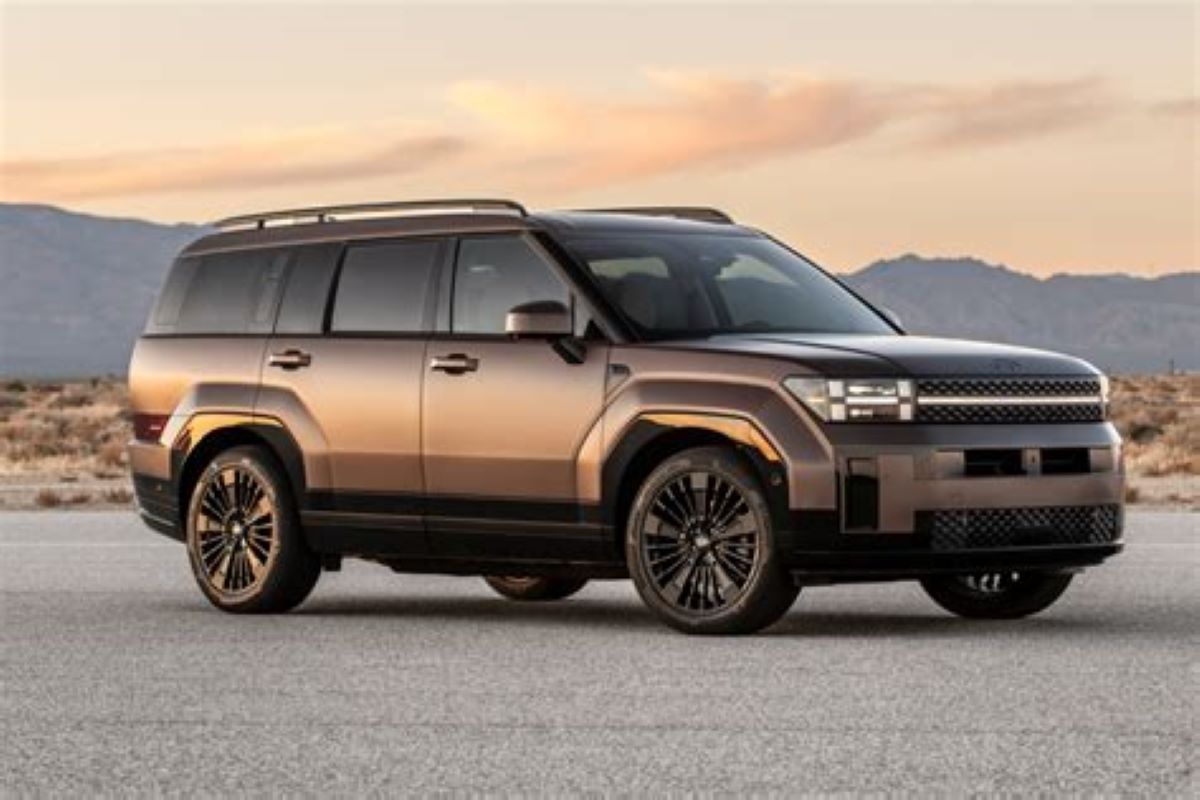
The Hyundai Santa Fe has been a popular choice among midsize SUV buyers for its blend of style, comfort, and features.
Over the years, however, not all model years have proven equally reliable. Some versions have earned a reputation for lasting well beyond 200,000 miles with minimal issues, while others tend to experience recurring mechanical or electrical problems that frustrate owners.
Understanding which model years are dependable and which are prone to frequent repairs is crucial for anyone considering a Santa Fe, whether buying new or used.
Reliability is influenced by factors such as engine design, transmission quality, and updates made by Hyundai over the years. Certain Santa Fe model years feature robust components and fewer recalls, making them smart choices for long-term ownership.
Others, while appealing in design or features, have faced issues that can lead to costly repairs and diminished resale value. By identifying these patterns, buyers can make informed decisions that save money, time, and stress.
This guide compares five Hyundai Santa Fe years known for their durability with five that have a track record of constant problems.
Each model is analyzed based on common issues, mechanical performance, and owner experiences, providing a practical reference for anyone seeking a reliable Santa Fe or wanting to avoid a model that demands frequent maintenance.
Also Read: 5 Inline-6 Engines That Last Forever vs 5 That Constantly Fail
5 Hyundai Santa Fe Years That Last
While the Hyundai Santa Fe has evolved through multiple generations, some model years stand out for their reliability and longevity. These vehicles are known for strong engines, durable transmissions, and fewer recurring problems, making them excellent candidates for long-term ownership.
Drivers of these model years often report minimal repairs even after high mileage, giving peace of mind to families and daily commuters alike. Choosing a reliable year can also help maintain resale value and reduce overall ownership costs.
The Santa Fe’s reputation for durability varies depending on the generation and the updates Hyundai made each year. Factors such as drivetrain improvements, suspension upgrades, and software updates can significantly affect a model’s lifespan.
Some years are particularly resilient, handling heavy use without major mechanical issues. Owners have consistently praised these models for their solid build quality, smooth driving experience, and the company’s attention to addressing minor recalls quickly.
This section focuses on five Hyundai Santa Fe years that have proven themselves in terms of longevity and reliability.
Each year is examined individually, highlighting why it remains a trusted choice for buyers. By reviewing these dependable models, potential owners can make informed decisions, avoiding unnecessary repairs and ensuring they select a Santa Fe that offers years of trouble-free driving.
1. 2013 Hyundai Santa Fe
The 2013 Hyundai Santa Fe is widely regarded as one of the most reliable years for this SUV. This model marked the end of the second generation, which was praised for its balanced combination of performance and durability.
The 2013 Santa Fe offered both a 2.4-liter four-cylinder engine and a 3.3-liter V6, both of which proved dependable for high-mileage owners when properly maintained.
Common complaints, such as minor electrical issues or interior wear, were limited compared to other years, and there were very few serious engine or transmission failures reported.
The reliability of this model also benefited from improvements Hyundai made to the suspension and braking systems, which contributed to smoother handling and longer-lasting components.
Owners consistently note that routine maintenance, including timely oil changes and brake inspections, kept the SUV running well past 200,000 miles. The 2013 Santa Fe also received favorable safety ratings, adding peace of mind for families and commuters.
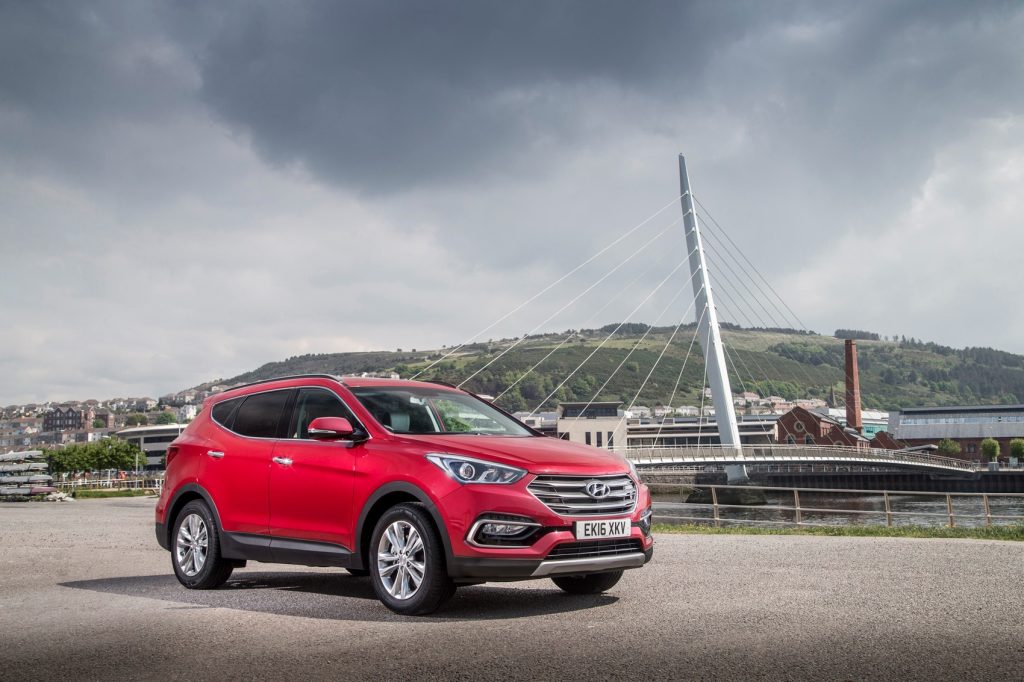
Another reason this year is dependable is the simplicity of its electronics. While newer models introduced more tech features, the 2013 Santa Fe kept things straightforward, reducing the likelihood of malfunctions.
This combination of durable mechanical components and uncomplicated systems makes the 2013 Santa Fe a strong choice for anyone seeking a used SUV that can handle daily driving without frequent repairs. Its proven track record and positive owner experiences solidify its place among the most reliable Santa Fe years.
2. 2016 Hyundai Santa Fe
The 2016 Hyundai Santa Fe represents the third generation and is praised for its long-term reliability. Hyundai made significant updates that year, including improved engines and enhanced transmission systems.
The 2.4-liter four-cylinder and the 3.3-liter V6 engines demonstrated strong durability, with very few reports of mechanical failures even after extended use.
Owners particularly appreciated the smooth-shifting six-speed automatic transmission, which contributed to a more comfortable and trouble-free driving experience.
In addition to the powertrain, the 2016 Santa Fe featured upgraded suspension components, including reinforced control arms and bushings, which reduced wear over time.
The SUV also incorporated more robust braking systems, making it safer and less prone to maintenance issues related to brake failure. Common complaints, such as minor interior rattles or infotainment glitches, were relatively rare and did not affect overall performance.
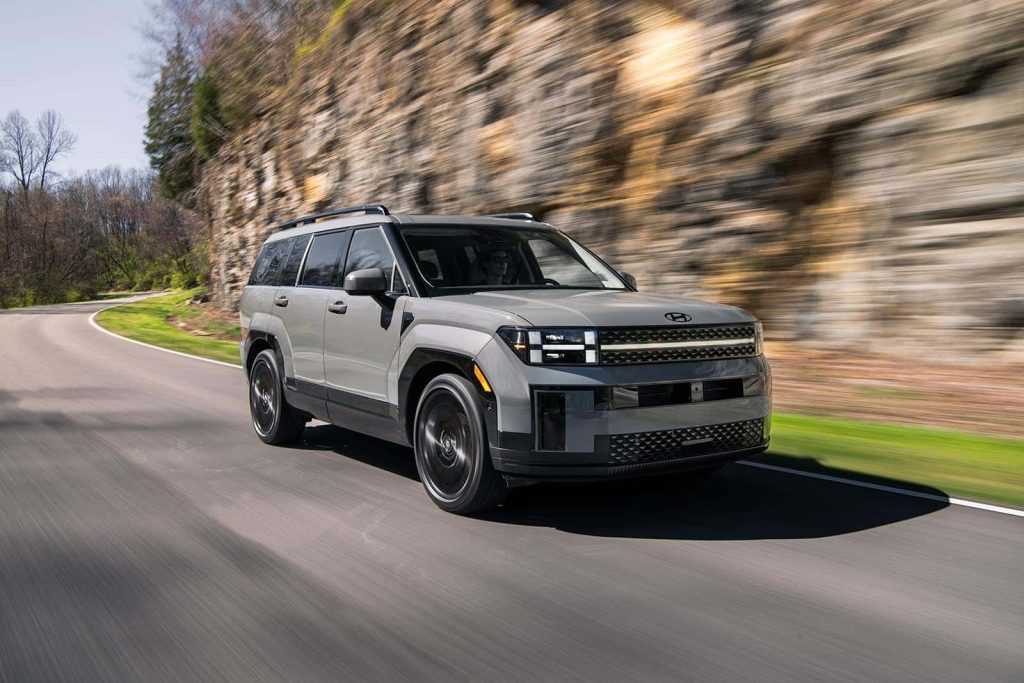
This model year also benefits from Hyundai’s proactive recall resolutions, addressing minor defects quickly and effectively. Owners report that even vehicles with high mileage maintained reliable handling, steady fuel efficiency, and minimal costly repairs.
The combination of mechanical strength, safety features, and user-friendly design ensures the 2016 Santa Fe remains a top recommendation for those seeking an SUV that will last well into the future.
3. 2018 Hyundai Santa Fe
The 2018 Santa Fe, part of the fourth generation, introduced additional technological improvements without sacrificing reliability. It offered both the 2.4-liter four-cylinder engine and a 2.0-liter turbocharged option, both of which are generally dependable when regularly maintained.
Hyundai focused on strengthening the drivetrain and improving the cooling system, resulting in fewer overheating or transmission issues compared to earlier generations.
The interior quality also received upgrades, with more durable materials and improved design, which helped reduce wear and tear over time.
Many owners praise the comfortable seating, smooth suspension, and stable handling, even after several years of regular use. Compared to prior years, the 2018 Santa Fe’s electronics are more reliable, and minor software issues are typically resolved with simple updates.
Maintenance remains straightforward for this model, with parts readily available and repair costs lower than many competitors. Owners report fewer instances of recurring mechanical problems, making it a favorite among used SUV buyers looking for reliability and value.
The 2018 Santa Fe combines modern features with strong fundamentals, offering a dependable SUV that can serve well beyond 150,000 miles when cared for properly.
4. 2020 Hyundai Santa Fe
The 2020 model year further refined the Santa Fe’s durability. This year included enhancements to engine efficiency and transmission responsiveness. The 2.5-liter four-cylinder engine replaced the older 2.4-liter unit, offering both performance and reliability.
The eight-speed automatic transmission proved smooth and resilient, reducing the likelihood of costly failures. Owners frequently note the SUV’s ability to handle heavy driving conditions without mechanical strain.
Hyundai also improved the chassis and suspension components, resulting in a quieter ride and longer-lasting control arms, shocks, and bushings. The interior materials were upgraded for durability, resisting scratches, fading, and wear from everyday use.
Additionally, Hyundai’s safety features, such as adaptive cruise control and blind-spot monitoring, were implemented with high reliability, rarely causing electrical issues.
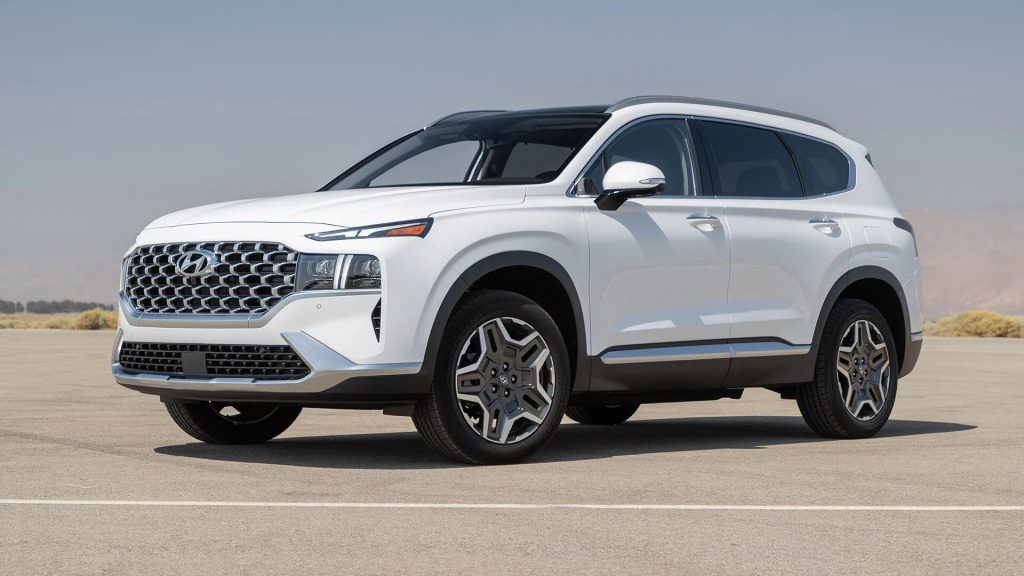
The 2020 Santa Fe demonstrates that newer models can maintain mechanical reliability while introducing modern conveniences. Regular maintenance, including oil changes and tire care, ensures long-lasting performance.
With a solid track record for both engine and transmission durability, this model year stands out as a dependable choice for families or individuals seeking a newer SUV that requires minimal repairs over time.
5. 2022 Hyundai Santa Fe
The 2022 Hyundai Santa Fe, representing the latest generation updates, continues the trend of reliable performance. Its 2.5-liter four-cylinder engine, available in naturally aspirated and turbocharged versions, provides both power and longevity.
Early reports indicate very few mechanical issues, largely because Hyundai addressed prior model problems and improved quality control during production. The transmission system, now even more refined, has proven consistent in delivering smooth shifts under varied driving conditions.
Chassis reinforcements and upgraded suspension components contribute to reduced wear over time, ensuring that the vehicle handles well and maintains comfort even after extensive use.
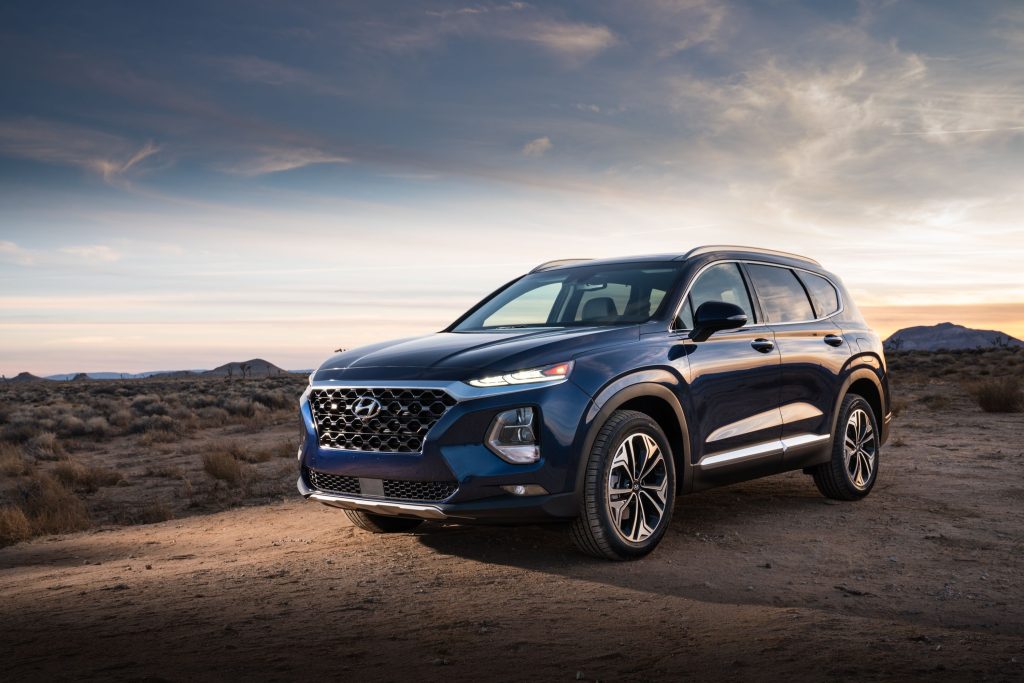
Hyundai also focused on interior durability, using materials that resist everyday damage and keeping infotainment systems intuitive and functional.
This year benefits from Hyundai’s latest safety and reliability engineering practices, which minimize the risk of electrical malfunctions.
Owners appreciate the combination of advanced features and dependable mechanics, creating a Santa Fe that performs reliably without excessive maintenance.
The 2022 model demonstrates that Hyundai continues to prioritize durability alongside modern design, making it an excellent option for buyers seeking a new or near-new SUV with long-term reliability.
5 Hyundai Santa Fe Years That Constantly Break
While the Hyundai Santa Fe has produced many reliable models, certain years have developed a reputation for persistent mechanical, electrical, or drivetrain problems.
These models often face recurring issues that lead to frequent repairs, higher maintenance costs, and frustration for owners.
Understanding which years are more prone to trouble is essential for anyone considering a used Santa Fe, as it can help avoid costly surprises and long periods in the repair shop.
Problematic Santa Fe years tend to share common traits, including weaker transmission components, engine design flaws, or electrical systems that malfunction more often than expected.
Some years also suffered from suspension wear or brake issues that emerged earlier than anticipated. Even minor problems, when repeated across multiple systems, can significantly impact the vehicle’s reliability and resale value.
This section highlights five Hyundai Santa Fe model years that have consistently experienced reliability concerns. Each year is examined for its known mechanical faults, electrical glitches, and other recurring issues.
By reviewing these years in detail, potential buyers can make informed decisions, avoiding models that may require constant maintenance.
The goal is to provide a clear perspective on which Santa Fe years to approach with caution, ensuring that owners can prioritize durability and cost-effectiveness when selecting a used SUV.
1. 2007 Hyundai Santa Fe
The 2007 Hyundai Santa Fe, part of the second generation, is widely reported as a model prone to recurring issues. One of the most significant concerns for this year is transmission reliability.
Many owners have reported slipping gears, delayed engagement, and premature transmission failure, often requiring costly repairs or replacements. The four-cylinder and V6 engines, while capable, occasionally develop oil leaks and timing chain issues, contributing to increased maintenance demands.
Electrical problems are another recurring complaint for the 2007 model. Owners frequently experience malfunctioning power windows, faulty door locks, and dashboard warning lights that appear without cause.
Suspension components also tend to wear out earlier than expected, with control arm bushings and ball joints commonly needing replacement by 100,000 miles. Brakes can develop uneven wear, causing additional repair costs over time.
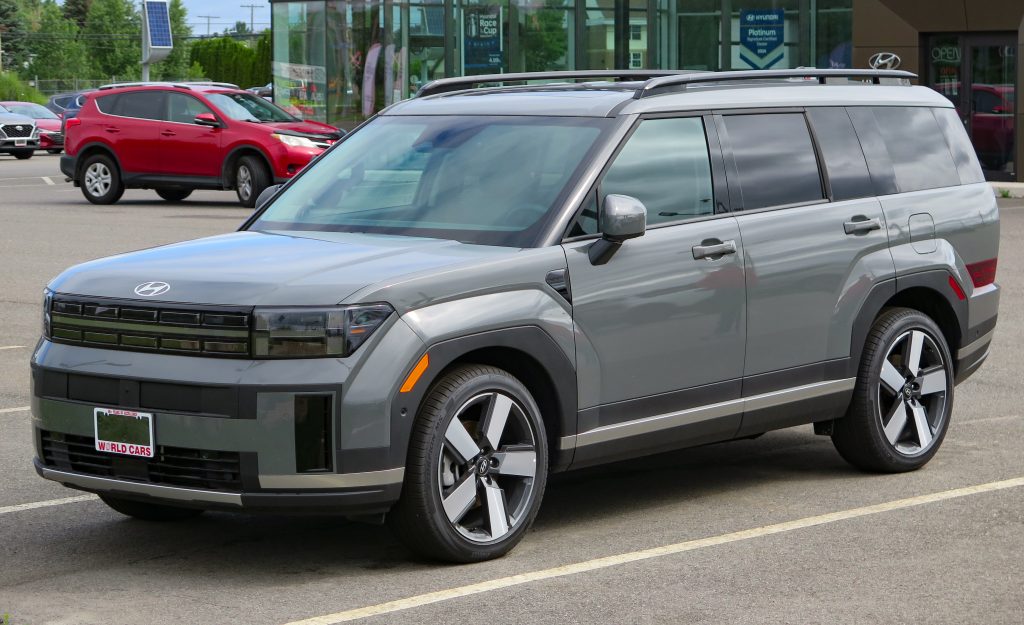
While the 2007 Santa Fe has appealing styling and a comfortable interior, the combination of transmission, engine, and electrical issues makes it less reliable than other years.
Regular maintenance may help mitigate some problems, but the likelihood of unexpected repairs remains high. For buyers seeking a dependable used SUV, the 2007 Santa Fe represents a model to approach cautiously, as frequent mechanical issues have been widely reported.
2. 2011 Hyundai Santa Fe
The 2011 Hyundai Santa Fe, a third-generation model, faced several issues affecting its reliability. Transmission problems are commonly reported, including harsh shifting and delayed engagement in both the four-cylinder and V6 versions.
Engine oil leaks, especially around the valve cover gaskets, contribute to long-term engine wear if left unaddressed.
Suspension components in this model year also tend to wear prematurely. Control arms, bushings, and struts often need replacement earlier than expected, leading to a rougher ride and higher repair costs.
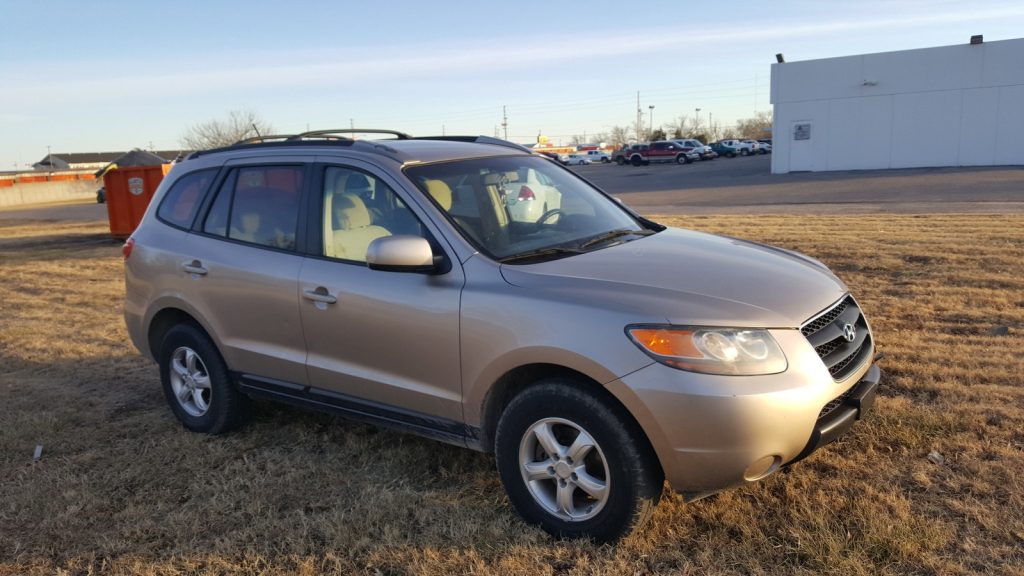
Electrical issues, including malfunctioning infotainment systems and erratic warning lights, have been frequently cited by owners. Additionally, some vehicles report premature brake wear, increasing maintenance frequency and cost.
Although the 2011 Santa Fe offers safety features and a spacious interior, the combination of transmission, suspension, and electrical problems undermines its long-term reliability.
Owners who purchase this year may face repeated trips to the mechanic and higher repair expenses compared to more dependable years.
3. 2014 Hyundai Santa Fe
The 2014 Santa Fe, marking a transitional period between generations, is known for recurring mechanical and electronic problems.
The 2.4-liter engine sometimes experiences timing chain tensioner issues, leading to potential engine damage if neglected. Transmission complaints include hard shifting and occasional failure, particularly in higher-mileage vehicles.
Electrical malfunctions are another concern, including inconsistent dashboard warning lights, malfunctioning power seats, and erratic infotainment behavior.
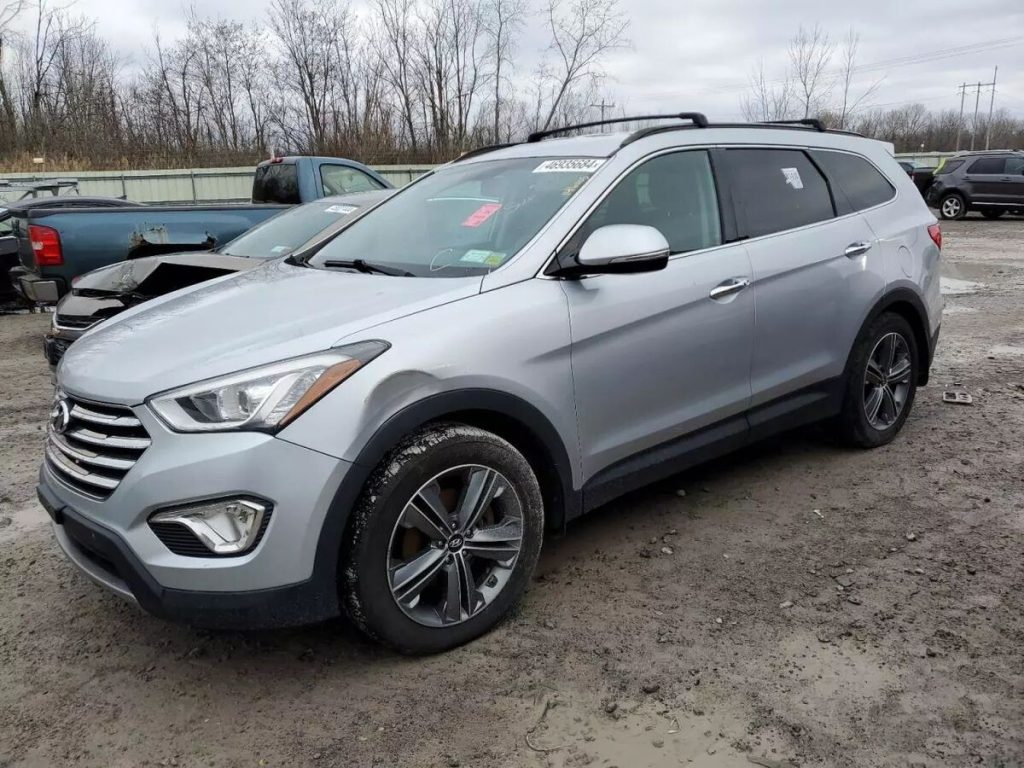
Suspension problems, including worn bushings and early strut failure, are commonly reported, causing handling issues and increased repair costs.
Despite updated styling and improved interior materials, the 2014 Santa Fe struggles with reliability. Owners frequently report multiple system failures even with regular maintenance, making it one of the more problematic years.
4. 2015 Hyundai Santa Fe
The 2015 model year faced reliability challenges, particularly with the drivetrain and electronics. The 2.4-liter engine occasionally exhibits oil leaks and coolant hose problems, while the six-speed automatic transmission is prone to slipping and harsh shifts. Turbocharged models are even more susceptible to early wear in the engine and turbo components.
Electrical issues, including malfunctioning sensors, warning lights, and infotainment glitches, are widespread. Suspension problems, such as premature wear in control arms and bushings, lead to handling concerns and additional repair costs. Brake components may also wear unevenly, requiring frequent attention.
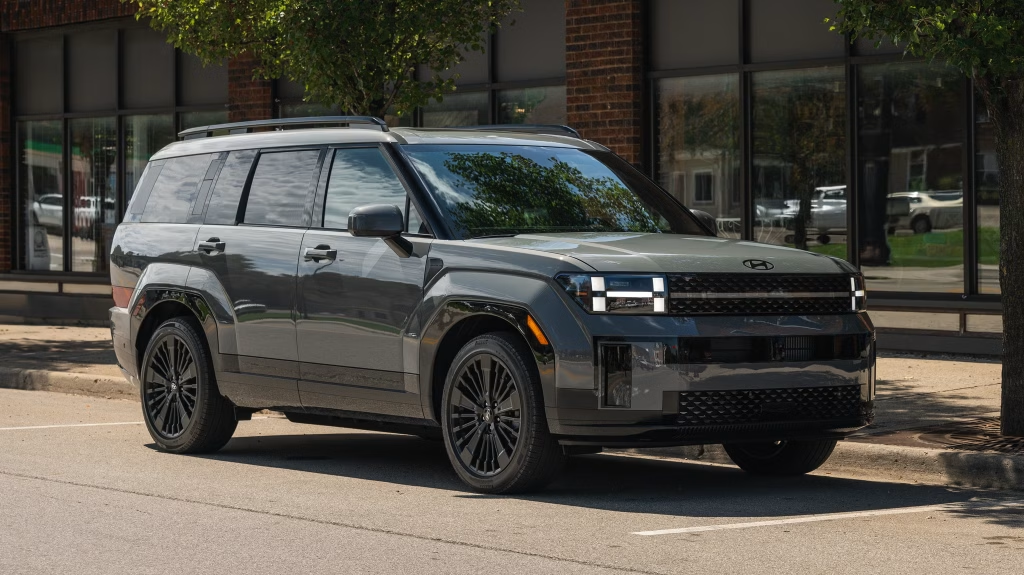
Owners report that maintenance costs for the 2015 Santa Fe are higher than expected due to the combination of engine, transmission, and electrical problems. This model year is considered less reliable and requires extra attention to avoid frequent breakdowns.
5. 2017 Hyundai Santa Fe
The 2017 Santa Fe, despite being part of the newer third generation, still experienced reliability issues in some vehicles.
Owners have reported engine problems, including excessive oil consumption and minor coolant leaks, which can escalate if not addressed promptly. Transmission complaints include delayed shifts and occasional hard engagement in both FWD and AWD models.
Electrical components are prone to glitches, particularly the infotainment system, dashboard indicators, and power accessories.
Suspension issues, while less severe than earlier models, still occur with worn bushings and struts affecting ride quality. Brake wear can be uneven, requiring more frequent maintenance than expected.
While the 2017 Santa Fe offers modern styling and advanced safety features, its combination of engine, transmission, and electrical issues makes it less reliable than other model years. Prospective buyers are advised to consider these recurring problems before choosing this year for long-term ownership.
The Hyundai Santa Fe has been a popular midsize SUV for nearly two decades, offering versatility, safety, and family-friendly features.
However, not all model years perform equally in terms of reliability. By comparing the five years that last with the five years that constantly break, clear patterns emerge that can guide potential buyers and current owners in making informed decisions.
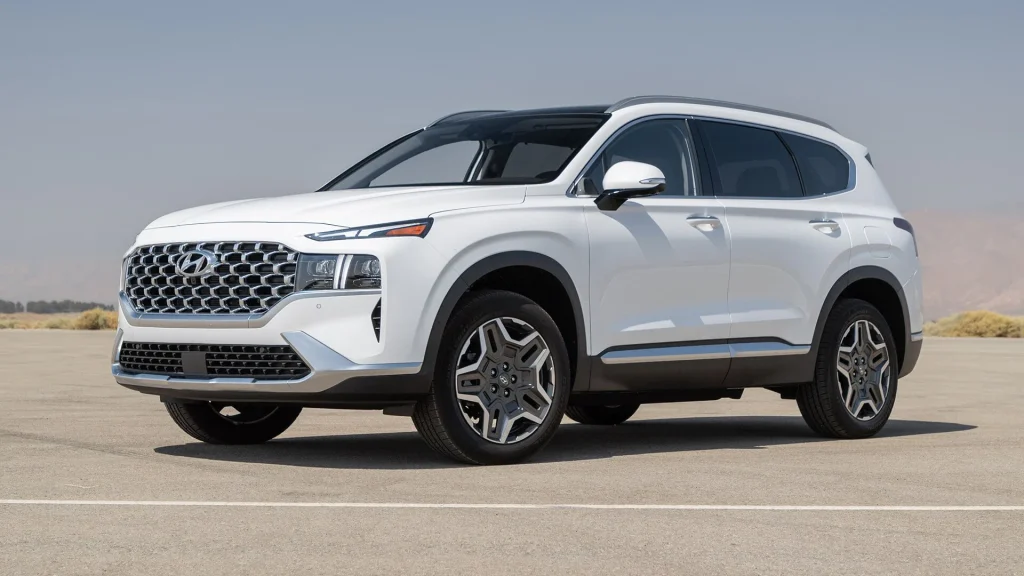
Reliable Santa Fe years, such as 2013, 2016, 2018, 2020, and 2022, share several key traits. Mechanically, these models benefited from strong engines and robust transmission systems.
For example, the 2013 and 2016 models feature well-built four-cylinder and V6 engines with minimal reports of serious failures, while the 2020 and 2022 models include the latest 2.5-liter engines and refined eight-speed transmissions.
These components generally last beyond 150,000 to 200,000 miles when properly maintained. Suspension and brake components in these years were reinforced or redesigned, resulting in longer-lasting performance and fewer replacements.
Many of these models also keep electronics simple or well-tested, reducing the likelihood of recurring infotainment or dashboard issues. Owners of these years frequently report peace of mind and lower maintenance costs, making them ideal for long-term ownership.
In contrast, problematic years, including 2007, 2011, 2014, 2015, and 2017, exhibit recurring issues across multiple systems. Transmission failures are common in several of these models, leading to costly repairs.
Engine problems, such as oil leaks, timing chain wear, or excessive oil consumption, were reported repeatedly. Electrical issues, including faulty infotainment systems, dashboard lights, and power accessories, contributed to frustration among owners.
Even suspension and braking systems often wore prematurely, increasing both repair frequency and costs. These patterns suggest that certain production years faced quality control challenges or component designs that could not withstand long-term wear as effectively as more reliable years.
A noticeable trend is that mid-generation models tend to perform better than early or transitional years.
For example, the 2013 Santa Fe, near the end of the second generation, benefits from refined engineering and proven parts, while the 2007 model, an earlier second-generation release, struggles with transmission and electrical issues.
Similarly, the 2016 and 2018 models, representing mature third- and fourth-generation updates, demonstrate stronger reliability compared to the 2014 and 2015 transitional models, which experienced new engine designs or updated electronics that had not yet stabilized.
Another insight is the role of maintenance and preventive care. Even among problematic years, consistent oil changes, timely brake service, and suspension inspections can reduce the frequency of serious failures.
However, the inherent design weaknesses of certain model years mean that owners may still face repeated repairs despite diligent maintenance. In contrast, the reliable years generally require only routine upkeep, reflecting the durability of their components and manufacturing improvements.
For buyers, this analysis underscores the importance of selecting model years carefully. Opting for proven years like 2013, 2016, 2018, 2020, or 2022 increases the likelihood of a smooth ownership experience with minimal unexpected repairs.
Conversely, potential owners should approach 2007, 2011, 2014, 2015, and 2017 models with caution, considering inspection reports and repair histories before committing. Understanding these trends can save both money and stress, ensuring that the Santa Fe remains a practical and enjoyable SUV choice.
Overall, the Hyundai Santa Fe demonstrates that while some years offer excellent reliability, others come with recurring challenges.
By focusing on strong-performing years and avoiding the problematic ones, buyers can enjoy the Santa Fe’s comfort, safety, and versatility without facing frequent mechanical setbacks.
Knowledge of these patterns is invaluable for making confident, informed decisions when purchasing a used or newer Santa Fe, ensuring long-term satisfaction and lower ownership costs.
Also Read: 5 EVs With Great Range After 5 Years vs 5 That Lose It Fast
