
In modern vehicles, dashboard warning lights serve a critical role in alerting drivers to potential issues with their cars. These lights range from signals for minor alerts like low washer fluid to critical warnings such as engine overheating or brake system failure.
While they aim to keep drivers informed and safe, the frequency and nature of these warning lights can significantly impact the driving experience. Some vehicles are known to rarely have annoying or persistent warning lights, offering owners peace of mind and less distraction.
Others, however, are infamous for regularly displaying warning signs, sometimes due to complex electronics or underlying reliability challenges. This contrast influences driver satisfaction, maintenance costs, and overall vehicle ownership experience.
Understanding which models tend to perform reliably without unnecessary alerts versus those that often cause dashboard light frustration can help buyers make more informed choices and manage expectations.
This discussion will examine five vehicles that tend to have fewer annoying dashboard lights, followed by five that frequently give drivers warning light headaches, providing insights into why these patterns exist.
Also Read: 5 Dodge Journey Years Worth Keeping vs 5 To Skip
5 Vehicles That Rarely Have Annoying Dashboard Lights
The calm comfort of a dashboard free from constant and bothersome warning lights is highly desirable. Vehicles that manage this well usually have robust engineering, quality sensors, and straightforward electronic systems that function reliably over time.
This reduces false alarms and prevents minor, confusing alerts from interrupting the driving experience. Choosing models known for this dependability can spare owners costly diagnostics and unnecessary worry.
In this segment, the focus will be on five specific vehicles widely recognized for their minimal dashboard light interruptions. These vehicles are selected not merely for reliability statistics but for practical owner feedback and industry reputation regarding dashboard alerts.
Their ability to maintain a clean, alert-free dashboard enhances driver confidence and enjoyment.
Each selection will be explained in detail, identifying the design traits, engineering choices, or maintenance philosophies that contribute to their low incidence of annoying dashboard lights.
This insight is valuable for anyone considering a vehicle that prioritizes hassle-free ownership in terms of dashboard alerts.
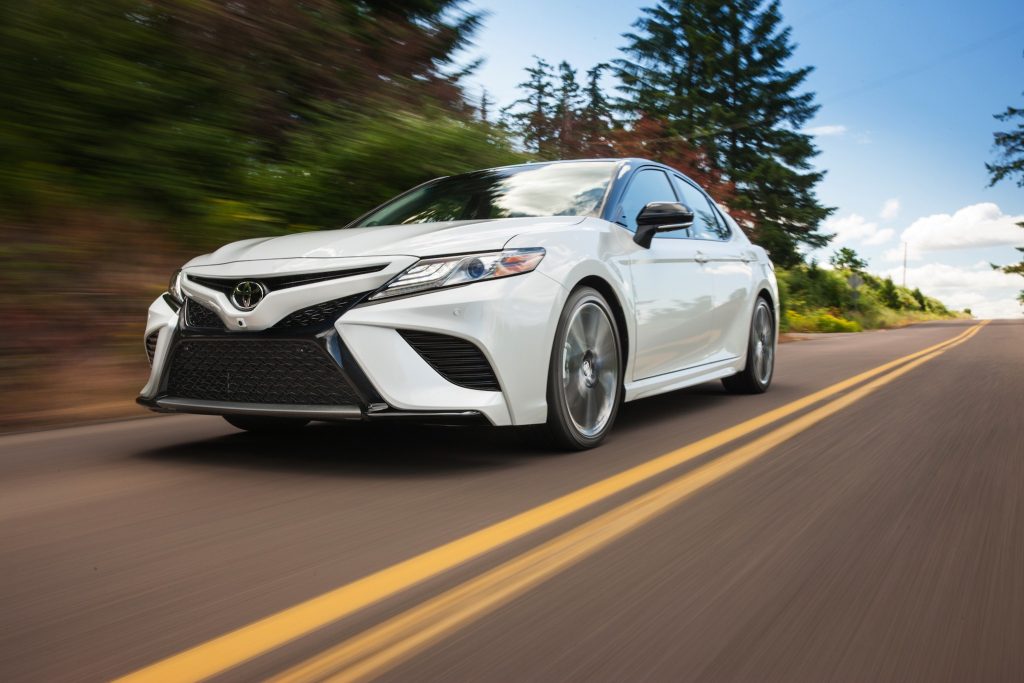
Vehicle 1: Toyota Camry
The Toyota Camry has long been praised for its exceptional reliability and user-friendly design, contributing to why it rarely triggers annoying dashboard warning lights.
This midsize sedan is engineered with durability in mind, combining well-tested mechanical components with straightforward electronic systems.
Toyota’s conservative approach to introducing complex vehicle electronics helps minimize false alarms and sensor malfunctions that commonly cause unexpected dashboard warnings.
The Camry’s engine management system and diagnostic sensors are calibrated to prioritize accuracy over sensitivity, meaning warning lights come on primarily when there is a genuine issue.
Additionally, the vehicle’s maintenance intervals are well-defined and built into the vehicle’s monitoring system, providing helpful reminders without being intrusive or overly frequent.
Owners of Camrys often report a dashboard experience free from persistent warning lights related to minor glitches or sensor errors, which contributes significantly to the model’s reputation.
Toyota’s extensive network of service centers and availability of parts also ensures that if a genuine issue does arise, it can be resolved promptly, preventing recurrent dashboard alerts.
The vehicle’s robust build quality and quality control measures at manufacturing ensure that electrical issues are minimized.
Furthermore, this consistent performance translates to a stress-free ownership experience where drivers feel confident that dashboard lights signify serious problems rather than nuisances.
The Toyota Camry’s balance of proven mechanical systems and pragmatic electronics keeps distracting dashboard lights at bay, making it an ideal choice for those who want peace of mind in their daily drives.
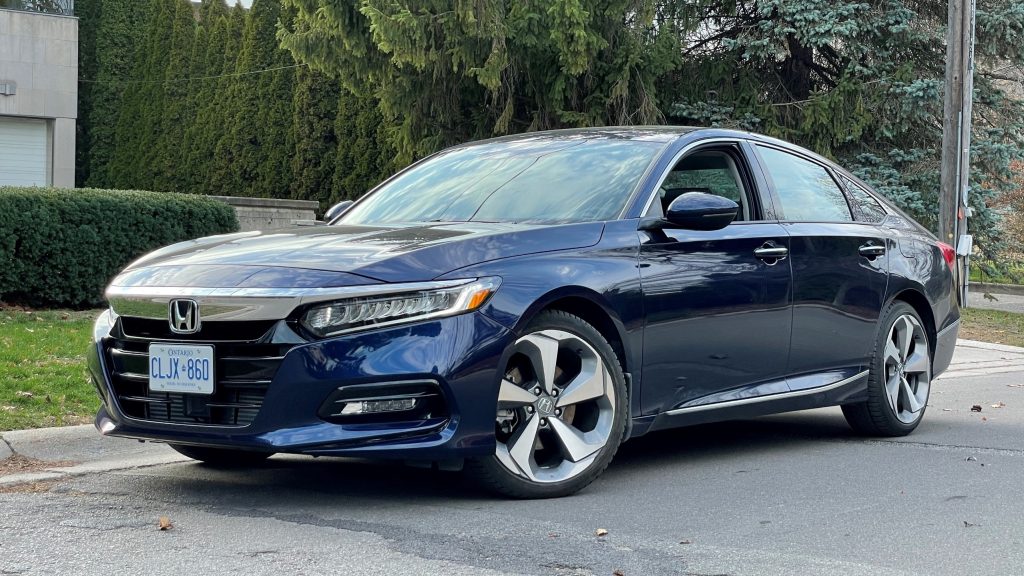
Vehicle 2: Honda Accord
The Honda Accord has established a strong reputation for reliability and engineering precision, reflected in its dashboard alert systems.
Like the Toyota Camry, the Accord employs a well-calibrated sensor and alert framework that provides accurate notifications without overwhelming the driver with unnecessary lights.
Honda’s engineering culture focuses heavily on long-term durability and minimal electronic complexity, which reduces the likelihood of false or premature warning signals.
Vehicles with overly sensitive electronics can cause alerts to appear when there is no immediate problem, leading to driver annoyance and unnecessary visits to the mechanic.
The Accord’s diagnostic system is designed to notify the driver only when maintenance is truly required or when a fault is detected, rather than issuing warnings due to minor sensor instabilities.
Many owners praise the model for having dashboards that remain clear most of the time, only lighting up for genuine issues. Honda also carefully tests its vehicles’ electronics to avoid glitches that could trigger warning lights intermittently.
Additionally, regular maintenance schedules and preventive diagnostics are integrated into the vehicle’s information system, balancing timely alerts with driver convenience.
This harmony between technology and reliability explains why the Accord keeps annoying dashboard warning lights to a minimum, enhancing driver confidence and peace of mind during daily use.
Vehicle 3: Lexus RX
Lexus, as Toyota’s luxury division, combines the reliability of Toyota’s engineering with higher refinement and advanced diagnostic systems that still maintain a focus on clear and meaningful alerts.
The Lexus RX, a luxury midsize SUV, benefits from premium quality components and a meticulous approach to electronic system integration. This results in fewer false alerts or sensor-related dashboard lights that many luxury vehicles with complex tech often experience.
Lexus engineers focus on refining sensor accuracy and alert thresholds so that notification lights activate primarily for critical attention.
The RX’s advanced onboard diagnostics help distinguish between urgent issues and minor maintenance reminders, preventing unnecessary distractions.

Its high build quality and rigorous testing processes also reduce electrical faults that commonly cause persistent warning lights.
Owners appreciate how the RX communicates effectively without bombarding them with alerts, making the driving experience smoother and less interrupted.
This careful balancing act helps the Lexus RX maintain its reputation as a vehicle with a clean, honest dashboard, reinforcing trust and reducing the stress often associated with modern luxury dashboards.
Vehicle 4: Subaru Outback
Subaru vehicles, particularly the Outback, are known for their solid construction and straightforward electronic systems.
The Outback employs proven sensor technologies paired with less complex software systems than some competitors, which aids in providing accurate dashboard warnings without frequent annoyance.
This is especially relevant in rugged-use vehicles like the Outback, where reliability and clear communication are paramount for safety and convenience.
Subaru’s approach minimizes the incidence of warning lights triggered by minor or transient issues, focusing instead on informing drivers of genuine needs or failures.
Their all-wheel-drive systems and engine diagnostics are tailored to perform consistently across various conditions, reducing false positives.

The company’s dedication to insuring robust electronics that can handle both urban and off-road environments contributes to the reliability of onboard alerts.
Consequently, owners of the Outback often report minimal dashboard light distractions over years of ownership, reinforcing a reputation for practical and dependable alerts.
This reliability factor makes the Subaru Outback a sensible choice for those looking for a balance of safety information and minimal dashboard nuisance.
Vehicle 5: Hyundai Sonata
The Hyundai Sonata has made significant gains in quality and reliability in recent years, including the refinement of its electronic health monitoring and diagnostic systems.
Hyundai’s investment in improving the accuracy of its dashboard alerts has paid off in noticeably reducing unnecessary or annoying warning lights.
The Sonata’s onboard diagnostics are calibrated to offer clear and relevant alerts, minimizing the false alarms that can plague less refined vehicle systems.
Hyundai’s technology in the Sonata ensures that alerts present themselves mainly for significant maintenance needs or serious faults rather than minor sensor fluctuations.
Regular software updates and enhanced sensor integration have contributed to a decrease in dashboard light issues reported by owners. This makes the Sonata an appealing option for drivers seeking a modern car with advanced yet unobtrusive alerting technology.

The combination of affordability and reliable dashboard communication offers a stress-free driving experience where unnecessary interruptions are rare.
It’s the progress in both hardware and software integration that allows the Sonata to maintain a reassuring dashboard environment, reinforcing owner confidence in the vehicle’s condition.
5. Vehicles That Always Have Annoying Dashboard Lights
For many drivers, the frustration of a vehicle that frequently triggers dashboard warning lights can significantly impact the driving experience.
Unlike vehicles known for their minimal and precise alerts, some models are notorious for persistent, sometimes ambiguous or false warning signals.
This can arise from overly sensitive sensor systems, complex electronics prone to glitches, or design choices that favor alerting at the slightest hint of an irregularity.
Repeated warning lights not only distract drivers but also can lead to unnecessary visits to service centers, elevate maintenance costs, and create anxiety about vehicle reliability even when no serious issue exists.
Understanding which vehicles tend to have these issues helps consumers prepare for potential challenges or reconsider their choices based on their tolerance for dashboard alerts.
Such vehicles may include some luxury models with intricate electronic systems or certain brands where reliability problems have led to frequent dashboard notifications.
Furthermore, knowing why these vehicles trigger warning lights often enables owners to better manage, maintain, and interpret the alerts they receive.
This section focuses on five vehicles that are recognized for having annoying and persistent dashboard warning lights.
Each vehicle will be explored in detail, explaining the root causes of frequent alerts, how it affects ownership, and what drivers can expect from their dashboard experience.
This insight helps contextualize the impact of vehicle design and electronics on dashboard warning light behavior.
Vehicle 1: BMW 3 Series (Older Generations)
The BMW 3 Series, particularly models from previous generations, has a reputation for frequently triggering dashboard warning lights that can be puzzling or annoying to owners.
BMWs are equipped with sophisticated electronics and numerous sensors designed to monitor vehicle health meticulously, but this complexity sometimes results in over-sensitive or glitch-prone alert systems.
Drivers often report that minor or intermittent faults cause persistent red or yellow warning lights, including check engine, brake, or coolant system alerts.
One of the reasons behind this is the advanced but sometimes overly sensitive electronic control modules that detect even the smallest deviations from optimal parameters.
Additionally, some of the older BMW 3 Series models suffered from electrical gremlins, including faulty wiring or sensor calibration issues.

These trigger dashboard lights that may not indicate immediate danger but can persist until the problem is fixed, even if the “problem” is only a sensor malfunction.
Owners of these vehicles often experience frustration, as seemingly minor or false warning lights can prompt frequent visits to the dealership or mechanic, increasing maintenance costs and stress.
Although BMW’s German engineering provides excellent driving dynamics, the downside is that the electronics system can be a frequent source of dashboard annoyance.
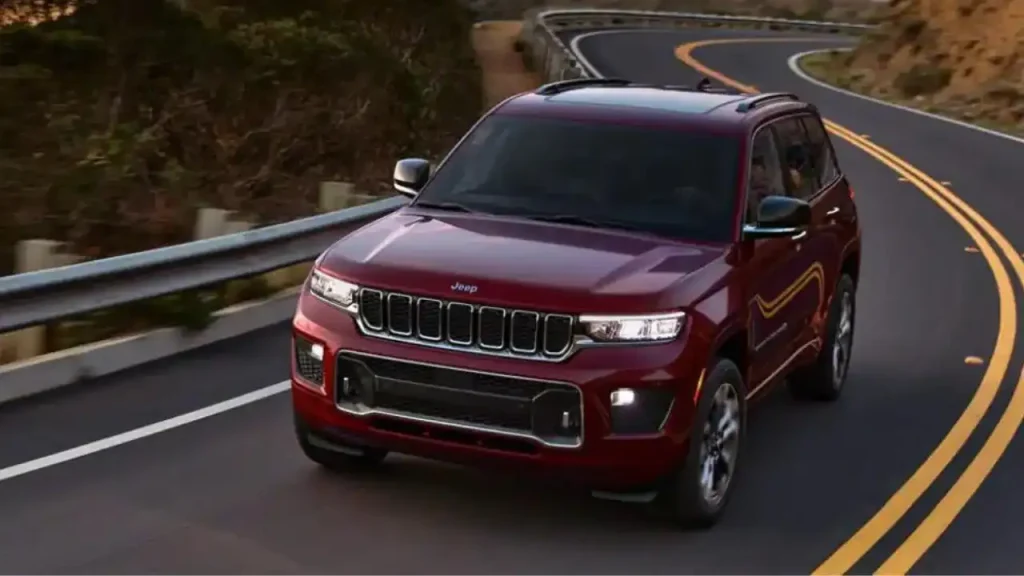
Vehicle 2: Jeep Grand Cherokee
The Jeep Grand Cherokee is popular for its off-road capability and muscular styling, but it also has a history of persistent dashboard warning lights.
This SUV’s complex mechanical and electronic systems, designed to support various driving modes and safety features, can sometimes lead to frequent alerts. Many owners report seeing repeated warnings such as check engine, transmission, or traction control lights.
This issue often arises due to the vehicle’s advanced but sometimes flawed sensor systems and software.
Multiple driving modes, electronic stability controls, and drivetrain components generate numerous data points monitored by sensors, increasing the chance of false positives or glitchy dashboard warnings.
The combination of rough off-road use with sensitive electronics can exacerbate this problem, as sensors may pick up irregularities or confuse static related to terrain.
Because of these quirks, Grand Cherokee owners often face dashboard alerts that require professional diagnostics to discern true problems from sensor issues.
This frequent alerting can erode driver confidence and create a need for repeated maintenance visits, which detracts from the vehicle’s otherwise capable nature.
Understanding this pattern helps potential buyers weigh the benefits against the potential annoyance of persistent dashboard lights.
Vehicle 3: Land Rover Discovery
Land Rover Discovery models, especially older iterations, are well known for their luxury and off-road prowess but also for having an electronic system that commonly triggers annoying warning lights.
Land Rover’s complex terrain response systems, electronic modules, and sensor arrays monitor an extensive range of vehicle functions, but reliability issues with these electronics frequently lead to recurring dashboard alerts.
The Discovery’s onboard computers tend to be highly reactive, sometimes generating warnings about minor issues or sensor faults, creating a pattern of persistent alerts that can confuse and frustrate drivers.

Electrical problems, wiring faults, or unreliable sensor hardware often contribute to this tendency. Many owners report frequent check engine, brake system, or stability control warnings even when no apparent mechanical failure exists.
This behavior necessitates considerable attention to diagnostic troubleshooting and often more frequent visits to specialized service centers.
While the Discovery’s capability and luxury appeal to many, its reputation for dashboard alert annoyance is a known drawback that buyers should consider, especially those sensitive to constant warning lights.
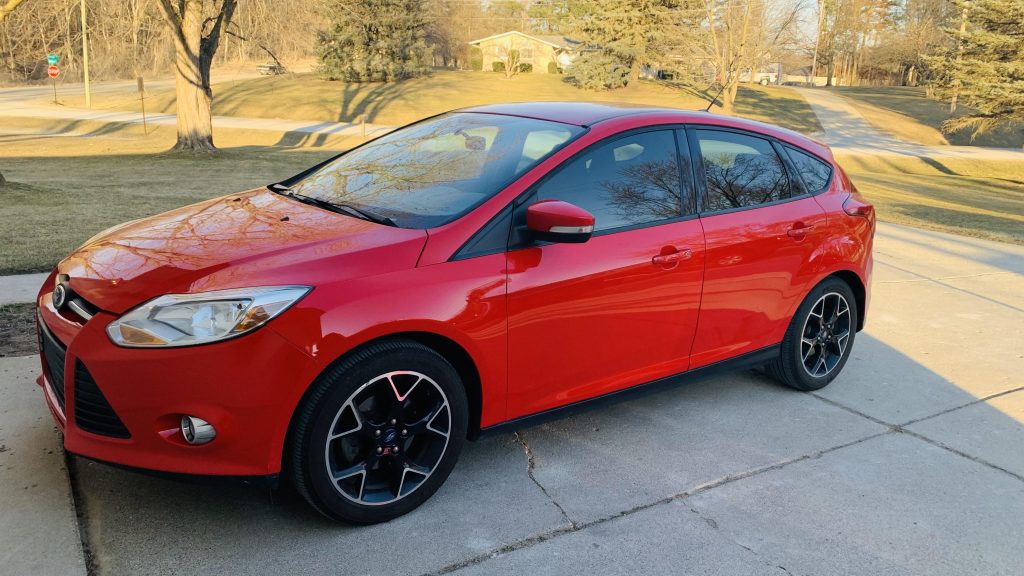
Vehicle 4: Ford Focus (Certain Model Years)
The Ford Focus, especially those from certain model years in the 2010s, gained a reputation for dashboard warning light issues linked to sensor inaccuracies and electrical glitches.
Common lights that seem to appear often include check engine, tire pressure monitoring, and stability control warnings. The Focus’s electronic control systems have sometimes been prone to false readings or communication errors among modules.
This can result in warning lights that activate frequently or stay on longer than necessary, causing driver frustration and uncertainty about the vehicle’s actual condition.
Factors like faulty sensors, calibration errors, or software bugs have caused several Focus owners to endure repeated warning light episodes.
This can increase maintenance complexity and costs as technicians often need to isolate whether the alert represents a real problem or an electronic fault.
Despite overall solid performance and fuel efficiency, the Focus’s dashboard warning light reliability issues have diminished owner satisfaction.
Prospective buyers looking for a hassle-free dashboard experience should carefully consider this when choosing a Focus from those model years.
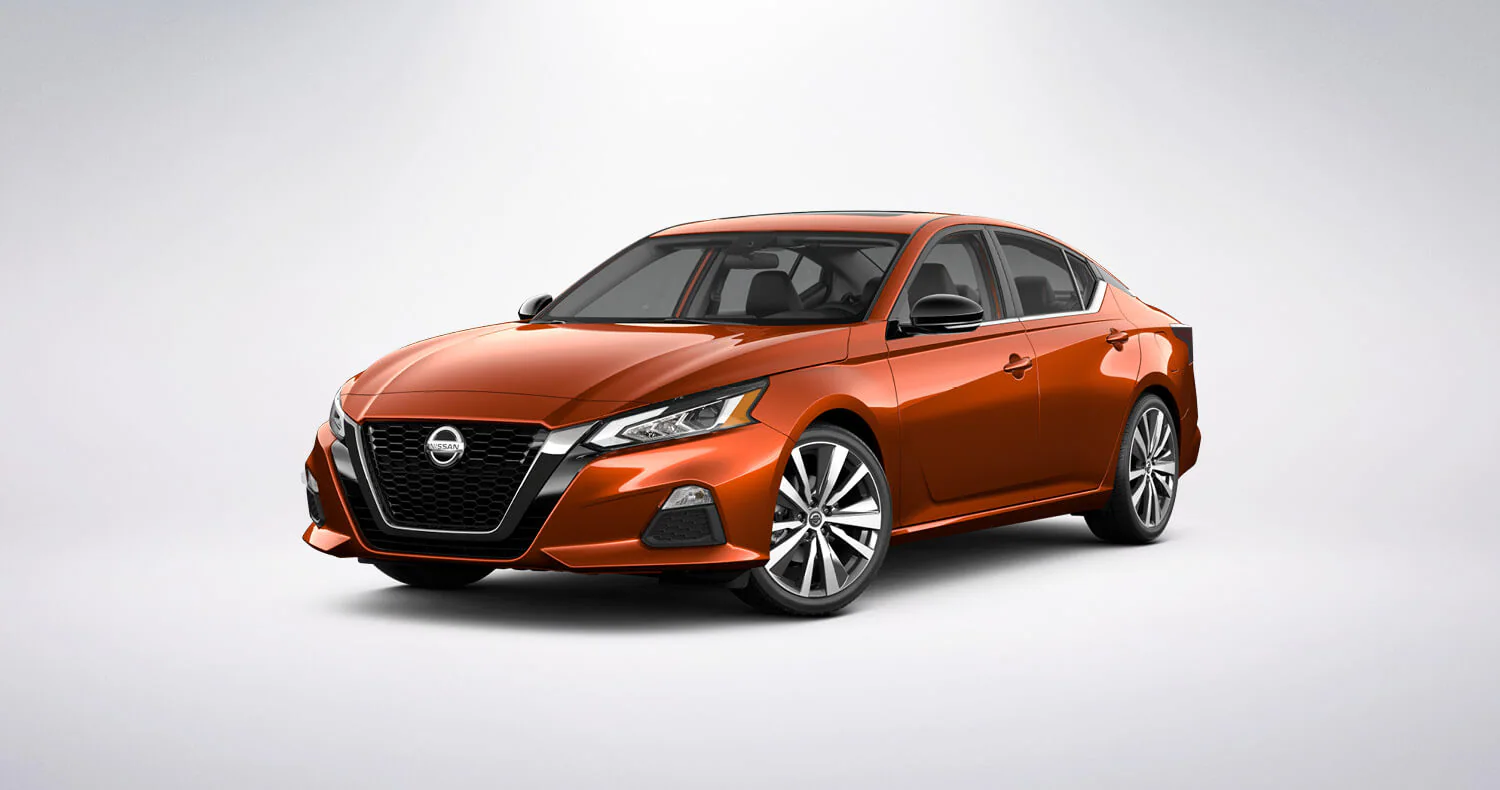
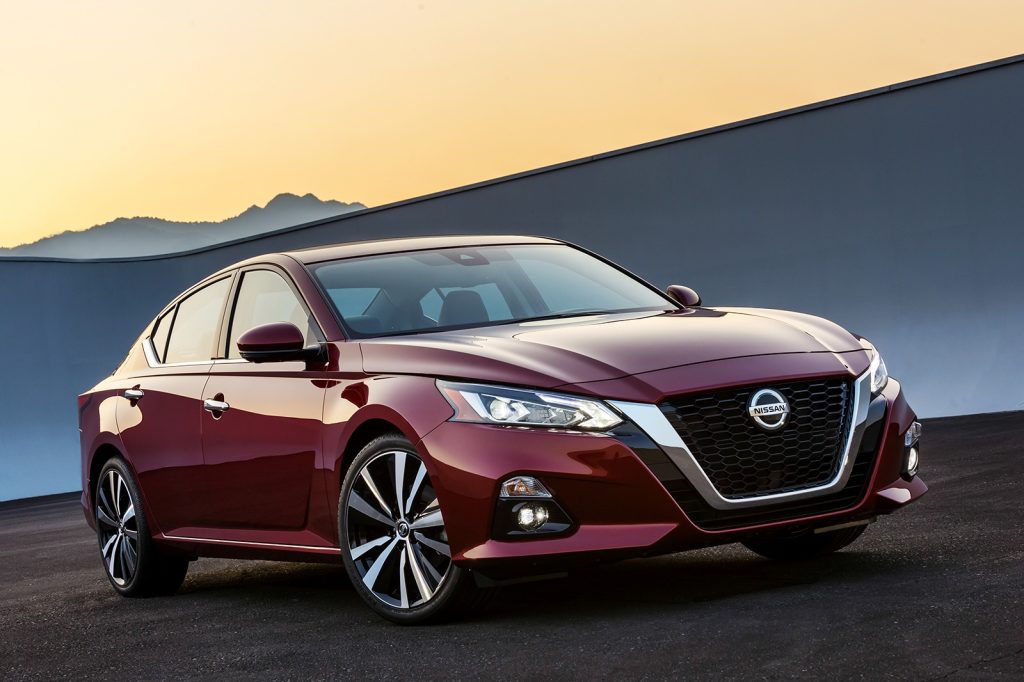
Vehicle 5: Nissan Altima (Some Model Years)
Some Nissan Altima models, particularly from the early 2010s, have been documented to frequently show dashboard warning lights that irritate owners. The issue often involves persistent or intermittent alerts such as check engine, battery, or brake system warnings.
Like the other vehicles on this list, these problems usually stem from electronic sensor malfunctions or control module glitches.
Nissan’s extensive use of electronic monitoring in these models was intended to enhance safety and maintenance awareness but sometimes backfired due to the sensitivity or occasional unreliability of specific sensors.
These dashboard light patterns can lead to unnecessary maintenance visits or confusion about the vehicle’s true health status. Owners often express frustration about not knowing whether a warning light signifies a critical issue or a false alert.
This pattern affects ownership experience, making some Altima models less appealing for those valuing a calm, distraction-free dashboard.
Potential buyers need awareness of these issues to anticipate and mitigate dashboard alert frustration through timely maintenance and diagnostics.
Vehicles with reliable, minimal dashboard warning lights and those prone to frequent alerts offer very different ownership experiences, as the contrasting sources and handling of these alerts impact driver confidence, maintenance costs, and overall satisfaction.
Dashboard warning lights exist to communicate vital information about a vehicle’s health from minor maintenance reminders to critical safety issues and how these lights behave is deeply tied to a car’s engineering quality, sensor accuracy, electronic system complexity, and manufacturer maintenance philosophy.
Vehicles that rarely have annoying dashboard lights, such as the Toyota Camry, Honda Accord, Lexus RX, Subaru Outback, and Hyundai Sonata, typically exhibit robust mechanical design and streamlined electronic integration.
These models benefit from sensor systems that are well-calibrated to minimize false or overly sensitive alerts, meaning warning lights only appear when genuinely necessary.
For example, the Toyota Camry stays clear of nuisance lights by relying on proven, conservative electronics and solid build quality, while the Honda Accord balances precise diagnostics with long-term durability.
Similarly, the Lexus RX and Subaru Outback emphasize sensor accuracy and simplified software to reduce false alarms, and the Hyundai Sonata’s modern sensor technology ensures relevant notifications without frequent interruptions.
Collectively, these vehicles reflect a focus on driver peace of mind and reducing unwarranted maintenance visits by avoiding constant dashboard distractions.
In contrast, vehicles like older BMW 3 Series models, Jeep Grand Cherokee, Land Rover Discovery, certain Ford Focus model years, and some Nissan Altimas are known for persistent and often annoying dashboard warning lights.
Their electronic systems, while advanced and feature-rich, tend to be overly sensitive or prone to glitches. For instance, the complexity of BMW’s electronic controls or Land Rover’s terrain response system can cause frequent alerts even when no critical issues exist.
The Jeep Grand Cherokee’s multiple sensor-laden systems and the Ford Focus’s occasional sensor or software bugs contribute to repeated false warnings, while select Nissan Altimas experience similar electronic irregularities.
These repetitive warnings are known to frustrate owners, lead to costly diagnostics, and diminish trust in the vehicle’s reliability.
They highlight how electronic complexity, combined with sensor or software shortcomings, can inadvertently create a dashboard environment full of distracting alerts rather than helpful guidance.
Understanding these dynamics is crucial for buyers who weigh vehicle reliability beyond just engine or powertrain factors and consider how dashboard communications affect daily driving comfort.
Minimal and accurate dashboard alerts contribute significantly to a stress-free experience, whereas vehicles with frequent or false warnings increase anxiety and maintenance burdens, reducing overall satisfaction.
By choosing models recognized for clear, trustworthy alerts, drivers can stay informed without irritation.
Conversely, awareness of common dashboard light issues in certain models helps owners prepare for and manage these challenges better, ensuring proper maintenance and avoiding surprise costs.
Ultimately, the difference between vehicles that rarely show annoying dashboard lights and those that do frequently comes down to electronic system design, sensor quality, and manufacturer priorities for user experience and reliability.
Buyers focused on minimal dashboard distractions and clear notifications benefit most from proven, well-engineered vehicles with relatively simple and reliable electronic systems.
Those attracted to technologically advanced or feature-heavy models must accept that complexity sometimes brings more persistent dashboard lights and potential servicing headaches.
This knowledge supports more informed vehicle decisions aligned with individual tolerance for dashboard alerts and maintenance expectations.
Also Read: 5 Honda SUVs That Rarely Break vs 5 That Constantly Do
