
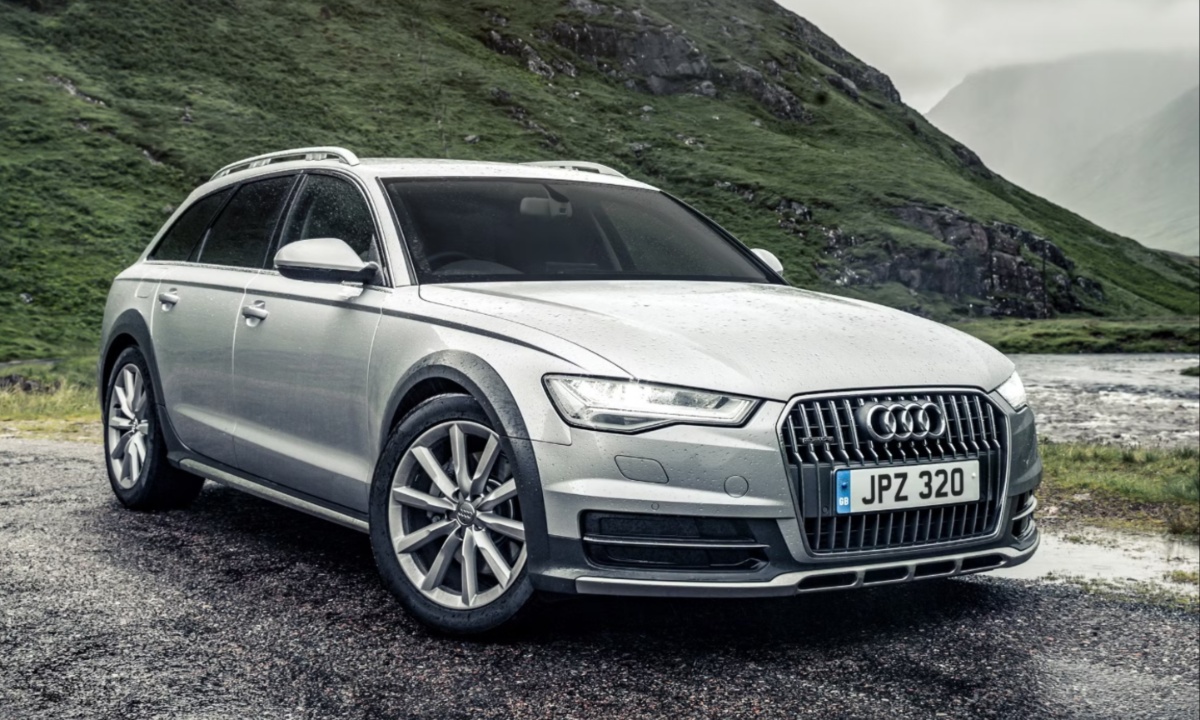
The Audi A6 has long stood as a symbol of German engineering, blending luxury, performance, and durability into one refined package. Since its debut in the mid-1990s, the A6 has served as a cornerstone in the midsize luxury sedan market, competing directly with rivals like the BMW 5 Series and Mercedes-Benz E-Class.
Over the years, the model has seen both high points of engineering brilliance and low points marked by recurring reliability concerns. For buyers interested in the A6, understanding which years are considered strong builds and which are best avoided can make a significant difference in ownership experience.
This guide explores five standout A6 model years that earned reputations for strong builds, safety, and lasting value, alongside five model years that struggled with reliability issues, costly repairs, or safety hazards. By the end, you’ll have a clearer view of which Audi A6 years deliver confidence and which ones may cause frustration.
5 Audi A6 Years With Strong Builds
1. 2004 Audi A6
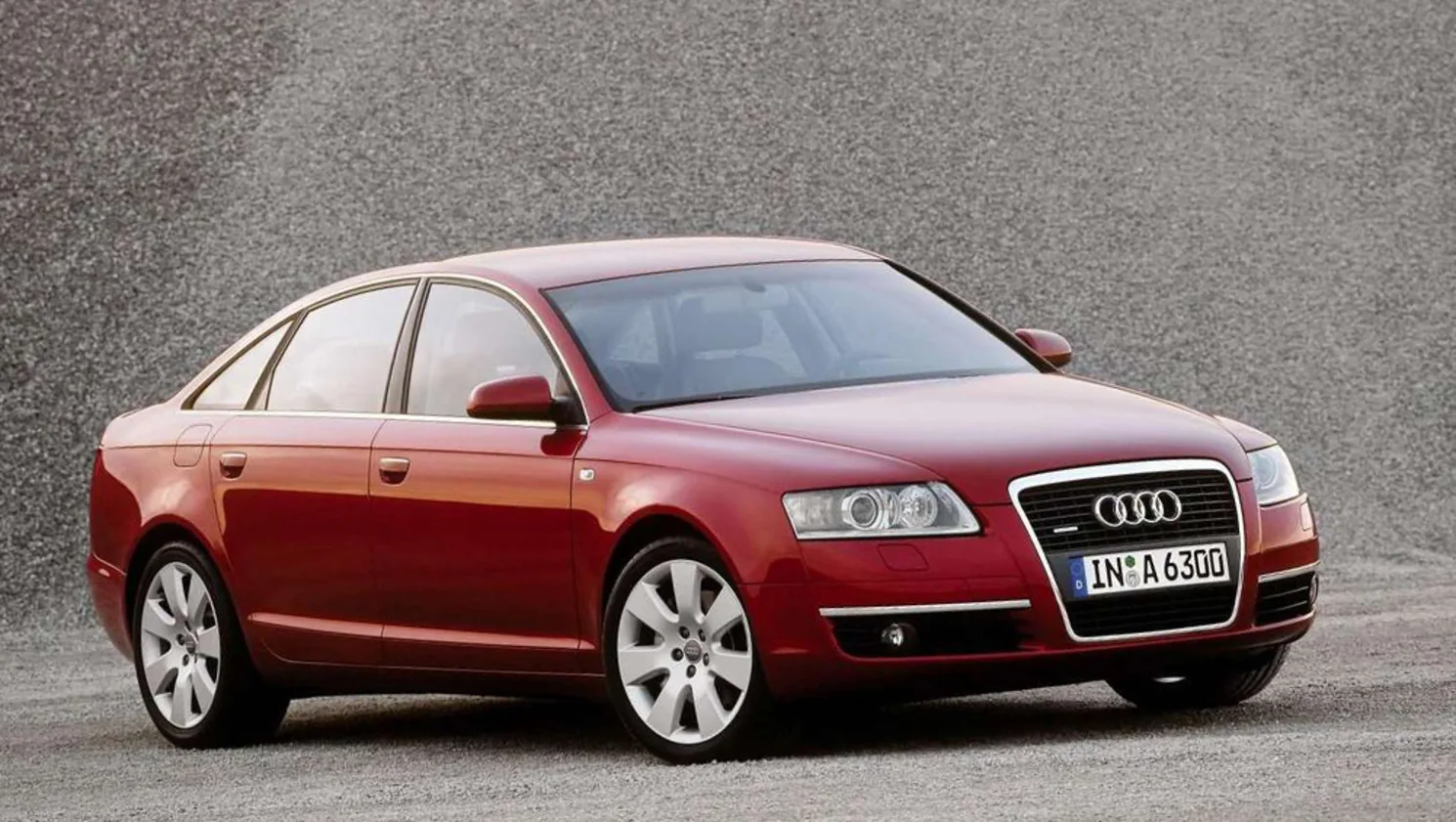
The 2004 Audi A6 marks the conclusion of the second generation, showcasing a refined blend of luxury, performance, and practicality. Renowned for its premium cabin materials, responsive handling, and Quattro all-wheel drive system, the A6 was a strong contender in the luxury sedan market.
Updates for this final year included a sport mode for the “multitronic” CVT, a reworked center console with a power point, and a standard sunroof on all Quattro models. While the A6 delivered a sophisticated driving experience, it was often compared to rivals like the BMW 5 Series, praised for athleticism, and the Mercedes-Benz E-Class, admired for prestige.
The 2004 A6 was offered with a range of engines, including V6 and V8 options, catering to diverse performance preferences. Pricing started at $36,640 for the base sedan and climbed to $49,690 for the top-tier 4.2 Quattro Sedan when new.
In today’s market, used examples are valued between $3,600 and $4,700, depending on mileage and condition. Fuel economy was modest, averaging 15–16 MPG in the city and 22–23 MPG on the highway, but buyers valued its smooth ride and Quattro traction over efficiency.
While maintenance could be costly, particularly through dealerships, the A6 still represents good long-term value for drivers who prioritize driving dynamics and luxury.
Owners frequently praised the 2004 A6 for its comfort, space, and feature-rich interior. Taller drivers highlighted its roomy seating, while families appreciated its generous trunk and safety features. Many reviews emphasized its driving pleasure, particularly the strong grip in winter conditions and smooth highway performance.
Features like heated leather seating, Bose sound, dual-zone climate control, and advanced lighting systems enhanced daily comfort. Still, owners noted that repair and upkeep expenses could be significant, making it important to find trusted independent mechanics. Despite this, 80% of owners recommend the A6, and platforms like Edmunds rated it an impressive 4.8 out of 5.
Safety was a standout strength for the 2004 A6, equipped with multiple airbags, stability and traction control, child safety locks, and rear parking sensors. Real-world crash stories from owners highlighted its durable structure and protective cabin design.
Reliability ratings also remained favorable, earning a score of 4.2 out of 5. Owners described it as dependable when routine maintenance was followed, though higher repair bills could be expected with age.
With strong brakes, excellent handling, and advanced safety features for its time, the A6 inspired confidence both for daily commutes and long family trips.
The 2004 Audi A6 remains a well-balanced luxury sedan that excels in comfort, safety, and driving enjoyment. Though it may not have surpassed the athleticism of BMW or the prestige of Mercedes, it carved its niche with Quattro technology, timeless styling, and a high-quality cabin.
Owners continue to admire its sleek design, responsive handling, and reliability when properly maintained. For buyers seeking a refined used luxury sedan at a reasonable price, the 2004 A6 stands as a strong option, one that delivers upscale comfort, safety, and durability long after its initial release.
2. 1997 Audi A6
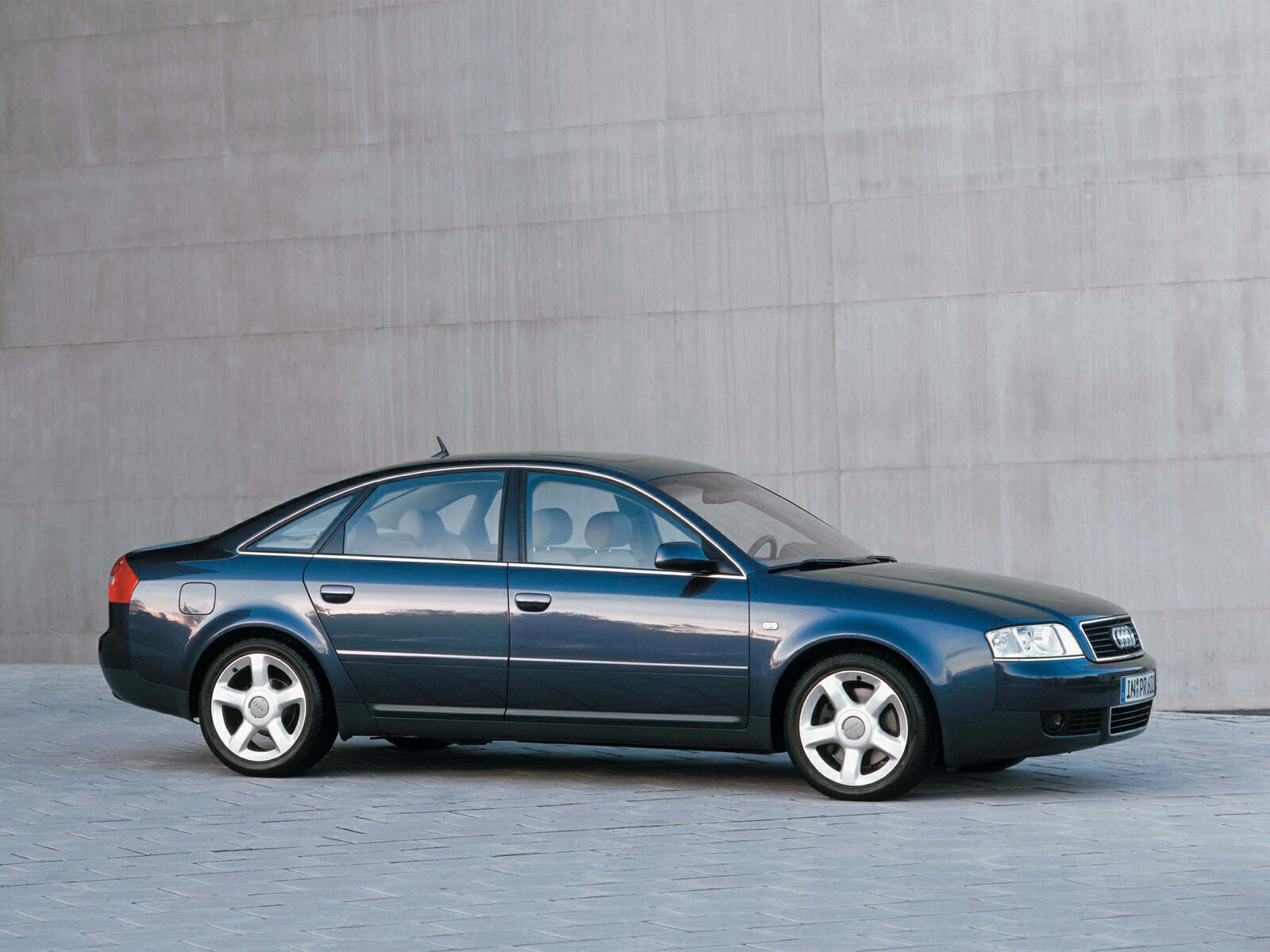
The 1997 Audi A6 represents the final year of the model’s first generation, a car that, despite its age, still offered a refined mix of luxury, comfort, and all-weather capability.
While the second generation was already on the horizon, Audi continued to enhance the outgoing model with features such as the new Quattro Value Package, selective unlocking via remote entry, Jacquard cloth upholstery, and fresh paint options like Tornado Red, Volcano Black Metallic, and Byzantine Metallic.
Although its styling was starting to feel dated compared to the new A4 and flagship A8, the A6 retained its appeal with a roomy cabin, solid build quality, and European flair that made it a viable alternative in the entry-luxury segment.
Under the hood, the 1997 A6 carried a 2.8-liter V6 engine producing 172 horsepower. While this motor worked well in the lighter A4, it struggled with the A6’s heavier frame, especially in Quattro wagon form, making acceleration leisurely at best. Nevertheless, the car made up for its lack of power with its handling.
Crisp steering and outstanding brakes allowed the A6 to deliver a composed driving experience, though the steering feel was sometimes criticized as being overboosted.
Fuel efficiency was respectable for its time, with an EPA combined rating of 19 MPG, offering a good balance of performance and economy in the luxury midsize sedan category.
The interior of the 1997 A6 reflected Audi’s dedication to understated luxury and comfort. Supportive seats ensured long-distance driving ease, whether upholstered in the new Jacquard cloth or optional Kodiak leather.
Burled walnut trim added to the premium ambiance, while the clean instrument cluster and soothing red backlighting created a driver-focused environment. Some controls initially puzzled drivers, but familiarity resolved the learning curve.
Passenger space was generous, and owners consistently praised the A6 for its ergonomics and practicality. With its combination of style and comfort, the cabin made the A6 one of the most appealing European sedans of its time.
Audi’s famed Quattro all-wheel drive system was available on both sedan and wagon models, either as a $1,600 standalone option or bundled into the value-focused Quattro Package. This package included a power glass sunroof, larger alloy wheels, and bigger tires at a discounted price, enhancing both style and performance.
Audi even marketed the A6 Quattro Wagon as a more refined alternative to l, though buyers largely gravitated toward Subaru’s booming AWD wagons instead.
Despite this, Quattro-equipped A6 models gained loyal followings among drivers in snow-prone regions, earning a reputation for stability, safety, and all-weather confidence.
As the last of its generation, the 1997 Audi A6 stood at the crossroads between tradition and modernization. While its aging design and underpowered engine limited its appeal compared to newer rivals, it remained a well-rounded package that blended comfort, craftsmanship, and capable handling.
Owners admired its roomy interior, smooth ride, and Quattro system, often describing it as a reliable companion in harsh weather conditions. With a second-generation redesign due in 1998, many critics advised waiting for the upgraded model.
However, for those who valued timeless luxury and Audi’s sure-footed driving dynamics, the 1997 A6 represented a hidden gem in the used luxury market.
3. 2022 Audi A6
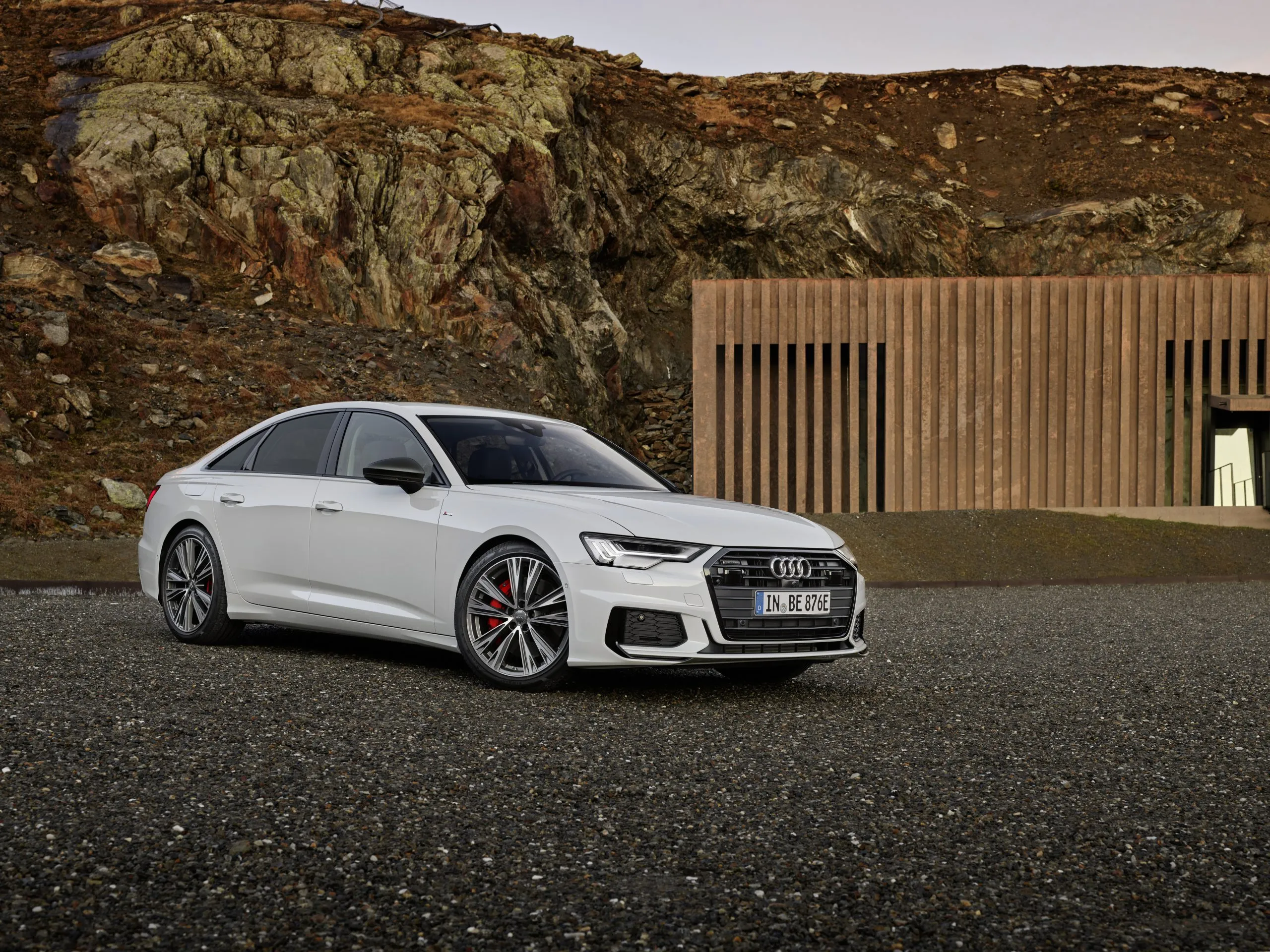
The 2022 Audi A6 continues its fifth-generation legacy, offering a refined blend of style, technology, and performance. Updates for this year highlight the A6’s tech-forward approach, including standard next-generation Virtual Cockpit Plus digital instrumentation, expanded infotainment functions, and wireless Android Auto alongside wireless Apple CarPlay.
Amazon Alexa integration is also enhanced through Audi Connect Prime and Plus subscriptions. The Black Optic Sport package is now more widely available, emphasizing sportier styling.
These enhancements keep the A6 competitive with rivals like the BMW 5 Series and Mercedes-Benz E-Class, while maintaining its reputation for combining luxury, practicality, and German engineering in a midsize sedan package.
Performance remains a standout feature of the 2022 A6, particularly with the turbocharged V6 option. Testing revealed a 0–60 mph sprint in just 4.8 seconds, making it one of the quickest sedans in its class.
The car delivers precise handling, linear braking, and high-speed stability, with a stopping distance of only 103 feet from 60 mph. Summer tires enhance grip, and the A6 navigates sweeping corners and rapid direction changes with impressive composure.
Even though it is not the high-performance S6, the A6 offers driving dynamics that balance sporty capability with luxury comfort, making it suitable for spirited driving or long-distance cruising.
Comfort in the 2022 A6 depends on configuration. Standard setups provide supportive seats, responsive climate controls, and a smooth ride ideal for daily commuting. However, models with the lowered sport suspension and 21-inch wheels deliver a firmer ride and introduce more road noise.
Minor bumps can be felt in the cabin, though not excessively harsh. Front seats are highly adjustable with the Individual Contour feature, but the low driving position may feel restrictive for some drivers.
Wide door openings improve access, though taller occupants may find exiting slightly cumbersome. For those prioritizing comfort, skipping the sport suspension and larger wheels is advisable.
Audi’s interior craftsmanship shines in the 2022 A6. The dual-screen infotainment and climate system may initially feel overwhelming, but its intuitive controls are easy to master. The Virtual Cockpit digital cluster and optional head-up display provide real-time navigation, engine, and vehicle data directly in the driver’s line of sight.
Material quality is excellent, with soft-touch surfaces and precise panel alignment. Passenger space is generous, though storage is average.
The trunk measures 13.7 cubic feet, with limited small-item storage in the cabin, making it less practical than some competitors. Despite this, ergonomics, build quality, and tech integration reinforce the A6’s luxurious appeal.
Fuel economy is rated at 24 mpg combined for the V6, though real-world results may fall short. Pricing can increase substantially with higher trims and optional packages, but competitors like BMW and Mercedes-Benz reach similar levels.
Audi’s warranties are standard for the segment, and the A6’s superior build quality enhances long-term value. With strong performance, advanced technology, refined comfort, and elegant design, the 2022 Audi A6 remains a compelling choice for buyers seeking a modern, capable, and well-rounded luxury midsize sedan.
4. 2018 Audi A6
The 2018 Audi A6 arrived as a mature yet competitive luxury sedan, adding meaningful upgrades despite being in its sixth model year without a full redesign. Standard features expanded to include navigation, a larger MMI display, and keyless ignition and entry across the lineup.
Premium Plus trims gained LED headlights, while Prestige versions added a top-view parking camera. The biggest mechanical news came with the 3.0-liter supercharged V6, which now delivered 340 horsepower and 325 lb-ft of torque power previously reserved for the discontinued Competition Prestige model.
A new Competition package was also introduced, bundling sporty features to enhance driving dynamics. Although the A6’s conservative styling and older infotainment interface were showing their age, its well-rounded appeal kept it among the top choices in the midsize luxury sedan segment.
Audi offered the A6 with both a 2.0T engine and the more powerful 3.0T V6, the latter delivering segment-leading acceleration and refinement. The V6 model reached 60 mph in just over 5 seconds, making it one of the quickest in its class.
The eight-speed automatic provided smooth, seamless shifts, while braking performance was equally strong, stopping from 60 mph in 111 feet. Handling was impressive with the agility that made the sedan feel more like a coupe on winding roads, particularly with the optional sport suspension.
Steering, however, lacked the feedback of some rivals, offering light effort in most conditions. The A6 delivered a smooth driving experience, with only minor quirks from the stop-start system. Audi succeeded in balancing comfort with dynamic ability, though buyers seeking pure comfort were cautioned against the firmer Sport package.
The 2018 A6 balanced sporty dynamics with long-distance comfort, though some trade-offs emerged. Standard seats were firm but supportive, excelling during extended trips, while ventilated seats on Prestige trims added further comfort.
Rear passengers enjoyed generous space and supportive seating, making the car a capable family luxury sedan. Ride quality varied depending on options: with the Sport package and 20-inch wheels, the suspension became noticeably stiffer, reducing comfort over minor imperfections.
Noise levels were generally well-controlled, with wind and engine sounds subdued, though road noise was more pronounced, likely due to the sport tires. Buyers prioritizing smoothness were encouraged to skip sport-tuned upgrades, as the standard suspension offered a more compliant balance between luxury and control.
Audi’s reputation for refined interiors was on full display in the 2018 A6. High-quality materials, such as attractive wood trim and soft-touch surfaces, complemented the sedan’s understated yet classy design.
Roominess was another strength, with spacious front and rear accommodations and easy ingress and egress through wide door openings. Visibility was adequate, though thick roof pillars slightly hindered forward sightlines, offset by a clear rearview camera and available head-up display.
While the A6 retained Audi’s older MMI infotainment system, it remained intuitive and responsive, offering Apple CarPlay, Android Auto, and Bluetooth connectivity as standard.
However, the absence of the newer Virtual Cockpit display, available in other Audi models, highlighted the car’s advancing age. Even so, build quality and ergonomic design ensured the A6 remained competitive with newer rivals.
Despite nearing the end of its generation, the 2018 Audi A6 demonstrated remarkable staying power in the competitive midsize luxury sedan market. Its powerful engines, agile handling, and premium cabin made it a well-rounded choice that appealed to drivers seeking both luxury and sportiness.
Despite offering less trunk space and facing rivals with newer designs and advanced tech, the A6 continued to deliver impressive quality.
For buyers looking for a refined, reliable, and performance-oriented sedan, the 2018 A6 remained a top contender, proving that even without a full redesign, it continued to deliver the blend of luxury, technology, and driving enjoyment expected of a premium German sedan.
5. 2021 Audi A6
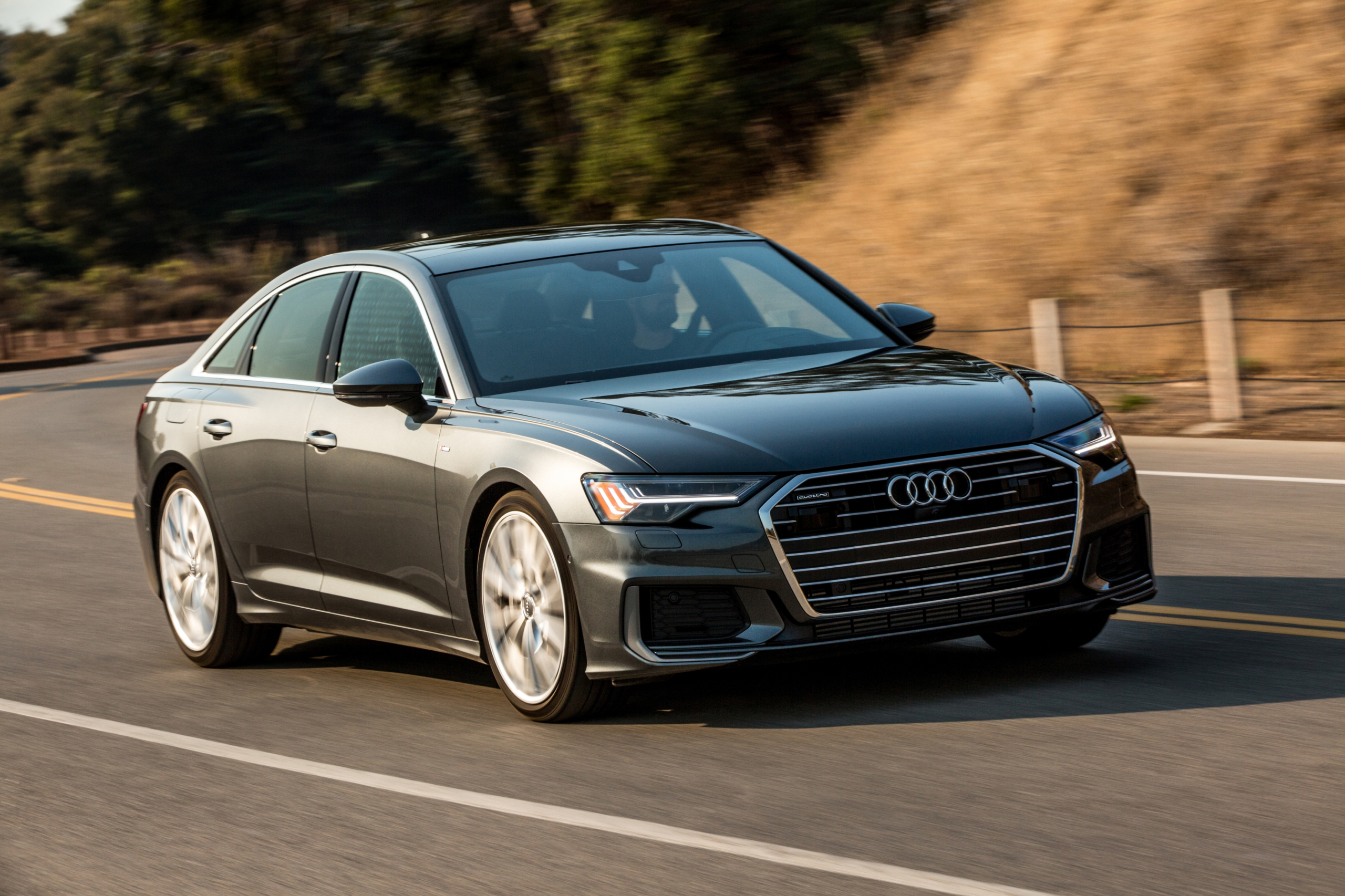
The 2021 Audi A6 continues as part of the fifth generation introduced in 2019, offering only minor updates for the model year but maintaining its reputation as one of the most refined midsize luxury sedans. The base 45 TFSI engine received a small power boost to 261 horsepower, an increase of 13 hp over the previous year.
Audi also made slight adjustments to packages and features, but the car remains largely unchanged. Staying true to Audi’s “Vorsprung durch Technik” philosophy, the A6 embodies advancement through technology with its dual-screen infotainment system, available Virtual Cockpit digital display, and standard all-wheel drive.
Competing against strong German rivals such as the BMW 5 Series and Mercedes-Benz E-Class, the A6 differentiates itself through understated luxury, advanced technology, and well-rounded performance.
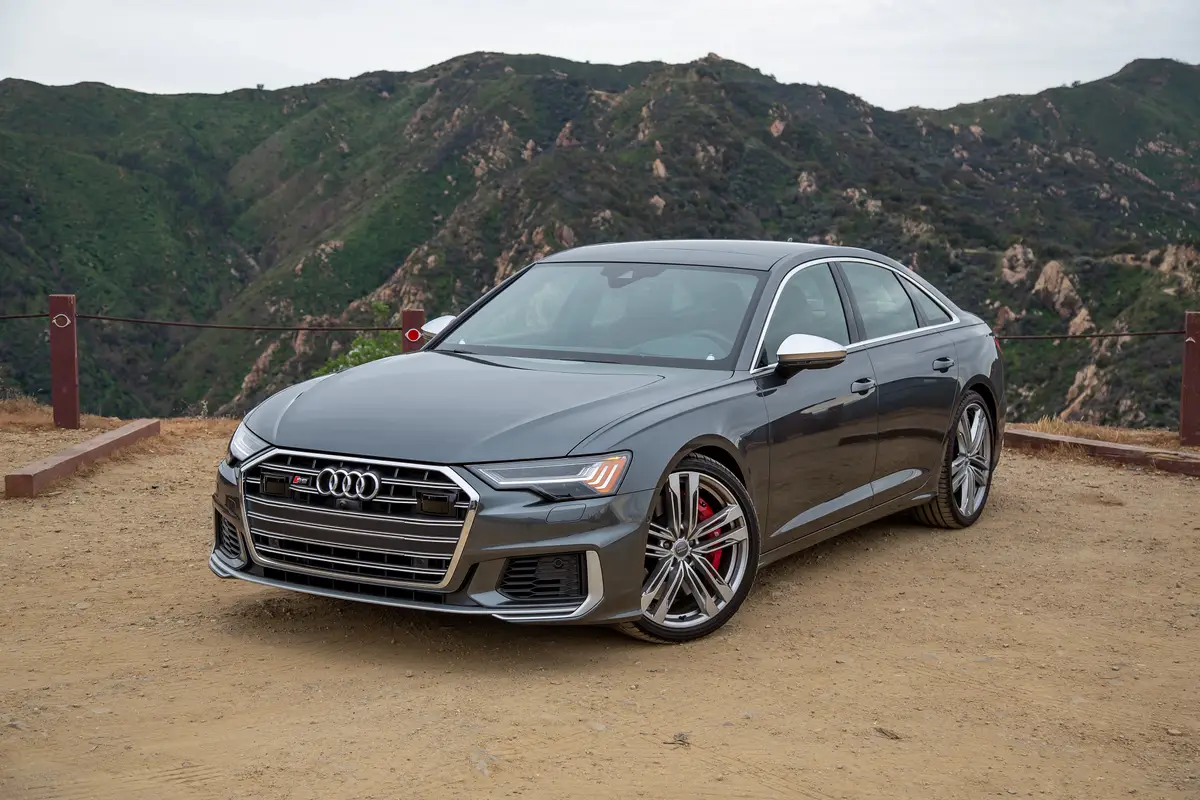
Performance remains a highlight of the 2021 A6. Buyers can choose between a turbocharged four-cylinder or a turbocharged V6, both supported by mild-hybrid electric assist systems for smoother power delivery and improved efficiency.
In testing, the V6-equipped A6 accelerated from 0 to 60 mph in just 4.8 seconds, making it one of the quickest sedans in its class. Precise controls add to the car’s appeal, with responsive braking that stops from 60 mph in just 103 feet.
Handling is equally impressive; the A6 grips confidently through corners and maintains balance at high speeds. Despite its size, the sedan feels agile, almost resembling a smaller coupe on twisty roads.
While steering feedback is limited, the A6 delivers a sophisticated blend of refinement and sporty engagement that suits both relaxed commuting and spirited driving.
Comfort in the A6 is solid, though not without compromise. The standard setup offers supportive seating and an agreeable ride, with climate controls that respond quickly and ventilated front seats available on higher trims.
However, opting for the lowered sport suspension and 21-inch wheels sacrifices ride comfort, introducing road noise and more noticeable bumps. The front seats are ergonomically designed for long drives, while rear passengers benefit from ample legroom and wide door openings for easy access.
The A6 is comfortable enough for daily luxury use, but buyers prioritizing smoothness over sporty handling may want to avoid the firmer suspension options.
Audi’s interior craftsmanship remains one of the A6’s greatest strengths. High-quality materials, precise build quality, and an elegant design provide an upscale feel that rivals or surpasses competitors.
The dual-touchscreen system, which controls infotainment and climate functions, can feel overwhelming initially, but its intuitive layout quickly becomes second nature.
The available Virtual Cockpit instrument cluster and head-up display enhance the high-tech driving experience, providing configurable navigation and performance data directly in the driver’s line of sight.
Storage, however, is not a strong suit. At 13.7 cubic feet, the trunk is smaller than those of most rivals, and cabin storage is modest. Still, thoughtful ergonomics and technology integration make the interior both futuristic and user-friendly.
The 2021 Audi A6 remains one of the most well-rounded midsize luxury sedans, even with only incremental updates since its 2019 redesign. It offers a unique balance of sophistication, performance, and cutting-edge technology that appeals to buyers seeking more than just traditional luxury.
Its understated exterior styling contrasts with a thoroughly modern interior, while strong acceleration, precise handling, and Audi’s Quattro all-wheel drive system ensure confidence in all conditions.
Although its trunk space and ride comfort can fall short compared to some competitors, the A6’s build quality, tech features, and driving refinement make it a compelling choice.
For buyers seeking a luxury sedan that feels both timeless and futuristic, the 2021 A6 continues to deliver on Audi’s promise of advancement through technology.
Also Read: 5 Nissan Frontier Years That Last Decades vs 5 That Don’t
5 Audi A6 Years Without Strong Builds
1. 2019 Audi A6 – Widespread Electrical System Failures
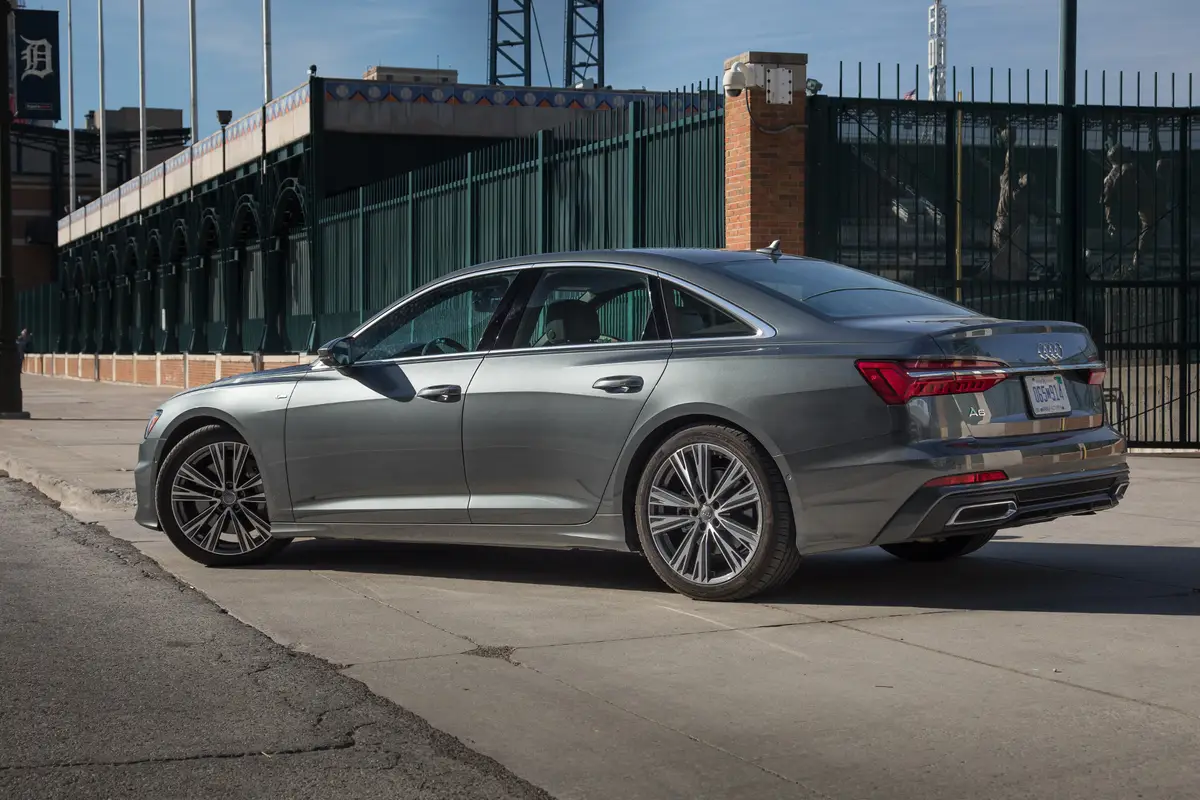
The 2019 Audi A6 has become notorious for its widespread electrical system malfunctions. Owners frequently report sudden dashboard warnings such as “electrical system malfunction,” often followed by total electrical failure.
According to multiple accounts, the issue can disable essential features like ABS, adaptive cruise control, power steering, and transmission. In severe cases, drivers experienced complete shutdowns while traveling at highway speeds, creating serious safety hazards.
These incidents have sparked legal attention, with a class action lawsuit alleging alternator and starter generator defects. Data shows seven formal complaints on CarComplaints.com but over 120 related problems on CarProblemZoo.com, suggesting the issue is far more common than official figures reflect.
Common faults include alternator failure and critical software glitches, both of which can immobilize the vehicle entirely. Such recurring electrical breakdowns highlight a significant reliability concern for 2019 Audi A6 owners, damaging the reputation of Audi’s premium sedan lineup.
2. 2016 Audi A6 – Cooling System and Component Issues
The 2016 Audi A6 has its own set of recurring mechanical problems, particularly related to the cooling system. Owners report coolant leaks, water pump failures, and thermostat malfunctions that often appear at relatively low mileage.
Although Audi issued a massive coolant pump recall affecting 1.2 million vehicles, the 2016 model year was excluded, leaving affected owners to shoulder costly repairs. Complaints detail engine overheating risks, “Put in Park” transmission errors, worn-out wheel bearings, and shuddering during highway braking.
CarComplaints.com lists eight official complaints, while CarProblemZoo.com records over 50 instances of issues. Though not as immediately dangerous as the electrical failures seen in later models, the 2016 A6’s coolant and pump-related problems are expensive and inconvenient for drivers.
Without recall coverage, frustration grows, prompting concerns about Audi’s recall approach and dedication to resolving recurring mechanical problems.
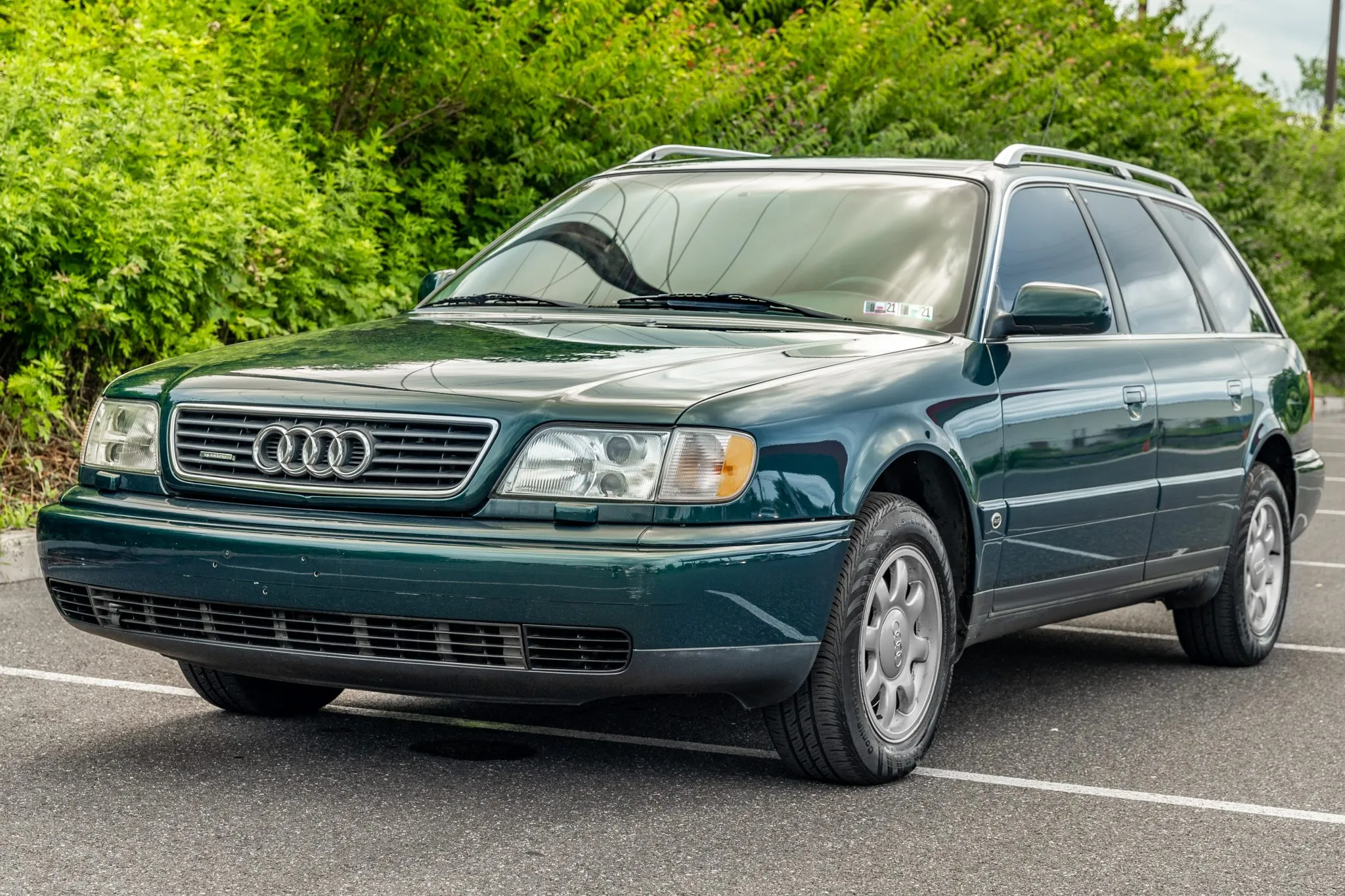
3. 1996 Audi A6 – Early Reliability and Ignition Switch Defects
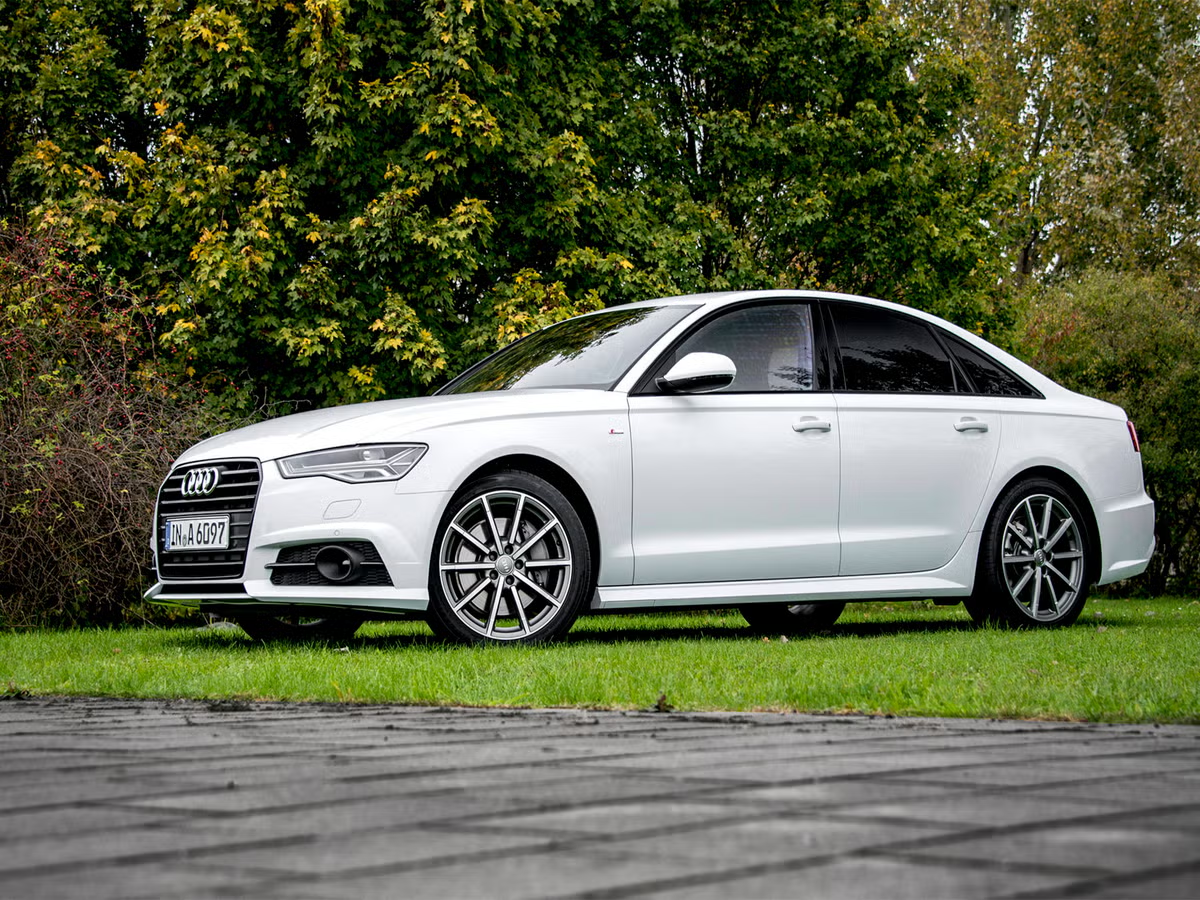
The 1996 Audi A6, one of the earliest models of the A6 series, faced notable reliability problems centered around ignition switch failures.
Drivers frequently complained that inserting the key into the ignition would disable critical systems like headlights, climate control, windshield wipers, and turn signals unless the key was manipulated into a precise position.
Such issues were closely related to an ignition switch recall in 1996, but not all vehicles benefited from timely repairs. Reports also mentioned excessive oil consumption and persistent ignition problems, underscoring weaknesses in both electrical and mechanical engineering.
While CarComplaints.com lists just one official complaint, CarProblemZoo.com data shows over 50 reported problems with this generation.
These ignition-related malfunctions were not only inconvenient but also dangerous, as they directly impaired essential safety functions. The 1996 model year illustrates how Audi struggled early on to balance luxury engineering with durable, long-lasting reliability.
4. 2012 Audi A6: Coolant Pump Failures and Safety Concerns
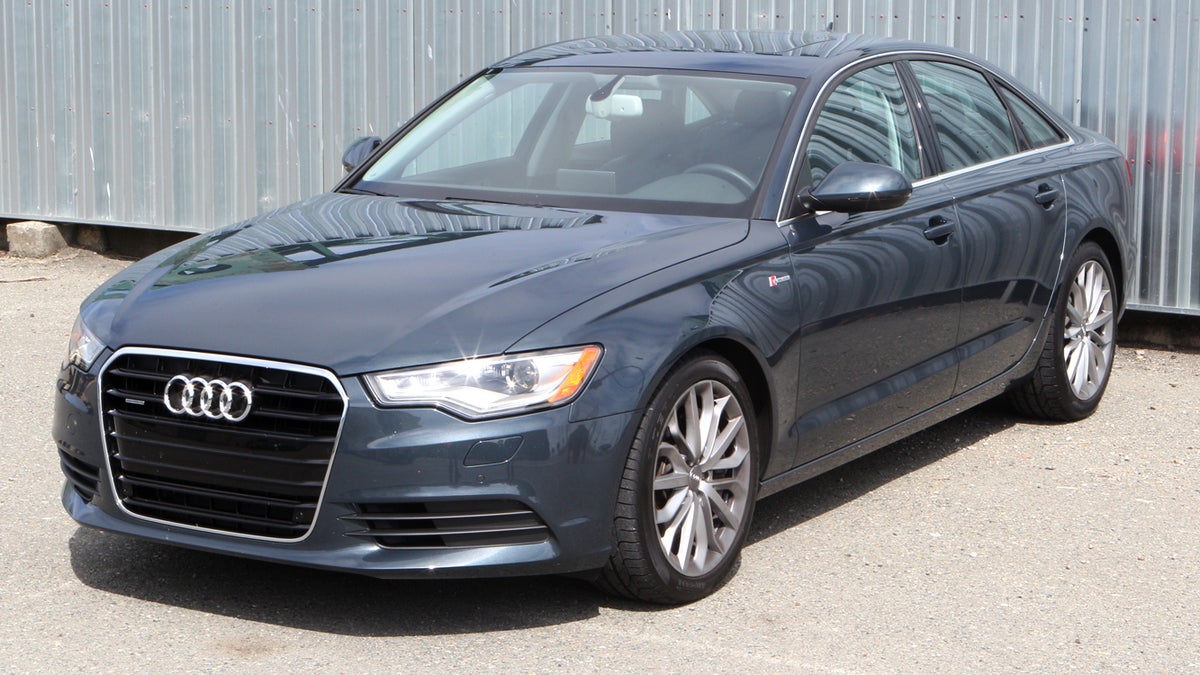
The 2012 Audi A6 faced a surge of consumer complaints due to serious safety and reliability issues. The most pressing problem stemmed from a defective electric coolant pump, which risked overheating and created a potential fire hazard.
Many owners also reported coolant leaks that damaged critical components such as wiring and the transmission control unit, leading to costly repairs. Beyond cooling system failures, unintended acceleration became a recurring concern, with incidents of the car surging forward unexpectedly and resulting in accidents or property damage.
Other mechanical issues included frequent misfires, activation of the check engine light, and violent shaking that undermined the car’s luxury appeal. Safety concerns were not limited to mechanical faults, as airbag defects carried over from earlier A6 models.
Many drivers endured long waits for replacement parts, further frustrating ownership. According to CarProblemZoo.com, the 2012 A6 accumulated 79 recorded issues, reflecting widespread dissatisfaction.
These problems highlighted significant lapses in quality control, undermining Audi’s reputation for precision engineering and creating legitimate safety risks for both drivers and passengers.
5. 2013 Audi A6: Continued Defects and Hazardous Trends
The 2013 Audi A6 continued to suffer from many of the same systemic problems as its predecessor, further eroding consumer trust. Once again, the electric coolant pump posed fire risks due to overheating, while coolant leaks damaged sensitive electronic systems, particularly the transmission control unit.
Complaints of unintended acceleration persisted, raising serious safety alarms and linking the model to several accidents. Alongside these major hazards, owners reported issues such as misfires, stalling, sunroof explosions, and persistent check engine lights.
Airbag defects also remained unresolved for many, with long delays in receiving replacement parts, leaving cars unsafe for extended periods. The combined effect of these issues frustrated owners and diminished the appeal of a car marketed as a premium luxury sedan.
With 73 documented problems, the 2013 A6 reflected a pattern of unreliable engineering that contrasted sharply with Audi’s reputation for refinement and quality. The recurrence of safety hazards across consecutive years demonstrated not just isolated defects, but a troubling lack of effective quality assurance measures.
For many drivers, these failures transformed the ownership experience into a safety gamble, highlighting how critical lapses in oversight can tarnish a luxury brand’s credibility.
The history of the Audi A6 reflects both the brand’s strengths and its occasional missteps. From durable, well-rounded years like 2004, 1997, 2018, and beyond, Audi has demonstrated its ability to craft sedans that balance comfort, safety, and performance with long-term reliability.
These models continue to earn praise from drivers for their refined interiors, Quattro all-wheel drive confidence, and lasting value in the used market. However, not every A6 generation lived up to Audi’s reputation.
Models plagued by electrical malfunctions, coolant pump failures, and ignition system issues highlight the importance of research before purchase. For enthusiasts and buyers alike, the A6 remains a compelling luxury sedan when chosen wisely, delivering timeless design and driving enjoyment.
Ultimately, knowing which years to embrace and which to avoid ensures a smoother ownership journey, helping drivers experience the best of Audi’s engineering while steering clear of its more troublesome chapters.
Also Read: 5 Honda Fit Years You Can Drive For Decades vs 5 That Won’t Last
