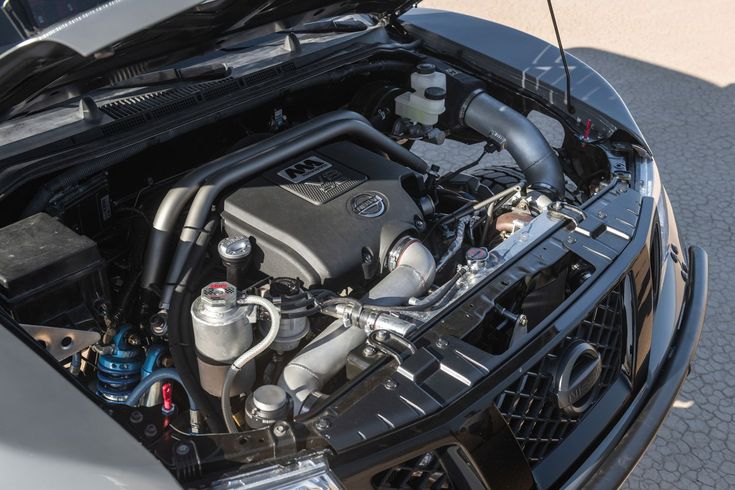
Nissan has built its reputation on producing vehicles that blend reliability, performance, and affordability. For decades, the brand has been a major player in the global automotive market, offering everything from budget-friendly sedans to powerful sports cars and capable SUVs. While Nissan has certainly had its ups and downs, one constant has always been its engines.
Some of Nissan’s powerplants are so legendary that they’ve achieved near-mythical status in enthusiast circles, praised for their bulletproof reliability, smooth operation, and ability to keep going well past 300,000 miles with minimal issues.
Others, however, have been plagued by flaws ranging from oil consumption and overheating to poorly designed timing chains and fragile components, making ownership more of a headache than a joy.
For every Nissan owner who proudly brags about never needing a major engine repair, there’s another with horror stories about costly failures and premature breakdowns. That’s why knowing which Nissan engines have stood the test of time and which ones have struggled is essential for buyers in the used car market, as well as enthusiasts who want to preserve and restore these vehicles for the long haul.
In this article, we’ll explore five Nissan engines that run forever and five that don’t. From the iconic inline-sixes that powered the legendary Z-cars and Skylines, to the dependable four-cylinders that kept family sedans on the road for decades, we’ll highlight the best examples of Nissan engineering at its finest.
On the flip side, we’ll also examine the engines that suffered from design flaws, poor durability, or maintenance nightmares that left owners frustrated.
Whether you’re considering a classic Nissan project, shopping for a reliable used daily driver, or simply curious about the engines that shaped Nissan’s reputation, this deep dive will separate the timeless workhorses from the problem children. By the end, you’ll have a clear picture of which Nissan engines are worth trusting and which ones are better left in the past.
5 Nissan Engines That Run Forever vs 5 That Don’t
Nissan’s legacy is a tale of two sides. On one hand, the company has produced some of the most respected engines in the industry, known for their longevity and resilience under even the harshest conditions.
These engines often appear in high-mileage vehicles that still start up and run like clockwork, proving that Nissan could engineer true durability when it mattered. Engines like the SR20DE, RB26DETT, and VQ35DE are revered not only for their long life but also for their performance and tuning potential, making them favorites among enthusiasts and everyday drivers alike.
However, Nissan hasn’t always gotten it right. Alongside its reliable champions, the brand has also released engines that fell far short of expectations. Some suffered from weak internal components, poor cooling designs, or oil consumption issues that led to premature wear.
Others, such as the QR25DE or certain iterations of the VQ40DE, became notorious for problems that could cost thousands in repairs. These engines damaged Nissan’s reputation and frustrated loyal customers who expected better from the automaker.
5 Nissan Engines That Run Forever
By contrasting the five Nissan engines that are built to last against the five that frequently disappoint, we can paint a complete picture of the brand’s mechanical history.
The reliable side proves that Nissan is capable of building world-class engines that rival the best in the industry, while the unreliable side serves as a cautionary tale of what happens when cost-cutting, design flaws, or poor execution take precedence. Let’s break them down one by one.
ALSO READ: 8 Easy Tips to Keep a Subaru Legacy Comfortable for Years
1. SR20DE
The SR20DE is one of Nissan’s most iconic four-cylinder engines, and for good reason. Produced from the late 1980s through the early 2000s, this naturally aspirated 2.0-liter DOHC powerhouse was featured in models like the Nissan Sentra SE-R, 200SX, and Primera.
Known for its smooth revving nature and strong balance between performance and reliability, the SR20DE quickly earned a reputation for being practically indestructible when maintained properly.
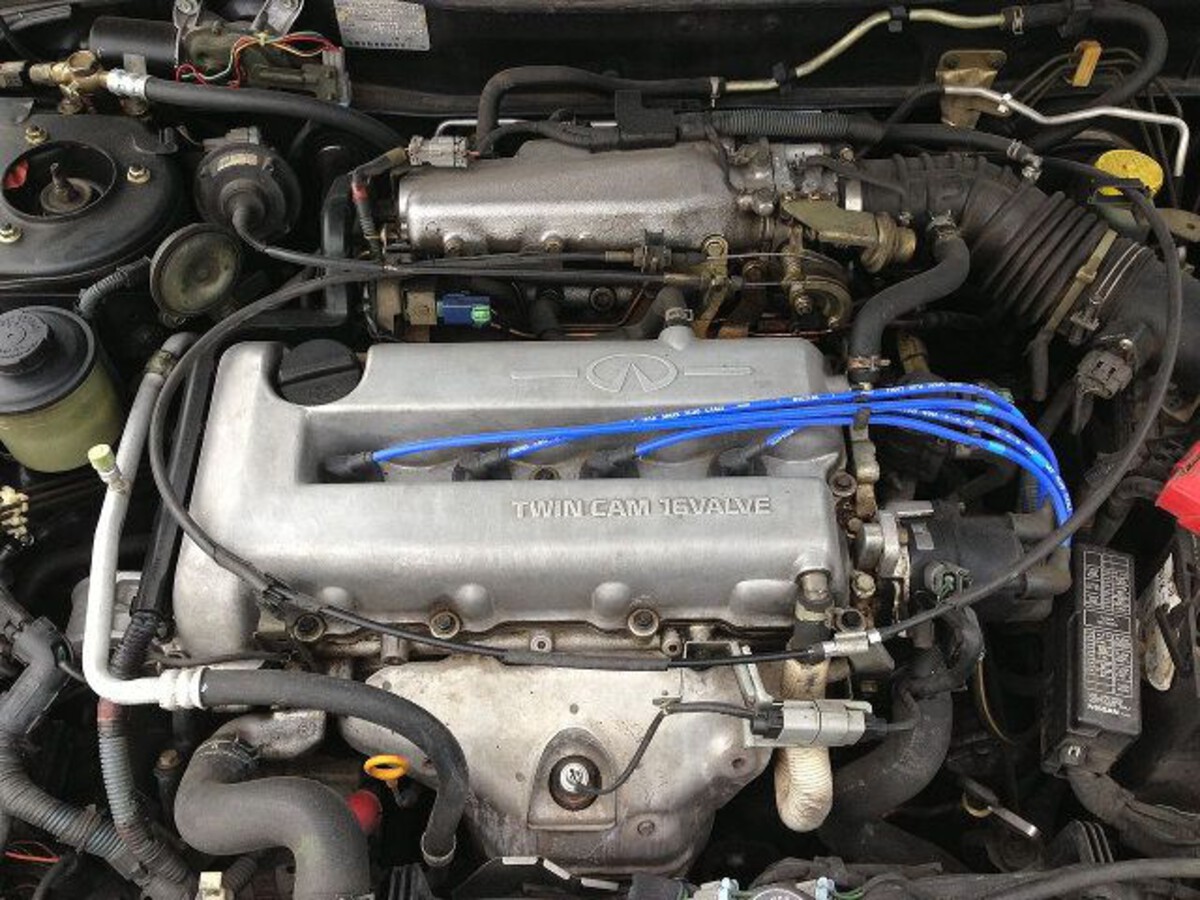
What makes the SR20DE special is its robust construction. With an iron block and an aluminum head, it was built to withstand both daily commuting and spirited driving.
Enthusiasts love it because it not only lasts but also responds well to modifications, with turbocharged variants (like the SR20DET) proving its capability to handle much more power than stock. Many owners report these engines easily surpassing 300,000 miles without major internal work, provided oil changes and routine maintenance are kept up.
Unlike some modern Nissan engines that suffered from oil burning or timing chain issues, the SR20DE remained dependable thanks to its relatively simple design. No unnecessary complexity, just solid engineering. Even when pushed hard, the engine rarely shows signs of weakness, making it a favorite among tuners who want reliability along with performance potential.
For anyone looking at a used Nissan from the 90s or early 2000s, finding one with the SR20DE under the hood is a major win. It represents Nissan at its peak of reliable engine design, an era when durability wasn’t sacrificed for cost-cutting. Simply put, the SR20DE is a timeless engine that truly runs forever.
2. RB26DETT
The RB26DETT is a legendary engine that not only cemented Nissan’s reputation in motorsports but also showcased the company’s ability to build bulletproof performance engines. Found in the Skyline GT-R (R32, R33, and R34), this 2.6-liter twin-turbo inline-six is celebrated worldwide for its immense strength, durability, and tuning potential.
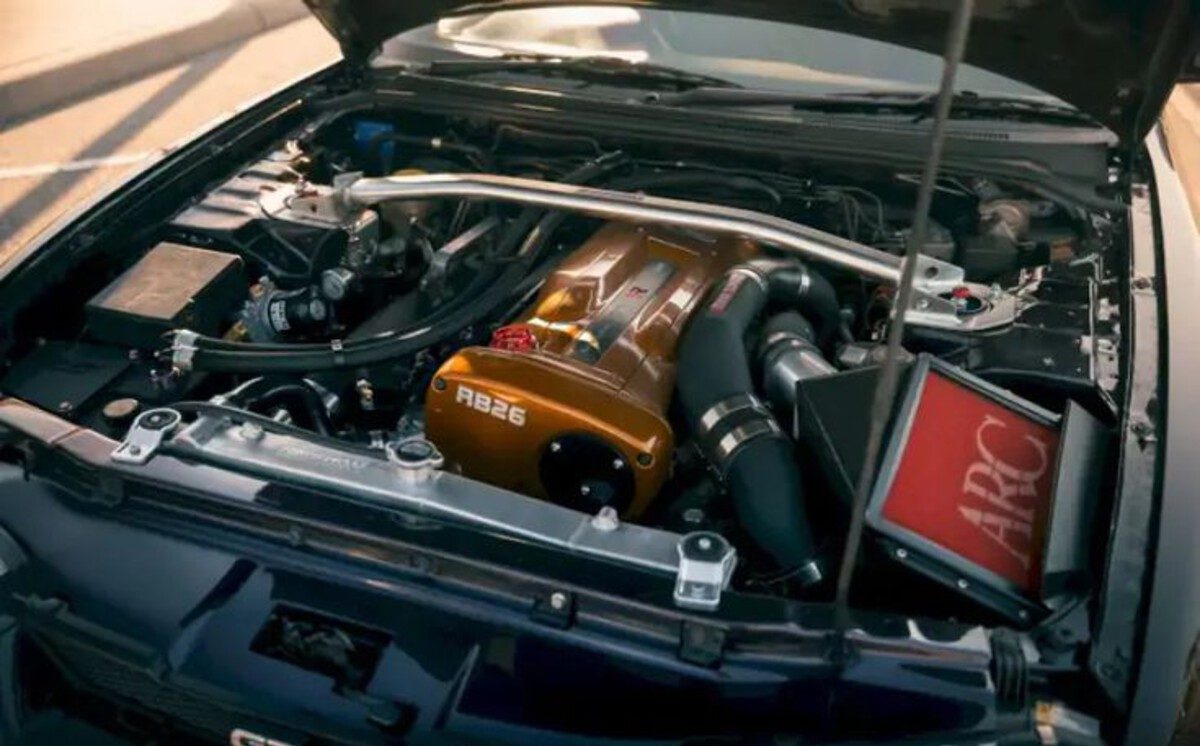
From the factory, the RB26DETT produced around 280 horsepower due to Japan’s gentlemen’s agreement on horsepower limits, but enthusiasts quickly discovered its true capability. With a strong iron block, forged internals, and a design that emphasized high-revving power, the engine could easily handle 500–600 horsepower with minimal modifications. With professional builds, many RB26DETTs have surpassed 1,000 horsepower while retaining impressive reliability.
What sets this engine apart is not just its performance but its longevity. Stories abound of RB26DETT-powered Skylines racking up enormous mileage with nothing more than basic maintenance. The engine’s robust construction, combined with Nissan’s focus on racing pedigree, ensured it could handle both street driving and the punishing demands of motorsport.
Of course, the RB26DETT is not cheap to maintain, and parts availability can be a challenge outside Japan. However, owners will attest that the engine rarely suffers catastrophic failures unless it has been abused or poorly modified. Its reputation as one of the toughest performance engines ever built is well deserved.
For enthusiasts and collectors, the RB26DETT isn’t just an engine that runs forever; it’s an engineering masterpiece that represents Nissan’s golden era. If the SR20DE was the everyman’s reliable hero, the RB26DETT is the titan that showed the world just how far Nissan could push the limits of endurance and performance.
3. VQ35DE
The VQ35DE, part of Nissan’s renowned VQ engine family, is another powerhouse that stands the test of time. This 3.5-liter V6 debuted in the early 2000s and quickly became a staple across multiple Nissan and Infiniti models, including the 350Z, Maxima, Altima, Murano, and Infiniti G35. Known for its smooth power delivery and impressive durability, the VQ35DE is still respected as one of the best engines Nissan has ever built.
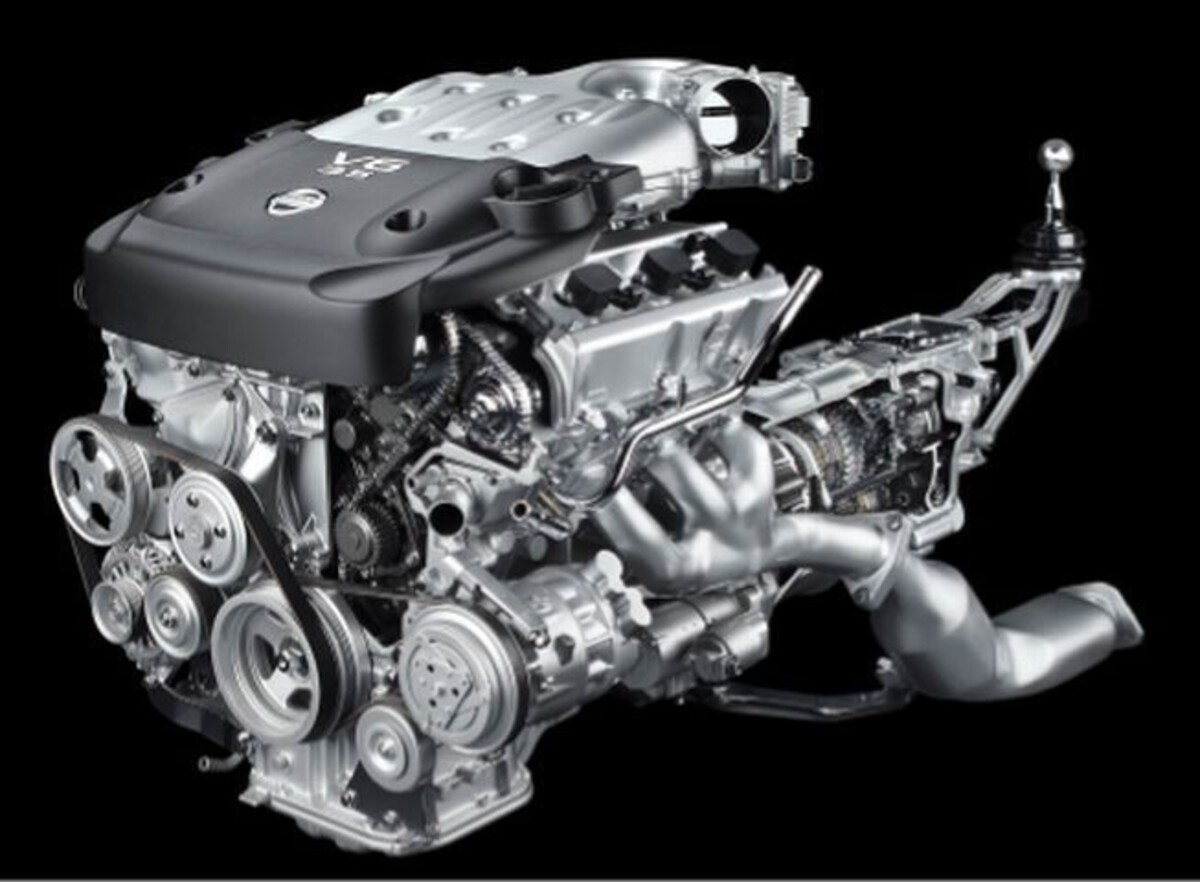
What makes the VQ35DE reliable is its balance of performance and practicality. Producing between 240 and 300 horsepower depending on the application, it provides plenty of power for both sporty and family-oriented vehicles. Its aluminum block and head design helped reduce weight while still maintaining strength, and Nissan engineers ensured it had a strong bottom end capable of enduring high mileage.
Owners frequently report these engines lasting well beyond 250,000 miles with minimal issues. Common problems are typically minor, such as valve cover gasket leaks or intake manifold rattles, but the internals of the VQ35DE remain solid. Timing chain problems that plagued other Nissan engines rarely appear here, and oil consumption is minimal when the engine is well maintained.
Another aspect of its success is that the VQ series has won multiple awards, including spots on Ward’s 10 Best Engines list for several consecutive years. The VQ35DE not only provides long life but also delivers engaging performance, making it beloved among enthusiasts and everyday drivers alike.
For anyone shopping for a used Nissan or Infiniti, a vehicle powered by the VQ35DE is one of the safest bets. It’s a proven engine that combines longevity, power, and smoothness, embodying what a reliable modern V6 should be.
4. KA24DE
The KA24DE may not have the glamour of Nissan’s performance engines, but it is one of the most dependable workhorses the brand has ever built. These 2.4-liter inline-four powered vehicles, like the Nissan 240SX, Frontier, and Altima throughout the 1990s and early 2000s. While often overshadowed by sportier engines like the SR20, the KA24DE has earned a reputation for being incredibly tough and capable of running forever.
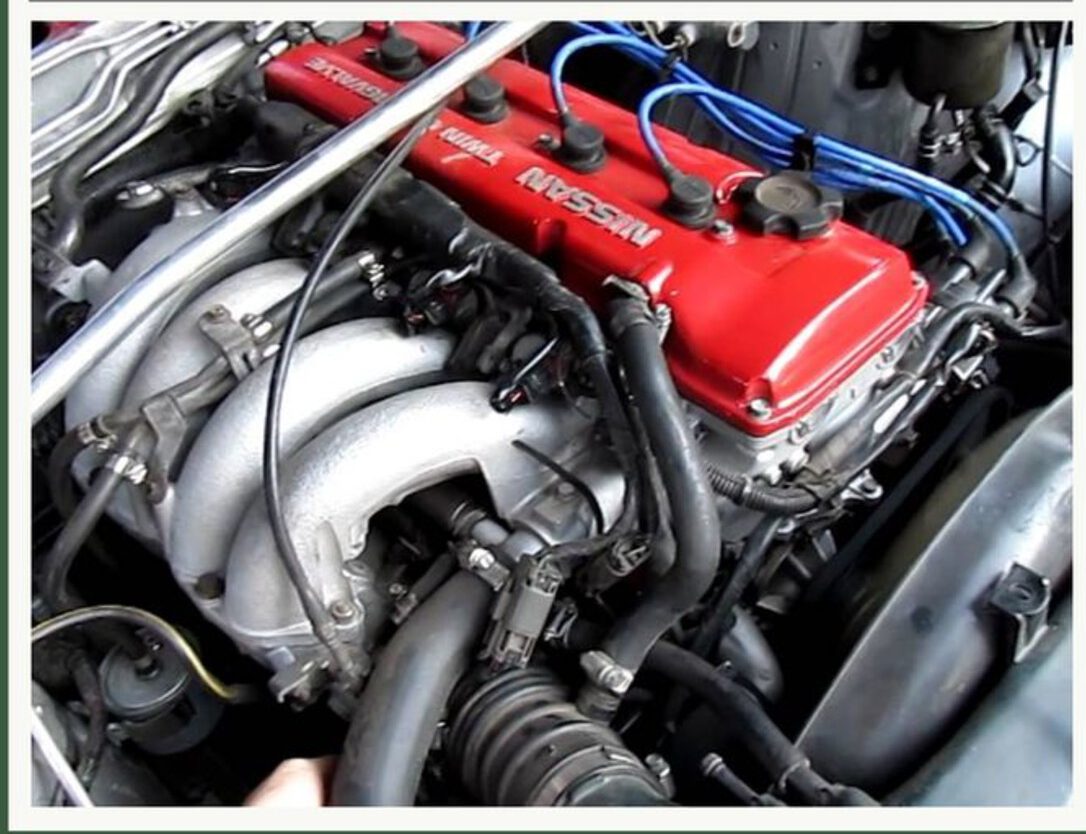
With its iron block and dual overhead cam aluminum head, the KA24DE was designed for durability rather than high-revving excitement. Its torque-rich nature made it perfect for trucks and SUVs, while still being adequate for sedans and coupes. Though some enthusiasts dismissed it for not being as performance-oriented as the SR20, the KA24DE proved itself in real-world driving as nearly indestructible.
Owners frequently report these engines lasting 300,000 miles or more without any major rebuilds, provided they receive regular oil changes and cooling system care. The simplicity of the engine also makes it relatively easy to work on, which only adds to its appeal for long-term ownership.
While the KA24DE doesn’t have the same tuning potential as the RB or SR engines, it has quietly earned respect in the automotive community for its resilience. Drifters, for example, have found that the engine can withstand abuse on the track without giving up, further cementing its reputation as a tough unit.
In short, the KA24DE is a prime example of Nissan building an engine with practicality and longevity in mind. It might not win any races, but it will keep running faithfully for decades, proving that reliability sometimes matters more than raw performance.
5. VG30E
The VG30E is another Nissan engine that has proven itself over decades of use. This 3.0-liter SOHC V6 powered many of Nissan’s most popular vehicles during the late 1980s and 1990s, including the Pathfinder, Maxima, and 300ZX (non-turbo models). Built with durability in mind, the VG30E became known as one of the most reliable engines in Nissan’s history.
The VG30E’s design featured a cast-iron block paired with an aluminum head, giving it strength and efficiency.
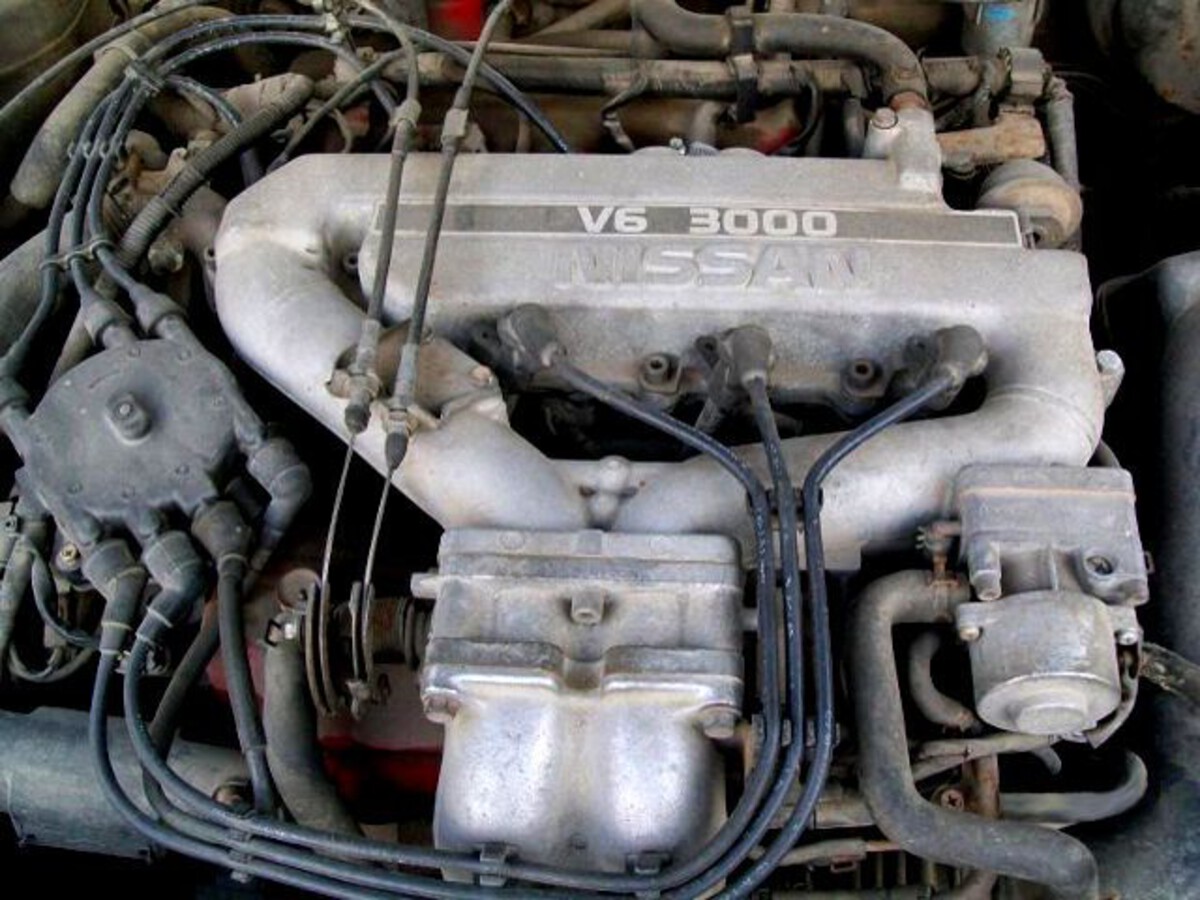
While it wasn’t the most powerful engine of its time, producing between 153 and 160 horsepower in most applications, it delivered smooth performance and excellent dependability.
Owners regularly report these engines lasting well past 300,000 miles, often with nothing more than routine maintenance. Common issues, such as valve cover leaks or aging sensors, are relatively minor compared to the catastrophic failures seen in some of Nissan’s less reliable engines. The VG30E’s timing belt needs replacement at regular intervals, but when this maintenance is performed, the engine continues to run without complaint.
One of the VG30E’s greatest strengths is its versatility. It worked just as well in family sedans as it did in rugged SUVs, proving that Nissan could build an engine adaptable to multiple vehicle types without compromising reliability.
Today, the VG30E remains respected among enthusiasts and collectors who appreciate its no-nonsense design and ability to keep running for decades. For those looking at older Nissans, a vehicle equipped with the VG30E is almost always a safe choice. It’s a prime example of an engine that was engineered with longevity as the top priority.
5 Nissan Engines That Don’t Run Forever
Nissan has built its reputation on reliability, with legends like the SR20 and RB26 convincing gearheads that the brand’s engines are nearly bulletproof. But let’s be real, not every Nissan mill is built to last forever.
Some are plagued by oiling issues, weak internals, or designs that just don’t stand the test of time. If you’re hunting for a project car, daily driver, or used Nissan bargain, knowing which engines don’t live up to the brand’s long-life reputation can save you from a blown motor and an empty wallet.
1. QR25DE
The QR25DE was intended to replace Nissan’s older four-cylinder engines with a modern, efficient design, but instead, it gained notoriety for reliability issues. Found in vehicles like the Altima, Sentra SE-R Spec V, and Rogue, this 2.5-liter inline-four was supposed to deliver both power and fuel economy. Unfortunately, it suffered from several flaws that compromised its long-term durability.
One of the biggest issues with the QR25DE was excessive oil consumption. Many owners reported engines burning oil at an alarming rate, often leading to premature wear or outright failure if not carefully monitored.
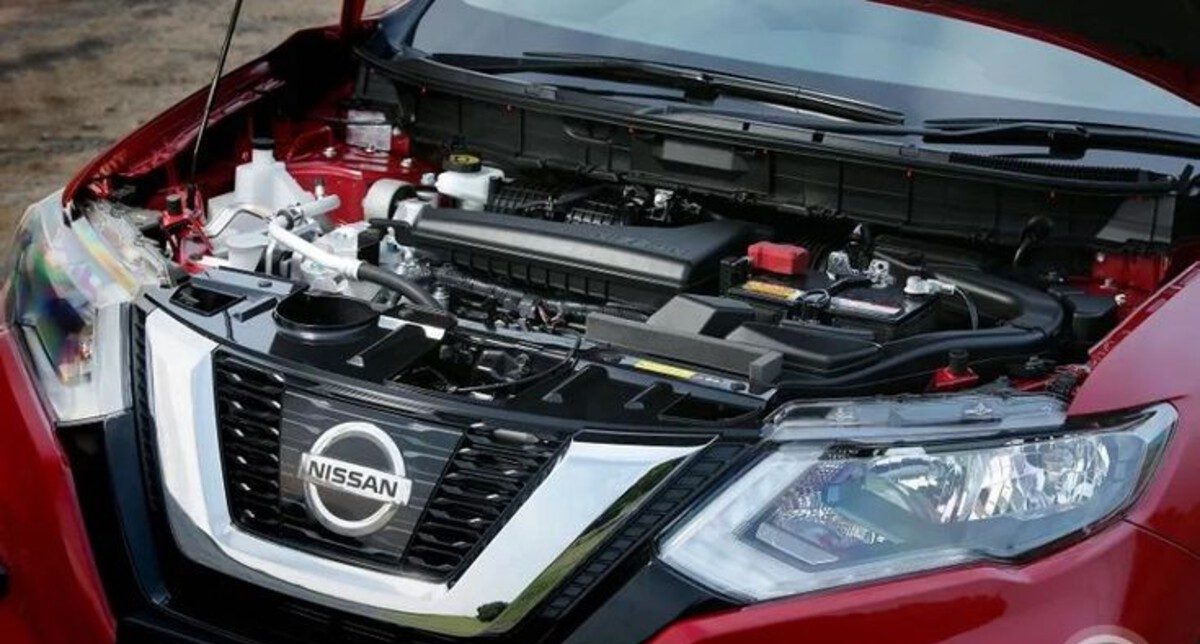
In addition, early versions of the engine were prone to pre-cat failure, where the catalytic converter’s ceramic material could break apart and get sucked back into the engine, causing catastrophic damage.
Vibrations and poor balance were also common complaints, particularly in models like the Sentra SE-R Spec V, which saw the engine pushed harder. Timing chain tensioner failures were another weak point, often leading to expensive repairs.
While later versions of the QR25DE saw improvements, the engine never fully shed its poor reputation. Many owners had to deal with costly repairs or complete replacements well before the mileage where Nissan’s older engines would still be running strong.
The QR25DE serves as a cautionary tale of Nissan trying to modernize too quickly, cutting corners in durability to achieve performance and emissions targets. For used car shoppers, a vehicle with this engine should be approached with caution, as long-term reliability is far from guaranteed.
ALSO READ: 10 Maintenance Tricks That Make a Kia Sorento Last Forever
2. VQ40DE (Certain Years)
The VQ40DE is a 4.0-liter V6 engine used in Nissan’s trucks and SUVs, including the Frontier, Pathfinder, and Xterra. While the VQ engine family is generally respected for its reliability, this particular version has a mixed record with certain production years plagued by serious issues.
The most infamous problem was the radiator and transmission cooler failure, often referred to as the “strawberry milkshake of death.”
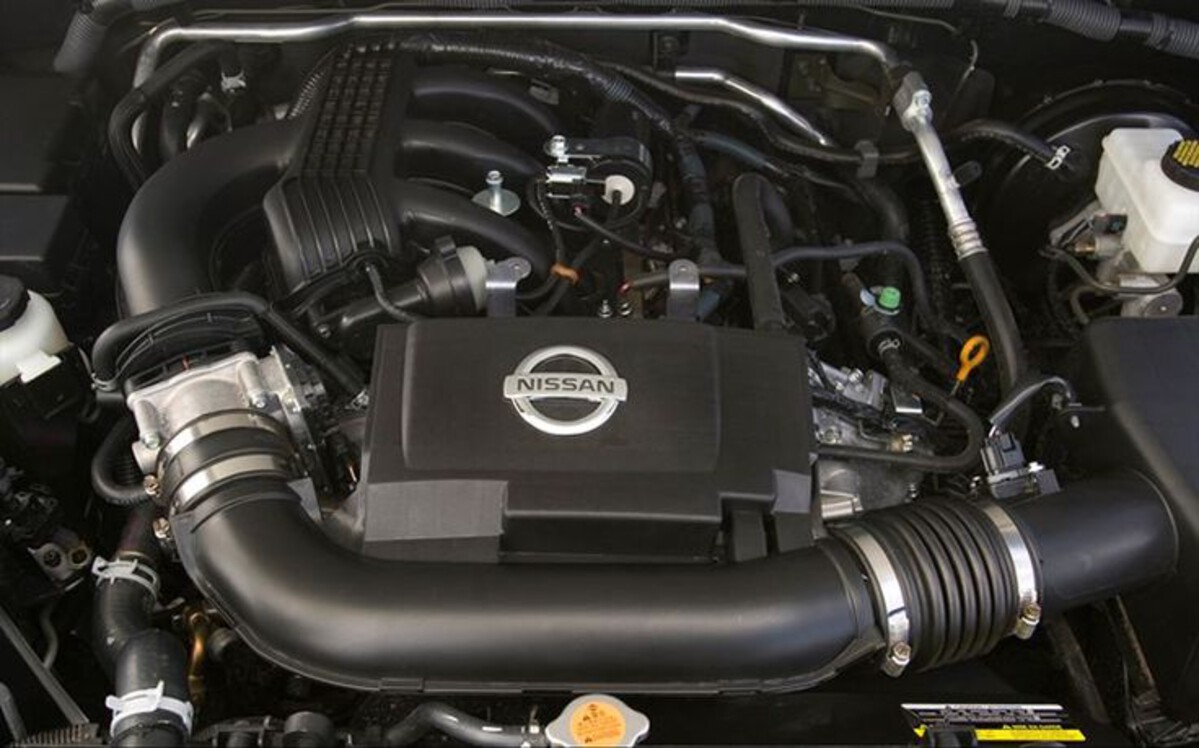
In affected models, coolant from the radiator would leak into the transmission fluid due to a poorly designed cooler, leading to both transmission and engine damage. While technically a cooling system issue, it directly impacted the longevity of the VQ40DE.
Additionally, the engine itself suffered from timing chain guide wear, which produced a loud whining noise and eventually required expensive repairs. Left unchecked, this issue could lead to timing problems that cause significant damage. Oil consumption was another complaint in certain vehicles, further hurting the engine’s reputation.
While the VQ40DE can be a long-lasting engine in unaffected years and when properly maintained, its track record has left many owners frustrated. Compared to the bulletproof VQ35DE, the 4.0-liter version simply didn’t live up to expectations.
For buyers, the VQ40DE is a gamble one that can either provide years of dependable service or turn into a money pit. It’s a reminder that even within a strong engine family, there can be weak links that tarnish the overall reputation.
3. YD25DDTi
The YD25DDTi is a 2.5-liter turbo-diesel engine used in vehicles like the Navara, Pathfinder, and Frontier. On paper, it offered a solid combination of torque and fuel efficiency, making it a popular choice for utility vehicles worldwide. Unfortunately, the YD25 quickly developed a reputation for being one of Nissan’s least reliable diesel engines.
One of the major problems was timing chain failure. Unlike more robust designs, the YD25’s timing chain was prone to stretching and breaking, sometimes as early as 60,000 miles.
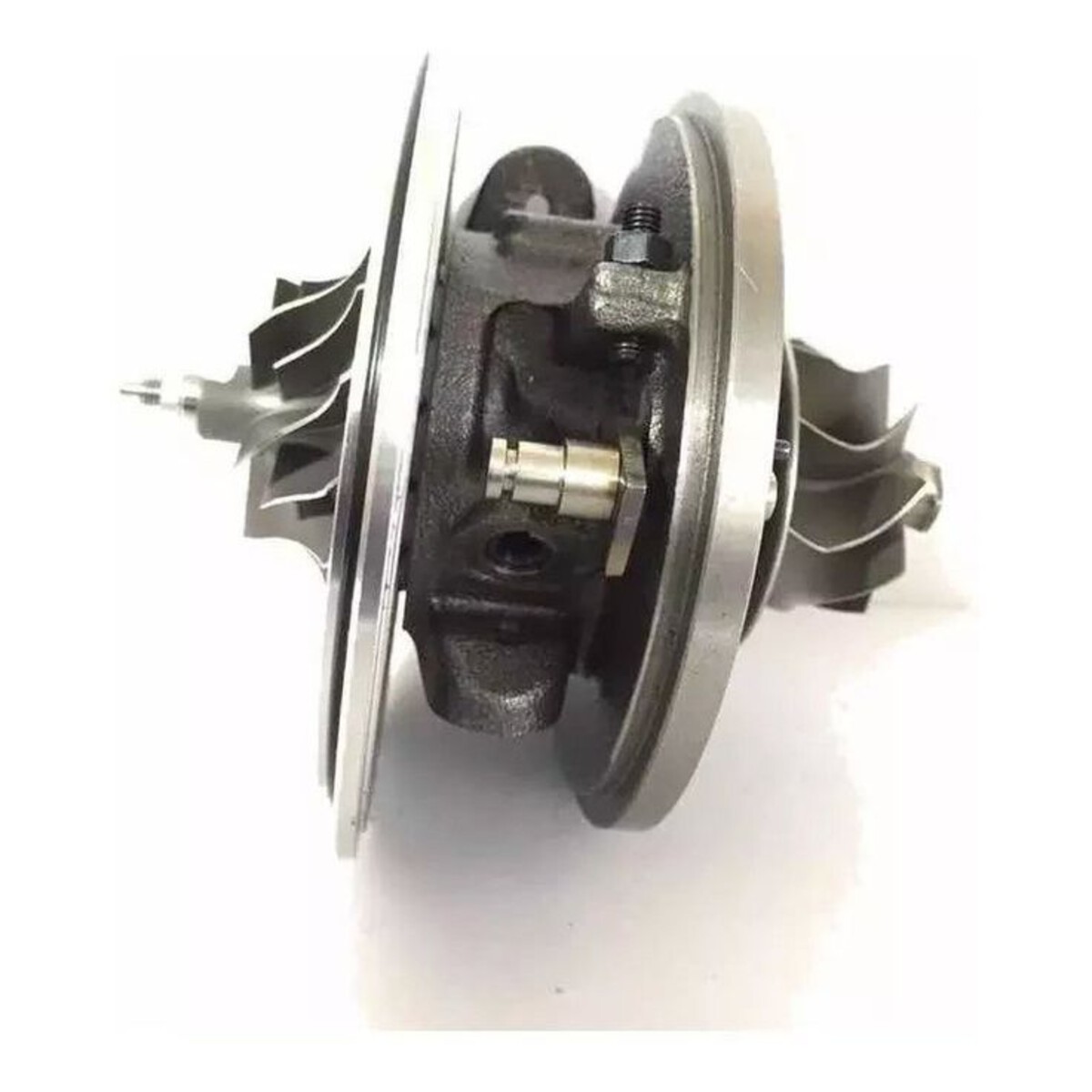
This often led to catastrophic engine damage that required a full rebuild or replacement.
Another issue was the engine’s tendency for excessive wear on cylinder heads and pistons, leading to poor compression and loss of performance over time. Turbocharger failures were also relatively common, especially in vehicles used for towing or heavy loads.
Many owners reported that the YD25 was highly sensitive to maintenance schedules, with missed oil changes or low-quality fuel leading to rapid deterioration. While some managed to get respectable mileage out of the engine, too many experienced premature failures that outweighed the benefits.
Compared to other Nissan diesels like the TD27, which had a reputation for running forever, the YD25 felt like a step backward. Its weaknesses made it costly to own in the long run, tarnishing Nissan’s reputation in key markets where diesel reliability was critical.
For those considering a Navara or Pathfinder with this engine, extreme caution is advised. Without meticulous maintenance, the YD25 is unlikely to deliver the longevity Nissan engines are typically known for.
4. VQ35HR (Early Issues)
While the VQ35DE is considered one of Nissan’s best engines, its successor, the VQ35HR, had a rocky start. Introduced in the mid-2000s for vehicles like the 350Z and Infiniti G35/G37, the HR (“High Rev”) version was meant to refine the design and improve performance. Unfortunately, early production years revealed several issues that hurt its reliability.
The most common complaint was oil consumption, often caused by piston ring problems that allowed oil to seep into the combustion chamber.
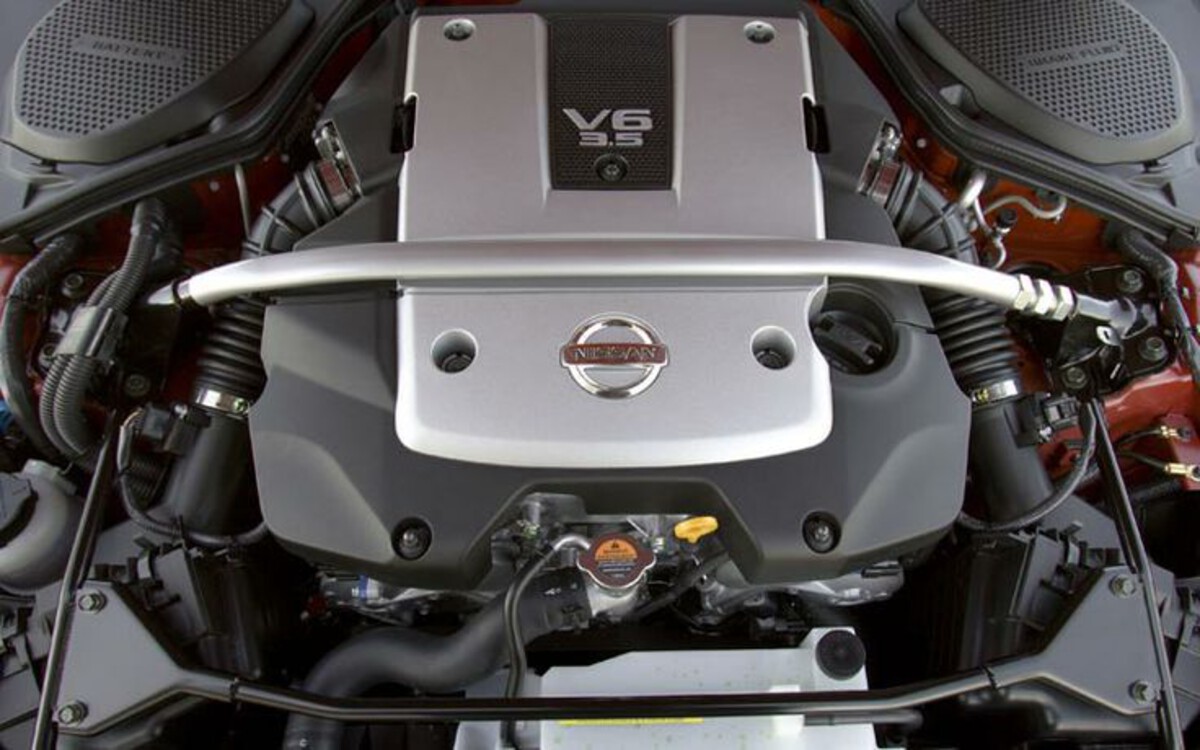
This not only led to frequent top-ups but also risked long-term damage if not carefully monitored. In addition, some owners reported oil gallery gasket failures, which could lead to sudden oil pressure loss and catastrophic engine damage if not addressed.
Another issue involved timing chain tensioners wearing prematurely, leading to rattling noises and potential timing problems. While these issues were less widespread than the QR25DE’s flaws, they were significant enough to tarnish the engine’s reputation among enthusiasts who expected more from the VQ line.
To Nissan’s credit, later versions of the VQ35HR improved significantly, and many engines now run reliably past 200,000 miles. However, the early years left a lasting impression that the HR version was not as bulletproof as the DE.
For buyers and enthusiasts, the lesson is clear: while the VQ35HR can be a strong engine, it’s essential to verify its history and ensure key problem areas have been addressed. Compared to the rock-solid VQ35DE, the HR is more of a risk, particularly in early production models.
5. MR20DE
The MR20DE is a 2.0-liter four-cylinder engine found in vehicles like the Nissan Sentra, Rogue, and Qashqai. Designed to be a modern, efficient replacement for older engines, it unfortunately failed to deliver the same level of durability that Nissan’s classics were known for.
One of the main issues with the MR20DE is its lack of long-term robustness. Owners often report problems with excessive oil consumption, especially as the engines age. Timing chain wear is another recurring complaint, leading to noisy operation and potential failure if not addressed.
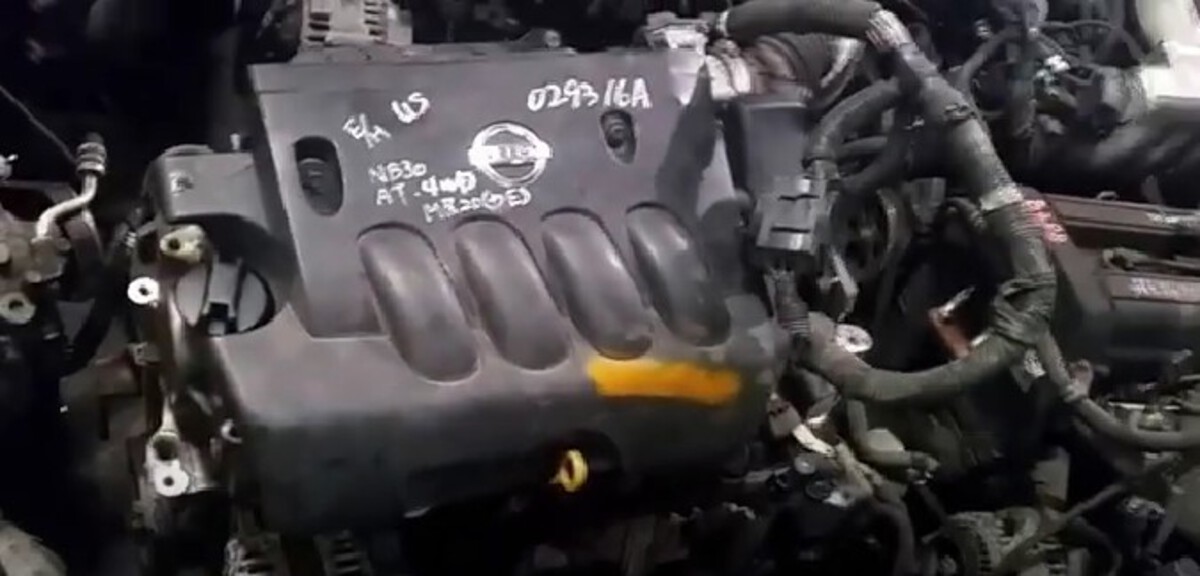
The MR20DE is also notorious for carbon buildup on intake valves, which affects performance and fuel economy over time. While regular maintenance can mitigate some of these issues, the engine simply doesn’t have the reputation for lasting beyond 200,000 miles the way Nissan’s older four-cylinders like the SR20 or KA24 did.
Adding to its woes, the MR20DE was often paired with Nissan’s problematic CVT transmissions, which compounded reliability complaints. While the engine itself isn’t as catastrophic as the QR25DE, its mediocrity in terms of longevity and performance has left many owners underwhelmed.
For budget-conscious buyers, the MR20DE-powered cars can still serve as decent daily drivers, but they lack the bulletproof reliability that once defined Nissan’s smaller engines. In many ways, the MR20DE represents the shift in Nissan’s design philosophy prioritizing efficiency and emissions compliance over the kind of rugged durability that made engines like the SR20 legendary.
Nissan’s history with engines is a story of extremes. On one hand, it has produced some of the most reliable and iconic powerplants in automotive history.
Engines like the SR20DE, RB26DETT, VQ35DE, KA24DE, and VG30E continue to prove their worth decades later, powering cars and trucks with remarkable endurance. These engines embody Nissan’s legacy of durability, showcasing the brand’s ability to design powertrains that run forever when properly cared for.
On the other hand, Nissan has also delivered engines that failed to live up to expectations. The QR25DE, VQ40DE, YD25DDTi, early VQ35HR, and MR20DE serve as reminders that even respected manufacturers can stumble.
Whether due to design flaws, cost-cutting measures, or overly complex engineering, these engines left many owners disappointed. Instead of running forever, they became symbols of frustration, requiring expensive repairs or early replacements that tarnished Nissan’s reputation for reliability.
For buyers and enthusiasts alike, the key takeaway is this: not all Nissan engines are created equal. Knowing which ones to seek out and which ones to avoid can make all the difference in owning a vehicle that provides years of faithful service versus one that drains your wallet.
Nissan’s best engines prove that with strong design and attention to detail, longevity is achievable. Meanwhile, its weaker engines show what happens when shortcuts undermine durability.
Ultimately, Nissan remains a brand capable of greatness, but its track record is a tale of two philosophies: one rooted in timeless reliability and the other in compromise.
For those considering a used Nissan today, the engines that run forever are living proof that the company once engineered some of the best in the business. And for those unlucky enough to own one of the weaker designs, the lesson is clear sometimes, history teaches us what not to repeat.