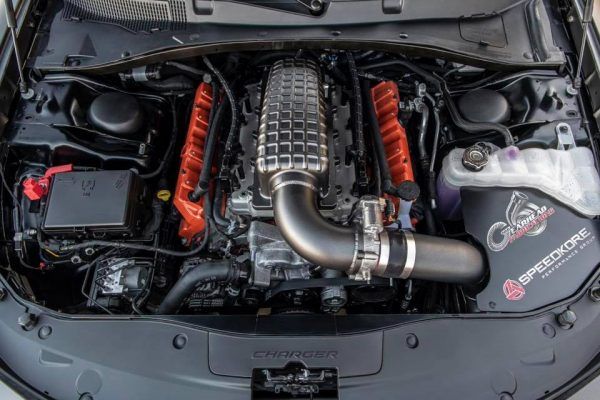
When it comes to Dodge, enthusiasts know it’s a brand built on muscle, grit, and attitude. From the legendary Charger to the modern-day Challenger, Dodge has always positioned itself as the rebellious arm of the American automotive industry. But beneath the sheet metal and aggressive styling lies the real heart of any Dodge, the engine.
While Dodge has produced some truly bulletproof power plants over the decades, it has also unleashed a few notorious troublemakers that left owners frustrated and mechanics busy. Choosing the right Dodge engine can mean the difference between years of reliable cruising and a costly parade of breakdowns.
Engines like the HEMI have carved out a reputation for sheer toughness and performance, earning cult status among muscle car purists. Yet, on the other hand, certain Dodge V6s and four-cylinders developed reputations for overheating, oil sludge, and premature failure.
For Dodge fans, reliability matters just as much as horsepower, because a beast that can’t stay on the road isn’t worth much, no matter how good it sounds at wide-open throttle.
This breakdown will explore five Dodge engines that rarely break the dependable workhorses that stood the test of time, and five Dodge engines that constantly fail, the power plants that tarnished the brand’s otherwise strong image. Each engine will be examined not only for its performance credentials but also for its long-term durability, known problem areas, and owner satisfaction.
If you’re shopping for a used Dodge or just curious about which engines represent the best and worst of the brand, this guide will save you headaches down the line. Buckle up, because Dodge’s engine history is a mix of triumph and tragedy, and knowing which is which could save both your wallet and your sanity.
5 Dodge Engines That Rarely Break
Not every Dodge engine is plagued with issues in fact, several have become legends for their ruggedness and endurance. These engines are the backbone of Dodge’s legacy, powering everything from daily drivers to performance icons.
Whether it’s the thunderous roar of a V8 HEMI or the steady hum of a trusted inline-six, these motors earned reputations for going the distance without demanding constant attention. They have proven themselves in drag strips, work trucks, and family cars alike, often running well past 200,000 miles with only basic maintenance.
In this section, we’ll highlight five Dodge engines that enthusiasts and mechanics agree are nearly bulletproof. From the iconic 5.7L HEMI to the underrated 3.9L Magnum V6, these engines have proven their worth across generations. They embody what Dodge fans want most: power, reliability, and durability. If you’re looking for Dodge power plants that just keep going, these are the ones to trust.
ALSO READ: 10 Simple Habits That Add Years to a Mazda CX-5’s Life
1. 5.7L HEMI V8
The 5.7L HEMI V8, introduced in the early 2000s, quickly became the modern cornerstone of Dodge performance. Found in Chargers, Challengers, Durangos, and even Ram trucks, this engine blends power with surprising reliability. Producing between 345 to over 375 horsepower depending on the application, it delivers thrilling acceleration while maintaining durability that rivals some of the best in the business.
What makes the 5.7 HEMI so dependable is its simple yet effective pushrod design. Unlike complicated overhead-cam systems, the HEMI uses proven technology with modern updates, reducing potential points of failure.

With proper oil changes and cooling system care, these engines routinely exceed 200,000 miles without major issues. The only recurring problem is the occasional “Hemi tick,” a lifter noise that usually doesn’t affect long-term performance.
Owners love the balance of muscle car sound, towing strength, and longevity. The 5.7 HEMI doesn’t need constant repairs, and parts are widely available and affordable.
It’s not uncommon to find Dodge vehicles with these engines still running strong after two decades, making it a favorite among enthusiasts and used car buyers alike. For anyone seeking raw Dodge performance without worrying about frequent breakdowns, the 5.7 HEMI remains one of the brand’s most reliable powerplants.
2. 3.6L Pentastar V6
Introduced in 2011, the 3.6L Pentastar V6 marked a turning point for Dodge. It replaced a lineup of less reliable V6s and became the backbone of Dodge’s mid-size and large vehicles, including the Charger, Challenger, Grand Caravan, and Durango. Offering around 283 to 305 horsepower depending on the model year, the Pentastar combined respectable performance with fuel efficiency and long-lasting durability.

The Pentastar is beloved because it simply works. Dodge designed it with modern engineering, including variable valve timing and aluminum construction, but avoided overly complex features that tend to cause failures. This balance resulted in an engine that can easily surpass 200,000 miles with routine maintenance.
While early Pentastars had minor issues like cylinder head problems on certain 2011–2013 models, Dodge corrected these quickly, and most engines are rock solid. Regular oil changes and keeping the cooling system in good condition ensure reliability.
The Pentastar V6 also offers flexibility it powers family haulers, SUVs, and even performance cars. Drivers consistently report strong acceleration and smoothness without major mechanical troubles. For Dodge owners who want a dependable engine with enough power for modern driving but without the constant stress of repairs, the 3.6 Pentastar has proven itself as one of Dodge’s most dependable modern engines.
3. 5.9L Magnum V8
The 5.9L Magnum V8, also known as the 360, is a legend among Dodge truck and SUV fans. Used extensively in the 1990s and early 2000s in Rams, Dakotas, and Durangos, the Magnum offered durability that made it a workhorse for families, off-roaders, and tradesmen alike. Producing around 245 horsepower and 335 lb-ft of torque, it wasn’t the most powerful V8 of its time, but it made up for that with brute dependability.
The 5.9 Magnum’s design is straightforward cast iron block, pushrod valvetrain, and simple fuel injection. This lack of complexity makes it easy to repair, and it’s rare for major components to fail prematurely.

These engines often rack up 300,000 miles with nothing more than routine maintenance, a testament to their toughness.
One area where the 5.9 Magnum stands out is in towing and hauling. Owners consistently praise its torque delivery and ability to keep going without overheating or stressing under heavy loads. The only recurring issue is intake plenum gasket failure, which can lead to oil consumption, but even that is relatively easy and inexpensive to fix compared to the catastrophic failures seen in less durable engines.
For Dodge fans who want a truck or SUV engine that won’t quit, the 5.9 Magnum V8 represents the golden age of Dodge durability.
4. 3.9L Magnum V6
While often overshadowed by its bigger V8 siblings, the 3.9L Magnum V6 earned a quiet reputation as one of Dodge’s most reliable mid-size truck and SUV engines.
Based on the durable 5.2L and 5.9L V8s but with two cylinders lopped off, the 3.9L carried over the same tough design and mechanical simplicity. Found in Dodge Dakotas and full-size vans from the late 1980s through the early 2000s, it was the workhorse V6 of its era.

The 3.9L wasn’t flashy, producing between 125 to 175 horsepower depending on the year, but it was nearly indestructible. Its cast-iron block and heads could take abuse without overheating or cracking, and with proper care, these engines routinely hit 250,000 miles or more. The pushrod design kept repairs simple and affordable, making it a favorite for fleet vehicles and budget-conscious owners.
Its biggest drawback was lack of power compared to competitors’ V6 engines, but reliability more than made up for that. Many Dakotas equipped with the 3.9 are still on the road today, proving its durability. The only recurring problems tend to be with ancillary components like distributors or sensors, not the engine’s core design.
For Dodge fans who want a no-nonsense motor that keeps running year after year, the 3.9L Magnum is proof that sometimes simpler really is better.
5. 6.4L HEMI V8
The 6.4L HEMI, also known as the 392, is the high-performance evolution of Dodge’s HEMI lineup. Found in SRT Chargers, Challengers, and performance SUVs like the Durango SRT, the 6.4L HEMI produces between 470 and 485 horsepower while maintaining impressive reliability for such a powerful engine.
Unlike many high-output motors, the 6.4 doesn’t have a reputation for fragility. It features a beefy iron block, forged internals, and a design intended to handle extreme stress.
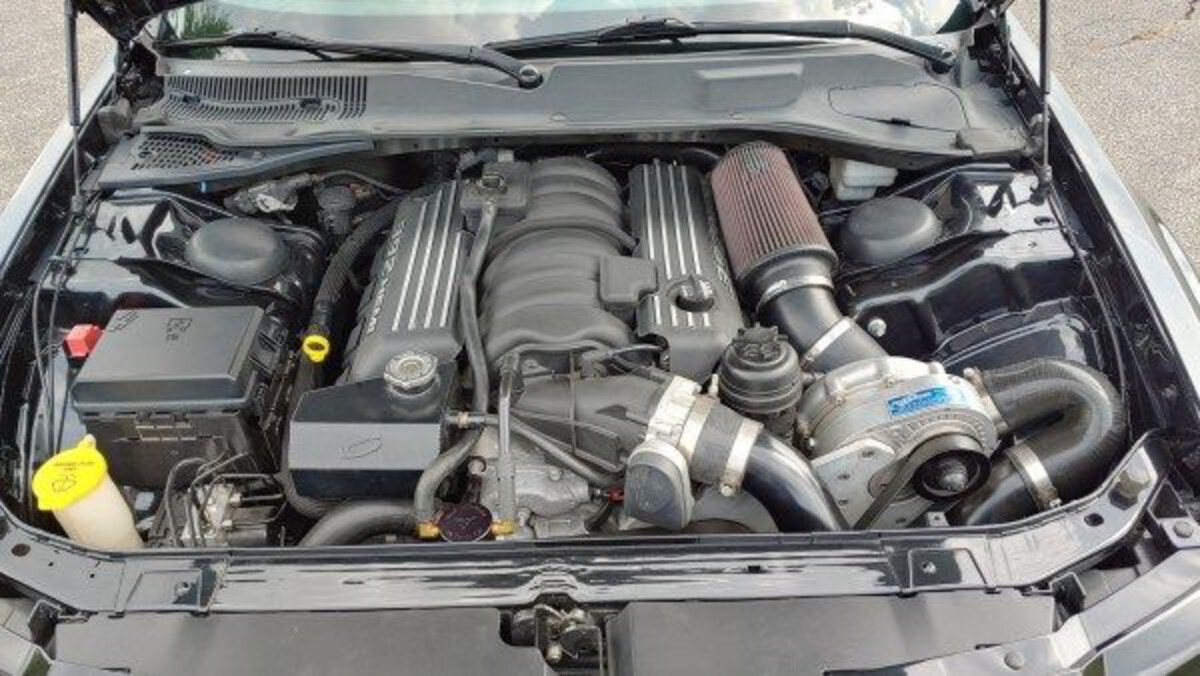
Moreover, with proper maintenance, these engines regularly exceed 150,000–200,000 miles, even when subjected to spirited driving. That’s remarkable for a motor pushing nearly 500 horsepower.
The biggest threat to the 6.4 HEMI’s longevity isn’t internal weakness but rather aggressive owners who fail to maintain them properly. Oil changes, cooling system upkeep, and quality fuel are crucial. When cared for, the 6.4 has few widespread design flaws. Some owners report lifter tick similar to the 5.7, but this rarely leads to catastrophic damage.
The 6.4 HEMI is proof that Dodge can build a powerhouse that’s both thrilling and dependable. It’s a motor designed for performance junkies who don’t want to sacrifice reliability. For enthusiasts who demand muscle car thrills without constant mechanical worries, the 6.4 HEMI stands as one of Dodge’s best achievements.
5 Dodge Engines That Constantly Fail
Unfortunately, not every Dodge engine has lived up to the brand’s promise. While some are legendary for their reliability, others are infamous for the headaches they cause owners. Dodge, like many manufacturers, has had periods where design flaws, cost-cutting, or experimental technology led to engines that simply didn’t last.
These problem-prone motors are known for catastrophic failures, excessive oil consumption, overheating, and expensive repairs that can sour the ownership experience.
From poorly designed V6s to oil-sludging four-cylinders, these engines represent the darker side of Dodge’s history. They stand as cautionary tales for buyers who don’t do their homework.
In this section, we’ll dig into five Dodge engines that earned reputations for breaking down too often, sometimes well before hitting 100,000 miles. If you’re considering a Dodge with one of these engines under the hood, be prepared for costly repairs, or better yet, avoid them altogether.
ALSO READ: 8 Checks That Stop a Chevy Colorado From Breaking Down Early
1. 2.7L V6
The 2.7L V6, used in Dodge Intrepids, Stratuses, and early Chargers, is infamous for its failures. Marketed as a modern, fuel-efficient V6 in the late 1990s and early 2000s, it turned into one of Dodge’s most unreliable engines ever produced.
The biggest issue was oil sludge buildup, which could form inside the engine even with regular maintenance.

Poor design in the cooling and lubrication systems caused oil passages to clog, starving vital components of lubrication. The result was premature engine failure, often well before 100,000 miles.
Owners frequently complained of timing chain failures, overheating, and catastrophic breakdowns that required full engine replacements. Repair costs often exceeded the car’s value, leaving many vehicles abandoned.
The 2.7 V6’s poor reputation hurt Dodge’s credibility during this era, as buyers who expected longevity instead dealt with endless repair bills. Lawsuits and class-action complaints further cemented its place as a disaster of an engine.
If you come across a Dodge equipped with a 2.7L V6, it’s best to walk away. Even with meticulous care, these engines are ticking time bombs, and their history makes them one of the most notorious Dodge failures ever built.
2. 2.2L Turbo I4
The 2.2L Turbo I4 from the 1980s is a polarizing engine. While some enthusiasts loved its performance in cars like the Dodge Daytona and Shelby Charger, its reliability record leaves much to be desired. On paper, it was exciting: a small four-cylinder turbo producing up to 174 horsepower in certain trims. In reality, it was fragile.

The problem came from Dodge pushing the limits of turbocharging technology before it was fully refined. Head gasket failures, cracked pistons, and turbocharger blowouts were common, especially when owners drove the cars hard (as they were meant to be driven). Oil leaks and overheating plagued these engines, and many didn’t survive beyond 100,000 miles.
While tuners and mechanics who babied them could coax longevity, the average owner often faced breakdowns and expensive repairs. Parts scarcity today makes maintaining them even harder.
The 2.2 Turbo helped Dodge compete in the sporty compact segment, but it came at the cost of long-term dependability. For collectors, it’s a quirky piece of history. For everyday drivers, it’s a nightmare that constantly needs attention.
3. 3.7L V6
The 3.7L V6, used in Dodge Dakotas, Durangos, and Ram trucks from the early 2000s, is another black mark on Dodge’s record. Developed as a downsized version of the 4.7L PowerTech V8, it was intended to provide a balance of efficiency and capability. Instead, it developed a reputation for premature failure.
The engine suffers from several chronic problems: dropped valve seats, timing chain tensioner failures, and excessive oil consumption.

These issues often resulted in catastrophic engine damage, sometimes without much warning. Owners frequently reported failures before 120,000 miles, far below the expected lifespan for a truck engine.
Making matters worse, the 3.7L lacked the power and torque needed for heavy-duty use, meaning it underperformed while still failing prematurely. For Dodge trucks and SUVs that needed reliability, this was a frustrating compromise.
While some owners managed decent longevity with meticulous care, the widespread nature of its flaws makes the 3.7L V6 one of Dodge’s most disappointing engines.
4. 2.0L Neon Engine (SOHC/DOHC)
The Dodge Neon was a fun, affordable compact, but its 2.0L engine left much to be desired in terms of reliability. Offered in both SOHC and DOHC versions throughout the 1990s and early 2000s, the 2.0L had decent power for its class but was plagued with issues that made ownership frustrating.
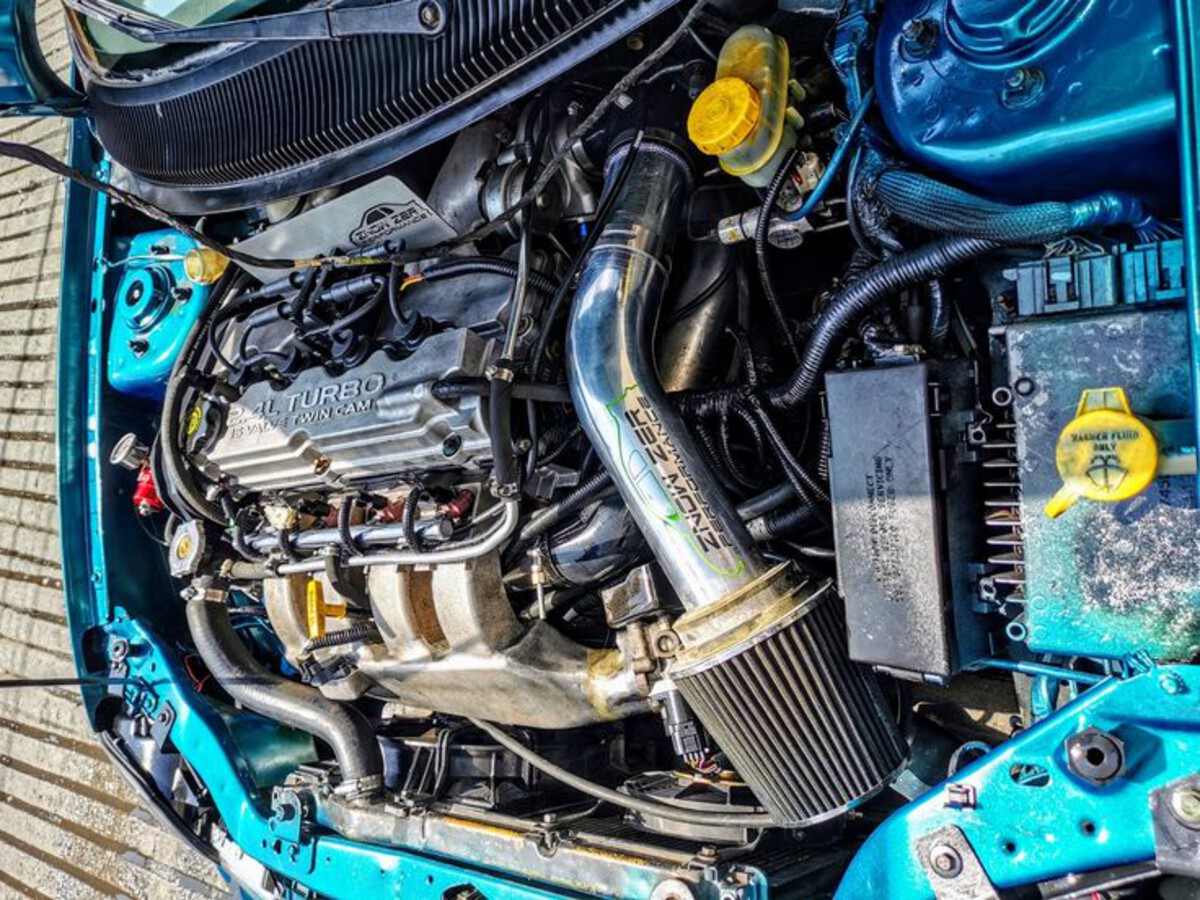
The most notorious problem was head gasket failure, which became almost expected on Neons with higher mileage. Oil leaks, coolant leaks, and overheating were common side effects, leading to costly repairs. Poor build quality in gaskets and seals made these engines prone to breakdowns.
Timing belt failures and valve train problems further tarnished its reputation. While some Neon owners enjoyed spirited performance from the DOHC version, few could ignore the constant repairs needed to keep the car on the road.
Today, most Neons are remembered as cheap, fun cars with engines that didn’t hold up. The 2.0L earned its spot on the list of Dodge engines that constantly fail.
5. 4.7L PowerTech V8
The 4.7L PowerTech V8, used in Dodge Dakotas, Durangos, and Ram trucks from 1999 through the late 2000s, seemed promising as a modern alternative to the aging Magnum V8s. Unfortunately, it quickly gained notoriety for unreliability.
The biggest problem was overheating due to poor cooling system design. Once overheated, the aluminum heads were prone to warping, leading to blown head gaskets and coolant leaks.
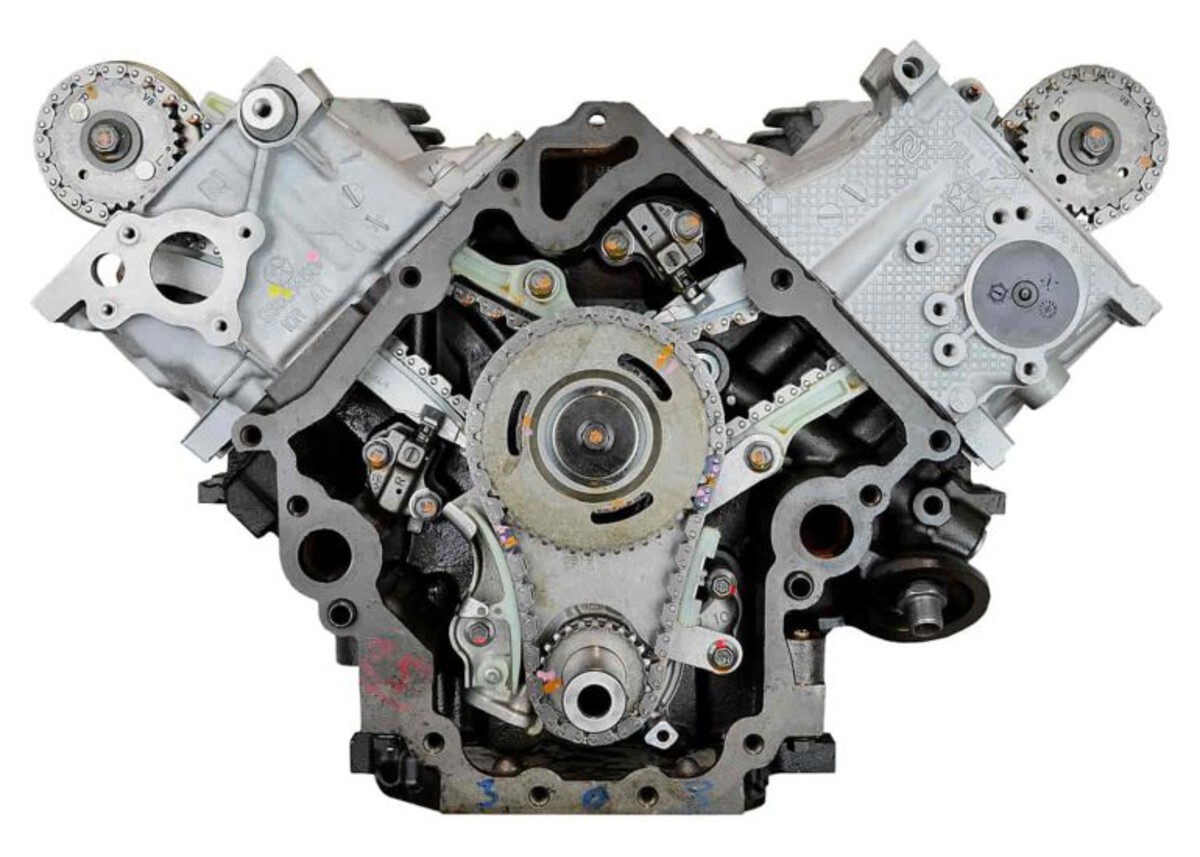
Timing chain failures were another frequent issue, often resulting in complete engine destruction.
The 4.7L also had a reputation for sludge buildup, especially if owners didn’t follow strict maintenance schedules. Many engines failed before 150,000 miles, which is disappointing compared to the long-lasting Magnums that preceded it.
While the 4.7 offered decent power and smoothness when running correctly, its widespread failures made it one of Dodge’s least reliable V8s. For buyers today, it’s an engine best avoided unless extensively rebuilt.
Dodge’s engine history is a tale of two extremes. On one side, you have bulletproof legends like the 5.7 and 6.4 HEMIs, the 5.9 Magnum, and the reliable Pentastar V6 engines that deliver both performance and longevity, keeping Dodge’s reputation for toughness alive.
These engines prove that Dodge knows how to build powerplants that endure the test of time and mileage. They’ve powered everything from muscle cars to work trucks, leaving behind stories of durability and owner loyalty.
On the other side, Dodge has produced engines that became nightmares for owners. The 2.7 V6, the 3.7 V6, and the 4.7 V8 are all reminders that cost-cutting and flawed engineering can undo a brand’s credibility. Engines that sludge, overheat, or self-destruct before 100,000 miles aren’t just unreliable they betray the very spirit of Dodge’s muscle-driven identity.
The lesson here is simple: when it comes to Dodge, engine choice matters as much as styling or features. A car or truck with one of Dodge’s reliable engines can serve faithfully for decades, while those with its failure-prone motors can drain wallets and patience.
For enthusiasts and buyers alike, knowing the difference ensures that Dodge ownership remains an experience of power and pride, not frustration and regret.
Dodge will always be remembered for its bold performance and aggressive styling, but its legacy rests equally on the engines it builds. Some will always be legends, others cautionary tales. The key is knowing which side of the line your Dodge belongs to.