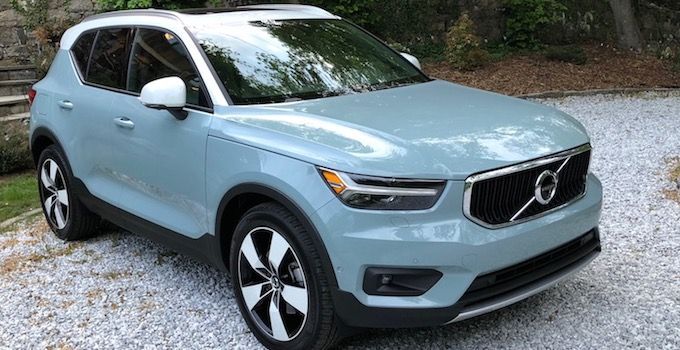
In today’s automotive world, SUVs dominate the market because of their space, versatility, and the commanding road presence buyers crave.
But with modern SUVs comes one unavoidable reality: electronics. From advanced infotainment screens and digital dashboards to complex driver-assistance systems, electrical components now control almost every function of an SUV.
While this technology is convenient, it can also be the Achilles’ heel of many otherwise well-engineered vehicles. A glitch in the infotainment system, a sensor failure in the transmission, or even something as simple as a faulty window regulator can turn an ownership experience into an expensive and frustrating ordeal.
Electrical issues are particularly troublesome because they often come unexpectedly and can be difficult to diagnose. Unlike mechanical components, where wear and tear can usually be anticipated, electronics may fail without warning.
And when they do, owners are often left with costly repair bills and the inconvenience of losing core vehicle functions. As SUVs continue to grow more tech-heavy, buyers who want long-term dependability must look closely at which models have a proven track record for electrical reliability.
Some manufacturers most notably Toyota, Honda, and Mazda have earned reputations for building vehicles that combine modern tech with bulletproof dependability. Their SUVs are known for running trouble-free for years, with very few reports of recurring electrical issues.
On the flip side, certain brands have struggled. Complex electronics paired with spotty quality control have led to a string of complaints about electrical gremlins, ranging from software glitches to outright system failures.
For buyers weighing new or used SUVs, knowing which models are less likely to strand you at the dealership for electrical fixes is crucial. In this article, we break down five SUVs that rarely need electrical repairs and five that seem to constantly battle with them.
Whether you prioritize peace of mind or are willing to risk electrical headaches for the sake of luxury or performance, this list will give you a clearer picture of what to expect before signing the paperwork.
5 SUVs That Rarely Need Electrical Fixes
When it comes to reliability, Toyota and Honda almost always lead the conversation and for good reason. Their engineering philosophy prioritizes long-term durability over cutting-edge features that might look good on paper but fail in real-world use.
These brands, along with Mazda, consistently produce SUVs that not only last for hundreds of thousands of miles mechanically but also remain remarkably free of persistent electrical issues.
A key factor is simplicity. Toyota, for instance, is cautious about rolling out new tech until it’s proven. While rivals often rush to add the latest gadgets, Toyota ensures its electrical systems are robust before deploying them across the lineup.
This conservative approach has made SUVs like the Land Cruiser and 4Runner some of the most dependable vehicles on the road.
Honda and Mazda also deserve credit. Honda’s CR-V combines everyday usability with strong reliability ratings year after year. Mazda, meanwhile, has managed to integrate modern tech into its CX-5 without compromising dependability, a balance few automakers strike well.
The SUVs in this group aren’t immune to problems no vehicle is but compared to competitors, they experience significantly fewer electrical complaints. Owners often report years of use with little more than routine maintenance. That translates into lower ownership costs, fewer dealership visits, and the confidence of knowing your SUV will start every morning without a dash light nightmare.
Let’s break down five standout SUVs that have earned reputations for rarely giving owners electrical headaches.
ALSO READ: 5 Pickups With Long-Lasting Frames vs 5 That Rust Apart
1. Toyota Land Cruiser
The Toyota Land Cruiser is practically synonymous with dependability. Known globally as a vehicle that can handle deserts, mountains, and everything in between, its reputation isn’t just about mechanical strength it’s also about electrical reliability.
Unlike many luxury SUVs loaded with fragile, over-complicated systems, the Land Cruiser takes a more restrained approach.
Toyota equips it with modern conveniences, but the electronics are engineered with redundancy and durability in mind. Its infotainment system, while not flashy compared to German rivals, is far less prone to freezing or crashing.
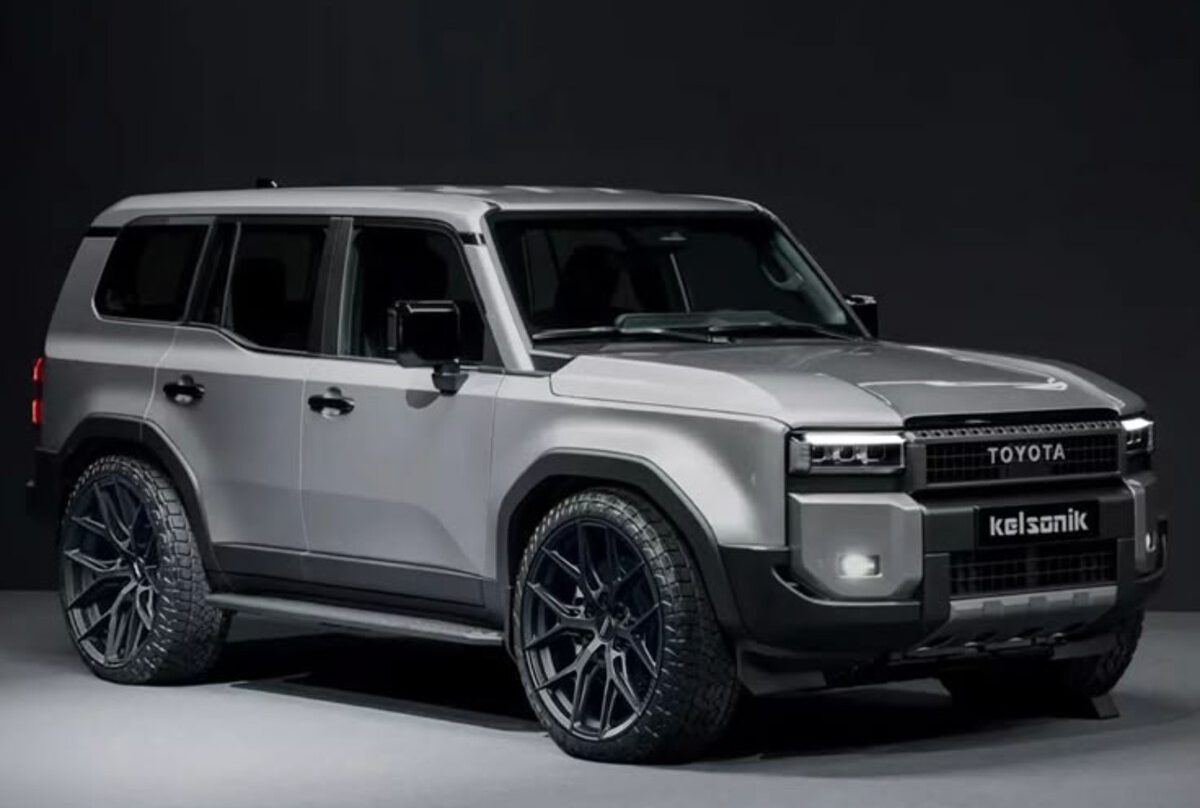
Electrical systems such as power seats, climate control, and driver-assist features are built on proven platforms Toyota has refined over decades.
Owners regularly report that even after 150,000 miles, the Land Cruiser rarely develops electrical quirks. There are no chronic issues with wiring harnesses, no epidemic of sensor failures, and no widespread software glitches. For an SUV of its size and complexity, that’s remarkable.
This is especially important for the Land Cruiser’s target market. Many buyers use it in remote regions where reliability is literally a matter of safety.
A dead battery sensor or a faulty electronic throttle in the middle of nowhere isn’t just inconvenient; it can be dangerous. Toyota engineers understand this, which is why the Land Cruiser’s systems are designed for resilience rather than maximum cutting-edge appeal.
Some critics argue the Land Cruiser feels outdated in terms of tech compared to German luxury SUVs.
But most owners prefer fewer gadgets if it means bulletproof reliability. For those who want an SUV that will outlast most of its competitors without leaving them stranded at the mechanic, the Land Cruiser remains a gold standard.
2. Lexus GX
The Lexus GX is essentially a luxury version of the Toyota Prado, and it inherits Toyota’s legendary reliability while adding a touch of refinement.
While most luxury SUVs struggle with electrical gremlins, the GX is a rare exception. It blends luxury features with a remarkably strong track record for avoiding electrical failures.
Owners consistently praise its straightforward electronics. The infotainment system isn’t cutting-edge compared to German rivals, but it doesn’t need constant software patches or updates just to function properly.
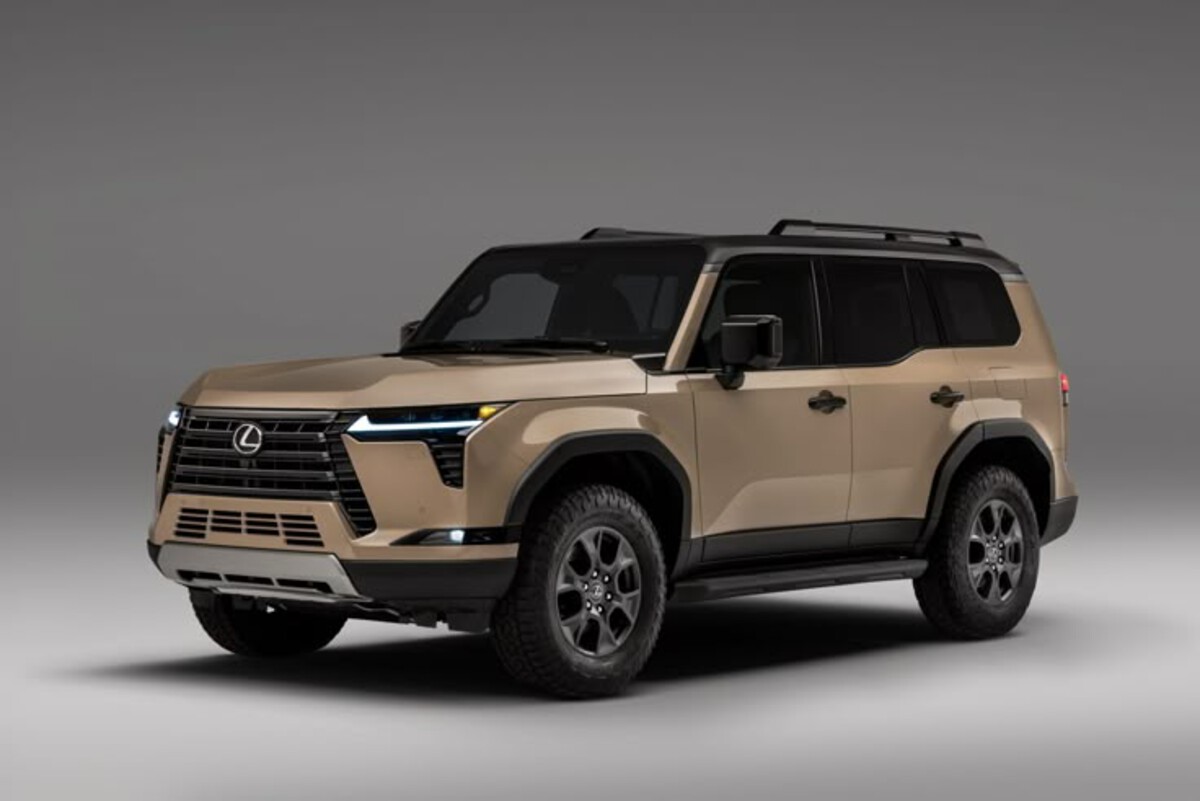
Features like navigation, climate control, and Bluetooth connectivity tend to work as expected without frequent complaints.
Electrical reliability is particularly important in a luxury SUV, where the volume of features is much higher. Power-adjustable seats, multiple-zone climate systems, and driver-assistance technologies give plenty of opportunities for failures.
Yet, Lexus keeps it simple and robust. Reports of failed sensors or malfunctioning wiring harnesses are rare compared to European luxury SUVs.
The GX also benefits from Lexus’s reputation for customer support. If an electrical issue does occur, dealers are typically quick to resolve it without the drawn-out warranty battles that some German brands are infamous for. Combined with Toyota’s conservative engineering, it gives owners peace of mind.
Some might argue that the GX feels dated in terms of design and technology. That’s true it hasn’t had a full redesign in years. But that “dated” tech is exactly why it’s so reliable.
Lexus prioritizes systems that are proven rather than chasing trends. For families or adventurers who want a luxury SUV but can’t afford constant trips to the service center, the Lexus GX is one of the most dependable options available.
3. Honda CR-V
Among compact SUVs, the Honda CR-V is a standout for its balance of practicality, comfort, and reliability. It consistently ranks near the top of consumer satisfaction surveys, and one of the biggest reasons is its minimal record of electrical failures.
Honda has mastered the formula of delivering modern technology without overloading the CR-V with features prone to failure.
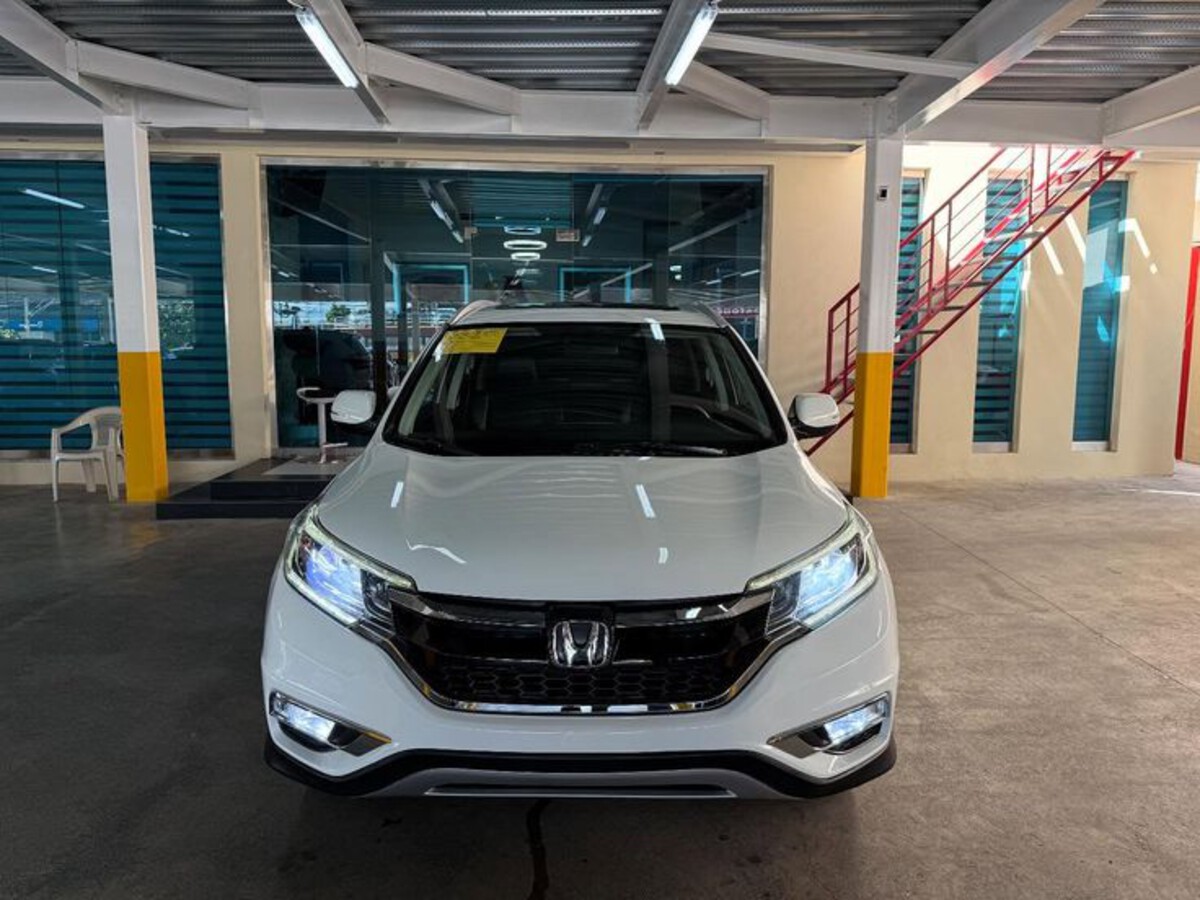
Its infotainment system, while not the most advanced, is intuitive and generally reliable. Owners rarely report frozen screens, faulty backup cameras, or malfunctioning Bluetooth systems issues that plague many rivals.
Beyond infotainment, electrical components such as window regulators, sensors, and climate control modules are built to last. CR-Vs from over a decade ago are still running strong without chronic electrical issues, proving Honda’s systems hold up over time.
The CR-V’s driver-assistance technologies, bundled under the Honda Sensing suite, also deserve mention. While some brands roll out advanced safety features before fully ironing out bugs, Honda’s execution has been relatively smooth.
Lane-keeping assist, adaptive cruise control, and collision mitigation braking tend to work reliably and don’t trigger the wave of false warnings seen in some competitors.
In terms of ownership experience, the CR-V is about as worry-free as it gets. Repair costs remain low, and it’s rare for electrical issues to account for unexpected expenses. Owners generally spend more time driving and less time sitting in dealership waiting rooms.
Critics sometimes say the CR-V lacks excitement compared to sportier SUVs, but for many families, that’s irrelevant. What matters most is dependability and in that regard, the CR-V consistently delivers. For buyers seeking a compact SUV with minimal risk of electrical headaches, the Honda CR-V is one of the safest bets in the segment.
4. Toyota 4Runner
The Toyota 4Runner has a cult following for its rugged durability, and part of that reputation comes from its electrical dependability. While many modern SUVs are packed with features that can fail, the 4Runner sticks to tried-and-true systems that rarely cause headaches for owners.
The 4Runner isn’t known for groundbreaking technology. In fact, critics often describe its cabin as outdated. But in this case, “outdated” works in its favor.
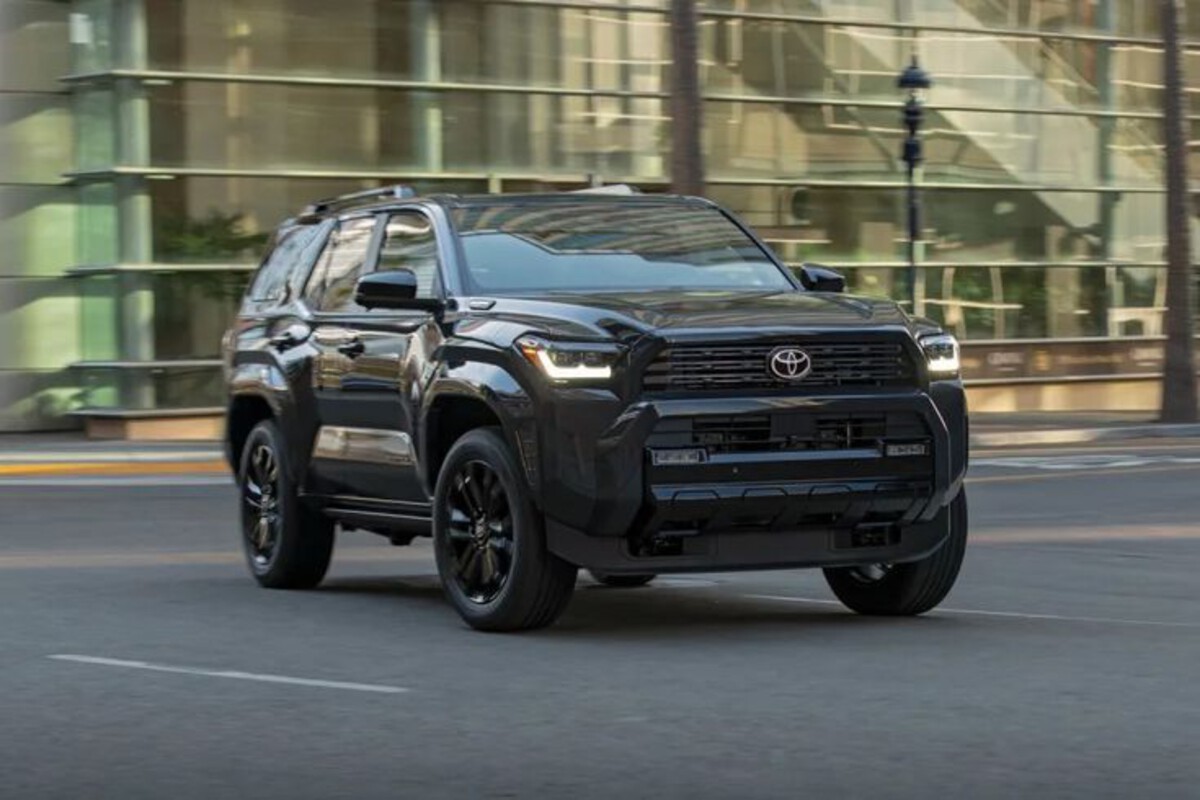
The infotainment system, while basic, doesn’t suffer from the software crashes or connectivity issues seen in more advanced rivals. Core systems such as power windows, climate control, and lighting are reliable and rarely require major repairs.
One of the 4Runner’s strongest points is its resistance to sensor-related failures. Modern SUVs are packed with sensors that can trigger false check-engine lights or limp-mode scenarios.
Toyota’s conservative engineering means the 4Runner avoids many of these pitfalls. Reports of random electrical failures are few and far between, even on high-mileage vehicles.
For off-road enthusiasts, this dependability is crucial. The last thing an owner wants while deep in the wilderness is an electrical glitch disabling critical functions. The 4Runner’s design ensures it remains a trustworthy companion in such situations.
Of course, the trade-off is that the 4Runner lacks the modern tech buyers might expect in a midsize SUV. It doesn’t have the flashiest screens or the most advanced driver-assistance suite. But for buyers who value reliability above all else, that’s not a drawback it’s a selling point.
In short, the Toyota 4Runner is proof that sometimes less is more. By avoiding overly complex electrical systems, Toyota has created an SUV that delivers years of trouble-free ownership.
5. Mazda CX-5
The Mazda CX-5 has built a reputation as one of the most reliable SUVs in its class, and a big part of that reputation comes from its electrical dependability. While Mazda offers sleek styling and sporty handling, it doesn’t compromise on durability.
Owners frequently report that the CX-5’s electronics, infotainment, driver-assistance, and climate control systems operate with minimal issues even after years of use. Unlike some competitors, the infotainment screen is responsive and doesn’t frequently freeze. Bluetooth connectivity, a common pain point in many vehicles, works consistently well.
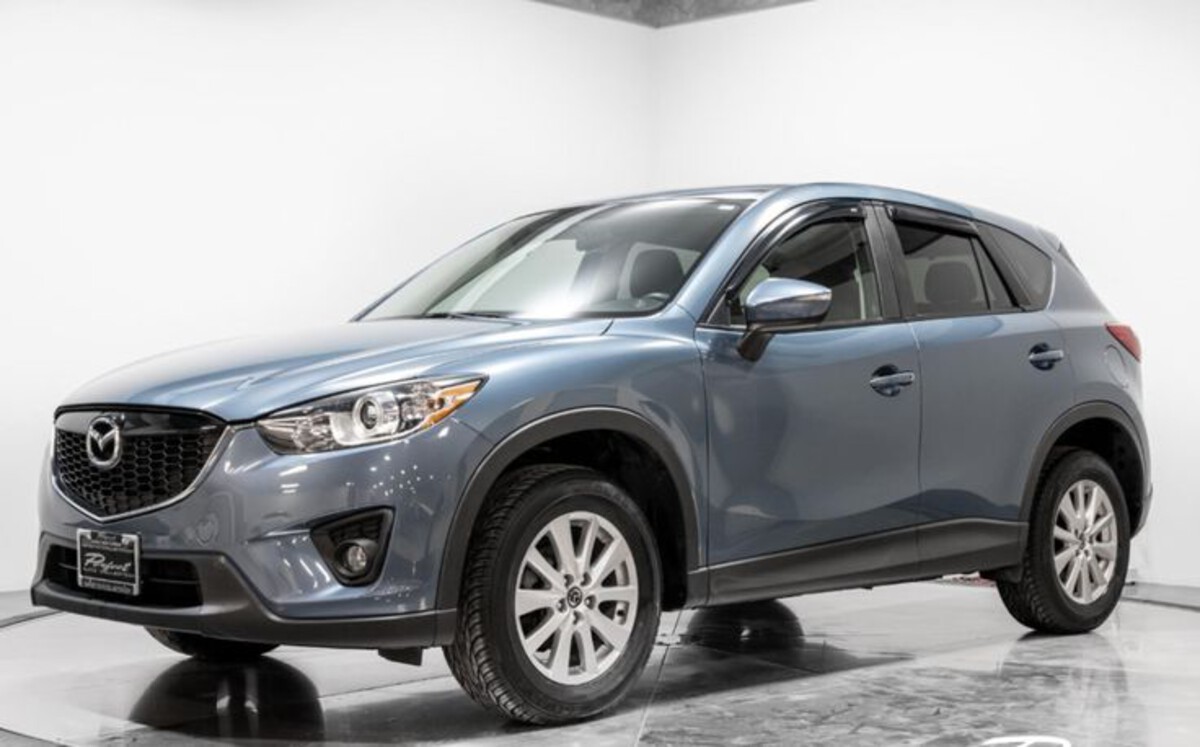
Mazda has also managed to integrate modern driver-assistance features without the reliability nightmares that plague some other brands. Adaptive cruise control, lane-departure warning, and blind-spot monitoring work smoothly and don’t trigger constant false alarms. That’s a testament to Mazda’s careful calibration and testing.
Another point in the CX-5’s favor is cost of ownership. On the rare occasions when an electrical issue arises, repairs are typically straightforward and affordable compared to German brands. Combined with solid warranty coverage, that keeps long-term costs low.
Critics occasionally note that the CX-5 doesn’t have the biggest screen or the flashiest tech features in its segment. But most buyers appreciate its balance: modern enough to feel current, but not so overcomplicated that it introduces reliability risks.
In short, the Mazda CX-5 is proof that you don’t have to choose between style and dependability. It’s one of the few SUVs that blends sharp design, engaging driving dynamics, and electrical reliability into a single package.
For buyers who want peace of mind without sacrificing enjoyment behind the wheel, the CX-5 is an easy recommendation.
5 SUVs That Constantly Break
Not all SUVs are created equal when it comes to electrical reliability. While some manufacturers take a conservative approach to technology integration, others push the envelope in ways that look impressive on a spec sheet but frustrate owners in real life.
Unfortunately, complex electrical systems often prove to be weak points, leading to costly repairs and frequent trips to the service center.
Luxury brands are particularly guilty here. German and British manufacturers, for instance, often pack their SUVs with advanced infotainment, electronic suspension controls, and a host of driver-assistance features.
While these technologies can feel cutting-edge, they’re also more prone to glitches, software crashes, and component failures. The result? Owners of vehicles like the Land Rover Discovery and BMW X5 often report electrical problems that seem never-ending.
American brands aren’t immune either. SUVs like the Jeep Grand Cherokee and Ford Explorer have a reputation for inconsistent electrical reliability, with issues ranging from malfunctioning touchscreens to faulty sensors. Even when warranty coverage softens the blow, the inconvenience of repeated visits to the dealership takes its toll.
The most frustrating part for owners is the unpredictability of these failures. One week, everything works perfectly; the next, the check-engine light appears, or the infotainment system goes dark. Repair costs can also escalate quickly, especially once warranties expire.
Below, we highlight five SUVs notorious for frequent electrical troubles. While they offer attractive features on paper, prospective buyers should be prepared for higher maintenance demands and in many cases, a thinner wallet.
ALSO READ: 10 Used Cars That Are Still Reliable at 250,000 Miles
1. Jeep Grand Cherokee
The Jeep Grand Cherokee is a popular midsize SUV with a loyal following, but it has struggled with electrical reliability for years. Owners frequently report issues ranging from malfunctioning infotainment systems to faulty sensors and erratic warning lights.
One of the most common complaints involves the Uconnect infotainment system. While praised for its user-friendly interface, it has a reputation for freezing, rebooting unexpectedly, or losing Bluetooth connectivity. These issues quickly become frustrating for an SUV marketed as both rugged and refined.
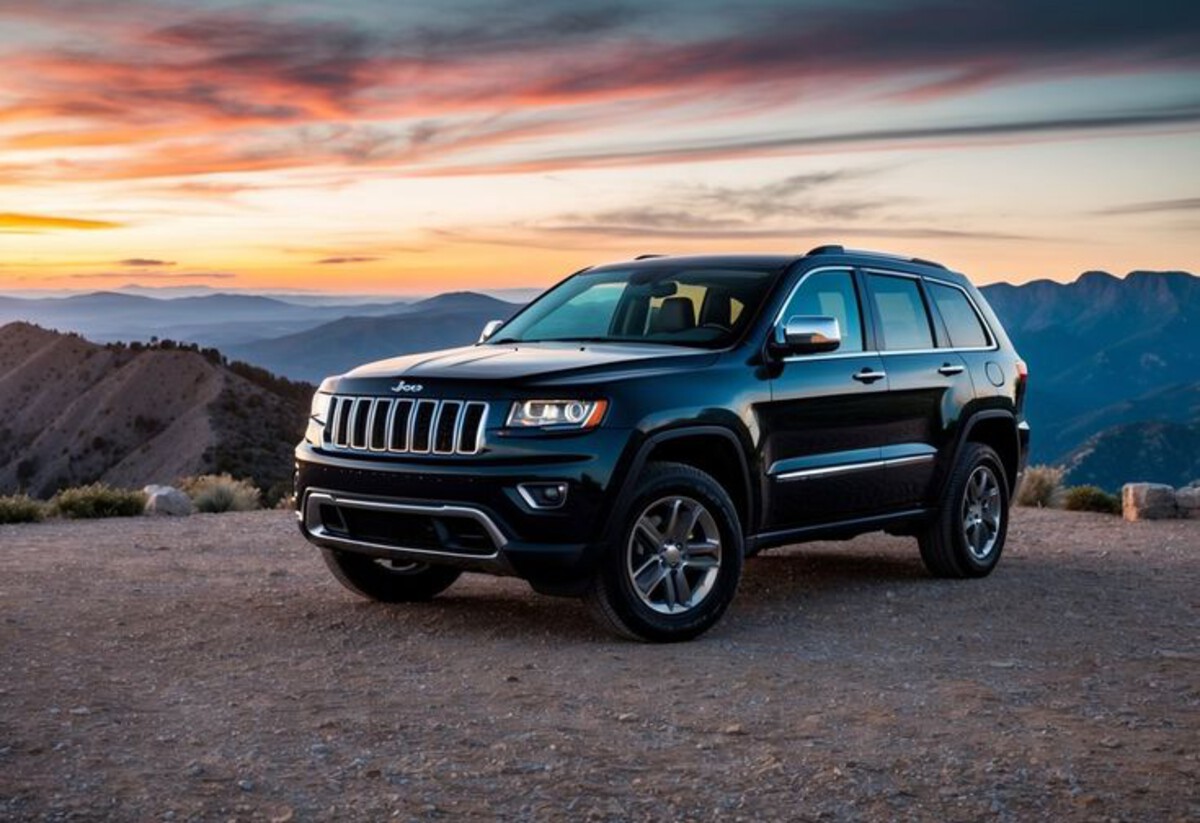
Beyond infotainment, electrical gremlins extend to critical systems. Owners report problems with electronic shifters, which can malfunction or fail to engage properly.
Electrical failures in the power liftgate, door locks, and window regulators are also common. Some drivers even encounter phantom warning lights that indicate problems when none actually exist, undermining confidence in the vehicle’s systems.
The complexity of the Grand Cherokee’s electronics also means repair costs can escalate quickly. Diagnosing intermittent issues often requires extensive labor hours, and replacement parts aren’t cheap. While warranty coverage helps for new models, long-term owners face high out-of-pocket expenses.
Jeep has made strides in improving build quality in recent years, but electrical reliability remains a sore spot. Compared to rivals like the Toyota 4Runner or Honda Passport, the Grand Cherokee is far more likely to leave owners dealing with nuisance electrical repairs.
For buyers who prioritize off-road capability and luxury features, the Grand Cherokee still has appeal. But anyone who values peace of mind and long-term dependability should think twice before committing to this SUV.
2. Land Rover Discovery
Land Rover has long struggled with reliability, and the Discovery is a prime example. While it delivers impressive off-road ability and luxurious comfort, its electrical reliability record is one of the weakest in the SUV market.
Owners frequently report issues with the InControl infotainment system, which is notorious for glitches. Problems include frozen screens, unresponsive touch inputs, and navigation malfunctions. These issues often persist even after software updates, leading to frustration and repeat dealership visits.

Beyond infotainment, the Discovery’s electrical gremlins extend to critical systems. Air suspension components, heavily dependent on electronic controls, are prone to failure.
Faulty sensors can trigger warning lights for systems that are functioning properly, leaving drivers uncertain about the true condition of their SUV. Electrical drain problems have also been reported, causing batteries to die prematurely.
Repair costs are another concern. Electrical issues in the Discovery are often complex, requiring specialized diagnostics and expensive parts.
Even routine fixes can carry a hefty price tag, especially once the vehicle is out of warranty. Owners regularly report spending thousands of dollars to resolve persistent electrical faults.
The irony is that Land Rover positions itself as a premium brand, yet its SUVs consistently underperform in dependability rankings. While the Discovery delivers in comfort and capability, the ownership experience is too often undermined by electrical unreliability.
For buyers who prioritize image and luxury, the Discovery may still hold appeal. But for those who expect consistent performance without constant dealership visits, it’s a risky choice. Compared to Toyota or Lexus rivals, the Discovery’s electrical track record is simply too problematic to ignore.
3. Ford Explorer
The Ford Explorer is one of America’s best-selling SUVs, but despite its popularity, it has a troubling record when it comes to electrical reliability. Owners frequently cite issues ranging from glitchy infotainment systems to persistent warning light errors.
One of the most reported problems is with the SYNC infotainment system. While feature-rich, it has been plagued by freezing, lagging, and unexpected reboots. Connectivity issues with Apple CarPlay and Android Auto are also common, frustrating drivers who rely on seamless smartphone integration.
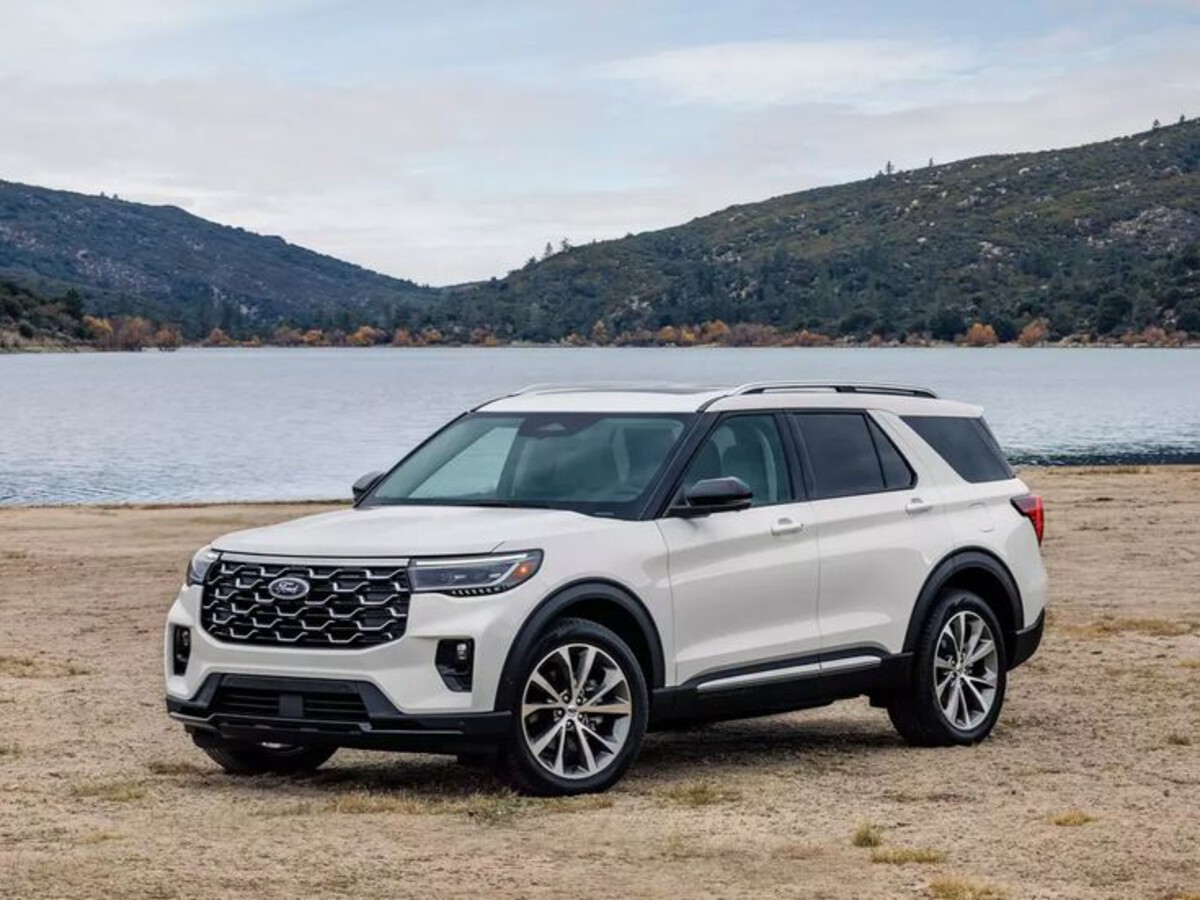
Electrical problems extend beyond infotainment. Faulty sensors in the transmission and engine management systems can trigger false warning lights or limp-mode conditions. Power window switches, electronic door locks, and rear liftgates have also been problematic across several model years.
The Explorer’s driver-assistance features, such as lane-keeping assist and adaptive cruise control, have also been criticized for inconsistent operation. These systems, heavily dependent on sensors and software, are prone to glitches that reduce driver confidence.
Repair costs, while not as high as those for luxury brands, still add up. Electrical problems often require multiple dealership visits to fully resolve, and even then, issues can reappear. For families relying on the Explorer as a daily driver, this unpredictability is a major drawback.
To Ford’s credit, more recent models have seen improvements, but the Explorer’s reputation lags behind rivals like the Honda Pilot or Toyota Highlander. Until Ford achieves greater consistency in its electrical systems, the Explorer remains a gamble for buyers seeking dependable long-term ownership.
4. Volkswagen Tiguan
The Volkswagen Tiguan brings European styling and solid driving dynamics to the compact SUV market, but its electrical reliability is a persistent concern. Owners frequently report problems with both minor convenience features and core vehicle systems.
The Tiguan’s infotainment system is a common trouble spot. Issues include freezing screens, unresponsive controls, and Bluetooth failures. Even basic functions like adjusting audio settings or using navigation can be disrupted by glitches.

Beyond infotainment, electrical problems extend to sensors and warning systems. Owners often report false alerts from the tire pressure monitoring system or malfunctioning check-engine lights triggered by faulty wiring or software errors. Problems with keyless entry, power windows, and rear hatch operation are also commonly cited.
Repair costs can be especially frustrating. Volkswagen parts and service are generally more expensive than those of Japanese competitors, and diagnosing intermittent electrical issues often requires repeat visits to the dealership. Warranty coverage provides some relief, but long-term owners face significant repair bills.
The Tiguan’s driver-assistance features are another weak spot. Adaptive cruise control, lane-keeping assist, and parking sensors often behave inconsistently, eroding trust in systems meant to improve safety.
Despite these issues, the Tiguan remains attractive to buyers drawn to its European styling and handling. However, compared to segment leaders like the Mazda CX-5 or Honda CR-V, its electrical track record is poor. For buyers who value reliability over flair, the Tiguan is a risky proposition.
5. BMW X5
The BMW X5 is marketed as a luxury SUV blending performance, technology, and comfort. Unfortunately, its electrical reliability often undermines the ownership experience.
The X5’s iDrive infotainment system, while feature-rich, is notorious for glitches. Owners report issues ranging from laggy performance to complete system reboots. Software updates sometimes fix the problems, but often introduce new ones. Connectivity with smartphones is another recurring headache.

Beyond infotainment, the X5 suffers from electrical failures in critical components. Malfunctions in the electronic parking brake, power tailgate, and seat adjustment controls are commonly reported. Faulty sensors can trigger warning lights for systems that are functioning properly, creating unnecessary repair visits.
The complexity of the X5’s electrical architecture also drives up repair costs. Diagnosing problems requires specialized tools, and replacement parts are expensive. Even minor electrical fixes can cost significantly more than similar repairs on Japanese competitors.
Driver-assistance features, a major selling point of the X5, also face reliability issues. Adaptive cruise control, lane-keeping assist, and blind-spot monitoring sometimes behave inconsistently, frustrating owners who expect seamless performance from a premium vehicle.
While the X5 delivers strong performance and luxury appeal, its electrical track record makes it a risky choice for buyers prioritizing reliability. Compared to rivals like the Lexus GX or Acura MDX, the X5 is far more likely to develop costly and recurring electrical issues.
Electrical reliability is no longer a minor consideration when buying an SUV it’s one of the most important factors in long-term ownership satisfaction.
As vehicles become more dependent on software and sensors, the potential for problems only increases. The contrast between the two groups of SUVs we’ve covered could not be clearer.
On one side, brands like Toyota, Honda, and Mazda prove that it’s possible to integrate modern technology without compromising dependability. Models such as the Land Cruiser, Lexus GX, Honda CR-V, Toyota 4Runner, and Mazda CX-5 show remarkable resilience against electrical issues.
These vehicles may not have the flashiest infotainment systems or the most cutting-edge driver-assistance features, but they deliver something far more valuable: peace of mind. Knowing your SUV will start every morning without a warning light circus is priceless for families, commuters, and adventurers alike.
On the other side, SUVs like the Jeep Grand Cherokee, Land Rover Discovery, Ford Explorer, Volkswagen Tiguan, and BMW X5 illustrate the pitfalls of prioritizing tech and luxury over long-term durability.
While these vehicles often impress on first impressions with sleek cabins, advanced features, and strong marketing, the ownership reality can be frustrating. Frequent glitches, costly repairs, and unpredictable failures erode confidence and inflate ownership costs.
For buyers, the lesson is straightforward: do your homework. Don’t be swayed by glossy brochures or flashy features alone. Look at reliability ratings, owner forums, and long-term cost-of-ownership studies.
If electrical dependability matters to you, and for most drivers it should, you’ll likely find yourself gravitating toward brands with a proven track record rather than those chasing short-term appeal.
Ultimately, the choice depends on priorities. If you’re willing to accept potential headaches for the sake of luxury or performance, the riskier SUVs might still appeal.
But if your goal is a stress-free ownership experience, the dependable five on our first list remain some of the safest bets in the SUV world.