
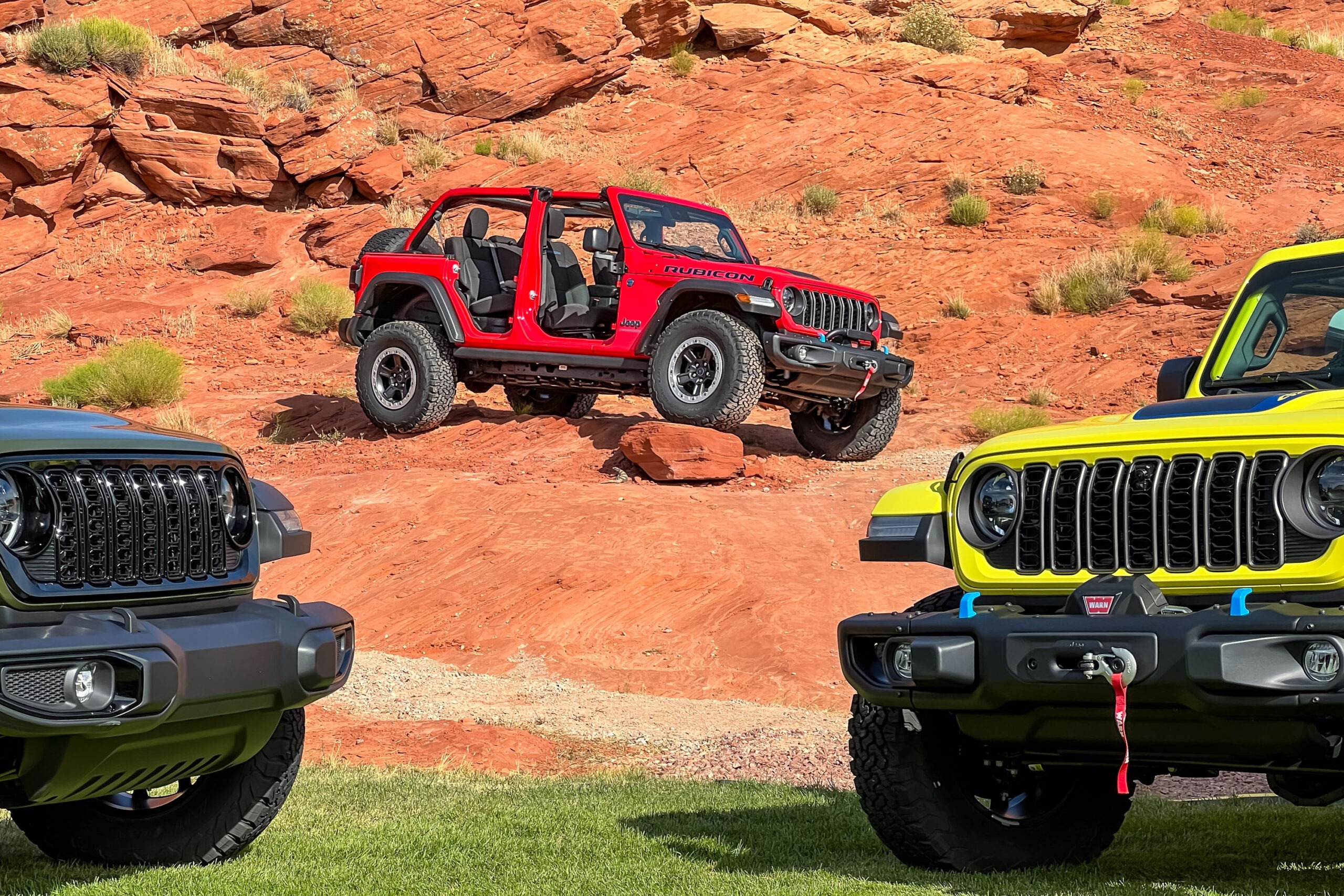
For decades, the Jeep Wrangler has stood as one of the most respected off-road vehicles. It carries a reputation for rugged design, impressive climbing ability, and a loyal following of owners who want a machine that can tackle mud, rocks, and rough terrains with ease.
Many people choose a Wrangler because it offers something that most regular SUVs cannot match, which is the sense of adventure and freedom that comes with driving it. From its roots in military service to its transformation into a popular civilian vehicle, the Wrangler has managed to keep its identity as a tough and dependable machine that is ready for any challenge.
However, not every Wrangler year has delivered the same level of performance and dependability. Some model years stand out because of their strong engines, durable build quality, and excellent handling both on highways and off-road.
At the same time, certain years are remembered for poor reliability, uncomfortable rides, or constant mechanical troubles that made ownership frustrating. Buyers who want to enjoy the benefits of owning a Wrangler must therefore pay attention to which years are recommended and which years are better avoided.
Choosing between the good and the bad Wrangler years requires looking at details such as engine design, safety upgrades, transmission reliability, and even suspension comfort. While enthusiasts may be attracted by the rugged styling, those planning to buy one should balance style with practicality.
No driver wants to spend more time at the repair shop than on the road or trail. Knowing which Wrangler models have a strong reputation and which ones fall short can save both money and unnecessary stress.
On this page, we will take a close look at five Wrangler years worth owning and five that have proven disappointing. Each year comes with a story of what made it successful or why it turned out poorly. By the end, any potential buyer will have a clearer idea of which Wranglers can be trusted and which ones should be avoided.
5 Jeep Wrangler Years Worth Owning
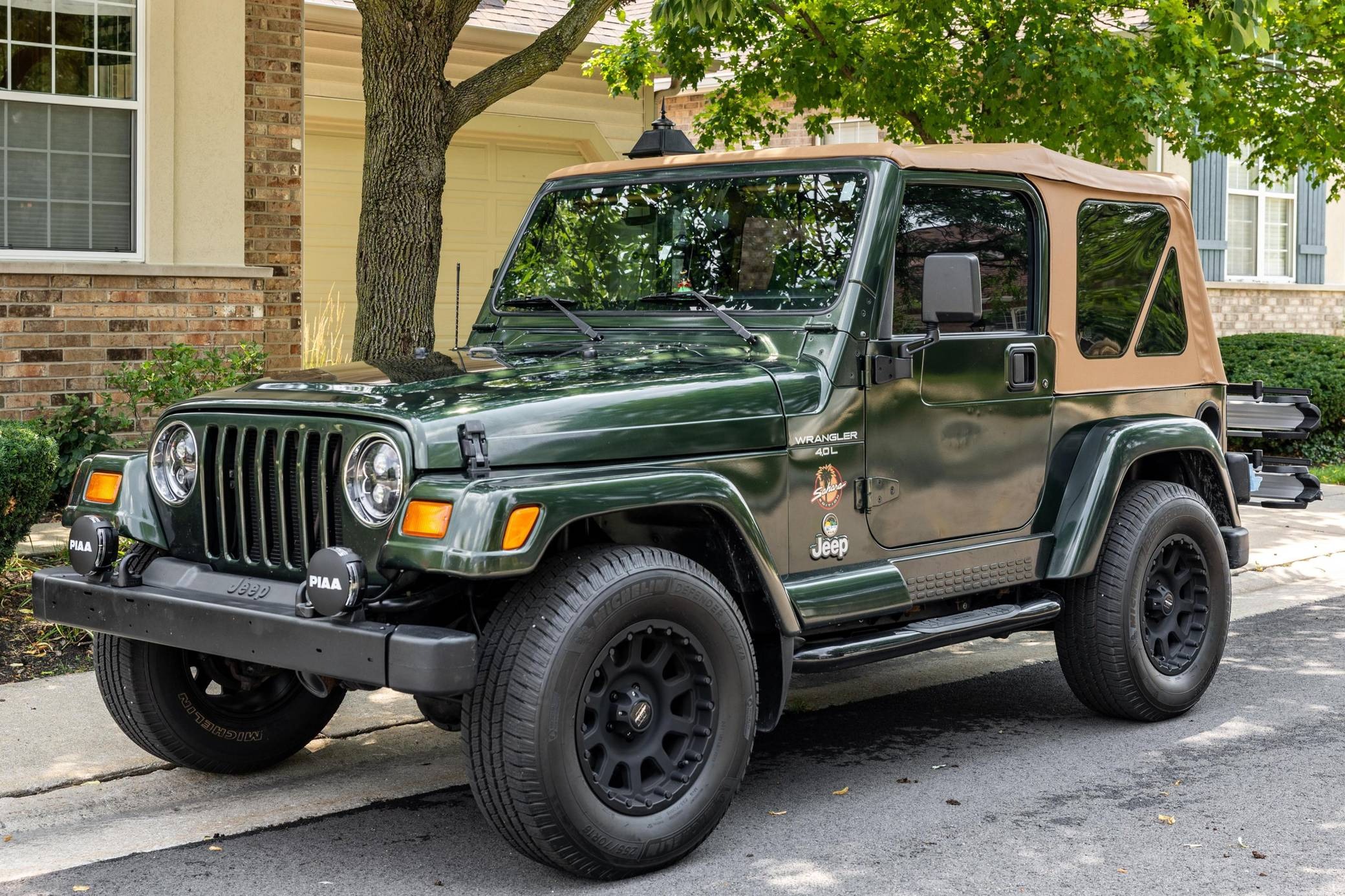
1. 1997 Jeep Wrangler
The 1997 Wrangler marked the introduction of the TJ generation, which replaced the YJ model that had been criticised for its square headlights and less traditional Jeep look. This year is worth owning because it returned the Wrangler to its roots by reintroducing the classic round headlights and improving off-road performance.
Many Jeep loyalists consider it a turning point for the brand. The 1997 TJ Wrangler came with coil spring suspension, which replaced the leaf springs found in the older YJ. This change brought a smoother ride without losing the tough off-road ability.
Owners appreciated the improvement in handling, especially when driving on paved roads. At the same time, the Wrangler stayed loyal to its trail strength, offering strong climbing ability and stability when going over rocks and dirt paths.
Another reason this model year is attractive is the reliable 4.0-litre inline-six engine. This powertrain had been tested for years and proved to be durable and easy to repair. Many Wranglers from this year are still running strongly today with proper maintenance. Parts availability is wide, making it easier to keep the vehicle in good condition even after decades of use.
Inside the cabin, comfort was better compared to older versions. While still basic, the interior offered improved ergonomics, making it easier for drivers to handle long trips. Features like air conditioning, better seating, and optional hard tops gave buyers more choices to match their lifestyle.
Those who want a Wrangler with classic looks, reliable performance, and true off-road credibility often turn to the 1997 model. Its balance of old-school Jeep character with modern upgrades makes it one of the most respected Wranglers on the used market.
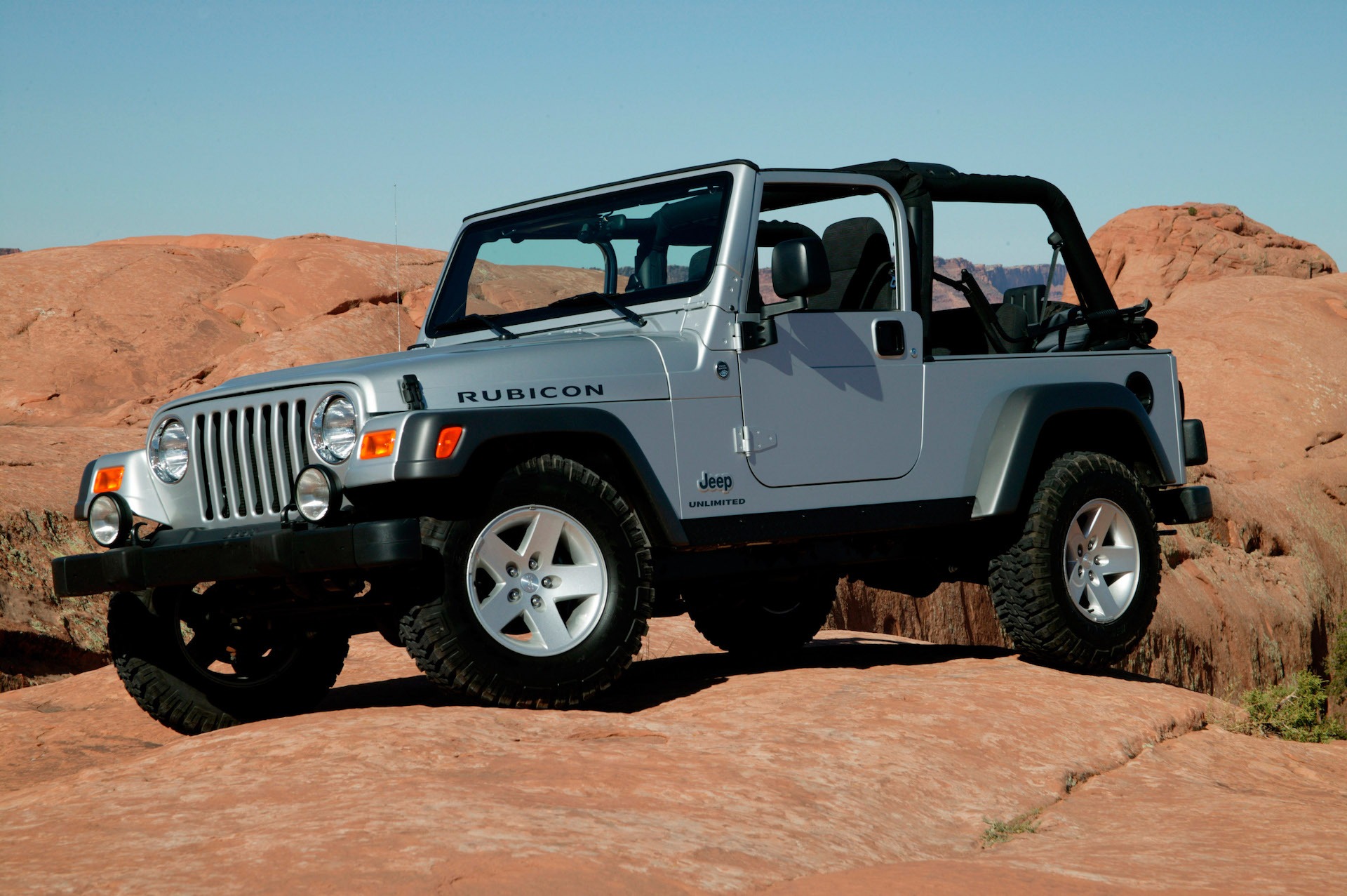
2. 2003 Jeep Wrangler Rubicon
The 2003 Wrangler Rubicon is often described as a legend among Jeep enthusiasts because it introduced factory-built features that many drivers previously had to install through aftermarket modifications. For people who enjoy off-roading, this model became a dream come true straight from the dealership.
Jeep fitted the 2003 Rubicon with Dana 44 axles, both in the front and rear. These heavy-duty axles made it stronger and more capable when climbing rocks or crossing difficult terrains. The Rubicon also came with front and rear locking differentials, which provided more traction in rough conditions.
Before this, most Wrangler owners needed to spend extra money adding these parts themselves, but Jeep gave them straight from the factory. Another strength of this model year is the Rock-Trac transfer case, which offered a lower 4:1 gear ratio for better control when crawling over rocks.
This feature allowed drivers to move slowly but steadily across surfaces where other vehicles would easily lose grip. The standard 31-inch tires also gave the Wrangler Rubicon a more aggressive stance and improved off-road performance.
Inside, the 2003 model carried similar design features to earlier TJs, but owners appreciated that Jeep did not compromise on toughness. The cabin was simple but effective, easy to clean after a muddy adventure. Drivers looking for extra comfort could choose features like upgraded seats or a soft top.
Reliability was also a highlight because the trusted 4.0-litre inline-six engine continued to power the Wrangler. This engine was already known for being long-lasting, and pairing it with the Rubicon’s off-road hardware made the 2003 model stand out even more. It remains highly valued today, often considered one of the best factory Wranglers ever built.
Also Read: 5 Jeep Grand Cherokee Years That Run Forever vs 5 That Don’t
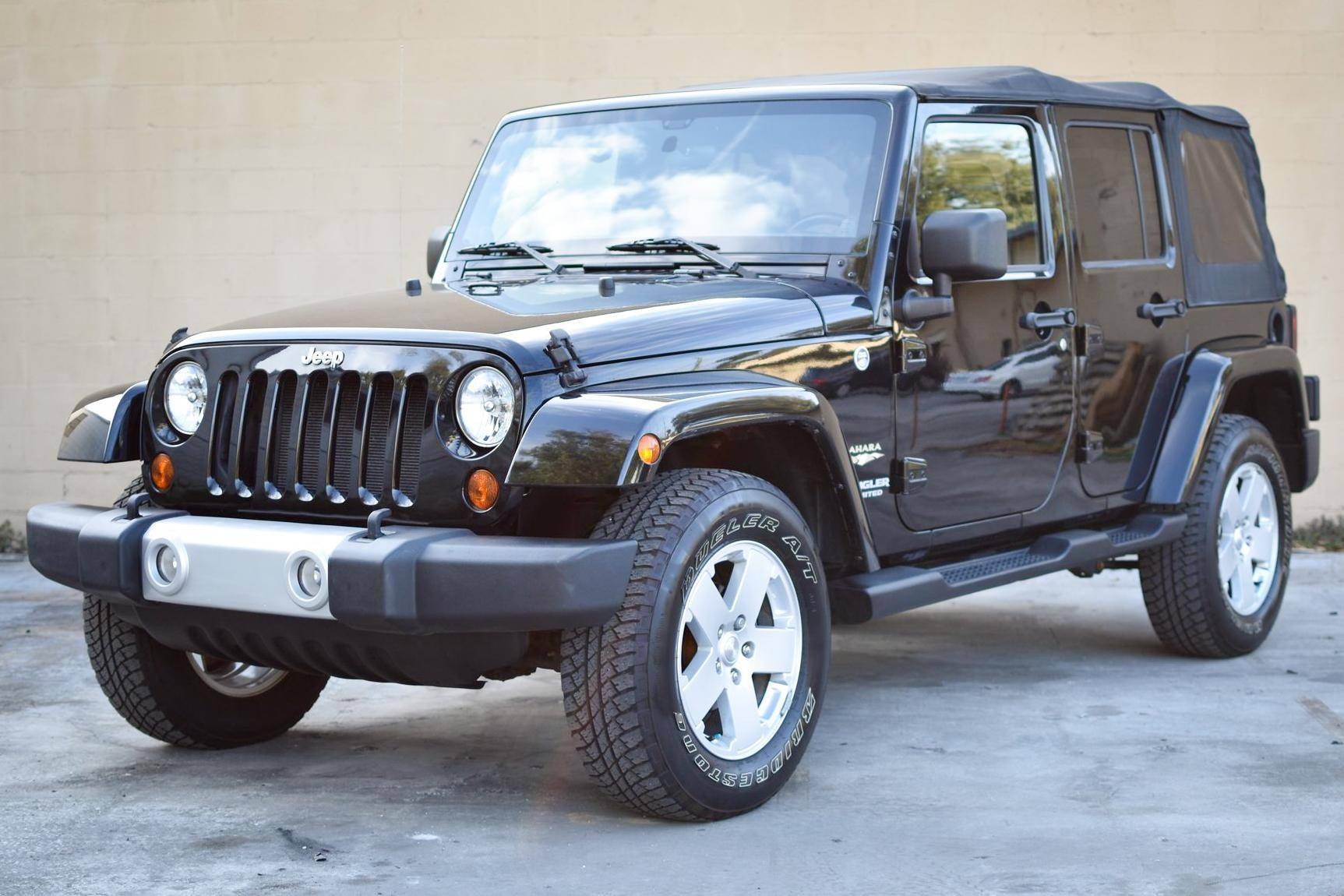
3. 2012 Jeep Wrangler
By 2012, Jeep had already launched the JK generation of the Wrangler, which started in 2007. The 2012 model year is worth owning because it introduced a major upgrade under the hood with the 3.6-litre Pentastar V6 engine. This replaced the old 3.8-litre V6 that had often been criticised for weak performance and poor fuel economy.
The Pentastar engine delivered 285 horsepower and 260 lb-ft of torque, which transformed the Wrangler’s driving experience. Owners who previously complained about slow acceleration and struggling climbs noticed a huge difference. This new engine gave the 2012 Wrangler stronger pulling power for towing and better handling on highways.
Apart from the engine, Jeep also improved the interior quality in 2011, and the 2012 model benefited from this update. The cabin looked more modern, with better materials, a redesigned dashboard, and improved seating comfort. These changes made the Wrangler more appealing to daily drivers who wanted both adventure and convenience.
Off-road performance remained strong, with the Wrangler still offering features like solid axles, skid plates, and part-time four-wheel drive. Buyers could choose between two-door and four-door Unlimited models, giving families more space without losing the Jeep character.
Reliability for the 2012 Wrangler is better than earlier JK models, as the new engine proved durable when properly maintained. Many owners have reported reaching high mileage with fewer mechanical troubles. For anyone who wants a Wrangler that combines modern comfort with dependable strength, the 2012 version is a solid choice.
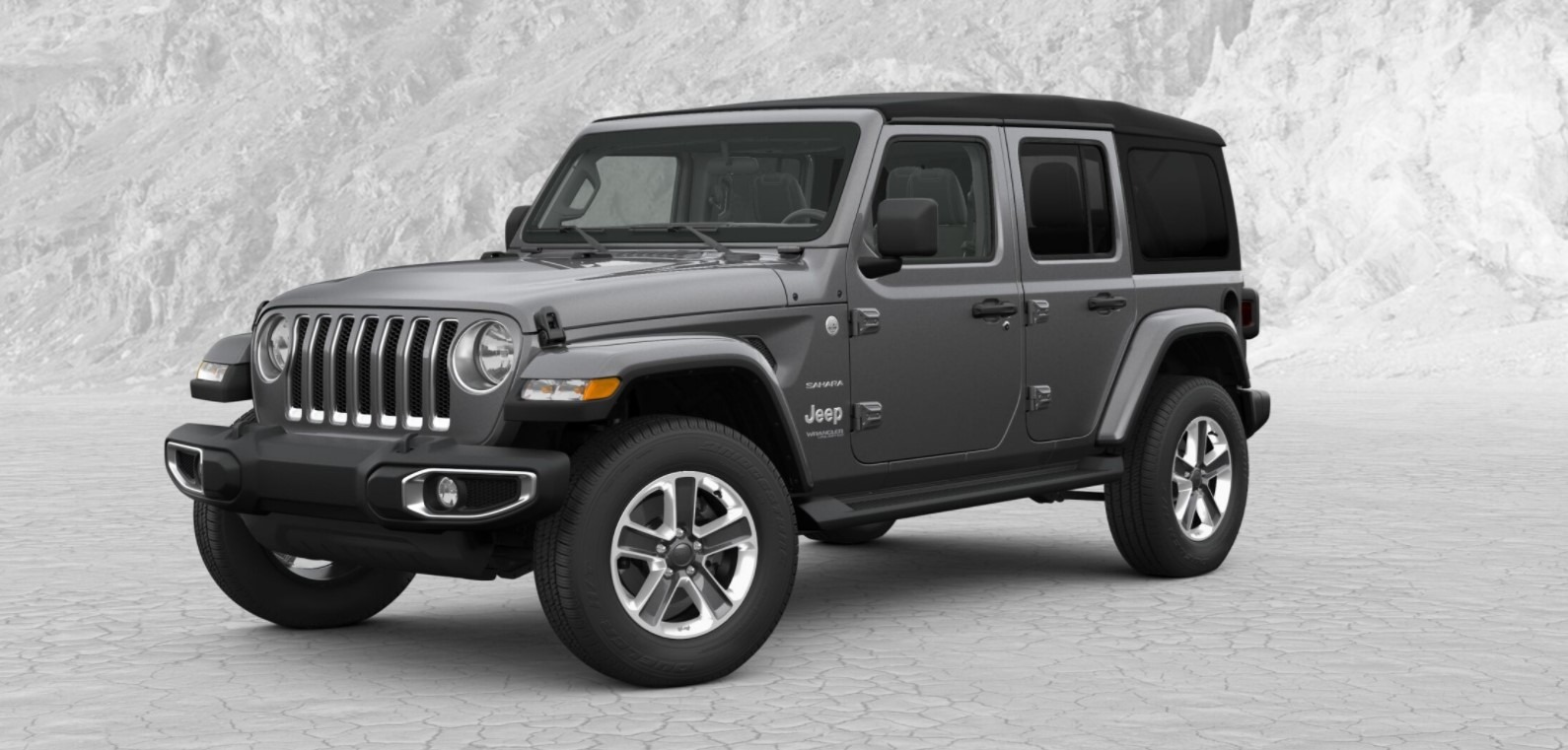
4. 2018 Jeep Wrangler JL
The 2018 Wrangler marked the beginning of the JL generation, which replaced the JK after more than a decade. This year is worth owning because it introduced fresh styling, new technology, and improved performance without losing the Wrangler’s traditional rugged appeal.
One of the biggest changes was the redesign of the exterior. The 2018 Wrangler kept its round headlights and seven-slot grille but refined the shape to look more modern. The doors and windshield became easier to remove, making it more convenient for drivers who enjoy open-air adventures. The use of lighter materials also improved fuel economy and handling.
Inside the cabin, Jeep took a huge step forward by upgrading technology and comfort. Drivers could now enjoy a touchscreen infotainment system with Apple CarPlay and Android Auto support. Materials felt more upscale, and seating comfort was improved, making long journeys less tiring.
Under the hood, the 2018 Wrangler offered multiple engine options, including the 3.6-litre V6 and a new 2.0-litre turbocharged four-cylinder. Both engines provided strong performance, with the turbo option giving better fuel efficiency. Jeep also introduced an eight-speed automatic transmission, which delivered smoother moves compared to older gearboxes.
Off-road ability remained excellent, with trims like the Rubicon offering locking differentials, stronger axles, and large off-road tires. Buyers could trust the 2018 Wrangler to perform both on city streets and on rough trails.
This year is recommended for those who want modern convenience combined with legendary off-road capability. It shows that Jeep managed to improve comfort and technology without losing the adventurous spirit that makes the Wrangler unique.
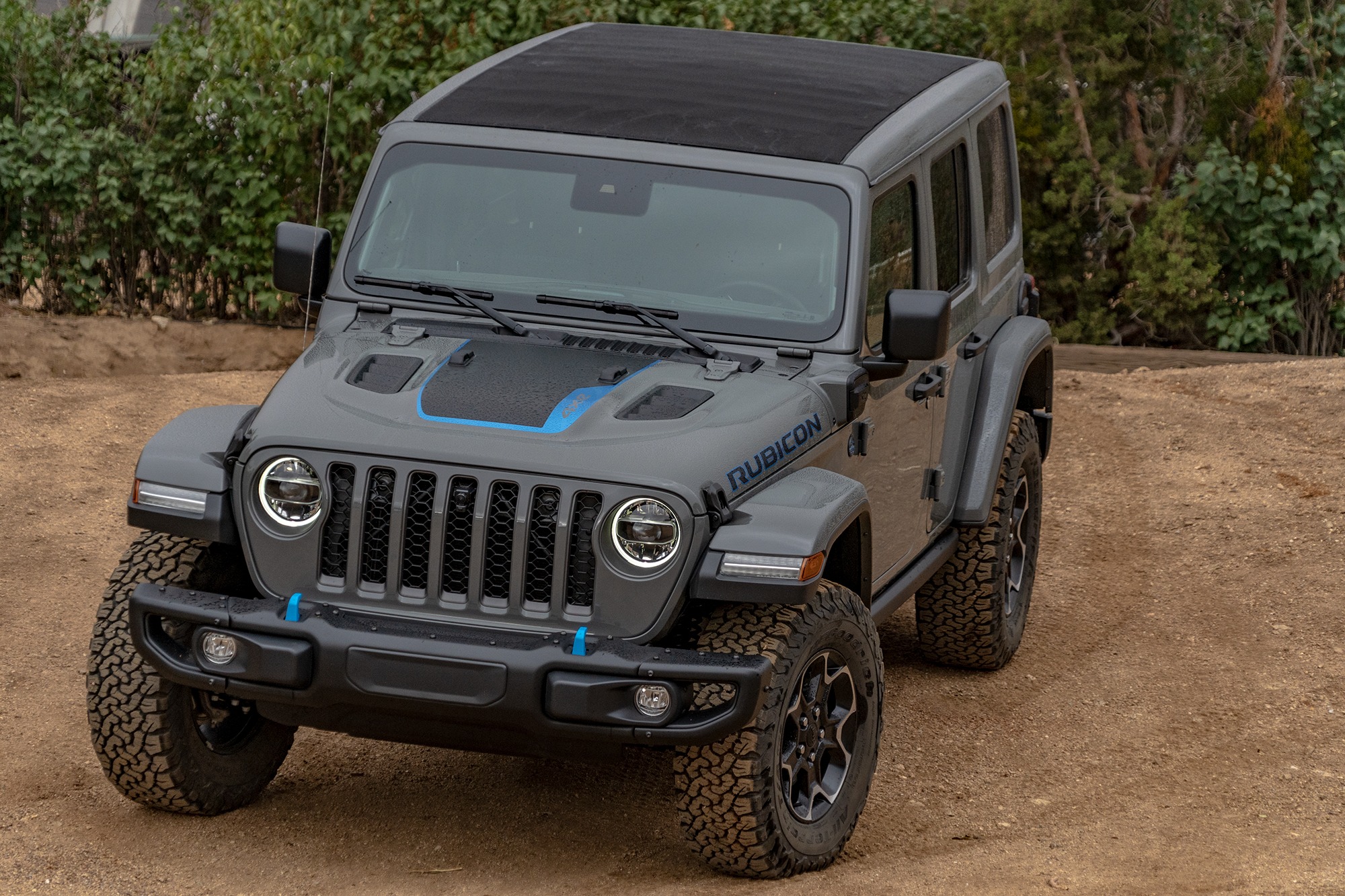
5. 2021 Jeep Wrangler 4xe
The 2021 Wrangler 4xe became the first plug-in hybrid version of the Wrangler. It stands out as a model year worth owning because it combined Jeep’s off-road DNA with modern electrification. For buyers looking for an environmentally friendly Wrangler without giving up performance, this model created a new opportunity.
The 4xe pairs a 2.0-litre turbocharged engine with two electric motors and a battery pack. This setup produces 375 horsepower and 470 lb-ft of torque, making it the most powerful Wrangler of its time. Drivers enjoyed instant torque from the electric system, which improved low-speed climbing and acceleration.
One major advantage is the ability to drive up to 21 miles on electric power alone. This made the 2021 4xe suitable for short commutes without using petrol. Owners also appreciated the ability to recharge the battery at home or public charging stations.
Off-road performance did not suffer, as Jeep ensured the 4xe maintained solid axles, four-wheel drive, and available Rubicon features. In fact, the instant torque from the electric motors helped in tricky conditions where precise power delivery was important.
Inside, the cabin carried the same modern updates seen in the JL generation, with user-friendly technology and improved materials. Buyers also benefited from tax incentives and reduced fuel costs. The 2021 Wrangler 4xe proved that Jeep could adapt to modern needs while keeping its adventurous reputation. It remains a great option for those who want both strength and efficiency.
5 Jeep Wrangler Years That Are Not Worth Owning
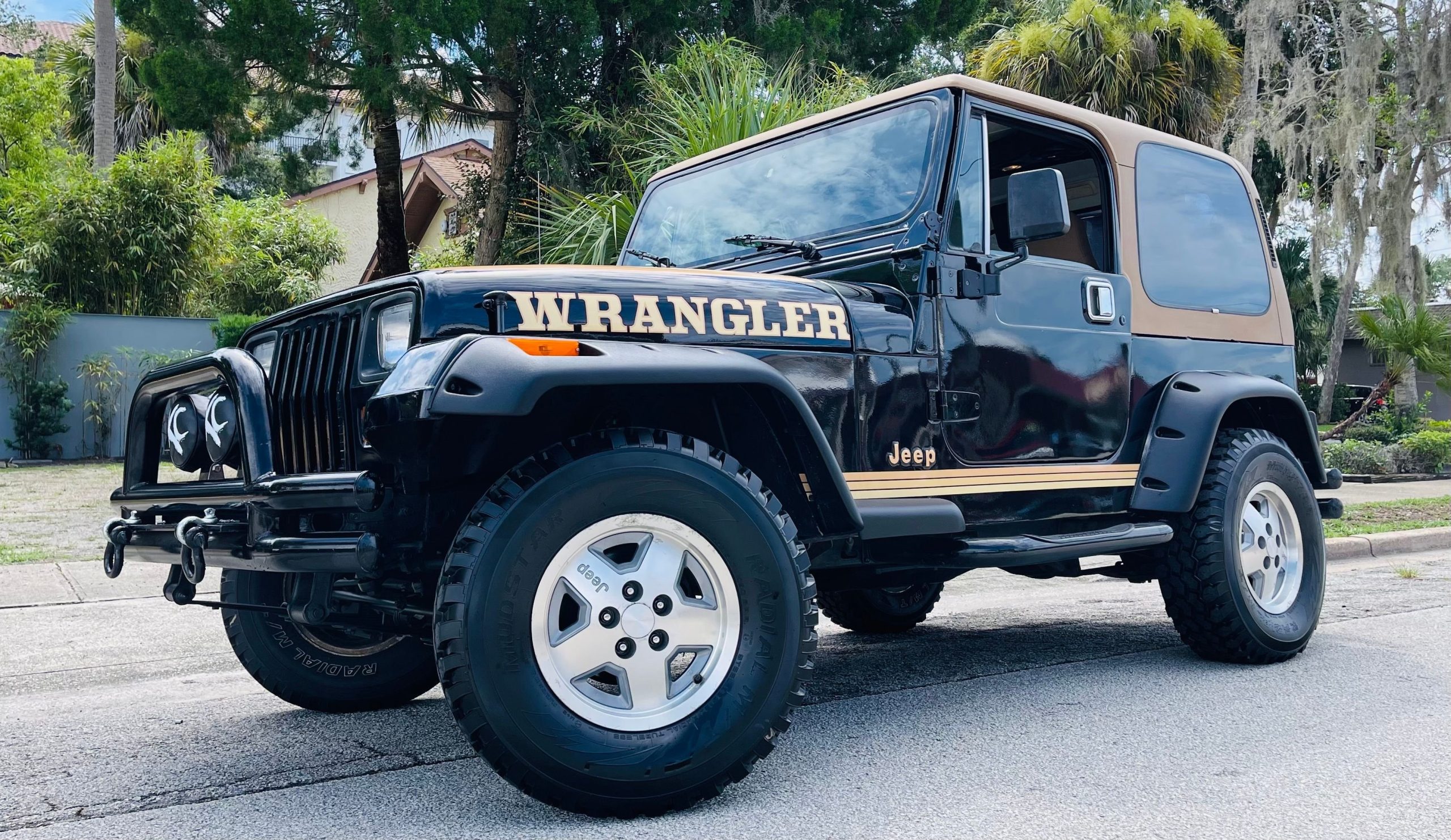
1. 1987 Jeep Wrangler YJ
When Jeep replaced the CJ series with the Wrangler YJ in 1987, the brand aimed to make the vehicle safer and more appealing to everyday drivers. While that idea made sense at the time, the 1987 Wrangler is not worth owning today.
The first issue lies in its suspension system, which uses leaf springs. These springs made the ride very rough on highways, giving passengers an uncomfortable experience during long drives. Another area where the 1987 Wrangler disappointed is its engine choices.
The base four-cylinder engine felt underpowered, especially when trying to climb hills or carry extra weight. Although a 4.2-litre inline-six was available, it suffered from poor fuel economy and frequent carburetor issues. Owners often complained about stalling, difficulty starting, and a lack of smooth performance.
The styling also divided opinion. The YJ introduced rectangular headlights, which many Jeep loyalists felt moved away from the traditional design. While styling can be subjective, the decision to change the iconic round headlights made the YJ less appealing to purists.
Durability was another concern. Rust problems were common, especially in the frame and floorboards. Mechanical reliability was below expectations, leading to expensive repairs. Even though parts for the YJ are still available, many buyers prefer to invest in later Wranglers that offer better engineering.
For someone interested in buying an older Jeep for off-road fun, the 1987 Wrangler is not the best choice. Its harsh ride, weak engine options, and reliability concerns make it a year best avoided.
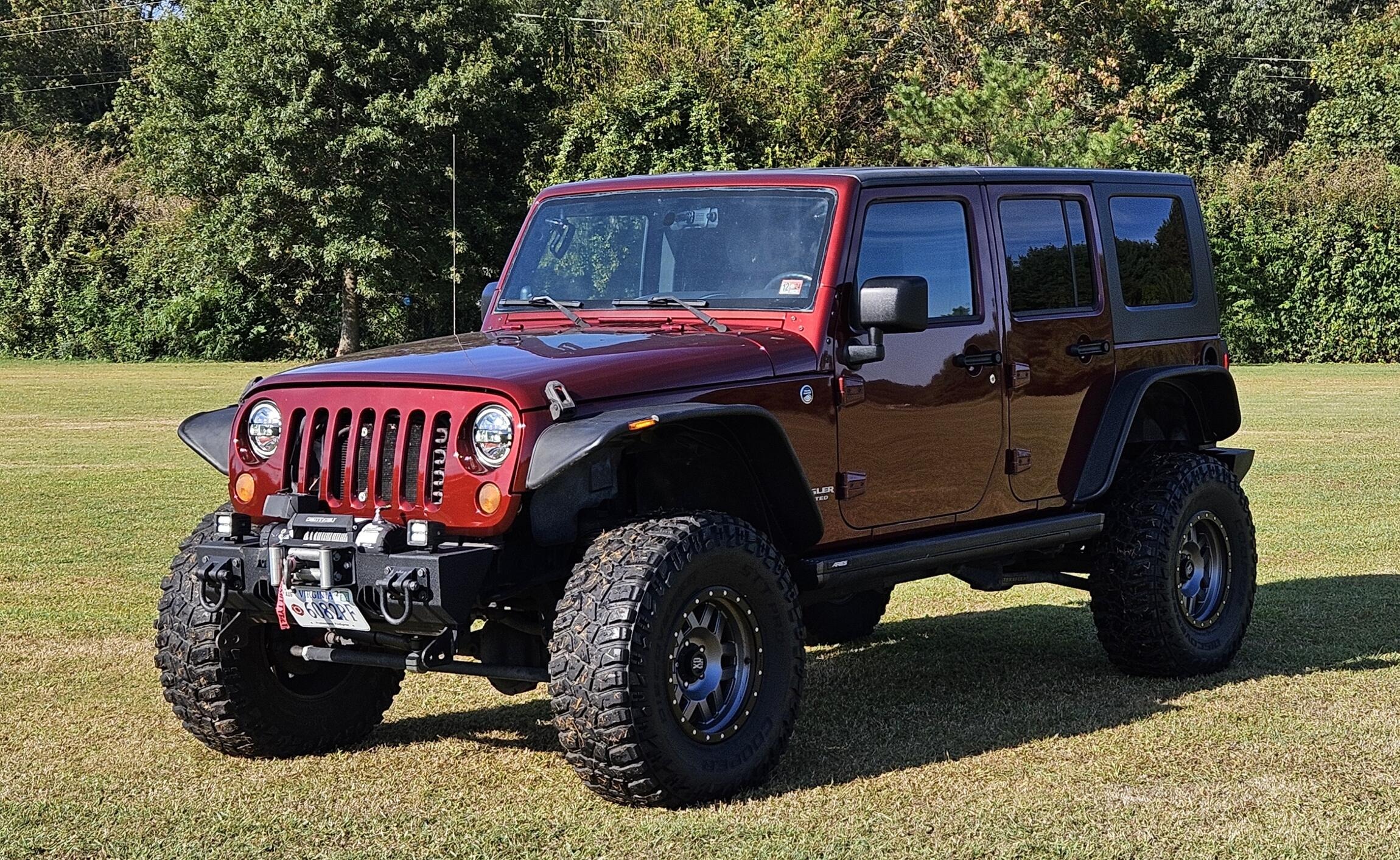
2. 2007 Jeep Wrangler JK
The 2007 Wrangler introduced the JK generation, which came with a bigger body, improved safety, and the new four-door Unlimited version. While these changes helped Jeep reach more customers, the 2007 model year came with too many problems to recommend.
One of the biggest issues was the introduction of the 3.8-litre V6 engine. This powerplant produced just 202 horsepower, which was weak for a heavier Wrangler body. Owners often complained about sluggish acceleration, poor towing ability, and disappointing fuel efficiency. The engine also developed oil consumption problems as it aged, leading to expensive maintenance.
Transmission troubles added to the complaints. Both the automatic and manual versions were known for roughness and a lack of refinement. Suspension and steering were also criticised for being loose, making the Wrangler feel less stable on highways.
Interior quality in 2007 was another weak point. Hard plastics, basic controls, and uncomfortable seating made the cabin feel cheap. Since this was the first year of the new generation, many of the updates Jeep later introduced had not yet arrived.
Owners also reported frequent electrical problems, such as faulty sensors and dashboard warning lights that appeared without clear reasons. Combined with rust concerns in certain climates, the 2007 Wrangler quickly gained a reputation for being unreliable.
For those looking at used JK Wranglers, later years are far better options. The 2007 version is best avoided unless the buyer is ready to spend extra money fixing its long list of weaknesses.
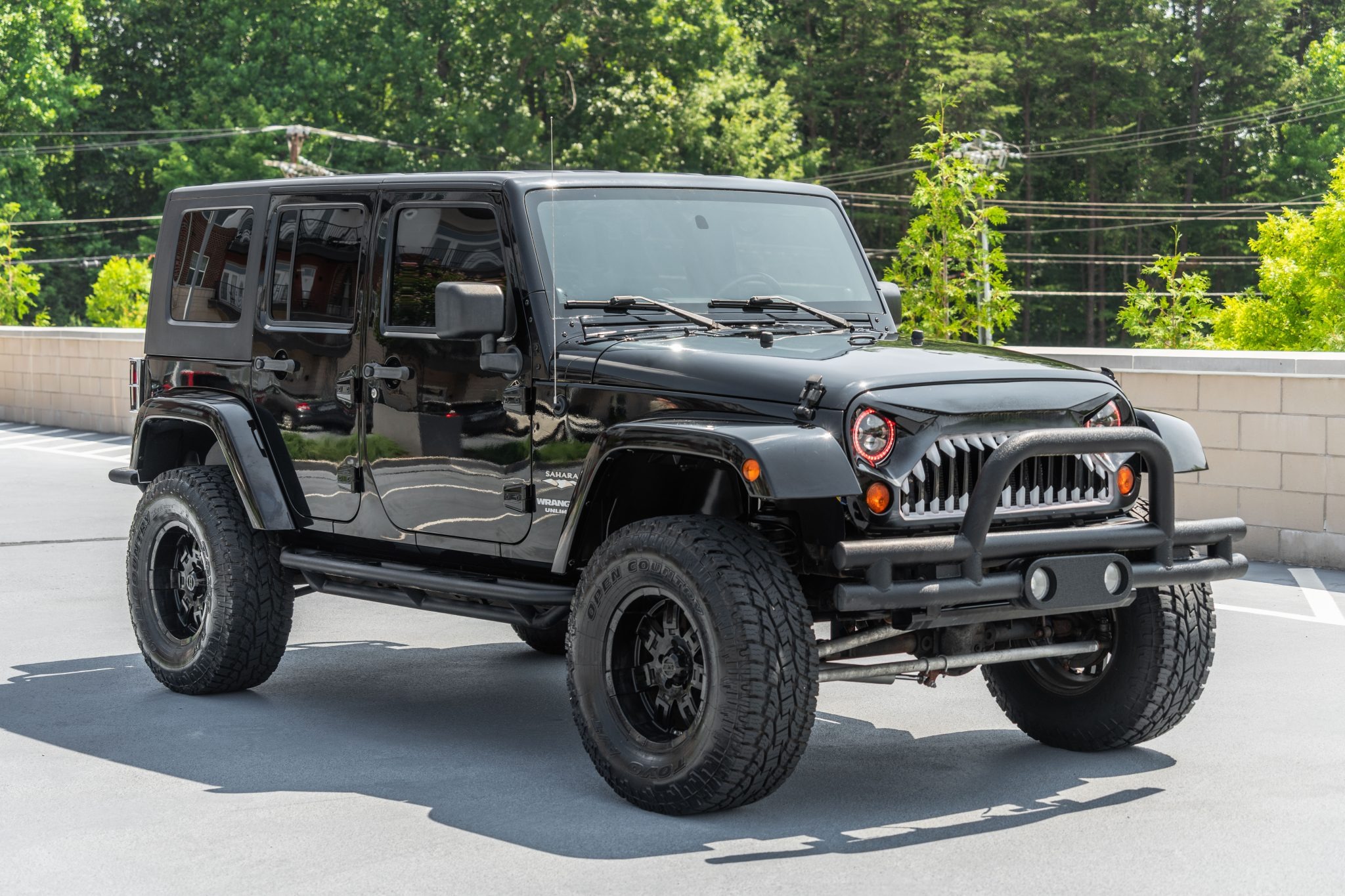
3. 2008 Jeep Wrangler
The 2008 Wrangler continued the JK generation but carried many of the same problems as the 2007 model. Jeep had not yet solved the weaknesses of the 3.8-litre V6 engine, meaning owners still faced underpowered performance and poor fuel economy. Complaints about oil consumption and weak acceleration were common.
Mechanical reliability was also poor in 2008. Many owners reported issues with the drivetrain, particularly with the four-wheel-drive system. Leaks in the transfer case and failures in the differentials became frustrating repair bills for drivers who expected better durability.
Ride comfort was another issue. The suspension tuning made the Wrangler feel unstable on highways, with excessive body roll during turns. Steering response was imprecise, forcing drivers to make constant corrections while driving. These issues made the Wrangler less enjoyable as a daily vehicle, even if it still performed well off-road.
Inside, the 2008 Wrangler carried the same cheap materials as the 2007 model, with little improvement in design. Seats lacked support, and cabin noise remained high, especially at highway speeds. Electrical failures and air conditioning problems were also common complaints.
Because of these problems, the 2008 Wrangler is not considered a reliable or comfortable year to own. Buyers are often advised to look at models from 2012 and later, which solved many of these early JK generation troubles.
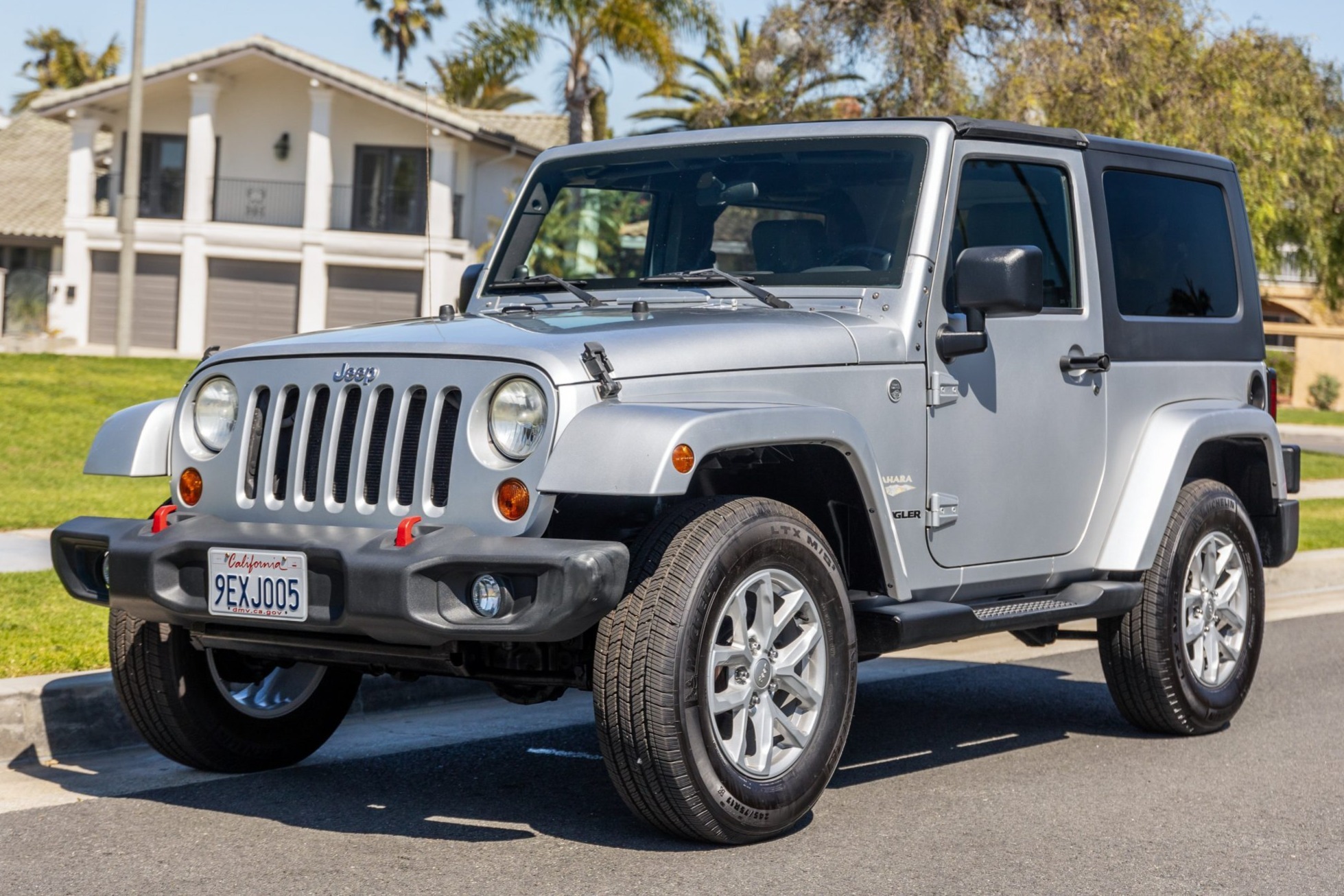
4. 2010 Jeep Wrangler
By 2010, Jeep had already released the Wrangler for several years in the JK generation, but quality issues were still very present. This year is not worth owning because it kept the weak 3.8-litre V6 engine and continued to disappoint in terms of reliability.
One of the main frustrations for owners was the lack of highway performance. The Wrangler felt underpowered at higher speeds, making it tiring to drive long distances. Towing capacity was also limited compared to competitors. Fuel economy remained poor, often falling below expectations for an SUV of its size.
Another recurring problem was interior comfort. By 2010, many competitors had already improved their cabins with modern technology and soft-touch materials. The Wrangler’s interior still looked basic, with hard plastics and a noisy cabin space. Long trips were uncomfortable because of the seats and lack of sound insulation.
Electrical problems, oil leaks, and suspension complaints also carried over into the 2010 model. Owners often mentioned that they spent more time fixing small issues than enjoying the vehicle. While the Wrangler retained its off-road strength, buyers who wanted a balance between adventure and daily driving comfort often felt disappointed.
Because the major improvements did not come until the 2012 model with the new Pentastar engine, the 2010 Wrangler remains a year to avoid. It represents the last stage of Jeep holding onto a weak engine that failed to meet the expectations of many owners.
Also Read: 10 Small Fixes That Keep a Jeep Grand Cherokee Safe Off-Road
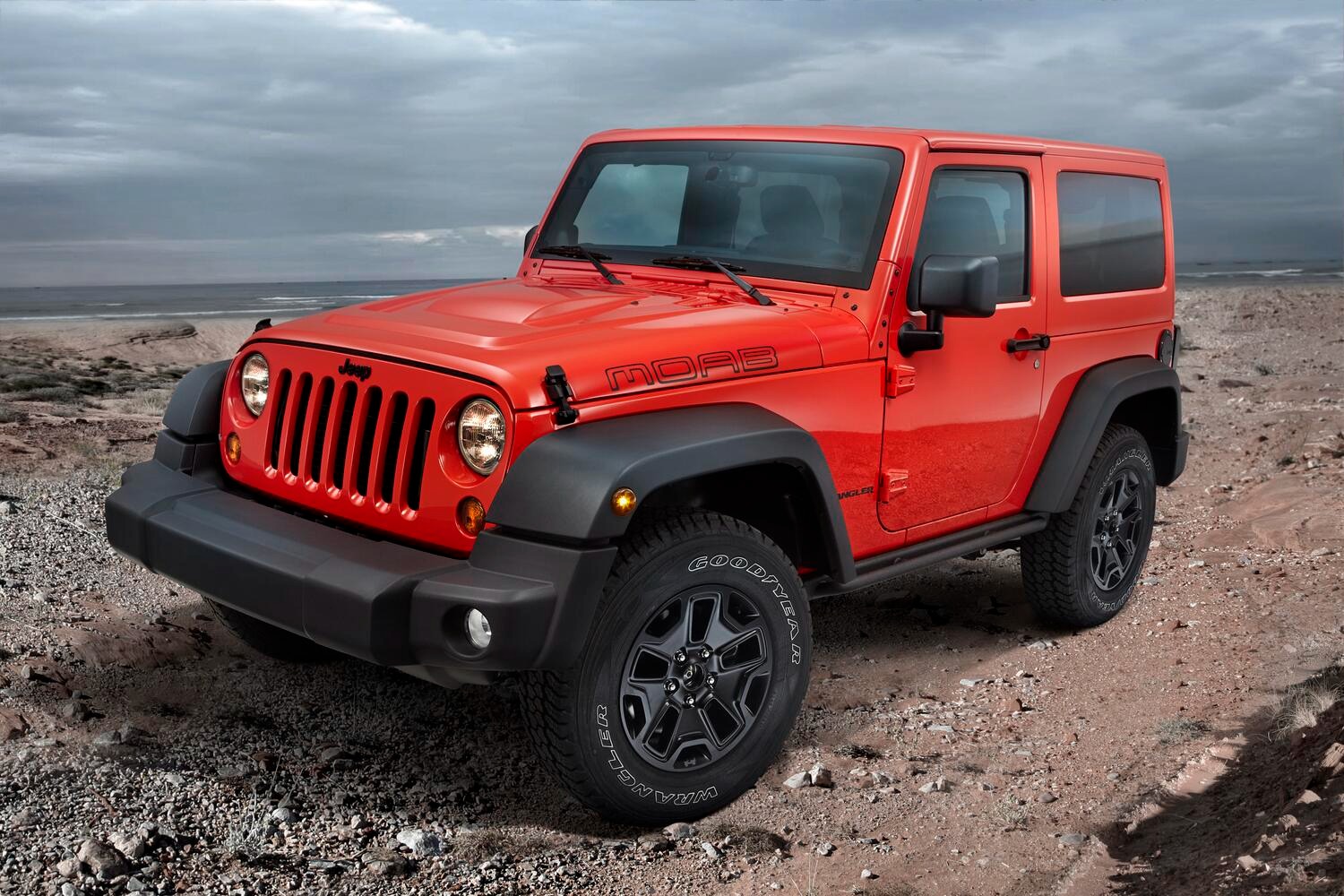
5. 2013 Jeep Wrangler
Although the 2012 Wrangler had brought the new Pentastar V6 engine, the 2013 model year developed a poor reputation because of reliability concerns. While performance was better compared to older JKs, mechanical troubles caused many owners to regret their purchase.
One of the most common problems involved the cylinder head of the Pentastar engine. A design flaw led to misfires, rough idling, and check engine lights. Repairing the issue often required costly replacements, frustrating owners who expected long-term durability.
Transmission complaints were also frequent, with drivers mentioning jerky moves and early failures. Electrical issues, such as faulty sensors, power window failures, and malfunctioning airbags, added to the disappointment.
Another weak point was the suspension system. Many owners reported wobbling at higher speeds, often described as the “death wobble.” This problem reduced confidence in highway driving and made repairs necessary to keep the Wrangler safe.
Interior comfort had improved compared to pre-2011 models, but the reliability problems overshadowed these positives. Buyers who wanted a dependable Wrangler found themselves dealing with repair bills instead of enjoying the adventure.
Because of these troubles, the 2013 Wrangler is not recommended for buyers. While it looked attractive on the surface with better power and nicer interiors, the reliability concerns make it a risky investment.
When looking back at the different years of the Jeep Wrangler, it becomes clear that this vehicle has experienced both strong periods and weak moments in its history. Some years stand out as reliable choices that balance tough off-road performance with daily comfort, while others fall short due to poor engines, weak reliability, or driving discomfort. Understanding these differences helps buyers make smarter decisions before committing to a used Wrangler.
The years that shine the most, like 1997, 2003 Rubicon, 2012, 2018, and the 2021 4xe, each brought something special to the Jeep brand. The 1997 model marked a return to traditional styling with round headlights and coil spring suspension, making it a turning point that combined heritage with improved comfort.
The 2003 Rubicon gave buyers factory-installed off-road hardware that previously required aftermarket modifications, proving that Jeep was listening to adventure seekers. The 2012 model stood out because of its new Pentastar engine, which delivered real power and better efficiency compared to older JKs.
By 2018, the JL generation showed that Jeep could modernize its design with new technology while keeping the Wrangler’s rugged charm intact. Finally, the 2021 4xe introduced electrification without sacrificing off-road strength, opening a new chapter for Jeep’s future.
At the same time, there are years that many owners wish to forget. The 1987 Wrangler YJ struggled with a harsh ride, carburetor issues, and rust problems. The 2007 and 2008 JK models disappointed with their underpowered 3.8-litre V6 and weak reliability.
By 2010, the same engine was still holding back the Wrangler, leaving drivers frustrated. Even when Jeep improved performance in 2012, the 2013 version still carried serious mechanical faults such as cylinder head problems and the dreaded death wobble.
These examples show that while the Wrangler is a legendary nameplate, not every year deserves equal praise. Buyers who carefully select the proven model years will enjoy the strength, style, and adventure that the Wrangler promises, while avoiding the financial stress of constant repairs. With the right year, the Wrangler remains a dependable partner for both trails and highways.
