Turbocharging has transformed the automotive world. Once reserved for race cars and high-performance builds, turbo engines are now everywhere sedans, SUVs, trucks, and even economy hatchbacks. They promise the best of both worlds: small displacement efficiency with big power output. On paper, it looks like a win-win.
But in reality, not all turbocharged engines are created equal. Some are engineering marvels known to run reliably for hundreds of thousands of miles with basic maintenance, while others are fragile, plagued with problems, and can drain an owner’s wallet faster than the boost gauge climbs.
Why the difference? It comes down to design philosophy, build quality, and real-world durability testing. Some manufacturers over-engineered their turbos with forged internals, superior cooling systems, and proven reliability under high boost conditions. Others rushed to cash in on the “small engine, big power” trend, cutting corners on components like oiling systems, timing chains, and cooling resulting in early failures.
For car enthusiasts and buyers alike, understanding which turbo engines stand the test of time versus those that constantly fail can save thousands in repairs and help avoid frustration. This isn’t just about horsepower numbers or dyno runs it’s about how these engines perform after years of real-world abuse, high mileage, and less-than-perfect maintenance.
In this article, we’ll dive into five turbo engines that are nearly bulletproof ones that have earned reputations for reliability and longevity. Then, we’ll flip the script and break down five turbo engines notorious for failures, plagued with issues like blown turbos, oil starvation, head gasket failures, or timing chain nightmares.
So, whether you’re shopping for a used turbo car, dreaming of a reliable tuner build, or just curious about which boosted motors stand out, this breakdown will give you a clear picture. Let’s separate the legends from the letdowns.
5 Turbo Engines That Last Forever
Reliability and turbocharging don’t always go hand in hand, but a handful of engines have proven that it’s possible to combine serious power with serious longevity. These engines weren’t just engineered for short bursts of fun; they were built to last. Car communities around the world swear by them because they can take abuse, hold boost, and still run strong after hundreds of thousands of miles.
What makes these engines different? Typically, it’s a combination of conservative engineering and robust components. Think forged pistons, beefy connecting rods, excellent oiling systems, and cooling setups that can handle heat cycles without breaking a sweat. Manufacturers like Toyota, Volvo, and Volkswagen (surprisingly, yes) put real thought into making sure these engines wouldn’t self-destruct under boost.
Another key factor is tenability. Many of these engines not only survive stock use but also thrive when modified. Tuners can crank up the boost, slap on bigger turbos, and the motors still keep pulling without breaking down. That’s why they’ve become cult favorites among gearheads and why their reputations for durability keep growing.
Below, we’ll look at five turbocharged engines that have stood the test of time, motors that you can buy with confidence, knowing they’ll deliver performance and reliability in equal measure.
ALSO READ: 8 Habits That Ruin a Jeep Liberty Renegade Too Soon
1. Toyota 2JZ-GTE
The Toyota 2JZ-GTE is arguably the gold standard for reliable turbo engines. Introduced in the 1990s and made famous by the Toyota Supra, the 2JZ is an inline-six, twin-turbocharged motor that has achieved legendary status. Why? Because it’s practically indestructible.
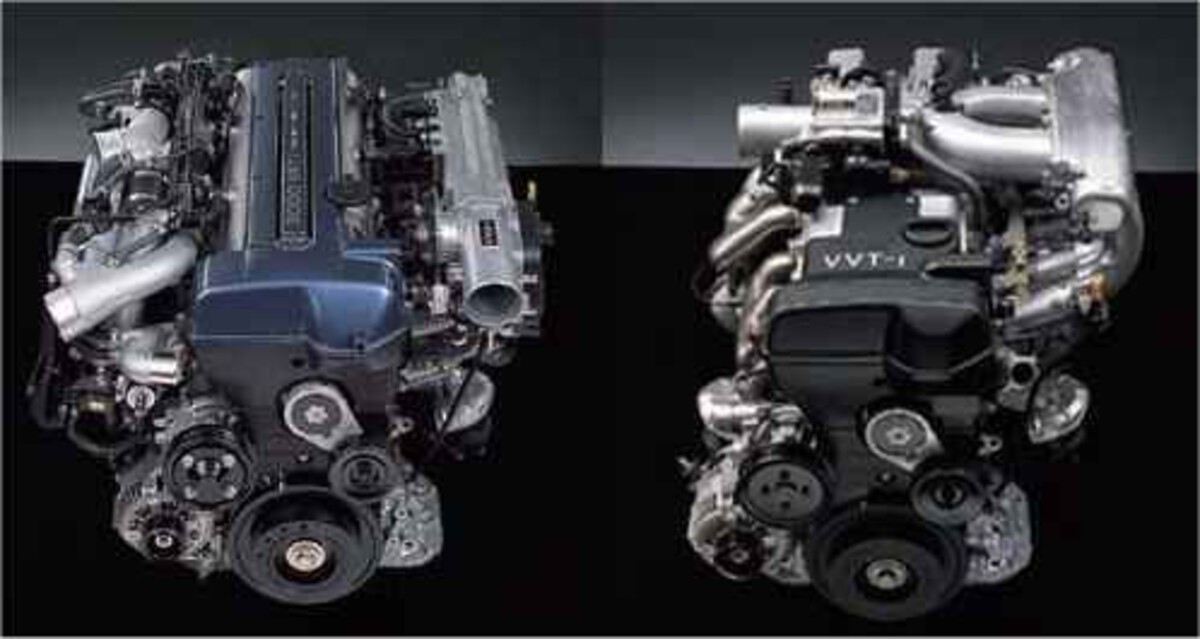
The block is made from cast iron, which means it can handle insane amounts of boost without cracking. Inside, Toyota fitted forged steel crankshafts and beefy connecting rods, making the bottom end incredibly robust. Stock internals can reliably handle upwards of 700 horsepower without breaking a sweat, a feat most modern engines can only dream of.
Even at stock power levels (around 276–320 hp depending on the market), the 2JZ-GTE was overbuilt. Its sequential twin-turbo setup delivered smooth, linear power, while the motor’s overall design allowed for excellent heat management and longevity. Unlike many turbo engines that develop issues after 100,000 miles, the 2JZ often sees 200,000–300,000 miles with minimal problems if maintained properly.
What also sets the 2JZ apart is its aftermarket support. Enthusiasts around the world have pushed this engine to over 1,000 horsepower with upgraded turbos and fueling systems, yet the block remains reliable. Toyota’s decision to engineer it with such a high safety margin has made it a favorite among tuners and racers.
In short, the 2JZ-GTE isn’t just a reliable turbo engine it’s a legend. If you’re looking for a motor that will keep pulling hard for decades, this is it.
2. Volvo B230FT
The Volvo B230FT might not get the same spotlight as Japanese performance engines, but among enthusiasts, it’s known as one of the toughest turbocharged engines ever built. Introduced in the mid-1980s, this 2.3-liter inline-four was fitted to Volvo 700 and 900 series cars. Despite its humble origins, it’s a workhorse that can handle serious abuse.
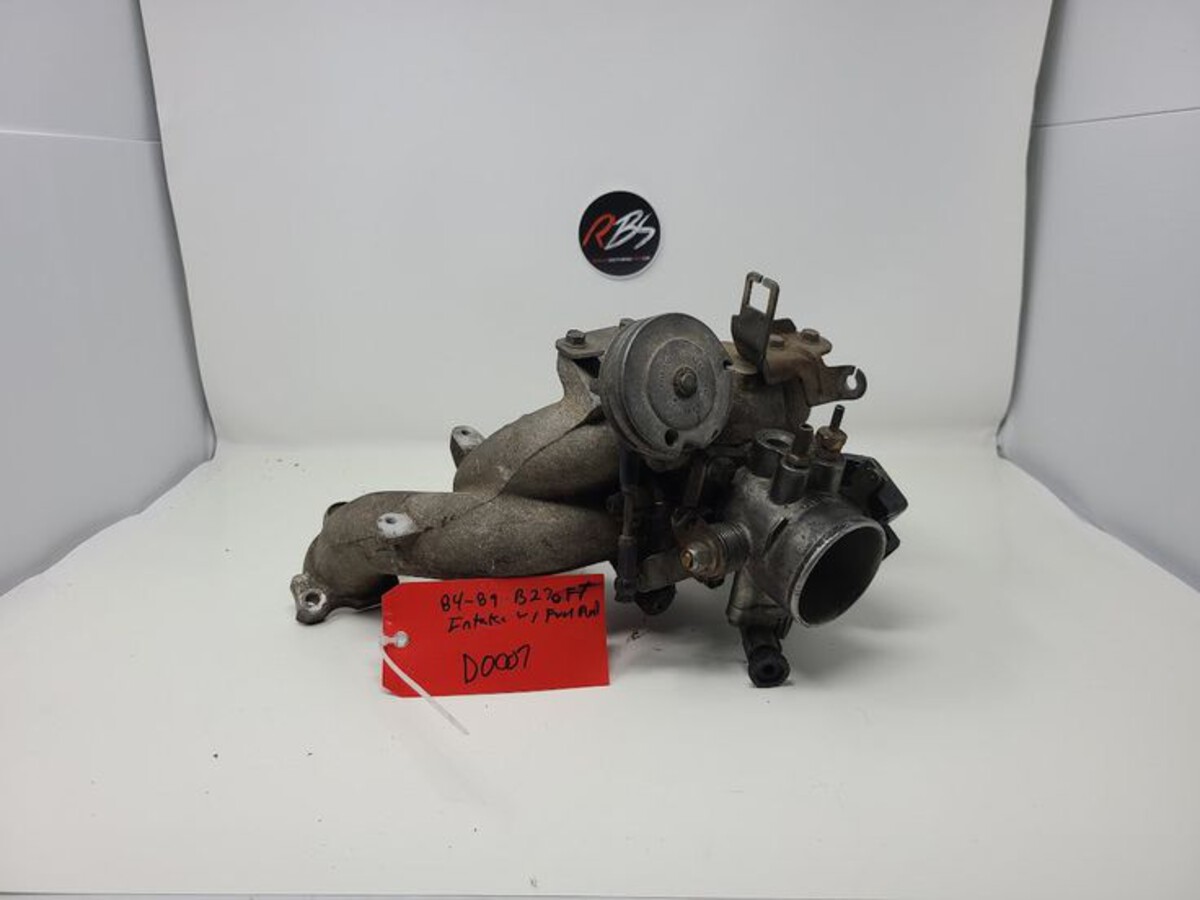
The B230FT’s secret weapon is its overbuilt bottom end. With a cast-iron block and forged crankshaft, it was engineered with durability in mind. Volvo designed it to withstand long highway miles, extreme weather, and low-maintenance owners, qualities that translate into legendary longevity today. Turbocharging didn’t compromise its reliability because the motor was conservatively tuned, producing around 160–180 horsepower in stock form.
What makes the B230FT shine is its potential. Owners have successfully pushed these engines past 400–500 horsepower with upgraded turbos and fueling, all while retaining stock internals. The engine’s strong oiling system and simple design mean fewer points of failure compared to modern, complex turbo setups.
Even today, you can find high-mileage Volvo’s with B230FTs running strong at 300,000+ miles. They don’t blow head gaskets easily, don’t spin bearings under moderate boost, and don’t suffer the catastrophic failures seen in other turbo motors from the same era.
In short, the B230FT is an underappreciated legend. It may not be glamorous, but it’s one of those turbo engines that seems to last forever, and it’s why Volvo built a reputation for making “cars that last a lifetime.”
3. Mitsubishi 4G63T
If you’re into rally cars or tuner culture, you’ve definitely heard of the Mitsubishi 4G63T. This 2.0-liter turbocharged inline-four powers legends like the Mitsubishi Lancer Evolution and the Eclipse GSX. What makes the 4G63T stand out is how ridiculously tough it is for a small-displacement turbo motor.
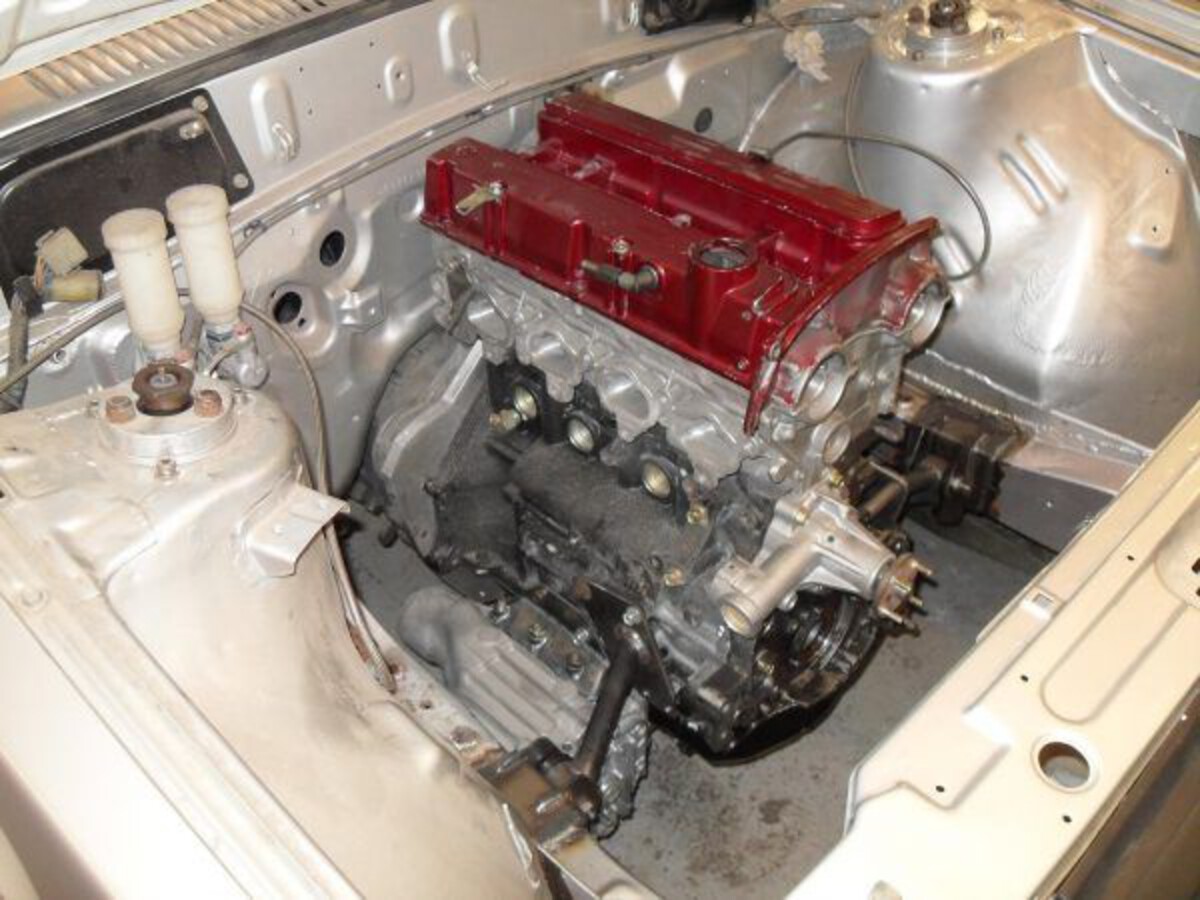
Mitsubishi engineered it with a cast-iron block, forged crankshaft, and a beefy bottom end that could take abuse. In factory form, it produced anywhere from 190 to 280 horsepower depending on the generation, but tuners quickly realized the motor could handle far more. With simple upgrades like bigger turbos and stronger fuel systems, 500 horsepower is easily achievable on stock internals. With a built setup, people have pushed the 4G63T past 1,000 horsepower.
The engine also gained fame in rally racing, where reliability under extreme stress was non-negotiable. The 4G63T withstood brutal conditions, heat, dust, high revs, and constant boost, yet kept performing. This resilience carried over to streetcars, where high-mileage examples are still running today.
Of course, maintenance matters. Timing belts need attention, and oil starvation can be a risk if owners neglect upkeep. But when maintained, the 4G63T is nearly bulletproof. Enthusiasts often joke that the car around the engine will fall apart long before the motor itself does.
In short, the 4G63T is one of the most proven turbo engines ever made, powerful, tunable, and insanely durable. It’s why the Evo has cult status and why the engine is still highly sought after by tuners today.
4. Nissan RB26DETT
The Nissan RB26DETT is another iconic turbo engine that refuses to die. Best known for powering the R32, R33, and R34 Skyline GT-Rs, this 2.6-liter inline-six twin-turbo motor is a cornerstone of Japanese performance engineering.
Designed in the late 1980s, the RB26DETT was intended for racing dominance. It featured a cast-iron block, six-bolt main caps, and a closed-deck design that provided incredible strength.
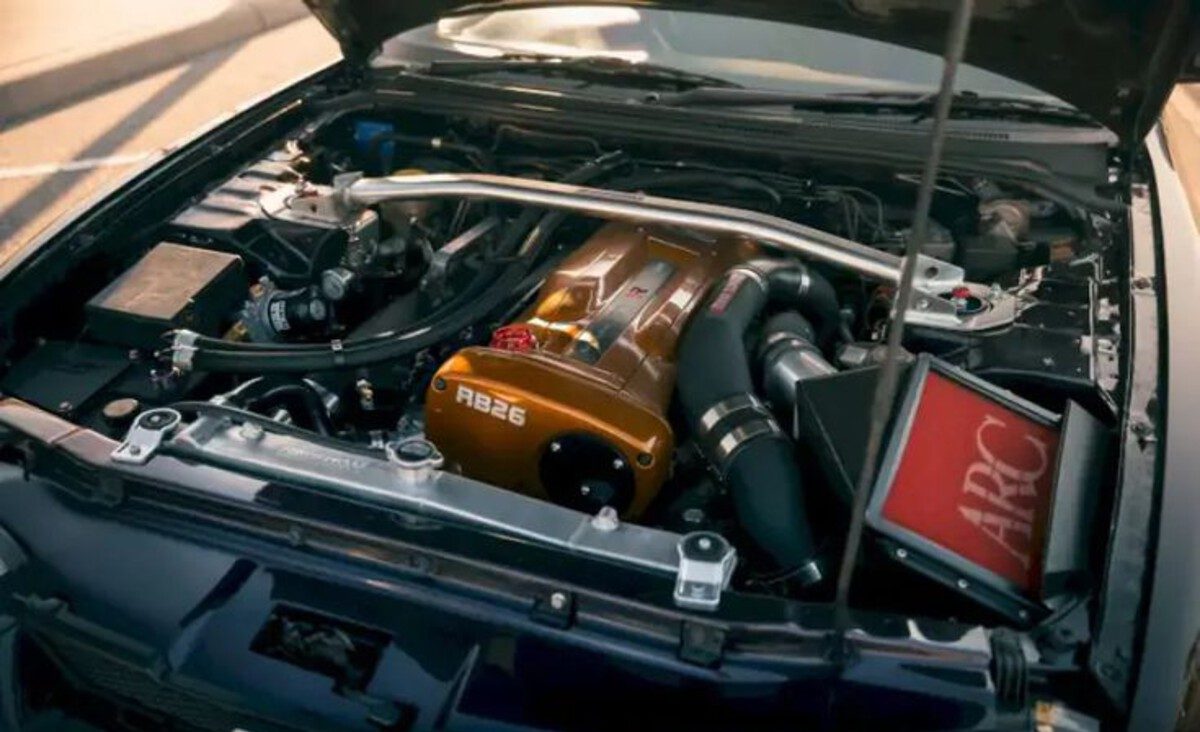
The dual overhead cam setup and high-revving nature made it a dream for tuners. Factory output was limited to around 276 horsepower (due to Japan’s gentlemen’s agreement), but the motor was easily capable of more.
Like the Toyota 2JZ, the RB26DETT became famous for handling massive power increases. With stock internals, it can safely make 500–600 horsepower. With a built bottom end, four-digit horsepower figures are not unheard of. The aftermarket scene embraced it, and Skyline GT-Rs became legends on the street and track.
Reliability-wise, the RB26’s oiling system had a weak spot in early versions, but this was solved with upgraded pumps and modifications. Once sorted, the engine became nearly indestructible. Many RB26s are still running strong decades later, often after years of hard use and tuning.
The RB26DETT is more than just an engine it’s a cultural icon. It cemented Nissan’s place in motorsport history, became a hero of video games like Gran Turismo, and proved that turbo engines could be both brutally powerful and long-lasting. For many enthusiasts, it’s the ultimate example of a turbo motor that lasts forever.
5. Volkswagen/Audi 1.8T
It might surprise some people to see a VW/Audi engine on this list, but the 1.8T deserves recognition. Introduced in the mid-1990s, this 1.8-liter turbocharged inline-four powered everything from the Audi A4 to the VW Jetta, Passat, and even the TT. Over the years, it built a reputation for being far tougher than anyone expected.
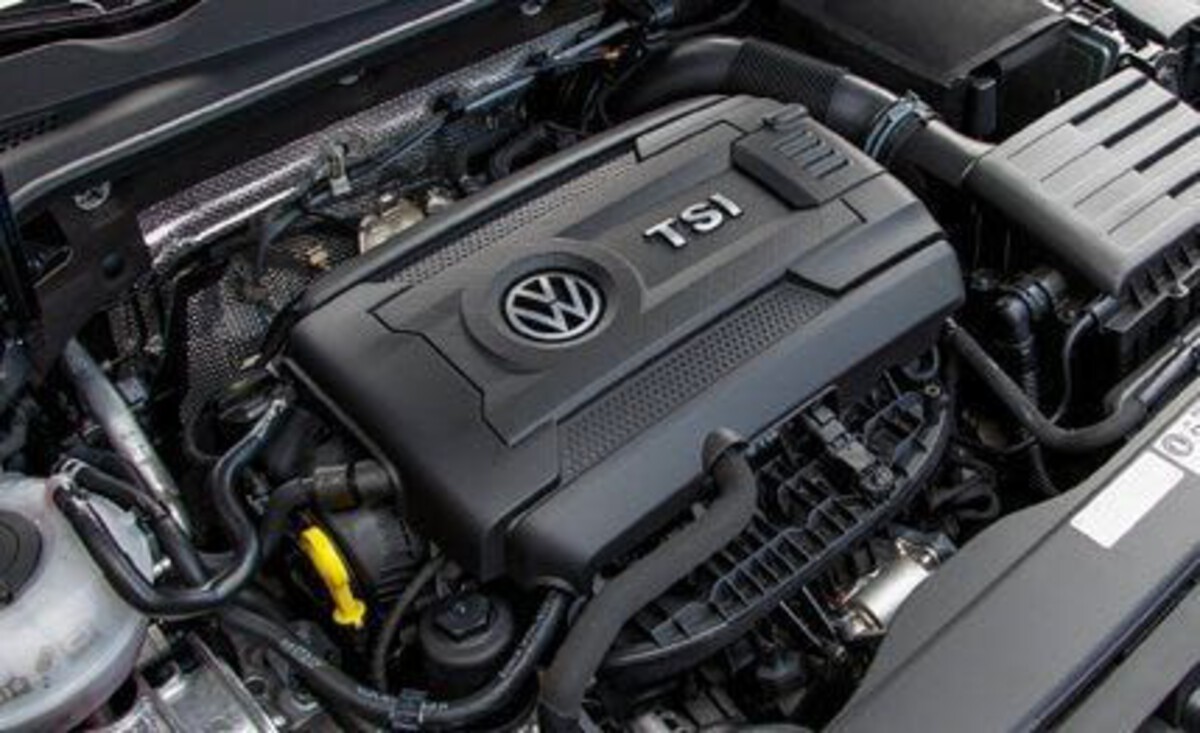
The 1.8T featured a cast-iron block and a stout rotating assembly, which gave it durability that many modern aluminum-block turbos lack. Stock, it made between 150 and 225 horsepower depending on configuration, but its real strength was in how well it handled tuning. With upgraded turbos and fueling, the 1.8T could easily produce 300–400 horsepower without requiring a full rebuild.
Owners regularly report these engines lasting well beyond 200,000 miles, provided they received proper oil changes. In fact, the biggest threat to the 1.8T wasn’t its design, but owner neglect sludge buildup from extended oil intervals could cause issues. When maintained correctly with synthetic oil, the 1.8T is rock solid.
Part of what makes the 1.8T legendary is its balance of power, economy, and reliability. It was efficient enough for daily driving yet durable enough to survive years of spirited use. It also became a darling of the tuning community, who praised its resilience under boost.
While newer VW/Audi turbo engines have had plenty of reliability concerns, the 1.8T stands out as one of the company’s best. It’s proof that even European turbo engines can last forever if engineered right.
5 Turbo Engines That Constantly Fail
Of course, not all turbocharged engines enjoy legendary status. For every 2JZ or RB26 that refuses to die, there’s another turbo engine that can’t seem to stay together. Some of these motors looked great on paper: small displacement, impressive power output, great fuel economy, but real-world ownership revealed serious flaws.
Common issues include weak timing chain systems, fragile turbos, poor oil circulation, and overheating. In many cases, manufacturers rushed to meet stricter emissions and efficiency regulations, slapping turbos onto small engines without adequately reinforcing them. The result? Engines that blow head gaskets, spin bearings, or suffer catastrophic turbo failures well before 100,000 miles.
For buyers, this can be a nightmare. A failed turbo often means thousands in repairs, and in some cases, complete engine replacements. What’s worse, many of these engines were installed in popular cars, meaning countless owners have dealt with these headaches.
Below, we’ll go through five turbo engines that have earned a reputation for failure. If you’re shopping for a used car, these are the motors you’ll want to avoid or at least approach with extreme caution.
ALSO READ: 10 Smart Fixes That Keep a GMC Sierra Pro Long-Lasting
1. Ford 1.6L EcoBoost
The Ford 1.6L EcoBoost was supposed to be a game-changer when it launched. Compact, turbocharged, and fuel-efficient, it was used in models like the Ford Fiesta ST, Focus, and Escape. Unfortunately, it quickly developed a reputation for catastrophic failures.
The biggest problem was overheating. A poorly designed cooling system meant these engines were prone to coolant leaks and overheating, often leading to blown head gaskets or complete engine failure.
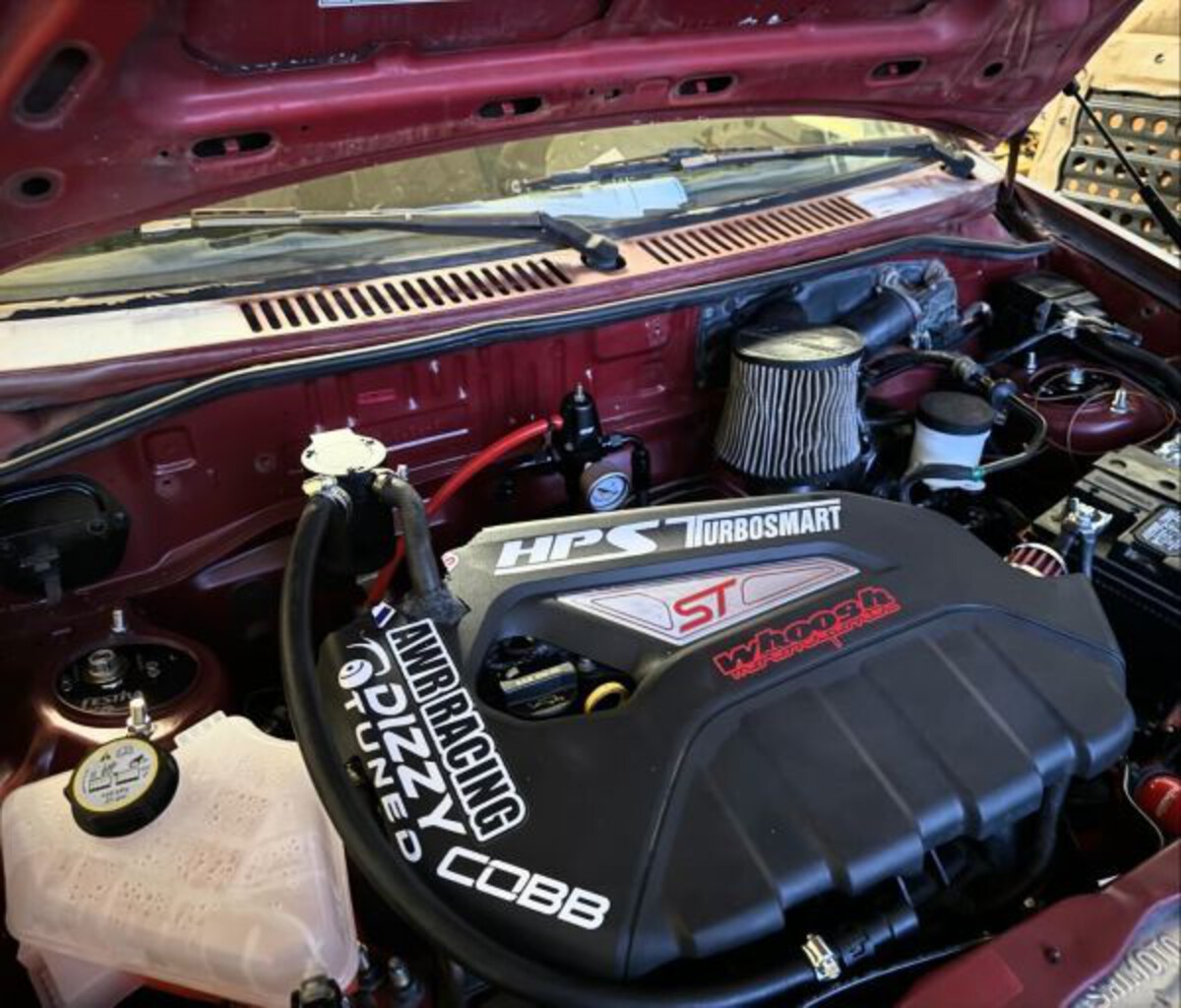
In fact, the issue became so widespread that Ford faced recalls and lawsuits related to engine fires.
Even when cooling wasn’t an issue, the 1.6 EcoBoost suffered from carbon buildup on intake valves (a common problem with direct injection engines) and premature turbo failures. Owners reported rough idling, loss of power, and expensive repairs well before 100,000 miles.
The engine’s weak spots made it one of the least reliable turbo motors of the past decade. While Ford’s larger EcoBoost engines (like the 2.3 and 3.5) have fared much better, the 1.6 became a cautionary tale of rushing technology to market without sufficient testing.
For enthusiasts, the Fiesta ST remains a fun car, but anyone buying one used should be cautious. The 1.6 EcoBoost is simply not a motor you can count on for long-term durability.
2. Subaru EJ25 Turbo
The Subaru EJ25 turbo engine, found in WRX, WRX STI, and Forester XT models, has long been infamous for its reliability issues. While Subaru earned a reputation for fun, affordable AWD turbo cars, the EJ25 has frustrated owners with problems that appear far too early in the engine’s lifespan.
The main culprit? Head gaskets. Subaru’s EJ-series engines are notorious for blowing head gaskets, and the turbocharged EJ25 made the problem even worse.
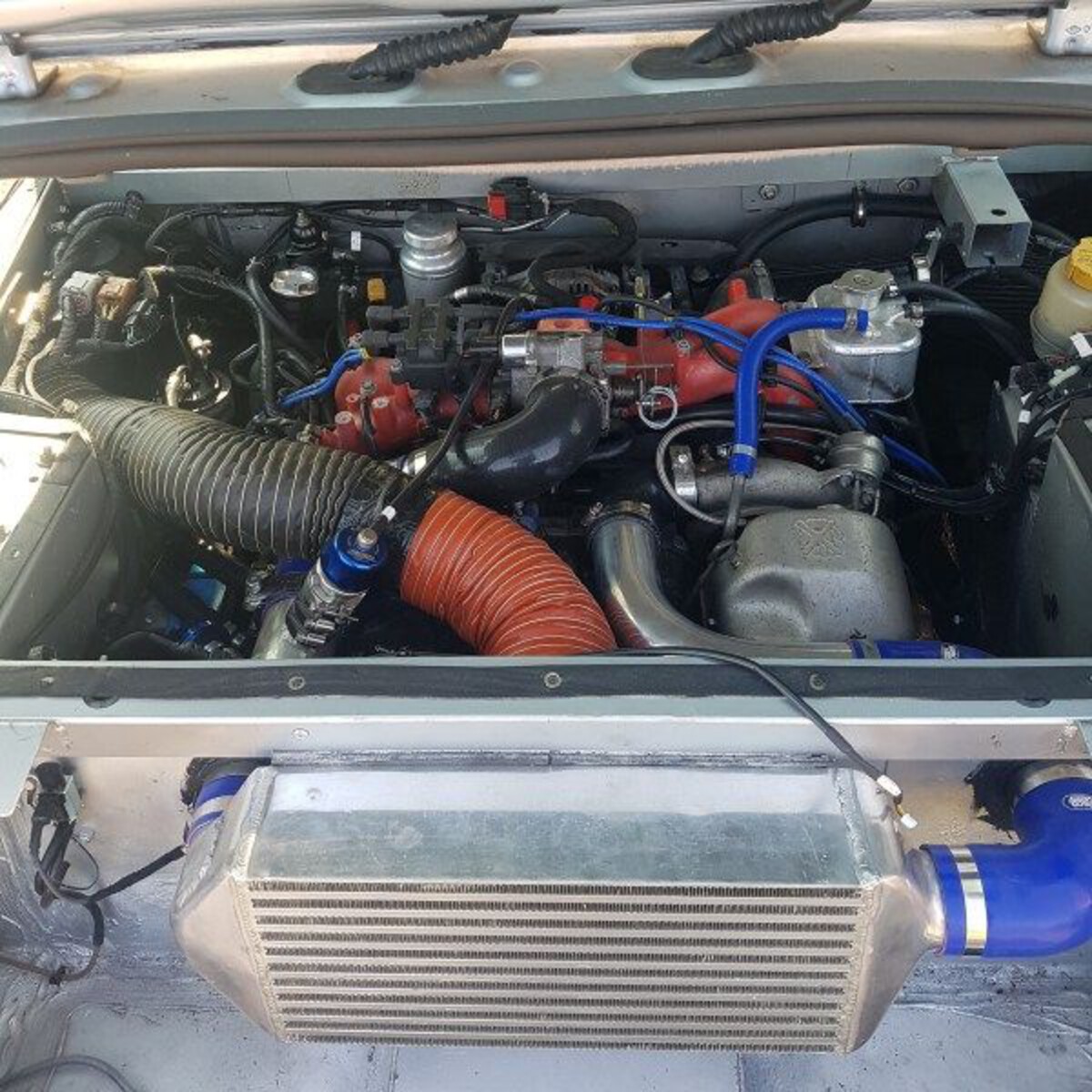
With higher cylinder pressures and more heat, gasket failures became common, often occurring well before 100,000 miles. This leads to coolant leaks, overheating, and expensive repairs.
Another issue is oil consumption. Many EJ25 turbos burn oil excessively, which, if unchecked, can lead to spun bearings and catastrophic bottom-end failures. Combine that with weak piston ringlands that crack under higher boost levels, and you’ve got an engine that simply isn’t built for long-term durability.
Enthusiasts love the EJ25 for its tuning potential and rally-car heritage, but reliability has never been its strong suit. Owners often joke that buying a WRX is like signing up for a second job just to pay for engine rebuilds.
In short, while the EJ25 turbo provides great driving fun, it’s one of the least dependable turbo engines on the market. Unless you’re prepared for constant maintenance or a full rebuild, it’s an engine best avoided.
3. BMW N54
BMW’s N54 engine, a 3.0-liter twin-turbo inline-six, was hailed as revolutionary when it debuted in the mid-2000s. It powered everything from the 335i to the 135i and even the early 740i. Enthusiasts loved it because it was fast, tunable, and offered smooth power delivery. But here’s the problem: reliability was a disaster.
The N54 is plagued by chronic issues. The high-pressure fuel pumps (HPFP) fail so frequently that BMW had to issue multiple recalls. Injectors are also a weak point, often leading to rough idling, misfires, and poor performance.
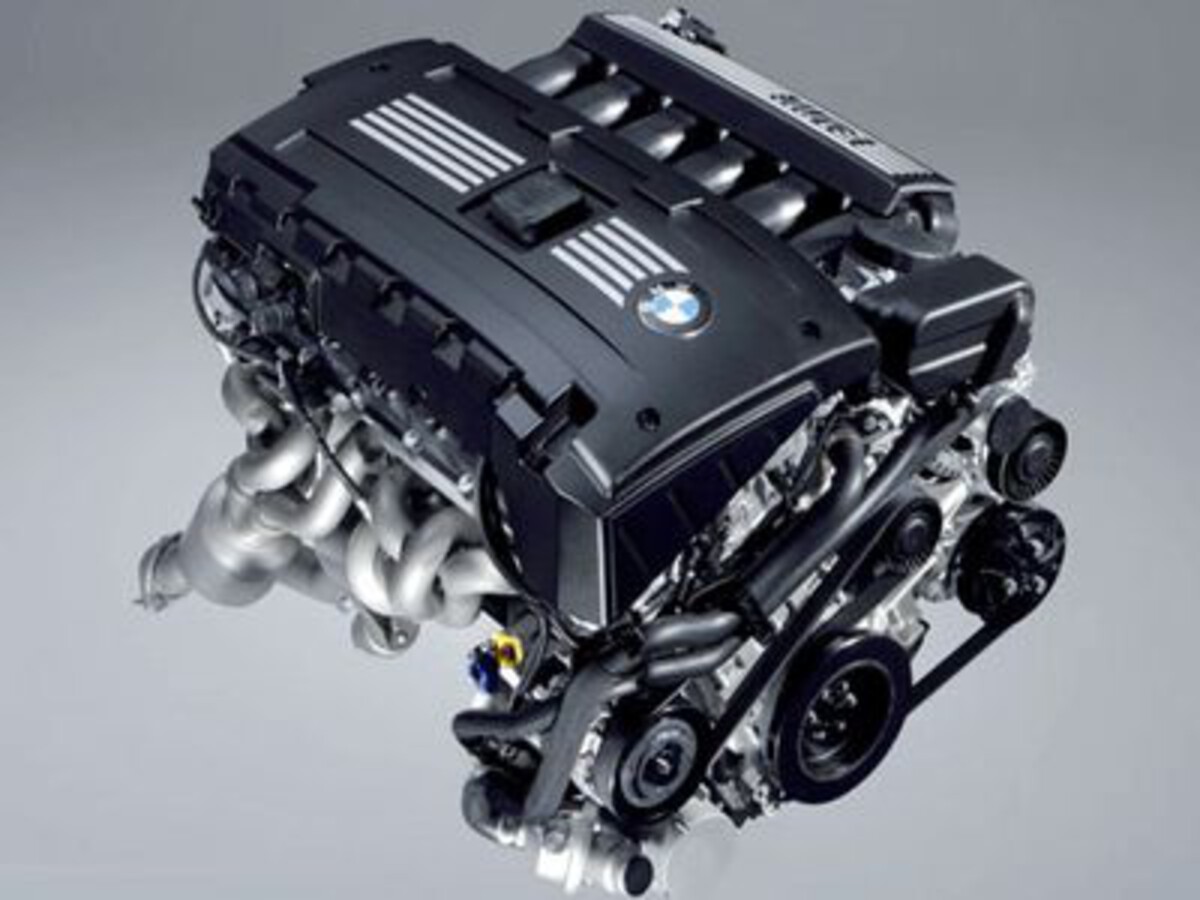
Then there’s the turbo system itself, wastegate rattle, and turbo failures are extremely common, with replacements costing thousands of dollars.
On top of that, the N54 suffers from severe carbon buildup on intake valves due to its direct injection design. Owners often resort to walnut blasting every 50,000 miles just to keep the engine running smoothly. Add in weak cooling components and oil leaks, and you’ve got an engine that constantly demands attention.
Yes, the N54 is capable of incredible power, with tuning, many enthusiasts push them to 500+ horsepower. But at stock or modified levels, reliability issues persist. Long-term ownership is a gamble, and maintenance costs pile up quickly.
The N54 may be fun when it’s running well, but it has earned its reputation as one of BMW’s least dependable turbo engines. For many owners, the thrill simply isn’t worth the stress.
4. Volkswagen/Audi 2.0T (EA888 Gen 1 & Gen 2)
While VW’s older 1.8T was bulletproof, the early generations of the 2.0T (EA888 Gen 1 and Gen 2) were a nightmare for reliability. Found in countless VW and Audi models from the mid-2000s to early 2010s, these engines became notorious for expensive failures.
The biggest issue was timing chain tensioners. Early designs were prone to failure, which often led to catastrophic engine damage when timing jumped.
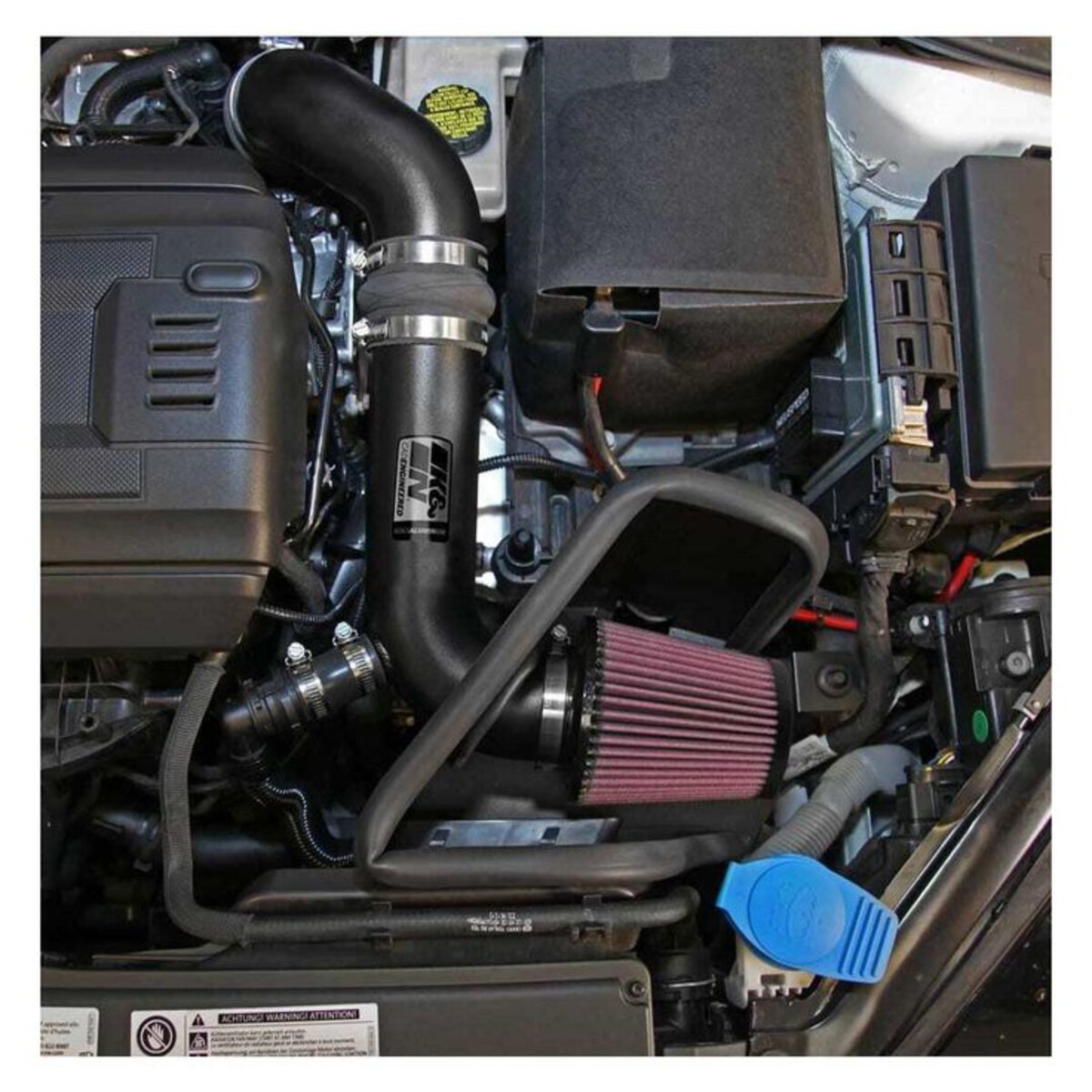
Thousands of engines were lost this way. Even when tensioners didn’t fail, owners faced oil consumption problems so severe that VW had to extend warranties and face class-action lawsuits.
Turbochargers themselves weren’t particularly reliable either, with wastegate issues and premature failures common. Combine that with fragile PCV systems, leaky rear main seals, and carbon buildup from direct injection, and you’ve got an engine that spends more time in the shop than on the road.
To be fair, later versions of the EA888 (Gen 3 and beyond) corrected many of these issues, and they’re far more reliable. But the early 2.0Ts are cautionary tales of what happens when manufacturers chase efficiency and performance without long-term durability testing.
For used car buyers, the advice is simple: avoid VW and Audi models with the early 2.0T unless there’s proof of major repairs already being done. Otherwise, you’re in for headaches and big repair bills.
5. Mini Cooper 1.6L Turbo (Prince Engine)
The Mini Cooper’s 1.6L turbocharged “Prince” engine, developed with BMW and PSA Peugeot-Citroën, is another example of turbocharging gone wrong. Found in models like the Mini Cooper S and John Cooper Works, this engine quickly gained a reputation for being unreliable.
Timing chain tensioner failures were the most notorious issue. Owners reported loud rattling noises (the so-called “death rattle”) that often preceded catastrophic timing chain failures.
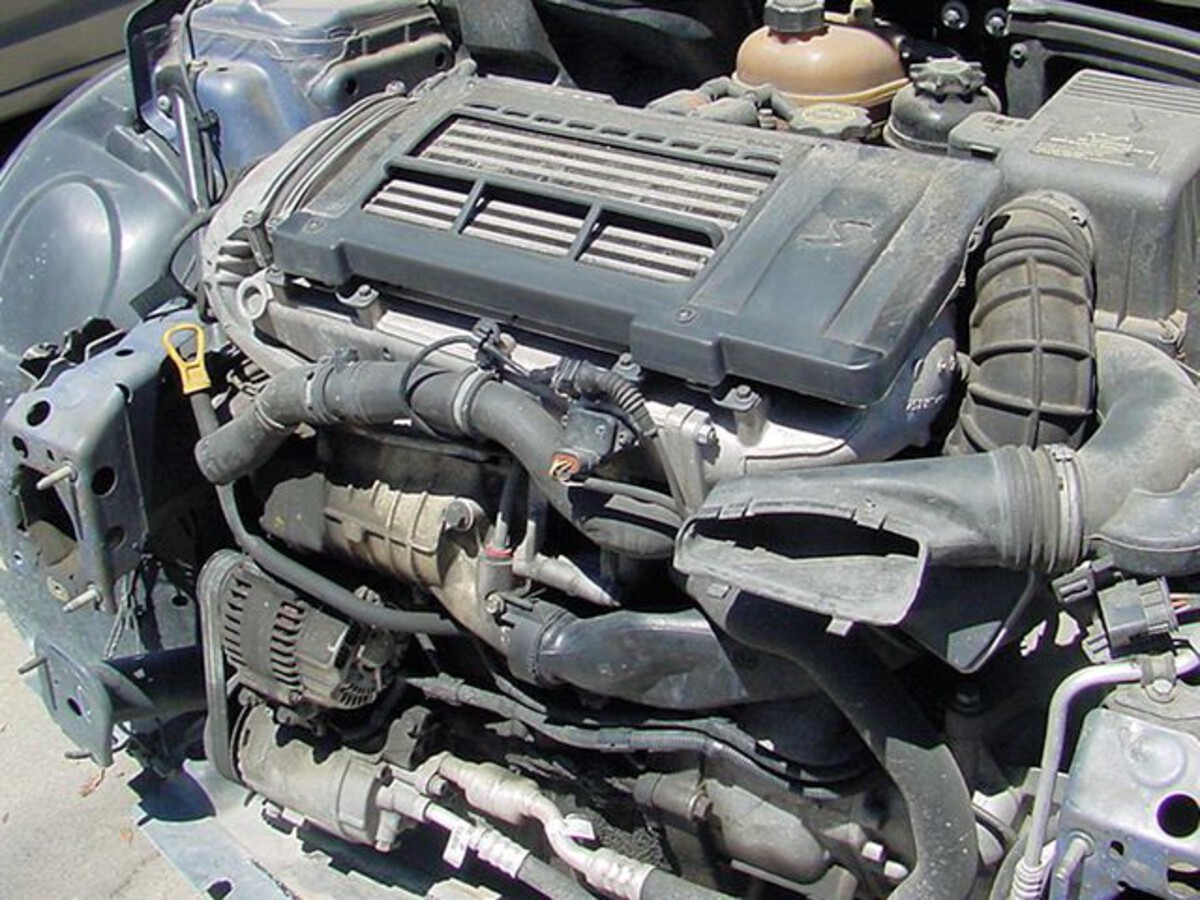
Repairing or replacing the timing system is extremely expensive, sometimes costing nearly as much as the car itself on the used market.
Turbocharger failures were also common, often linked to poor oil circulation and heat management. Add in carbon buildup from direct injection, frequent oil leaks, and water pump issues, and the Prince engine became a nightmare to own long-term.
What made it worse was that these problems often surfaced at relatively low mileage, sometimes under 60,000 miles. For a brand marketed as fun, stylish, and premium, constant engine failures left a sour taste for many owners.
Yes, the Mini Cooper is fun to drive when it’s working, but the 1.6L turbo Prince engine simply isn’t built for durability. It’s one of the clearest examples of a turbo motor that constantly fails, leaving owners with empty wallets and plenty of regret.
Turbocharged engines are a double-edged sword. On one side, you have masterpieces like the Toyota 2JZ-GTE, Nissan RB26DETT, and Mitsubishi 4G63T engines that prove forced induction doesn’t have to compromise reliability.
These motors were overbuilt, designed with durability in mind, and capable of lasting hundreds of thousands of miles even under abuse. They’ve become icons not just because of their performance, but because owners can trust them to keep running year after year.
On the other side, you’ve got engines like the Ford 1.6 EcoBoost, Subaru EJ25, BMW N54, VW/Audi 2.0T, and Mini’s 1.6 Prince engine motors that look good on spec sheets but fail in the real world.
Whether it’s overheating, head gasket failures, weak timing systems, or poor oil circulation, these engines consistently let owners down. Some have been the subject of recalls and lawsuits, while others have simply gained infamy through endless repair bills.
The takeaway here is clear: not all turbo engines are created equal. If you’re shopping for a turbocharged car, it pays to do your research. Look beyond horsepower numbers and fuel economy ratings, dig into real-world reliability, owner forums, and known issues. Sometimes, that “fun little turbo car” comes with headaches you don’t want to deal with.
At the same time, don’t let the failures scare you away from turbocharging altogether. The success stories prove that with proper engineering, a turbo motor can last forever. Whether it’s Toyota’s bulletproof 2JZ, Nissan’s RB26, or even Volvo’s underappreciated B230FT, some engines are living proof that boost and longevity can go hand in hand.
In the end, turbo engines can either be your best friend or your worst nightmare. Choose wisely, and you’ll enjoy years of power and reliability. Choose poorly, and you’ll be left wishing you had done your homework first.