Whenever someone talks about a car lasting 500,000 miles, most people roll their eyes and assume it’s either an exaggeration or some miracle machine driven by a gentle retiree who never left the highway.
But the truth is, cars hitting that half-a-million mark aren’t unicorns; they’re just the products of solid engineering, smart maintenance, and platforms that aren’t overly complicated.
Look at the Toyotas and Hondas from the late ’90s and early 2000s: boring as a butter knife, but you can still find them today with odometers rolled past 400k.
What’s happening now is interesting. Manufacturers know people are becoming more skeptical about buying cars that die young, especially with prices skyrocketing and EVs entering the mix. People want machines that last.
By 2027, we’re seeing a new wave of vehicles where longevity is baked into the design. Some are electric, and that helps since EVs have fewer moving parts.
Others are old-school trucks and SUVs that lean on proven body-on-frame toughness. And then some hybrids strike a balance, taking strain off gas engines while giving you more reliability through redundancy.
But let’s be real: not every new car deserves the “500K capable” label. It comes down to whether the manufacturer keeps parts affordable, whether they avoid cramming in fragile tech, and whether they stick to conservative engineering instead of chasing flashy numbers.
What makes this list different is that each of these 10 cars has a real case for durability. Whether it’s Toyota leaning on decades of Land Cruiser reliability, Ford betting on long-life batteries, or Rivian simplifying its EVs for mass production, these models aren’t promising immortality, but they give you a fighting chance at getting there.
Why 500K Miles Matters
Half a million miles isn’t just about bragging rights, it’s about economics. Cars are expensive, and depreciation is brutal. If you can squeeze 500,000 miles out of one machine, you’re essentially spreading the cost of ownership over a decade or two. That makes the price tag feel less insane compared to trading in every few years.
For businesses, fleets, and heavy commuters, it’s even more obvious: downtime costs money, repairs cost money, and replacing cars is a headache. If a vehicle can be kept on the road with routine maintenance, the payoff is enormous. It’s also about trust. If a car keeps going for years without major drama, it builds loyalty.
You don’t just buy that car, you recommend it to everyone you know. That’s why automakers who take longevity seriously can create customers for life.
ALSO READ: 5 Inline-6 Engines That Last Forever vs 5 That Constantly Fail
1. Scout Terra
The Scout name is being revived under Volkswagen’s umbrella, and the Terra pickup is set to arrive in 2027. What makes it stand out? Unlike many sleek EVs that sacrifice practicality for futuristic vibes, the Terra is being built like a truck first, EV second.
It’s a body-on-frame design the same philosophy that’s made trucks like the Ford F-150 and Toyota Land Cruiser last for decades. That means the Terra’s bones are tough, its suspension can take abuse, and parts like axles and control arms can be swapped when worn out instead of needing exotic replacements.
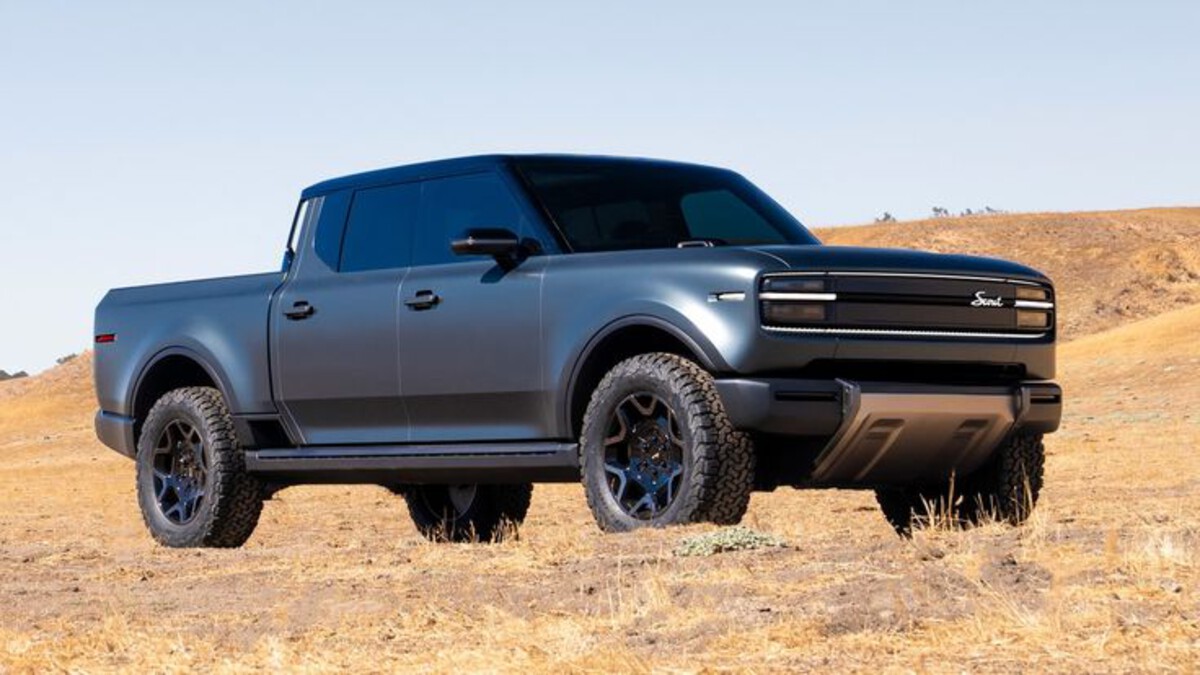
The battery is another strong point. Scout has hinted at modular packs and even range-extender options. Modular batteries mean that if one section degrades, you don’t junk the whole pack. That’s a game-changer for longevity. Range extenders also reduce how hard the battery gets cycled, stretching its life.
Startups often stumble on scaling, service networks, and long-term support. But if they get it right, the Terra has all the right ingredients to be a 500K truck: rugged build, serviceable parts, and a focus on utility rather than gimmicks. For someone who wants a tough, modern pickup that doesn’t die young, the Terra is worth keeping an eye on.
2. BMW iM3
BMW’s M cars are known for speed, not necessarily for being indestructible. But the upcoming iM3, a performance EV on BMW’s Neue Klasse platform, has some serious longevity potential.
Because BMW is designing these platforms to be modular and scalable, which means motors, batteries, and even electronics are easier to replace. That’s a big shift from older luxury cars where a single failed module could cost thousands.
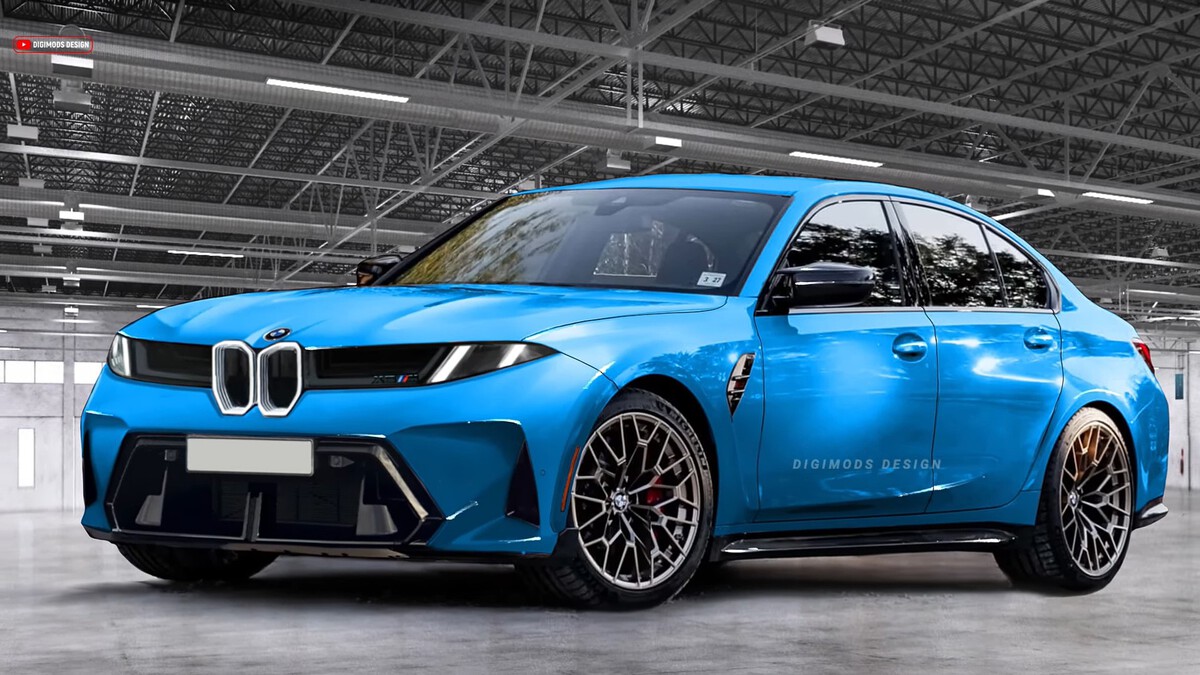
EVs, when done right, are perfect for high mileage. The motors can last essentially forever with proper cooling, and BMW has decades of experience fine-tuning thermal management.
Their focus on advanced battery chemistry, paired with smart cooling systems, suggests that the iM3’s pack could last much longer than the average EV battery. Plus, BMW isn’t shy about overbuilding components; they design M cars to take abuse on the track, which ironically makes them more robust for daily use.
Of course, performance cars carry risks. Owners tend to drive them harder, and complex features mean more potential failure points.
But if BMW keeps parts available and pricing reasonable, the iM3 could be that rare sports sedan that doesn’t just thrill for five years but keeps kicking for decades. It’s not your typical “boring reliable” car, but it has a genuine shot at 500K.
3. Ford’s 2027 Affordable EV Line
Ford has made it clear: they’re launching a new wave of affordable EVs around 2027. Why should you care? Because affordability and longevity often go hand in hand.
When a manufacturer builds at scale, parts get cheaper, service gets widespread, and the cars themselves are designed to be simple enough for mass-market use. That’s exactly the recipe for high-mileage potential.
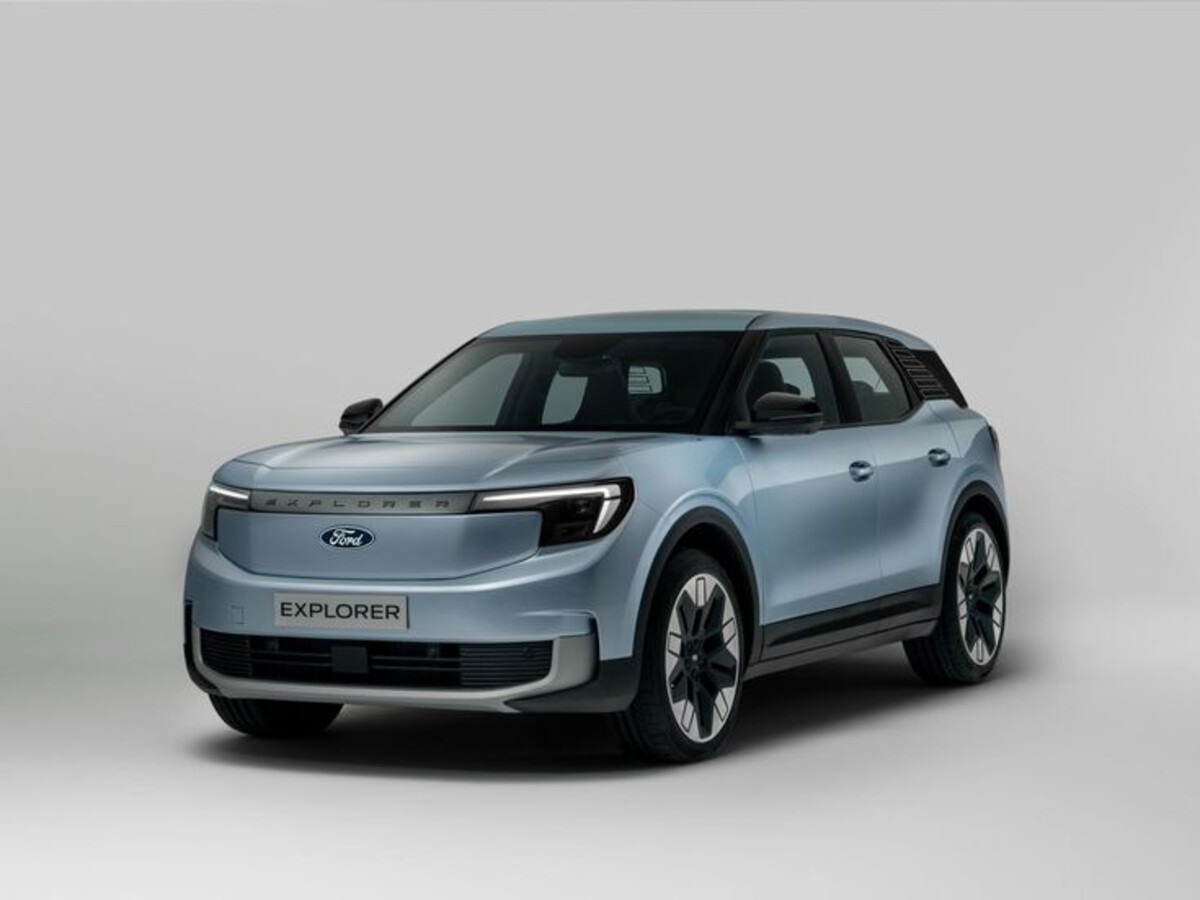
Ford is leaning into LFP batteries for these models. LFP (lithium iron phosphate) isn’t as glamorous as some other chemistries because it has less energy density, but it’s tough.
LFP cells handle more charge cycles, are less prone to thermal runaway, and degrade more slowly. For an owner who wants to rack up miles instead of obsessing over range, that’s perfect.
Add to that Ford’s dealer network, one of the largest in North America, and you’ve got a realistic shot at affordable maintenance and replacement parts for decades.
Ford needs to make sure these EVs don’t get overcomplicated with software lock-ins that kill independent repair. If they keep things simple and supportable, their 2027 EV lineup might become the modern-day Honda Civic: cheap to run, easy to fix, and capable of 500,000 miles with patience.
4. Subaru WRX STI
The WRX STI has always been a cult classic. People thrash them, rally them, and daily drive them in the snow. Yet, despite the abuse, these cars have a reputation for lasting if maintained properly.
The 2027 generation is rumored to bring an updated platform with better efficiency and performance, but Subaru’s core formula remains: a boxer engine, a stout AWD system, and engineering that favors durability over flash.
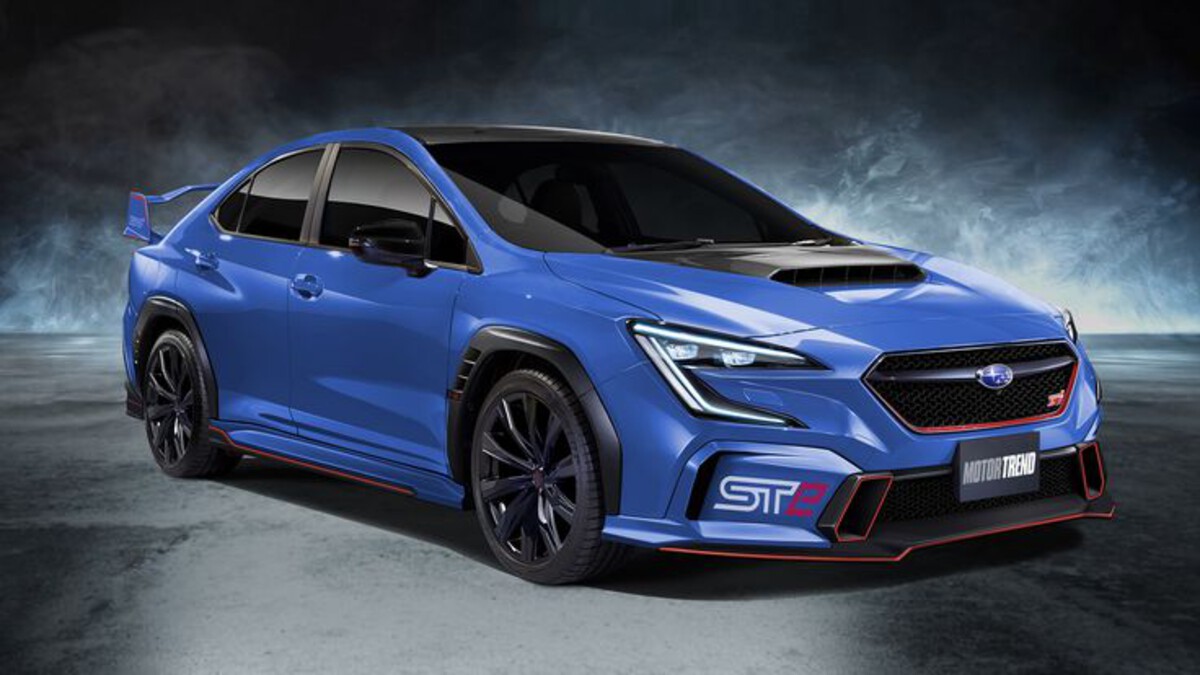
What makes Subarus long-lasting is their mechanical honesty. They’re not stuffed with gimmicks. The AWD system is robust, and the engines are relatively simple to work on.
That’s why independent mechanics love them, and why parts are easy to find. For a half-million-mile life, that matters the more mechanics know how to fix it, the longer it stays on the road.
The STI’s weakness is how people drive them. Hard launches, constant redlines, and mods can shave years off its life. But for owners who actually care about longevity and treat it as a high-mileage daily rather than a track toy, the WRX STI is built to keep going.
The 2027 version, if Subaru doesn’t overcomplicate it, could be one of the few performance cars that make the 500K club.
5. Alfa Romeo Stelvio
Alfa Romeo doesn’t exactly scream “500K miles,” it’s more known for beauty and driving passion. But the 2027 Stelvio could surprise people. The reason? Stellantis (its parent company) is pushing modular platforms and hybrid systems that balance performance with durability. Hybrids reduce strain on gas engines by sharing the load, which extends engine life.
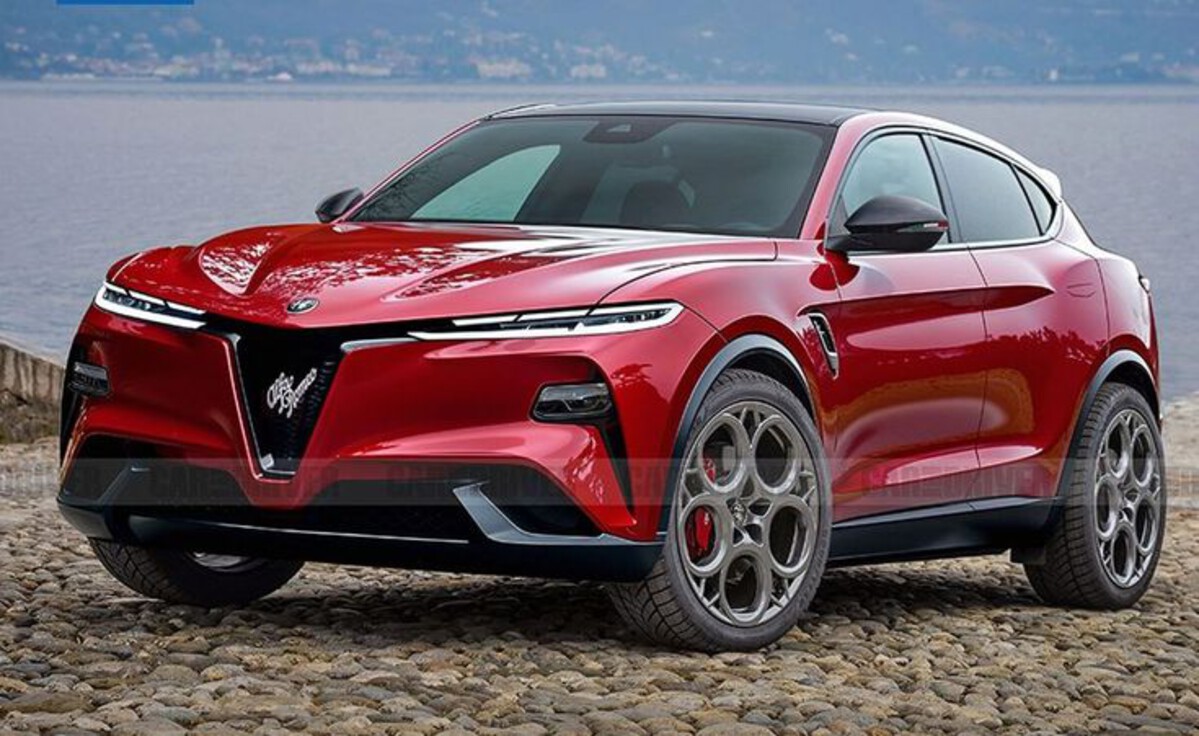
The Stelvio’s design is also evolving toward simpler, standardized components across the Stellantis lineup. That means parts availability could be much better than in the past when Alfas were notorious for expensive, hard-to-source bits. If this holds true, it could change the narrative.
Still, let’s not sugarcoat it: maintenance costs in Europe-branded cars can be steep, and dealer coverage isn’t as widespread as Toyota or Ford.
That could be the biggest obstacle to hitting 500K miles. The Stelvio has the engineering potential to last, but whether it makes financial sense depends on where you live and how strong Alfa’s service network is in your region.
How New Tech Helps and Hurts
Technology cuts both ways. On one hand, electric drivetrains are inherently simpler: no oil changes, fewer moving parts, less vibration. On the other hand, EVs introduce new weak points, mainly batteries and electronics.
If the battery pack is modular and replaceable, you’re good. If it’s sealed, proprietary, and costs more than the car itself to replace, forget it. Hybrids are interesting because they distribute the workload: the engine doesn’t work as hard, so it lasts longer, and the electric motor fills the gaps.
But complexity can also kill longevity. Too many delicate sensors or software systems that can’t be updated properly can turn a great machine into a paperweight after 10 years.
The sweet spot for 2027 cars will be conservative tech, useful electronics, but not so much that a minor failure sidelines the car permanently. Tough hardware, modular design, and decent support will decide who cuts.
ALSO READ: 5 Cars That Stay Safe After 200K vs 5 That Don’t
6. Toyota Land Cruiser “Mini”
When you talk about high-mileage champions, Toyota Land Cruisers top the list. There are countless examples of them crossing 500K, even a million miles, especially in fleet and off-road use.
For 2027, Toyota is planning a smaller, more affordable Land Cruiser variant, often nicknamed the “Mini Cruiser” or “FJ.” If it follows Toyota tradition, this SUV could be one of the most reliable machines of the decade.
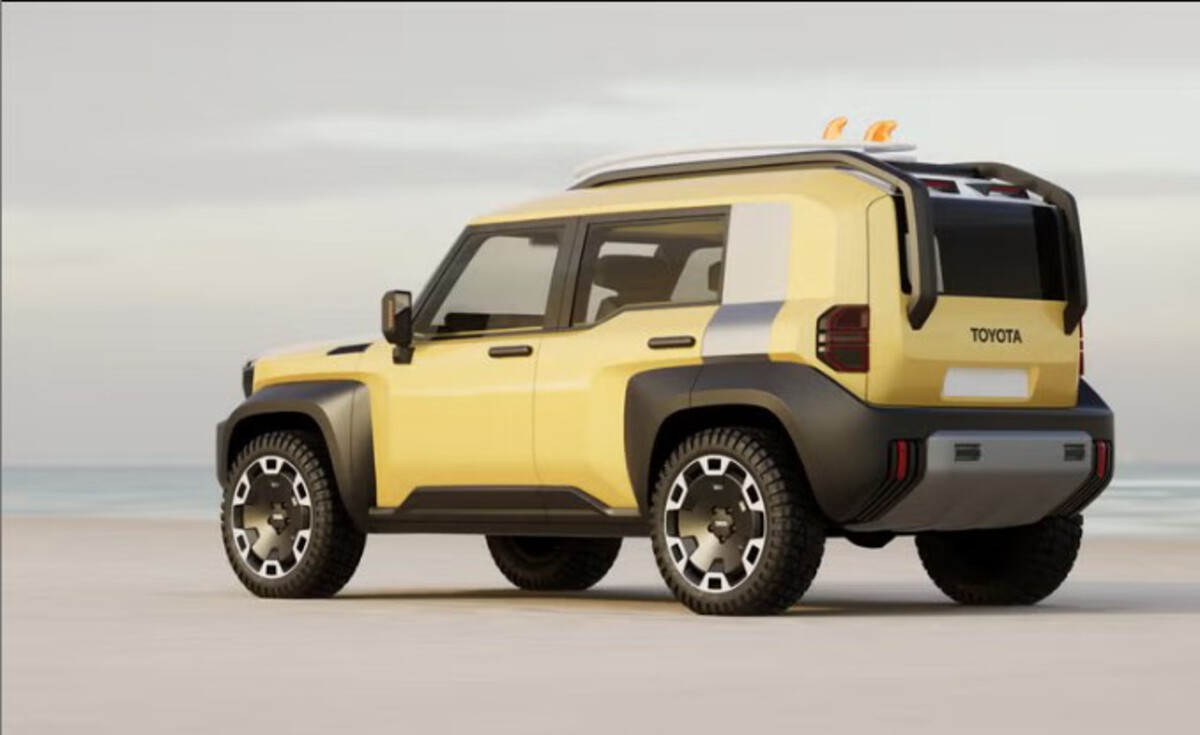
Body-on-frame? Check. Global parts network? Check. Conservative engine choices? Almost guaranteed. Toyota has built its reputation on making cars simple to service and nearly impossible to kill, especially in markets where they’re expected to survive harsh conditions.
The “Mini” version is expected to share DNA with the Hilux and Fortuner, two vehicles known for ridiculous durability.
This is easily one of the safest bets for 500K miles. The only thing that could complicate ownership is modern safety electronics and infotainment systems, but Toyota usually keeps those conservative too. If you want a vehicle in 2027 that’s practically designed to outlive you, the Mini Land Cruiser deserves top billing.
7. Toyota Tundra
Pickup trucks are workhorses, and the Toyota Tundra is one of the best examples of long-haul reliability. Plenty of older Tundras are still on the road with odometers well past 400K. The 2027 refresh, rumored to compete with Ford’s Raptor and other off-road beasts, is expected to double down on toughness.
What gives the Tundra its edge is Toyota’s approach to engineering: conservative engine tuning, thick frames, and suspensions built to haul and tow.
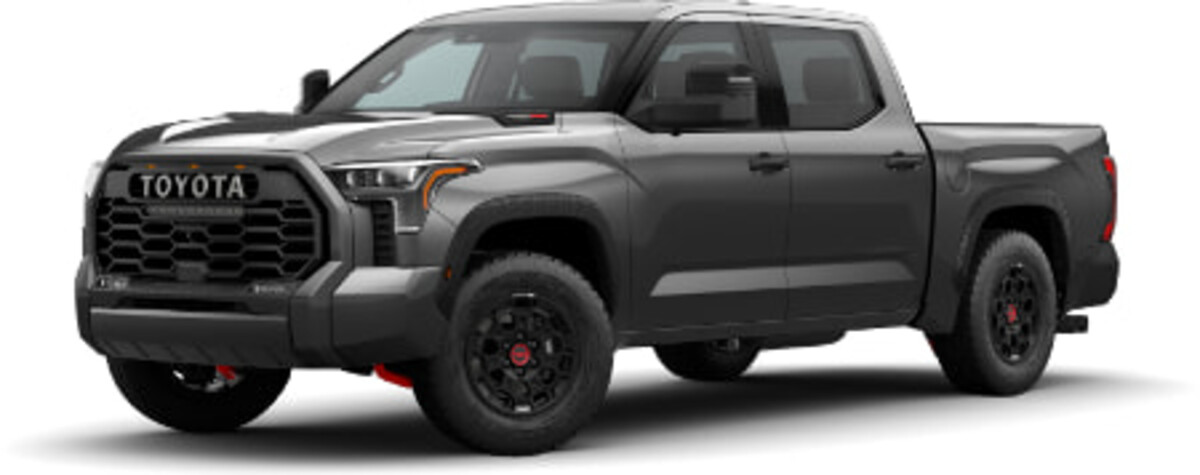
These things are overbuilt for the average owner, which ironically makes them last forever. Even when parts wear, Toyota makes replacements affordable and widely available. That’s a huge plus when you’re trying to keep a truck alive for decades.
The only caveat is complexity. If Toyota loads the 2027 Tundra with too many fragile gadgets, it could chip away at its bulletproof reputation. But based on history, Toyota tends to keep its trucks practical. This is another rock-solid candidate for the 500K club.
8. Scout Traveler
The SUV sibling of the Scout Terra, the Traveler is designed with the same philosophy: rugged, body-on-frame construction paired with an electric drivetrain that favors modularity and serviceability. Think of it as a modern version of old-school SUVs built to handle abuse but with EV simplicity under the hood.
Like the Terra, the Traveler will offer modular battery packs and potentially a range-extender option. That flexibility is huge for long-term ownership.
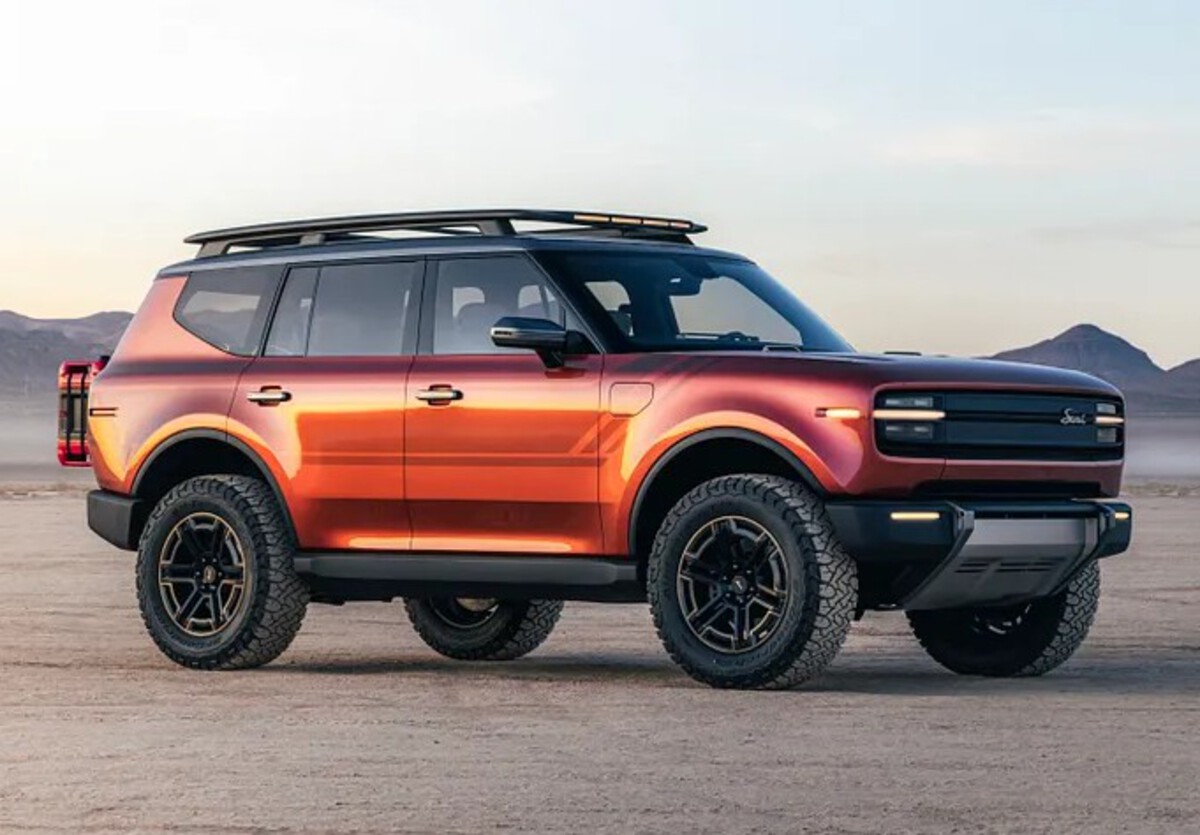
Batteries won’t last forever, but if you can replace a module instead of the entire pack, the SUV suddenly becomes realistic to keep for decades.
The Traveler also benefits from overbuilt components since it’s designed for towing and off-road use. Vehicles designed to handle stress every day tend to last longer than delicate city EVs.
The risk is, again, whether Scout, as a new brand, can keep parts flowing and service networks strong. If they do, the Traveler could be one of the first modern EV SUVs to truly earn a half-million-mile reputation.
9. Rivian R2
Rivian’s first wave of vehicles (R1T and R1S) showed the world what an EV truck/SUV could do, but they were expensive and niche. The R2, Rivian’s mid-size and more affordable line, is meant to bring that same rugged EV ethos to the masses by 2027.
And here’s where it gets interesting: Rivian has already learned from the teething issues of their first-gen vehicles. The R2 will likely be simpler, cheaper to build, and easier to maintain.
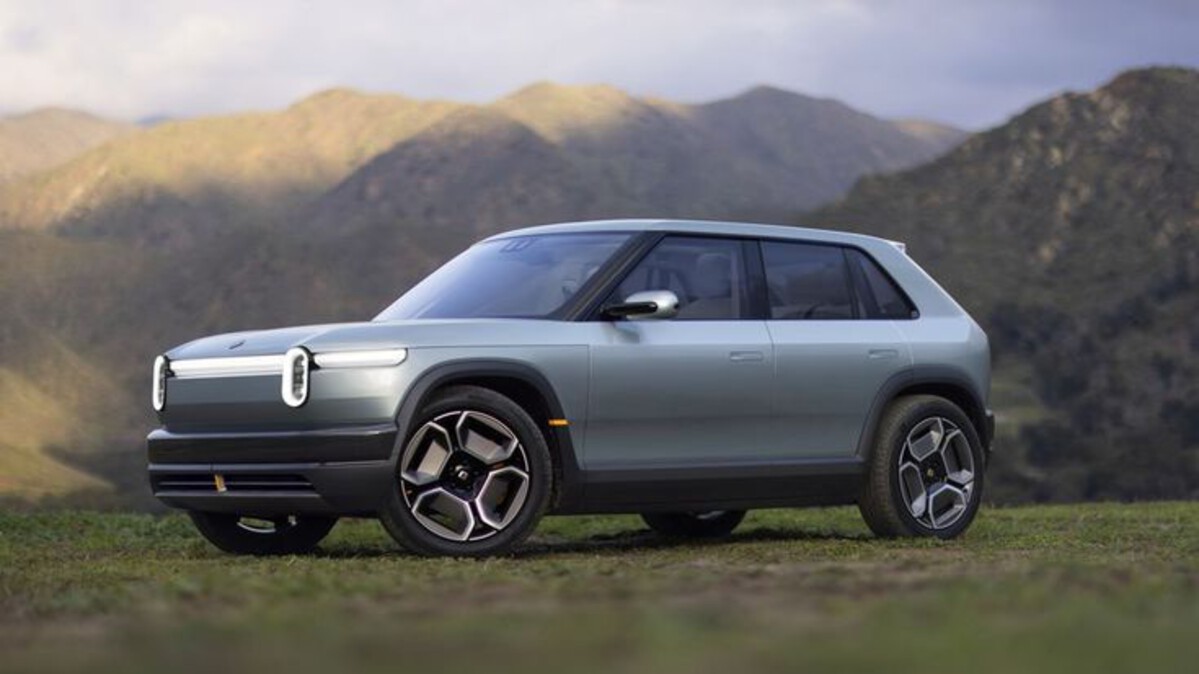
What makes the R2 promising for longevity is Rivian’s modular approach. They’re designing these vehicles so motors and battery modules can be swapped, rather than forcing owners to replace entire systems.
That’s critical for anyone aiming at 500K miles. Rivian also builds for off-road durability, which means components are tested against stress well beyond normal driving.
Of course, Rivian’s biggest hurdle is still being a young brand. Service centers are limited, and parts availability can lag. If Rivian grows its network and maintains commitment to modular repairability, the R2 could become the EV equivalent of a Toyota 4Runner: tough, versatile, and long-lasting.
10. Chevrolet Silverado
Chevy’s Silverado has been a staple of the truck world for decades, and the upcoming 2027 redesign could make it a real contender for the 500K club.
GM knows trucks are used as tools, not toys, which is why they’ve historically overbuilt frames, suspensions, and engines for heavy-duty use. That philosophy continues with the next-gen Silverado.
One of Chevy’s biggest advantages is scale. The Silverado shares parts across millions of vehicles, meaning replacements are cheap and abundant.
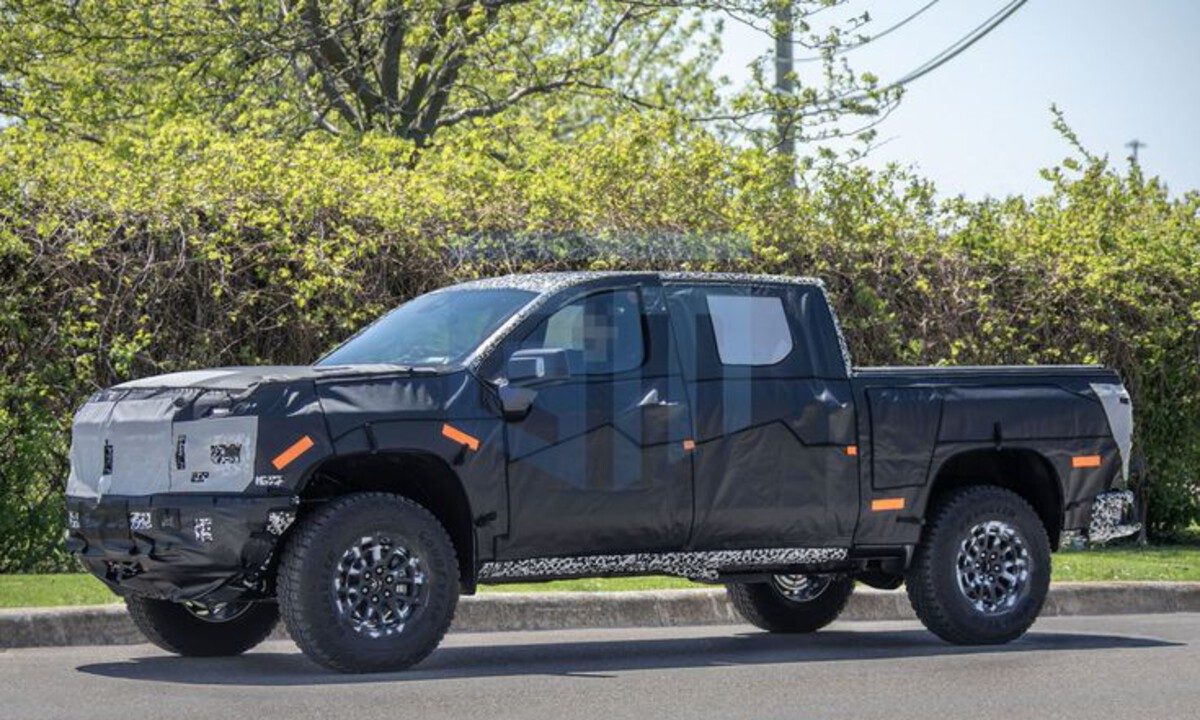
Independent shops know them inside and out, which lowers repair costs and keeps them on the road longer. GM is also working on hybrid and updated V8 options, giving buyers flexibility.
A hybrid could extend engine life by taking some of the workload off, while a good old small-block V8 remains one of the most serviceable engines in the world.
If you want a practical, long-lasting workhorse in 2027, the Silverado’s combination of mass-market support and traditional toughness makes it one of the smartest bets for hitting 500,000 miles.
The honest answer: it depends as much on the owner as it does on the engineering. You can take the toughest Toyota Land Cruiser and kill it in 150,000 miles with neglect, or you can nurse an Alfa Romeo Stelvio to 400,000 if you’re patient and meticulous. That’s the nature of longevity.
But looking at the list, a few standouts emerge. Toyota’s trucks and SUVs are the safest bets because they’ve been proving their durability for decades. The Scout duo (Terra and Traveler) is exciting, especially with modular EV design, but it all hinges on whether Scout can deliver consistent quality and parts support.
Rivian’s R2 has similar potential if the company scales smoothly. BMW’s iM3 and Subaru’s WRX STI are the wild cards, performance cars with legitimate engineering strength but dependent on how owners treat them.
The real takeaway is this: by 2027, cars will be a weird mix of old-school toughness and modern modular EV design. Longevity will favor vehicles that are easy to repair, come with massive parts networks, and avoid fragile overengineering. If you want 500K miles, you’ll still need discipline: regular oil changes (for ICE/hybrids), smart battery charging habits (for EVs), and a willingness to fix issues before they snowball.
500K miles is no longer science fiction. With the right car and the right owner, it’s a realistic goal. And the ten models on this list, from Toyotas to Chevys to Scouts, give you the best shot at getting there.