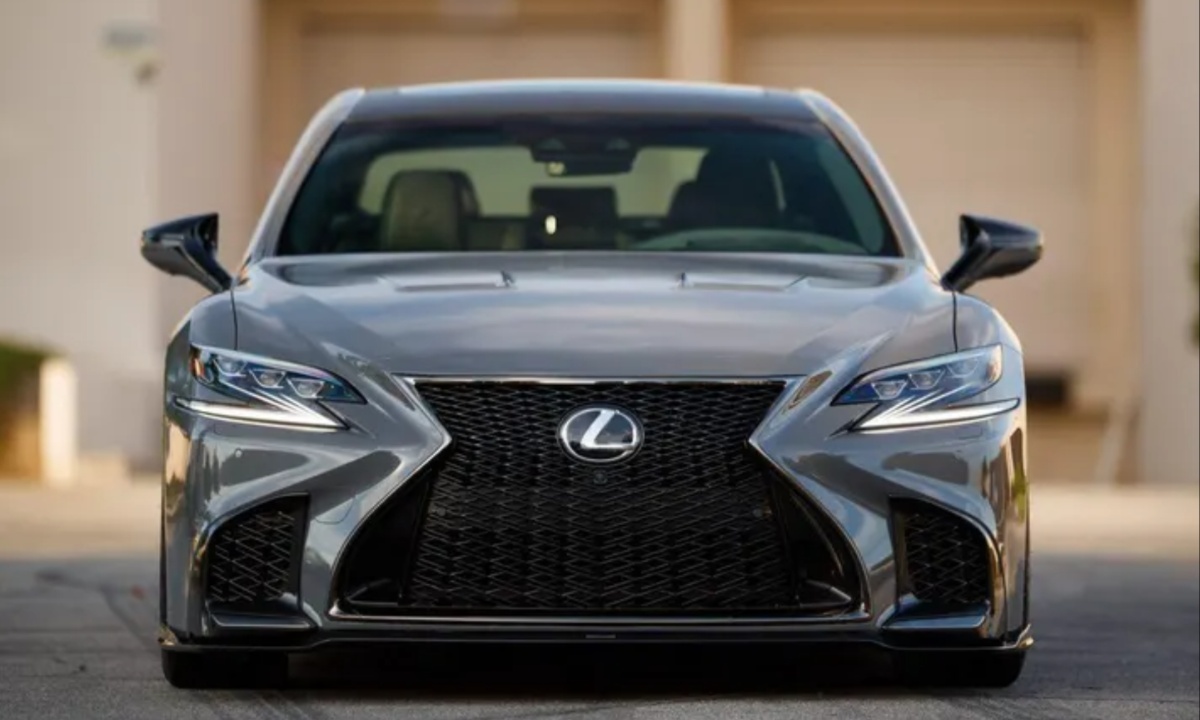
When it comes to cars that can endure neglect and still keep going, few vehicles compare to the legends on this list. “11 Cars That Hold Up to Neglect Surprisingly Well” showcases models that combine durability, simplicity, and robust engineering, allowing them to survive years of use even under less-than-ideal maintenance conditions.
From dependable sedans like the Honda Accord and Toyota Camry to rugged SUVs such as the Jeep Cherokee XJ and Toyota 4Runner, these vehicles share a common trait: resilience.
Many of these cars, including the Ford Crown Victoria and Volkswagen Beetle, were designed with straightforward mechanics and easily serviceable components, enabling owners to maximize their lifespan without constantly visiting a mechanic.
Whether it’s the bulletproof V8 in the Lexus LS 400, the air-cooled engine of classic Beetles, or the durable inline-six of the Cherokee XJ, these models prove that thoughtful engineering and simplicity often outweigh flashy features when it comes to long-term reliability.
For anyone seeking vehicles that withstand years of daily wear and tear, this list serves as a practical guide to the most forgiving automobiles.
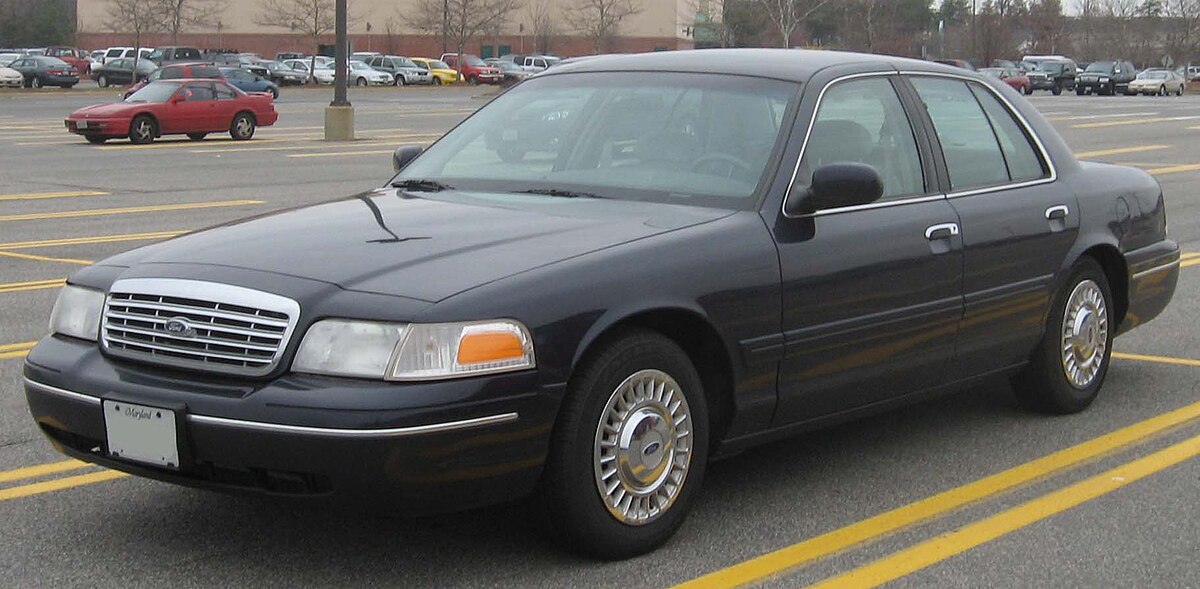
1. Ford Crown Victoria: A Legacy of Reliability
The Ford Crown Victoria, produced from 1992 to 2012, is widely regarded as one of the most durable and dependable cars ever built. Famously serving as the backbone of police and taxi fleets, the “Crown Vic” earned its reputation through a combination of rugged engineering and straightforward design.
Powered by Ford’s proven 4.6-liter modular V8 engine and built on the Panther platform, a robust body-on-frame chassis, the Crown Victoria was engineered to withstand heavy use and harsh conditions.
Owners often report lifespans exceeding 200,000 to 300,000 miles, with some vehicles reaching over half a million miles when properly maintained. Its simple rear-wheel-drive layout and lack of overly complex systems make repairs more affordable and accessible, further extending its longevity.
Key strengths include its durability, abundant and inexpensive parts, and ease of maintenance. However, common issues such as plastic intake manifold failures, transmission wear, and timing chain problems occasionally appear, especially in older models. Police Interceptor versions, though subjected to harder use, are still considered impressively reliable.
Ultimately, the Crown Victoria’s long-lasting appeal lies in its balance of strength, simplicity, and affordability. With consistent upkeep and attention to service history, this classic Ford remains a benchmark for automotive reliability.
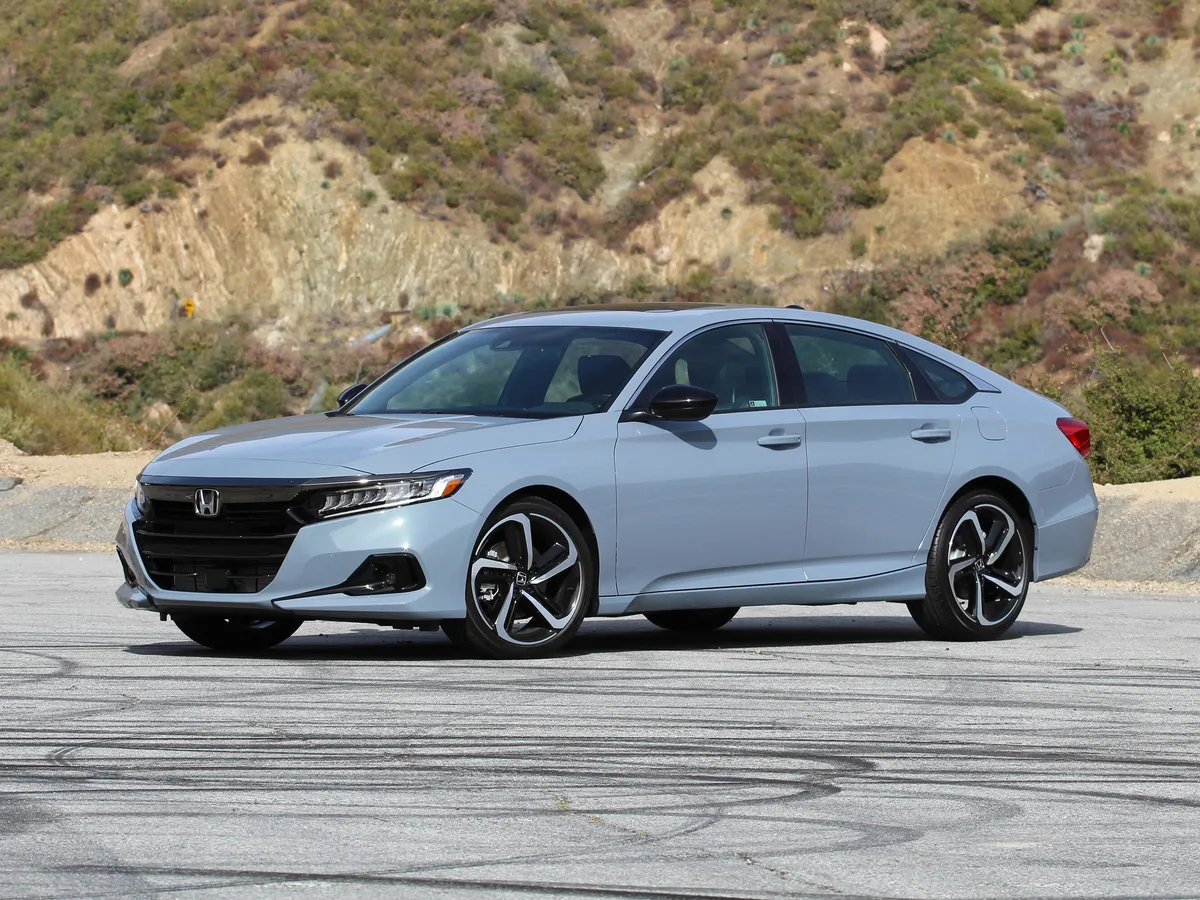
2. Honda Accord: The Benchmark of Dependable Sedans
Since its debut in 1976 as a compact hatchback, the Honda Accord has evolved into one of the most trusted and enduring sedans on the road. Over the years, it has been offered in multiple body styles, including coupes and wagons, but today it remains a refined four-door sedan, now classified as a “large” car by EPA standards.
The Accord’s reputation for reliability is well earned, consistently placing high in J.D. Power and Consumer Reports rankings. Honda’s meticulous engineering, durable materials, and rigorous testing contribute to its long-lasting performance.
With proper maintenance, owners can expect an Accord to comfortably exceed 200,000 miles, often reaching 300,000, making it a standout in terms of longevity and resale value.
Key reliability strengths include its robust build quality, high owner satisfaction, and reputation for delivering consistent performance across generations. While certain model years have reported issues such as fuel pump failures, airbag concerns, or minor cosmetic flaws like peeling paint, Honda’s proactive recall system ensures these problems are addressed.
The Honda Accord balances dependability, practicality, and engineering excellence. For decades, it has remained a benchmark sedan that drivers confidently keep for years, cementing its place among the most reliable cars of all time.
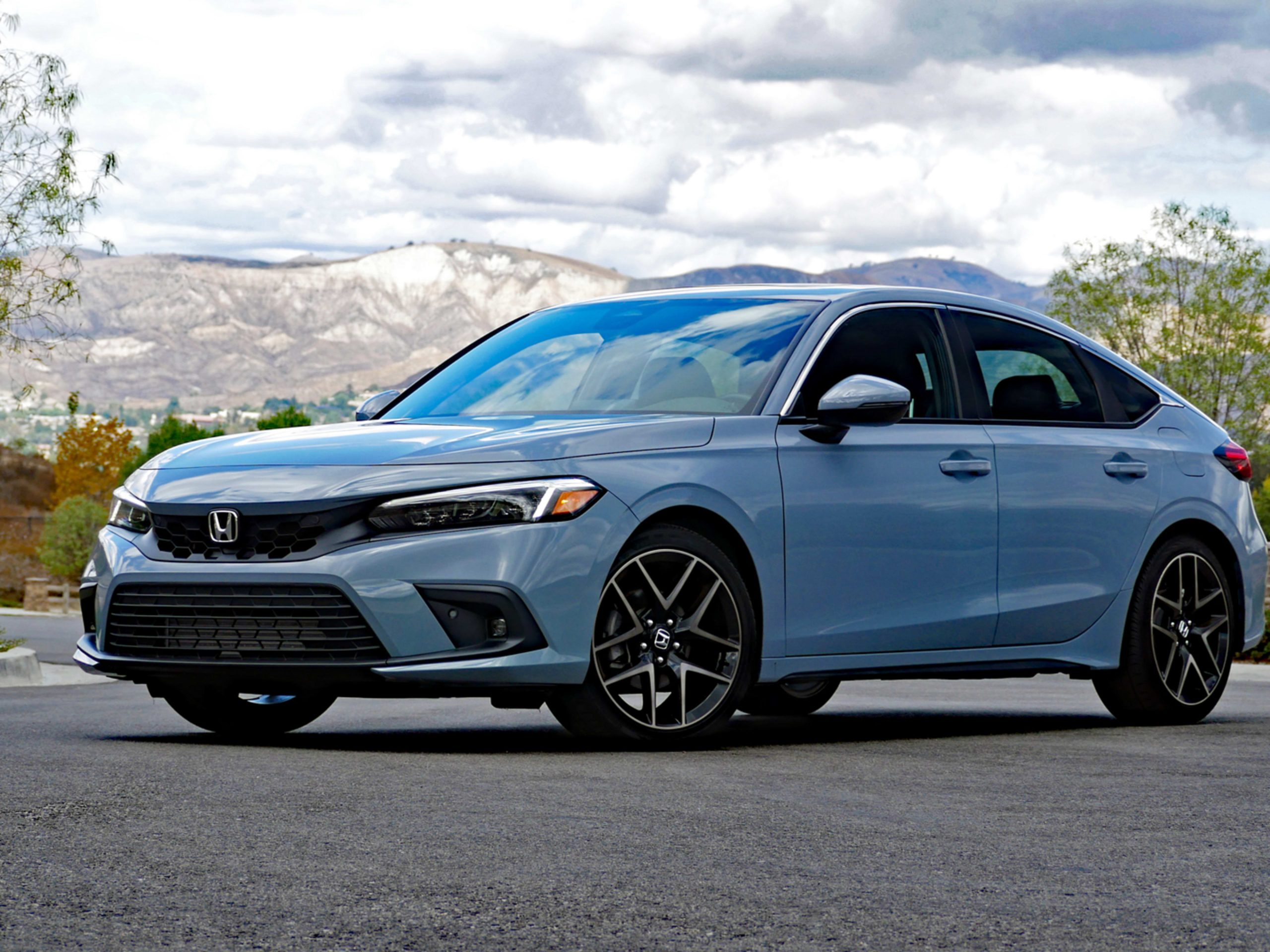
3. Honda Civic: A Compact Icon of Reliability
Since its U.S. debut in 1972, the Honda Civic has become a cornerstone of Honda’s global success. Arriving during an era of high demand for fuel-efficient vehicles, the Civic struck the perfect balance of affordability, practicality, and reliability.
Its early formula modest power paired with front-wheel drive proved effective, and each generation has refined this approach without losing its core strengths.
The Civic consistently earns strong reliability ratings from organizations such as RepairPal and iSeeCars.com, thanks to its durable engines, quality parts, and straightforward engineering.
When properly maintained, Civics regularly reach 200,000 to 300,000 miles, with many examples surpassing that milestone. High-quality components and simplified design reduce potential points of failure, making maintenance relatively easy and affordable.
While the Civic is one of the most dependable compact cars, some model years, particularly 2001, 2003–2005, and 2006–2009, are known for specific issues and are best avoided by buyers seeking long-term dependability. Even so, most generations deliver consistent performance and strong owner satisfaction.
The Honda Civic remains a benchmark in the compact car segment, valued for its blend of efficiency, practicality, and longevity. With regular upkeep and careful model-year selection, it continues to embody reliability for millions of drivers worldwide.
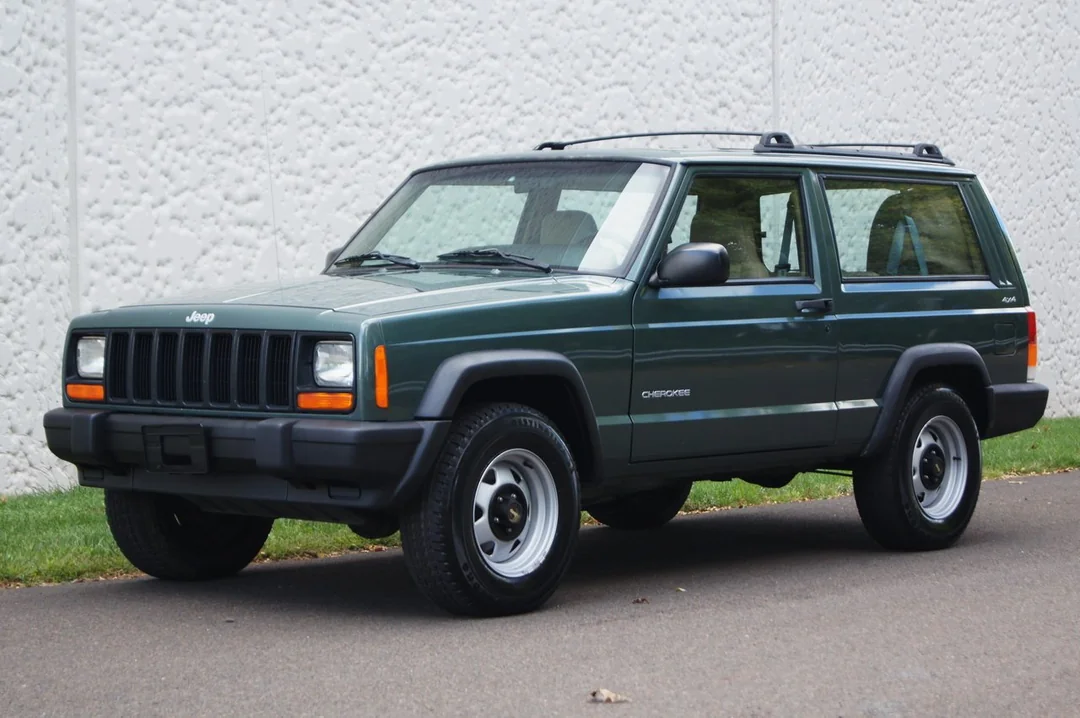
4. Jeep Cherokee XJ: The SUV That Defined Durability
Produced from 1984 to 1996, the Jeep Cherokee XJ is celebrated as one of the most reliable SUVs ever built. Not only did it help spark the SUV boom, but its forward-thinking unibody design reduced weight while retaining the rugged strength expected from Jeep. Even decades later, clean examples of the XJ remain highly sought after, with some commanding prices comparable to new vehicles.
The heart of its reputation lies in the legendary 4.0-liter inline-six engine. Known for its robust cast-iron block and pushrod valvetrain, this powerplant is capable of enduring significant abuse while consistently reaching 200,000 to 300,000 miles or more with basic upkeep. Coupled with a simple, accessible design, the XJ is easy to maintain, and parts remain readily available despite the model’s discontinuation.
Common issues such as oil pan gasket leaks, throttle position sensor failures, or exhaust manifold cracks are generally minor and inexpensive to address. However, reliability can be compromised by rust or poorly executed modifications, particularly aggressive suspension lifts.
The Cherokee XJ stands out for its durability, longevity, and mechanical simplicity. With proper maintenance and careful ownership, it continues to embody Jeep’s rugged reliability and remains a beloved classic SUV.
5. Lexus LS 400: Luxury Meets Legendary Reliability
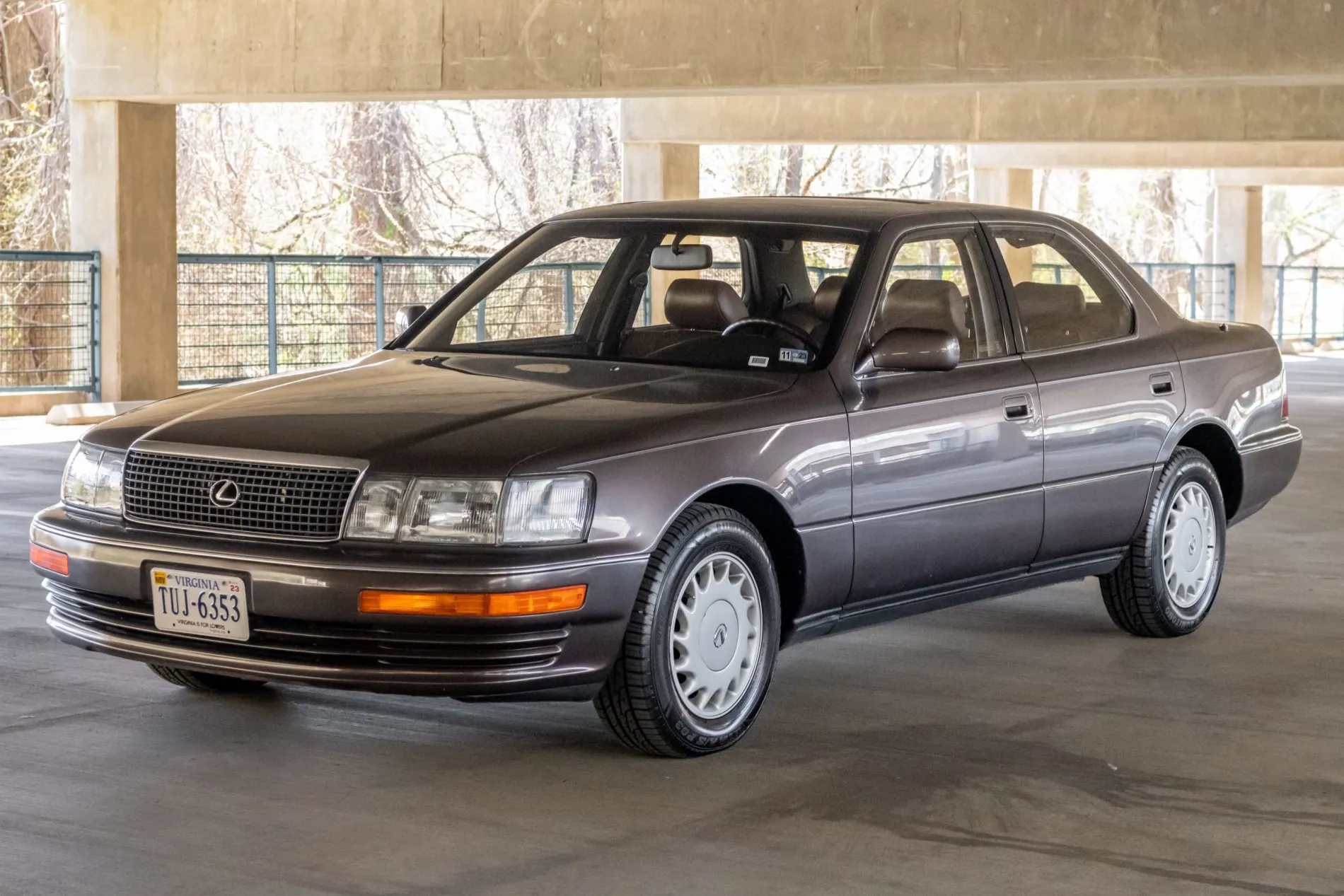
Introduced in 1989, the Lexus LS 400 redefined what a luxury sedan could be by combining refinement with near-bulletproof dependability. Built through 2000 in its first two generations, the LS 400 was engineered to challenge German luxury rivals but with Toyota’s trademark focus on quality and longevity.
Rather than chasing complexity, Lexus relied on proven technology: a rear-wheel-drive layout and the now-legendary 1UZ-FE 4.0-liter V8 engine.
That engine, along with meticulous build quality, became the cornerstone of the LS 400’s reputation. Owners frequently report mileage well beyond 200,000, with some examples exceeding one million miles while retaining smooth performance.
Toyota’s obsessive production standards ensured every LS 400 left the factory with exceptional fit, finish, and durability, making it one of the most reliable luxury cars ever produced.
While generally trouble-free, common issues include power steering pump leaks and aging ECU capacitors, particularly in early models. These issues are relatively minor in the context of the car’s dependable performance and can be resolved with proper maintenance.
Today, the LS 400 is celebrated not just as a comfortable, refined luxury sedan, but as an “elite club” car, one that blends timeless engineering, robust durability, and high-mileage capability like few vehicles before or since.
Also Read: 5 Dodge Durango Years With Strong Engines vs 5 That Fail
6. Mazda MX-5 Miata: Fun Without Sacrificing Reliability
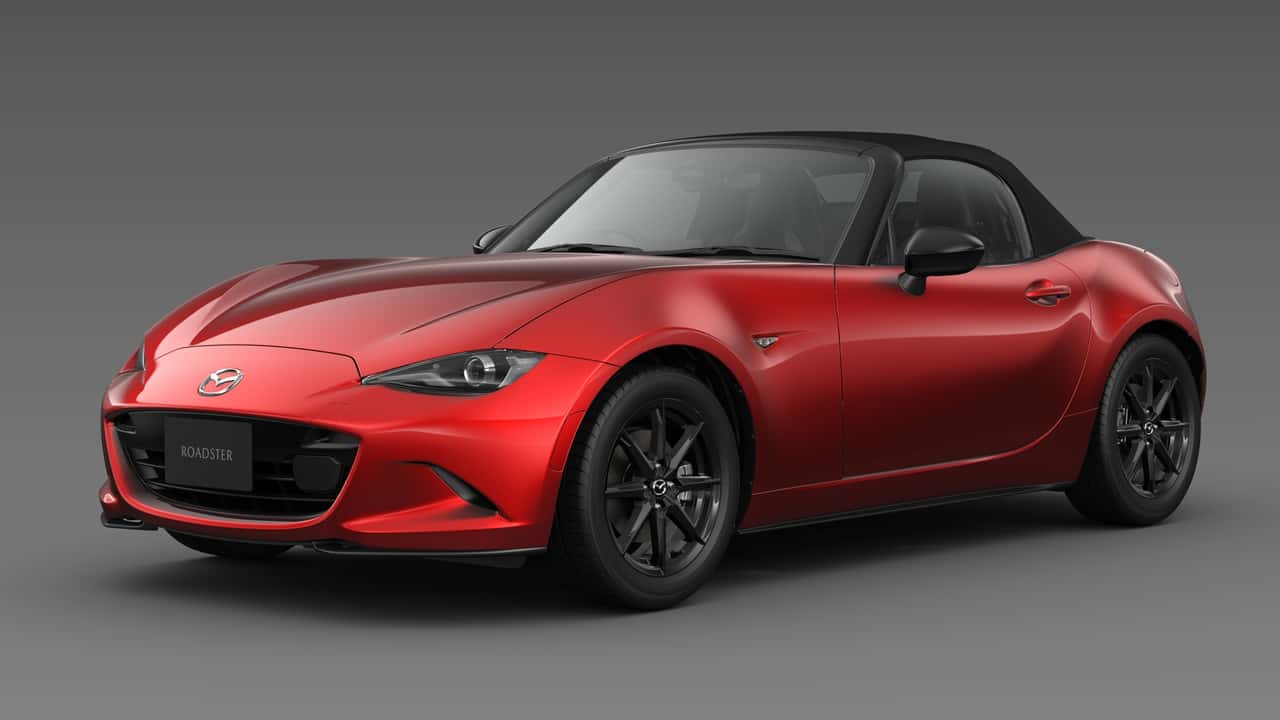
Since its debut in 1990, the Mazda MX-5 Miata has proven that a sports car can be both exhilarating and dependable. Inspired by classic British roadsters but engineered with Japanese precision, the Miata quickly gained a loyal following for its balance of fun, simplicity, and long-term durability.
With four generations to date, its lightweight, rear-wheel-drive setup and small but efficient four-cylinder engines have kept the formula timeless.
The Miata is widely praised for above-average reliability, consistently earning strong ratings from sources like RepairPal and CoPilot. Owners often highlight its low annual repair costs and infrequent unscheduled repairs, making it one of the most affordable sports cars to own long-term.
Many first-generation models, especially those with the beloved pop-up headlights, are still on the road today, a testament to the car’s enduring design.
Key strengths include its straightforward engineering, inexpensive maintenance, and proven longevity. While reliability can vary slightly depending on generation, proper care ensures a Miata can last for decades. Manual transmission versions are particularly celebrated for their robustness and driving purity.
In short, the Mazda MX-5 Miata embodies the rare combination of reliability, affordability, and driving joy, making it one of the most enduringly beloved sports cars ever built.
7. Mercedes-Benz E-Class (W124): The Peak of German Engineering
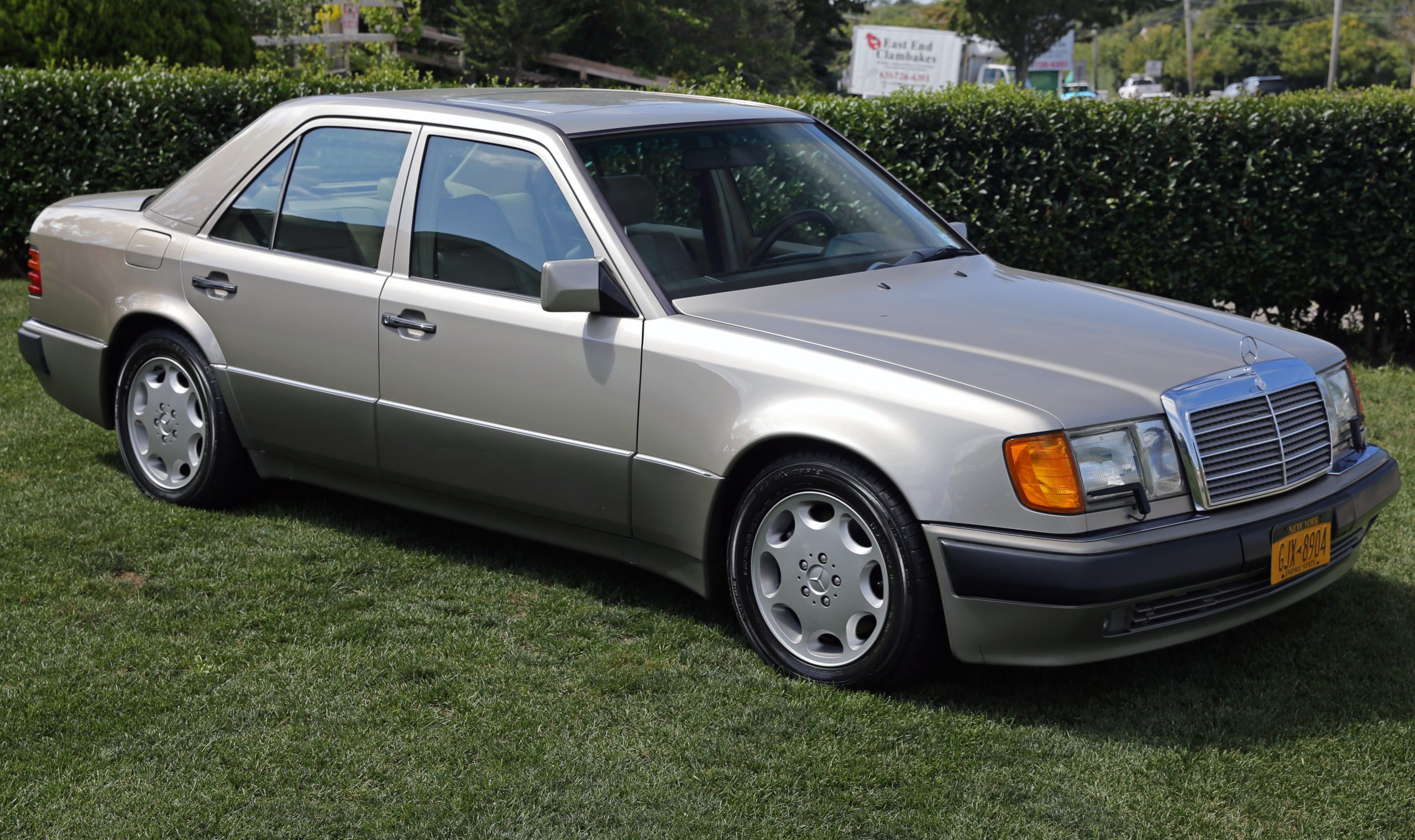
Built from 1986 to 1996, the Mercedes-Benz W124 E-Class is often regarded as one of the most reliable and over-engineered cars in history. At a time when Mercedes prioritized durability over cost-cutting, the W124 combined engineering sophistication with lasting dependability qualities often missing from modern luxury vehicles.
With nearly 2.5 million units produced in sedan, coupe, and convertible forms, it became a global symbol of quality and endurance.
The W124 offered a wide range of gasoline and diesel engines, with the diesel variants earning particular fame for their incredible longevity. Its robust construction, meticulous engineering, and exceptional build quality allowed many examples to surpass hundreds of thousands of miles while retaining a solid driving experience.
Owners frequently praise the car’s durability, with engines like the M102 inline-four standing out for their long life.
However, age introduces challenges. Common issues include failing window regulators, faulty climate control systems, and degradation of early biodegradable wiring harnesses. Rubber and plastic components also require replacement as the vehicles now exceed 30 years old.
Despite these concerns, a well-maintained W124 remains a benchmark for luxury reliability. With proper care from experienced mechanics, it offers unmatched durability, embodying the golden era of Mercedes-Benz engineering.
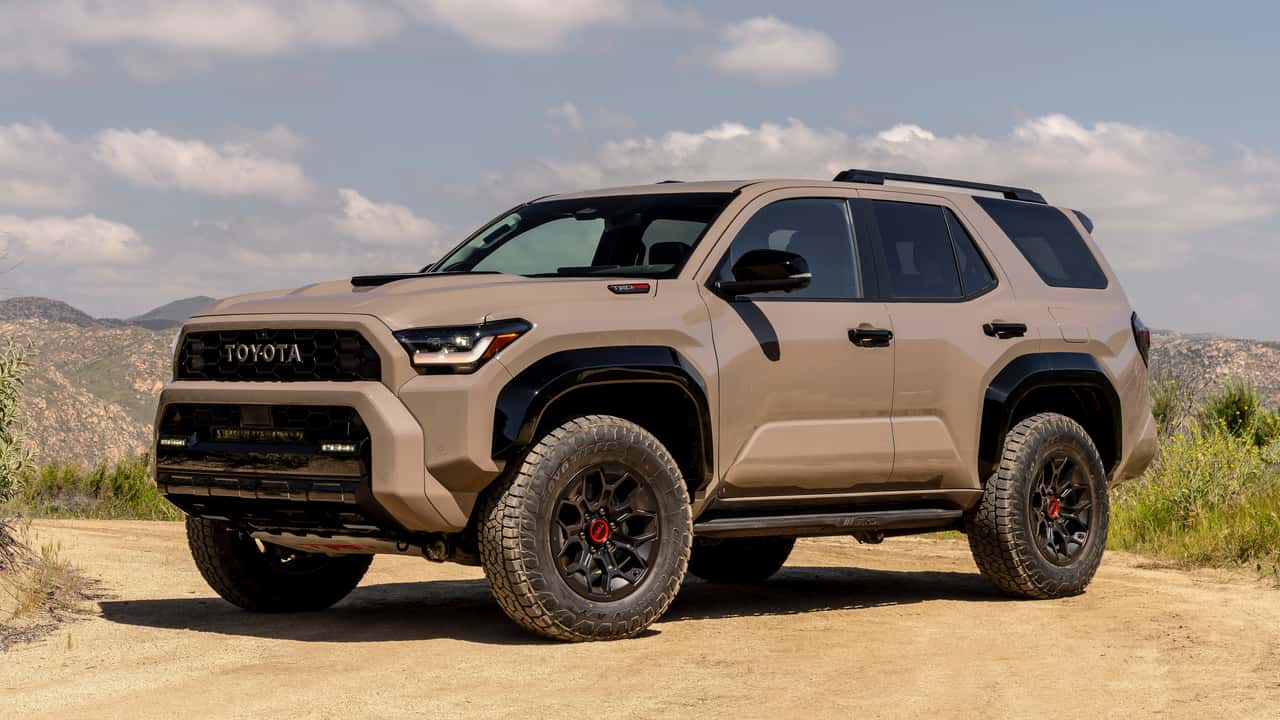
8. Toyota 4Runner: Rugged Longevity on Wheels
Introduced in the mid-1980s as essentially a Toyota pickup with extra seating and a removable roof, the 4Runner has grown into one of the most respected SUVs for durability and dependability. Over 40 years of evolution, it has gained refinement while keeping its rugged, body-on-frame construction a key factor in its reputation for lasting reliability.
The 4Runner consistently earns top marks from J.D. Power and RepairPal, ranking among the most reliable midsize SUVs. With proper maintenance, many models easily exceed 200,000 to 300,000 miles, and countless owners report trouble-free performance even under demanding conditions.
Its robust build, relatively low ownership costs, and proven engineering make it a favorite for those seeking a long-term vehicle capable of both daily driving and off-road adventures.
While older generations are praised for their tried-and-true dependability, the all-new 2025 4Runner introduces a fresh platform and powertrain, which may bring unforeseen issues as Toyota refines the design.
For those prioritizing reliability, experts often recommend sticking with the established fifth-generation models until the new one proves itself over time.
For buyers considering used 4Runners, checking maintenance records, inspecting the undercarriage for rust, and ensuring engine and drivetrain health are crucial steps to securing one of the most dependable SUVs ever built.
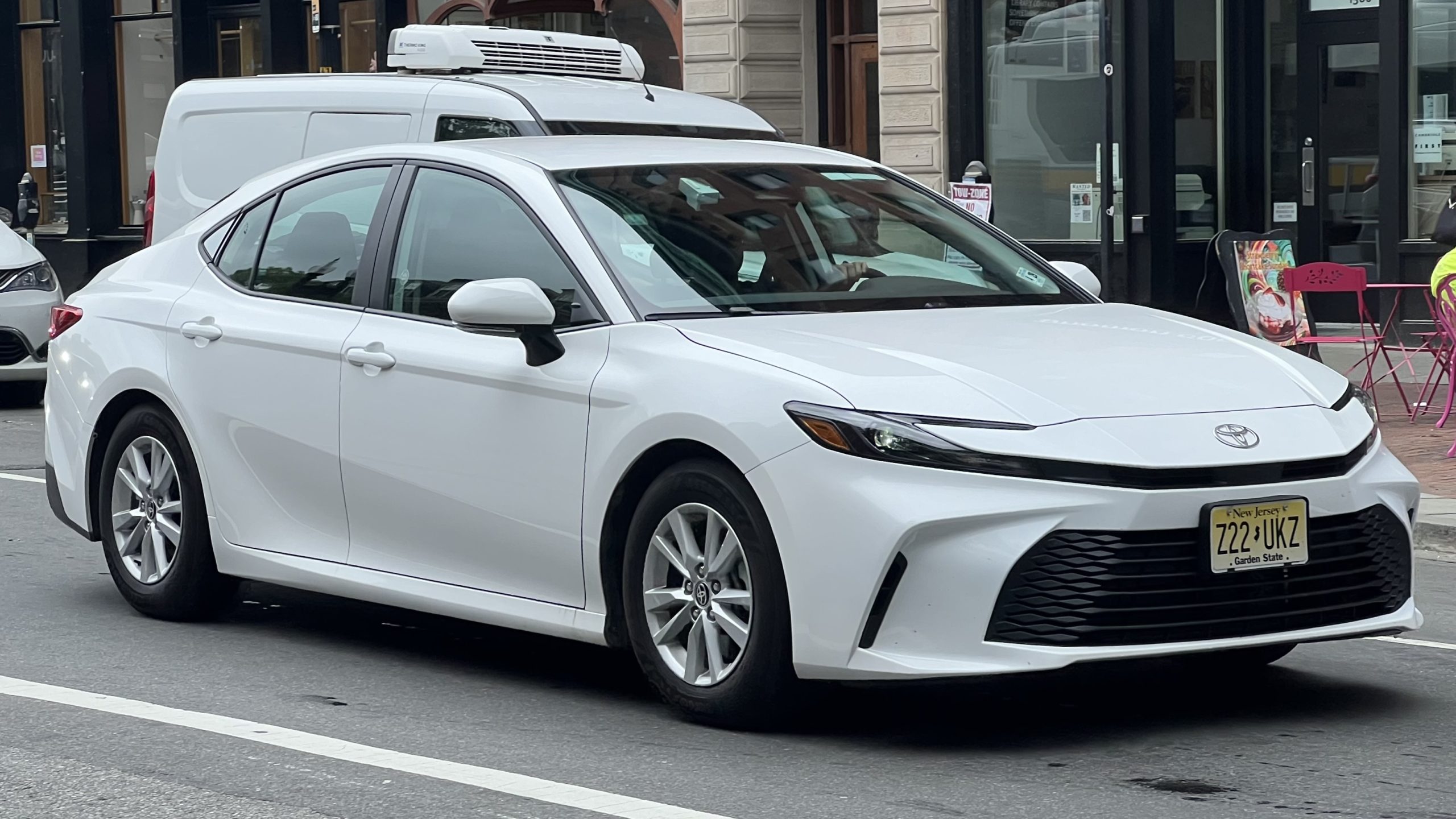
9. Toyota Camry: The Gold Standard of Dependability
Since its introduction, the Toyota Camry has grown from a simple family car into one of the most respected midsize sedans worldwide. It played a pivotal role in cementing Toyota’s reputation for reliability, thanks to its consistent use of proven engineering front-wheel drive paired with robust four- and six-cylinder engines.
The Camry has consistently earned top reliability scores from J.D. Power, RepairPal, and Consumer Reports, often ranking among the best midsize cars in its class.
With proper maintenance, most Camrys easily achieve 200,000 to 300,000 miles, while offering owners lower-than-average annual repair costs. Its engines and transmissions are celebrated for their consistency and durability, making the Camry a long-term favorite for both families and commuters.
That said, not every model year is flawless. The 2007–2008 models, and some from 2006–2011, are known for excessive oil consumption due to piston ring issues, while newer models (post-2015) have experienced glitches with infotainment systems and occasional battery drain problems.
Despite these isolated concerns, the Camry remains one of the most trusted sedans on the market. Its simple design, strong build quality, and widespread availability of parts and service make it a practical and worry-free choice for drivers seeking long-lasting reliability.
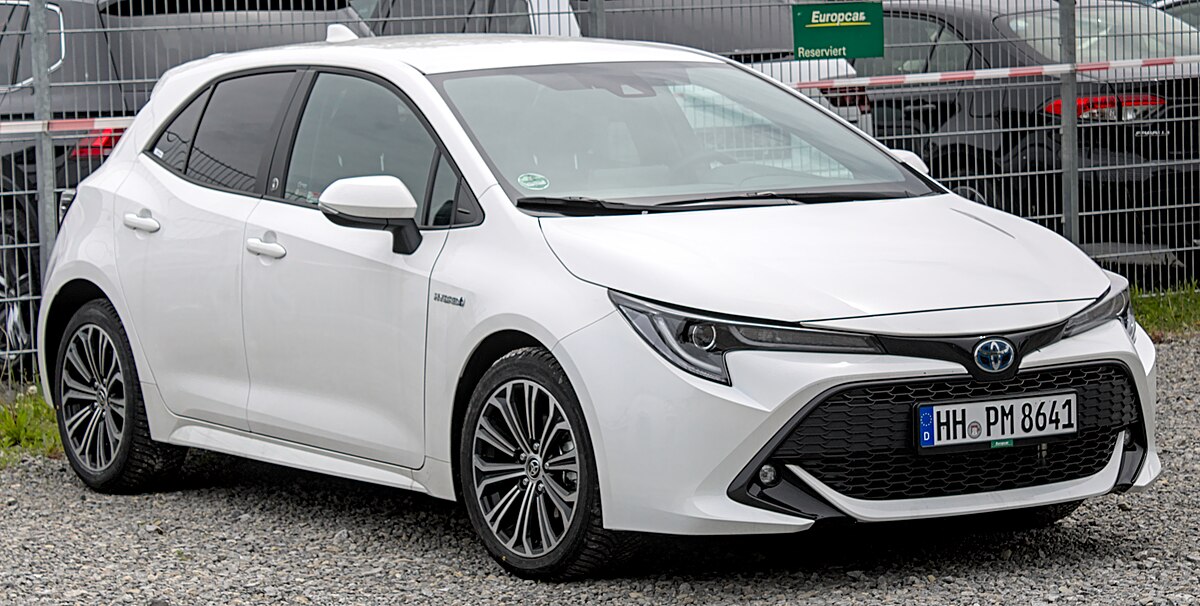
10. Toyota Corolla: The World’s Best-Selling Symbol of Reliability
Since 1966, the Toyota Corolla has become the best-selling vehicle of all time, with over 50 million units produced. Its success lies not in flashy styling or performance, but in delivering exactly what drivers need: an affordable, practical, and exceptionally reliable car. For decades, it has served as a first car for many buyers while proving capable of lasting well beyond 200,000 miles with proper maintenance.
The Corolla consistently earns strong reliability ratings from RepairPal, U.S. News & World Report, and other automotive authorities. Many owners report their cars reaching 300,000 miles, highlighting their long lifespan and robust engineering. Its affordability, combined with low ownership and repair costs, makes it a go-to choice for budget-conscious drivers seeking dependable transportation.
While reliability is a hallmark, not every generation is without flaws. The 10th-generation models (2009–2013) have been noted for potential reliability concerns, particularly at high mileage, and some Corollas have experienced automatic transmission issues. Still, these problems are relatively minor compared to its overwhelmingly strong track record.
The Toyota Corolla’s reputation as a no-nonsense, long-lasting vehicle is well-earned. It remains one of the most trusted cars worldwide, offering peace of mind, affordability, and unmatched dependability.
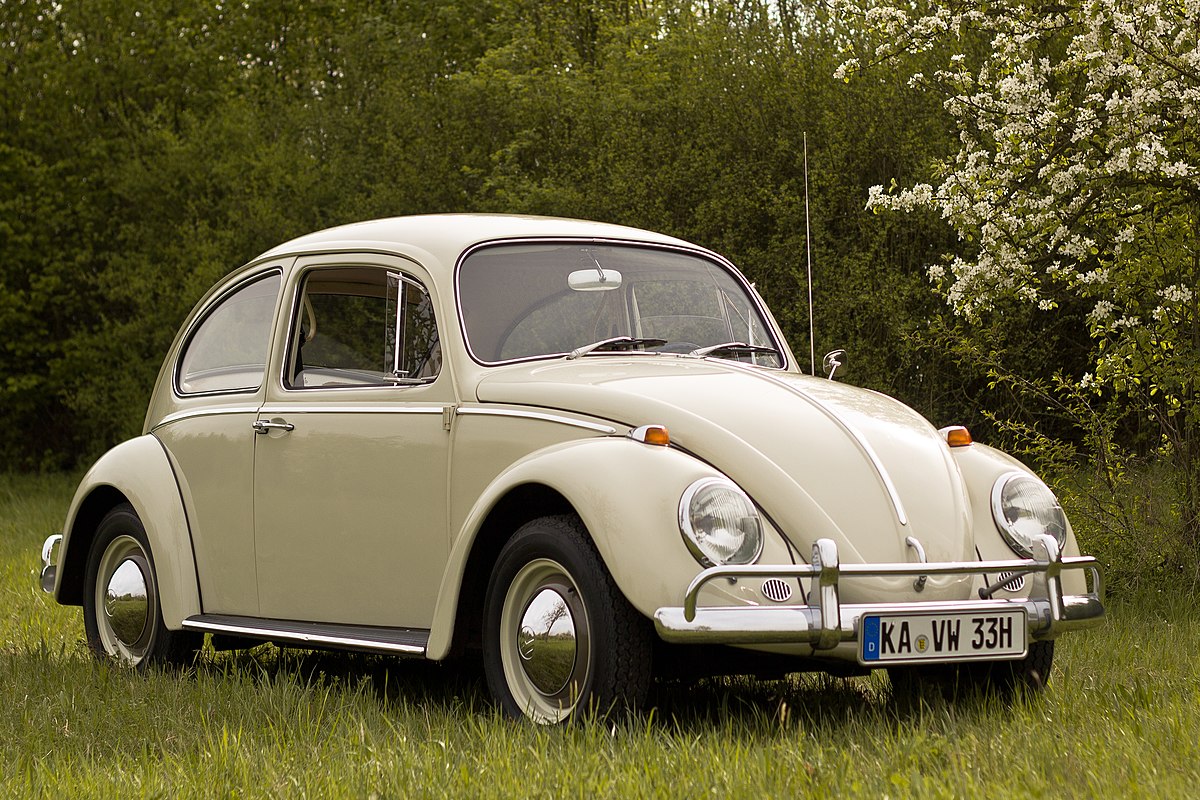
11. Volkswagen Beetle: Reliability Across Generations, From Classic Air-Cooled to Modern Models
The Volkswagen Beetle is one of the most recognizable cars in history, with a legacy spanning over six decades. However, its reliability story is split between the classic, air-cooled Beetles (1938–1979) and the modern iterations (1998–2019). While the original Beetle is famed for mechanical simplicity and durability, modern versions vary widely in dependability.
The original Beetle’s reliability was rooted in its iconic air-cooled engine, which was simple, durable, and easy to repair. Many owners became DIY mechanics, extending their cars’ lifespans well past expectations. With consistent maintenance, classic Beetles can be remarkably dependable, though they lack modern safety and comfort features.
Key factors for reliability included their mechanical simplicity, widespread parts availability (though now more difficult for older models), and ease of repair. Still, classic Beetles demand owner dedication; regular maintenance is essential, and issues often need to be “ironed out” early in ownership.
The New Beetle brought back the charm, but with mixed reliability. Early first-generation models (2000–2004) were plagued by serious issues such as transmission failures, excessive oil consumption, and persistent electrical problems. The 2013 model year also had widespread engine failures due to faulty timing chains.
However, reliability improved in later years. The 2008 model fixed many early issues, while 2017 and 2018 earned excellent J.D. Power ratings (86–89/100), with the 2018 even ranking the most dependable compact car of 2021. Still, repair costs remain higher than average for compact cars, with annual maintenance around $612.
The Beetle can be a reliable car, but dependability depends heavily on the model year and owner care. For classic models, reliability hinges on consistent upkeep and a hands-on approach. For modern models, later years, especially 2017–2019, are the best bet for long-term dependability. Across all eras, higher-than-average repair costs are a reality of Beetle ownership.
The 11 cars featured in “11 Cars That Hold Up to Neglect Surprisingly Well” demonstrate that true reliability isn’t about cutting-edge technology or luxury bells and whistles; it’s about solid engineering, straightforward design, and durability.
From timeless sedans like the Honda Civic and Toyota Corolla to SUVs such as the Toyota 4Runner and Jeep Cherokee XJ, each vehicle has earned a reputation for surviving heavy use and minimal maintenance.
Classic examples like the Volkswagen Beetle and Ford Crown Victoria highlight how simplicity and serviceability can extend a car’s life for decades, while modern successors, including the Mazda MX-5 Miata and Lexus LS 400, show that thoughtful design continues to pay off.
Even with minor common issues, these cars often reach 200,000 to 300,000 miles or more, proving that resilience often matters more than style or luxury. For drivers seeking peace of mind, long-lasting performance, and low-maintenance ownership, these 11 vehicles remain enduring benchmarks of automotive dependability.
Also Read: 5 Honda Sedans That Rarely Break vs 5 That Constantly Do