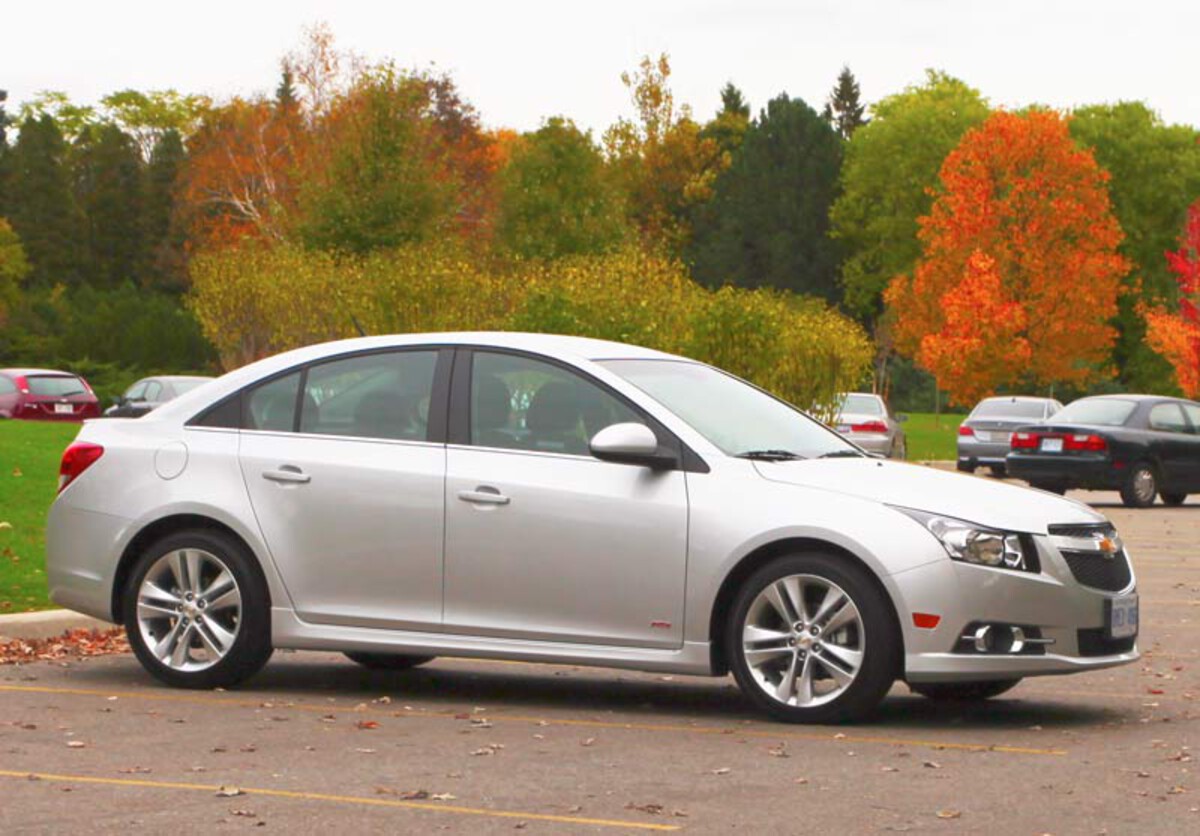
The Chevy Cruze has been one of Chevrolet’s most popular compact sedans, appreciated for its sleek design, fuel efficiency, and smooth driving experience. Many drivers love it because it strikes a balance between affordability and reliability, making it a smart choice for daily commuting as well as long trips.
While the Cruze is dependable, it is still a machine that requires regular care and attention. Ignoring small issues or skipping important checks may not seem like a big deal at first, but over time, these habits can create expensive problems that affect the car’s safety, performance, and lifespan.
Every car has a list of things that should never be ignored, and the Chevy Cruze is no exception. Whether it’s something as simple as an oil change or as critical as brake maintenance, overlooking these essentials can lead to major breakdowns.
The Cruze is built to last, but its durability depends heavily on how well it is maintained. Many owners mistakenly think that if the car starts every morning and drives without obvious trouble, everything must be fine. In reality, several hidden problems can build up silently until they suddenly become much worse.
Also read: 12 Best Hybrids That Could Outlast Gas Rivals
1) Never Ignore Regular Oil Changes
Engine oil is the lifeblood of your Chevy Cruze. It lubricates moving parts, reduces friction, and prevents overheating. Ignoring oil changes can cause engine parts to wear down quickly, eventually leading to costly repairs and possible engine failure.
Fresh oil also helps keep the engine clean by carrying away dirt, metal particles, and combustion by-products. Over time, oil breaks down and becomes less effective, creating sludge inside the engine. This sludge restricts oil flow, further damaging vital components.
Chevy Cruze owners often underestimate the importance of oil changes, thinking they can stretch beyond the recommended schedule. However, running the car with dirty or low oil significantly reduces performance and fuel efficiency, putting unnecessary strain on the engine.
Your owner’s manual provides the correct oil type and interval for your Cruze. Most models require oil changes every 5,000 to 7,500 miles, depending on driving habits. Following this schedule ensures your car runs smoothly and avoids premature engine wear.
It is also essential to check the oil level regularly. A simple dipstick inspection can reveal whether the oil is low, discolored, or dirty. Low oil levels increase the risk of overheating, while dirty oil fails to protect moving parts.
Neglecting oil changes can lead to increased engine noise, reduced acceleration, and higher fuel consumption. In severe cases, it can cause engine seizure, forcing a complete engine replacement one of the most expensive repairs a car owner can face.

Synthetic oil is often recommended for the Chevy Cruze because it provides better protection under high temperatures and longer-lasting lubrication. While it may cost more upfront, it saves money in the long run by extending engine life.
In addition to oil changes, replacing the oil filter is equally important. The filter traps dirt and contaminants, keeping the oil clean. Ignoring the filter allows debris to circulate inside the engine, reducing efficiency and increasing the risk of damage.
Many breakdowns happen because drivers ignore this simple maintenance task. Oil changes are quick, affordable, and easy to schedule. Compared to the thousands you could spend on repairs, regular oil maintenance is one of the smartest investments you can make.
Taking care of your Chevy Cruze means respecting its most important needs, and oil changes are at the top of that list. By staying consistent with this routine, you protect your engine, improve performance, and ensure your car stays reliable for years.
Also Read: 9 Most Reliable Cars That Rarely See Cooling Failures
2) Never Ignore the Cooling System
The cooling system in your Chevy Cruze plays a critical role in keeping the engine at the right temperature. If ignored, overheating can occur, leading to severe engine damage. A well-maintained cooling system ensures smooth operation and long-term engine health.
Coolant, also known as antifreeze, circulates through the engine, radiator, and hoses, absorbing excess heat. Over time, coolant loses its effectiveness and may become contaminated. If you don’t flush and replace it, the engine can overheat or freeze in extreme conditions.
Your Chevy Cruze depends on proper coolant levels to perform well. Driving with low coolant increases the risk of overheating, warped engine parts, or even a blown head gasket. Checking the coolant reservoir regularly can help you catch issues early.
The radiator is another vital part of the system. A clogged or leaking radiator prevents proper cooling, allowing the engine to run hotter than it should. Inspecting the radiator for leaks and debris buildup helps prevent overheating and improves efficiency.

Hoses and connections also deserve attention. Over time, they can become brittle, cracked, or loose, causing coolant leaks. A single leaking hose may not seem serious, but it can quickly lead to overheating and leave you stranded on the road.
The water pump is the heart of the cooling system. It circulates coolant throughout the engine, keeping everything at the right temperature. If the water pump fails, coolant cannot flow properly, causing overheating and severe internal engine damage.
Ignoring the thermostat can also lead to trouble. The thermostat regulates when coolant flows through the engine. If it sticks closed, the engine overheats. If it sticks open, the engine runs too cold, reducing efficiency and increasing fuel consumption.
Chevy Cruze owners should follow the recommended maintenance schedule for coolant changes and inspections. Typically, coolant should be replaced every five years or 100,000 miles, but checking your manual ensures you follow the exact requirements for your specific model.
Warning signs of cooling system problems include rising temperature gauges, coolant puddles under the car, or a sweet smell from the engine bay. Never ignore these symptoms, as they often signal a serious issue that needs immediate attention.
Taking care of the cooling system prevents overheating, protects the engine, and ensures smooth performance. Regular checks, fluid replacements, and inspections of key components can save you from costly repairs. Keeping your cooling system healthy means keeping your Chevy Cruze dependable.
3) Never Ignore the Transmission
The transmission in your Chevy Cruze is responsible for transferring engine power to the wheels. Without it, your car simply cannot move. Ignoring transmission maintenance can lead to rough shifting, poor acceleration, expensive repairs, and even total transmission failure.
Transmission fluid is the lifeline of this system. It lubricates gears, cools internal parts, and ensures smooth shifting. Over time, the fluid becomes dirty and loses effectiveness. If it is not changed, friction and heat build up, damaging sensitive transmission components.
Unlike engine oil, transmission fluid does not need frequent changes, but it should not be neglected. Most Chevy Cruze models require a fluid replacement around 45,000 to 60,000 miles. Always consult your owner’s manual for the correct maintenance schedule.
Checking transmission fluid regularly helps prevent problems. The fluid should be bright red and clean. If it appears dark, burnt, or has a strange smell, it’s time for a change. Low fluid levels also indicate possible leaks that need attention.

When transmission issues are ignored, warning signs appear. These include slipping gears, delayed shifting, grinding noises, or vibrations while driving. If you notice these symptoms in your Chevy Cruze, you should seek immediate professional inspection before further damage occurs.
The transmission system also relies on sensors and software. Modern Cruze models use electronic controls to manage gear shifts. If the system detects an issue, the check engine light may turn on. Ignoring this light can allow small problems to become major ones.
Overheating is another danger for neglected transmissions. Heavy traffic, towing, or extreme weather can cause excess heat. Without clean, effective fluid, overheating damages seals, gaskets, and clutches inside the transmission, reducing its lifespan and creating costly repair situations.
Some owners make the mistake of treating transmission maintenance as optional. However, a complete transmission replacement often costs several thousand dollars, far more than routine fluid changes and inspections. Preventive care always saves money and keeps the vehicle reliable.
Professional servicing is important for transmissions. Unlike oil changes, transmission maintenance often requires special equipment. Mechanics can perform fluid flushes, inspect for leaks, and reset electronic controls if needed. Regular professional attention gives peace of mind and longer system life.
Never ignore your transmission if you want your Chevy Cruze to stay dependable. Smooth shifting, efficient performance, and long-term durability all depend on proper transmission care. With routine maintenance, you can avoid breakdowns and enjoy trouble-free driving for years.
4) Never Ignore the Brakes
Brakes are one of the most important safety features in your Chevy Cruze. Ignoring brake maintenance can lead to dangerous situations, longer stopping distances, and even accidents. Keeping the braking system healthy ensures you and your passengers remain safe on the road.
Brake pads wear down every time you press the pedal. If not replaced in time, worn-out pads damage the rotors, increasing repair costs. Squeaking, grinding noises, or vibration while braking are clear warning signs that your pads need attention.
Rotors play a critical role in the braking process. Overheating or uneven wear on the rotors can cause your Cruze to shake when stopping. Regular inspections and timely replacements prevent costly repairs and keep your brakes working at peak efficiency.
Brake fluid is another essential part of the system. It transfers pressure from the pedal to the brakes. Over time, brake fluid absorbs moisture, reducing effectiveness and causing corrosion. Flushing and replacing the fluid helps maintain strong, responsive braking power.
Ignoring the brake system can create serious risks. Reduced braking ability means longer stopping distances, especially in emergencies. On wet or slippery roads, weak brakes can make the difference between stopping safely and sliding into a dangerous accident.
ABS, or the anti-lock braking system, is also crucial in the Cruze. If the ABS warning light appears, it should never be ignored. This system prevents wheel lockup during sudden stops, giving you better control and reducing the risk of skidding.

Brake lines and hoses should also be inspected regularly. Leaks or cracks in these components reduce fluid pressure, weakening the brakes. Even a small leak can lead to brake failure, making it vital to check them during every maintenance service.
Chevy Cruze owners should follow the manufacturer’s schedule for brake inspections, usually every 10,000 to 15,000 miles. Driving habits, such as frequent city driving or hard braking, may require more frequent checks to ensure everything remains in top condition.
Many drivers only think about brakes when they fail, but by then, the damage is already done. Proactive maintenance is far less costly than replacing the entire system. Keeping up with inspections saves money and provides greater driving confidence.
Never ignore your brakes. They are your car’s most vital safety feature, protecting you in every driving situation. Regular care for pads, rotors, fluid, and ABS ensures your Chevy Cruze delivers safe, smooth, and reliable stopping power whenever you need it most.
Also read: 10 Best SUVs That Rarely Have Suspension Failures
5) Never Ignore the Tires
Tires are the only part of your Chevy Cruze that touch the road, making them vital for safety, comfort, and performance. Ignoring tire maintenance can lead to poor handling, reduced fuel efficiency, and dangerous blowouts, especially during high-speed or long-distance driving.
Tire pressure is one of the most important factors to monitor. Underinflated tires increase fuel consumption and cause uneven wear. Overinflated tires reduce traction and make the ride harsher. Checking and adjusting tire pressure monthly ensures safe, efficient, and comfortable driving.
Tread depth is equally critical. Worn-out tires cannot grip the road properly, especially in rain or snow, increasing the risk of hydroplaning. A simple coin test helps check tread wear, while professional inspections confirm whether replacements are needed.
Uneven tire wear is often caused by poor alignment, suspension issues, or neglecting tire rotations. Rotating your tires every 6,000 to 8,000 miles ensures even wear, extending their lifespan and maintaining consistent performance throughout your driving experience.

Wheel alignment and balancing are essential for smooth driving. Misaligned wheels make your Cruze pull to one side, strain the steering system, and wear down tires unevenly. Regular alignment checks keep the car stable and improve both handling and safety.
Ignoring tires also affects braking distance. Bald or poorly inflated tires require more time to stop, creating risks in emergencies. Healthy tires work together with the brake system, allowing your Cruze to stop quickly and safely when you need it most.
Tire blowouts are another danger. Driving with worn or damaged tires increases the chance of sudden failure. Blowouts can cause you to lose control, especially at highway speeds. Regular inspections reduce this risk and give peace of mind on long trips.
Seasonal conditions also affect tire performance. Summer tires harden in winter, while winter tires wear faster in warm weather. All-season tires are a good balance, but if you live in extreme climates, seasonal tires ensure maximum grip and safety.
Many drivers neglect the spare tire, but it’s equally important. A flat spare leaves you stranded during emergencies. Checking its pressure regularly ensures you have a reliable backup in case of a puncture or blowout while traveling.
Never ignore tire care. Proper inflation, alignment, rotation, and inspections extend their life, improve fuel efficiency, and maximize safety. Taking care of your tires means taking care of your entire Chevy Cruze, ensuring every drive is smooth, safe, and reliable.
6) Never Ignore the Battery
The battery is the heart of your Chevy Cruze’s electrical system. Without it, the car won’t start, and key features like lights, sensors, and infotainment won’t work. Ignoring battery health can leave you stranded and cause expensive electrical system problems.
Car batteries typically last three to five years, depending on usage and climate. Over time, they lose their ability to hold a charge. If you ignore an aging battery, it may fail unexpectedly, leaving you without power when you need it most.
Warning signs of a weak battery include dim headlights, slow engine cranking, dashboard warning lights, and frequent need for jump-starts. These issues should never be ignored, as they signal that your battery may soon stop functioning altogether.
The battery terminals and cables also deserve attention. Corrosion builds up over time, preventing a proper connection. Cleaning the terminals and ensuring tight cable connections helps maintain strong electrical flow, ensuring reliable performance every time you start your Chevy Cruze.
Extreme weather is another factor that affects batteries. Cold temperatures reduce starting power, while heat accelerates fluid evaporation inside the battery. If you live in areas with harsh weather, testing your battery regularly helps prevent sudden failures during seasonal changes.
The alternator works alongside the battery by charging it while driving. If the alternator fails, the battery drains quickly, leading to complete shutdown. Ignoring flickering lights or strange electrical issues may mean overlooking alternator or charging system problems.

Modern Cruze models use advanced electronics that depend heavily on a healthy battery. From safety sensors to infotainment systems, weak battery performance can cause glitches, warning lights, or system malfunctions, making it important to keep your battery in top condition.
Regular battery testing is a simple way to prevent unexpected breakdowns. Many auto shops and service centers test batteries for free, measuring their charge and capacity. Replacing a weak battery before it fails ensures stress-free driving and reliability.
It’s also wise to keep a portable jump starter in your trunk. Even with good maintenance, unexpected failures can happen. Having backup power gives you peace of mind and allows you to get back on the road quickly.
Never ignore your Chevy Cruze battery. It powers everything from the engine to electronics and ensures smooth daily operation. With regular checks, clean terminals, and timely replacements, you can avoid frustrating breakdowns and keep your Cruze running reliably every time.
7) Never Ignore the Suspension System
The suspension system in your Chevy Cruze is often overlooked because it works quietly in the background. However, it plays a critical role in providing comfort, handling, and stability. Ignoring suspension issues reduces safety, increases wear on other parts, and affects performance.
Shocks and struts absorb bumps and vibrations from the road. When they wear out, your Cruze may bounce excessively, nose-dive during braking, or feel unstable while turning. Replacing worn shocks and struts restores smooth handling and improves passenger comfort.
Ball joints, bushings, and control arms also make up the suspension system. If these parts wear out, you may hear clunking noises, feel vibrations, or notice uneven tire wear. Ignoring these signs leads to poor handling and costly repairs later.
Wheel alignment is directly connected to the suspension system. Misalignment causes your car to pull to one side, reduces fuel efficiency, and makes steering more difficult. Regular alignment checks keep your Cruze straight and stable, protecting both tires and suspension parts.
Worn suspension parts also put extra stress on tires. Uneven wear shortens tire life, forcing earlier replacements. In addition, poor suspension reduces traction, especially during wet conditions, making it harder for your Cruze to stop safely and maintain control.

Suspension health directly affects braking performance. A weak suspension causes weight shifts during sudden stops, increasing stopping distances. Combined with worn shocks, this makes emergency braking less effective, creating serious safety risks for you, your passengers, and others on the road.
Many Chevy Cruze owners ignore suspension problems because they appear gradually. The ride becomes slightly rougher, or handling feels looser. These small changes often signal bigger issues developing underneath, so catching them early prevents expensive repairs and unsafe driving conditions.
Professional inspections are important for suspension care. Mechanics check shocks, struts, joints, and bushings during routine maintenance. Identifying problems early allows for minor repairs rather than waiting until complete system replacements are required, saving both money and future inconvenience.
Driving habits also affect suspension life. Hitting potholes, curbs, or driving on rough roads wears down suspension components faster. Being mindful of road conditions and avoiding hard impacts helps extend the life of your Cruze’s suspension system significantly.
Never ignore suspension maintenance. It protects comfort, handling, and safety. By inspecting parts regularly, fixing problems early, and practicing careful driving, you keep your Chevy Cruze stable, smooth, and reliable, ensuring every ride feels safe and enjoyable for years.
Also Read: 10 Cars That Withstand Daily Stop-and-Go Traffic
8) Never Ignore the Check Engine Light
The check engine light is one of the most misunderstood warnings in a Chevy Cruze. Many drivers ignore it, assuming the car is still running fine. However, this light can signal anything from minor issues to serious engine or emissions problems.
When the light turns on, it means the car’s onboard diagnostic system has detected an issue. It could be as simple as a loose gas cap or as severe as engine misfires. Ignoring it risks allowing small issues to grow larger.
A flashing check engine light is especially serious. It often signals active engine misfires, which can damage the catalytic converter if left unchecked. Driving with this condition may quickly turn an affordable repair into a costly replacement or full engine damage.

Even if the light is steady and the Cruze feels fine, ignoring it is dangerous. Modern engines rely on precise electronic systems. A failing sensor, bad spark plug, or vacuum leak can reduce performance, fuel efficiency, and long-term reliability.
The check engine light is often linked to emissions control. Neglecting it can cause the car to release higher pollution levels. In many regions, this can result in failed emissions tests, fines, or being unable to legally renew vehicle registration.
Ignoring this warning also affects fuel economy. A malfunctioning oxygen sensor or fuel system error may cause the engine to burn more fuel than necessary. Over time, this increases costs at the pump while straining the Cruze’s engine unnecessarily.
Diagnostic scans reveal the reason behind the warning light. Auto shops and even some parts stores can scan your Cruze’s system and provide error codes. Acting quickly allows you to address the problem before it escalates into severe mechanical failure.
Some drivers try to reset the light without fixing the underlying issue. While the light may disappear temporarily, the problem remains and often worsens. Always focus on correcting the cause, not just hiding the warning signal from your dashboard.
Addressing the check engine light promptly keeps your Cruze dependable and safe. Whether it’s tightening the gas cap, replacing a faulty sensor, or repairing major components, timely action prevents breakdowns and protects both performance and fuel efficiency over time.
Never ignore the check engine light. It is your Cruze’s way of warning you about problems you cannot see. Treating it seriously ensures your car stays healthy, reliable, and efficient while saving you from unexpected repair bills in the future.