Sports cars have long been synonymous with excitement, precision, and driving pleasure. Unlike ordinary vehicles, they are engineered to deliver a visceral experience, blending power, agility, and aesthetics into a cohesive whole.
From nimble roadsters to powerful muscle cars, these vehicles prioritize driver engagement, allowing enthusiasts to enjoy every curve, straightaway, and braking zone. Beyond raw performance, sports cars are often statements of design, showcasing sleek lines, aerodynamic shapes, and interiors that emphasize functionality and style.
Each car has its own personality: some excel at cornering, others thrive in straight-line speed, and yet others balance refinement with thrilling dynamics. Over the decades, automakers around the world have developed sports cars that push the boundaries of what a vehicle can do, integrating advanced materials, lightweight construction, turbocharging, and electronic aids to enhance performance.
While some prioritize tradition and mechanical purity, others incorporate modern technology to achieve an optimal mix of comfort and excitement. The ten vehicles explored in this guide represent a spectrum of sports car engineering, from Japanese lightweight roadsters to European precision machines and American muscle icons.
By examining their engines, torque, weight distribution, acceleration, and design philosophies, we can understand why these vehicles remain highly regarded by driving enthusiasts.
Each car offers a unique perspective on performance, highlighting how engineering decisions influence driver enjoyment, handling, and the car’s distinct character. Whether you value agility, raw power, or sophisticated chassis tuning, this selection demonstrates the enduring appeal of sports cars across continents and generations.
1. 2010 Nissan 370Z
The 2010 Nissan 370Z exemplifies the evolution of Nissan’s Z lineup, building on decades of roadster development to deliver a vehicle focused on balance, power, and responsiveness.
Its 3.7-liter V-6 engine produces 332 horsepower and 270 lb-ft of torque, propelling the car from 0-60 mph in just 4.6 seconds and enabling a top speed of 155 mph. Significant attention was given to weight reduction, with extensive use of aluminum throughout the chassis and body panels, lowering the car’s mass compared to its predecessor.
This lighter structure, combined with a 22 percent increase in rear torsion rigidity, improves cornering stability, steering precision, and responsiveness across all driving conditions.
The 370Z maintains a rear-wheel-drive layout, emphasizing traditional sports car dynamics with a focus on driver engagement. Its short wheelbase, low center of gravity, and wide stance contribute to exceptional handling, particularly in tight corners and dynamic driving scenarios.
Design-wise, the 370Z combines aggressive lines with aerodynamic efficiency, reflecting its performance-oriented purpose. The interior is functional, with driver-centric controls and seating that support spirited driving.
The 370Z offers a harmonious blend of raw power, mechanical precision, and lightweight agility, resulting in a sports car that remains engaging across a wide range of driving conditions. Its engineering philosophy prioritizes the connection between car and driver, ensuring every input is met with predictable, responsive feedback.
2. 2017 Fiat 124 Spider
The 2017 Fiat 124 Spider merges Italian styling with Japanese engineering, delivering a lightweight roadster with distinctive flair and refined handling characteristics. Built on the Mazda MX-5 platform, the 124 Spider is slightly longer and wider, allowing for a more spacious cabin while preserving nimble dynamics.
Its turbocharged 1.4-liter inline-four engine produces between 160 and 164 horsepower, with 184 lb-ft of torque, resulting in responsive acceleration and engaging driveability.
The roadster emphasizes a refined ride, benefiting from sound-deadening materials, carefully tuned suspension, and precise chassis calibration, which reduces body roll and enhances comfort without sacrificing agility. Steering is communicative, providing feedback to the driver while allowing controlled cornering at higher speeds.
Its open-top design adds to the driving experience, creating a direct connection with the surrounding environment. The 124 Spider’s styling references the classic Fiat 124 from the 1960s, integrating heritage cues with modern performance requirements.
The combination of lightweight construction, turbocharged responsiveness, and chassis tuning makes it a well-balanced roadster. Its Italian flair, combined with the engineering reliability of its Mazda underpinnings, results in a sports car that blends style, comfort, and handling into a cohesive, enjoyable driving experience.
This unique blend of heritage and modern technology underscores Fiat’s approach to creating a roadster that prioritizes character and driver engagement over sheer power.
3. 2007 Porsche Boxster
The 2007 Porsche Boxster represents the pinnacle of mid-engine sports car engineering, delivering precise handling, balanced dynamics, and spirited performance. The 3.4-liter flat-six engine generates 295 horsepower and 273 lb-ft of torque, allowing the Boxster S to reach 0-60 mph in 5.1 seconds and a top speed of 155 mph.
Its mid-engine layout provides near-perfect weight distribution, resulting in exceptional balance, cornering stability, and steering response. The Boxster’s chassis is finely tuned, with suspension and damping optimized for agility while maintaining composure at high speeds.
Porsche’s engineering ensures minimal body roll and responsive handling, allowing drivers to push the vehicle confidently on both road and track. The cockpit is driver-oriented, with controls, pedals, and seating positioned to maximize engagement.
Aerodynamic efficiency enhances high-speed stability, while lightweight construction contributes to nimble handling. The flat-six engine provides smooth, linear power delivery, rewarding both measured driving and aggressive acceleration.
Porsche’s meticulous attention to detail in chassis tuning, braking, and steering ensures a cohesive driving experience.
The 2007 Boxster exemplifies the synergy of engine performance, balance, and driver-focused ergonomics, delivering a roadster that is both thrilling and precise. Its combination of handling excellence and mid-engine layout makes it one of the most refined sports cars in its class.
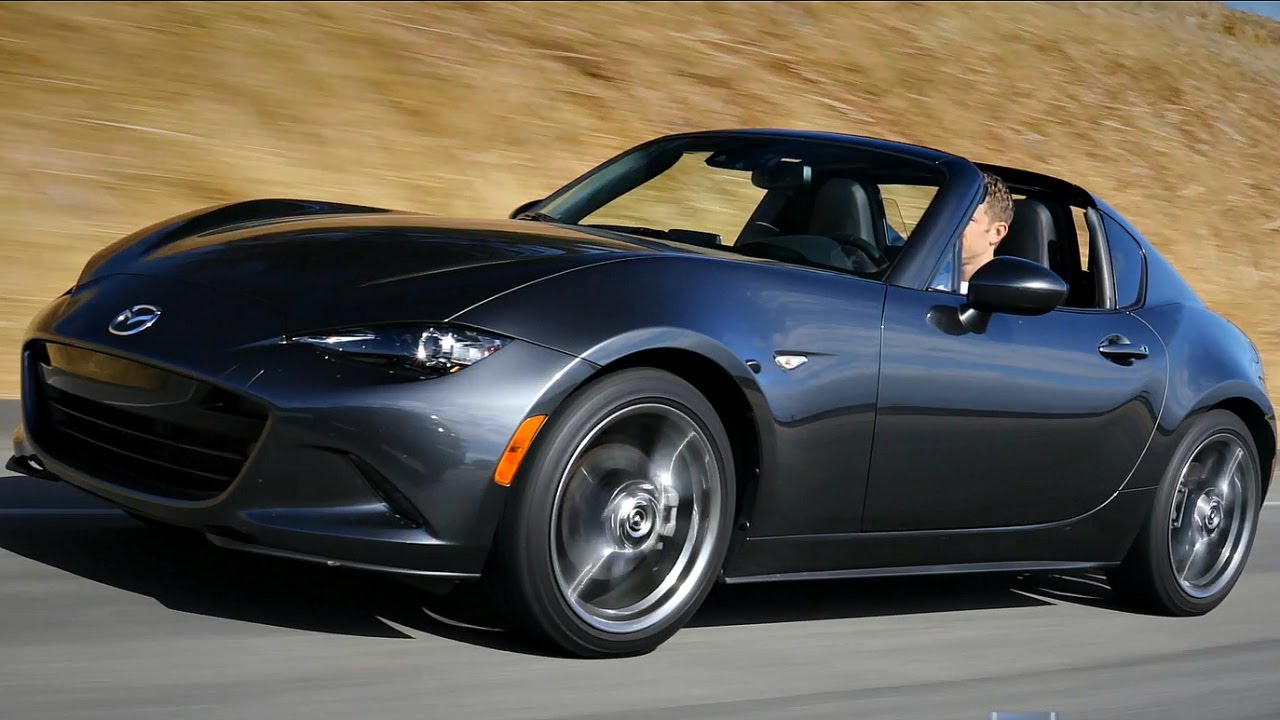
4. 2017 Mazda MX-5
The 2017 Mazda MX-5 ND generation continues the Miata’s legacy of lightweight, agile sports cars that prioritize driver engagement. Its 2.0-liter inline-four engine delivers 155 horsepower and 148 lb-ft of torque, with a curb weight of approximately 2,309 pounds, allowing it to accelerate from 0-60 mph in 5.9 seconds.
The ND generation reversed weight gains seen in previous models, emphasizing nimble handling, responsive steering, and balance. Rear-wheel drive and near-perfect weight distribution create a vehicle that communicates road conditions clearly to the driver, enhancing confidence and enjoyment.
The chassis is tuned for precision, offering minimal body roll and predictable cornering behavior. The MX-5’s compact size, low center of gravity, and short wheelbase contribute to its playful, connected feel, making it ideal for winding roads.
While horsepower is modest compared to larger sports cars, the emphasis on lightweight engineering ensures exhilarating performance relative to its size. Interior ergonomics are straightforward and functional, focusing on supporting the driver during spirited sessions rather than luxury.
The ND generation MX-5 exemplifies Mazda’s philosophy of Jinba Ittai, horse and rider as one delivering an experience where car and driver operate in perfect harmony. Its balance of agility, precision, and simplicity makes it a quintessential lightweight sports car.
5. 2020 Subaru WRX
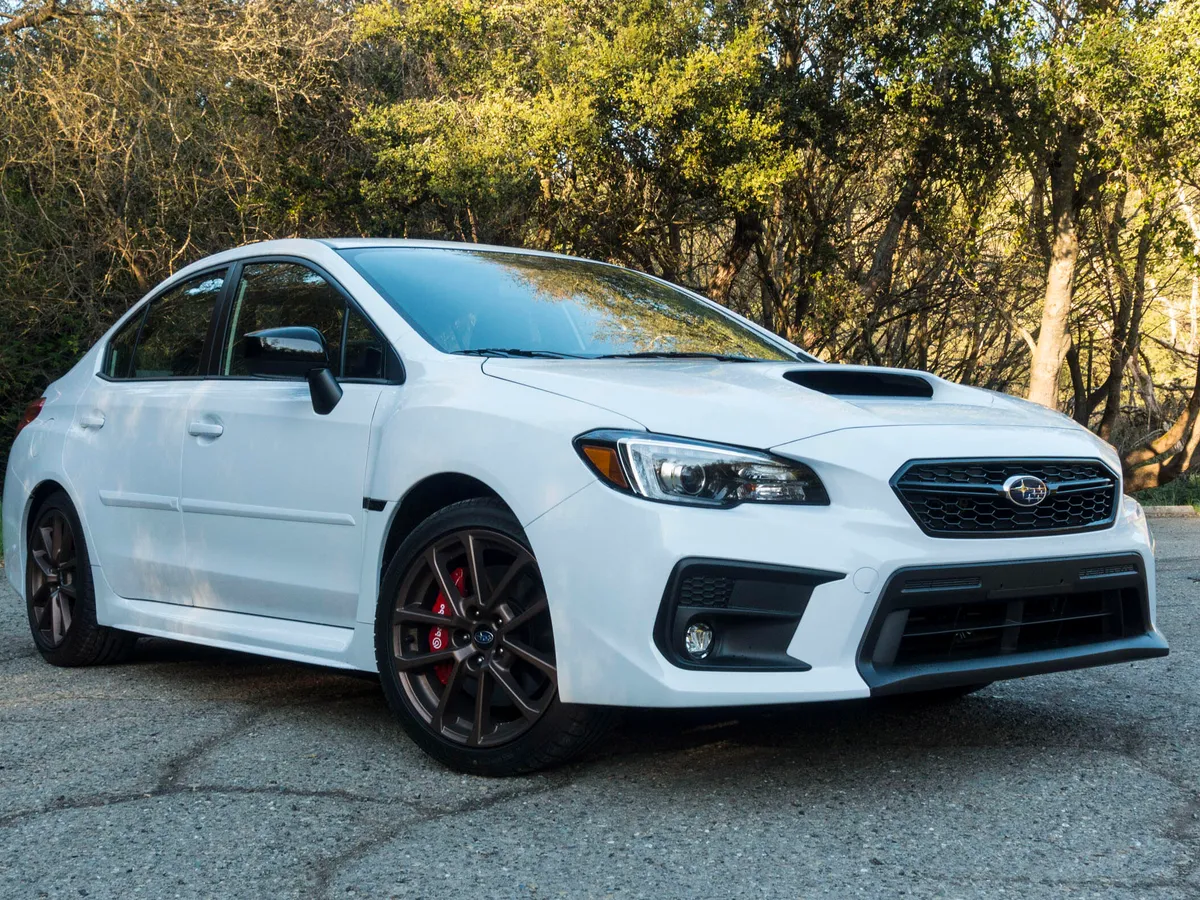
The 2020 Subaru WRX is a rally-inspired sports sedan designed for performance and all-weather capability. Equipped with a turbocharged 2.0-liter flat-four engine, it produces 268 horsepower and 258 lb-ft of torque, achieving 0-60 mph in 5.5 seconds.
Its symmetrical all-wheel-drive system provides exceptional traction, ensuring stability and confidence in diverse driving conditions. The chassis is tuned to balance cornering performance with high-speed stability, while the sports-tuned suspension enhances responsiveness on tight turns.
The engine delivers linear power, allowing smooth throttle modulation during spirited driving. Steering is precise, providing the driver with feedback and confidence when taking corners or handling slippery surfaces.
Although ride comfort is slightly compromised by the performance-oriented suspension, the WRX excels in delivering driver engagement, agility, and traction. Its turbocharged engine and AWD system make it capable of rally-style handling, bridging the gap between sports sedans and lightweight performance cars.
With a low center of gravity and well-balanced chassis, the WRX rewards dynamic driving, particularly when handling technical curves or abrupt changes in elevation. The WRX combines practicality, grip, and spirited performance into a cohesive package.
Also Read: 5 Toyota Highlander Years Worth Owning vs 5 That Aren’t
6. 2008 BMW Z4
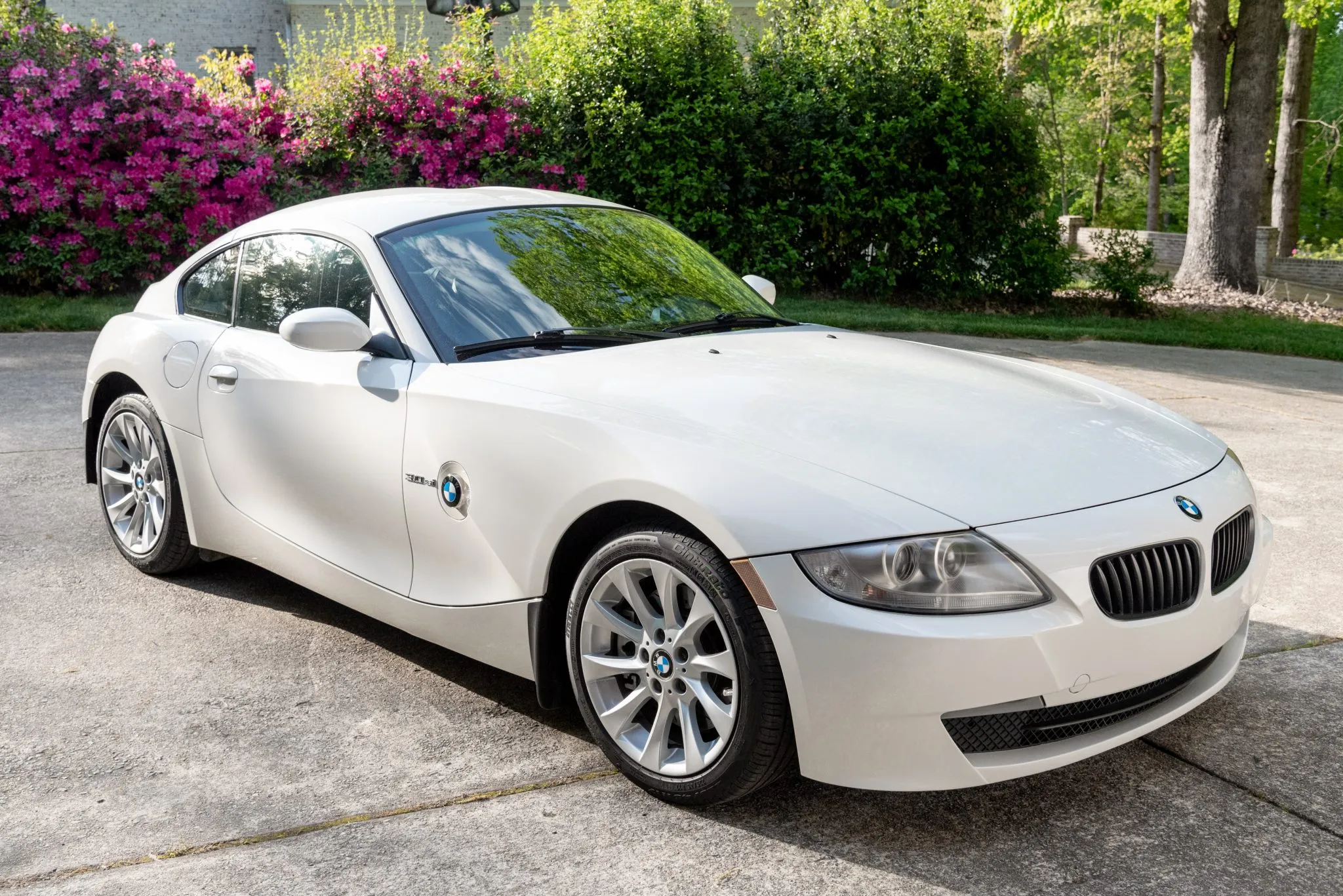
The 2008 BMW Z4 embodies German engineering, blending refined styling with performance and driver engagement. Its 3.0-liter inline-six engine produces 215 horsepower and 185 lb-ft of torque, with a 0-60 mph time of 6.3 seconds and a top speed of 149 mph.
Lightweight construction, precise steering, and balanced weight distribution contribute to nimble handling and confident cornering. The open-top roadster design enhances the driving experience, providing visual and sensory engagement while maintaining chassis rigidity.
BMW’s attention to interior ergonomics ensures driver-focused comfort, with controls logically placed for intuitive use. The suspension is tuned to balance agility with composure, making the Z4 responsive in curves while remaining stable on high-speed straights.
Engine output is delivered smoothly, allowing controlled acceleration in spirited driving scenarios. The Z4 exemplifies a harmonious combination of performance, aesthetics, and driving precision, creating a sports car that is enjoyable, refined, and versatile. Its responsive chassis, open-air experience, and engineering excellence make it a standout among two-seater roadsters.
7. 2003 Chevrolet Corvette
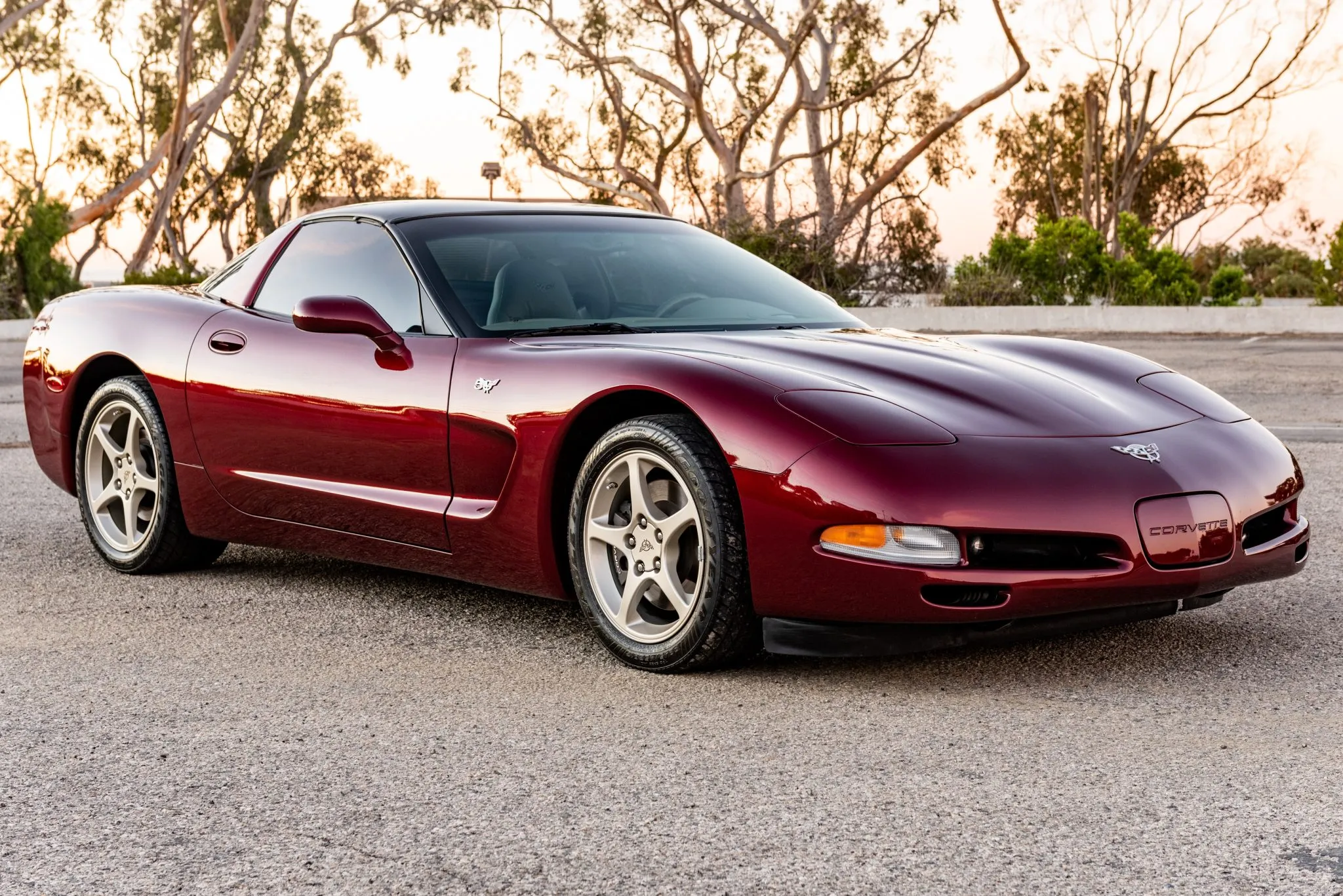
The 2003 Chevrolet Corvette C5 is a high-performance American sports car with a 5.7-liter LS V-8 engine producing 350 horsepower and 360 lb-ft of torque. It accelerates from 0-60 mph in 4.9 seconds, reaching a top speed of 165 mph.
Lightweight chassis engineering, aerodynamic design, and sports-tuned suspension contribute to both stability and agility. The Corvette’s rear-wheel-drive layout emphasizes traction and control, delivering predictable handling under high power.
Steering is communicative, providing direct feedback for confident cornering and maneuvering at speed. Its long, low body enhances aerodynamics, while the engine’s torque-rich character enables strong mid-range performance.
Braking and suspension are tuned to match the V-8’s power, resulting in a car that handles corners with poise despite its high-speed capability.
With a balance of raw power, handling refinement, and iconic design, the Corvette demonstrates how American sports car engineering can deliver thrilling performance across diverse driving scenarios.
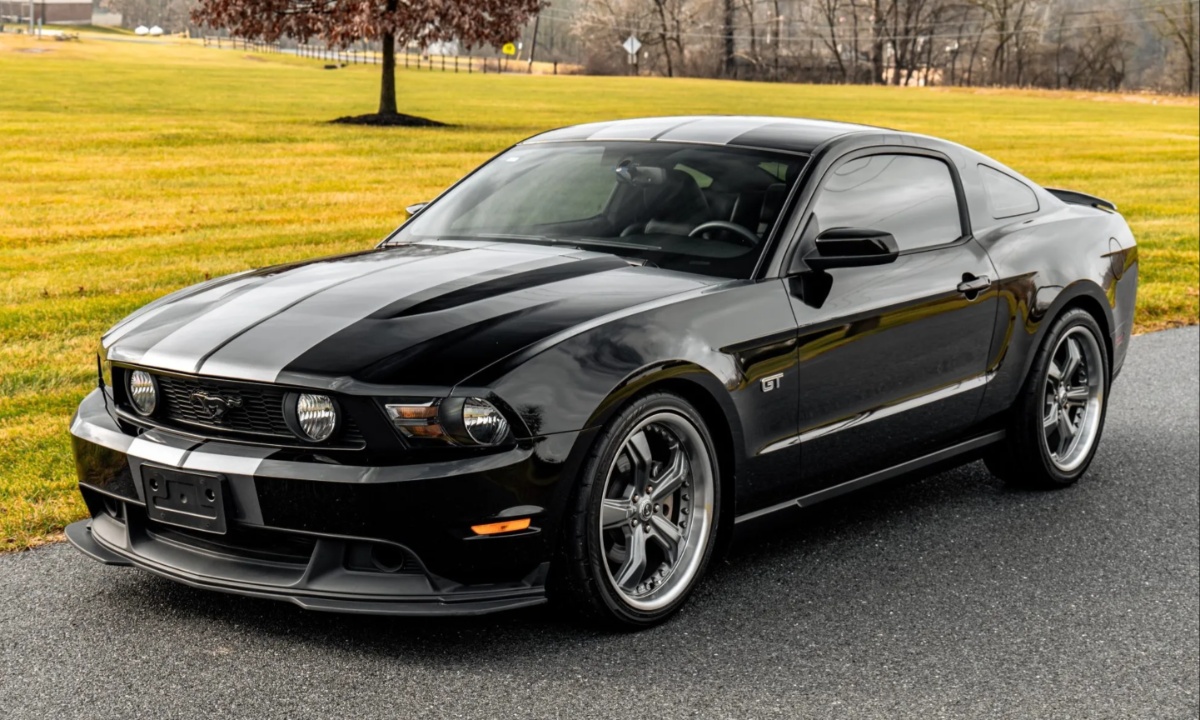
8. 2010 Ford Mustang GT
The 2010 Ford Mustang GT reinvigorated the classic American muscle car with updated engineering and styling. Its 4.6-liter V-8 engine produces 315 horsepower and 325 lb-ft of torque, accelerating from 0-60 mph in 5.5 seconds and achieving a top speed of 151 mph.
The chassis was revised to improve handling and stability, while the suspension provides a balance between comfort and cornering precision. Rear-wheel drive and responsive steering allow drivers to exploit the Mustang’s power in both straight-line and twisty-road scenarios.
Aggressive styling, a commanding presence, and engine character reinforce the car’s iconic identity. The interior layout complements performance with supportive seating and ergonomically placed controls.
The Mustang GT offers a blend of raw power, handling capability, and design flair, providing an engaging experience that honors its heritage while integrating modern engineering improvements.
9. 2003 BMW M3 Convertible
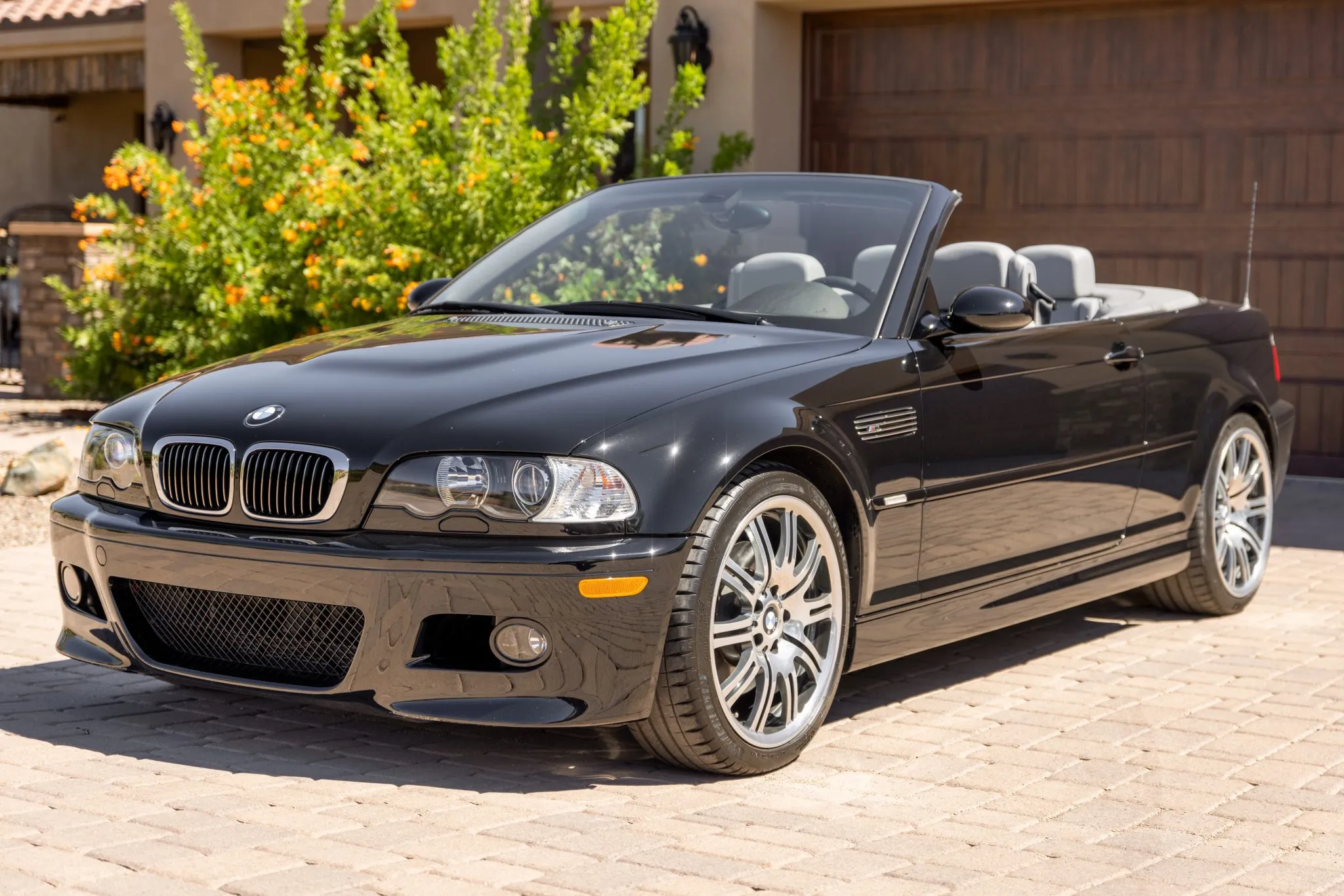
The 2003 BMW M3 Convertible delivers performance and open-top enjoyment in a balanced package. Its 3.2-liter inline-six engine produces 333 horsepower and 262 lb-ft of torque, enabling 0-60 mph in 5.4 seconds and a top speed of 155 mph.
The rear-wheel-drive layout, responsive steering, and finely tuned chassis deliver exceptional handling and cornering precision. The convertible design provides a direct connection with the environment, enhancing driving pleasure while maintaining structural rigidity.
Engine power is smooth and linear, allowing drivers to enjoy both measured and aggressive driving. The M3’s interior is designed for engagement, with driver-focused controls and ergonomics that support spirited sessions. Its balance of performance, handling, and open-air motoring makes the E46 M3 Convertible a celebrated sports car among enthusiasts.
10. 2010 BMW M3
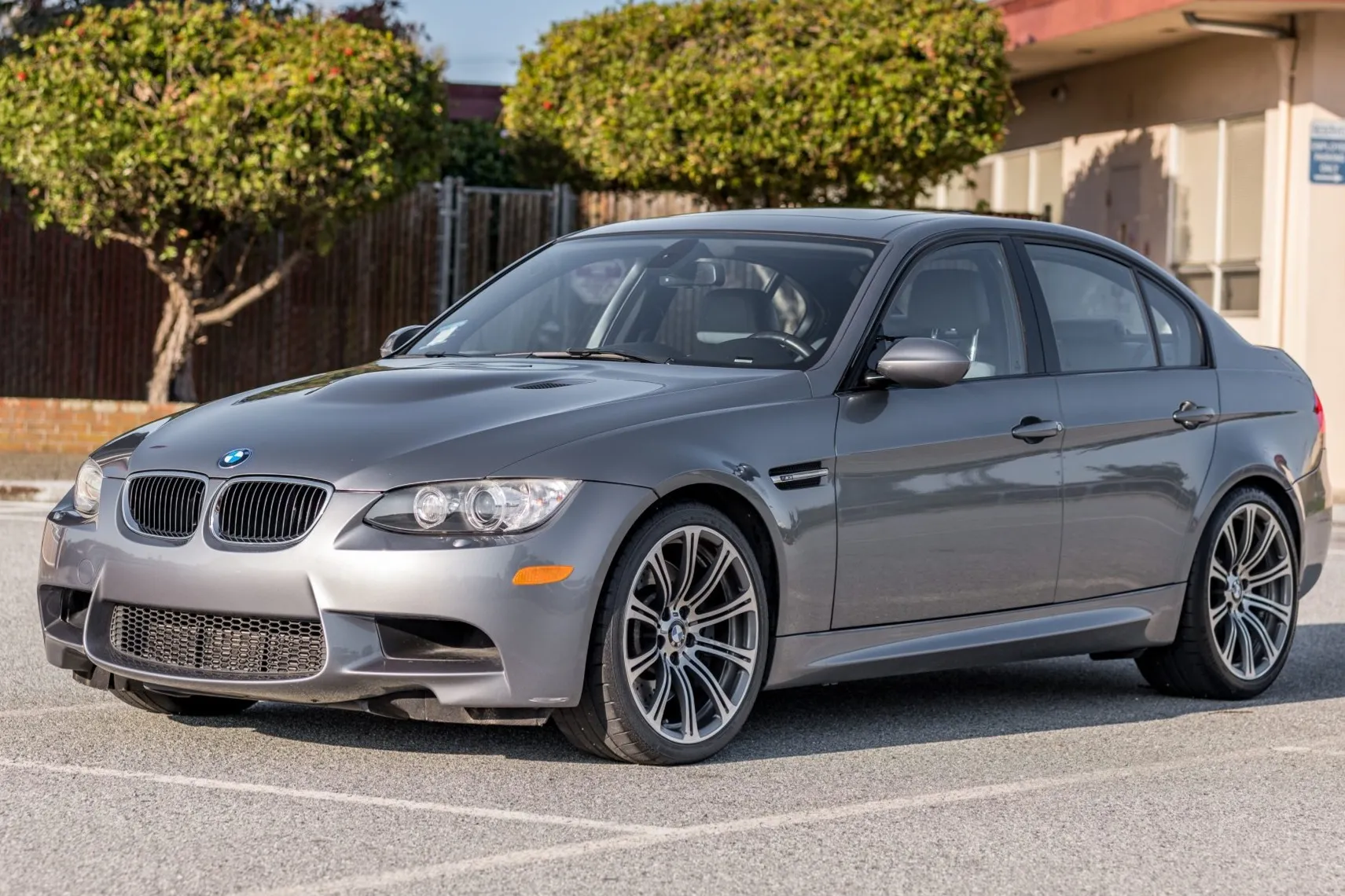
The 2010 BMW M3 represents a high point in performance sedan and coupe engineering. Its 4.0-liter V-8 engine produces 414 horsepower and 295 lb-ft of torque, propelling the 4,145-pound vehicle from 0-60 mph in 4.6 seconds with a top speed of 155 mph.
Rear-wheel drive and available dual-clutch transmission ensure precise, engaging dynamics. The chassis is finely tuned, delivering stability, agility, and predictable handling. Interior features such as bolstered seats, aluminum pedals, and M-specific trim enhance the driving environment, focusing on driver experience.
The M3 balances performance, comfort, and engineering sophistication, embodying BMW’s motorsport heritage. Its dynamic capabilities make it suitable for track use while remaining practical for spirited street driving, demonstrating the versatility of a modern high-performance sports car.
The ten sports cars highlighted demonstrate how engineering, design, and performance converge to create unforgettable driving experiences.
From lightweight Japanese roadsters like the Mazda MX-5 and Nissan 370Z to precision European machines such as the BMW M3, Z4, and Porsche Boxster, each vehicle provides a unique approach to agility, power, and handling.
American muscle icons, including the Corvette and Mustang GT, showcase raw performance and aggressive aesthetics, while the Fiat 124 Spider and Subaru WRX offer character and specialized engineering tailored to cornering precision and rally-inspired dynamics.
Collectively, these cars demonstrate the diversity of sports car engineering, highlighting how weight distribution, engine performance, chassis tuning, and design philosophy influence driving pleasure.
They show that sports cars are not just vehicles, but expressions of technical creativity and driver-focused engineering. Each model represents a distinct driving experience, whether emphasizing cornering finesse, engine roar, or the joy of open-top motoring.
By celebrating their unique attributes, these ten vehicles illustrate why sports cars continue to capture the imagination of enthusiasts worldwide. Whether prioritizing precision, power, or driving engagement, each car proves that careful design and engineering can produce machines that thrill, inspire, and endure as automotive icons.
Also Read: 5 Dodge Challenger Years You Can Trust vs 5 You Can’t