Big engines often steal the spotlight, but some of the most thrilling cars prove that small-displacement powertrains can deliver astonishing performance.
From track-focused sports cars to cutting-edge hypercars, these vehicles combine lightweight construction, turbocharging, supercharging, and hybrid technology to unleash incredible acceleration and handling.
The Lotus Emira, Audi RS3, and Mitsubishi Evo X FQ-440 MR show how compact engines can outperform larger rivals, while the Mercedes-AMG ONE and Koenigsegg Gemera push hybrid innovation to new extremes.
These nine cars highlight the ingenuity behind extracting maximum power from surprisingly small engines, demonstrating that performance isn’t measured by size alone.
Whether it’s raw speed, precision handling, or futuristic engineering, each car on this list proves that small engines can make a huge impact and deliver an unforgettable driving experience.
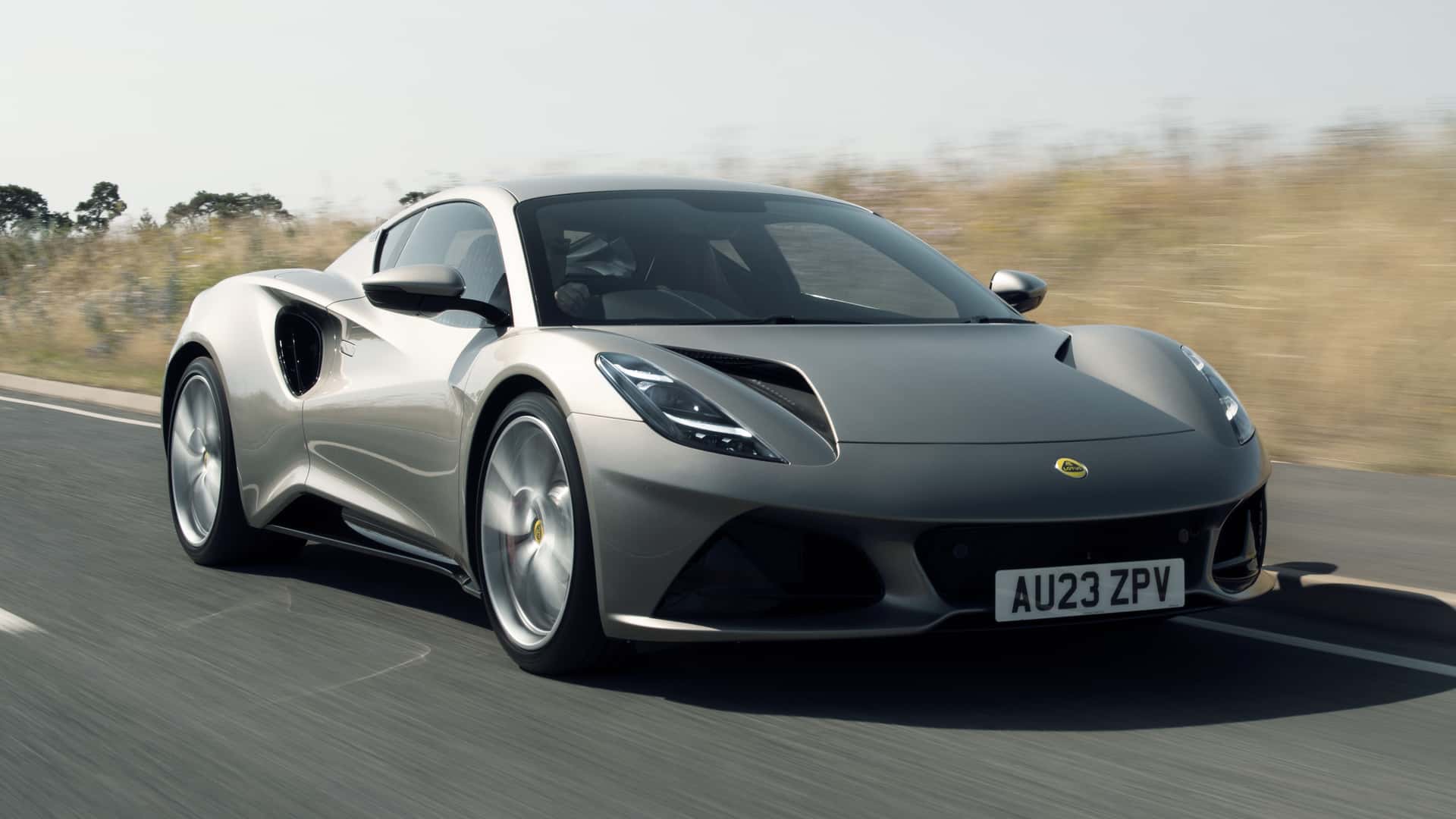
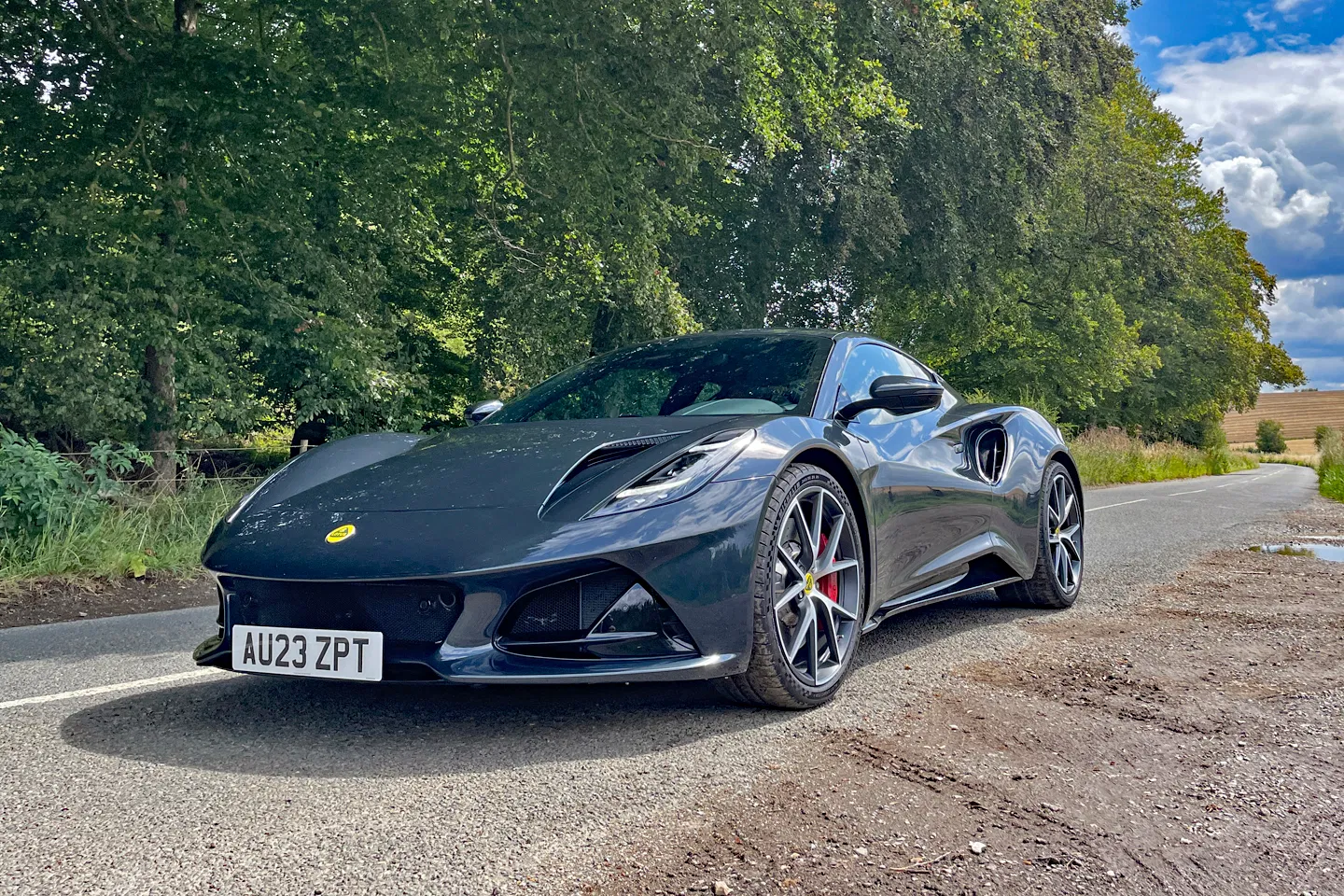
1. Lotus Emira 2.0L Four-Cylinder
The Lotus Emira is a modern sports car offered in two powertrain options: a turbocharged 2.0-liter four-cylinder and a supercharged V6. The 2.0L four-cylinder produces 400 hp at 6,600 rpm and 354 lb-ft of torque between 3,000 and 5,500 rpm, enabling a 0-62 mph time of just 4 seconds and a top speed of 180 mph.
Initially, the four-cylinder variant was less powerful than the V6, but updates in the First Edition model increased its output, making it the most powerful four-cylinder Lotus ever, surpassing 360 hp in earlier iterations.
The Emira delivers a refined, engaging driving experience characteristic of Lotus, with precise handling and responsive acceleration.
Despite minor compromises, such as being less suitable as a primary daily driver, enthusiasts praise its pure sports car feel. Early reports suggest that driving enjoyment remains high even when quality issues arise.
Reliability of the Emira is mixed, particularly in early models. Owners have reported problems including interior wear, paint blistering, electrical and software faults, and occasional clutch or gearbox issues.
While the Toyota-sourced V6 engine is well-regarded for reliability, the Emira does not match the same “drive and forget” dependability found in some previous Lotus models, such as later Evora variants.
Potential buyers should anticipate teething issues, possible delays in repairs due to part availability, and the need for patience with specialized Lotus service centers. Some quality concerns, including interior leather wear and electronic glitches, are more common in early production models.
However, Lotus has made efforts to improve factory quality, meaning later-built Emiras may present fewer issues and offer a more reliable ownership experience.
While the Emira’s early models may have reliability challenges, its performance, driving dynamics, and incremental build improvements make it a compelling choice for enthusiasts seeking an engaging, high-powered sports car.
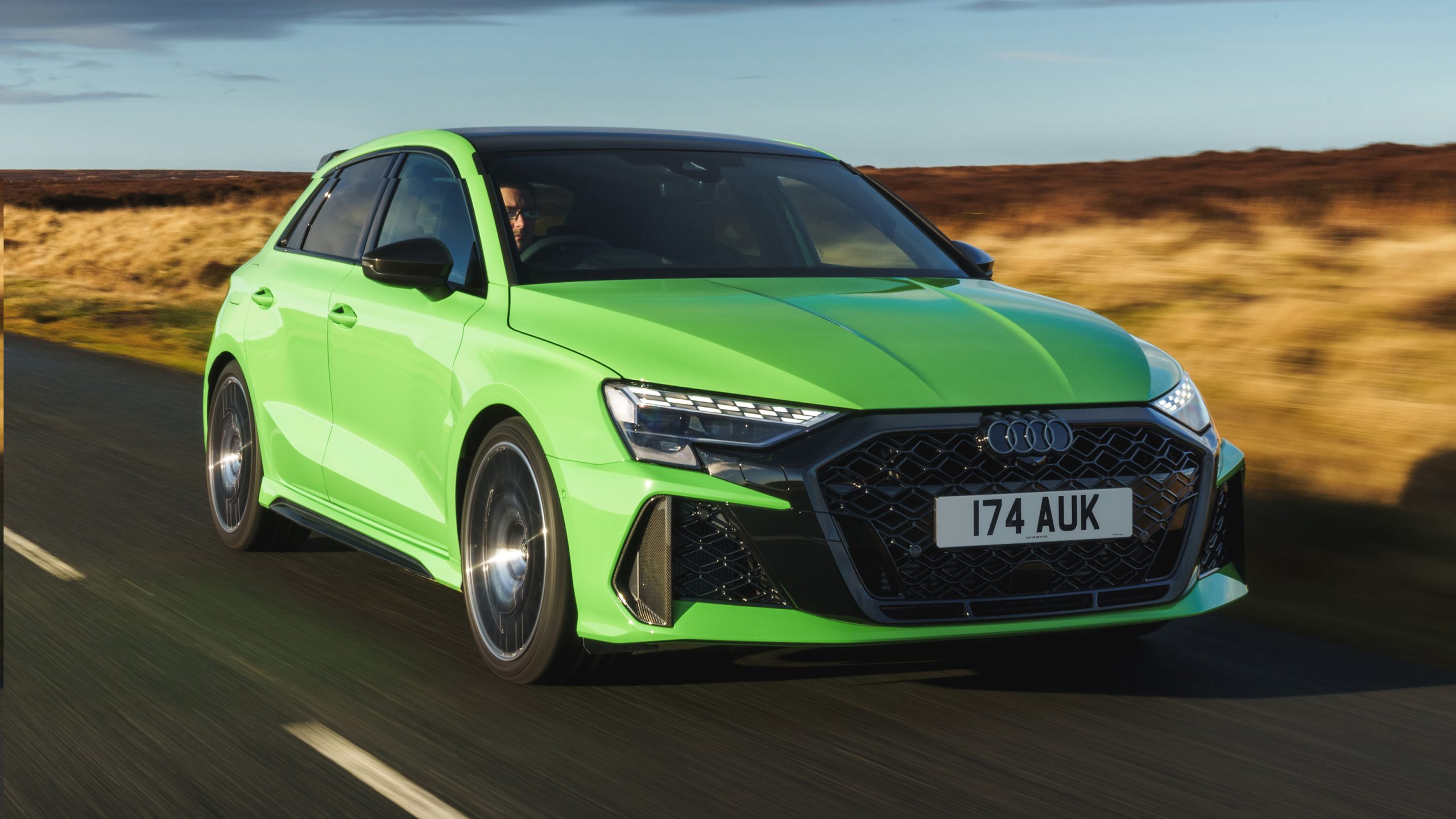
2. Audi RS3 2.5 TFSI
The Audi RS3 is a high-performance compact sports car offered in both Sportback and Sedan configurations. At its heart is the 2.5-liter turbocharged inline five-cylinder TFSI engine, producing 401 hp at 6,500 rpm and 369 lb-ft of torque at 3,500 rpm.
This setup allows the RS3 to accelerate from 0-60 mph in just 3.3 seconds, with a top speed of 159 mph, while delivering a distinctive exhaust note thanks to its unique five-cylinder firing order.
The all-wheel-drive Quattro system ensures confident traction and handling, making the RS3 a serious contender against rivals such as the Mercedes-AMG A45 S and Volkswagen Golf R.
The RS3 combines explosive straight-line performance with agile handling, making it both a thrill on the road and surprisingly manageable in everyday driving. Its compact size and turbocharged engine provide a responsive, engaging driving experience, while the characteristic five-cylinder engine adds a unique aural appeal not found in many competitors.
The RS3 is considered reliable when properly maintained. However, high-performance use and modifications can stress the engine and associated components.
Potential issues include oil consumption, fuel pump and water pump failures, and occasional electrical problems. Cars that have been heavily modified or poorly maintained are more prone to costly repairs, so a thorough inspection is essential when buying pre-owned.
Prospective owners should prioritize vehicles with a comprehensive service history, ideally a single-owner car, and verify that any modifications were performed correctly with supporting upgrades. Regular servicing with Audi-approved components is critical to ensure longevity.
The Audi RS3 excels as a compact performance car, blending raw power, engaging handling, and a unique five-cylinder soundtrack. With careful maintenance, it offers reliability alongside the excitement of one of the most dynamic engines in its class.
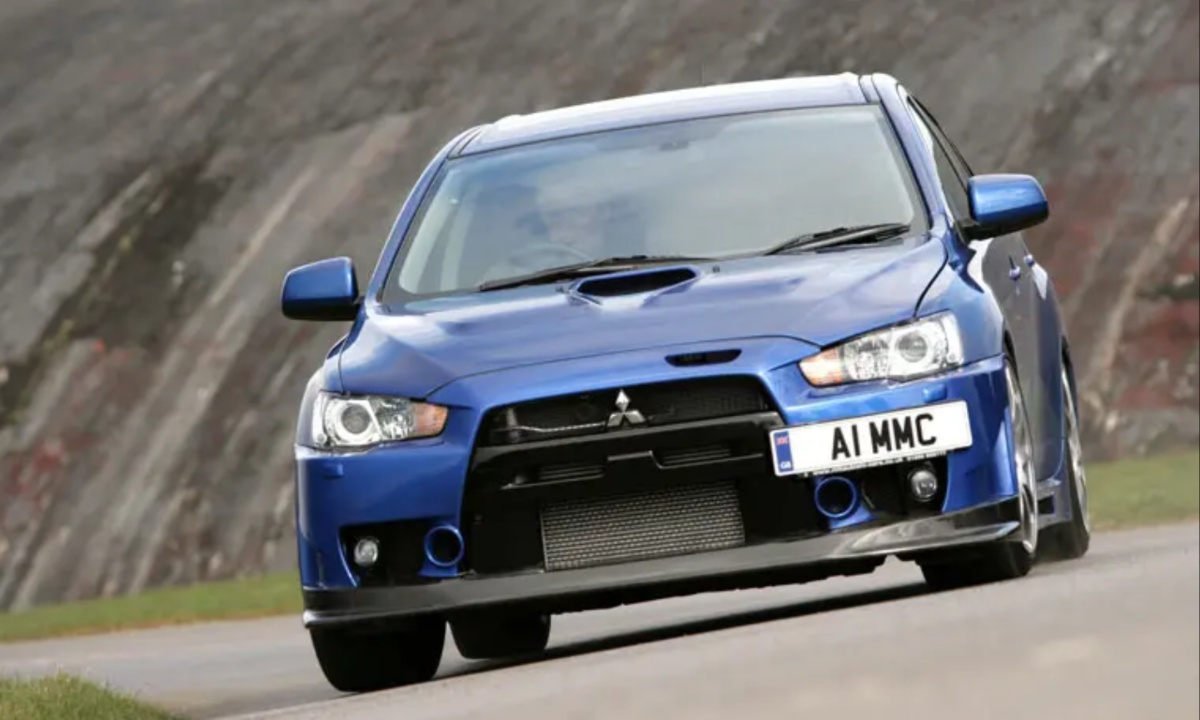
3. Mitsubishi Evo X FQ-440 MR
The Mitsubishi Lancer Evolution X FQ-440 MR is the most powerful Evo ever produced, celebrating Mitsubishi’s 40th anniversary in the UK. Powered by a heavily modified 2.0-liter turbocharged four-cylinder engine, it delivers 440 hp at 6,800 rpm and 412 lb-ft of torque at 3,100 rpm.
This enables a 0-62 mph sprint in just 3.8 seconds and a top speed of 157 mph. With modifications including high-flow fuel injectors, an HKS turbocharger, an upgraded intercooler, and revised intake and exhaust systems, the FQ-440 MR produces 220 hp per liter and introduces power early in the rev range. Only 40 examples were ever made, making it extremely rare.
The FQ-440 MR offers exhilarating acceleration, sharp handling, and a high-revving character that defines the Evo lineage. It surpasses the standard and Final Edition Evo X in both power and responsiveness, providing a thrilling driving experience.
The twin-clutch SST transmission, reinforced with upgraded synchros and bearings, enhances performance and smoothness under demanding conditions.
While the Evo X platform is known for its reliability, the FQ-440 MR’s extreme power requires rigorous and specialized maintenance. High-stress components such as the engine, clutch, and tires experience accelerated wear, making meticulous upkeep essential.
The car’s performance pedigree means ownership involves higher running costs and frequent servicing by knowledgeable technicians. A well-documented service history is critical for long-term reliability.
Owners should anticipate elevated maintenance demands, a need for specialized mechanical knowledge, and significant running costs. Enthusiasts who prioritize meticulous care and proper servicing will enjoy the car’s extraordinary performance without compromising reliability.
The Evo X FQ-440 MR combines rarity, extreme performance, and the classic Evo driving experience. It rewards owners who commit to diligent maintenance and offers one of the most exhilarating Japanese performance car experiences ever built.
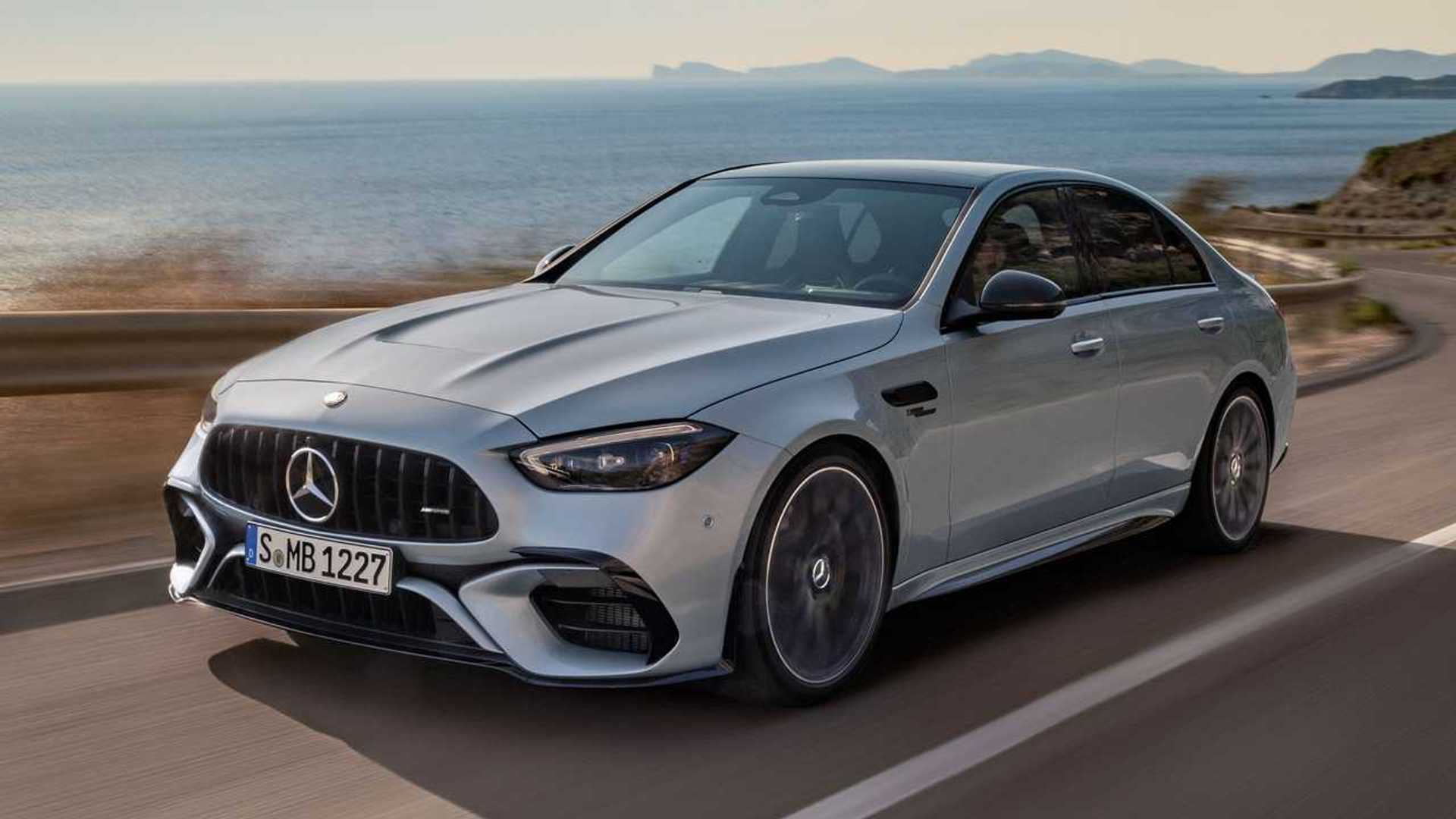
4. Mercedes-AMG C63 S E Performance
The Mercedes-AMG C63 S E Performance is powered by the groundbreaking M139 2.0-liter turbocharged hybrid four-cylinder, the most powerful four-cylinder engine Mercedes has ever produced.
In its standard configuration, the engine delivers 469 hp and 402 lb-ft of torque, but when combined with its electric hybrid system, output skyrockets to 671 hp and 752 lb-ft. This immense power allows the C63 S E Performance to accelerate from 0-60 mph in just 2.9 seconds and reach a top speed of 174 mph.
Replacing the iconic BiTurbo V8 from previous C63 models, the M139 engine offers a lighter, more efficient powertrain without compromising performance. The hybrid assistance provides instant torque, enhancing throttle response and boosting acceleration.
Despite some traditionalists favoring the V8’s exhaust note, the M139 delivers unmatched performance, precision, and technological sophistication, elevating the AMG C63 badge to new heights.
The M139 hybrid system, being a modern engineering marvel, combines reliability with high performance, though it requires standard AMG maintenance to ensure long-term durability. Advanced cooling and hybrid management systems maintain performance under aggressive driving conditions.
The Mercedes-AMG C63 S E Performance sets a new benchmark for high-performance sedans. It proves that a four-cylinder hybrid engine can surpass the power and capability of traditional V8s while delivering thrilling acceleration, cutting-edge technology, and a transformative driving experience.
5. Ferrari F40
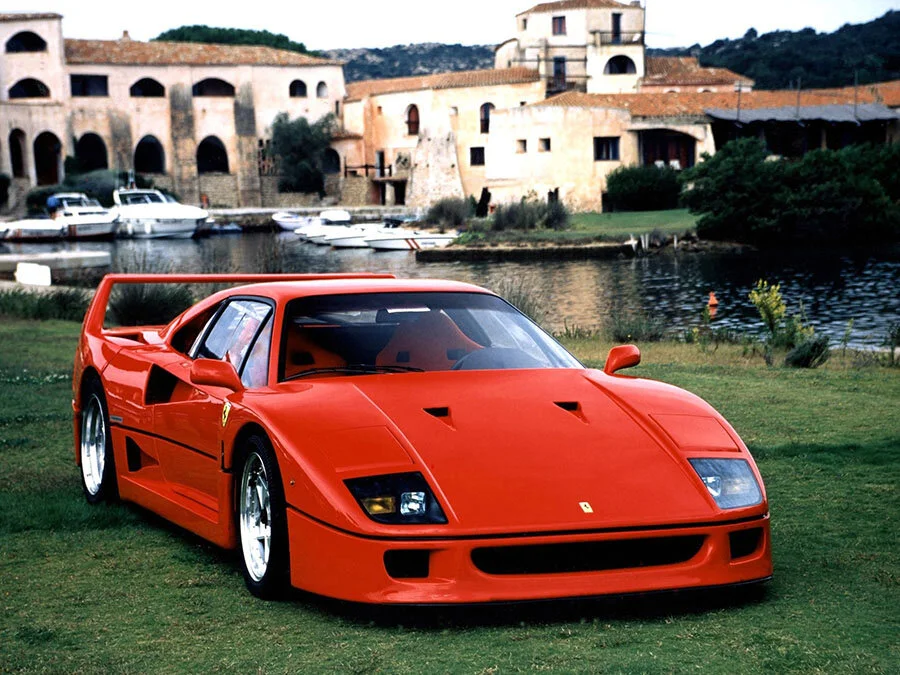
The Ferrari F40 is widely regarded as one of the most iconic supercars ever built, celebrated for its raw performance, minimalist design, and legendary engineering. At its core is a 2.9-liter twin-turbocharged V8 engine producing 471 hp at 7,000 rpm and 426 lb-ft of torque at 4,000 rpm.
This allowed the lightweight 3,000 lb F40 to sprint from 0-60 mph in just 3.9 seconds, reach a top speed of 201 mph, complete a quarter-mile in 12 seconds, and a half-mile in under 20 seconds.
Its engine features a 32-valve layout, aluminum block and heads, port fuel injection, twin overhead camshafts per bank, a dry-sump oil system, and a 7.7:1 compression ratio, delivering 163 hp per liter.
The F40 is a pure driving machine, stripped of modern luxury and electronic aids. It has no power steering, anti-lock brakes, or traction control, emphasizing driver skill and engagement. Its lightweight design, coupled with a robust V8 and five-speed manual transmission, delivers an exhilarating and unfiltered driving experience.
Surprisingly, the F40 is mechanically robust. The engine and transmission are extremely reliable, though regular maintenance is critical. Cambelts must be replaced every two years, and turbos require proper warm-up and cooldown routines.
Weak points include the brake system, rubber fuel cells (requiring replacement roughly every ten years), and high-wear consumables such as clutches and pads.
The Ferrari F40 exemplifies simplicity, performance, and mechanical strength. Its lack of electronics reduces failure points, making it durable for its era.
Owners who adhere to strict maintenance schedules can enjoy its legendary performance while preserving its reliability, though some components carry high replacement costs. The F40 remains a benchmark for raw, driver-focused supercars.
Also Read: 5 Lexus Models With Bulletproof Reliability vs 5 With Unexpected Issues
6. Alfa Romeo Giulia GTAm
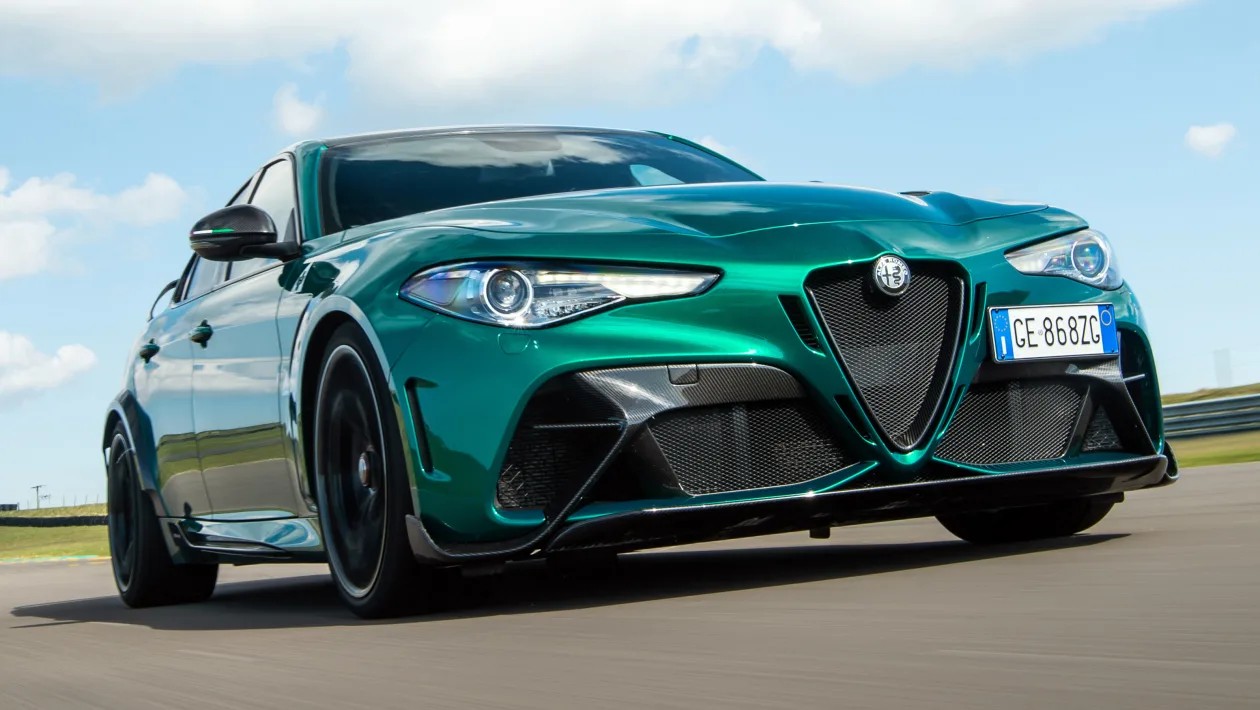
The Alfa Romeo Giulia GTAm is a limited-production, high-performance variant of the Giulia, with only 500 units produced. Powered by a 2.9-liter twin-turbocharged V6 engine, it delivers 540 hp at 6,500 rpm and 443 lb-ft of torque at 2,500 rpm, enabling a 0-60 mph sprint in just 3.3 seconds and a top speed of 186 mph.
Compared to the standard Giulia Quadrifoglio, the GTAm nearly doubles the horsepower, achieved through higher boost pressures, refined engine tuning, and a lightweight titanium Akrapovic exhaust.
The GTAm emphasizes track-focused performance, combining Ferrari-sourced V6 power with advanced aerodynamics, carbon fiber components, and aggressive handling. It offers a visceral, engaging driving experience tailored for enthusiasts who prioritize driving dynamics over daily practicality.
While mechanically robust, the Giulia GTAm demands careful, specialized maintenance. High-performance components such as carbon ceramic brakes, advanced aerodynamics, and precision-adjustable systems increase service complexity and costs.
Alfa Romeo’s historical reputation for electrical and reliability issues is largely mitigated in modern models, but owners should anticipate higher running expenses compared to conventional vehicles.
The Alfa Romeo Giulia GTAm rewards committed drivers with exceptional performance and track-capable handling. Its rarity and extreme engineering make it a collector-worthy super-sedan, but ownership requires diligence, specialized maintenance, and a focus on driving enjoyment over everyday practicality.
7. Mercedes-AMG ONE
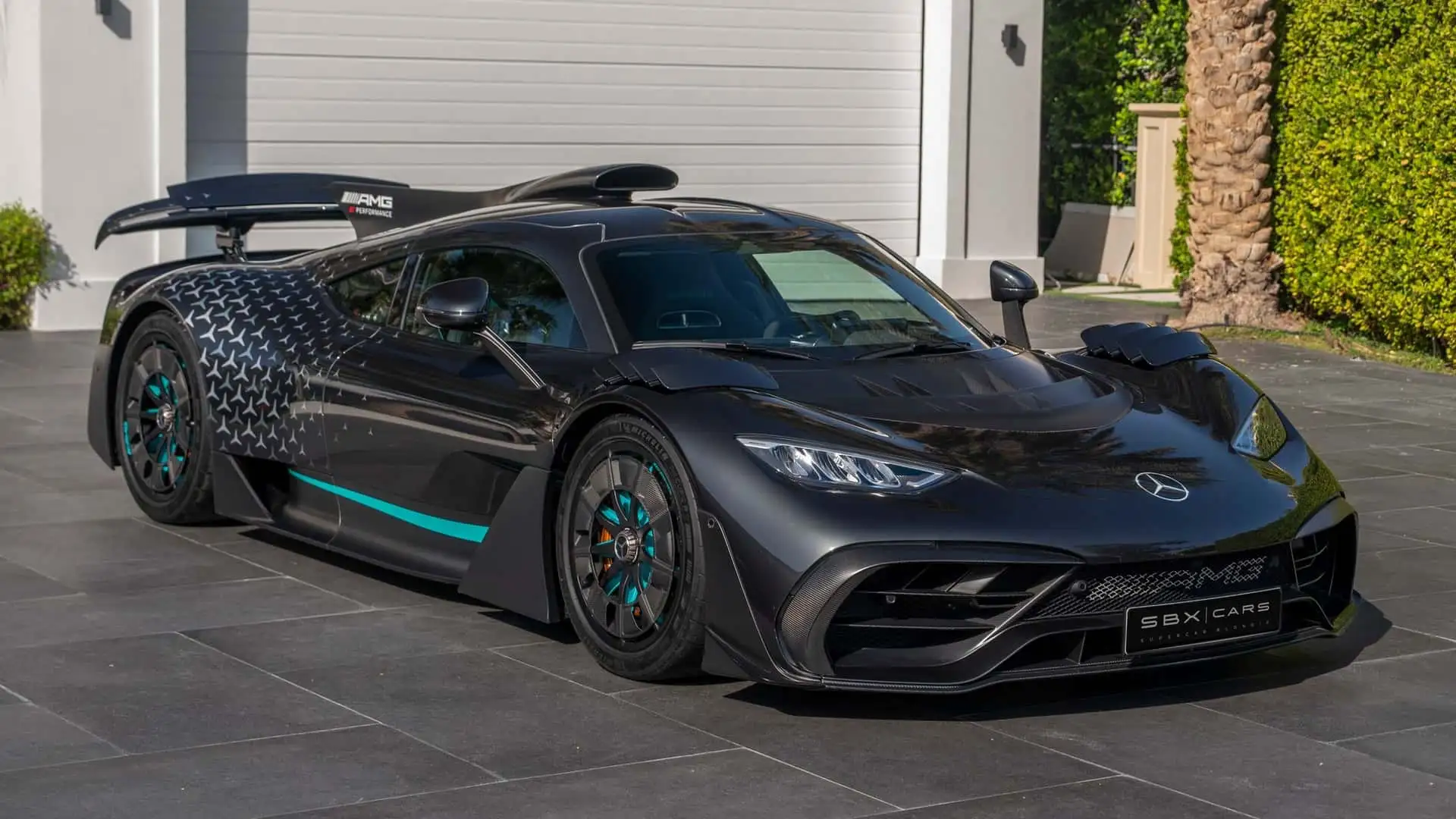
The Mercedes-AMG ONE is a revolutionary road-legal hypercar powered by the PU106B 1.6-liter turbocharged plug-in hybrid V6, derived directly from Mercedes’ Formula One W06 race engine.
In its standard form, the V6 produces 574 hp at 9,000 rpm, but when combined with four electric motors, one at each wheel, the total system output reaches an astonishing 1,063 hp.
This allows the hypercar to accelerate from 0-62 mph in just 2.9 seconds and achieve a top speed of 219 mph. The engine, modified for road use, still operates at extremely high revs, with a redline reaching 11,000 rpm, making it one of the most power-dense V6 engines ever fitted to a production vehicle.
The AMG ONE delivers Formula 1-level performance to the road, with lightning-fast acceleration, precise handling, and an unprecedented hybrid powertrain setup. Its advanced aerodynamics, active suspension, and electric torque vectoring make it a track-capable hypercar in every sense, translating F1 technology into a road-driving environment.
Despite its engineering marvel, the AMG ONE is not suited as a daily driver. Its F1-derived hybrid V6 is highly complex and requires meticulous, specialized maintenance.
Owners must plan for mandatory engine replacement after 50,000 kilometers (approximately 31,000 miles), an extremely costly procedure. Neglect or improper service can severely damage the powertrain, highlighting that the car is built for performance over longevity.
The Mercedes-AMG ONE is an extraordinary feat of automotive engineering, offering unmatched speed and technology. However, its reliability is limited by its F1-derived complexity and mandatory high-cost maintenance, positioning it as a collector-focused hypercar rather than a conventional road car.
8. Koenigsegg Gemera TFG – Tiny Friendly Giant
The Koenigsegg Gemera TFG (Tiny Friendly Giant) features a 2.0-liter, twin-turbocharged three-cylinder engine producing 600 hp at 7,500 rpm and 442 lb-ft of torque from 2,000 to 7,000 rpm.
Combined with electric motors, the hybrid system could deliver a total of 1,700 hp, an estimated 0-60 mph in 1.9 seconds, and a projected top speed of 250 mph.
The TFG is a lightweight 154 lb camless engine, utilizing Koenigsegg’s Freevalve technology for precise valve timing and combustion control, achieving power and efficiency levels rivaling much larger engines.
The Freevalve system replaces conventional camshafts with electro-pneumatic actuators, allowing optimization for different fuels and driving conditions. Despite being a three-cylinder engine, the TFG demonstrates impressive power density, and its integration with hybrid electric motors underscores Koenigsegg’s forward-thinking approach to high-performance propulsion.
The TFG engine was never fully tested in production. Market demand led most Gemera buyers to choose the V8 alternative, leaving the three-cylinder unproven in real-world conditions.
The system’s complexity introduces potential failure points, and its long-term reliability remains unknown. Koenigsegg has stated the engine is “on ice,” indicating continued development but no immediate availability.
As a highly experimental powertrain, the TFG is not intended for mass production or daily use in its current form. Future refinements may improve reliability and broaden its application, but for now, it remains a cutting-edge demonstration of what camless hybrid technology can achieve.
The Gemera TFG combines innovation, extreme performance, and hybrid integration in a compact, three-cylinder package. Its full potential and reliability are yet to be proven, but it represents a bold vision for the future of high-performance engines.

9. Czinger 21C
The Czinger 21C is an extreme hypercar featuring a 2.88-liter twin-turbocharged plug-in hybrid V8 engine producing 950 hp and 530 lb-ft of torque. Coupled with an 800-volt electric drive system comprising three motors, the total output reaches 1,350 hp in its most potent configuration.
This allows an estimated 0-60 mph time of 1.9 seconds and a top speed of 253 mph. The engine, a flat-plane V8, is highly rev-happy, reaching 11,000 rpm, making it one of the most power-dense engines in a production car today.
The 21C utilizes cutting-edge manufacturing techniques, including AI-driven component design and 3D printing with proprietary alloys for lightweight, high-strength structures. The Divergent Adaptive Production System (DAPS) automates digital manufacturing, enabling agile production of complex vehicle components.
The car has undergone extensive safety and performance testing, including crash, emissions, and endurance challenges, such as a 1,000-mile, 5-track record attempt, highlighting its durability under extreme conditions.
The Czinger 21C delivers an intense, driver-focused experience with extraordinary acceleration and handling. Its gearbox can be temperamental at startup, but it performs well during high-speed driving, and the hybrid system enhances both responsiveness and total power delivery.
As a new and highly exclusive hypercar, the long-term, real-world reliability of the Czinger 21C is largely unproven. Its focus has been on performance and durability under track conditions rather than everyday driving. Being from a relatively new manufacturer, Czinger has yet to establish a long-term track record for reliability.
The Czinger 21C represents a blend of hyper-performance, advanced hybrid technology, and innovative manufacturing. While it excels in speed, engineering, and track durability, potential owners should note that its long-term reliability in daily use remains uncertain due to its exclusivity and experimental design.
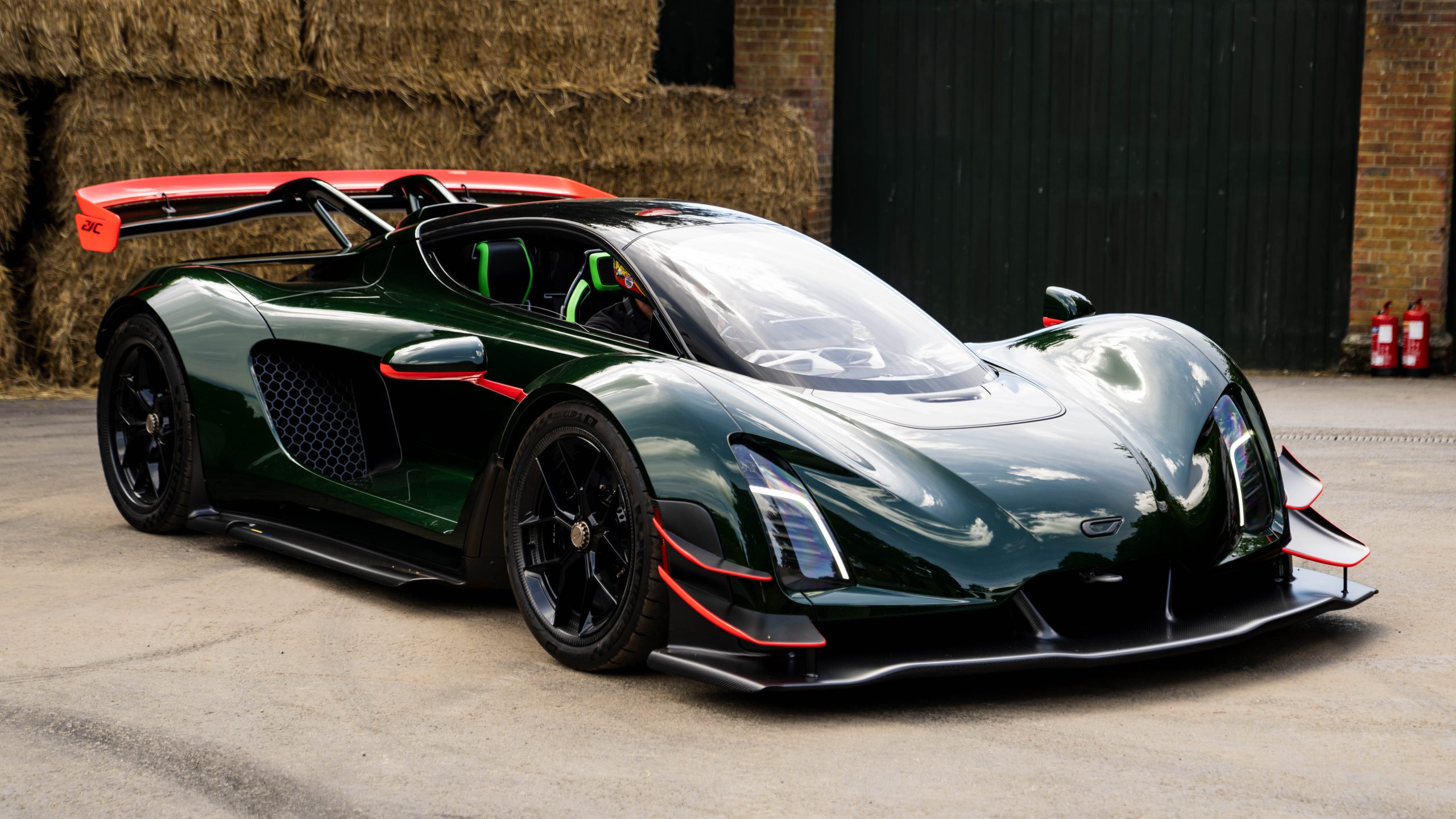
From the legendary Ferrari F40 to the futuristic Czinger 21C, these nine cars prove that small engines can deliver massive thrills. Combining advanced engineering, lightweight design, and innovative power delivery, they outperform expectations and challenge assumptions about engine size.
Some are practical enough for spirited daily drives, while others are extreme, collector-focused machines demanding careful maintenance. Together, they show that exhilaration comes from more than raw horsepower.
Ingenious design, turbocharging, and hybrid systems can transform even compact engines into adrenaline-inducing performers.
For enthusiasts, these cars offer speed, precision, and a visceral connection between driver and machine, confirming that sometimes the most unforgettable performance comes from engines smaller than expected, yet packing an undeniable punch.
Also Read: 5 Engines That Rarely Need Valve Jobs vs 5 That Constantly Do