Some cars have a rare quality they feel brand new long after leaving the showroom. From rugged luxury SUVs to nimble sports cars, the vehicles on this list combine durability, design, and driving enjoyment in a way that transcends time.
The 2022 Lexus GX impresses with old-school luxury and dependable off-road capability, while the 2020 Toyota Supra blends iconic heritage with modern performance. Everyday champions like the Honda Fit and Toyota Highlander continue to deliver practicality and comfort decades after their release.
Each car proves that thoughtful engineering, timeless styling, and attention to detail can keep a vehicle feeling fresh, reliable, and exciting, even 20 years later. Whether you value performance, versatility, or simply the joy of driving, these 10 cars remind us that true automotive quality never goes out of style.
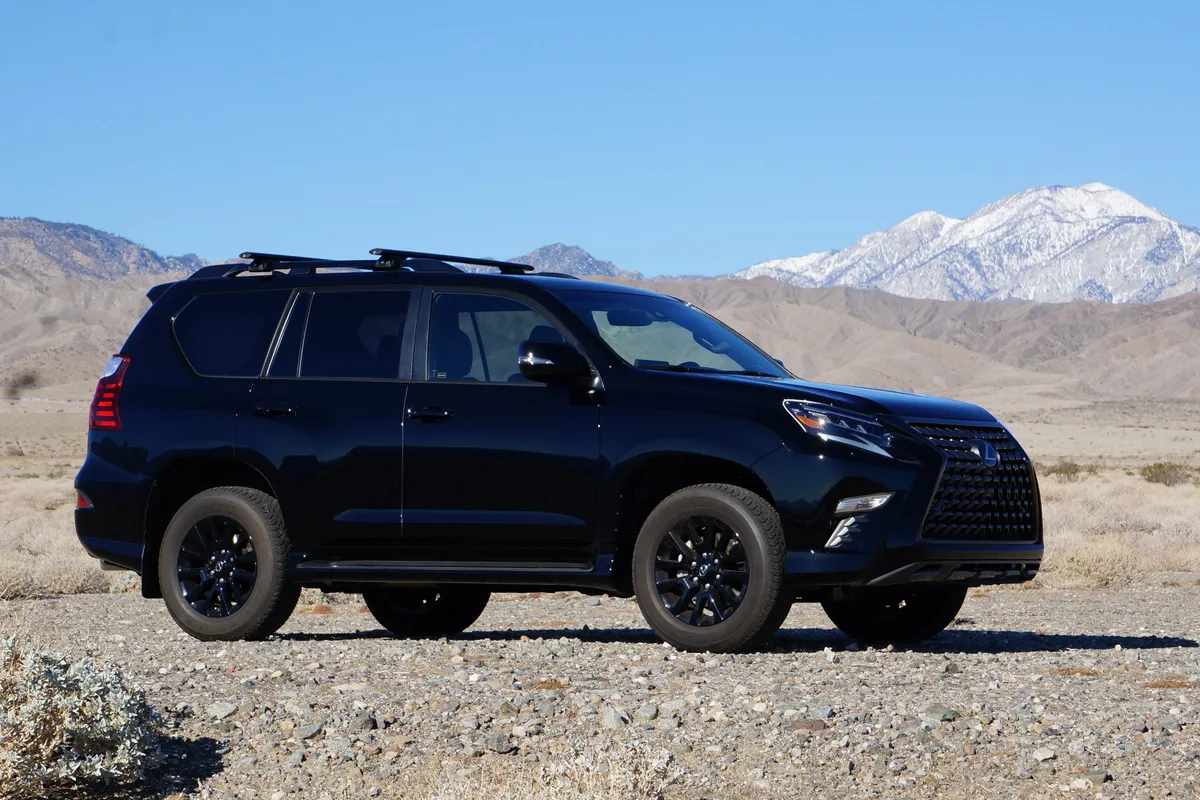
1. 2022 Lexus GX: Reliability Meets Old-School Luxury
The 2022 Lexus GX 460 continues to uphold Lexus’ reputation for reliability, topping Consumer Reports’ list as the most dependable vehicle of the year. While it lags behind rivals in terms of engine refinement, fuel economy, and technology, the GX remains a standout choice for buyers seeking durability, off-road capability, and quiet comfort.
The GX 460 is built on a traditional body-on-frame platform and offers full-time four-wheel drive with low-range gearing, making it one of the few luxury SUVs capable of true off-road adventures. Its suspension system (KDSS) provides solid wheel articulation, but ground clearance and overhangs limit its ruggedness.
On-road, however, the GX feels lethargic due to its weight and outdated V8 engine. Emergency braking remains the weakest in its class, though maneuverability in tight spaces is surprisingly good thanks to light steering and a tight turning radius.
The GX scores well for ride comfort and cabin quietness, though seat support leaves much to be desired. The climate control system, while dated in appearance, works exceptionally well and provides vents for all three rows.
Heated and ventilated seating in the first two rows adds convenience. The interior design looks old compared to modern competitors, yet it delivers practicality with abundant space, excellent sight lines, and useful parking assist features.
Despite the addition of Apple CarPlay and Android Auto for 2022, the infotainment system feels outdated. The trackpad controller is awkward, graphics are old, and advanced driver-assist systems trail behind competitors like the Mercedes-Benz GLE or Land Rover Discovery. Off-road-focused technology is limited to higher trims.
Cargo space is underwhelming, especially with the third row in use, and the swing-out rear door hampers curbside access. Towing capacity is 6,500 pounds but requires dealer-installed equipment. Fuel efficiency is one of the GX’s weakest points at just 16 mpg combined, far behind modern luxury SUVs.
Still, the GX holds strong appeal for buyers prioritizing longevity, craftsmanship, and off-road ability. While it lacks the refinement, fuel economy, and tech sophistication of its rivals, its proven reliability and rugged charm make it a unique offering in today’s luxury SUV market.
2. 2020 Toyota Supra: Heritage Meets Modern Performance
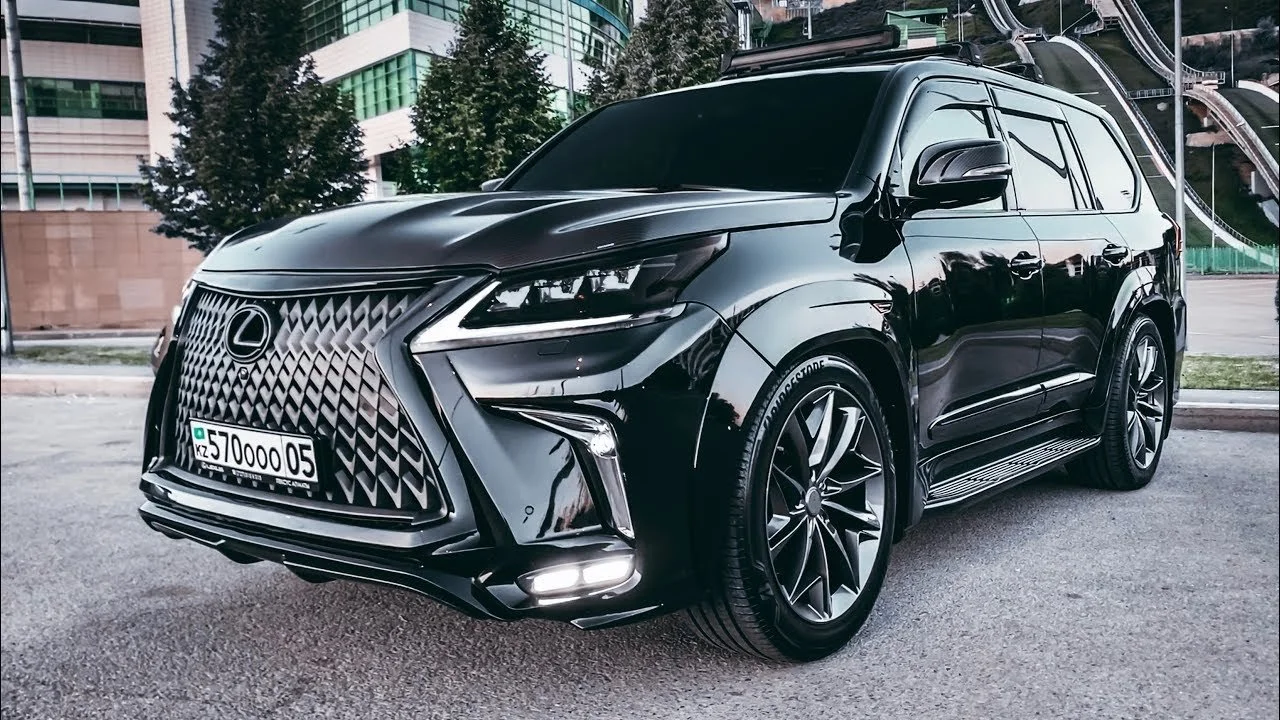
After more than two decades, Toyota revived its legendary sports car with the 2020 GR Supra, blending heritage with modern engineering. Developed in partnership with BMW, the Supra shares much of its underpinnings with the BMW Z4 but maintains its own distinct styling and character. Designed to rival the Porsche Cayman and Audi TT, the new Supra delivers a dynamic driving experience while staying true to its iconic roots.
Equipped with a 335-hp 3.0L turbocharged inline-six, the GR Supra accelerates from 0–60 mph in just 4.2 seconds. While not as powerful on paper as American V8 rivals like the Camaro or Mustang, its lightweight design and sharp tuning make it equally quick and agile.
The Supra’s balanced chassis, precise steering, and lively rear-wheel-drive setup provide an engaging mix of speed and control. Strong brakes add confidence, with stopping distances among the best in class. It’s equally capable for spirited track days or daily commuting.
The Supra’s cabin emphasizes driver engagement, though space is limited. Seats are supportive but snug, and taller passengers may feel confined. Ride quality is firm yet livable, with road and wind noise noticeable but not overwhelming.
The design borrows heavily from BMW, featuring familiar climate controls, infotainment, and well-thought-out ergonomics. Access is slightly tricky due to the coupe’s low stance, but visibility is decent for the segment.
BMW’s iDrive-based infotainment system offers a learning curve but works efficiently once mastered. Features include navigation with natural voice recognition, wireless Apple CarPlay, and an optional 12-speaker JBL audio system, though Android Auto is absent. Advanced safety tech is limited, with adaptive cruise control available but lane-keeping assist less effective.
As expected from a two-seater coupe, storage space is minimal at 10.2 cubic feet, and small-item storage is cramped. Yet the Supra surprises with its fuel efficiency, returning an EPA-estimated 26 mpg combined and an impressive 29 mpg in testing, outperforming several key rivals.
The 2020 Toyota Supra successfully balances style, performance, and efficiency. While its BMW roots may spark debate among purists, its blend of agility, reliability, and everyday usability ensures the Supra remains an icon reimagined for the modern era.
3. 2017 Toyota Highlander: A Balanced and Family-Friendly SUV
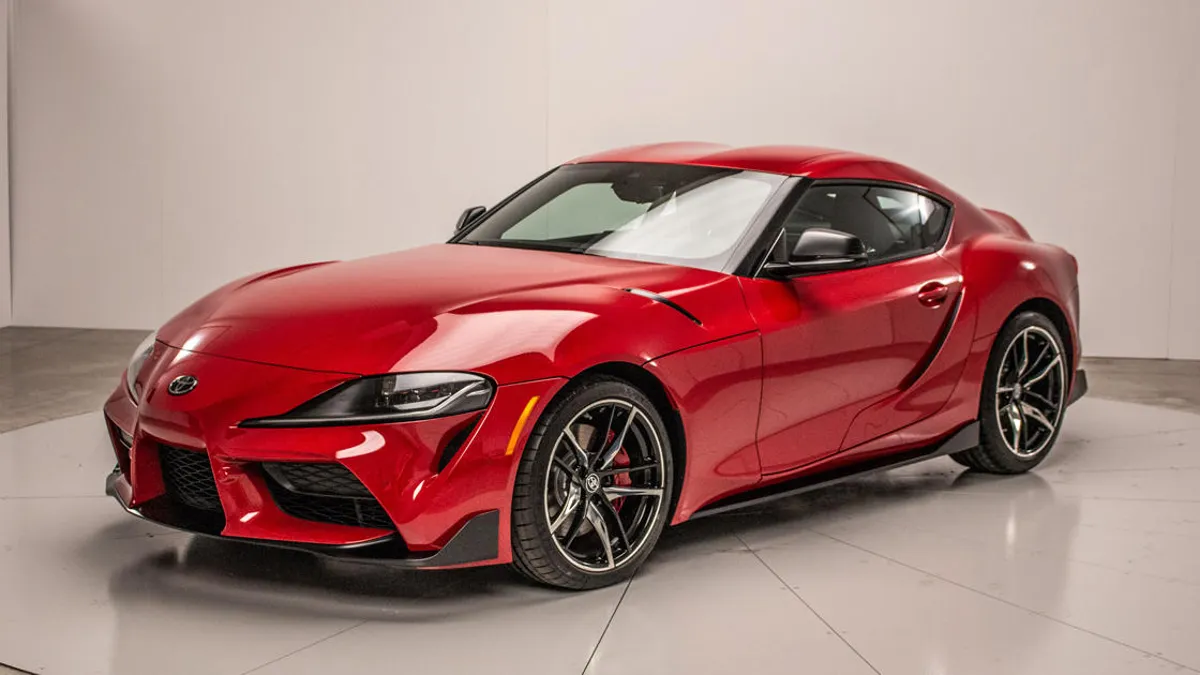
The 2017 Toyota Highlander stands out as one of the best midsize three-row SUVs of its year, offering a blend of performance, comfort, and practicality that appeals to families.
Toyota’s midcycle refresh brought major updates, including a bolder grille, redesigned LED taillights, a more powerful V6 engine paired with a new eight-speed automatic transmission, and the addition of the Toyota Safety Sense suite as standard across all trims. A new SE trim with sportier styling and suspension further broadened the lineup.
The Highlander’s new 3.5L V6 engine delivers stronger acceleration while improving fuel economy. The eight-speed transmission shifts smoothly, and braking performance is among the best in its class despite a slightly vague pedal feel. Steering is precise and intuitive, providing excellent stability on highways and agility in city driving.
The SE trim offers firmer suspension for marginal handling gains. While not a hardcore off-roader, the Highlander impresses with 8 inches of ground clearance, hill-hold control, and a capable AWD system, making it a confident family hauler for light trails.
Inside, the Highlander feels like a “Lexus-lite,” offering plush ride quality, supportive seats, and an exceptionally quiet cabin. Heated leather front seats are highly adjustable, even featuring extendable thigh support.
Second-row seats slide and recline, while the third row, though cramped for adults, suits children well. Ride comfort is excellent, isolating passengers from road imperfections without feeling floaty. The build quality is high, with materials that hold up well even after years of use.
The Highlander balances practicality with ease of use. Clever storage solutions, including a dashboard shelf and a spacious center console that can fit a laptop, enhance usability.
Cargo capacity is average for the class, though the third-row space lags behind some rivals like the Honda Pilot. Properly equipped, the V6 Highlander can tow up to 5,000 pounds, meeting segment standards.
Toyota’s infotainment system is straightforward, with quick responses and large icons, though it lacks some flashiness. Safety is a highlight, with standard forward collision warning, automatic emergency braking, adaptive cruise control, and lane departure intervention. Higher trims add blind-spot monitoring and rear cross-traffic alert.
The 2017 Highlander excels as a well-rounded family SUV, delivering comfort, dependability, and modern safety features in a package that’s easy to live with for years.
4. 2016 Ford F-150: Power, Innovation, and Versatility
The 2016 Ford F-150 builds on its revolutionary aluminum-body redesign with more refinement, stronger technology, and a broader lineup. Known as one of the most capable half-ton pickups on the market, it offers class-leading towing, payload, and fuel efficiency, making it equally attractive as a workhorse or a daily driver.
The F-150 offers four engines, each catering to different needs. The base 3.5L V6 produces 282 hp and delivers solid efficiency at 20 mpg combined. The 2.7L turbocharged V6 balances performance and economy with 325 hp, hitting 60 mph in just 6.0 seconds and achieving 22 mpg combined.
For traditionalists, the 5.0L V8 outputs 385 hp and can tow up to 11,100 pounds, while the top 3.5L EcoBoost V6 provides 365 hp and a massive 12,200-pound towing capacity when properly equipped.
All engines are paired with a six-speed automatic transmission. Despite its size, the F-150 feels agile, and innovations like Pro Trailer Backup Assist make towing easier than ever.
The aluminum body not only cuts weight but also enhances efficiency and handling. Ride quality is generally smooth, though not as plush as the Ram 1500’s coil-spring suspension.
Interior refinement varies dramatically by trim: the base XL is built for work with barebones finishes, while higher trims like Lariat, Platinum, and the new Limited model offer luxury-level comfort with ventilated seats, premium materials, and advanced infotainment. The Sync 3 system, new for 2016, replaces the clunky MyFord Touch with a faster, more intuitive interface.
Safety is a strong point, with standard features like stability control, trailer sway control, and full-length side curtain airbags. Advanced options include forward collision warning, blind-spot monitoring, lane-departure prevention, and even inflatable rear seatbelts. Crash tests confirm its durability, earning a five-star government safety rating across all categories.
Practicality shines across cab styles (Regular, Supercab, and Supercrew) with excellent storage, flexible seating, and ample rear legroom in larger models. Payload and towing figures lead the class, ensuring the F-150 can handle everything from jobsite duties to family trips.
The 2016 Ford F-150 remains a top contender in the full-size truck segment, combining innovation, power, and versatility in a package designed to last.
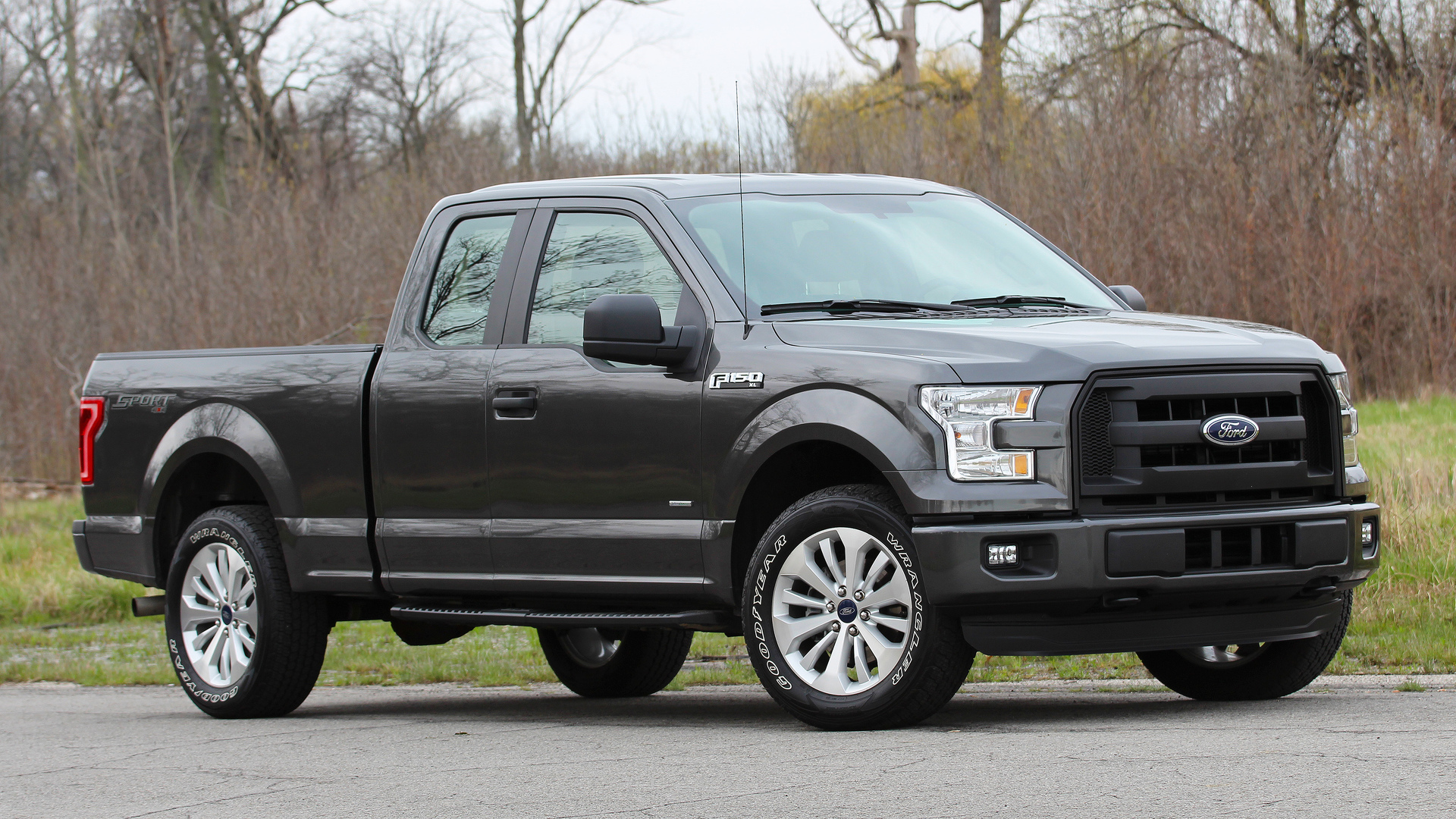
5. 2018 Toyota Corolla: Reliable, Safe, but Lacking Excitement
The 2018 Toyota Corolla continues the model’s legacy as one of the world’s best-selling cars, offering reliability, affordability, and strong safety features. With expressive styling, a roomy cabin, and a low price point, it appeals to budget-conscious buyers seeking a dependable vehicle for the long run. However, while it delivers on the basics, the Corolla struggles to stand out in a highly competitive compact car segment.
Performance has never been the Corolla’s strong suit, and the 2018 version is no exception. Its 1.8-liter four-cylinder engine, unchanged since 2009, produces lackluster acceleration, taking 10.1 seconds to hit 60 mph. Paired with a CVT automatic, the powertrain feels underwhelming and noisy at full throttle.
Steering is light but lacks road feel, though Sport mode improves feedback slightly. On the plus side, handling is tidy, braking is smooth and predictable, and the Corolla feels composed in everyday driving.
Where the Corolla shines is comfort. The SE trim’s sport seats provide excellent lateral support and remain comfortable even on long drives. Ride quality is average for a compact car, with bumps and vibrations noticeable, but the cabin stays reasonably quiet except for engine noise at higher revs.
The climate control system is straightforward and effective. Interior space is another strength; rear passengers enjoy class-leading legroom (41.4 inches), rivaling some midsize sedans.
While the cabin is spacious and user-friendly, materials feel cheap compared to rivals like Honda and Mazda. Hard plastics dominate, undermining the otherwise functional design.
The infotainment touchscreen is responsive but prone to oversensitivity, and smartphone integration is disappointing, relying on Toyota’s Entune app rather than Apple CarPlay or Android Auto. Standard safety tech is impressive, with lane departure warning and adaptive cruise control included, though these systems feel less refined than competitors.
At 13 cubic feet, trunk space is below average, with a stepped floor complicating loading. Small-item storage is adequate, and child seat accommodation benefits from the Corolla’s generous rear legroom, though LATCH anchors are buried deep in the cushions.
The 2018 Corolla excels in safety, comfort, and reliability but falls short in performance, interior quality, and technology. It’s a solid choice for long-term dependability, but rivals offer a more engaging and modern driving experience.
Also Read: 5 Toyota Highlander Years Worth Owning vs 5 That Aren’t
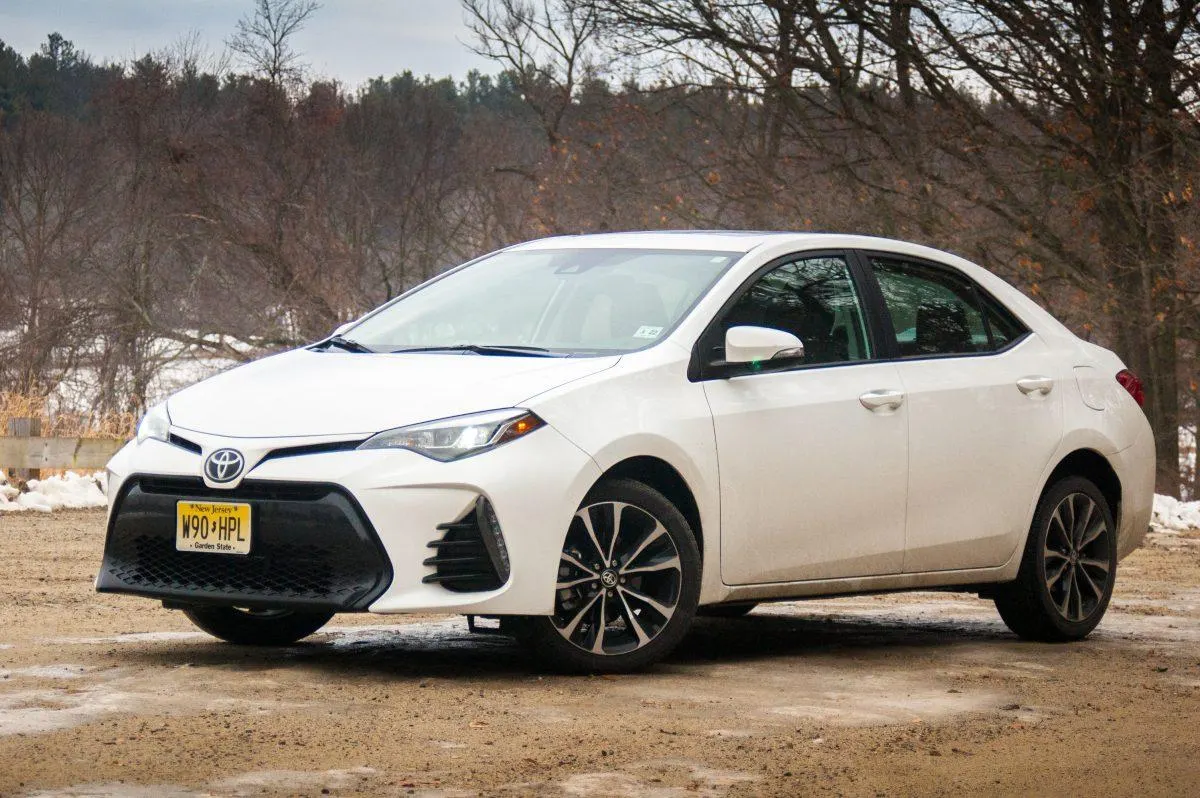
6. 2016 Honda Fit: A Versatile Subcompact with Big-Car Practicality
The 2016 Honda Fit stands out in the subcompact car segment for its unique blend of practicality, efficiency, and versatility. Honda designed this model with long-term value in mind, making it an attractive choice for buyers seeking a reliable, budget-friendly, and adaptable vehicle.
Strong fuel economy, a spacious interior, and innovative design features help the Fit maintain its reputation as a top contender among hatchbacks. Beyond its practicality, Honda also added technology and safety improvements that enhance the Fit’s appeal in a highly competitive market.
One of the standout features of the 2016 Fit is its “Magic Seat,” which allows the rear seat bottom to flip up or fold down in multiple ways. This flexibility creates unmatched cargo configurations, making the Fit capable of handling bulky or tall items with ease.
With the seats folded flat, the Fit offers up to 52.7 cubic feet of cargo space, rivaling small crossovers. The cabin is equally impressive for passengers, with rear legroom surpassing that of the midsize Honda Accord.
Buyers upgrading from previous Fit models will also appreciate premium options such as leather upholstery and keyless ignition, which bring added comfort and convenience.
Performance in the 2016 Fit is modest but practical. Powered by a 1.5-liter four-cylinder engine producing 130 horsepower, the Fit is available with either a six-speed manual or a continuously variable transmission (CVT).
The manual provides a more engaging drive, while the CVT maximizes fuel efficiency, reaching up to 36 mpg combined on the entry-level LX trim. Though road noise can be noticeable and highway passing power is limited, the Fit handles with agility and stability, delivering a nimble driving experience that fits both city and highway use.
Safety is another strong point for the 2016 Fit. Standard features include antilock brakes, stability control, multiple airbags, and Honda’s LaneWatch blind-spot camera on higher trims.
The Fit earned a five-star safety rating from the government and received ‘Good’ marks in most crash tests from the Insurance Institute for Highway Safety, further reinforcing its reliability. While braking distances are slightly longer than average, the vehicle’s solid build and safety technologies provide peace of mind for families and commuters alike.
Inside, the Fit combines functionality with modern amenities. Standard features such as Bluetooth connectivity, USB input, and a 5-inch display enhance usability, while higher trims add a 7-inch touchscreen with HondaLink, navigation options, and smartphone integration.
Some drivers may find the touch-only volume controls and limited Android compatibility frustrating, but the cabin design remains practical and accommodating. With its unmatched cargo versatility, excellent fuel efficiency, and reliable safety ratings, the 2016 Honda Fit proves that a small car can deliver big on value, making it one of the smartest choices in its class.
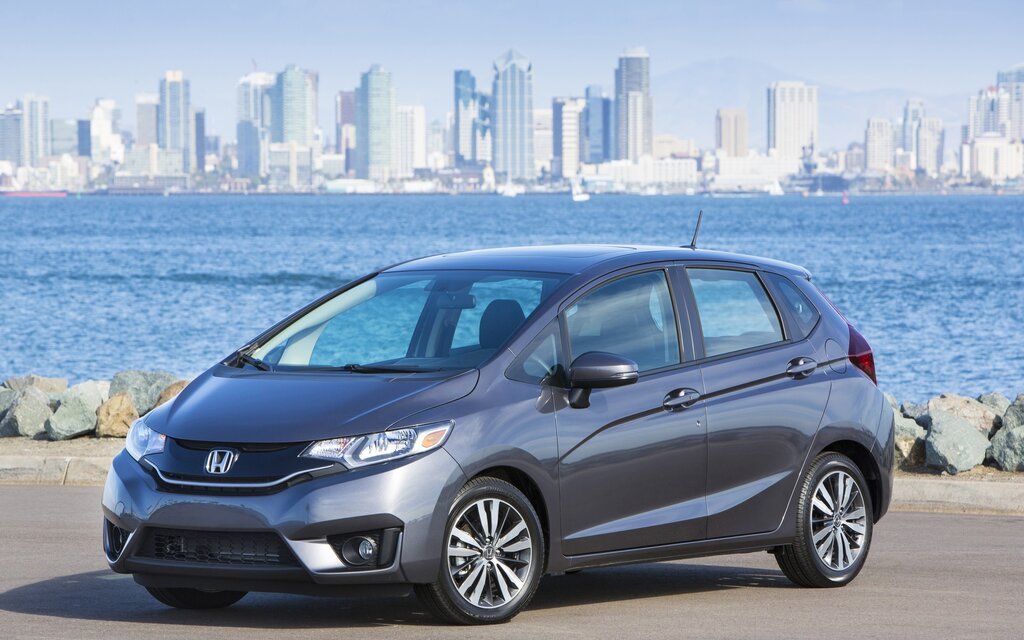
7. 2017 Chevy Cruze: A Compact Car That Punches Above Its Weight
The 2017 Chevrolet Cruze is often overlooked in the crowded compact car segment, but it deserves far more recognition. With its blend of practicality, technology, and comfort, the Cruze proves itself as a well-rounded option for drivers who want more than just basic transportation.
Redesigned just a year earlier, the 2017 model introduces a hatchback body style and a new diesel engine option, expanding its versatility. Chevy also adds Teen Driver mode as standard, giving parents the ability to monitor and set parameters for young drivers a thoughtful feature that underscores the Cruze’s appeal as a family-friendly vehicle.
Performance-wise, the Cruze is powered by a turbocharged 1.4-liter engine. While its acceleration is slightly underwhelming compared to some competitors, the car makes up for it with smooth downshifts and confident handling.
Ride quality is another highlight, offering comfort even on larger wheels and agility when tackling winding roads. An automatic stop-start system is included for better fuel economy, though its operation may feel noticeable to some drivers.
For those seeking efficiency, the diesel variant promises even greater fuel savings, though real-world performance data was limited at the time. In braking tests, the Cruze impressed by stopping from 60 mph in just 110 feet, an exceptional result for its class.
Inside, the Cruze sets itself apart with a stylish, well-constructed cabin that feels upscale for a compact car. The dashboard design features artistic detailing, while soft-touch materials and available leatherette upholstery enhance comfort.
Both front and rear passengers enjoy ample space, with the rear seat providing above-average legroom. Cargo capacity is competitive in the sedan, while the hatchback significantly boosts practicality with up to 47.2 cubic feet of space when the rear seats are folded down, making it a flexible option for those who need more hauling ability.
Technology is a key strength of the 2017 Cruze. Standard across all trims is Chevrolet’s MyLink infotainment system, featuring a 7-inch touchscreen (or an optional 8-inch version on higher trims). Apple CarPlay and Android Auto are also included, ensuring seamless smartphone integration.
Additional options include advanced safety features such as blind-spot monitoring, rear parking sensors, and lane departure warning, placing the Cruze firmly in step with modern expectations for driver assistance. OnStar services, including automatic crash notification and remote assistance, come standard, adding peace of mind.
In such a competitive market, the 2017 Cruze faces strong rivals like the Honda Civic, Mazda 3, and Ford Focus, each with its own advantages. However, the Cruze manages to hold its ground with a balance of technology, style, comfort, and efficiency.
For buyers seeking a compact car that delivers practicality without sacrificing modern features or ride quality, the 2017 Chevy Cruze is a smart and often underrated choice.
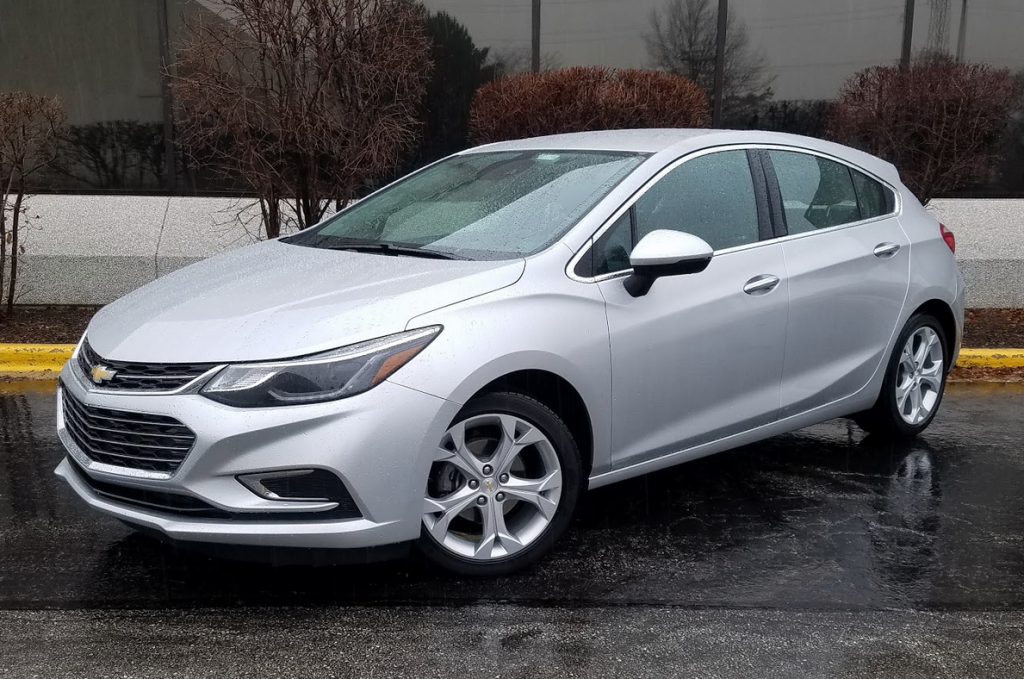
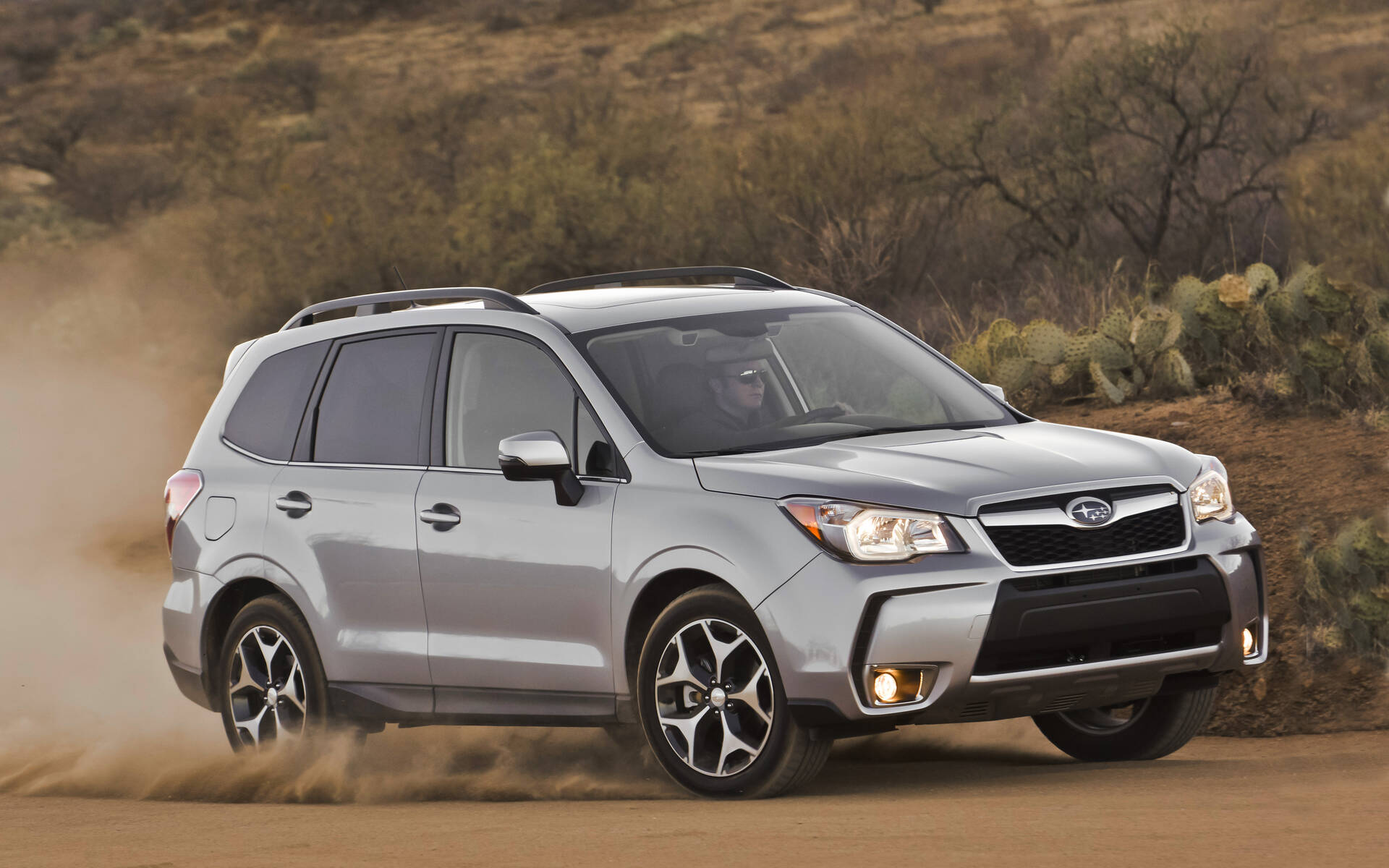
8. 2018 Subaru Forester: A Durable, Family-Friendly SUV
The 2018 Subaru Forester builds on its reputation as one of the most dependable and versatile compact SUVs on the market. Known for its long-lasting durability, roomy cabin, and all-weather capability, it remains a strong contender in the increasingly competitive crossover segment.
With standard all-wheel drive, ample ground clearance, and an available turbocharged engine, the Forester stands out as a family-friendly vehicle that doubles as an adventurous off-road companion.
Equipped with either a 2.5-liter engine or a more powerful turbocharged 2.0-liter option producing 250 horsepower, the Forester offers a balance of efficiency and performance. Fuel economy ranges from 24–28 mpg combined, making it a practical daily driver.
The turbocharged XT trim provides quick acceleration, responsive throttle in sportier modes, and confident handling both on and off the road. With 8.7 inches of ground clearance and Subaru’s X-Mode for added traction, the Forester performs exceptionally well in off-road conditions, giving it an advantage over many rivals.
Inside, the Forester prioritizes space and comfort. Its airy cabin features excellent headroom, supportive seating, and a smooth, quiet ride suitable for long journeys. Rear passengers benefit from generous legroom, and cargo capacity is among the best in its class, with foldable rear seats expanding versatility for hauling gear.
While the design is functional, some drivers may find the seating position awkwardly high. Fit and finish are solid, with soft-touch surfaces and optional premium leather elevating the interior feel.
The 2018 Forester introduces the Black Edition package with sleek styling upgrades and continues offering Subaru’s EyeSight safety suite. This includes adaptive cruise control, lane keeping assist, blind-spot monitoring, and reverse automatic braking.
While the infotainment system improves with a 7-inch touchscreen and clearer graphics, the lack of Apple CarPlay and Android Auto integration is a drawback. Optional features like the Harman Kardon audio system add premium touches but fall short of true refinement.
Utility remains a major strength. Wide-opening doors make entry and exit easy, while generous cargo space accommodates everything from groceries to camping gear. The Forester’s towing capacity of 1,500 pounds matches many rivals, though it lags behind stronger competitors like the Ford Escape.
The 2018 Subaru Forester delivers a well-rounded package of durability, comfort, and off-road readiness, making it a reliable family SUV and one of the most practical choices in its class.
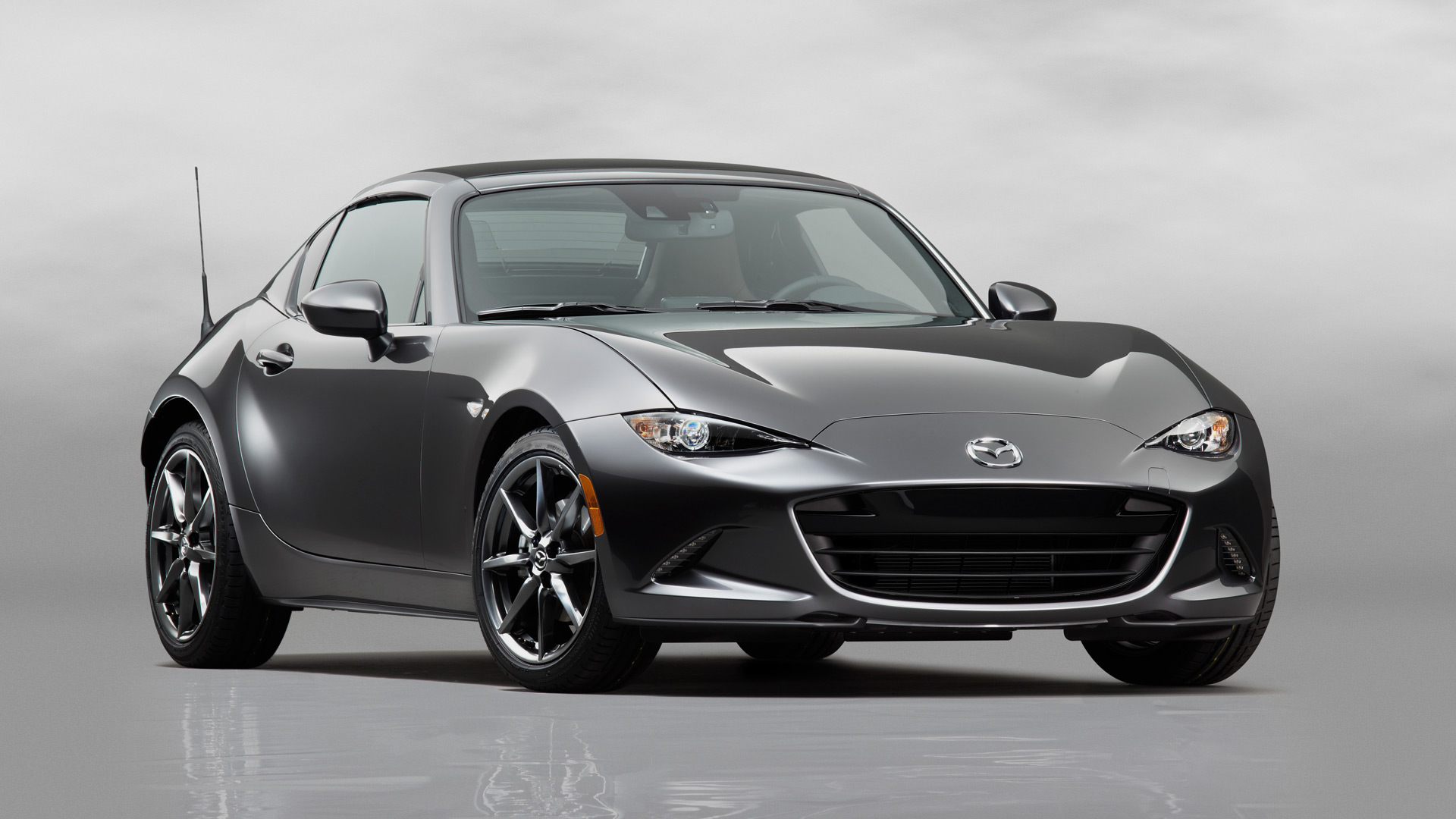
9. 2017 Mazda MX-5: A Pure Driver’s Roadster
The 2017 Mazda MX-5 Miata continues the model’s legacy as one of the most engaging and iconic small sports cars on the market. With its lightweight design, nimble handling, and a new hardtop variant, the MX-5 blends modern features with old-school driving thrills.
The Miata doesn’t rely on brute power; instead, it focuses on balance and agility. Powered by a 2.0-liter four-cylinder engine producing 155 horsepower, it delivers spirited performance, reaching 60 mph in about 6.3 seconds with the manual transmission.
Its lightweight makes acceleration lively, and precise steering keeps the car connected to the road. Braking is solid, though not class-leading, while handling remains its strongest suit. Few cars offer as much fun on twisty back roads. Despite its sporty nature, the MX-5 is also surprisingly easy to maneuver in city driving and tight spaces.
As a two-seat roadster, comfort isn’t its main selling point, but the Miata still manages to impress. Supportive seats provide excellent lateral grip and remain comfortable on long drives.
Ride quality is firm yet compliant, softening bumps without feeling harsh. Road and wind noise are noticeable, especially at highway speeds, but many enthusiasts consider this part of the car’s charm. Climate control is straightforward to use, though it struggles in extreme weather.
The MX-5’s cabin is compact but thoughtfully designed. Materials have improved compared to previous generations, giving the interior a more premium feel. Controls are intuitive, and visibility is excellent, aided by slim roof pillars and a favorable driving position.
However, taller drivers may find the cabin snug. The manual soft top is a highlight, quick, light, and easy to operate without leaving the driver’s seat. The new RF version adds a folding hardtop, enhancing year-round usability.
While the Miata isn’t loaded with tech, it offers essentials like a 7-inch infotainment screen, USB ports, and available driver-assist features such as blind-spot monitoring and rear cross-traffic alert.
The Bose sound system upgrade improves audio but struggles against wind noise. Storage space is very limited, with a 4.6-cubic-foot trunk and minimal cabin storage.
The 2017 Mazda MX-5 Miata is a back-to-basics sports car that prioritizes driving excitement over practicality. For enthusiasts seeking an affordable, lightweight roadster, it remains one of the most rewarding cars on the road.
10. 2017 Honda Ridgeline: The Most Refined Pickup of Its Class
The 2017 Honda Ridgeline marks the long-awaited return of Honda’s midsize pickup, redesigned after a three-year hiatus. With this second-generation model, Honda has successfully combined the rugged utility expected of a truck with the comfort and refinement of an SUV.
Unlike traditional body-on-frame pickups, the Ridgeline employs a unibody chassis and fully independent suspension, delivering an unprecedented level of ride quality and handling sophistication in the segment.
All trims share a smooth 3.5-liter V6 engine paired with a six-speed automatic transmission, producing 280 horsepower. Acceleration is strong for the class, reaching 60 mph in about 7 seconds, among the best for midsize pickups. Braking is predictable and confidence-inspiring, with a firm pedal feel and controlled stopping distances.
Steering is precise and responsive, making the Ridgeline feel more like a crossover than a work truck. While capable of handling snow, sand, and light off-road trails with its all-wheel-drive system, it lacks low-range gearing and ground clearance for serious rock crawling.
Where the Ridgeline shines brightest is in comfort. Its independent suspension allows for a smooth, composed ride that far outclasses rivals like the Toyota Tacoma and Chevrolet Colorado. Road, wind, and engine noise are well managed, and the cabin benefits from effective insulation.
Seats are generously padded and supportive, with plenty of space for both front and rear passengers. Tri-zone climate control and heated leather seating (available on upper trims) make the Ridgeline feel more like a family SUV than a workhorse pickup.
The Ridgeline shares much of its design with the Honda Pilot, offering a spacious and thoughtfully laid-out cabin. Controls are intuitive, with large knobs and clear gauges, though the optional 8-inch touchscreen interface can be frustrating due to its touch-sensitive volume slider.
Apple CarPlay and Android Auto compatibility are available, along with multiple USB ports and an upgraded audio system in higher trims. Materials are high quality for the segment, lending the truck an upscale feel.
The Ridgeline sets itself apart with class-leading utility. Its bed is longer and wider than most midsize competitors, rated to carry the highest payload in its class, and uniquely wide enough to fit 4-by-8 sheets of plywood flat between the wheel wells.
Honda’s signature dual-action tailgate swings both down and out, while the lockable in-bed trunk provides secure storage for luggage, tools, or even a cooler. Maximum towing capacity tops out at 5,000 pounds with all-wheel drive, which trails body-on-frame rivals but remains sufficient for most owners.
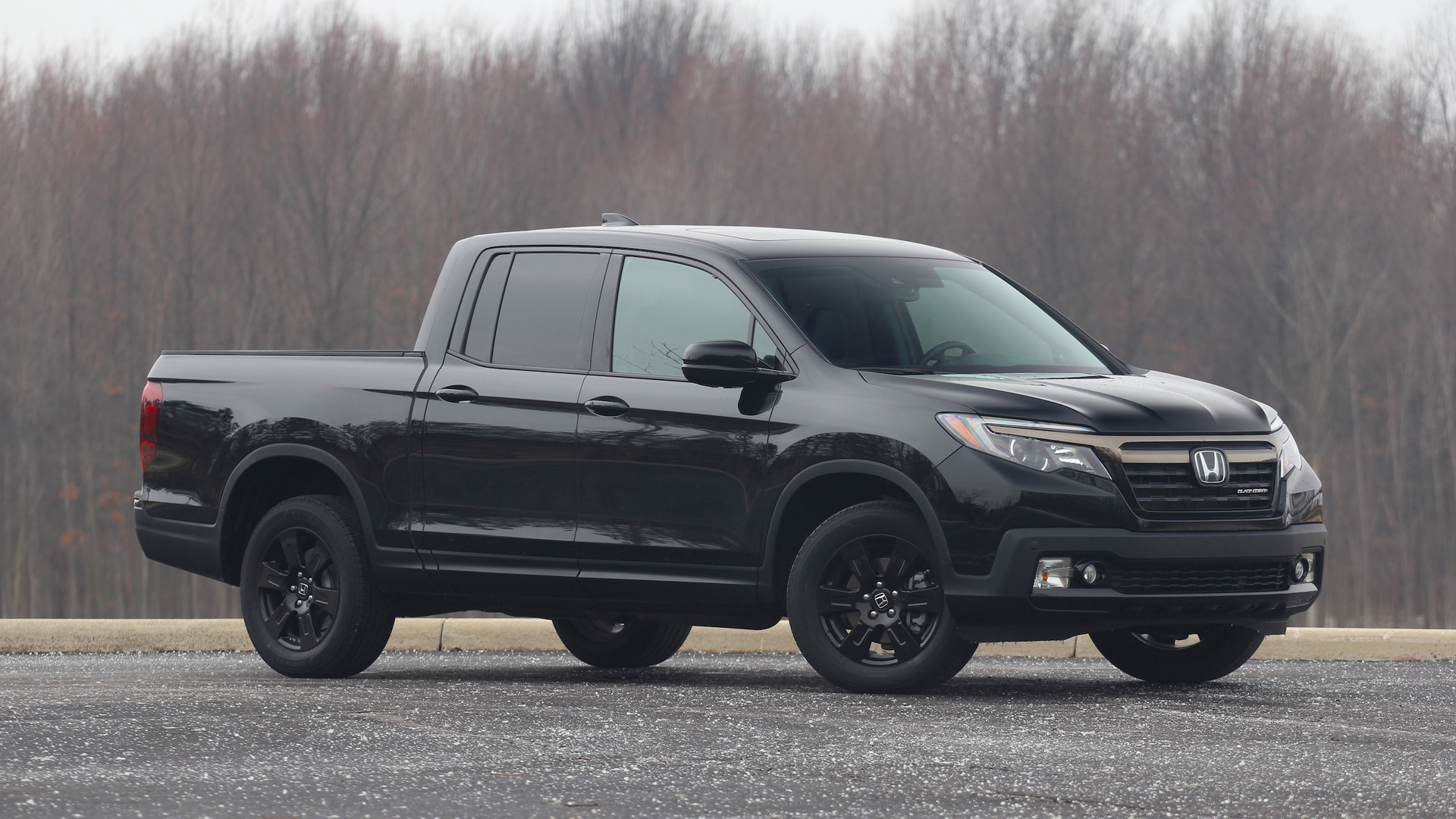
High-end trims, like the RTL-E and Black Edition, include Honda Sensing driver aids, such as adaptive cruise control, lane keeping assist, and forward collision warning with automatic emergency braking. These features, rare in midsize trucks at the time, further underscore the Ridgeline’s SUV-like sophistication.
The 2017 Honda Ridgeline redefines what a midsize pickup can be. It may not satisfy hardcore off-roaders or heavy haulers, but for buyers who prioritize comfort, versatility, and innovation without giving up truck utility, it stands as the most refined and well-rounded choice in its class.
These ten vehicles demonstrate that age doesn’t have to mean compromise. They continue to impress with reliability, functionality, and engaging driving experiences that feel modern and refined. From family-friendly SUVs to spirited sports cars, each model shows how excellent design and engineering can stand the test of time.
Whether it’s off-road capability, fuel efficiency, or pure driving enjoyment, these cars prove that some vehicles remain exciting, dependable, and relevant long after their debut. For drivers seeking lasting value and enjoyment, they serve as enduring examples of cars that truly feel brand new even after 20 years.
Also Read: 5 Honda Sedans That Rarely Break vs 5 That Constantly Do