The world of classic cars often conjures images of six-figure price tags and painstaking restoration projects, but the late 1960s and 1970s produced numerous timeless vehicles that remain surprisingly attainable today. These cars combine aesthetic appeal, driving engagement, and historical significance without breaking the bank.
Enthusiasts seeking their first vintage sports car or collectors looking for an affordable entry point have a wide range of options spanning Japan, Britain, Italy, and America.
From lightweight British roadsters to Japanese icons inspired by muscle cars, each vehicle tells a story of engineering philosophy, cultural trends, and automotive innovation. The value of these classics goes beyond their performance numbers; it’s about charm, character, and the driving experience.
Collectors’ marketplaces and auctions reflect this appreciation, often pricing these cars well under $25,000, making them accessible to a broader audience. Despite modest horsepower figures by modern standards, these vehicles deliver an emotional connection, turning ordinary drives into memorable experiences.
Beyond raw numbers, factors like styling, handling balance, and historical significance enhance the appeal of these cars for enthusiasts.
The following sections provide an in-depth look at twelve notable models from this era, highlighting their design, performance, market value, and unique attributes. Each example demonstrates how classic cars can offer joy, culture, and nostalgia without demanding enormous financial investment.
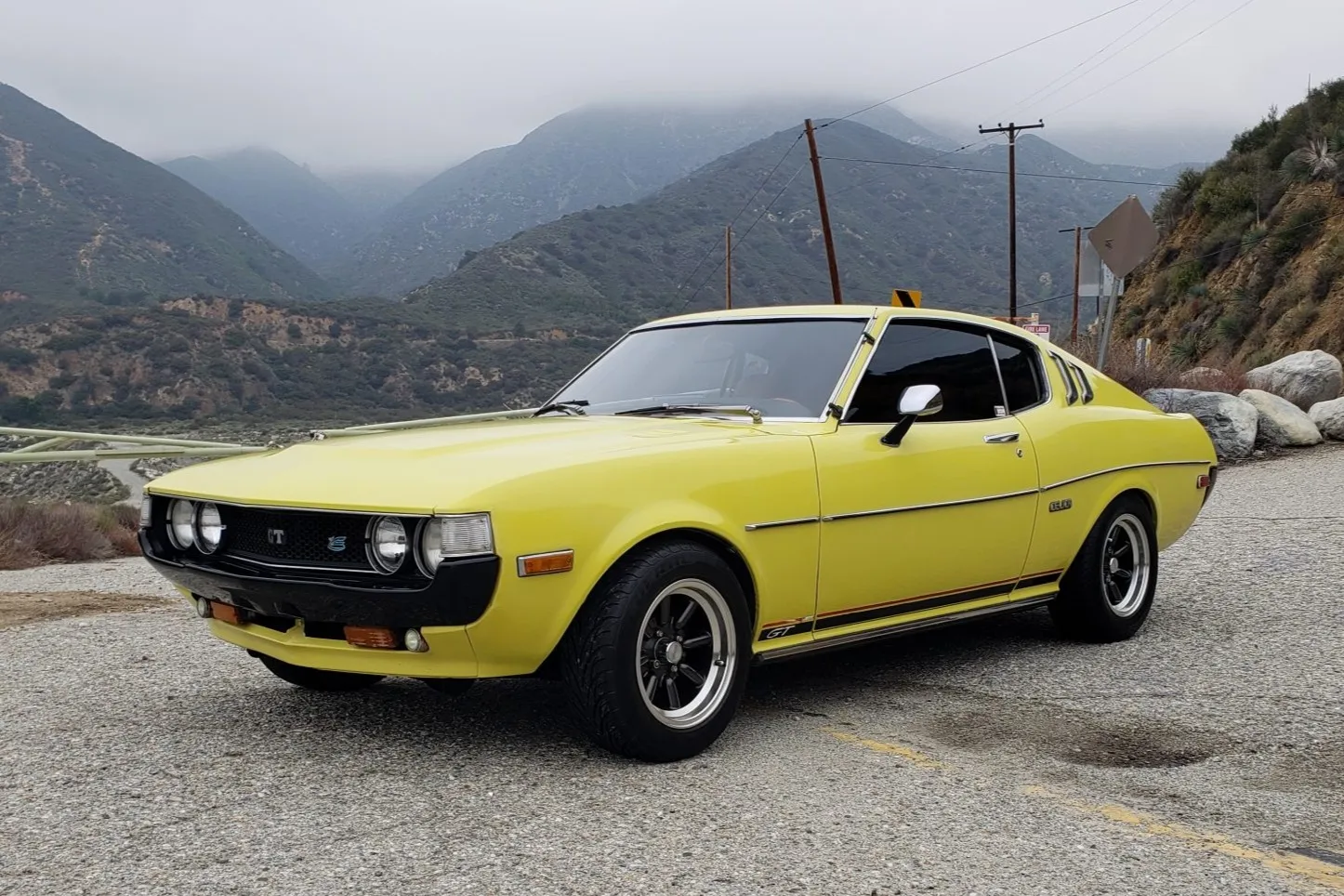
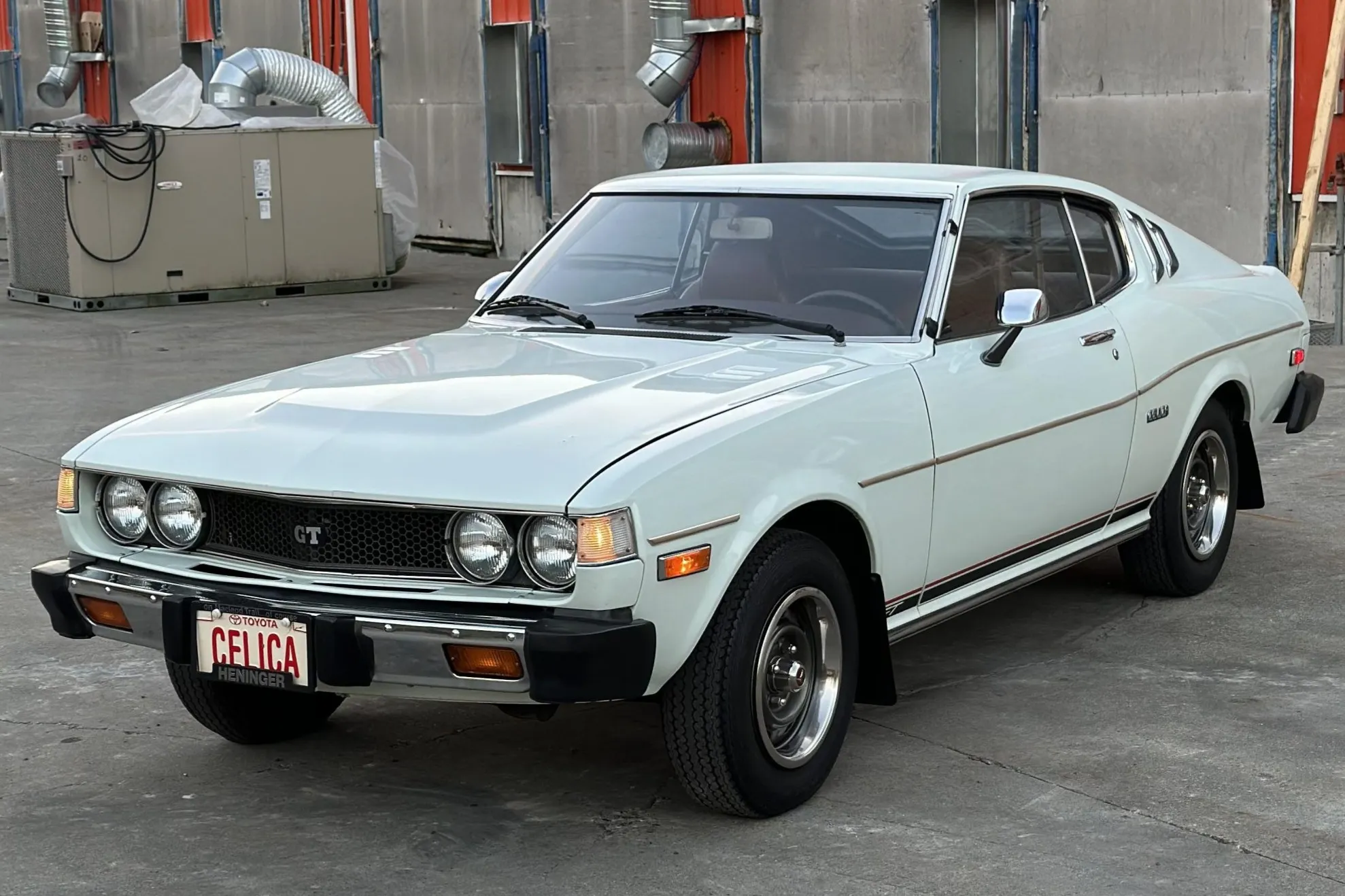
1. 1977 Toyota Celica: Japanese Muscle with Style
The 1977 Toyota Celica is often celebrated as one of the most stylish Japanese classics of the late 1970s, achieving a remarkable balance between aesthetic charm and reliable engineering.
Toyota drew inspiration from the Ford Mustang when developing the Celica, adopting a long-hood fastback design paired with rear-wheel drive, which gave it a distinctly sporty silhouette.
Under the hood, the 2.2-liter inline-four engine produced approximately 96 horsepower and 120 lb-ft of torque, yielding a top speed around 104 mph. While performance figures were modest, the Celica’s true appeal lay in its design, handling balance, and everyday usability.
Motorsport enthusiasts recognized its potential early on, particularly in Japan, where the Celica GT and GT Liftback versions gained credibility in rally competitions. These variants highlighted the vehicle’s versatility, demonstrating that it could deliver spirited performance while remaining accessible to regular drivers.
Today, the 1977 Celica remains one of the most attainable classic cars, with well-maintained examples averaging around $24,086 at auction. Collectors and enthusiasts value the Celica for its nostalgic appeal, timeless styling, and entry-level affordability.
The car represents a key moment in Toyota’s history, blending American-inspired muscle aesthetics with Japanese reliability, making it a standout option for those seeking classic style without sacrificing practicality. Its enduring charm ensures that the Celica continues to capture the imagination of classic car fans worldwide.
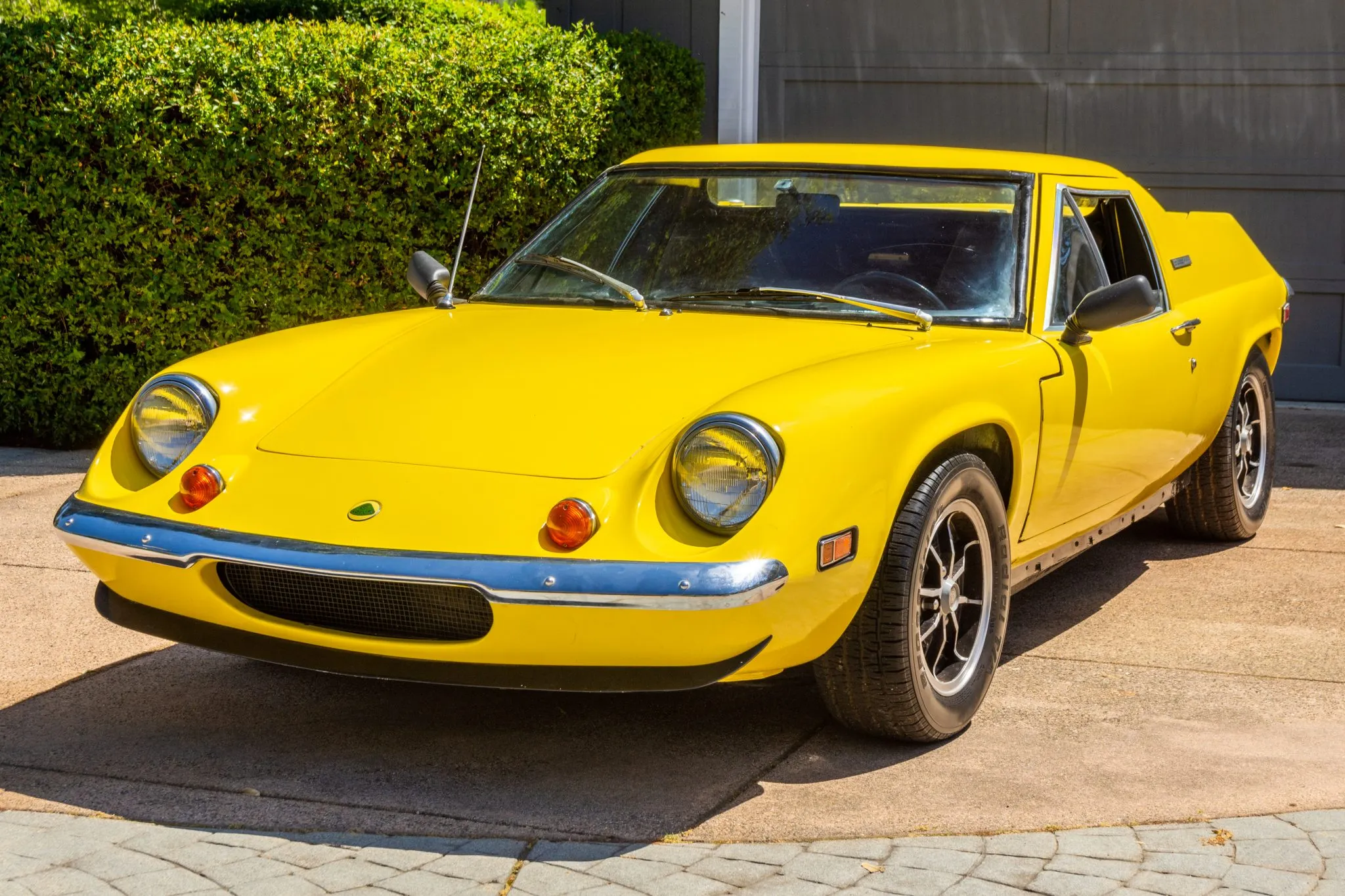
2. 1972 Lotus Europa: Affordable Exotic Mid-Engine Fun
The 1972 Lotus Europa occupies a unique niche as a lightweight, mid-engine sports car that combines affordability with exotic appeal. Designed to be a nimble alternative to pricier European exotics, the Europa features a fiberglass body and a mid-mounted 1.6-liter Renault inline-four engine generating roughly 105 horsepower and 103 lb-ft of torque.
Despite modest numbers, the car could reach a top speed of about 117 mph and accelerate from 0 to 60 mph in just under seven seconds, making it remarkably quick for its lightweight construction.
The Europa is historically significant as one of the first mid-engine production cars, showcasing Lotus’ commitment to race-inspired engineering for road use. Its unique wedge-shaped styling and low-slung stance gave it a futuristic appearance that stood out on 1970s streets.
Enthusiasts today can still acquire a well-maintained Europa for around $21,268 at auction, reflecting its balance of accessibility and exclusivity. Its handling is tight and engaging, rewarding drivers with precision and feedback that modern cars often lack.
The Europa remains a cultural icon in automotive history, representing Lotus’ philosophy of lightweight performance and driver engagement. For enthusiasts seeking a quirky yet rewarding classic, the 1972 Lotus Europa offers an irresistible combination of distinctive design, historic importance, and driving enjoyment.
Its blend of affordability, rarity, and racing pedigree ensures it remains highly desirable among collectors seeking something different.
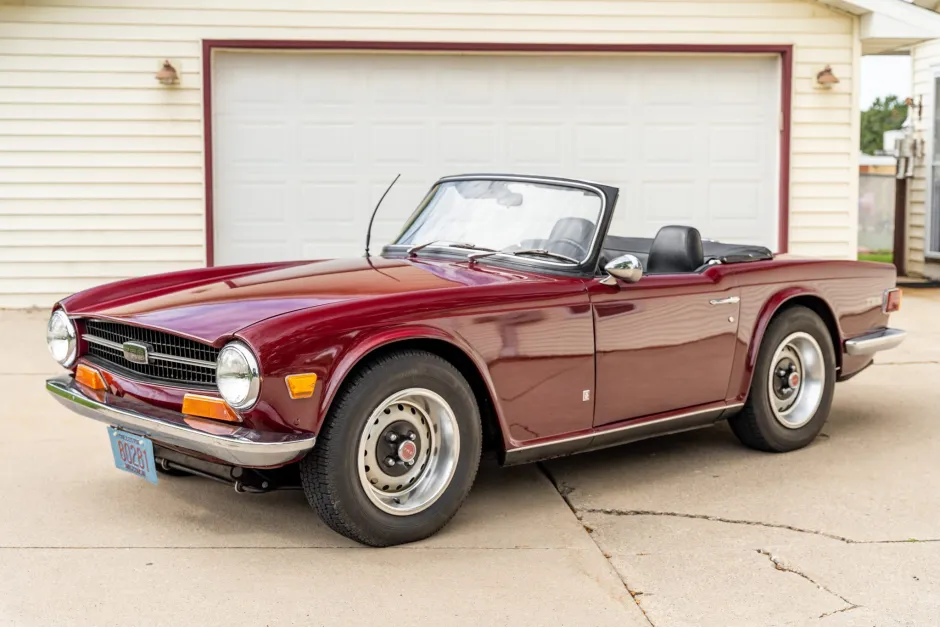
3. 1971 Triumph TR6: The Quintessential British Roadster
The 1971 Triumph TR6 exemplifies the charm of the classic British roadster, combining rugged styling with accessible performance and open-top fun. Equipped with a 2.5-liter inline-six engine paired with a four-speed manual transmission, the TR6 produced around 104 horsepower and 142 lb-ft of torque.
Its top speed reached roughly 120 mph, while 0 to 60 mph acceleration occurred in about eight seconds, respectable figures for a vintage roadster. The TR6’s design is notable for its boxy, angular lines, wood-trimmed interior, and distinctive exhaust note, evoking a sense of old-school motoring that enthusiasts still cherish.
This model also represents the closing chapter of traditional British sports cars before stricter emissions and safety regulations transformed the market. It delivered a hands-on driving experience, emphasizing engagement and enjoyment over raw speed, making it a favorite among spirited drivers.
Market valuations reflect its appeal, with average auction prices around $20,498, positioning it as a strong value proposition for collectors. Its combination of style, practicality, and classic roadster character ensures it remains a favorite for both new and seasoned enthusiasts.
The TR6 represents more than just transportation; it embodies an era of British automotive craftsmanship that prized charm, simplicity, and driver connection, qualities increasingly rare in modern cars. Today, it remains a tangible link to a storied past in motoring history.
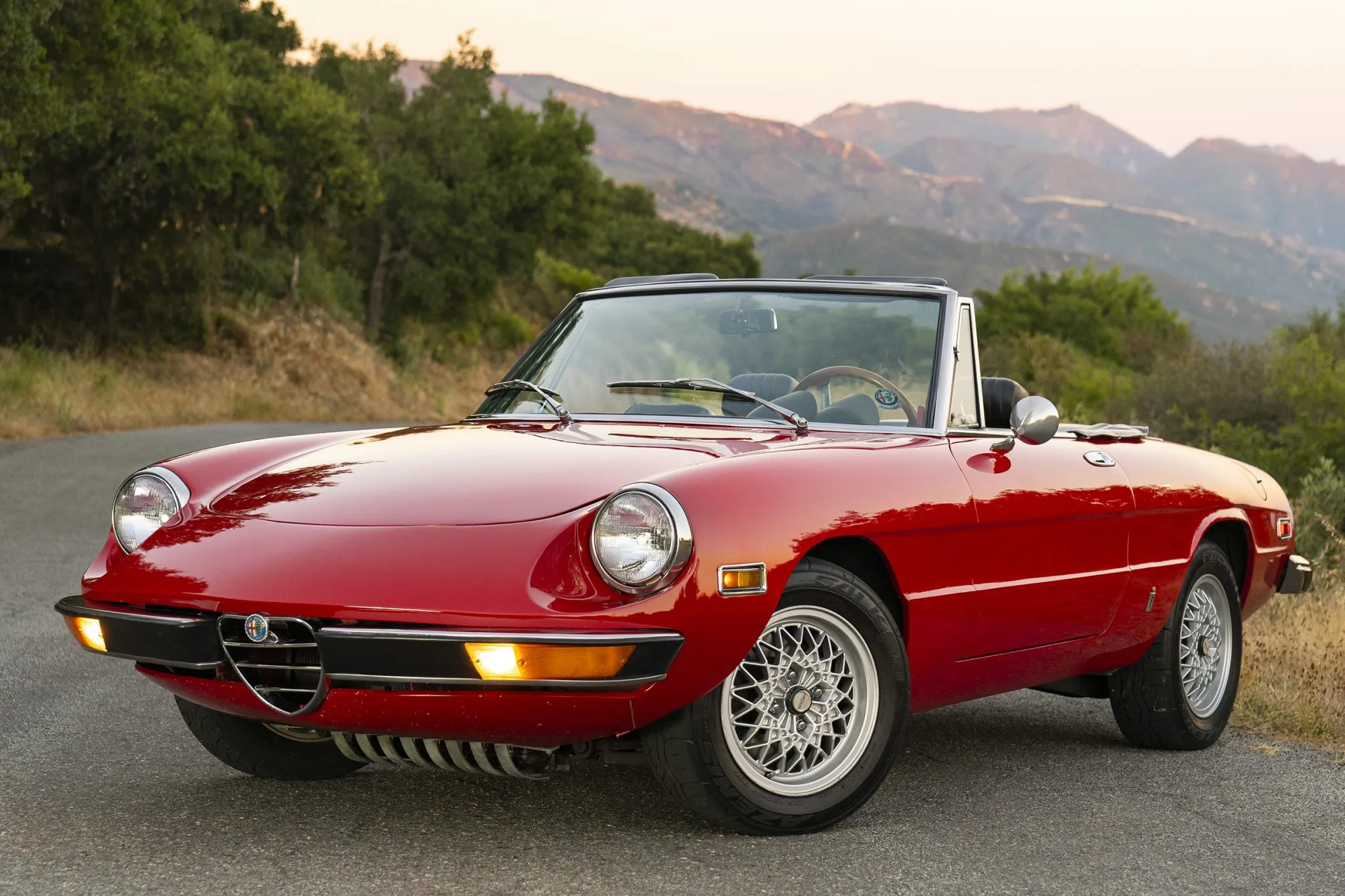
4. 1971 Alfa Romeo Spider: Italian Elegance and Heritage
The 1971 Alfa Romeo Spider blends Italian sophistication with spirited driving in a small, elegantly styled roadster. Designed by Pininfarina, the Spider features curvaceous bodywork, a boat-tail rear, and timeless proportions that define its visual appeal.
Its 1.8-liter DOHC inline-four engine produced around 116 horsepower and 114 lb-ft of torque, allowing the car to reach a top speed near 115 mph and sprint from 0 to 60 mph in approximately 8.3 seconds. While these numbers may seem modest today, they provided ample excitement for 1970s drivers.
Beyond performance, the Spider is culturally iconic, gaining fame through appearances in films such as “The Graduate,” enhancing its collector appeal. The 1971 model retained the classic boat-tail design, which disappeared in later iterations, adding to its vintage charm.
Market values average around $20,460, making it one of the more accessible Italian classics available to enthusiasts. The Spider’s combination of style, history, and manageable performance ensures that it remains a highly desirable entry point into European classic car ownership.
Its elegant design, coupled with a responsive and engaging driving experience, illustrates the enduring allure of Italian roadsters. For collectors, the Alfa Romeo Spider offers not just transportation but a daily connection to automotive artistry, culture, and driving pleasure, a quintessential symbol of 1970s Italian motoring.
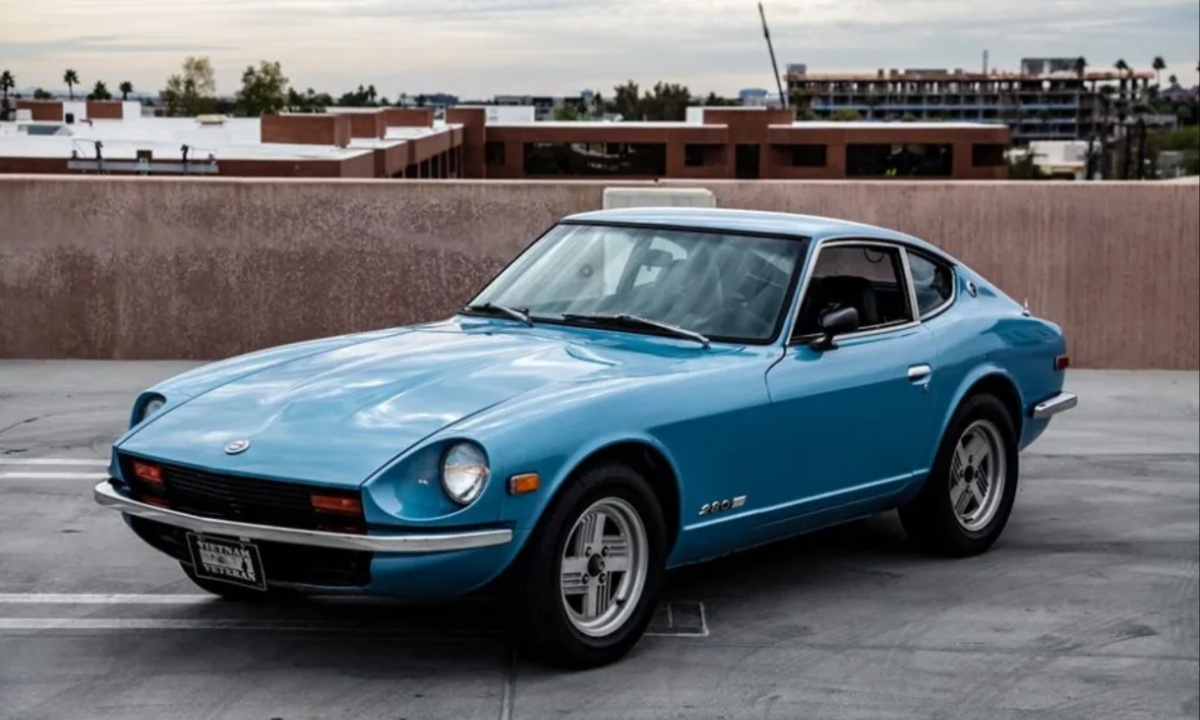
5. 1975 Datsun 280Z: Japanese Sports Car Legacy
The 1975 Datsun 280Z extended the Z-car legacy by offering increased displacement, refinement, and iconic styling. Powered by a 2.8-liter inline-six engine producing 149 horsepower and 163 lb-ft of torque, the 280Z could sprint to 60 mph in approximately 7.8 seconds and reach a top speed near 130 mph.
This model introduced Bosch fuel injection, improving reliability and daily usability compared to earlier carbureted Z-cars. Retaining the long-hood, short-deck proportions that made the 240Z legendary, the 280Z balanced style, performance, and practicality.
Its handling remained precise, aided by a lightweight chassis and rear-wheel-drive configuration, providing a rewarding driving experience. Collectors value the 280Z as both a performance car and a historical Japanese sports car, reflecting the rise of Japan as a producer of reliable and stylish performance vehicles.
Auction prices average around $20,423, making it an attainable classic with significant heritage. The 280Z offers an ideal combination of spirited driving, practical usability, and enduring design, appealing to enthusiasts seeking a Japanese icon from the 1970s.
Its reliability, aesthetic appeal, and driving dynamics ensure it remains a sought-after classic, bridging the gap between everyday functionality and collectible sports car status. The 280Z continues to embody the ethos of accessible performance and timeless style.
Also Read: 5 Toyota Highlander Years Worth Owning vs 5 That Aren’t
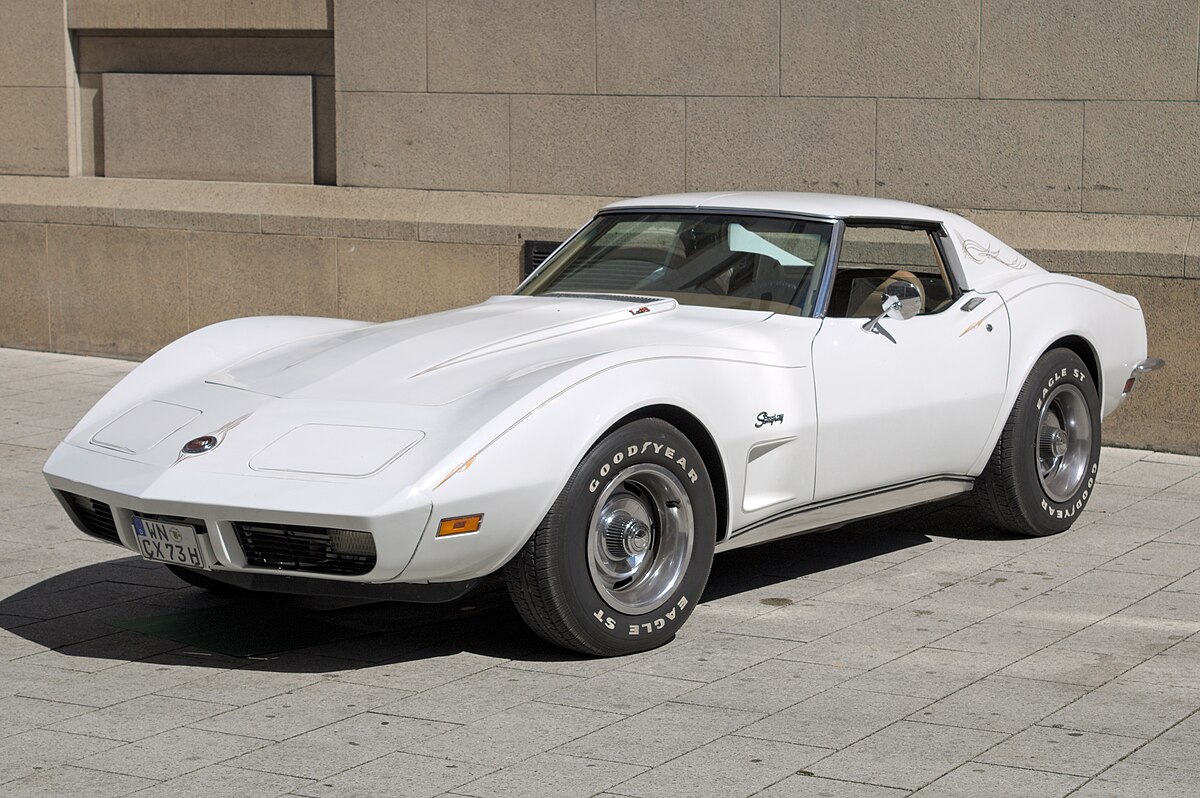
6. 1979 Chevrolet Corvette (C3): Affordable American Muscle
The 1979 Chevrolet Corvette (C3) embodies the American sports car ethos, offering unmistakable styling, V8 power, and open-top enjoyment. The base model featured a 5.7-liter small-block V8 producing 195 horsepower and 270 lb-ft of torque, while the optional L82 engine boosted output to 225 horsepower.
Transmission choices included a three-speed automatic or a four-speed manual, allowing for varied driving experiences. Acceleration from 0 to 60 mph occurred in roughly 7.5 seconds, competitive for the so-called “malaise era” of American cars.
The C3 Corvette’s design evolved over the decade, with the 1979 model gaining refined interior appointments, a rear spoiler, and the distinction of being the best-selling Corvette of all time.
Despite not being the most collectible C3, its affordability and classic styling make it an excellent entry point for enthusiasts seeking vintage American performance. Auction averages hover around $17,442, offering accessible ownership without compromising on style or driving satisfaction.
The Corvette delivers a blend of power, presence, and nostalgia that continues to captivate collectors. Its iconic design and classic V8 rumble provide an emotional connection, demonstrating that American muscle remains compelling even when priced below modern expectations. The 1979 Corvette showcases how affordability and cultural significance can coexist in classic cars.
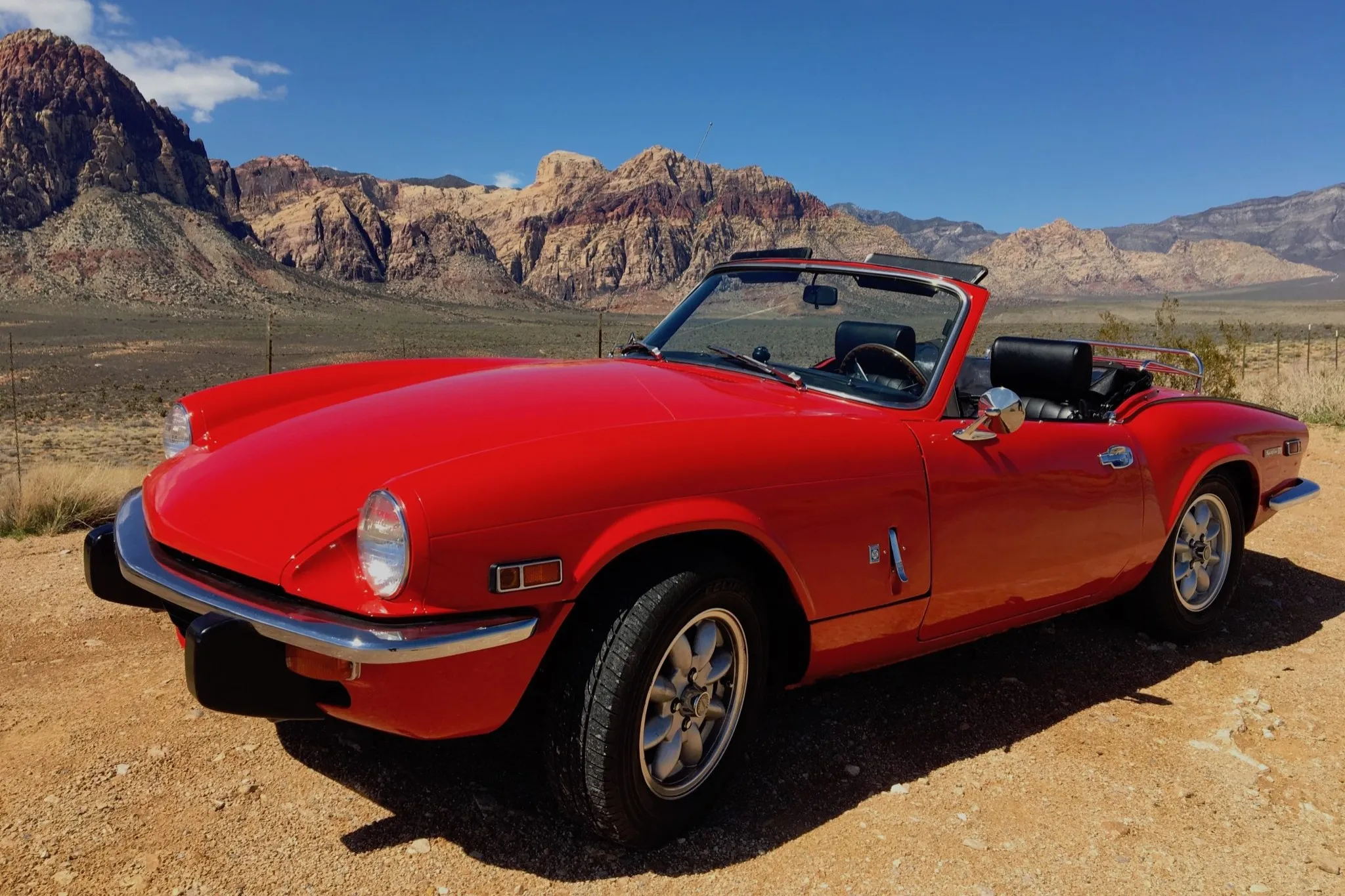
7. 1971 Triumph Spitfire: Small, Lightweight British Fun
The 1971 Triumph Spitfire is a compact British roadster that proves fun does not require massive power. Its 1.3-liter inline-four engine produces roughly 63 horsepower and 67 lb-ft of torque, reaching a top speed of 91 mph and 0-60 mph in approximately 10.5 seconds.
While modest, these figures complement the car’s lightweight, nimble chassis, low-slung stance, and tight manual gearbox, delivering engaging handling on back roads. Design elements like the clamshell hood and classic British proportions enhance the Spitfire’s visual appeal, while its simplicity ensures ease of maintenance.
Parts availability remains strong, allowing enthusiasts to keep these roadsters running reliably. Auction prices average around $13,148, positioning the Spitfire as one of the most affordable ways to enter the vintage British sports car market.
Its charm lies not in speed but in its driving experience, where responsiveness, feedback, and pure engagement define the joy. The Spitfire represents the ethos of lightweight motoring, emphasizing driver connection over brute force.
For new collectors or budget-minded enthusiasts, it remains a compelling option, offering authentic classic motoring without a prohibitive price tag. Its enduring popularity attests to the timeless appeal of small, fun, and character-filled vehicles from the 1970s.
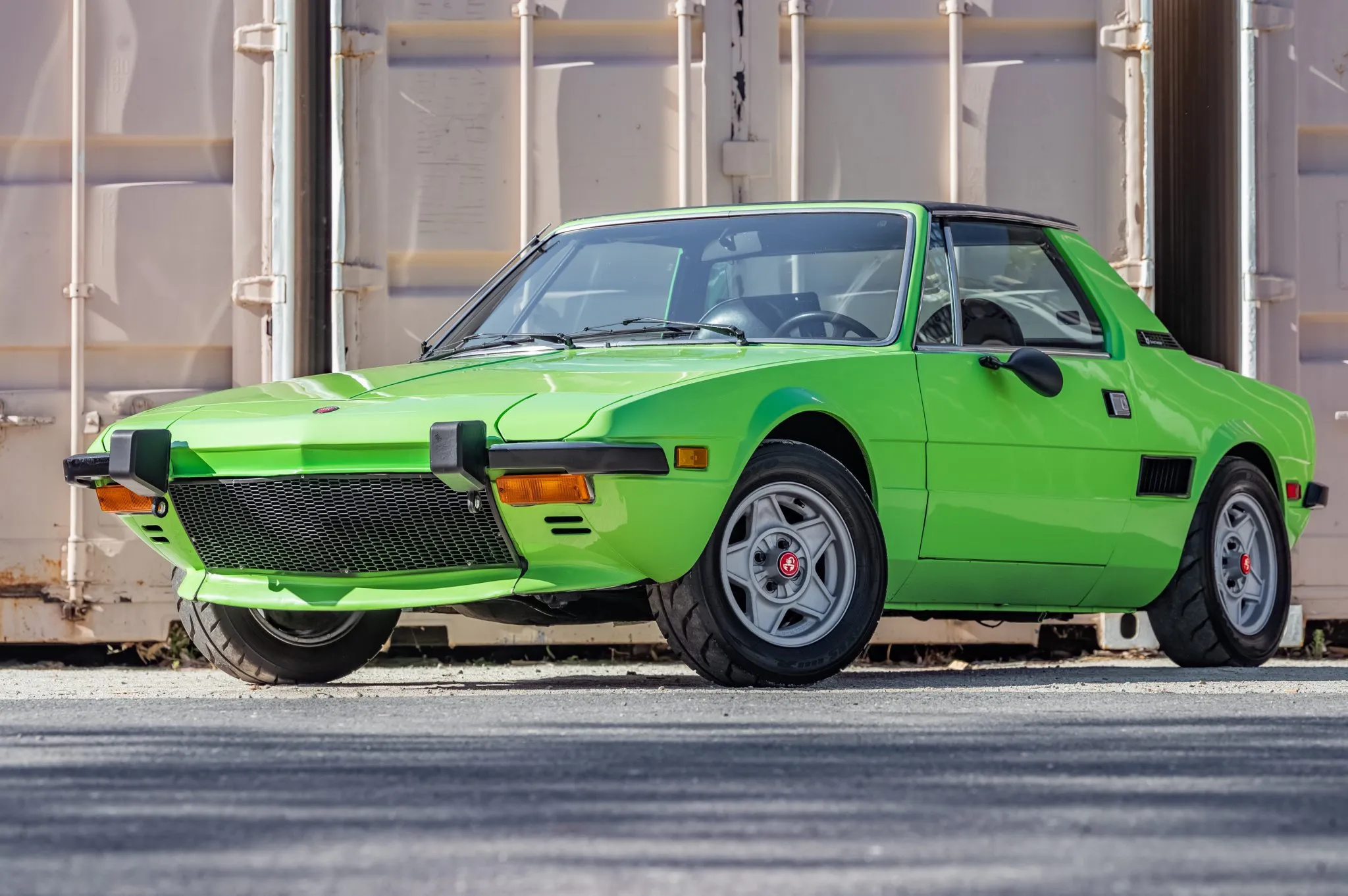
8. 1974 Fiat X1/9: Italian Wedge with Mid-Engine Handling
The 1974 Fiat X1/9 introduced wedge-shaped styling and mid-engine dynamics to the accessible sports car market, emphasizing both style and driving engagement. Powered by a 1.3-liter inline-four engine producing roughly 75 horsepower and 72 lb-ft of torque, it could reach 60 mph in about 12 seconds and a top speed of 105 mph.
Its low center of gravity, balanced weight distribution, and nimble chassis made it renowned for handling akin to a go-kart, offering precision and enjoyment that belied its modest power. One of the X1/9’s standout features was an early removable targa top, providing open-air motoring with minimal compromise.
Lightweight, responsive, and affordable, it became a cult favorite among European enthusiasts. The average auction price of $13,091 reflects its accessibility and enduring appeal. The X1/9 remains a testament to Fiat’s engineering ingenuity, combining practicality with spirited dynamics in a uniquely styled package.
Its playful handling, distinctive design, and mid-engine layout continue to attract collectors seeking a fun, budget-conscious classic. For those who value driver engagement and individuality, the Fiat X1/9 offers a rare combination of affordability, style, and mechanical enjoyment that still feels special decades after its introduction.
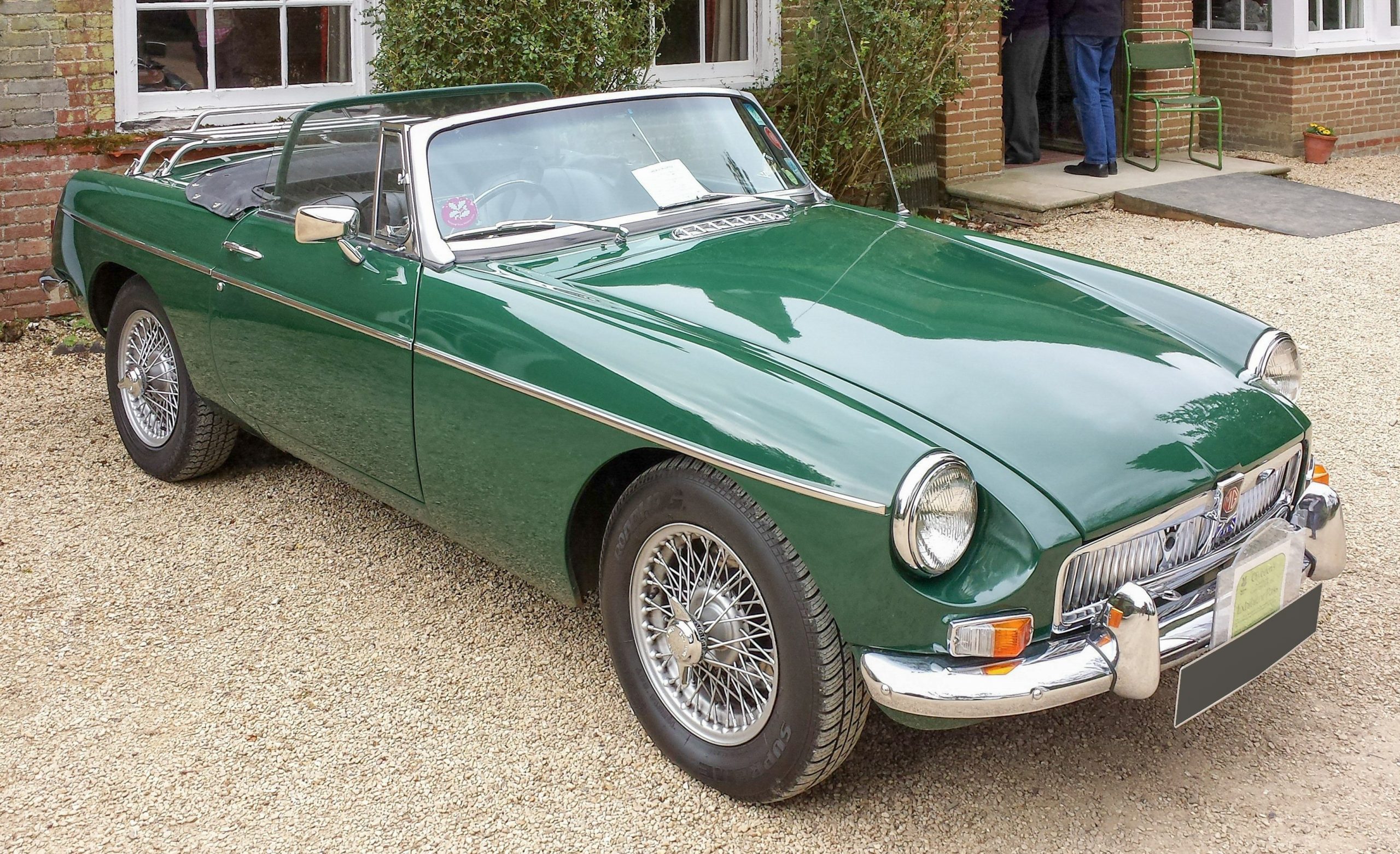
9. 1975 MG B: Iconic British Roadster Simplicity
The 1975 MG B is one of the most iconic and affordable British sports cars, continuing a winning formula of simplicity, charm, and usability. Its 1.8-liter inline-four engine produces approximately 62 horsepower and 86 lb-ft of torque, delivering a leisurely top speed of 91 mph and 0-60 mph acceleration in around 15 seconds.
While not fast by modern standards, its lightweight construction, responsive manual gearbox, and open-top layout make it engaging on scenic drives. The 1975 model introduced rubber bumpers, enhancing safety without compromising the MG B’s timeless appeal.
Its simple mechanics and abundant parts availability ensure long-term maintainability, allowing enthusiasts to enjoy classic motoring without excessive cost. Auction averages of $11,418 highlight its accessibility and entry-level value, making it one of the most affordable ways to own a vintage British roadster.
The MG B embodies the essence of classic sports car enjoyment, prioritizing driving pleasure, simplicity, and style over raw performance. Its enduring popularity demonstrates that timeless design and reliability can coexist at a reasonable price point.
For collectors and enthusiasts, the MG B represents an ideal first classic or daily driver, offering the charm of British roadster heritage without a prohibitive financial commitment.
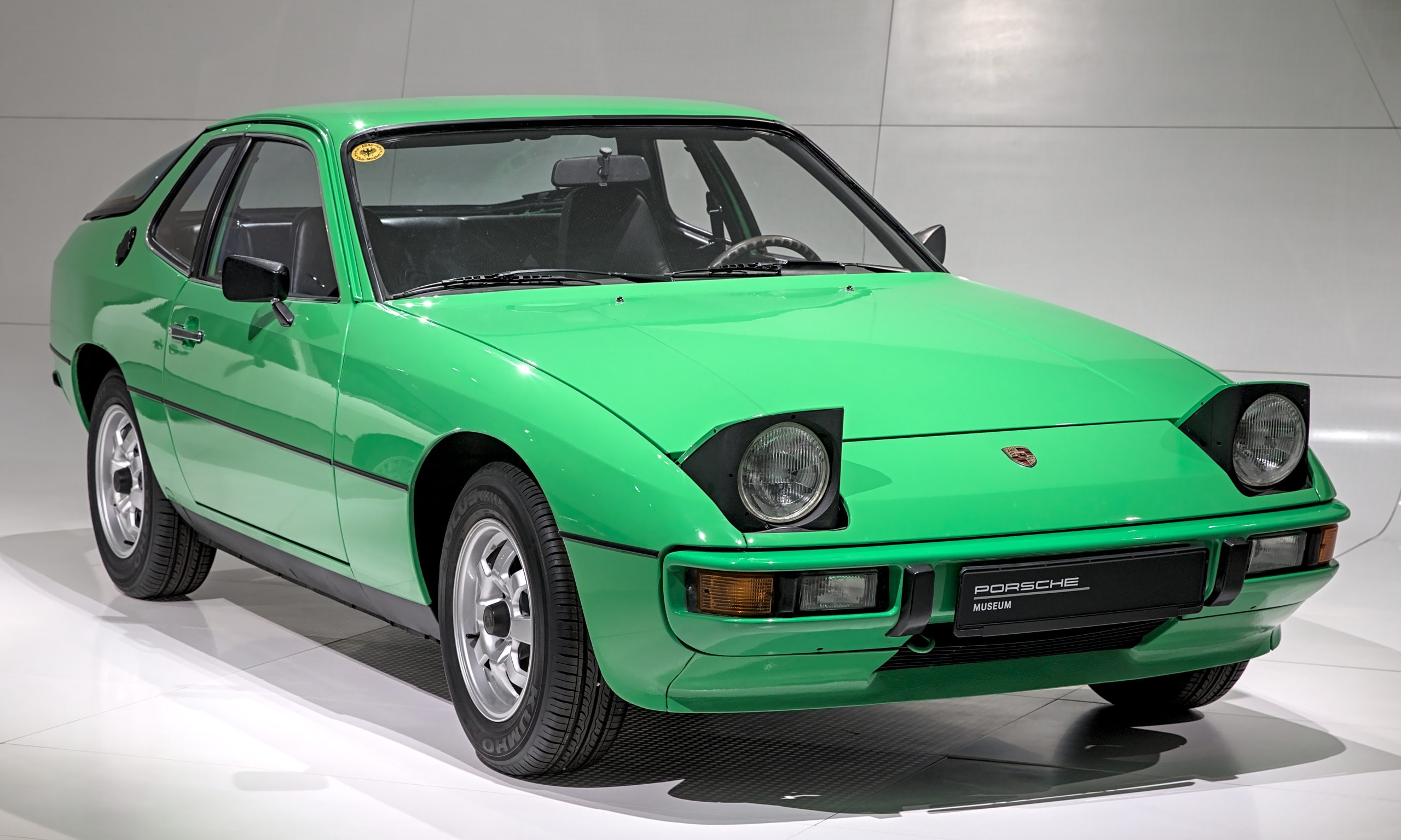
10. 1979 Porsche 924: Accessible German Engineering
The 1979 Porsche 924 served as Porsche’s entry-level sports car, introducing a front-engine, rear-wheel-drive layout that contrasted with the brand’s traditional rear-engine 911.
Its 2.0-liter inline-four engine produced roughly 110 horsepower and 111 lb-ft of torque, enabling a top speed of 120 mph and 0-60 mph acceleration in approximately 11 seconds.
Though early reception among purists was mixed, the 924 offered sharp handling, balanced weight distribution, and dependable performance, aided by an Audi-sourced engine.
Its approachable performance and modest dimensions made it a practical sports car, ideal for enthusiasts seeking Porsche heritage without the financial burden of a 911. The average auction price of $10,193 emphasizes its affordability and appeal to entry-level collectors.
The 924 demonstrates that Porsche engineering extends beyond flagship models, offering a balanced driving experience, build quality, and reliability. Its unique combination of accessibility, design, and handling provides an excellent gateway into German automotive history.
For enthusiasts, the Porsche 924 represents the opportunity to experience classic motoring with the reassurance of engineering precision and brand legacy, all while staying within a manageable budget. Its understated charm and performance-oriented design ensure it remains a compelling option for aspiring Porsche collectors.
Owning a classic car does not require an extravagant budget; the late 1960s and 1970s produced numerous vehicles combining style, personality, and driving engagement at accessible prices.
From Japanese icons like the Toyota Celica and Datsun 280Z to British roadsters such as the Triumph TR6 and Spitfire, these cars offer distinct experiences that transcend raw performance metrics.
Italian designs like the Alfa Romeo Spider and Fiat X1/9 provide elegance and flair, while American muscle, embodied by the Chevrolet Corvette, delivers presence and nostalgia. Even entry-level options like the MG B and Porsche 924 demonstrate that timeless driving enjoyment can be attained affordably.
Collectors today benefit from auction prices that often remain below $25,000, enabling more enthusiasts to participate in classic car culture. These vehicles reward owners with connection, engagement, and aesthetic satisfaction, offering experiences that modern cars may struggle to replicate.
They prove that driving pleasure, historical significance, and charm need not be exclusive to high-priced classics. Ultimately, this era of automobiles reminds us that iconic design, cultural impact, and spirited performance can coexist with accessibility, making it possible for almost anyone to enjoy a piece of automotive history.
These affordable classics encourage exploration, nostalgia, and the sheer joy of driving, ensuring their enduring relevance and appeal for decades to come.
Also Read: 5 Dodges That Stand the Test of Time vs 5 That Don’t Make It Past 80K