
Cars that remain dependable even after sitting unused for years offer a unique kind of reassurance to owners.
Whether it is due to seasonal usage, long-term storage, or simple life circumstances, many vehicles face periods of inactivity that test their durability and resilience.
While some cars can suffer from neglected fluids, weakened seals, and battery deterioration, certain models are built with components that withstand the challenges of extended idleness.
These vehicles maintain reliability and performance once they are returned to the road, providing peace of mind and retaining their value over time.
Several factors contribute to a car’s ability to endure long periods of disuse. Engine design, material quality, and protective measures against corrosion play crucial roles.
Additionally, ease of maintenance after storage and availability of replacement parts influence how well a car recovers after sitting idle. Collectors, hobbyists, and everyday drivers alike often seek cars that can survive extended downtime without requiring extensive repairs.
Understanding which models are more resilient can save time, money, and frustration while ensuring a smooth return to regular driving.
The following list highlights twelve vehicles known for their remarkable reliability even after years of being parked. Each entry explains why the car is dependable, what owners should consider during storage, and how it performs once back on the road.
Also Read: 12 Mazda Models That Rarely See the Shop
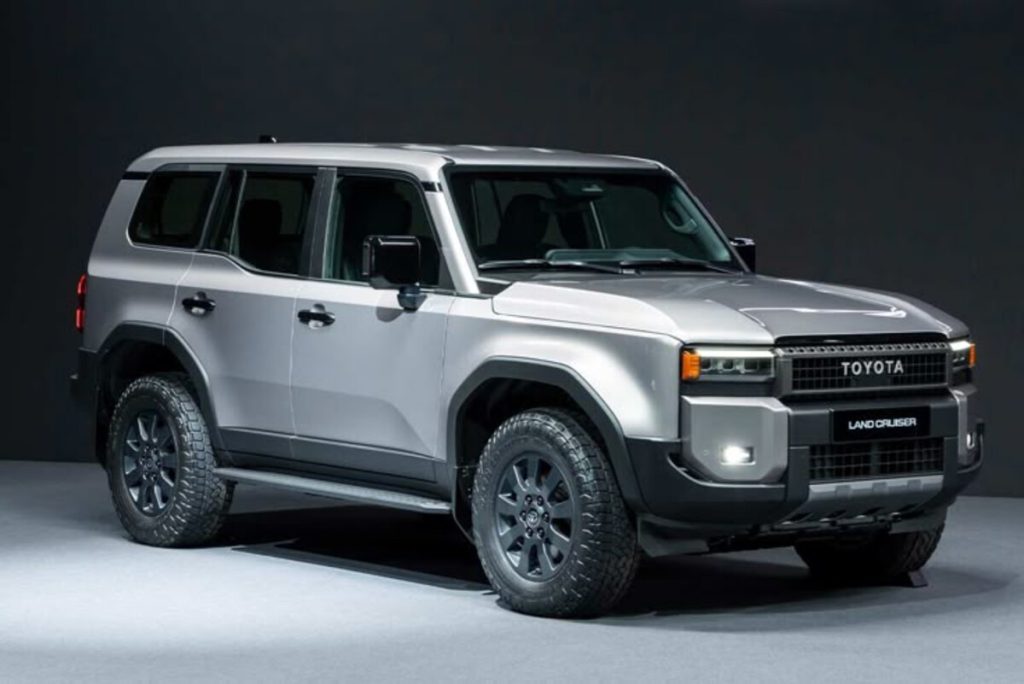
1. Toyota Land Cruiser
The Toyota Land Cruiser has earned a reputation for unmatched durability, making it a top choice for long-term reliability. Even after sitting idle for years, this SUV tends to start easily and perform smoothly, thanks to its robust engine and sturdy construction.
The naturally aspirated V8 or inline-six engines used in older models are simple in design, reducing the likelihood of issues arising from inactivity. Unlike many modern vehicles with complex electronics, the Land Cruiser’s mechanical systems are straightforward, which helps maintain functionality after storage.
Owners who store a Land Cruiser for extended periods should still take precautions. Keeping the fuel tank full and adding a stabilizer prevents gasoline degradation. The cooling system, including antifreeze and hoses, should be checked to avoid leaks or corrosion.
A battery maintainer is highly recommended, as even these resilient vehicles can experience battery discharge over time. Tires should be inflated properly and periodically rotated to prevent flat spots, ensuring safe driving upon return.
Upon reactivation, the Land Cruiser typically requires minimal intervention. Routine checks of oil, fluids, and belts are usually sufficient to restore peak performance.
Its solid suspension and durable drivetrain are less prone to deterioration than other vehicles, allowing it to handle off-road adventures or daily commuting without hesitation.
For those looking for a vehicle that can endure long periods of inactivity while remaining reliable, the Land Cruiser consistently proves itself as a dependable choice, combining proven engineering with resilience that few SUVs can match.
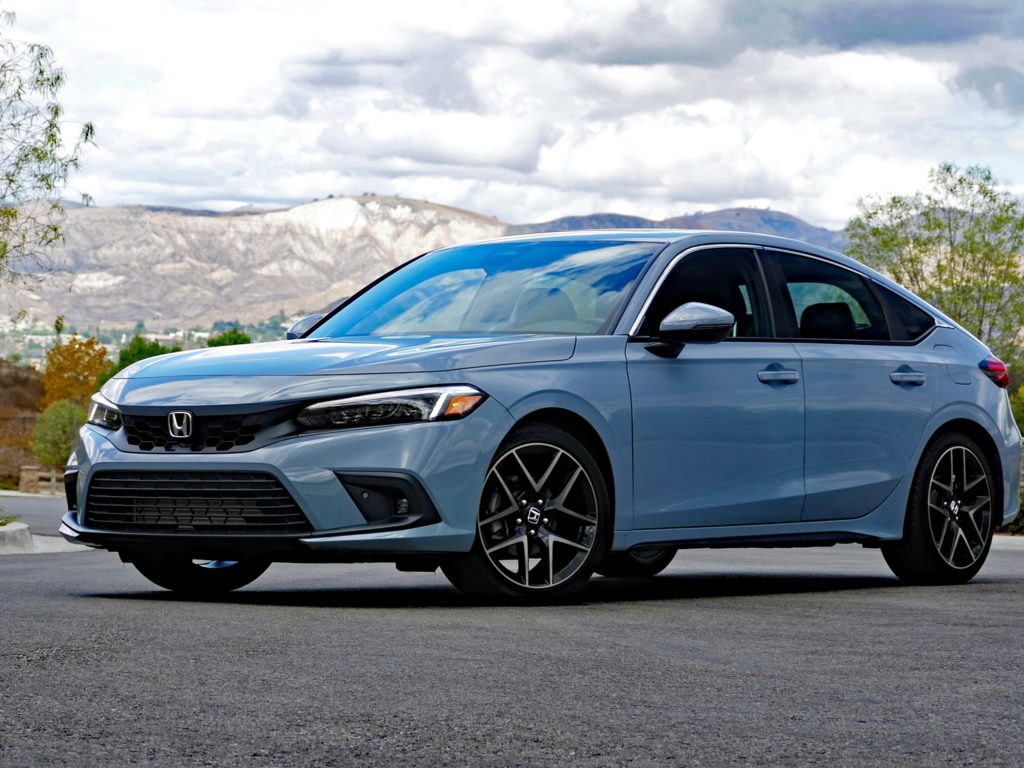
2. Honda Civic
The Honda Civic is known for its simplicity and reliability, qualities that extend to long-term storage scenarios. Older Civic models, especially those from the 1990s and early 2000s, feature engines with straightforward fuel injection and minimal electronic complexity, which allows them to restart easily even after years of being parked.
The Civic’s engine components, including the valve train and cooling system, are resistant to corrosion, making it less likely for stored vehicles to develop major problems.
When storing a Civic for an extended period, it is important to prepare it properly. Filling the gas tank and adding a stabilizer helps prevent fuel system issues. Disconnecting the battery or using a battery maintainer ensures the electrical system remains functional.
Tires should be inflated to the recommended pressure and periodically rotated to avoid uneven wear or flat spots. Cleaning the underbody and applying a protective coating can prevent rust, particularly in climates with high humidity or winter salt.
Once back on the road, the Civic usually requires only routine maintenance. Checking fluids, belts, and tire condition is often sufficient.
The Civic’s lightweight design and efficient engine contribute to a smooth restart, while its compact size and reliable transmission make it easy to drive immediately after storage.
This combination of durable engineering and simple systems makes the Honda Civic one of the best options for drivers seeking a car that maintains reliability even after long periods of inactivity.
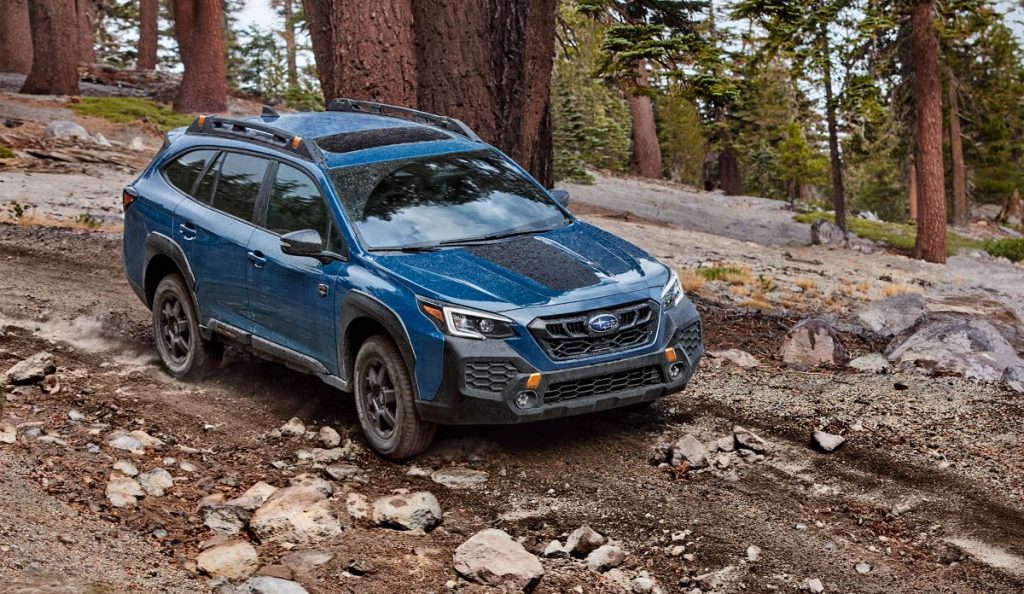
3. Subaru Outback
The Subaru Outback is celebrated for its rugged design and dependable all-wheel-drive system. Even when parked for long durations, its flat-four engines and mechanically straightforward drivetrain allow for a smooth restart.
Owners of Outbacks from the late 1990s to mid-2010s often report that, with proper storage, these vehicles perform as reliably as when they were regularly used.
The symmetrical all-wheel-drive system distributes stress evenly across components, which reduces long-term wear even during inactivity.
Proper storage for an Outback includes filling the fuel tank, adding stabilizer, and keeping the battery on a maintainer or disconnected.
Checking the cooling system and maintaining tire pressure is essential. Subaru engines are sensitive to coolant and oil condition, so changing fluids before storage can prevent corrosion and sludge buildup.
The suspension and brake components benefit from occasional movement or gentle rotation to prevent sticking or flat spots.
When brought back into service, an Outback typically needs only minor checks to resume normal operation. The AWD system, combined with a durable engine, ensures safe handling and performance on a variety of road conditions.
Interior electronics and accessories generally remain functional, making it convenient to return the car to daily use. The Outback’s reputation for longevity and its ability to handle extended inactivity make it a reliable choice for anyone seeking a practical, all-weather vehicle that remains dependable even after years of sitting idle.
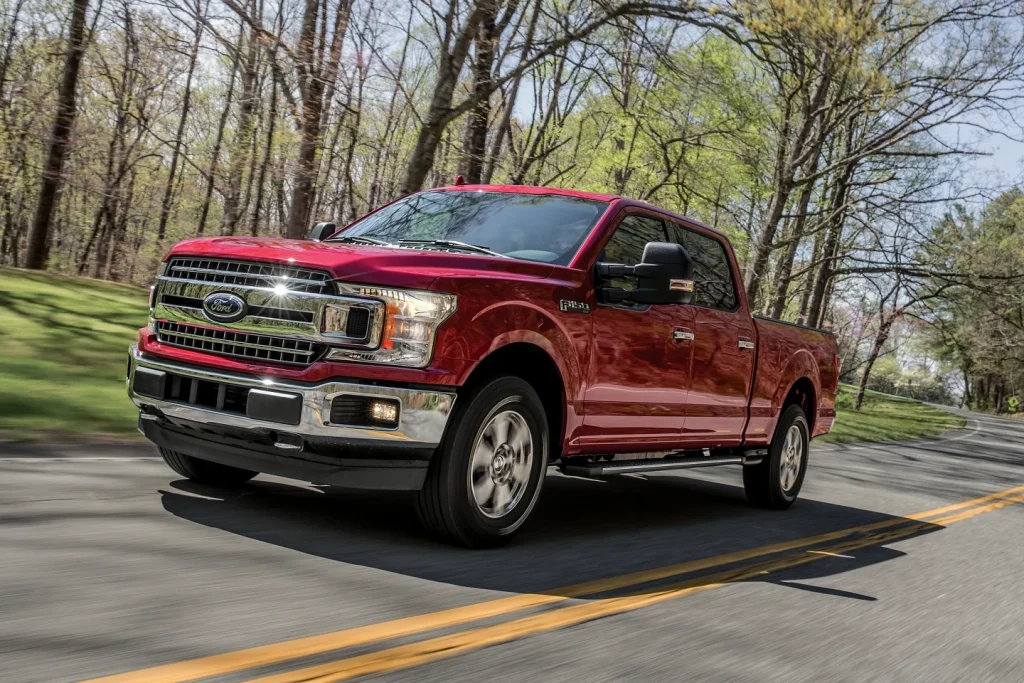
4. Ford F-150
The Ford F-150, America’s best-selling pickup, is known for its toughness and long-term reliability. Its body-on-frame construction and durable engine options, particularly the V8s and naturally aspirated V6s, allow the vehicle to endure periods of inactivity with minimal issues.
Even trucks that have been parked for years tend to restart without major mechanical intervention, making the F-150 a dependable choice for owners who occasionally store their vehicle for extended periods.
Proper preparation for long-term storage is critical. Filling the fuel tank and adding a stabilizer prevents fuel degradation, while a battery maintainer keeps electrical systems functional.
Fluids, including engine oil, brake fluid, and coolant, should be checked before storage to avoid damage.
Tires must be inflated to the correct pressure and moved occasionally to prevent flat spots. The F-150’s robust chassis resists corrosion, but protective coatings on exposed metal areas further ensure longevity during storage.
After storage, the F-150 generally requires routine maintenance to resume normal operation. Checking fluids, belts, and tire condition is usually sufficient.
Once restarted, the truck’s transmission and drivetrain provide reliable performance for hauling, towing, or daily driving.
Its rugged design, combined with proven mechanical engineering, makes the F-150 a vehicle that can remain parked for years without losing reliability, offering peace of mind to owners who need a dependable truck when the time comes to return to the road.
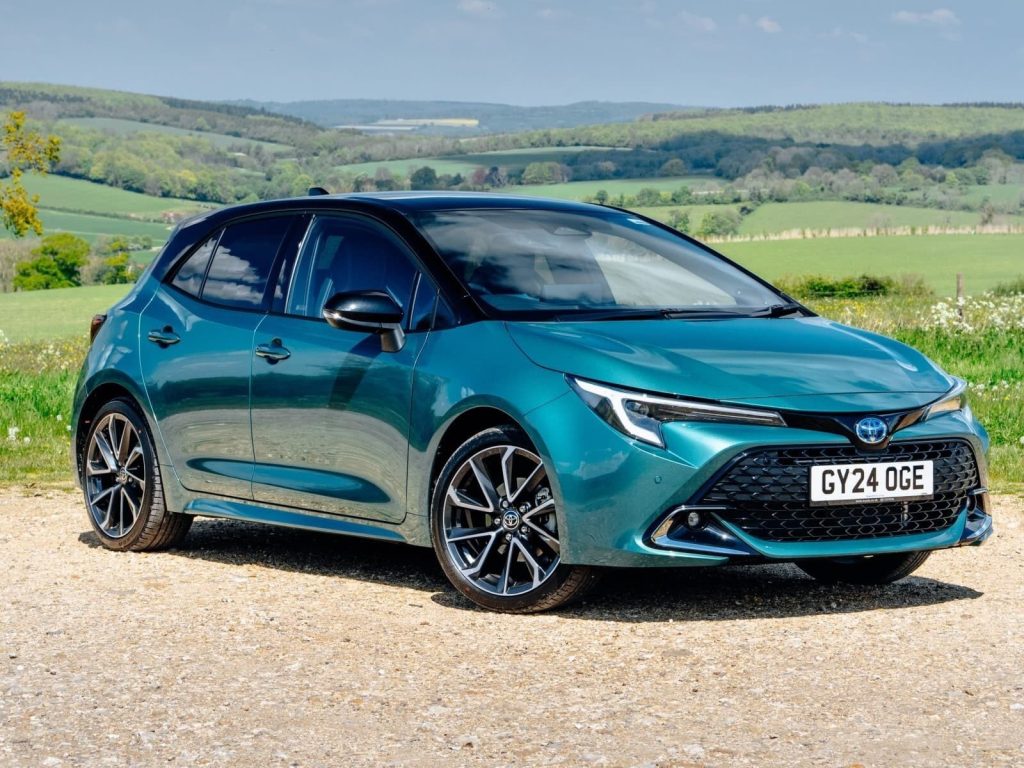
5. Toyota Corolla
The Toyota Corolla has long been synonymous with reliability, and this trait extends to vehicles that have been left unused for extended periods.
Older models, particularly those from the 1990s and early 2000s, feature simple engines with durable components, allowing them to start easily even after years of inactivity.
Corrosion-resistant materials and straightforward mechanical systems reduce the likelihood of serious problems developing during long-term storage.
Proper preparation is essential when storing a Corolla. Filling the fuel tank and adding a stabilizer prevents gasoline degradation, while disconnecting the battery or using a maintainer keeps the electrical system ready.
Fluids such as engine oil, coolant, and brake fluid should be checked or replaced to avoid damage. Tires need proper inflation and occasional rotation to prevent flat spots, and cleaning the undercarriage helps prevent rust, especially in humid climates or areas with winter salt.
Once returned to service, the Corolla typically requires only routine checks. Examining fluids, belts, and tire condition is often enough to resume driving.
The reliable engine, smooth transmission, and corrosion-resistant bodywork make it simple to get back on the road without major repairs. Its compact size and efficient fuel economy further enhance its practicality for everyday use.
For anyone seeking a vehicle that remains dependable even after years of inactivity, the Corolla continues to prove itself as a low-maintenance, long-lasting choice, combining simple design with proven reliability that few compact cars can match.
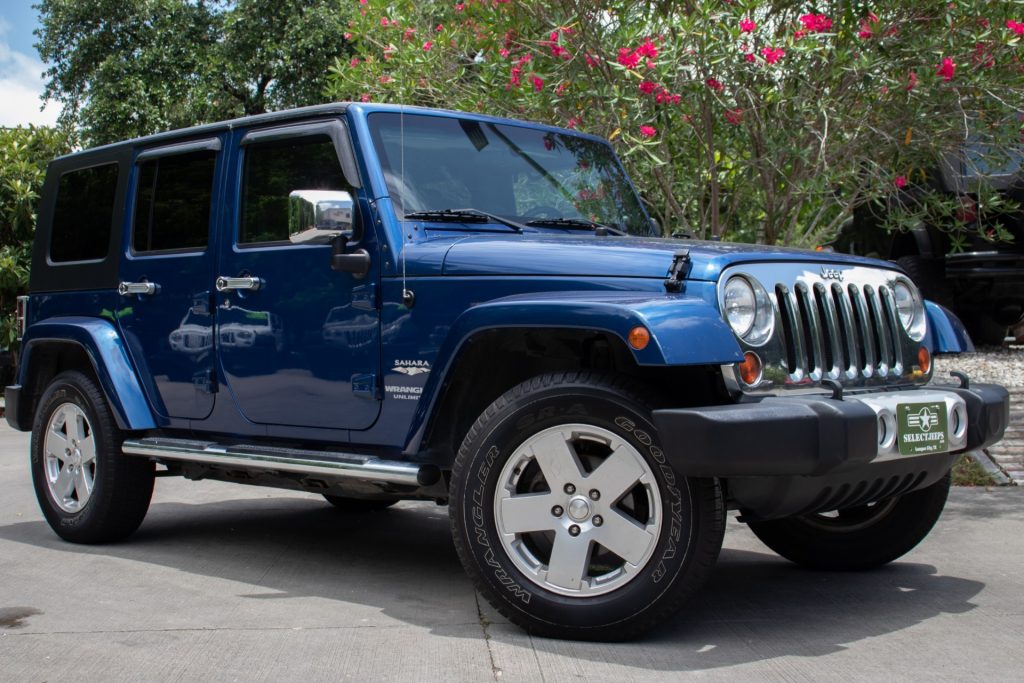
6. Jeep Wrangler
The Jeep Wrangler is built to endure tough conditions, and this durability carries over to long-term storage. Its simple drivetrain, solid axles, and robust engine design allow the vehicle to start and operate reliably even after years of being parked.
Older Wrangler models, especially those with naturally aspirated engines, benefit from straightforward systems that are less likely to suffer from long-term inactivity.
Preparing a Wrangler for storage involves filling the fuel tank with stabilizer, maintaining proper tire pressure, and using a battery maintainer to prevent discharge.
Checking fluids, including engine oil, coolant, and brake fluid, is essential to prevent corrosion or component degradation. Rubber seals and gaskets should be inspected to avoid cracking, and cleaning the underbody can help protect against rust. Periodically moving the vehicle slightly or rotating the tires reduces the risk of flat spots.
When returned to regular use, the Wrangler typically resumes operation with minimal intervention. Its mechanical simplicity, combined with rugged suspension and drivetrain components, ensures reliability on both-road and off-road conditions.
Owners often find that the vehicle performs as expected after long storage, requiring only minor maintenance checks.
The Jeep Wrangler’s reputation for resilience, even after extended inactivity, makes it an ideal choice for enthusiasts and casual drivers seeking a dependable, adventure-ready vehicle that can handle years of sitting idle without losing reliability.
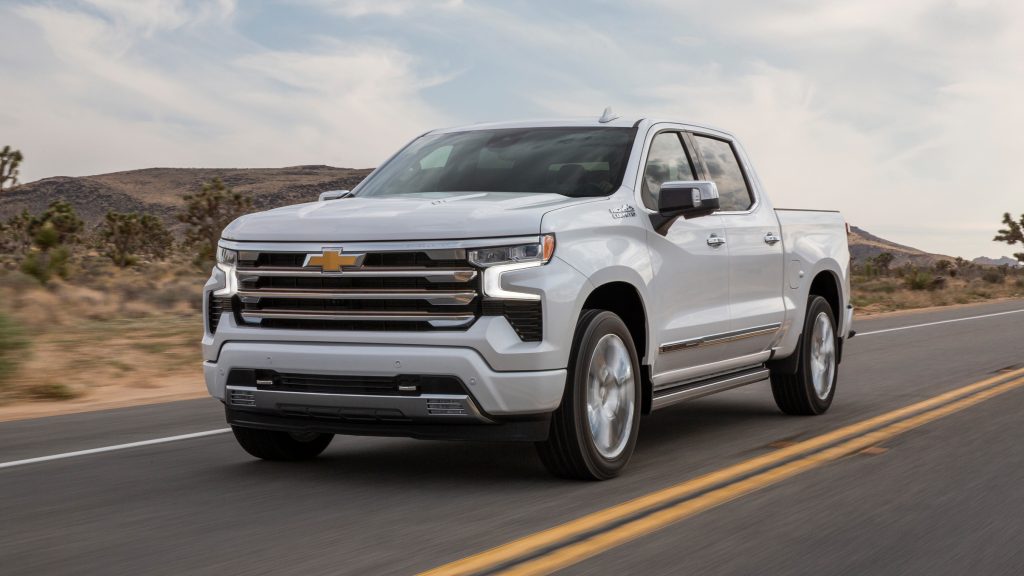
7. Chevrolet Silverado
The Chevrolet Silverado, a stalwart among full-size pickups, maintains reliability even after long periods of inactivity.
Its body-on-frame construction, combined with durable engine options such as the V6 and V8, ensures that the truck remains functional and ready to operate after years of being parked.
Straightforward mechanical systems and easily accessible components contribute to the Silverado’s long-term durability.
Proper storage includes filling the fuel tank with stabilizer to prevent degradation and maintaining the battery with a charger or disconnect. Engine oil, brake fluid, and coolant should be checked or replaced to avoid corrosion.
Tire pressure must be maintained, and occasional movement helps prevent flat spots. Protective coatings or rust prevention for the underbody are recommended in humid or winter-prone areas.
Once back on the road, the Silverado typically requires only routine inspections. Fluids, belts, and tires are checked, while the engine, transmission, and drivetrain perform reliably. Its sturdy suspension and durable frame allow it to handle towing, hauling, and everyday driving without hesitation.
The Silverado’s combination of rugged engineering, dependable engines, and straightforward maintenance makes it a vehicle that can endure long-term storage without compromising performance, offering owners confidence that their truck will remain ready for action whenever needed.
8. Lexus LS
The Lexus LS is renowned for its long-lasting luxury and reliability, qualities that remain even after extended periods of inactivity.
Older LS models, particularly from the 1990s and 2000s, feature high-quality engines and precise engineering, which allows the car to start and run smoothly after years of sitting idle. Its electronic and mechanical systems are designed to endure long-term storage without significant issues.
Before storing an LS, filling the fuel tank and adding stabilizer is important to maintain fuel integrity. Using a battery maintainer or disconnecting the battery prevents electrical problems.
Fluids, including engine oil, coolant, and brake fluid, should be checked and replaced if necessary. Tire pressure must be maintained, and the vehicle should be moved periodically to avoid flat spots. Protective measures against corrosion, such as underbody cleaning and waxing, help preserve the vehicle’s finish.
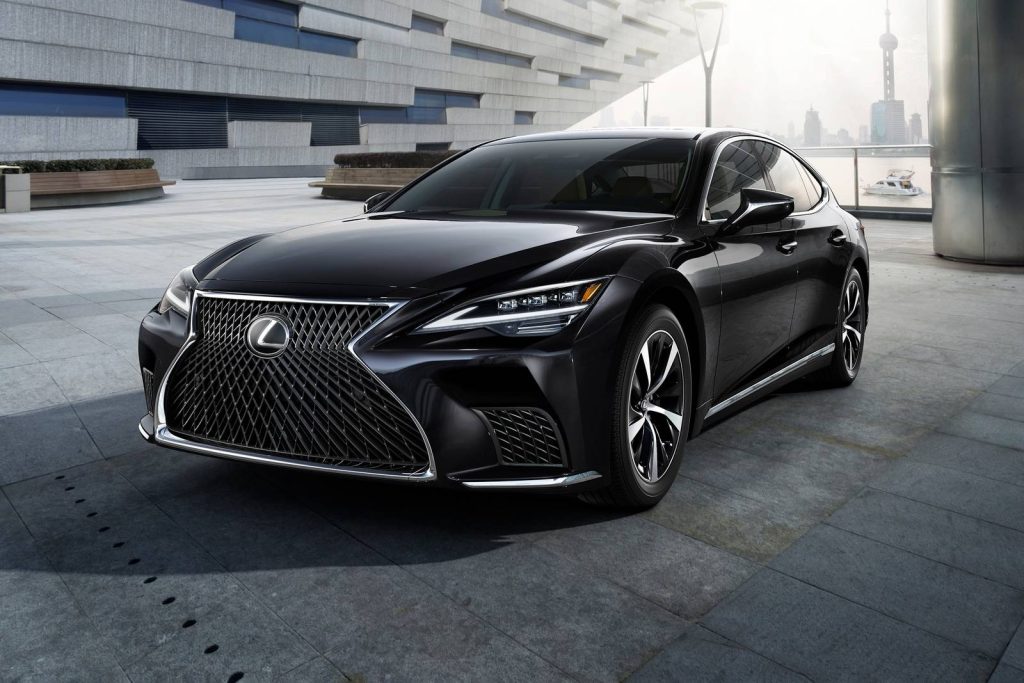
Upon returning to use, the Lexus LS typically requires only routine maintenance checks. Fluid levels, belts, and tires are examined, and the car generally operates as if it had been driven regularly. Its smooth V8 engines, durable transmission, and well-built suspension provide dependable performance.
The LS demonstrates that luxury and long-term reliability can coexist, offering a vehicle that remains comfortable, refined, and mechanically sound even after years of inactivity.
9. Mazda MX-5 Miata
The Mazda MX-5 Miata is celebrated for its lightweight design and mechanical simplicity, qualities that make it reliable even after long periods of inactivity.
Older models, particularly the first- and second-generation Miatas, feature naturally aspirated four-cylinder engines with minimal electronic complexity, allowing them to start and run smoothly after years of being parked. The simplicity of the suspension, brakes, and drivetrain contributes to long-term reliability.
Proper storage includes filling the fuel tank and adding a stabilizer to prevent fuel degradation. Using a battery maintainer or disconnecting the battery is important for preserving electrical systems.
Engine oil, coolant, and brake fluid should be checked or replaced before storage to avoid corrosion and deterioration. Tire pressure must be maintained, and the car should be moved occasionally to prevent flat spots. Cleaning and waxing the exterior protects the body from rust and environmental damage.
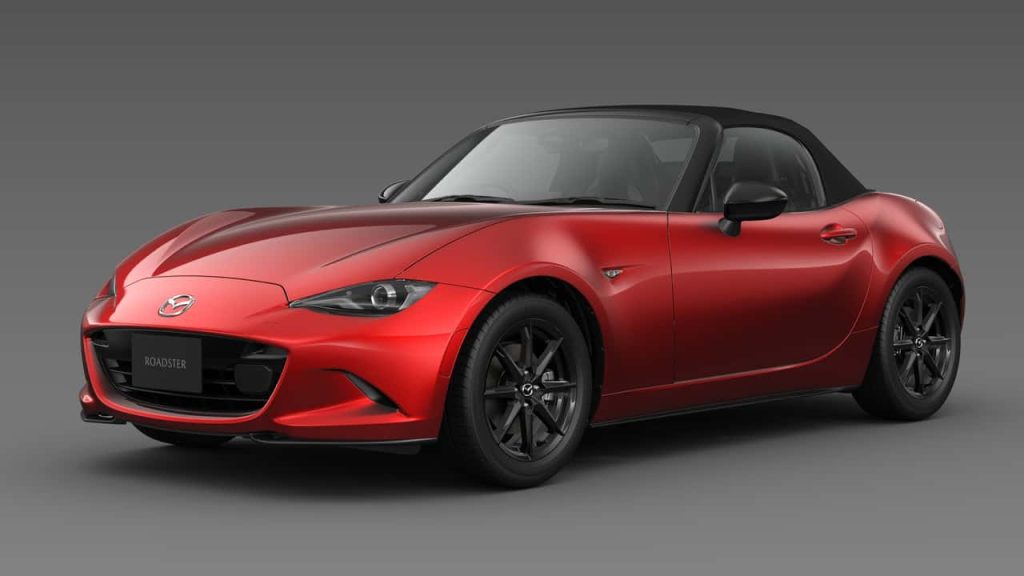
Upon returning to use, the MX-5 typically requires only routine inspections. Fluids, belts, and tires are checked, while the engine and transmission perform reliably.
The car’s lightweight chassis, responsive steering, and simple suspension allow for immediate handling performance.
Its reputation for durability, combined with ease of maintenance and mechanical simplicity, makes the Mazda MX-5 Miata an excellent choice for enthusiasts seeking a reliable, fun-to-drive vehicle that remains dependable even after years of inactivity.
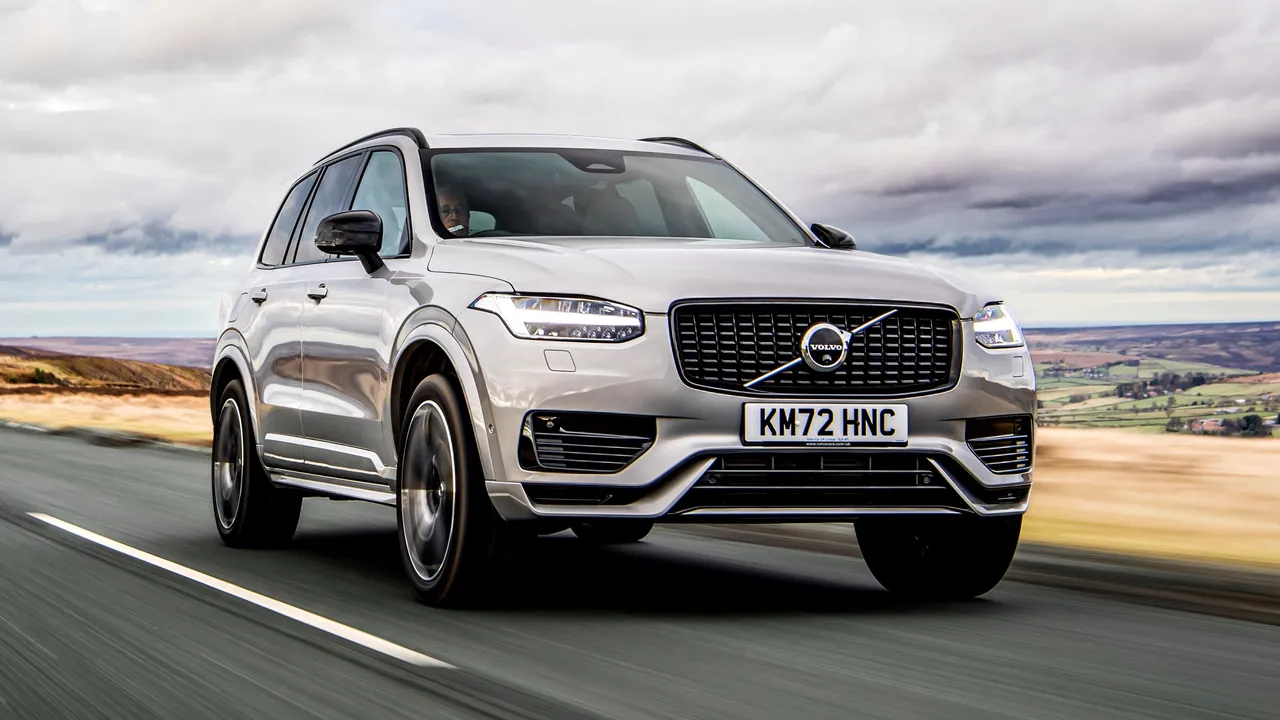
10. Volvo XC90
The Volvo XC90 is recognized for its robust construction and long-lasting mechanical systems. Even after extended storage, these SUVs can start and operate reliably due to durable engine options and well-engineered drivetrain components.
Older XC90 models, particularly those with naturally aspirated engines, benefit from a straightforward design that resists problems caused by long-term inactivity.
Before storing an XC90, filling the fuel tank and adding stabilizer is essential. The battery should be maintained or disconnected to prevent power loss. Fluids, including oil, coolant, and brake fluid, should be checked or replaced.
Tire pressure must be kept within specifications, and the vehicle should be moved occasionally to prevent flat spots. Rust protection and underbody cleaning help prevent corrosion over time.
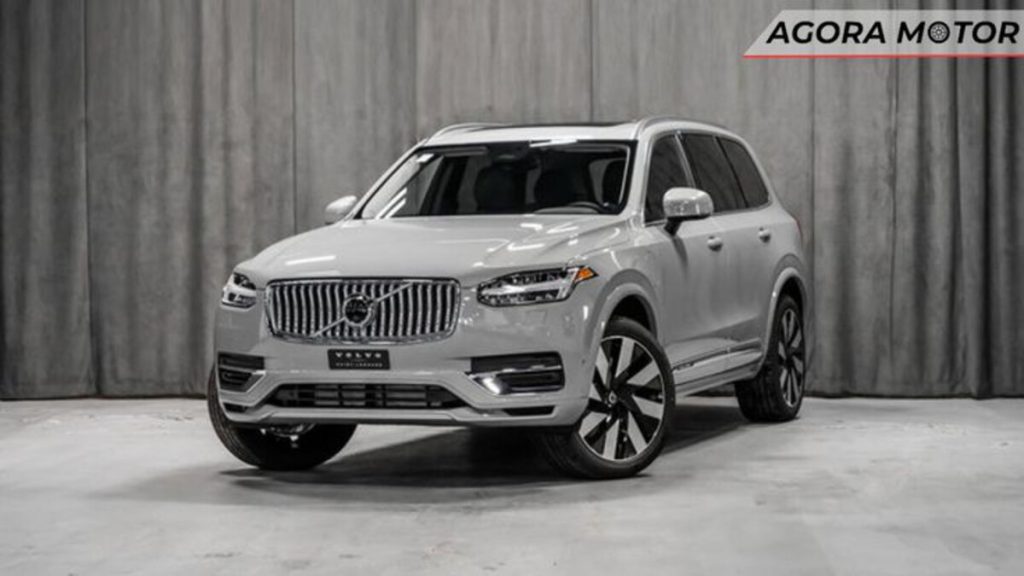
When brought back into service, the XC90 generally requires minimal intervention. Routine checks of fluids, belts, and tires are typically sufficient. The AWD system and sturdy suspension perform reliably, and the interior electronics remain functional.
The XC90’s combination of durability, comfort, and long-term reliability makes it a dependable SUV for drivers who may store their vehicle for extended periods but still expect consistent performance when returning to the road.
11. Nissan Frontier
The Nissan Frontier is a compact pickup known for its robust mechanical design. Even after years of inactivity, these trucks are capable of reliable operation thanks to straightforward engines and simple drivetrain components.
Older models, particularly those with naturally aspirated four-cylinder or V6 engines, have a reputation for longevity and minimal issues after being parked.
Proper preparation for storage includes filling the fuel tank with stabilizer, maintaining the battery, and checking all essential fluids.
Tire pressure should be maintained, and the truck should be moved occasionally to prevent flat spots. Cleaning the underbody and applying rust protection further ensures long-term durability.
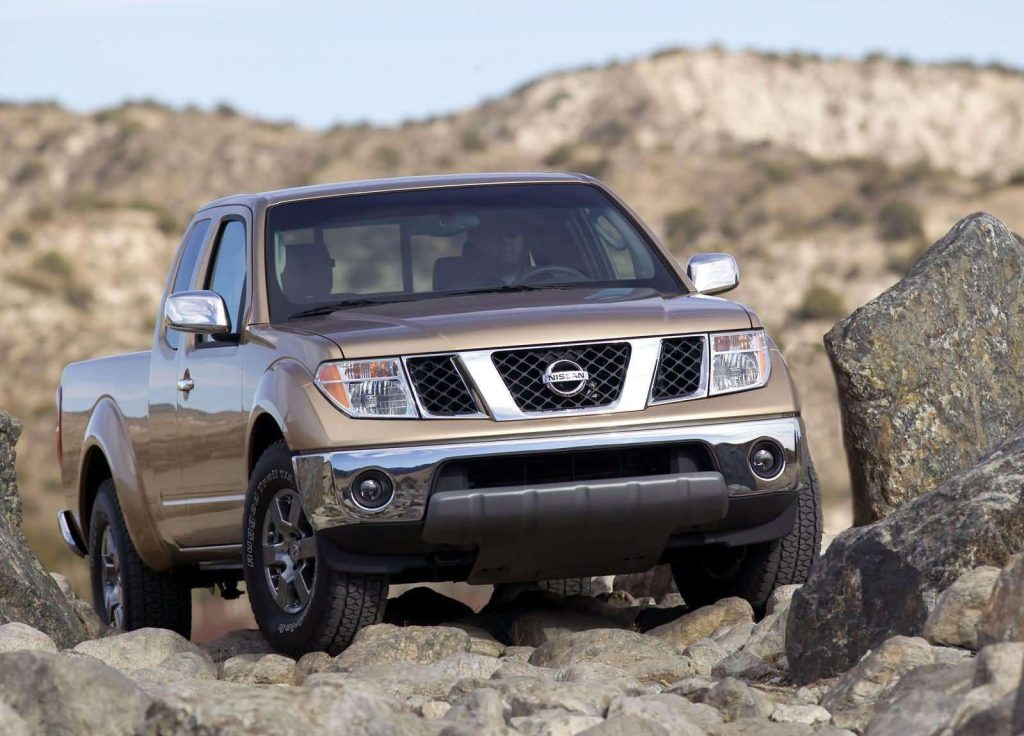
Once back on the road, the Frontier typically requires only routine maintenance. Checking fluids, belts, and tire condition allows the truck to resume regular operation.
Its suspension, drivetrain, and engine perform reliably, making it suitable for daily driving, hauling, or light off-road use.
The Nissan Frontier’s durable construction and straightforward engineering make it a practical choice for those who may leave a vehicle unused for extended periods but still want dependable performance upon return.
12. Honda CR-V
The Honda CR-V is valued for its practicality and long-term reliability, even after extended periods of inactivity.
Older models feature simple four-cylinder engines and uncomplicated mechanical systems, allowing the vehicle to start and operate smoothly after being parked for years. Its corrosion-resistant body panels and durable drivetrain contribute to lasting dependability.
Proper storage includes filling the fuel tank with stabilizer, maintaining or disconnecting the battery, and checking engine oil, coolant, and brake fluid.
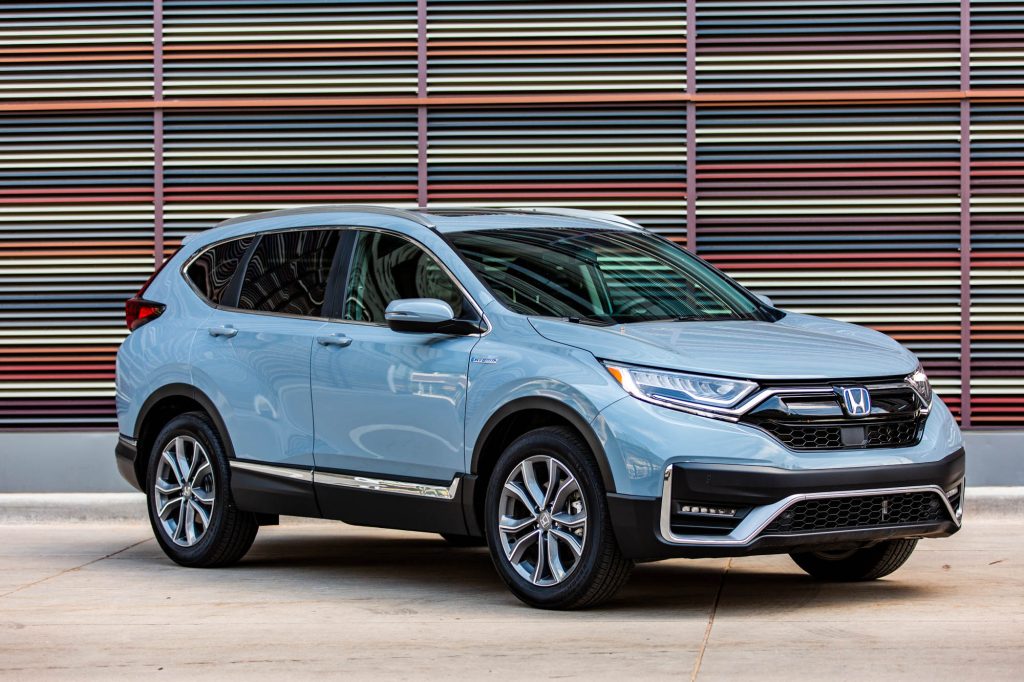
Tires should be inflated to the recommended pressure, and periodic movement prevents flat spots. Cleaning and applying protective coatings helps preserve the exterior and underbody from rust.
When returned to use, the CR-V generally requires only routine inspections. Checking fluids, belts, and tire condition ensures readiness for driving. Its reliable engine, smooth transmission, and well-maintained suspension provide dependable performance.
The CR-V’s combination of practicality, durability, and long-term reliability makes it a sensible choice for anyone who needs a vehicle that can handle years of inactivity without compromising functionality or comfort.
Long-term vehicle reliability is not only about regular maintenance but also about choosing models that can endure periods of inactivity without significant issues.
Certain cars, trucks, and SUVs are built with robust mechanical systems, corrosion-resistant components, and simple engine designs that allow them to remain dependable even after sitting idle for years.
The twelve vehicles highlighted demonstrate this resilience, ranging from compact cars to full-size pickups and luxury sedans.
Vehicles like the Toyota Land Cruiser, Honda Civic, and Subaru Outback show that a combination of durable engines and straightforward mechanical systems allows for smooth restarts after extended storage.
Pickups such as the Ford F-150 and Chevrolet Silverado offer strong frames and reliable drivetrains, making them capable of performing well even after long periods of non-use.
Meanwhile, luxury models like the Lexus LS and practical SUVs such as the Honda CR-V and Volvo XC90 maintain dependable performance through high-quality engineering and corrosion-resistant materials.
Proper preparation is a critical factor in ensuring that these vehicles remain reliable. Measures such as filling the fuel tank with stabilizer, maintaining battery charge, checking and replacing essential fluids, maintaining tire pressure, and protecting the underbody from corrosion all contribute to a smooth transition from storage to regular use.
Even small steps, such as periodically moving the vehicle or rotating the tires, can prevent long-term issues and preserve drivability.
Ultimately, the vehicles featured in this list are proof that durability and smart engineering play a significant role in long-term reliability.
Choosing cars with proven track records and following simple storage practices allows owners to enjoy a dependable, ready-to-drive vehicle whenever needed, regardless of how long it has been parked.
These models provide peace of mind and demonstrate that a well-built car can withstand both time and inactivity without compromising performance or convenience.
Also Read: 12 Hybrids That Outlast Gas Cars While in Daily Use
