
Small engines often get overlooked in favor of larger, more powerful options, but some compact powerplants prove that size does not always dictate performance.
A well-designed small engine can deliver surprising power, efficiency, and reliability, making it an attractive choice for a variety of vehicles.
From sports cars to compact SUVs, these engines demonstrate that intelligent engineering can provide performance that rivals larger counterparts while keeping weight, fuel consumption, and cost under control.
One of the key advantages of small engines is their efficiency. With less mass to move and carefully tuned components, these engines often achieve excellent fuel economy without sacrificing usability or responsiveness.
Turbocharging and direct injection technologies have further enhanced the potential of small engines, allowing them to produce impressive horsepower and torque figures while remaining compact.
Durability and reliability are additional factors that distinguish small engines. Many compact engines are designed with robust materials and advanced cooling systems, allowing them to handle stress and extended use effectively.
When properly maintained, these engines can last for hundreds of thousands of miles, providing owners with value and peace of mind.
These engines also offer versatility. They are found in a range of vehicles, from nimble hatchbacks and sedans to sporty coupes and crossovers. Their ability to deliver both everyday practicality and spirited performance makes them appealing to a wide audience.
This article highlights nine small engines that consistently punch above their weight. Each entry examines what makes these engines remarkable, including power output, efficiency, engineering features, and real-world performance.
Understanding these engines can help enthusiasts and buyers appreciate the potential of small powerplants and identify vehicles that maximize both performance and practicality without relying on larger, heavier engines.
Also Read: 5 Small Car Engines That Run Like Big Ones and 5 That Can’t Keep Up
1. BMW 2.0L TwinPower Turbo I4
The BMW 2.0-liter TwinPower Turbo inline-four engine is a compact powerhouse found in a variety of BMW models, including the 3 Series, 4 Series, and X3.
Despite its small displacement, this engine delivers impressive performance, combining strong horsepower, smooth torque, and refined driving characteristics.
Turbocharging is central to its capabilities. BMW’s TwinPower Turbo system uses a single twin-scroll turbocharger, which enhances air intake efficiency and improves combustion.
This allows the engine to produce up to 248 horsepower in some models while delivering ample torque at low and mid-range RPMs. Drivers experience responsive acceleration and a lively performance without needing a larger engine.
Durability is another key factor. BMW engineers designed this engine with high-strength materials, advanced cooling, and precise engineering to handle stress from turbocharging and sustained performance driving.
When maintained according to service guidelines, the engine can achieve high mileage while maintaining smooth operation and reliability.
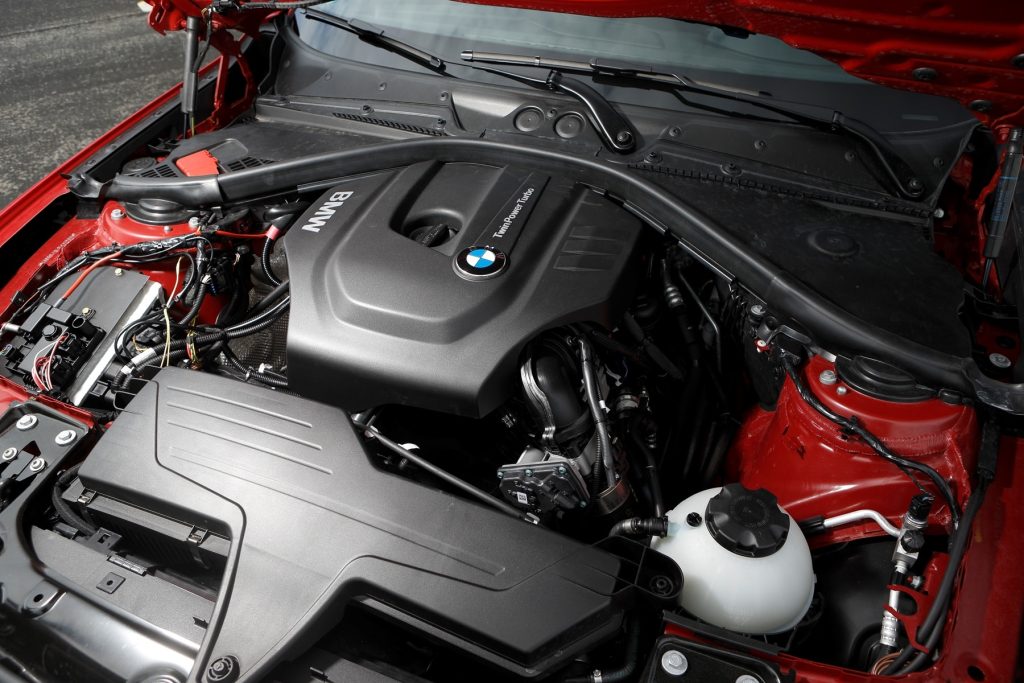
Direct fuel injection and variable valve timing contribute to efficiency and power. These systems optimize combustion for each cylinder, improving fuel economy while maintaining performance. Lightweight construction and compact dimensions also enhance vehicle balance, handling, and agility.
The engine’s compact size allows it to fit in multiple chassis configurations, from sedans to crossovers, without compromising space or weight distribution.
Maintenance and repair are straightforward for enthusiasts and service centers, with parts widely available and well-supported.
Overall, the BMW 2.0L TwinPower Turbo inline-four exemplifies how a small engine can provide spirited performance, efficiency, and reliability.
Its combination of turbocharging, advanced engineering, and durability enables it to punch above its weight, offering drivers a blend of excitement, refinement, and long-term usability in a compact package.
2. Mazda 2.5L SkyActiv-G I4
The Mazda 2.5-liter SkyActiv-G inline-four engine is known for delivering a balance of efficiency, reliability, and spirited performance.
Found in vehicles such as the Mazda6, CX-5, and Mazda3, this engine showcases how thoughtful engineering can maximize output and responsiveness from a relatively small displacement.
SkyActiv technology is central to its performance. High compression ratios improve combustion efficiency, while lightweight components reduce internal friction.
This allows the 2.5L engine to deliver up to 187 horsepower in standard applications, producing ample power for acceleration and daily driving needs without sacrificing fuel efficiency.
Durability is a notable strength. Mazda designed the SkyActiv-G with robust materials, reinforced internal components, and advanced cooling systems.
Properly maintained, this engine often reaches high mileage with minimal mechanical issues, which is remarkable for a naturally aspirated engine of its size.
Fuel injection and variable valve timing contribute to smooth operation and efficiency. These systems adjust airflow and fuel delivery precisely to match driving conditions, improving responsiveness, reducing fuel consumption, and maintaining low emissions. Lightweight construction further enhances vehicle handling and performance.
Practicality is another advantage. The compact engine allows for optimized vehicle weight distribution and efficient packaging, benefiting both sedans and crossover SUVs.
Maintenance is straightforward, with parts widely available and service procedures manageable for owners and mechanics alike.

Overall, the Mazda 2.5L SkyActiv-G inline-four demonstrates that small engines can offer engaging performance and durability. Its advanced combustion technology, efficient design, and reliable components allow it to punch above its weight, delivering a driving experience that feels both dynamic and practical.
3. Toyota 2.0L Dynamic Force I4
The Toyota 2.0-liter Dynamic Force inline-four engine is engineered for efficiency, reliability, and strong real-world performance.
Found in models such as the Toyota Corolla, RAV4, and Camry hybrid variants, this engine showcases Toyota’s commitment to extracting maximum performance from a compact powerplant.
Turbocharging and advanced combustion technology enhance its capabilities. The engine uses high-efficiency intake and exhaust designs, along with precise fuel injection, to maximize power output.
Despite its small size, it produces adequate horsepower for daily driving while maintaining excellent fuel economy. Variable valve timing allows the engine to optimize airflow and fuel mixture across a wide RPM range, improving responsiveness and efficiency.
Durability is a key strength. Toyota designed this engine with robust materials and precise engineering to handle prolonged use.
It features advanced cooling and friction-reducing components that help it operate reliably over hundreds of thousands of miles. Owners report that with routine maintenance, the engine remains smooth and dependable for years.
Fuel efficiency is another advantage. Lightweight construction, advanced combustion, and precise engine management systems ensure that the 2.0L engine delivers strong performance without high fuel costs. Its compact size also allows it to fit in small engine bays, reducing overall vehicle weight and improving handling.
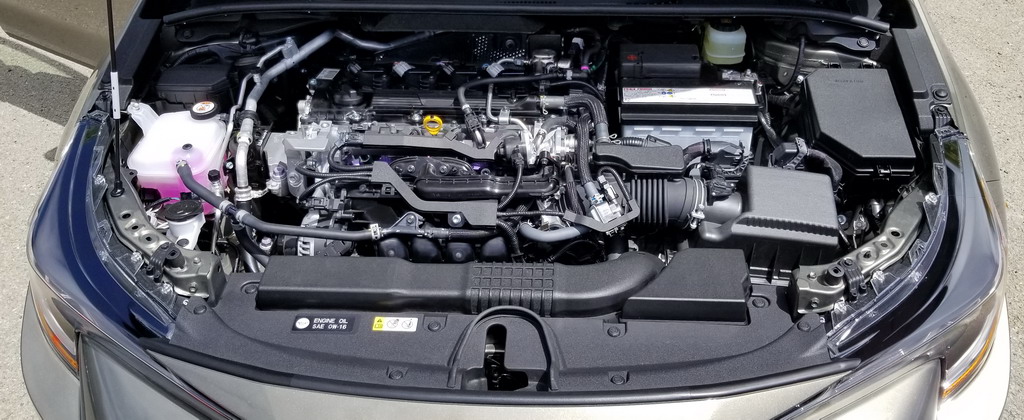
Practicality and maintenance are notable. The engine’s design allows easy access for servicing, and replacement parts are widely available.
Toyota’s reputation for reliability further enhances confidence that vehicles equipped with this engine will continue to perform under daily stress.
Overall, the Toyota 2.0L Dynamic Force inline-four demonstrates how a small engine can deliver power, efficiency, and long-term reliability.
Its advanced engineering, lightweight construction, and durability allow it to punch above its weight, providing a dependable and practical choice for drivers who want strong performance without the drawbacks of larger engines.
4. Subaru 2.0L FA20 Boxer I4
The Subaru 2.0-liter FA20 boxer engine is a compact powerplant known for delivering balanced performance, reliability, and efficiency.
Found in models such as the Subaru BRZ and various Impreza trims, this engine showcases the benefits of a horizontally opposed design, allowing low center of gravity and responsive handling in a small package.
One of the key features is the boxer configuration itself. By laying the cylinders flat and opposing each other, the engine achieves a lower center of gravity, which improves vehicle stability and cornering.
Despite its 2.0-liter displacement, it produces around 205 horsepower in naturally aspirated form, offering lively acceleration and a connected driving feel.
Durability is enhanced through Subaru’s engineering practices. High-strength components, precise machining, and an efficient cooling system allow the FA20 engine to handle stress from spirited driving while remaining reliable.
Many owners report that, with proper maintenance, the engine can surpass 200,000 miles without significant issues.
Fuel injection and variable valve timing further optimize performance and efficiency. These systems adjust the timing and fuel delivery based on driving conditions, improving responsiveness and fuel economy. Lightweight materials reduce internal friction, contributing to smoother operation and enhanced efficiency.
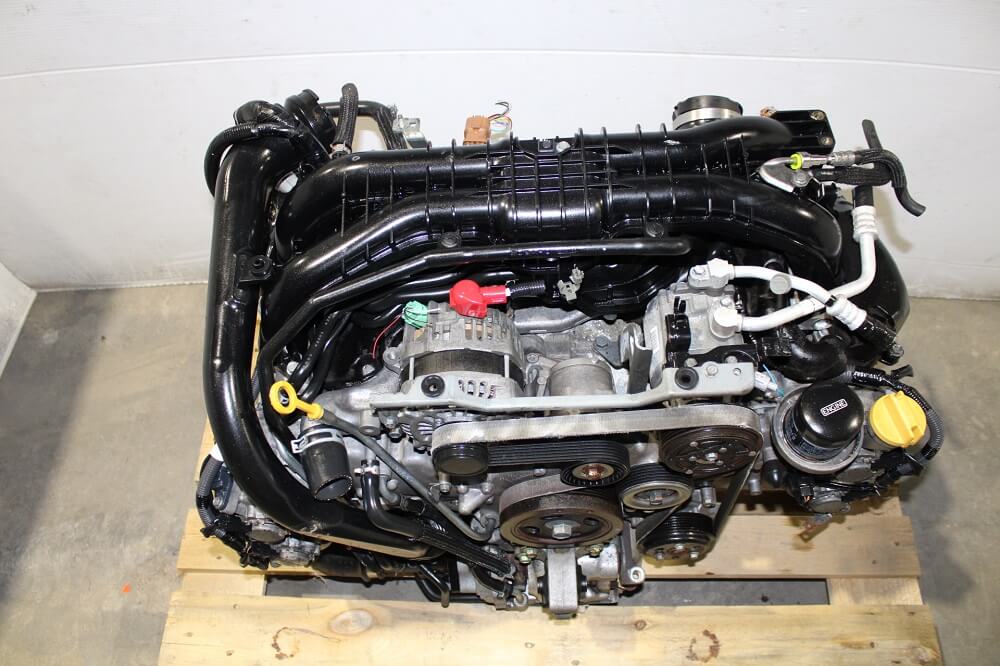
Practicality is another advantage. The engine’s compact size allows for efficient packaging in sports cars and compact sedans, contributing to better handling and weight distribution.
Service and maintenance are straightforward, with parts widely available, making it easier for owners to keep the engine running reliably.
Overall, the Subaru 2.0L FA20 boxer inline-four demonstrates that a small engine can provide strong performance, balance, and long-term reliability.
Its unique configuration, advanced engineering, and durability allow it to punch above its weight, making it a standout choice for enthusiasts who value both handling and efficiency in a compact engine.
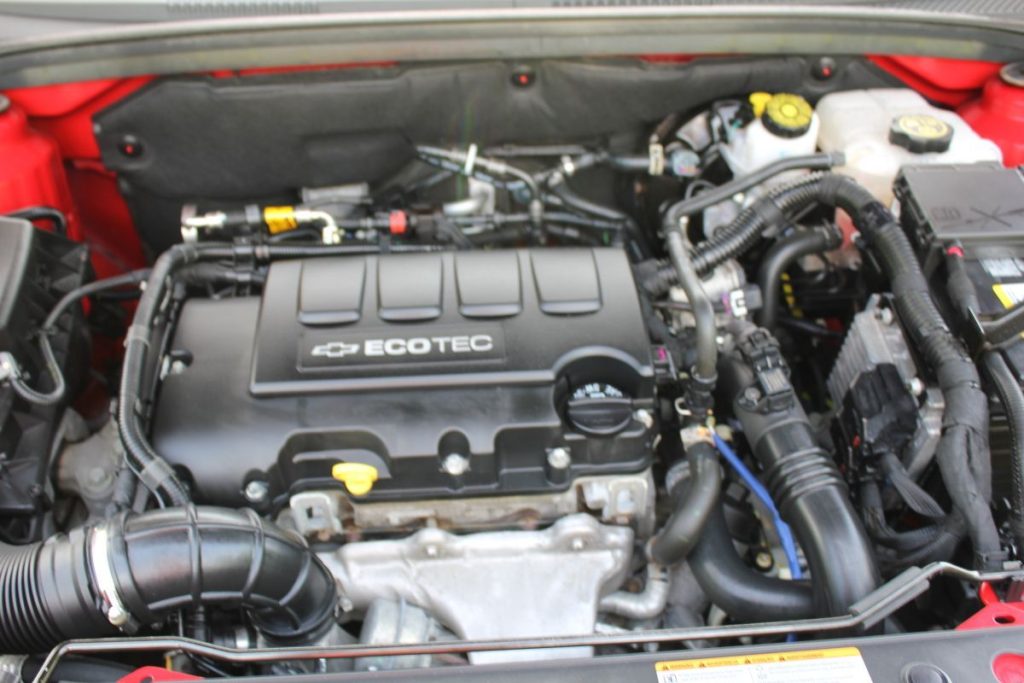
5. Chevrolet 1.4L Turbo I4
The Chevrolet 1.4-liter turbocharged inline-four engine is a compact powerplant designed to deliver both efficiency and surprising performance.
Found in vehicles such as the Chevrolet Cruze and Trax, this engine combines turbocharging, advanced fuel management, and durable engineering to produce a capable small engine.
Turbocharging is central to its performance. The 1.4L engine uses a turbocharger to compress incoming air, increasing combustion efficiency and boosting power output.
Despite its small displacement, it delivers around 138 to 153 horsepower, providing sufficient acceleration for compact sedans and crossover SUVs. Low-end torque is also enhanced, which improves drivability in everyday conditions and city traffic.
Reliability is supported by robust engineering. Components are designed to handle the stresses of turbocharging and daily use.
Owners report that with regular maintenance, these engines can achieve high mileage without significant mechanical issues, demonstrating durability uncommon in engines of similar size.
Fuel injection and variable valve timing contribute to both efficiency and performance. The engine adjusts fuel delivery and valve operation according to driving conditions, optimizing power output while reducing fuel consumption. Lightweight materials and compact design enhance vehicle balance and handling.
Practicality is another benefit. The small footprint allows it to fit in various vehicle platforms while keeping overall weight low.
Maintenance is straightforward, and replacement parts are widely available, which helps keep repair costs manageable and extends the engine’s usable life.
Overall, the Chevrolet 1.4L turbo inline-four shows that compact engines can provide reliable performance and efficiency.
Its combination of turbocharging, engineering precision, and durability allows it to punch above its weight, making it suitable for drivers who want a balance of practicality, fuel economy, and spirited driving in a small package.
6. Hyundai 1.6L Turbo GDI I4
The Hyundai 1.6-liter turbo GDI inline-four engine is a small, efficient, and performance-oriented powerplant. Found in models such as the Hyundai Elantra Sport and Veloster Turbo, it delivers remarkable power, torque, and reliability, demonstrating that a compact engine can excel in multiple aspects.
Turbocharging is a key feature. The engine uses a single turbocharger to increase air intake and improve combustion efficiency.
This allows it to produce up to 201 horsepower in some applications while providing strong torque at low RPMs. Drivers experience responsive acceleration and performance that rivals larger engines, despite the 1.6-liter displacement.
Durability is enhanced through high-strength components and precise engineering. The engine is designed to handle the stress of turbocharging, repeated acceleration, and long-term use. Many owners report reliable performance beyond 150,000 miles when maintained properly, showing its capability as a small yet tough engine.
Fuel injection and variable valve timing optimize combustion and efficiency. These systems adjust air and fuel delivery to suit driving conditions, improving responsiveness and minimizing fuel consumption. Lightweight design also contributes to handling and agility.
Practicality is another advantage. Its compact size allows it to fit in small cars while reducing vehicle weight and maintaining balance. Maintenance is manageable, with parts widely available and service procedures straightforward, helping the engine maintain longevity and reliability.
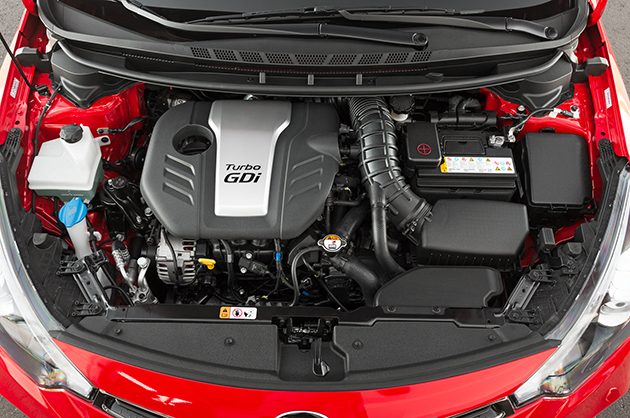
Overall, the Hyundai 1.6L Turbo GDI inline-four proves that small engines can deliver strong performance, efficiency, and long-term durability.
Its combination of turbocharging, advanced engineering, and robust components allows it to punch above its weight, providing an exciting and reliable powerplant for compact vehicles.
7. Honda 1.5L Turbo I4
The Honda 1.5-liter turbocharged inline-four engine has proven itself as a compact powerplant that delivers performance and efficiency well beyond its size.
Found in models such as the Honda Civic and CR-V, this engine balances fuel economy with surprising power, making it a popular choice for buyers who want practicality without compromising responsiveness.
One key factor in its effectiveness is the turbocharging system. The small-displacement engine is paired with a turbocharger that increases air intake and improves combustion efficiency.
This allows the 1.5L engine to produce power levels comparable to larger naturally aspirated engines, often delivering over 170 horsepower in the Civic while maintaining excellent fuel economy.
Turbocharging also helps maintain torque across a wide range of engine speeds, which improves drivability in everyday conditions.
Reliability and durability further enhance its appeal. Honda has engineered this engine with high-quality components and a robust cooling system to handle stress from turbocharging.
Owners report that with regular maintenance, the engine can exceed 200,000 miles without major issues, demonstrating longevity uncommon in smaller powerplants.
The engine also benefits from advanced fuel injection and variable valve timing technologies. These systems optimize performance and efficiency, allowing the engine to respond quickly to throttle inputs while minimizing fuel consumption.
Combined with lightweight construction, these features ensure that the 1.5L turbo provides spirited driving without the penalties typically associated with larger engines.

Practicality is another advantage. Its compact size allows it to fit in small engine bays, reducing vehicle weight and improving handling. Maintenance and servicing are straightforward, with parts widely available and repair costs generally lower than those for larger engines.
Overall, the Honda 1.5L turbo inline-four demonstrates that small engines can deliver impressive power, reliability, and efficiency.
Its combination of turbocharging, advanced engineering, and thoughtful design allows it to punch well above its weight, making it a standout in compact sedans and crossovers where performance and practicality are equally important.
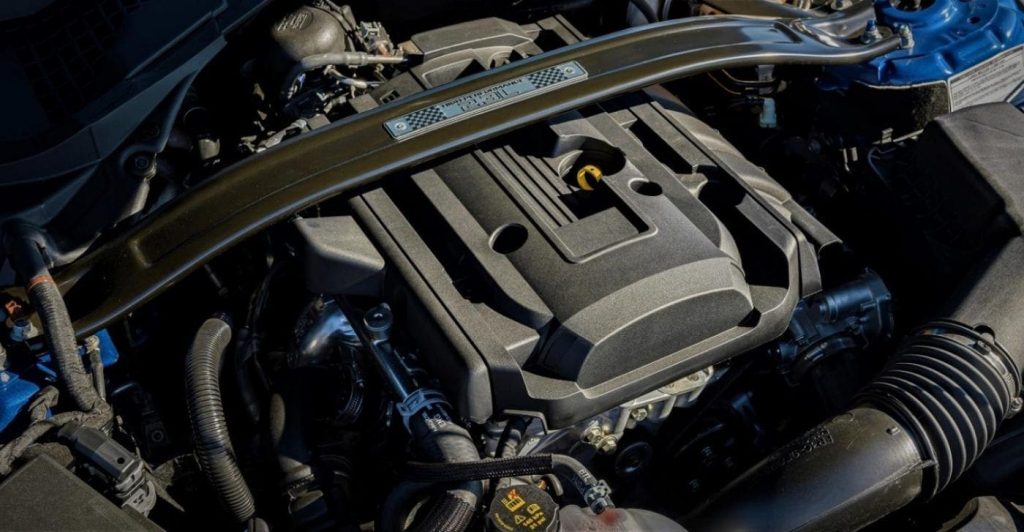
8. Ford 2.3L EcoBoost I4
The Ford 2.3-liter EcoBoost inline-four engine is a prime example of how a small engine can provide strong performance without sacrificing efficiency.
Found in vehicles like the Ford Mustang and Ford Ranger, this engine has earned a reputation for delivering impressive horsepower and torque while remaining compact and manageable.
Turbocharging is central to the EcoBoost’s capabilities. The 2.3L engine uses a single turbocharger to boost air intake and improve combustion efficiency.
This allows it to generate power outputs exceeding 300 horsepower in performance applications, while also providing robust low-end torque that enhances everyday drivability.
Turbocharging ensures that the engine feels responsive across a broad RPM range, which is critical for both city driving and spirited performance.
Durability is another strength. Ford designed the EcoBoost with reinforced components and advanced cooling systems to handle the stresses of turbocharging and long-term use.
Many owners report high reliability when following recommended maintenance schedules, with engines regularly surpassing 150,000 miles with minimal issues.
Direct fuel injection and variable valve timing further enhance performance and efficiency. These technologies optimize combustion, improve fuel economy, and reduce emissions without compromising output. Combined with a lightweight construction, the engine contributes to the vehicle’s overall agility and handling.
Practicality is enhanced by the engine’s compact size. Its small footprint allows it to fit in a variety of vehicles, from sedans to pickup trucks, while keeping weight low and improving balance. Parts and service support are widely available, ensuring that maintenance and repairs are accessible and affordable.
Overall, the 2.3L EcoBoost inline-four exemplifies how a small engine can deliver remarkable performance and versatility.
Its turbocharging, advanced engineering, and durability allow it to punch well above its weight, making it suitable for drivers who want excitement, efficiency, and long-term reliability in a compact package.
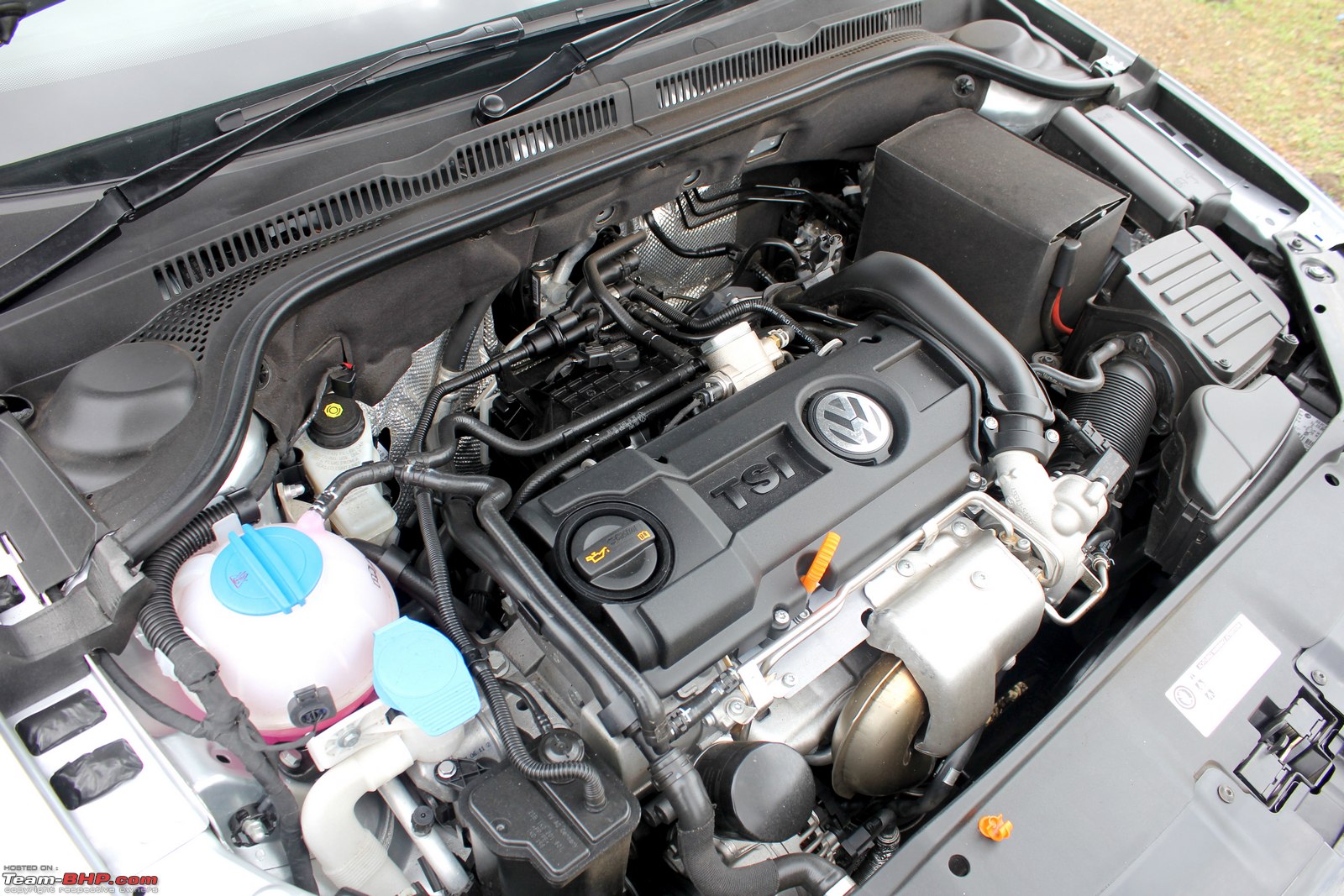
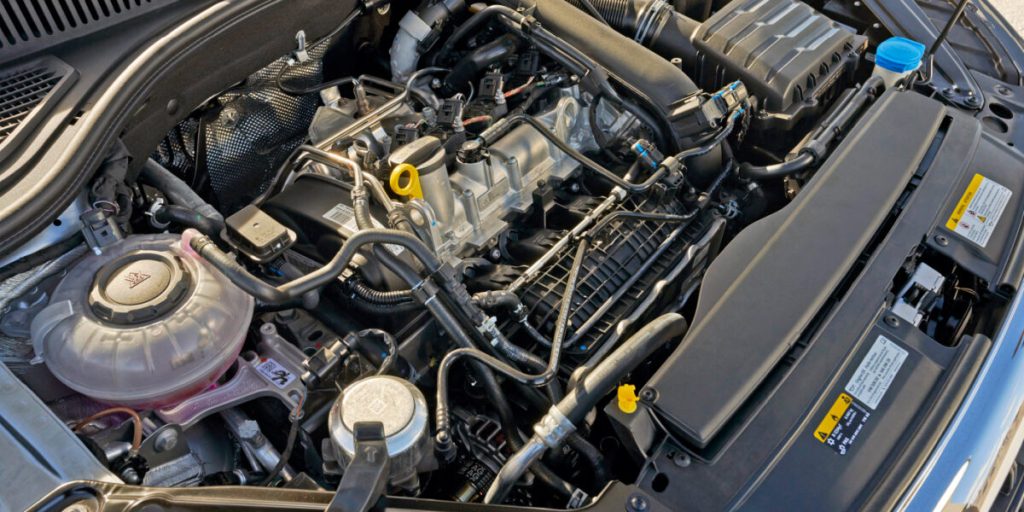
9. Volkswagen 1.4L TSI I4
The Volkswagen 1.4-liter TSI turbocharged inline-four engine is a compact yet powerful engine that has earned a strong reputation for efficiency and performance.
Found in models such as the Volkswagen Golf, Jetta, and Tiguan, it demonstrates that intelligent engineering can produce a high-output engine in a small displacement package.
Turbocharging plays a critical role in its performance. The 1.4L TSI engine uses a turbocharger to compress air into the cylinders, allowing for stronger combustion and increased power output.
Despite its small size, it delivers around 147 to 170 horsepower depending on the application, providing acceleration and responsiveness that exceed what one might expect from a sub-1.5L engine. The turbocharger also enhances low- to mid-range torque, making the engine feel lively in everyday driving situations.
Reliability and longevity are important aspects of this engine. Volkswagen designed the 1.4L TSI with durable components and advanced cooling systems to withstand stress from turbocharging.
When properly maintained, owners often report high mileage and continued performance without major issues, which is exceptional for a small turbocharged engine.
Advanced fuel injection and variable valve timing systems further enhance efficiency and performance.
These technologies optimize combustion, reduce fuel consumption, and improve emissions without sacrificing responsiveness. Lightweight materials also contribute to improved vehicle handling and agility.
Maintenance and practicality are additional strengths. The compact size allows it to fit in a variety of vehicle platforms while keeping overall weight low. Parts are widely available, and servicing is straightforward compared to more complex or larger engines.
Overall, the Volkswagen 1.4L TSI inline-four demonstrates that a small engine can combine efficiency, power, and durability effectively.
Its turbocharging, engineering innovations, and reliability make it a prime example of how compact engines can exceed expectations, delivering performance and versatility in both compact cars and small SUVs.
Small engines have evolved significantly over the past decades. Modern engineering has allowed these compact powerplants to deliver performance, efficiency, and reliability that was once thought possible only with larger engines.
The nine engines highlighted in this article demonstrate that size is no longer the primary determinant of capability. With careful design, advanced technology, and durable components, small engines can punch well above their weight.
Also Read: 5 Engines That Outlast Their Turbos vs 5 That Blow Early
