

Car suspension systems represent one of the most expensive maintenance areas for vehicle owners across America. Understanding which vehicles excel in suspension reliability while identifying those prone to frequent, costly repairs can save thousands of dollars throughout ownership.
The suspension system carries tremendous responsibility, supporting vehicle weight, absorbing road impacts, maintaining tire contact with pavement, and ensuring passenger comfort during every journey.
Modern automotive engineering has produced vehicles with remarkably different suspension longevity characteristics. Some manufacturers have mastered the art of building robust suspension components that withstand decades of abuse from potholes, speed bumps, and daily driving stress.
These exceptional vehicles often feature superior materials, advanced engineering designs, and meticulous quality control processes that translate into minimal suspension maintenance requirements for owners. However, not all vehicles share this distinction. Certain models have earned reputations for expensive suspension problems that emerge relatively early in their service lives.
These problematic vehicles often suffer from design flaws, inferior component materials, or manufacturing shortcuts that compromise suspension durability. Owners frequently face costly repairs involving struts, springs, control arms, bushings, and other critical suspension elements.
The financial impact extends beyond initial repair costs. Suspension problems create cascading effects throughout the vehicle, causing premature tire wear, reduced fuel efficiency, compromised handling characteristics, and potential safety hazards. Understanding these patterns helps consumers make informed purchasing decisions, while current owners can better prepare for anticipated maintenance expenses.
From the analysis below, we will examine ten vehicles representing opposite ends of the suspension reliability spectrum. Five models demonstrate exceptional suspension durability with minimal maintenance requirements, while five others consistently burden owners with expensive suspension repairs.
Each vehicle’s suspension characteristics, common problem areas, and expected maintenance costs provide valuable insights for both prospective buyers and current owners seeking to understand their automotive investment better.
5 Cars That Rarely Need Costly Suspension Work
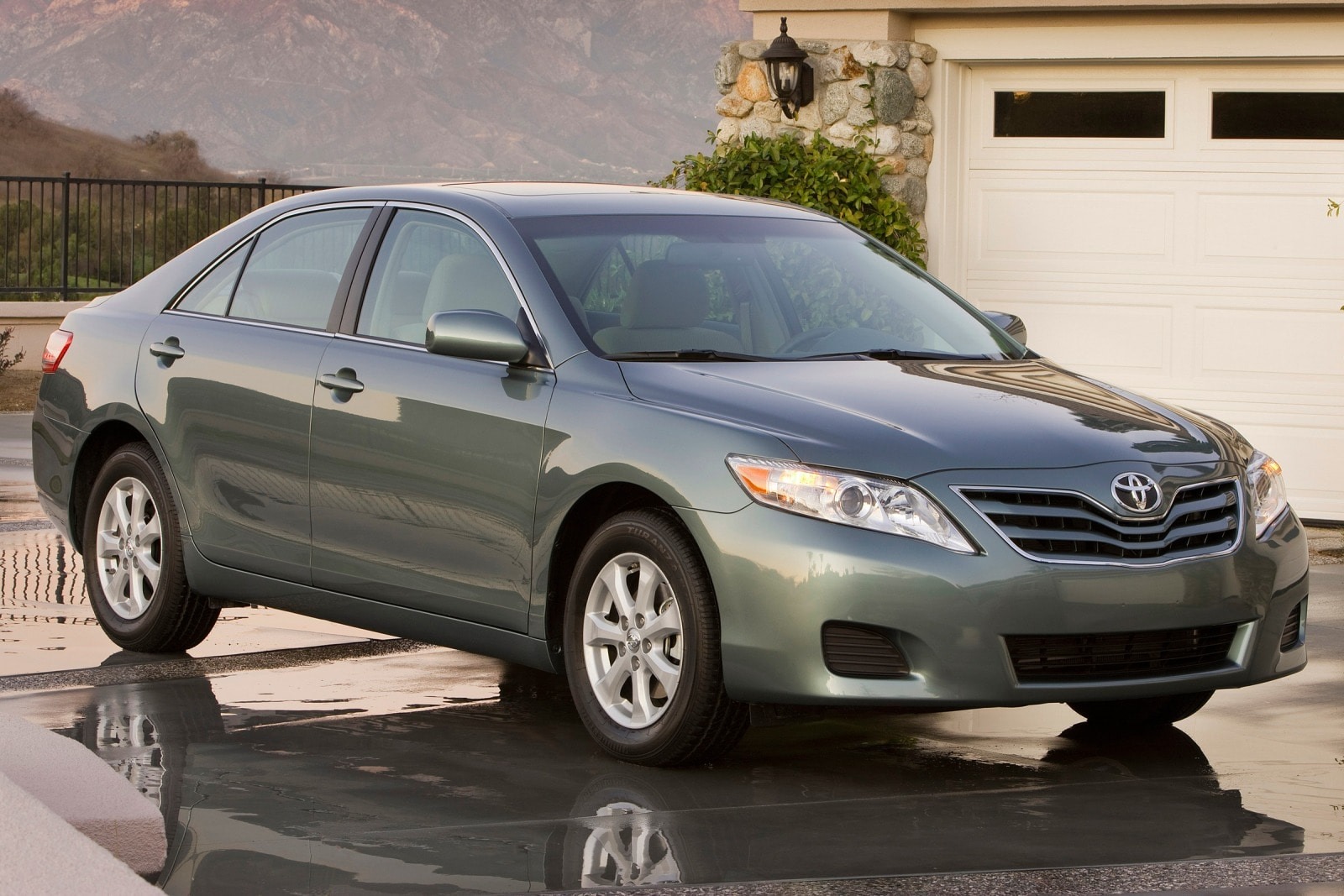
1. Toyota Camry
Toyota Camry has built a reputation in the United States as one of the most dependable sedans ever sold. One of the major reasons it earns trust from many owners is the way its suspension is engineered.
Camry models often come with durable struts, strong control arms, and suspension bushings that do not wear out quickly compared to many other midsize cars. Drivers who use Camry for long highway trips or daily commuting usually report that the suspension holds up well for years without needing any expensive work.
Another reason why the Camry ranks high in this regard is that Toyota designs the car with affordability in mind. Replacement suspension parts are widely available, and even when there is a need for repair, the costs are much lower compared to German brands or luxury sedans.
A front strut replacement, for example, is cheaper for the Camry than for cars like the Audi A6 or BMW 5 Series. Mechanics across the country also find the suspension system easy to work on, meaning labor costs are not as high.
The durability of the Camry suspension also comes from Toyota’s focus on comfort and practicality rather than aggressive sport handling. The suspension is tuned to absorb bumps, potholes, and rough patches of road, giving the driver a smoother ride. This reduces the stress placed on the suspension components, allowing them to last longer before needing replacement.
Many used Camry cars with over 150,000 miles still have original suspension components, showing how reliable the system is. Owners who take care of their cars through regular maintenance often go many years without touching major suspension parts. This makes the Toyota Camry a safe choice for people who want a car that will not bring frequent, costly suspension bills.
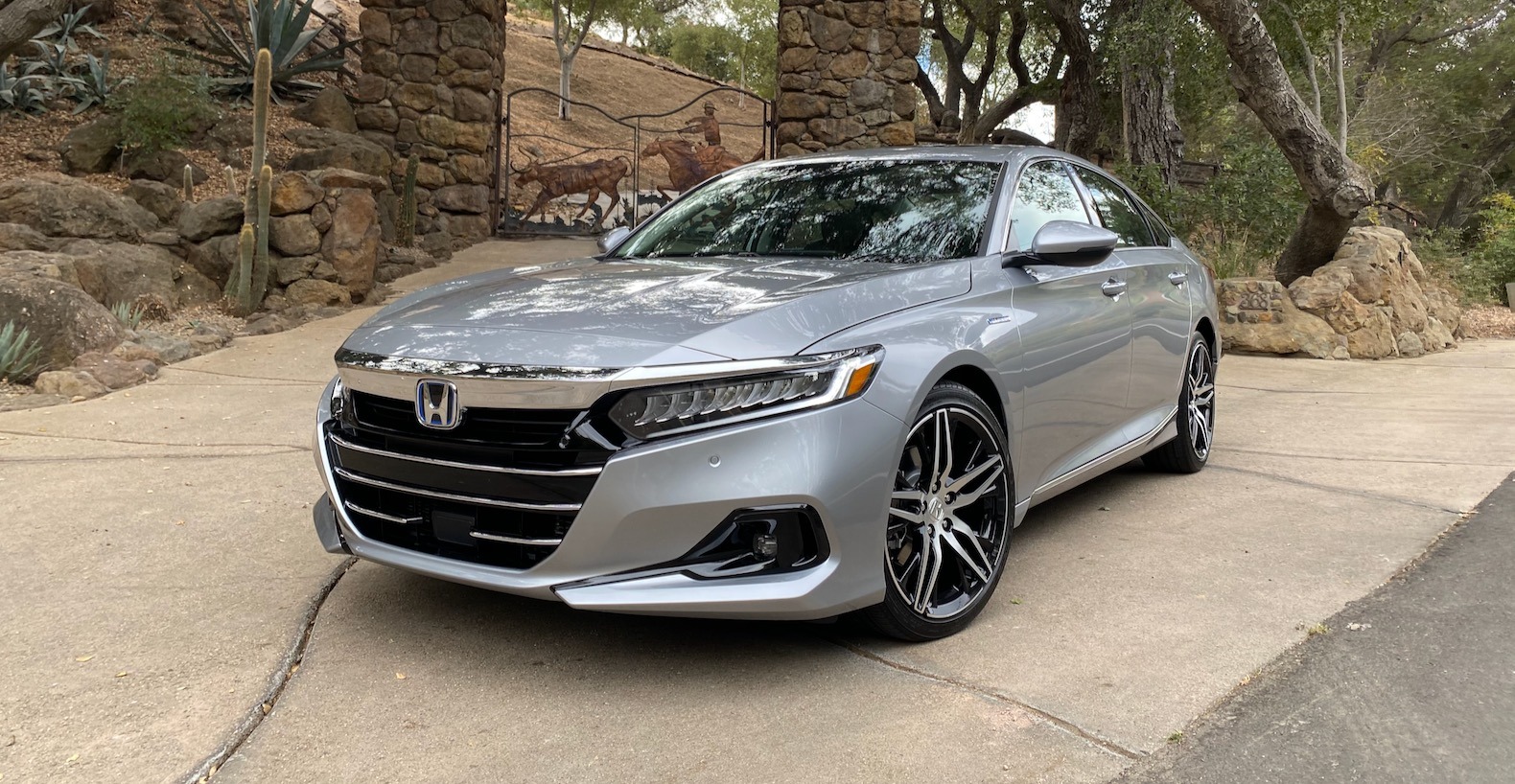
2. Honda Accord
Honda Accord has a long history of being one of the most reliable family sedans in the US market. Its suspension system plays a huge role in this reputation. Accord models from different generations are well known for using strong shocks, struts, and control arms that last longer than average. Owners often find themselves driving for many years before any suspension replacement is needed.
One advantage of the Accord is the way Honda designs it with both comfort and handling balance. This balance allows the suspension system to spread stress evenly, making parts less likely to wear out quickly.
For drivers who commute daily through highways and city streets, the Accord remains steady without shaking or giving unusual noises that point to worn suspension.
Repair costs for the Accord’s suspension are also manageable. Since Honda is a widely used brand in the United States, there are many affordable aftermarket parts. Even original equipment parts are not as expensive as European alternatives.
For example, replacing front struts or ball joints on an Accord is far cheaper than doing the same on a Mercedes-Benz E-Class. This affordability makes suspension maintenance less stressful.
Another reason Accord stands out is that mechanics are very familiar with it. Almost every repair shop has experience working on Honda suspension, which lowers labor charges. The car is also designed in a way that parts are easier to access, cutting down repair time.
Drivers who own Accords often share that even after 120,000 miles, the suspension still feels solid. It rarely needs frequent replacements, and when it does, the parts do not break the bank. For those seeking a sedan that saves them from constant suspension repair, the Honda Accord remains one of the strongest choices.
Also Read: 9 Cars That Still Drive Well After 20 Years
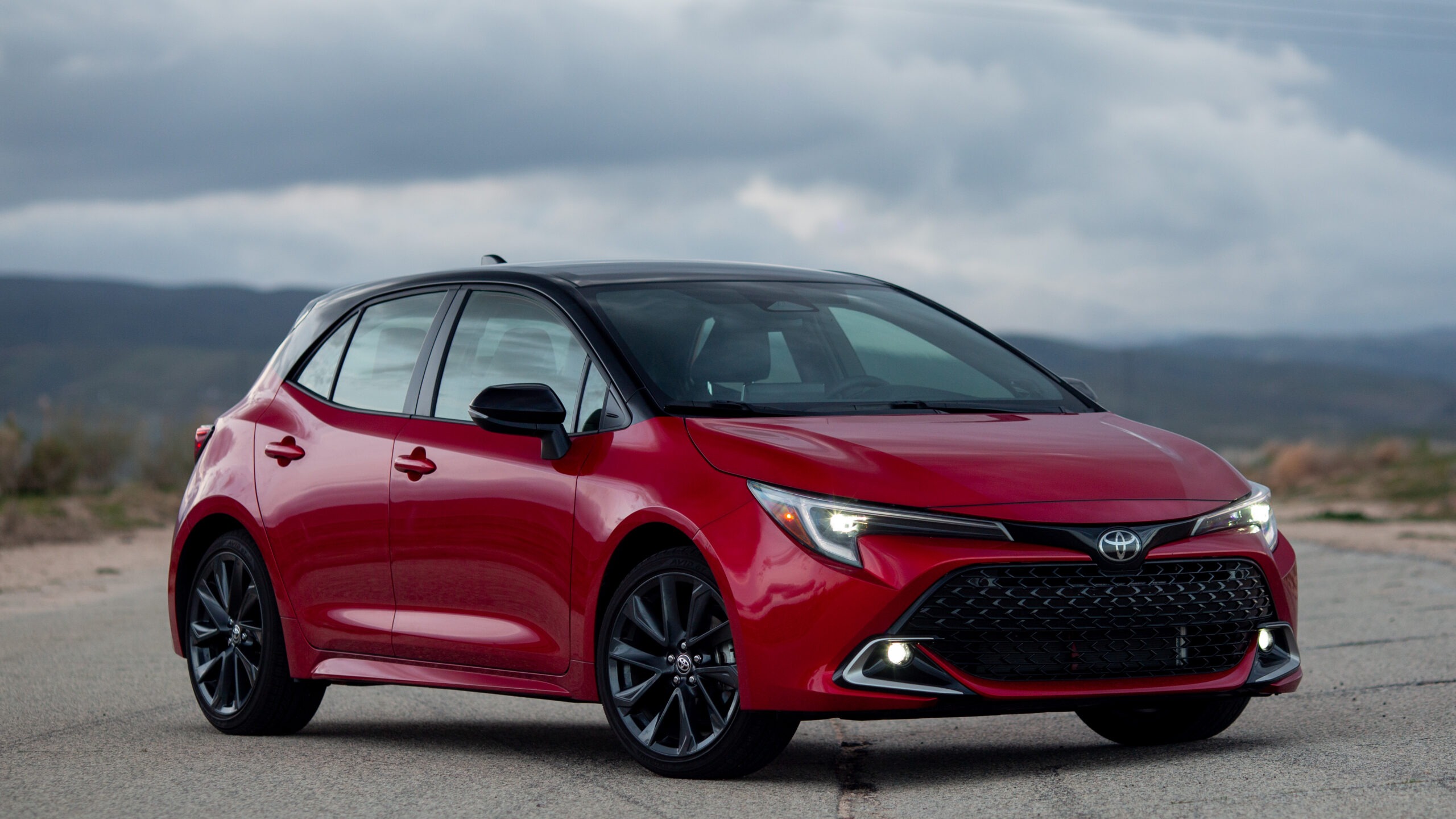
3. Toyota Corolla
Toyota Corolla is one of the best-selling compact cars in America, and its suspension strength is part of the reason it has stayed popular for so long. Corolla models are engineered for simplicity and durability, which is reflected in the suspension system. The struts, shocks, and other components are built to last many years, even under heavy use.
Corolla’s suspension is not designed for sporty driving but for comfort and reliability. This design choice means less stress on the parts. Drivers often notice that the suspension absorbs road imperfections effectively, giving them fewer reasons to visit repair shops. Many Corolla owners report driving up to 100,000 miles or more without suspension issues.
Repair costs for the Corolla are among the most affordable. Replacement parts are everywhere, and both original and aftermarket components are cheaper compared to luxury cars. Even when suspension work is required, the bills remain light compared to what many other car owners face. For example, changing shocks or struts on a Corolla costs far less than doing the same job on a Lexus or Audi.
The simplicity of the Corolla also makes mechanics’ jobs easier. Since the car’s suspension design is not complicated, labor charges are low. This adds to why many drivers consider the Corolla one of the most budget-friendly options when it comes to suspension repair.
Owners who use their Corolla daily for work commutes or family trips often say that the suspension does not give unnecessary stress. The car remains steady, reliable, and cost-efficient, making it an excellent choice for anyone seeking a dependable small sedan with long-lasting suspension.
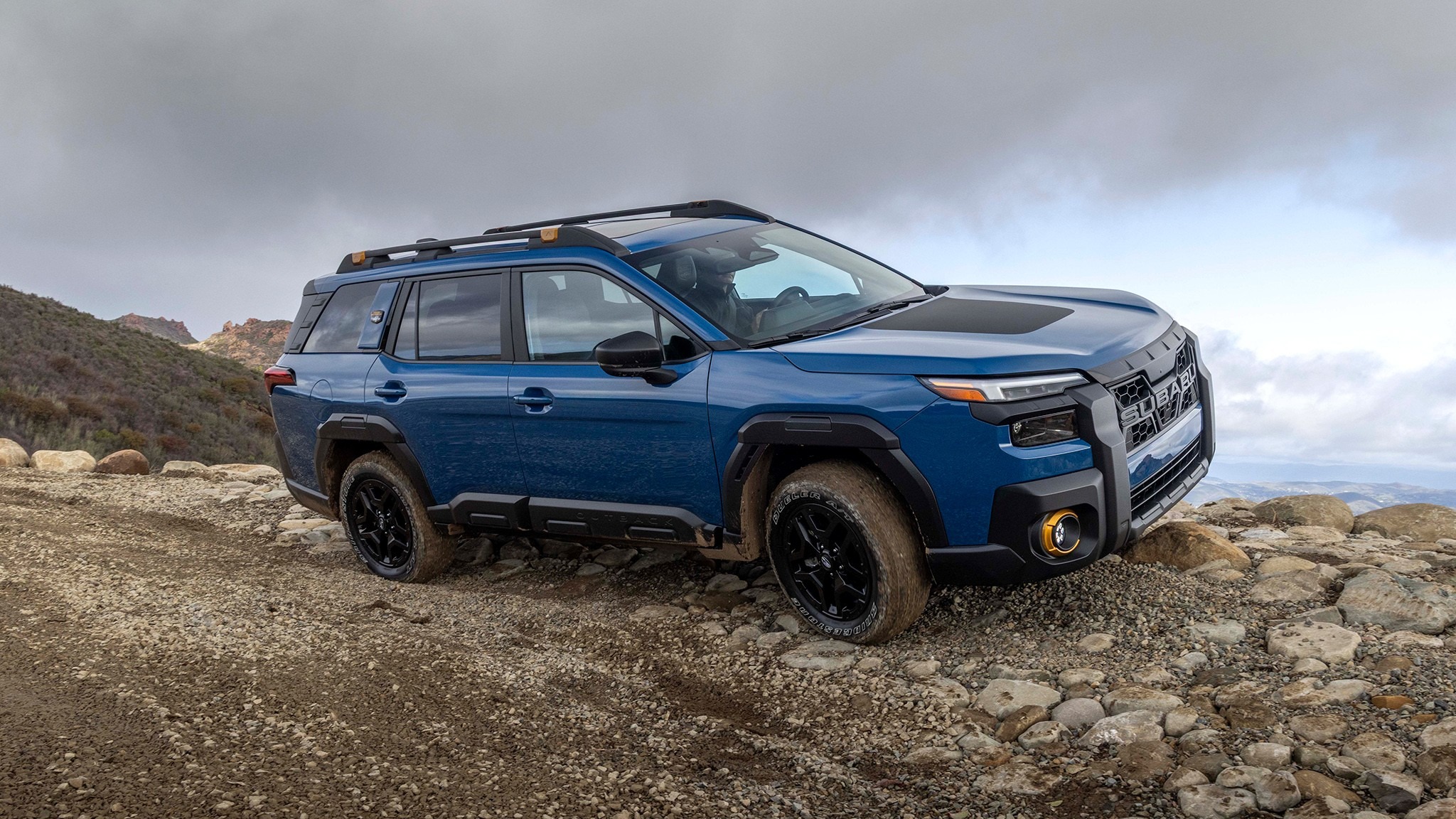
4. Subaru Outback
Subaru Outback is well known among drivers who enjoy outdoor adventures, camping, and long drives across rough roads. One of its biggest strengths is its suspension. The Outback is designed with ground clearance and durability in mind, meaning its suspension can handle challenging road conditions that would quickly wear down other vehicles.
The Outback uses a strong suspension system that works well with its all-wheel-drive capability. Many owners who take their Outback through snow, dirt, or gravel roads often find that the suspension still lasts for years without major repairs. The car is built to handle tough situations, so the suspension components are more resistant to damage.
Repair costs for the Outback suspension are also reasonable compared to European crossovers. Subaru parts are widely available, and many shops in the United States are experienced with the brand. This keeps labor and parts costs manageable.
Drivers who own Outbacks often highlight that even after years of use, the suspension remains comfortable and does not require frequent work. Families who use the Outback for long trips enjoy a smooth ride without the fear of suspension failure along the way.
Another advantage is that Subaru engineers designed the suspension to protect other components of the vehicle, such as tires and steering. This balance reduces wear and tear, helping the car remain reliable for longer periods. For drivers who want a wagon-styled crossover with suspension that rarely demands costly repairs, the Subaru Outback stands out.
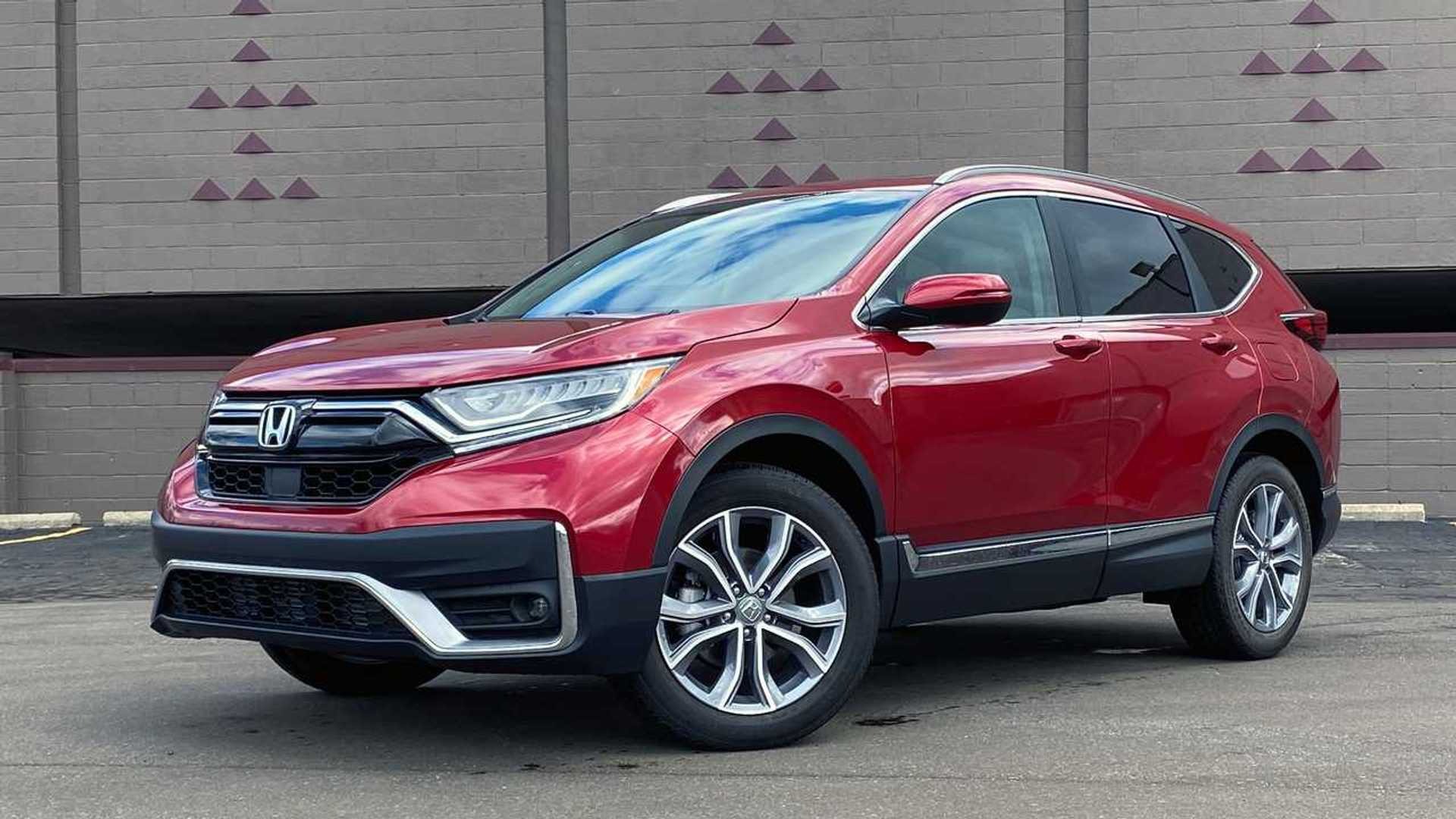
5. Honda CR-V
Honda CR-V is among the most trusted compact SUVs in America, and part of this trust comes from its suspension durability. The CR-V is built for family use, commuting, and light outdoor activities, so its suspension is designed to handle a variety of road types without wearing down too quickly.
Owners often report that their CR-V goes for many years before suspension parts like struts or control arms need replacement. The system is tuned for comfort, which reduces pressure on the components and makes them last longer. Drivers who use the CR-V daily for city commutes or weekend getaways notice that the ride remains smooth without rattles or noises that signal suspension issues.
Repairing the CR-V suspension is also affordable. Honda parts are easy to find in the United States, and many mechanics are familiar with the model. This reduces both parts and labor costs. For instance, replacing struts on a CR-V costs far less than performing the same repair on a BMW X3 or Audi Q5.
Another advantage of the CR-V is its balance between practicality and comfort. The suspension system supports everyday driving needs without putting the car owner in a situation where frequent suspension replacements are required. Many used CR-Vs with high mileage still have original suspension components, proving how long-lasting they can be.
Families who drive CR-V often mention that it remains dependable through years of use, giving them fewer reasons to worry about unexpected repair bills. For drivers who want a compact SUV with long-lasting suspension reliability, the Honda CR-V remains one of the top recommendations.
5 Cars That Constantly Need Costly Suspension Work
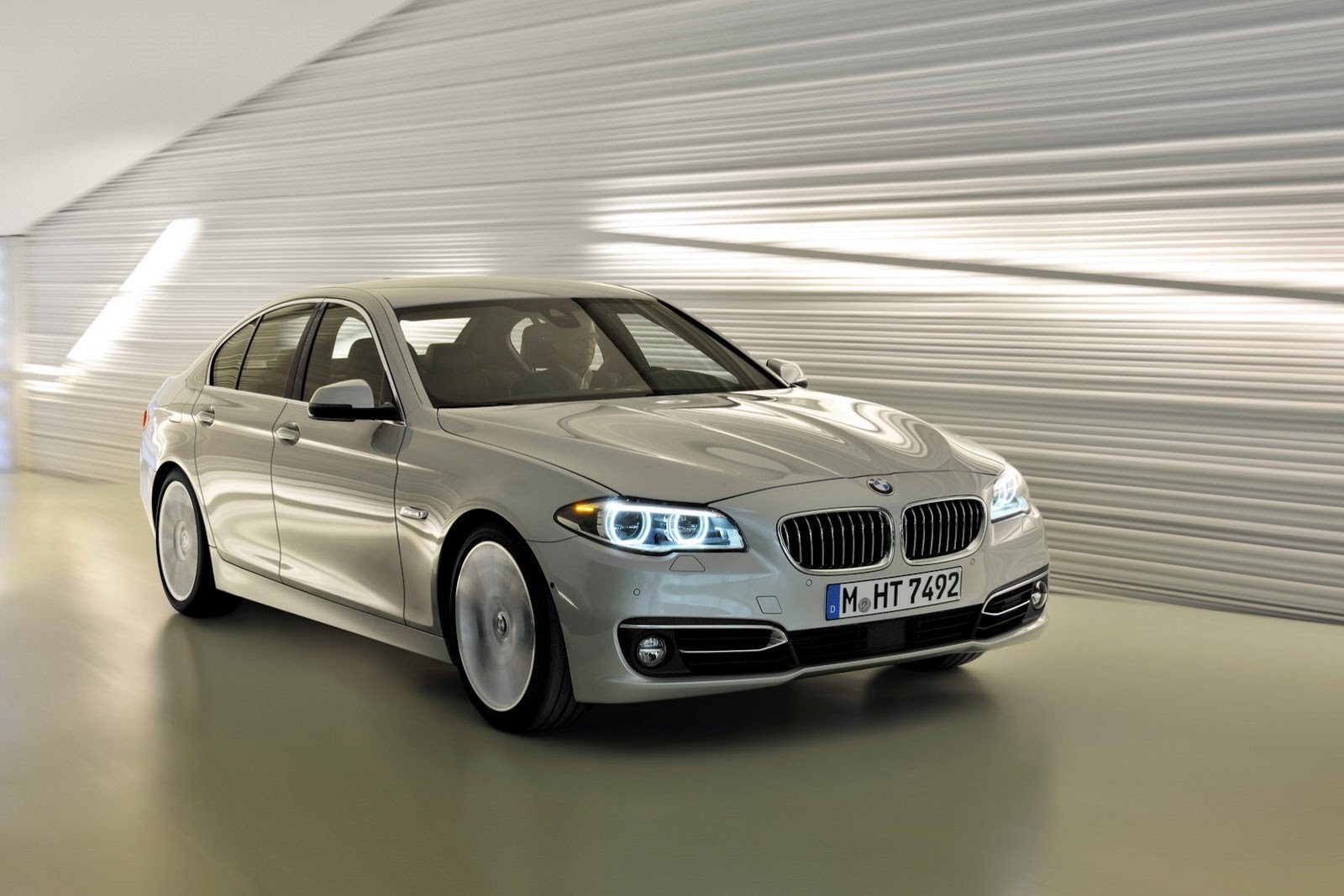
1. BMW 5 Series
BMW 5 Series is a luxury sedan admired for its comfort, advanced features, and performance. However, when it comes to suspension reliability, it often frustrates owners. The 5 Series uses a sophisticated suspension system that delivers sharp handling and smooth rides, but the problems make it more vulnerable to issues.
Common suspension complaints for the BMW 5 Series include failing control arms, worn-out bushings, and leaking air suspension components in some models. These problems are expensive to repair. For example, replacing the front control arms can cost much more than what a Toyota or Honda owner would ever spend on similar work.
The advanced suspension design also means labor costs are high. Mechanics take longer to work on BMW suspension compared to simpler systems, and many parts require specialized tools. This leads to higher bills for owners.
Another challenge is that BMW’s original parts are expensive. Even aftermarket options cost more than average. Suspension problems tend to appear earlier than many drivers expect, with some owners facing issues around 60,000 miles. This short lifespan makes the 5 Series a costly car to maintain in terms of suspension.
While BMW delivers an excellent driving experience, the price owners pay for frequent suspension repairs can be frustrating. Many drivers who enjoy the luxury and performance still complain about the high bills, showing that this sedan constantly demands attention in the suspension area.
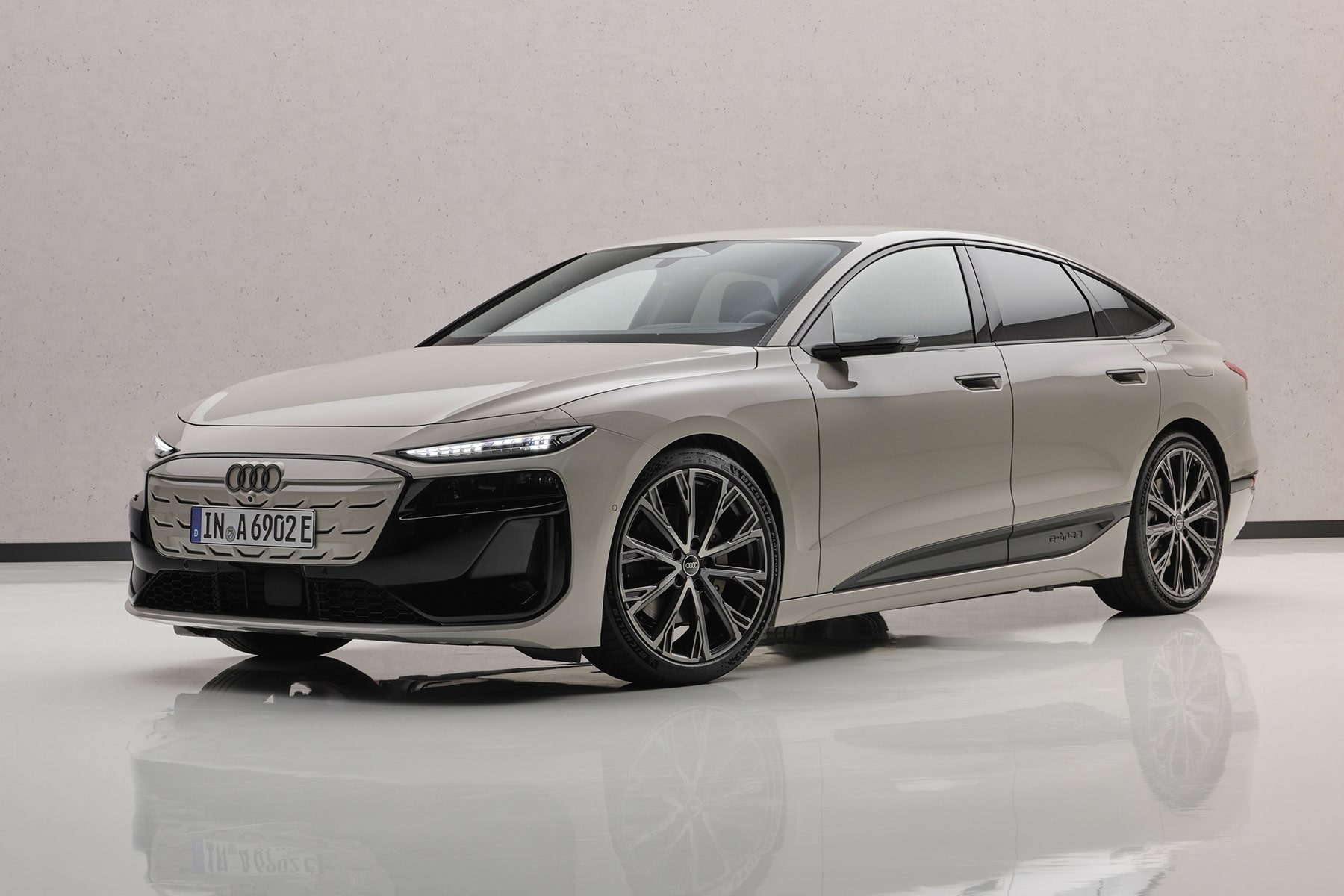
2. Audi A6
Audi A6 is another luxury sedan known for comfort and performance, but it struggles with suspension durability. Many A6 models use advanced multi-link suspension systems that deliver smooth handling, yet these parts wear out quickly. Owners often report issues with control arms, bushings, and struts at mileage levels where other sedans remain strong.
The cost of repairing the suspension on the A6 is very high. Control arm replacements, for example, can cost more than a thousand dollars for parts and labor. Strut replacement is also expensive, and since many components are linked together, fixing one issue often means replacing multiple parts at once.
Mechanics also charge higher labor fees for Audi suspension work because the design is complicated and requires more time. Independent shops may charge less, but many drivers end up at Audi dealerships, where costs are even higher.
Another problem with the A6 suspension is air suspension failure in some models. When the air suspension system develops leaks, owners face bills that can run into thousands. Many drivers complain that these issues appear much earlier than expected, making the car expensive to maintain.
While the Audi A6 delivers a smooth and luxurious ride, it often does so at the cost of constant suspension expenses. For car buyers who want to avoid heavy bills in this area, the A6 may not be the best option.
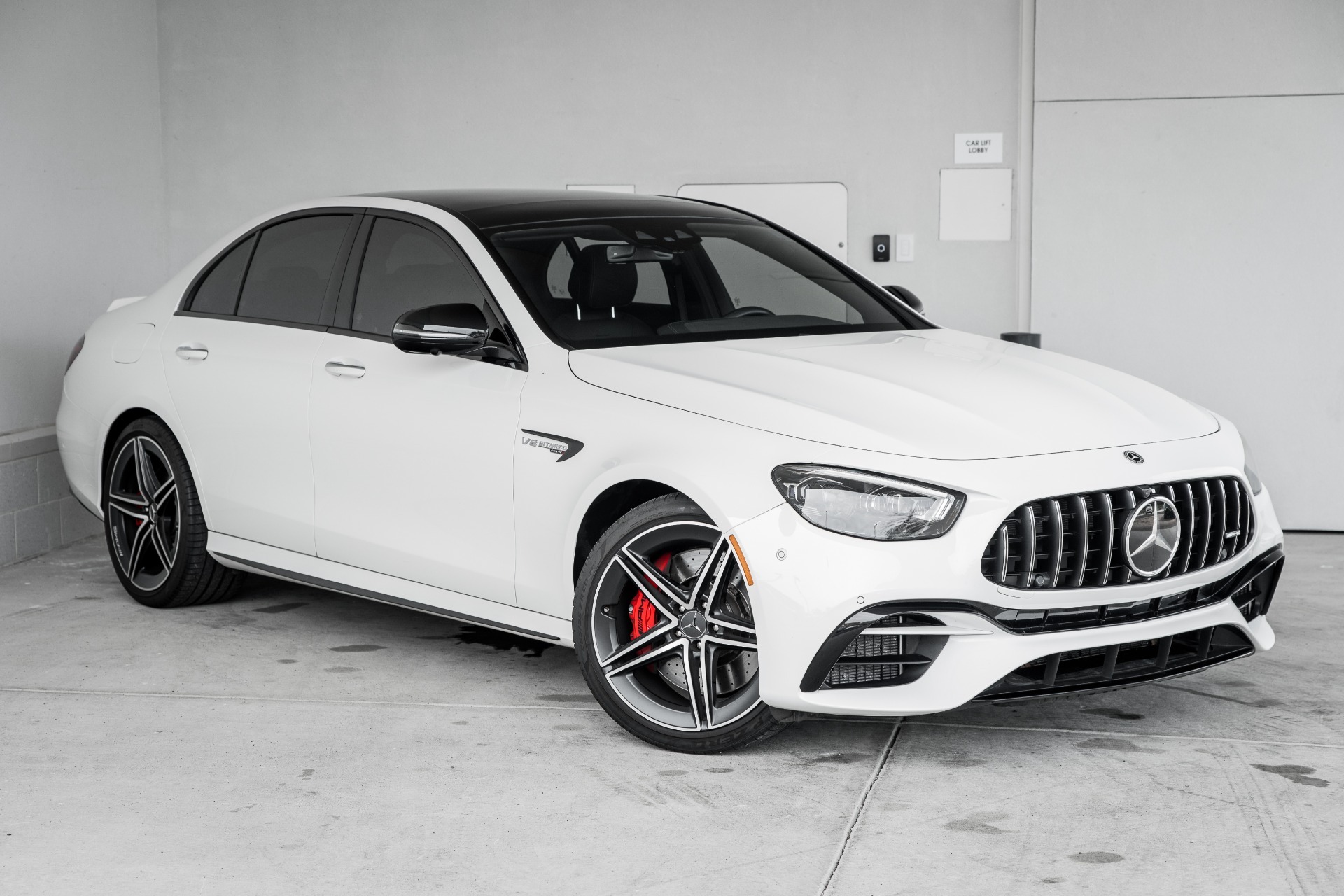
3. Mercedes-Benz E-Class
Mercedes-Benz E-Class has long stood as a representation of luxury, style, and comfort in the sedan market. Many drivers admire its refined interior, advanced features, and smooth driving feel. However, when attention changes to suspension reliability, the story changes quickly.
Owners across different model years have often raised concerns about how the suspension fails too soon and demands heavy repair bills. A large number of E-Class models come with advanced air suspension systems designed to provide top-level comfort.
While these systems make the ride exceptionally smooth, they are also very prone to issues. Leaks in the air suspension, failing compressors, and worn control arms are among the most frequent complaints from drivers.
Repairing these suspension faults is among the most expensive tasks an owner may face. Fixing an air suspension leak or replacing a failed compressor can cost thousands of dollars, depending on the model year.
Even when the car is fitted with a more traditional suspension system, replacing struts, bushings, or ball joints is costly because Mercedes uses premium-grade parts. This makes maintenance a heavy burden, especially for drivers whose vehicles are no longer under warranty.
Another difficulty is that the E-Class suspension design is complicated. Many independent mechanics are reluctant to handle it because it takes more time and specialized knowledge compared to Japanese brands like Toyota or Honda. As a result, owners often end up at authorized dealerships where labor rates are very high. This adds more pressure to the repair budget.
Many drivers also complain that suspension problems begin much earlier than expected, sometimes even before the car clocks 80,000 miles. For a luxury sedan of this class, such early failures are frustrating. These issues force owners to spend more money on frequent repairs, making the E-Class a car that constantly demands attention in this area.
Although the E-Class delivers luxury and comfort, the repeated suspension expenses reduce its long-term value. Drivers who do not want to keep facing costly repairs may need to carefully reconsider before choosing this sedan, as the comfort it offers often comes at the price of heavy maintenance bills.
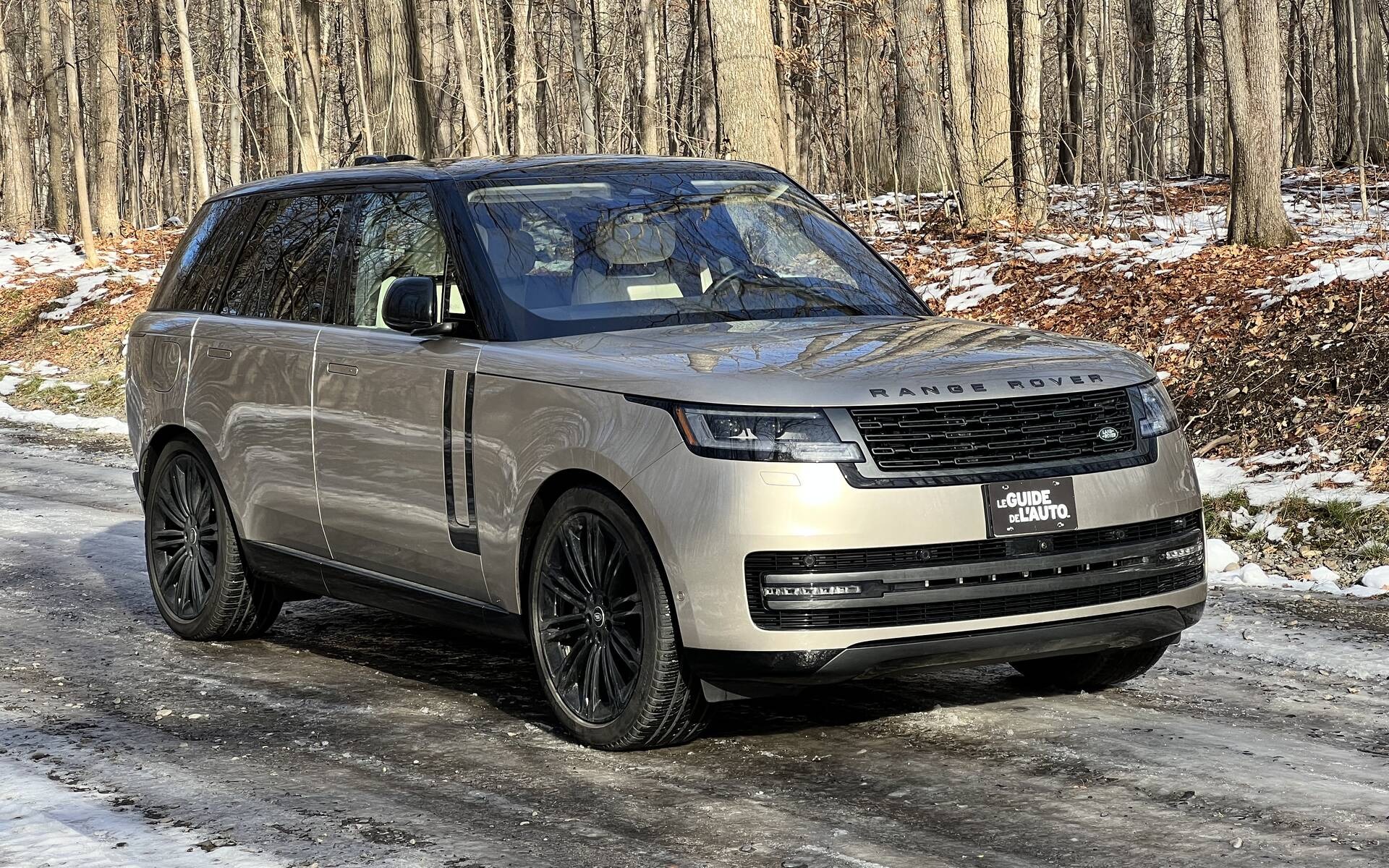
4. Land Rover Range Rover
Range Rover is widely admired as a luxury SUV that combines comfort with strong off-road ability. It is a vehicle many drivers choose for its high-class features, powerful engines, and ability to handle rough terrain with ease.
Yet, beneath its prestige, the suspension system continues to disappoint owners. The model is heavily associated with suspension troubles, especially because many versions rely on air suspension setups that often develop faults sooner than expected.
Common issues include leaking air struts, compressors that fail to function, and control arms that wear out more quickly than expected. These repeated problems turn what should be a dependable luxury SUV into a frequent visitor to repair shops. Repairing the suspension on a Range Rover is far from affordable.
Air suspension parts are among the most expensive components in a vehicle, with replacement costs running into thousands of dollars. Even smaller jobs, like bushings or ball joints, are priced higher than average due to the premium nature of the brand. Many owners find themselves spending large sums simply to keep the car comfortable and safe to drive.
Another concern is the early appearance of these suspension failures. Owners often start experiencing issues before reaching 70,000 miles, a point where other luxury SUVs still function smoothly.
The heavy build of the Range Rover contributes to this problem, as the suspension is constantly under pressure from the vehicle’s weight. This extra strain shortens the lifespan of components, causing drivers to face repeated suspension expenses.
Labor costs add to the burden. The suspension design is complicated, and many independent mechanics prefer not to work on it. As a result, owners are often left with dealerships that charge much higher rates for repairs. This lack of flexibility forces drivers to pay more than they would for other brands.
While the Range Rover is outstanding in terms of comfort, style, and off-road strength, its weak suspension record reduces its appeal for many owners. Drivers who value long-term dependability and lower maintenance costs may find this SUV demanding in ways that outweigh its luxury benefits. For those who want fewer suspension troubles, other models offer better reliability.
Also Read: 9 Underrated American Cars That Will Be Classics Soon
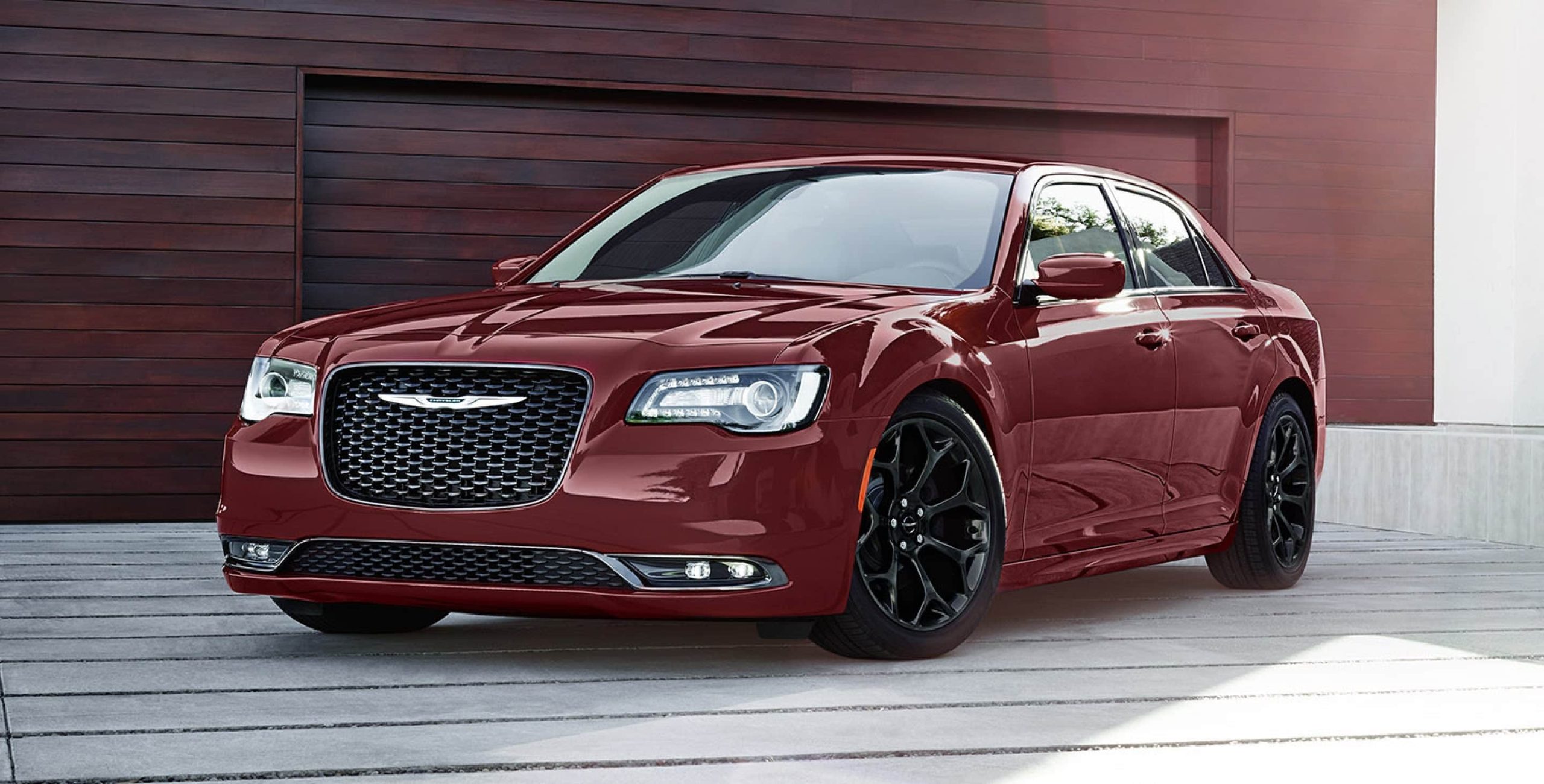
5. Chrysler 300
Chrysler 300 is a full-size sedan that stands out for its bold design, roomy interior, and smooth driving comfort. However, when it comes to suspension dependability, many owners feel disappointed. Reports of worn-out control arms, bushings, and ball joints are very common.
Because of the car’s heavy build and the way it distributes weight, the suspension system is under extra stress, which shortens the lifespan of many components. This makes the Chrysler 300 less dependable in this area compared to some of its competitors.
Although the cost of fixing the suspension on a Chrysler 300 is not as high as on luxury brands from Europe, the frequency of repairs makes it expensive over the long term. Owners often face repeated replacements of the same components, sometimes more than once during the lifespan of the vehicle.
When you add up the bills from these repairs, the total expense becomes far more than what people expect at first. In comparison, sedans like the Toyota Camry or the Honda Accord hardly give the same level of trouble.
Another factor that frustrates Chrysler 300 owners is the availability of parts. Unlike Japanese brands that have affordable and widely available aftermarket options, Chrysler does not enjoy the same range of choices.
In many cases, drivers are forced to buy original parts, which are more expensive. Mechanics also point out that the suspension system is not as straightforward as those in many Japanese or Korean models. This problem increases labor time and raises the final bill, making even small jobs costly.
Many drivers complain that suspension issues often begin around 60,000 to 80,000 miles, a stage where most competitors still perform well. Common repairs include replacing control arms, bushings, and ball joints, with some owners noting that the repairs repeat themselves after just a few years. Such repeated visits to repair shops reduce the satisfaction that comes with owning this sedan.
While the Chrysler 300 gives drivers a stylish car with a strong road presence and a comfortable ride, the weak suspension record pulls it back. Anyone considering the 300 must be prepared for repeated suspension expenses or may need to choose an alternative that offers better durability in this area.
