
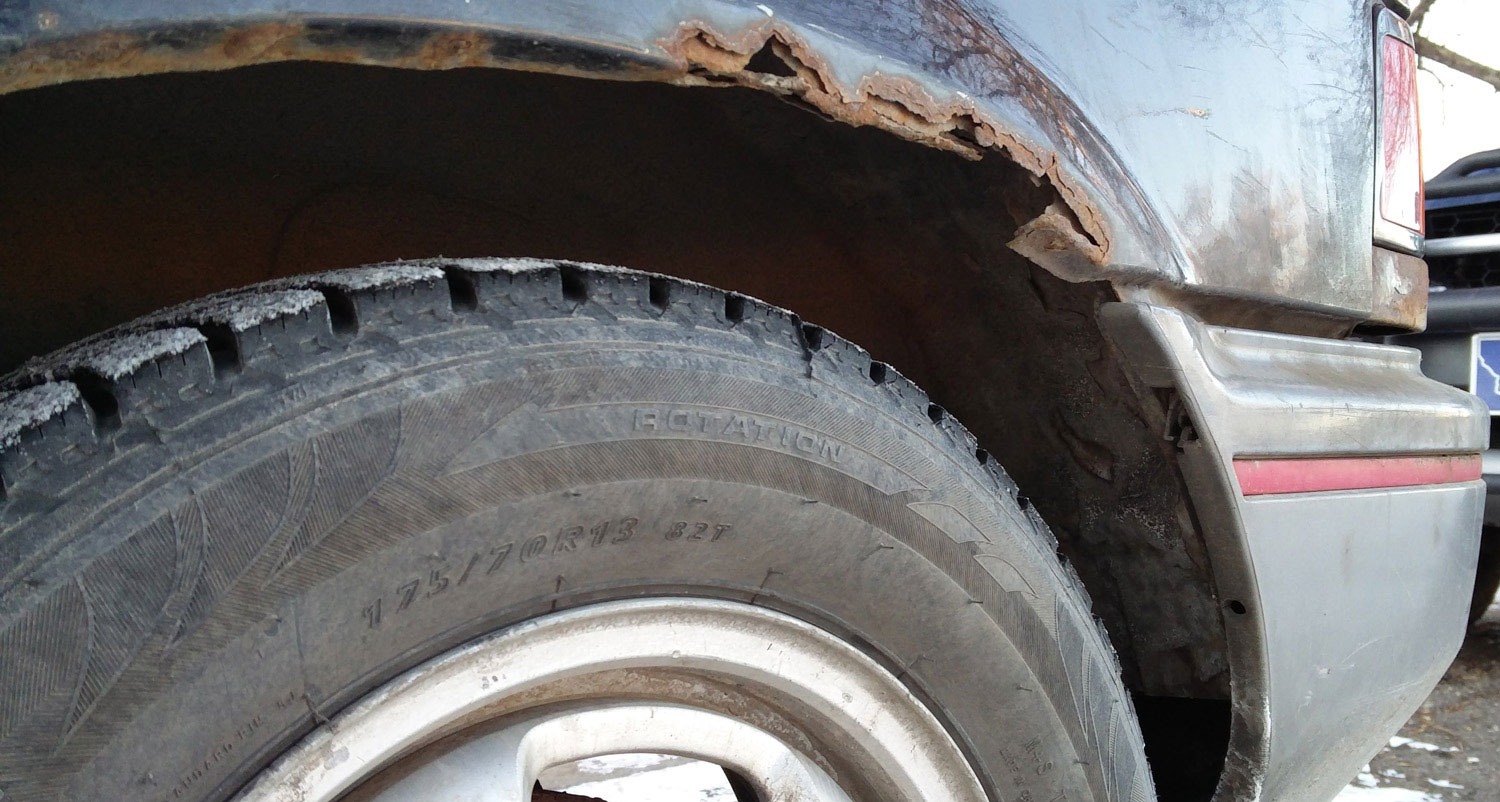
When people talk about long-lasting cars, one factor that often gets ignored is how well a car can resist rust. A car may have a strong engine, smooth transmission, and stylish design, but if the body starts to rot early, the owner will spend so much time and money trying to keep it on the road.
Rust is one of the biggest problems that can eat away at the strength of a vehicle. It not only weakens the body panels but can also damage the frame, suspension parts, and safety structure of the car. Once rust sets in deeply, the vehicle loses value very fast, and it can even become unsafe to drive.
Different cars handle rust in different ways. Some manufacturers invest in strong protective coatings, better quality steel, and smarter designs that allow water and salt to drain out instead of sitting in hidden corners.
These vehicles tend to last long without showing rust, even in areas with harsh winters where salt is used heavily on the roads. On the other hand, some models do not resist corrosion well. Whether due to design flaws, weak underbody protection, or cheaper materials, these vehicles start to show bubbling paint and rust patches in just a few years.
For car buyers who want durability, understanding which models resist rust and which ones rot quickly is very important. Spending thousands on a car that rusts easily is like throwing money away.
Choosing one that has strong rust resistance can save you repair bills and keep your car looking solid for years. We will look at five cars that rarely give trouble with rust and five that are known for corroding early.
5 Cars That Rarely Have Rust Problems
1. Toyota Land Cruiser
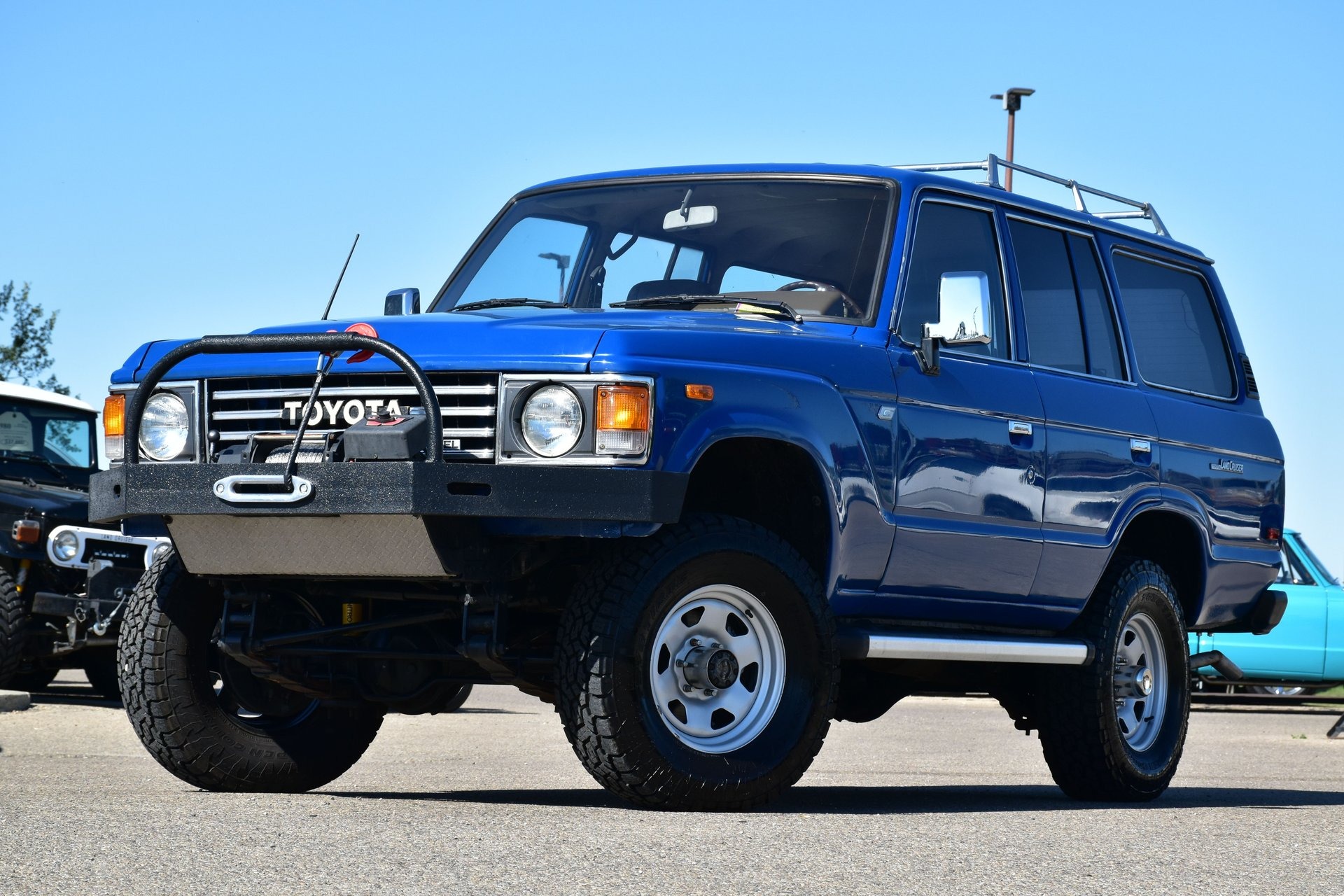
The Toyota Land Cruiser is one of the toughest vehicles ever built, and part of its reputation comes from how well it handles rust. This large SUV has been used for decades in deserts, mountains, and regions with heavy snow.
Owners around the world speak highly about its ability to hold up against rust, even after years of exposure to mud, salt, and water. Toyota made the Land Cruiser with high-quality steel and added strong rust protection from the factory, which is why many models from the 1990s are still on the road today, looking solid.
One reason the Land Cruiser stays free from rust for so long is its frame design. The engineers left enough space for dirt and water to drain instead of allowing it to collect in corners where corrosion usually begins.
In addition, the underbody is heavily coated, giving an extra barrier against salt and chemicals on winter roads. For people who live in coastal regions, where salty air often attacks metal, the Land Cruiser remains one of the most reliable choices.
Car enthusiasts also appreciate that Toyota used thick paint and extra sealing on exposed panels. Even when scratches appear, the panels do not rust quickly, giving owners more time to repair small damages. The Land Cruiser has been popular with off-road users who often wash it roughly after adventures, and yet, the body stays strong without bubbling paint.
Because of its resistance, the resale value of the Land Cruiser remains very high. Buyers who pick up an older model still find them expensive, and one reason is that rust has not eaten away the structure. For anyone who wants a long-term vehicle, especially in areas with snow or salty conditions, the Toyota Land Cruiser is one of the safest bets against rust.
2. Honda Accord
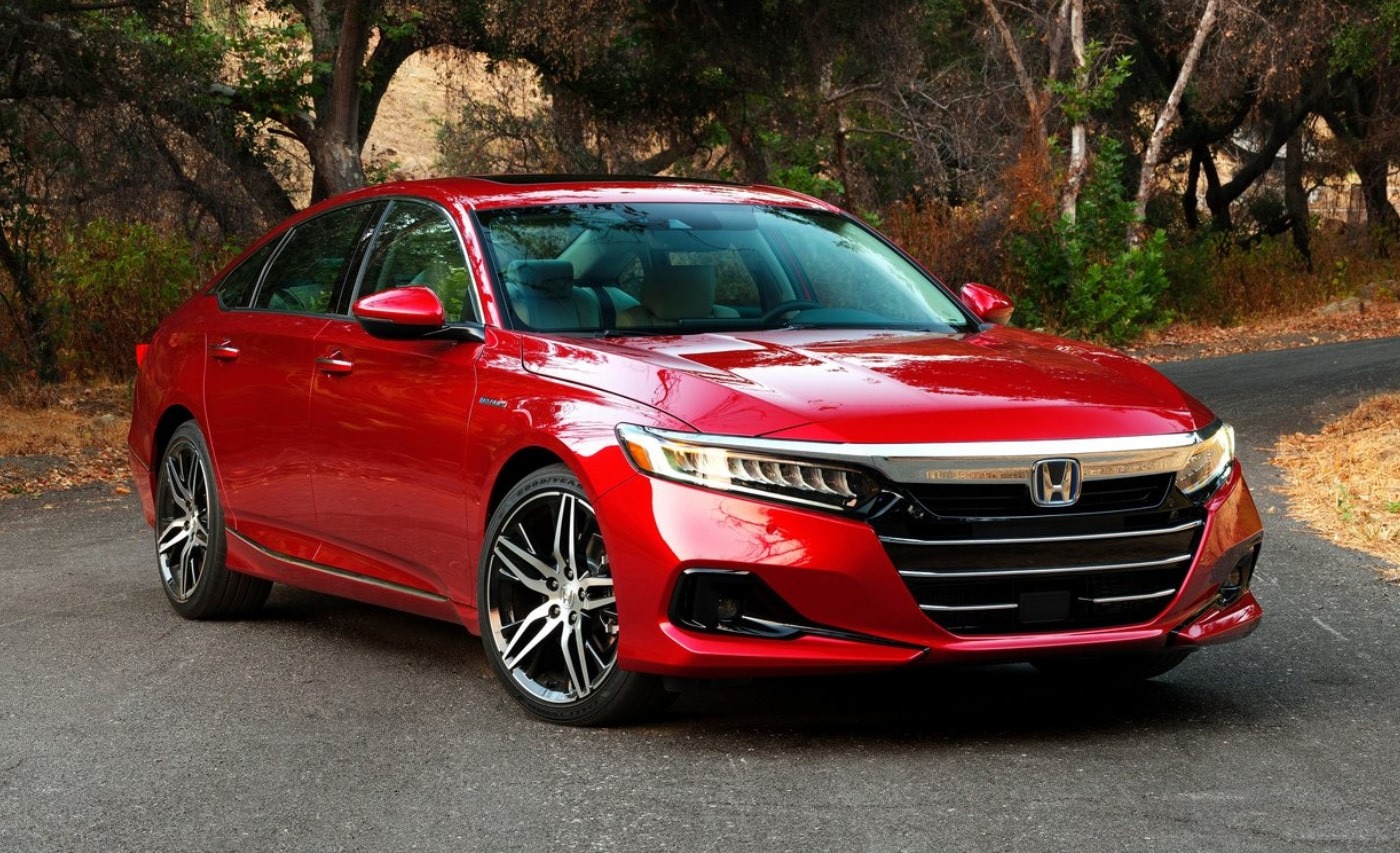
The Honda Accord has been a top choice for family cars in the United States for decades, and one reason is its reputation for durability. Beyond its smooth ride and strong engine, it is also known for resisting rust better than many of its competitors.
Drivers who live in northern states where salt is heavily used during winter have reported that their Accords often last well without serious body rust. Honda applied advanced galvanization techniques to protect the Accord’s steel panels. This process coats the metal with zinc, which delays rust formation even when the paint gets scratched.
The result is that the body panels hold up for many years, giving owners confidence in both the look and safety of the car. The underbody is also designed with protective coatings, meaning the suspension and frame are less likely to rot compared to other sedans.
Another reason the Accord is considered reliable against corrosion is its careful design around water drainage. In many vehicles, water tends to collect around the wheel arches or inside the doors, leading to rust from the inside out. The Accord’s design reduces such issues, keeping moisture from sitting where it can do damage.
Many owners who keep up with simple maintenance, such as washing the car during winter and cleaning the underbody, find that their Accord remains rust-free for well over a decade. Even used models from the mid-2000s often look clean underneath, which is a strong reason buyers trust them as good second-hand vehicles.
While no car is completely rust-proof, the Accord has proven time and again that it holds its value and appearance longer than many sedans in its class. For families, daily commuters, or anyone who wants a car that can stay solid without rust eating it too early, the Honda Accord is a reliable option.
Also Read: 10 German Cars That Became Cult Icons
3. Lexus RX
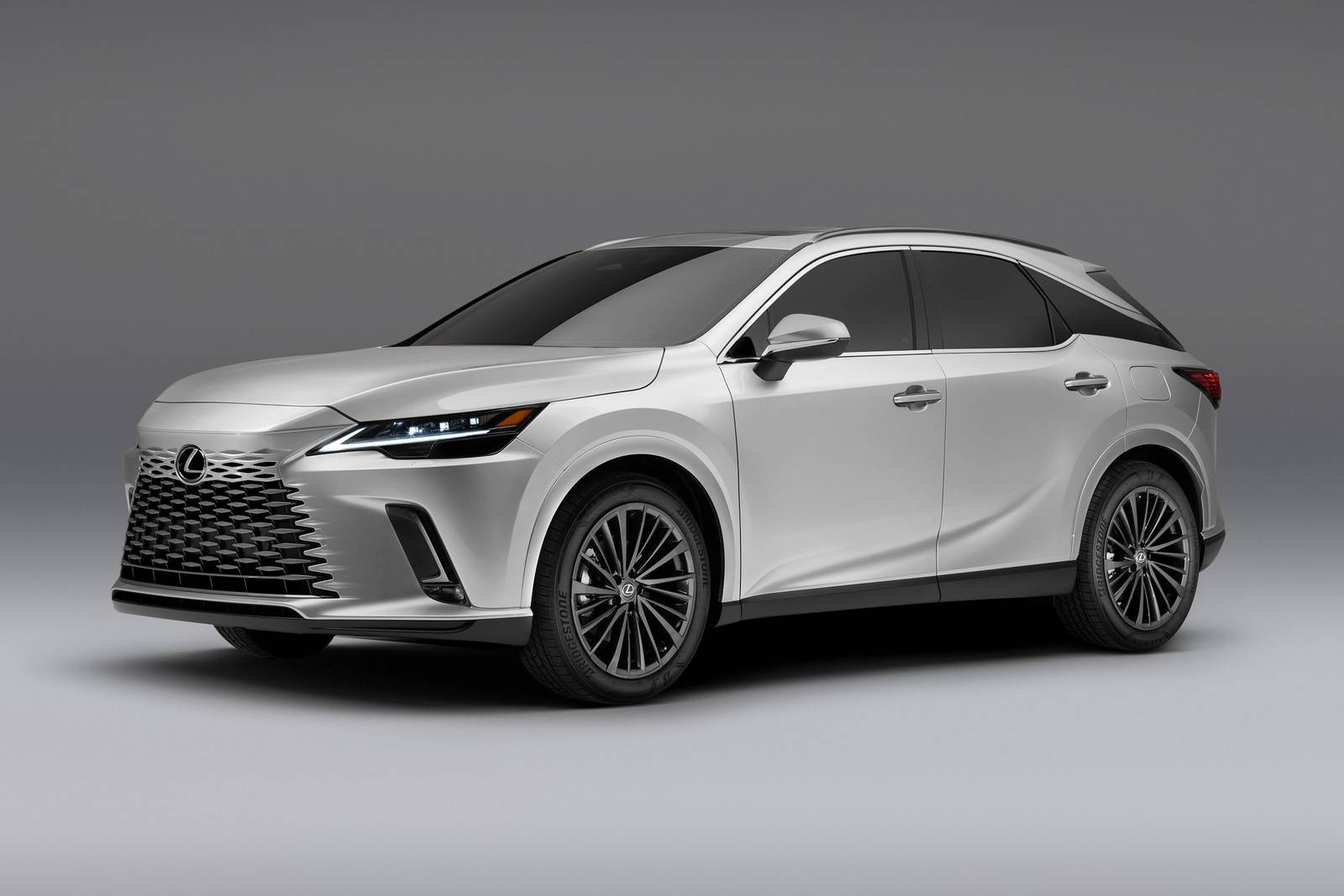
Luxury vehicles are often expected to age gracefully, and the Lexus RX delivers on that expectation, especially when it comes to rust resistance. This mid-size SUV from Toyota’s luxury arm has been a strong player in the market since the late 1990s. Buyers have appreciated not only its comfort and quiet ride but also the fact that it does not suffer from rust issues as quickly as some of its rivals.
One reason the RX stays strong against corrosion is that Lexus used premium materials and better paint quality. The panels are treated with protective layers that delay rust, even when exposed to harsh weather. The underbody also benefits from solid factory coatings, which slow down corrosion from salt and moisture.
Many owners in snowy areas have shared that after years of winter driving, the RX still looks clean without serious rust on the doors, rocker panels, or wheel arches. While small spots may appear if neglected, the structure of the SUV remains strong, and this is one reason used Lexus RX models maintain their value well.
Another factor is that Lexus aimed for tight build quality with fewer open gaps where water can settle. Some cars rust from the inside because water sneaks into hidden seams, but the RX reduces that risk through better sealing. This makes it appealing for buyers who want a vehicle that remains stylish and reliable even after many years of service.
For a luxury SUV, buyers expect long life, and the Lexus RX has earned respect for how well it holds up. Owners who combine routine cleaning with regular inspections find that rust rarely becomes a major problem. For people looking for a reliable mid-size SUV that blends comfort, performance, and resistance to corrosion, the Lexus RX is a wise pick.
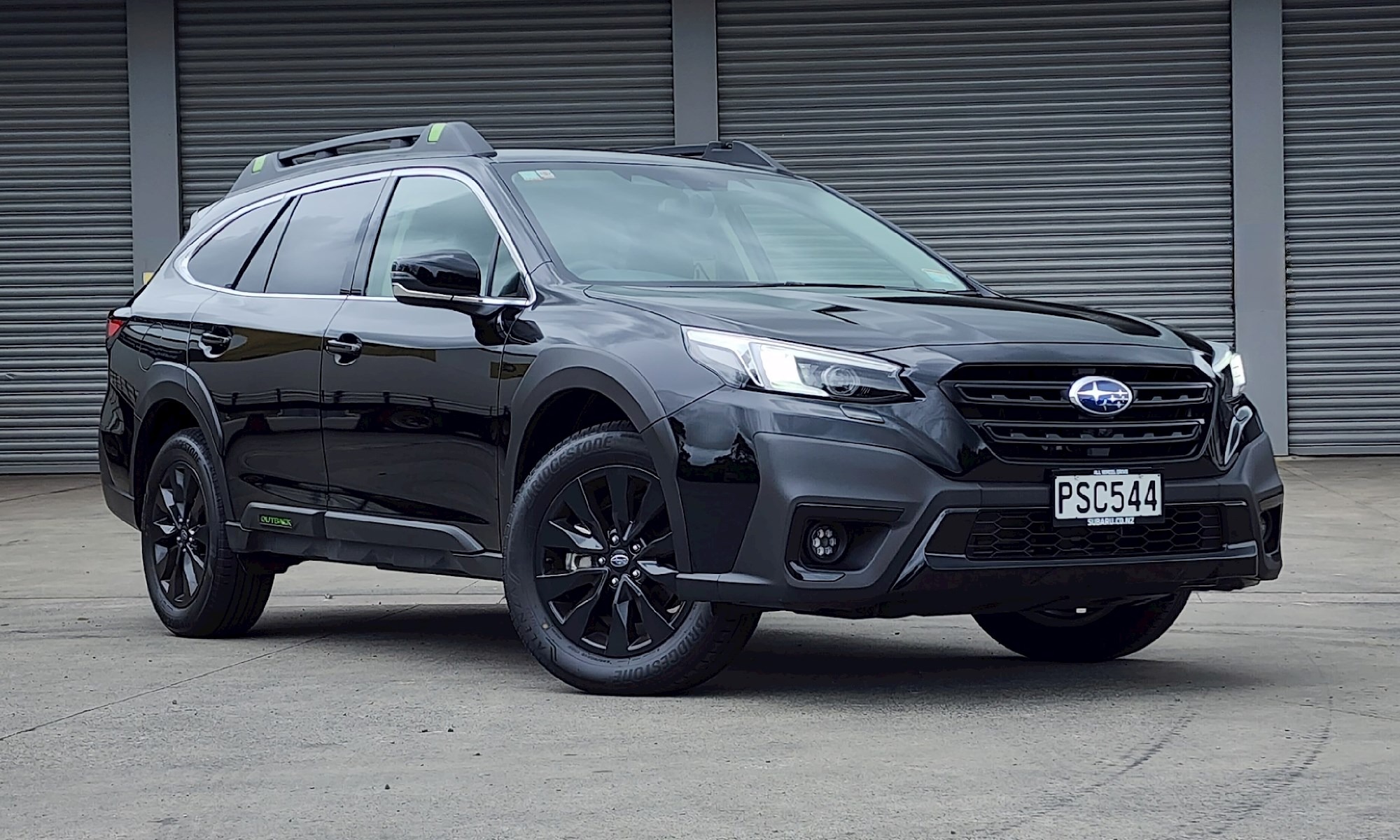
4. Subaru Outback
The Subaru Outback has long been a favorite among people who love outdoor activities. From camping trips to mountain roads, this wagon-SUV mix has been built to handle tough conditions. Interestingly, despite its heavy use in mud and snow, the Outback has shown strong performance when it comes to resisting rust.
One of the reasons the Outback lasts long is that Subaru improved its corrosion protection from the 2000s onwards. Older Subaru models had rust complaints, but with the Outback, the company invested more in protective coatings and better drainage systems. This move paid off, and many owners today report that their Outbacks stay strong against rust, even in northern climates where winter salt is common.
The Outback also benefits from a design that keeps mud and water from trapping inside the wheel arches. The underbody is treated with thick protection, and its higher ground clearance reduces the chance of constant salt exposure. While no vehicle is completely safe from corrosion, the Outback does much better than most wagons and crossovers in its class.
Drivers who use their Outback for off-road adventures still find that a simple wash after a trip is enough to keep it looking clean. Owners appreciate that even after 8 to 10 years of use, the Outback often does not show the kind of rust patches seen in other vehicles of the same age. This makes it a strong option for people who want both durability and practicality.
The Subaru Outback continues to be trusted not only for its all-wheel drive system and reliability but also for how well it handles rust. Buyers looking for a versatile car that stays strong for years, even with exposure to harsh conditions, often see the Outback as a dependable choice.
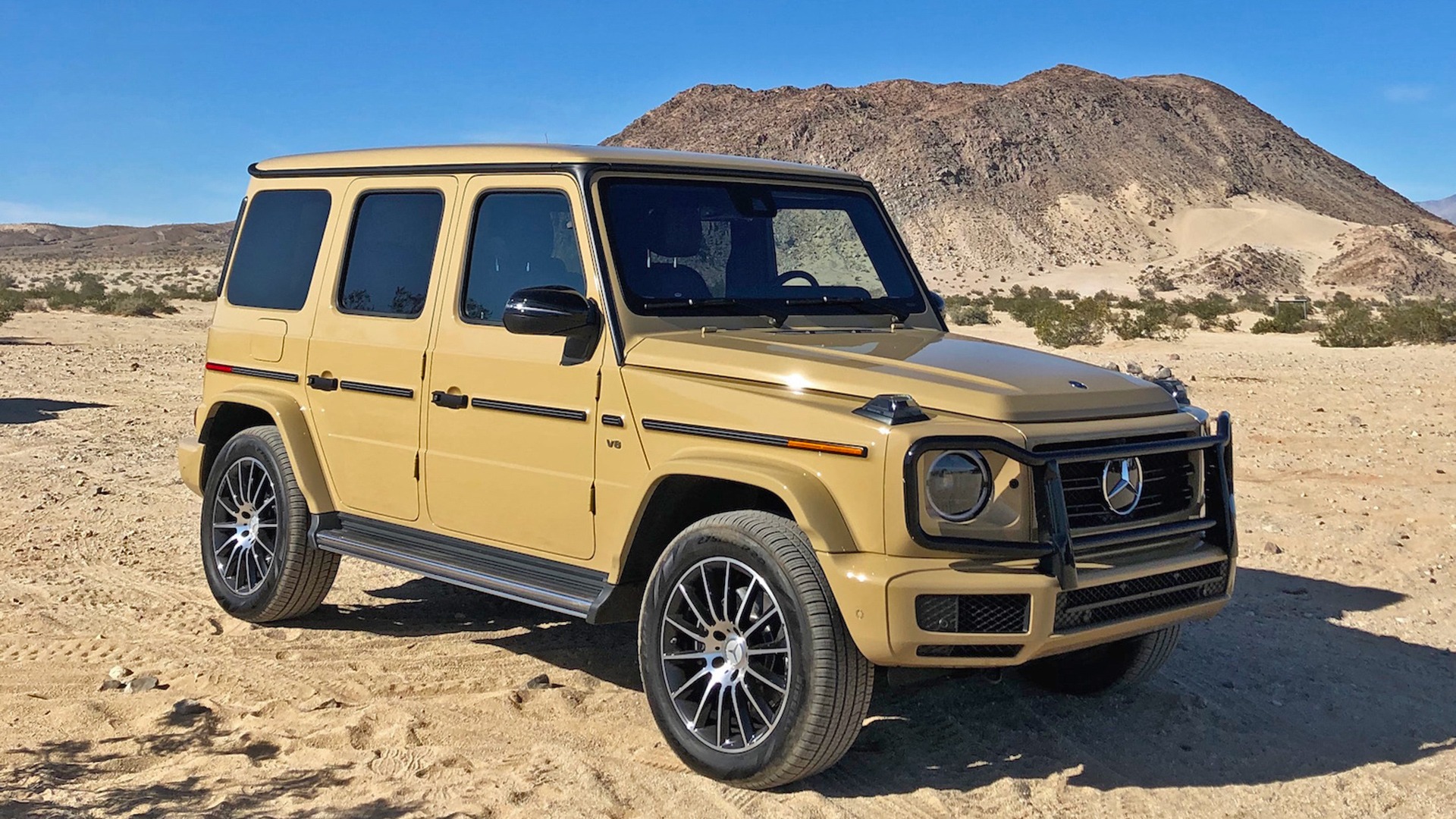
5. Mercedes-Benz G-Class
The Mercedes-Benz G-Class, commonly known as the G-Wagon, is more than just a luxury SUV. It is also one of the toughest vehicles when it comes to resisting rust. Built with military roots, the G-Class was designed to survive harsh environments, and that includes holding up against corrosion.
One major reason the G-Class performs well against rust is the quality of its construction. The SUV is made with strong materials and coated thoroughly during production to protect against moisture. Even though it has sharp edges and a boxy design, which in many cars would encourage rust in the seams, the G-Class holds its shape well without bubbling paint or rotting corners.
Owners who live in coastal areas with salty air or snowy regions with heavy road salt often note that their G-Class remains solid even after many winters. While maintenance is still required, the strong build quality helps it stay ahead of rust issues.
Another factor is that Mercedes invests in high-quality paint jobs with thick protective layers. Even when scratches appear from off-road use, the vehicle does not rust as quickly as cheaper SUVs. This level of engineering has helped the G-Class maintain its reputation as a durable luxury vehicle.
Buyers also love that used G-Class models often look cleaner underneath compared to other luxury SUVs of the same age. That is why they keep their high resale value, even after years of use. The combination of military toughness and luxury finishes makes the G-Class a rare case of beauty and strength working together.
For buyers who want a vehicle that not only gives a premium feel but also resists rust over long years of ownership, the Mercedes-Benz G-Class stands tall among the best.
5 Cars That Rot Early
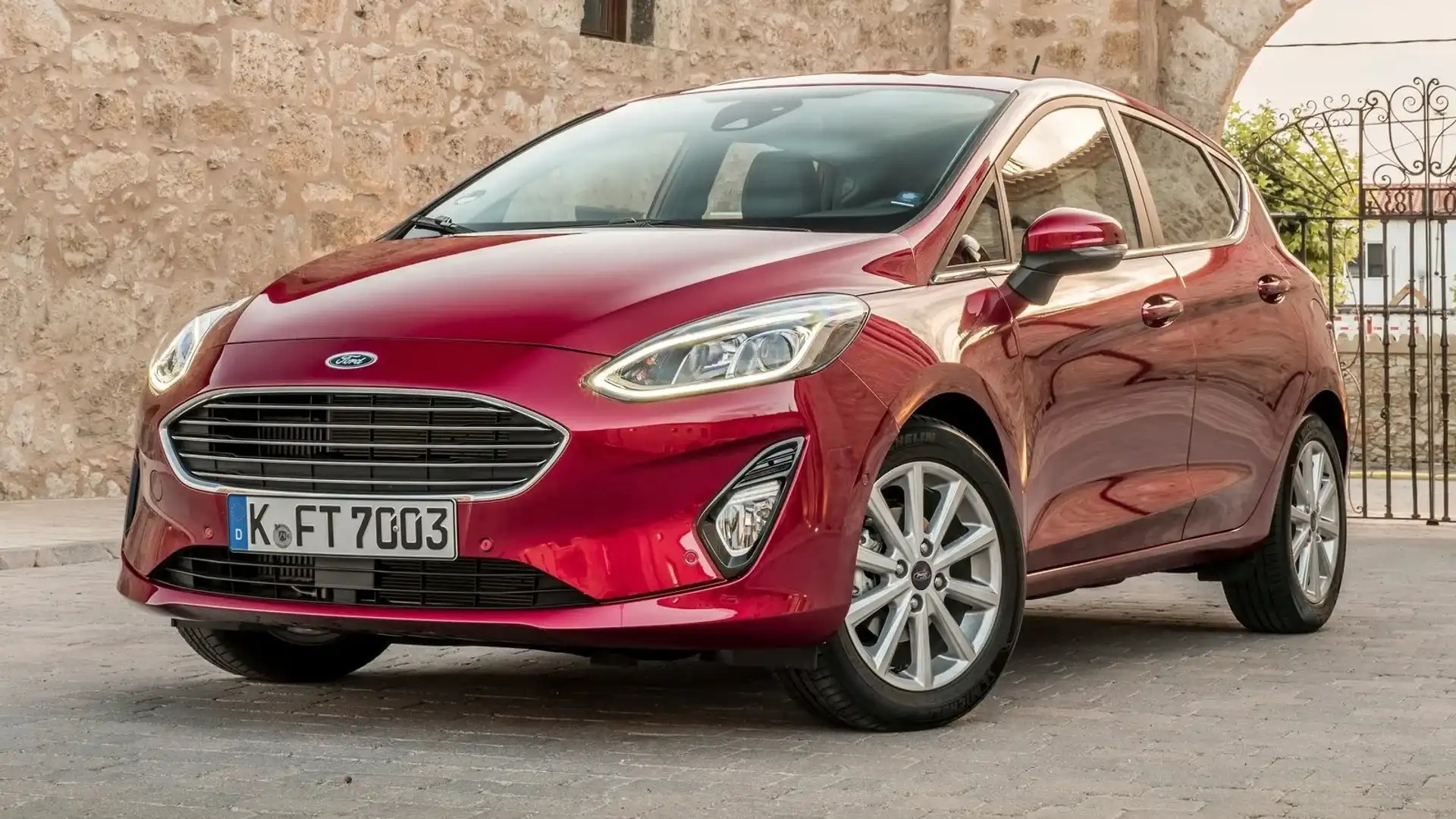
1. Ford Fiesta
The Ford Fiesta has been popular worldwide for its small size, affordable price, and fun driving experience. While many owners love its fuel economy and easy handling, one issue that has followed the Fiesta through different generations is its tendency to rust earlier than expected.
In areas with harsh winters and road salt, owners often notice rust forming on the wheel arches, door bottoms, and underbody panels within just a few years of ownership. One of the biggest problems is the lack of strong factory undercoating in some versions of the Fiesta.
The metal underneath the car does not receive as much protection as competitors, which means salt and moisture can settle there and start eating away at the frame. Once rust appears, it spreads quickly, making it expensive to fix.
Another weak point is the design of the rear wheel arches. Water and dirt collect in that area, and because drainage is not effective, corrosion builds up from the inside out. This is why many used Fiestas on the market show bubbling paint around the rear wheels. Even when owners clean the car regularly, the design flaw makes it hard to prevent rust.
Some owners try to fight the problem by applying aftermarket rust-proofing or undercoating soon after purchase. While this slows down the process, it does not completely solve the issue if the car is driven daily on salted roads.
Because rust eats into the car’s structure, resale value for older Fiestas drops quickly in regions with snow. Buyers often avoid them if they see visible rust, which reduces the demand. While the Fiesta is fun to drive and budget-friendly, it is not the best choice for people who want a vehicle that can stay rust-free for many years.
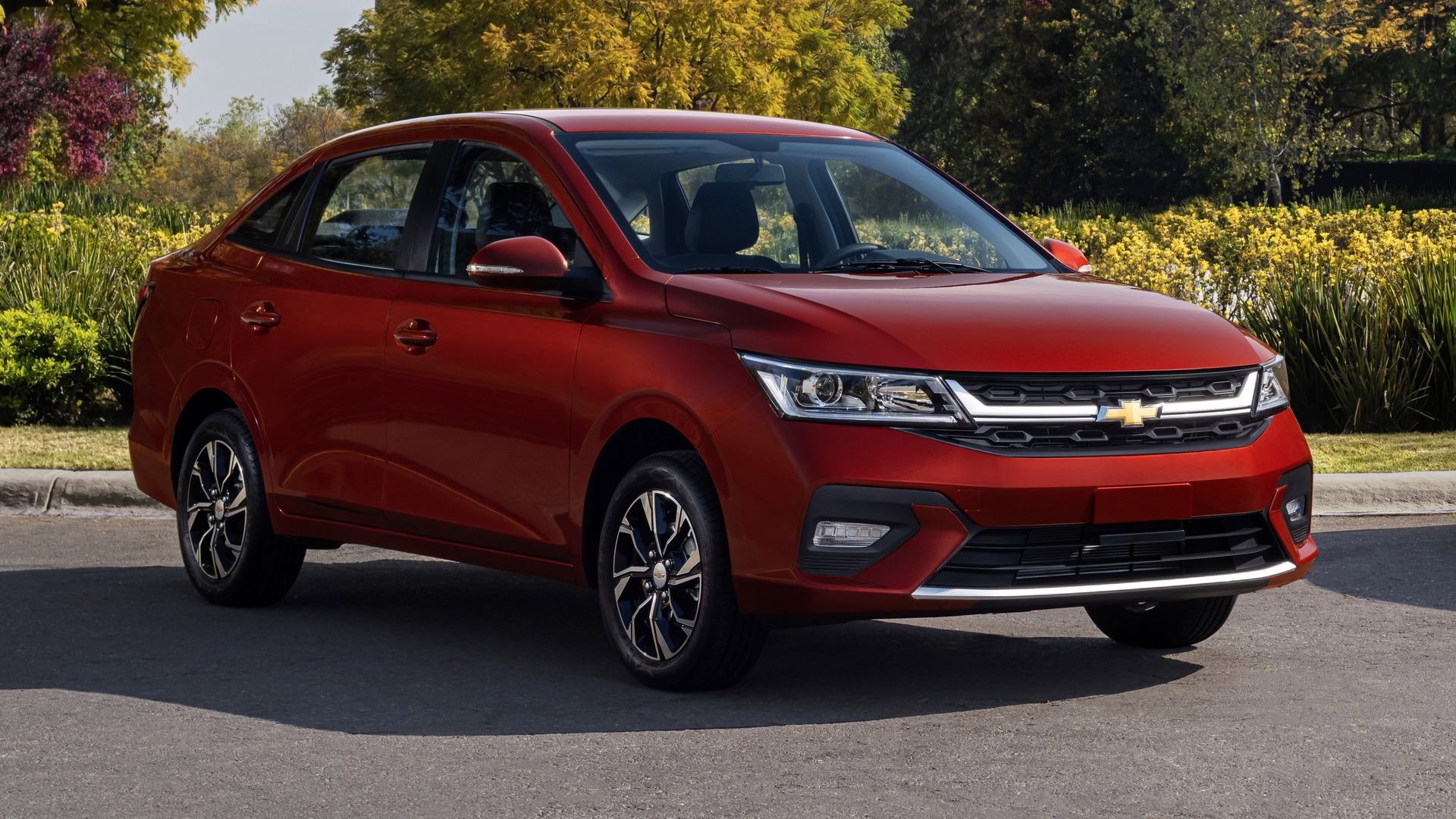
2. Chevrolet Aveo
The Chevrolet Aveo was designed as an affordable small car, appealing to buyers who wanted a low purchase price and cheap running costs. While it delivered on those points, it gained a reputation for rust problems, especially in regions with harsh winters. Many owners reported that rust appeared much earlier than expected, sometimes within five to six years.
One major issue with the Aveo is the quality of materials used in production. The metal body panels are thinner and less protected compared to more expensive vehicles. This makes them more vulnerable when exposed to salt, water, and road grime. Once the paint is scratched, rust forms quickly and spreads across the surface.
The underbody of the Aveo is another weak point. Unlike cars with strong factory undercoating, the Aveo often leaves steel parts exposed. Owners who live in snowy climates often find that the suspension arms, fuel lines, and frame rust heavily, sometimes requiring expensive repairs just to keep the car safe on the road.
Another issue is that the design does not allow water to drain properly in certain areas. Moisture sits around the wheel wells and lower door edges, creating perfect spots for corrosion to begin. Once this starts, repairs are difficult because the rust often spreads from inside the panels, where it is hard to reach.
Many buyers chose the Aveo as a budget option, but the rust problems meant that long-term ownership costs became higher. Cars that should have lasted 12 to 15 years often became unreliable in less than a decade. Even today, used Aveos often show heavy rust on the underside, making them unattractive for second-hand buyers.
For people who want a car that holds its structure well, the Chevrolet Aveo is not the best option. While it was affordable at the start, rust made it age badly compared to other small cars in its class.
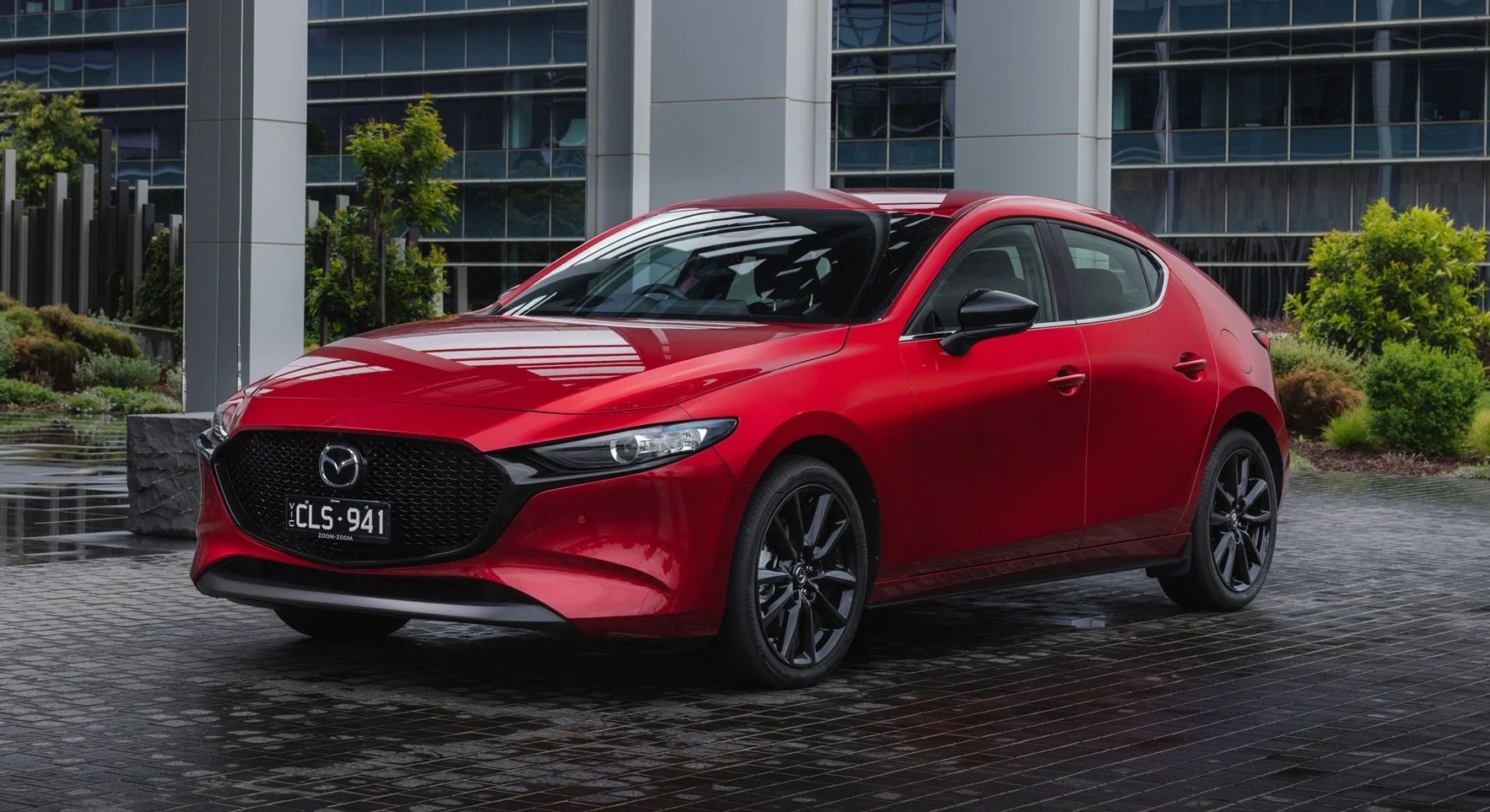
3. Mazda 3
The Mazda 3 has always been praised for its sporty handling and stylish design. However, owners in regions with cold winters and road salt quickly discovered that rust was one of its biggest weaknesses, especially in the earlier generations from the 2000s. Many Mazda 3 models started showing visible rust around the wheel arches and rocker panels while still under 10 years old.
One of the biggest problems lies in the rear wheel arch design. The inner lip collects salt and dirt, and since the protective coating is not strong enough, corrosion begins from the inside and spreads outward. This often leads to bubbling paint and holes that are difficult to repair.
The underbody of the Mazda 3 is also prone to rusting, particularly around the suspension mounting points. In some cases, owners reported that rust became so severe it affected the car’s safety and required welding repairs.
Mazda later improved rust protection in newer models, but earlier versions remain known for these problems. Owners who failed to wash the car regularly during winter saw rust spread very quickly. Even those who tried to care for their vehicles found it difficult to stop because of the poor design in rust-prone areas.
Another factor is that Mazda used thinner metal compared to some rivals, which allowed rust to eat through panels faster. The resale value of older Mazda 3 cars often drops sharply because buyers know about the rust issues. Many used car dealers even avoid taking them as trade-ins if visible rust is already present.
While the Mazda 3 offers great driving enjoyment and stylish looks, its weak rust resistance puts it on the list of cars that rot early. Unless buyers live in dry regions with little exposure to road salt, owning an older Mazda 3 can turn into a constant battle with corrosion.
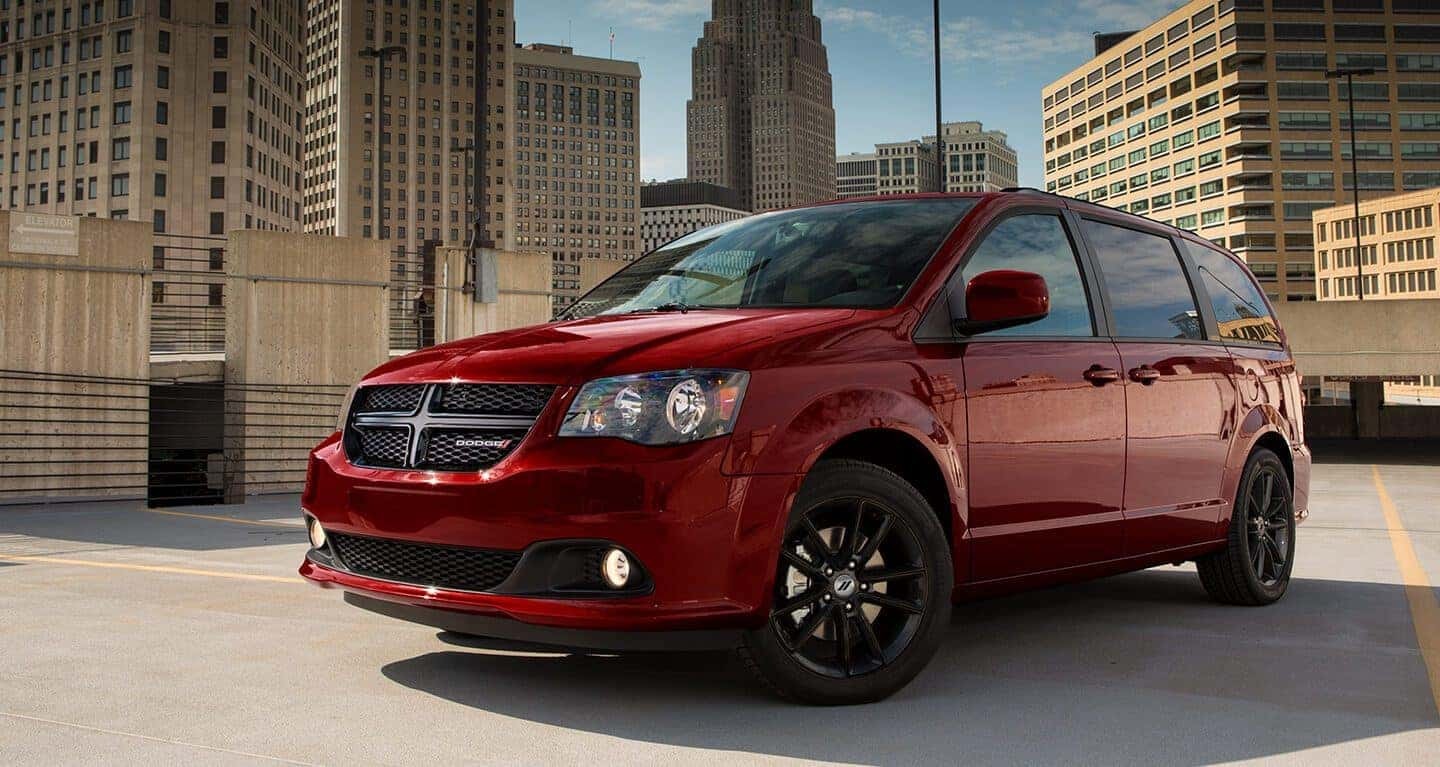
4. Dodge Caravan
The Dodge Caravan has been one of the most popular minivans in the United States, used by countless families for daily commuting and long trips. While it provides plenty of space and comfort, the Caravan has developed a reputation for rust problems that show up earlier than many owners expect.
One of the biggest trouble spots is the sliding door area. Water tends to collect along the bottom edges, and since the protective coating is not strong enough, rust starts from the inside and spreads outward. Many owners notice bubbling paint and holes in these areas, sometimes after only a few years of use in snowy climates.
The underbody is another weak point. The Caravan often suffers from rust on the frame rails and suspension components. In some cases, corrosion becomes severe enough to affect safety. Mechanics often advise frequent underbody inspections for Caravan owners who drive in areas with heavy winter salt.
Another common issue is the rear hatch area. Water collects around the seams, leading to rust around the license plate and tailgate edges. These problems reduce the resale value, since potential buyers quickly spot the rust and worry about hidden damage.
Even with regular washing, owners find it difficult to prevent rust completely because the design allows too much moisture to stay trapped in hidden corners. Some families tried aftermarket rust-proofing when the vehicle was new, but the effectiveness depends on how well it was applied.
For buyers seeking a family minivan that can last for many years without heavy corrosion repairs, the Dodge Caravan often disappoints. While it offers convenience and space, its poor resistance to rust means many owners face expensive body repairs before the vehicle reaches its full lifespan.
Also Read: 12 Cars That Prove Performance Can Also Be Reliable
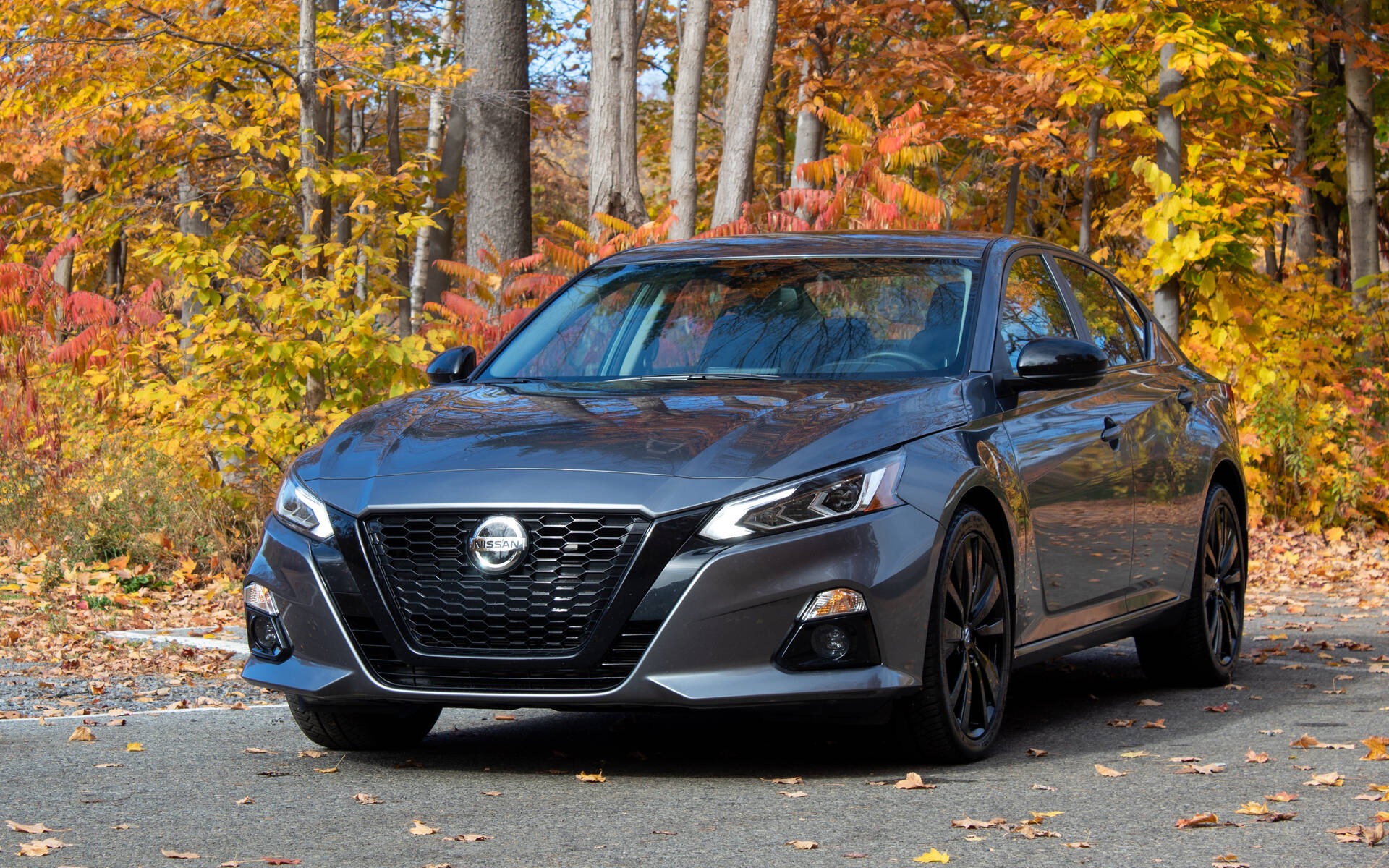
5. Nissan Altima
The Nissan Altima is a mid-size sedan that has been popular in the United States for decades. It offers comfort, decent performance, and good fuel economy. However, one issue that affects many Altima owners is rust, particularly on older models. While newer versions improved slightly, the reputation for early corrosion still follows the name.
One of the most common areas for rust on the Altima is the rear subframe. Owners from snowy regions often report that the subframe rusts heavily, sometimes to the point of breaking. This has led to recalls in certain years, as the problem created safety risks.
The rocker panels and wheel wells are also weak spots. Moisture collects in these areas, and since the protective coatings are not strong enough, rust begins early and spreads quickly. Many Altimas that are less than ten years old already show visible rust along the lower body.
Another issue is that once rust starts on the Altima, it spreads aggressively. Unlike some cars, where rust remains in small spots, the Altima often develops larger patches that require expensive repairs. Even owners who try to wash the car often during winter sometimes cannot stop it from corroding.
As a result of these issues, resale value for older Altimas drops sharply in regions where road salt is common. Buyers are cautious, and many mechanics warn customers to check the underbody carefully before purchasing a used model.
The Altima remains popular for its comfort and reliability in other areas, but its weakness against rust makes it a poor long-term investment for drivers in areas with harsh winters. Without constant maintenance and protective treatments, the Altima is likely to face serious rust problems much earlier than expected.
