Pickup trucks hold a special place in American culture. For decades, they’ve been more than just workhorses they’ve doubled as family haulers, adventure companions, and long-lasting investments.
When buyers in the U.S. shell out their hard-earned money for a pickup, they expect it to last. Durability is often the top priority, especially since many trucks are used for towing, off-roading, or heavy hauling.
Some pickups reward their owners by soldiering on past 300,000 miles with relatively few major repairs, while others develop expensive problems much earlier than expected.
Below, we’ll take a closer look at five pickups celebrated for their ability to surpass the 300K milestone, followed by five that often disappoint drivers by breaking down early.
Best Pickups That Last Over 300K Miles
When it comes to pickups, longevity is everything. You’re not just buying a truck, you’re investing in something that should handle years of heavy loads, long commutes, and weekend hauls without flinching.
Some pickups are built so tough they’ll sail past the 300,000-mile mark with the right care. These aren’t just workhorses; they’re mile-crushing legends that prove durability still matters.
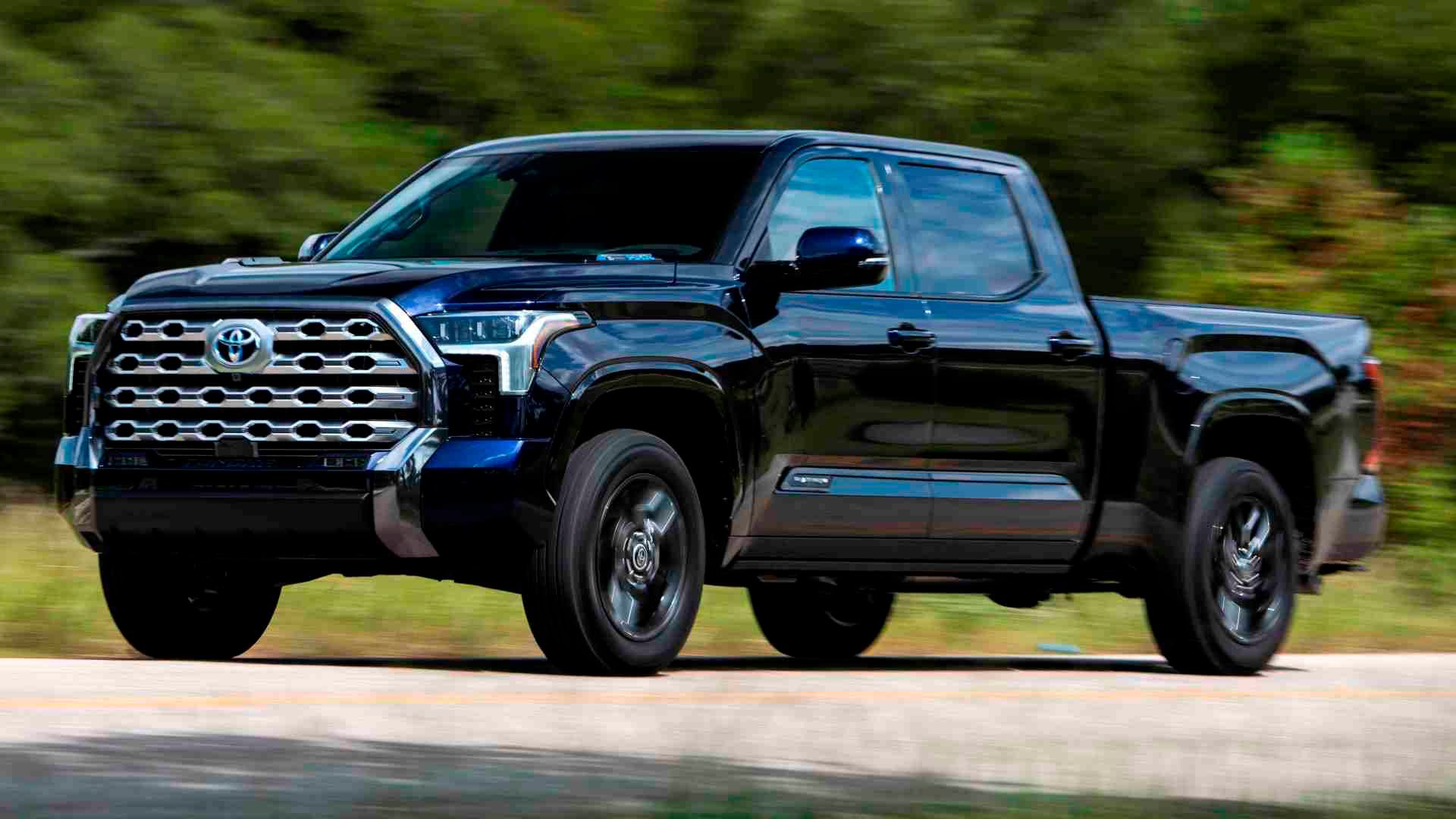
1. Toyota Tundra
The Toyota Tundra has built a reputation as one of the most dependable full-size pickups on the market. Owners frequently report reaching 300,000 miles and beyond with only routine maintenance.
This is largely thanks to Toyota’s legendary engineering, particularly its V8 engines, which are designed for longevity rather than sheer horsepower bragging rights.
The Tundra also tends to avoid the electronic gremlins that plague some American rivals. While it might not boast the highest towing capacity in its class, its reliability record makes it a favorite for drivers who want peace of mind over raw numbers.
The Toyota Tundra is the larger of the brand’s two pickups, and when the second generation debuted. That changed with the arrival of the 2022 model year, when Toyota launched the third-generation Tundra. According to the automaker, the redesign shares no parts with its predecessor, “every nut and bolt” is new.
Built on a platform shared with the international 300 Series Land Cruiser, the latest Tundra benefits from redesigned suspension systems and fresh powertrains that aim to deliver a smoother, more capable driving experience. Towing ability and interior refinements further enhance the package, but the Tundra faces tough competition against the Ford F-150, Chevrolet Silverado, and Ram 1500.
Toyota gave the Tundra a complete redesign inside and out. Its new high-strength boxed, steel-ladder frame increases rigidity, while the revised front suspension provides better straight-line stability. In back, the traditional leaf springs have been replaced by a multi-link coil spring setup, significantly improving ride quality.
Adaptive variable suspension now adjusts damping force automatically depending on road conditions, and buyers can opt for a rear air suspension system with both manual and automatic leveling functions, as well as adjustable ride heights that include High, Low, and Normal modes.
The truck bed is now made from aluminum-reinforced composite materials, and under the hood sits a standard V-6 engine, with a hybrid V-6 available for those who want more power and efficiency. A new 10-speed automatic transmission replaces the old six-speed, contributing to improved towing and payload capacity.
Inside, the cabin has been reimagined with modern touches including an available 14.0-inch touchscreen, a 12.3-inch digital gauge cluster, and wireless Apple CarPlay and Android Auto. The TRD Pro model now builds off the Limited trim rather than the SR5, and the truck offers multiple drive modes including Sport, Sport+, pure EV mode for the hybrid, and two separate tow modes tailored for lighter or heavier trailers.
Advanced cameras provide multiple exterior viewing angles for easier trailer management, while power-extending and folding tow mirrors improve visibility. Comfort and convenience features such as a panoramic sunroof, along with heated and ventilated front seats, round out the upgrades.
After keeping the previous generation on sale for so long, it’s refreshing to finally see Toyota bring a new Tundra to market. The redesign introduces two strong, smooth V-6 powertrains, paired with a 10-speed automatic transmission that, while mostly effective, occasionally showed odd shift behavior in Sport mode during our testing.
The hybrid 3.4-liter turbocharged V-6 delivers more power than the standard version, though it comes with compromises such as reduced under-seat storage space due to the battery pack and an overly sensitive initial response from the regenerative braking system. Nevertheless, the hybrid shines when it comes to towing and hauling.
Dropping the leaf springs in favor of coil springs makes a noticeable difference in ride comfort, while available self-leveling air springs and advanced electronics enhance the Tundra’s towing credentials. With two distinct tow modes, a Trailer Backup Guide system with Straight Path Assist, and highly effective cruise control on both inclines and declines, the 2022 Tundra proves to be a capable workhorse.
Inside the cabin, the lower trims still don’t measure up to the Ram 1500’s premium feel, and some storage solutions could be more creative. However, there are features we love, such as the full-width roll-down rear window and the deep rear seat cushions in the CrewMax model. The new Tundra is a massive step up from the previous generation, though certain competitors still manage to edge it out in refinement and innovation.
Performance has also taken a notable leap forward. Gone is the old naturally aspirated V-8, replaced by a more advanced V-6. The standard 3.4-liter twin-turbo V-6, despite Toyota marketing it as a 3.5-liter, produces 389 hp and 479 lb-ft of torque, surpassing the 2021 Tundra’s 381-hp, 401 lb-ft V-8.
For those seeking even more muscle, the hybrid setup pairs the same V-6 with an electric motor to generate 437 hp and 583 lb-ft of torque. In our first drive, the electrified i-Force Max proved superior to the gas-only version in both towing and hauling tasks.
2. Ford F-250 Super Duty (Gas Models)
When it comes to durability, the Ford F-250 Super Duty with a gas engine often outshines its diesel counterpart. While diesels are powerful, they can come with costly repairs as emissions systems age.
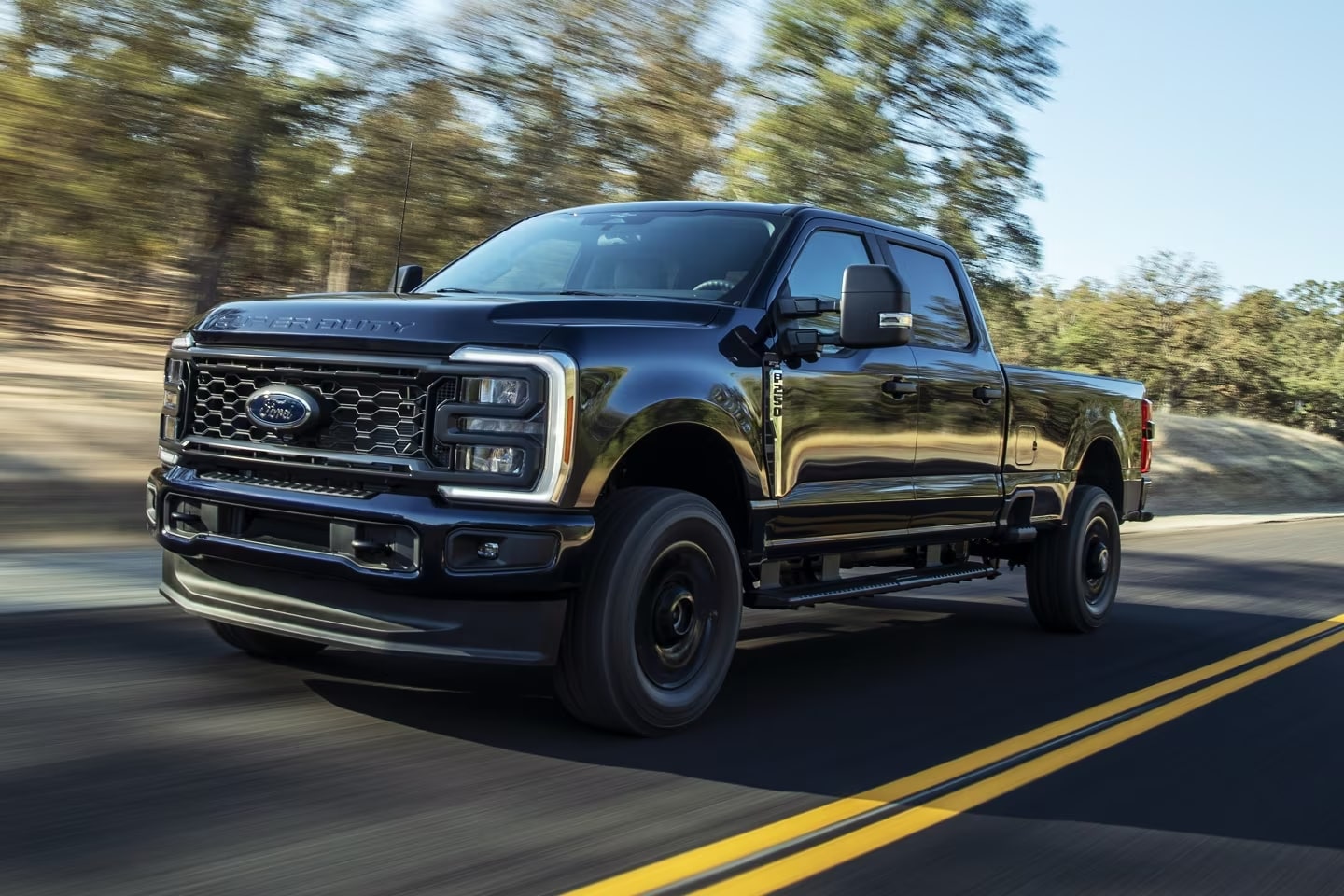
Gas-powered F-250s, on the other hand, are simpler and more reliable, with many trucks pushing past 300K without major drivetrain overhauls. Fleet operators and contractors often lean on this truck for its ability to endure years of abuse while still being affordable to maintain.
Ford’s parts availability also ensures that keeping an older F-250 on the road isn’t overly complicated.
Also Read: 10 Checks That Stop a Chevy Impala From Becoming Unsafe
3. Chevrolet Silverado 2500HD
Heavy-duty Silverados, particularly the 2500HD equipped with the 6.0-liter Vortec V8, are known to be workhorses that simply refuse to quit. These trucks regularly achieve 300,000 miles with proper maintenance, even when subjected to tough hauling and towing conditions.
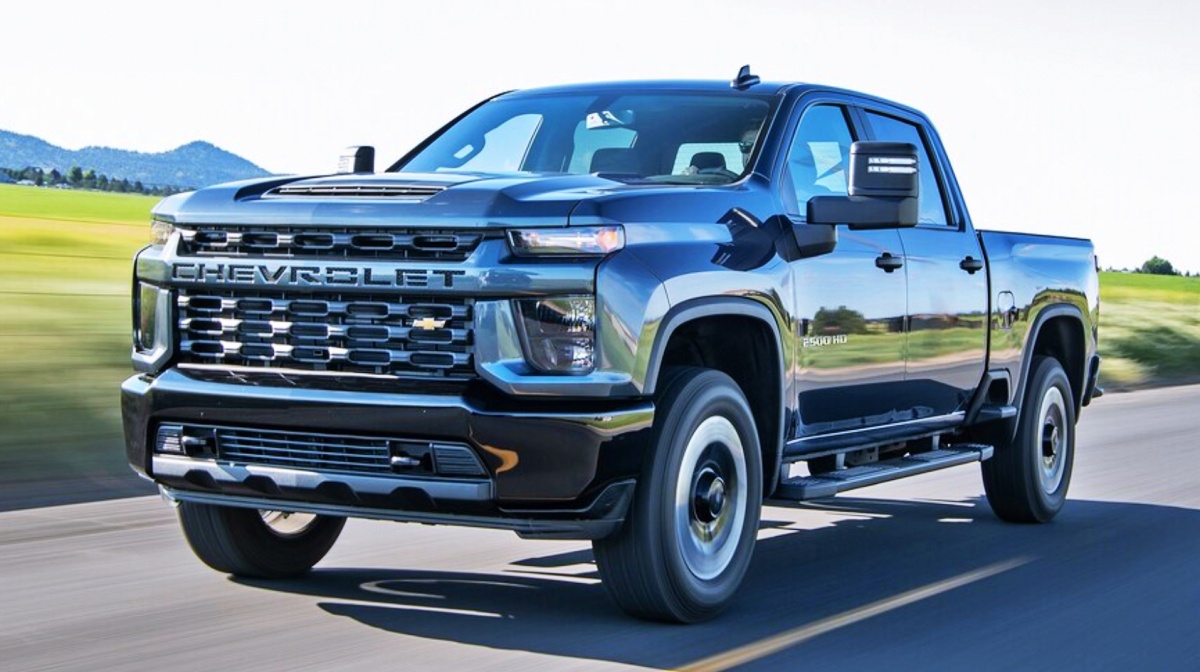
GM’s decision to pair this engine with a stout transmission means fewer catastrophic breakdowns compared to some newer turbocharged designs.
Owners praise the Silverado 2500HD for balancing durability with everyday drivability, making it one of the most dependable pickups for both personal and commercial use.
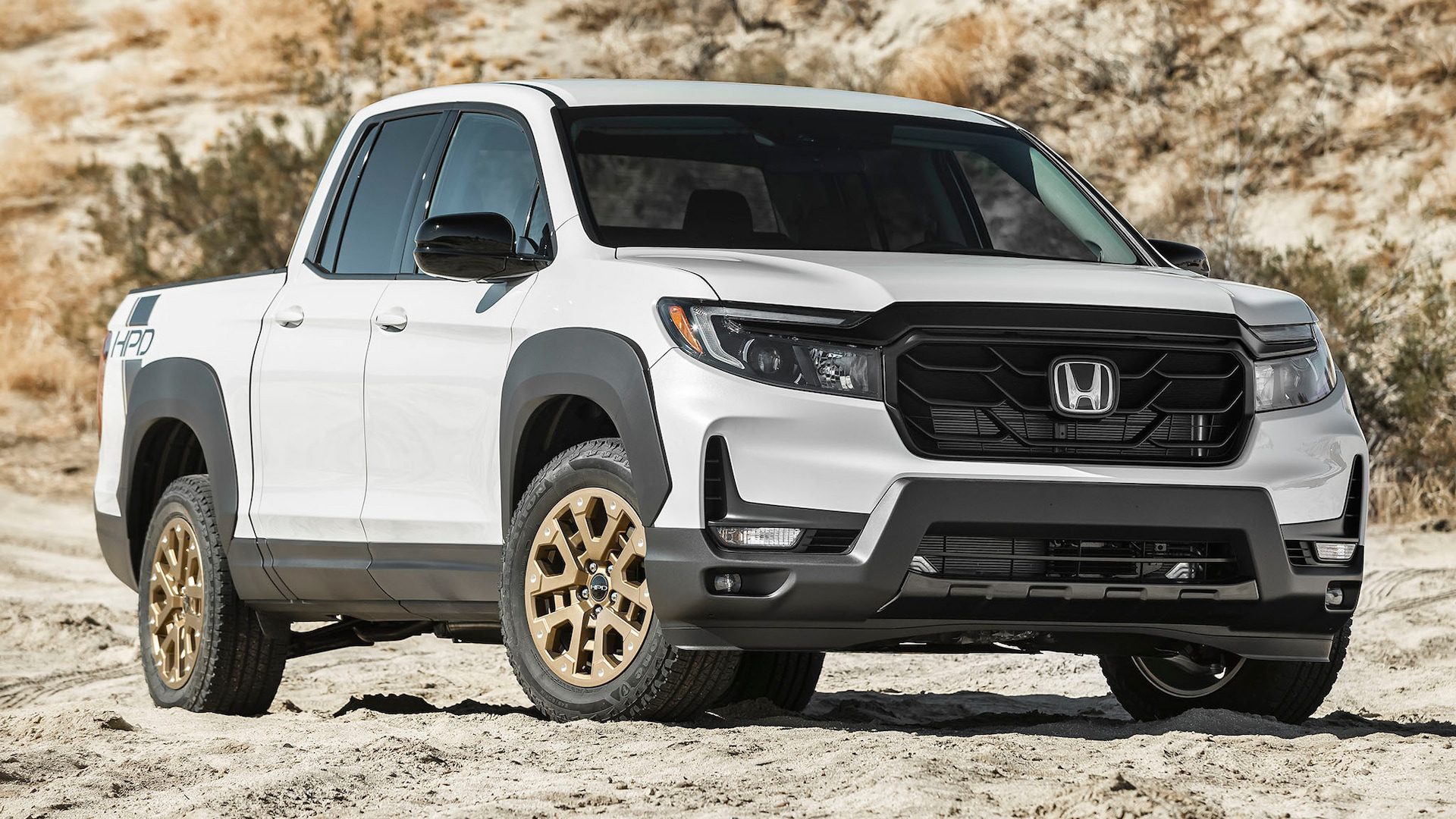
4. Honda Ridgeline
While some may not consider the Honda Ridgeline a “true” pickup because of its unibody design, it consistently ranks among the longest-lasting trucks on the road.
Honda’s meticulous engineering and focus on quality control allow Ridgelines to rack up 300,000 miles or more with little drama. Its V6 engine is bulletproof, and its transmission when serviced regularly rarely causes issues.
Although the Ridgeline isn’t designed for heavy-duty towing or hauling, its long-term dependability makes it a smart choice for U.S. buyers who value longevity and practicality in a daily-use pickup.
The 2026 Honda Ridgeline remains one of the most versatile options in the midsize pickup segment, striking a balance between the utility expected of a truck and the comfort and refinement associated with an SUV.
Honda has built the Ridgeline’s reputation on clever innovations such as its dual-action tailgate and lockable in-bed trunk, and the model continues to deliver with standard all-wheel drive, a smooth ride, and thoughtful design touches that make it stand out.
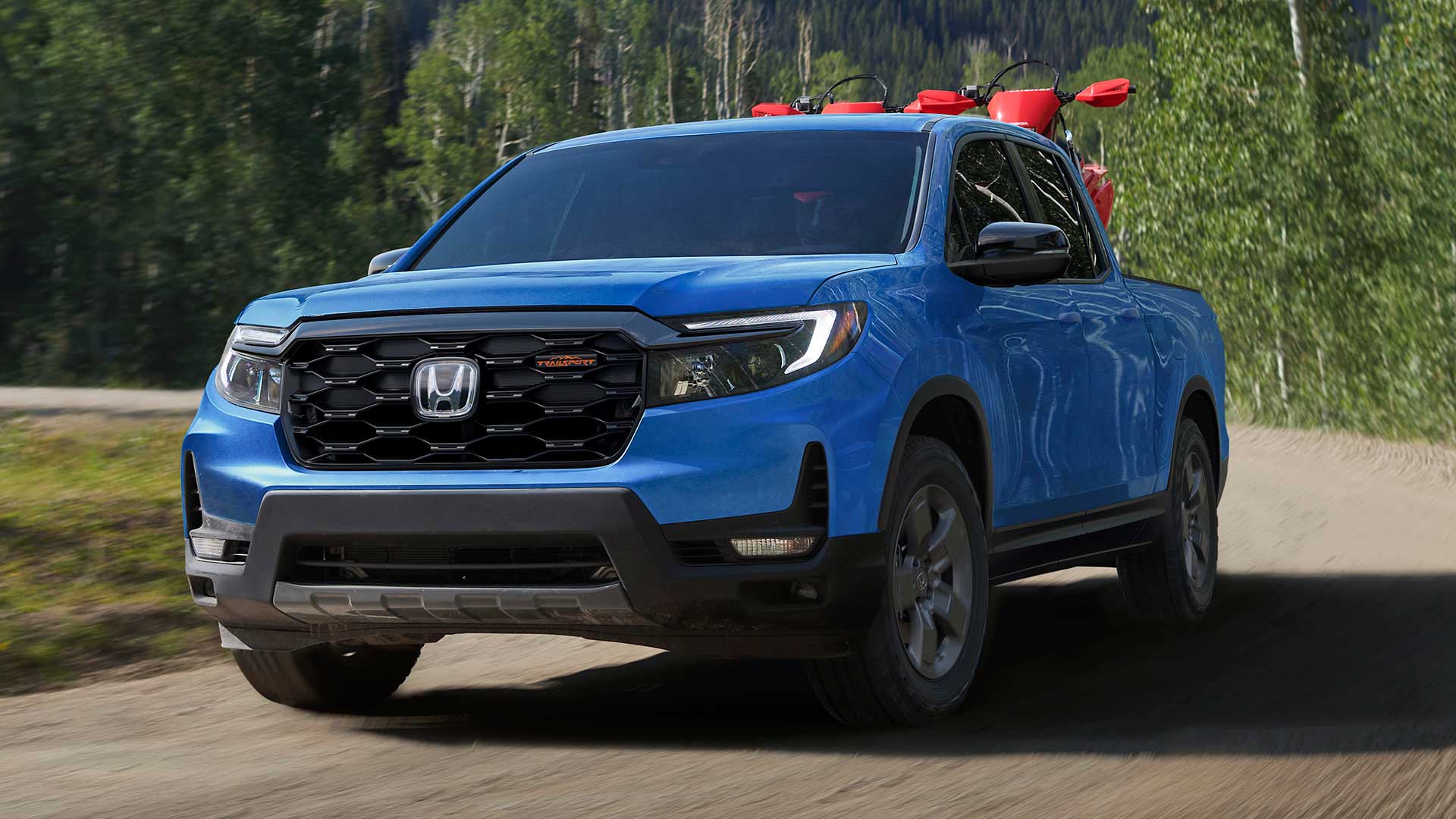
Competing against segment rivals like the Ford Ranger, Chevrolet Colorado, and Toyota Tacoma, the Ridgeline holds its own by offering a unique approach to what a midsize truck can be.
For 2026, the Ridgeline receives only minor cosmetic updates. Last year brought the addition of the TrailSport model and several tech enhancements, while the second generation benefited from a midcycle refresh in 2021 that gave it more trucklike styling and other key improvements. As more details and images are released, additional updates will be provided.
The Ridgeline continues to impress as one of the most practical and comfortable trucks in its class. Unlike traditional body-on-frame pickups, Honda’s midsize contender uses unibody construction paired with fully independent suspension, resulting in a ride that feels far more carlike than its competitors.
Under the hood, a strong V-6 engine delivers brisk acceleration, though its towing capacity doesn’t quite match up with rivals such as the Chevrolet Colorado, Ford Ranger, and Toyota Tacoma. Bed size measures five feet, which is modest for the segment, but the Ridgeline makes up for it with smart design. Highlights include a lockable underfloor storage compartment that doubles as an ice chest and a dual-action tailgate that adds versatility.
Interior updates in recent years have elevated the Ridgeline’s cabin experience, with larger displays, wireless smartphone connectivity, and increased center console storage improving day-to-day usability. The TrailSport trim brings some light off-road capability into the mix, thanks to its all-terrain tires, retuned suspension, and underbody protection. It’s not designed as a hardcore off-roader, but it handles rougher trails with more confidence than before.
In the end, the Honda Ridgeline stands out as a smart, user-friendly midsize pickup. While traditional truck buyers may still prefer the ruggedness of body-on-frame competitors, the Ridgeline appeals to drivers who value comfort, innovation, and a more refined driving experience without sacrificing the practicality of a pickup.
Also Read: 5 Pickups That Keep Their Frame Solid vs 5 That Rust Out
5. Ram 2500 (Cummins Diesel)
Ram pickups have had mixed reliability records, but the Ram 2500 equipped with the Cummins 6.7-liter diesel stands out as a model that can cross the 300K mark with relative ease.
The Cummins engine is legendary for its durability, and with proper care particularly keeping up with fuel and oil system maintenance it can last far longer than most competitors.
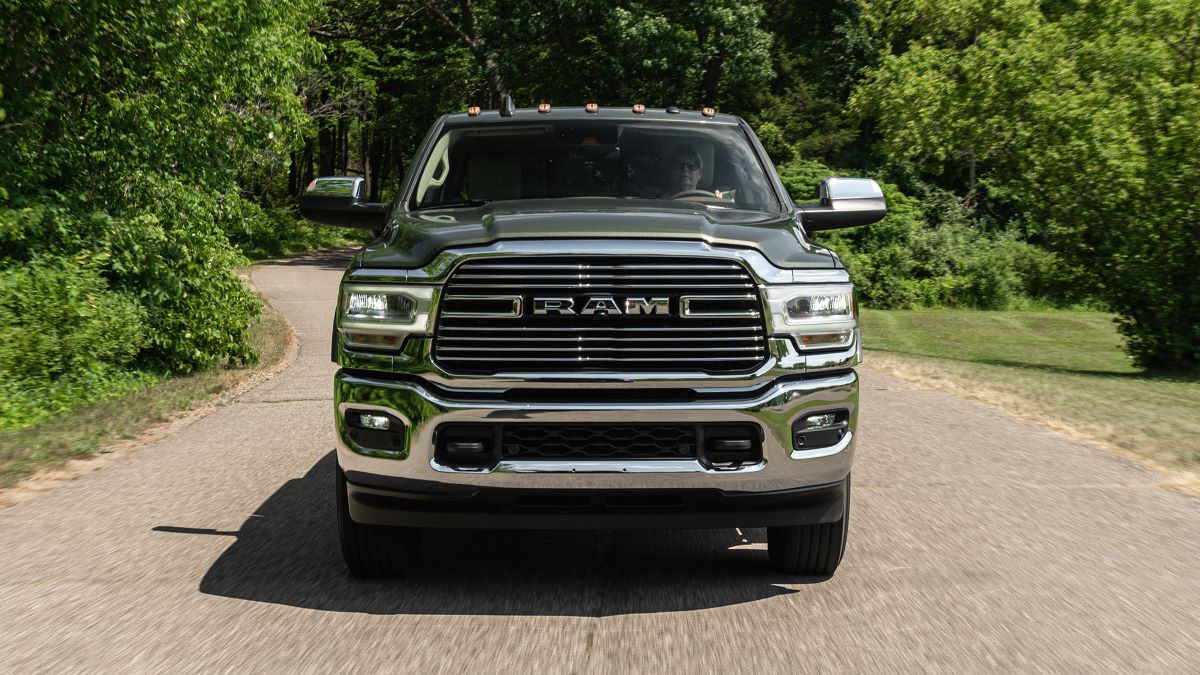
While other components of the truck may eventually need work, the engine itself is nearly bulletproof. Many truckers swear by the Cummins-powered Ram as one of the toughest pickups ever built.
Pickups That Break Early
Not every truck is built to go the distance. Some pickups might look tough on the lot, but put them through real-world use and the cracks start showing fast. From costly engine problems to weak transmissions, these models prove that not all pickups are created equal. If you’re thinking long-term, these are the trucks you’ll want to steer clear of before you get stuck with repairs that cost more than the truck’s worth.
1. Ford F-150 (2004–2008)
While the Ford F-150 is America’s best-selling truck, not every generation has been a home run. The 2004–2008 models, in particular, are notorious for problems that appear well before 200,000 miles.
Engines like the 5.4-liter Triton V8 suffered from spark plug ejection issues and timing chain failures, while transmissions were also prone to premature wear.
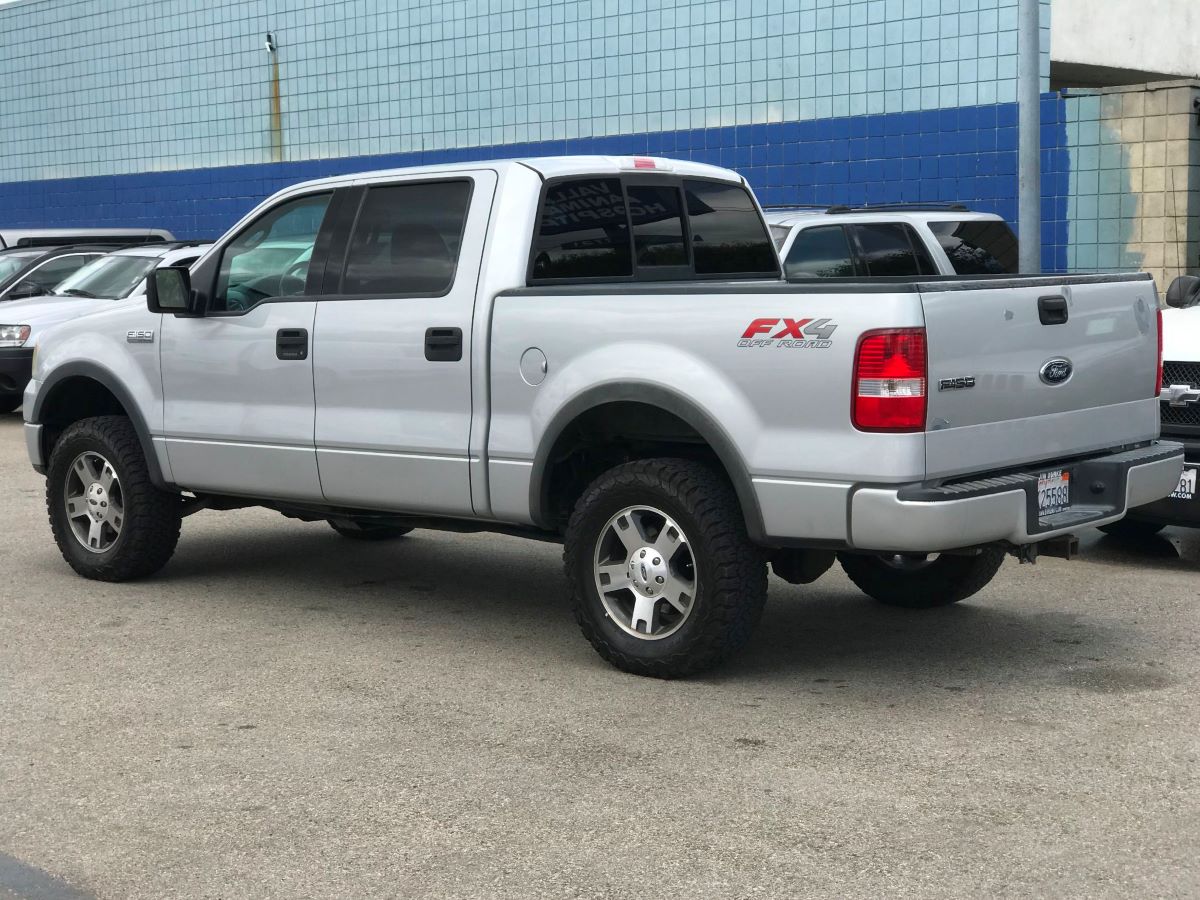
Many owners found themselves facing expensive repairs that made it impractical to keep the truck long-term. For this generation, reliability simply wasn’t up to Ford’s usual standards.
2. Chevrolet Colorado (First Generation, 2004–2012)
The first-generation Chevrolet Colorado promised to deliver midsize versatility but fell short in durability. Owners often reported issues with its inline-five engine, including rough idling, excessive oil consumption, and premature failure.
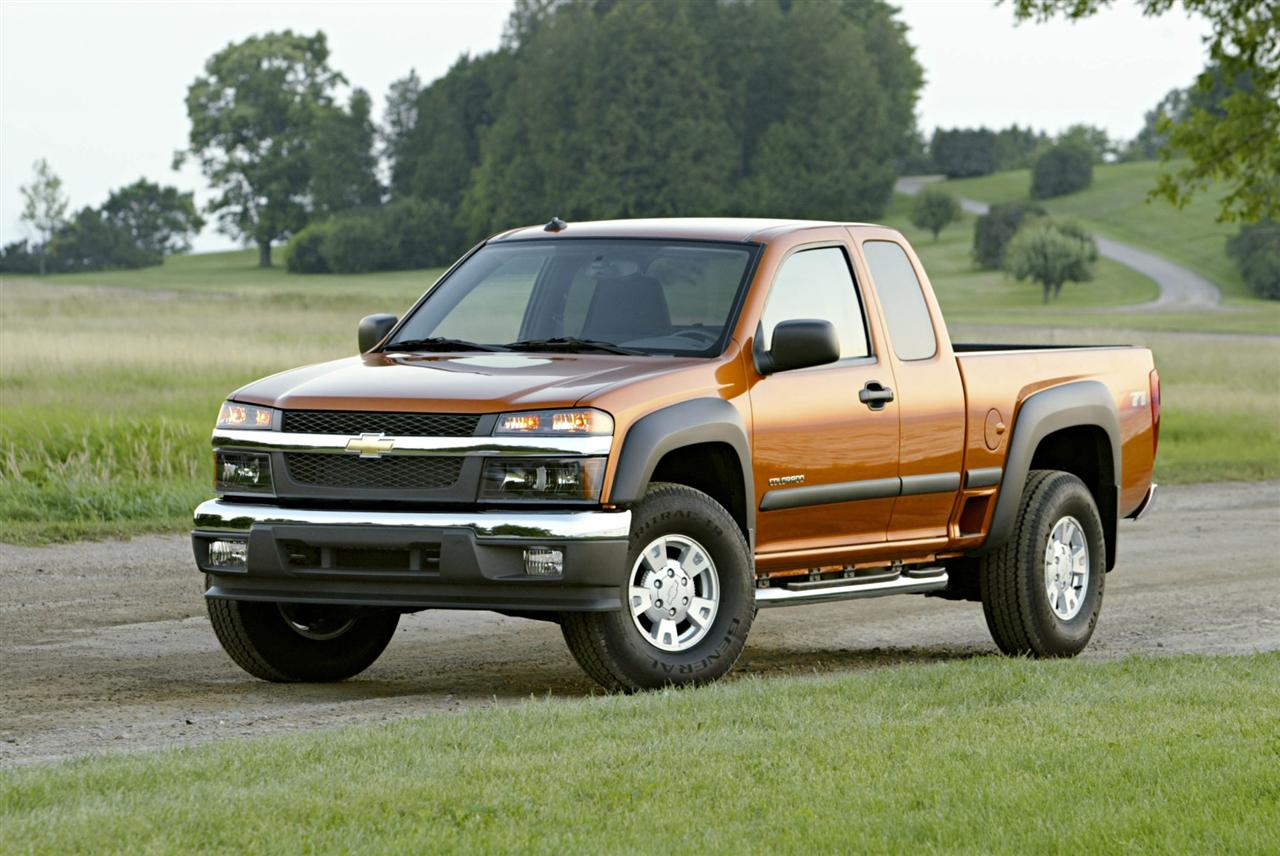
Electrical problems and weak transmissions further tarnished its reputation. While later generations of the Colorado improved significantly, these early models rarely lasted beyond 200K without costly repairs, making them one of the least reliable options in the used pickup market.
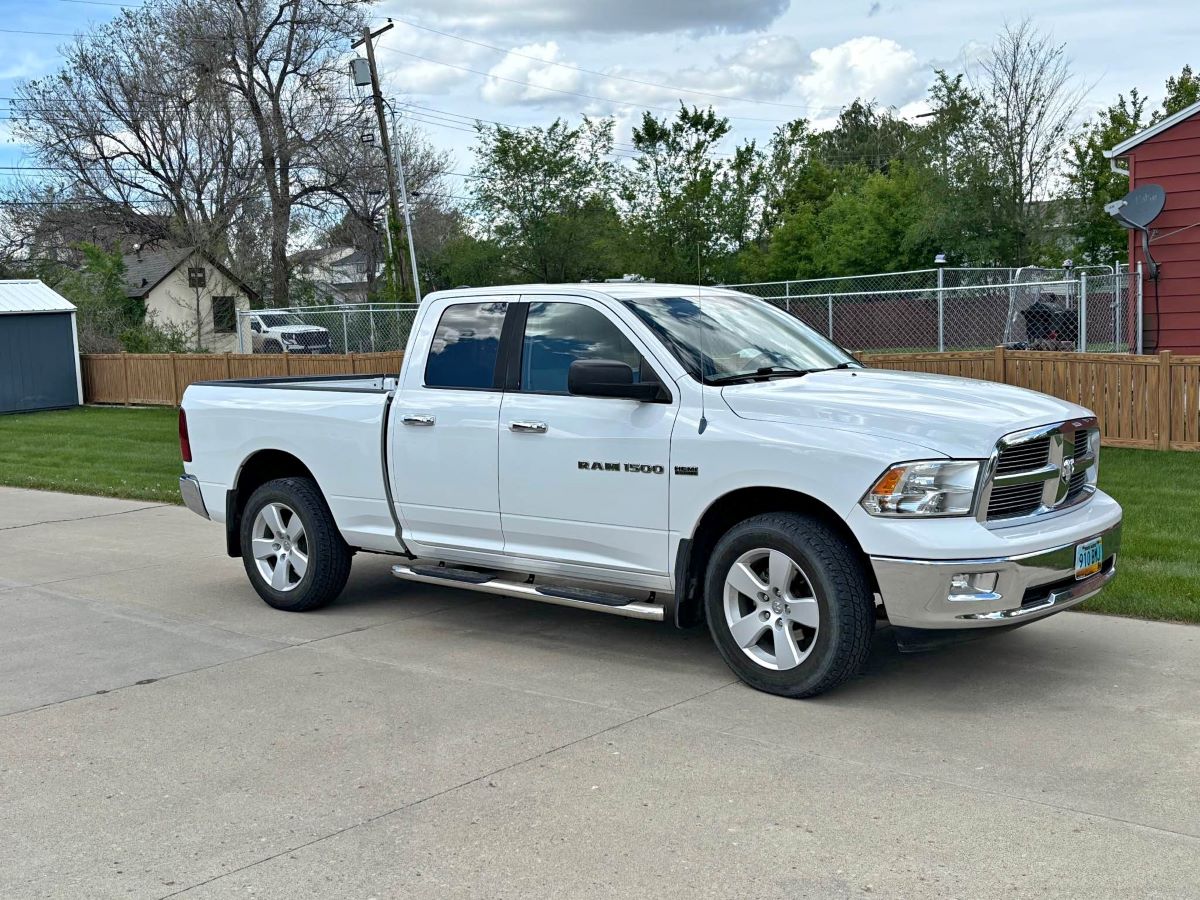
3. Ram 1500 (2011–2016)
The Ram 1500 has plenty of fans thanks to its comfortable ride and powerful HEMI V8 options, but the 2011–2016 models struggled with reliability.
Transmission failures, especially with the 8-speed automatic, were all too common, and some trucks experienced differential and suspension issues before hitting 150K miles.
Electronics were also problematic, with infotainment systems and electrical accessories frequently malfunctioning. These issues combined to make the Ram 1500 of this era a truck that often breaks down long before the 300K mark.
After a major round of updates the previous year, the Ram 1500 improves even further for 2014 with the introduction of a new turbodiesel V6 engine. This marks the first time a light-duty full-size pickup offers a diesel option, and it brings with it the promise of impressive fuel efficiency and strong towing capability.
Behind the wheel, one of the most appealing aspects of the diesel-powered Ram 1500 is just how familiar it feels compared with the gasoline models. In everyday driving, the cabin stays quiet and refined, and as you’d expect from a diesel, there’s an abundance of low-end torque that makes merging onto highways and passing slower traffic easy and confident.
For buyers who prefer the traditional character of a gasoline engine, Ram continues to offer its 5.7-liter V8 as an upgrade over the standard V6. Torque figures for the diesel and V8 are nearly identical, but the V8 edges out the diesel with slightly higher towing capacities depending on configuration.
It’s also a less costly upgrade than opting for the diesel. Still, because Ram expects the diesel V6 to surpass the base gasoline V6 in EPA fuel economy, the added upfront expense of the diesel is likely to pay off over the long run.
The addition of this engine option only strengthens what was already one of the segment’s top choices. The Ram 1500 stands out with the most refined interior in the full-size pickup class, complemented by a user-friendly touchscreen interface that integrates advanced technology features seamlessly.
Ride quality is another strong point, with the Ram offering a composed and comfortable experience both on and off pavement. This is largely thanks to its unique coil-spring rear suspension, as well as the availability of an optional air suspension system that lets drivers adjust ride height to suit different conditions.
4. Nissan Titan (2004–2010)
Nissan’s first attempt to break into the full-size truck market with the Titan was ambitious, but the early models left much to be desired in terms of dependability.
Transmission failures were a recurring issue, often occurring around 120,000–150,000 miles, and rear axle problems were widespread.
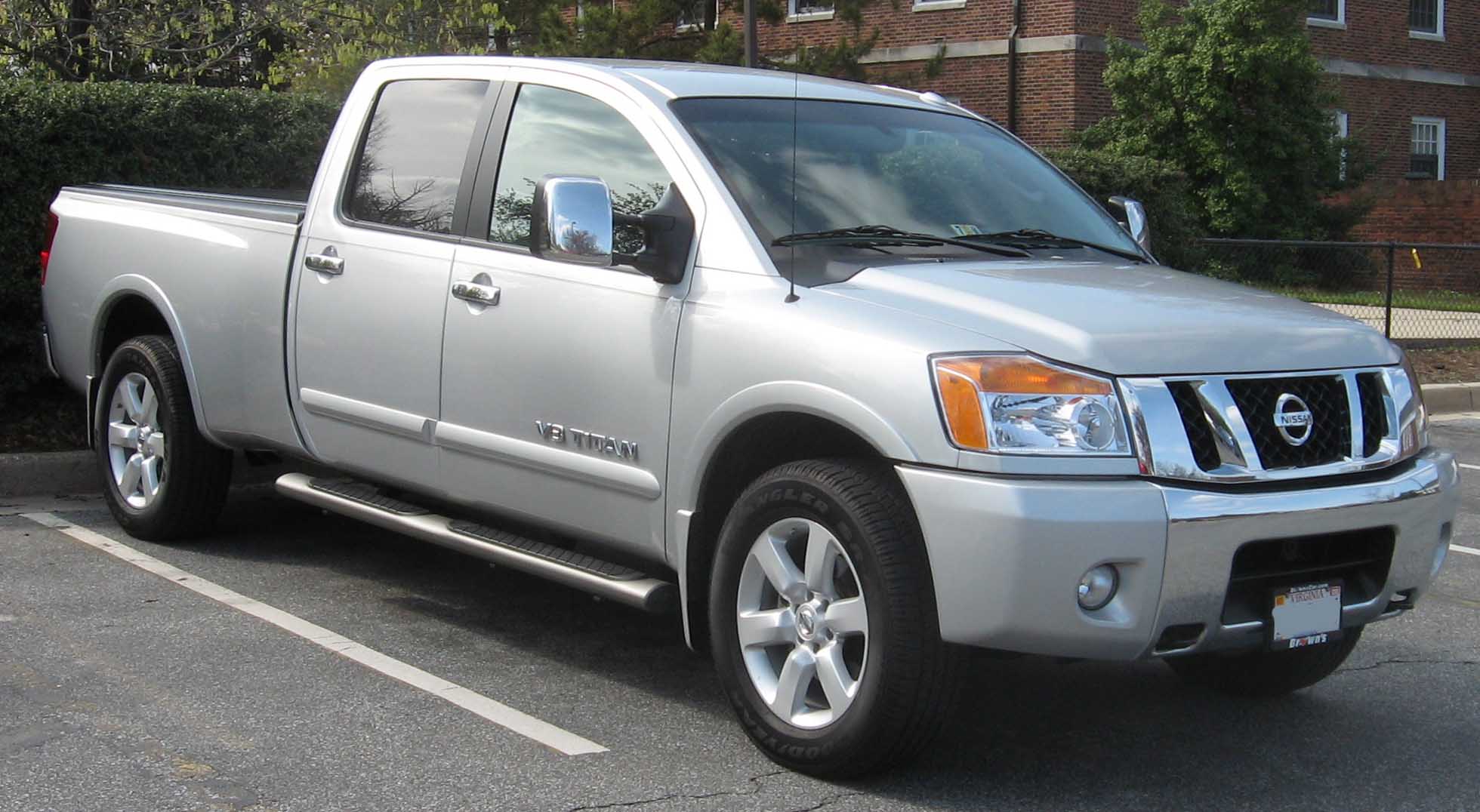
The Titan’s drivetrain simply wasn’t built to withstand the same kind of punishment as its American rivals. As a result, many early Titans ended up in junkyards before reaching the 200K milestone.
Given that Ford’s F-150 outsells even the most popular passenger cars by a two-to-one margin, it was only a matter of time before import automakers wanted a share of that market. With the Titan, Nissan set its sights squarely on buyers who wanted a true full-size truck with the strength and capability to back it up.
The 2006 Nissan Titan matches those expectations with dimensions within inches of the F-150, providing the cargo and interior space that truck buyers demand. Beneath the surface is a fully boxed frame designed for maximum rigidity and strength, paired with a traditional solid rear axle supported by leaf springs.
Buyers can choose between two body styles: the King Cab extended cab, which features reverse-opening rear access doors and a 6-foot-6-inch bed, or the Crew Cab, which comes with four full-size doors and a 5-foot-6-inch bed.
Power comes from a 5.6-liter V8 engine mated to a five-speed automatic transmission. This 32-valve, dual-overhead-cam design features a variable intake system for enhanced low-end torque and an aluminum block that helps keep weight in check. With 305 horsepower and 379 pound-feet of torque, the Titan stacks up well against domestic rivals’ V8 offerings.
The transmission includes a tow-haul mode, which works in conjunction with electronic throttle control to deliver smooth power delivery and seamless shifts under heavy loads. Four-wheel-drive versions add a part-time transfer case with ultralow gearing for challenging terrain, while an optional off-road package enhances capability with lower axle gears and larger off-road tires.
Inside, the Titan offers a modern, spacious cabin equipped with contemporary features and clever storage. Extended-cab models boast rear doors that swing open a full 168 degrees for easier access, and both body styles include rear seats that fold up to create a nearly flat load floor. Nissan also put thought into the truck’s bed, which can be ordered with a factory spray-in liner and an adjustable tie-down system that offers a wide range of securement options.
These details underscore how thoroughly Nissan studied the needs of pickup buyers, creating a truck that competes head-to-head with established domestic models. Whether the priority is towing power, hauling space, or passenger comfort, the 2006 Nissan Titan makes a compelling case.
In terms of performance, the Titan comes with a single drivetrain setup: the 5.6-liter V8 paired to a five-speed automatic transmission. Rated at 305 horsepower and 379 pound-feet of torque, this combination provides plenty of muscle for both work and everyday driving.
When equipped with the optional tow package, the King Cab can tow up to 9,500 pounds, while the Crew Cab tops out at 9,400 pounds. The automatic transmission’s tow-haul mode is designed to optimize performance under load, making towing smoother and more controlled.
For buyers who need extra traction and capability, the four-wheel-drive system includes a part-time transfer case with ultralow gearing, giving the Titan the tools it needs to tackle more demanding conditions.
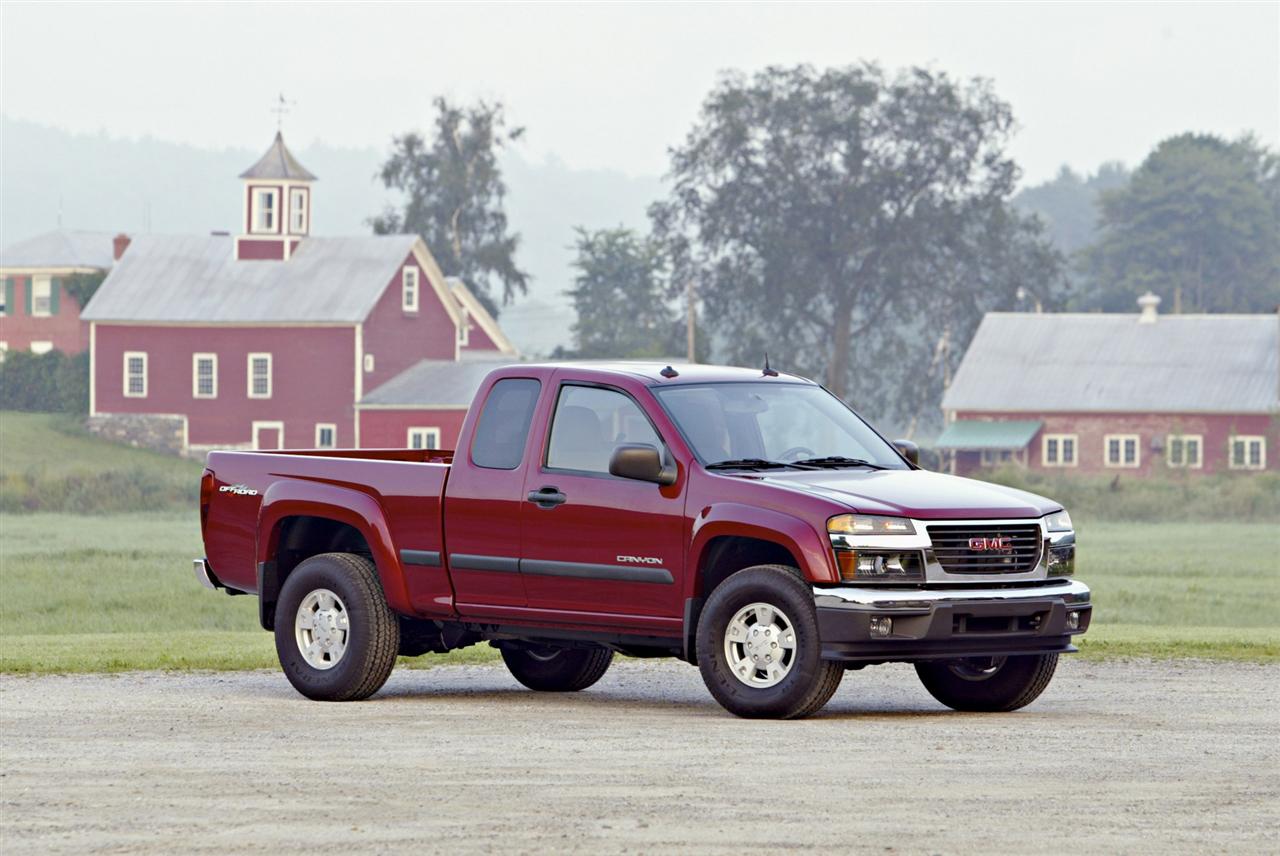
5. GMC Canyon (2004–2012)
Like its sibling, the Chevrolet Colorado, the first-generation GMC Canyon also struggled with early failures. The same problematic inline-five engine plagued this truck, and reliability ratings consistently placed it near the bottom of the midsize segment.
Owners complained about recurring electrical issues, weak transmissions, and frequent check-engine light mysteries. While newer Canyon models have redeemed the nameplate, the first generation remains one of the least likely pickups to last for the long haul.
When it comes to pickups in the U.S., longevity is often as important as horsepower or towing numbers. Trucks like the Toyota Tundra, Ford F-250, and Ram 2500 with the Cummins diesel have proven themselves capable of surpassing 300,000 miles when properly cared for. On the other hand, models like the early Nissan Titan or first-generation Chevy Colorado demonstrate that not every pickup is built to go the distance.
For buyers looking at the used market, understanding which trucks are built to last and which ones may let you down is critical. Investing in a dependable pickup can save thousands in repair costs and keep you on the road for decades, while choosing the wrong one could leave you stranded long before the odometer hits that coveted 300K milestone.