When most people think about the durability of a pickup truck, they often focus on engine longevity, transmission performance, or towing capacity. But one of the most overlooked factors in long-term ownership costs is the suspension system.
A pickup’s suspension isn’t just about comfort; it’s the backbone of its ability to haul heavy loads, maintain stability on rough terrain, and ensure safety when towing.
For truck owners in the U.S., where pickups are used for everything from daily commuting to construction work, farming, and recreational towing, suspension reliability can make a massive difference in long-term ownership costs.
Some pickups are engineered with robust suspension systems that rarely require major repairs, while others are notorious for premature wear on shocks, ball joints, control arms, or leaf springs.
Below, we break down five pickup trucks that are known for holding up well in this area, and five that tend to give owners constant headaches when it comes to suspension components.
Pickup Trucks That Rarely Need Suspension Work
When it comes to pickup trucks, suspension problems can turn a dependable workhorse into a costly headache. But not every truck is built the same. Some models are known for shrugging off rough roads, heavy loads, and years of hard use without constantly needing suspension repairs. If you’re looking for a pickup that can take the hits and keep rolling smooth, these are the ones worth your attention.
1. Toyota Tundra
The Toyota Tundra has built a reputation for being one of the most durable trucks on the road, and its suspension system is a big part of that. Owners frequently report that their Tundras can handle years of hauling and towing without the suspension giving out.
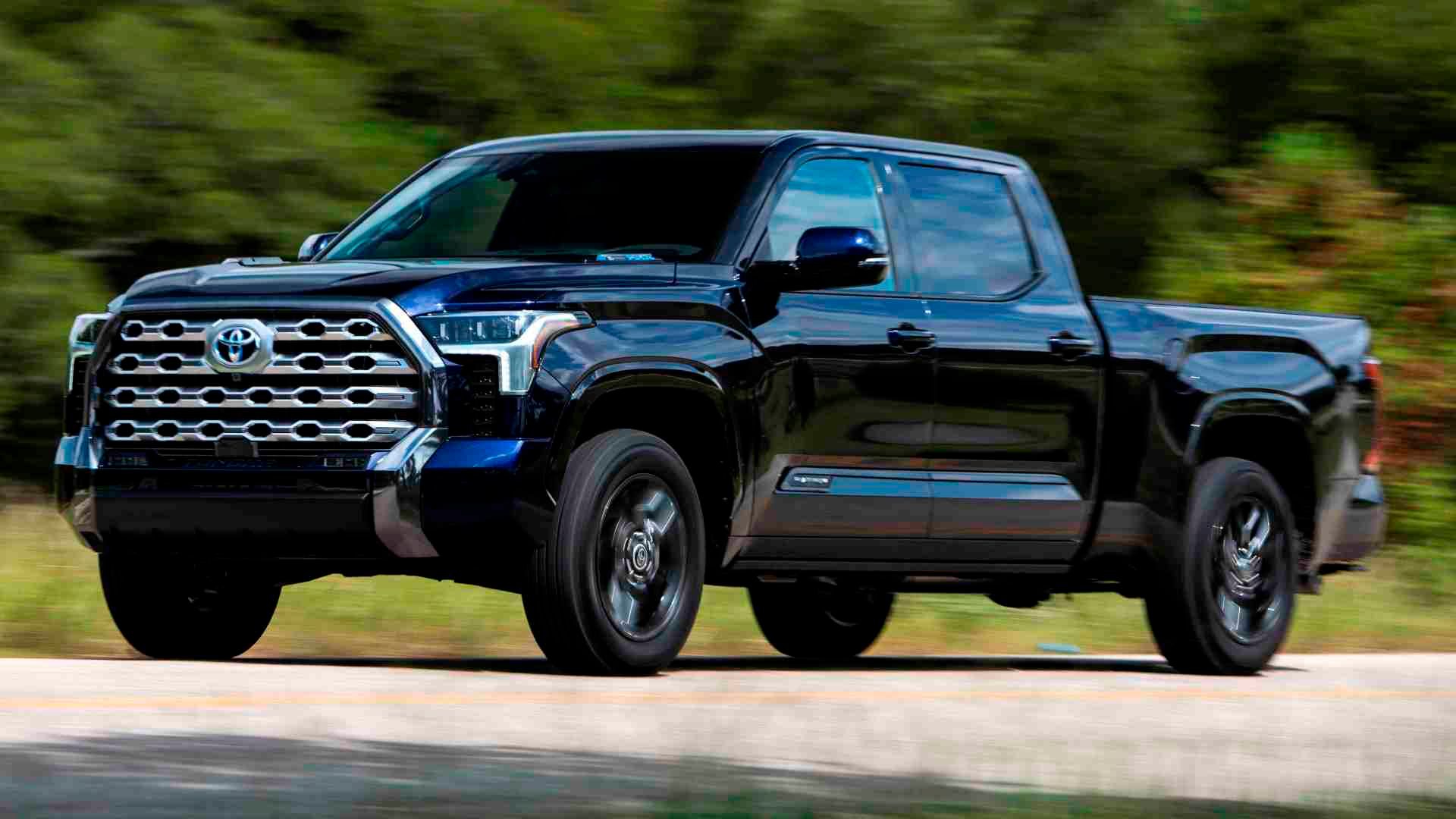
Toyota engineered the Tundra’s suspension with heavy-duty shocks and reinforced control arms, making it more resistant to premature wear.
Unlike many competitors, the Tundra doesn’t seem to suffer from chronic ball joint failures or leaf spring cracks, even when subjected to rugged work conditions. For anyone who values minimal repair costs, the Tundra stands out as a top pick.
2. Ford F-250 Super Duty
The Ford F-250 Super Duty is designed for heavy workloads, and its suspension reflects that mission. With a solid front axle and heavy-duty leaf springs, this truck’s suspension system is engineered to withstand punishing towing demands and rough worksites.
Compared to lighter-duty trucks, F-250 owners rarely complain about worn-out suspension components before 150,000 miles.
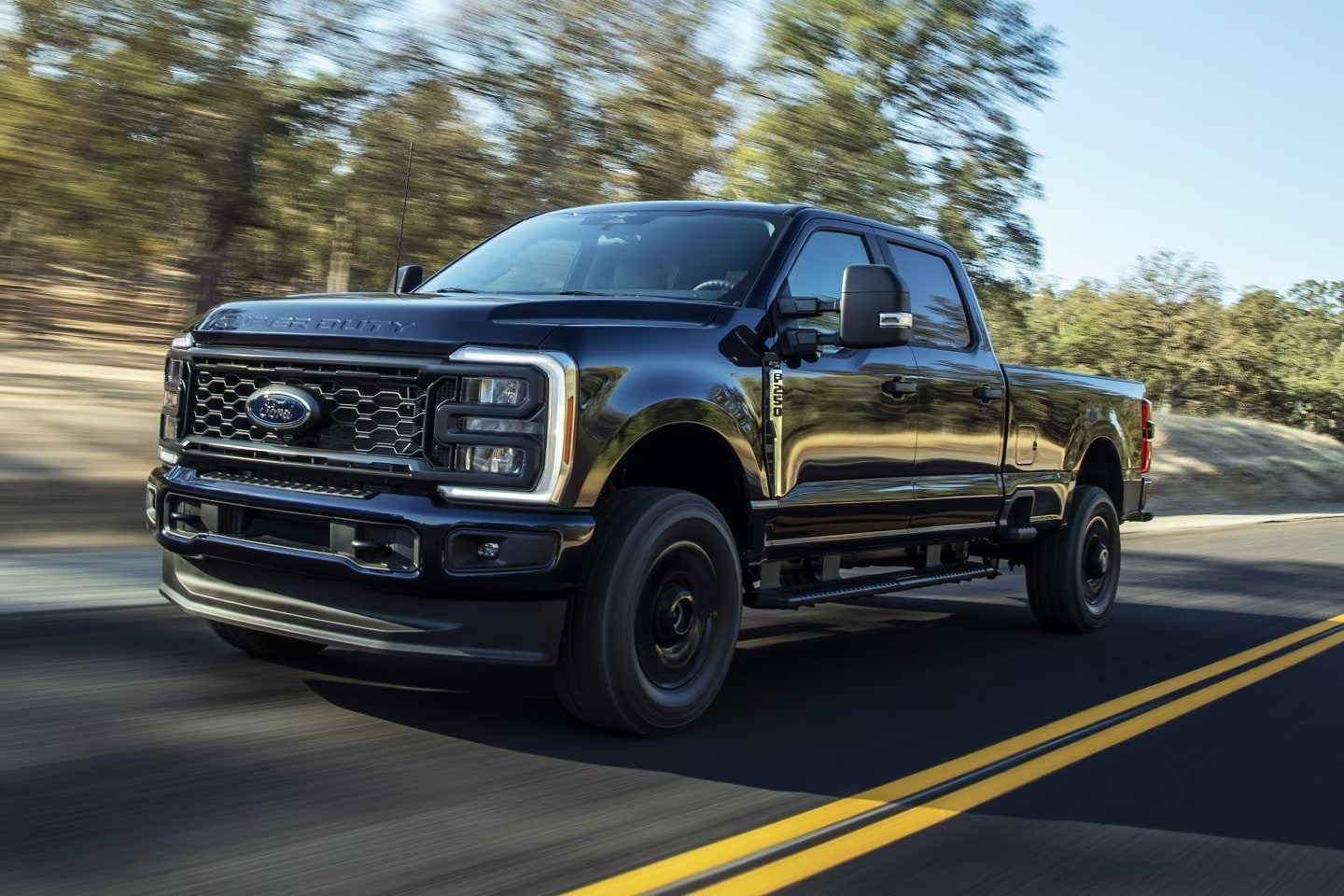
Of course, like any truck, bushings and shocks will eventually need replacement, but the frequency is far lower than what you see in half-ton models. For fleet owners, the F-250 is often considered a low-maintenance workhorse.
Also Read: 10 Performance Cars That Won’t Bankrupt You on Repairs
3. Ram 1500 (2019 and newer)
The Ram 1500 underwent a redesign in 2019, introducing a coil-spring rear suspension that dramatically improved ride comfort while maintaining strength.
This setup has proven to be both durable and less prone to failure compared to traditional leaf springs. Owners praise the truck not only for its smooth handling but also for fewer suspension-related repairs over time.
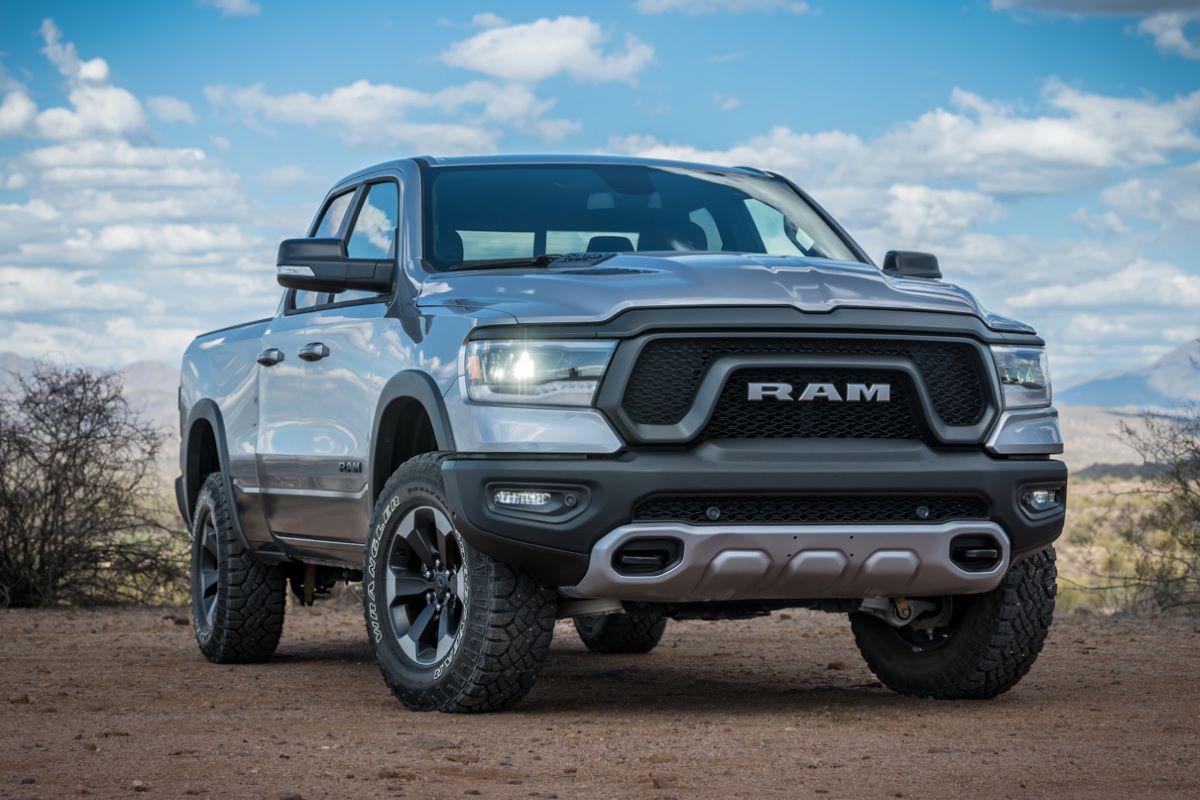
Ram’s engineering choice of rear coils and optional air suspension has paid off, with fewer issues reported than older Ram generations. For drivers balancing comfort and reliability, the newer Ram 1500 is a standout.
4. Chevrolet Silverado 2500HD
Heavy-duty Silverados, particularly the 2500HD, are known for suspension longevity. Built with a torsion-bar front suspension and reinforced rear leaf springs, this model is capable of handling consistent towing without eating through suspension components.
Owners often report that even after years of hauling trailers or boats, the Silverado’s suspension remains solid, needing only routine maintenance like shock absorber replacements at very high mileage.
Its heavy-duty build makes it one of the trucks least likely to cause headaches in this category. Massive heavy-duty trucks like the 2022 Chevrolet Silverado 2500HD and 3500HD aren’t meant for casual drivers, but they’re built as serious machines for people who truly need them.
While Chevy’s most capable pickups don’t quite reach the same levels of strength or raw power as Ford’s Super Duty or Ram’s HD lineup, the Silverado heavy-duty models, and their GMC twins, still shine with an exceptional Duramax diesel engine that produces 910 pound-feet of torque and offers a maximum towing capacity of 36,000 pounds.
With or without a heavy trailer in tow, the Silverado HD can be outfitted with advanced driver-assistance features and an array of cameras designed to simplify tough jobs.
Once the work is over, the more luxurious trims step into the spotlight, though Ford and Ram continue to lead the way with more premium interiors and stronger technology offerings. Even so, the 2022 Silverado 2500HD and 3500HD stand tall as no-nonsense tools, boasting immense capabilities and unmistakably bold looks.
Chevy makes only minor updates to the Silverado 2500HD and 3500HD for 2022. Among them are a new Greenstone Metallic paint option, the availability of a power-adjustable seat for the Custom trim, and expanded access to Chevy’s six-function Multi-Flex tailgate, which is now offered as an option across all Silverado HD models.
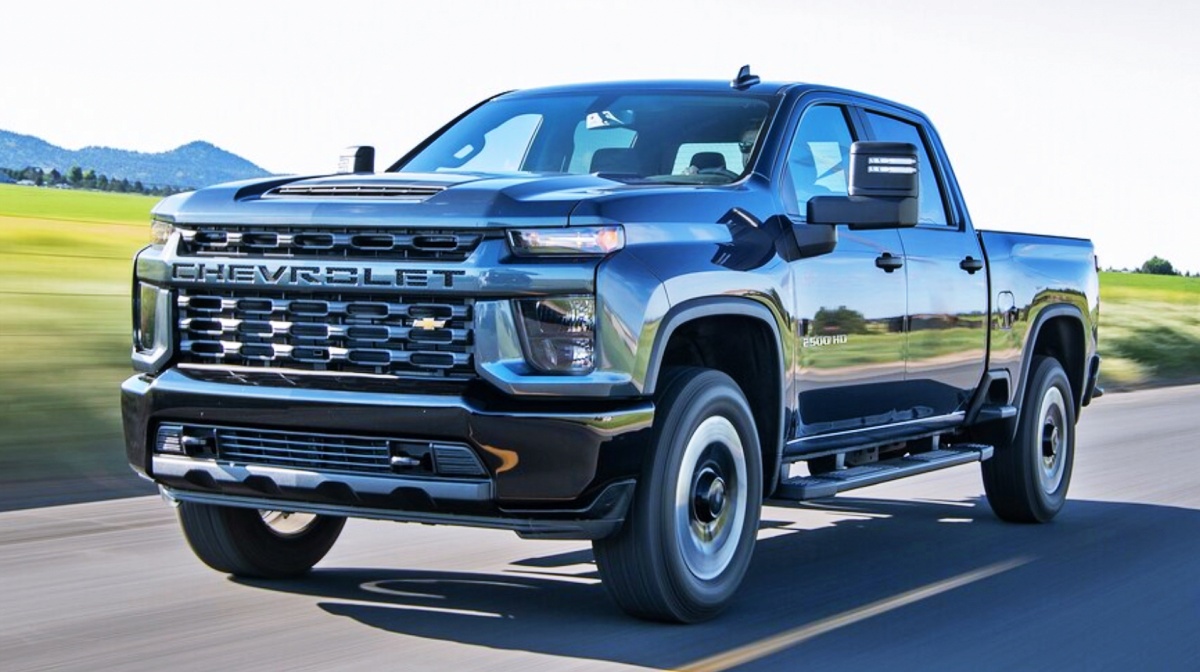
Our pick would be the 2500HD with the crew cab and standard cargo bed. We’d upgrade to four-wheel drive and select the refined Duramax diesel engine for the LT trim. For added performance and style, the Z71 Off-Road package is a smart choice, bringing 18-inch wheels, all-terrain tires, a spray-in bedliner, beefed-up suspension, and underbody protection.
The Convenience package is another must-have, bundling features such as a 10-way power driver’s seat, dual-zone climate control, heated front seats, LED cargo-bed lighting, heated steering wheel, remote start, and more. To top it off, the Safety package adds peace of mind with blind-spot monitoring, rear cross-traffic alert, and front and rear parking sensors.
The Silverado 2500HD and 3500HD come standard with a gas-powered 6.6-liter V-8 producing 401 horsepower and 464 pound-feet of torque, paired with a six-speed automatic transmission.
The optional Duramax 6.6-liter turbo-diesel V-8, carried over from the prior generation, continues to deliver 445 horsepower and 910 pound-feet of torque, now mated to an Allison 10-speed automatic transmission. Both engines can be paired with either rear- or four-wheel drive, and each works with single- or dual-rear-wheel configurations.
In our testing, both powertrains impressed while hauling heavy loads through mountain terrain. The gas V-8 and six-speed automatic delivered steady control when towing downhill, a crucial factor for steep grades.
However, for those who tow heavy on a regular basis, the Duramax diesel is the clear winner. Its sheer muscle combined with the Allison transmission’s smooth, responsive shifts offered drivers added confidence and security for the toughest jobs.
Where the Silverado HD falls short is steering precision and feedback, even with its available electric-assist system. Despite that, its ride quality is surprisingly smooth for a truck with such immense strength.
Also Read: 8 Most Popular Pickup Trucks in the U.S. Ranked by Real Owners
5. Honda Ridgeline
Though the Ridgeline is not a traditional body-on-frame truck, its unibody construction and independent rear suspension give it a unique advantage.
Because it’s designed more for light-duty hauling and daily driving rather than heavy towing, its suspension isn’t subject to the same extreme stresses as larger pickups.
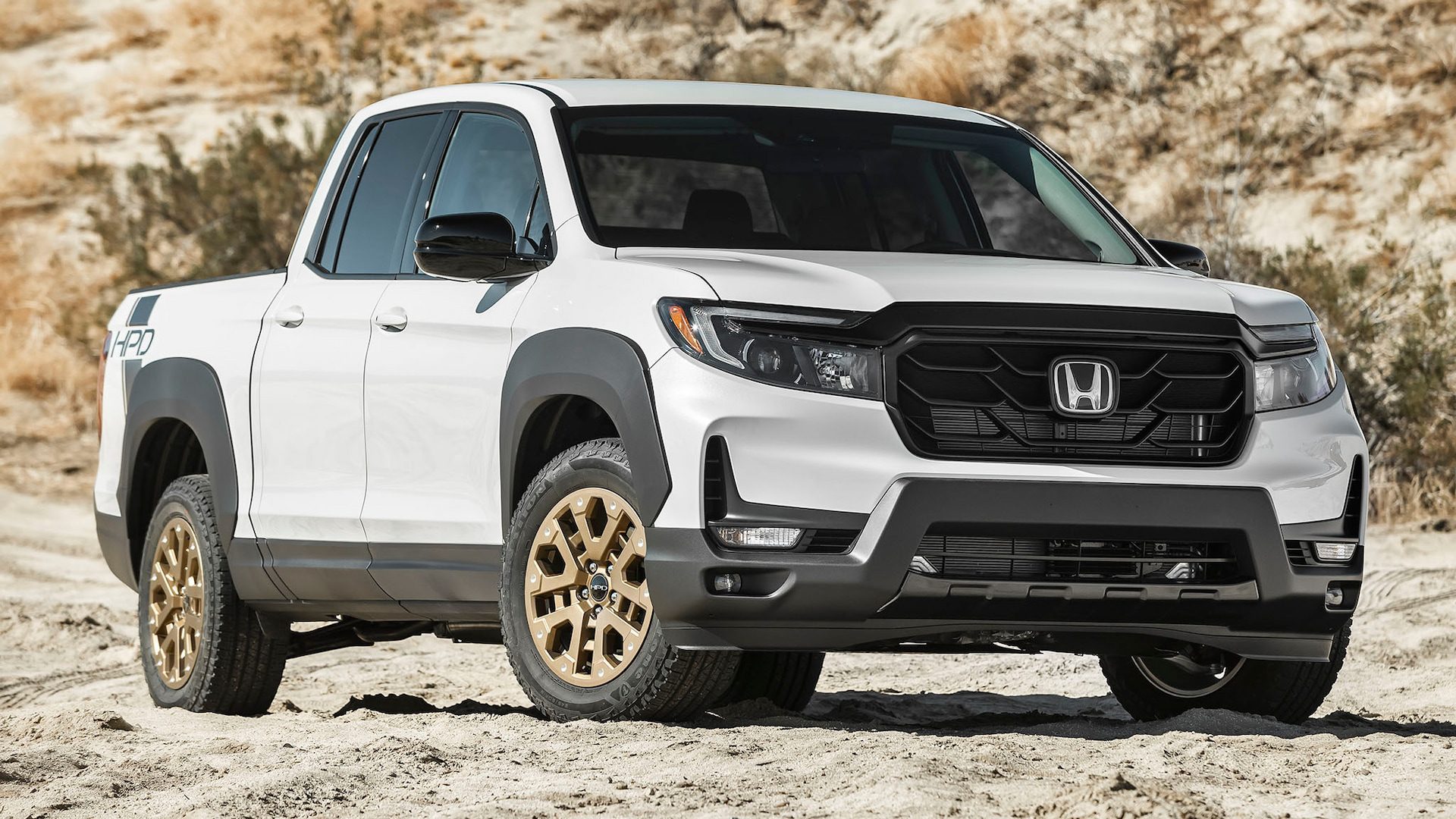
As a result, suspension repairs are surprisingly rare. For families or individuals who want a practical truck without the repair costs associated with workhorses, the Ridgeline’s long-lasting suspension setup is a major plus.
The Honda Ridgeline has consistently stood out as one of our top choices among midsize pickups thanks to its comfortable ride quality and spacious cabin. While it doesn’t quite measure up to rivals when it comes to maximum towing strength or serious off-road performance, it remains the most practical and well-rounded option in its class.
The main drawback lies in its age. This generation of the Ridgeline debuted back in 2017, and since then, every other midsize competitor has been either fully redesigned or newly introduced. Although Honda isn’t rolling out a redesign for the Ridgeline in 2025, we anticipate a significant refresh for the truck in the near future.
Pickup Trucks That Constantly Need Suspension Work
A pickup’s suspension is supposed to handle the grind, hauling, towing, and tackling rough roads without falling apart. But some trucks just don’t hold up.
Whether it’s weak components, poor design, or just too much strain over time, these pickups have a reputation for chewing through suspension parts and racking up repair bills. If you’re shopping used, or wondering why your truck is always in the shop, these are the models most likely to keep you busy at the mechanic.
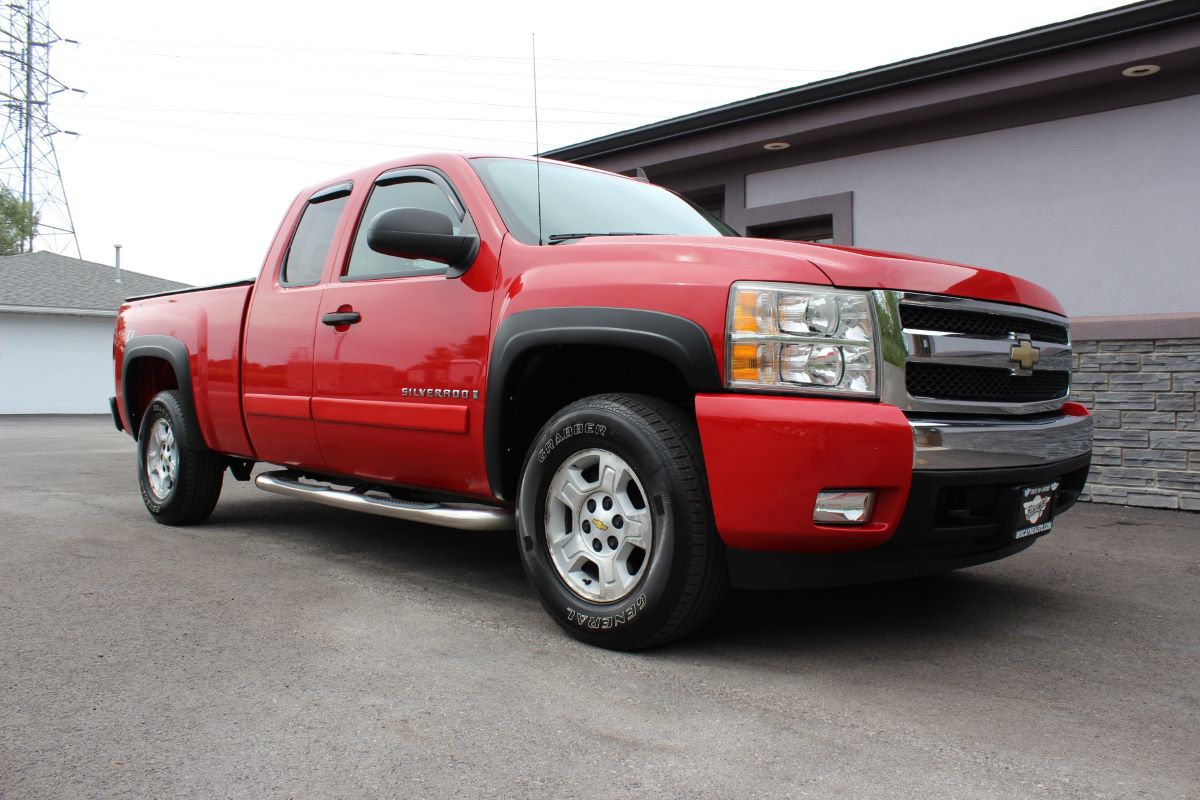
1. Chevrolet Silverado 1500 (2007–2014)
While the Silverado 1500 is one of the most popular pickups in America, the 2007–2014 models are known for chronic suspension issues.
Owners often complain about premature wear of ball joints, control arms, and shocks sometimes even before hitting 100,000 miles.
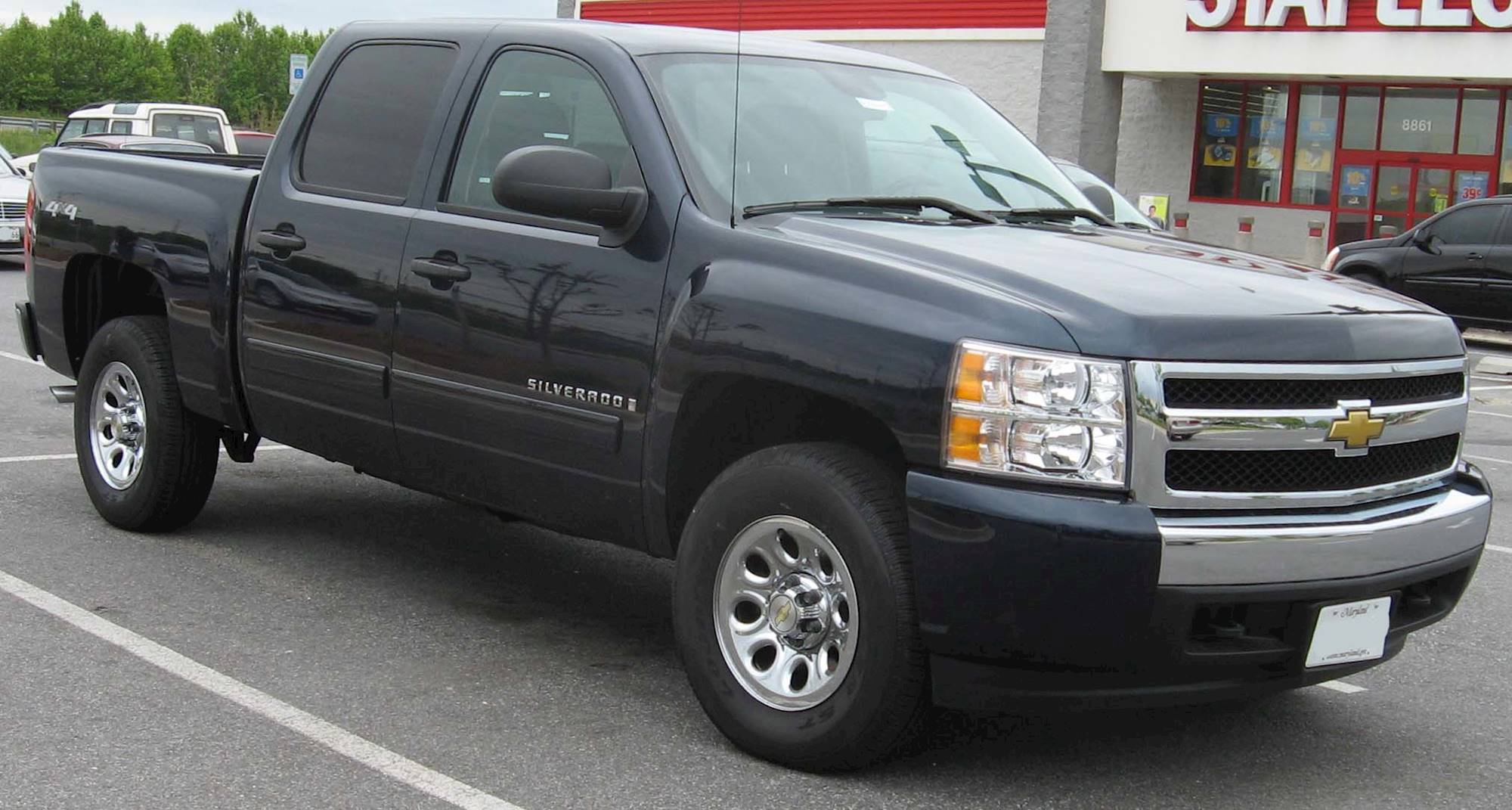
Many drivers also note problems with front-end alignment caused by suspension fatigue. For used-truck buyers, these issues can quickly add up in repair bills, especially if previous owners didn’t replace worn parts on schedule.
2. Dodge Dakota
The now-discontinued Dodge Dakota had its fair share of suspension complaints. Owners frequently reported problems with upper and lower ball joints, which often needed replacement far sooner than expected.
The Dodge Dakota was a trailblazer, much like the adventurous settlers who first ventured into the real Dakotas. It earned its place in history as the very first midsize pickup, cleverly bridging the gap between compact and full-size trucks.
This middle-ground approach proved so appealing that many of its former compact rivals bulked up in response, chasing that same sweet spot. By 2009, however, those competitors had advanced in refinement and design, leaving the Dakota feeling somewhat rough and utilitarian. Still, it set itself apart with an available V8 engine and continued to hold the class lead in towing capability.
For the 2009 model year, Dodge dropped four trim levels, redistributing most of their equipment across the ST, Big Horn, and Laramie versions. In Texas, the Big Horn trim fittingly carries the name Lone Star. These changes follow on the heels of last year’s updates, which introduced a revised V8, new entertainment features, and refreshed styling inside and out.
The arrival of a V8 option for the Chevy Colorado and GMC Canyon twins in 2009 ended the Dakota’s exclusivity as the only compact/midsize pickup with eight-cylinder power. Even so, the Dakota retains its best-in-class towing rating of 7,100 pounds. That strength comes at a cost, though, as fuel economy suffers—drivers will struggle to hit 15 mpg in mixed use with the V8.
While the 2009 Dodge Dakota remains a capable, hard-working truck, rivals in the segment offer better all-around usability for those who spend significant time commuting or traveling.
Especially at the higher trims, trucks like the Honda Ridgeline, Nissan Frontier, and Toyota Tacoma deliver smoother on-road performance, more refined interiors, and lower price tags. Unless maximum towing capacity and V8 power are non-negotiable, this groundbreaking pickup is no longer the most practical choice.
Every 2009 Dodge Dakota comes standard with a 3.7-liter V6, producing 210 horsepower and 235 pound-feet of torque. The base ST model includes a six-speed manual transmission, with a four-speed automatic available as an option.
All other trims come standard with the automatic. Rear-wheel drive is standard across the lineup, with four-wheel drive optional, and standard on the TRX4. Fuel economy for models with the automatic and rear-wheel drive is rated at 15 mpg city, 20 mpg highway, and 17 mpg combined.
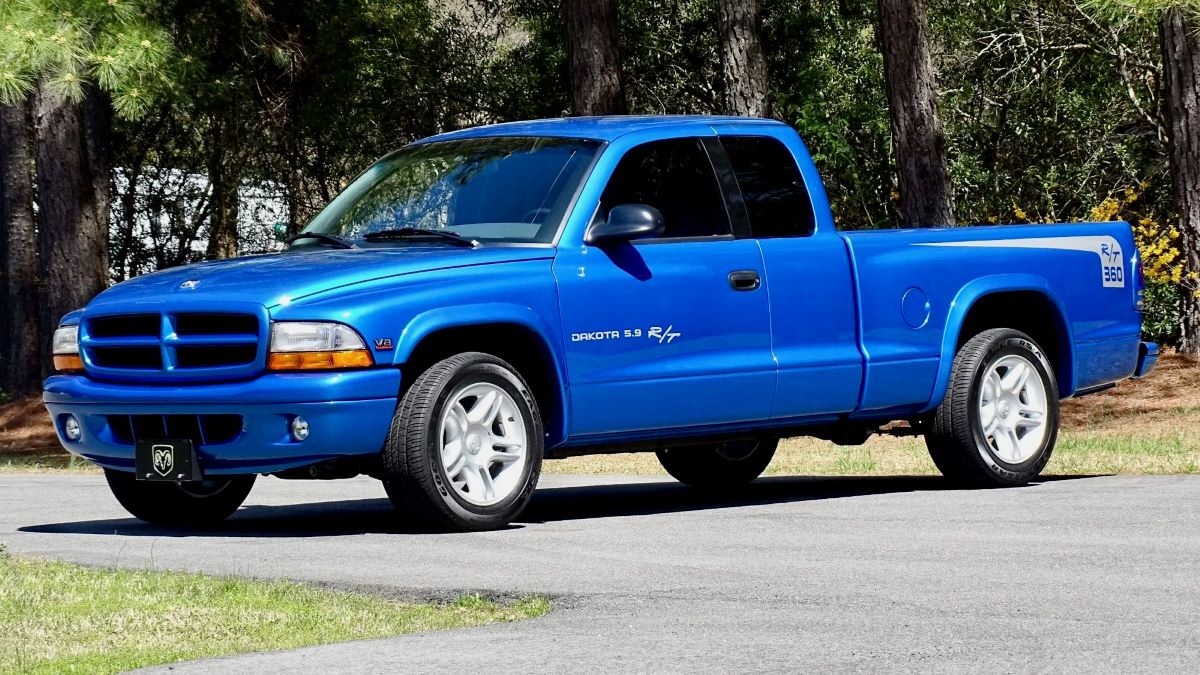
In some cases, front-end suspension issues became safety hazards, leading to recalls. The Dakota also struggled with maintaining proper alignment, which meant tires wore unevenly adding even more costs for owners.
While the Dakota had its strengths as a mid-size pickup, its weak suspension system became a lasting blemish.
3. Nissan Frontier (2005–2019)
The Nissan Frontier is appreciated for its affordability, but suspension reliability hasn’t been one of its strong suits. Owners often deal with leaf spring fatigue and premature shock failure, especially in older models.
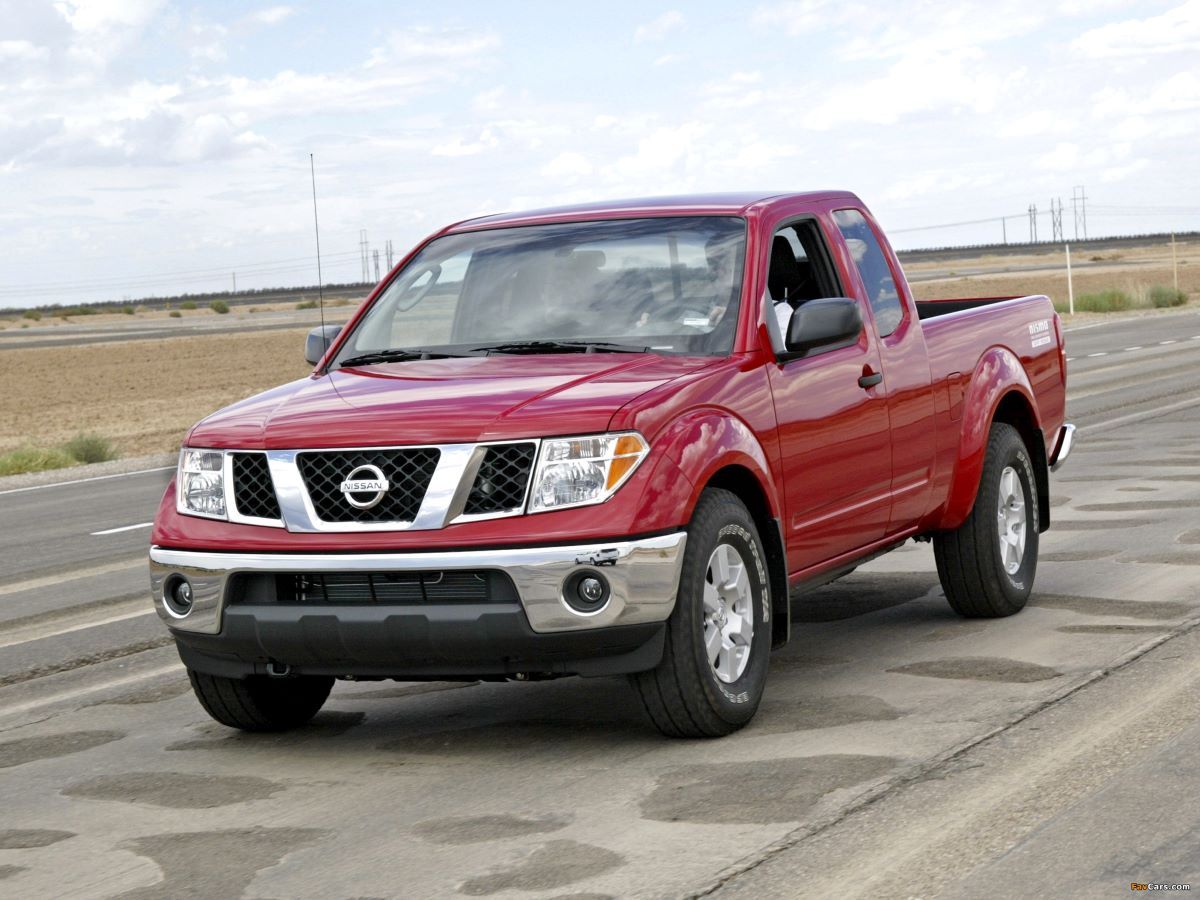
While the Frontier’s suspension can handle occasional light hauling, heavy use tends to wear it down faster than competitors.
Many Frontier owners report replacing suspension components multiple times within 150,000 miles much more frequently than rival midsize pickups like the Toyota Tacoma.
4. GMC Sierra 1500 (2014–2018)
The GMC Sierra 1500 from this generation has faced recurring complaints about suspension problems, particularly with premature shock absorber and strut failures.
Some owners also experienced clunking noises from the front suspension due to worn bushings and control arms.
For drivers using the Sierra primarily for towing or carrying heavier loads, the suspension issues showed up even faster. While GMC positioned the Sierra as a more upscale alternative to the Silverado, its suspension reliability fell short in these model years.
For 2015, the GMC Sierra 1500 adds a few notable upgrades, most prominently a new eight-speed automatic transmission paired with the 6.2-liter V-8. The lineup also introduces two new exterior paint choices, Emerald Green Metallic and Stone Blue Metallic.
The 2015 GMC Sierra 1500 is a full-size pickup available in three cab configurations, two bed lengths, and with either rear- or four-wheel drive. The upscale Denali trim distinguishes itself with premium interior finishes and exclusive styling cues, including a chrome grille and polished stainless steel exhaust tips.
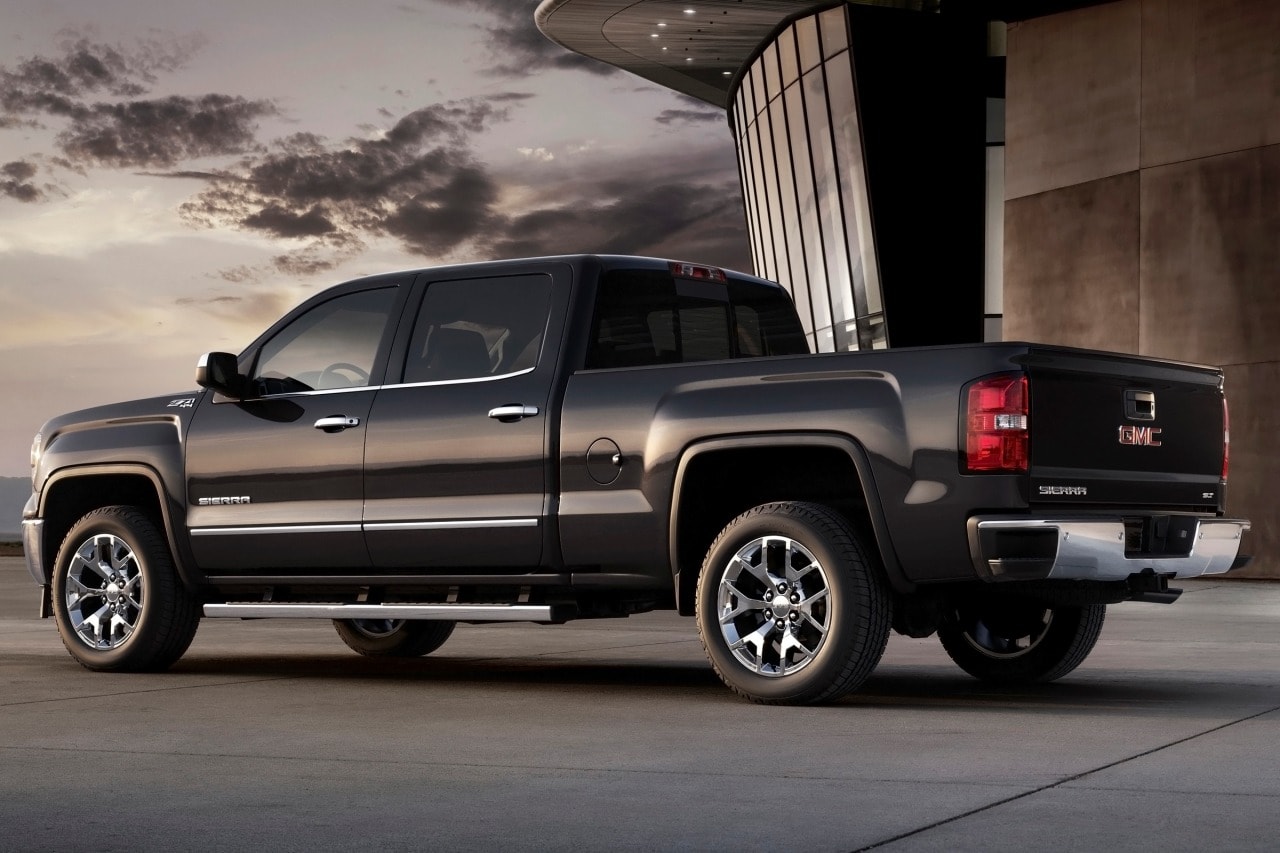
Under the hood, the Sierra 1500 offers a range of engines: a 4.3-liter V-6 producing 285 hp and 305 lb-ft of torque (297 hp and 330 lb-ft with E85), a 5.3-liter V-8 rated at 355 hp and 383 lb-ft (380 hp and 416 lb-ft on E85), and a 6.2-liter V-8 delivering 420 hp and 460 lb-ft. All are paired with automatic transmissions, the V-6 and 5.3-liter V-8 with a six-speed unit, and the 6.2-liter with the new eight-speed gearbox.
On the road, all versions of the Sierra 1500 deliver solid performance. The V-8 engines in particular provide strong acceleration for highway passing, merging, and carrying heavy loads. When properly equipped, the truck offers impressive towing capacity, up to 12,000 pounds in rear-drive crew cab configurations with the 5-foot-8-inch bed.
Handling is secure, with commendable steering feel and body control for a truck of this size, though ride quality can feel stiff when driving without a load.
Interior refinement is one of the Sierra 1500’s standout traits. Denali models showcase especially upscale cabins, but even lower trims benefit from modern, well-laid-out controls.
The center stack is intuitive, with redundant physical buttons complementing the infotainment system, and the gauges and available navigation screen are clear and easy to read. Seating is another strength, with large, supportive front and rear seats that make the truck comfortable for extended trips.
The 2015 GMC Sierra 1500 continues to be a capable and appealing full-size truck, even though GM took a relatively conservative approach to its redesign in 2014. Across the lineup, power is more than adequate, particularly with the V-8s. That said, the top-tier 6.2-liter requires premium fuel, which adds to operating costs.
In a 2014 First Drive review, we praised the Sierra 1500’s interior, highlighting its smart ergonomics, comfortable seating, solid build quality, and straightforward infotainment system. Handling was also impressive for a truck of its size, offering precise steering and a relatively tight turning radius. The only drawback: ride comfort, which remained on the firm side when the truck was unloaded.
5. Ram 2500 (2010–2016)
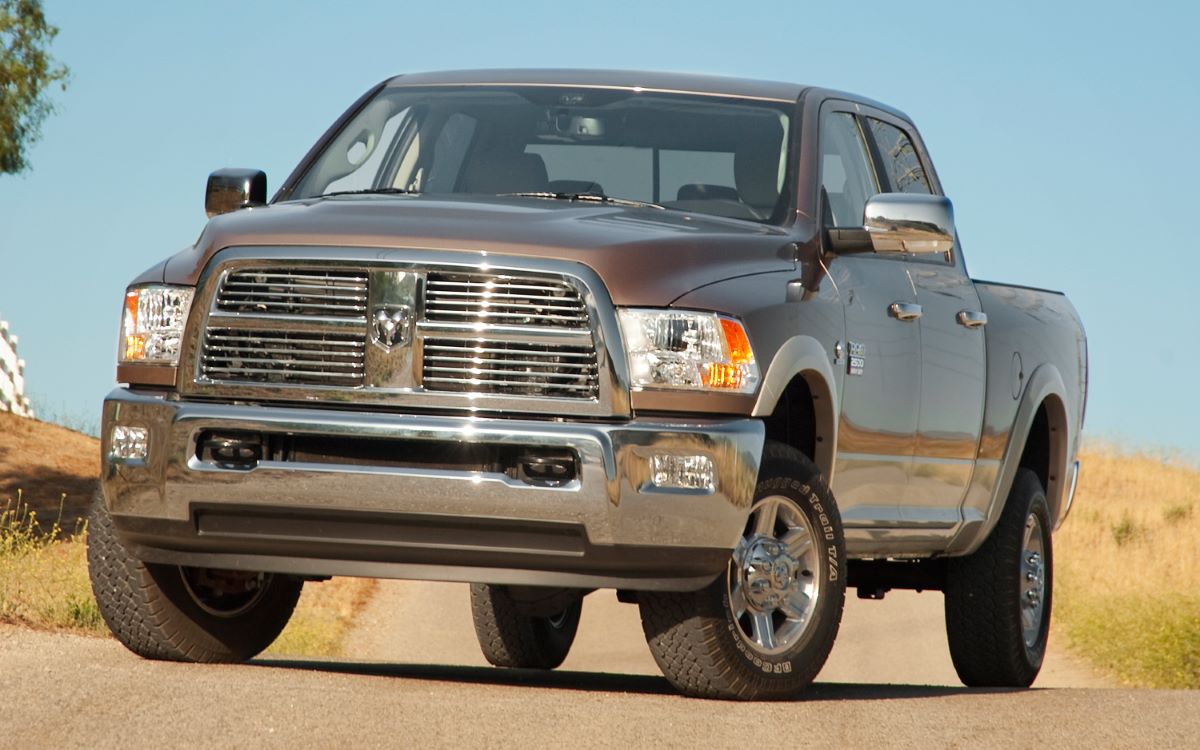
The Ram 2500 from the early 2010s developed a reputation for suspension headaches. The most infamous issue was the so-called “death wobble,” where the front end would shake violently after hitting a bump at highway speeds.
This problem was tied to weak track bar bushings and steering components, but suspension parts like ball joints and shocks often failed prematurely as well.
While later Ram 2500 models have seen improvements, owners of these earlier models often found themselves spending significant money on suspension repairs.
When choosing a pickup truck, most buyers weigh horsepower, towing capability, and fuel efficiency. But suspension reliability should also be near the top of the checklist, especially for those who plan to use their trucks for years.
The 2011 Ram 2500 stands as a tough, heavy-duty pickup engineered for demanding work. Well-known for its exceptional towing and payload capabilities, it appeals both to commercial operators and individuals who require serious hauling strength. With a wide range of trims and configurations, the 2011 Ram 2500 offers versatility to meet different needs and preferences.
For this model year, the Ram 2500 continues to build on its reputation for durability and strength. Rather than major overhauls, the focus is on refining features and enhancing comfort, making the truck more user-friendly without losing its rugged character.
Inside, the 2011 Ram 2500 balances practicality with comfort. Standard equipment includes air conditioning and a six-speaker sound system. Depending on trim, buyers can also add features such as cruise control and power accessories for added convenience. The cabin’s straightforward layout, durable materials, and easy-to-use controls emphasize functionality and long-lasting quality.
In Regular Cab form, the Ram 2500 accommodates up to three passengers, with generous headroom of 40.3 inches and legroom of 41.0 inches in the front row. This makes for a roomy environment, even during long drives.
The Regular Cab model includes an 8-foot bed, delivering excellent cargo capacity. Measuring 98.3 inches long and 60.4 inches wide, it’s well-suited for transporting bulky loads. Practical storage solutions extend into the cabin as well, with a center armrest that doubles as a storage compartment.
When measured against rivals like the 2011 Ford F-250 Super Duty, Chevrolet Silverado 2500HD, and GMC Sierra 2500HD, the Ram 2500 holds its own in terms of passenger space and cargo volume. For instance, crew cab models offer between 57.5 and 74.7 cubic feet of cargo capacity, while competitors range slightly higher.
The entry-level ST trim features resilient vinyl upholstery, ideal for heavy use. Moving up, the SLT adds cloth seating for more comfort. Higher trims, including the Laramie Longhorn Edition, deliver upscale interiors with premium leather and unique accents, giving the truck a more luxurious edge.
Base ST models come with essential features like air conditioning and a basic audio system. SLT versions build on this with conveniences such as cruise control and power features. Higher trims expand further, offering advanced amenities including navigation, Bluetooth connectivity, and premium audio options.
As with most heavy-duty trucks, the EPA does not provide fuel economy ratings since the Ram 2500’s GVWR exceeds 8,500 pounds. Real-world fuel consumption depends heavily on the engine, load, and driving conditions.
Standard safety equipment includes antilock disc brakes and side curtain airbags. While specific crash test data from the NHTSA and IIHS is limited for this model year, Ram equipped the 2500 with key features designed to provide confidence and protection. Across trims, buyers will also find standard stability and traction control, along with available parking sensors.
Trucks like the Toyota Tundra, Ford F-250, and Chevy Silverado 2500HD demonstrate that a strong suspension system can minimize repair costs while ensuring long-lasting performance.
On the other hand, models like the Dodge Dakota, older Silverados, and certain Ram generations reveal how costly constant suspension work can become.
For U.S. truck buyers, understanding these strengths and weaknesses before committing to a purchase can save thousands of dollars in the long run not to mention the frustration of dealing with a rough ride or recurring suspension shop visits.