
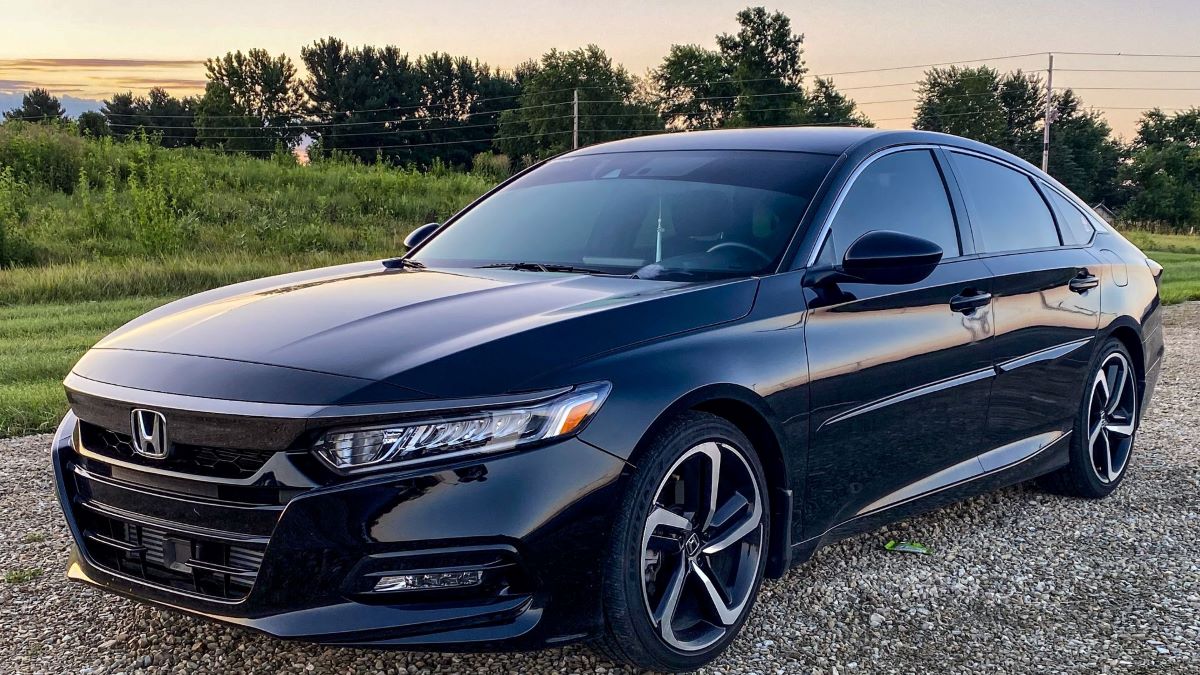
When Americans shop for a car, one of the biggest questions isn’t just about horsepower, technology, or even fuel economy it’s longevity.
A car is often the second biggest purchase people make after a home, so it’s no surprise that buyers want vehicles capable of lasting decades with minimal drama.
Some cars have earned legendary reputations for going 300,000 miles or more, with stories of them outlasting multiple generations of drivers.
On the flip side, other models are notorious for wearing out before their owners finish paying them off, plagued with chronic mechanical issues, high repair costs, or simply poor design.
For U.S. drivers who depend on their cars daily whether it’s commuting, road-tripping, or hauling kids to practice reliability and durability matter.
Let’s break down five cars that routinely stay on the road longer than their owners, versus five that often call it quits within a decade.
Cars That Stay on The Road Longer Than Their Owners
Some cars aren’t just built to last, they’re built to outlive the very people who drive them. While most vehicles start showing their age after a decade or two, a rare few keep running reliably past the 300,000-mile mark and beyond, often becoming family heirlooms rather than trade-ins.
These mile-munching machines prove that with the right engineering, and a little care, your car might just have more years left in it than you do.
1. Toyota Land Cruiser
Few vehicles can claim a reputation as bulletproof as the Toyota Land Cruiser. Built for global markets where tough terrain and minimal service infrastructure demand unshakable reliability, the Land Cruiser is known to keep running well past 300,000 miles.
In fact, in the U.S., there are countless stories of Land Cruisers from the 1980s and 1990s still operating today, many with their original engines and transmissions.
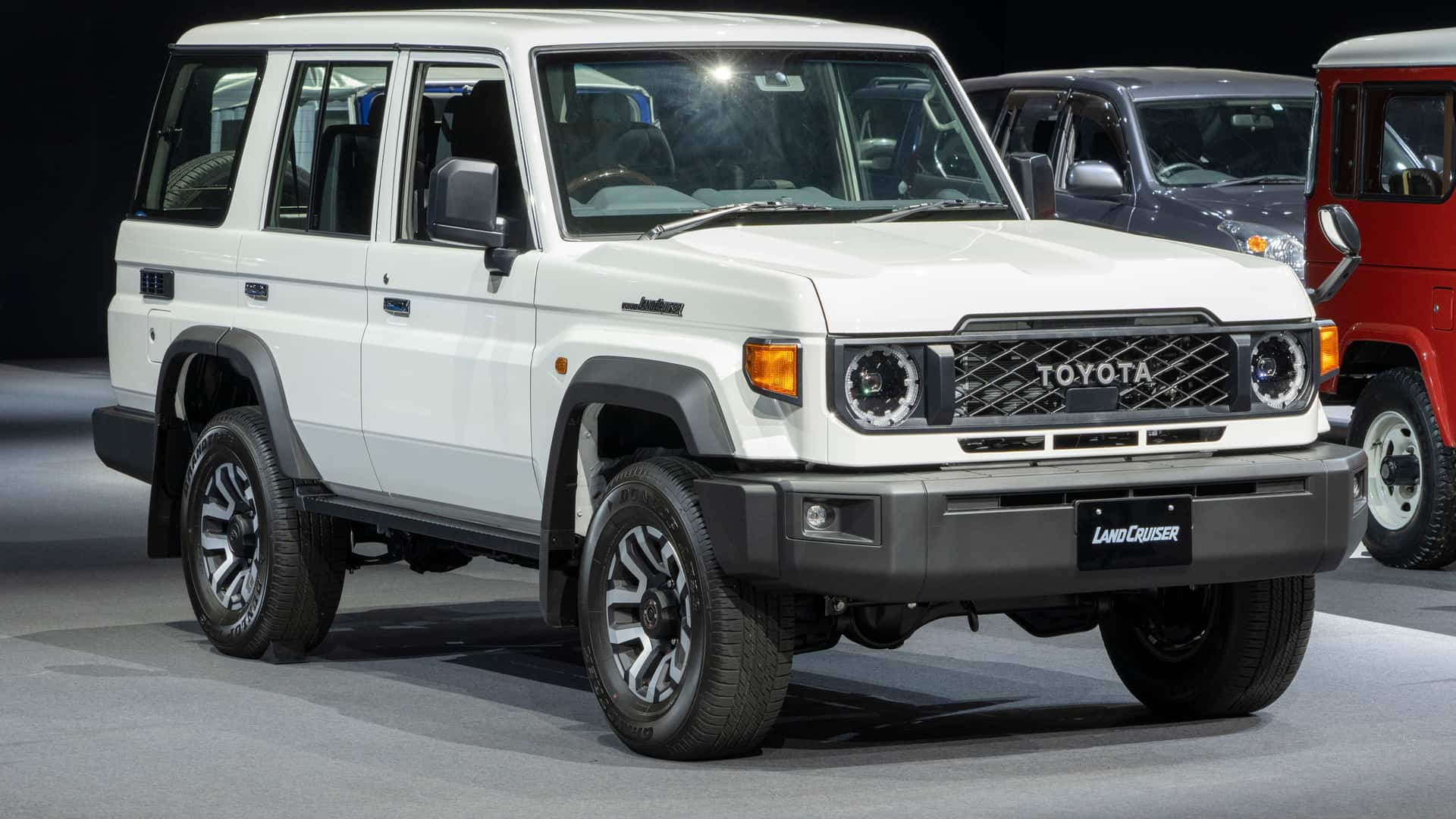
Owners often joke that the body rusts out long before the drivetrain quits. Its combination of a naturally aspirated V8, heavy-duty suspension, and conservative engineering means it doesn’t just survive it thrives in harsh conditions.
Though Toyota retired it from the U.S. market for a few years, its reputation for longevity remains unmatched.
Also Read: 9 Best Tricks That Keep a Ford Flex From Breaking Down
2. Honda Accord
For decades, the Honda Accord has been the gold standard for affordable reliability in America. Whether you pick up a late ’90s model or a more modern version, Accords are known to last well past 250,000 miles with routine maintenance.
For 2023, it claims the award once again, this time as part of an all-new 11th generation. The redesign brings with it one of the most elegant looks ever applied to Honda’s flagship family sedan, along with a range of thoughtful upgrades inside and out.
The cabin has been refreshed with design elements borrowed from the recently redesigned Civic, CR-V, and HR-V, including the distinctive honeycomb-pattern dash trim that cleverly conceals the air vents, as well as a freestanding infotainment display perched atop the instrument panel.
Technology takes a leap forward, too, with a new standard digital gauge cluster and an available 12.3-inch infotainment system featuring wireless Apple CarPlay and Android Auto.
Powertrains for the new Accord have been reorganized to place greater emphasis on efficiency. The entry-level LX and EX trims carry over the familiar 192-hp turbocharged 1.5-liter four-cylinder engine paired with a continuously variable automatic transmission (CVT).
Every trim above those two adopts a new 204-hp hybrid system that’s essentially shared with the CR-V. Honda expects this hybrid to be the volume seller, offering both stronger performance and better efficiency than the base gas engine.
The hybrid powertrain takes center stage in trims such as the Sport, EX-L, Sport-L, and Touring, while the LX and EX remain the more budget-friendly options.
The EX-L Hybrid stands out as the best value, adding the 204-hp hybrid powertrain, a larger 12.3-inch infotainment screen, front and rear parking sensors, leather upholstery, a sunroof, dual-zone automatic climate control, and wireless smartphone integration.
Performance remains a hallmark of the Accord experience. The base turbocharged 1.5-liter delivers 192 horsepower to the front wheels through a CVT, while the hybrid system pairs a 2.0-liter four-cylinder with two electric motors to produce a combined 204 horsepower.
In testing, the Accord Hybrid managed a 0–60 mph time of 6.5 seconds, giving it lively acceleration for the class. Honda has made adjustments to the suspension and steering in this generation to enhance both ride comfort and handling response.
While differences compared with the previous model are subtle, the Accord still drives with the refinement and confidence that have long defined it.
The steering is crisp and precise, body control is tight, and the ride strikes an excellent balance between comfort and composure. It’s a combination that continues to win over drivers and editors alike.
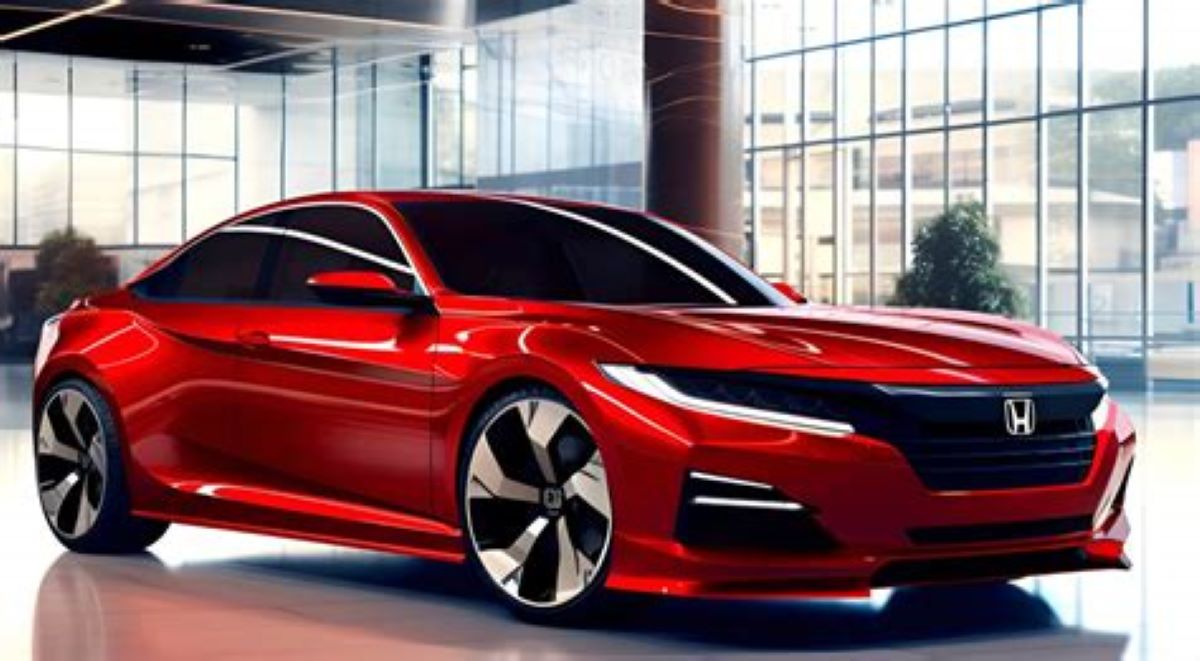
The secret lies in Honda’s conservative engine design, durable transmissions, and straightforward engineering. For families, students, or commuters, the Accord has been a workhorse that simply refuses to quit.
It’s not unusual for a single Accord to outlive multiple owners, still running strong after 20 years of service. That’s why it continues to rank among the best-selling sedans in U.S. history.
3. Ford Crown Victoria
If there’s one American car that’s synonymous with longevity, it’s the Ford Crown Victoria. This full-size sedan powered countless police departments, taxi fleets, and livery services for decades, clocking well over 400,000 miles in many cases.
Its rear-wheel-drive layout, rugged body-on-frame construction, and durable V8 engine made it one of the toughest cars to ever roll off Ford’s assembly lines.
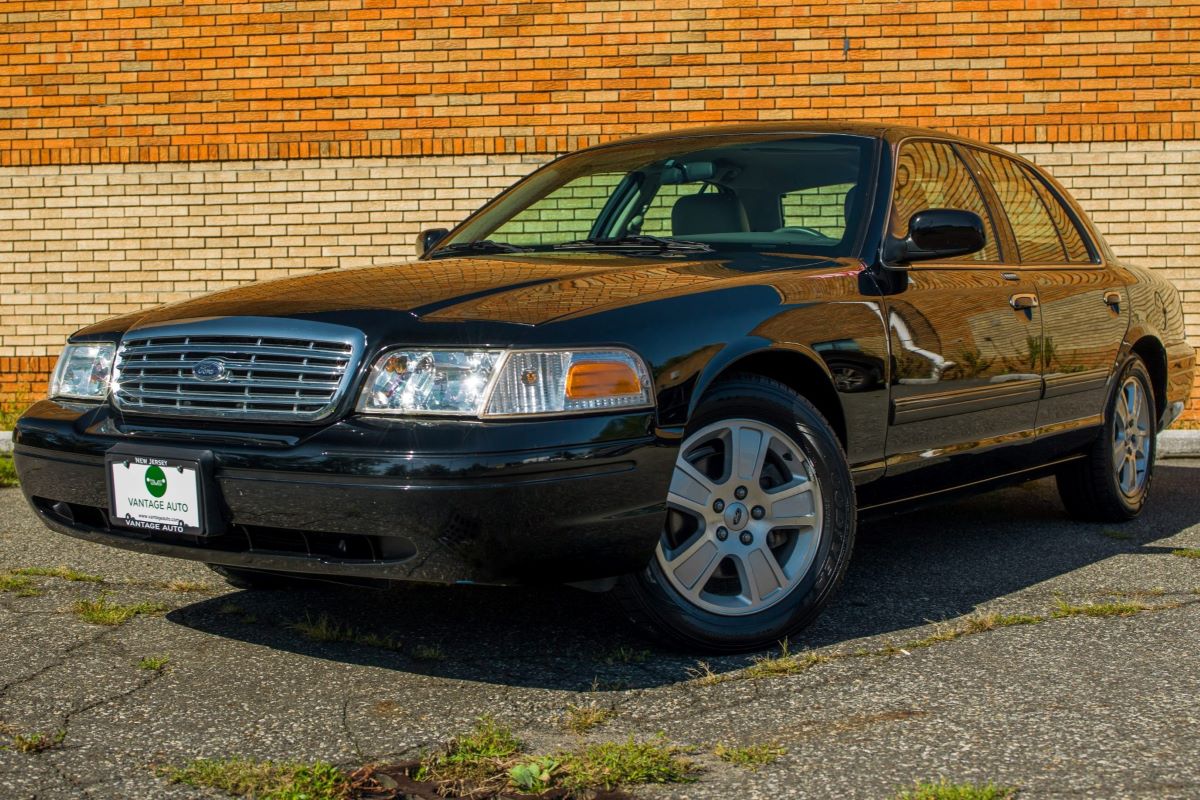
Though discontinued in 2011, many Crown Vics are still on the road today, often bought at auction and driven by everyday people who know they’ll get a vehicle that lasts forever with basic care.
4. Toyota Corolla
The Corolla is the epitome of dependable transportation. Since its U.S. debut in the late 1960s, it has been the go-to car for millions of Americans who wanted a small sedan that would simply never die.
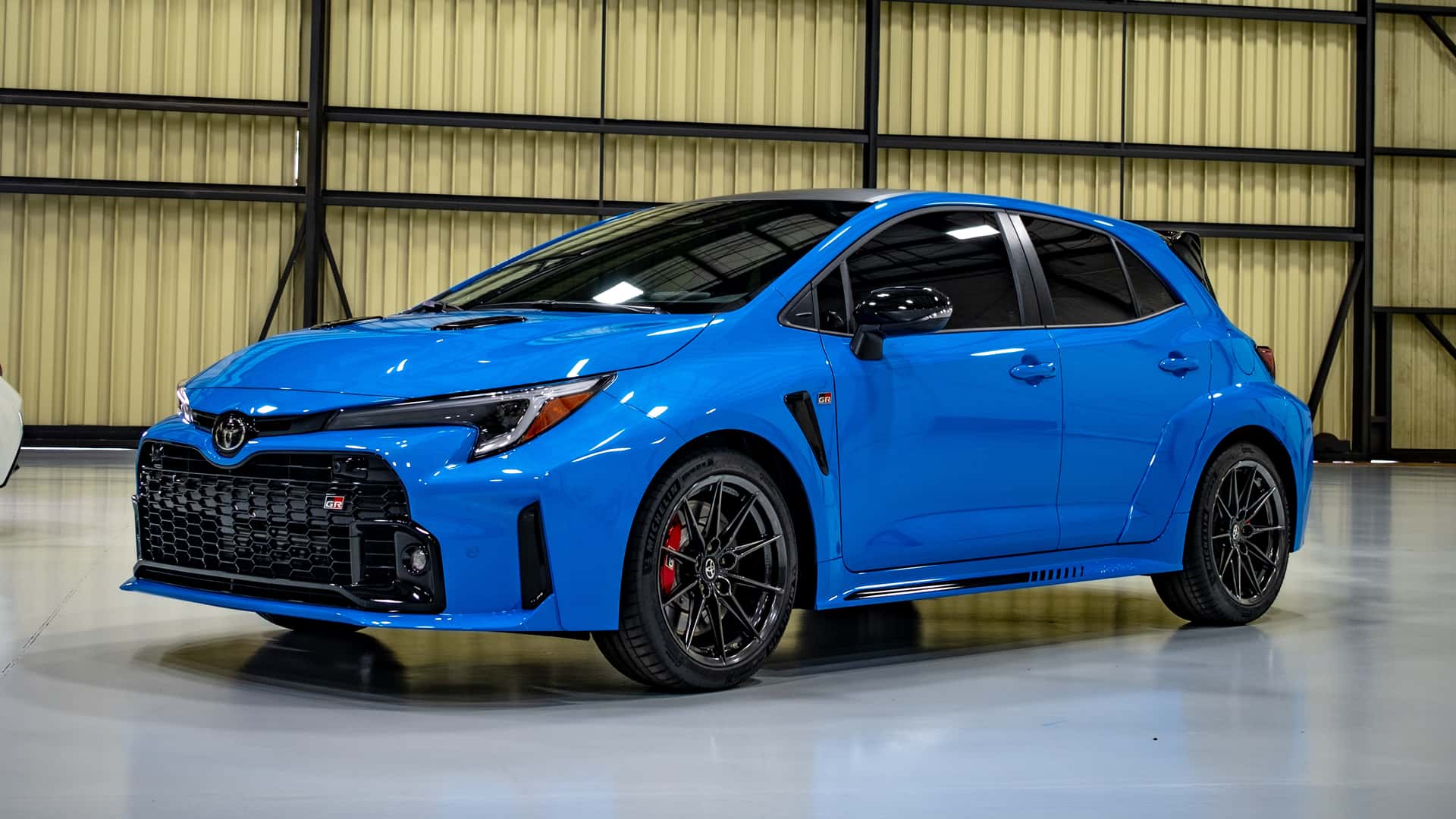
Corollas from the early 2000s are still daily drivers across the country, often with 250,000–300,000 miles on the odometer. Its formula is simple: compact design, efficient four-cylinder engines, and easy-to-service components.
While it may not be flashy, the Corolla consistently proves that sometimes the most boring cars are the ones that last the longest.
5. Volvo 240
Among enthusiasts and practical drivers alike, the Volvo 240 has achieved cult status for its ability to seemingly run forever.
Produced from the 1970s through the early 1990s, the boxy 240 was built like a tank, with a simple inline-four engine that could last a lifetime.
In 2022, Volvo’s three best-selling models were all SUVs. Together, the XC40, XC60, and XC90 accounted for more than half a million of the 615,121 vehicles the Swedish automaker sold worldwide.
Still, when most people hear the name Volvo, the first image that comes to mind isn’t likely to be an SUV. More often than not, it’s a boxy estate car, and for many, that means the iconic 240.
Its design is simple yet instantly recognizable, a clear symbol of Volvo’s pragmatic philosophy. Every proportion of the car reflects practicality first, coupled with a steadfast emphasis on safety.
As time has passed, the 240 has transformed from utilitarian workhorse to a cult classic, its squared-off styling now carrying an effortless cool factor. At our shoot location, it looks fantastic, though admiration alone isn’t enough, closer inspection is in order. The example we’re looking at belongs to Volvo UK’s heritage fleet.
Registered in 1989, it represents a model produced well into the 200 Series’ long lifespan. Remarkably, the car continued in production through the nineties, with nearly three million units built by the time Volvo finally retired it almost two decades after its 1974 debut.
Two facelifts helped keep the 200 Series relevant, and this particular car wears its years well at first glance. We begin our inspection at the rear, naturally, by opening the boot. Unsurprisingly, it impresses.
Even with the removable liner covering the back, sides, and floor of the load bay, the space is enormous. The opening is nearly square, and the tailgate lies completely flat. Beneath the floor, an additional storage area adds even more utility, a surprisingly forward-thinking touch.
Inside, the driver’s seat is wide and flat, and instead of sinking into it, you simply slide across. The seating position is high, while the controls consist largely of large, chunky rocker switches. The heater controls, simple yet effective, are a standout.
The only parts that feel fragile are the thin indicator and wiper stalks, which require a gentle hand. Despite being nearly 35 years old, the cabin offers an impressive roster of amenities: electric windows, power mirrors, a manual sunroof, and heated leather seats.
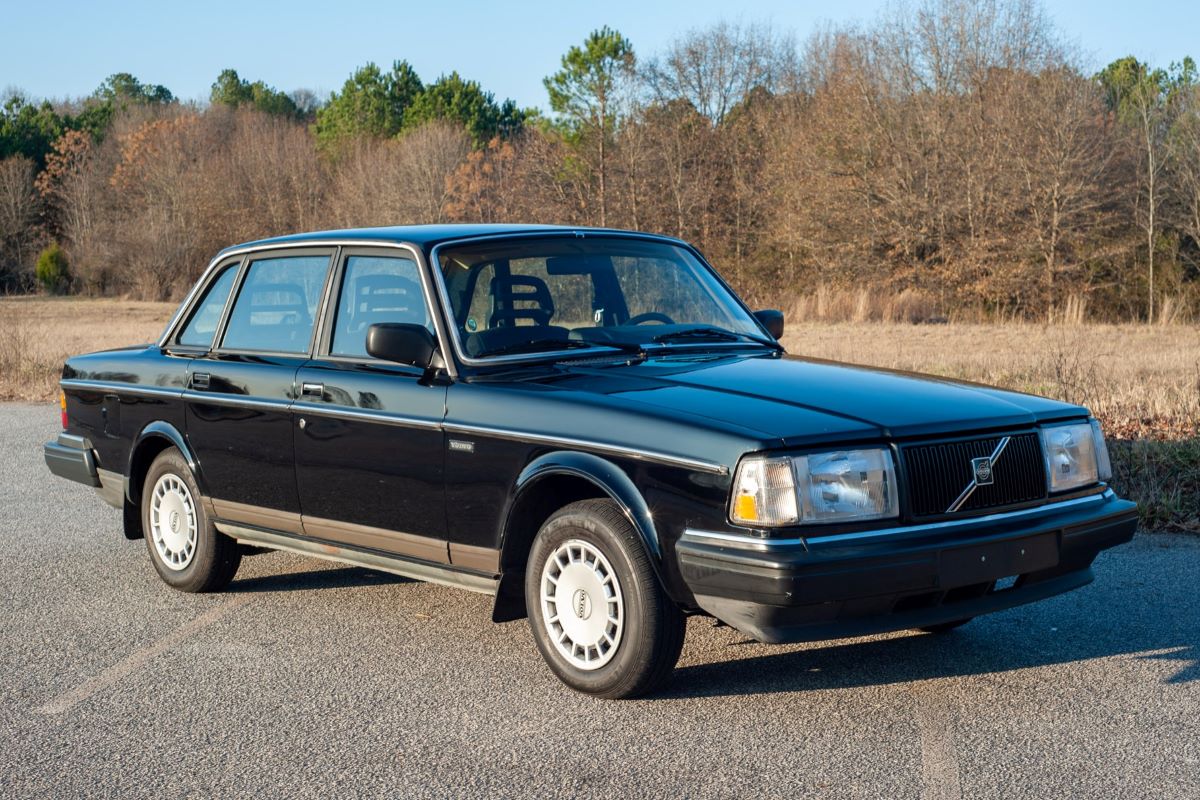
Even today, it’s not uncommon to see these 30- to 40-year-old cars still serving as daily drivers in the U.S., especially in northern states where their robust heating systems were a blessing in winter.
While newer Volvos lean more on technology, the old-school 240 remains a symbol of cars that outlast their owners.
Also Read: 5 Trucks with Odometers That Don’t Fail vs 5 Trucks That Stop Tracking Miles
Cars That Break in a Decade
Not every car is built for the long haul. While some models rack up hundreds of thousands of miles, others start showing their flaws before the odometer even cracks six figures.
From costly engine failures to weak transmissions and rust-prone bodies, these are the cars that often won’t make it past their first decade without draining your wallet. If you’re thinking long-term, these are the ones you’ll want to avoid.
1. Chrysler Sebring
The Chrysler Sebring is often remembered less for its looks and more for its reliability or lack thereof. Produced primarily in the late 1990s and 2000s, the Sebring suffered from weak transmissions, poor build quality, and electrical issues.
Chrysler launched the 2007 Sebring with ambitions of capturing the mid-size sedan market across the U.S., Europe, and Asia. However, those lofty goals were quickly derailed by the global financial crisis, which ultimately crushed the automaker’s hopes.
The Sebring’s design drew inspiration from the classic Vaillant, originally styled by the legendary Virgil Exner, and borrowed key elements from the 2003 Chrysler Airflite concept.
Built on a new front-wheel-drive platform shared with the Dodge Avenger, the Sebring struggled to resonate with buyers. In the U.S., sales fell short, with fewer than 250,000 units sold in just five years, forcing Chrysler to discontinue the model.
Styling cues linked the Sebring to Chrysler’s Crossfire sports car. The front end featured a bold fascia with a quad headlamp arrangement and a wide chrome grille. Its hood carried pronounced channel accents, with Chrysler’s signature wide-style badge displayed prominently.
Along the sides, sculpted ascending lines on the doors echoed the sporty coupe, while the rear design was more subdued. Wide taillights stretched across the quarter panels and trunk lid, but their look was less aggressive compared to the rest of the car’s styling.
Inside, Chrysler aimed for a carefully crafted layout, though material quality left much to be desired in lower trims. Even the Limited model failed to feel truly upscale. Where the Sebring did stand out was in its technology for the time.
The infotainment system featured a 6.5-inch touchscreen, a 20GB hard drive capable of storing music and photos, and USB connectivity—impressive offerings for a mid-2000s sedan.
Engine choices varied by market. A 2.4-liter gasoline engine paired with a five-speed manual came standard worldwide. In the U.S., buyers also had access to larger 2.7-liter and 3.5-liter V6 options, while European customers could choose a Volkswagen-sourced 2.0-liter TDI diesel, expanding the lineup to appeal to international tastes.
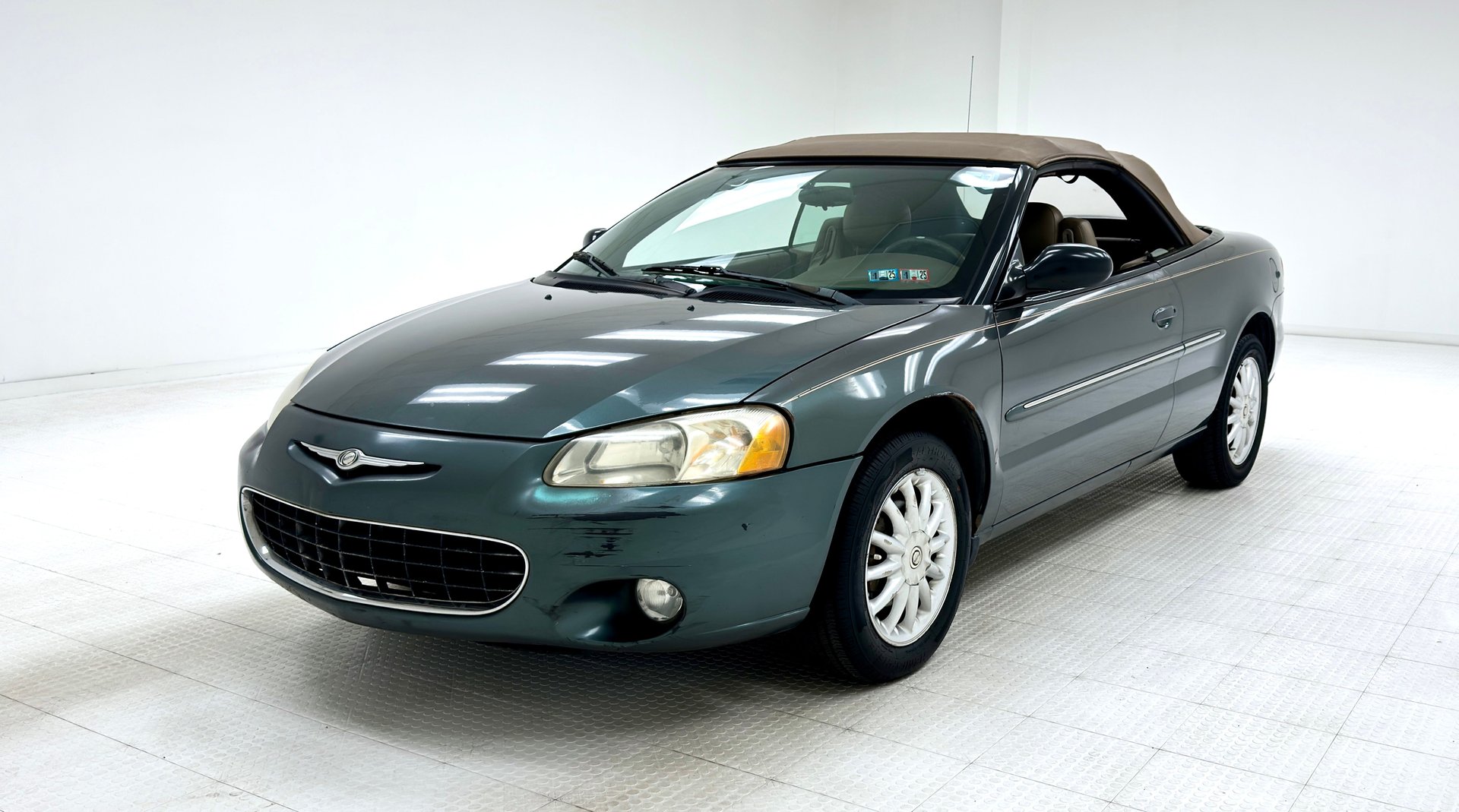
Many owners reported major failures before hitting 100,000 miles, making it one of the least durable sedans of its time. While it was affordable and stylish for its era, few remain on American roads today, with most having broken down before reaching the ten-year mark.
2. Mini Cooper (Early 2000s Models)
The early 2000s Mini Cooper, built under BMW’s oversight, was fun to drive and packed with personality but reliability was its Achilles’ heel.
Owners quickly discovered a laundry list of problems, from fragile clutches and overheating engines to notoriously expensive transmission repairs.
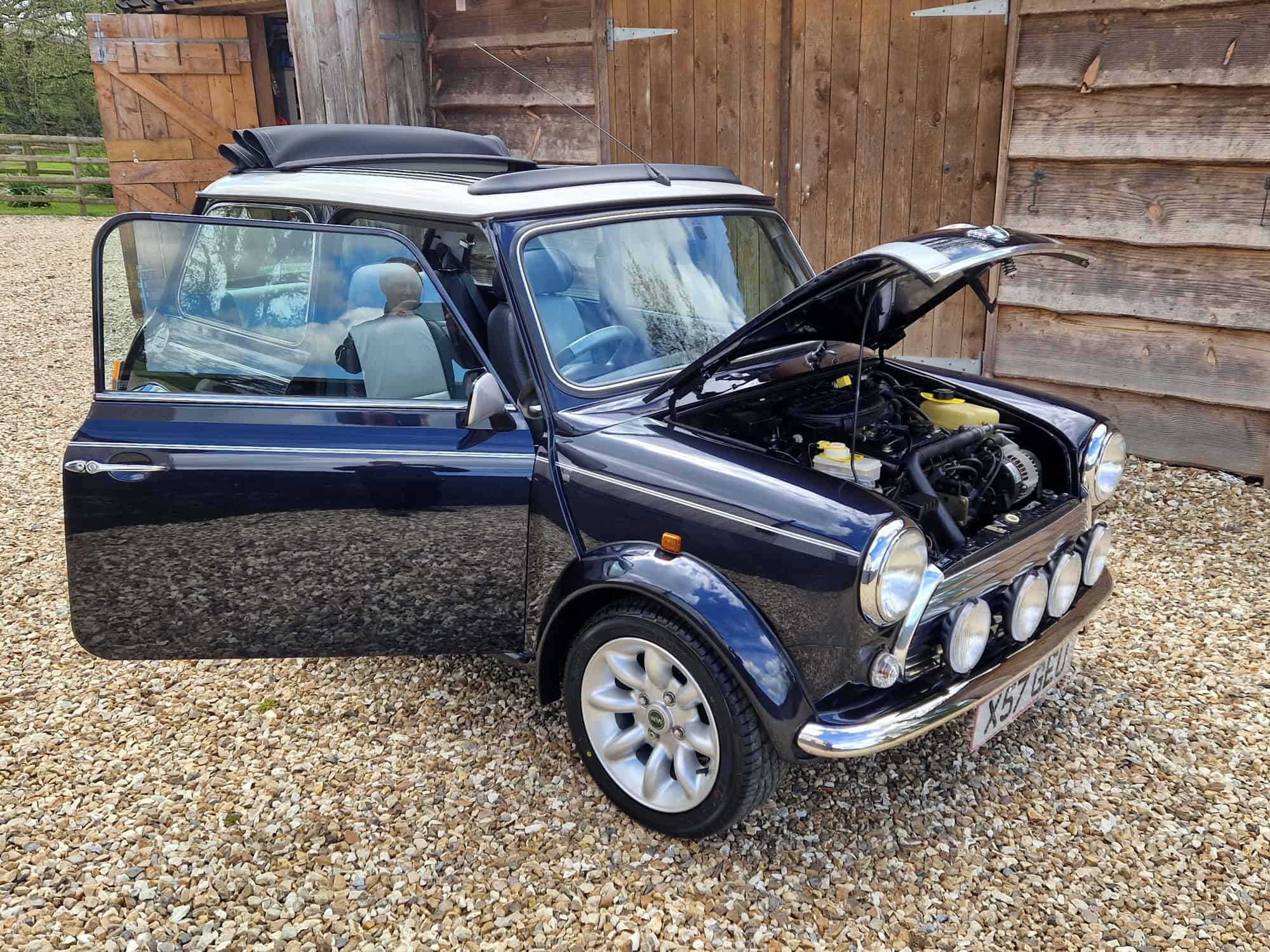
These Minis often didn’t survive beyond a decade without thousands of dollars in repair bills. While modern Minis have improved somewhat, the early models cemented the brand’s reputation as being more of a short-term fling than a long-term commitment.
3. Dodge Journey
Launched in 2009, the Dodge Journey was pitched as an affordable midsize crossover for growing families. Unfortunately, it quickly developed a reputation for poor durability.
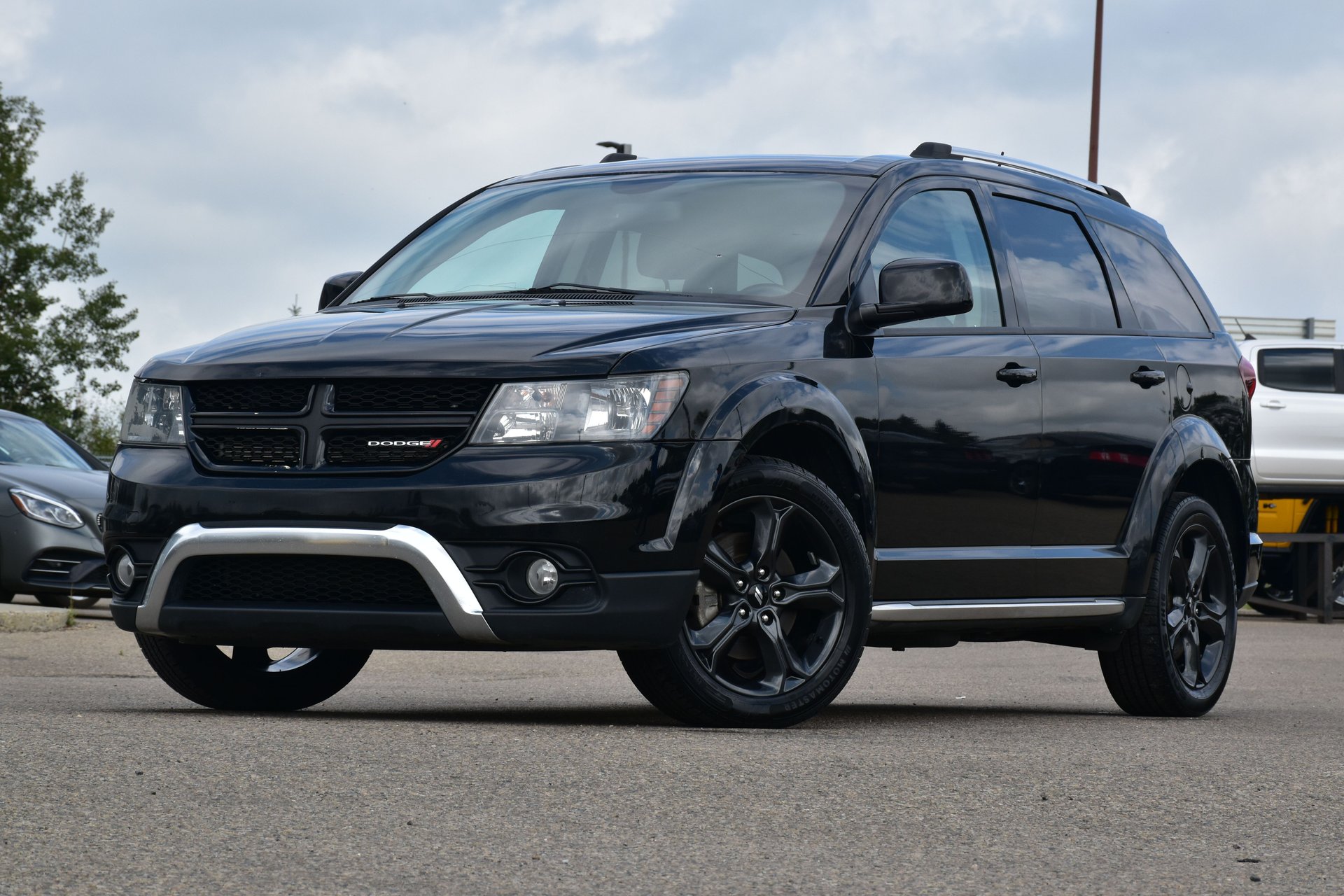
Weak engines, subpar interiors, and a long list of mechanical problems left many owners frustrated. Transmission failures were particularly common, and Consumer Reports regularly ranked the Journey among the least reliable vehicles on the market.
By the time most Journeys hit their 10th birthday, they were either in the junkyard or costing their owners more in repairs than the car was worth.
With so many newer and more capable crossovers available, the Dodge Journey’s main appeal is its bargain price. The base model sits on a decade-old platform and comes with a short list of standard features, and even when moving up through the trims, it never becomes truly competitive.
For buyers who only care about having three rows of seating at the lowest cost, the Journey may suffice, but anyone seeking substance or refinement will find better options in rivals like the Ford Edge, Hyundai Santa Fe, or Mazda CX-9.
For 2018, Dodge introduced only minor changes to the Journey. The Crossroad Plus trim was dropped, while the third-row seat, previously optional, became standard across the lineup.
When new, the Journey’s pricing ranged from $24,390 for the SE, $28,290 for the SXT, $29,390 for the Crossroad, and $34,490 for the top-level GT.
Under the hood, the Journey offers a weak 2.4-liter four-cylinder engine paired with an outdated four-speed automatic transmission as standard. Spending more adds a 3.6-liter V-6 with a six-speed automatic, but even this option fails to match the acceleration of its competitors.
The four-cylinder’s 173 horsepower isn’t nearly enough to adequately power a two-ton SUV, and even the 283-hp V-6 made the Journey one of the slowest in its class. Front-wheel drive comes standard, while all-wheel drive is available only with the V-6.
The overall driving experience leaves much to be desired, with sluggish transmission response, vague steering, and handling that feels heavy and imprecise. The Journey leans noticeably in corners with excessive body roll, though its soft suspension does provide a relatively smooth and comfortable ride on the highway.
4. BMW 7 Series (Early 2000s Models)
Luxury cars often come with complex technology, and when that technology goes wrong, it can take the car down with it.
The early 2000s BMW 7 Series is a prime example. Known for its innovative iDrive system and advanced features, it was also plagued with electronic gremlins, cooling system failures, and expensive transmission repairs.
Many of these cars didn’t make it beyond their first decade without repair bills that far exceeded their value. While the 7 Series delivers unmatched comfort when new, it’s one of the worst long-term bets if you want a car that will last.
The fourth generation of the BMW 7-Series remains one of the most polarizing models in the flagship’s history. It was widely criticized for its design, yet at the same time, it went on to outsell all of its predecessors.
With the E65, BMW’s design chief Chris Bangle introduced a radical new styling language known as “flame-surfacing,” a concept intended to make the car’s appearance shift depending on the viewing angle.
Although controversial in terms of looks, the E65 was also one of the most technologically advanced vehicles of its era, earning an award for innovation in Japan. Compared to its sleek predecessor, the E65 and its long-wheelbase sibling, the E66, appeared larger, bulkier, and far more imposing.
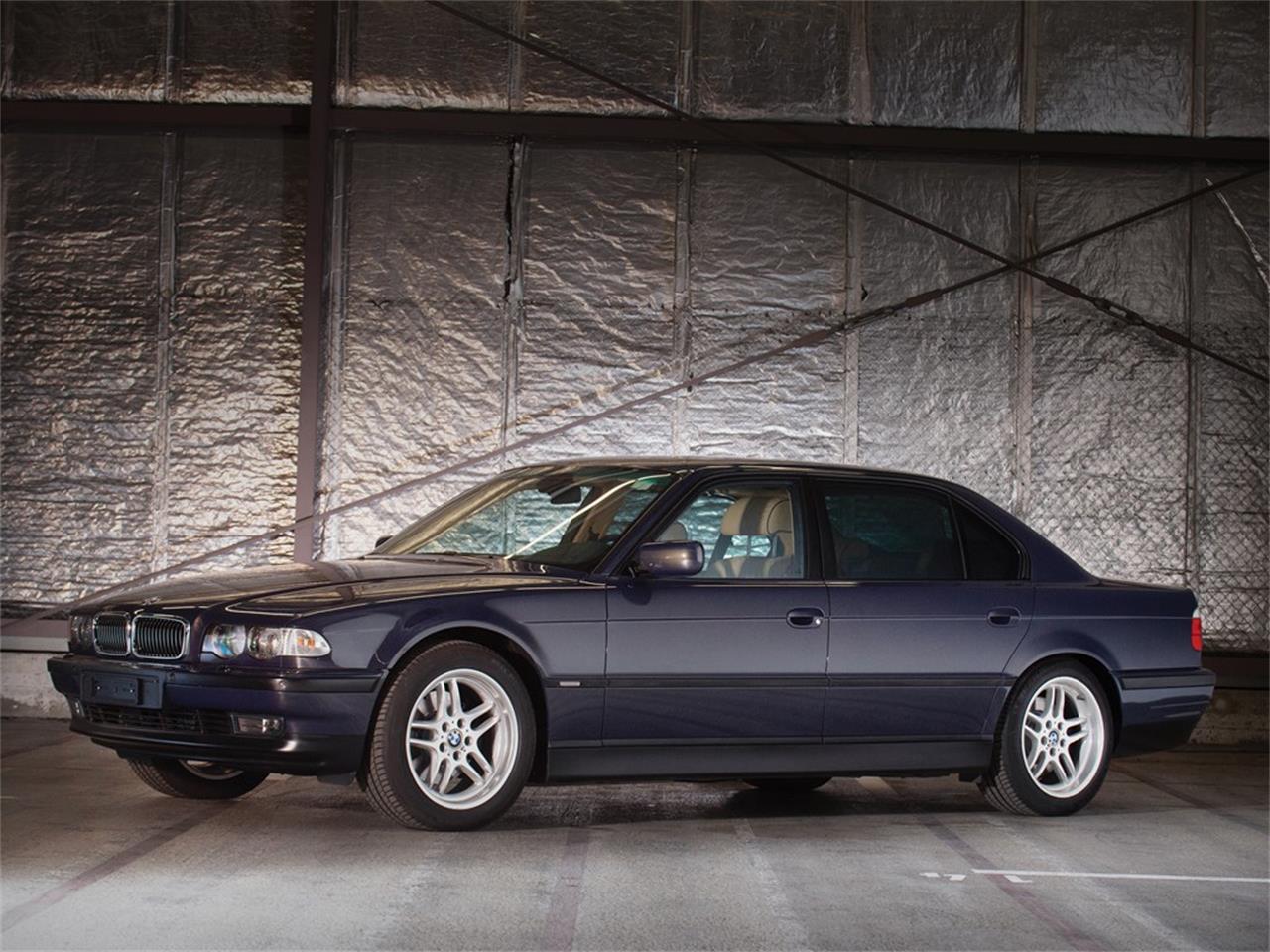
A massive grille dominated the front, the bumper had to be sculpted to frame the headlights, and the rear design featured arched quarter panels that clashed with the trunk lid’s shape. It was less elegant, but it demanded attention on the road. Inside, the technology was just as daring as the exterior.
The E65 introduced the world to BMW’s iDrive system, a rotary controller developed in collaboration with Nokia that consolidated infotainment functions into a single interface. The double-bulged dashboards, one hump for the instrument cluster and another for the infotainment screen, sparked debate among loyal BMW fans as well.
Rear passengers enjoyed generous legroom, especially in the long-wheelbase E66 model, which emphasized comfort and space.
Under the hood, the 7-Series offered a wide selection of gasoline and diesel engines, ranging from inline-sixes to V12 units. Notably, it was also the first BMW produced exclusively with an automatic transmission, a move that marked another bold departure from tradition.
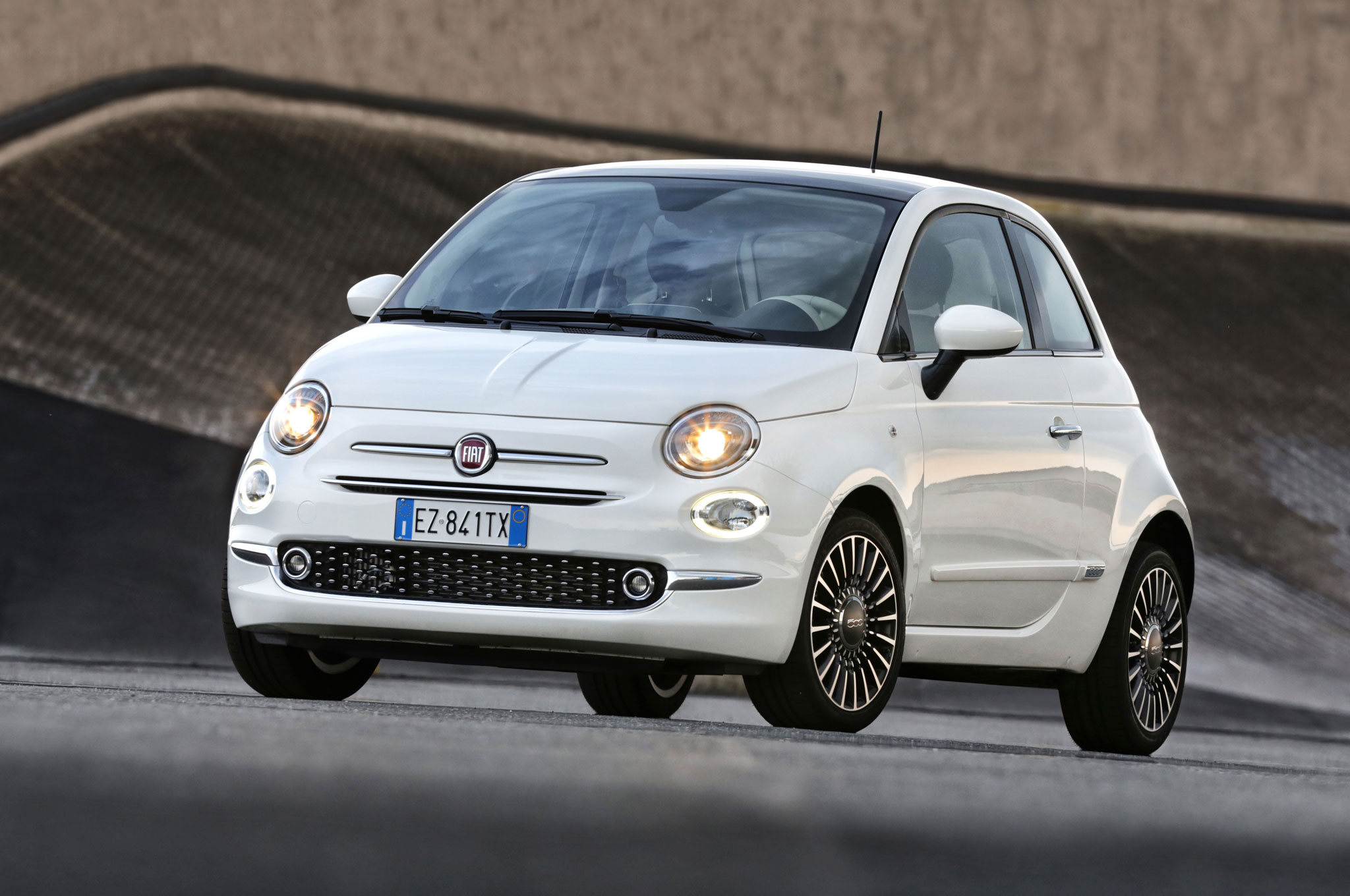
5. Fiat 500
When Fiat re-entered the U.S. market in 2011 with the stylish Fiat 500, it was initially a hit among buyers looking for a quirky, fuel-efficient city car. But the honeymoon didn’t last.
Owners soon reported reliability issues ranging from weak manual transmissions to fragile suspension components and electrical glitches.
Many Fiat 500s struggled to make it to 100,000 miles without significant repairs, and their resale value plummeted as a result. Within a decade, many owners found themselves forced to move on to something more dependable.
In the U.S. car market, longevity often separates the legends from the disappointments. Vehicles like the Toyota Land Cruiser, Honda Accord, and Ford Crown Victoria have proven that with solid engineering and proper maintenance, cars can last far longer than expected sometimes outliving their drivers.
On the other hand, models like the Chrysler Sebring, Dodge Journey, and Fiat 500 demonstrate how poor design, weak components, or overly complex technology can cut a car’s lifespan short.
For American drivers, the lesson is clear: if you want a vehicle that will stay with you for decades, stick to brands and models with proven track records.
Cars that seem flashy or cheap upfront may not survive a decade, while the understated workhorses often keep going strong long after the original owner has moved on.
