When people think about cars lasting decades, the first thought that usually comes to mind is careful storage, weekend cruising, and protective covers in garages.
Yet across the United States, there are still vehicles that continue to serve as daily drivers more than 40 years after they first rolled off the assembly line.
These cars weren’t just engineering marvels for their time they were built with durability, simplicity, and serviceability in mind.
In an age when cars are loaded with fragile electronics and planned obsolescence, finding a vehicle from the 1980s or earlier still taking on grocery runs and commutes is a rare but fascinating sight.
These models represent the very best of automotive history, proving that quality engineering, consistent maintenance, and a touch of driver loyalty can keep a car alive for generations.
Below, we highlight nine of the best cars that Americans still keep on the road more than 40 years later, and why they continue to thrive in modern traffic.
1. Toyota Corolla (Early 1980s Models)
The Toyota Corolla cemented its reputation in the U.S. as one of the most reliable and affordable compact cars. Early 1980s Corollas, particularly the E70 and E80 series, are still seen on American roads because of their bulletproof engines and simple mechanical systems.
Unlike modern vehicles full of sensors, these Corollas rely on carbureted engines and straightforward transmissions that any competent mechanic or even a dedicated owner can service.
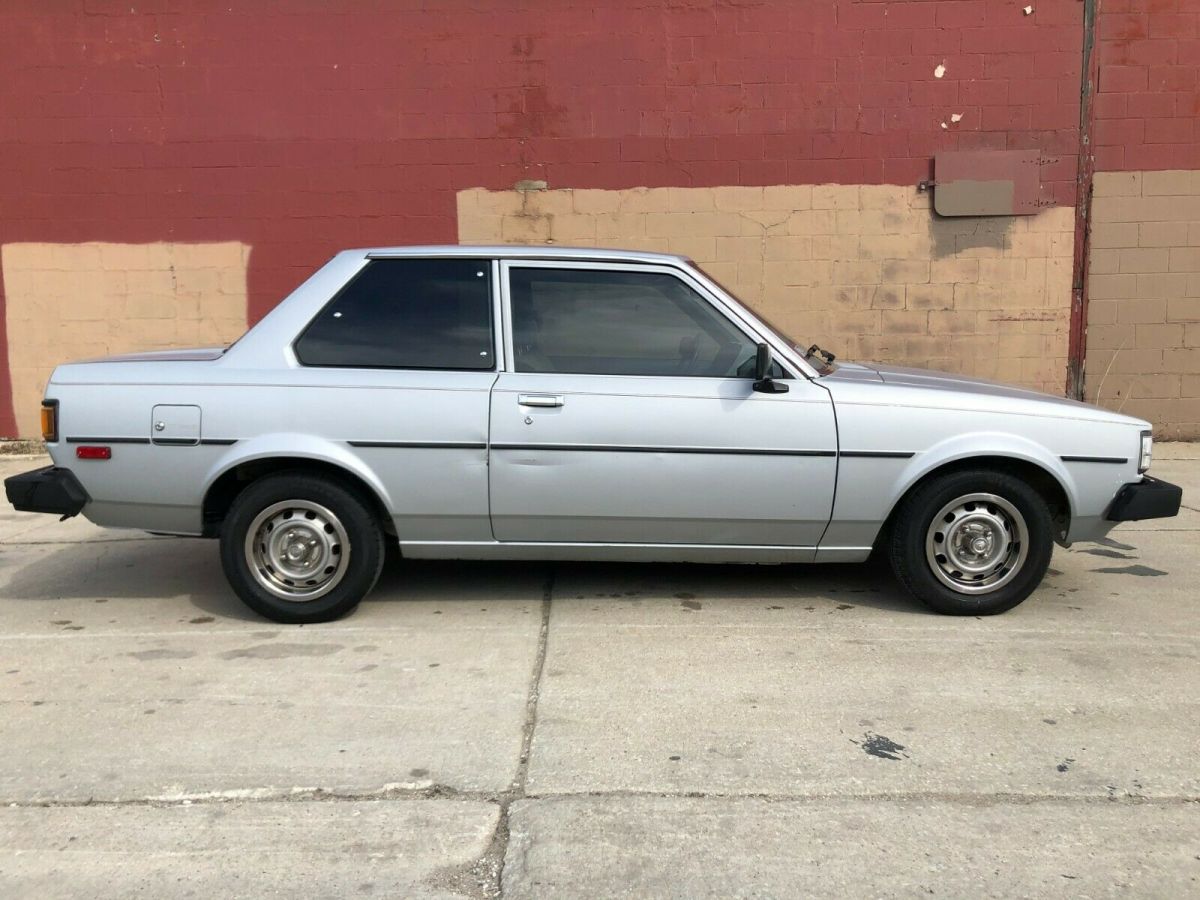
In rural communities across the Midwest, it’s not uncommon to spot an ’83 Corolla still being used as a commuter car or farm runabout. The body panels may show rust, but the cars keep running thanks to cheap replacement parts and Toyota’s famously conservative engineering.
In the 1980s, the Toyota Corolla was one of the most popular and affordable compact cars on the U.S. market. A brand-new Corolla during this decade typically cost between $6,000 and $8,000, with the final price depending on the model year and selected features.
Several elements determined how much a Toyota Corolla cost in the 1980s. The base model represented the most budget-friendly option, while higher trims added cost with extras such as air conditioning, power windows, and upgraded audio systems.
Beyond trim levels, broader economic conditions and consumer demand shaped pricing. Fuel economy was a top priority for many buyers of the era, and with its balance of efficiency and affordability, the Corolla became a go-to choice.
Relative to its competition, the Corolla was priced squarely in the middle. Rivals like the Honda Civic and Nissan Sentra generally carried similar price tags, while domestic options such as the Ford Escort and Chevrolet Cavalier were often a bit cheaper.
What gave the Corolla an edge, however, was its reputation for dependability, longevity, and fuel efficiency, qualities that made it a standout in the crowded compact car field. These strengths not only drove strong sales in the 1980s but also helped cement the Corolla’s long-term success in the global market.
With proper care and maintenance, a Toyota Corolla can easily surpass a decade of reliable use. In fact, it’s common to see well-kept Corollas lasting far beyond ten years, which is why they’re frequently recommended as dependable used vehicles. Consistent maintenance is key to ensuring the Corolla continues to deliver trouble-free performance.
In 1984, Toyota Corolla pricing ranged from $1,030 for the entry-level Sedan Corolla S up to $4,290 for the top-tier Wagon. This wide spread reflected the variety of trims and configurations available, making the Corolla accessible to budget-focused drivers while also offering more feature-rich versions for those willing to spend a bit more.
Also Read: Top 9 Moves To Avoid While Owning a Dodge Durango R/T
2. Mercedes-Benz W123
Ask any mechanic what the most durable European car ever built was, and chances are they’ll mention the Mercedes-Benz W123. Produced from 1976 to 1985, the W123 sedan, coupe, and wagon became icons of overengineering.
These cars were designed to outlast multiple owners, with diesel variants often racking up 500,000 miles or more with routine maintenance.
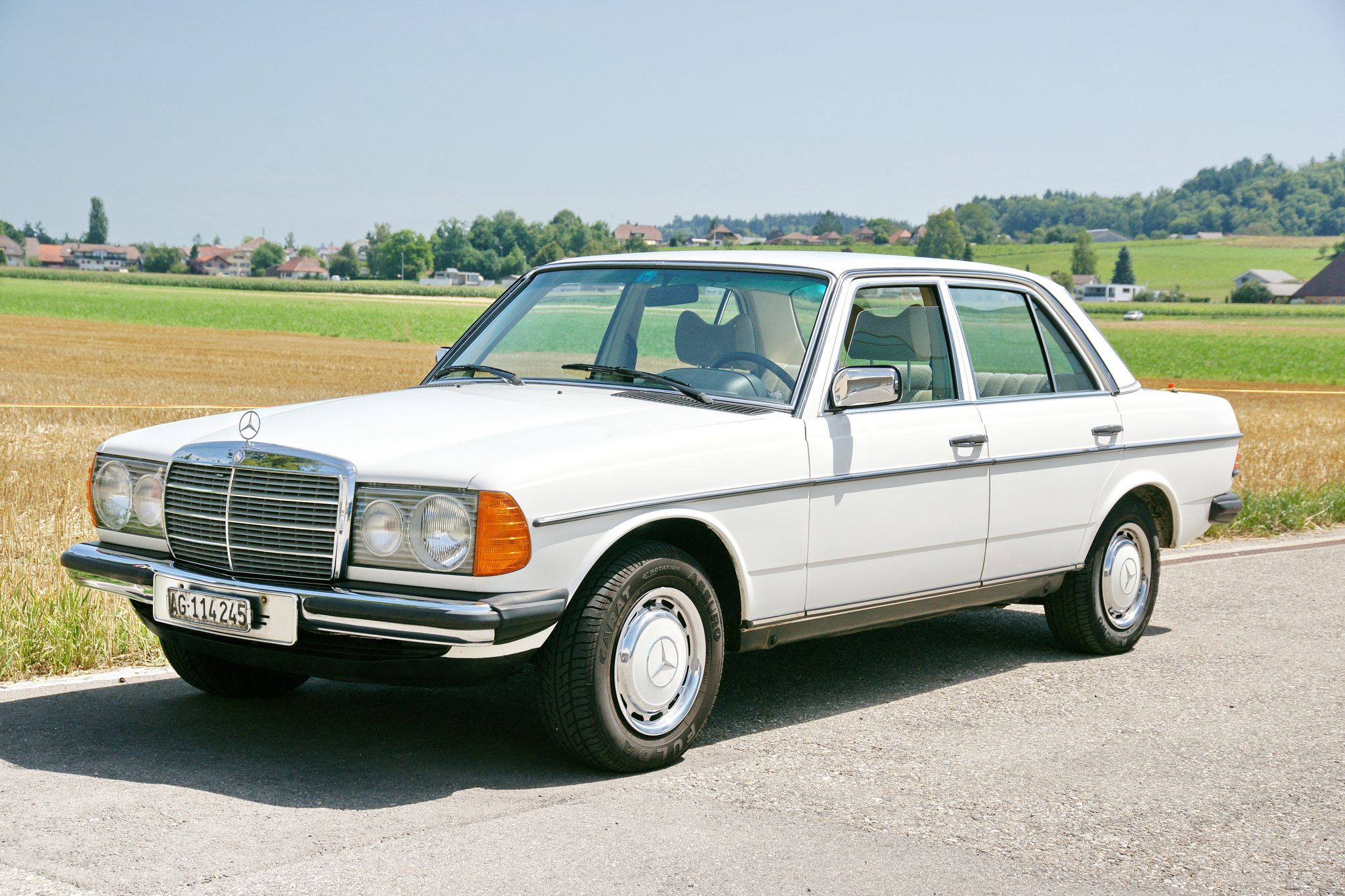
Even today, some taxi fleets around the world still operate W123 diesels, which says a lot about their longevity. In the U.S., many owners keep them as daily drivers, appreciating their solid build and surprisingly comfortable ride.
They’re not fast by today’s standards, but they are nearly indestructible, making them a favorite among long-time enthusiasts who want a dependable classic.
Also Read: 10 Checks That Stop a Chevy Impala From Becoming Unsafe
3. Honda Civic (1980–1985 Models)
Honda’s reputation in America really took off with the early 1980s Civic. Compact, affordable, and remarkably fuel efficient, these Civics became a go-to choice for young buyers and families alike.
Their small displacement engines were simple but resilient, and the manual transmissions rarely gave trouble.
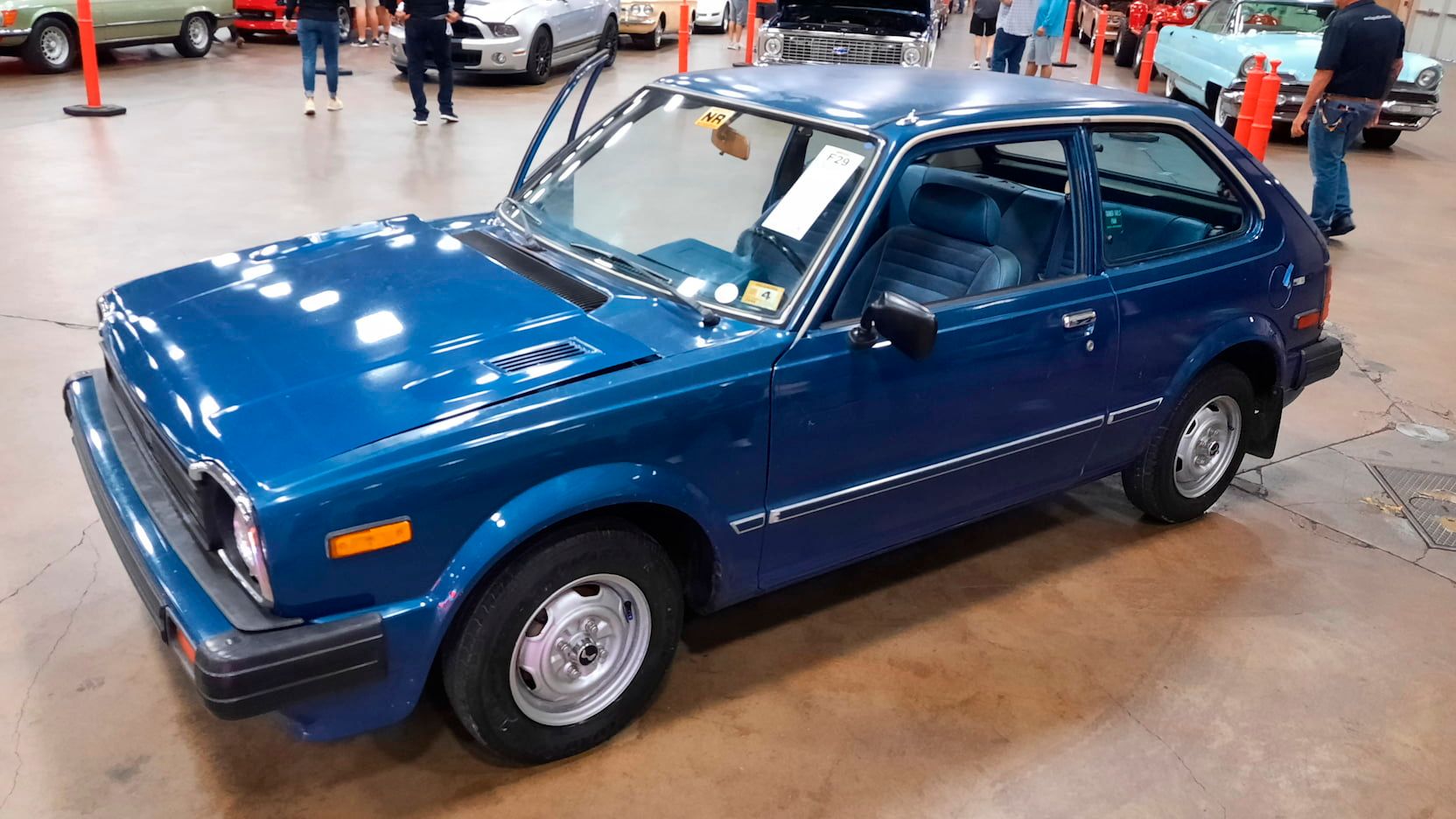
Today, many fourth- and fifth-hand owners are still driving these early Civics because the cars refuse to quit. While rust was an issue in northern states, cars that were kept in drier regions are still daily driven.
Their lightweight design and mechanical simplicity make them not just reliable, but also easy to keep on the road with affordable parts.
4. Volvo 240 Series
If there’s one car that embodies the phrase “built like a tank,” it’s the Volvo 240.
Produced from 1974 through 1993, this boxy Swedish sedan and wagon is legendary for both its safety and its longevity. U.S. families bought them in droves during the 1980s, appreciating their crash protection and long service life.
Plenty of these cars are still daily driven today, particularly in the Pacific Northwest and New England, where Volvo loyalty runs deep.
The engines especially the B21 and B230 four-cylinder units are nearly unkillable, and the car’s simple layout makes home repairs straightforward. Owners joke that the Volvo 240 will outlast civilization itself, and there’s a grain of truth to that.
Volvo Cars introduced the 240 in 1974, a model that would go on to achieve iconic status thanks to its unmistakable angular design. Though some critics labeled it “boxy,” the styling was far from accidental.
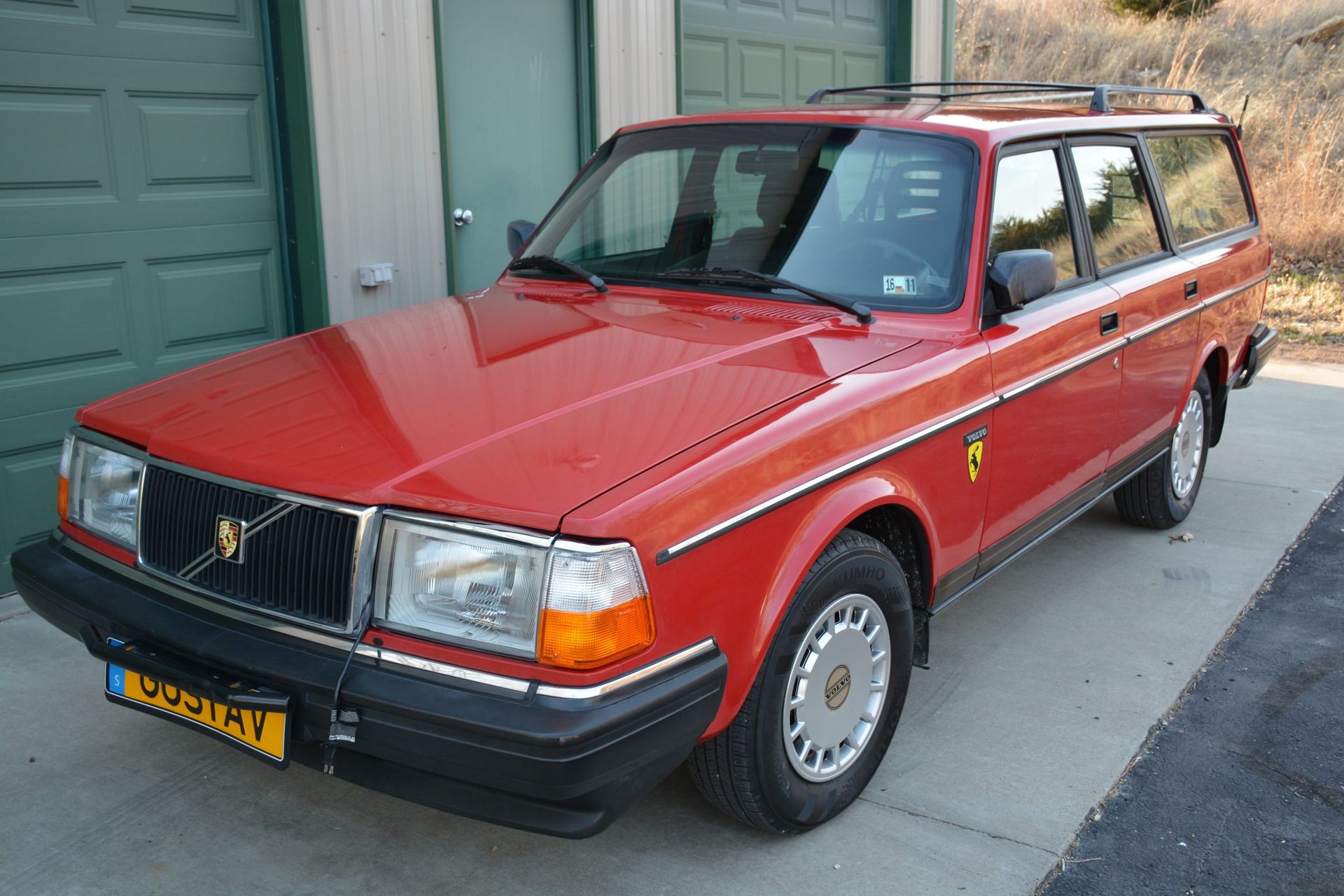
Its extended hood and rear were intentional, not only because they were cost-efficient, but because they allowed Volvo to prioritize safety. These proportions made room for crumple zones and oversized bumpers, both engineered to absorb collision energy and provide greater protection for passengers.
The 240 wasn’t created to win beauty contests, it was built with people in mind. Its flat panels and clean lines maximized cabin space, ensuring generous legroom for drivers and passengers alike, as well as a roomy trunk.
These thoughtful touches made the 240 a family favorite, and the results spoke for themselves. The model remained in production for an impressive 19 years, until 1993, with 2.8 million units sold worldwide. Even decades after its final build, the 240 continues to be celebrated as one of the most practical and beloved vehicles Volvo ever produced.
The Volvo 240 series stands as a lasting symbol of practicality, durability, and innovation. Its influence continues to shape modern vehicle design, embodying Volvo’s longstanding commitment to creating cars that are safe, sustainable, and built around people.
Now, as the 240 marks its 50th anniversary, it’s not just remembered as a car, it’s celebrated as a cultural and automotive icon, with a legacy that lives on in the hearts of Volvo enthusiasts everywhere.
5. Ford F-150 (Early 1980s Models)
America’s best-selling vehicle for decades, the Ford F-150 of the early 1980s has proven that a work truck can outlive trends and technology.
These trucks were built with durability in mind, often with simple V8 or straight-six engines that just keep running as long as oil changes and basic maintenance are performed.
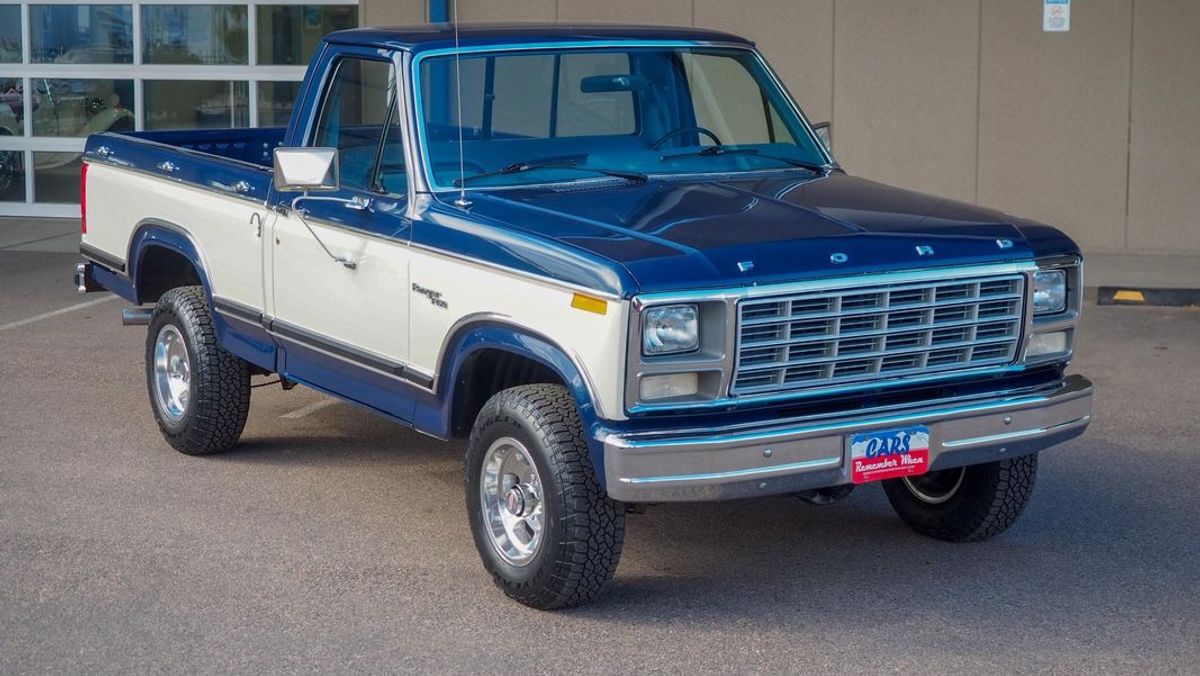
It’s not uncommon to see a 1982 or 1983 F-150 still hauling loads, towing trailers, or even being used as a daily farm truck. Parts availability in the U.S. is a huge advantage, as almost every small town auto shop can repair them.
These trucks weren’t designed with luxury in mind, but their toughness makes them survivors well into their fifth decade.
Also Read: 5 Ford Explorer Years That Are Worth Owning vs 5 That Aren’t
6. Volkswagen Beetle
The Volkswagen Beetle is a cultural icon, but it’s also one of the most durable cars ever built. While U.S. sales officially ended in 1979, countless Beetles remained on the road into the 1980s and beyond.
Thanks to their air-cooled engines and extremely simple mechanical systems, Beetles can keep running with minimal upkeep.
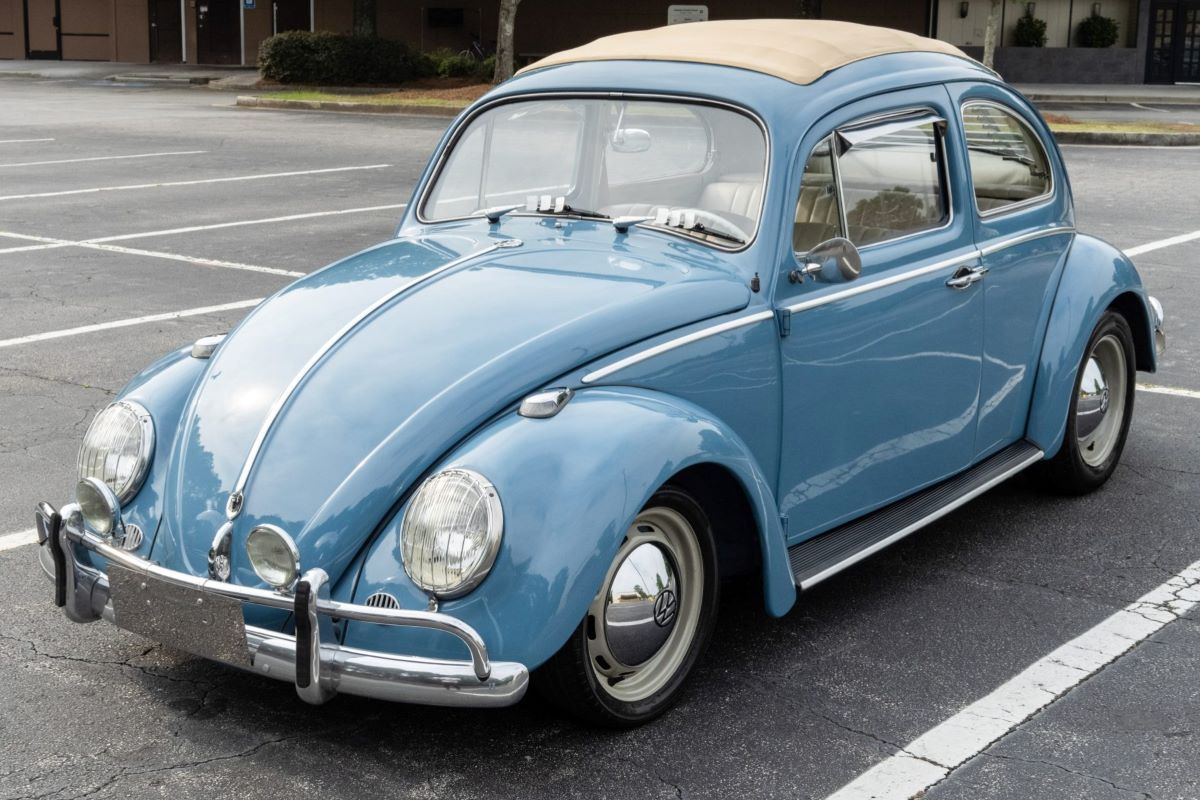
Plenty of Americans still drive vintage Beetles daily, especially in warmer states like California, Texas, and Florida, where rust is less of a threat.
The Beetle’s charm is matched only by its practicality replacement parts are cheap and plentiful, and the cars are easy to fix in a driveway with basic tools.
The Beetle made its return in 1998, and this time it wasn’t just a revival, it was a complete redesign. Built on the MK4 Volkswagen Golf platform, the new Beetle leaned heavily into retro styling, with curves dominating the bodywork and almost no straight lines in sight.
One of its quirkiest features was a dashboard-mounted flower vase, a playful nod to the car’s nostalgic roots that made it instantly recognizable. At launch, the 1998 Beetle was offered with either a 2.0-liter gasoline engine producing 115 horsepower and 122 lb-ft of torque, or a frugal 1.9-liter diesel with 90 horsepower and 155 lb-ft of torque.
The gas version could reach 115 mph and sprint from 0 to 60 mph in 10.6 seconds, while the diesel topped out at 106 mph and needed 13.6 seconds to hit 60 mph. Soon after, more exciting turbocharged options arrived, including the 1999 Beetle Turbo with 150 horsepower, capable of reaching 126 mph and accelerating to 60 mph in just 8.4 seconds.
By 2002, the Turbo S pushed things further with 180 horsepower, a top speed of 130 mph, and a 0 to 60 mph time of 7.4 seconds. For die-hard enthusiasts, the rare 2001 Beetle RSi took performance to another level, packing a 3.2-liter V6 with 250 horsepower, 236 lb-ft of torque, and a 0 to 60 mph time of just 6.2 seconds while hitting a top speed of 140 mph.
The relaunch coincided with the bittersweet end of the original Beetle’s run. In 2003, production of the classic Type 1 Beetle finally came to a close in Mexico and Brazil, capping off an incredible legacy of nearly 70 years and more than 21 million units produced.
That same year, Volkswagen introduced a new Beetle convertible, expanding its appeal, and in 2006 the model received a subtle facelift that gave it a slightly more aggressive edge.
The third and final generation of the Beetle arrived in 2012, lasting for seven years. It was offered in both coupe and convertible body styles, with numerous special editions paying homage to the Beetle’s storied heritage. Production ended once again in 2019, with Volkswagen officially stating that the Beetle’s long journey had reached its conclusion.
Still, the Beetle’s spirit hasn’t fully disappeared. A futuristic version of the car recently appeared in a Netflix animated series, sparking speculation about whether the iconic nameplate might one day return.
With Volkswagen now focused heavily on electric vehicles, highlighted by the retro-inspired ID.Buzz van, many wonder if an all-electric, fourth-generation Beetle could someday carry the legacy of this beloved “people’s car” into a new era.
Also Read: Top 10 SUVs That Car Dealers Fight to Buy Back
7. Chevrolet Impala (Late 1970s and Early 1980s)
Few American sedans captured the mainstream market like the Chevrolet Impala. While newer versions leaned more toward comfort and style, the late ’70s and early ’80s models had a reputation for being rugged daily drivers with engines that could take abuse.
Even today, these cars are still on the road, often owned by older drivers who bought them new and never saw a reason to trade them in.
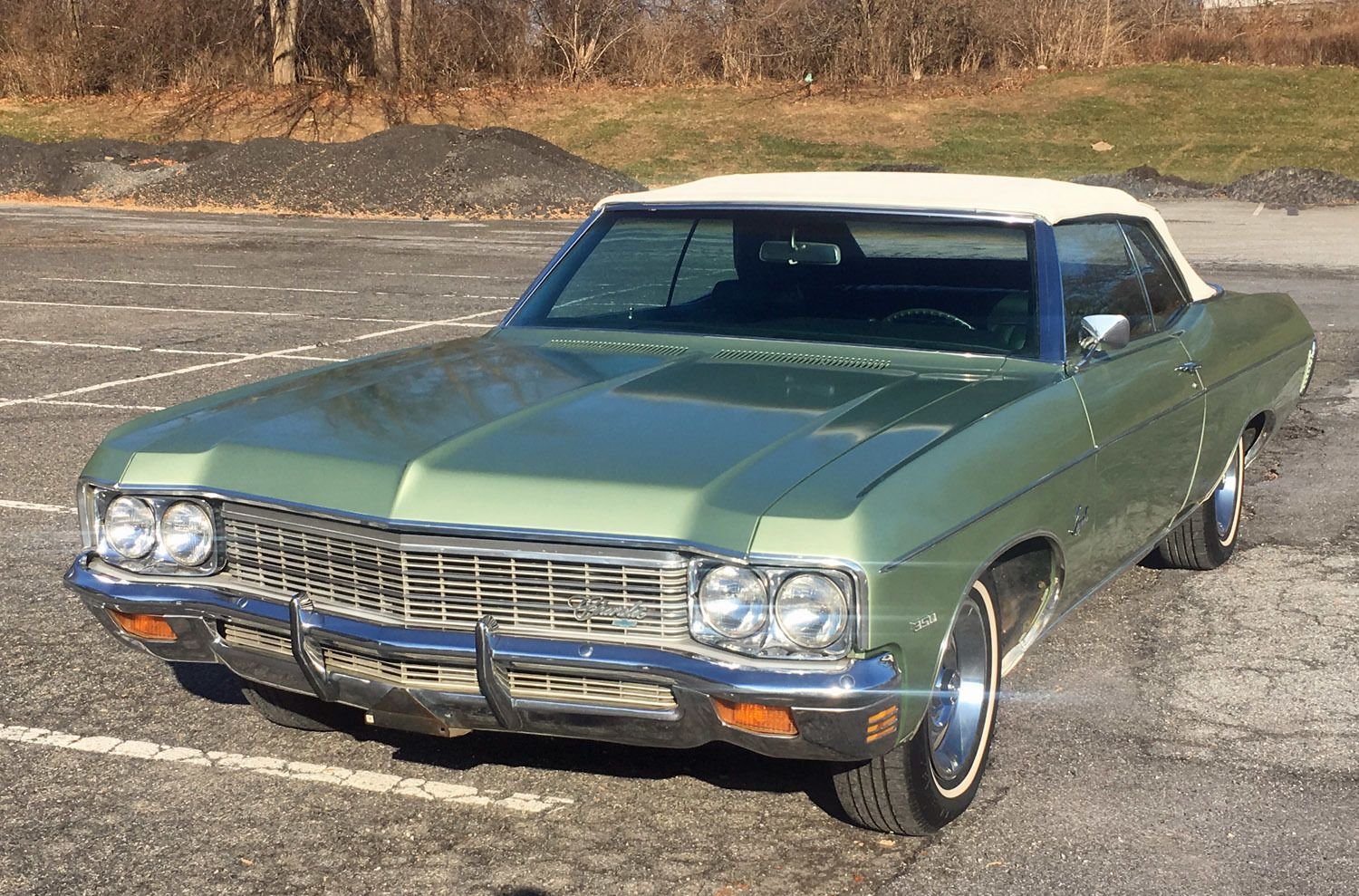
Their V8 engines were simple, powerful, and long-lasting, while their large size meant they could handle highway miles with ease. The Impala proves that not every classic survivor has to be a compact it can be a full-size sedan too.
8. Datsun 280ZX
Before Nissan became the household name it is today, the Datsun brand introduced Americans to sporty, reliable cars. The 280ZX, built between 1978 and 1983, remains a favorite for enthusiasts who wanted a fun-to-drive car that could also serve as a dependable commuter.
Its inline-six engine was durable, and while not as indestructible as some Japanese economy cars, many examples have stood the test of time.
Even now, it’s not unusual to see a well-maintained 280ZX being driven daily, a testament to Nissan’s engineering before the brand overhaul in the late 1980s.
The S30 was always going to be a difficult act for Nissan to follow. Since its 1970 debut, the company sold more than half a million units, and the car managed to resonate with nearly everyone. Everyday buyers valued its unmatched ergonomics and practicality within the sports car segment, while enthusiasts were drawn to the Z’s impressive power and attractive entry price.
The motoring press also embraced it, despite its flaws, because nothing else in its class could truly compete. Throughout the decade, while other sports cars suffered under increasingly strict safety and emissions regulations, the S30 proved remarkably resilient, showing an uncanny ability to adapt to the changing landscape.
Still, no car can last forever. The fuel crises, tougher environmental rules, and new safety standards all began to chip away at both the performance and styling of the S30. As tough as it was, the car simply wasn’t built with these long-term challenges in mind. By the late 1970s, Nissan knew it needed a fresh vision, a Z that could carry the brand into the 1980s.
Designing such a car required more than artistry and technical skill, it required foresight. Product planners had to anticipate what buyers would want years down the road, often before buyers themselves even knew it.
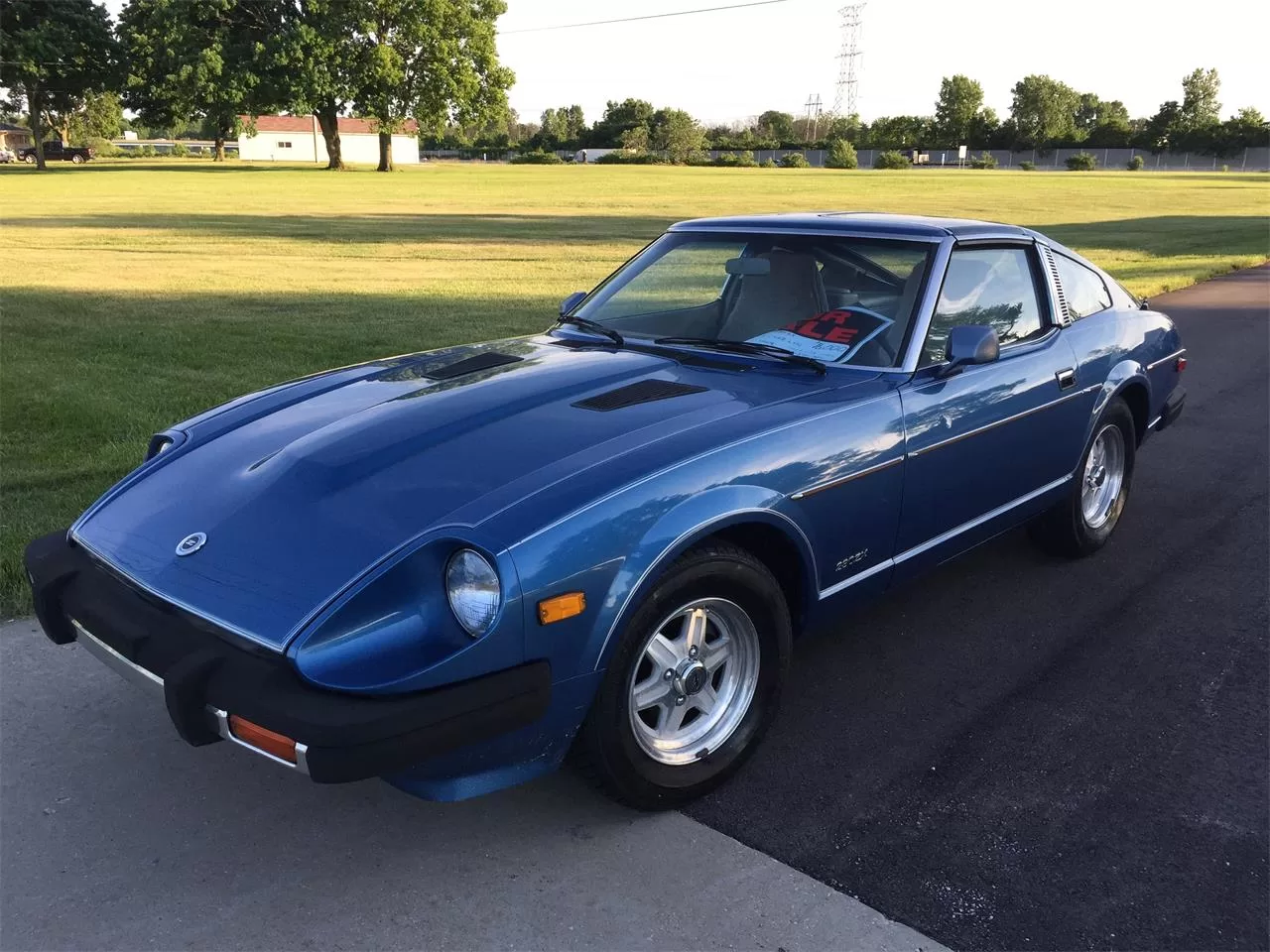
Development of the next-generation Z actually began as early as 1974, starting with extensive surveys of existing owners. Unsurprisingly, many used their cars as daily drivers for commuting and shopping, not far removed from the way one might use a sedan.
Yet those same customers also demanded the essential traits of a sports car: speed, agility, and, just as importantly, the image of driving something exciting. Since Nissan expected the majority of sales, around 70 percent, to come from the U.S., the new Z also had to cater to American tastes.
Early design work unfolded in two distinct phases. The first encouraged designers to sketch freely without being confined to the Z legacy. Even at this stage, some features were non-negotiable: a long hood, short overhangs, and proportions that reflected a front-engine, rear-wheel-drive coupe.
Many early drawings also showcased a distinctive kick in the rear window line to emphasize the back wheels. Beyond these core elements, though, designers clashed over details such as the shape and execution of the B-pillar, experimenting with a wide range of approaches.
The second sketch phase was more grounded, with designers refining ideas into feasible directions. One of the biggest points of debate revolved around the front grille.
The original S30 featured a wide, open grille divided by the bumper, a look that was memorable but hardly elegant, something that became even more apparent in the later 260Z and 280Z models. Attempts were made to modernize this feature into a sleeker, more cohesive design. Wind tunnel testing ultimately provided the answer.
By sealing the opening above the bumper and directing airflow into a lower intake, the design not only looked cleaner but also improved performance. With the addition of a front-end spoiler, more cooling air could be funneled into the intake while also reducing front-end lift, giving the new Z a functional as well as aesthetic upgrade.
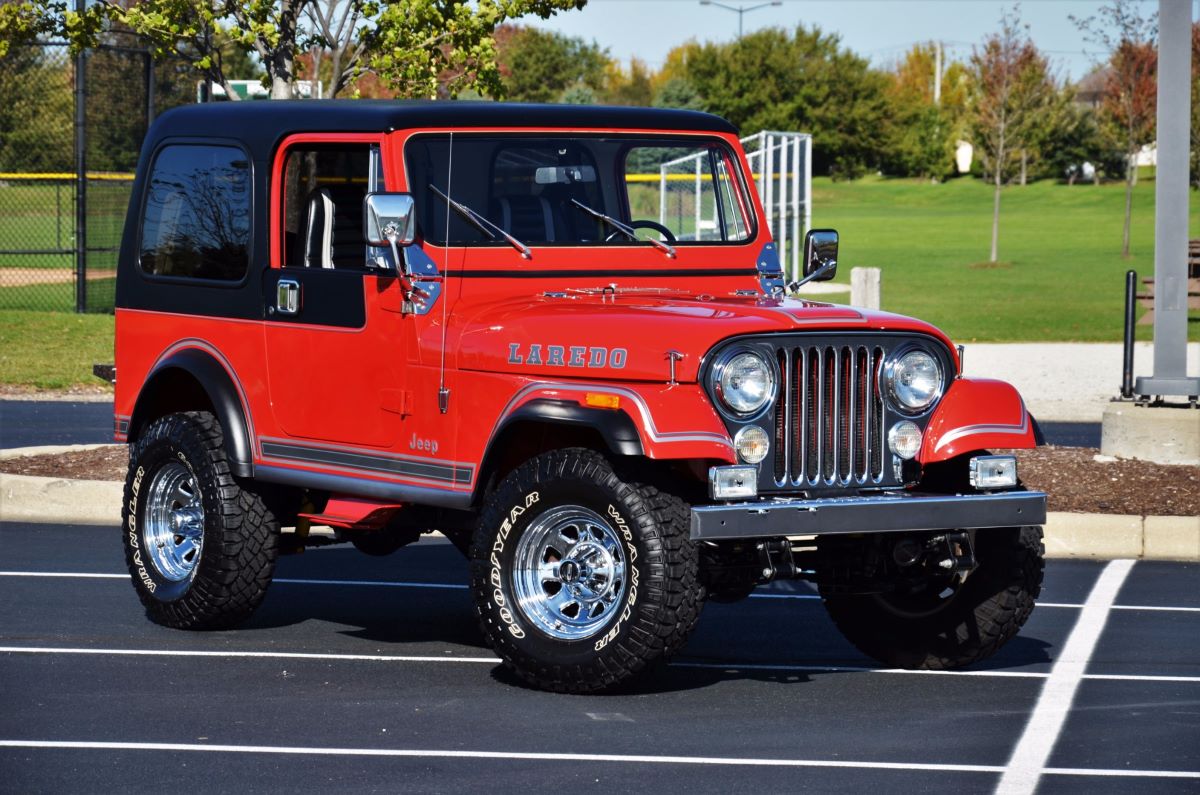
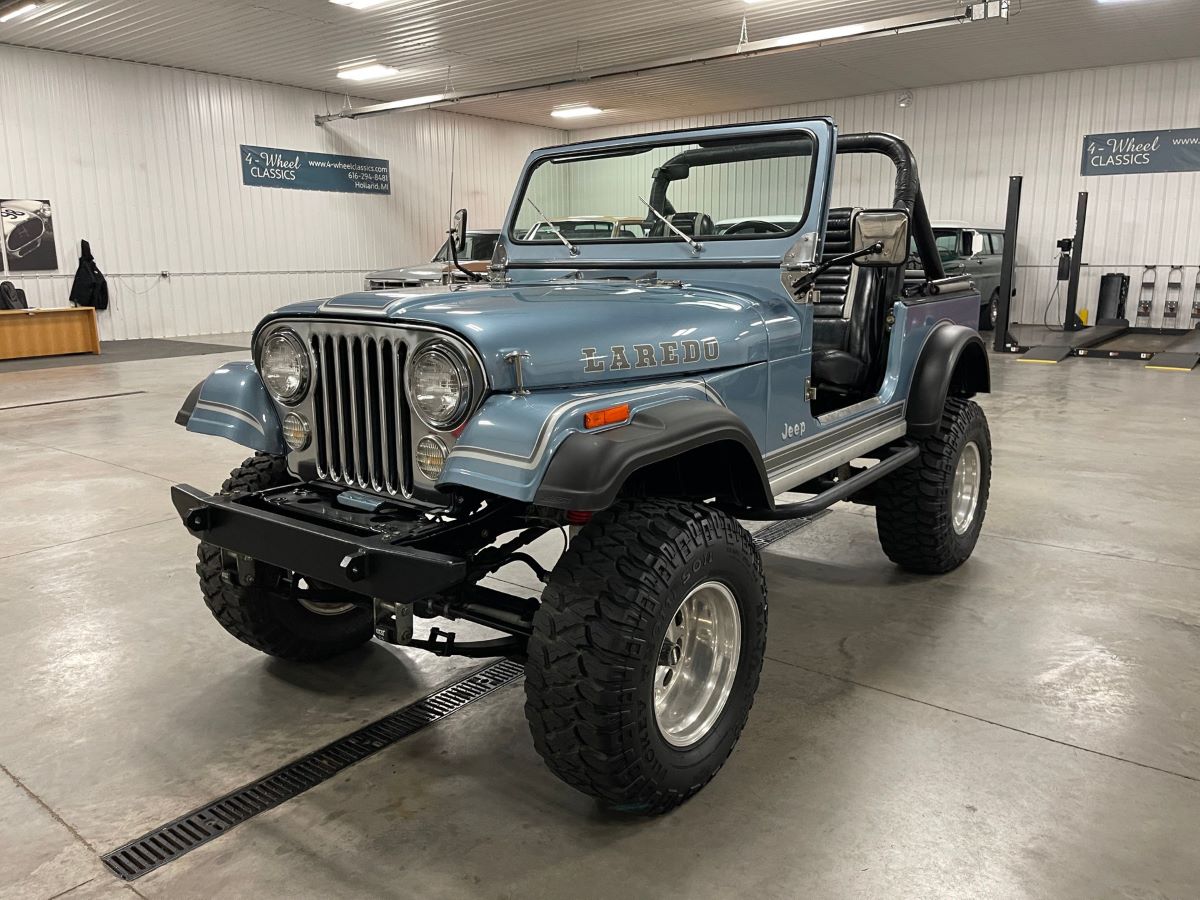
9. Jeep CJ-7
For drivers who wanted rugged utility above all else, the Jeep CJ-7 was a natural choice. Produced from 1976 to 1986, the CJ-7 was one of the last true “old-school” Jeeps before the Wrangler era.
Known for its simplicity, off-road ability, and military-inspired design, the CJ-7 remains popular in rural America.
Plenty of these Jeeps are still daily driven, particularly in small towns and farming communities where a dependable 4×4 is more valuable than a flashy new SUV.
Their parts interchangeability and cult following mean they’re easy to keep alive, and many owners proudly commute in their 40-plus-year-old Jeeps.
The reason these vehicles endure isn’t just luck. Cars from the 1970s and early 1980s were often built with fewer electronics, more robust materials, and simpler engineering compared to today’s vehicles.
They could be repaired with hand tools rather than specialized diagnostic equipment. In many cases, manufacturers overbuilt them because brand reputation mattered more than cutting production costs.
Of course, longevity also comes down to the people who own them. Many of these cars were bought by practical Americans who valued reliability and took care of their vehicles.
When paired with the availability of aftermarket parts and a strong enthusiast community, these cars found a way to remain on the road long after their expected service life.
Seeing a 40-year-old car still rolling through traffic or parked in a grocery store lot is more than just a nostalgic sight it’s proof of a different era in automotive design.
Models like the Toyota Corolla, Volvo 240, and Ford F-150 remind us that durability doesn’t come from technology, but from thoughtful engineering and care.
For drivers who want a dependable, character-filled vehicle that has already proven itself, these classics are still more than capable of daily duty.
And for the rest of us, they’re a reminder that sometimes the best cars aren’t the newest ones they’re the ones that just won’t quit.