German engineering has long been a symbol of precision, durability, and innovation, and nowhere is this legacy more evident than in the country’s most iconic cars.
From the elegant gullwing doors of the 1954 Mercedes-Benz 300 SL to the raw motorsport pedigree of the 1984 Audi Sport Quattro and the everyday supercar thrills of the 2015 Audi R8, German automakers have consistently set benchmarks that shaped the global automotive industry.
These vehicles are more than machines; they are cultural touchstones, celebrated for their design, performance, and ability to capture the spirit of their era. Each one left an imprint not only on the roads but also on the hearts of enthusiasts, inspiring generations of drivers and influencing countless competitors.
This list of 10 German Cars That Became Cult Icons takes us through decades of innovation and passion, showcasing the models that redefined what cars could be.
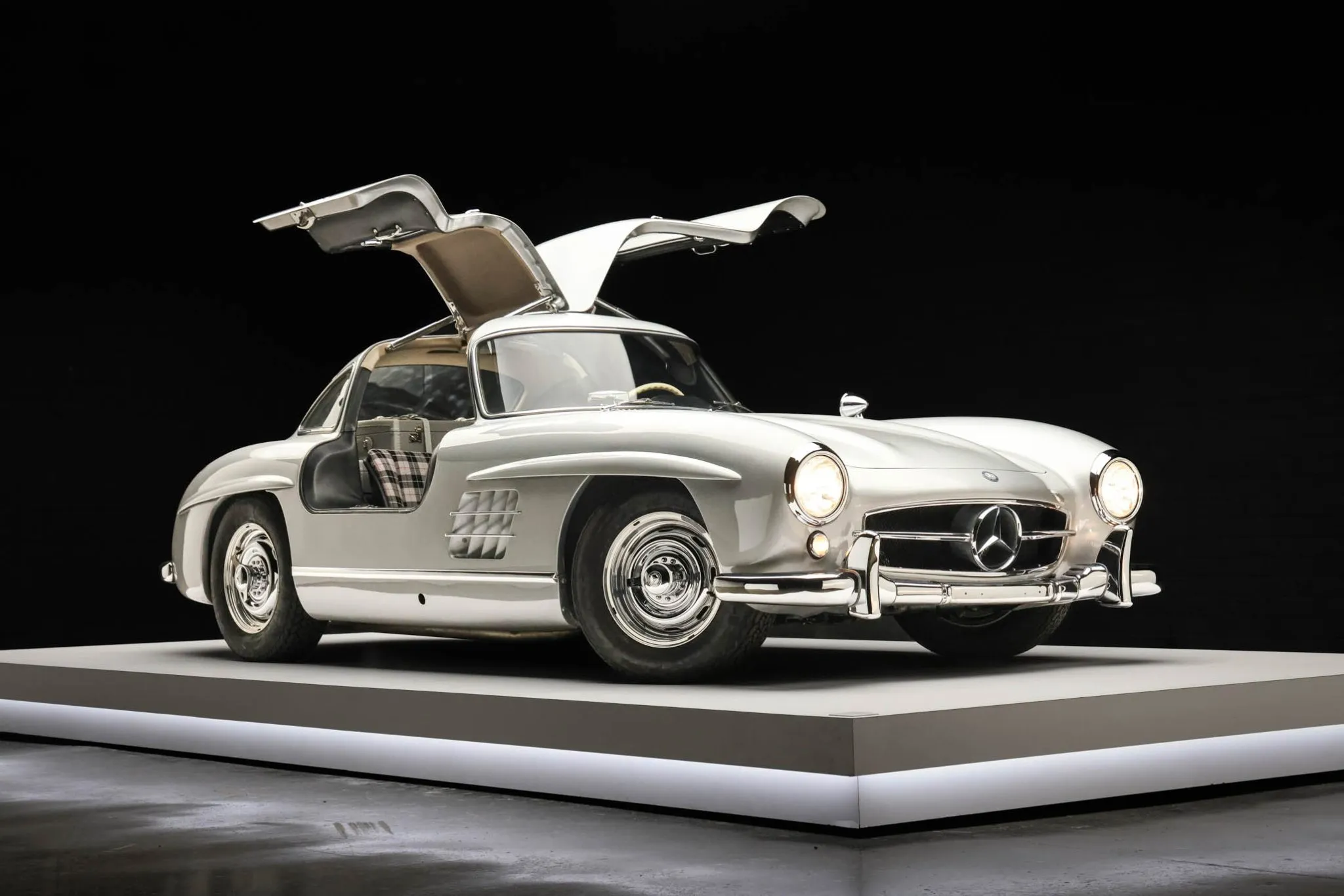
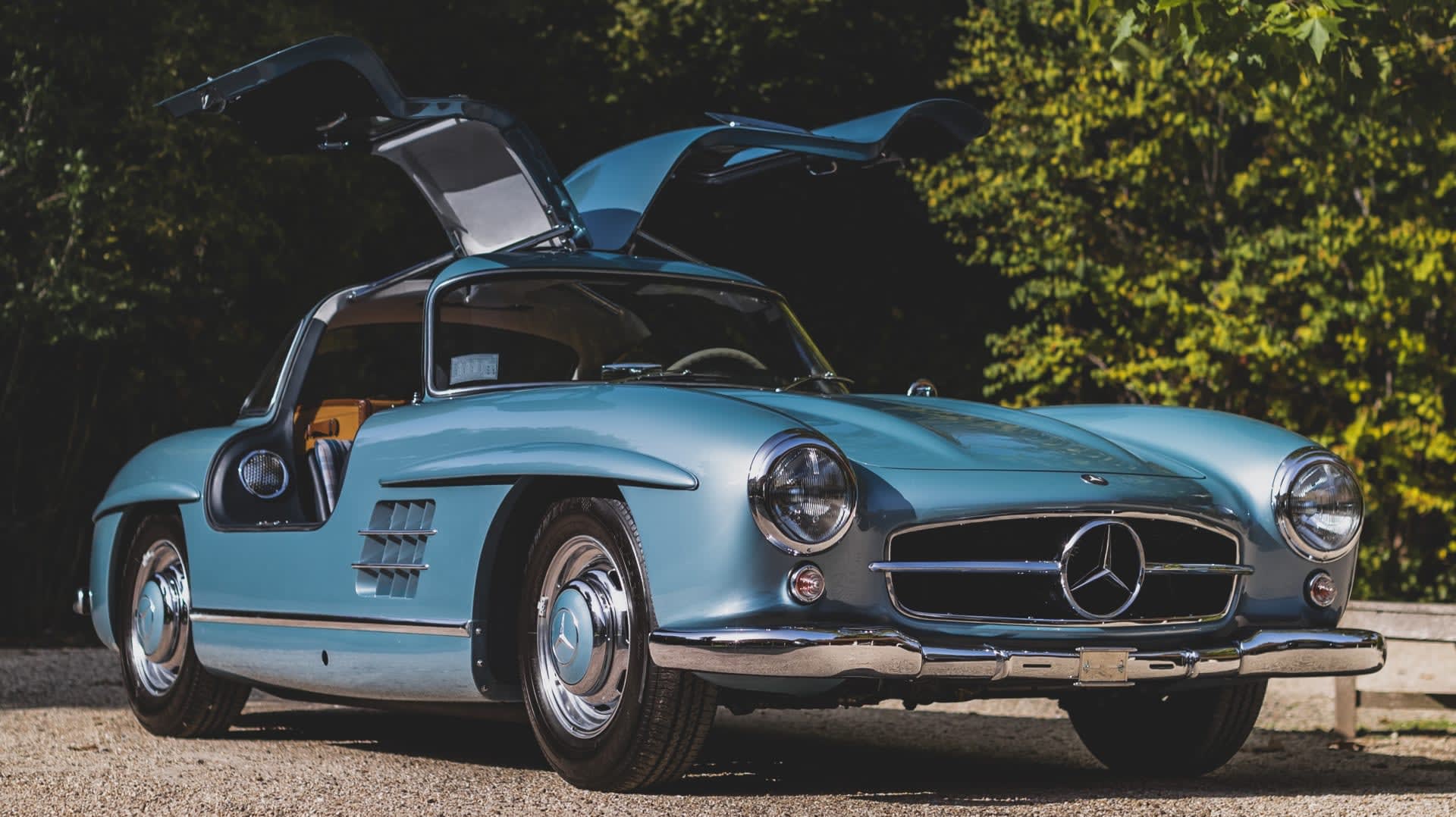
1. 1954 Mercedes-Benz 300 SL “Gullwing”: A Timeless Icon of Innovation
The 1954 Mercedes-Benz 300 SL “Gullwing” is more than a car it is a masterpiece that embodies engineering brilliance, racing pedigree, and timeless design. Born from the race-bred W194, the 300 SL redefined what was possible for road-going sports cars, blending cutting-edge performance with striking aesthetics. Nearly seven decades later, it remains one of the most coveted collector’s vehicles in automotive history.
The 300 SL’s story began on the racetrack with the W194, a lightweight endurance racer that debuted in 1952. Armed with a tubular spaceframe chassis, it achieved notable victories at Le Mans, the Nürburgring, and the Carrera Panamericana.
This innovative chassis was both strong and light, but required unusually high sills, which made traditional doors impractical. The solution was the now-legendary upward-opening “Gullwing” doors, a feature that would become an enduring symbol of the model.
Convinced by U.S. importer Max Hoffman that an exotic sports car would succeed in the American market, Mercedes-Benz transformed its racer into a production vehicle. The result made its debut at the 1954 New York International Auto Show, immediately drawing worldwide admiration.
Under its sleek bodywork, the 300 SL housed a 3.0-liter inline-six engine equipped with direct fuel injection, a technology borrowed from aircraft and revolutionary for its time. Producing 215–240 horsepower and 217 lb-ft of torque, the car could sprint from 0–60 mph in just 7.1 seconds and reach a top speed of up to 161 mph, making it the fastest production car of its era.
Paired with a four-speed manual transmission and rear-wheel drive, the 300 SL combined thrilling performance with remarkable agility. Its 2,855-pound curb weight, courtesy of the spaceframe chassis, enhanced responsiveness, ensuring that it was as capable on the road as it was on the track.
The Gullwing’s design was as functional as it was beautiful. The long hood, short overhangs, and flowing lines created an aerodynamic silhouette that conveyed motion even at a standstill. The large Mercedes three-pointed star dominated the grille, while the iconic silver paint became synonymous with German engineering excellence.
But it was the doors that truly captured imaginations. Opening upward like wings in flight, they weren’t simply a stylistic flourish; they were a necessity dictated by engineering. Yet their dramatic appearance transformed the 300 SL into a rolling work of art.
The 300 SL’s influence extends far beyond its production years. It cemented Mercedes-Benz’s reputation for marrying luxury with performance and established design cues that would echo through the brand’s future sports cars. Models like the SLS AMG and AMG GT directly trace their DNA to the Gullwing, carrying forward its spirit of innovation and elegance.
Today, the 300 SL is not just a collector’s gem but also a cultural icon. Its presence in museums, auctions, and private collections underscores its enduring significance. More than a machine, it is a symbol of an era when engineering breakthroughs and bold design converged to create something timeless.
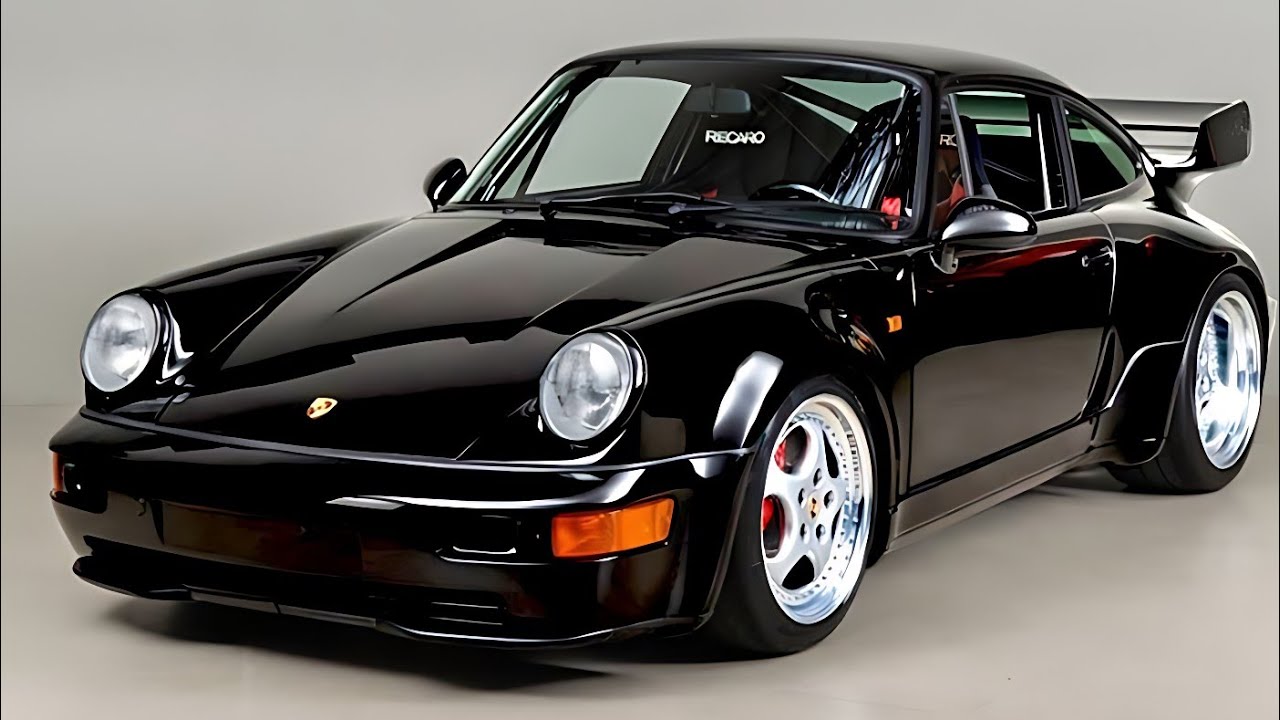
2. 1964 Porsche 911: The Birth of a Legend
When Porsche introduced the first-generation 911 in 1964, few could have predicted that it would become one of the most enduring sports cars in history.
While its earliest form was modest in performance compared to modern successors, the original 911 set the foundation for a dynasty that continues today. Its unique rear-engine layout, timeless styling, and engaging driving dynamics made it instantly recognizable and ultimately immortal.
At launch, the 1964 Porsche 911 was powered by a 2.0-liter, air-cooled flat-six producing 128 horsepower and 129 lb-ft of torque. With a curb weight of just 2,381 pounds, it managed a 0–60 mph time of 8.6 seconds and reached a top speed of 131 mph. Though not blistering by modern standards, these figures placed it among the more capable sports cars of its era.
The car’s layout, rear-engine, rear-wheel drive, was a direct evolution of the Porsche 356, itself rooted in Volkswagen Beetle architecture. This arrangement, while unconventional and sometimes criticized for its tail-happy handling, gave the 911 a distinct character.
Its air-cooled engine, chain-driven overhead camshafts, and Solex carburetors reflected Porsche’s commitment to engineering innovation, even if some regarded air-cooling as outdated.
Visually, the 911 carried forward the shape of the 356 but refined it with a longer, sleeker profile. Its design, however, was not universally praised at the time. Critics dismissed it as too similar to its predecessor, while others lamented its cramped cabin and limited luggage space. With the spare wheel occupying the front trunk, storage was minimal, often forcing passengers to share footwell space with shopping bags.
The cabin, too, drew mixed reviews. Though functional and driver-focused, it was described as austere and even uncomfortable compared to British rivals. Still, touches like a Blaupunkt radio, tinted glass, and an optional Webasto petrol heater gave it a degree of luxury unusual in lightweight sports cars of the 1960s.
Period reviews reveal skepticism about Porsche’s approach. Critics mocked the decision to retain a rear-engine layout, calling it “unsound foundations,” and compared it unfavorably to more balanced front-engine sports cars of the time. Others noted its high price around $4,400, when alternatives like the Austin-Healey or Triumph GT6 offered more power or practicality for significantly less money.
Mechanical quirks also made early ownership challenging. The Webasto heater, meant to compensate for the lack of hot water circulation in the air-cooled system, occasionally leaked fuel and even caused engine bay fires. Stories of such mishaps added to the perception that Porsche’s engineering was unconventional, if not eccentric.
Despite these criticisms, the 1964 Porsche 911 struck a chord. Its direct steering, precise gearbox, and lightweight agility offered a driving experience unmatched by most contemporaries. It was not about brute horsepower but balance, feedback, and character, a philosophy that would define Porsche for decades.
Most importantly, the 911’s layout and design proved durable. What began as a controversial reworking of the Beetle’s concept evolved into one of the most successful sports cars ever produced. The DNA of the 1964 model lives on in every 911 since, with its silhouette and rear-engine setup remaining central to the car’s identity.
In hindsight, the criticisms of the early 911 seem almost quaint. What detractors saw as flaws became defining traits: the quirky rear-engine balance, the spartan interior, the distinctive flat-six soundtrack. The 1964 Porsche 911 was not perfect, but it established a legend. Nearly six decades later, its influence still shapes Porsche’s philosophy, proving that what once seemed eccentric was, in fact, visionary.
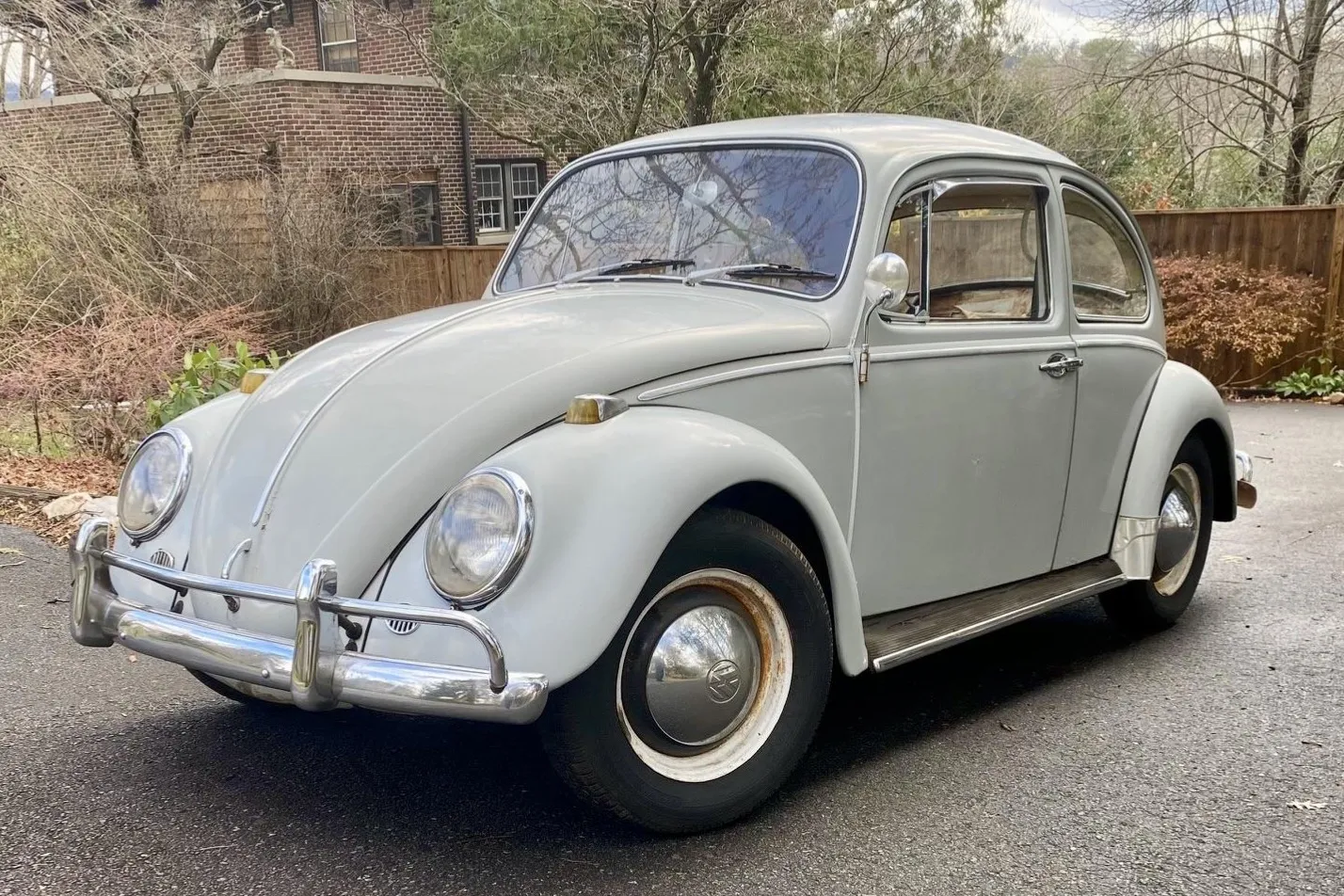
3. 1965 Volkswagen Beetle: The People’s Car That Shaped History
Few cars have influenced automotive culture as profoundly as the Volkswagen Beetle. By 1965, the Type 1 had already cemented itself as one of the best-selling vehicles worldwide.
Its charm wasn’t rooted in raw performance but in simplicity, affordability, and character. With its quirky looks, air-cooled flat-four engine, and reputation for reliability, the 1965 Beetle remains a symbol of freedom, practicality, and timeless design.
The 1965 Beetle was never about speed. Powered by a 1.2-liter, air-cooled flat-four engine mounted at the rear, it produced just 46 horsepower and 63 lb-ft of torque. Acceleration from 0–60 mph took a leisurely 25 seconds, with a top speed of only 78 mph. Yet, its lightweight 1,675-pound frame, rear-wheel-drive layout, and simple four-speed manual transmission made it dependable and easy to repair.
A unique freewheeling function set the 1965 model apart from earlier versions. When the driver lifted off the accelerator, the transmission disengaged from the engine, allowing the car to coast smoothly while improving fuel economy, a small but effective innovation.
The Beetle’s backbone chassis was rugged and straightforward, built from pressed steel sections for durability and lightness. It supported a torsion bar suspension at the front and a swing axle at the rear, providing a surprisingly smooth ride on varied road surfaces. Lower gear ratios made it easier to handle low-speed driving, while higher gears provided efficiency for long trips, critical for its role as a global people’s car.
Safety was enhanced with a dual-circuit hydraulic braking system, a significant improvement over earlier Beetles. The system featured two leading shoe drums in the front and single leading shoe drums in the rear, ensuring that if one circuit failed, the other could still slow the car.
Steel rims with 15-inch bias-ply tires were standard, offering durability and stability. For a car of its size, larger wheels provided better handling than many competitors, adding to its reputation for reliability.
By 1965, the Beetle’s iconic rounded shape was instantly recognizable. Updates included a larger rear window for improved visibility and relocated front turn signals on the fenders for enhanced safety. The car’s minimalistic but functional design emphasized practicality over luxury.
Inside, the Beetle featured bucket-style front seats and folding rear seats for added storage flexibility. A single round gauge cluster housed essential information like speed, fuel, and warning lights, reflecting the car’s straightforward philosophy. The floor-mounted shifter provided a tactile driving experience, reinforcing the Beetle’s charm despite its modest performance.
Although basic by today’s standards, the 1965 Beetle offered meaningful safety enhancements. It featured seat belts, a padded dashboard, a semi-collapsible front axle, and a safety steering wheel with a collapsible design. These updates, combined with a rigid passenger cell, marked a step forward in Volkswagen’s efforts to protect occupants without compromising the Beetle’s affordability.
The 1965 Volkswagen Beetle encapsulates what made the Type 1 so beloved: durability, affordability, and personality. While slow, noisy, and unconventional compared to rivals, it was easy to maintain, cheap to own, and globally accessible. Its role as a cultural symbol from Europe’s postwar recovery to the American counterculture secured its place in history.
As James May once said, the Beetle is arguably the most significant car ever built. And while driving one might test your patience, owning or experiencing a 1965 Beetle means engaging with one of the most influential chapters in automotive history.
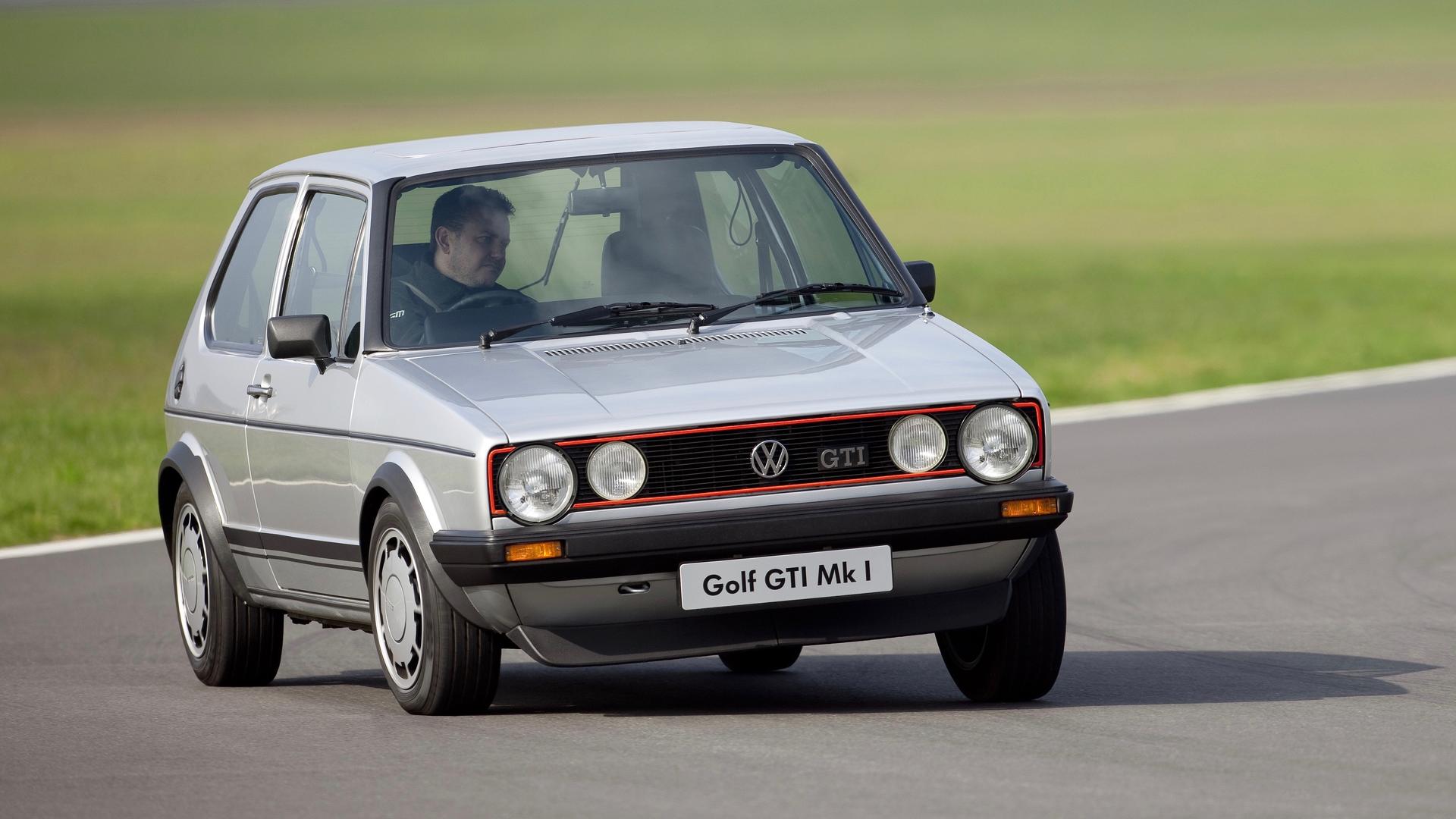
4. 1976 Volkswagen Golf GTI: The Birth of the Hot Hatch
In the mid-1970s, when muscle cars dominated headlines with brute horsepower and thirst for fuel, Volkswagen quietly redefined performance with the debut of the world’s first hot hatch: the 1976 Golf GTI. Modest on paper but revolutionary in spirit, it offered an entirely new kind of fun, blending practicality with agility in a way the industry had never seen.
The Golf itself was born as Volkswagen’s replacement for the aging Beetle, designed to be a sensible family car. Yet within the company, a group of engineers envisioned more. They experimented by fitting a 1.6-liter Audi-sourced engine into the compact hatchback, enhancing it with modern fuel injection. The result was a sprightly 108-horsepower car that far outpaced the standard 75-hp Golf.
Initially dubbed the “Super Golf,” it was pitched internally with little expectation of success. But when the prototype was revealed at the 1975 Frankfurt Motor Show, the public response was overwhelming, convincing Volkswagen to put it into production the following year.
While its numbers were modest, 0–60 mph in 9.1 seconds and a top speed of 113 mph, the Golf GTI’s lightweight 1,852-pound frame made it nimble and engaging. Its front-engine, front-wheel-drive layout prioritized usability while delivering genuine thrills on twisty roads.
A few subtle styling cues set it apart: red trim on the grille, sportier detailing, and the now-iconic golf-ball gear knob, a playful nod that became a tradition across all GTI generations.
Later versions received a 1.8-liter engine, cutting the 0–60 mph sprint to a more impressive 8.1 seconds. For the era, this was quick enough to challenge far more powerful and expensive rivals, proving that performance didn’t require excess.
The 1976 Golf GTI didn’t just create a new model; it established an entirely new category of car. Its blend of affordability, practicality, and driving excitement resonated with everyday motorists who wanted more than just transportation. Parents could use it for school runs, yet still enjoy spirited drives on the weekend, a versatility that became the hallmark of hot hatches.
Credited as the template that defined the breed, the Golf GTI has since evolved through seven generations, each paying homage to the Mk1’s formula. More than four decades later, the original GTI remains a symbol of clever engineering and one of the most influential cars ever produced.
5. 1979 Volkswagen Transporter: The Iconic People’s Van
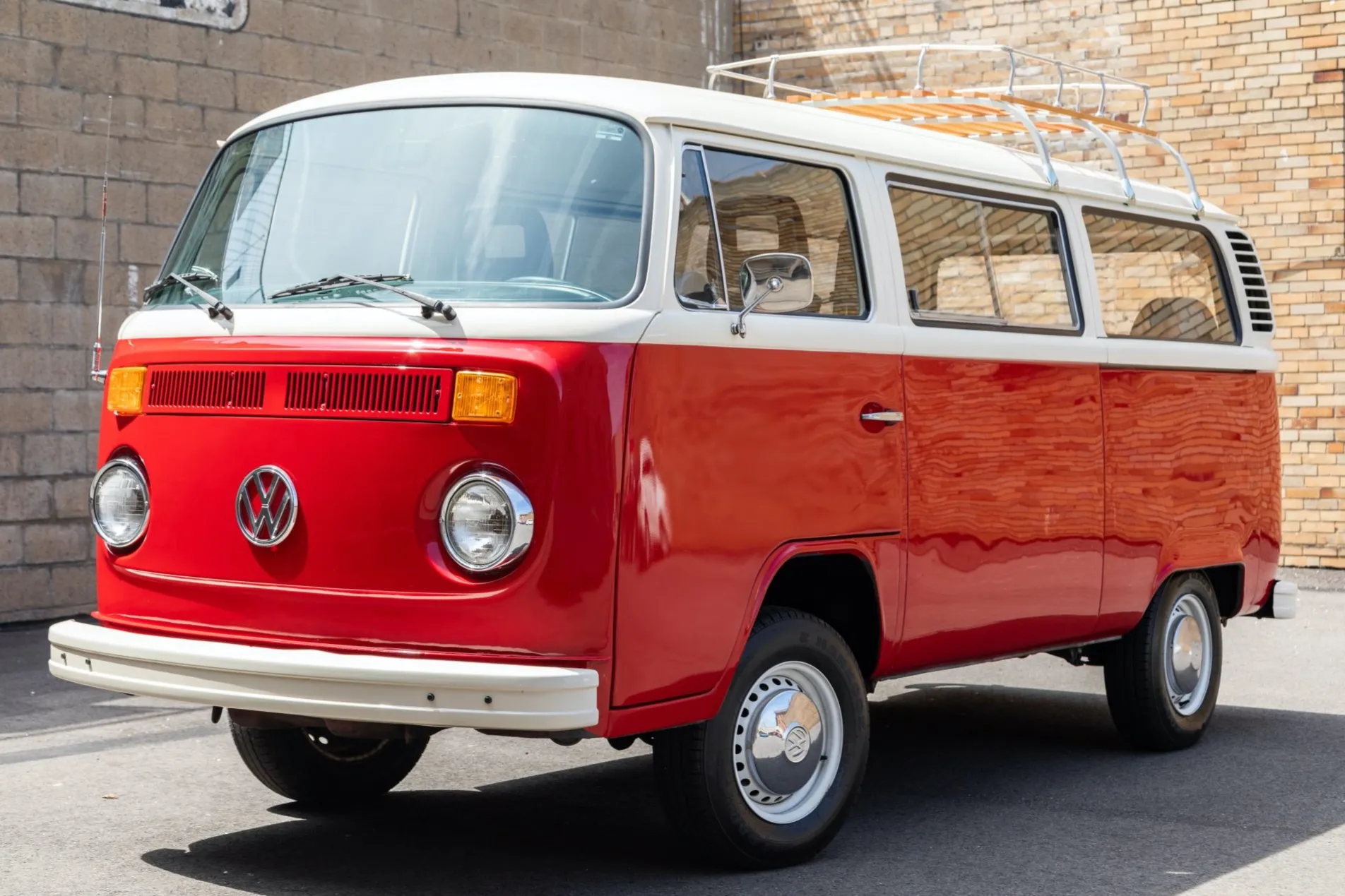
Just as the Beetle answered the call for affordable personal transport, the Volkswagen Transporter, also known as the Type 2 or T2, became the go-to vehicle for groups, families, and businesses. By 1979, the Transporter had cemented its place as one of the most versatile and recognizable vans in history, beloved equally by tradespeople, road trippers, and free-spirited travelers.
At its heart, the 1979 Transporter carried Volkswagen’s signature air-cooled four-cylinder engine. The 2.0-liter motor produced around 67 horsepower and 85 lb-ft of torque, paired with a four-speed manual transmission.
While modest in performance, topping out at just 68 mph, it offered dependability and straightforward mechanics, making it easy to maintain. Notably, 1979 marked the final year of the Transporter’s air-cooled engines before VW transitioned to water-cooled systems.
The van’s construction featured heavy-gauge steel reinforced in critical areas, giving it both durability and the strength to haul cargo. With a curb weight of roughly 3,461 pounds and a payload capacity of up to 2,800 pounds, the Transporter was well-suited to commercial and recreational use alike.
Its fully independent front suspension and torsion-bar rear setup provided a surprisingly smooth ride, even when loaded. Safety was bolstered by a braking system that combined front discs with rear drums, along with a mechanical parking brake mounted on the rear driveshaft.
Inside, the Transporter was all about function. Its flat load floor stretched from the front seats to the rear hatch, making it easy to configure for cargo or passengers.
Depending on the body style, it could seat up to nine people or carry as much as 4,360 liters (154 cubic feet) of cargo. The front bucket seats offered adequate comfort, while the expansive windows provided excellent visibility, a practical touch that added to the van’s airy feel.
More than just a workhorse, the Transporter became a cultural symbol. Its spacious interior and boxy yet aerodynamic design made it a favorite among the counterculture movement of the 1960s and 70s, where it was often painted in bright colors and turned into rolling homes.
By the end of its production run in 1979, more than 5 million units had been built. Its legacy was so enduring that Volkswagen revived the spirit of the Type 2 decades later with the fully electric ID. Buzz.
The 1979 Volkswagen Transporter combined practicality, durability, and cultural charm into one package. As the last of the air-cooled Transporters, it marked the end of an era while securing its place as one of the most iconic and successful vans ever built.
Also Read: 5 Cars That Rarely Need Window Motor Fixes vs 5 That Constantly Fail
6. 1984 Audi Sport Quattro: The Group B Icon That Changed Rally Forever
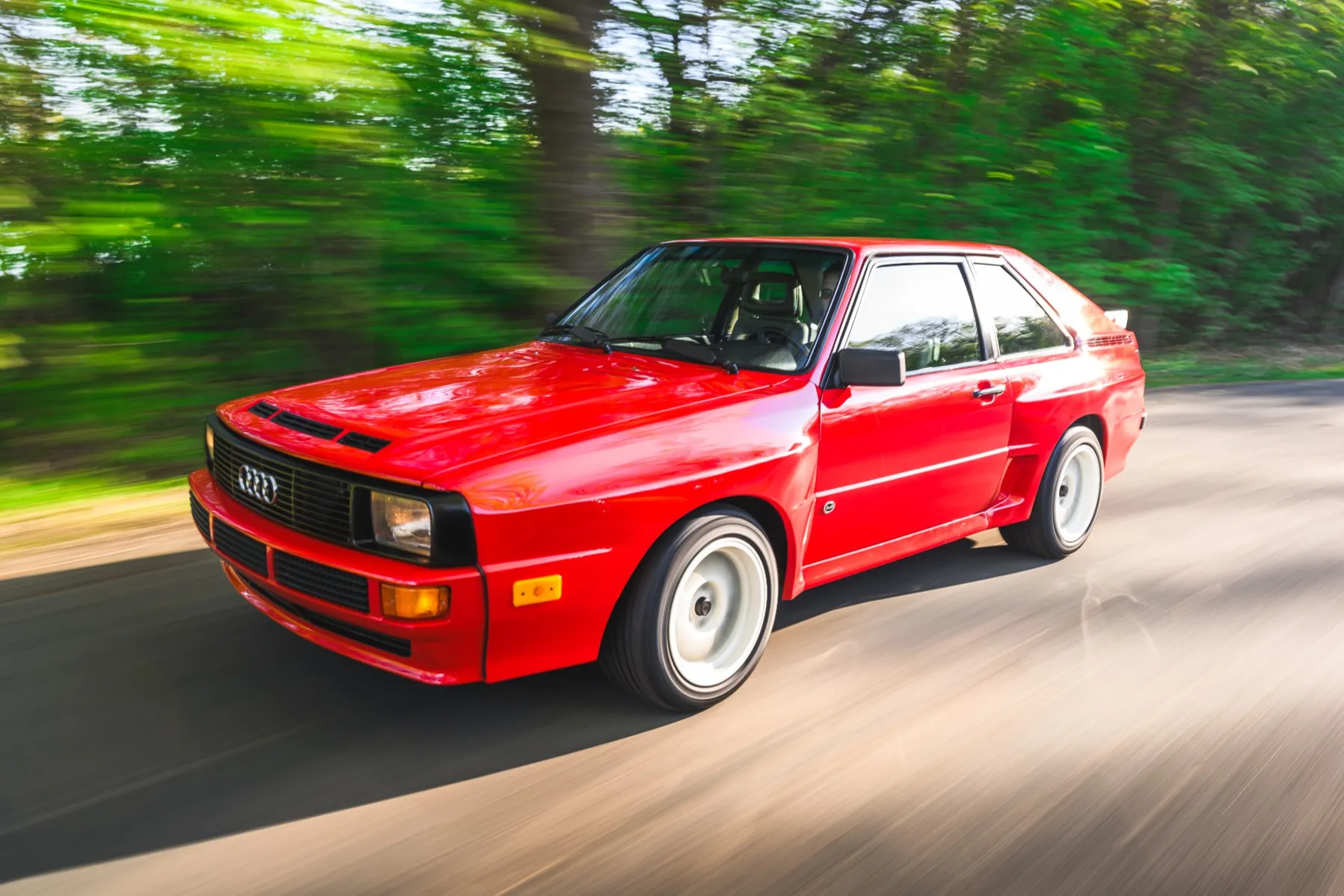
The 1984 Audi Sport Quattro is one of the most legendary cars ever built, born directly from the insanity of Group B rally racing. During this golden era of motorsport, manufacturers pushed the limits of engineering to gain an edge, and Audi’s answer was to combine turbocharging with its innovative Quattro all-wheel-drive system.
The result was a machine that not only dominated competition but also reshaped the future of performance cars.
Homologation rules required manufacturers to sell at least 200 road-going versions of their rally cars. Audi responded with the Sport Quattro, a radical evolution of its already successful Ur-Quattro coupe.
Engineers cut 12.6 inches from the wheelbase for agility, widened the track, and used exotic lightweight materials like Kevlar, aluminum, and fiberglass for body panels. The end result was a short, aggressive, and stubby coupe weighing just 2,866 pounds, nearly 200 pounds lighter than the standard Quattro.
At its heart was a 2.1-liter turbocharged inline-five producing 302 horsepower and 258 lb-ft of torque, paired with a four-wheel-drive system that gave it exceptional traction.
Despite its modest displacement, it delivered an astonishing 144 hp per liter, outpacing even Ferrari’s 288 GTO in specific output. This setup launched the Sport Quattro from 0–60 mph in just 4.5 seconds, with a top speed of 155 mph, numbers that were astonishing for the mid-1980s.
The suspension was completely redesigned for rallying, and the brakes featured a switchable ABS system. Drivers could even lock the differentials manually for maximum grip on loose surfaces. The Sport Quattro’s mix of advanced technology and raw power made it one of the most formidable machines of its time.
The Sport Quattro became immortal thanks to its S1 rally variant. French driver Michèle Mouton set a record at Pikes Peak in 1985, followed by Bobby Unser the next year. Then Walter Röhrl famously broke the 11-minute barrier in the even wilder S1 E2. These achievements solidified the Quattro name and proved that Audi’s AWD turbocharged formula was unbeatable in extreme conditions.
Although homologation called for 200 examples, only 214 Sport Quattros were built, with just 164 sold to customers. That scarcity makes it one of the rarest Audis ever produced.
Today, values exceed half a million dollars, especially for the few U.S.-delivered cars. Beyond its performance, the Sport Quattro was luxuriously equipped with heated Recaro seats, full leather, and distinctive white Ronal wheels wrapped in chunky Pirelli tires.
On the road, the Sport Quattro delivers a raw, analog driving experience. Its turbocharged five-cylinder demands high revs, with noticeable lag followed by a ferocious surge of power.
The short wheelbase makes handling lively, even twitchy, but once pushed, it reveals remarkable grip and stability. With its mechanical steering, switchable ABS, and lack of electronic aids, the car feels every bit the rally weapon it was designed to be.
The 1984 Audi Sport Quattro remains an icon of innovation and daring design. It introduced the world to the potential of turbocharged AWD performance, set new benchmarks in rallying, and inspired generations of performance cars that followed. In both road and race form, it stands as one of the defining machines of the Group B era.
7. 1986 BMW E30 M3: The Birth of a Legend
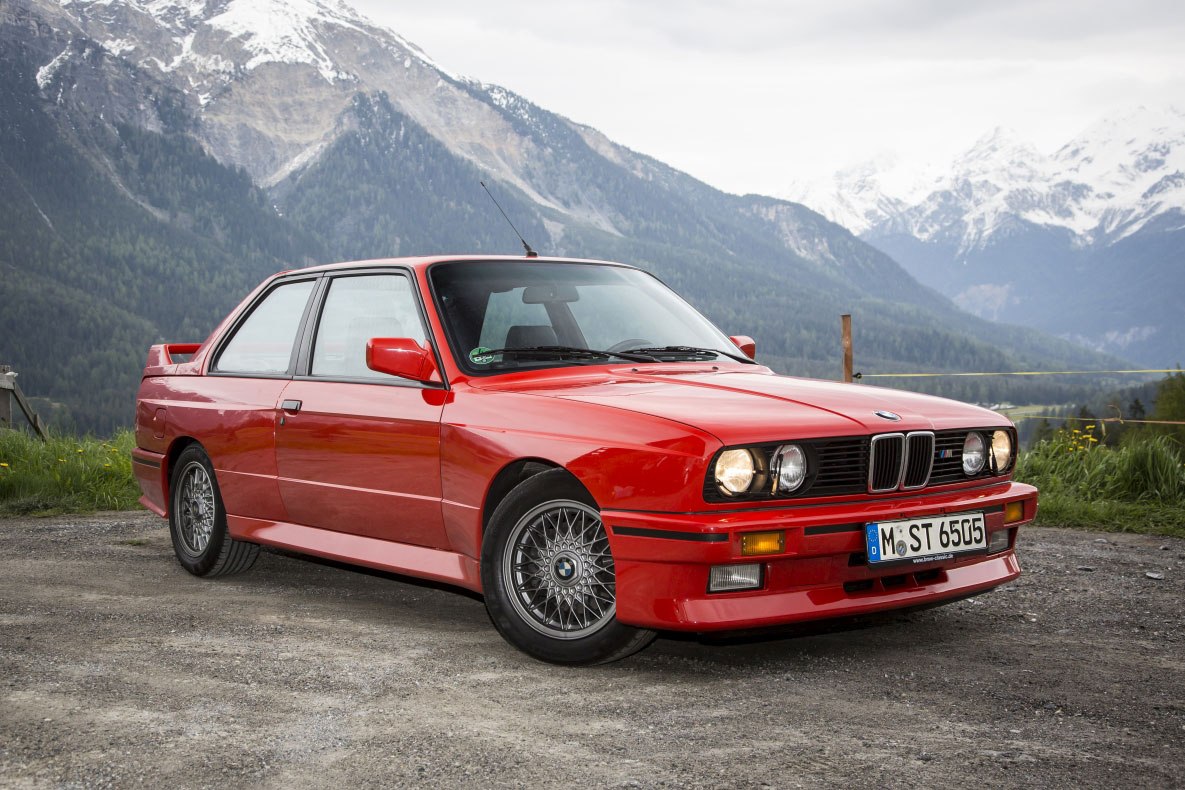
Often hailed as the greatest BMW M car ever built, the 1986 BMW E30 M3 was the car that launched the M3 legacy and established BMW as a dominant force in touring car racing.
Unlike later M models known for big six- or eight-cylinder engines, the first M3 featured a high-revving 2.3-liter naturally aspirated four-cylinder that produced 192 horsepower and 174 lb-ft of torque. Paired with a curb weight of just 2,645 lbs and near-perfect 48/52 weight distribution, the E30 M3 delivered sharp handling and balance that made it feel alive on the road.
The E30 M3 was born out of necessity. To compete in Group A touring car racing, BMW needed to produce 5,000 road-legal examples. This requirement exceeded BMW Motorsport’s capacity, so production was handled at BMW’s Munich factory.
The result was a homologation special that went on to dominate racing, particularly in the Deutsche Tourenwagen Meisterschaft (DTM), where it faced off against the Mercedes-Benz 190E 2.3-16. The rivalry defined an era of German touring car racing, with the M3 earning countless victories and cementing BMW’s Motorsport division as a global powerhouse.
The M3’s engine was derived from BMW’s M10 block but reworked extensively with a forged crankshaft, strengthened internals, and a four-valve head. Though not massively powerful, its high-revving character paired with light weight gave the car thrilling dynamics.
The chassis was equally sophisticated. BMW fitted the M3 with “box-flared” fenders to accommodate a wider track and larger wheels, along with upgraded brakes borrowed from the 5 Series.
Aerodynamics were carefully honed with a raised rear deck, bonded windscreens, composite panels, and a prominent rear wing. Despite looking similar to a standard E30, the M3 shared only its hood with the regular 3 Series; every other panel was unique.
Praised by professional drivers like ex-F1 racer Jean Alesi, the E30 M3 offered an unmatched driving experience. Its telepathic steering, lively chassis, and impeccable balance made it superior to rivals like the Lancia Delta, Ford Sierra Cosworth, and Mercedes 190E. With a 0–60 mph time of 6.4 seconds and a top speed of 143 mph, it wasn’t just competitive, it was exhilarating.
Over its production run, BMW built 13 different versions of the E30 M3, including the rare hand-built Cabriolet (just 786 units produced). Many variants never reached the U.S., adding to their collectability today.
The E30 M3 wasn’t just a car; it was a statement of BMW’s engineering ambition. Its blend of racing pedigree, technical brilliance, and visceral driving feel has made it one of the most collectible classics in the world. Even decades later, no successor has quite captured its raw, unfiltered magic.
8. 2002 BMW M5: The Supercar-Slaying Sport Sedan
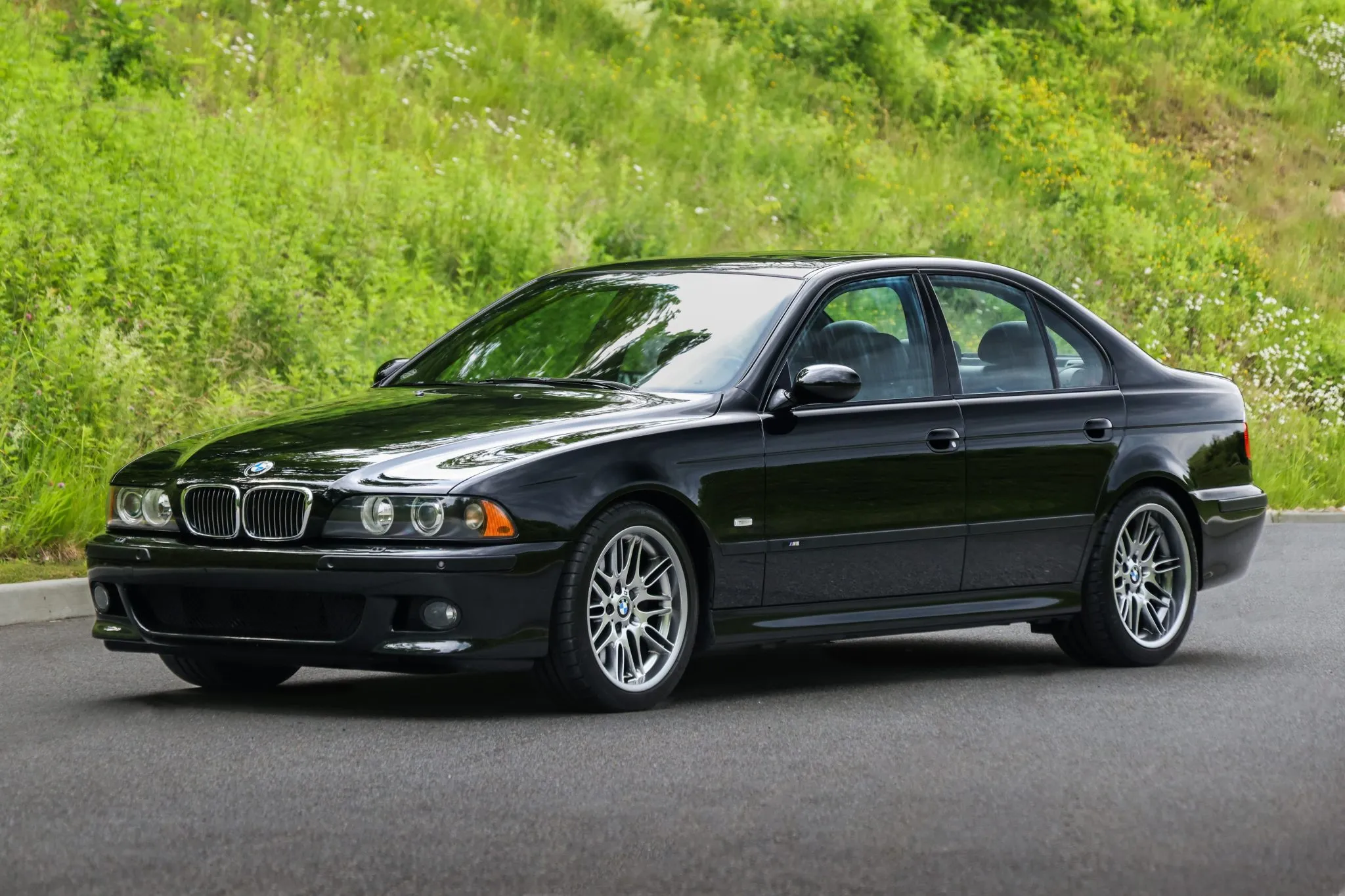
The 2002 BMW M5, part of the iconic E39 generation, is often regarded as the definitive M5, a perfect blend of understated design, raw power, and everyday usability. Despite its elegant, businesslike exterior, the E39 M5 concealed a ferocious 4.9-liter naturally aspirated V8, producing 394 horsepower and 369 lb-ft of torque.
This powerhouse propelled the sedan from 0 to 60 mph in just 4.4 seconds, with an electronically limited top speed of 155 mph, cementing its reputation as a true supercar slayer.
Built on the foundation of the already capable 540i, the M5’s engine was thoroughly reworked by BMW’s M Division. Displacement was increased to 5.0 liters through a revised bore and stroke, while redesigned cylinder heads and BMW’s double-VANOS variable valve timing ensured both performance and efficiency.
The V8 was paired exclusively with a six-speed manual transmission, giving purists the engaging driving experience they craved.
Supporting its immense power, the E39 M5 featured a lowered ride height, stiffer suspension, aluminum components for reduced weight, and 18-inch Z-rated tires. A dedicated sport mode sharpened throttle response and steering feel, while stability and traction control systems offered safety when needed. These enhancements made the M5 equally at home on twisting back roads as it was on the autobahn.
While its performance was thrilling, the M5 was also designed for daily comfort and family use. Standard features included dual-zone climate control, heated and power-adjustable leather seats, GPS navigation, a 10-speaker sound system, rain-sensing wipers, and advanced safety systems.
Buyers could further personalize their M5 with options like Nappa Heritage leather, various wood trims, and discreet touches such as the option to delete the rear spoiler for a stealthier appearance.
Even practicality wasn’t sacrificed, with amenities like Park Distance Control, a rear sunshade, and generous rear seating making it as functional as it was fast. For 2002, BMW also adjusted equipment lists, such as offering rear-seat side airbags as a no-cost option to balance safety and family considerations.
The E39 M5 has since achieved legendary status, widely praised for its harmonious blend of muscle, refinement, and timeless styling. It was not just a sport sedan; it was BMW’s most capable performance car of its era, one that could thrill on the racetrack while remaining perfectly suited for family duties. For enthusiasts, it remains the gold standard of the M5 lineage.
9. 2006 Porsche Carrera GT: Porsche’s Last Analog Hypercar
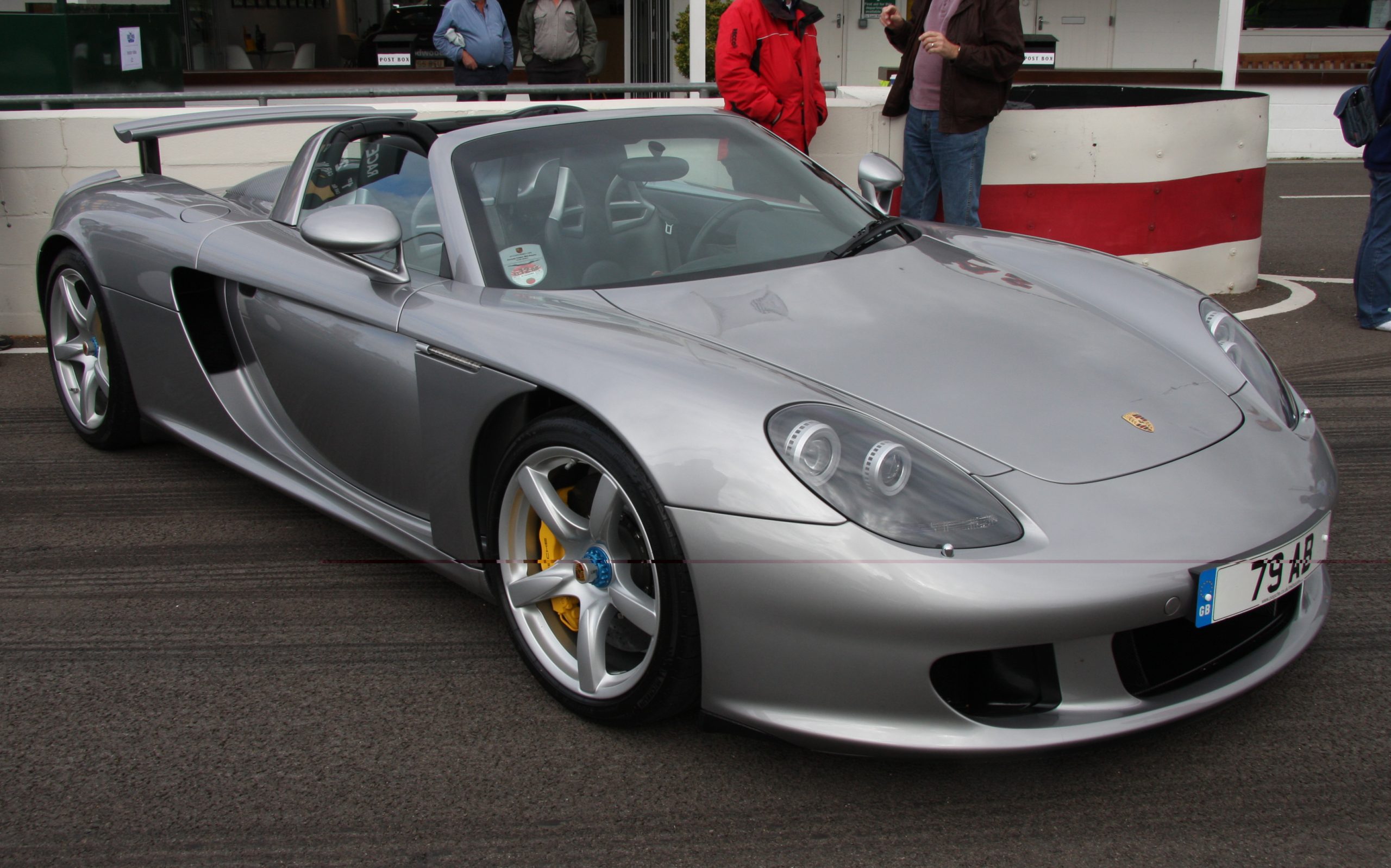
The Porsche Carrera GT remains one of the most celebrated supercars of the 2000s, a raw and visceral machine that still defines analog driving purity. Introduced in 2004 and produced until 2006, it was powered by a mid-mounted 5.7-liter naturally aspirated V10 that screamed to 8,400 rpm while producing 603 horsepower and 435 lb-ft of torque.
With a curb weight of just over 3,000 pounds, the Carrera GT sprinted from 0–60 mph in 3.4 seconds and reached a top speed of 205 mph. More than its numbers, however, it was the sound and fury of the V10 that left a lasting mark on enthusiasts.
The Carrera GT’s origins trace back to Porsche’s motorsport ambitions in the 1990s. Initially designed as a Le Mans prototype, the project was intended to use a turbocharged flat-six before shifting to a new V10 engine, an abandoned design from Porsche’s short-lived Formula One involvement with Footwork in 1992.
Enlarged to 5.7 liters for endurance racing, the engine was poised to compete at Le Mans, but Porsche shelved the program in 1999 as resources shifted toward the Cayenne SUV and Audi’s dominance with the R8.
Despite the cancellation, Porsche revived the project as a concept for the 2000 Geneva Motor Show. The overwhelming interest, combined with the financial success of the Cayenne, convinced Porsche to greenlight a road-going version. Built in Leipzig in limited numbers, the Carrera GT became a reality by 2004, blending motorsport heritage with road-car usability.
True to its racing roots, the Carrera GT was offered exclusively with a six-speed manual transmission, no paddles, no automatics. A beechwood gear knob paid tribute to the legendary Porsche 917 Le Mans racer, while the ignition switch remained to the left of the steering wheel, a nod to traditional Le Mans starts.
The chassis featured advanced carbon-fiber construction, ensuring lightness and rigidity, while the aerodynamics and suspension were tuned for precision handling. Buyers could choose from five standard colors: Guards Red, Fayence Yellow, Basalt Black, GT Silver, and Seal Grey, though Porsche offered bespoke paint options as well.
The Carrera GT was never about luxury or compromise; it was about unfiltered performance. Its screaming V10, manual gearbox, and motorsport-inspired details made it a true driver’s car, widely regarded as Porsche’s last analog hypercar. Today, it remains a symbol of an era before hybrid systems and dual-clutch automatics, standing as one of the most iconic supercars ever built.
10. 2015 Audi R8 V10: Everyday Usability Meets Supercar Thrills
By 2015, the first-generation Audi R8 had cemented its reputation as one of the most approachable yet thrilling supercars ever made. Originally launched in 2006 with a V8, it quickly expanded to include a Lamborghini-derived 5.2-liter V10, and by its final years, the model reached its peak as a balanced blend of performance, style, and usability.
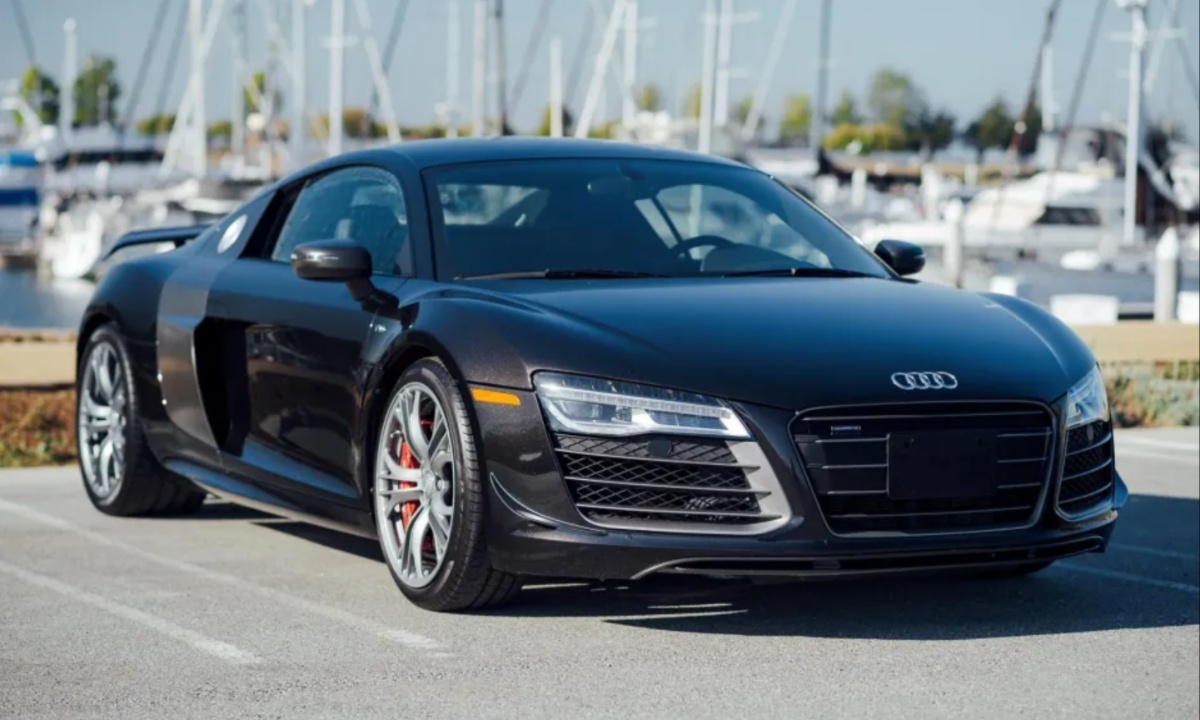
At its core, the 2015 Audi R8 V10 featured a naturally aspirated 5.2-liter engine producing 542 horsepower and 398 lb-ft of torque. Mated to either a six-speed gated manual or a seven-speed dual-clutch S tronic transmission, it delivered a 0–60 mph sprint of just 3.6 seconds and a top speed of 198 mph.
Higher trims pushed the limits further: the V10 Plus offered 550 hp, while the Competition Coupe peaked at 570 hp and 3.2 seconds to 60. Despite weighing around 3,461 lbs, the R8’s mid-engine layout and aluminum-intensive chassis gave it remarkable agility.
The R8’s design remained timeless even eight years after its debut. Its low stance, sharp lines, and distinctive side blades ensured exotic curb appeal without veering into excess. Unlike rivals that quickly dated, the R8 maintained elegance and modernity, continuing to turn heads while aging gracefully.
Inside, Audi’s craftsmanship shone through with high-quality materials, supportive seats, and a driver-focused cockpit. Although the MMI infotainment system lagged behind newer Audi models, the cabin retained its premium feel and excellent ergonomics.
The 2015 R8 offered an intoxicating blend of race-ready performance and everyday livability. Its naturally aspirated V10 delivered a spine-tingling soundtrack, especially in higher rev ranges, while the gated manual transmission gave purists one of the last true analog driving experiences in a supercar.
For those preferring convenience, the S tronic gearbox delivered lightning-fast shifts and improved fuel economy. Adaptive suspension, superb outward visibility, and comfortable ride quality set the R8 apart as a supercar that could genuinely be driven daily.
Despite its supercar capabilities, the R8 remained approachable. It handled tight city streets with composure, offered decent ride comfort, and provided enough practicality for short trips, though luggage space was limited. Even so, it managed to balance its dual role better than competitors like the Ferrari 458 Italia or Mercedes-Benz SLS AMG GT.
In 2015, Audi introduced new trims like the V10 Carbon Spyder and the limited-production V10 Competition Coupe. Features such as power-folding mirrors and optional sport exhaust enhanced usability and excitement. Safety equipment included ABS, stability control, multiple airbags, and available carbon-ceramic brakes. While braking distances were respectable, some rivals outperformed the R8 in this area.
Positioned between the Porsche 911 and far pricier exotics, the R8 represented extraordinary value. It combined Italian supercar DNA with Audi’s engineering precision, offering a unique mix of style, power, and livability.
For enthusiasts, the 2015 R8 V10 stood as a swan song of sorts, the last chance to experience a gated manual paired with a naturally aspirated V10 in a car equally at home on track or on a daily commute.
Looking back at these ten German masterpieces, it’s clear that their impact extends far beyond engineering specifications and sales figures. They became symbols of aspiration, freedom, and identity, vehicles that connected technology with emotion.
From the humble Volkswagen Beetle that mobilized millions to the Porsche Carrera GT that defined analog driving purity, each car embodies a unique chapter of automotive history. Together, they highlight how German automakers have mastered the art of balancing function with soul, producing machines that transcend generations.
Even today, their influence can be seen in modern designs and felt in the passion of collectors, drivers, and fans alike. These cars aren’t simply relics of the past; they continue to shape the future of performance, practicality, and design.
In celebrating them, we acknowledge not just their legendary status but also the enduring spirit of innovation that made them true cult icons.