
Some vehicles are built to shine on showroom floors, but only a rare few prove their worth after years of hard use, punishing miles, and the kind of treatment that would sideline lesser machines.
These are the vehicles that don’t just perform when conditions are ideal; they endure when pushed beyond limits, earning reputations as icons of reliability and resilience. From sports cars engineered with timeless precision to rugged SUVs and muscle-bound pickups designed for the harshest environments, these machines share a common trait: durability that outlasts expectations.
Whether it’s tearing down highways, conquering rocky trails, or carrying heavy loads day after day, they remain dependable companions long after competitors fade.
In this list, we’ll explore nine vehicles that refuse to break even when abused, celebrating their toughness, engineering, and legacy of lasting performance that continues to earn the loyalty of drivers worldwide
1. Porsche 911: Timeless Performance and Reliability
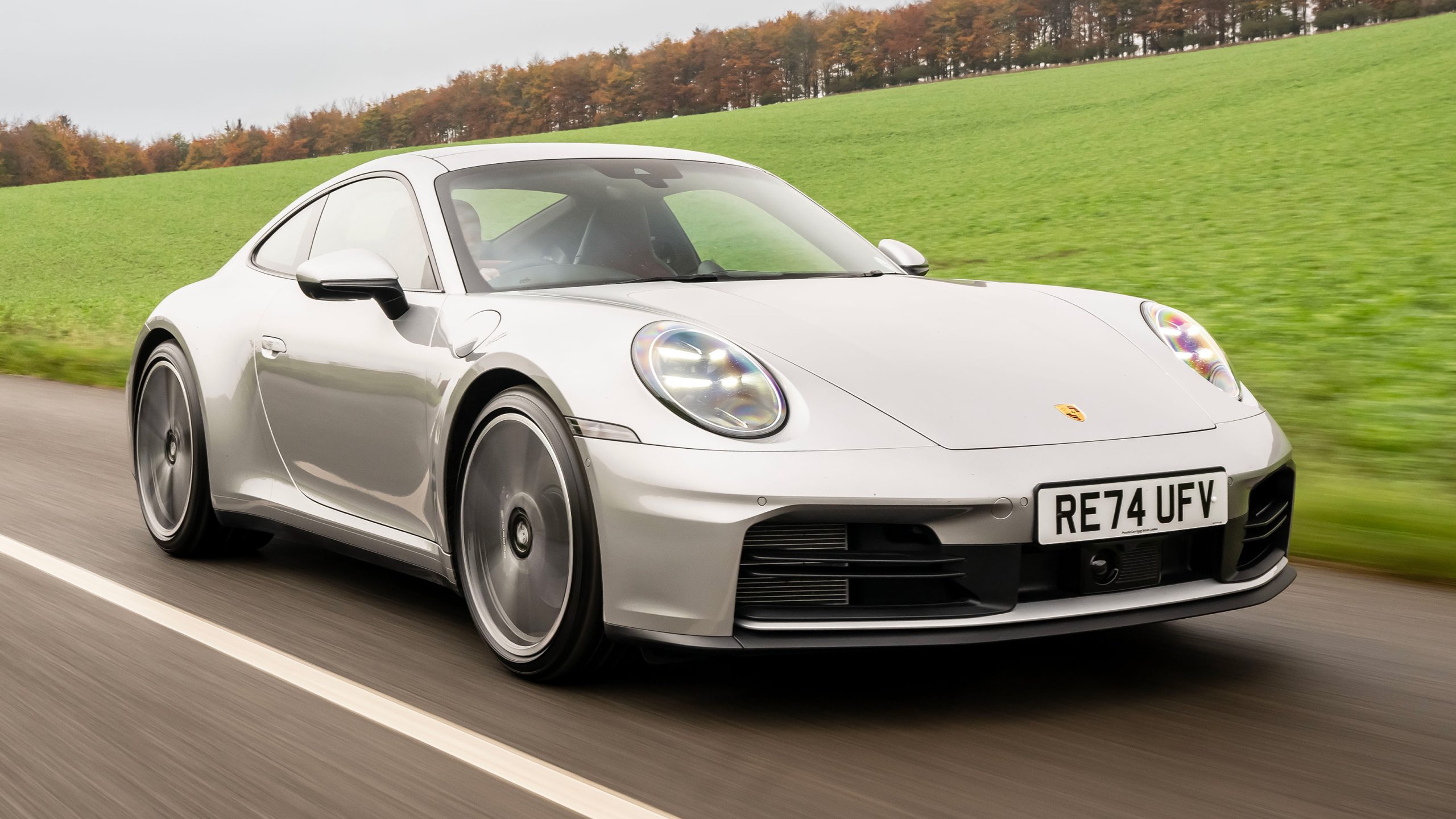
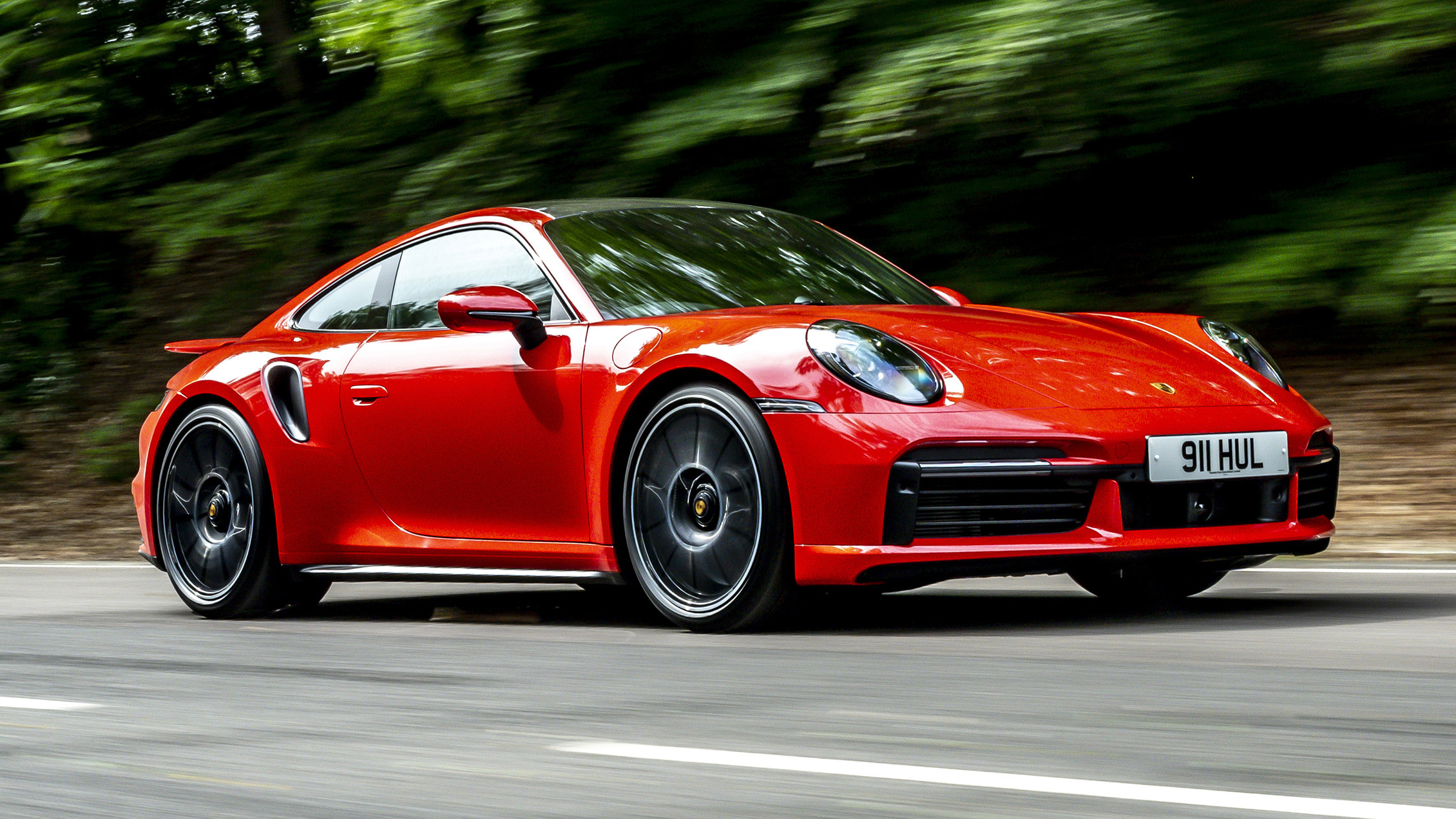
The air-cooled Porsche 911 is an automotive icon, celebrated for its distinctive design, exceptional performance, and enduring appeal. Although production of the air-cooled models ended in 1998, these cars continue to be admired and frequently seen on the road, a testament to their durability and timeless engineering.
Enthusiasts value the air-cooled 911 not only for its aesthetics and performance but also for its longevity, which allows it to remain relevant decades after its production ceased.
The air-cooled 911 stands apart from its successor, the water-cooled version, which, despite modern technological advancements, has never fully captured the same charm or historical connection.
Even today, the original 911’s engine, handling, and driving dynamics remain impressive, proving that classic cars can still perform at a high level. Whether used for daily driving or preserved as part of a collection, the air-cooled 911 exemplifies reliability, style, and engineering excellence that endures over time.
From a reliability perspective, the Porsche 911 is highly regarded. Organizations like J.D. Power frequently recognize it for robust build quality and dependable performance. With proper maintenance, a 911 can be a long-lasting sports car capable of delivering consistent performance for many years.
However, certain model years, particularly the 996 and 997 generations, have a known risk of Intermediate Shaft (IMS) bearing failures, which require attention. Additionally, maintenance and repair costs are above average, reflecting the premium nature of the vehicle.
Ensuring reliability involves adhering to a strict maintenance schedule with a specialist, understanding the specific model year’s history, and preparing for higher repair costs. When cared for properly, a Porsche 911 remains a durable and rewarding investment for automotive enthusiasts.
The air-cooled Porsche 911 is more than just a sports car; it is a symbol of automotive heritage. Its combination of performance, longevity, and timeless design ensures it remains a coveted classic, celebrated by car lovers worldwide for its engineering excellence and enduring charm.
2. Dodge Challenger Hellcat: Raw Power and Enduring Muscle
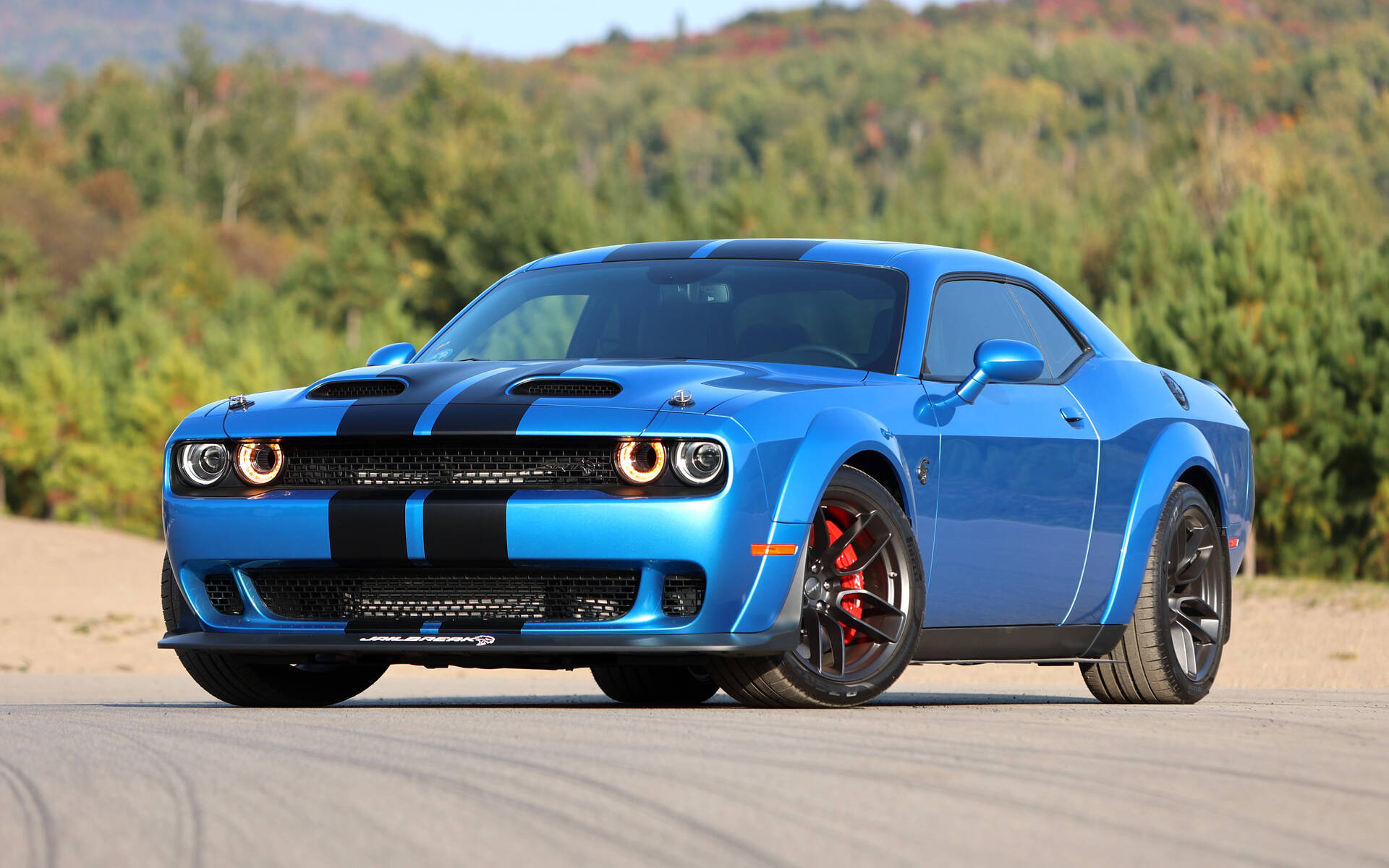
The Dodge Challenger Hellcat stands out as a modern icon of American muscle, instantly recognizable by its bold styling and aggressive hood design. Its wide, commanding stance signals the performance that lies beneath, while the interior, though functional rather than luxurious, complements its raw, purposeful aesthetic.
Unlike many high-performance cars that compromise comfort for speed, the Hellcat manages to deliver a surprisingly smooth and comfortable ride, making it suitable for both thrilling weekend drives and longer daily journeys.
At the heart of the Hellcat is a 6.2-liter supercharged V8 engine, producing breathtaking acceleration and impressive top speeds. Its power is matched by the car’s reputation for durability, making it a standout choice for enthusiasts seeking both extreme performance and long-term reliability.
Early Hellcat models, particularly those from 2015 and 2016, were known to experience issues with supercharger bearings and hood latches, but subsequent model years, especially from 2017 onward, saw significant improvements that addressed these initial problems. The 2020 Hellcats, in particular, are widely regarded as solid and reliable examples of the lineup.
The longevity of a Hellcat is heavily influenced by how it is driven and maintained. While robust, these machines are designed for performance and benefit from careful handling. Excessive hard driving, wheel spin, or frequent track use can place extra stress on components such as the brakes and driveshaft, potentially accelerating wear.
With conscientious maintenance, including timely oil changes, fluid checks, and attention to high-stress components, the Hellcat can remain a durable, long-lasting sports car. Upgrades aimed at performance and durability, such as reinforced brakes or pulley modifications, can further enhance its lifespan, particularly for those who plan spirited driving.
While fuel economy and interior luxury are not the Hellcat’s strengths, its combination of raw power, comfort, and reliability makes it a compelling choice for muscle car enthusiasts.
For buyers considering a used Hellcat, reviewing the vehicle’s history and selecting later-model years ensures a dependable, high-performance experience. The Dodge Challenger Hellcat ultimately delivers a thrilling blend of speed, durability, and iconic American muscle, offering drivers both excitement and enduring engineering excellence.
3. Nissan Titan: Reliable Toughness in a Practical Pickup
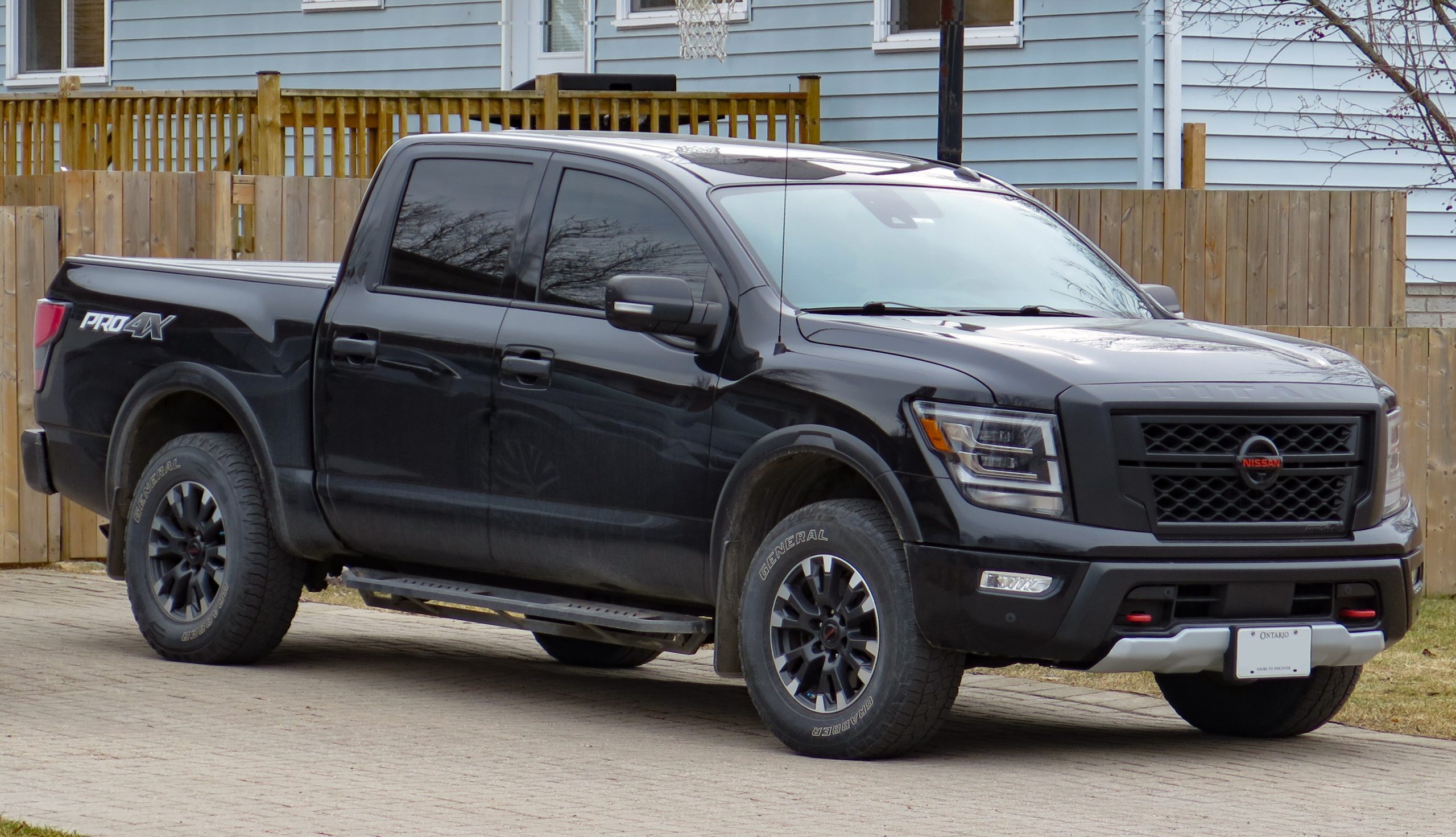
The Nissan Titan is a dependable full-size pickup truck that emphasizes practicality and durability over flashy performance or luxury features. Known for its sturdy construction and robust mechanical components, the Titan appeals to buyers who prioritize reliability and everyday utility rather than seeking cutting-edge technology or top-tier performance.
Under the hood, the Titan comes standard with a 400-horsepower V8 engine, delivering ample power for hauling, towing, and routine driving tasks. While it provides sufficient strength for most practical applications, the Titan’s performance lags behind some competitors that offer more advanced powertrains or specialized performance features.
The ride quality, while composed, is functional rather than refined, and the handling is solid but lacks the smoothness found in other trucks in its class. Drivers who value comfort during long trips may notice this limitation, although the Titan’s ruggedness remains a strong selling point.
Inside, the Titan’s cabin is practical but somewhat modest compared to rivals. The interior provides necessary functionality and utility for everyday use, but it does not offer the spaciousness or premium feel that some competing pickups provide. Despite these shortcomings, the Titan delivers value for buyers seeking a straightforward, no-nonsense truck built for durability and long-term use.
Reliability is one of the Titan’s core strengths, though it comes with caveats. The truck benefits from a fully boxed frame and sturdy drivetrain components, contributing to its long-term durability.
However, certain model years, particularly older generations, have been associated with recurring issues, including transmission problems, rear axle failures, engine concerns, and premature wear of wheel bearings.
Nissan addressed many of these early issues in later models, introducing redesigned components, improved transmissions, and enhanced safety features. Notably, the 2020 Titan received a 9-speed automatic transmission, replacing the older 7-speed and enhancing both drivability and reliability.
For prospective buyers, researching specific model years is essential, as reliability varies across generations. Examining maintenance history, understanding common issues, and consulting professional sources such as J.D. Power and RepairPal can help ensure a well-informed purchase.
With attentive maintenance, a Nissan Titan can provide many years of dependable service, making it a solid choice for those who value toughness, practicality, and straightforward functionality over premium amenities.
In essence, the Nissan Titan is a durable, practical, and reliable pickup truck that continues to appeal to buyers seeking a rugged vehicle capable of handling daily work and hauling needs without unnecessary complexity.
4. Mercedes-Benz G-Class: Rugged Luxury Meets Modern Performance
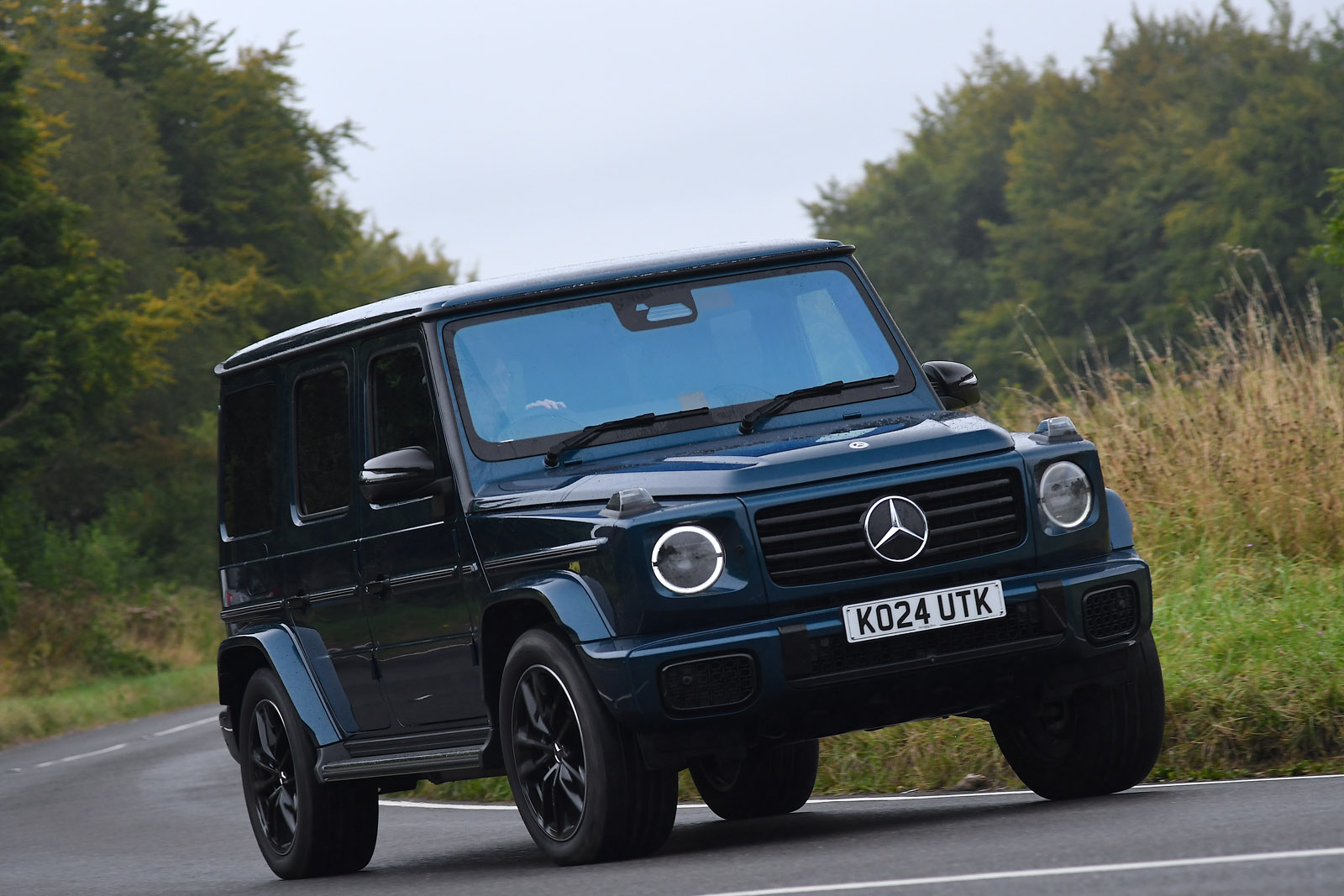
The Mercedes-Benz G-Class is a unique blend of rugged capability and high-end luxury, offering durability and reliability that few SUVs can match. Its iconic boxy exterior has remained largely unchanged for decades, but beneath the distinctive design lies a vehicle packed with advanced engineering, technology, and performance-oriented features.
The G-Class appeals to buyers seeking an SUV that excels both on paved roads and off-road trails while providing a premium, comfortable cabin experience.
Historically, the G-Class has been powered by V8 engines, providing robust performance for both highway cruising and off-road adventures. Recently, the G 550 transitioned to a turbocharged inline-six engine with a mild hybrid system, enhancing fuel efficiency while maintaining strong acceleration.
In tests, this engine propels the G 550 from 0 to 60 mph in just 5.1 seconds and completes the quarter mile in 13.7 seconds, outperforming previous V8 iterations. The G 580 introduces EQ Technology, effectively making it an electric G-Class with individual electric motors for each wheel, preserving off-road capability while adding cutting-edge performance features.
Complementing the powertrain, the AMG Active Ride Control suspension minimizes body roll and improves stability, offering both precision handling and comfort over rough terrain.
Inside, the G-Class delivers a luxurious cabin with high-quality materials, advanced infotainment, and supportive seating. Despite the premium finish, the boxy design imposes certain ergonomic limitations. Front seats are relatively narrow, and high door sills and seat cushions make entry less convenient.
Rear seating is tight, particularly when optional entertainment systems are installed, and visibility is partially obstructed by thick pillars, small side mirrors, and a rear-mounted spare tire. Nevertheless, the cabin remains quiet, with muted road noise and a deep, unobtrusive engine rumble that enhances the driving experience.
The G-Class handles a variety of conditions with ease, balancing on-road comfort with off-road capability. Its ride can feel slightly truck-like, particularly over uneven pavement, but braking performance has been greatly improved, with the G 550 stopping from 60 mph in just 108 feet.
Road and wind noise are well-controlled, though the upright shape can create some turbulence at highway speeds. The G-Class’s compact size relative to larger SUVs may limit cargo and passenger space, but it also contributes to maneuverability in urban environments.
As a high-end SUV, the G-Class carries a significant price tag, reflecting its luxury features, engineering, and off-road prowess. For those with the budget, it represents a durable, reliable, and versatile vehicle capable of handling both daily driving and challenging adventures.
The combination of rugged construction, advanced technology, and premium comfort ensures the G-Class remains a standout option in the luxury SUV segment, offering a driving experience that is as capable as it is refined.
5. Ford F-150 Raptor: Off-Road Dominance Meets Everyday Comfort
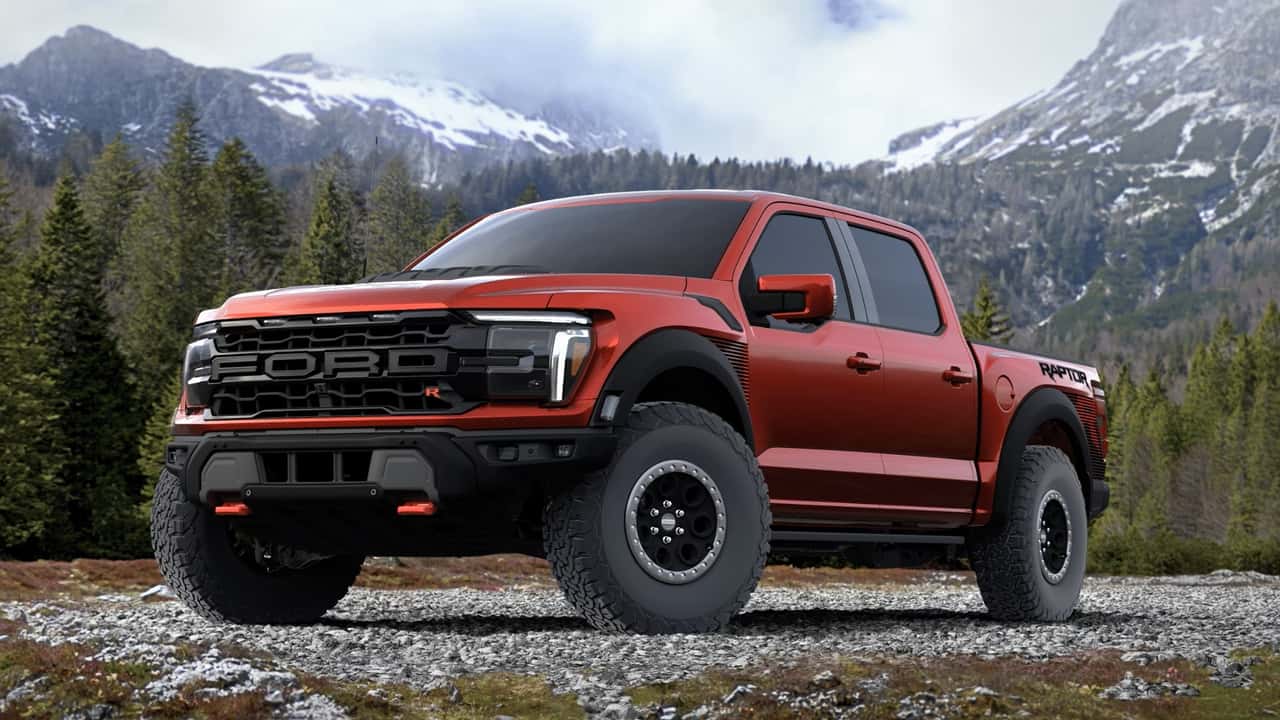
The Ford F-150 Raptor is a full-size pickup built to excel in the most demanding conditions, combining rugged off-road capability with the comfort and technology expected in a modern truck.
Designed for enthusiasts who prioritize performance and durability, the Raptor is widely regarded as one of the most capable off-road trucks available, thanks to its advanced suspension system, widened chassis, and powerful turbocharged engine.
Its aggressive styling and commanding road presence reflect the performance that lies beneath, making it both a functional and visually striking vehicle.
The Raptor’s heart is a turbocharged V6 engine producing 450 horsepower, paired with a 10-speed automatic transmission that delivers smooth, precise shifts. While the optional 37-inch tire package slightly limits straight-line acceleration, Edmunds testing shows 0 to 60 mph in 5.8 seconds, the truck remains quick and responsive.
Steering is direct and accurate, providing stability on highways and maneuverability in urban settings. Braking performance, however, is more suited to heavy-duty use, requiring 149 feet to stop from 60 mph, largely due to the off-road tires and large vehicle footprint.
Off-road performance is where the Raptor truly shines. Equipped with locking differentials, long-travel suspension, and optional 37-inch tires, the truck can tackle virtually any terrain, from deep mud to rugged trails. Its rear coil-spring suspension absorbs bumps effectively, providing a smoother ride over uneven surfaces compared with standard pickups.
While the Raptor’s size limits its ability to navigate tight or narrow trails, in wide-open spaces it demonstrates exceptional control, agility, and durability. With proper care, it can endure hundreds of thousands of miles without significant wear, proving its reliability as both a daily driver and an adventure vehicle.
The interior emphasizes both comfort and functionality. Spacious crew cab seating ensures ample room for passengers, with highly adjustable seats offering lumbar support, bolstering, and optional heating and ventilation.
Visibility is enhanced by large windows and a 360-degree surround-view camera system, though climbing into the cabin requires some effort due to the truck’s height. The Raptor’s interior layout is intuitive, allowing easy access to controls even while wearing gloves, and the cabin experience balances comfort with the practical design expected in a performance-oriented pickup.
Beyond performance, the F-150 Raptor benefits from Ford’s broader F-150 lineup versatility. Buyers can choose configurations ranging from bare-bones work trucks to near-luxury trims with extensive technology, towing capabilities up to 13,500 pounds, and features like trailer backup assist and integrated trailer brake controllers.
This adaptability ensures the Raptor appeals not only to off-road enthusiasts but also to those seeking a capable and reliable full-size truck for daily use or heavy-duty tasks.
The Ford F-150 Raptor is a truck that excels both on and off the road. Its blend of aggressive styling, advanced off-road technology, powerful engine, and comfortable, functional interior makes it a top choice for drivers seeking a rugged, versatile, and enduring full-size pickup capable of tackling any adventure.
Also Read: 5 Toyota Camry Years Worth Owning vs 5 That Aren’t
6. Subaru Outback: Versatile Adventure with Everyday Practicality
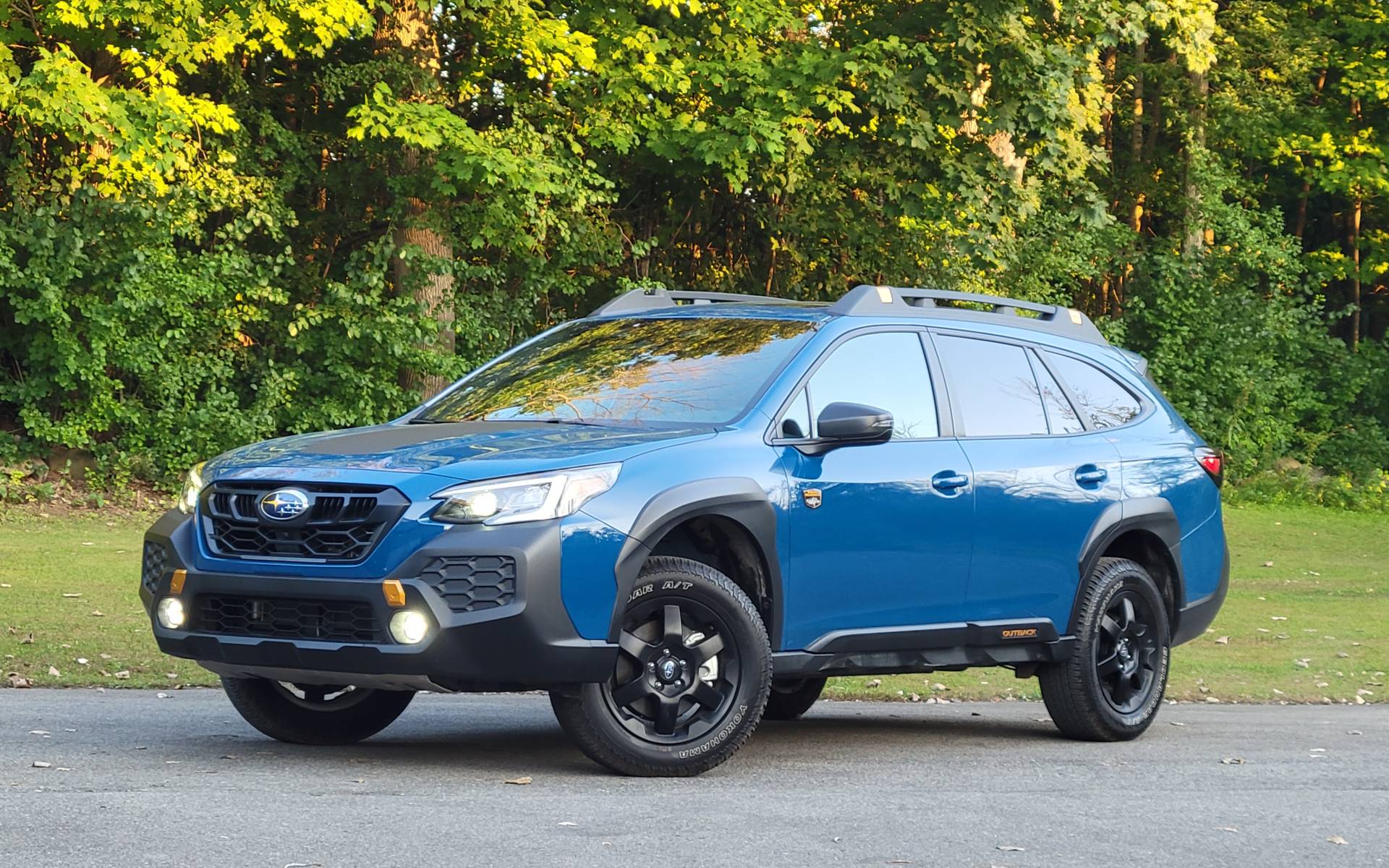
The Subaru Outback is a midsize SUV that combines rugged capability with everyday practicality, maintaining its roots as a lifted station wagon while offering the versatility and comfort of a modern crossover. Known for its reliability, all-wheel-drive system, and off-road readiness, the Outback appeals to drivers who need a vehicle that can handle both daily commutes and weekend adventures in varied terrain.
With 8.7 inches of ground clearance, it is capable of light off-roading while still delivering a smooth and controlled ride on paved roads, striking a balance between utility and comfort.
The Outback’s design reflects its heritage as one of the first crossover SUVs in America, originating from the 1996 Subaru Legacy with added lift, all-wheel drive, and SUV styling cues.
Over the years, Subaru has refined this formula rather than changing it, and the 2025 Outback continues to occupy a niche between the smaller Forester and larger Ascent. Its practical layout, reasonable pricing, and adaptability make it appealing to a broad range of buyers, from singles and families to empty nesters seeking a dependable vehicle for any season.
Performance-wise, the Outback offers multiple engine options, including an optional turbocharged unit that accelerates from 0 to 60 mph in 6.5 seconds. This provides a significant boost over the base engine, enhancing highway performance without compromising fuel efficiency.
While the Outback handles well for its class, it does exhibit some body roll and slower steering compared with other midsize SUVs. However, its standard all-wheel-drive system ensures confident traction in slippery conditions and on rough trails, allowing it to venture where many competitors cannot.
The Subaru Outback Wilderness edition elevates its off-road credentials with a higher 9.5-inch ground clearance, all-terrain tires, rugged body cladding, and durable roof racks. Inside, the Wilderness model features water-resistant synthetic leather, making it easy to clean after muddy or wet excursions, emphasizing Subaru’s focus on practicality for active lifestyles.
Comfort is a strong suit for the Outback. Its suspension absorbs potholes, speed humps, and uneven terrain with ease, while front seats provide a good balance of support and cushioning for long journeys. Cabin space is generous, though some may prefer a taller SUV-like seating position.
Standard amenities like air conditioning, heated seats, and a heated steering wheel contribute to a pleasant driving experience, though the touchscreen infotainment system remains a weak point. Navigation through menus is slow, smartphone integration can lag, and frequent system delays can detract from an otherwise comfortable cabin environment.
In terms of safety, Subaru includes numerous driver-assistance features, but some like lane-keeping assistance and automatic emergency braking, can be overly sensitive or intrusive, requiring drivers to adapt. Despite this, the Outback’s reputation for reliability, fuel efficiency, and off-road versatility makes it a solid choice for those seeking a practical, adventurous, and capable midsize SUV.
The Subaru Outback remains a versatile, dependable, and adventure-ready vehicle. Its blend of comfort, efficiency, ruggedness, and practicality ensures it continues to resonate with drivers who want a capable SUV that can handle both everyday life and outdoor exploration.
7. Volvo XC90: Luxury, Safety, and Family-Friendly Practicality
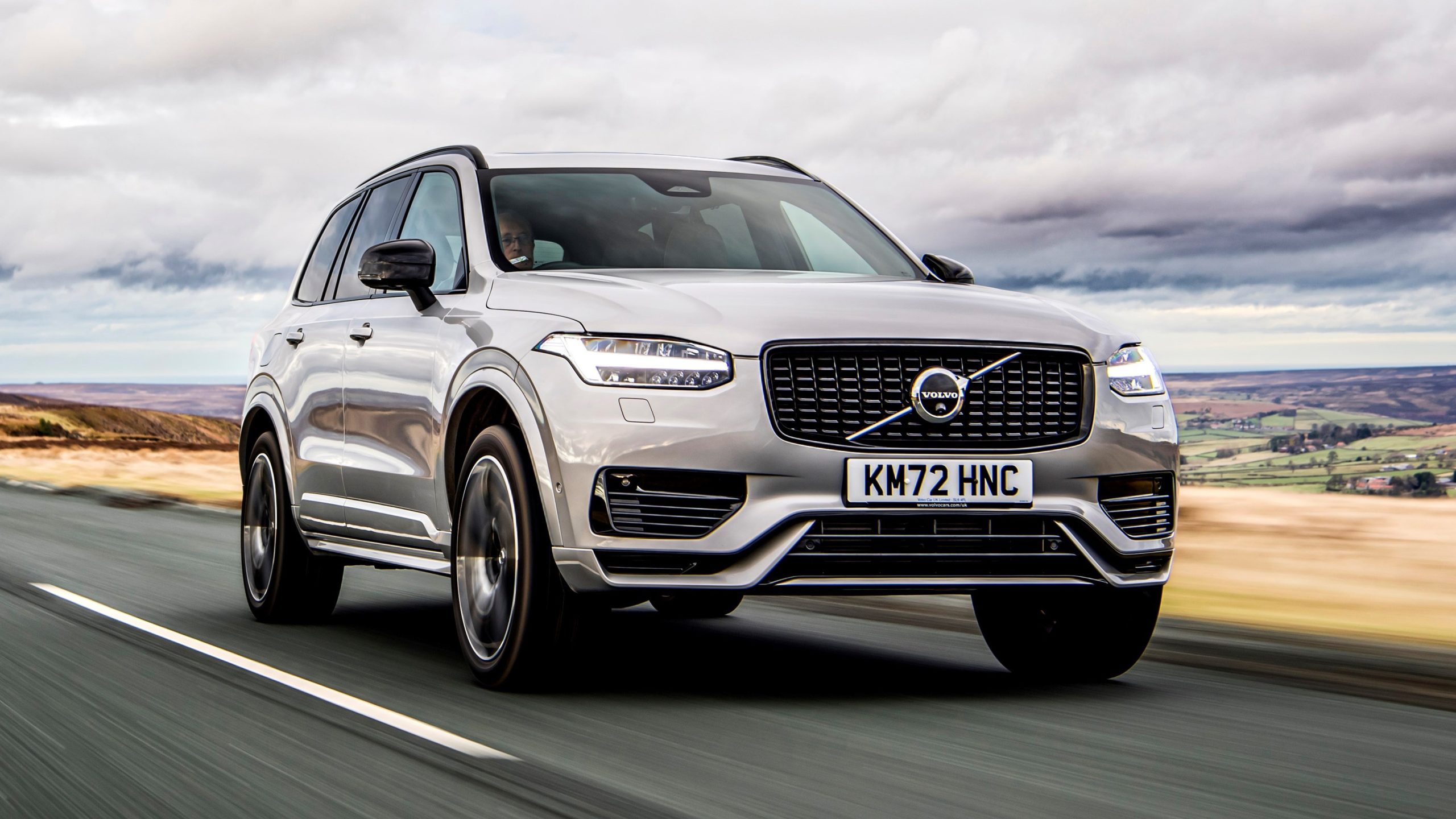
The Volvo XC90 is a mid-luxury three-row SUV that combines Scandinavian design, advanced safety features, and practical functionality, making it a strong choice for families seeking a reliable and refined vehicle.
Known for Volvo’s long-standing reputation for building safe and durable vehicles, the XC90 pairs spaciousness and comfort with a versatile four-wheel-drive system, allowing it to perform well in a variety of conditions. While it is capable of handling light off-road challenges, its focus is more on on-road comfort, technology, and family usability rather than extreme rugged terrain.
One of the XC90’s standout features is its interior space, which accommodates seven passengers in a comfortable layout. The second-row captain’s chairs provide ample legroom and adjustable backrests, ensuring adults can ride comfortably on long journeys.
The third row, while functional, is more cramped and better suited for children or short trips. Storage is abundant, with large door pockets, compartments throughout the cabin, and the ability to fold both the second and third rows flat, yielding up to 85.7 cubic feet of cargo space, more than most plug-in hybrid competitors. An air suspension system even allows the rear to squat, simplifying the loading of larger items.
The XC90 has recently received a mid-2025 refresh, updating its exterior with restyled headlights and a new grille, while the cabin now features an 11.2-inch touchscreen running the latest Google-based software.
The plug-in hybrid powertrain delivers a combined 455 horsepower and 563 lb-ft of torque, propelling the SUV from 0 to 60 mph in 5.2 seconds despite its 5,110-pound weight. The hybrid system ensures smooth transitions between electric and gasoline power, paired with an eight-speed automatic transmission that operates imperceptibly.
Handling remains competent, though the optional air suspension struggles with body motion in corners, and the Pirelli Scorpion tires limit performance at higher speeds. Braking, at 130 feet from 60 mph, is less competitive compared with rivals from BMW, Audi, or Mercedes-Benz.
Comfort is a strength of the XC90, with supportive and adjustable front seats, generous space in the second row, and easy access to the first two rows thanks to a relatively low ride height. Road vibrations and the reliance on touchscreen controls for most functions can affect usability, but the ride quality remains solid.
The infotainment system, while upgraded, is slow to respond and requires going through menus to adjust settings. The digital cluster also shows outdated graphics, and smartphone integration is limited to wired connections, with no USB-C ports in the third row or wireless charging in the second.
Towing capacity is modest at 5,000 pounds, making it less suitable for heavy-duty hauling. However, the XC90 excels in safety, providing a comprehensive suite of driver-assistance systems, cameras, and visibility aids to support confident driving in tight spaces.
Priced as a luxury SUV, the XC90 T8 AWD Ultra delivers substantial value through high-quality craftsmanship, premium materials, and a well-equipped interior, including optional features like massaging seats, upgraded sound systems, and air suspension.
Despite some tech limitations and a premium price tag, the Volvo XC90 remains a compelling choice for families seeking a spacious, safe, and comfortable three-row SUV that combines practicality with Scandinavian luxury and durability.
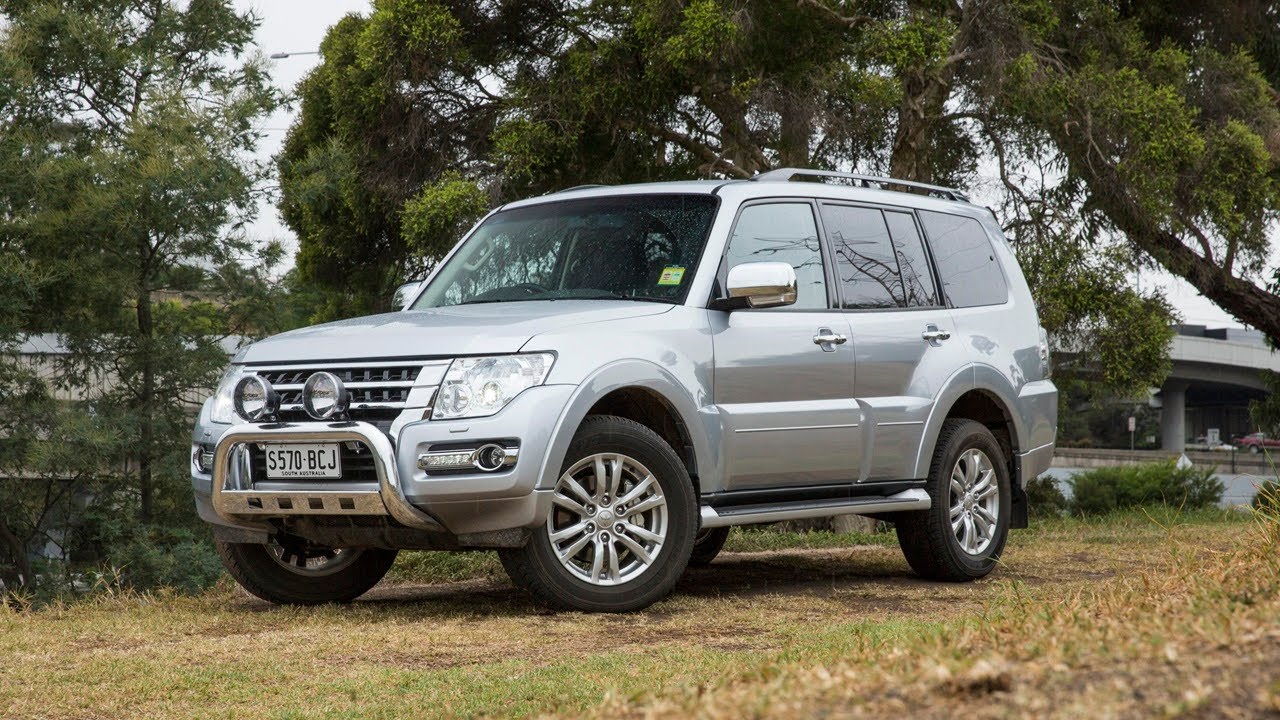
8. Mitsubishi Pajero: A Legend of Durability and Off-Road Strength
The Mitsubishi Pajero stands as one of the most iconic SUVs in automotive history. Produced for nearly four decades before its discontinuation in 2021, it remains a common sight on roads worldwide thanks to its rugged construction, long-lasting engines, and versatile design.
Known for its commanding stance and elevated driving position, the Pajero not only offers drivers excellent visibility but also projects a strong road presence.
Built with high ground clearance and a robust body-on-frame chassis, the Pajero excels in off-road environments, making it a favorite among adventurers and outdoor enthusiasts. Whether tackling unpaved trails or rough terrain, it has earned a reputation as a dependable partner for journeys far from smooth highways.
Despite its ruggedness, the Pajero balances capability with comfort, delivering a surprisingly smooth ride on longer trips. For an SUV of its size, its fuel efficiency is commendable, adding practicality to its impressive list of strengths.
Reliability has long been one of the Pajero’s defining traits. The 3.2-liter 4M41 turbo-diesel engine, in particular, is celebrated for its endurance, often lasting hundreds of thousands of kilometers with proper care. Many owners report Pajeros surpassing one million kilometers, a testament to its legendary durability.
However, like any long-lived model, it has faced some mechanical challenges. Early diesel engines from 1999–2001 occasionally required overhauls, while models from 2006–2014 experienced timing chain issues that were later resolved through recalls.
Regular injector servicing is also crucial to prevent fuel-related damage, and timing chain tensioners should be replaced roughly every 100,000 kilometers to ensure continued reliability.
For used buyers, careful inspection is key. Rust around door seals, wheel arches, and the fuel tank is a known issue, while components such as the crank-angle sensor and air conditioning system may need attention in older models. A complete service history greatly enhances the value of a Pajero, as consistent maintenance is vital to sustaining its robust performance.
The Mitsubishi Pajero has carved its place as a durable, versatile SUV that blends off-road toughness with everyday usability. Even years after production ended, it remains a trusted companion for those who demand strength, endurance, and reliability in their vehicle.
9. Toyota 4Runner: Rugged Reliability Meets Modern Evolution
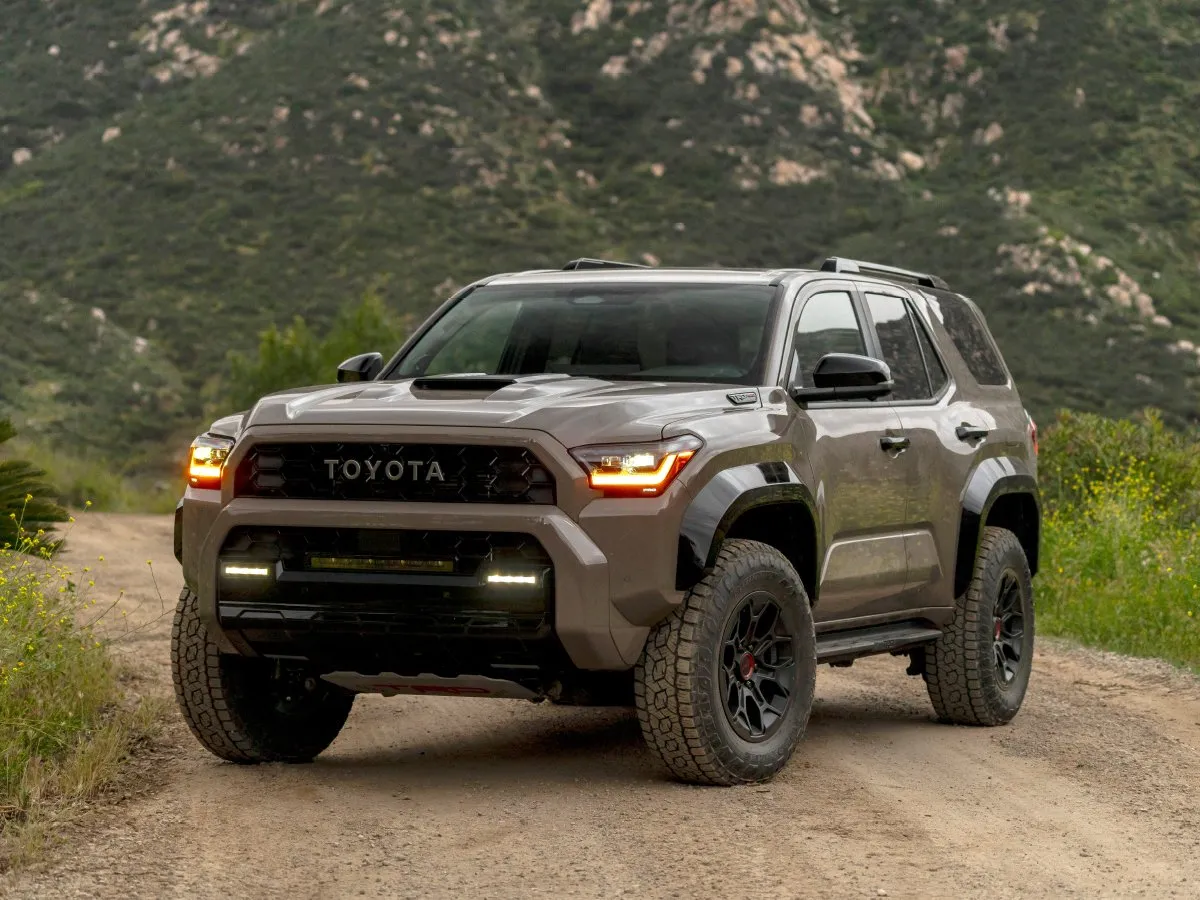
The Toyota 4Runner has long been celebrated as one of the most rugged SUVs on the market, revered for its off-road capabilities and legendary Toyota dependability. Built on a body-on-frame platform, it thrives where many crossovers falter, tackling dirt trails, rocky paths, and uneven terrain with ease.
For outdoor adventurers, this is a machine designed to go the distance. However, its reputation has never been tied to refinement or luxury. Much like the Hilux, the 4Runner prioritizes function over flair, often leaving comfort and polish behind in exchange for unyielding toughness.
Historically, the 4Runner has been criticized for its harsh ride quality, cumbersome handling, and poor fuel economy. Compared to smoother-driving rivals, it can feel heavy and unsettled on paved roads.
The interior has also leaned toward simplicity rather than opulence, offering practicality rather than high-end finishes or cutting-edge technology. Yet for buyers seeking durability over luxury, these compromises have always been part of its charm.
The 2025 redesign marks the 4Runner’s biggest leap forward in over a decade. While the fundamentals remain a midsize, truck-based SUV with rugged styling and a strong off-road personality, Toyota has introduced meaningful updates to keep it competitive.
The new model is slightly larger, with updated exterior lines, a thoroughly revamped interior, and Toyota’s latest infotainment and driver-assist technology. Under the hood, the old V6 has been replaced by a more efficient turbocharged four-cylinder, paired with either a gas-only or hybrid powertrain.
Both offer improved torque for low-speed acceleration, with the hybrid version delivering quicker sprints to 60 mph while adding extra fuel savings.
On the road, the 4Runner performs adequately but not exceptionally. The gas version reached 60 mph in 8.2 seconds during testing, while the hybrid trimmed that to 7.7 seconds.
Ride quality remains busy, with noticeable body roll and a restless rear suspension, though it is still more comfortable than rivals like the Ford Bronco and Jeep Wrangler. Steering is light but imprecise, requiring more input than expected for simple maneuvers.
Inside, the 4Runner blends practicality with new conveniences. Standard safety technology is a highlight, with adaptive cruise control, lane keeping assist, and blind-spot monitoring included across all trims.
Comfort is more hit-and-miss: the front seats provide decent support, but the rear seats are cramped with flat cushions and limited space for child seats. Cabin noise from the four-cylinder engine is another drawback, with its unrefined tone intruding at higher speeds.
Technology is one of the 4Runner’s biggest improvements. Depending on trim, buyers get either an 8-inch or a massive 14-inch touchscreen, both offering wireless Apple CarPlay and Android Auto.
USB ports are plentiful, and an available wireless charger keeps devices powered, though it struggles to hold phones securely. Cargo space is competitive, offering 48.4 cubic feet behind the rear seats and a maximum towing capacity of 6,000 pounds, above average for its class.
Pricing remains a consideration. The lineup spans nine trims, from the budget-friendly SR5 to the adventure-ready TRD Pro and Trailhunter, with luxury-leaning Platinum models also in the mix. While base versions remain accessible, fully loaded variants can push past $60,000, putting them in competition with premium SUVs.
The Toyota 4Runner remains true to its roots: rugged, dependable, and off-road ready. With its 2025 redesign, it gains much-needed technology and efficiency, but it continues to trade polish for durability, ensuring its place as a top choice for buyers who want toughness above all else.
When enthusiasts and everyday drivers talk about vehicles that “just won’t quit,” the nine machines on this list are often at the center of the conversation.
Each represents more than just transportation; they are testaments to thoughtful engineering, mechanical strength, and the ability to endure years of hard driving without losing their edge.
While not flawless, they have proven time and again that with proper care and sometimes even without it, they’ll keep running strong long after others have surrendered to wear and time.
From the timeless Porsche 911 to the rugged Toyota 4Runner, these vehicles embody the rare blend of performance and durability that car buyers dream of. They remind us that true automotive greatness isn’t just about speed, luxury, or flashy features; it’s about lasting through challenges and still delivering when it matters most. These are the legends that refuse to break, even when life tries to push them past the limit.
Also Read: 5 Honda Civic Years That Last Forever vs 5 That Don’t
