Electric vehicles (EVs) are no longer just futuristic experiments or luxury toys for the wealthy they’ve become everyday workhorses for thousands of Americans.
From city commutes to long-distance drives, many EVs now prove they can endure the wear and tear of daily life just as well, if not better, than traditional gas-powered cars.
With fewer moving parts, instant torque, and modern safety features, the right electric car can deliver years of dependable service without leaving its driver stranded.
Still, not all EVs are created equal. Some are plagued by battery degradation, expensive repair costs, or software glitches, while others are engineered to handle daily use reliably.
For US drivers looking for an electric car they can count on, here are 12 electric vehicles that stand out for their durability, efficiency, and resilience in everyday driving.
1. Tesla Model 3
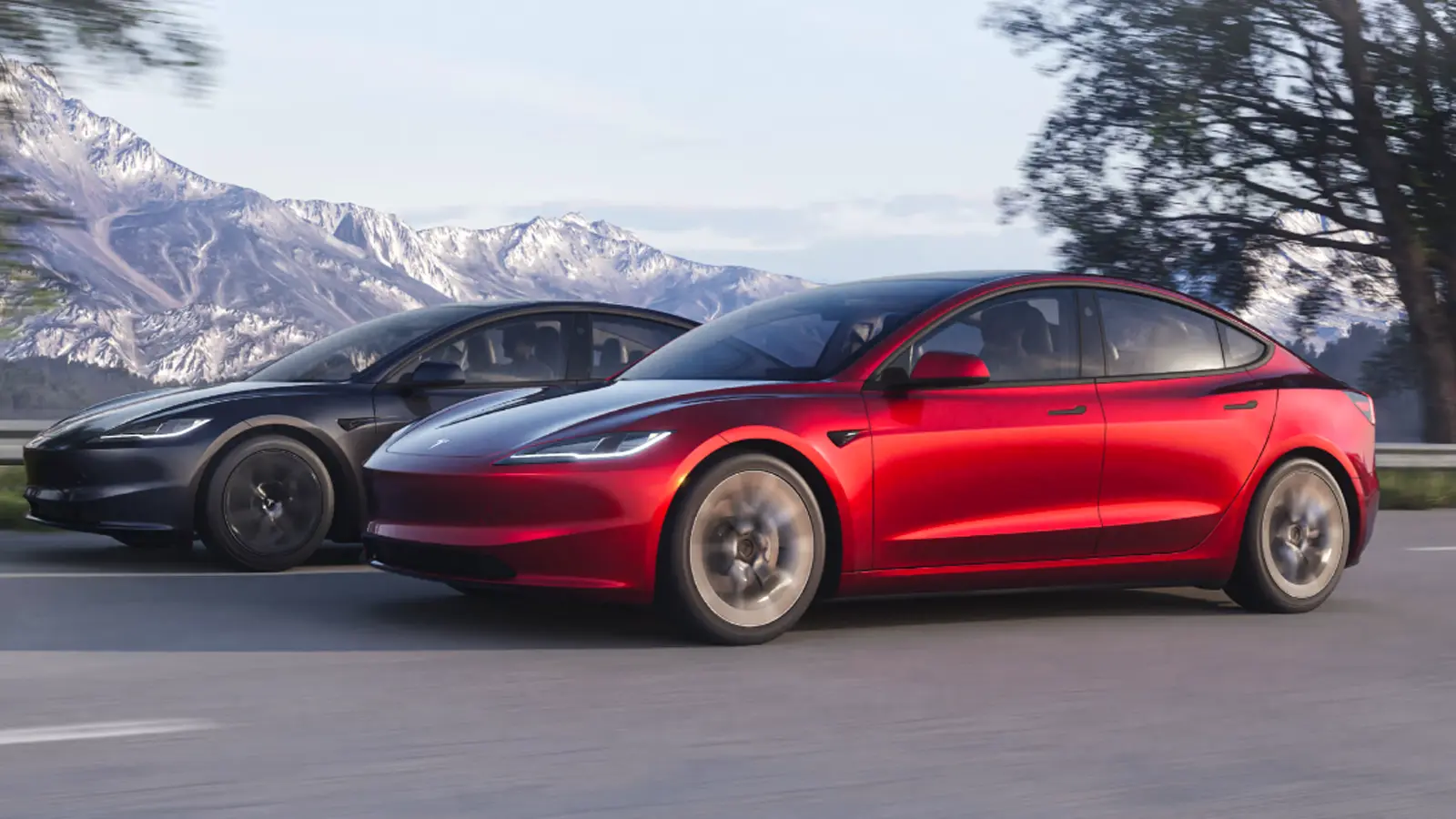
The Tesla Model 3 has become the symbol of the modern EV, and for good reason. With a track record of millions of units on American roads, it’s proven capable of handling daily commuting and long highway stretches.
Owners consistently report minimal maintenance issues thanks to the car’s simplified design. Unlike gas cars that need frequent oil changes or exhaust fixes, the Model 3 only requires tire rotations and occasional brake service. Battery longevity is impressive as well, with most packs retaining well over 80% of their original capacity after 150,000 miles.
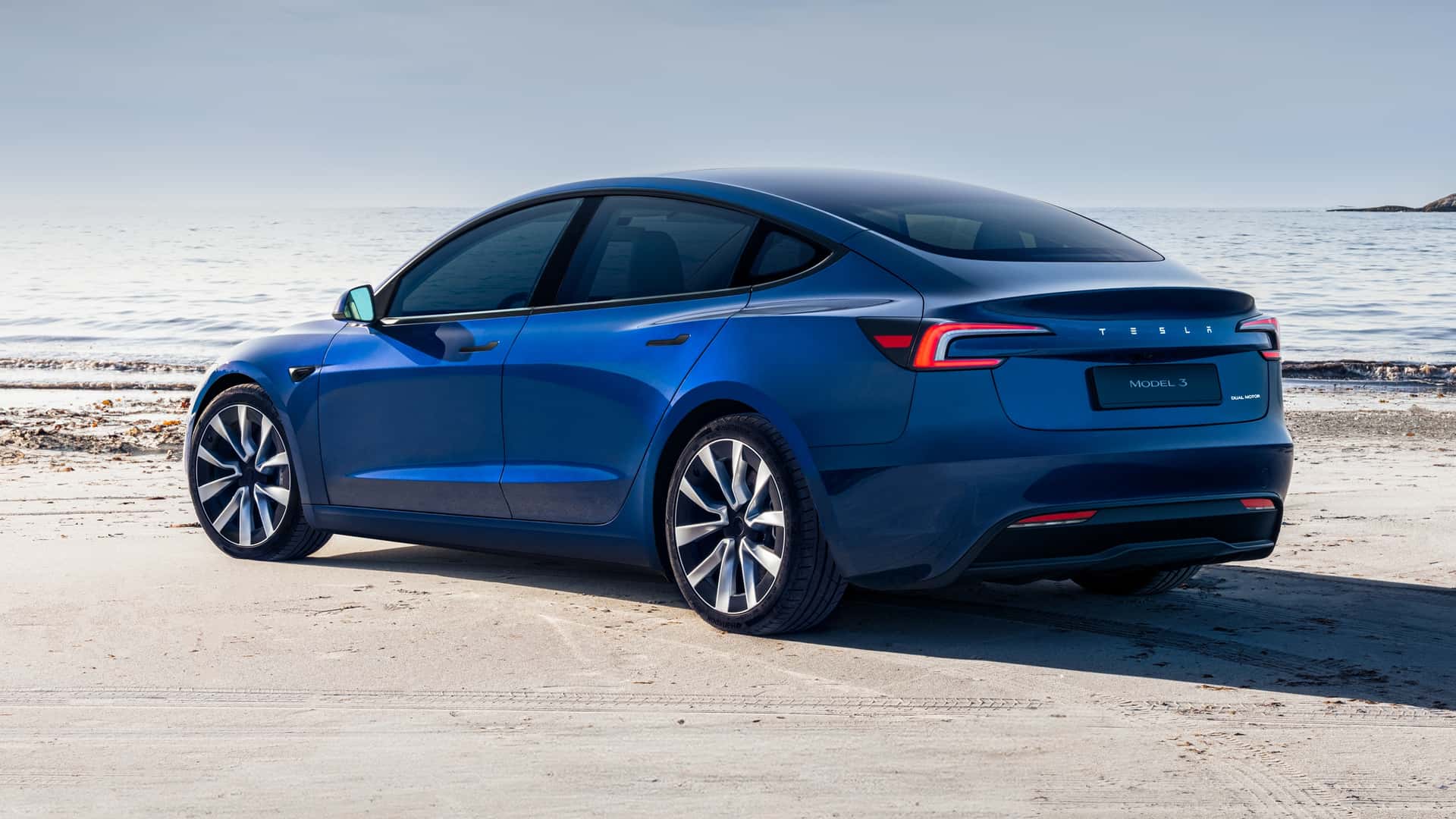
Tesla’s Model 3 was once the undisputed disruptor in the EV world, but seven years later, the landscape looks very different. The 2024 refresh, known internally as Project Highland, arrives with sleeker styling, more refinement, and meaningful cabin updates.
The exterior gets sharper headlights, new taillights, and improved aerodynamics, while tighter panel gaps and acoustic glass finally address Tesla’s long-standing quality complaints.
Inside, the upgrades are noticeable: softer-touch materials, ambient lighting that wraps around the cabin, ventilated seats, and even a rear touchscreen for climate and infotainment controls. Rear-seat comfort has been improved thanks to higher cushions and better backrest angles, and practicality remains a clear advantage with a massive 21-cubic-foot trunk plus a frunk, easily outclassing rivals.
But Tesla hasn’t entirely nailed it. The obsession with minimalism has reached a point where functionality suffers. Gone are the stalks for turn signals and gear selection, replaced by touch-sensitive buttons and predictive shifting controlled mostly through the screen.
It looks futuristic, but in daily use, it borders on frustrating compared to the more intuitive layouts from Hyundai and Polestar. While interior quality is better than before, it still doesn’t match the tactile feel and craftsmanship you’ll find in a BMW i4 or even a Polestar 2. The Model 3’s biggest weapons remain efficiency, range, and access to the vast Supercharger network.
At a starting price of $38,990 before incentives, the base Model 3 offers 257 horsepower, a 0–60 time under six seconds, and a competitive range, making it more than adequate for most buyers.
The Long Range RWD, however, looks like the sweet spot, only $3,500 more than the base with a 17-speaker audio system, faster charging, and the longest range in the lineup. The AWD trims offer more performance, but unless you truly need all-wheel traction, they’re harder to justify.
Overall, the 2024 Model 3 refresh is enough to keep the car relevant against newer rivals like the Hyundai Ioniq 6 and Polestar 2, but it’s no longer the obvious default choice it once was. If you value range, cargo space, and Tesla’s charging ecosystem, it remains compelling. But if tactile quality, ease of use, or design flair matter most, the competition is closing in fast.
2. Chevrolet Bolt EV
The Chevy Bolt EV offers one of the most practical and affordable electric driving experiences in the US. Known for its compact size and surprisingly roomy cabin, the Bolt thrives in stop-and-go city driving.
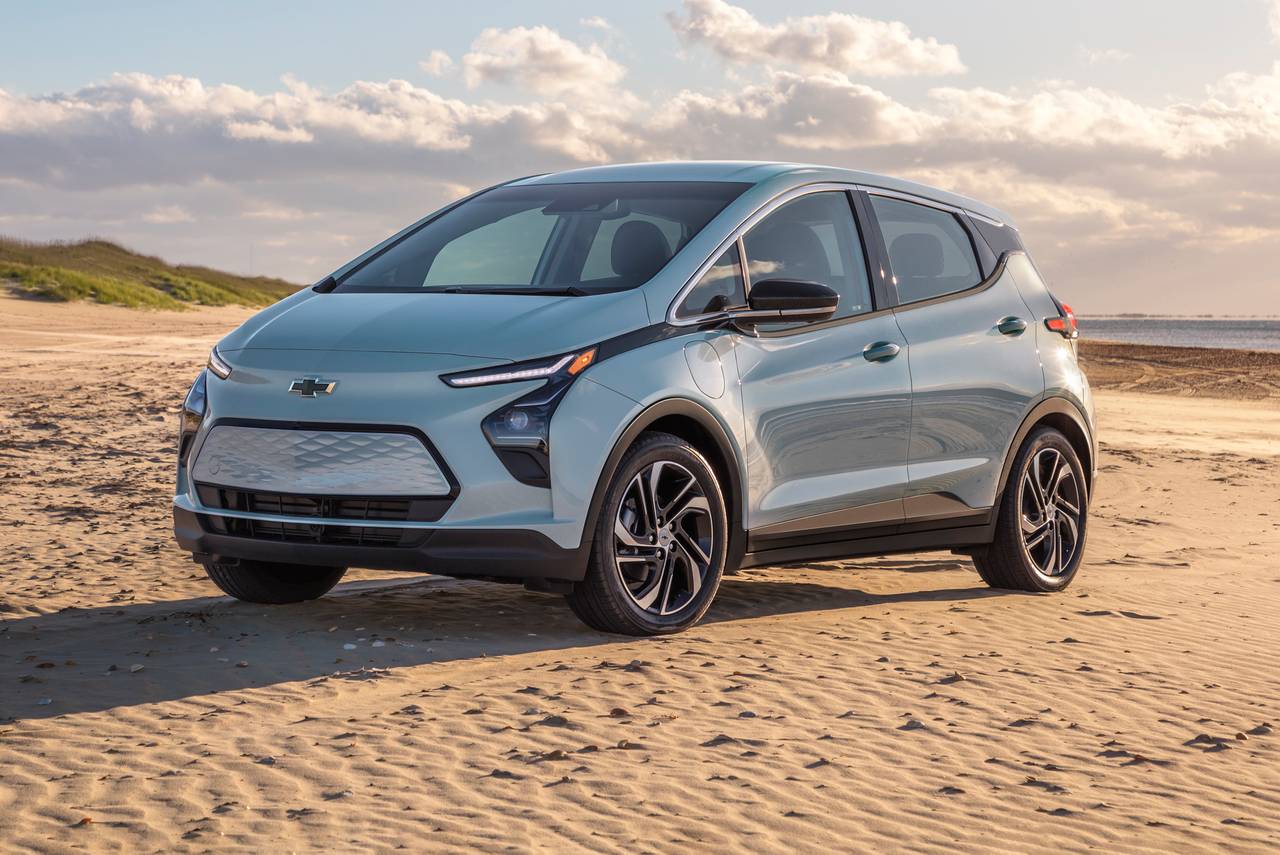
What makes it a standout is its resilience drivers report minimal reliability issues even after years of use. GM’s recent updates improved its battery pack safety, making the Bolt an even stronger contender for daily use.
Its affordability also means owners feel comfortable racking up miles without worrying about depreciation as much as with higher-end EVs.
What this really boils down to is GM being cautious. They don’t want to flood the market with the 2027 Chevy Bolt before they know how people will react once the \$7,500 federal EV tax credit goes away at the end of September. Since the new Bolt won’t even start production until December, any speculation about what credits it might have qualified for doesn’t matter yet.
GM just had its best EV sales month ever in August because buyers and dealers rushed to take advantage of the expiring credits, but executives are bracing for a slowdown right after. As GM’s North American president Duncan Aldred put it, sales are bound to dip, and the company doesn’t want to build more EVs than it can sell during what could be a bumpy adjustment period.
What’s surprising is that GM is also pulling back on production of the Cadillac Lyriq, which has been one of its bright spots and a big win for Cadillac’s revival. That model leaned heavily on the EV tax credit and dealer incentives to move units, so GM clearly sees the loss of those perks as a risk even in the luxury segment.
The Bolt, though, might be the exception. Its appeal has always been about affordability, not flash. If GM can deliver the new version at or near \$30,000 with decent range and charging capability, it could sidestep some of the demand drop. Mainstream buyers are still hungry for affordable EVs, and the Bolt’s track record shows it can sell well on value alone, even without Uncle Sam sweetening the deal.
Want me to break down how the Bolt’s potential \$30k positioning stacks up against rivals like the Hyundai Kona Electric, Nissan Leaf, and Tesla’s cheapest Model 3? That could give you a sense of whether GM’s bet on affordability is strong enough to weather the post-credit slump.
3. Nissan Leaf
As one of the first mass-market electric cars in America, the Nissan Leaf has had more than a decade to prove itself. While early models had smaller battery packs that degraded quickly, newer versions come with improved thermal management systems that preserve longevity.
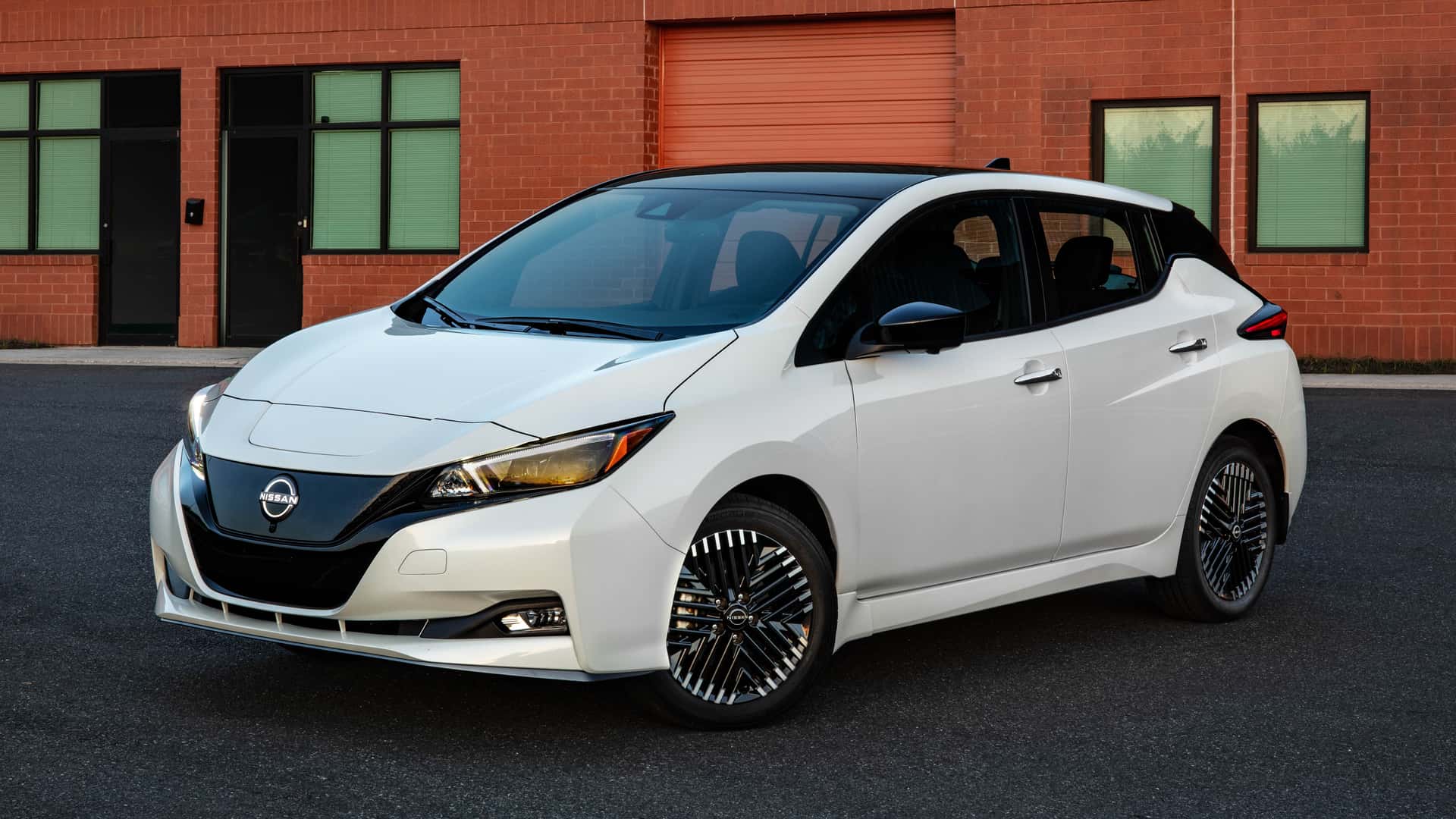
The Leaf’s simplicity is what makes it such a dependable daily driver it doesn’t try to compete with luxury EVs but instead focuses on getting people from point A to point B with little drama.
Many Leaf owners have surpassed 100,000 miles without major battery issues, making it a reliable choice for commutes and errands.
4. Hyundai Kona Electric
The Hyundai Kona Electric combines crossover practicality with an EV powertrain that’s built for everyday use. With a range of about 258 miles per charge, it’s perfect for both suburban commutes and longer weekend drives.
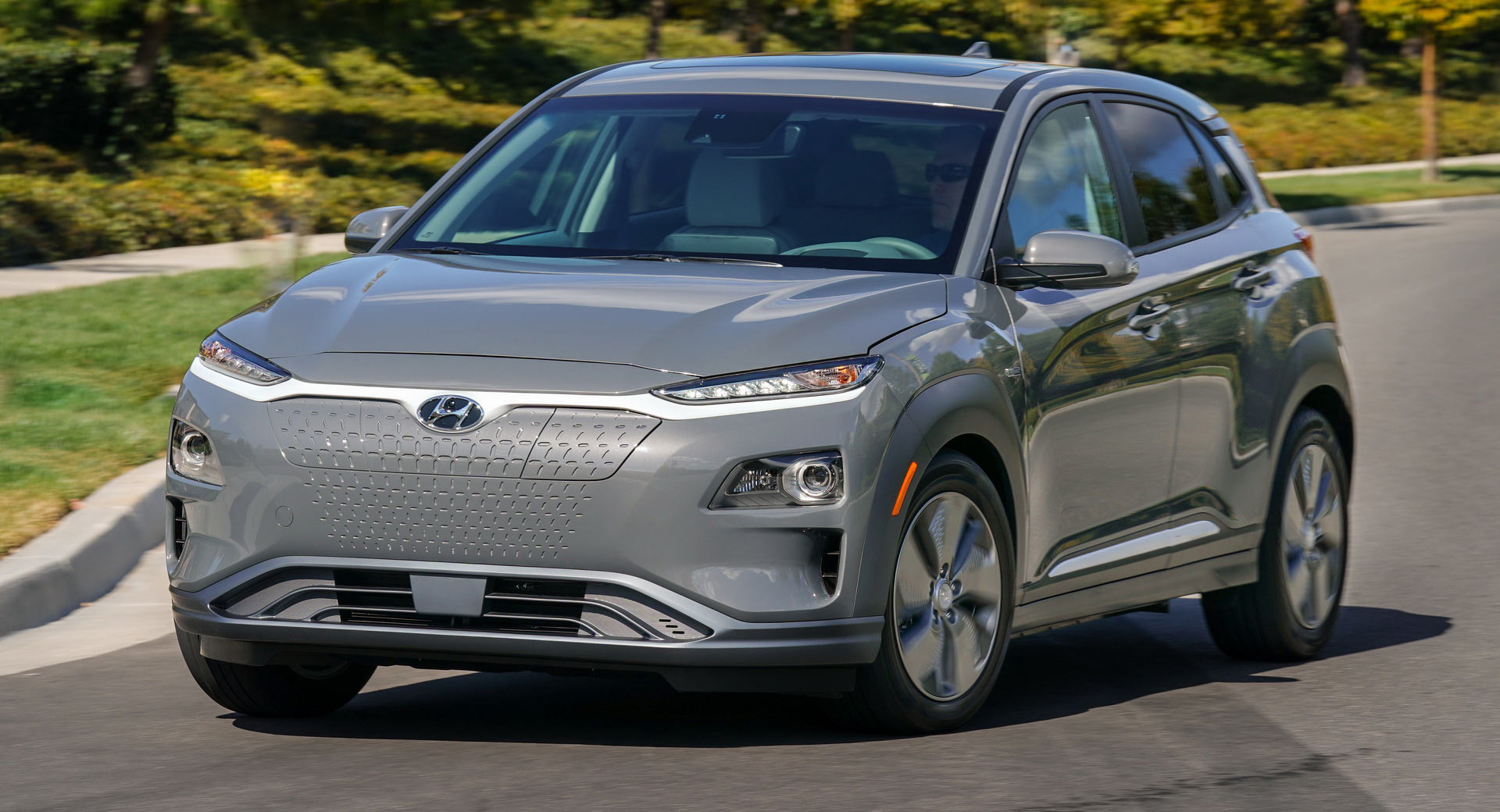
Hyundai backs the Kona’s battery with one of the best warranties in the industry, which boosts confidence for long-term ownership.
Owners consistently note the car’s sturdy build quality and the fact that it requires little more than routine service, making it a strong pick for drivers who demand reliability from their EV.
The EV market has leaned heavily toward premium buyers, but Hyundai is carving out space for everyday drivers with the Kona Electric. The 2025 model doesn’t reinvent the wheel, Hyundai gave it a full redesign just last year, but it does bring a few welcome updates.
The lineup now includes an N Line trim with sporty styling touches, ambient and LED interior lighting have been expanded across more trims, and vehicle-to-load capability is now standard on most models. A new paint color, Ultimate Red Metallic, rounds out the changes.
Under the skin, the Kona Electric sticks to Hyundai’s older 400-volt platform rather than the more advanced 800-volt setup found in the Ioniq 5 and 6. That means charging speeds aren’t class-leading, but they’re still decent, Hyundai claims a 10–80 percent recharge in 43 minutes, which closely matches real-world testing.
Two battery options are available: the Standard Range with 133 horsepower and 200 miles of range, or the Long Range with 201 horsepower and 261 miles of range. The latter feels more lively, with good punch off the line and responsive handling, though acceleration is actually slower than the outgoing generation. One-pedal driving comes standard, and cold-weather performance is aided by battery preconditioning.
Inside, the Kona Electric punches above its price point. The cabin is roomy for a subcompact SUV, with thoughtful touches like oversized cupholders, dual displays with sharp graphics, and an intuitive infotainment setup.
Rear passenger space is improved compared to the old model, and the materials feel solid for the class. Hyundai also bundles in a healthy set of driver-assistance tech, which adds to the sense of value.
The Kona Electric isn’t trying to be the fastest or longest-range EV out there, but that’s not the point. What it delivers is a well-rounded, practical, and relatively affordable electric SUV that makes sense for young buyers or anyone looking to get into EV ownership without spending luxury money.
5. Kia EV6
Kia’s EV6 has quickly risen in popularity thanks to its futuristic design and practical engineering. Built on the same platform as the Hyundai Ioniq 5, it benefits from fast-charging speeds, solid driving dynamics, and dependable battery performance.
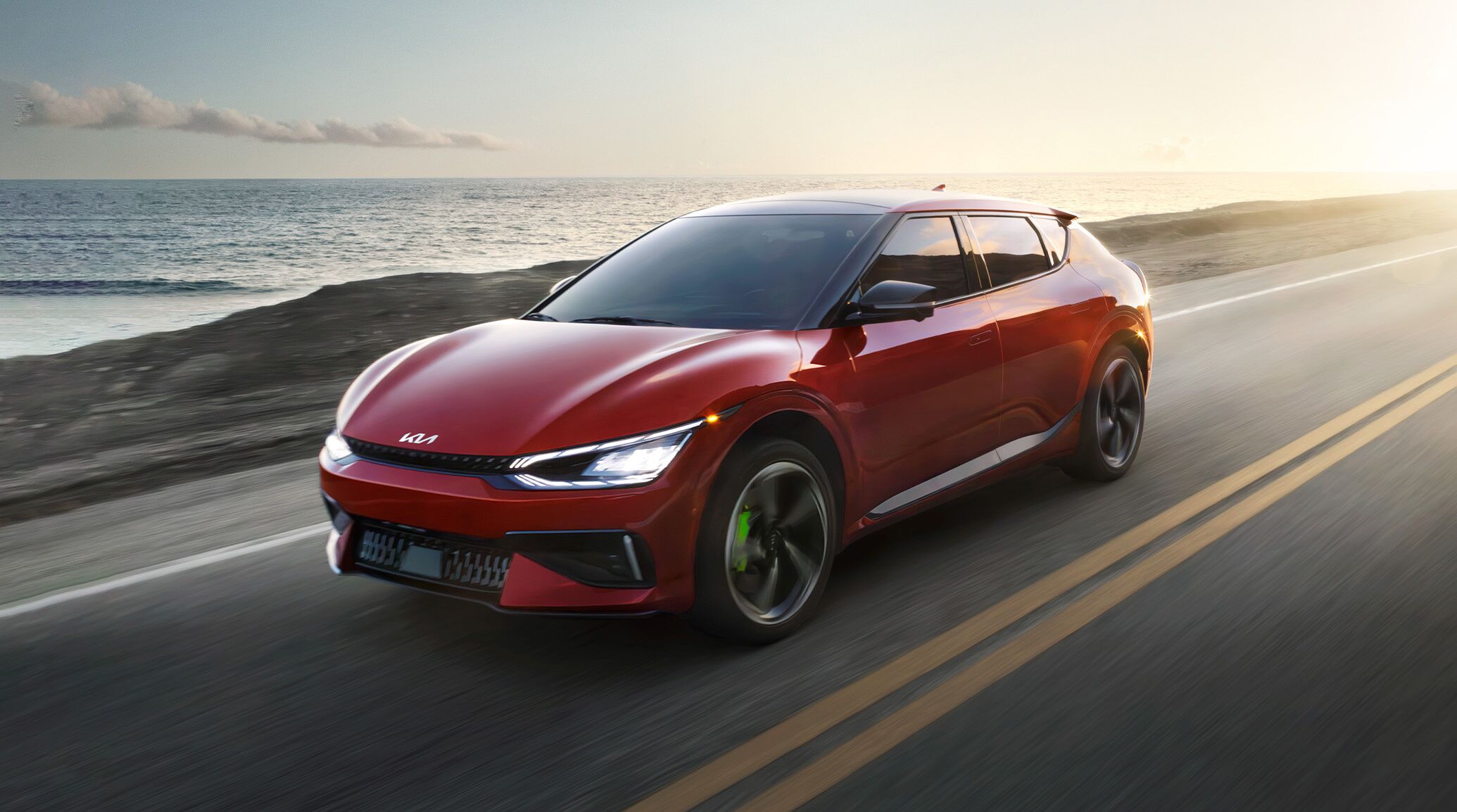
Despite being relatively new, the EV6 has shown itself capable of handling heavy mileage without issue. US owners particularly appreciate its roomy interior and high-tech driver assistance features, which add comfort to daily commutes while maintaining a record of reliability.
6. Ford Mustang Mach-E
Ford’s entry into the EV market came with the Mustang Mach-E, and while some purists debate its use of the Mustang name, few can argue with its everyday performance.
Designed as a family-friendly crossover with sporty handling, the Mach-E strikes a balance between practicality and excitement.
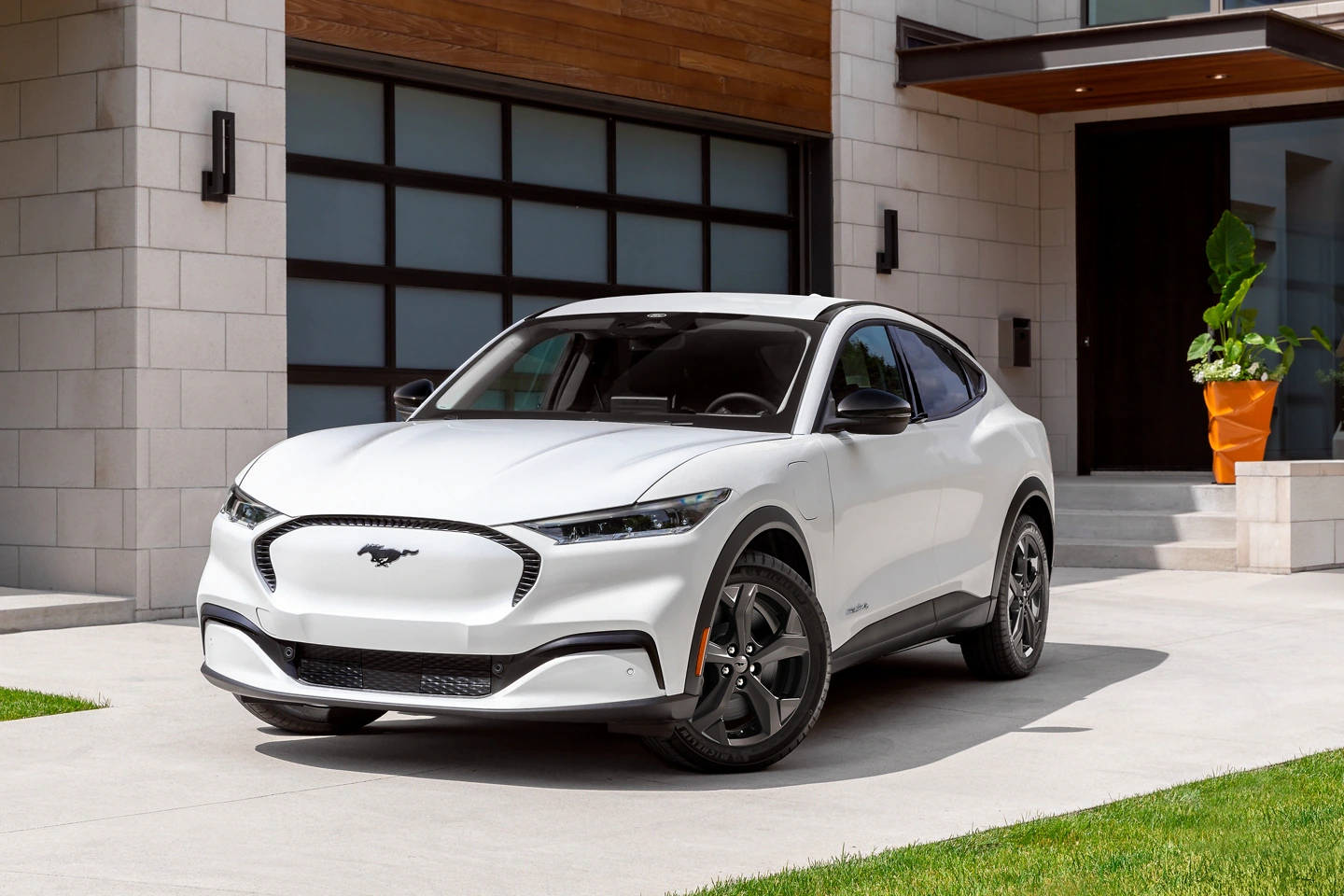
Its build quality has steadily improved since launch, and Ford’s extensive dealer network means repairs and maintenance are easier to access compared to some EV brands. It’s quickly become one of the most common EVs on American roads, proving itself under daily use.
7. Tesla Model Y
For families who need a bigger Tesla, the Model Y delivers. It takes everything dependable about the Model 3 and wraps it in a more spacious SUV-like body.
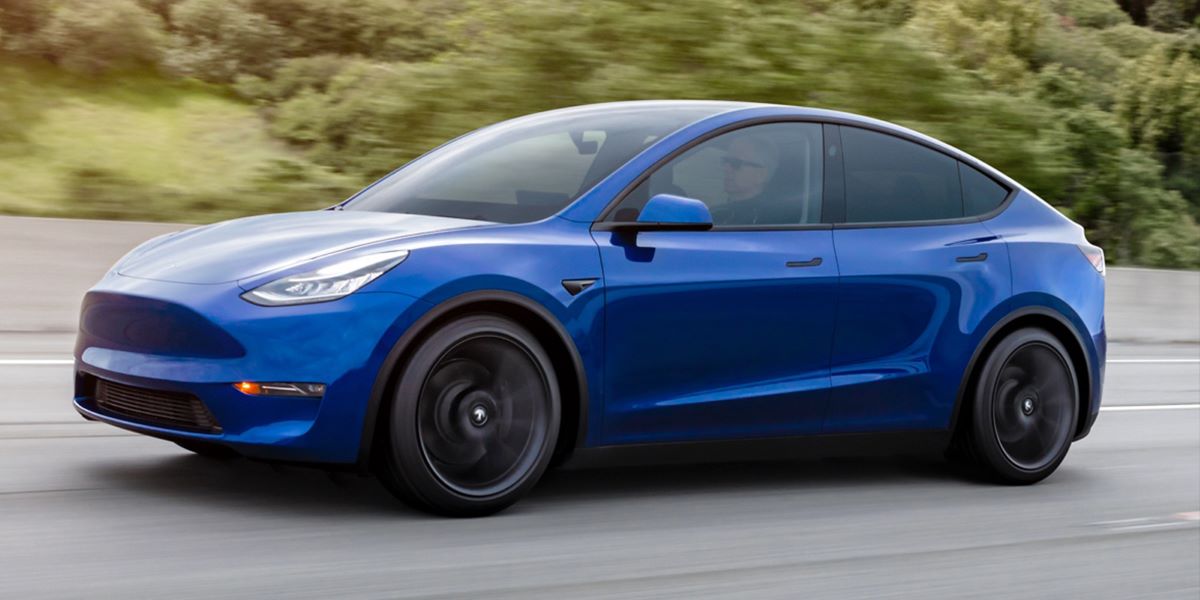
Many US families use it as their daily vehicle, relying on its long range, advanced safety features, and access to Tesla’s Supercharger network. Like its sibling, it avoids many of the common problems that plague gas-powered SUVs, and despite its size, it remains remarkably efficient in daily operation.
The Tesla Model Y may wow a first-time EV driver with its instant torque and lack of engine noise, but the excitement fades quickly once you start living with it. The idea that it’s a sporty or luxurious SUV doesn’t hold up under scrutiny.
Its suspension tuning alone is a dealbreaker if comfort or refinement matters to you. Instead of delivering either sports-car precision or luxury-car smoothness, it splits the difference in the worst way, constantly jittery, nervous over small imperfections, and pounding across bigger bumps. Unless you’re driving on flawless pavement, the ride never settles down.
That same stiffness, paired with hyperactive steering, creates the illusion of agility at first, but it quickly turns fatiguing. The steering is too quick and twitchy, and when pushed, the chassis defaults to understeer without much enthusiasm. The result isn’t playful or rewarding, it’s busy, inconsistent, and ultimately not enjoyable to drive.
Acceleration is strong, 0–60 mph in 4.5 seconds is nothing to scoff at, but the tuning makes it hard to use gracefully. In Standard mode, the throttle is overly sensitive, making smooth launches and steady cruising more difficult than they should be.
Switching to Chill mode helps, calming things down, but it also robs the car of its sense of urgency. Tesla does get regenerative braking right, though. Its one-pedal driving is natural and easy to modulate, letting you glide to a stop without touching the brake. When you do need the friction brakes, the pedal feels mushy but adequate.
In short, the Model Y impresses in bursts, quick acceleration, futuristic silence, slick regen, but the overall driving experience is neither sporty nor premium. It’s restless, twitchy, and ultimately tiring, which is the opposite of what you want in a daily driver.
8. Hyundai Ioniq 5
The Hyundai Ioniq 5 is not just a head-turner with its retro-futuristic styling it’s also an EV that’s built to last. The Ioniq 5 has earned praise for its dependable range, cutting-edge technology, and impressive build quality.
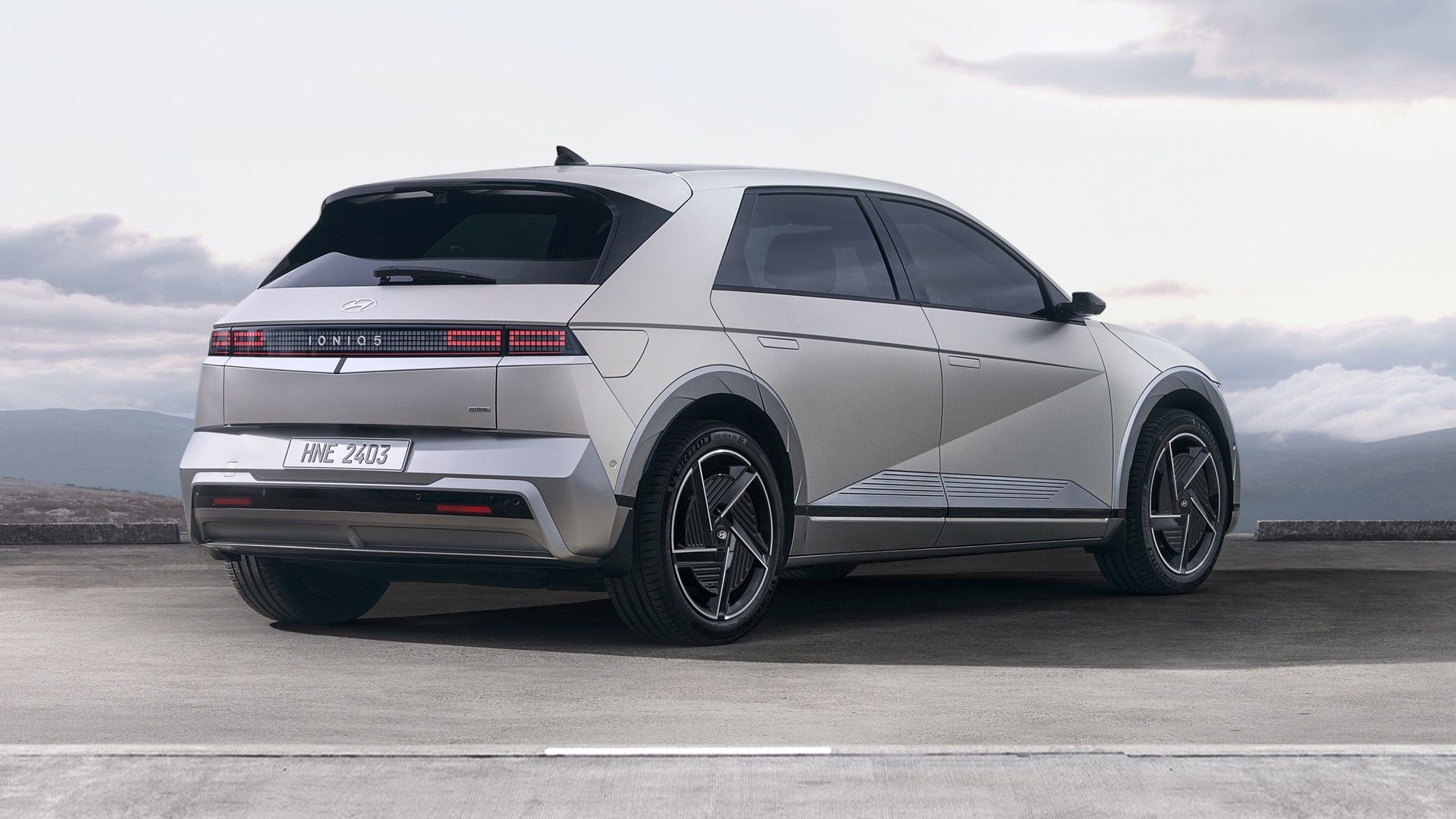
Hyundai’s strong warranty support adds peace of mind, and the car’s charging speed means drivers spend less time waiting and more time driving. It’s already earning a reputation for being one of the most hassle-free EVs in its class.
9. Volkswagen ID.4
Volkswagen’s ID.4 brings German engineering to the US EV market with a focus on practicality and reliability. Designed as a compact crossover, it appeals to families and commuters alike.
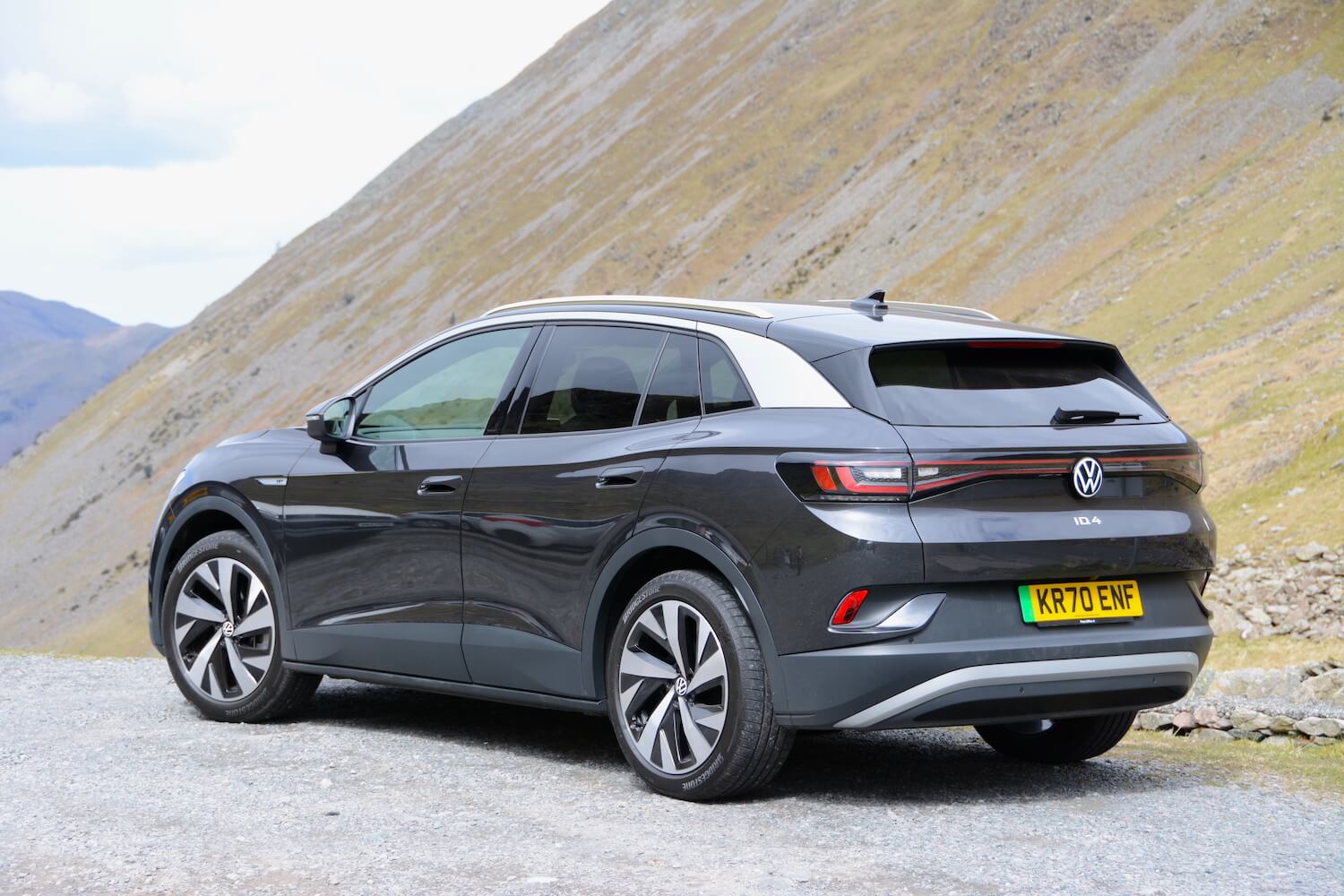
While some software quirks were noted early on, VW has made continuous improvements through over-the-air updates, keeping the ID.4 competitive and dependable.
Its solid build and comfortable ride make it an EV that can withstand the demands of daily driving without wearing out prematurely.
The 2025 Volkswagen ID.4 is VW’s steady, no-frills take on the electric SUV. Compared to some of the flashier newcomers, it leans on practicality, comfort, and value instead of headline-grabbing performance numbers.
Slightly smaller than the gas-powered Tiguan, it delivers good interior space, a clean modernist design, and enough performance to keep daily driving stress-free.
Buyers can choose between a 201-hp, single-motor version with 206 miles of range, a 282-hp single-motor with up to 291 miles of range, or a dual-motor AWD model making 335 hp with 263 miles of range. The AWD is quick enough to feel lively, but even then, the ID.4 doesn’t offer the kind of snap you’d get in a Tesla Model Y or Kia EV6, it’s tuned for smoothness, not adrenaline.
That theme continues with the way it drives. The ID.4 isn’t sharp or playful, but it does deliver a calm, refined ride. Road imperfections are soaked up better than in many rivals, and the cabin stays quiet at highway speeds.
Where it lags behind is in regenerative braking. While it does have regen to feed energy back into the battery, it stops short of providing the one-pedal driving experience that’s become standard in EVs like the Mustang Mach-E or Hyundai Ioniq 5.
The 2025 updates are subtle but useful. All models with the smaller 58.0-kWh battery now get a 12.9-inch display with backlit sliders, and the S trim picks up ventilated front seats as standard.
Higher trims can be optioned with a Black Package, adding darker styling elements and black wheels, while the top S Plus model gains an auto-dimming driver’s side mirror. Pricing starts at $41,420 and stretches up to nearly $59k for a fully loaded Pro S Plus.
Volkswagen’s sweet spot remains the Pro trim, which pairs the bigger 77.0-kWh battery with better range, quicker DC charging capability, and the option of AWD for buyers who want more power and traction.
At that level, the ID.4 is competitive in both price and capability with rivals like the Mustang Mach-E, Kia EV6, and Tesla Model Y. It doesn’t charge as quickly as Hyundai’s 800-volt models or deliver the same sharp handling as the EV6, but if you value comfort, interior space, and affordability, the ID.4 makes a strong case.
10. Rivian R1T
For those who want an electric truck that can handle both work and play, the Rivian R1T has proven to be up for the challenge. Despite being a newer brand, Rivian has built its reputation on rugged durability.
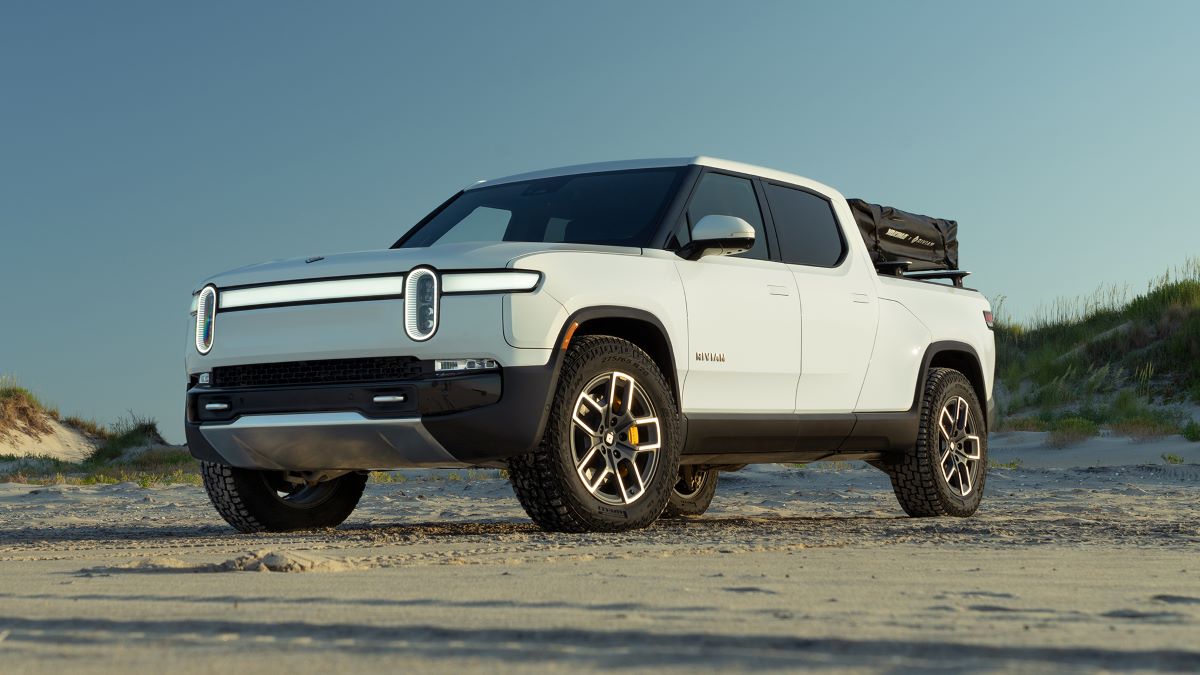
Owners who use the R1T for commuting, hauling, or even off-roading have reported reliable performance under all conditions. Its build quality and robust battery management system help it stand out as an EV that’s ready for more than just city streets.
11. BMW i4
BMW’s i4 blends the brand’s signature driving dynamics with electric reliability. Unlike some luxury EVs that focus heavily on flashy tech, the i4 emphasizes smooth performance and consistent dependability.
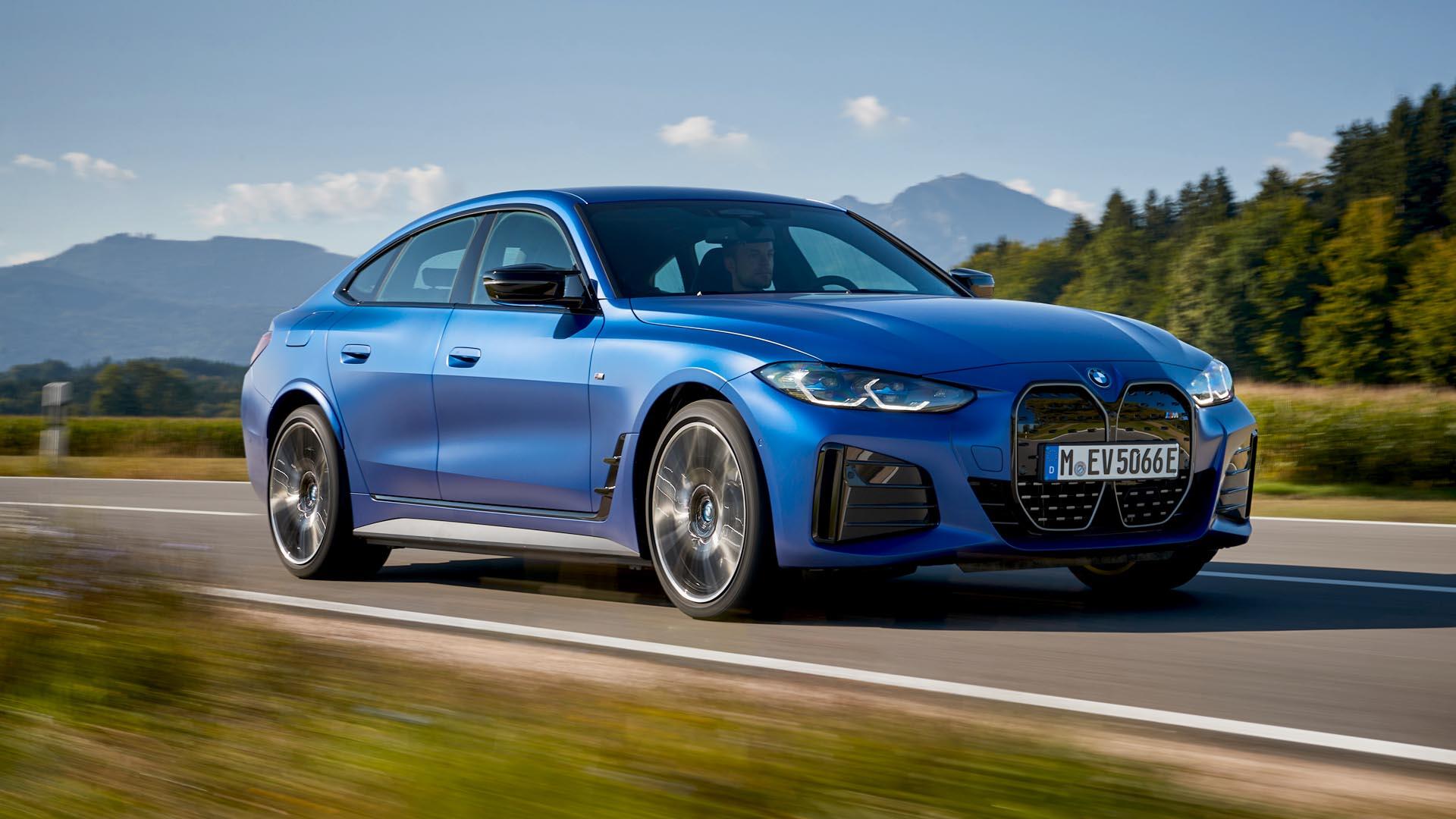
Its range is more than adequate for daily commutes, and BMW’s proven engineering background gives it an edge in terms of long-term durability. For drivers who want both refinement and resilience, the i4 delivers as a reliable daily companion.
The BMW i4 is BMW’s way of showing that an electric sedan doesn’t have to shout about being electric. Instead of reinventing the formula, it sticks to what the brand does best, refined, balanced, fun-to-drive sedans, and swaps in a modern EV powertrain.
The result feels like a true BMW first and an EV second, which is exactly why it resonates. Sharing much of its DNA with the 3 Series and 4 Series Gran Coupe, the i4 looks familiar and stylish, with the added practicality of a liftback hatch for easier cargo access.
Performance spans a wide range depending on the model. The base rear-wheel-drive eDrive40 makes 335 horsepower, while the top-spec M50 brings a dual-motor setup and 536 horsepower, delivering serious acceleration that rivals some performance EVs.
Regardless of trim, the i4 offers a well-balanced chassis and a ride that’s both comfortable and engaging. The one recurring critique is the steering, it lacks the old-school BMW feel and feedback, leaving some drivers wishing for a bit more connection. Even so, the i4 strikes an excellent balance between sportiness and daily usability.
Inside, the i4 is pure modern BMW. The materials are top quality, the design is understated but premium, and the infotainment system is sharp and intuitive without being overwhelming.
Unlike some rivals, the horizontal display integrates nicely without dominating the cabin. Add in strong ergonomics, lots of customization options, and a handsome silhouette, and the i4 feels more like a well-rounded luxury sedan that just happens to be electric, not a niche EV experiment.
In short, the i4 doesn’t try to reinvent what a BMW should be, it just evolves it for the EV era. That makes it one of the most complete electric sedans on the market, appealing to both brand loyalists and newcomers who want a polished, everyday luxury EV without sacrificing driving dynamics.
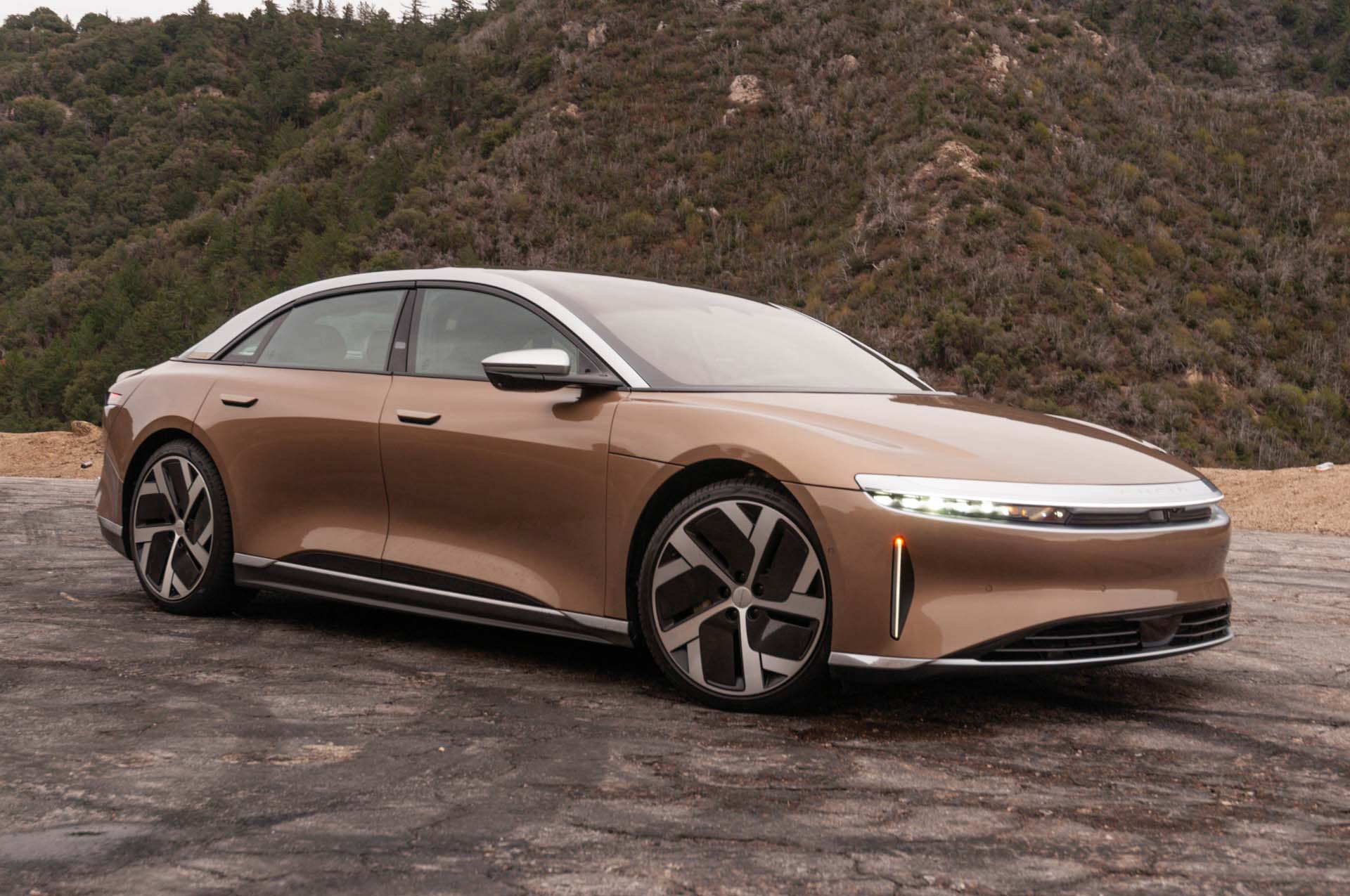
12. Lucid Air
The Lucid Air is a luxury EV that doesn’t sacrifice practicality. While it’s positioned as a high-end rival to Tesla, it has shown it can hold up under the rigors of daily use.
Its advanced battery technology is among the best in the industry, offering outstanding range and energy efficiency.
Early adopters in the US have been impressed by its solid reliability, and Lucid’s focus on engineering rather than just flashy design makes it one of the more dependable luxury EV options for everyday driving.
Daily dependability is one of the most important qualities an EV can offer, and these 12 vehicles stand out as some of the best in the US market today.
Whether you’re looking for an affordable commuter like the Chevy Bolt EV, a versatile family hauler like the Tesla Model Y, or a rugged electric truck like the Rivian R1T, there’s an option here that can handle the grind of daily use without fail.
As the electric vehicle industry matures, reliability is no longer a gamble. With strong warranties, proven battery technology, and fewer moving parts than traditional gas cars, these EVs show that the future of daily driving can be both dependable and sustainable.