When the world collapses, whether from natural disaster, war, or the rise of the undead, the difference between survival and surrender often comes down to what you drive. Ordinary vehicles crumble under pressure, built for comfort and convenience rather than chaos and uncertainty.
But a select few machines stand apart, engineered for resilience, forged in rugged conditions, and trusted to push forward when everything else stalls. From the battlefield-tested Jeep CJ to the modern revival of the Ford Bronco, these vehicles share more than just horsepower; they embody independence, adaptability, and the ability to endure when roads vanish and resources run thin.
Each one has carved its place in history as a tough, reliable companion for adventurers, explorers, and survivors alike. Whether retro classics or modern icons, these nine machines prove they’re more than vehicles; they’re lifelines. Here are 9 Vehicles That Can Survive the Apocalypse.
1. Toyota Land Cruiser FJ (1951–Current): A Rugged Icon
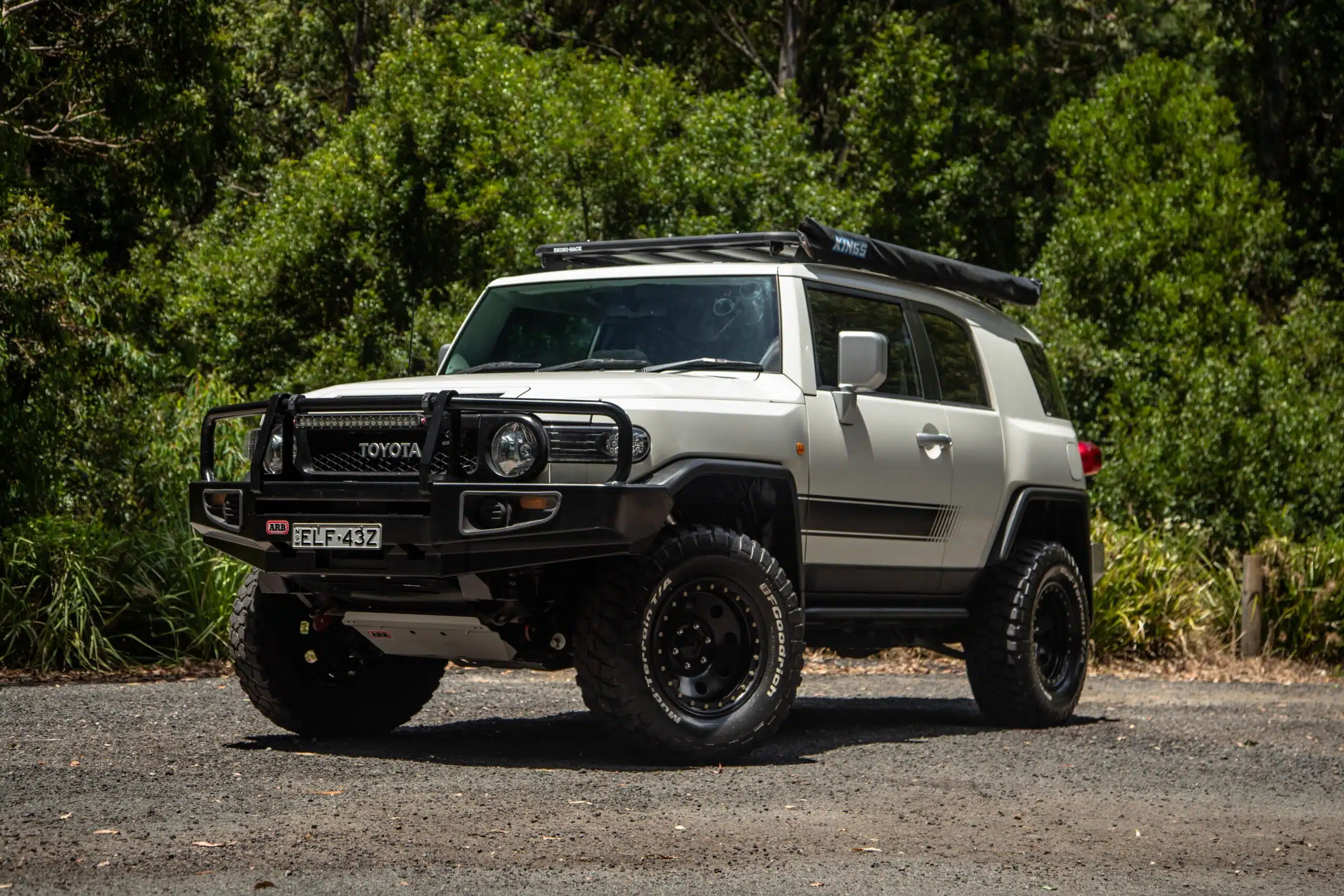
The Toyota Land Cruiser FJ, particularly the FJ Cruiser, has long been celebrated for its blend of off-road capability, reliability, and distinctive design. To mark the end of its production, Toyota released the 2014 FJ Cruiser Trail Teams Ultimate Edition, limited to 2,500 units.
This edition featured Heritage Blue paint with a color-matched roof, upgraded TRD-tuned suspension, bead-lock 16-inch wheels, all-terrain tires, and a thicker skid plate. Most convenience and upgrade package features were included, solidifying it as a collector’s model.
Unlike Toyota’s typically conservative designs, the FJ Cruiser stood out with its retro-inspired styling, reminiscent of the classic FJ40-series Land Cruisers. Its quirky two front doors and two smaller, rear-hinged half-doors made it resemble a tall coupe more than a traditional SUV.
While stylish, this setup complicated backseat access, especially for families. Visibility was another drawback, with bunker-like windows and large blind spots. Yet, the FJ’s whimsical character and adventurous spirit made it a favorite among enthusiasts.
Despite its rugged off-road roots, the 2014 FJ Cruiser delivered a surprisingly compliant ride on pavement. Its 4.0-liter V6 engine, producing 260 horsepower and 271 lb-ft of torque, provided strong performance.
Steering was responsive, and the suspension absorbed bumps better than competitors like the Jeep Wrangler. However, wind noise at highway speeds and a coarse engine note at high rpm reminded drivers of its rugged orientation. Fuel economy was modest, averaging 16–18 mpg combined depending on drivetrain.
The FJ Cruiser’s true strength lay beyond paved roads. Standard features like ample ground clearance, durable suspension, and favorable approach/departure angles made it highly capable. Options included low-range gearing, a locking rear differential, and Toyota’s A-TRAC traction control system, enhancing trail performance.
The Ultimate Edition’s TRD suspension with Bilstein shocks further improved capability, allowing it to tackle rocky climbs and sand dunes with ease. Though visibility was limited on trails, its capability rivaled the Jeep Wrangler, setting it apart from more road-oriented SUVs like the Nissan Xterra.
Toyota reinforced the FJ’s durability with strong safety credentials. Standard features included antilock brakes, stability control, front-seat side airbags, side curtain airbags, and active front head restraints.
The Insurance Institute for Highway Safety (IIHS) awarded the FJ Cruiser top ratings of “Good” in frontal-offset and side-impact tests, as well as for head restraint performance. Roof strength received an “Acceptable” rating, keeping its safety reputation solid.
The cabin combined rugged durability with subtle style. Color-matched dash panels and oversized controls added character, while water-repellent upholstery and rubber flooring ensured resilience against outdoor lifestyles.
The front seats were supportive, but the rear seats posed challenges with tight space and inconvenient access via rear-hinged doors. Cargo versatility was a strength, offering 67 cubic feet of space with rear seats folded, on par with more family-friendly SUVs.
The 2014 FJ Cruiser’s discontinuation left few direct alternatives. The Jeep Wrangler remained the gold standard for extreme off-roading but suffered from a harsher ride and louder cabin.
The Nissan Xterra provided better rear-seat comfort but lacked the Toyota’s refinement and off-road edge. The FJ Cruiser carved out a middle ground offering serious trail capability without sacrificing daily usability.
The Toyota FJ Cruiser’s retirement in 2014 marked the end of a truly unique SUV. With its heritage-inspired design, off-road dominance, and Toyota reliability, it filled a niche few vehicles could match. While imperfect in practicality and fuel economy, it remains a cherished option for enthusiasts seeking both character and capability.
2. Nissan Xterra (1999–2015): Rugged Yet Rough
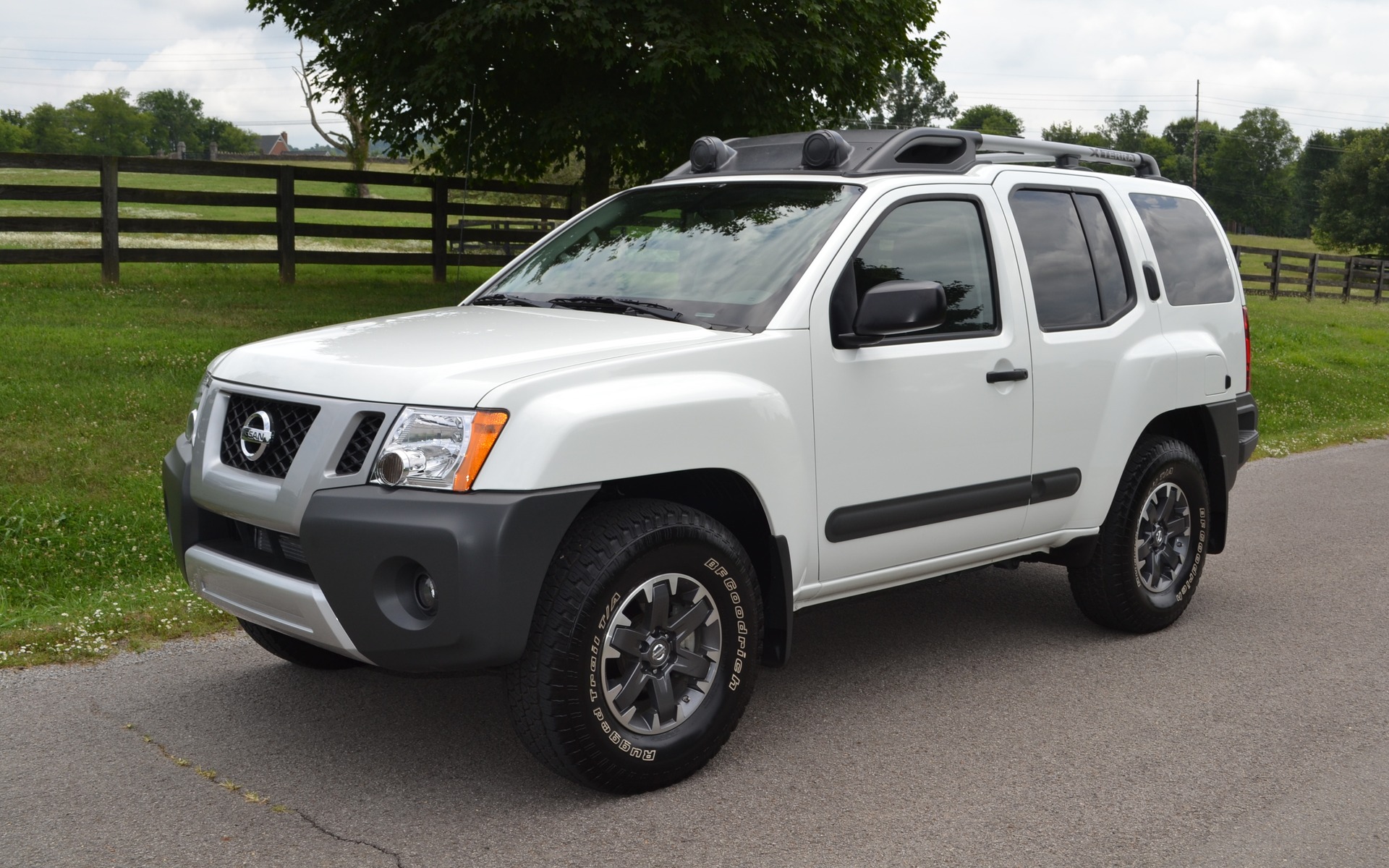
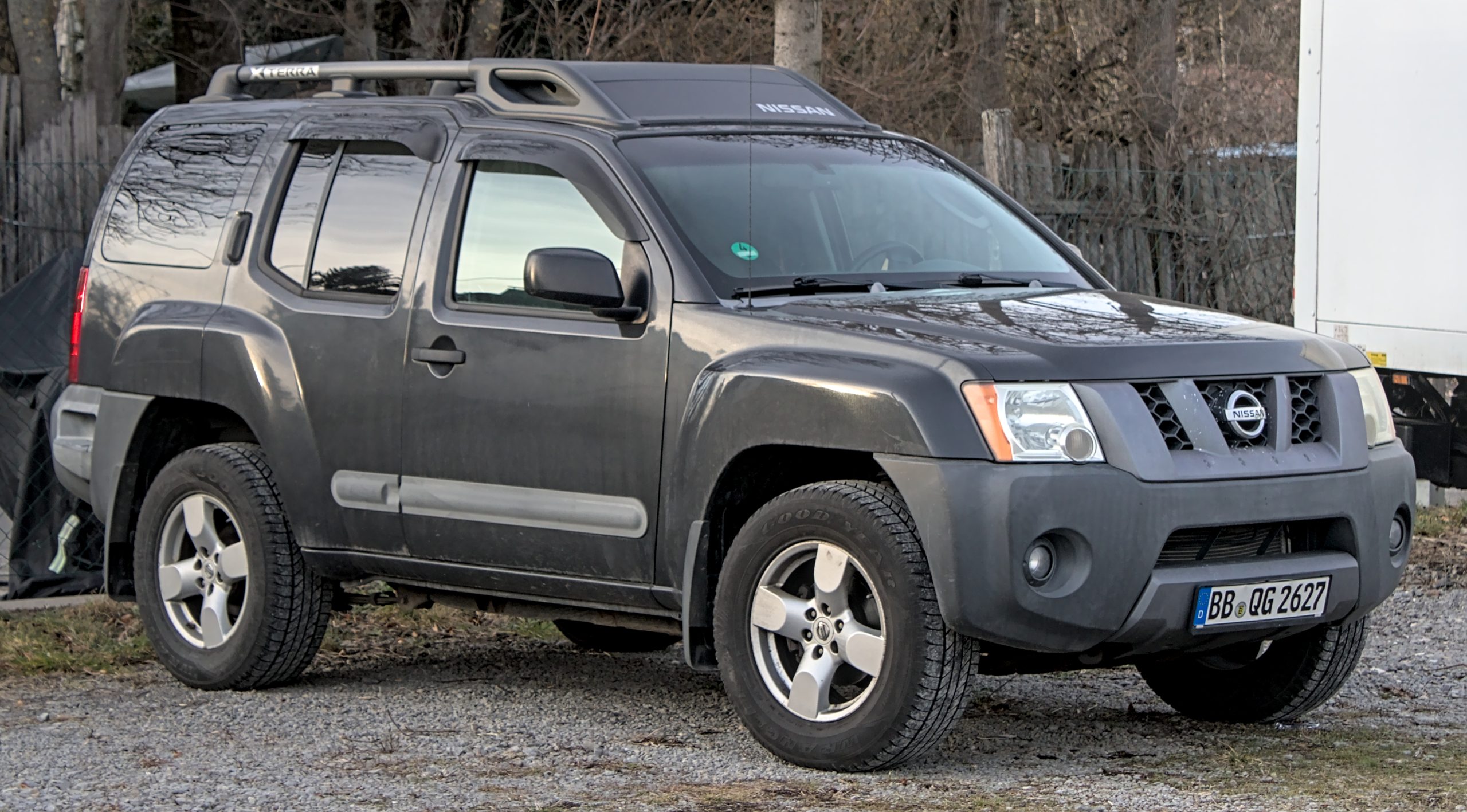
The Nissan Xterra, produced between 1999 and 2015, was one of the few SUVs engineered specifically for off-road use straight from the factory.
Built on a truck-based platform and boasting high ground clearance, strong suspension, and available four-wheel drive with low-range gearing, the Xterra embodied the adventurous spirit of traditional SUVs. However, Nissan’s reputation for quality concerns, including widely reported radiator and transmission issues, casts a shadow over its durability.
By 2015, most of the market had shifted toward crossovers, favoring comfort and car-like handling. Yet, the Xterra continued to appeal to enthusiasts seeking authentic trail performance. Its functional interior, spacious cargo area, and practical storage solutions added to its rugged charm. Still, compared with modern crossovers, it felt crude, with clumsy handling, abundant hard plastics, and poor fuel efficiency.
The Xterra’s niche appeal made it stand out, but also exposed its limitations. The Jeep Wrangler offered even greater off-road prowess but suffered from noisy cabins and rougher on-road behavior.
The Jeep Grand Cherokee and Toyota 4Runner delivered refinement and capability at a higher cost. For shoppers prioritizing everyday comfort and light trail use, crossovers like the Subaru Forester or Jeep Cherokee made more sense. Yet for buyers wanting a balance of serious off-road skill without the Wrangler’s extremity, the Xterra filled a unique space.
Every 2015 Xterra featured a 4.0-liter V6 engine producing 261 horsepower and 281 pound-feet of torque. Rear-wheel drive was standard on base trims, with optional four-wheel drive on higher trims, including the Pro-4X, which came exclusively with 4WD. Transmission choices included a five-speed automatic or a six-speed manual on certain trims, a rarity in modern SUVs.
In testing, the Xterra accelerated from 0–60 mph in 7.7 seconds, respectable for its class. However, fuel economy lagged: rear-wheel-drive models returned 18 mpg combined, while four-wheel-drive variants dropped to 17 mpg combined, regardless of transmission. These numbers placed it well behind car-based competitors.
Standard safety equipment included antilock brakes, stability control, front-seat side airbags, and side curtain airbags. The Pro-4X trim added hill-descent control and hill-start assist for improved off-road safety.
Crash testing by the IIHS awarded the Xterra “Good” ratings in frontal and side-impact tests, with an “Acceptable” roof strength score. However, whiplash protection was rated only “Marginal,” highlighting some weaknesses. Braking performance was also below average, with the Pro-4X stopping from 60 mph in 139 feet, typical for SUVs with all-terrain tires but still unimpressive.
On-road, the Xterra showed its age. Its slow steering, lumbering cornering, and firm ride made it less refined than crossovers. Still, the torquey V6 and optional manual transmission delivered engaging performance, especially for drivers craving an old-school SUV feel.
Off-road, the Xterra excelled. Thanks to its body-on-frame design, long suspension travel, and dual-range transfer case, it handled rocky terrain, mud, and sand with confidence.
The Xterra’s interior reflected its rugged mission. Hard plastics and minimal luxuries emphasized durability over comfort. Seating comfort was basic, with limited adjustability and a tilt-only steering wheel. While roomy enough for four adults, the cabin lacked the polish of crossover rivals.
Where the Xterra shone was in cargo versatility. With 36.3 cubic feet of space behind the rear seats and 65.7 cubic feet with them folded, it was competitive in capacity.
Features like an Easy Clean cargo floor, tie-down cleats, ceiling hooks, and sliding dividers enhanced practicality. The Pro-4X added a fold-flat front passenger seat for long items and a beefy roof rack for outdoor gear, making it a favorite for adventure seekers.
The Nissan Xterra represented one of the last true, affordable off-road SUVs of its time. While its dated design, low fuel economy, and interior shortcomings limited its appeal against refined crossovers, it offered serious trail capability, strong utility, and rugged character at a reasonable price. For drivers seeking adventure without venturing into Jeep Wrangler territory, the Xterra carved a unique, if imperfect, niche in the SUV world.
3. Land Rover Discovery (1989–2004): Rugged Luxury with Limitations
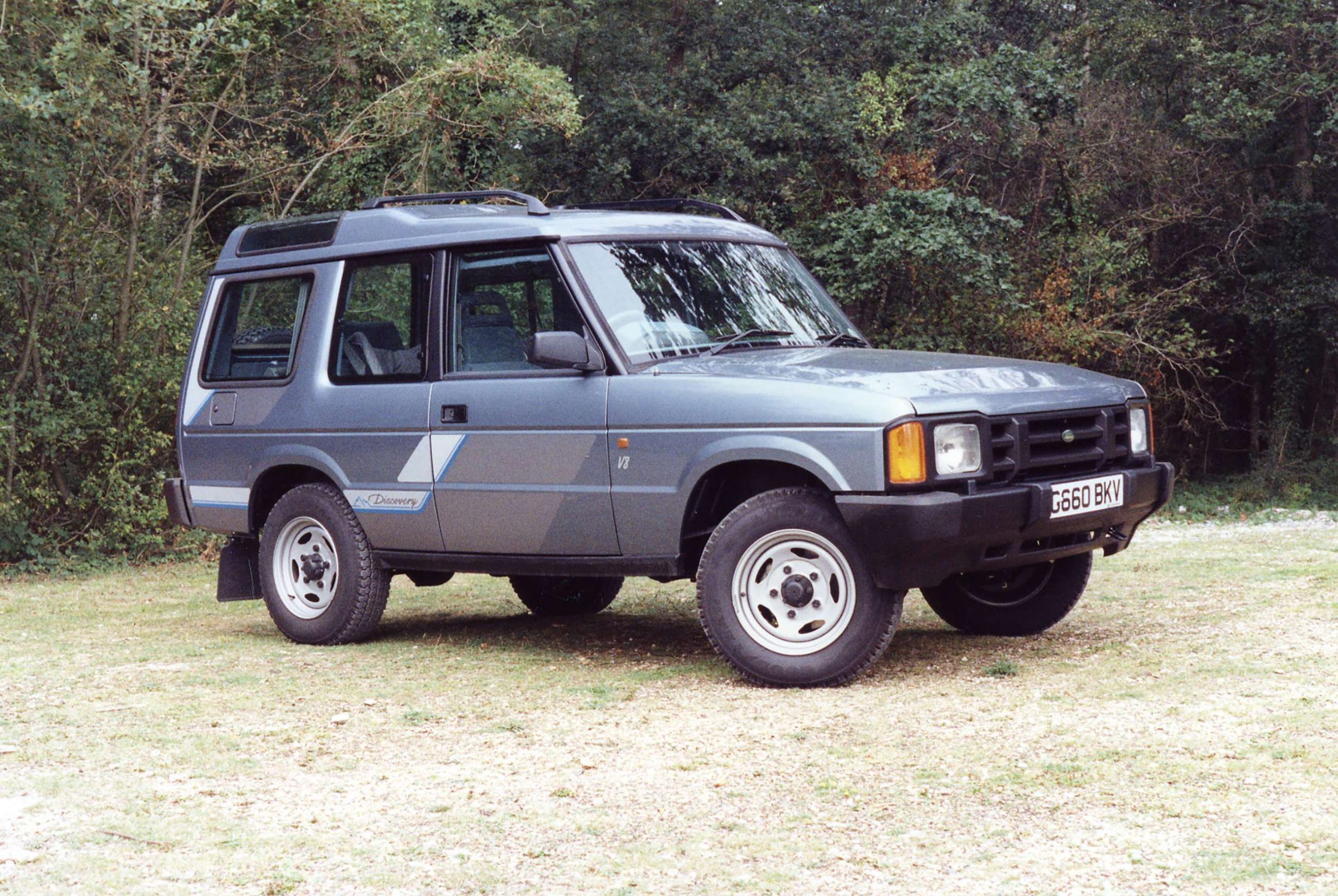
The Land Rover Discovery, produced from 1989 to 2004, was designed as a true utility vehicle for serious off-roaders rather than just a stylish urban SUV. Unlike luxury crossovers from BMW or Audi, the Discovery emphasized durability, with rigid frames, quality suspension, and permanent four-wheel drive.
While modern versions like the 2020 Discovery earned top safety ratings, earlier models, such as the 2003, which received just two stars for rollover protection, highlighted safety inconsistencies.
In 1999, Land Rover introduced the Discovery Series II, which replaced 85 percent of the vehicle’s components. This version was 6.5 inches longer and nearly 4 inches wider, offering better stability and space.
Notable innovations included Active Cornering Enhancement (ACE) to reduce body roll, Hill Descent Control (HDC) for controlled braking on steep slopes, and a self-leveling suspension that could adjust ride height. Other features, such as traction control, Optikool glass, and a forward-facing rear jump seat, enhance both functionality and comfort.
Under the hood, the Series II carried a 4.0-liter V8 engine producing 188 horsepower, with improved torque delivery over its predecessor. However, fuel economy remained poor at 13 mpg city and 16 mpg highway. Land Rover did address issues with noise, vibration, and harshness, making the ride smoother on-road while maintaining trail toughness.
Inside, the Discovery offered a commanding seating position and available seven-passenger capacity with foldable jump seats. Dual-zone climate control, lumbar support, ample storage, and optional Duragrain interiors improved comfort. Although still rugged, the cabin reflected Land Rover’s effort to balance practicality with refinement.
The Discovery’s legendary off-road abilities distinguished it from rivals. With advanced suspension, traction aids, and durable engineering, it thrived on rugged terrain while offering more on-road civility than earlier versions. For buyers seeking either prestige or proven trail performance, the Discovery remained an appealing if fuel-thirsty choice.
4. 2021 Ford Bronco 4-Door: A Modern Revival of an Off-Road Icon
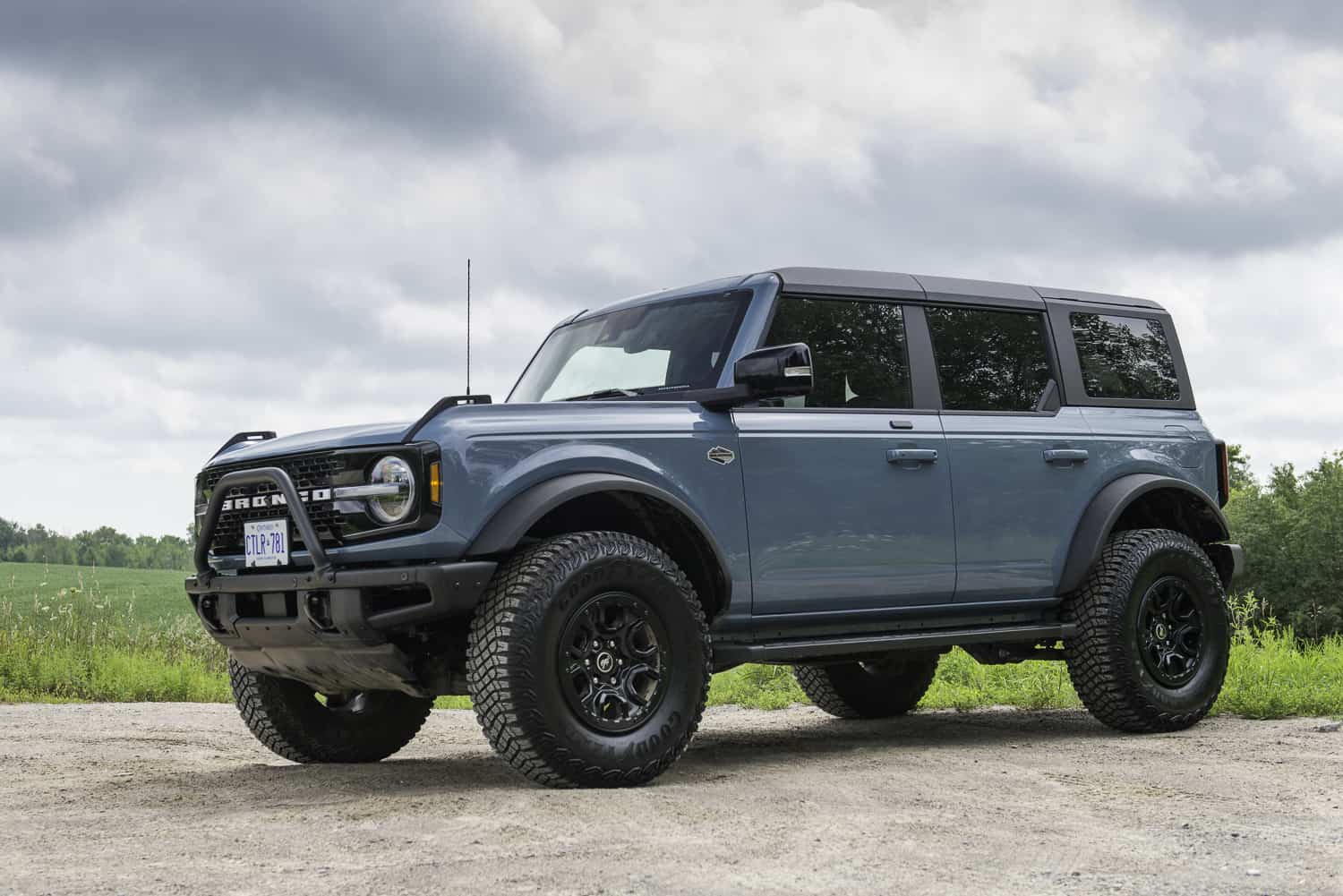
After more than two decades, the Ford Bronco returned in 2021 as a bold rival to the Jeep Wrangler, Toyota 4Runner, and Land Rover Defender. Unlike the Bronco Sport, this model is a true body-on-frame SUV with removable roof and doors, rubberized floors, and a rugged design.
Available in two- and four-door variants, it offers strong off-road capability, modern technology, and broad customization options. However, being new to the market means limited safety data and fewer available replacement parts.
The Bronco is powered by either a turbocharged four-cylinder or an optional turbocharged V6, paired with a smooth 10-speed automatic transmission. The V6 delivers stronger acceleration, with 0–60 mph in 7.3 seconds.
Steering is a highlight: the independent front suspension provides stability and confidence at highway speeds, superior to many off-road rivals. Braking, however, is a weak spot. In testing, emergency stops required 146 feet from 60 mph, longer than typical midsize SUVs, though partly due to off-road tires.
The Bronco strikes a balance between ruggedness and livability. Its seats offer good support and adjustments for long drives, while available dual-zone climate control and heated seats enhance comfort.
Ride quality remains firm due to the truck-based platform, but it is more forgiving than the Jeep Wrangler’s. Downsides include significant wind noise from the removable roof and occasional rattles during off-road use.
Inside, the Bronco emphasizes practicality. Large, chunky controls are glove-friendly, grab handles aid entry, and seating positions provide good visibility. Rear-seat space is generous, even in the two-door, though access is tighter. Ample headroom contributes to the cabin’s airy feel. The materials aren’t luxurious, but they reflect durability for outdoor use.
Ford equipped the Bronco with modern infotainment and connectivity, including a clear center display with Android Auto and Apple CarPlay (wired or wireless). Available driver aids include adaptive cruise control and lane-keeping assist, though tuning is inconsistent. The Bronco shines with its off-road drive modes and driver aids, offering support for novices while allowing experts full manual control.
Practicality is one of the Bronco’s strengths. The four-door model has more cargo room than the Wrangler, though slightly less than the 4Runner. Interior storage is adequate, with cupholders and Molle-style seatback attachments, though door netting is shallow.
Cargo flexibility is enhanced by a rear swing gate and folding rear glass on hardtop models. With the optional tow package, the Bronco can tow up to 3,500 pounds, and all versions can be flat-towed.
Fuel economy is modest. Four-cylinder models achieve 17–20 mpg combined, while six-cylinder versions average 17–19 mpg combined. These figures trail Jeep Wrangler equivalents, with only the V8 Wrangler performing worse. Still, the Bronco met EPA estimates during mixed driving.
The Bronco delivers strong off-road capability across trim levels, ensuring broad access for buyers. Pricing can escalate quickly, special editions exceed $60,000, but higher trims bundle most equipment. Interior materials may feel cheap in places, but they emphasize resilience. Ford backs the Bronco with a three-year/36,000-mile basic warranty and a five-year/60,000-mile powertrain warranty, plus roadside assistance.
The 2021 Ford Bronco successfully revives a classic, blending heritage styling, serious off-road hardware, and modern amenities. While fuel economy and braking are weaknesses, its versatility, comfort, and customization make it a formidable competitor in the off-road SUV market.
5. 2005–Current Toyota FJ Cruiser: Retro Style Meets Rugged Capability
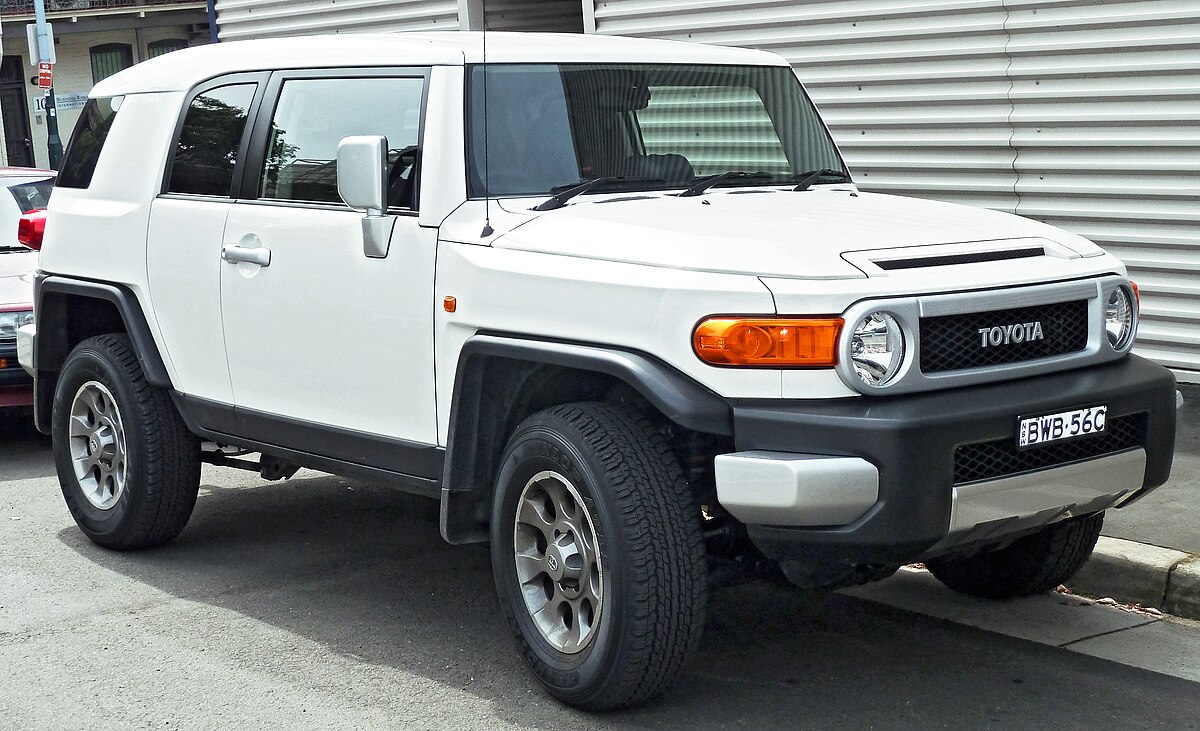
The Toyota FJ Cruiser made a bold entrance by reviving the spirit of the classic FJ40 Land Cruiser with its retro-inspired styling. In a lineup typically defined by conservative design choices, the FJ Cruiser immediately stood out with its playful yet rugged character.
Beyond its whimsical looks, it brought genuine off-road capability, a rare trait among midsize SUVs. Despite strong fan enthusiasm, Toyota discontinued the model in 2014, leaving behind a lasting impression and a devoted following among adventure seekers.
The FJ Cruiser’s design choices make it instantly recognizable but also somewhat unconventional. Its layout pairs two conventional front doors with smaller rear-hinged half doors, giving it the feel of a tall coupe rather than a standard five-passenger SUV.
While visually distinctive, this arrangement complicates access to the rear seats, particularly for families with small children. Visibility is another challenge, with bunker-like windows and thick roof pillars creating substantial blind spots both on the road and off. Inside, Toyota prioritized durability over luxury.
The interior is functional, featuring oversized controls that are easy to operate even with gloves, water-resistant upholstery, and rubber flooring designed for heavy use. The rear seating area is somewhat cramped, though it offers adequate legroom, and folding the seats expands cargo space to a competitive 67 cubic feet.
Powering the FJ Cruiser is a 4.0-liter V6 engine producing 260 horsepower and 271 pound-feet of torque. Buyers could choose from a rear-wheel-drive version with a five-speed automatic, a part-time four-wheel-drive system paired with the same automatic, or a full-time four-wheel-drive setup linked to a six-speed manual and rear locking differential.
While fuel economy was not its strength, the FJ delivered figures typical for an off-road SUV of its size, ranging from 16 to 18 miles per gallon combined depending on configuration.
Although designed with off-road adventures in mind, the FJ Cruiser performs surprisingly well on pavement. The V6 engine provides ample power and smooth acceleration, while the suspension delivers a ride that is more compliant than expected for such a rugged vehicle.
Its steering feels precise and stable, which enhances comfort during daily driving and highway cruising. However, the squared-off body creates noticeable wind noise at speed, and the engine grows coarse when pushed to higher rpm. Even so, compared to rivals like the Jeep Wrangler, the FJ Cruiser is significantly more refined for everyday use.
Where the FJ truly shines is off the beaten path. Its high ground clearance, sturdy suspension, and excellent approach and departure angles make it capable of tackling trails straight from the factory. When equipped with features such as low-range gearing, a locking rear differential, and Toyota’s advanced A-TRAC traction system, the FJ becomes a formidable trail machine.
Special editions like the Trail Teams Ultimate Edition further enhanced its capabilities with TRD-developed suspension components and Bilstein shocks, confirming its role as a serious off-road contender.
The FJ Cruiser also impressed with its safety credentials. It earned the Insurance Institute for Highway Safety’s “Top Safety Pick,” supported by standard features such as antilock brakes, stability and traction control, side curtain airbags, and active front head restraints.
In crash testing, it received top ratings in frontal and side-impact categories, while its roof strength was deemed acceptable. Combined with Toyota’s reputation for reliability, the FJ became a trusted companion for both daily driving and outdoor exploration.
When compared to its closest rivals, the FJ Cruiser struck a unique balance. The Jeep Wrangler offered unmatched off-road toughness and a wealth of customization options, but was less comfortable for commuting. The Nissan Xterra provided a more accommodating backseat but lacked the Toyota’s refinement and off-road prowess.
The FJ bridged these extremes, combining distinctive design, solid reliability, and legitimate trail capability. Although production ended, it continues to command loyalty among enthusiasts and remains a symbol of rugged individuality within Toyota’s history.
Also Read: 10 Cars That Are Cheap to Buy and Expensive to Ruin
6. 1987–2001 Jeep Cherokee: A Trail-Tested Classic
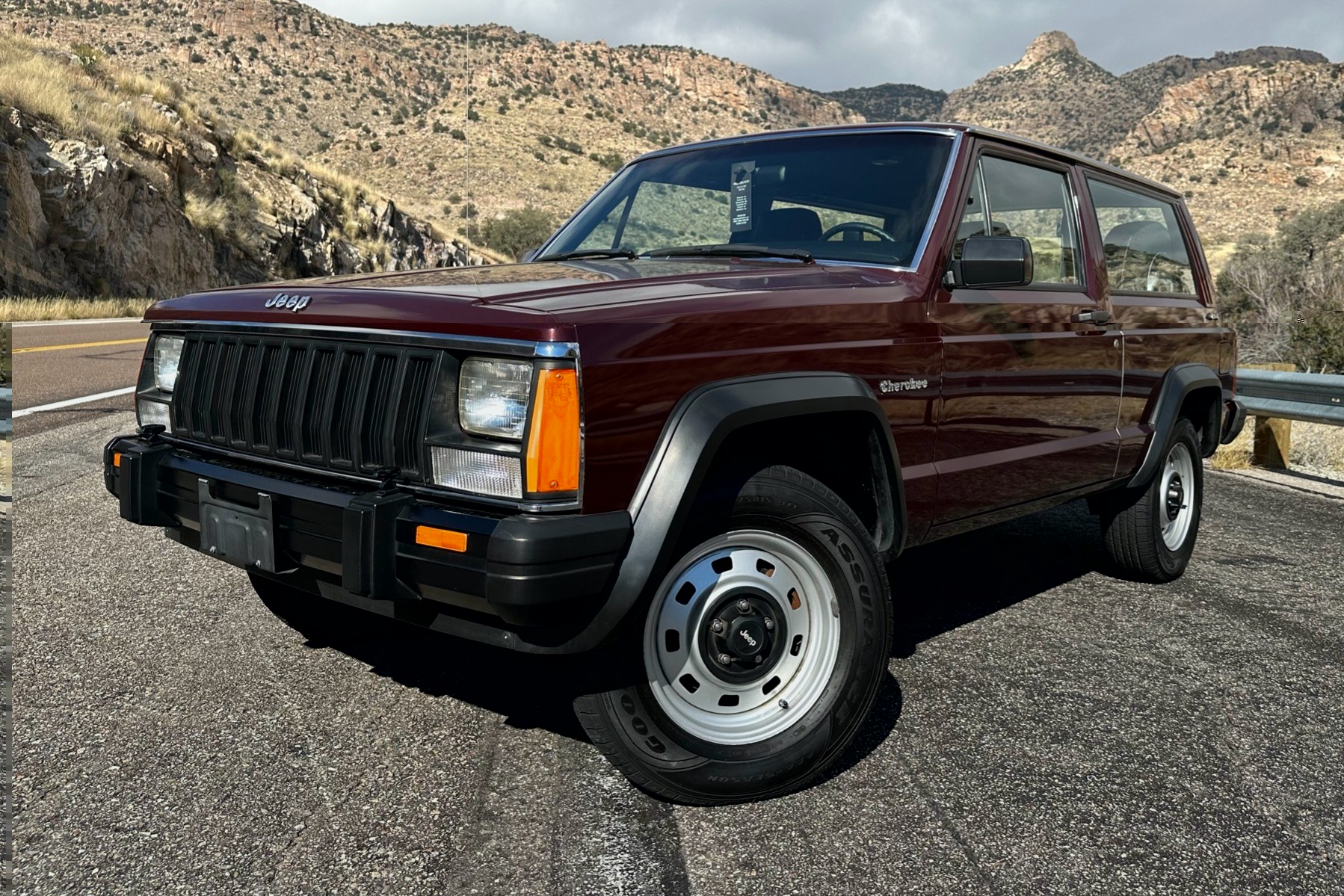
The Jeep Cherokee embodied the brand’s long-standing philosophy that Jeeps are built for utility, not luxury. Unlike the more refined Grand Cherokee, the Cherokee stayed true to its rugged, functional identity, offering a less expensive yet highly capable four-wheel-drive option for trail enthusiasts.
Though Chrysler’s historical quality sometimes lagged behind competitors, the Cherokee compensated with its proven durability and off-road pedigree.
First introduced in 1984, the Cherokee remained largely unchanged in appearance for nearly two decades. Its boxy, no-nonsense styling emphasized practicality over aesthetics, making it instantly recognizable.
A redesign originally planned for 2001 was delayed due to supplier issues, pushing the release to 2002. The upcoming model would mark a dramatic shift, adopting rounded lines similar to the Grand Cherokee, effectively ending the square-bodied era that defined the Cherokee’s identity.
By 2001, the Cherokee received a significant upgrade as the underpowered 2.5-liter inline-four was discontinued. All trims now came standard with the robust 4.0-liter PowerTech inline-six, producing 190 horsepower and 225 pound-feet of torque while meeting low-emission vehicle standards.
Buyers could pair this engine with a five-speed manual or an optional three-speed automatic transmission. This combination gave the Cherokee both strong highway performance and excellent off-road capability.
The Cherokee was one of the few SUVs of its era that balanced everyday drivability with rugged off-road performance. Its coil-front and rear-leaf suspension offered a relatively smooth ride, while transfer case options such as Command-Trac (part-time) and Select-Trac (full-time) allowed drivers to tackle demanding terrain. For urban buyers, a two-wheel-drive version remained available.
In 2001, the lineup included the Sport, available in two- or four-door configurations, and the more upscale Limited, which was only offered as a four-door. Standard features ranged from dual airbags and folding rear seats to AM/FM cassette systems and rear defrosters.
The Limited added refinements like power mirrors, roof racks, carpeted cargo areas, and larger wheels. Child seat tethers also became standard across all trims, reflecting evolving safety priorities.
By the early 2000s, the Cherokee faced stiff competition from newer entrants like the Toyota RAV4, Honda CR-V, Nissan Xterra, and Ford Escape.
Though its off-road reputation remained intact, the Cherokee was showing its age and was overdue for modernization. The anticipated 2002 redesign promised to refresh the iconic model, but the 1987–2001 generation remains a symbol of rugged utility and trail-tested reliability.
7. 2007–2018 Jeep Wrangler JK: Rugged Icon with Modern Adaptations
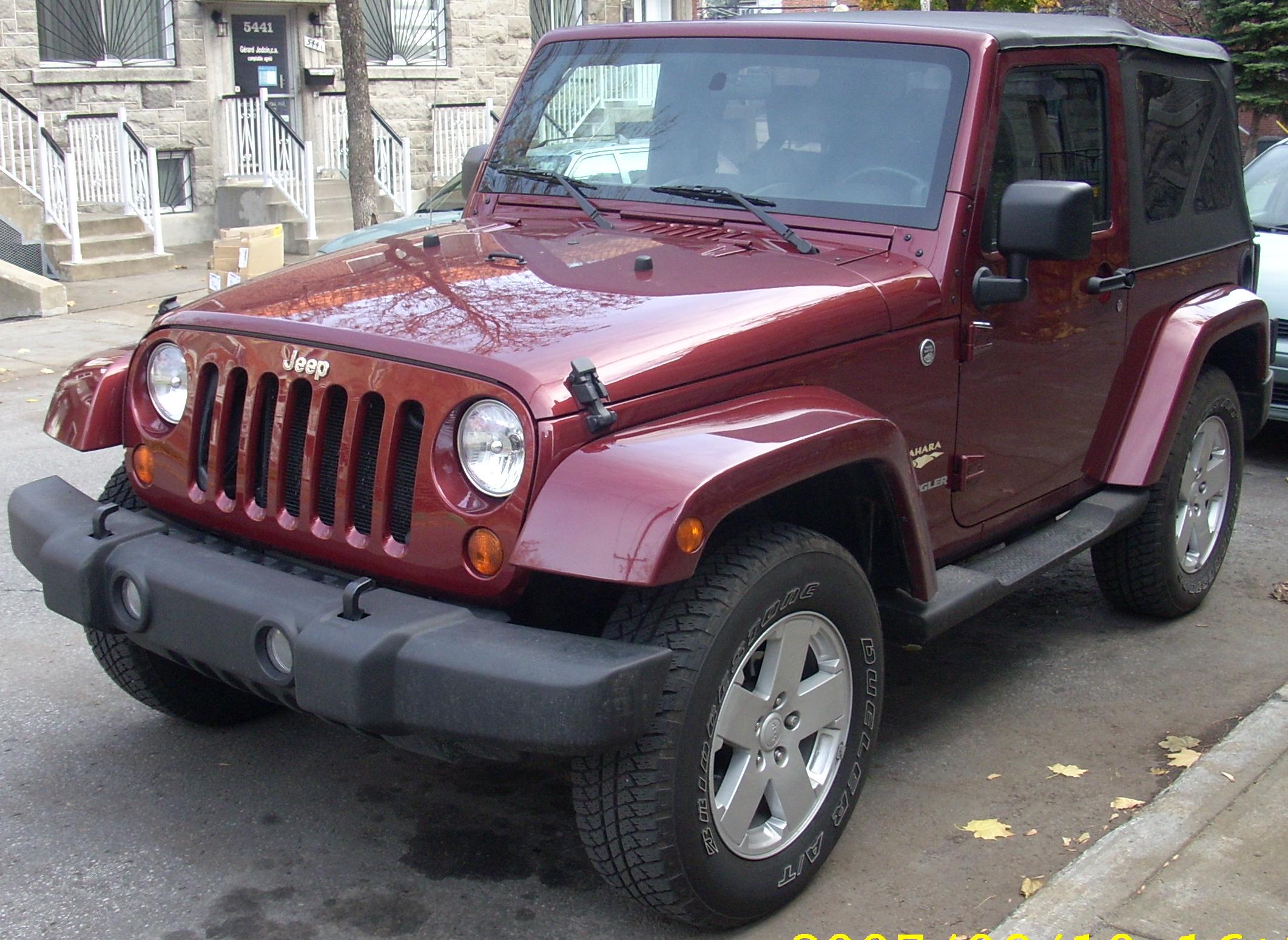
The Jeep Wrangler JK, produced from 2007 to 2018, is celebrated in off-road and prepper communities for its ruggedness, repairability, and universal parts availability. Unlike more refined SUVs, the Wrangler JK was designed to be abused by the road and thrive in extreme conditions.
This generation was the most modern to date, introducing a four-door Unlimited model that made the Wrangler more practical for families and long trips, while still appealing to purists who valued authenticity over comfort.
Equipped with a 3.6-liter V6 engine, the Wrangler JK offered enough power for daily driving, with 0–60 mph acceleration times of 6.9 seconds for the two-door and 8.1 seconds for the four-door model. Braking performance varied with tire choice, while steering required constant attention, especially in the shorter two-door.
Handling on pavement was limited due to body roll and low grip, but off-road, the Wrangler JK was virtually unbeatable. Whether in Rubicon form with locking differentials and rock rails or as the family-friendly Unlimited, the Wrangler delivered unmatched off-road performance, cementing its reputation as one of the most capable stock SUVs in the world.
Comfort was not a Wrangler priority. The cabin was compact, noisy, and upright, with limited rear-seat comfort in two-door models. Ride quality was busy and bouncy on pavement due to the solid-axle suspension, though large tires absorbed impacts well.
Climate control proved effective, and heated seats were quick to warm, but wind and road noise, particularly with the soft top, made long highway drives less pleasant. Despite these shortcomings, the JK offered more refinement than earlier Wranglers, bridging old-school toughness with modest improvements in livability.
Inside, the Wrangler JK featured simple, durable controls designed for usability in rugged conditions. Visibility was excellent thanks to large windows and a high seating position, though ingress and egress were hampered by the tall step-in height and removable doors.
Cabin space was tight but functional, with lockable storage options and foldable or removable rear seats to expand cargo space. Still, compared to rival SUVs, the Wrangler fell short in cargo capacity and towing ability, maxing out at 3,500 pounds.
The Wrangler JK lagged behind modern SUVs in technology. Advanced driver aids such as blind-spot monitoring or rearview cameras were absent. The infotainment system felt dated, with inconsistent USB connections and limited smartphone integration.
A premium Alpine audio system was available and delivered strong sound, but the navigation interface appeared outdated. Voice control functions worked for phone and radio, but were basic compared to competitors.
The Wrangler JK represented a pivotal generation in Jeep’s history, introducing greater family practicality without losing the rugged authenticity that made the Wrangler iconic.
While its comfort, safety, and technology lagged behind rivals, its off-road supremacy, distinctive design, and utilitarian spirit secured its cult status. For enthusiasts seeking raw capability and adventure, the Wrangler JK remains an enduring favorite.
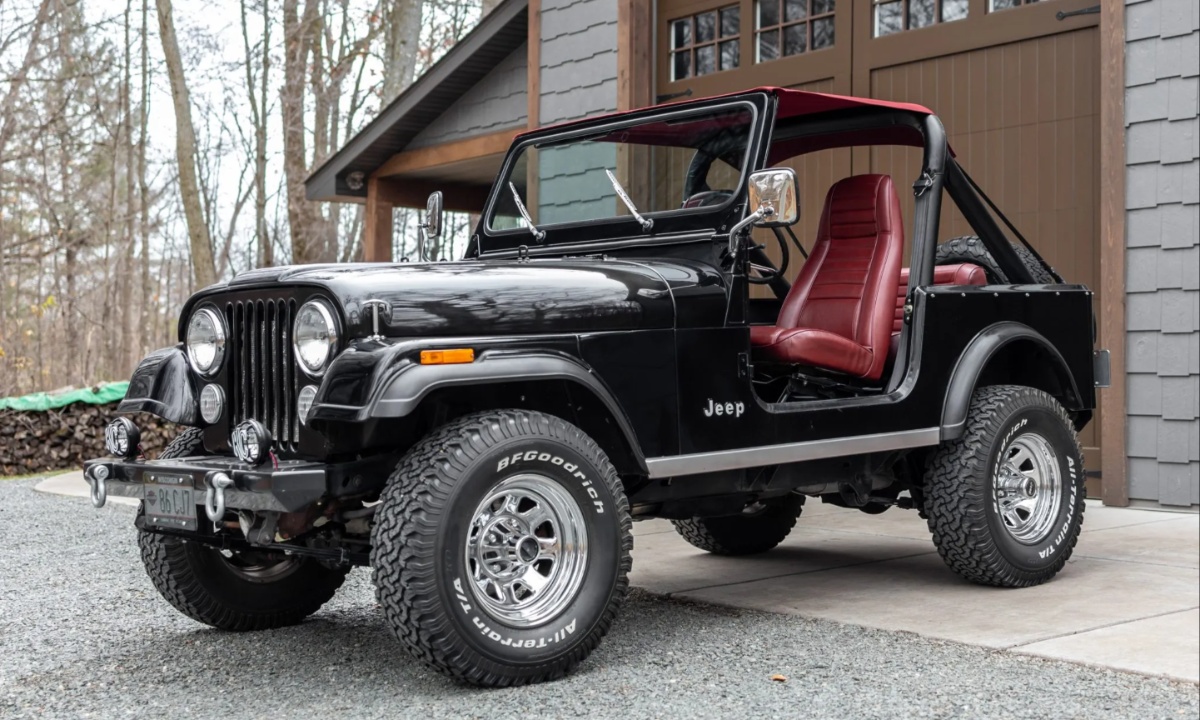
8. Jeep CJ Legacy (1955–1986): From Military Roots to Civilian Icon
In 1955, Jeep unveiled the CJ-5 and its longer-wheelbase sibling, the CJ-6, marking one of the most significant upgrades in the CJ’s four-decade history. Departing from the flat-fender design, these models introduced rounded fenders, a heavier steel tub, and optional rear seating, giving them a more substantial and versatile profile.
Over nearly 30 years, the CJ-5 and CJ-6 underwent numerous mechanical updates, including the introduction of the 3.7-liter Dauntless V6 in 1965. After AMC acquired Jeep in 1972, the lineup transitioned to AMC engines, notably the 4.2-liter inline-six and the 5.0-liter V8, both requiring extended hoods for clearance.
By 1976, a major body redesign altered compatibility with earlier accessories, and in 1980, Jeep introduced the “Hurricane” variant of GM’s Iron Duke four-cylinder engine as the new base motor. Despite these changes, the CJ-5 and CJ-6 retained their rugged identity until the CJ-5’s discontinuation in 1983 and the CJ-6’s earlier exit in 1981.
The late 1970s brought fresh entries into the CJ family. The CJ-7 debuted in 1977 with meaningful design and mechanical improvements, including a wider rear frame section for greater stability, Jeep’s first optional automatic transmission, and the availability of the Quadra-Trac full-time four-wheel-drive system. It also introduced a hardtop with steel doors, a notable step toward modern utility.
The CJ-7 coexisted with the CJ-5 and CJ-6 for several years but eventually replaced the CJ-5 by 1983. Meanwhile, the CJ-8 Scrambler, launched in 1981 with an extended wheelbase and expanded cargo space, effectively replaced the underperforming CJ-6. Together, the CJ-7 and CJ-8 carried Jeep into the 1980s with a more versatile and practical approach to off-roading.
The Jeep CJ is often considered the “Jeep of all Jeeps,” symbolizing freedom, durability, and a direct link to the brand’s celebrated military past. With a production run spanning over 40 years and more than 1.5 million units built, the CJ became an enduring fixture of American culture. Though Jeep’s ownership changed multiple times, the CJ line maintained its rugged spirit and established the template for future Wranglers.
Today, the CJ remains highly collectible and accessible. Whether found as unrestored survivors, carefully restored classics, or modified off-roaders, these Jeeps continue to embody adventure and resilience, ensuring their place as one of the most iconic 4×4 vehicles in history.
9. Jeep Wrangler YJ (1987–1995): The First Modern Wrangler
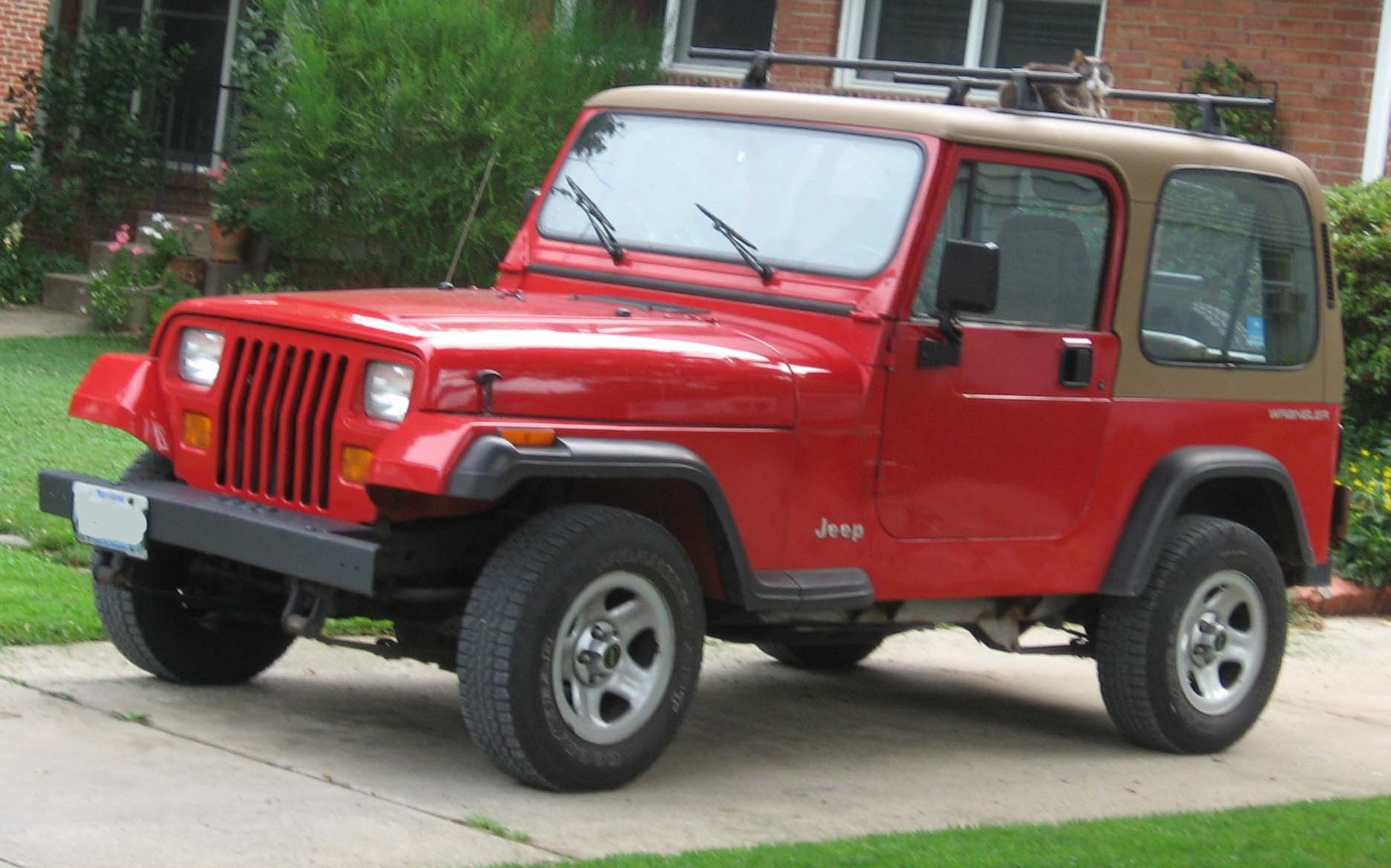
Introduced in 1986 for the 1987 model year, the Jeep Wrangler YJ marked a turning point in Jeep’s civilian lineup. It was the first major redesign after four decades of CJ tradition, bringing a longer wheelbase, a more stable ride, and improved suspension.
Its most controversial feature was the adoption of square headlights, which polarized loyal Jeep enthusiasts who felt tradition had been broken. Despite this, the YJ offered significant updates, including a new hood, fenders, grille, and a sportier dashboard. From the cowl back, however, it remained strikingly similar to the CJ.
AMC focused on comfort and handling, fitting wider leaf springs, sway bars, and track bars, alongside a lower ride height to improve road manners. While not as plush as mainstream SUVs, the Wrangler YJ was still unmistakably Jeep rugged, utilitarian, and trail-ready.
The early YJs came with either a 2.5L inline-four or a 4.2L inline-six. In 1991, the fuel-injected 4.0L inline-six debuted, delivering 70 more horsepower than the outgoing 4.2L and transforming performance. With its balance of power and reliability, this engine remains the most desirable for buyers and builders today.
Stock YJs were well-suited for mild off-road trails, but hardcore enthusiasts often upgraded axles, suspensions, and drivetrains to tackle more extreme conditions. The standard Dana 30 front and Dana 35c rear axles were modest but serviceable, and aftermarket solutions offered stronger replacements.
Transmission options included the AX-5 for the four-cylinder, the AX-15 for the six-cylinder, and Chrysler’s TorqueFlite automatics, though the Peugeot BA-10 five-speed proved unreliable. Transfer case options ranged from the NP207 to the rugged NP231, which became the preferred choice for modifications.
Though initially divisive, the Wrangler YJ carved a niche as an affordable and versatile Jeep. Many enthusiasts see it as a budget-friendly entry point into Jeep ownership, often priced lower than later TJ or JK models.
Prices for decent-condition examples average above $3,000, but bargains can still be found, particularly for well-worn project vehicles. Its appeal lies not only in affordability but also in its adaptability. YJs can be found in regions like the South with massive Rockwell axle swaps or in Colorado as modest winter trail rigs.
For those seeking to build a capable Wrangler, the 1991–1995 models with the 4.0L engine offer the best starting point thanks to parts availability and reliability. Builders often reinforce axles, upgrade suspension systems, or install aftermarket transfer case kits to enhance durability. Despite its modest factory components, the YJ provides a strong foundation for both off-road crawlers and everyday drivers.
Inside, the YJ was Spartan, with a dash design that frustrated many owners because gauges were difficult to repair or replace. Storage was minimal, and seating was upright and basic, emphasizing function over comfort. While not designed for luxury, the Wrangler YJ carried forward Jeep’s tradition of no-frills utility.
The Jeep Wrangler YJ remains an important link between the CJ heritage and modern Wranglers. It introduced key engineering improvements while staying true to Jeep’s rugged ethos.
Despite its flaws, such as mediocre safety ratings and controversial styling, it endures as a beloved platform for off-roaders and builders alike, representing the Wrangler’s transition into the modern era.
Survival in a post-apocalyptic world isn’t about style or speed; it’s about reliability, toughness, and the ability to adapt when the odds stack against you. The nine vehicles on this list weren’t chosen for comfort; they were built for survival, crafted to endure punishing terrain, scarce resources, and relentless challenges.
From Toyota’s unshakable Land Cruisers to Jeep’s heritage-rich Wranglers, and from Nissan’s rugged Xterra to Land Rover’s capable Discovery, each one offers a unique blend of durability and determination. These aren’t just machines; they’re guardians of movement, freedom, and survival when the world grows hostile.
While most of us may never navigate an apocalypse, knowing which vehicles could carry us through the worst underscores their legendary status. If tomorrow collapses into chaos, you’ll want the keys to one of these nine icons’ vehicles built not just to drive, but to endure.
Also Read: 5 Honda Civic Years That Last Forever vs 5 That Don’t